

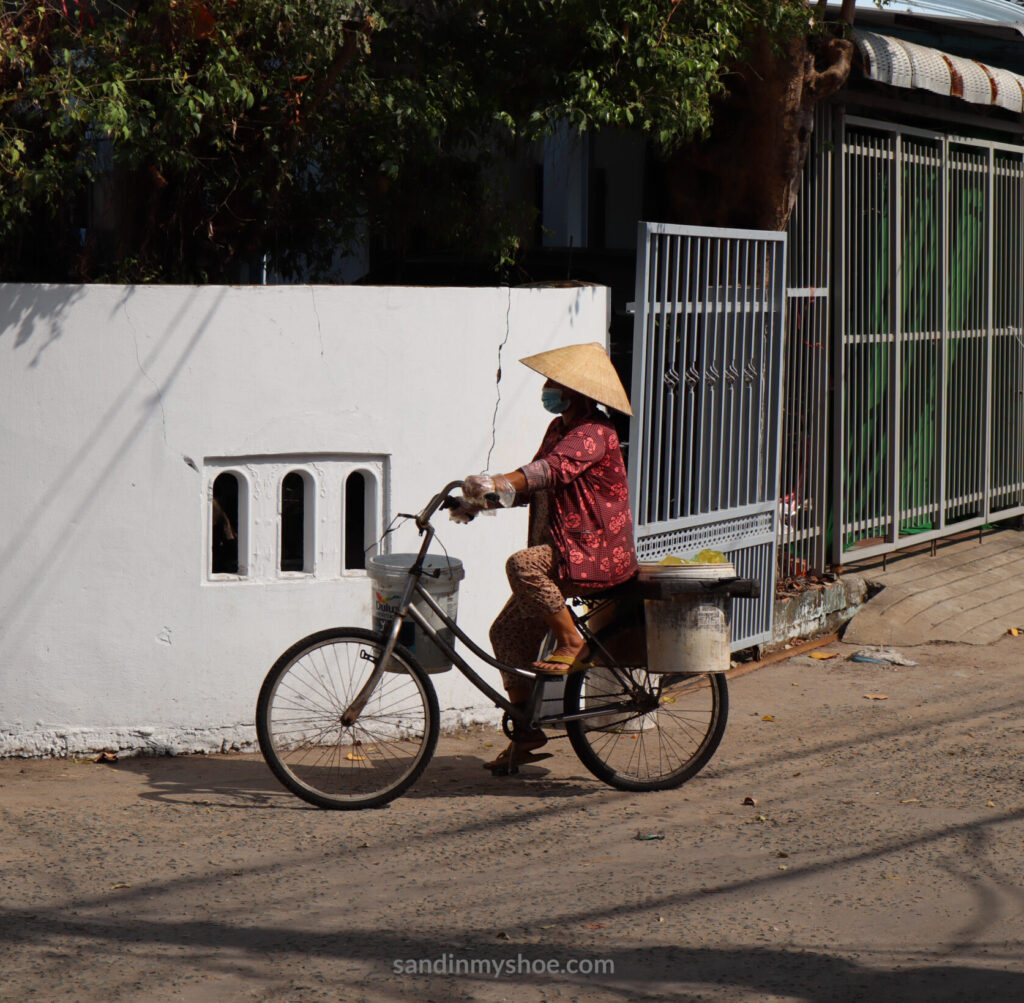
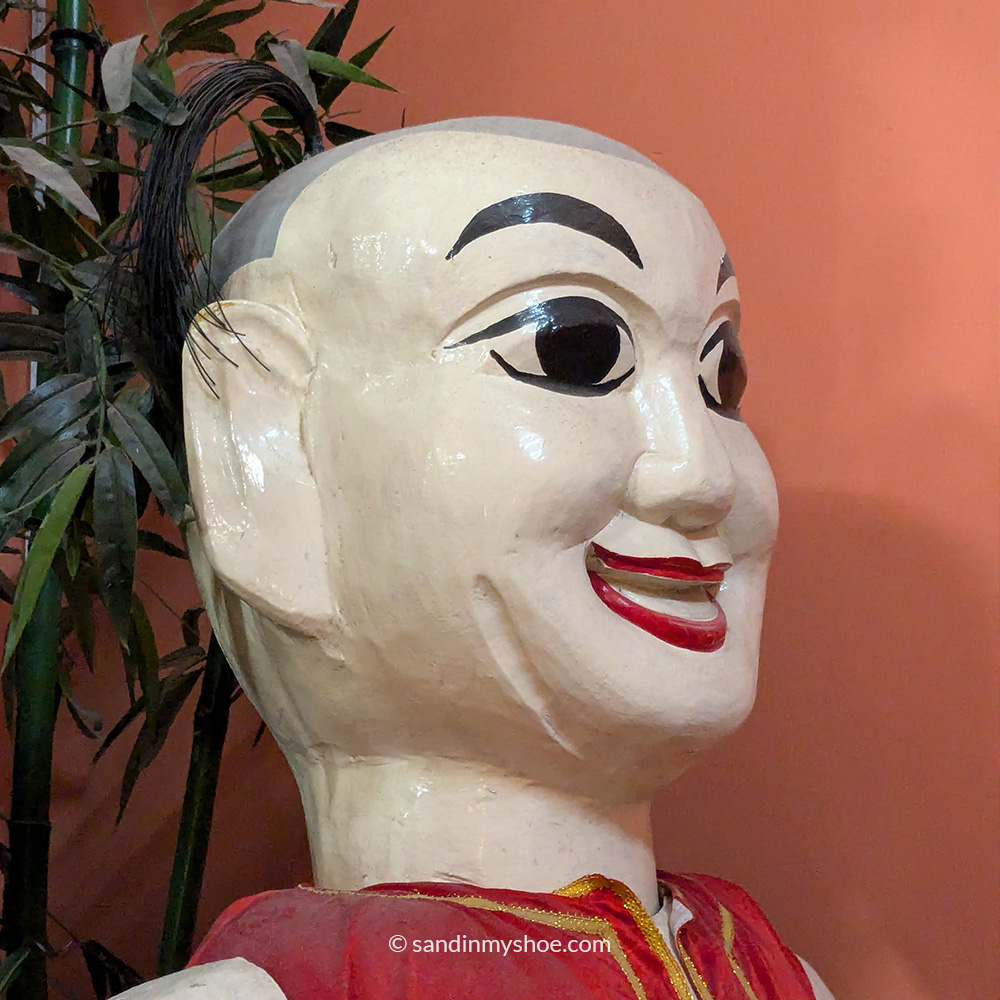
This post covers a 1-week itinerary of South Vietnam, as well as a 1-week itinerary of North Vietnam to help you plan your trip.
Personally, I’d mix up the week with a blend of a big city, relaxing beach vibes, and at least one cultural experience. Keep in mind that the climate varies significantly between the north and the south. It might be monsoon season in the south while the north is dry, so choose wisely before booking everything.
When to Visit Vietnam
Vietnam has distinct climate zones, so the best time to visit depends on where you go. North Vietnam is ideal from March–April and September–November, when temperatures are comfortable and rainfall is lower. South Vietnam is best from December–April, with dry, sunny weather.
I traveled from North to South Vietnam in December, and the weather shifted noticeably along the way. Hanoi was chilly and damp, Da Nang was quite rainy, but the south was overal warm and sunny.
South Vietnam
jan
 32°C
21°C
32°C
21°C
32°C
21°C
feb
33°C
22°C
33°C
22°C
mar
33°C
23°C
33°C
23°C
apr
 35°C
24°C
35°C
24°C
35°C
24°C
may
 34°C
25°C
34°C
25°C
34°C
25°C
jun
 32°C
24°C
32°C
24°C
32°C
24°C
jul
32°C
24°C
32°C
24°C
aug
32°C
24°C
32°C
24°C
sep
 31°C
24°C
31°C
24°C
31°C
24°C
oct
31°C
23°C
31°C
23°C
nov
31°C
22°C
31°C
22°C
dec
31°C
21°C
31°C
21°C
Central Vietnam
jan
25°C
18°C
25°C
18°C
feb
26°C
19°C
26°C
19°C
mar
28°C
21°C
28°C
21°C
apr
30°C
23°C
30°C
23°C
may
32°C
25°C
32°C
25°C
jun
32°C
26°C
32°C
26°C
jul
34°C
26°C
34°C
26°C
aug
33°C
25°C
33°C
25°C
sep
31°C
24°C
31°C
24°C
oct
29°C
23°C
29°C
23°C
nov
28°C
21°C
28°C
21°C
dec
25°C
19°C
25°C
19°C
North Vietnam
jan
20°C
10°C
20°C
10°C
feb
21°C
13°C
21°C
13°C
mar
24°C
16°C
24°C
16°C
apr
28°C
20°C
28°C
20°C
may
32°C
22°C
32°C
22°C
jun
34°C
25°C
34°C
25°C
jul
35°C
26°C
35°C
26°C
aug
33°C
26°C
33°C
26°C
sep
32°C
24°C
32°C
24°C
oct
29°C
21°C
29°C
21°C
nov
26°C
18°C
26°C
18°C
dec
22°C
14°C
22°C
14°C
1-Week South Vietnam Itinerary
Alright, enough about the weather — let’s dive into the 1‑week South Vietnam itinerary. I’ll walk you through the best destinations to visit, and I’ll include a couple of worthwhile stops in Central Vietnam as well.
You’ll most likely fly into Ho Chi Minh City, so I recommend checking it out and spending a couple of days here. Use this time for two classic day trips as well: one to the Cu Chi Tunnels and another to the Mekong Delta.
After that, head to the coast — either Phu Quoc, Nha Trang, or Da Nang with nearby Hoi An (A UNESCO World Heritage Site). If it’s your first time in Vietnam, Da Nang is a great choice: Hoi An is only about 30 km away, and it’s one of the most charming little port towns in the country.
On Day 7, return to Ho Chi Minh City for a final round of sightseeing before your departure.
1-Week South Vietnam Overview
Day 1: Arrive in Ho Chi Minh City & Do Some Sightseeing
Day 2: Cu Chi Tunnels day trip
Day 3: Mekong Delta day trip
Day 4: Fly to the coast (Phu Quoc, Nha Trang, or Da Nang)
Day 5: Beach day + local exploring
Day 6: More coast or visit Hoi An (if based in Da Nang)
Day 7: Return to Ho Chi Minh City for sightseeing
Day 8: Departure
Day 1: Ho Chi Minh City (Saigon)
Ho Chi Minh City has many districts, but most major sights are concentrated in District 1, which makes it the easiest and most convenient area to stay. District 3 is another great option — quieter, still central, and only a short walk or ride from the main attractions. Book two nights here so you can settle in and use the city as a base for day trips without needing to switch hotels.
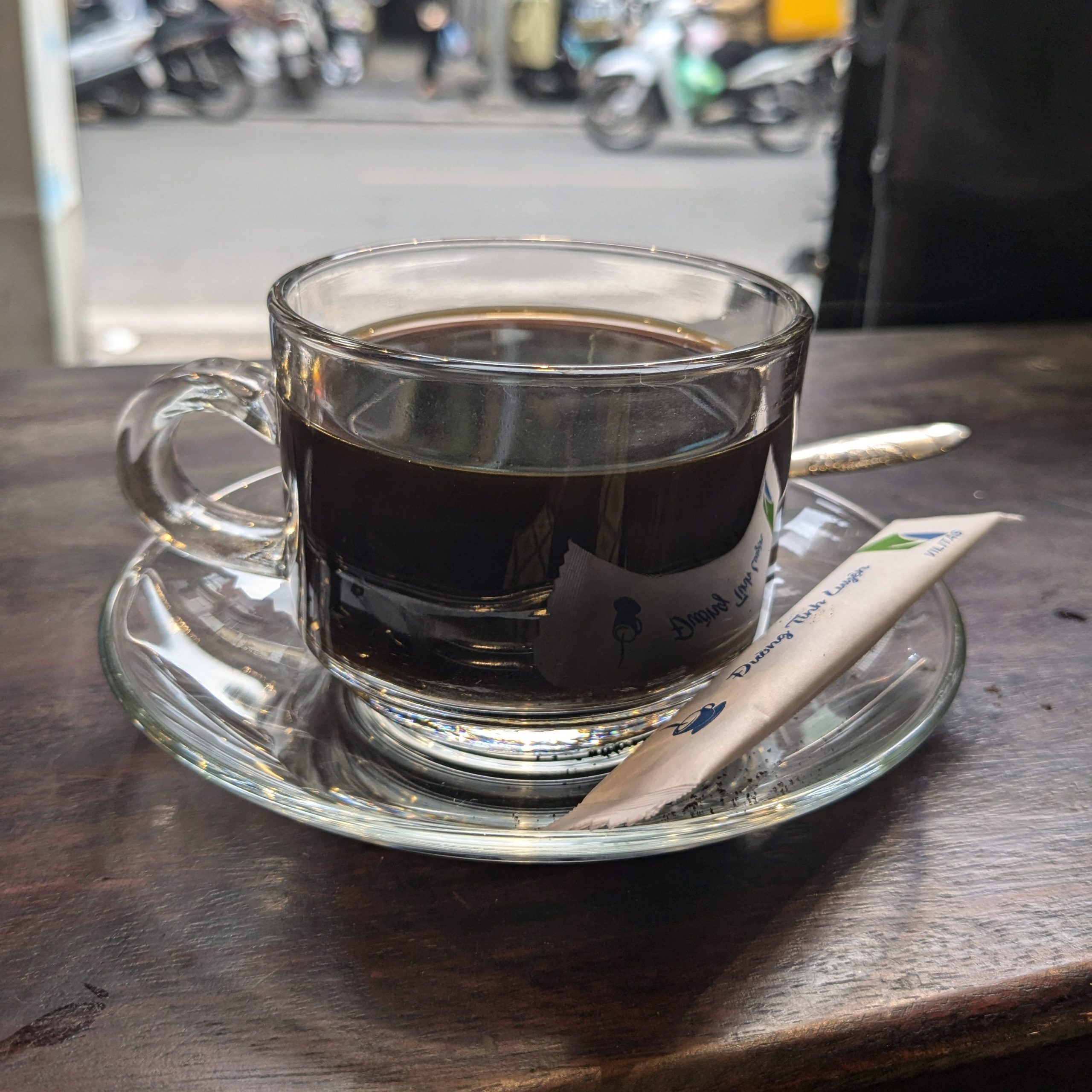
Your first day really depends on when you arrive and how much energy you have. I recommend keeping things light: stroll around the neighborhood, get a feel for the city’s pace, and enjoy your first Vietnamese meal. Grab a bowl of phở, order a cà phê đen (slow‑drip Vietnamese black coffee), and let the city introduce itself.
If you have time for one proper sight, make it the War Remnants Museum. It’s one of the most impactful war museums I’ve visited — powerful, informative, and absolutely worth seeing.
Want to know more about what to visit in Ho Chi Minh City? Check out my other post: Ho Chi Minh City 2-days itinerary.
Day 2: Daytrip to Cu Chi Tunnels
Near Ho Chi Minh City, you can access two different Củ Chi Tunnels. The closest one is Ben Dinh, which is more commercialized and designed for tourists. The tunnels have been widened to make it easier for visitors to explore without the risk of getting stuck underground, which could feel quite claustrophobic.
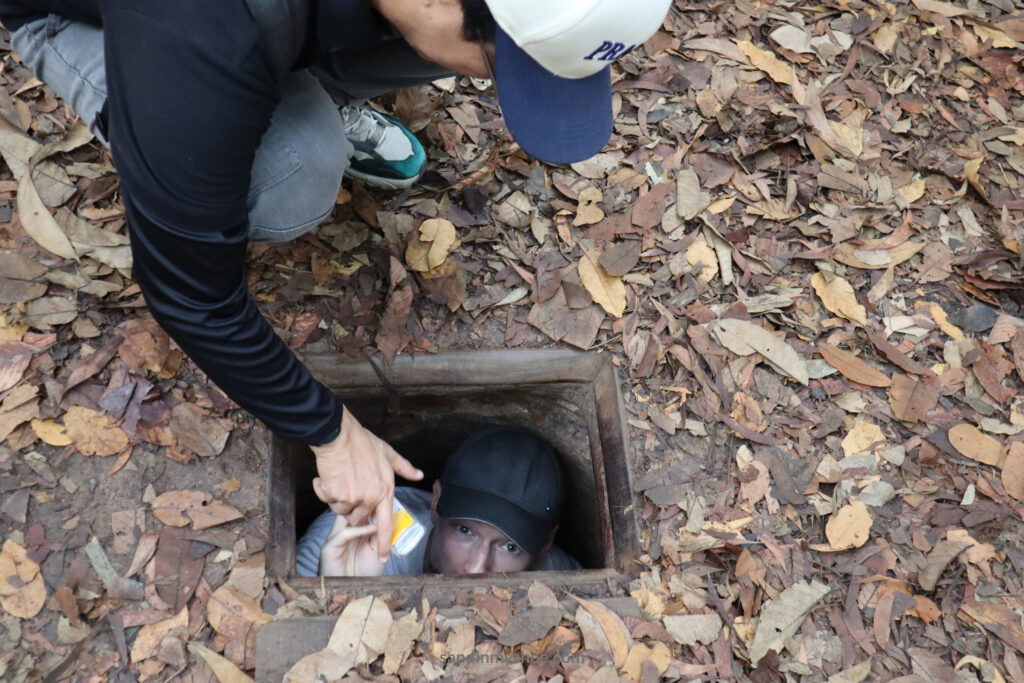

While exploring the tunnels, you will frequently hear gunshots from a nearby gun range. After visiting the tunnels, you can go there to try shooting for yourself if you’re interested.

If you want a truly authentic experience with the tunnels’ original structure, I recommend visiting the Ben Duoc Tunnels. This site is much less crowded and has not been modified in any way. The tunnels are extremely narrow, so if you’re not the size of a Vietnamese soldier from the war, I recommend not going too far inside.
You can do these trips with organised your or just take the local bus and explore yourself. The benefit of the tour is that you will get everyhing explained to you and you are free to ask questions.
Day 3: Daytrip to Mekong Delta
The Mekong Delta is a lush, peaceful region known for its winding rivers, floating markets, and friendly locals. The easiest way to explore it in one day is by joining an organized tour, which will ensure you make the most of your time.
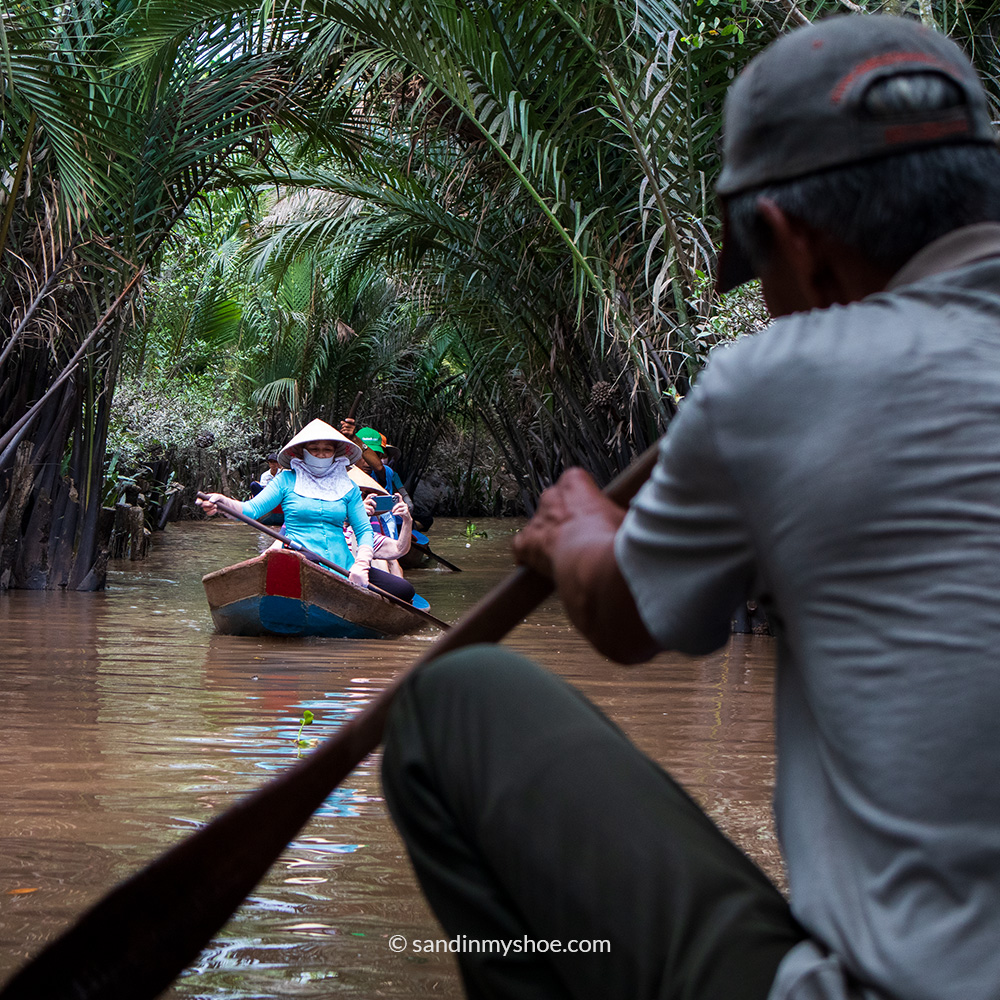
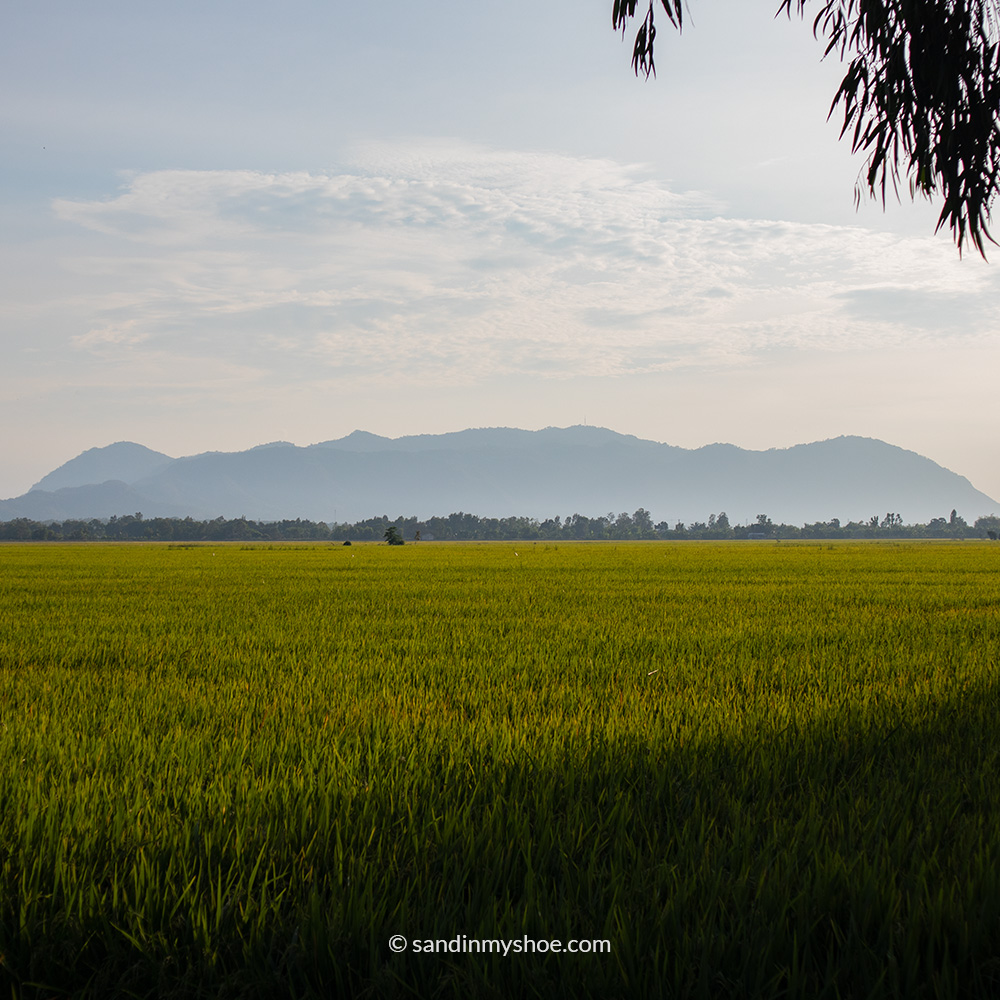
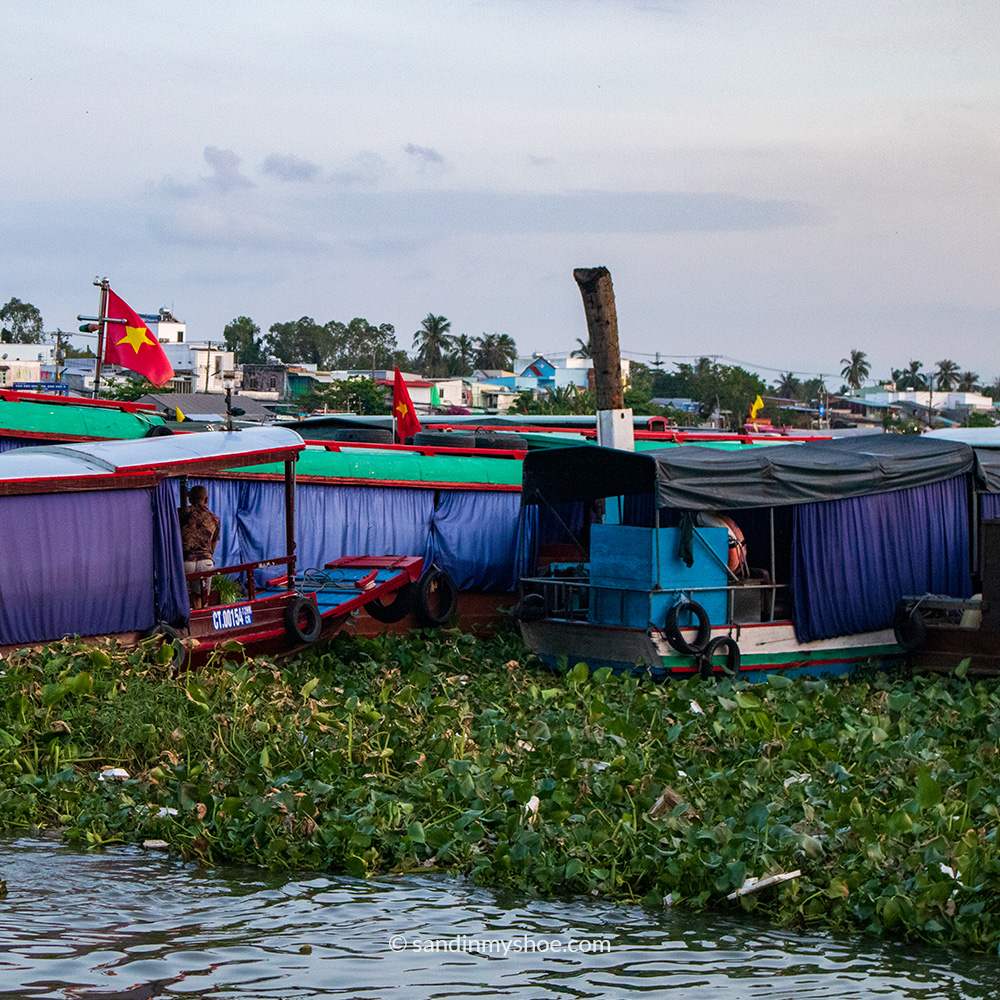
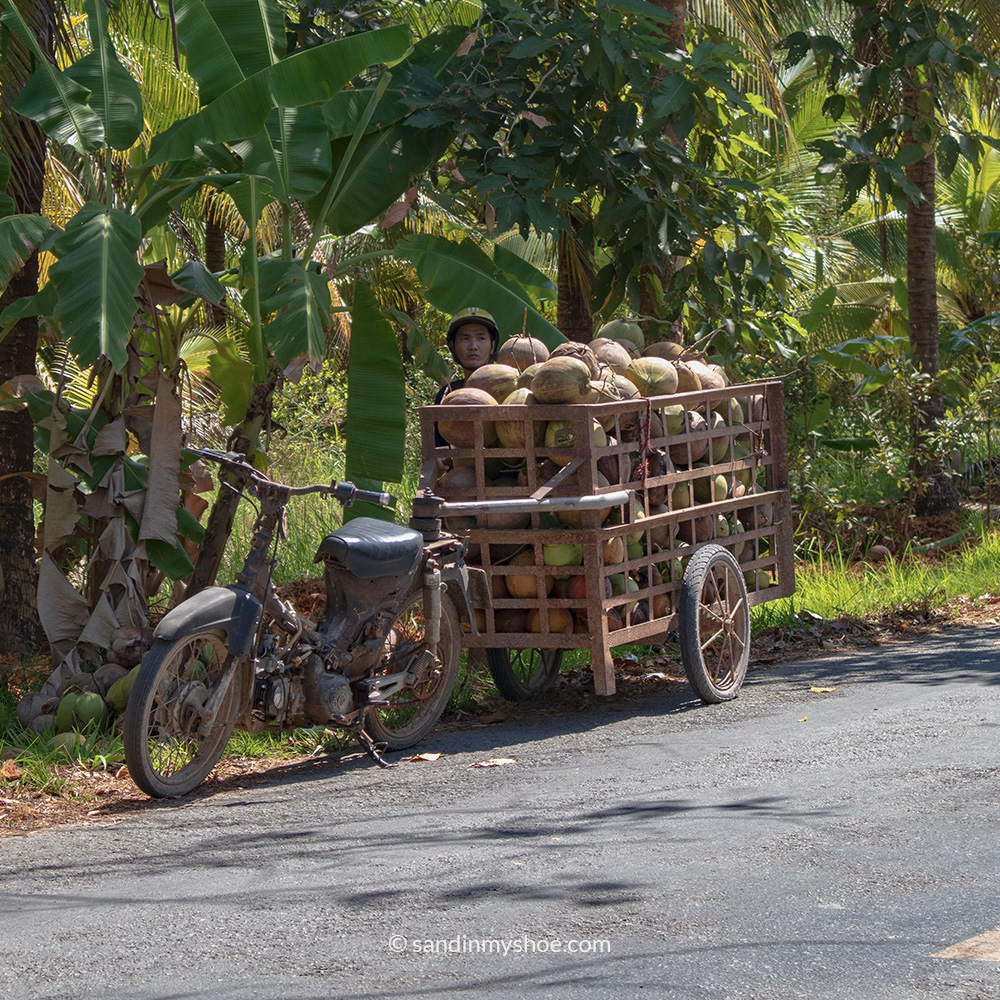
I personally spent a week there, exploring by motorbike, and it was an incredible experience. However, if you’re short on time, I highly recommend any of the tours below for a hassle-free and immersive glimpse into life on the Mekong.
Getting more curious about the Mekong Delta? Check out my post: Mekong Delta Travel Guide.

Mekong Delta Travel Guide: Things to Do, Key Cities & Itinerary
Days 4–6: Da Nang & Hoi An, Phu Quoc or Nha Trang – Beach & Relaxation
I recommend spending the rest of the week on a beach town, and try to book an early flight so you can maximize the time there. For first-timers I recommend Da Nang and Hoi An more than the other options because you get both beaches and cultural exploration in one stop.
Option 1 – Da Nang and Hoi An
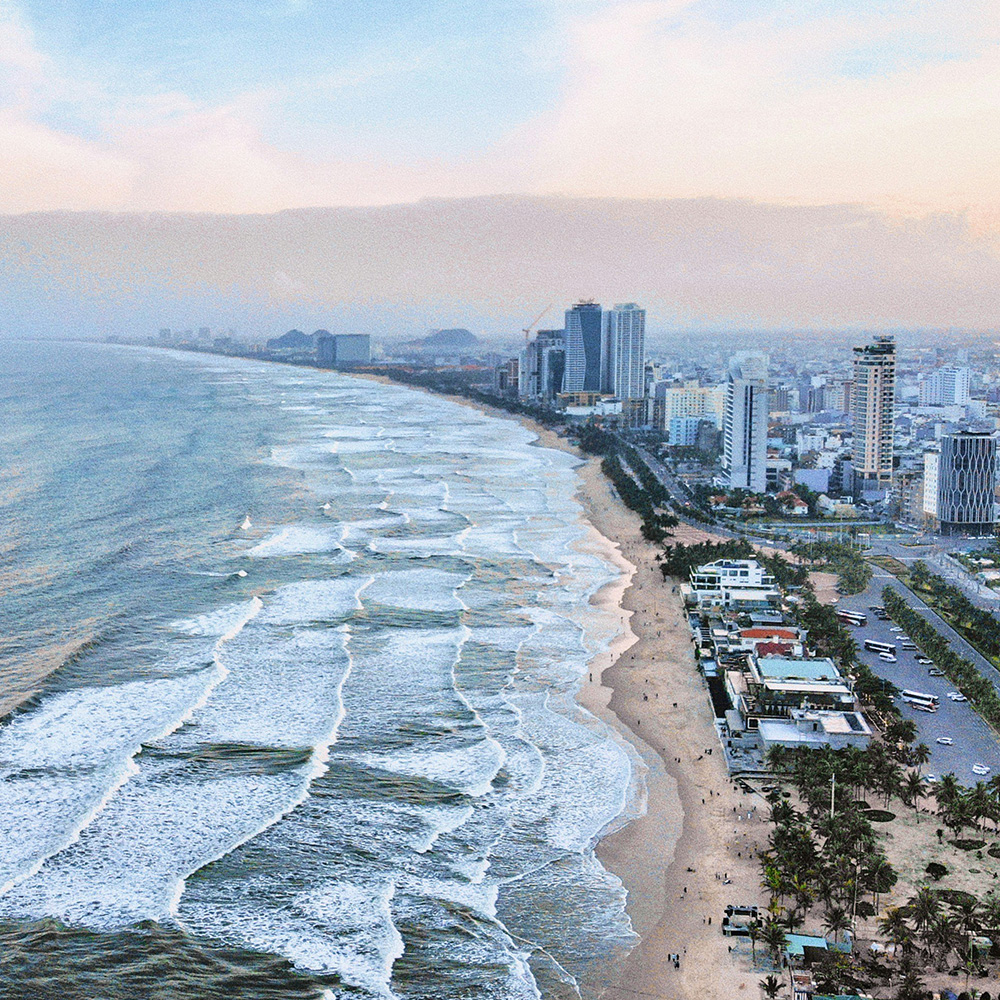
The two destinations are only about 30 km apart, well connected, and give you two great experiences without much additional travel time. Da Nang offers vibrant city life and long, easy‑to‑reach beaches, while Hoi An is known for its ancient port town and lantern‑lit streets. A must in any 1‑week South Vietnam Itinerary.
Option 2 – Phu Quoc
Phu Quoc is Vietnam’s classic holiday island — easy, relaxed, and very tourist‑friendly. It’s ideal if you want simple leisure: long beaches, warm water, and plenty of resorts where you can unwind without much planning.
The island is also extremely convenient to get around. There’s even a free tourist bus that shuttles visitors between major spots, but you still need a scooter if you want to explore lesser traveled areas.
Option 3 – Nha Trang
Nha Trang is a lively beach city and one of Vietnam’s most popular holiday destinations, especially among Russian and Korean travelers. The city offers a long urban beach, plenty of restaurants and cafés, and a wide range of activities — from mud baths, island‑hopping tours and even a nearby island filled with monkeys.
Option 1: Da Nang & Hoi An
Visiting these two cities is the best choice in a short first-timer itinerary. You get the beach and an ancient port town at the same time, and there’s a couple worthwhile stops in the outskirts.
I recommend staying in one base, and visit the other during one of the days. If you want to stay close to the beaches, choose Da Nang. If you prefer being right in the middle of Hoi An’s lantern‑lit streets and historic atmosphere, stay in Hoi An instead. Both are solid options.
I recommend flying from Ho Chi Minh City to Da Nang. It’s the fastest and most efficient option — otherwise you’ll lose almost an entire day in transit which isn’t feasable in a 1-week Vietnam Itinerary.
Da Nang
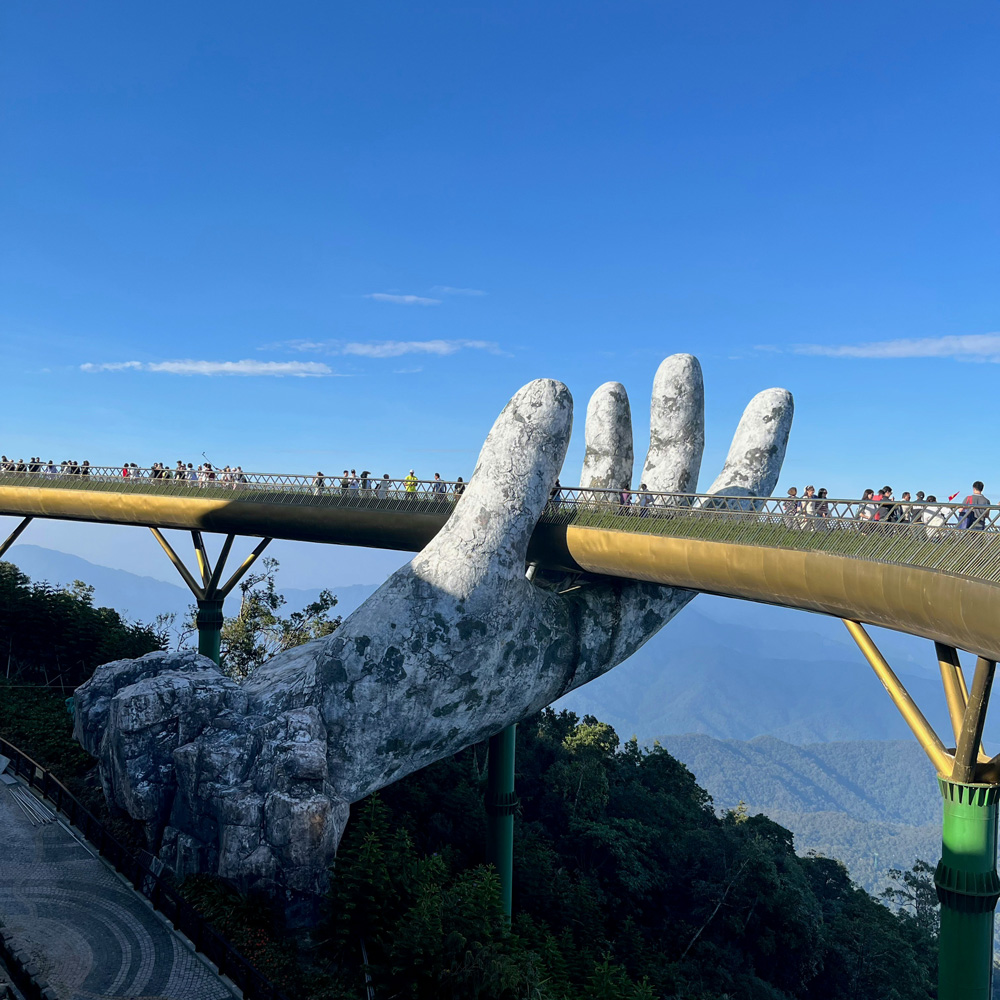
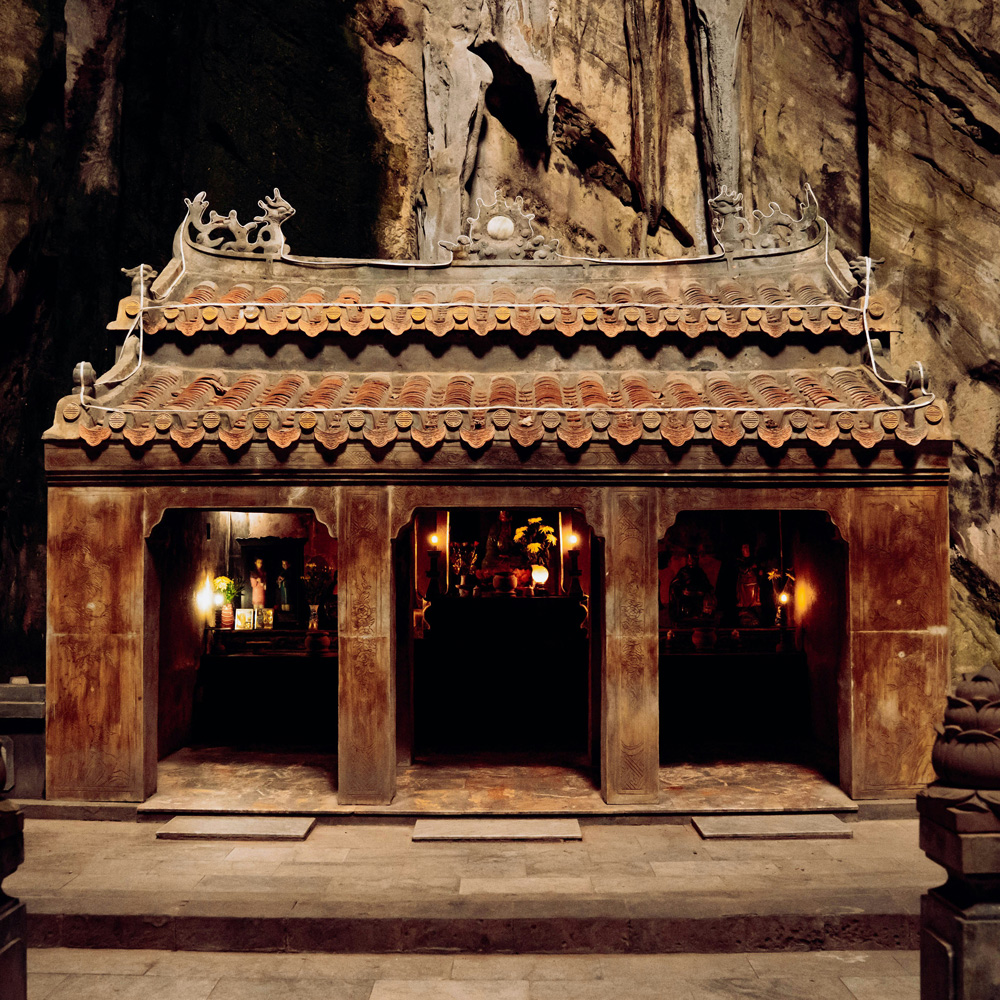
Da Nang offers a great mix of beaches, nature, and city life — all in one convenient base. You get stunning beaches, the dramatic Marble Mountains with Buddhist Temples carved into the rick, and the famous Golden Bridge with its giant stone hands. The city itself is vibrant and easy to navigate, with plenty of cafés, shopping, and dining options.
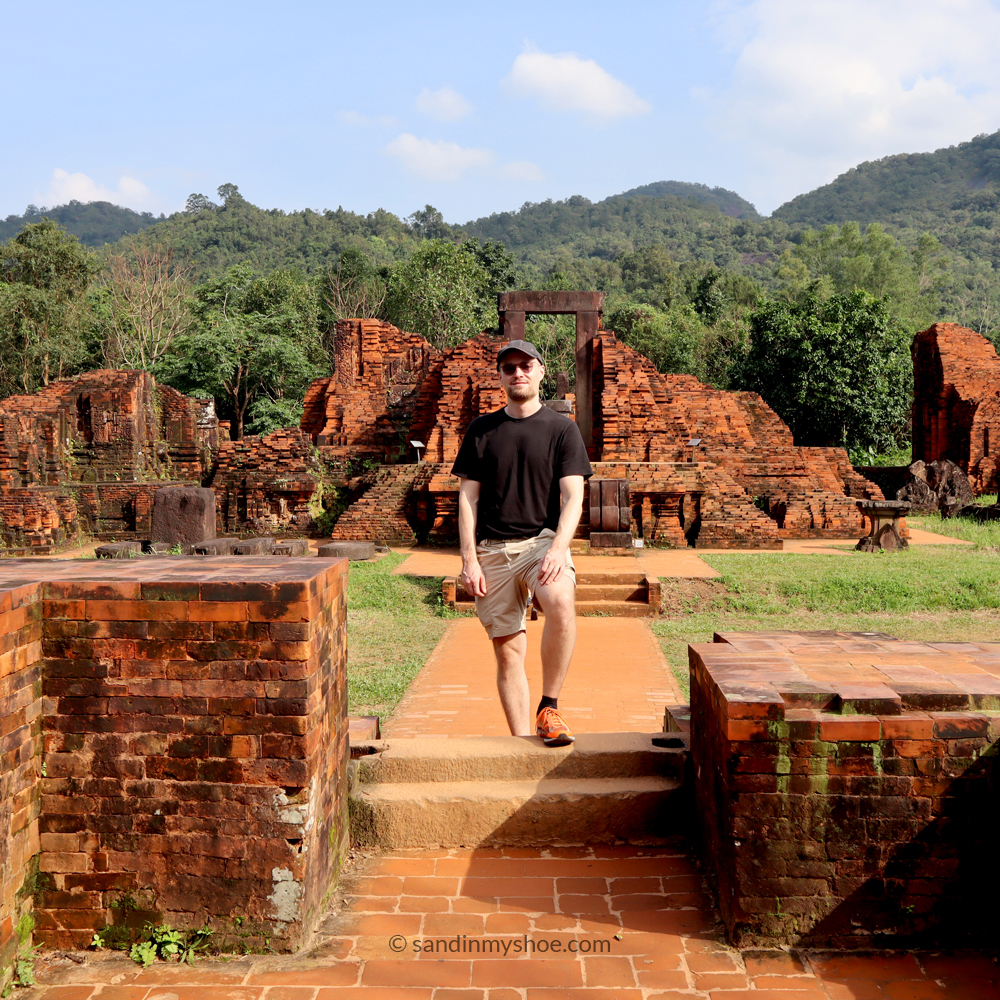
There’s also a UNESCO World Heritage Site nearby: My Son Sanctuary, where history lovers can explore the ancient ruins of the Cham civilization and dive into its fascinating past.
Hoi An
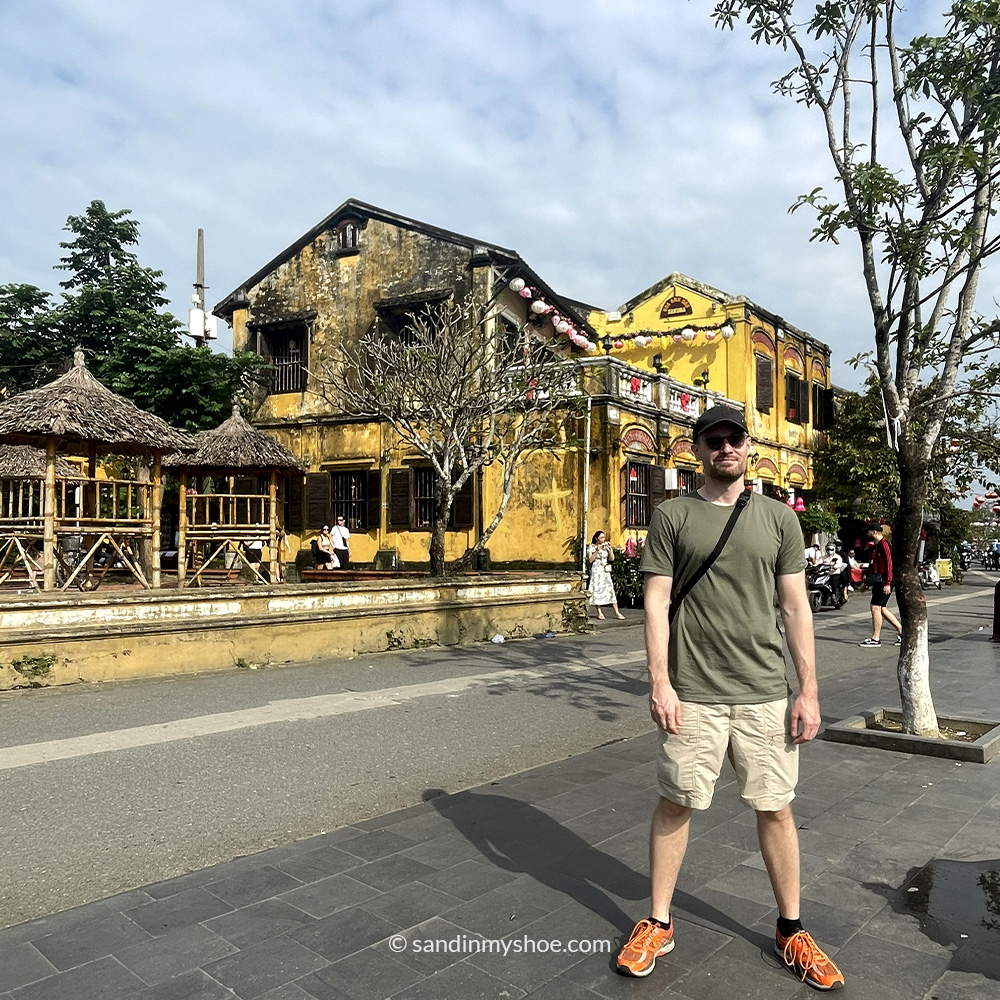
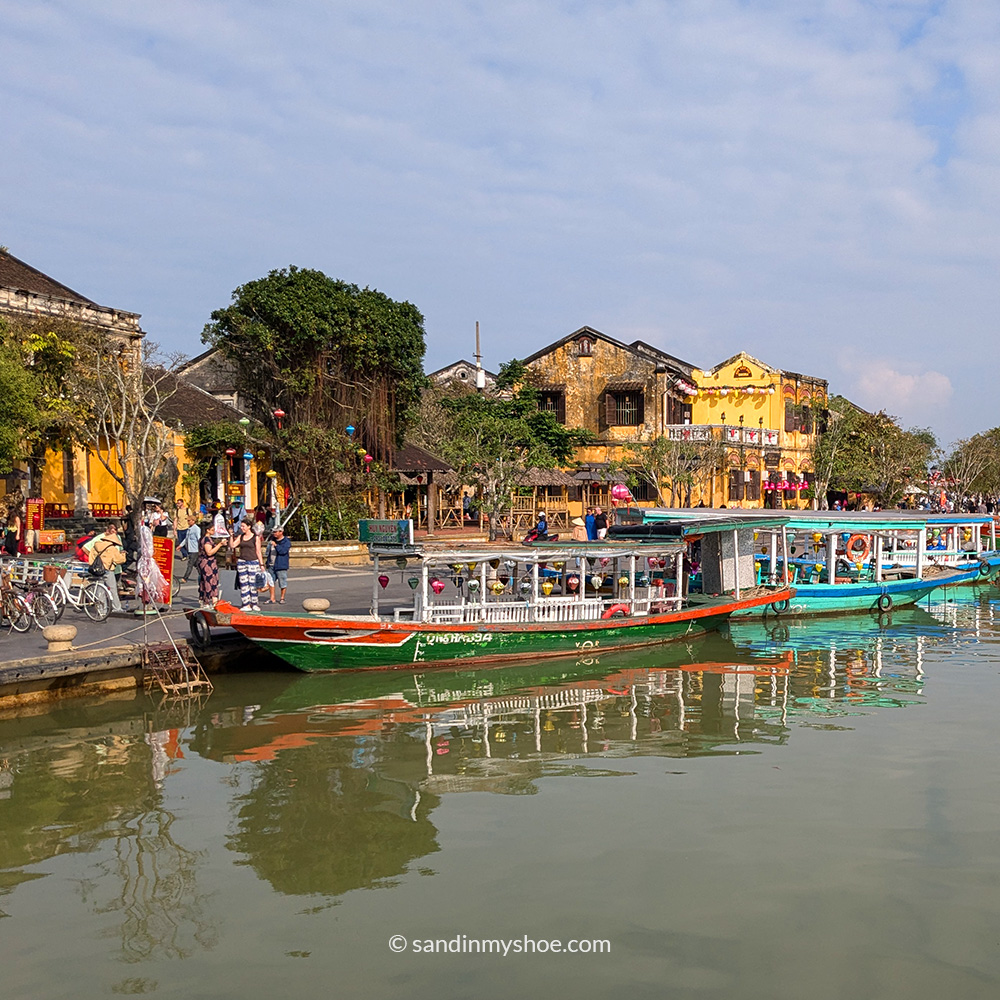
A UNESCO World Heritage Site, Hoi An is known for its beautifully preserved ancient town, lantern-lit streets, charming architecture, and incredible street food. Just hanging around the area is an experience per se.
Option 2: Phu Quoc
Phu Quoc is one of those easy holiday spots with good beaches, all‑inclusive resorts, and a bit of nightlife. It doesn’t offer much in terms of historical sights compared with places like Hoi An, but if you’re looking for a few tropical days with warm water and relaxed beach time, Phu Quoc is a solid choice.
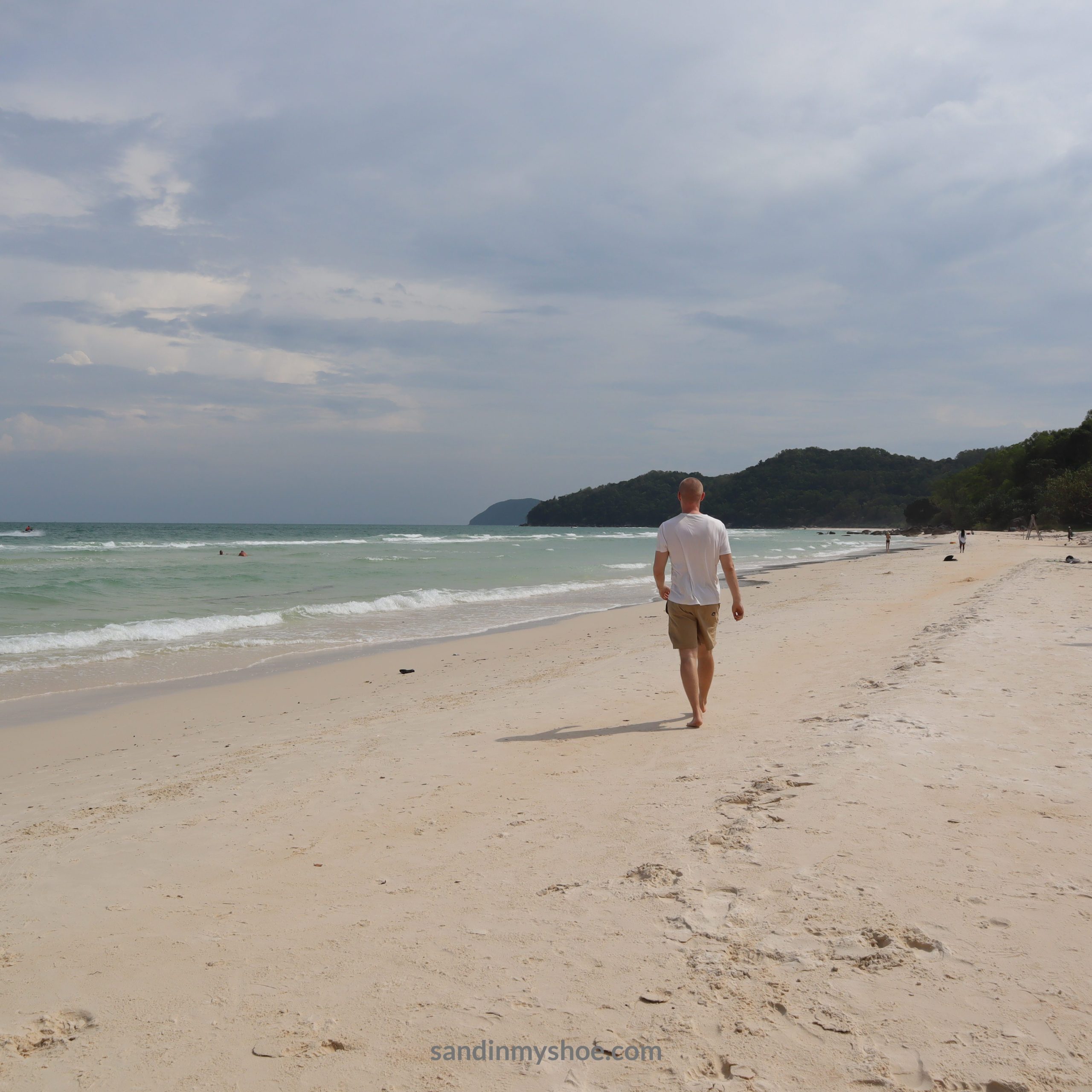
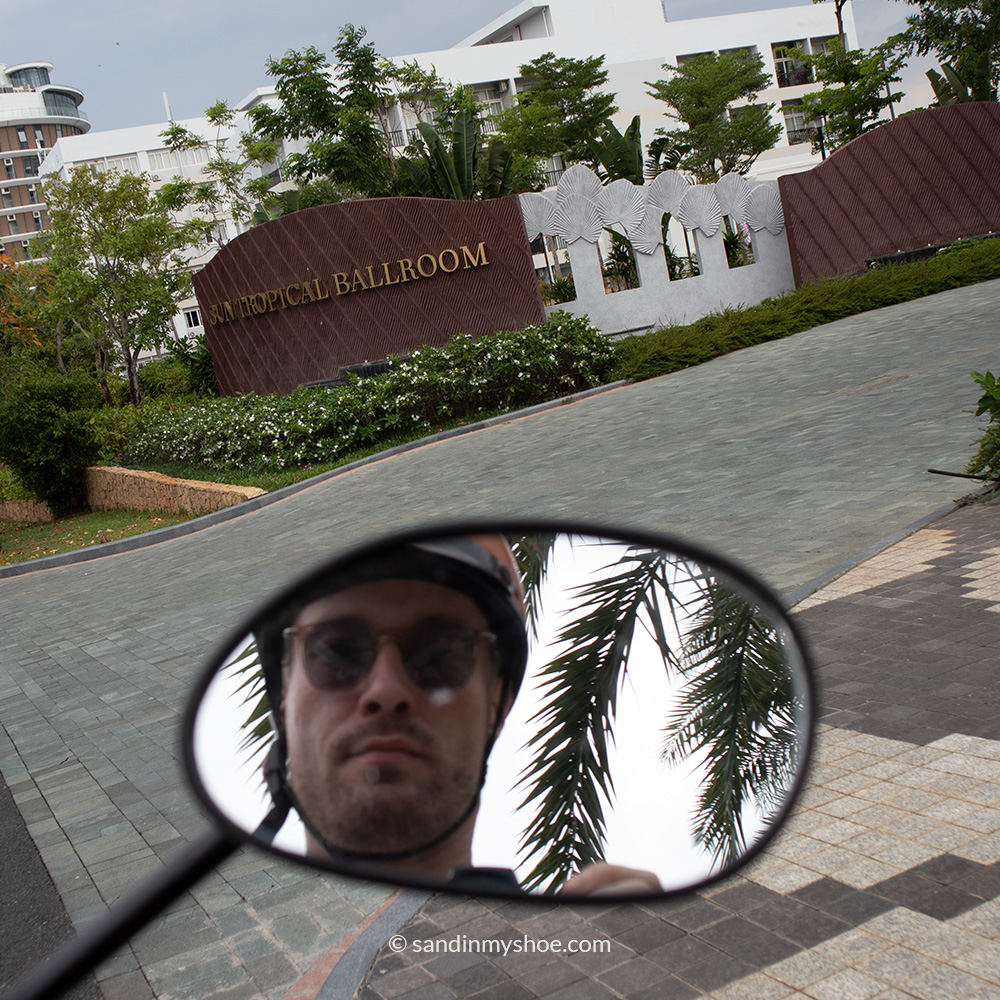
The best way to explore is by renting a motorbike and discovering the island at your own pace. There’s also a free shuttle bus that connects major tourist areas, though it doesn’t cover the entire island.
Phu Quoc is undeniably touristy, but it delivers what most visitors come for: beautiful beaches, easy island vibes, and a handful of interesting spots to check out. The town center can feel a bit odd — it’s relatively new, built in a European‑style layout that resembles a French town, yet many of the buildings are still empty, giving it a slightly surreal atmosphere.
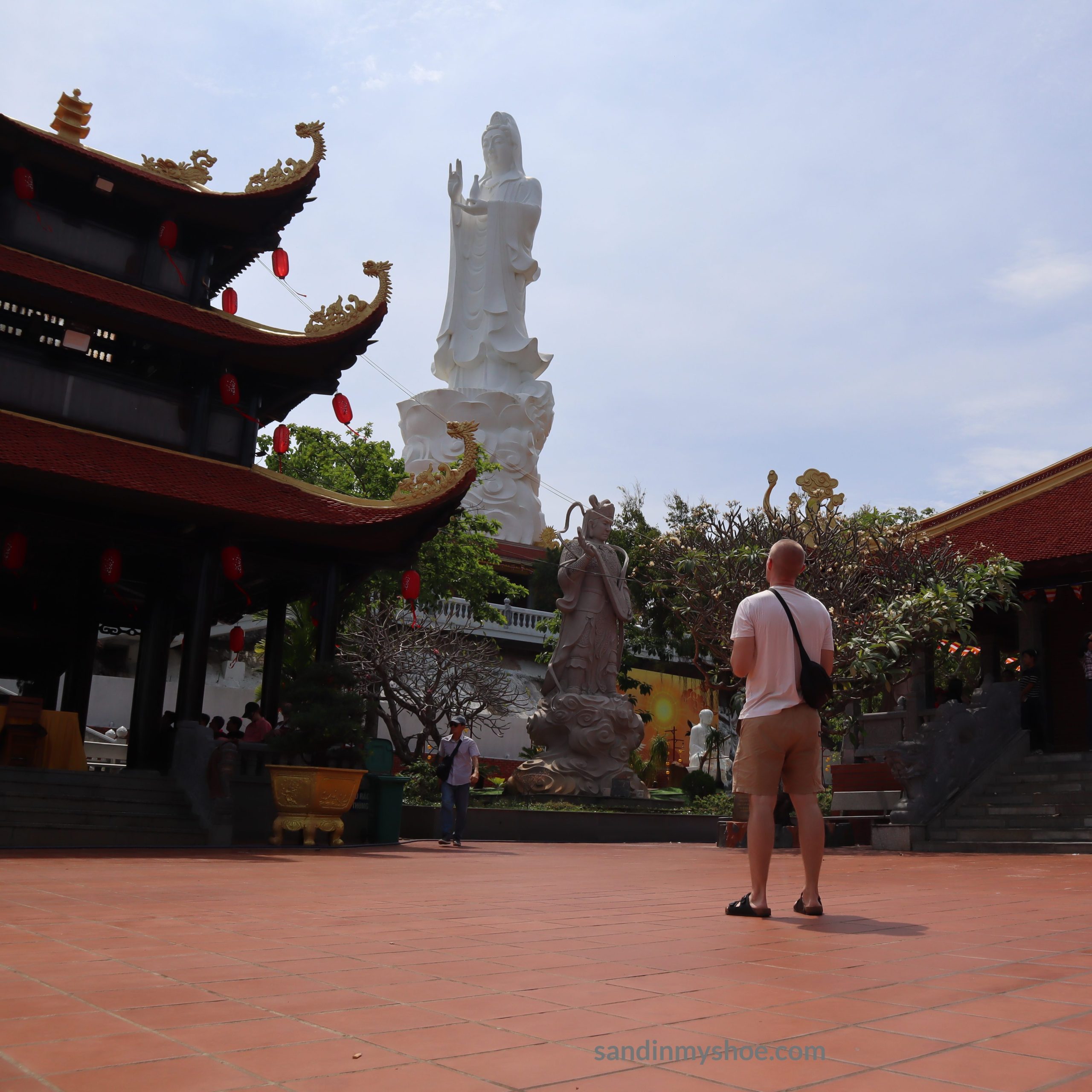
While exploring Phu Quoc on a motorbike, I actually ran out of gas in the middle of nowhere. Luckily, some friendly locals helped me find the nearest gas station, turning what could have been a frustrating situation into a great travel memory. It’s a good reminder to keep an eye on your fuel level—gas stations aren’t always around the corner.
Must-visit spots in Phu Quoc
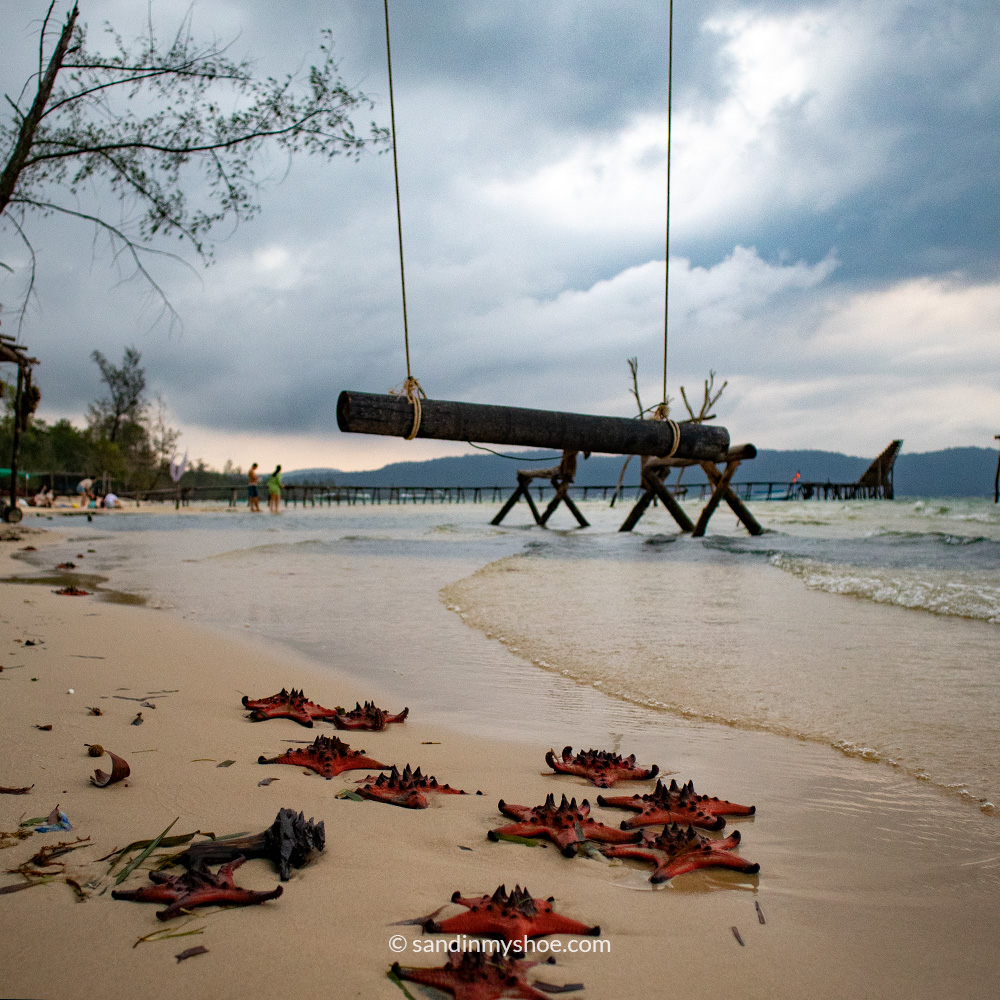
- Starfish Beach – Just as the name suggests, the waves bring hundreds of starfish to the shore. Beware of scams! Locals may try to sell you a boat trip to the beach, but you can easily drive your motorbike close and walk the last 15 minutes to the location of the starfish.
- Ong Lang Beach & Sao Beach – Two of the island’s most beautiful beaches.
- Suối Tranh Waterfall & Hiking – A scenic and easily accessible waterfall. However, if there hasn’t been rain for a while, the waterfall may dry up. The surrounding area is still worth a visit, with lush nature and a peaceful atmosphere. Beyond the falls, there’s a 5 km hiking trail through medium-difficulty terrain—just follow the path to continue the adventure.
- Buddhist Pagoda (Thiền viện Trúc Lâm Chùa Hộ quốc – Phú Quốc) – Worth a visit, and conveniently located on the way to Sao Beach.
Option 3: Nha Trang (Aka Little Moscow or Little Seoul)
Nha Trang has predominantly been visited by Russians, and in recent years, Koreans have also become a significant part of the tourist crowd. Many businesses in the central areas even have signs in Russian and Korean, which can take away a bit of the city’s charm. However, despite the influence of these tourist groups, Nha Trang still has plenty to offer, including beautiful beaches, a fantastic mud bath, and interesting markets.
You can fly to Nha Trang from Ho Chi Minh City in about 1 hour, or if you prefer, you can take the bus, which takes around 9 hours.
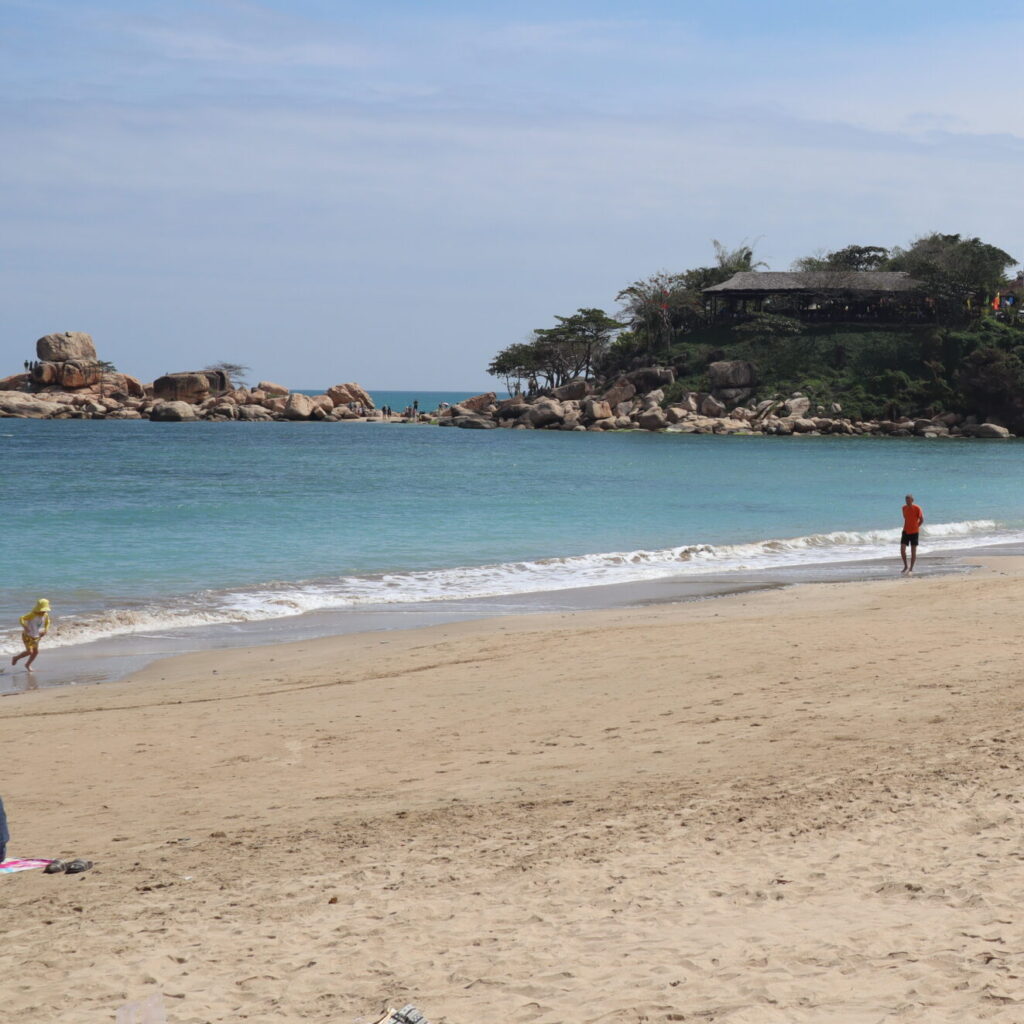
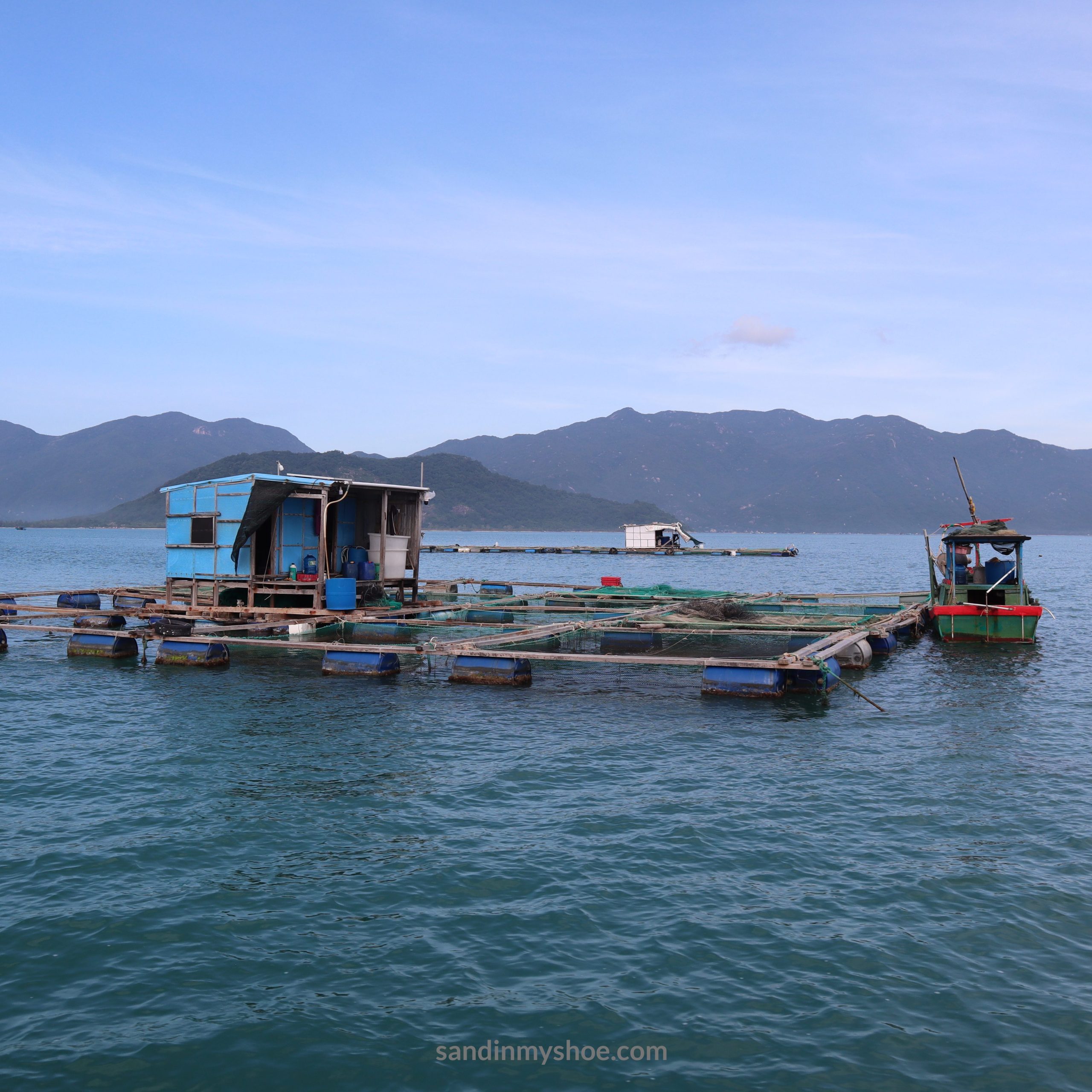
Must-visit spots in Nha Trang
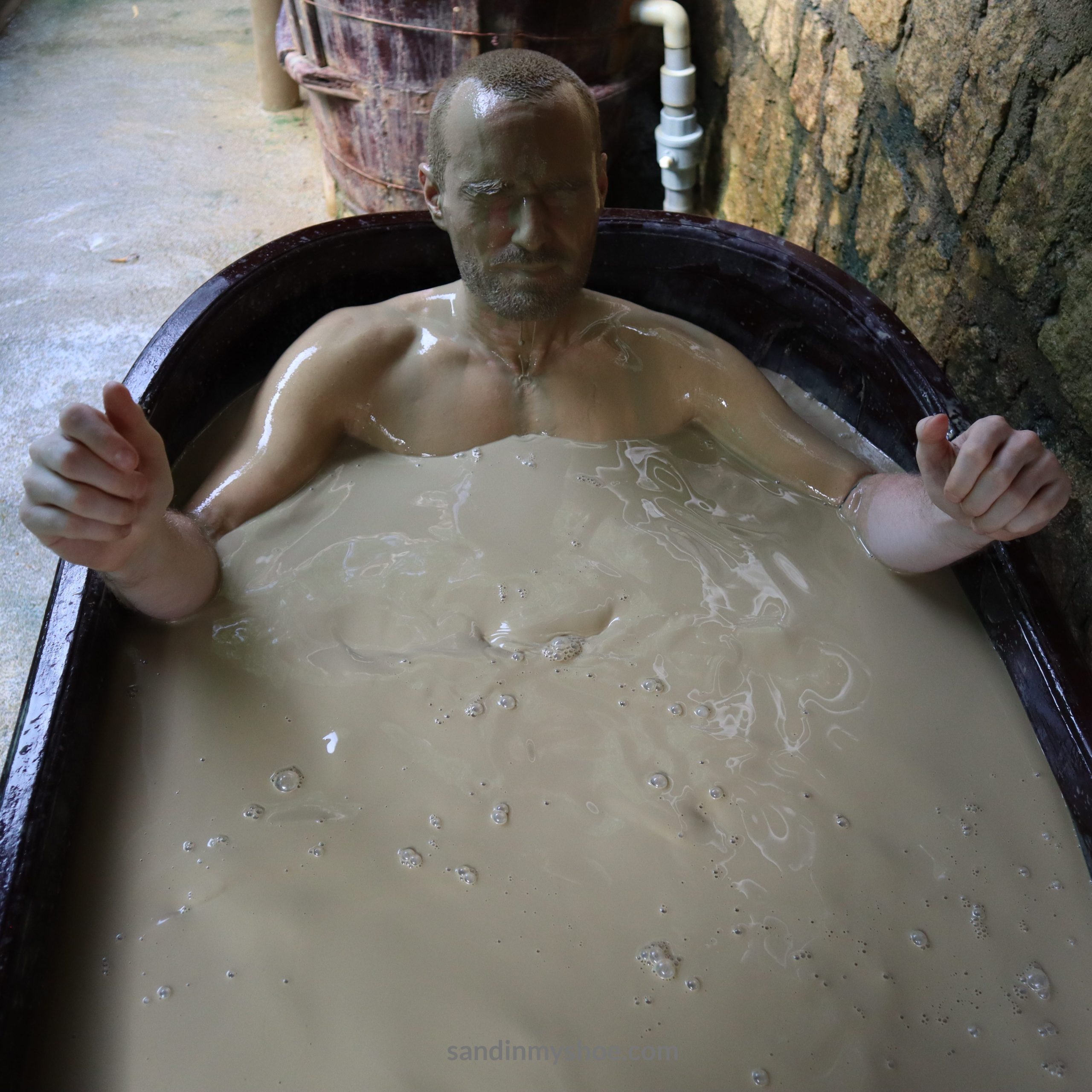
- Thap Ba Mud Bath – One of the relaxing things you can do in Nha Trang is to soaking in a mineral-rich mud bath. After the bath you can get a massage or just relax in the pools.
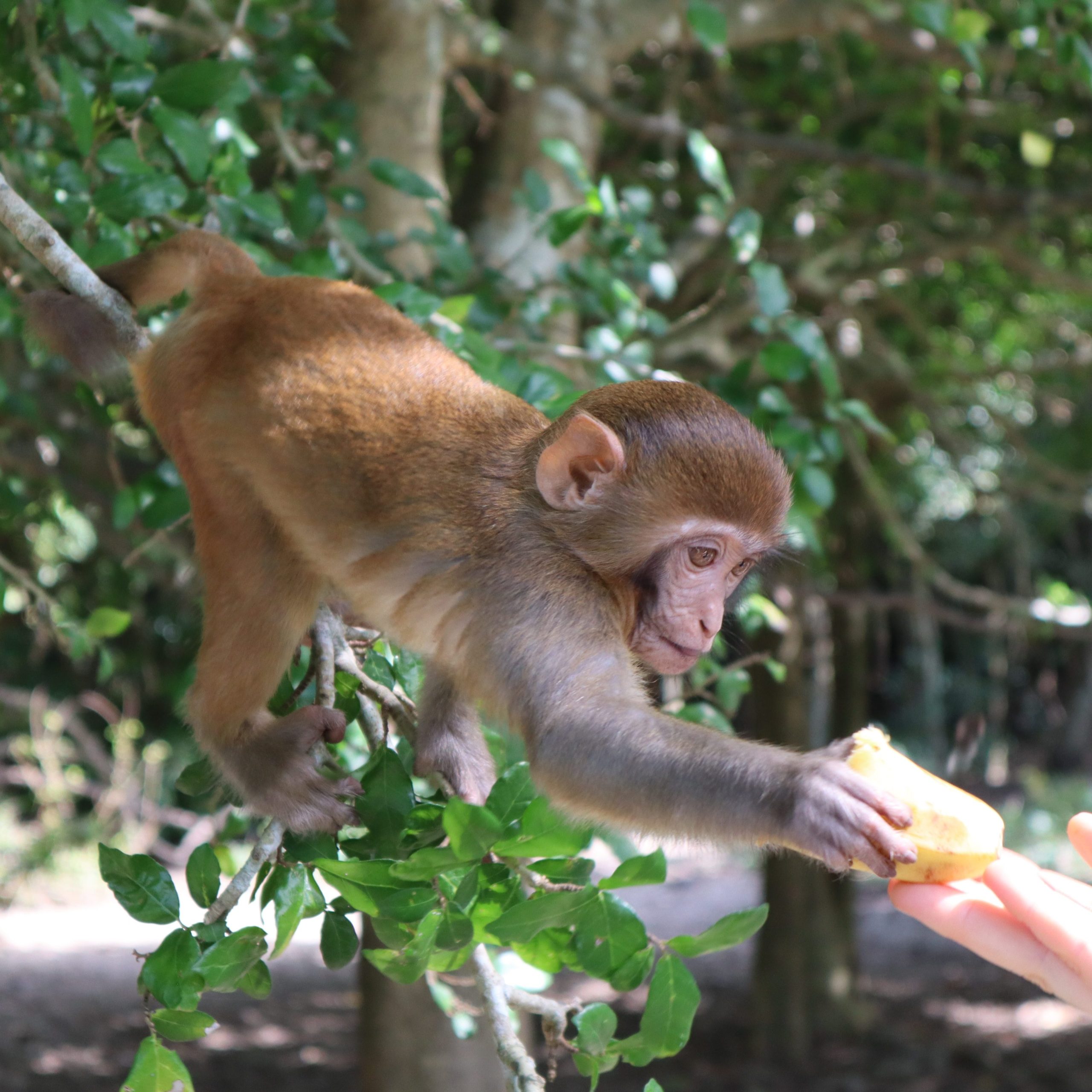
- Monkey Island – Monkey island (Hon Lao), is a small island about 15 km north of Nha Trang. It is home to hundreds of monkeys that roam freely and interact with visitors.
- Night Market – The night market offers the usual tourist souvenirs and trinkets. It’s worth a visit, but don’t expect anything extraordinary.
- Dam Market – A lively local market where you’ll find everything from fabric by the meter and household items to fresh fruits and fried seafood. Definitely worth a visit for an authentic local experience. Around the market, you’ll find plenty of affordable restaurants serving local dishes.
Do you want to know more about Nha Trang and its must-visit spots? Check out my post: Things to Do in Nha Trang.
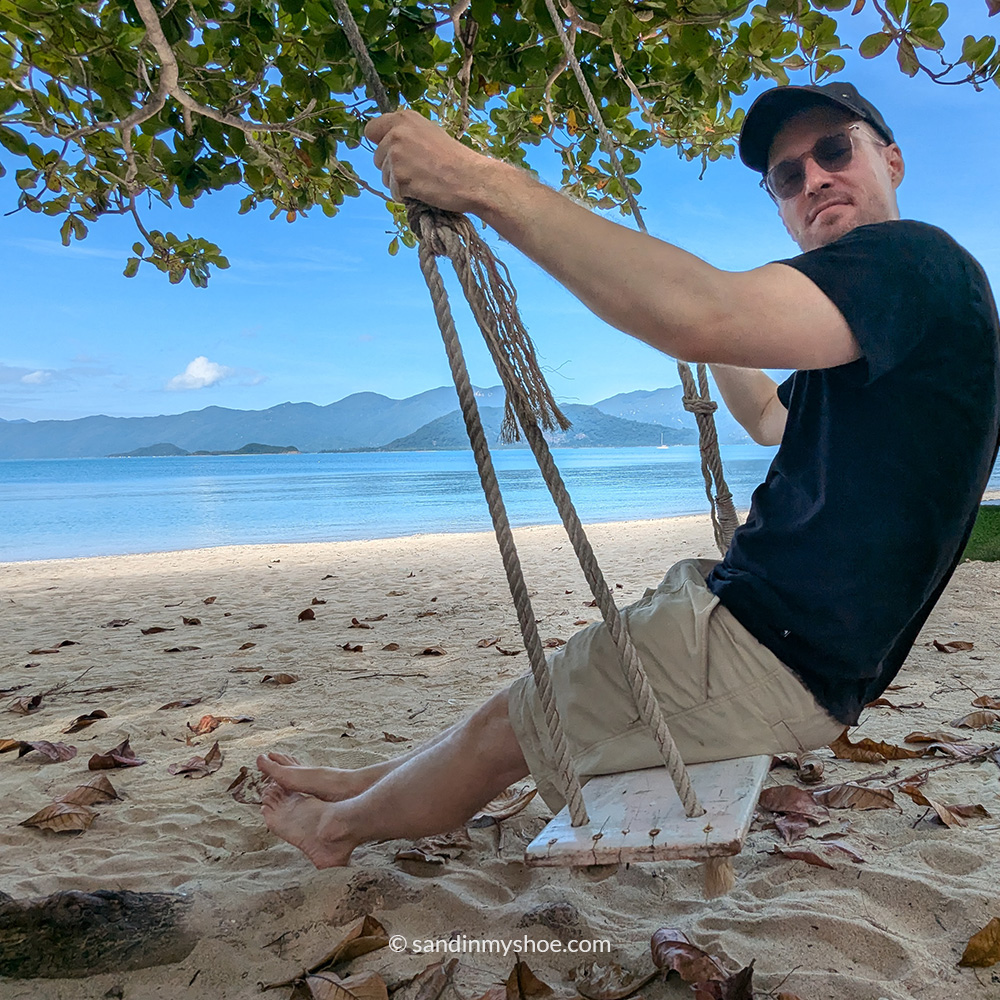
Nha Trang: Things to Do — Just the Good Ones
Day 7: Back to Ho Chi Minh City
Return to Ho Chi Minh City before flying out. Depending on your flight schedule, you’ll likely only have the afternoon and evening available, so keep things simple and close to District 1.
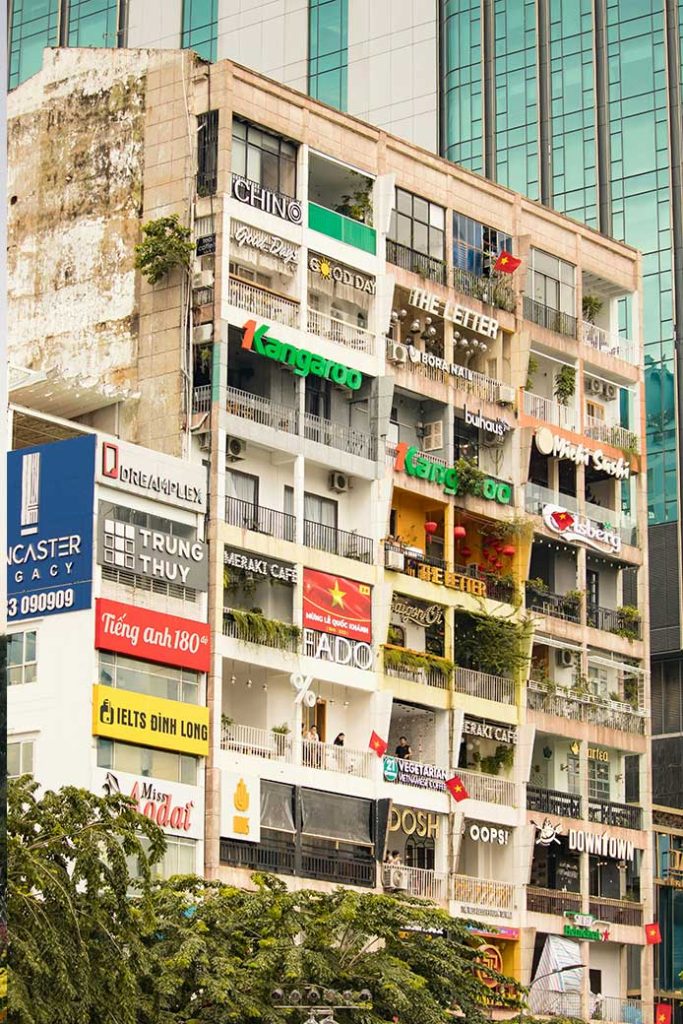
A good way to spend your final hours is to wander through Bến Thành Market, pick up a few souvenirs, and enjoy the lively atmosphere. Afterwards, grab a coffee at The Café Apartments — a quirky multi‑story apartment block filled entirely with cafés, each with its own vibe and view over Nguyen Hue Walking Street.
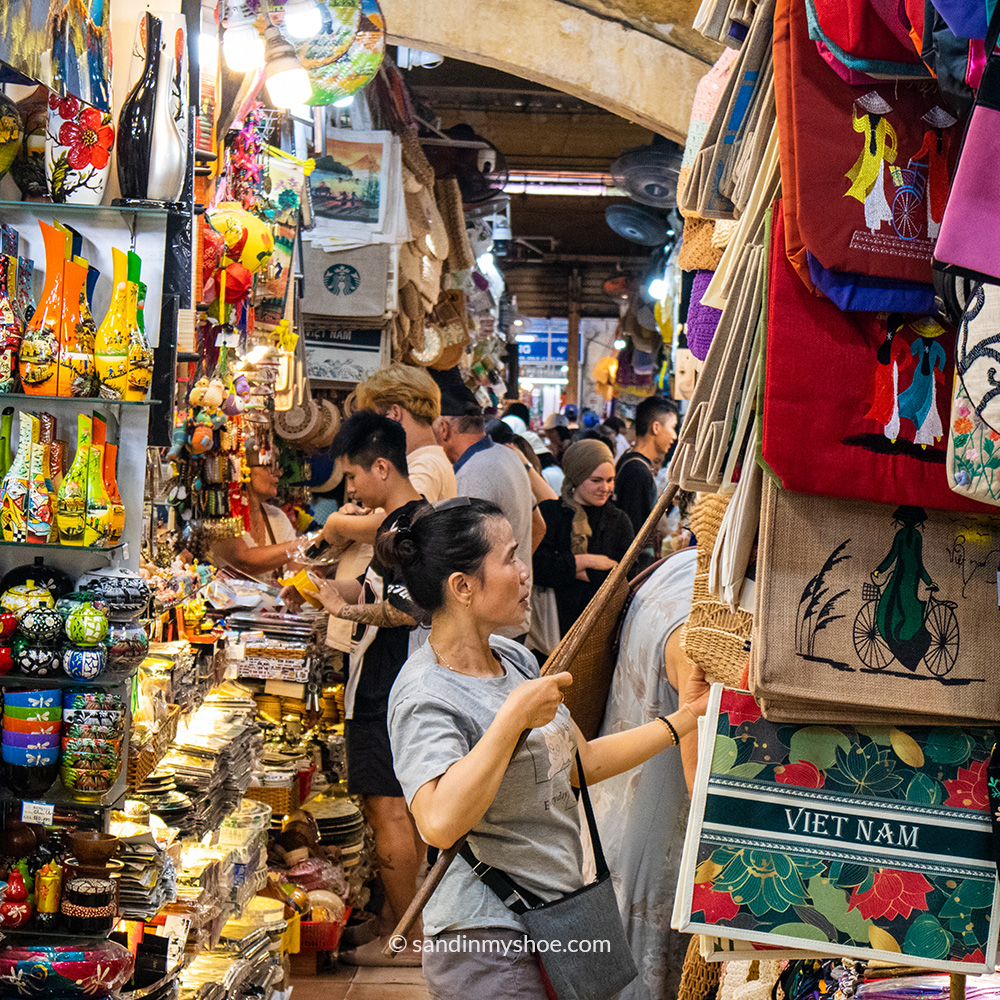
If you still have energy, explore some of the nightlife in District 1 or District 3. For more ideas, check out my guide to Ho Chi Minh City.
1 week North Vietnam Itinerary
Next up is a 1-week itinerary of North Vietnam. Getting the most out of this region, means heading out from Hanoi quickly, and leavning for the last day.
Upon landing in Hanoi, you can immediately transfer to one of the surrounding adventure hotspots—Sapa, Ha Giang, or Cat Ba Island—to start your exploration right away. Depending on your chosen destination, you might need to spend the night in Hanoi and leave the next morning to make the most of your trip. After that, base yourself in Hanoi and do two daytrips, one to Ha Long Bay, and another to Ninh Binh.
In my honest opinion, Hanoi is worth a day or at most two if you’re looking to explore at a relaxed pace. The city’s charm is undeniable, but if you want to fully immerse yourself in the nature, culture, and adventure that northern Vietnam has to offer, here’s an itinerary that will maximize your experience.
Days 1–3: Sapa, Ha Giang or Cát Bà
Option 1 – Sapa for Trekking
Spend your days hiking through terraced rice fields, towering mountains, and deep valleys that open up below you. Sapa’s landscapes are some of the most dramatic in Vietnam, with winding trails, local villages, and views that shift with the mist.
Option 2 – Motorbike Journey Through the Ha Giang Loop
The Ha Giang Loop is one of Vietnam’s most dramatic routes, winding through limestone peaks, deep valleys, and remote mountain villages. You don’t need to drive yourself — many travelers ride with an easy rider, sitting on the back and simply enjoying the views. It’s an accessible way to experience some of the country’s most unforgettable scenery.
Option 3 – Cát Bà for Beach Relaxation
Cát Bà is the laid‑back gateway to Lan Ha Bay, offering quiet beaches, coastal viewpoints, and a slower pace compared with nearby Ha Long. It’s a great choice if you want simple relaxation without the crowds. Spend your days swimming, lounging on the sand, or taking short boat trips around the bay’s limestone islands.
Option 1: Sapa for Trekking
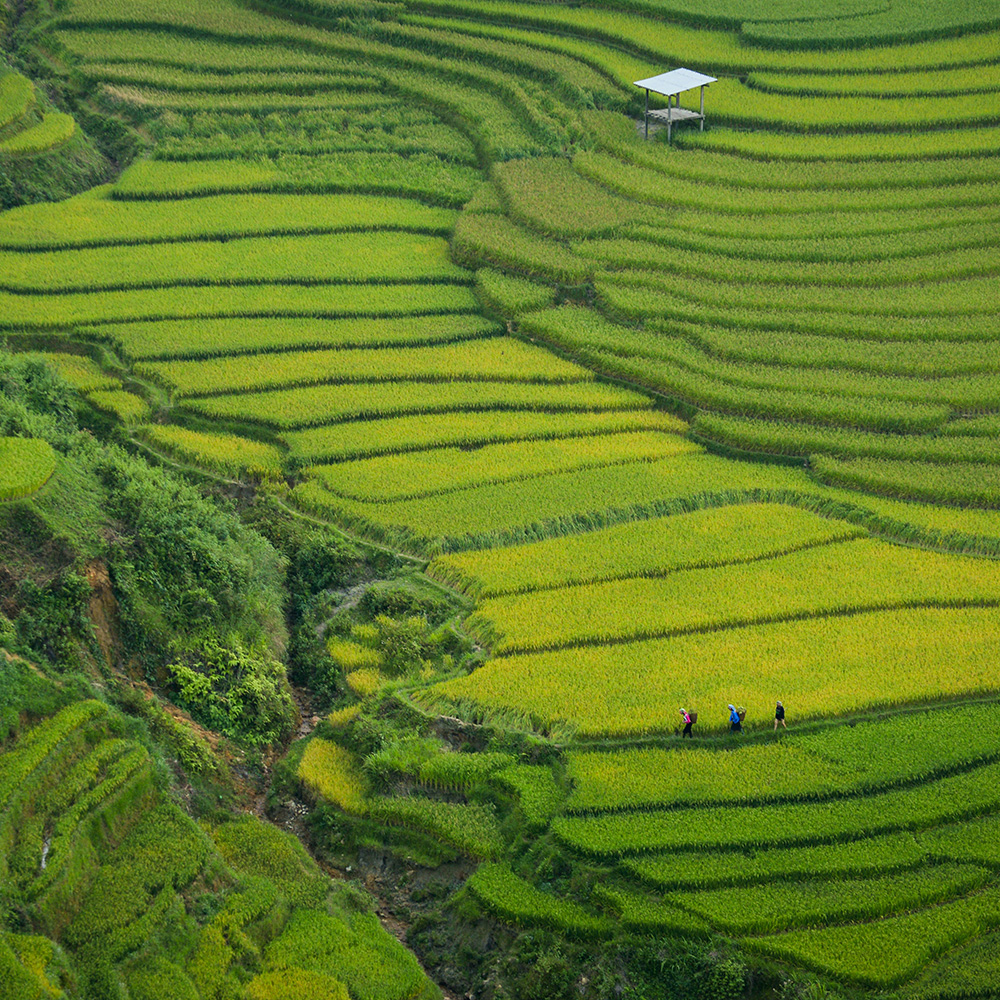
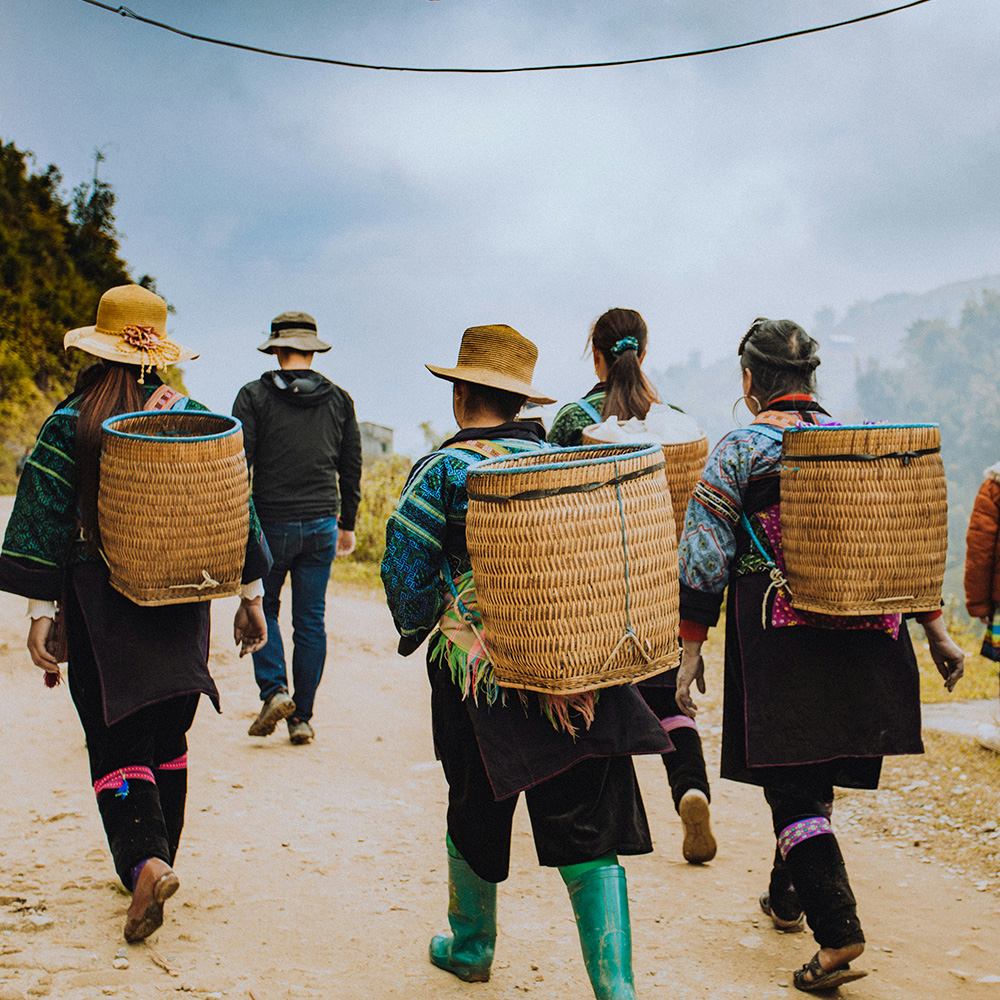
The perfect place if you’re looking for adventure, stunning landscapes, and rich cultural experiences. Spend 3 days exploring this beautiful region in northern Vietnam. You can dedicate two days to trekking through the lush rice terraces and visiting the local ethnic villages, where you’ll get to interact with the friendly mountain tribes like the Hmong and Tay people.
The highlight of Sapa is the mesmerizing views of the terraced fields, towering mountains, and the valley below. On your third day, take it easy and enjoy the cool weather while soaking in the peaceful surroundings. This rest day could be spent strolling around the town, visiting local markets, or even riding the cable car to the top of Fansipan, the highest peak in Vietnam.
I would recommend going with a tour to really max out everything without needing to spend to much time organizing everyhing.
Option 2: Motorbike Journey Through the Ha Giang Loop
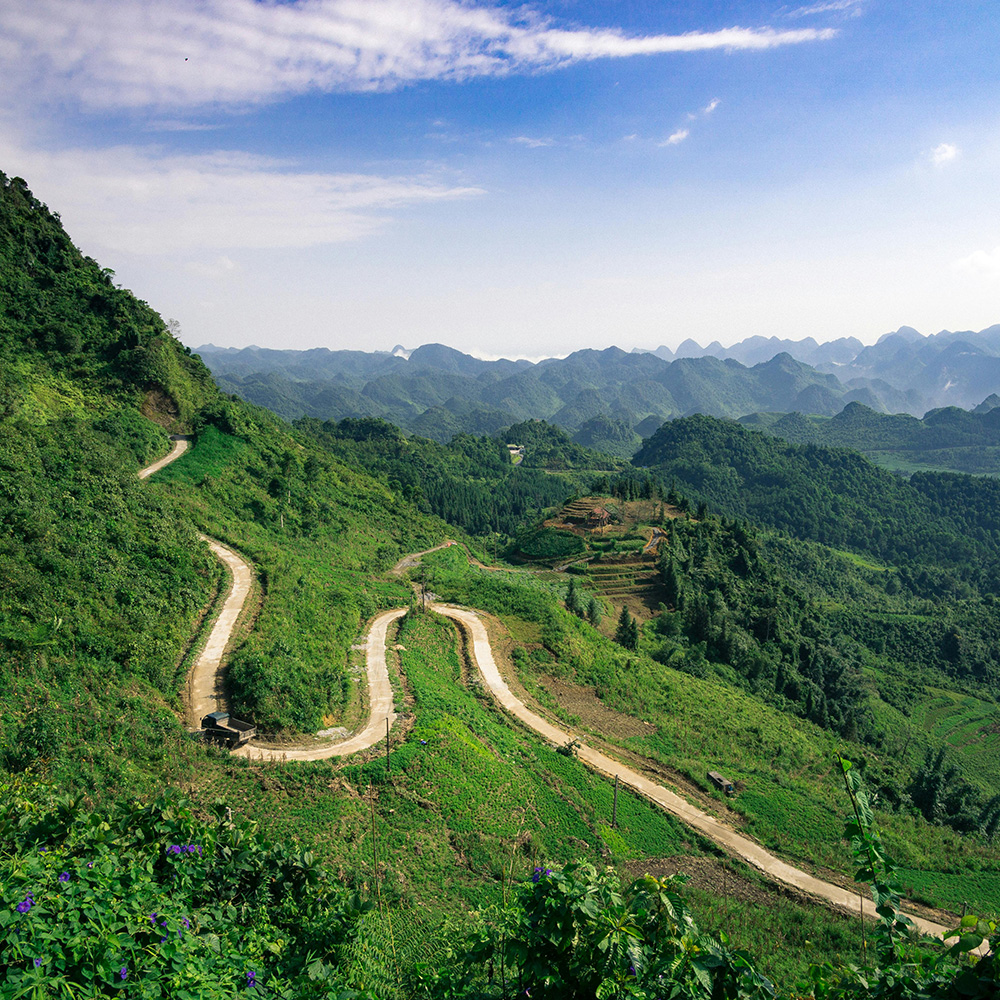
The Ha Giang Loop is a must for thrill-seekers and motorbike enthusiasts. Over the course of 3 days, you’ll ride through some of Vietnam’s most stunning landscapes. The route takes you along winding mountain roads, with towering cliffs, deep valleys, and traditional ethnic villages. Each stop offers breathtaking views, such as the stunning Ma Pi Leng Pass, where you can take in the spectacular scenery.
The loop is a real adventure, with rugged roads, beautiful hidden spots, and opportunities to experience the culture of the region’s ethnic minorities. After a long day of riding, you’ll rest in small local guesthouses, immersing yourself in the remote and authentic lifestyle of northern Vietnam.
If you don’t have the skills of driving or don’t have an international license, no worries! You can always sit behind a driver and enjoy the views without the stress. Just keep in mind, the roads are treacherous, so it’s better to leave the driving to someone who knows the terrain!
Option 3: Cát Bà for 3 Beach Relaxation
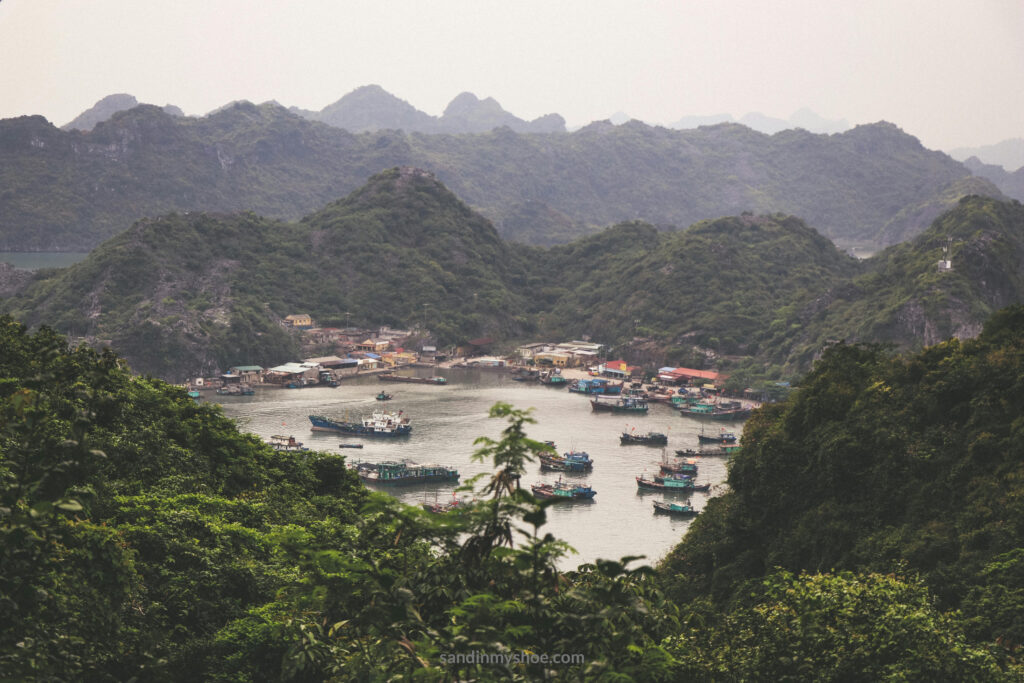
If you prefer relaxation on less touched sandy beaches and a more slow-paced way of exploring, check out Cát Bà. The island offers a similar natural landscape to Ha Long Bay but with fewer crowds. It is part of the stunning Cát Bà Archipelago, known for its dramatic limestone karsts and tranquil beaches. Spend your days exploring hidden lagoons, kayaking through emerald waters, or simply enjoying the island’s peaceful atmosphere. Cát Bà is perfect for a quiet retreat.
In order to get there, you need first go to Hai Pong and from there take a ferry.
Days 4–5: Ha Noi
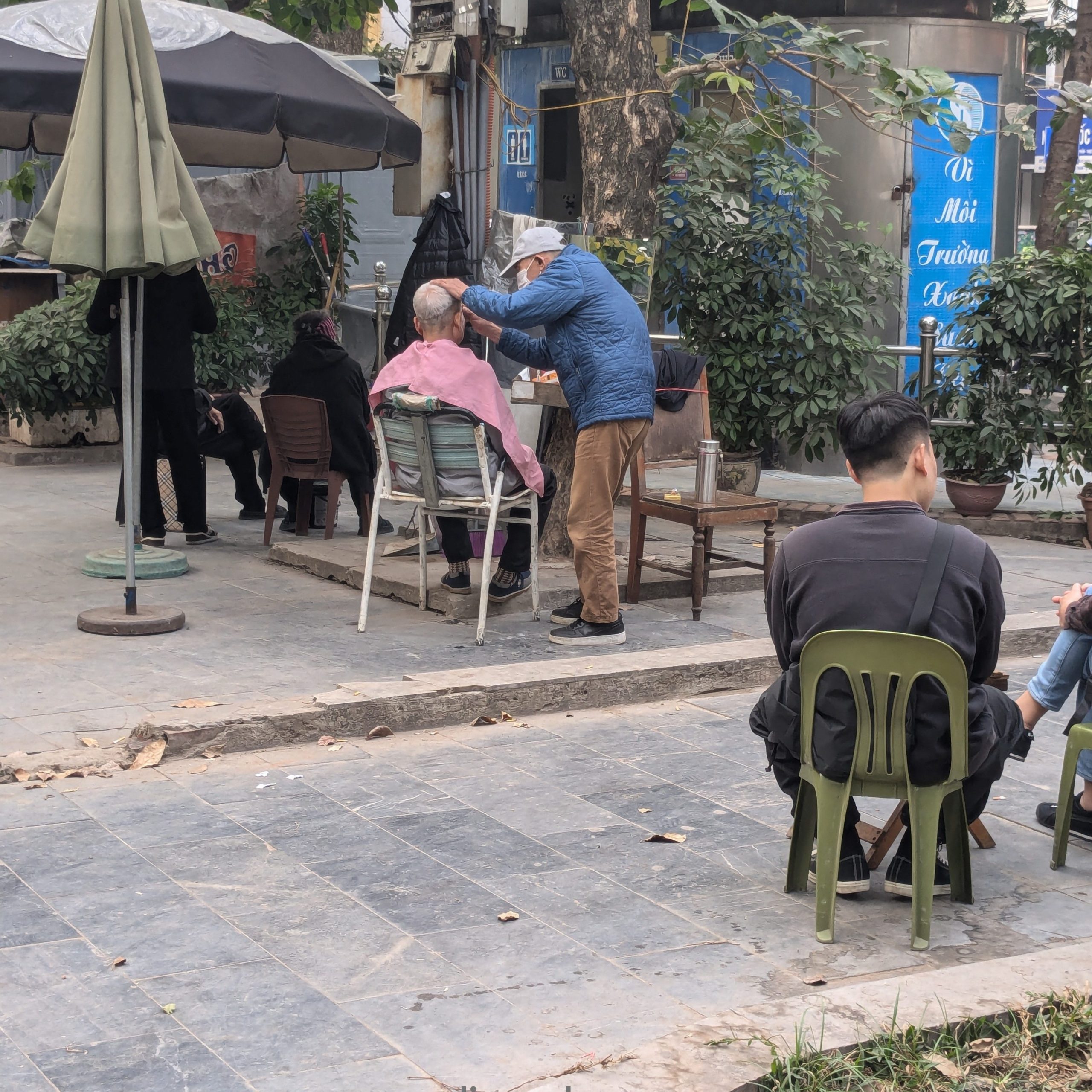
I’d recommend staying the rest of your nights in Ha Noi and doing day trips from here to Ha Long Bay and Ninh Binh. Ha Noi is great for a couple of days, with its blend of rich history, bustling streets, and quirky moments. What I enjoyed most about the city are the random aerobics group sessions in unexpected places, outdoor hair salons, the countless coffee shops on every corner, and, of course, the seemingly endless number of small dogs. I would recommend to check out the spots below during your stay.

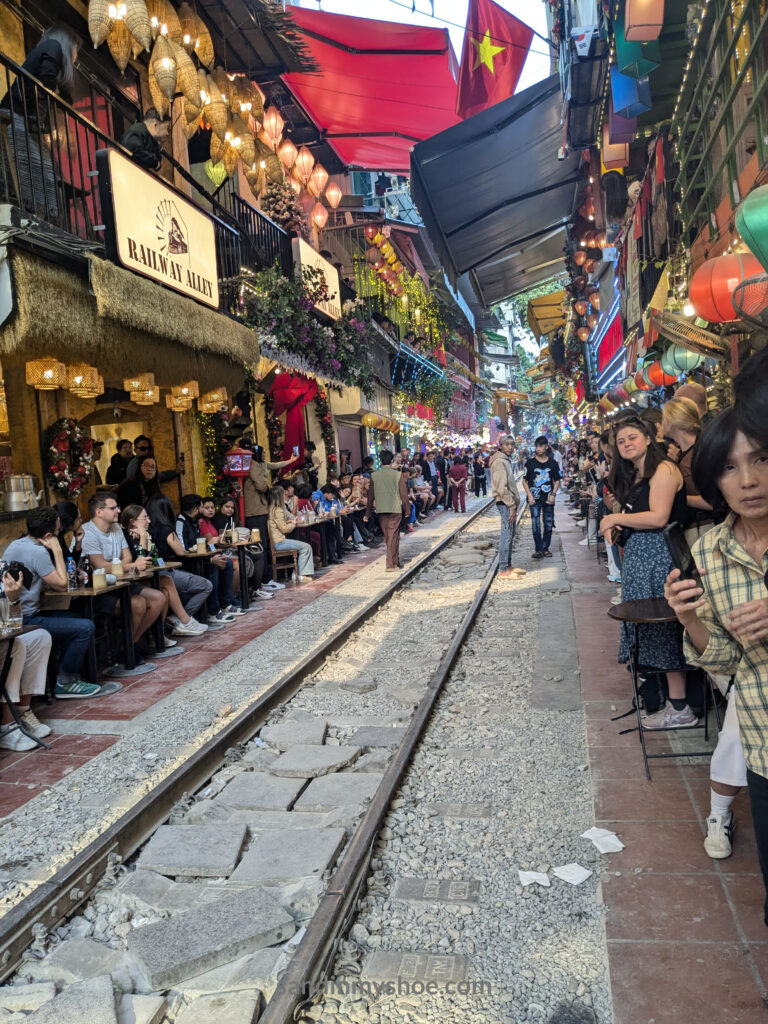
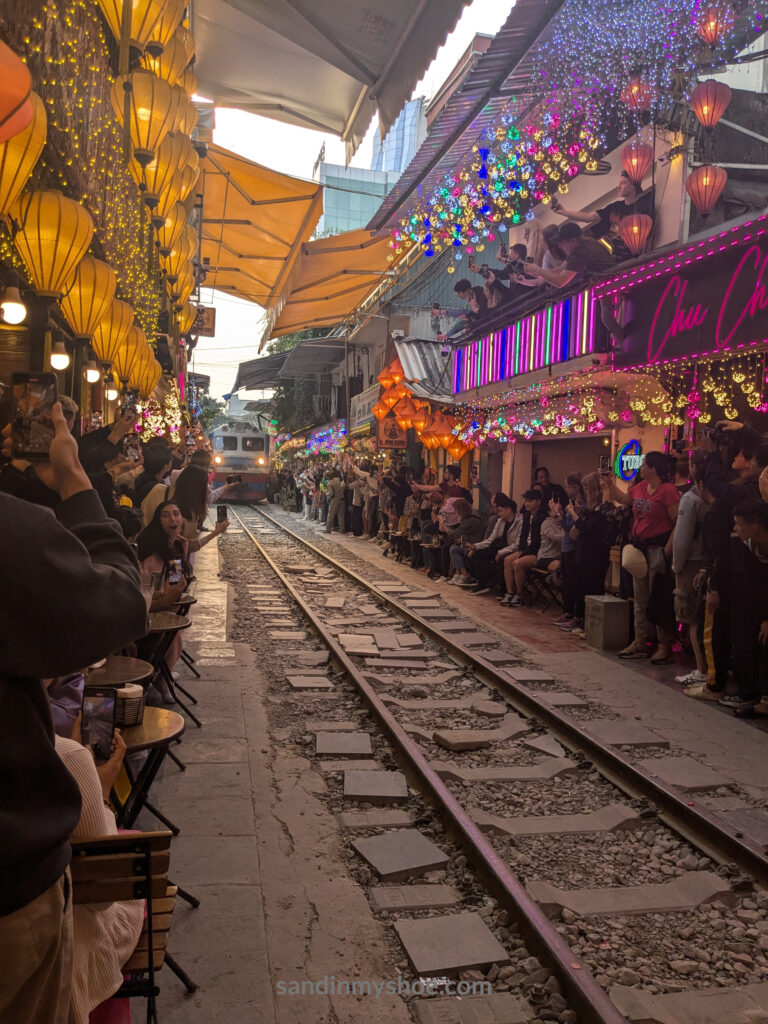
Train street cafe
Enjoy a cup of coffee while watching the train pass by with only a few centimeters to spare. Quite touristic, but what tourist site isn’t, well worth the visit in my opinion.

Temple of Literature
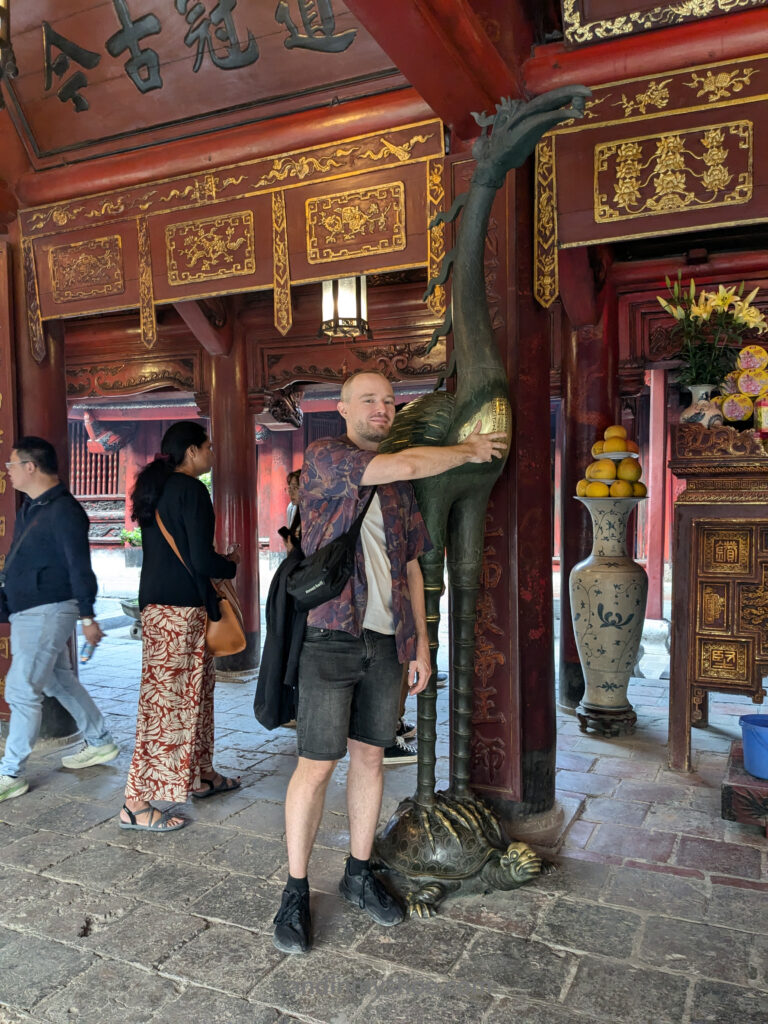
Get yourself educated at the Temple of Literature—or just rub the chest of the giant peacock like I did and hope for the best!
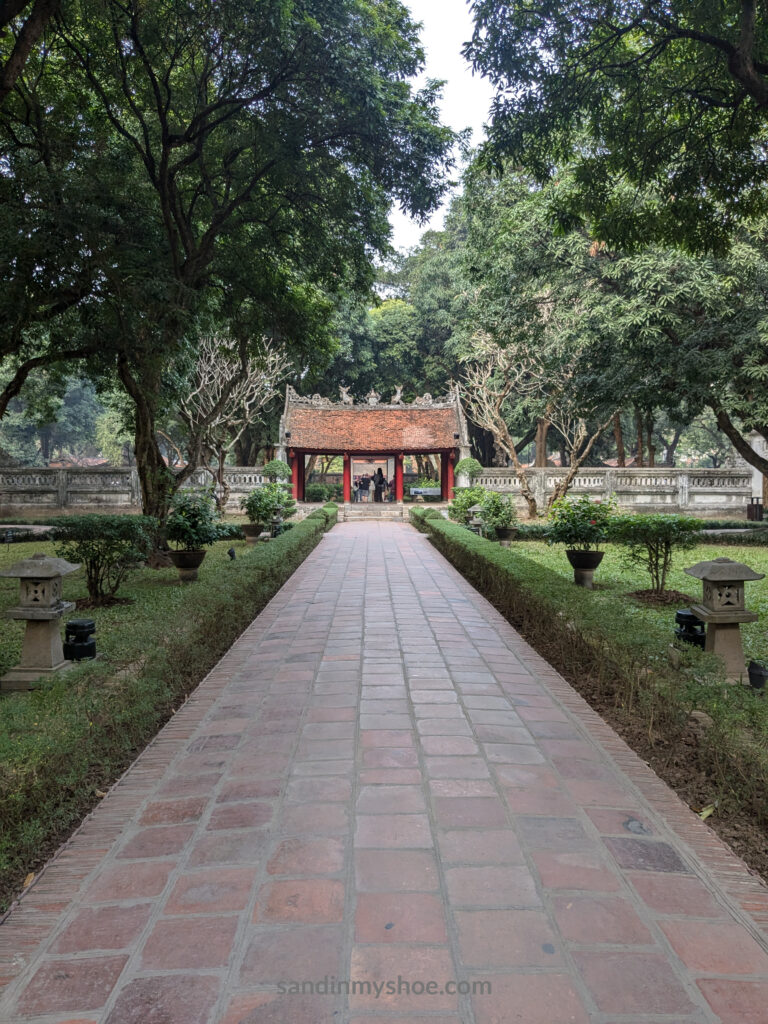
On a more serious note, this historical site is well worth a visit. The complex features several beautiful garden sections and numerous temples, offering a peaceful retreat from the city’s hustle and bustle.
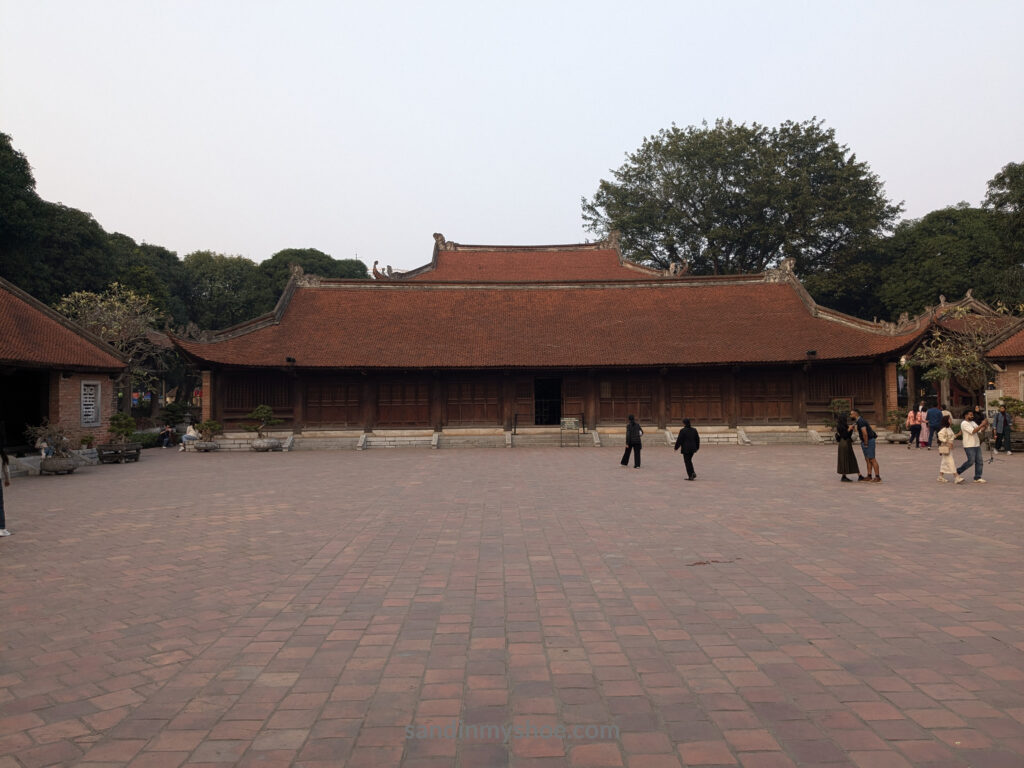
Locals often come here to take pictures in traditional Vietnamese clothing—whether for Tinder profiles, graduation celebrations, or weddings.
Hilton Prison (Hỏa Lò Prison)
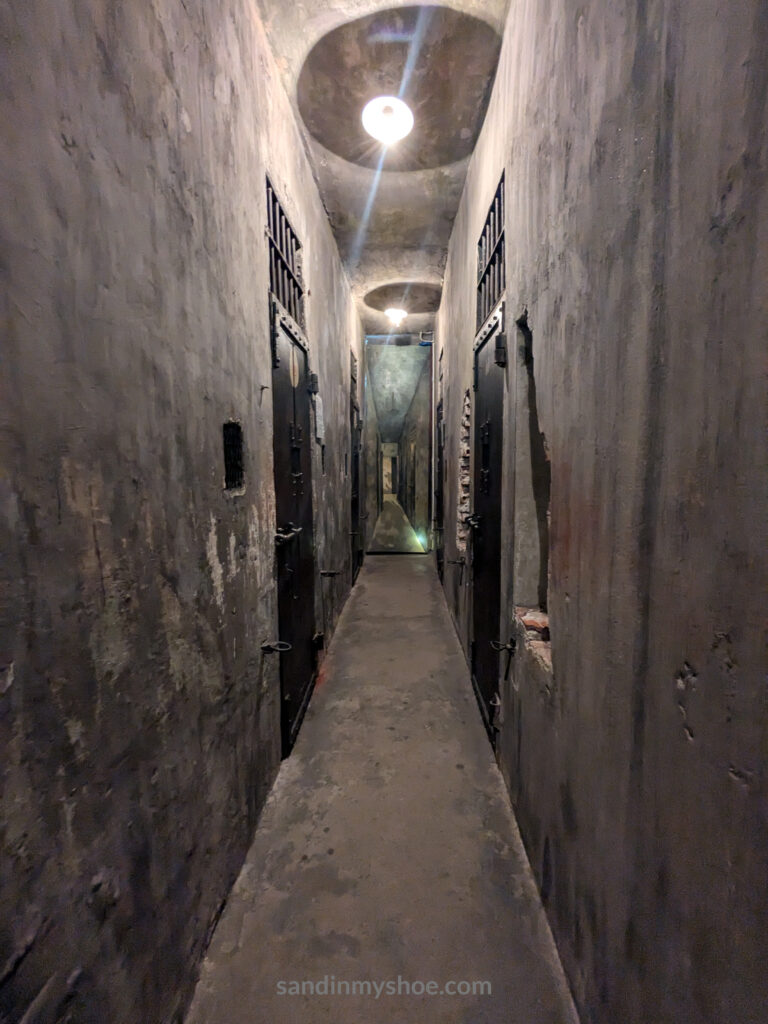
Hỏa Lò Prison, famously nicknamed the “Hanoi Hilton” by American POWs during the Vietnam War, is a chilling yet fascinating historical site in the heart of Hanoi. Originally built by the French in the late 19th century to imprison Vietnamese revolutionaries, the prison later became infamous for holding American pilots, including John McCain.
Today, the site serves as a museum, showcasing the grim conditions prisoners endured, from overcrowded cells to shackles and guillotines used during the colonial era. Despite its dark history, the museum offers a compelling look into Vietnam’s past struggles and resilience.
A visit here is both haunting and eye-opening, making it a must-see for history enthusiasts exploring Hanoi.
Tran Quoc Pagoda & West Lake (Ho Tay)
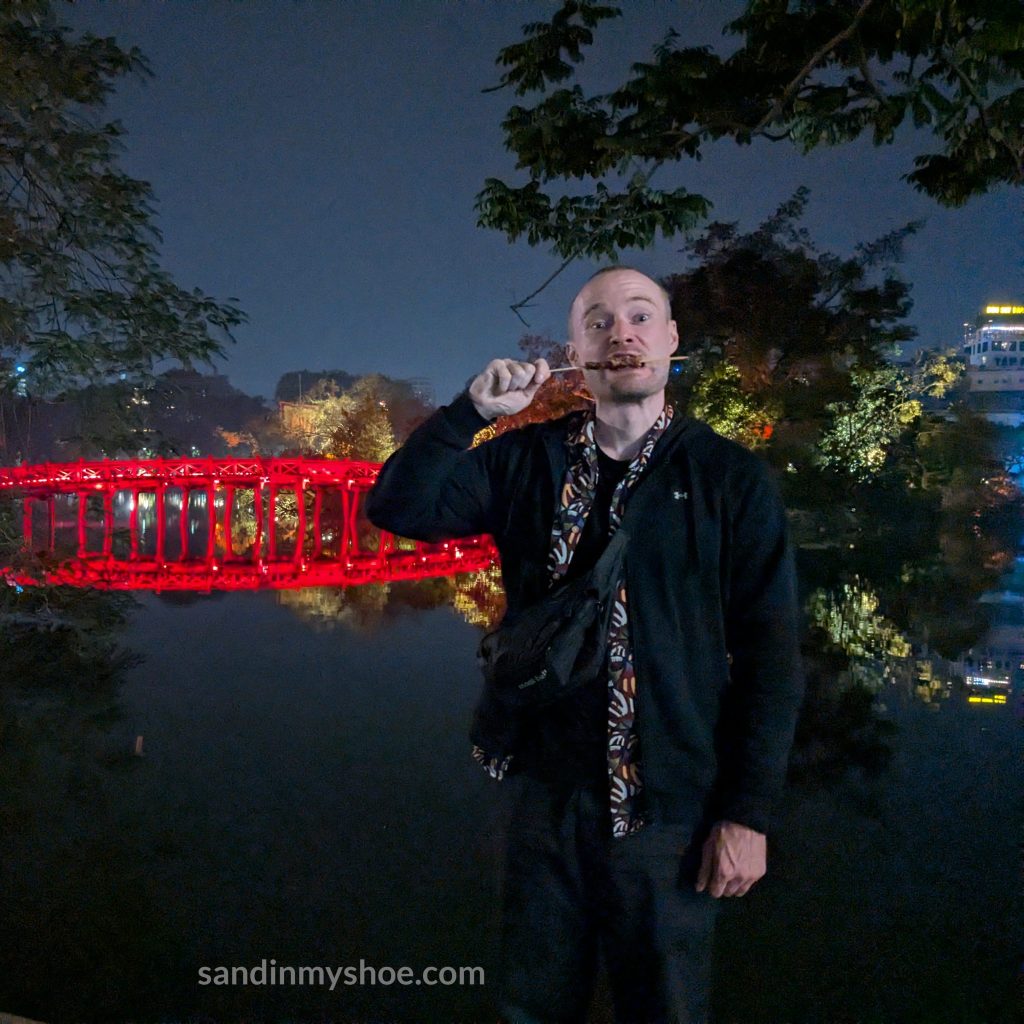
Tran Quoc is the oldest pagoda in Hanoi which was built in 541 in the Early Ly Dynasty. It’s a sacred sanctuary of Buddhism attracting not only Buddhist believers but countless of cultural explorers. It’s located in a small island in the west lake, which also makes a great walking or jogging route for the more active visitors.
Day 6: Daytrip to Ha Long Bay
Expect Ha Long Bay to be a major tourist destination, but its breathtaking scenery makes it well worth a visit. The emerald waters dotted with towering limestone islands create a stunning landscape unlike any other. Personally I got I little bit unlucky with the weather, but the mist made it even more mysterious.
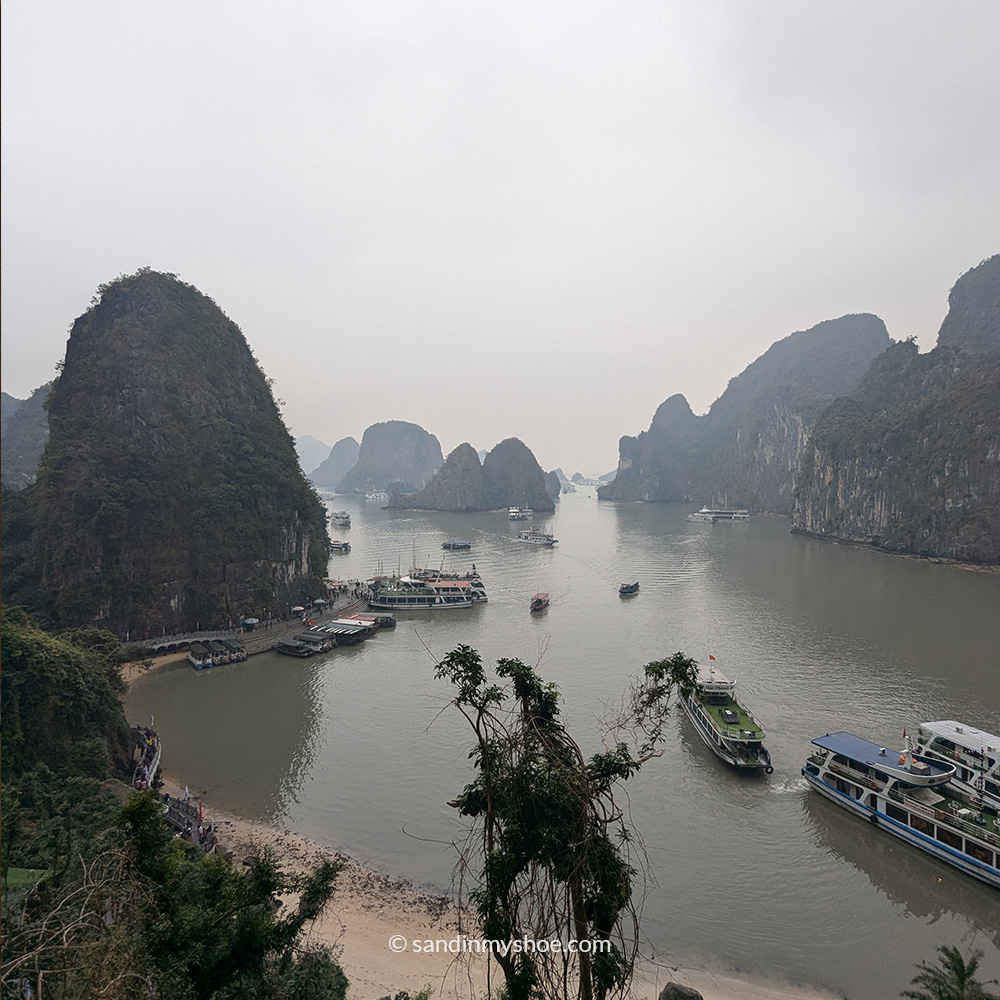
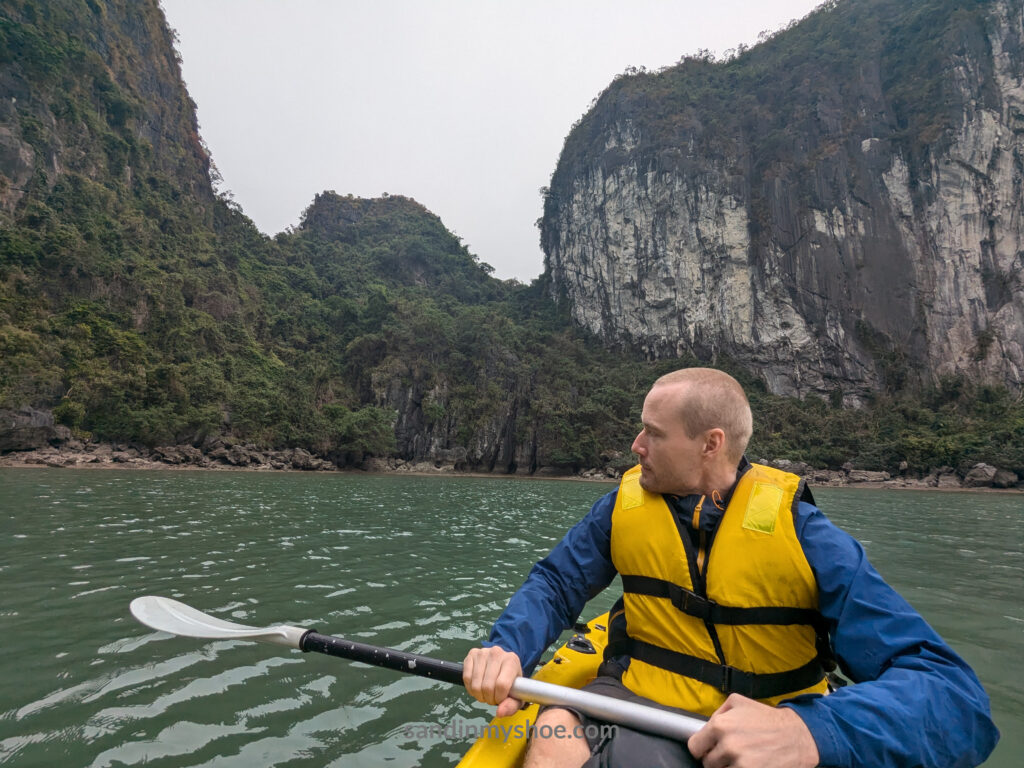
The way to experience it is by taking a day cruise or even a multi-day cruise with a night on the boat. Both options allows you to soak in the views while stopping at various islands along the way. These stops offer opportunities to explore caves, hike to panoramic viewpoints and do a bit of canoying. However, if you’ve already visited Cát Bà, you may find Ha Long Bay less essential, as the landscapes share many similarities.
Day 7: Daytrip to Ninh Binh
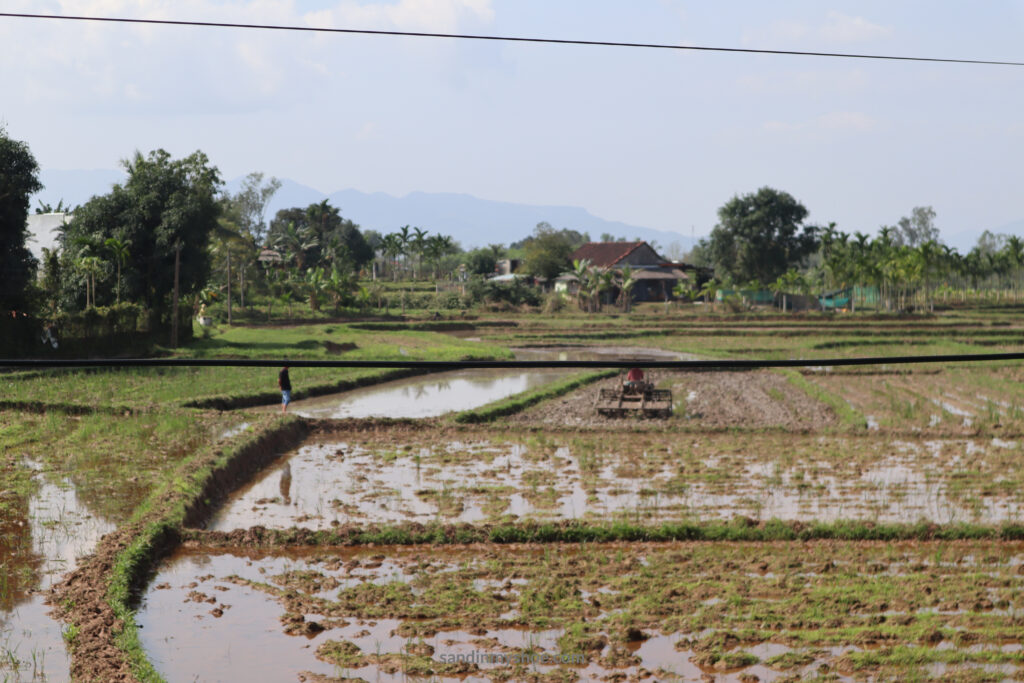
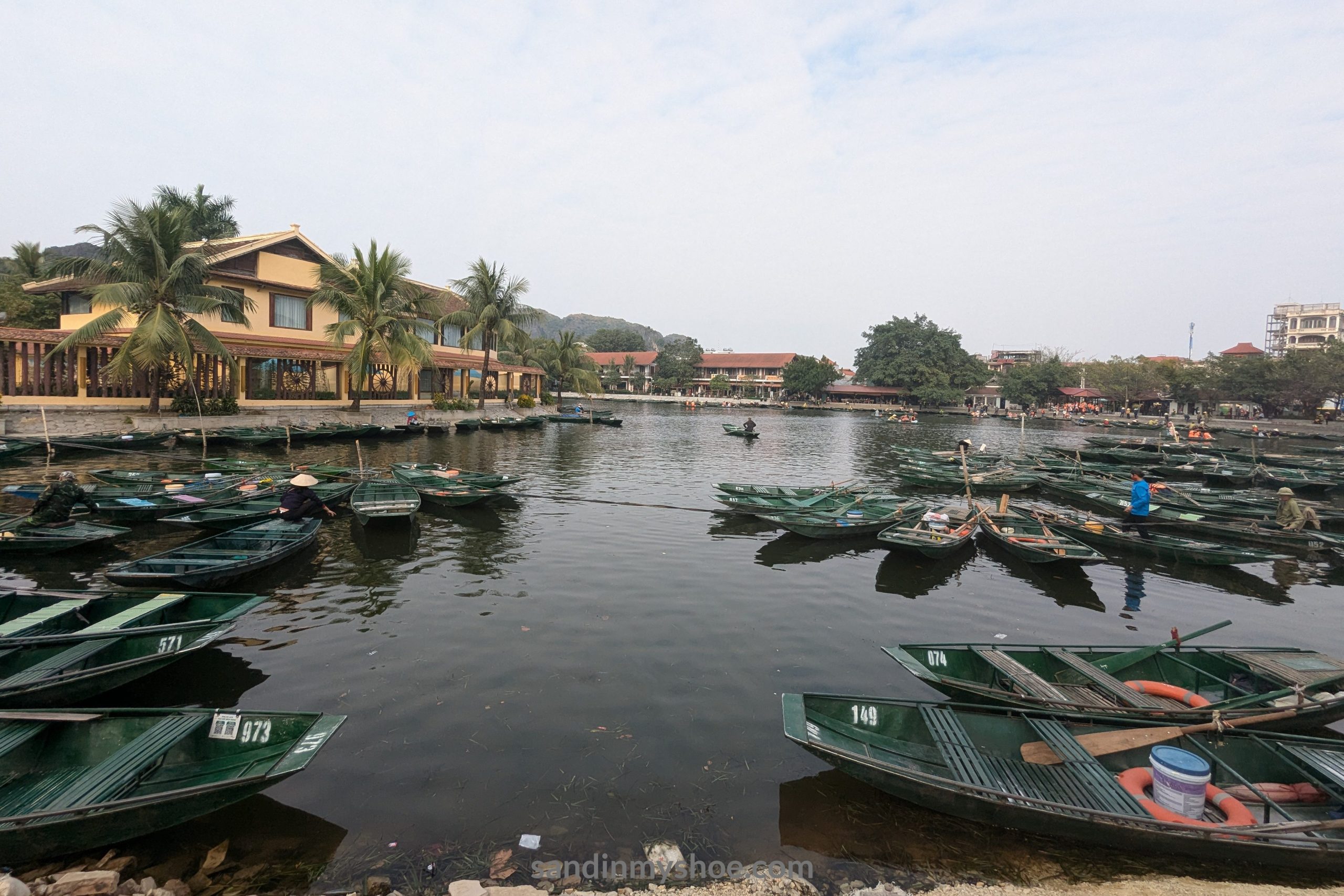
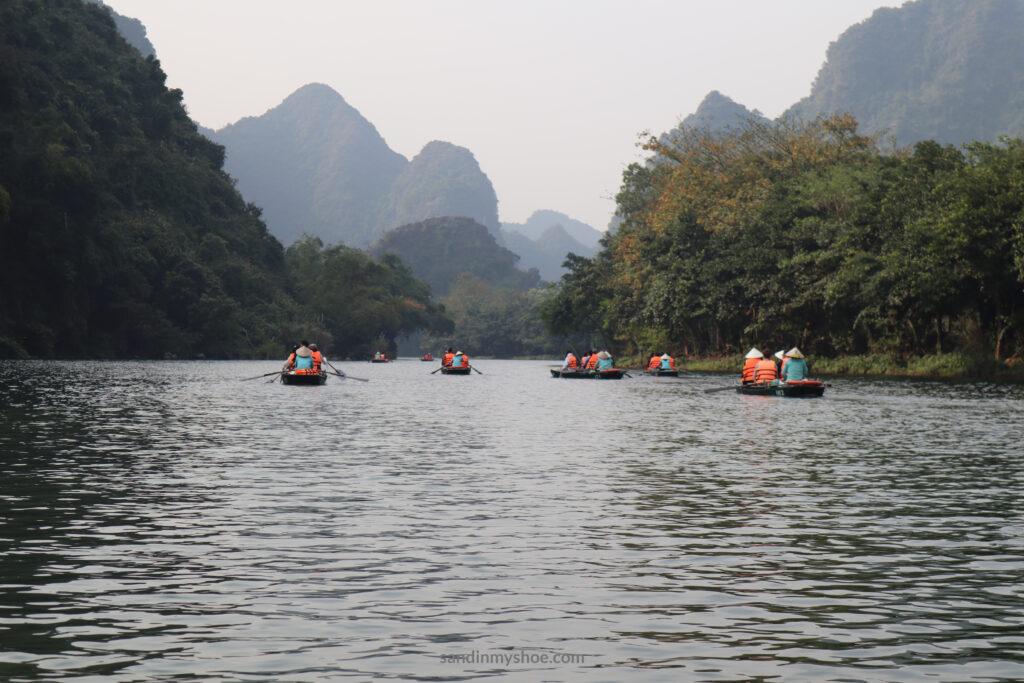
Ninh Binh is a charming little village, a bit similar to Ha Long Bay’s landscape, but on land. With its beautiful rice paddies and tranquil rural atmosphere, it’s the perfect place to slow down and take in the scenery. Rent a bicycle or motorbike to explore the village at your own pace. Personally, I preferef Ninh Binh over Ha Long Bay as it felt more authentic and less crowded. Parts of the newest King Kong movie were filmed here as well due to the towering limestones.
Wrap‑Up of Your Upcoming 1-Week Itinerary in Vietnam
With only a week in Vietnam, the most important decision you’ll make is whether to focus on the north or the south. A 1‑week Vietnam itinerary simply doesn’t give you enough time to enjoy both regions properly — you’ll spend too much time in transit and not enough actually experiencing the country.
- The South offers Ho Chi Minh City’s energy, markets, cafés, and easy access to beach destinations like Da Nang, Nha Trang, or Phu Quoc.
- The North gives you Hanoi’s old‑quarter charm, mountain adventures in Sapa or the Ha Giang Loop, and the dramatic limestone bays in Halong Bay and Ninh Binh..
Both are fantastic, but in one week you’ll have a far better trip by choosing one region and exploring it well, rather than rushing through both. In my opinion the south offers much more for a first-timer in Vietnam.


No comments yet, be the first one!
I appreciate hearing from you. If you have any suggestions, questions, or feedback, please leave a comment below. Your input helps ensure the information stays relevant and up to date for everyone.
Thank you for sharing your thoughts!