

In my experience, the best moments come from this mix of the iconic and the ordinary. In this post, I’ll break down Vietnam’s standout experiences: the famous ones that genuinely earn their reputation, the over‑hyped ones worth approaching with realistic expectations, and the smaller, quieter moments that end up defining your time here—and become the stories you tell when you get home.
1. Crawl Through the Cu Chi Tunnels (Ben Dinh & Ben Duoc)
Perhaps an obvious place to start, but the Cu Chi Tunnels deserve the attention — they carry enormous weight in Vietnam’s war history and have become one of the most visited sites in the south. This vast underground network was used during the war for movement, shelter, supply routes, and communication. It’s an impressive example of the ingenuity and resilience of the people who lived and fought here.
Most visitors explore Ben Dinh, the section that was widened after the war for safety and demonstration purposes. Even with the modifications, the tunnels are still narrow, humid, and claustrophobic. As you crawl through the tight spaces, you’ll hear gunshots from the nearby shooting range, giving the whole crawl an extra layer of tension.
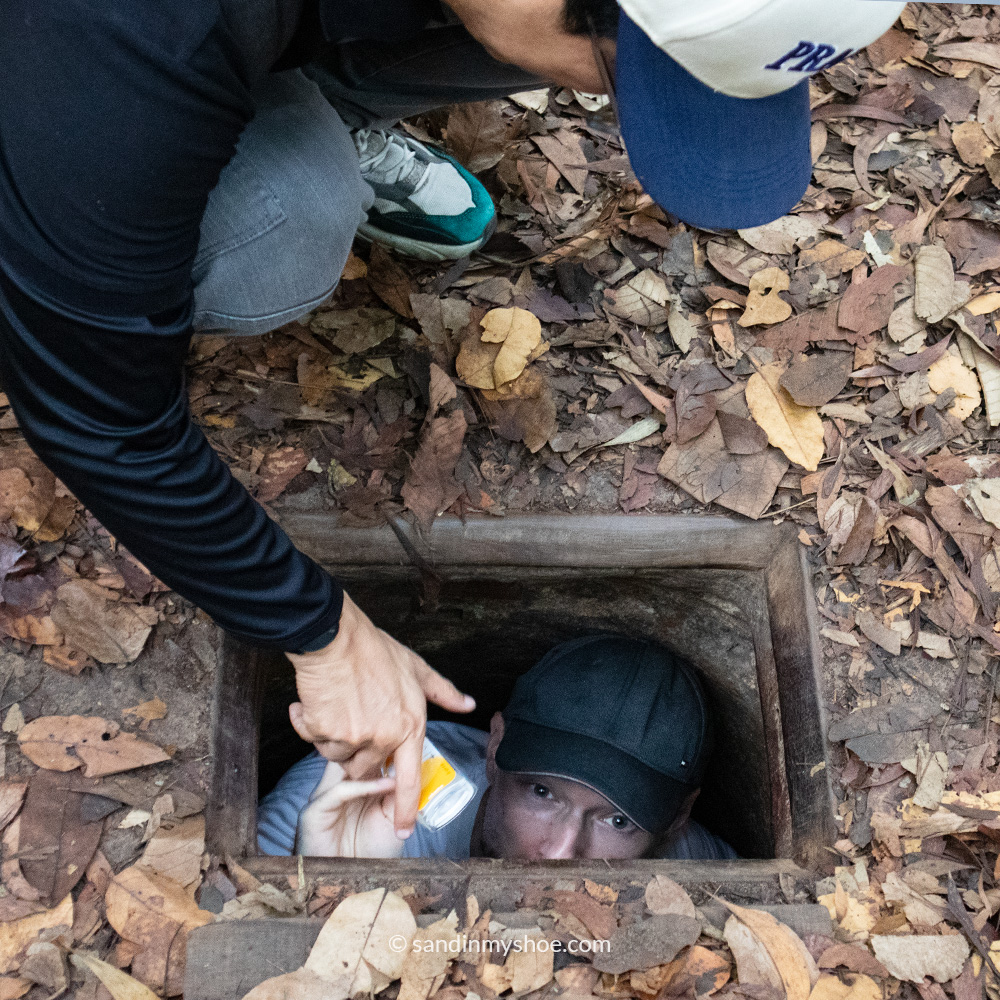
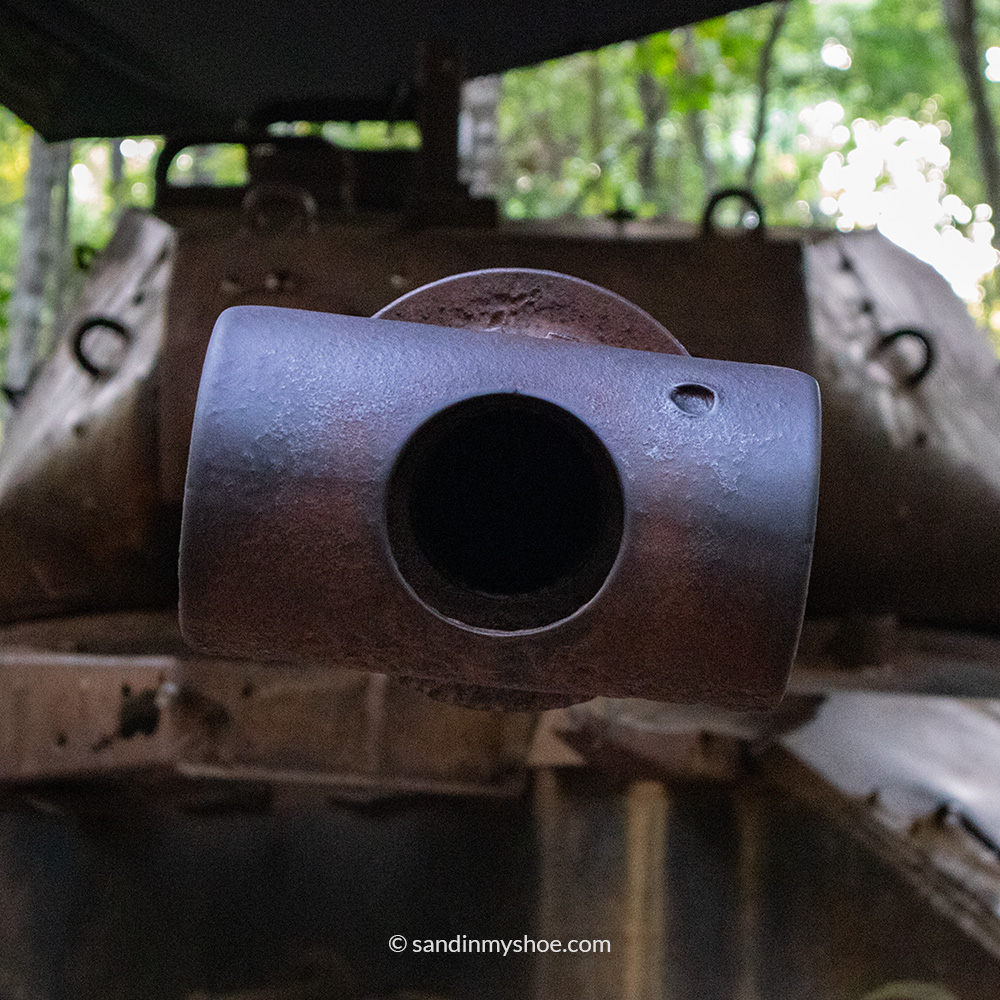
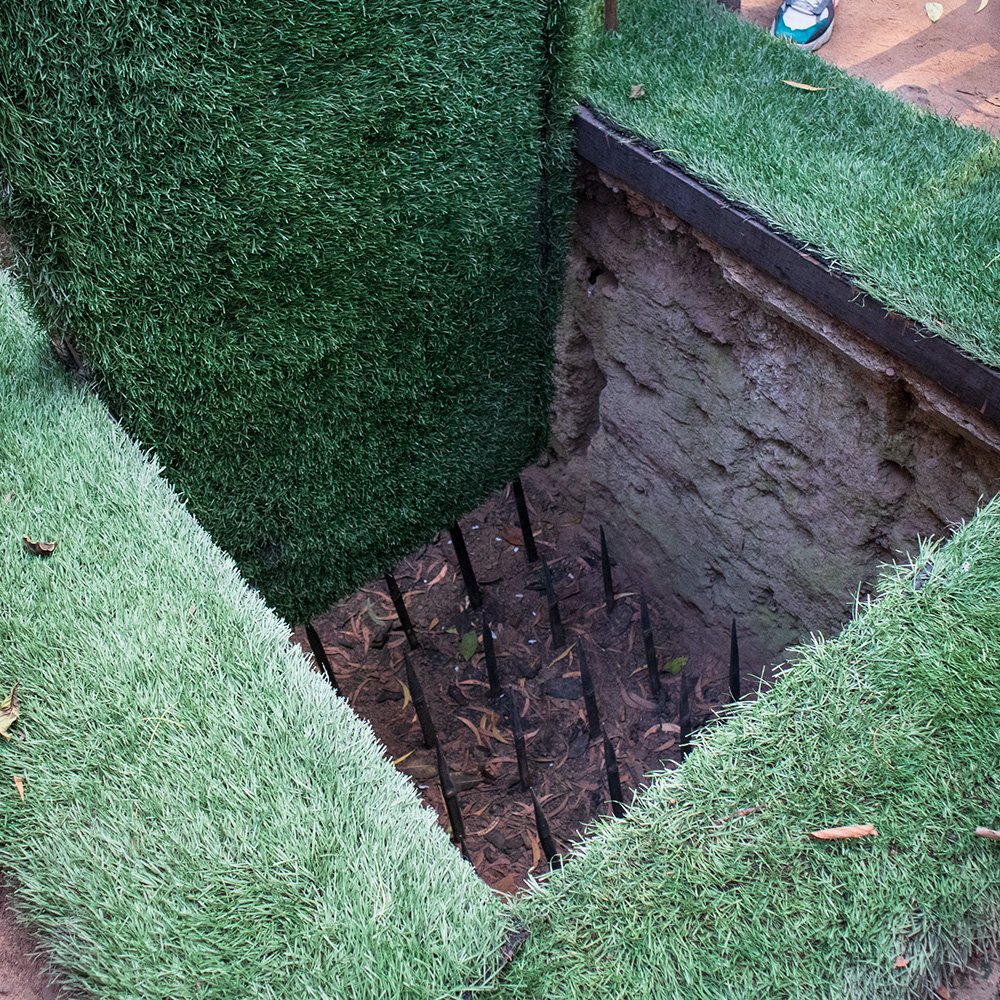
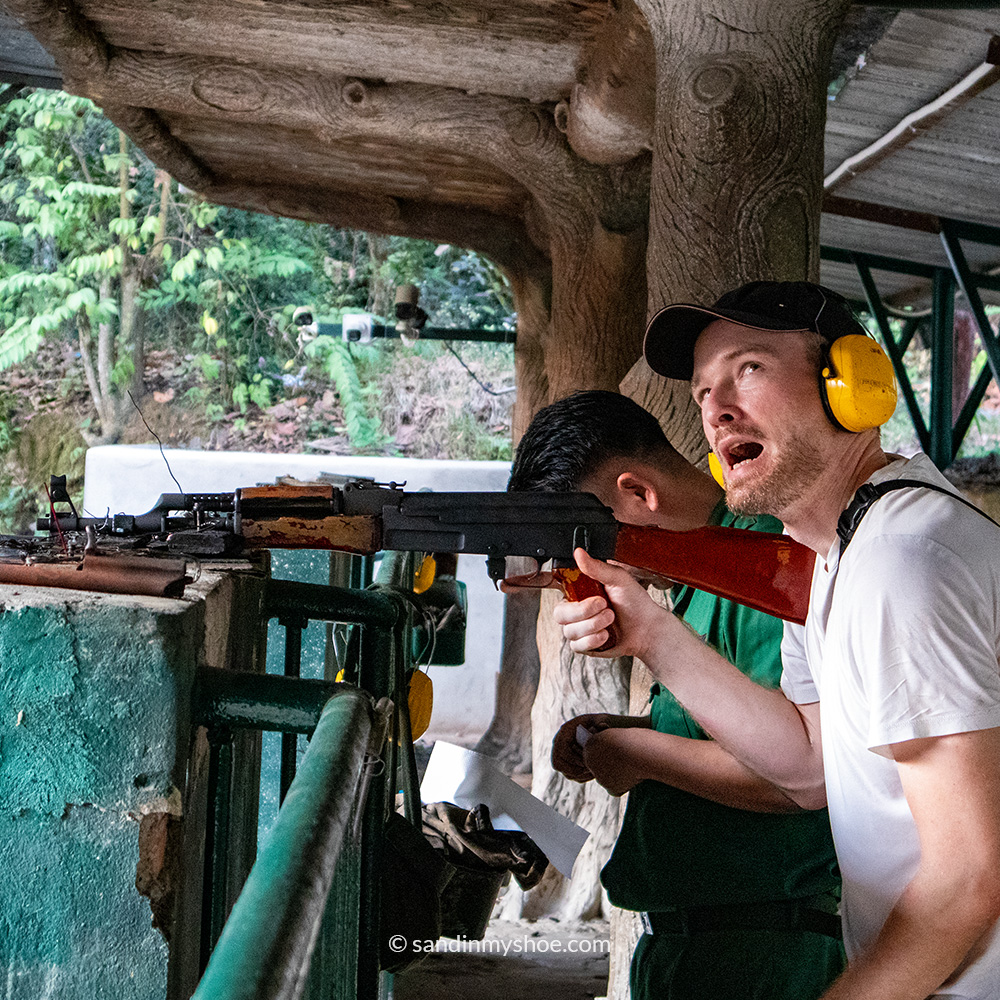
At Ben Dinh, you’ll learn about the war, see examples of traps and tunnel entrances, and experience the tunnels to the sound of gunfire. Afterwards, if you want to, you can even try shooting weapons ranging from AK‑47s to larger machine guns.
If you feel that the Ben Dinh feel a bit too polished, Ben Duoc offers a tougher, more realistic crawl. The tunnels here are far closer to their original size: far narrower, darker, and more physically demanding to navigate. For travelers who want the most authentic sense of the tunnels, it’s worth booking a tour that includes both sites to get a clearer sense of what life underground was actually like.
Tours are available as a daytrip from Ho Chi Minh City. I went with this tour agency booked through GetYourGuide.
2. Experience the War Remnants Museum
The War Remnants Museum located in the center of Ho Chi Minh City is one of the most powerful museums I’ve visited.
The courtyard displays helicopters, tanks, jets, and artillery used during the war, giving you a sense of the scale and machinery involved.
Inside, the museum covers the Vietnam War in detail, with a strong focus on the human impact and the long‑term consequences that still affect millions of people today, especially due to the chemical weapons used during the conflict. The exhibits are intense and often difficult, but they offer an essential understanding of what the country went through.
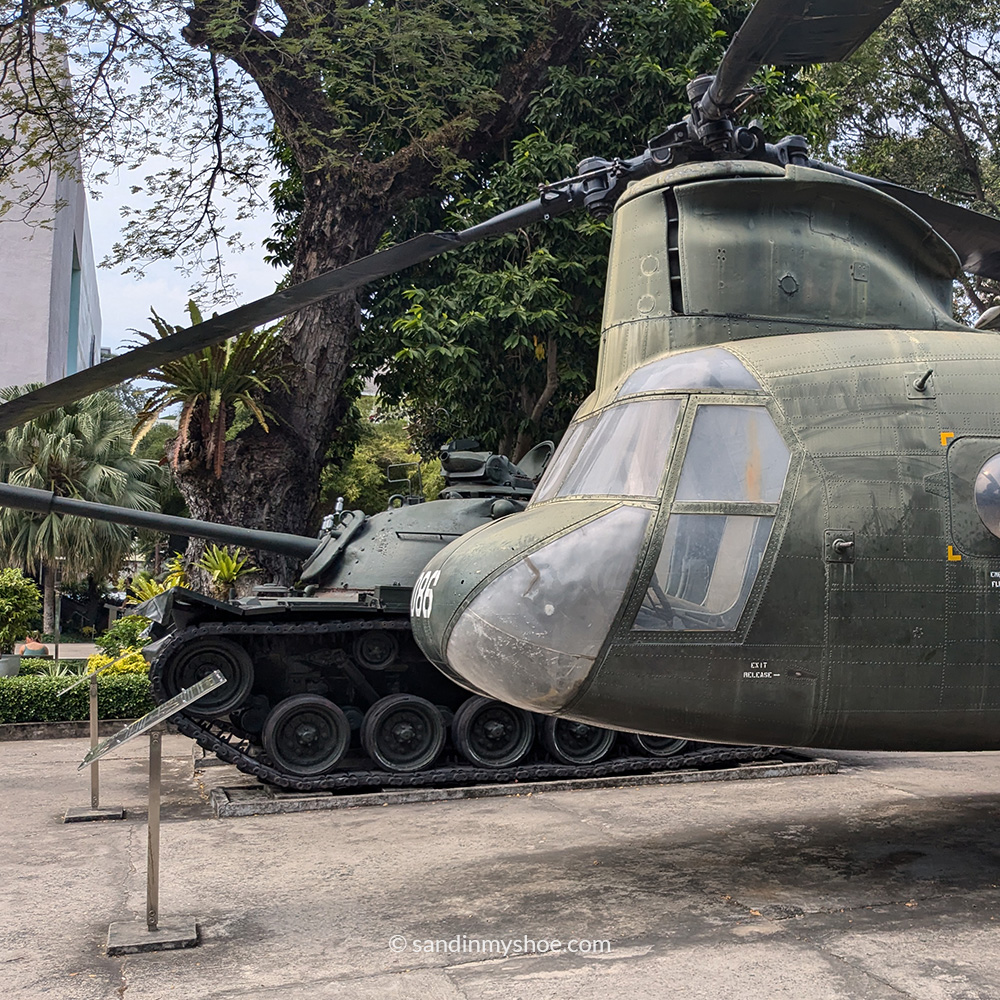
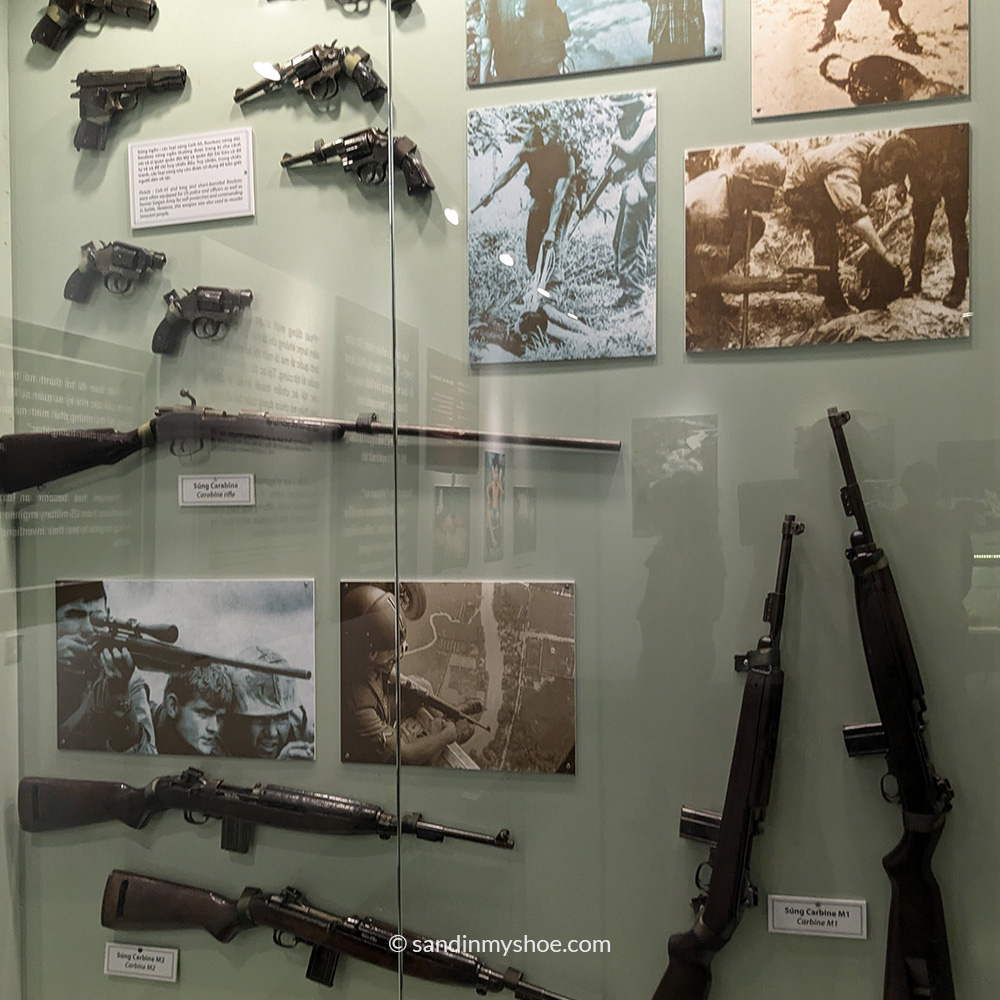
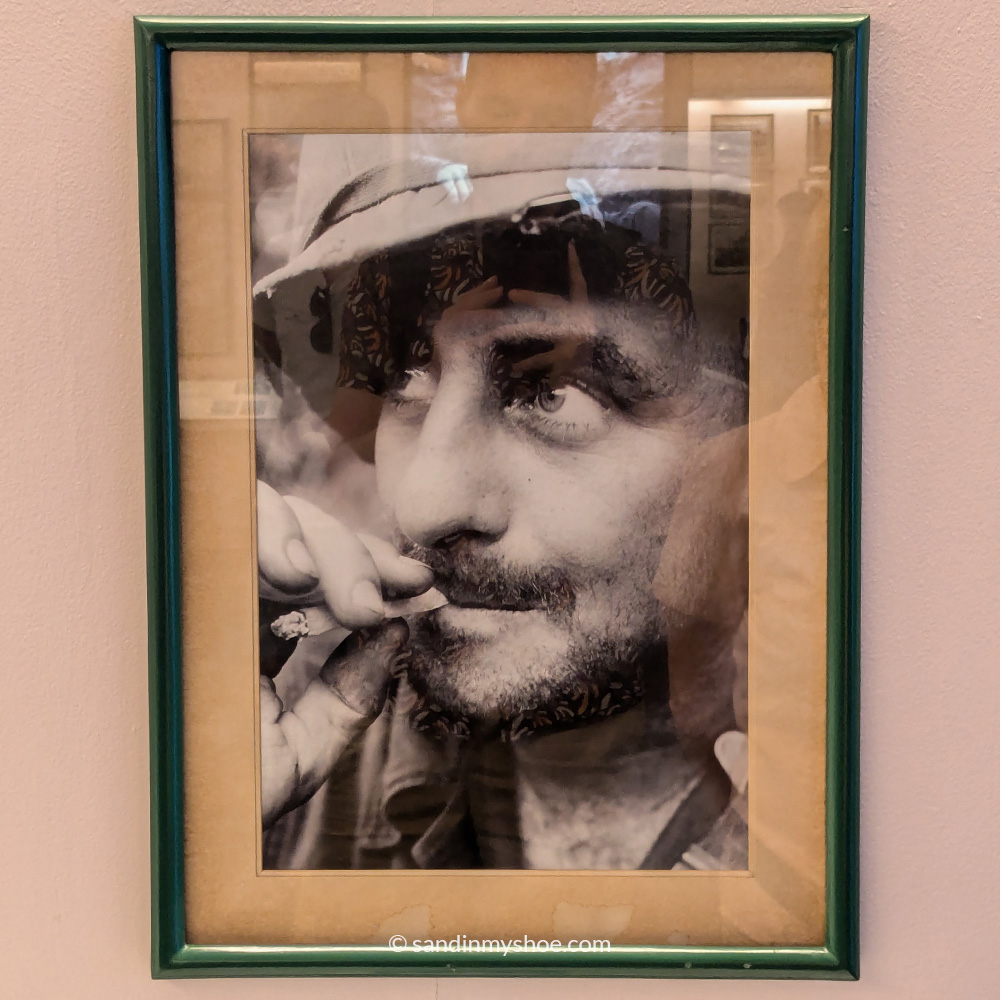

A must‑visit while in Ho Chi Minh City, but beware it’s very emotionally heavy. If you’re planning to visit HCMC, make sure to read my 2-day Ho Chi Minh Itinerary. It covers all the must-see sights along with a few of the city’s old espionage hideouts.
3. Enjoy Vietnamese Coffee
On a lighter note, Vietnamese coffee is an experience on its own. In Vietnam, there’s a café almost on every corner in the country, from from tiny street stalls to modern specialty shops.
The flavor is unlike what you get in most countries as the Vietnamese coffee relies heavily on Robusta beans, which are naturally stronger, more bitter, and higher in caffeine than the Arabica beans common in Europe — what I’m used to as a Swede.
I discovered many new kinds of coffee while I was traveling through Vietnam, but a couple of them stood out for me.
The Classic Cup: Cà phê đen
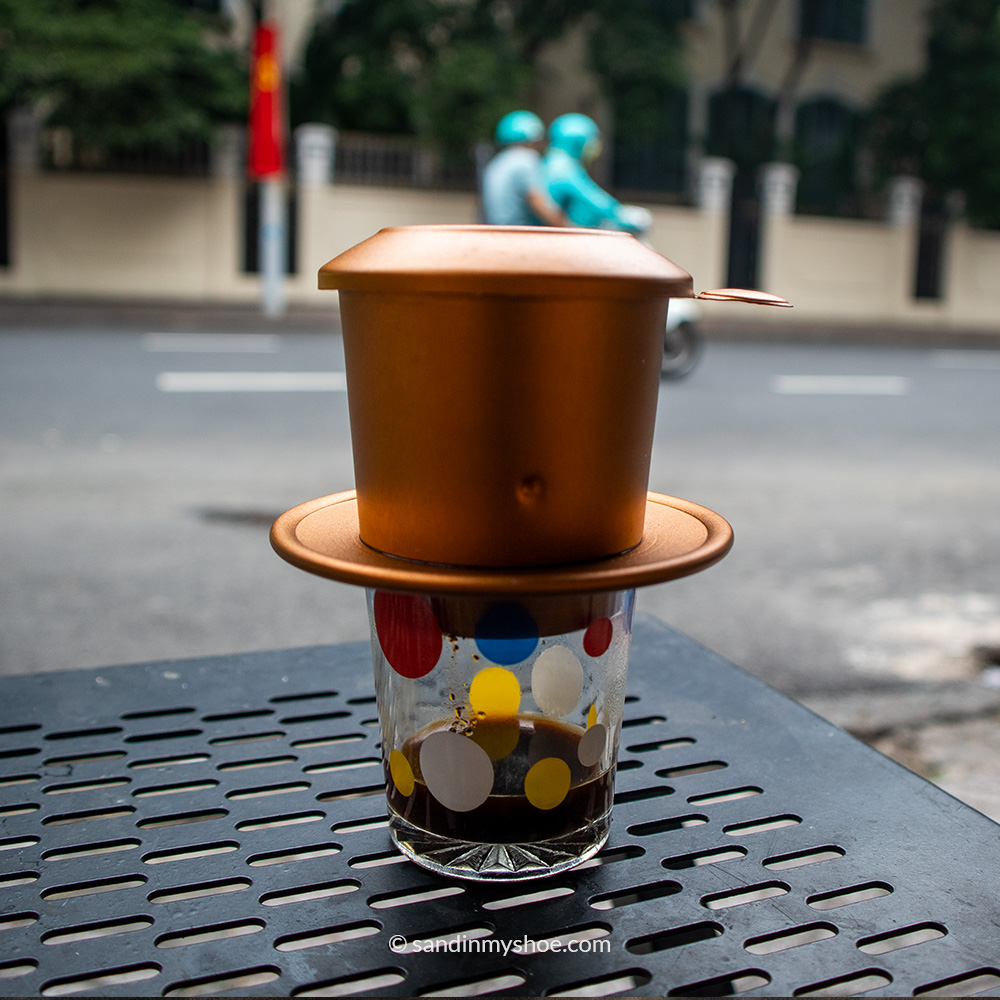
The classic cup is called Cà phê đen and is brewed using a small metal drip filter that sits directly on the top of the glass. Hot water slowly drips through the coffee grounds, creating a strong, dark, concentrated brew. It’s worth keeping in mind that this method isn’t fast—so don’t order it if you’re in a hurry. I once stopped for a quick pick‑me‑up before the War Remnants Museum, but it turned into a 20‑minute stop—waiting for the drip to collect into a mouthful, knocking that back, then waiting for the next one to appear. Don’t get me wrong though, it’s a good coffee, but you need a bit of patience for it.
Ice Coffee
Iced coffee is made by pouring cà phê đen over a generous amount of ice, and it’s incredibly popular across the country thanks to the hot, humid weather. The ice softens the intensity of the Robusta beans and turns the drink into something cold, strong, and refreshing.
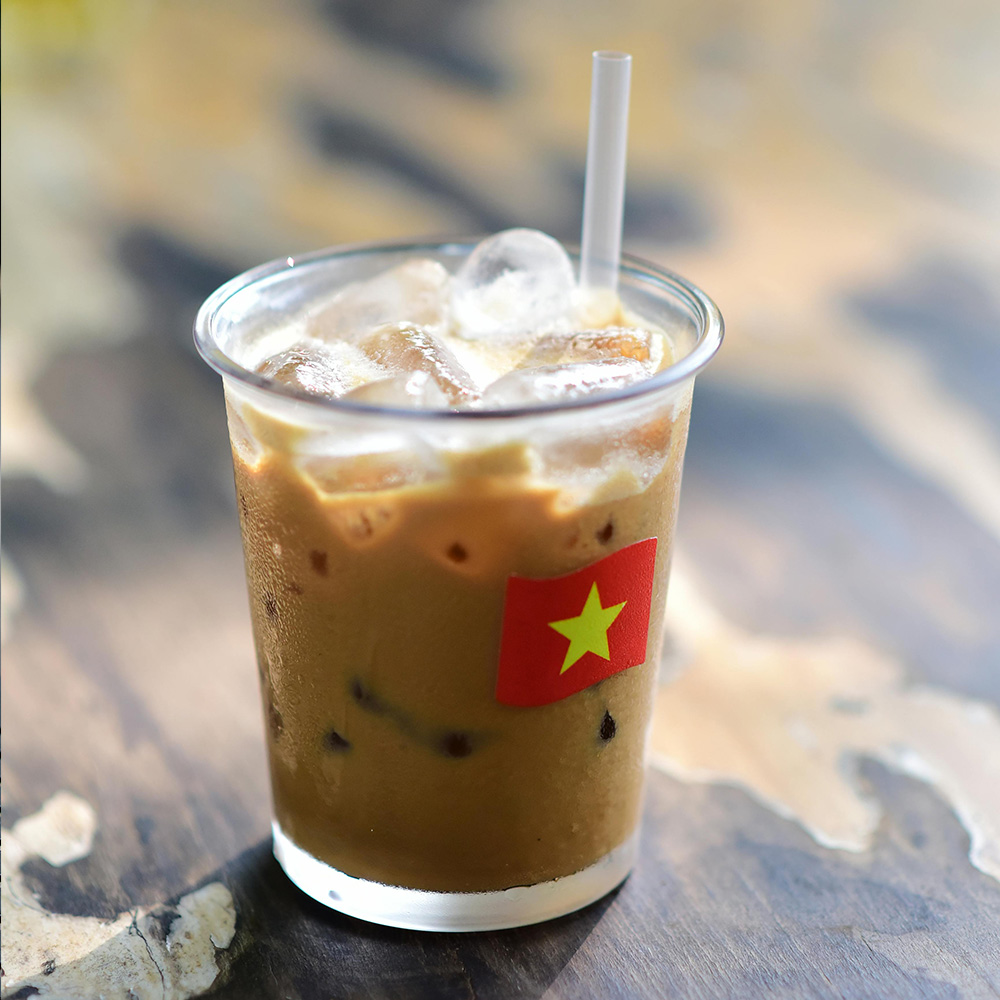
Egg Coffee
The first time I heard about egg coffee, my imagination ran wild. I couldn’t understand how it could even work as a combination — it sounded like mixing two things that should never meet. But the moment I tried it, all my doubts disappeared. Egg coffee tastes far better than you can imagine.
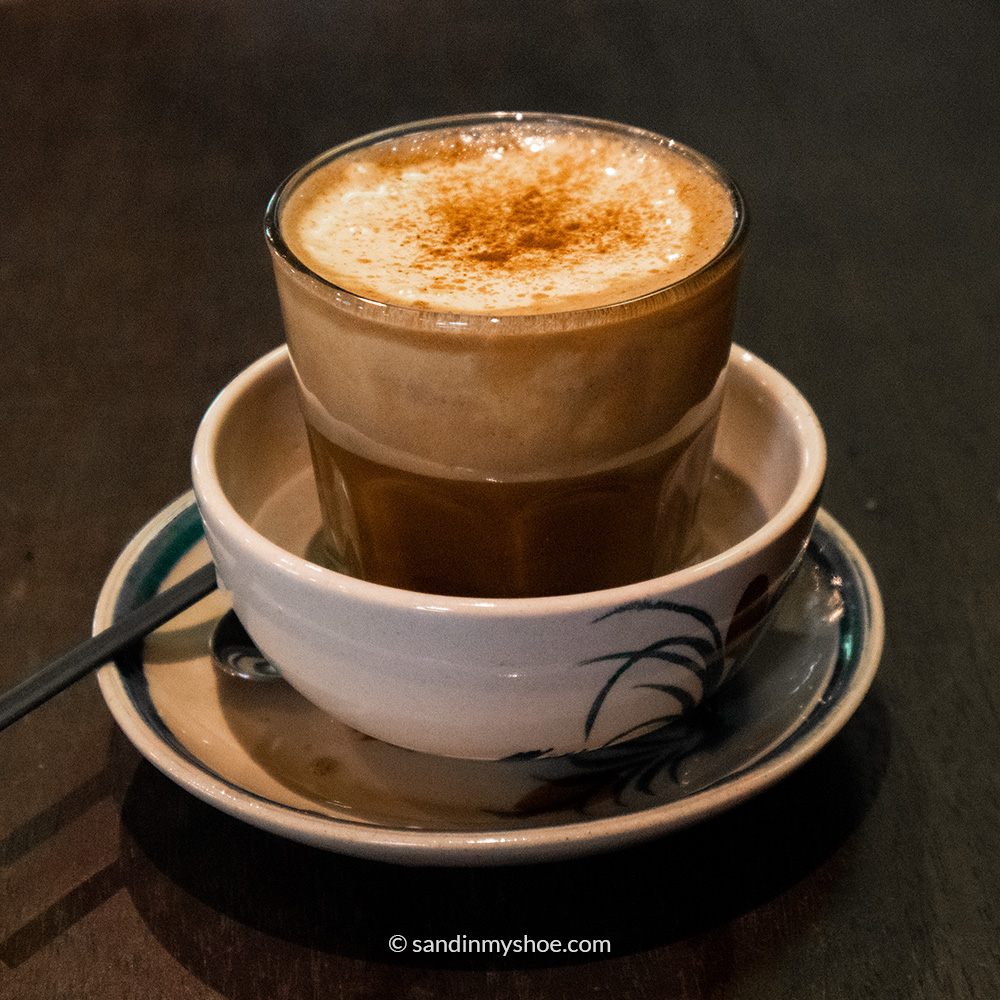
It was invented in Hanoi during the 1940s, when milk was scarce, and baristas got creative by whipping egg yolk with condensed milk into a meringue‑like foam, then spooning it over strong black coffee. Making it creamy, sweet, and far more approachable than it sounds. Be sure to try it.
4. Cross a Road Full of Traffic
Crossing the road in Vietnam when there are no traffic lights is not for the faint‑hearted. Sometimes there’s no other choice, and you find yourself stepping into what feels like a river of motorbikes coming toward you from every possible direction.
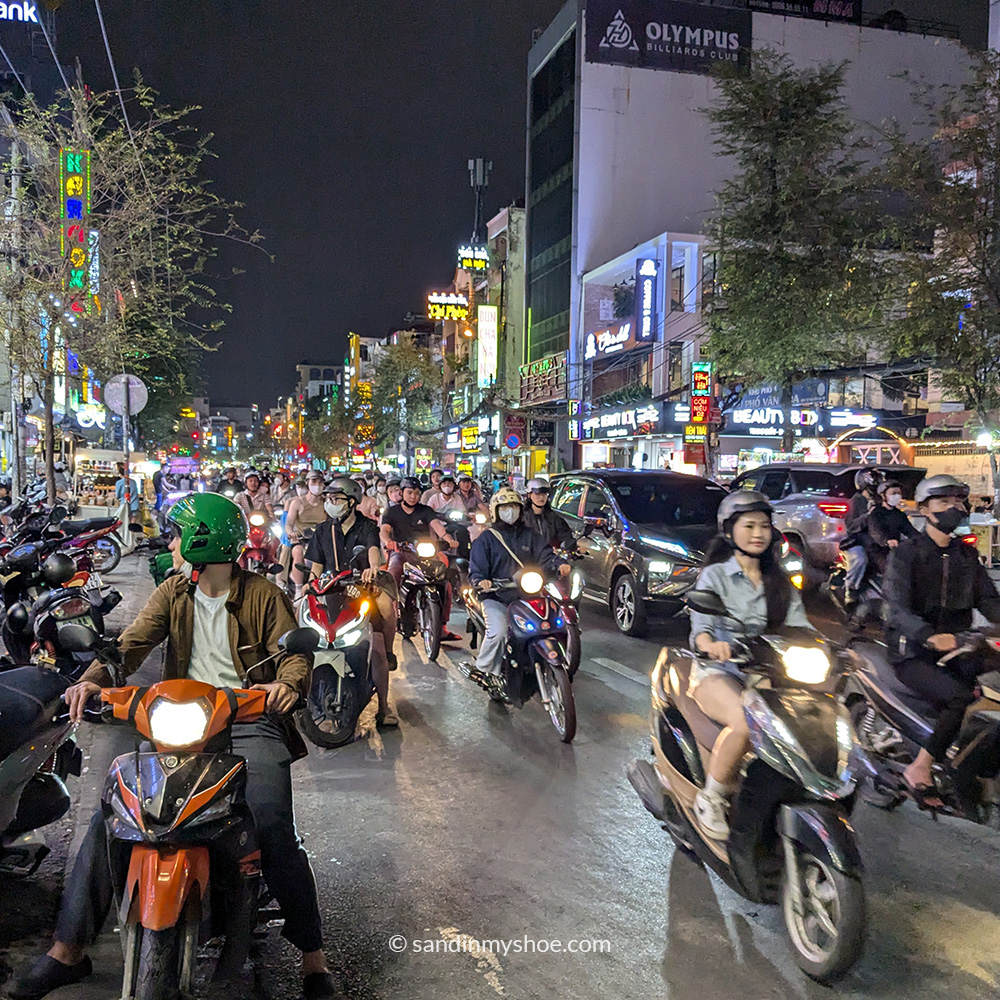
It goes against every instinct, but once you understand how it works, you can do it comfortably. The first reaction is usually to freeze or run, but that’s exactly what you shouldn’t do. Traffic here relies on predictability, not strict rules.
Motorbike drivers are incredibly skilled at adjusting their path around you—as long as they can read your movement. The safest way to cross is to walk at a steady, calm pace. Don’t run, don’t stop abruptly, and don’t make sudden changes in direction. Just keep moving, and the flow will bend around you.
It feels counterintuitive at first, but after a few crossings it becomes one of those small, everyday experiences that stays with you. It’s a moment of trust, a tiny adrenaline rush, and a glimpse into how the whole country moves. I remember this just as vividly as when I crawled through the Cu Chi tunnels to the sound of gunshots.
5. Spend a Couple of Days in the Mekong Delta
The Mekong Delta is the countryside of countrysides, a place where Vietnam’s rural life stretches out in every direction. It’s full of rivers, quiet villages, and vast rice fields—nearly half of the country’s rice is grown here.
Riding a motorbike here is the best way to explore: the roads are flat, the traffic is light, and you can stop wherever you like—fruit orchards, small cafés, riverside viewpoints, or just a shady spot to watch boats drift by.
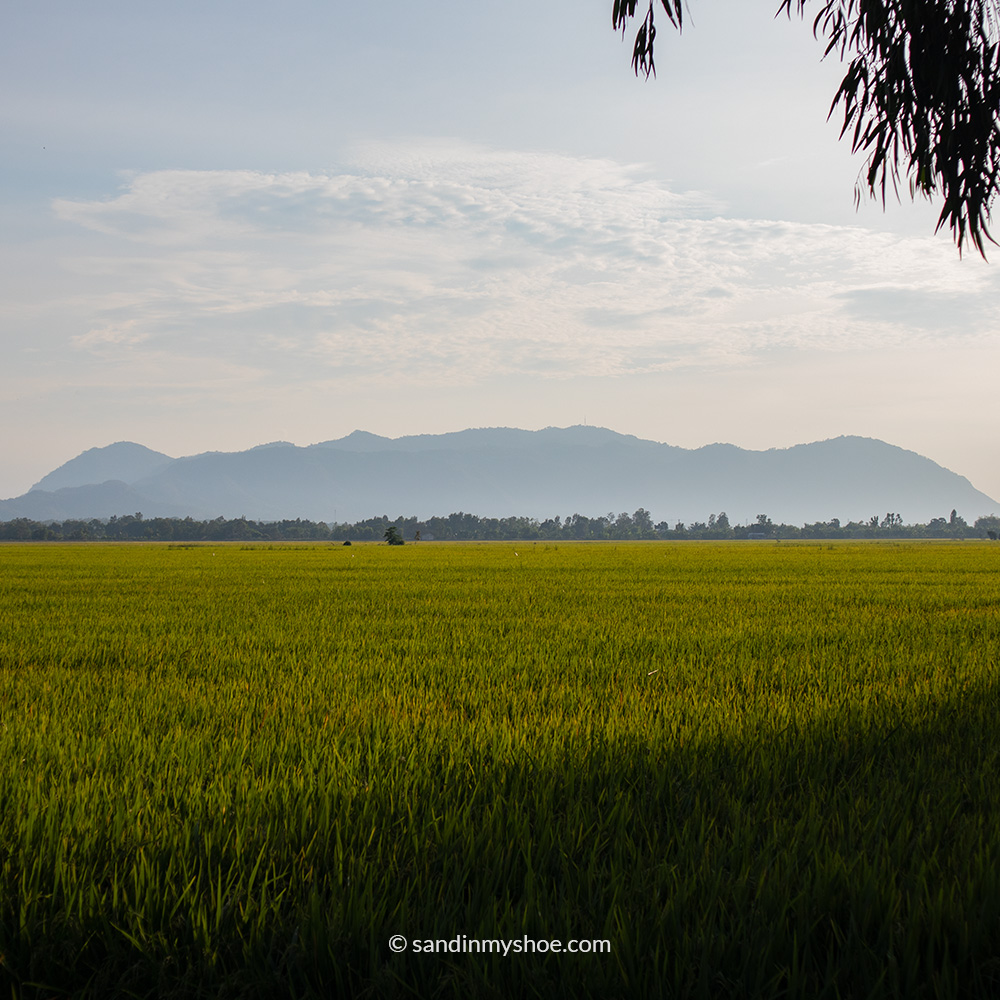
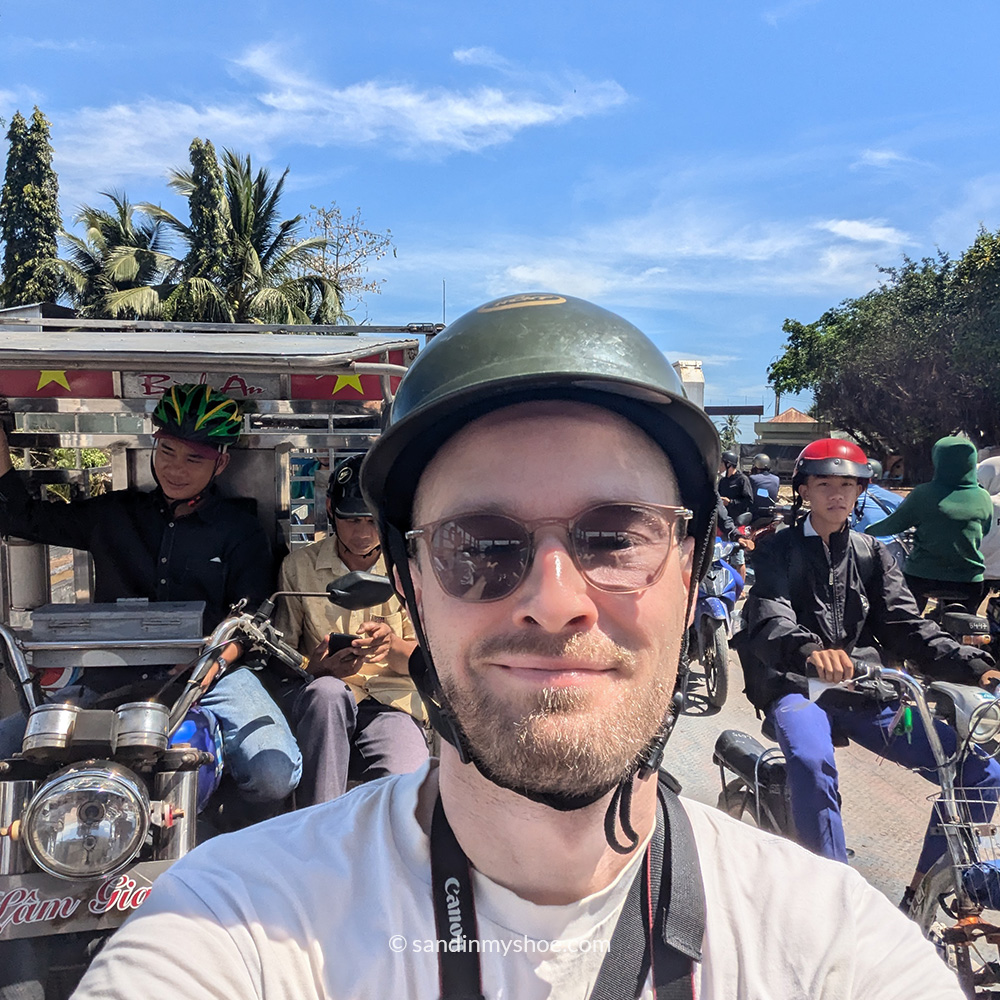
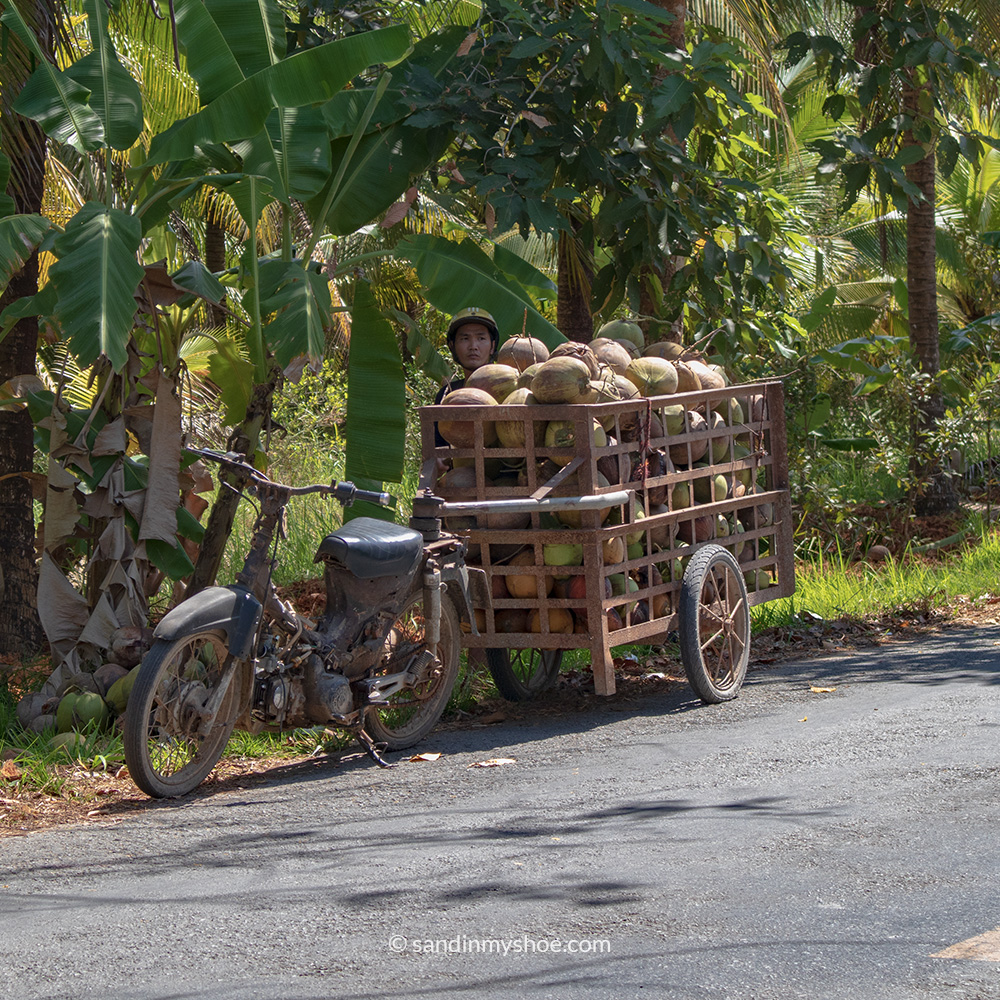
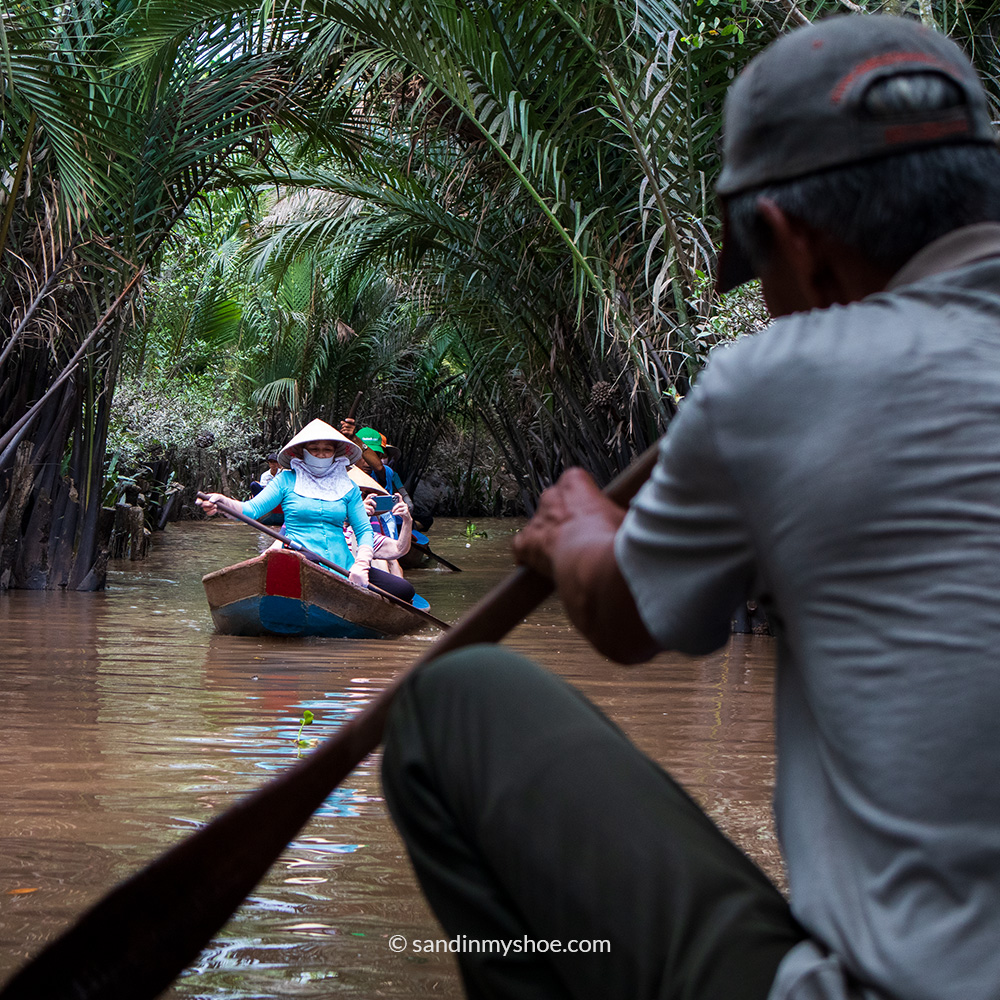
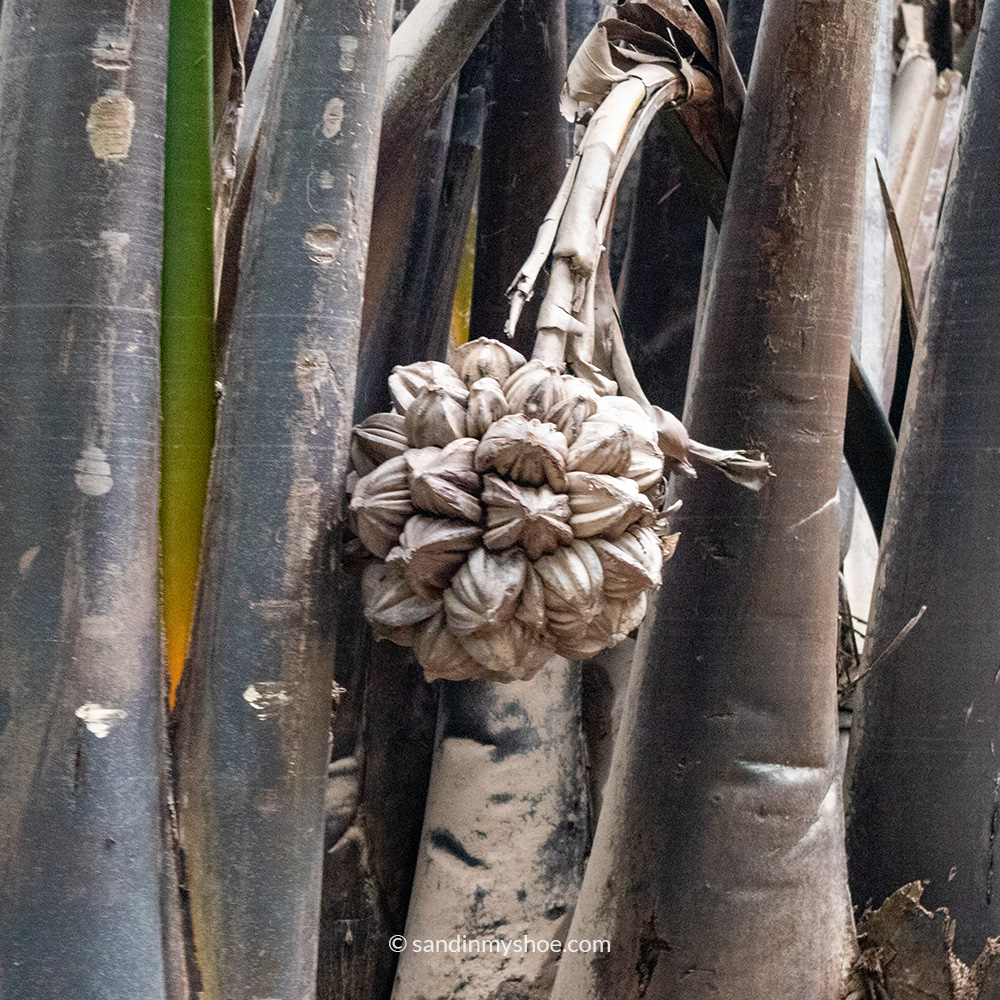
Spending time in the Mekong Delta isn’t about ticking off sights; it’s about letting the landscape and the pace of life sink in, drifting between laid‑back places and enjoying the quiet. A couple of memories surface when I think back on the Delta. I remember stopping at a tiny café to recharge my caffeine levels when a rooster suddenly hopped onto the table next to mine, crowed once, and then simply stayed there until I finished my coffee. Small moments like that are what make the countryside so pleasant. The region is also full of coconuts—grown, harvested, and turned into everything from drinks to candy. You see people riding around on motorbikes with carts piled high with coconuts, weaving through the villages as if it’s the most natural thing in the world.
There are sights too: floating markets waking up at sunrise (many have partly moved onto land, but they’re still worth visiting), narrow canals lined with palm trees where you can glide through on small boats, and small temples and pagodas that locals visit every day.
There’s a spiritual heart to the region as well. In Châu Đốc, the Lady Temple at the foot of Sam Mountain draws pilgrims from all over Vietnam. The atmosphere is calm and devotional, offering a glimpse into the country’s spiritual life that adds a deeper layer to the journey.
Many travelers opt for a day trip from Ho Chi Minh City to the Mekong Delta, and you’ll certainly see some of the highlights and might be enough if you are short on time. Personally, I spent a week here, and I’d recommend staying at least a couple of days. Once you get beyond the tour routes, the Delta becomes far less touristy, and you get to experience Vietnam’s countryside at its most peaceful.
If you are short on time, consider joining a tour.
6. Ride the Train Between Destinations
There are many ways to get around in Vietnam. For long distances, flying is usually the fastest, and for shorter ones, buses are the most practical. But the train ended up giving me some of my strongest memories.
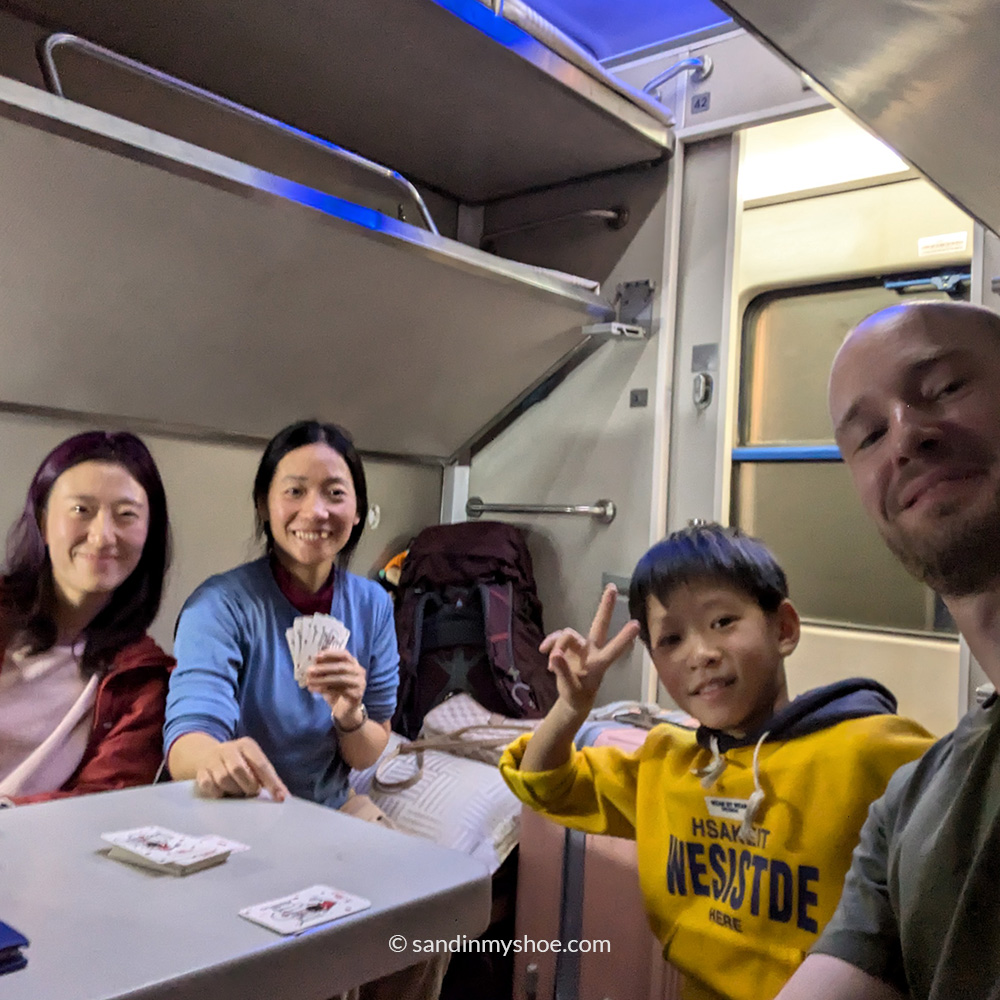
I covered more than 1,000 km with the train, going from north to south with plenty of stops along the way, and the journeys themselves became some of my fondest memories. I spent hours hanging out with locals, sharing snacks, and even ended up in a restaurant cart full of drunk soldiers early in the morning. Encounters like that don’t happen on a plane.
The train gave me time to soak in the landscape—rice fields, small towns, mountains, and long stretches of coastline drifting past the window. I also got a glimpse of everyday life inside the train cars, which felt much more authentic than the typical tourist routes. Despite Vietnam being a major travel destination, the trains still felt surprisingly untouristy.
Domestic flights are tempting because they’re fast, but the train lets you actually experience the country as you move through it. If you have the time, it’s absolutely worth considering.
7. Explore Ninh Binh with a Rowboat
Ninh Binh is famous for its dramatic limestone karst formations, similar to Ha Long Bay, but here they rise from the land instead of the sea. The town sits in northern Vietnam, about 100 km south of Hanoi, and it’s a very popular day trip from the capital.
The landscape is best explored along the Trang An river, quietly rowing through the scenery, slipping between towering cliffs, paddling into low‑ceilinged caves, and drifting past rice fields and jungle‑covered slopes.
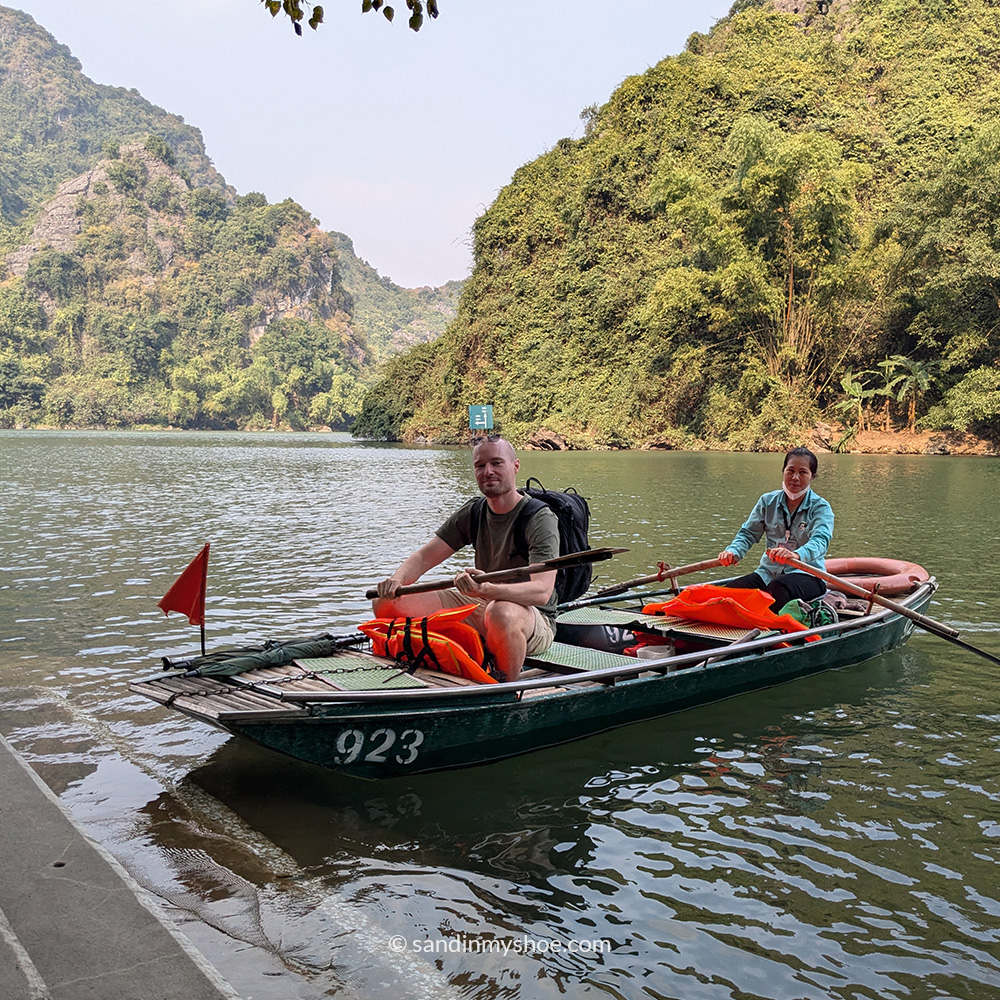
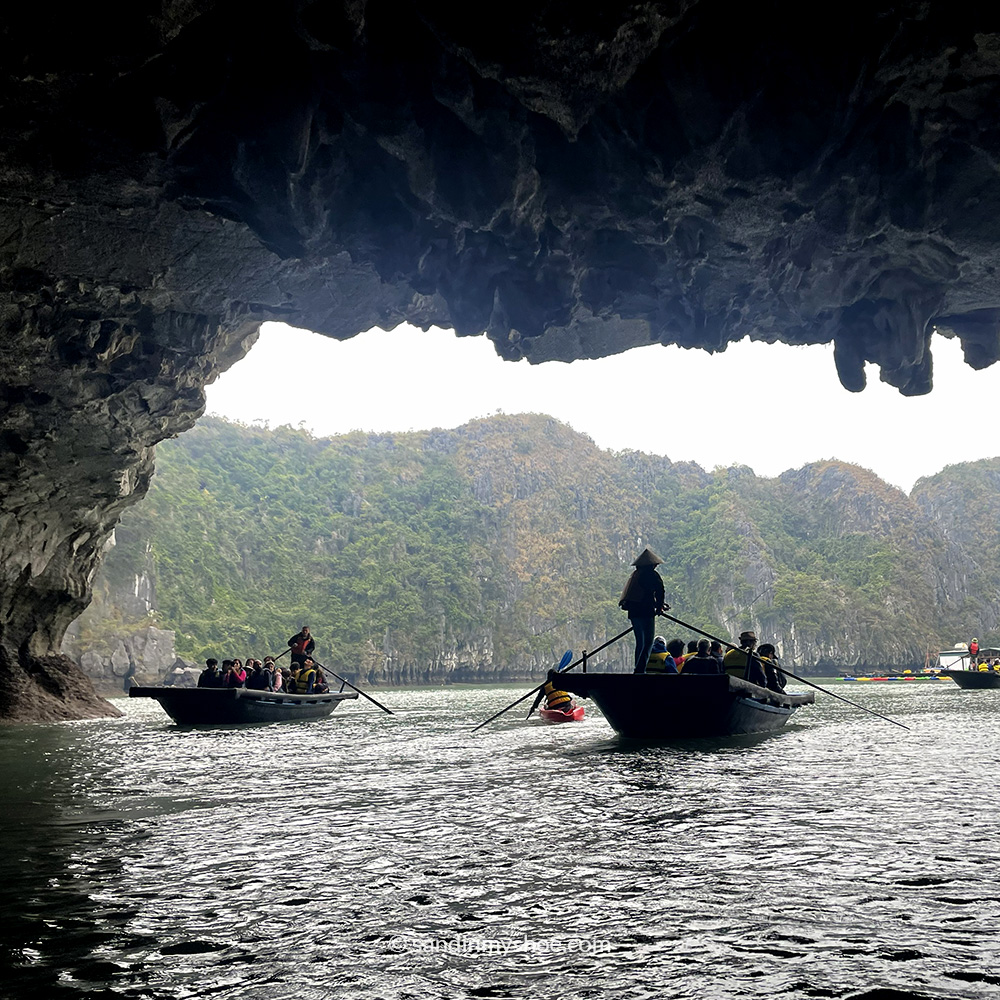
If you’re looking for a peaceful visit, avoid national holidays or weekends, as the area gets very crowded.
8. Discover Places with a Motorbike
Riding a motorbike is one of the best ways to experience Vietnam—whether you’re doing the Ha Giang Loop for a few days in the north or renting a bike for a day in Ninh Binh. What makes it so memorable is the sense of freedom it gives you: you can reach viewpoints, rice fields, and small villages that would be difficult to access otherwise; you can drift between sights, grab a roadside coconut, and end the day on a quiet, remote beach; and you get that unmistakable feeling of being alone with the road, the landscape, and your own curiosity.
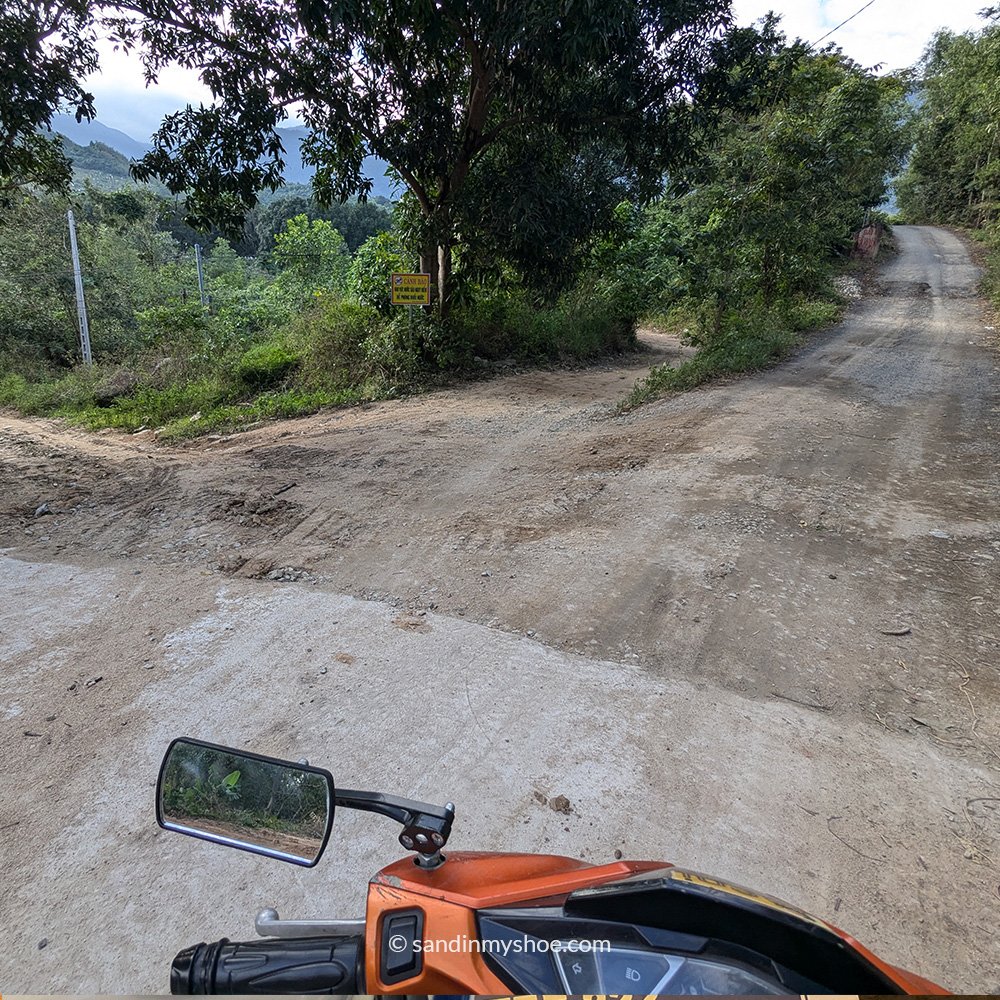

Practical things to keep in mind.
- Insurance and licensing: Make sure your travel insurance covers motorbike accidents and that you have the correct license. Without both, you’re not covered if something happens.
- Bike quality: Helmets are often very thin—more like an egg carton than real protection—and brakes can sometimes be worn. It’s worth checking the bike carefully before you ride and insisting on a proper helmet or a least a fashionable one from the rental shop.
9. Travel Through the Hai Van Pass
The Hai Van Pass is one of Vietnam’s most scenic stretches of road, winding between Da Nang and Hue along the central coast. It’s a dramatic mix of ocean views, misty mountains, and long, sweeping curves that make the journey feel almost cinematic. The name means “Ocean Cloud Pass,” and on many days you’ll see exactly why — clouds drift across the peaks while the coastline opens up below you.
You can experience this stretch by jeep tour, motorbike, or even from the train. The easiest way to arrange it is simply to book a tour through a reputable operator, which takes care of the logistics so you can focus on the views.
10. Hike in Sapa
If you enjoy hiking, Sapa is one of the best places in Vietnam for multi-day hikes. The region is known for its spectacular rice‑terrace landscapes, misty mountain valleys, and cool highland climate. Trails wind through small villages, bamboo forests, and terraced hillsides, with local guides from ethnic minority groups leading many of the treks.
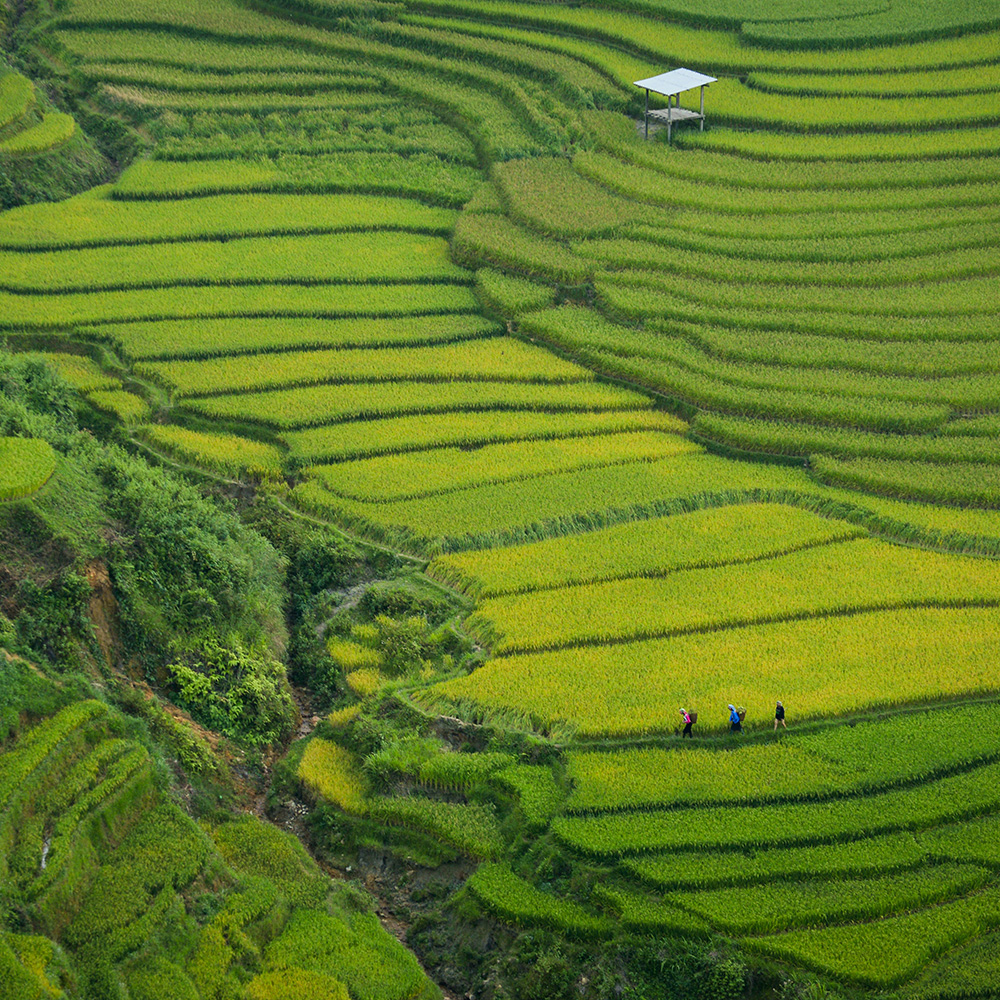
The town itself is very touristy, but once you get out into nature it’s absolutely breathtaking. I did a two‑day hike and it was tough—muddy, occasionally rainy, and with challenging terrain. The second day was especially difficult because I accidentally lost my contact lenses and had to hike the entire day basically blind.
It’s challenging, but worth it. Just keep in mind that you need to be physically quite fit—or at least have a strong mindset to push through.
11. Overnight on a Boat in Ha Long Bay
Ha Long Bay is famous for its limestone karst landscape, with thousands of jagged pillars rising straight out of emerald‑green water and forming a maze of hidden coves, quiet lagoons, and narrow channels that feel almost otherworldly. It’s the most popular sight in northern Vietnam and draws huge numbers of tourists from around the world.
Making the Most of Your Visit
Because it’s so popular, the best way to experience Ha Long Bay is to stay overnight on a boat. Spending the night lets you avoid the worst of the daytime crowds and enjoy the bay when it’s at its quietest — early mornings, late evenings, and the soft mist that settles over the water.
Many boats offer surprisingly comfortable cabins, some with bathtubs facing the water, so you can soak with a glass of wine or a beer while the landscape drifts by.
How many nights to stay? For most travelers, one night is the sweet spot. You get the full experience — the calm evenings, sunrise over the karsts, and enough time to explore — without feeling stuck on the water. Some cruises offer two‑night itineraries, but the scenery doesn’t change much, and the extra day can start to feel repetitive unless you really want to slow down. Be sure to book in advance to secure a good cabin.
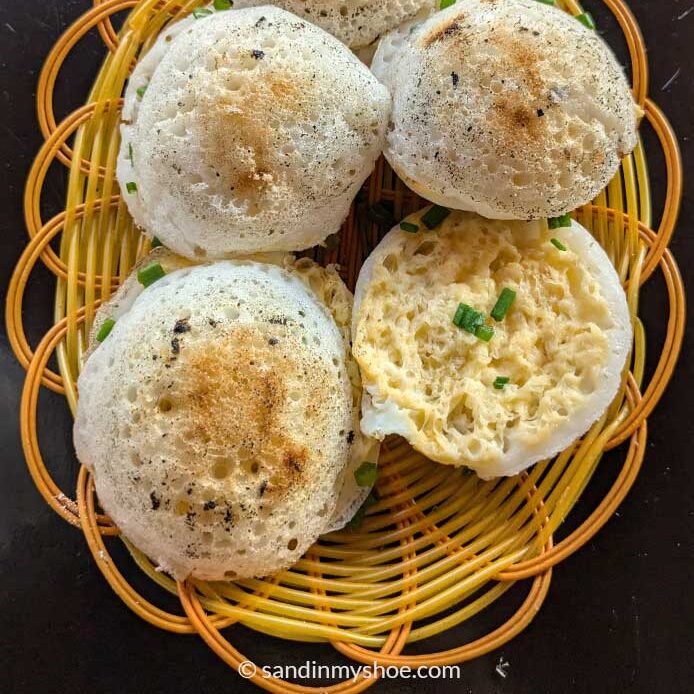
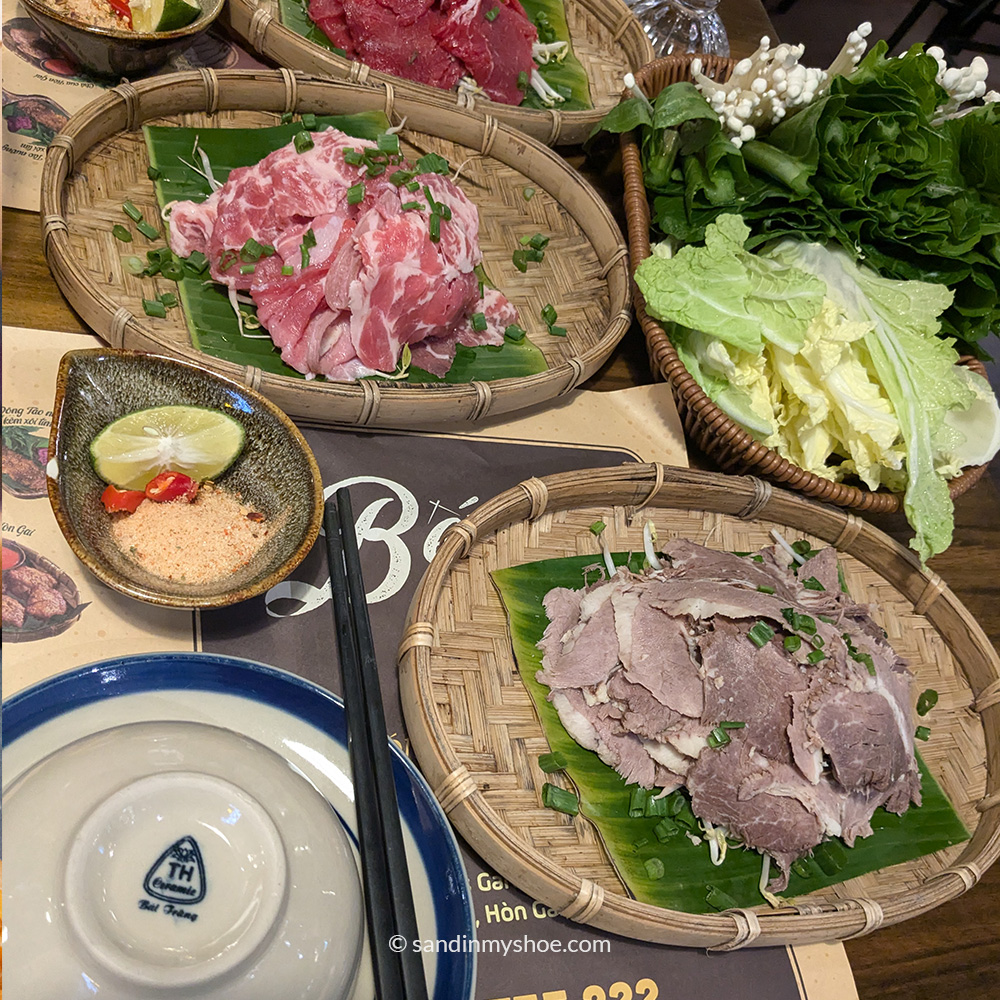
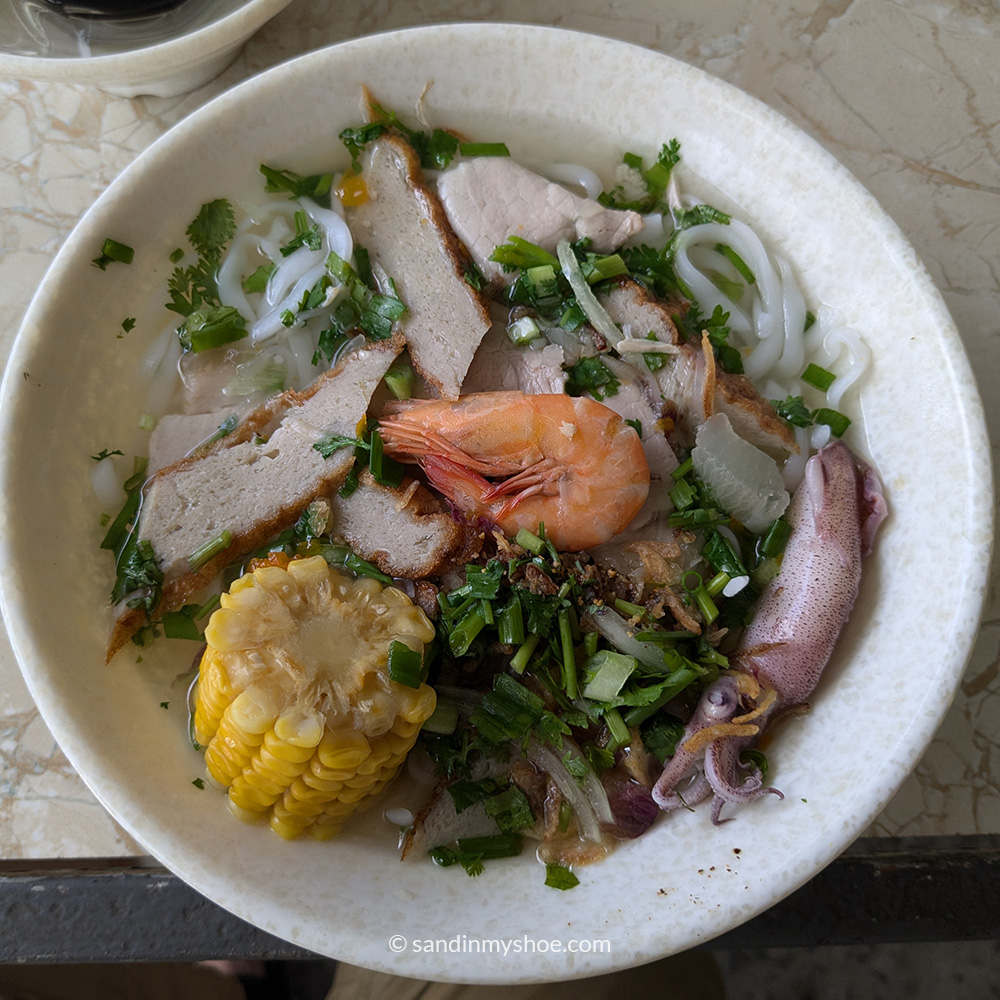
12. Dive into the Street Food
Vietnamese cuisine is an experience in itself, and it’s worth trying as many different dishes as you can. Even when something sounds unusual, it often turns out to be far more delicious than you expect.
The more local the restaurant, the more genuine the experience usually is. As a rule of thumb, I’ve found that if at least 80% of the customers are locals, you’re in the right place.
Soup (Pho)
Pho is probably the most famous dish to come from Vietnam. Locals eat it for breakfast, lunch, and dinner, and you’ll find it on almost every street. A good bowl is built around a slow‑simmered broth, soft rice noodles, and thin slices of beef or chicken. It’s comforting, cheap, and unavoidable in the best possible way… at least for the first few weeks.
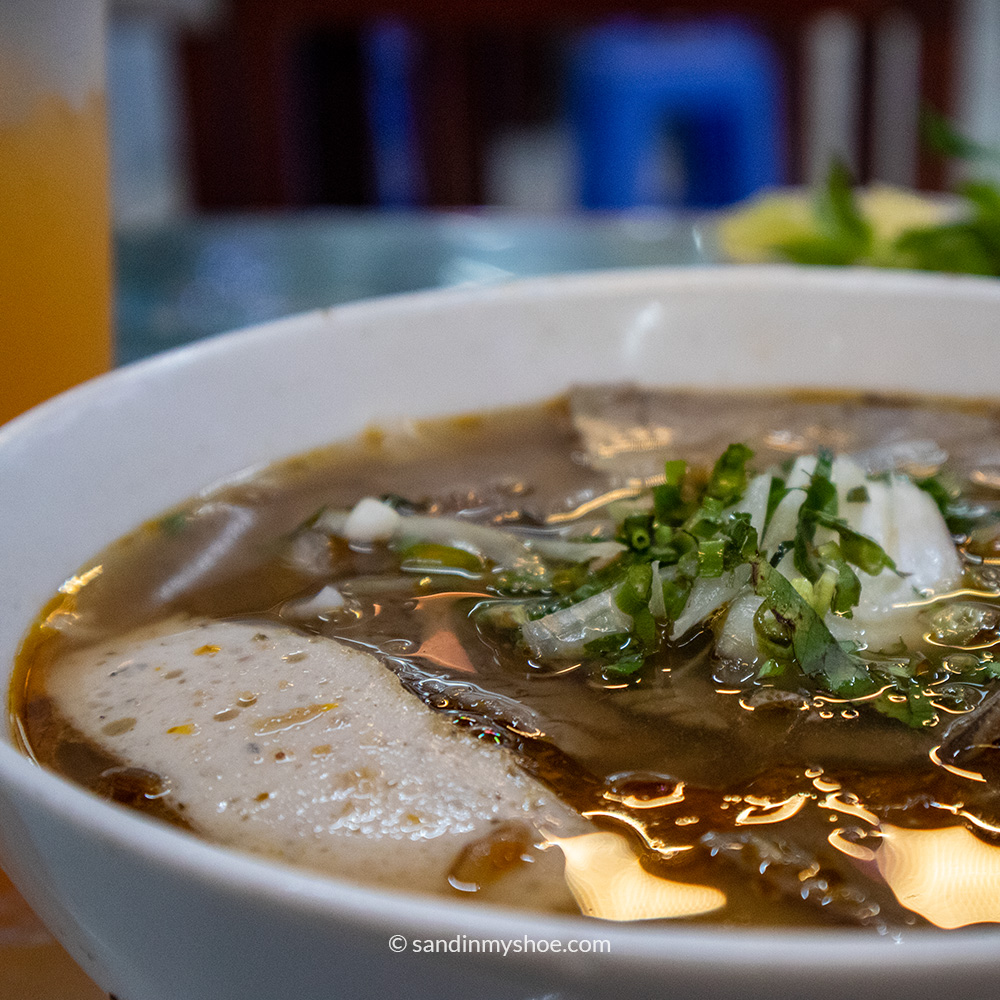
If you’re in Vietnam for a long stretch, the constant availability can turn into overexposure. On my last two‑month trip I hit that wall hard; by the end I couldn’t even look at another bowl.
Baguette (Bánh mì)
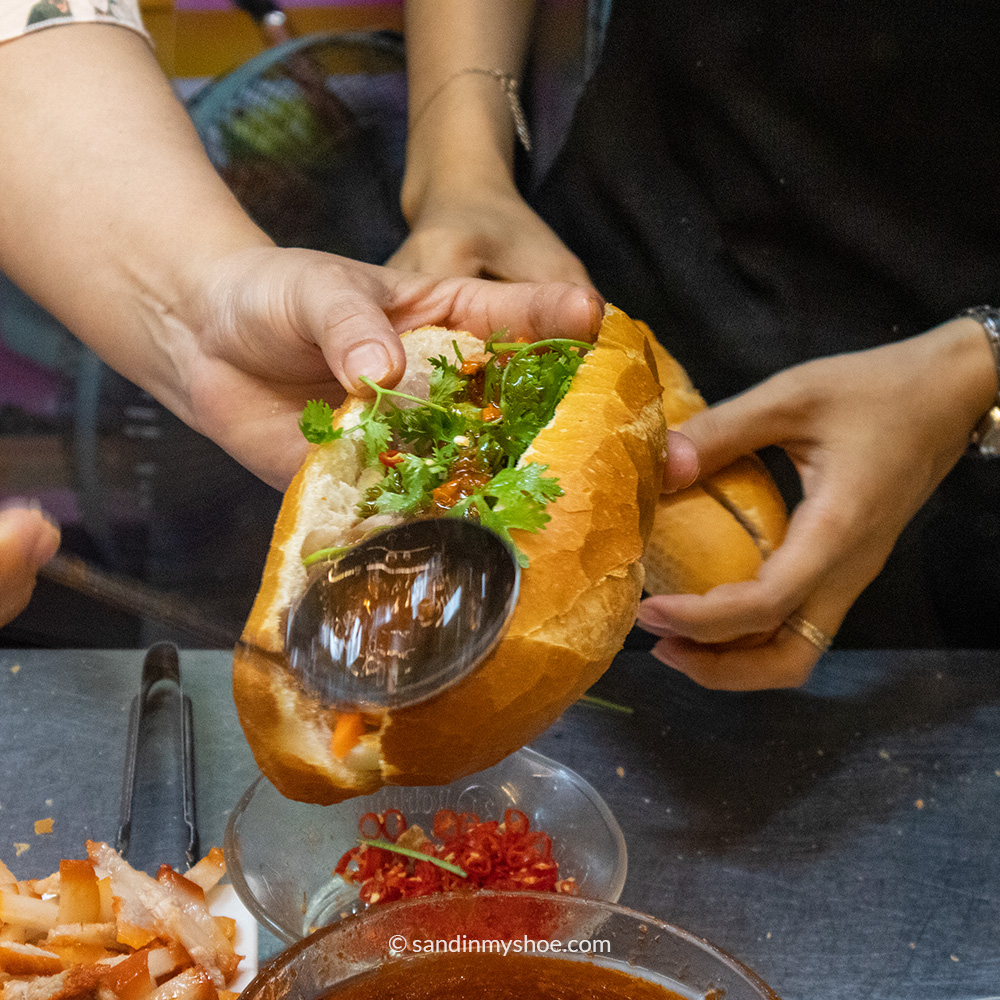
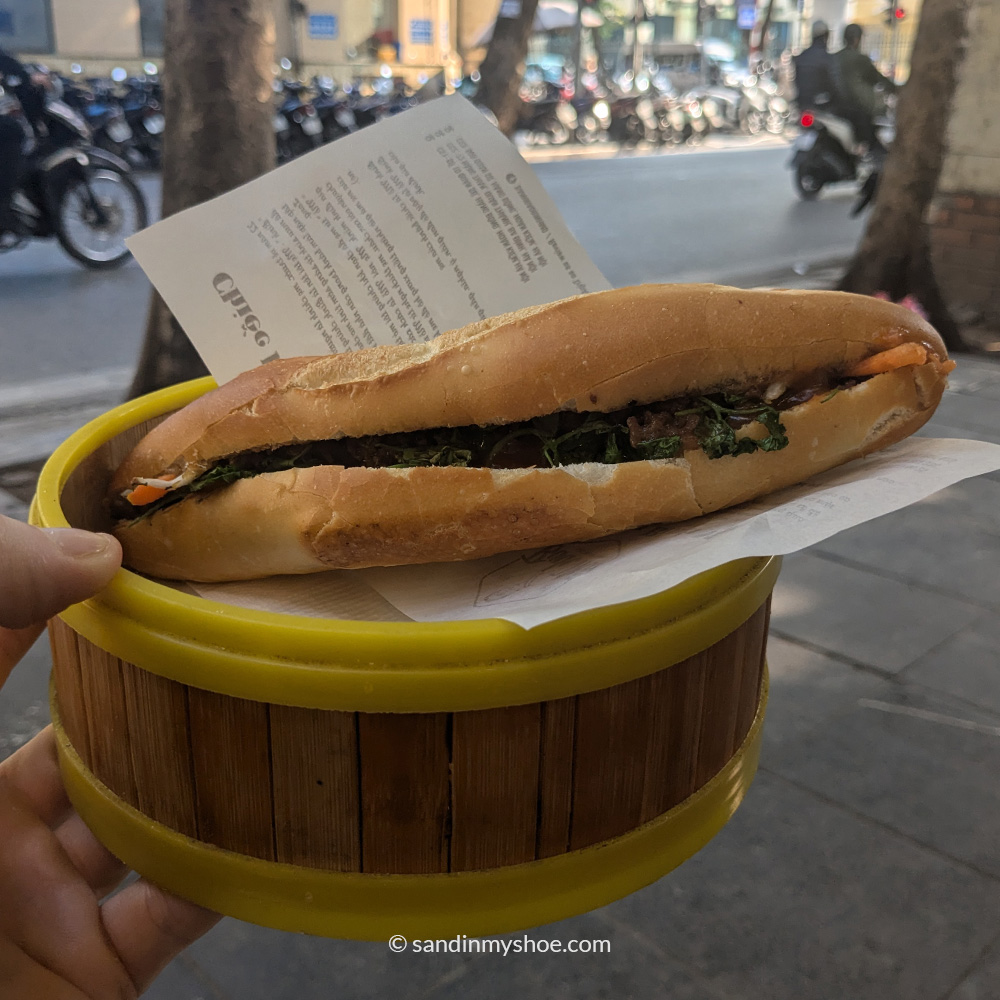
The baguette gets second place on Vietnam’s fame scale. It arrived during French colonial rule, but the Vietnamese cooks transformed it with pâté, pickled vegetables, fresh herbs, chili, and savoury pork, creating a light, flavourful sandwich that’s now one of Vietnam’s most iconic street foods. The bread itself is shorter and airier than a standard baguette, giving it that signature crackly bite. It’s a simple sandwich with a long story behind it.
There are a lot of Instagram‑hyped places where to eat it, but bánh mì is such an everyday snack for Vietnamese people that you can get a decent one from almost any food stall.
Vietnamese Pancake (Bánh xèo)
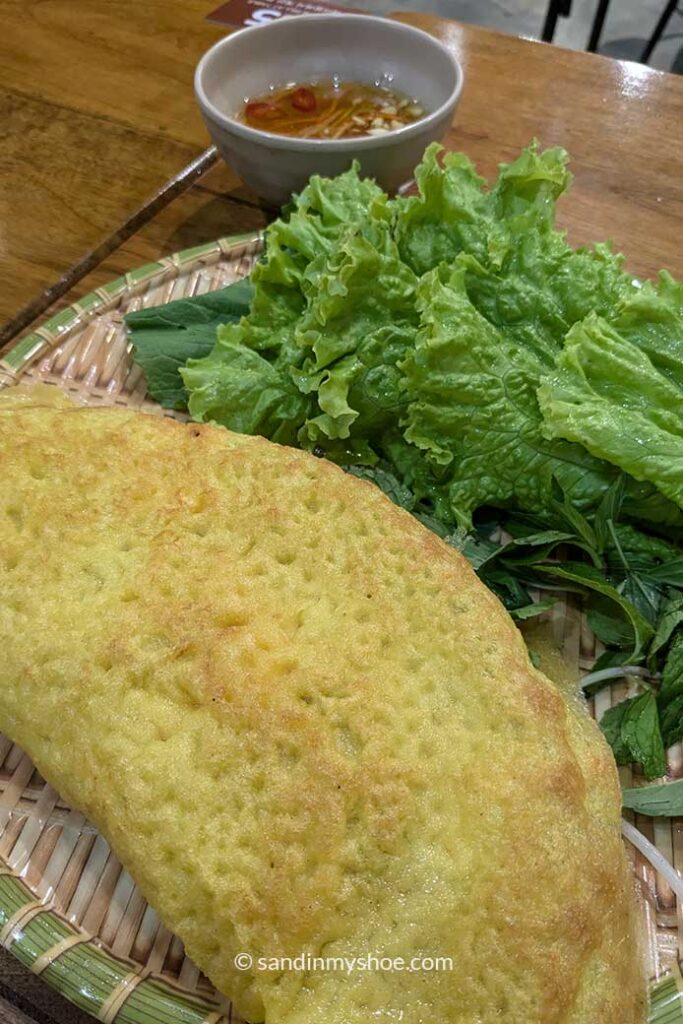
Bánh xèo, the Vietnamese pancake is a thin, crisp rice‑flour crêpe that snaps when you fold it and perfumes the table with turmeric, herbs, and sizzling pork fat. It’s one of the most joyful, hands‑on dishes in Vietnam: you tear off pieces, wrap them in lettuce with herbs, and dip them into a bright, sweet–sour nước chấm. Its name from the sound when the batter hits the hot pan. Easy to eat, surprisingly filling and a must‑try for anyone exploring Vietnamese food.
Porridge with Frog
orridge with frog is one of those dishes that sounds unlikely at first — two things I never imagined eating together — yet makes perfect sense once you try it. I came across it by accident while wandering through Ho Chi Minh City. A street‑side spot with plastic chairs and metal tables, serving only two things: porridge and frog. Judging by the crowd and the lack of empty stools, they had clearly perfected this one combination.
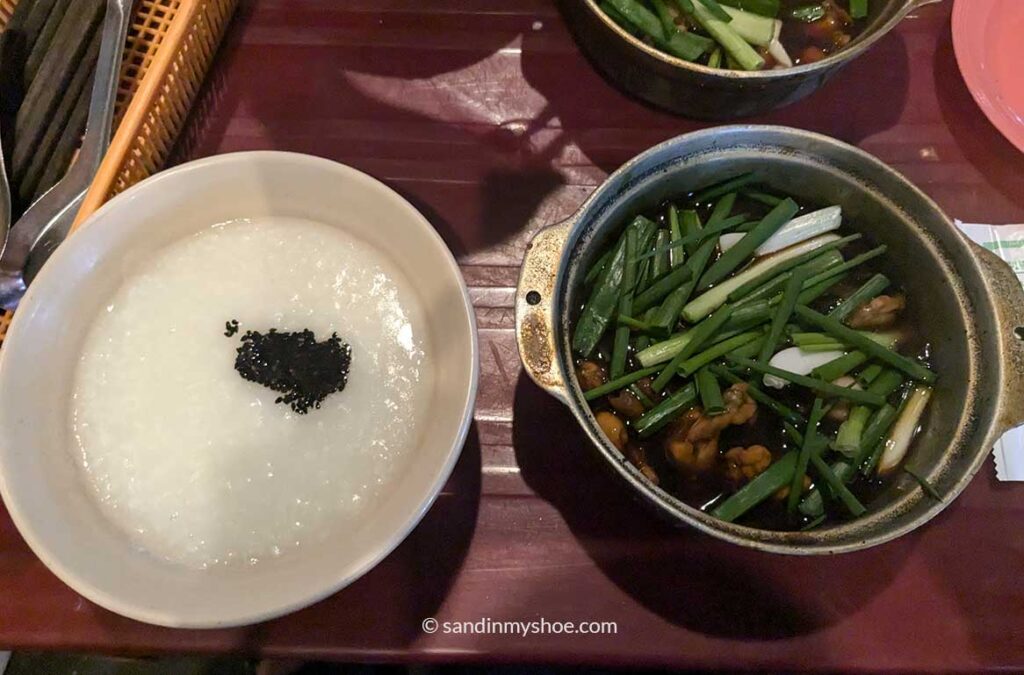
I’d eaten frog before, and porridge too, but never as a pair. That alone made me stop. I ordered the single dish on the verbal menu, and the result was far more thoughtful than I expected: tender, lightly seasoned frog alongside warm, silky rice porridge. The contrast worked — a modest dish that ended up being far more inventive than it looks.
Wrap-up: What to Do in Vietnam
Vietnam rewards the traveler who pays attention to the small things. I hope this guide has given you a sense of what to see, eat, and experience — but also how much of the country’s charm comes from everyday moments: sitting on a plastic chair with a slow‑dripping coffee, finding a tiny stall that serves only one dish, or watching a street wake up before sunrise. The landscapes shift quickly, from limestone cliffs to rice fields to dense city streets, and the food is just as varied as the scenery.
Whether you’re hiking through misty mountains, crawling out of the Cu Chi tunnels to the echo of gunfire, or trying something completely unfamiliar at a street stall, Vietnam rewards curiosity. The more you’re willing to taste, explore, and say yes to, the more the country opens up.


No comments yet, be the first one!
I appreciate hearing from you. If you have any suggestions, questions, or feedback, please leave a comment below. Your input helps ensure the information stays relevant and up to date for everyone.
Thank you for sharing your thoughts!