

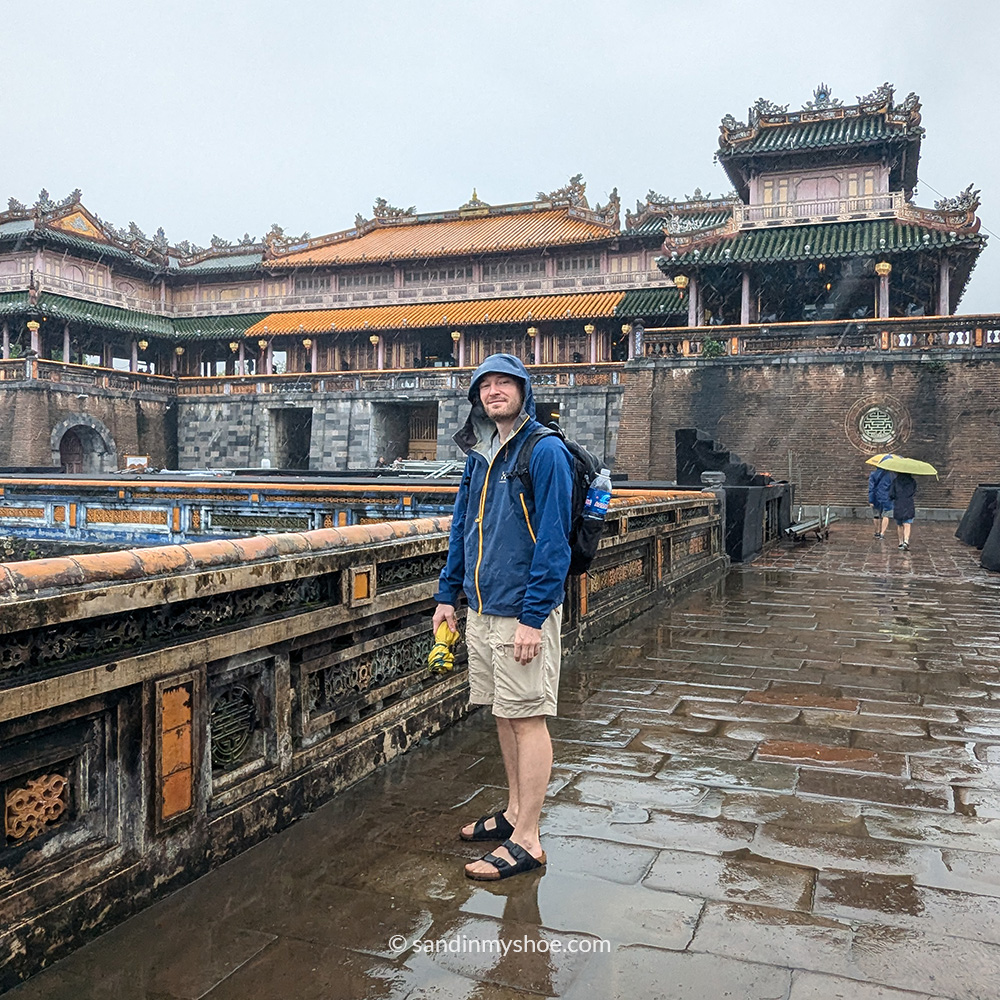
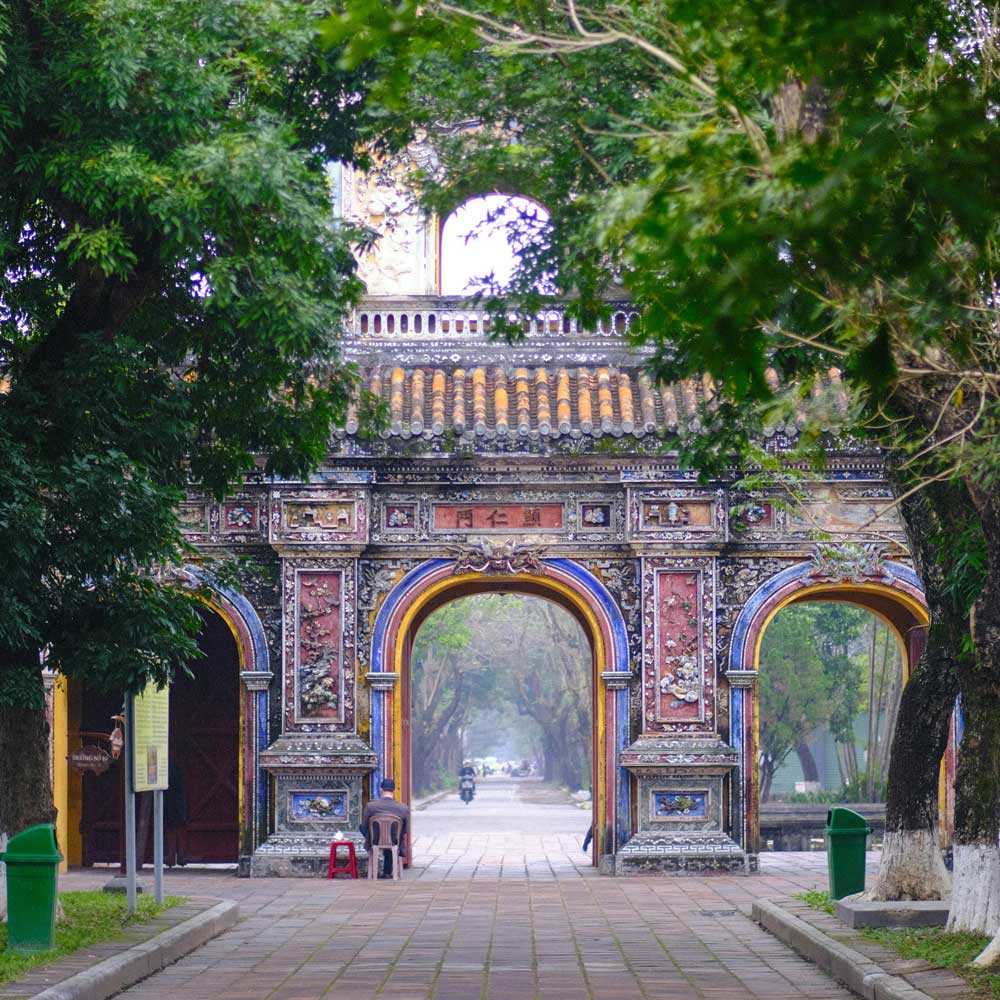
If you’ve spent time around Vietnamese communities, you’ve probably noticed the surname Nguyễn everywhere. You might’ve wondered why it’s so common — and no, it’s not because everyone accidentally married their cousin— that was more of a European hobby in the Middle Ages. It’s history. For centuries, switching your surname to Nguyễn was the easiest way to stay out of trouble and keep your life running smoothly.
As part of my two‑month trip through Vietnam, I managed to squeeze in a lot of destinations, and Huế was one of them. I arrived from Ninh Bình by sleeper train — a surprisingly great way to watch the countryside roll by while changing locations at the same time. What I immediately liked about Huế was that it wasn’t overly touristy like Hạ Long Bay or Đà Nẵng, yet still felt welcoming. Even with the occasional language barrier, people were warm, helpful, and genuinely kind.
This guide covers the essential things to do in Huế, from imperial landmarks to day trips and some of the local food.
Overview Map of Hue
Use the map to get an overview of the things to do in Huế (blue dots), restaurants with tasting menus (red dots) and where to stay (purple dots).
How to Use the Map: Click the top-left corner to view and select map layers. Learn more about each area by clicking its area or mark, or sidebar entry.
Is Hue Worth Visiting
Huế is absolutely worth visiting if you’re interested in Vietnam’s imperial history and its traces of the royal cuisine. The city is packed with temples, tombs, and architecture from the Nguyễn dynasty, and the food scene is unique to Huế. However if you’re looking to party, hang out on the beach, or want a more modern, high‑energy vibe, you’re better off heading to Da Nang instead.
Things to do in Hue
Huế’s key activities revolve around three things: exploring the sights inside the Imperial City, enjoying the calm vibe along the Perfume River in the new city, and trying out the different dishes around town. This is what Huế is all about.
Visit the Imperial City
The imperial city is the heart of Vietnamese culture and is today recognized as a World Heritage Site by UNESCO. It’s a large well-preserved complex of beautiful palaces, temples, gates and gardens that served as the capital for 143 years (1802-1945) under the Nguyen Dynasty. It was the last dynasty before the french invasion.
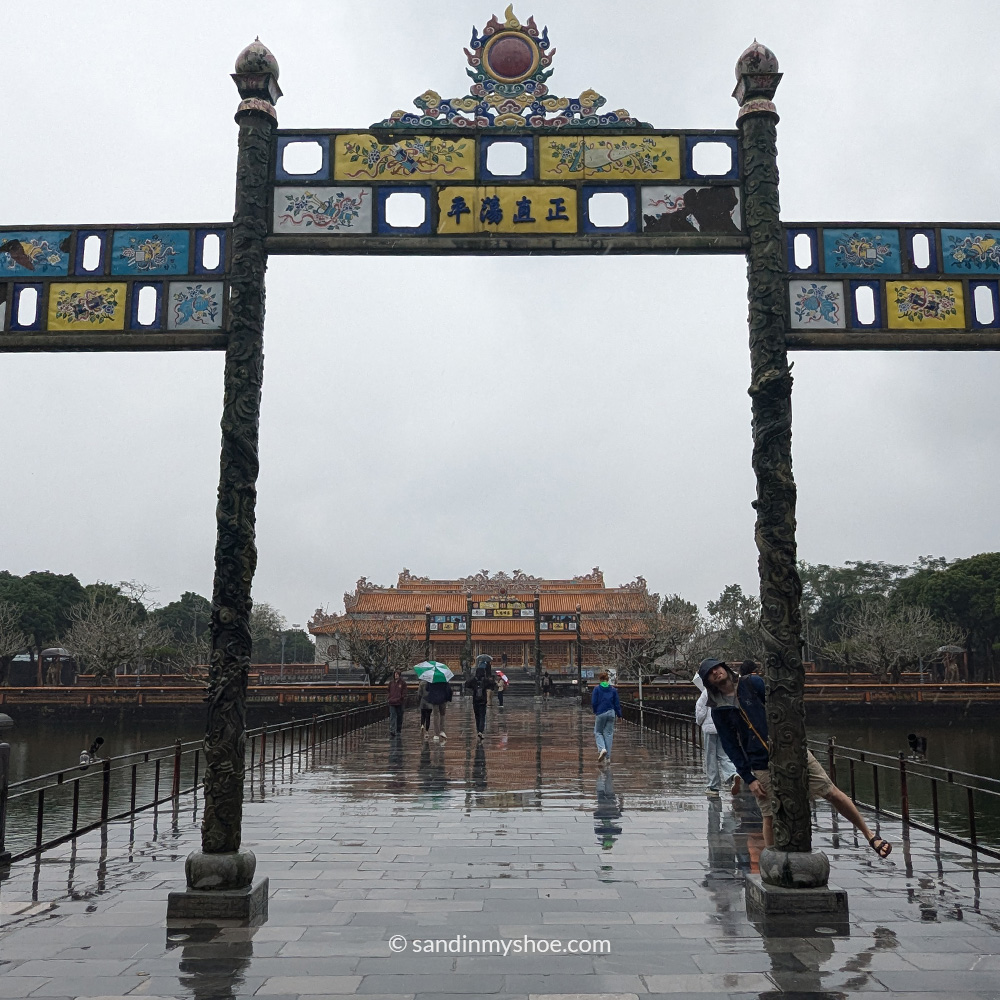
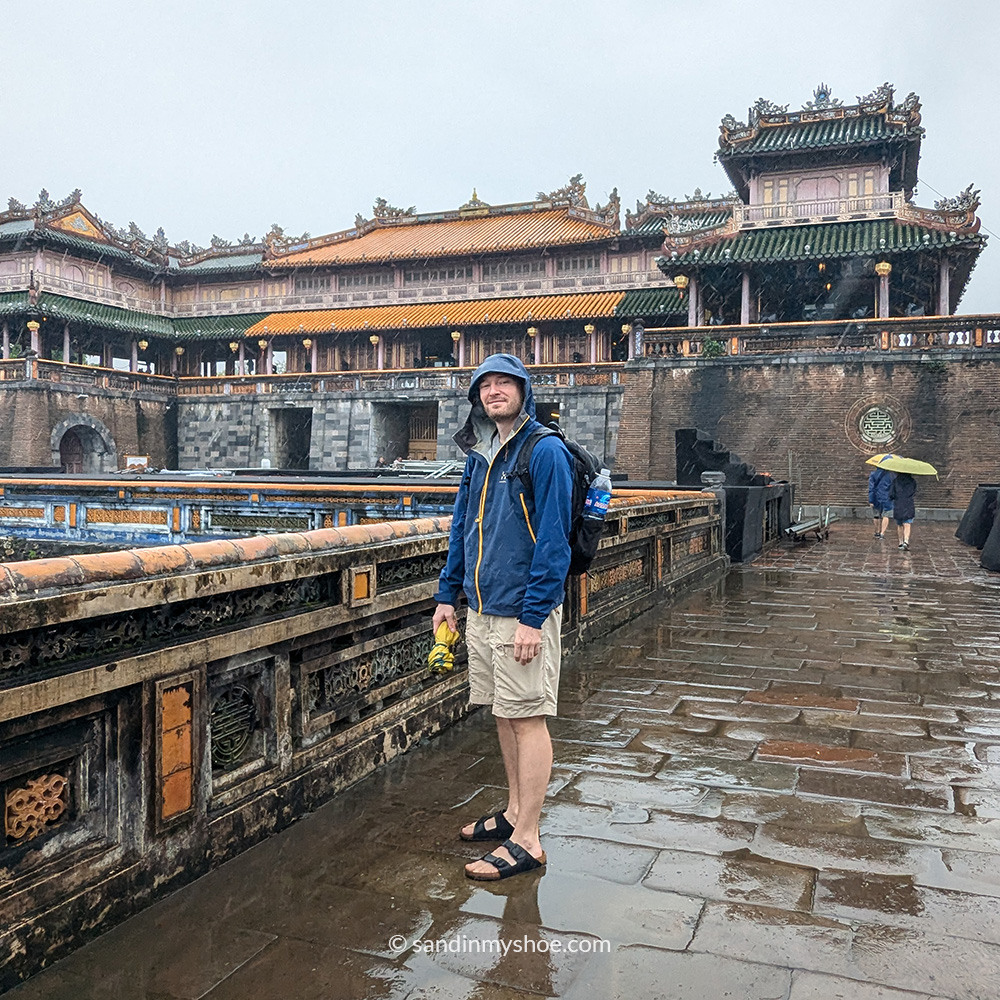
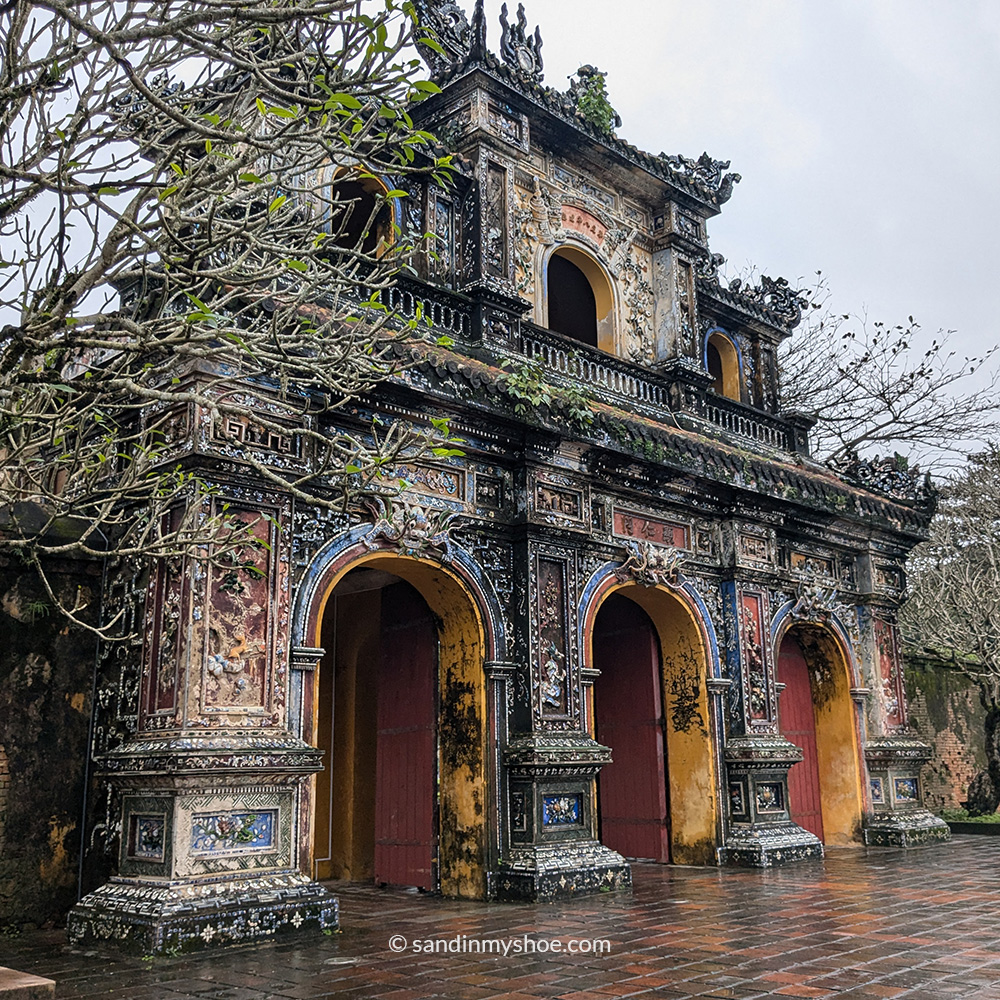
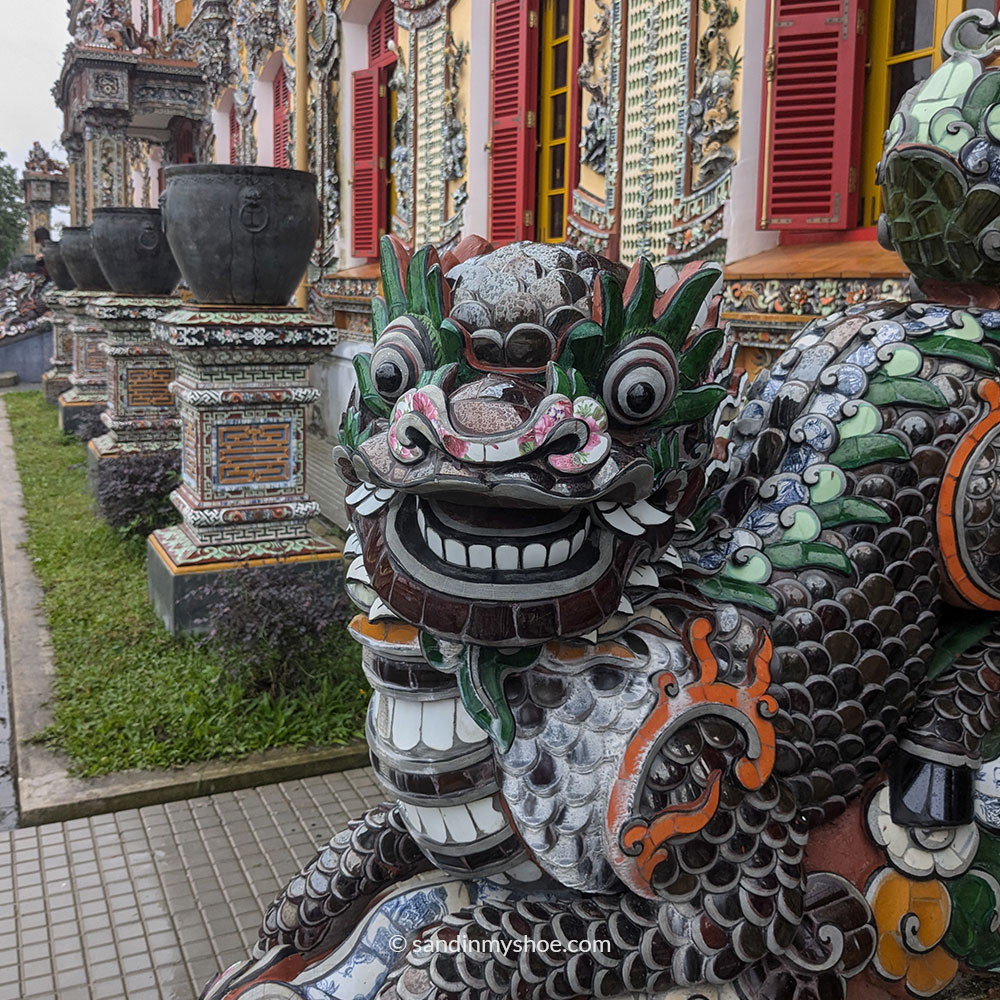
The Imperial City grounds are protected by large defensive walls and equally defensive water-filled trenches. Once, you’ve entered, the complex opens up with wide courtyards, ceremonial halls and walkways. The further in you go the more restricted it used to be. The most restricted area being the Forbidden Purple City, exclusive to the Emperor and his family.
The highlights of the Imperial city can be best understood in layers:
Outer Layer — Entrance & First Impressions
- Noon Gate (Ngo Mon) — main entrance, iconic façade
- Flag Tower & Moat — fortress-like outer defenses
- Main Courtyards — wide open spaces setting the scale
Middle Layer — Ceremonial & Administrative Areas
- Thai Hoa Palace — throne hall, major ceremonies
- Mandarins’ Halls — where officials prepared for audiences
Inner Layer — Royal & Private Spaces
- Purple Forbidden City — once the most restricted area
- Royal Residences — living quarters of the imperial family
- Gardens & Lakes — quiet corners and shaded paths
Side Areas — Spiritual & Cultural
- Temples & Shrines — ancestral worship spaces
- Small Museums — artifacts, photos, restoration history
It’s staggering to think that the dynasty was so influential that even today, in my small city in Sweden with about 100,000 inhabitants, more than 150 people still carry the last name Nguyễn. I can only imagine how nervous people must have been back then; that’s the kind of number you get when changing your surname becomes a survival strategy.
As for the area itself, it’s quite large, so comfortable shoes are essential — and depending on the weather, maybe an umbrella too. During my visit, it rained heavily, but I didn’t mind; the temperatures were warm, and many of the sites had enough cover to keep exploring. If you’re visiting in the off‑season, don’t worry — it’s still perfectly manageable.
Tip: If you’re visiting without a guide, get the audio guide — the historical context and small anecdotes make the tombs feel much more alive.
Practical information
- Opening hours: usually 7:00–17:30 (varies slightly by season).
- Time needed: 2–3 hours for a comfortable visit.
- Best time to visit: early morning or late afternoon for cooler weather.
- How to get there: short walk or quick Grab ride.
- What to bring: Comfortable shoes, sun protection, and an umbrella in rainy season.
- Tickets: standard ticket + combo options with the royal tombs.
- Cost: The price is 200,000 VND (about $7.5 USD) / Children pay roughly a quarter of the adult price. You can buy tickets at the entrance or book tickets through Klook if you prefer having everything sorted in advance and want to skip queueing.
Royal Tombs
Huế has several royal tombs scattered across the countryside. Located south of the Imperial City, on the opposite side of the Perfume River. These were built by the Nguyễn emperors as large ceremonial complexes that combined temples, pavilions, and the emperor’s final resting place.
There are many tombs, but most visitors focus on the three major ones — Minh Mạng, Tự Đức, and Khải Định — as they are the most developed and easiest to visit. Each has its own layout and architectural style, and together they form one of the key parts of the Huế Monuments Complex.
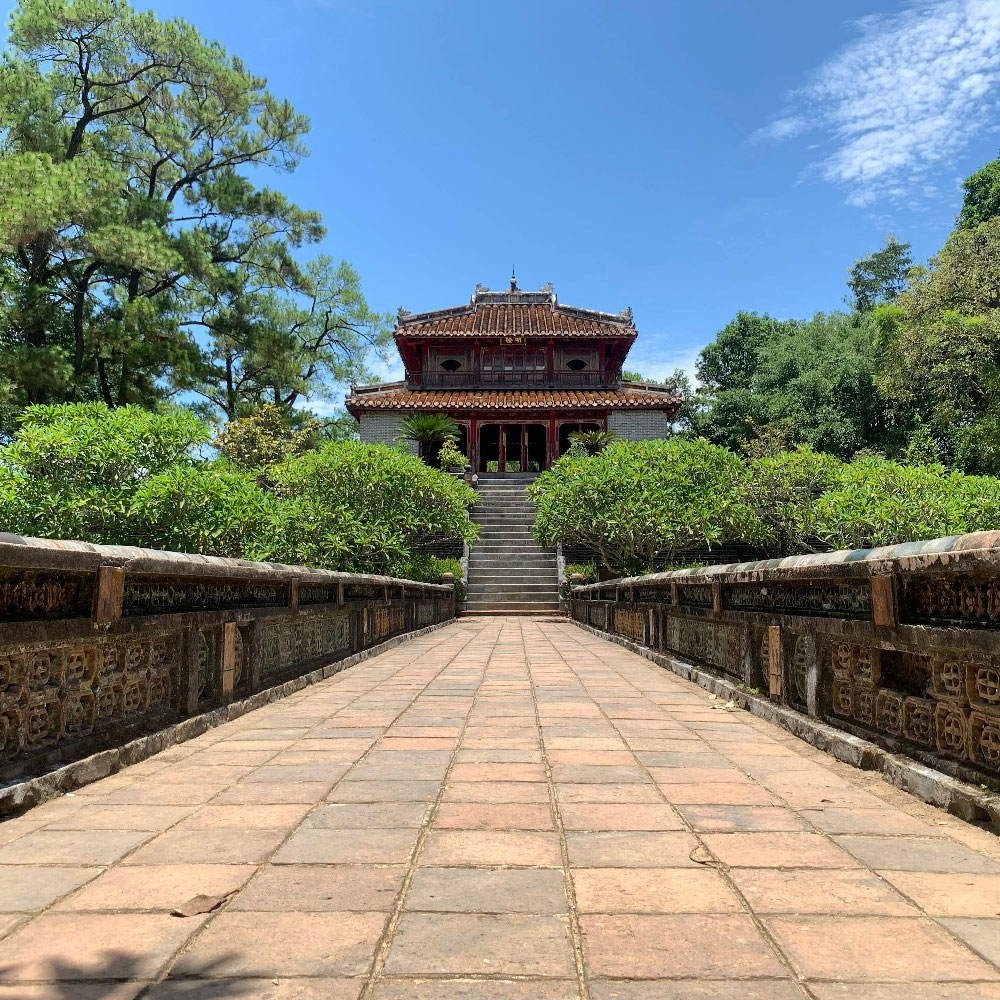
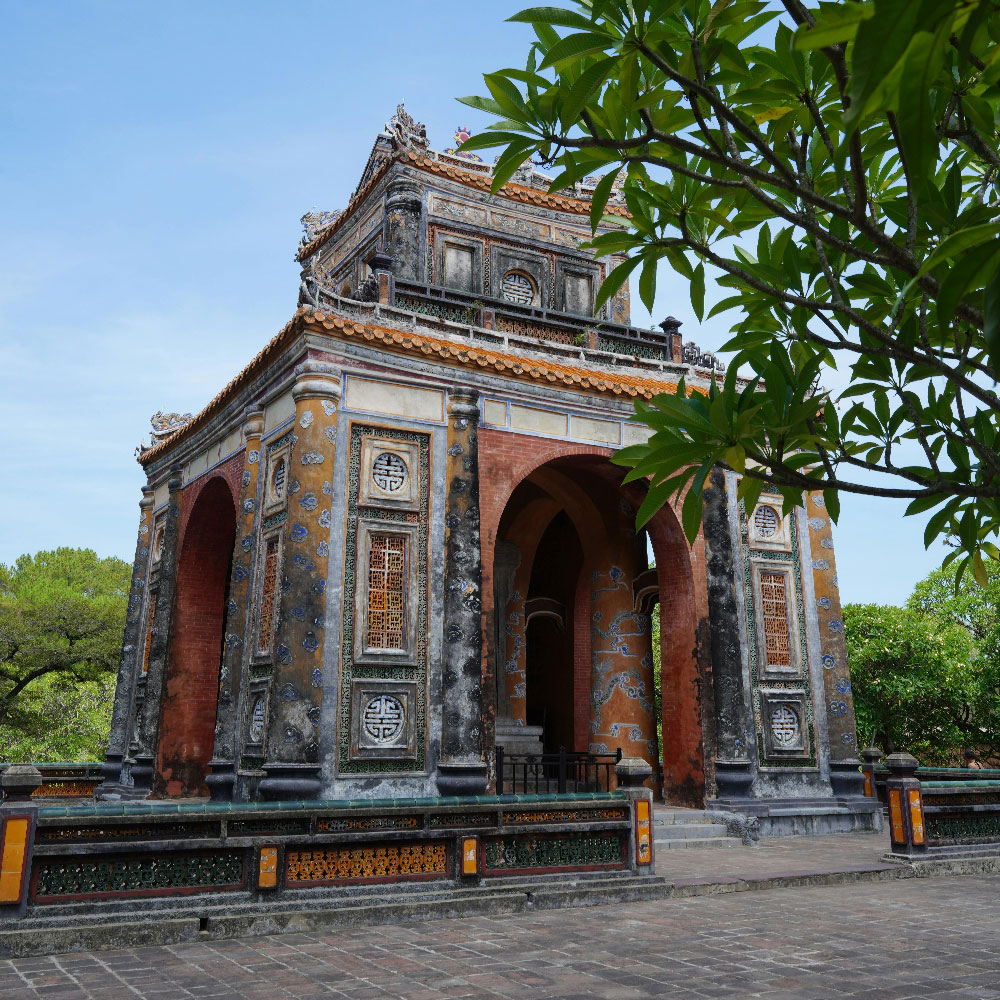
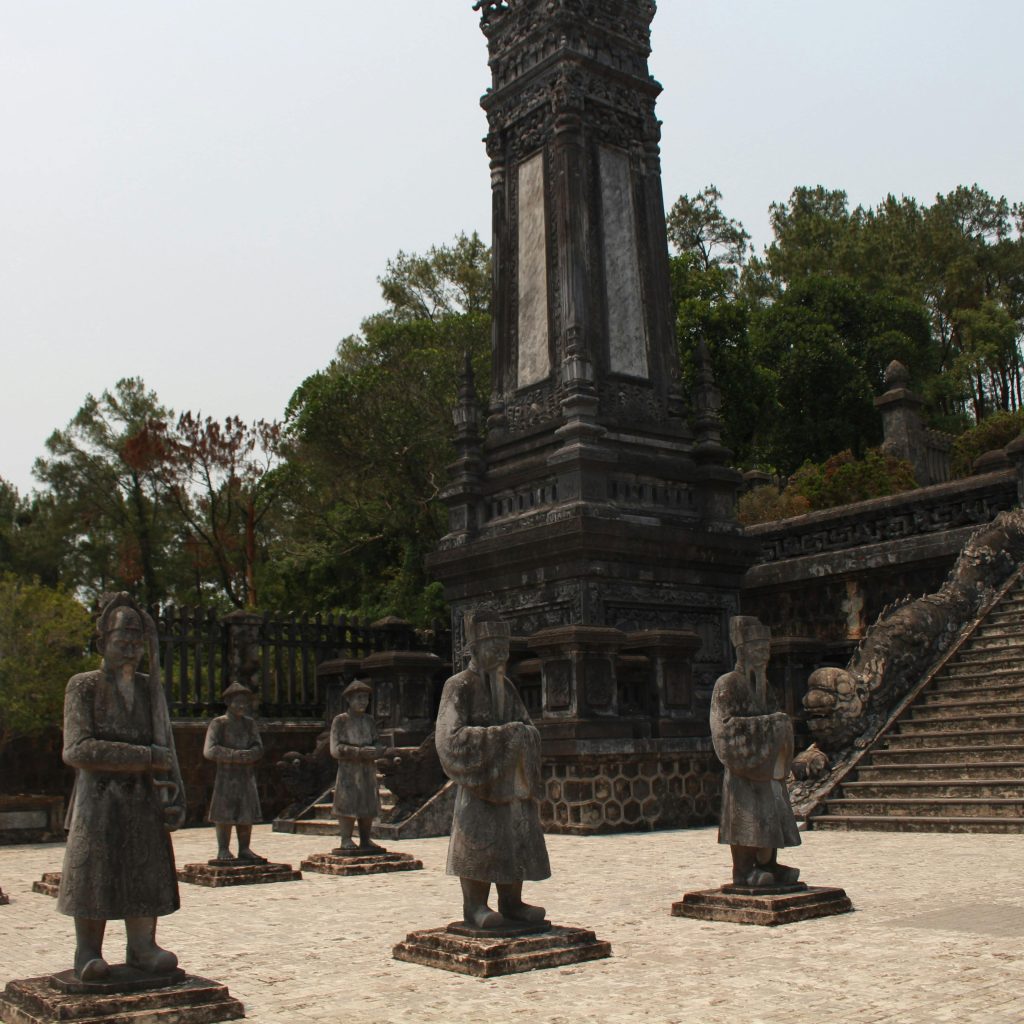
Even if you don’t visit all of them, it’s useful to know they’re spread out, usually visited by car or motorbike, and can be combined into a half‑day loop. You can see the locations of the tombs on the overview map at the start of the post.
Thien Mu Pagoda
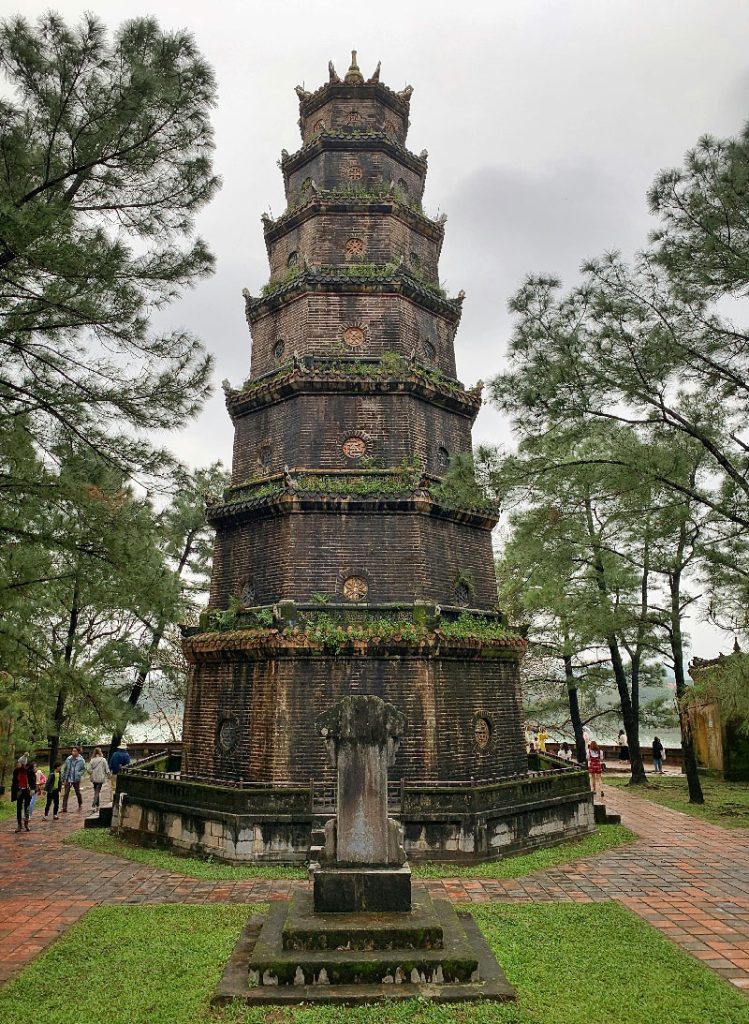
Thien Mu Pagoda is one of Huế’s most important religious sites and one of the easiest to visit. It sits on a hill overlooking the Perfume River and is still an active monastery, so the atmosphere is calm and respectful rather than touristy.
The pagoda is known for its seven‑story tower, its well‑kept gardens, and several historically significant artifacts, including the car used by monk Thích Quảng Đức before his self‑immolation in Saigon in 1963. You’ll also find impressive bonsai trees and small shrines spread across the grounds.
It’s free to enter, but modest clothing and quiet behavior are expected since it’s an active place of worship.
Take a Cruise on the Perfume River
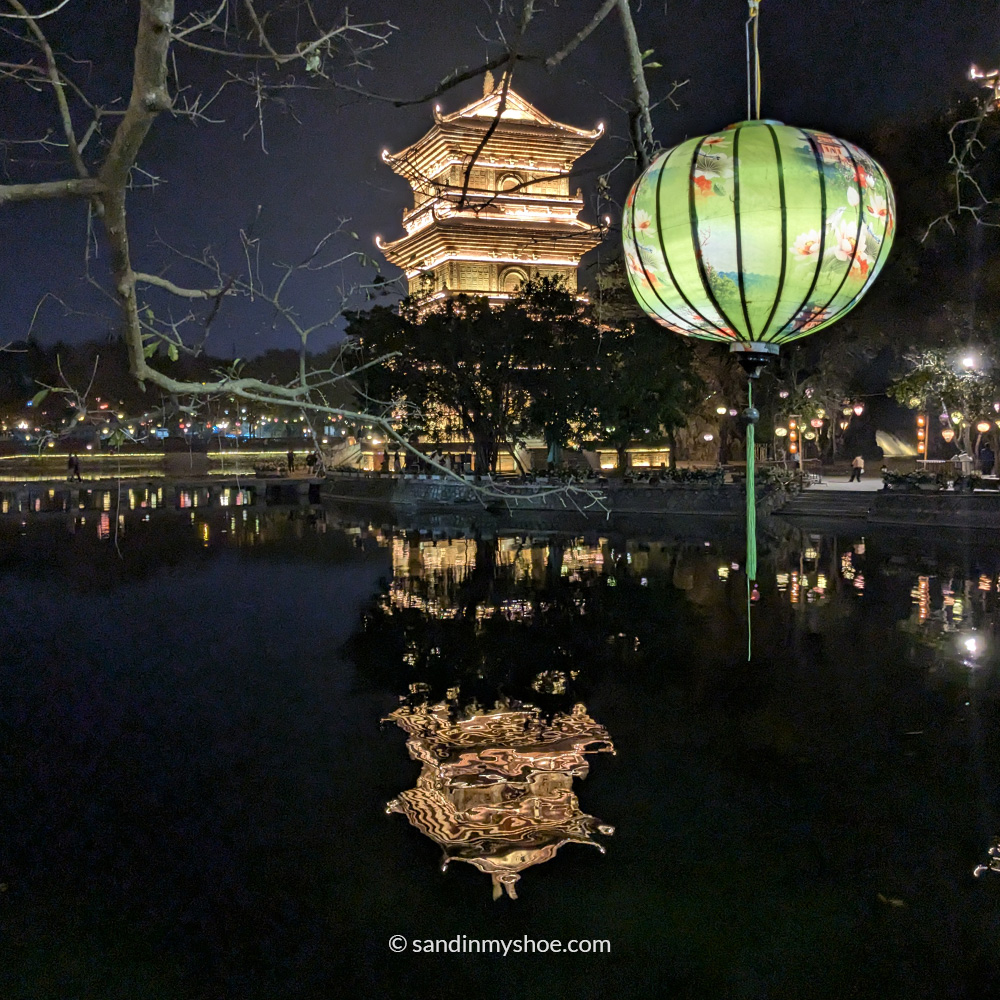
A short cruise on the Perfume River is a popular way to experience Huế, especially around sunset when the river starts to light up with lanterns, pagodas, and reflections from the city. Most visitors take a dragon boat, which follows a slow route along the river and passes several pagodas and gardens along the way.
It’s a simple, relaxed activity — more about the atmosphere than sightseeing — and works well at the end of the day when the temperature drops.
Best Options for Short Cruises on GetYourGuide
Powered by GetYourGuide
Stroll Around the An Cuu River
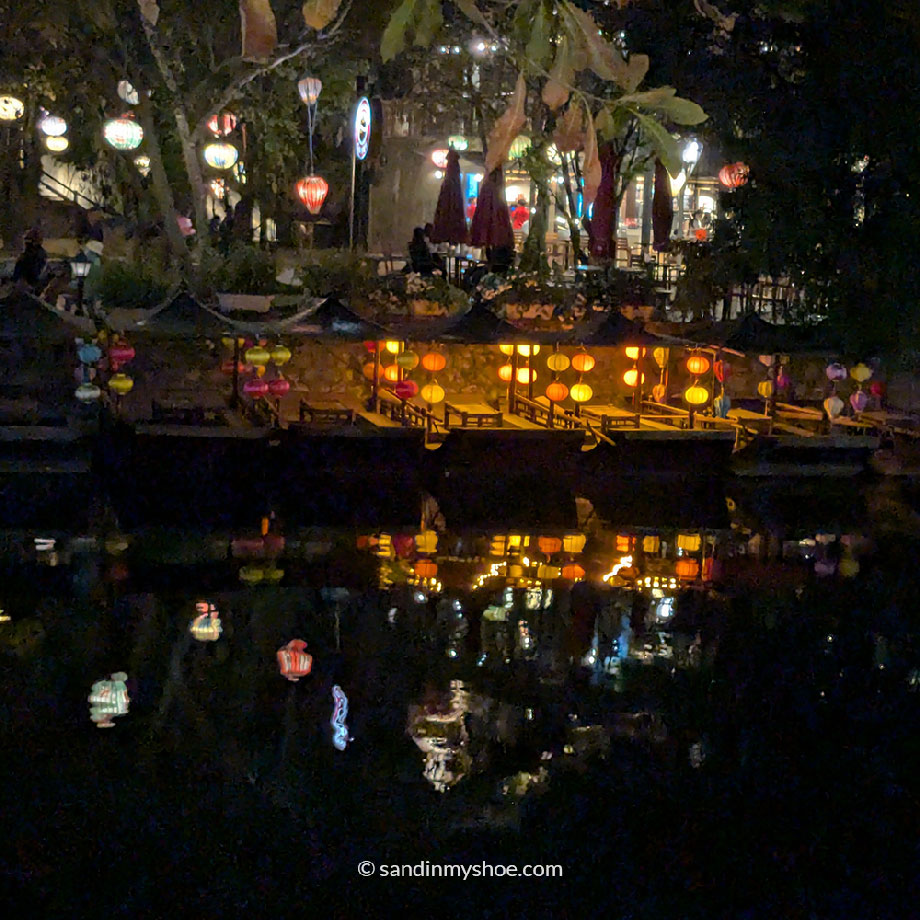
There’s a smaller river running through the newer part of Huế, and it’s a pleasant area for a short walk. The paths along the An Cuu River are calm compared to the main riverside, and you’ll find plenty of cafés and restaurants lining the water. It’s not a major attraction, but it’s a nice spot if you want a quieter break from sightseeing or an easy place to grab food.
Royal Cuisine & Local Dishes
Huế has a style of cooking that developed during the Nguyễn Dynasty, often described as refined small‑plate dishes inspired by what was once served at the imperial court. Today, you’ll mostly find “royal cuisine” in higher‑end restaurants offering tasting menus with decorative presentation and bite‑sized portions. If you have budget for it, I recommend trying it out.
A few places that offer royal‑cuisine tasting menus:
- Le Parfum — View Location on Google Maps
- Ancient Huế Gallery Cuisine — View Location on Google Maps
- Saigon Morin Hotel — View Location on Google Maps
- Vị Huế Restaurant & Café — View Location on Google Maps
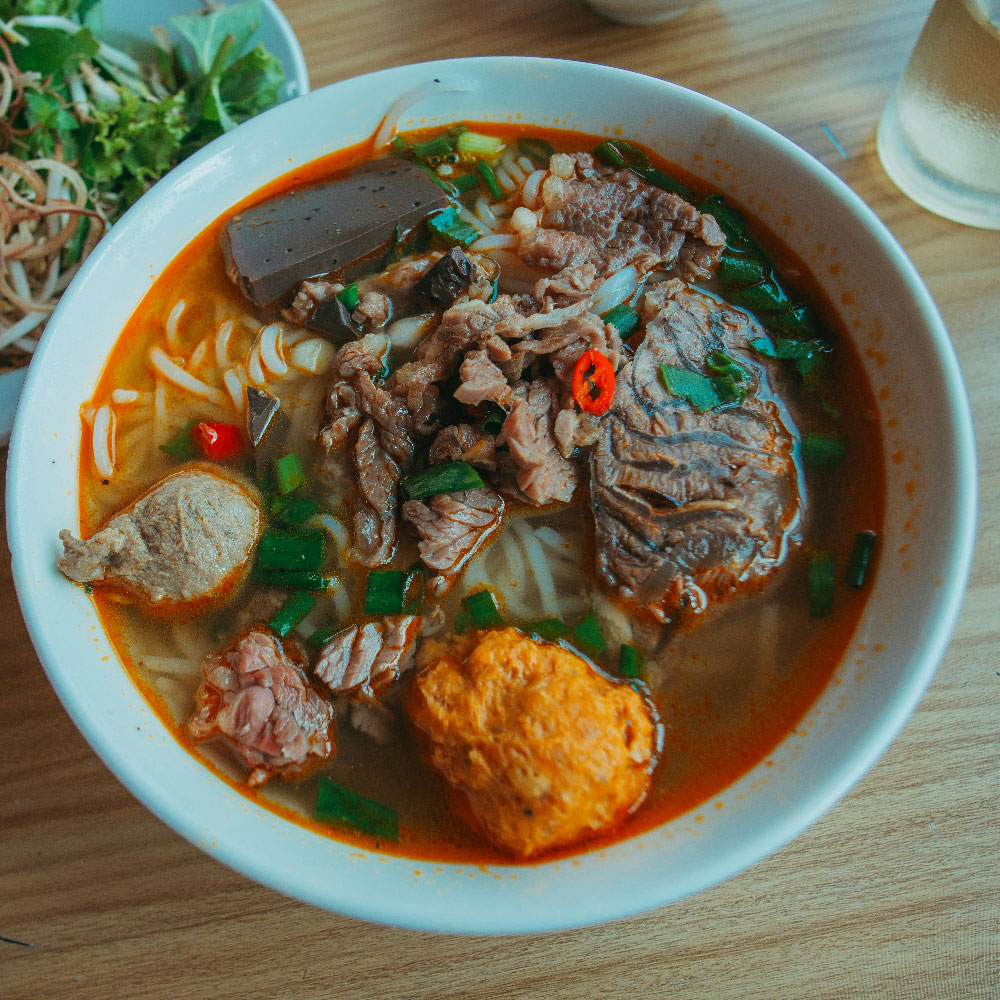
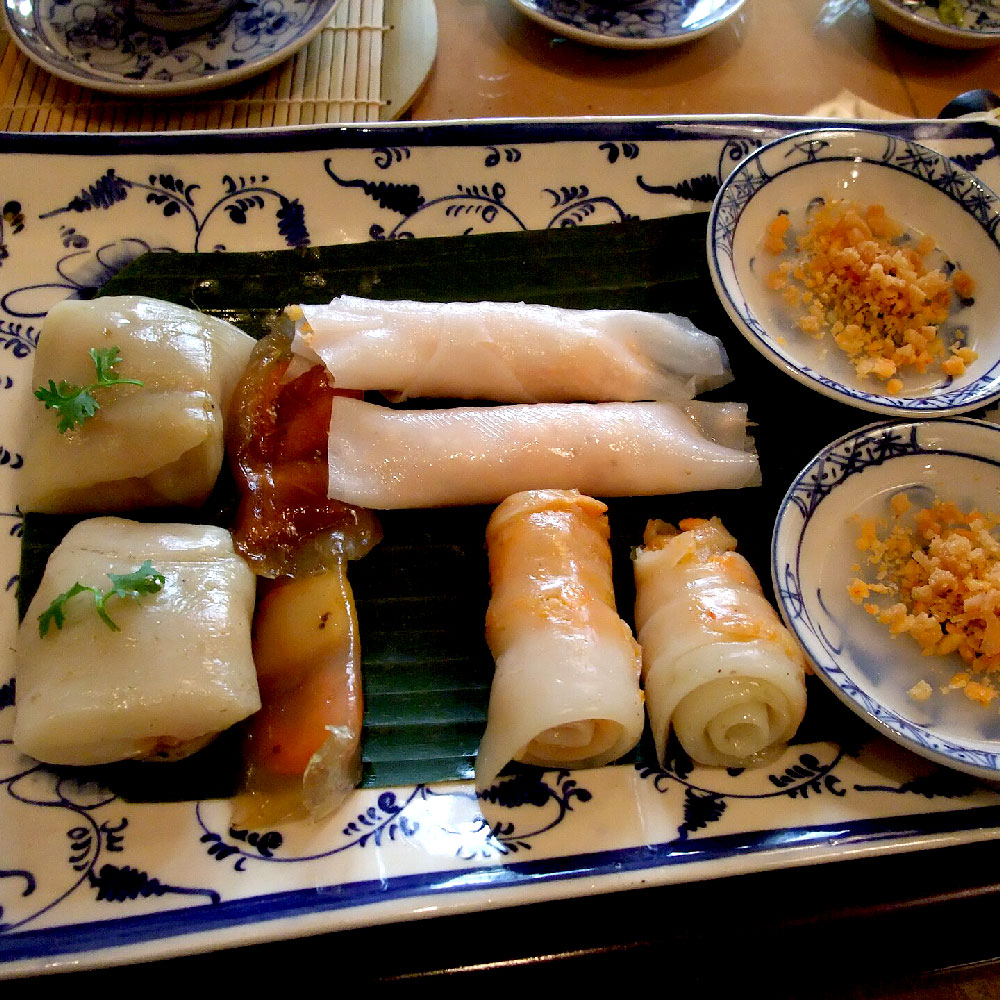
Personally, I went for the everyday dishes Huế is known for. Most places I chose were filled with locals and I simply ordered whatever the people next to me were eating — pointing at their bowls, then at myself. Like a monkey. But an efficient monkey. I learned the names of the dishes afterwards.
A couple of things I liked:
- Bún bò Huế — the city’s signature noodle soup (I liked it more than Pho)
- Bánh bèo / bánh nậm / bánh bột lọc — Hue’s classic steamed snacks
One Day Itinerary of Hue
You can comfortably see Huế’s main highlights in one full day. A simple and efficient route is:
- Imperial City (morning)
Start early to avoid the heat and crowds. The complex is large, so expect 2–3 hours depending on how much you explore. - Thien Mu Pagoda (late morning)
A short stop that fits naturally after the Imperial City. It’s located on the same side of the Perfume river, so getting there is quick and straightforward by car or motorbike. - Lunch in the modern city
Plenty of restaurants around the new town area — good spot to take a break before heading south. (Tip: Look for a restaurant with plenty of locals and no tourists) - Royal Tombs (afternoon)
Visit one or two of the major tombs (Minh Mạng, Tự Đức, or Khải Định). They’re spread out, so most people use a car or motorbike.
This route covers the essential sights without rushing and leaves room for a relaxed dinner with or without a royal tasting menu or a sunset cruise on the Perfume River if you still have energy. If you got one more day, join a day trip either to the DMZ or visit a couple of caves in the national park nearby.
Common Questions About Hue
You can see the main sights in one full day, meaning two nights. If you have more time, staying a third night makes the experience more relaxed — you can visit the local market, try more of the food, and explore the city at an easier pace.
Huế has great food, and the easiest rule is simple: eat where the locals eat. If a place is packed with Vietnamese families or office workers, it’s usually good. If it’s full of tourists and the menu is in five languages, you can probably skip it. For tasting menus, check out this list of restaurants.
Huế has several great areas depending on how social, comfortable, or calm you want your stay to be. I have a separate post with a full breakdown — read my full guide on where to stay in Huế.
Day Trips from Hue
Huế works well as a base for day trips, especially if you’re interested in history or nature. Several popular destinations can be reached on organized tours or by private car.
DMZ (Demilitarized Zone)
A well‑known day trip for travelers interested in Vietnam War history. Most tours include:
- Vinh Moc Tunnels — an underground village where families lived during the war
- Khe Sanh Combat Base — a former US Marine Corps base
- Hien Luong Bridge — the symbolic dividing line between North and South
It’s a long day, but one of the most informative war‑history excursions in central Vietnam.
Highest Rated Day Trips to the DMZ on GetYourGuide
Powered by GetYourGuide
Cave Exploring
The region north of Huế is rich in caves, and Huế is close enough for a full‑day trip if you start early. They’re located in the Kẻ Bàng National Park and the two most common options are:
- Phong Nha Cave — accessible by boat, known for its river passage and large chambers
- Paradise Cave — a dry cave with impressive formations and a long wooden walkway
These are some of the most accessible caves in Vietnam. And just nearby lies Hang Sơn Đoòng, the largest natural cave in the world. Visiting it is extremely expensive, and people spend several days inside because it’s so massive that parts of it are comparable to the size of a small city. That’s why the other caves are typically recommended — they’re far easier, cheaper, and more realistic for a day trip from Huế.
Highest Rated Day Trips for Cave Exploring on GetYourGuide
Powered by GetYourGuide
Where to Stay in Hue
Huế has three areas that work best for tourists, each with its own vibe. The most popular and convenient is the city center. The second option is staying inside the Imperial City, which is ideal for anyone interested in history. And the third option is the countryside — preferably at a resort if you want a calmer base. For the full breakdown of each area and the recommended stays, read my full guide on where to stay in Huế.
When to Visit Hue
I visited Huế during the new year period, and the weather was really bad — lots of rain and gray skies. But, it didn’t make the trip worse. The cooler temperatures were actually nice, and many of Huế’s sights are indoors anyway or partially covered at least.
Personally, I wouldn’t plan a trip to Huế around the weather, but if you insist on choosing the most reliable months, the best time to visit is February to April, when rainfall is lower and temperatures are comfortable. May to August is also a dry window, just much hotter. The rainy season runs between September and January. If you come from a country that can be quite rainy as well, like Sweden, don’t think twice. Just go.
Central Vietnam
jan
 25°C
18°C
25°C
18°C
25°C
18°C
feb
 26°C
19°C
26°C
19°C
26°C
19°C
mar
28°C
21°C
28°C
21°C
apr
 30°C
23°C
30°C
23°C
30°C
23°C
may
32°C
25°C
32°C
25°C
jun
32°C
26°C
32°C
26°C
jul
34°C
26°C
34°C
26°C
aug
33°C
25°C
33°C
25°C
sep
 31°C
24°C
31°C
24°C
31°C
24°C
oct
 29°C
23°C
29°C
23°C
29°C
23°C
nov
28°C
21°C
28°C
21°C
dec
25°C
19°C
25°C
19°C
Wrap-Up of Your Days in Hue
Visit Huế if you’re interested in the Imperial City, or if you want to use the city as a base for day trips to the DMZ or the caves up north. The city itself is easy to explore in one full day, meaning two nights, with enough things to do and eat without feeling overwhelmed. However, adding one extra day makes everything far less rushed and gives you time to enjoy the food, the riverfront, and the slower pace of life.
Keep Exploring Vietnam
Still deciding on an itinerary for Vietnam? Check out my Vietnam 3‑week itinerary or the shorter 1‑week Vietnam itinerary to help you plan your trip. I’ve also written a how to get around in Vietnam guide, a Vietnam Food Travel Guide, and plenty of destination guides:


No comments yet, be the first one!
I appreciate hearing from you. If you have any suggestions, questions, or feedback, please leave a comment below. Your input helps ensure the information stays relevant and up to date for everyone.
Thank you for sharing your thoughts!