
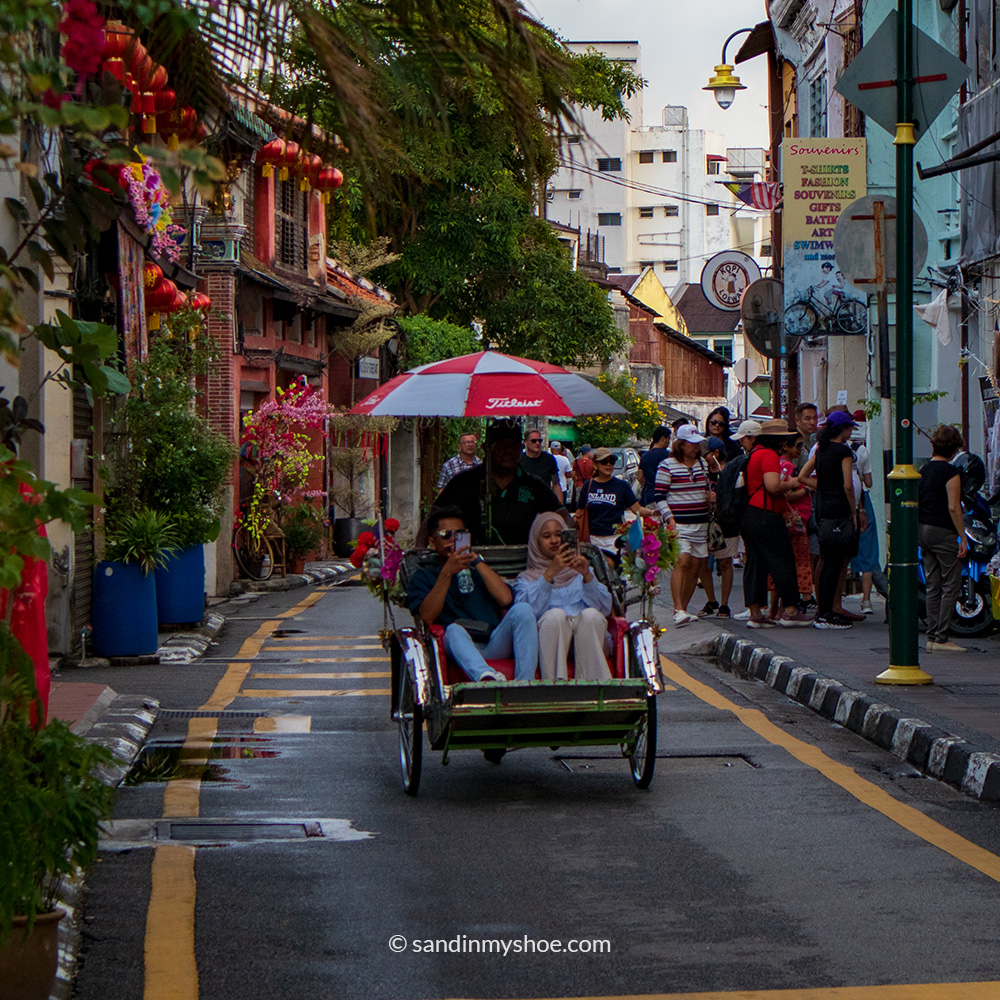
The main city in Penang is George Town, where Malay, Chinese, and Indian communities live side by side, each neighborhood offering its own history, food, and distinct vibe. You’ll find this cultural blend across Malaysia, but it feels especially vivid and defined here.
Penang is easily one of my favorite areas in the country — not just for the endless street‑food options, but because it offers so much variety in such a compact space.
This post covers the best things to do in Penang and in George Town, along with several great street‑food spots and the locations of the street art — all conveniently placed on an easy‑to‑use map.
Overview of Penang
Get yourself an overview of all the spots in Penang before diving into the details.
How to Use the Map: Click the top-left corner to view and select map layers.
What Is Penang Like
Arriving at Penang Airport already gave me a good feeling. Unlike some places in Southeast Asia, there weren’t crowds of pushy taxi drivers or people trying to hustle you the moment you landed. Stepping outside was surprisingly calm — no motorbike chaos, no honking — which felt extra refreshing after coming straight from Ho Chi Minh City.
I hopped on the bus to George Town with the help of a local and ended up chatting about life in Malaysia the whole ride. A couple of hours in, and I already liked the place: friendly people, easy conversations, and a high level of English.
Malaysia isn’t as dependent on tourism as some neighbouring countries, so the vibe is more relaxed — fewer scams, fewer hard sells, and far less of that “everyone wants a piece of your wallet” feeling.
George Town, the heart of Penang, is a UNESCO‑listed city with a large heritage core shaped by centuries of different colonisers. It also showcases Malaysia’s multiculturalism better than anywhere else I visited. Because it’s smaller than Kuala Lumpur, the neighbourhoods and their identities are easier to explore.
You’ve got Malay areas, of course, but also the Chinese clan jetties — like Chew Jetty — built on wooden stilts over the water. Then there’s Little India, where Bollywood music spills into the streets, colourful saris hang from shopfronts, and the smell of curries drifts from canteens and restaurants.
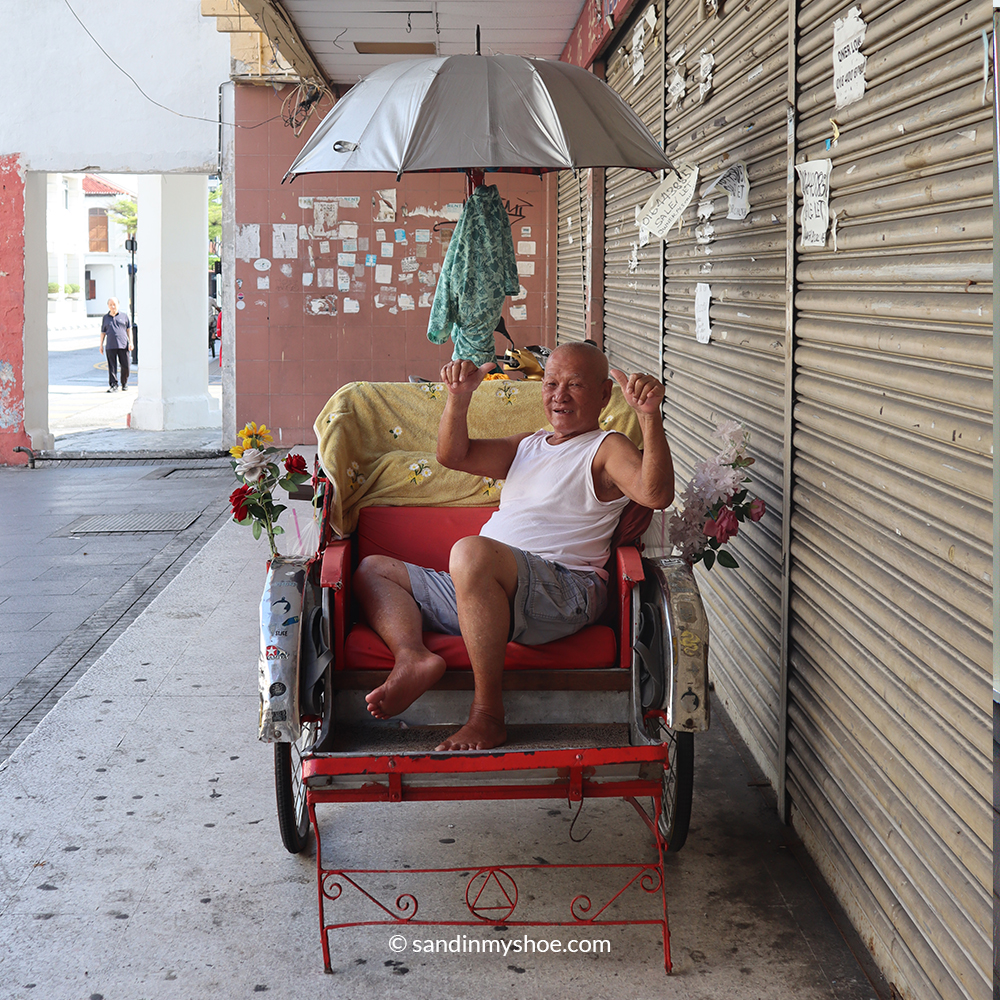
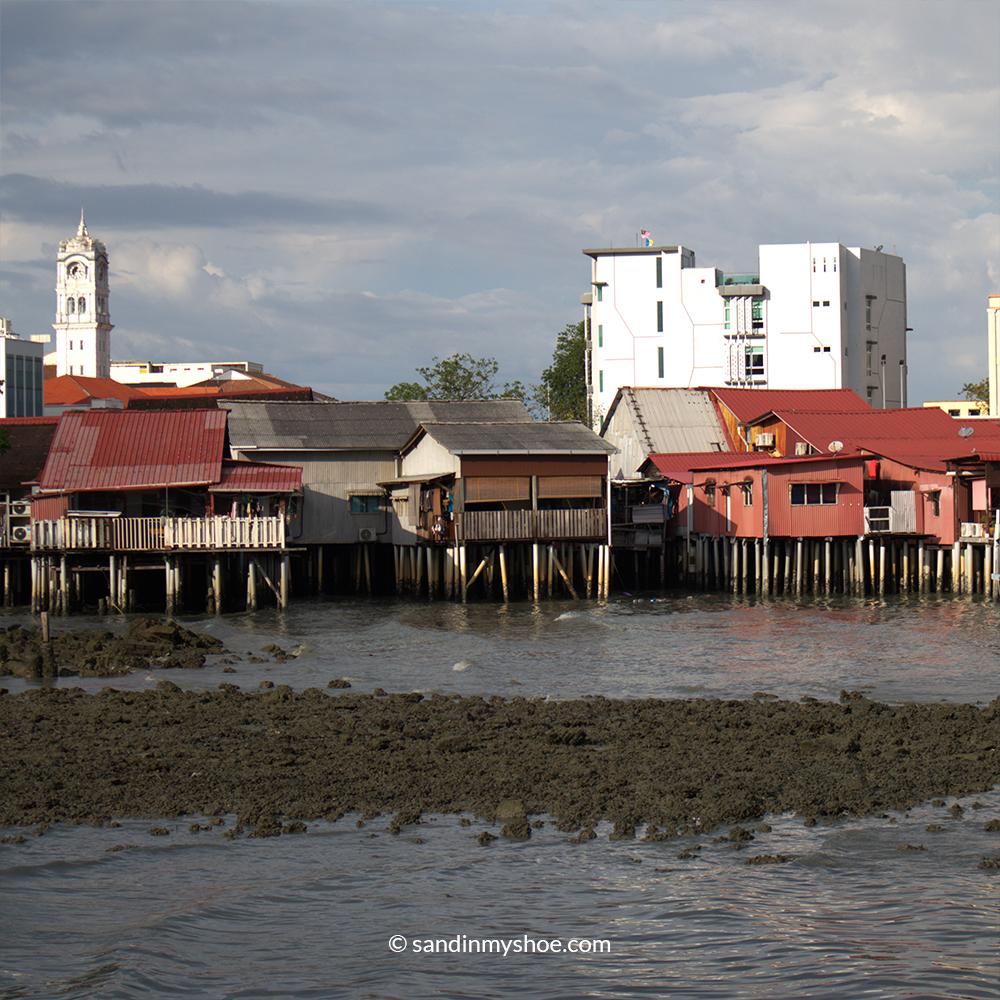
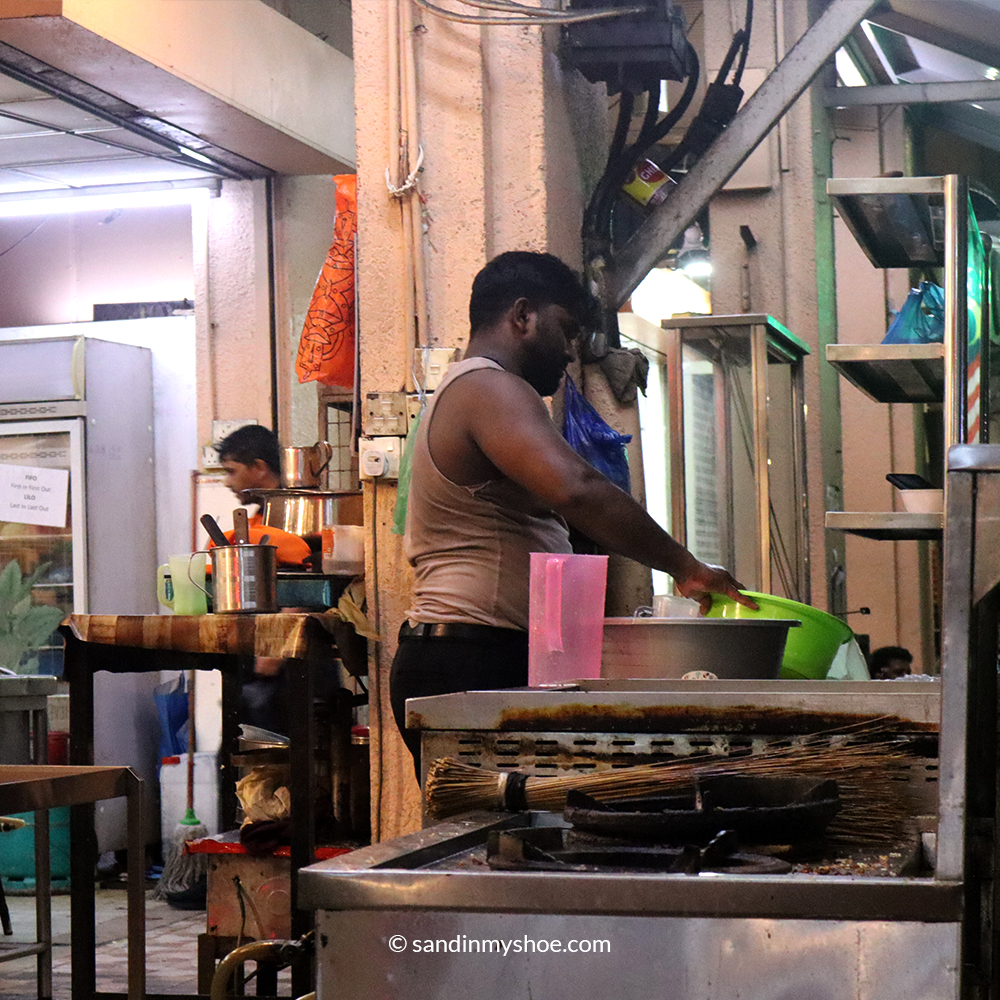
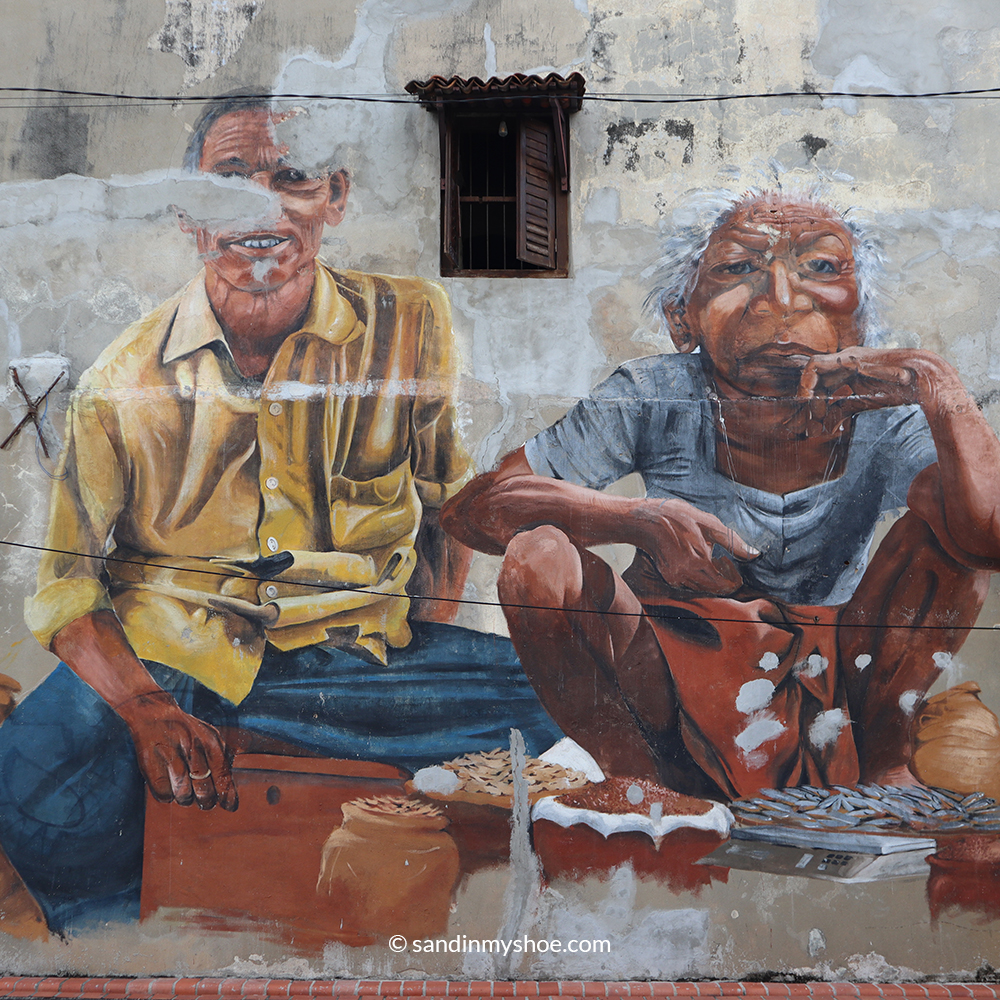
The whole city feels like a melting pot of three cultures in one, and on top of that, George Town has an artsy streak: wall murals, metal sculptures, and creative corners everywhere you walk. It’s laid‑back, walkable, and full of stories — easily one of the must‑see cities in Malaysia.
But Penang isn’t just George Town. The island has beaches in the north, a national park with jungle trails and monkeys, and Penang Hill in the centre offering cool air, panoramic views, and leaf monkeys. Nearby, the massive Kek Lok Si Temple — home to a pond full of tortoises — was, in my opinion, more impressive than the Batu Caves in Kuala Lumpur (though it’s not really a fair comparison).
Sold on Penang? Check out my guide on where to stay in Penang — it breaks down the best areas and includes options for every budget, from simple stays to top‑of‑the‑line hotels.
Why Penang is Diverse
The multicultural mix of George Town dates back to British colonial times, when Chinese and Indian workers were brought in—and today, that layered history is still very much alive in the streets, temples, and local life of George Town. Experiencing the blend of its history, culture, and modern creativity is among the best things to do in George Town and Penang.
Common Q&A About Penang
Very much. Penang isn’t just home to three distinct cultures — Malay, Chinese, and Indian — but also offers incredible food, heritage streets, beaches, hilltop views, and a national park all on one compact island.
There are three areas that suit most travellers in Penang: George Town, Batu Ferringhi, and Tanjung Bungah. Each offers a different pace and atmosphere, from heritage streets to beach resorts to quieter coastal neighbourhoods. For a deeper breakdown, you can also read my full post on where to stay in Penang.
I felt safe the entire time — no issues at all, whether walking around George Town during the day or exploring at night. Like any city, basic awareness helps, but overall Penang is one of the easier, more relaxed places to travel in Malaysia. Even the Snake Temple is safe since they’ve devenomized the Pit Vipers.
Penang’s public buses are well-connected, and the MyRapid Pulse app provides accurate timings since Google Maps for local transport is not reliable. Grab is also a popular and convenient option for getting around.
Penang is generally affordable — cheaper than Western destinations and mid‑range compared to other places in Southeast Asia. Food, transport, and attractions are all reasonably priced, and you can eat extremely well without spending much. Expect to spend about $50-90 USD per day as a mid-range traveler. Read more about costs in my detailed travel‑budget guide for Malaysia.
I’d say the sweet spot is around 4 days, meaning 5 nights. However, if you’re not into visiting the national park or to hang out on the beach in Batu Ferringhi, you could squeeze it into 3-4 nights.
Definitely not as a whole, but the Heritage Zone of George Town is very walkable. The historic core is compact, flat, and easy to explore on foot, with most major sights, cafés, and street art spots clustered close together. Outside this area, distances spread out quickly, and you’ll rely on Grab/Bolt to get around or the local bus. MyRapid Pulse App is recommend to be used for reliable timetables.
Things to Do in George Town
George Town is all about discovering the city’s colonial past, its distinct cultural neighborhoods, and—of course—the street food.
Visiting George Town genuinely feels like visiting three countries in one. Culturally and food‑wise, the mix is incredible. If you’re a foodie, be warned: the variety is huge, the flavors are addictive, and gaining a couple of kilos is almost guaranteed. At one point I was silently praying to every god imaginable for an extra stomach so I could keep eating. Sadly, I had to survive with just one.
Gain Weight At the Street Food Areas
George Town is a street‑food paradise, and no visit is complete without sampling its hawker centers, night stalls, and hidden local restaurants. The trick is simple: eat small portions, eat often, and follow whatever smells good. And yes — Little India deserves its own dedicated visit for curries, biryanis, and sweets.
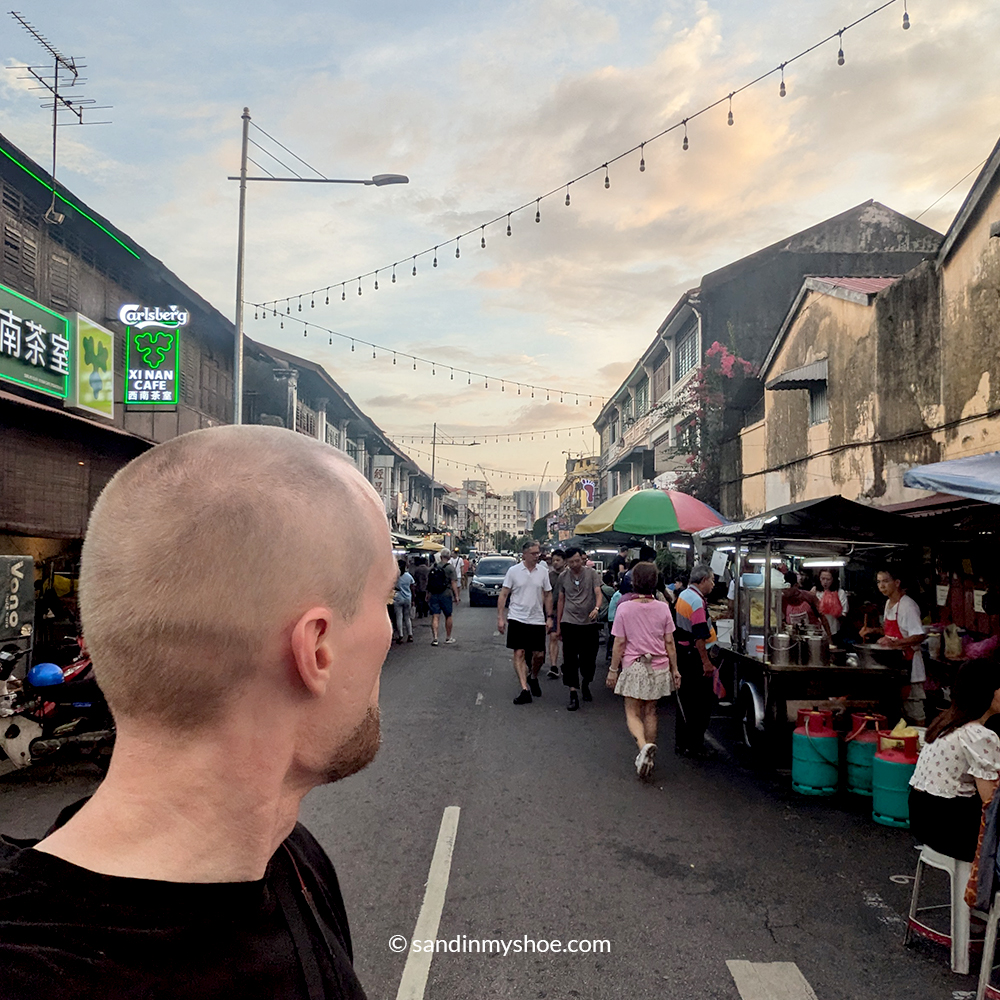
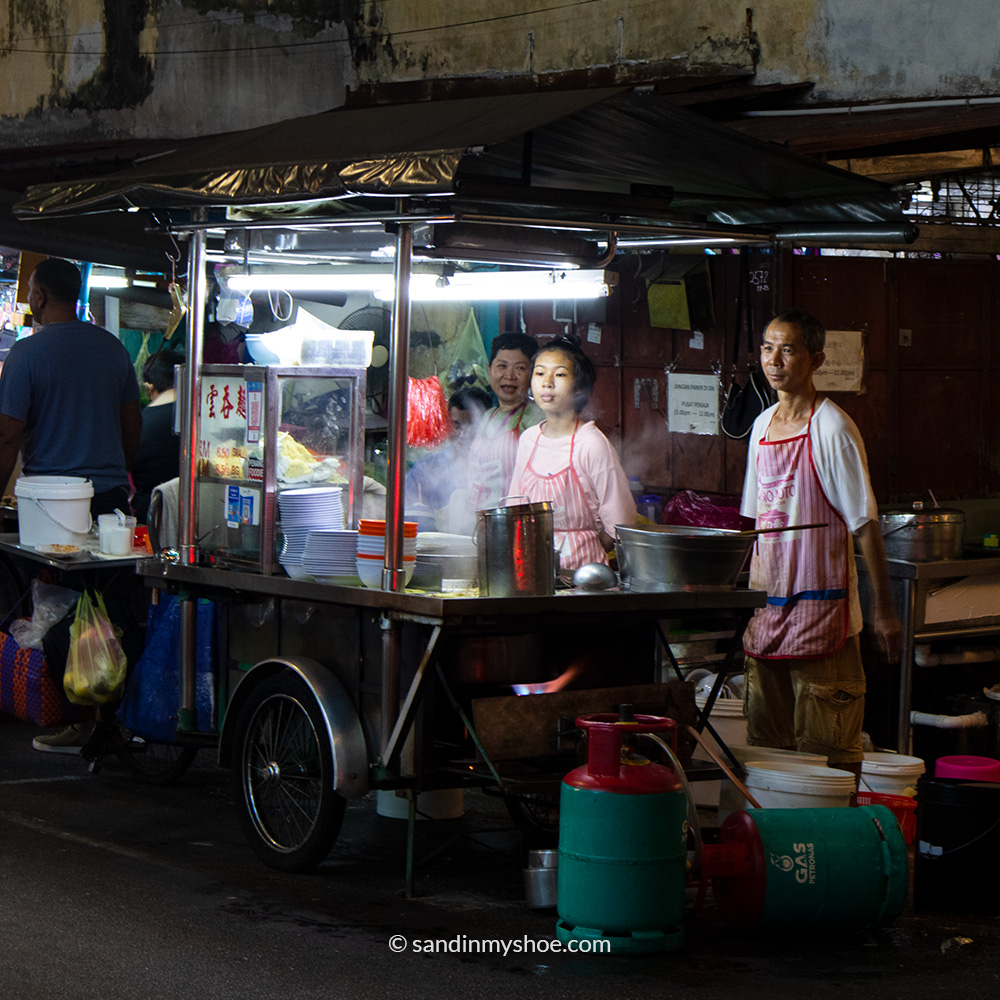
After sundown is the best time to visit all of these spots — some operate nightly, while others appear only on specific days.
Here’s where to go:
- New Lane Hawker Centre – A popular evening stretch known for char kway teow, lok lok, satay, and grilled snacks. It gets lively after sunset.
- Chulia Street Night Hawker Stalls – Famous for wan tan mee, dim sum, and Penang laksa. Ideal for grazing while walking around.
- Kimberley Street – Known for duck kway chap, char kway teow, and classic Penang desserts like tong sui.
- Macallum Street Night Market – A busy Monday‑night market in a residential area, with a mix of food stalls and everyday goods.
Spot the Street Art Around Town
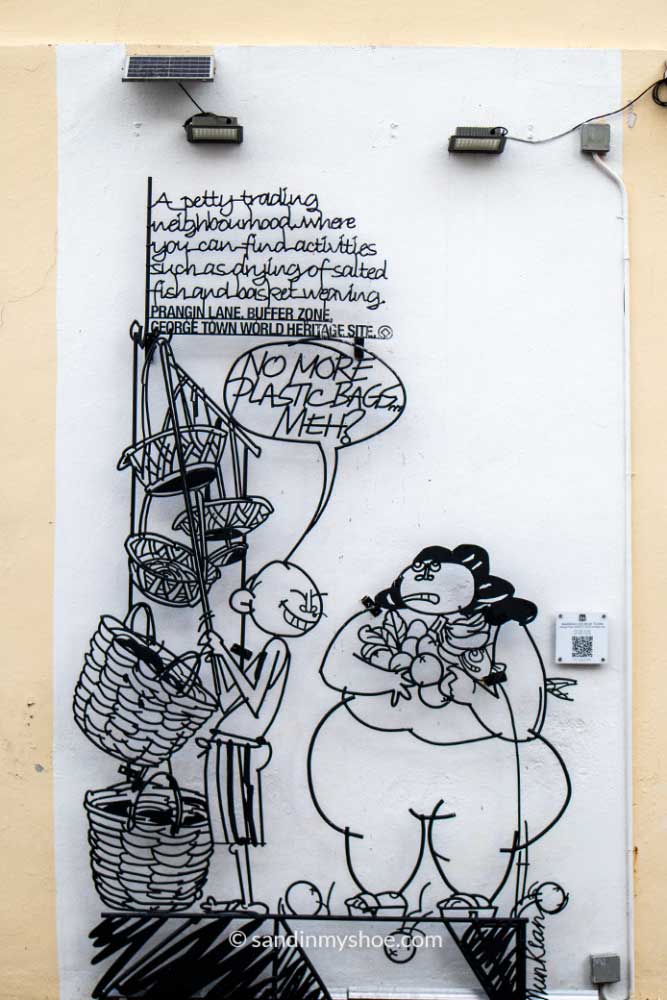
George Town is filled with street art depicting local life, culture and heritage. From playful murals to steel-rod sculptures telling stories of the city. The movement took off when Lithuanian artist Ernest Zacharevic created his now‑iconic murals during the George Town Festival. All the street art can be found in the map of Penang.

Leong San Tong Khoo Kongsi
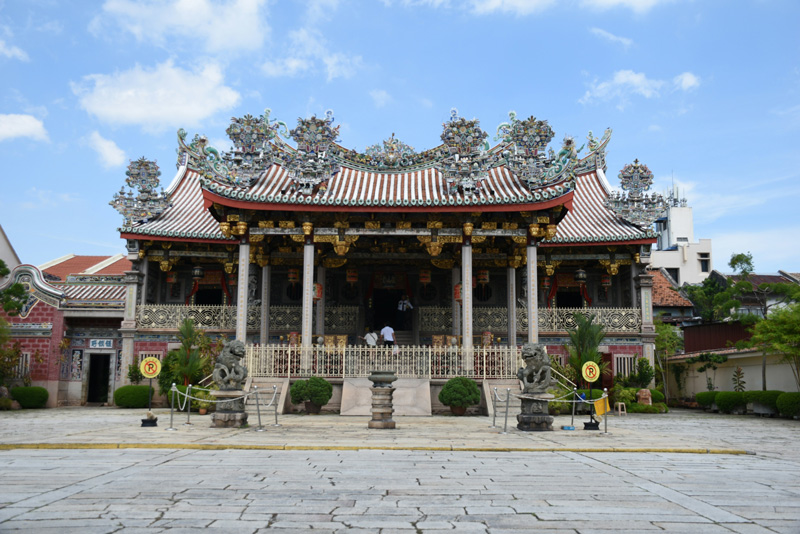
One of the most impressive clan houses in Penang, Khoo Kongsi reflects the wealth and influence the Khoo clan held during the late 19th and early 20th centuries. The clan traces its roots to Sin Kang village in Fujian, and many of its early members were seafarers and traders who settled in Penang. The current complex is just over a century old, rebuilt in 1906 after the original structure burned down.
Cheong Fatt Tze Mansion (The Blue Mansion)
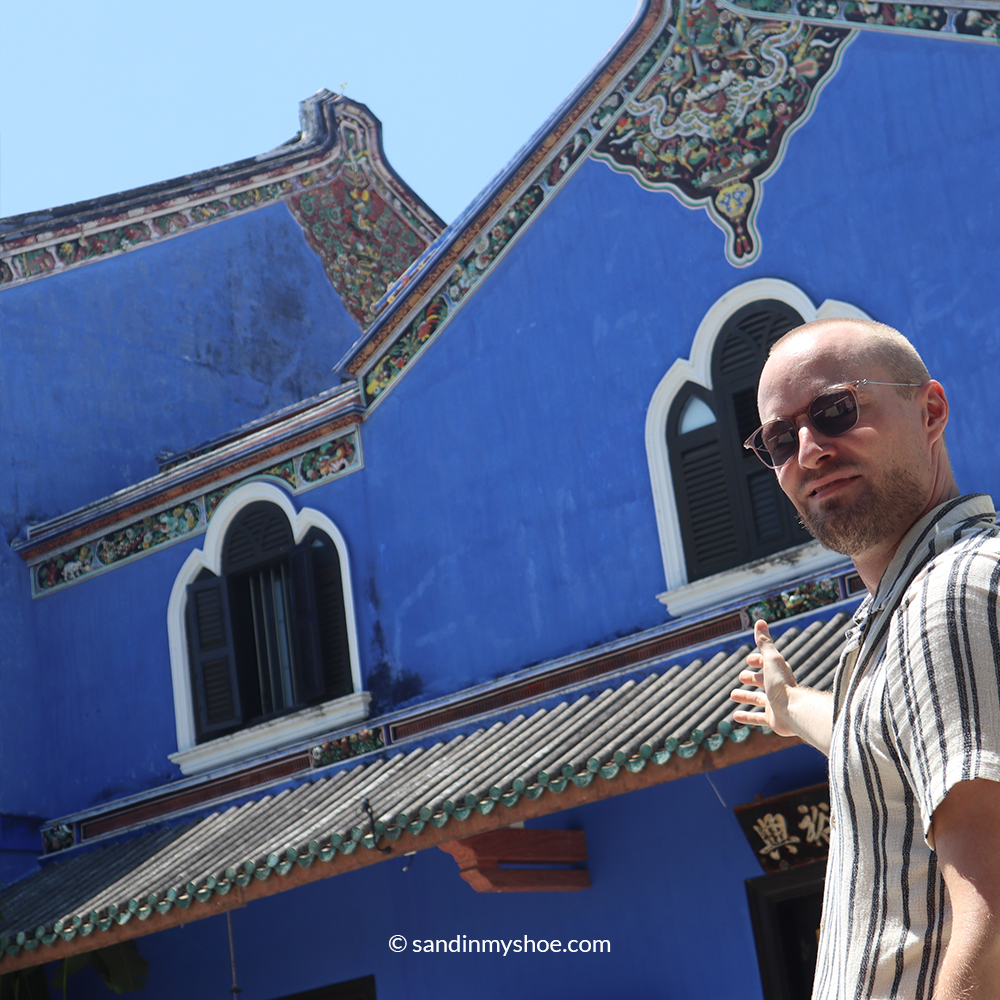
Cheong Fatt Tze Mansion, better known as the Blue Mansion, is one of the most prominent buildings in George Town. It was built by Cheong Fatt Tze — a Chinese businessman, diplomat, and philanthropist often called the “Rockefeller of the East.” The mansion served as his Penang base and family home, designed with strict feng shui principles and nearly 40 rooms to accommodate his large household. A practical choice, considering he had eight wives and many children.
There are guided tours are available and recommended if you want to get the stories associated with the Mansion.
Pinang Peranakan Mansion
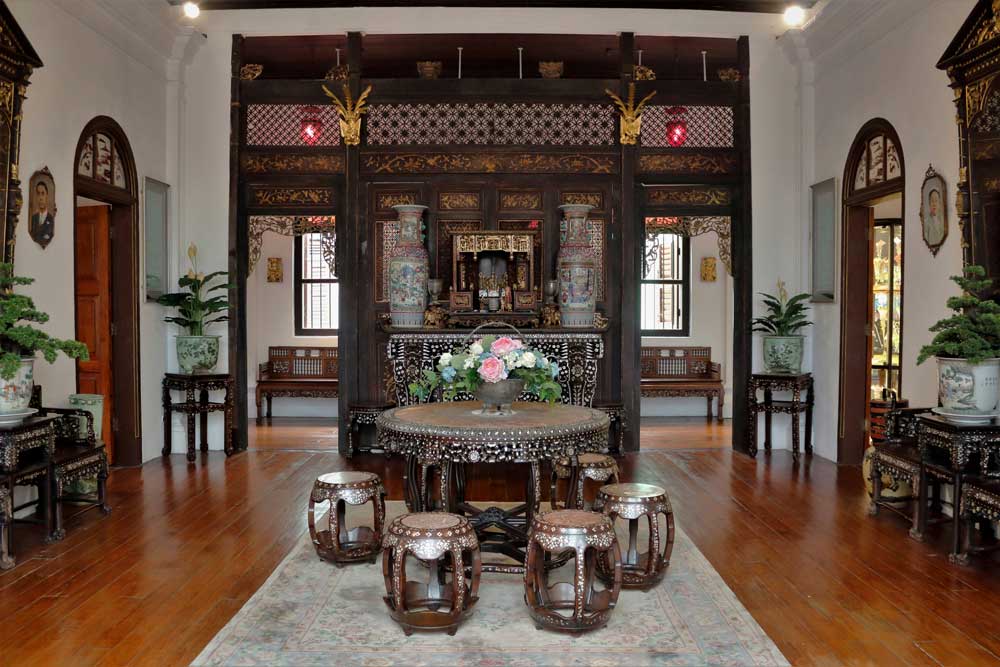
Another grand mansion built by a wealthy Chinese magnate — this time Chung Keng Quee — the Pinang Peranakan Mansion offers a vivid look into how Penang’s elite once lived. Think grand halls, a central courtyard, and enough decorative detail to make minimalists sweat.
The world of the Peranakans, also known as the Straits Chinese, comes to life here. They were descendants of early Chinese immigrants who settled in the old Straits Settlements and blended Chinese, Malay, and colonial influences into a unique hybrid culture.
This museum showcases their lavish lifestyle through traditional clothing, intricate furniture, jewellery, and porcelain collections. It genuinely feels like stepping into the home of a wealthy Peranakan family from a century ago.
Chew Jetty
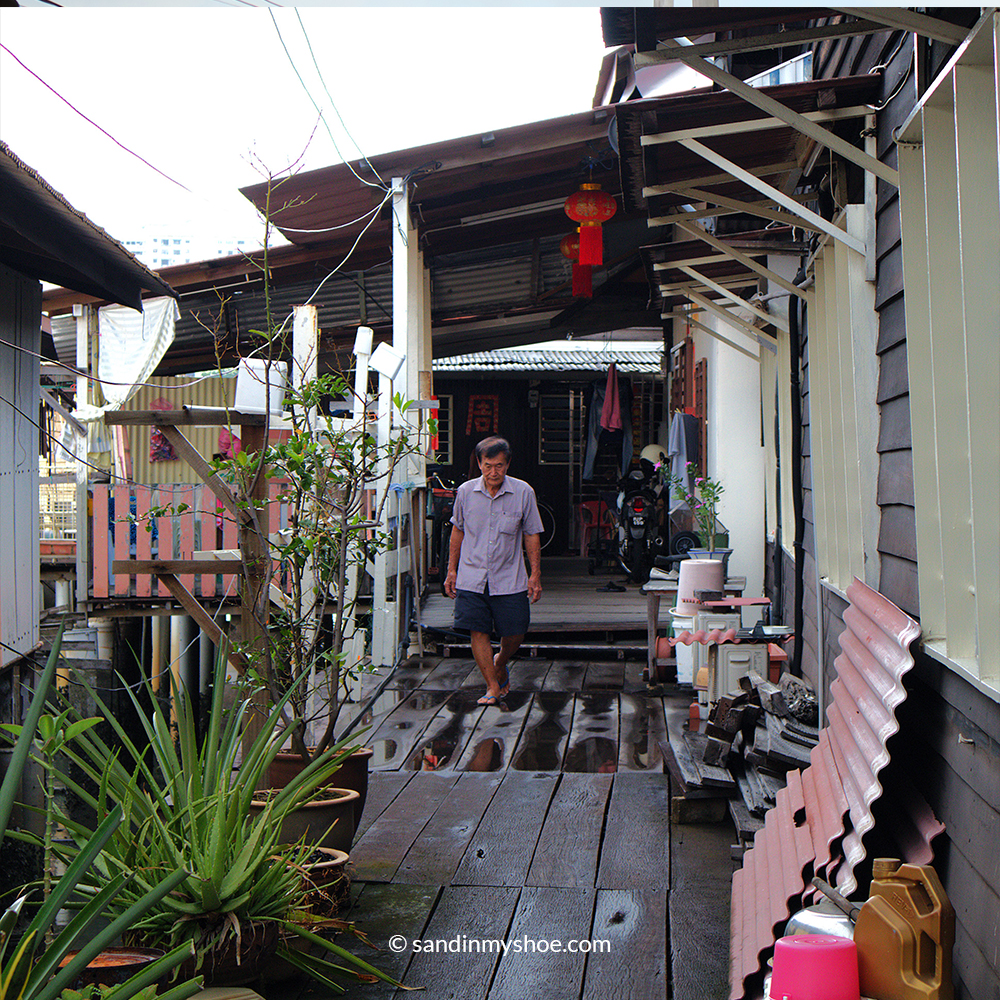
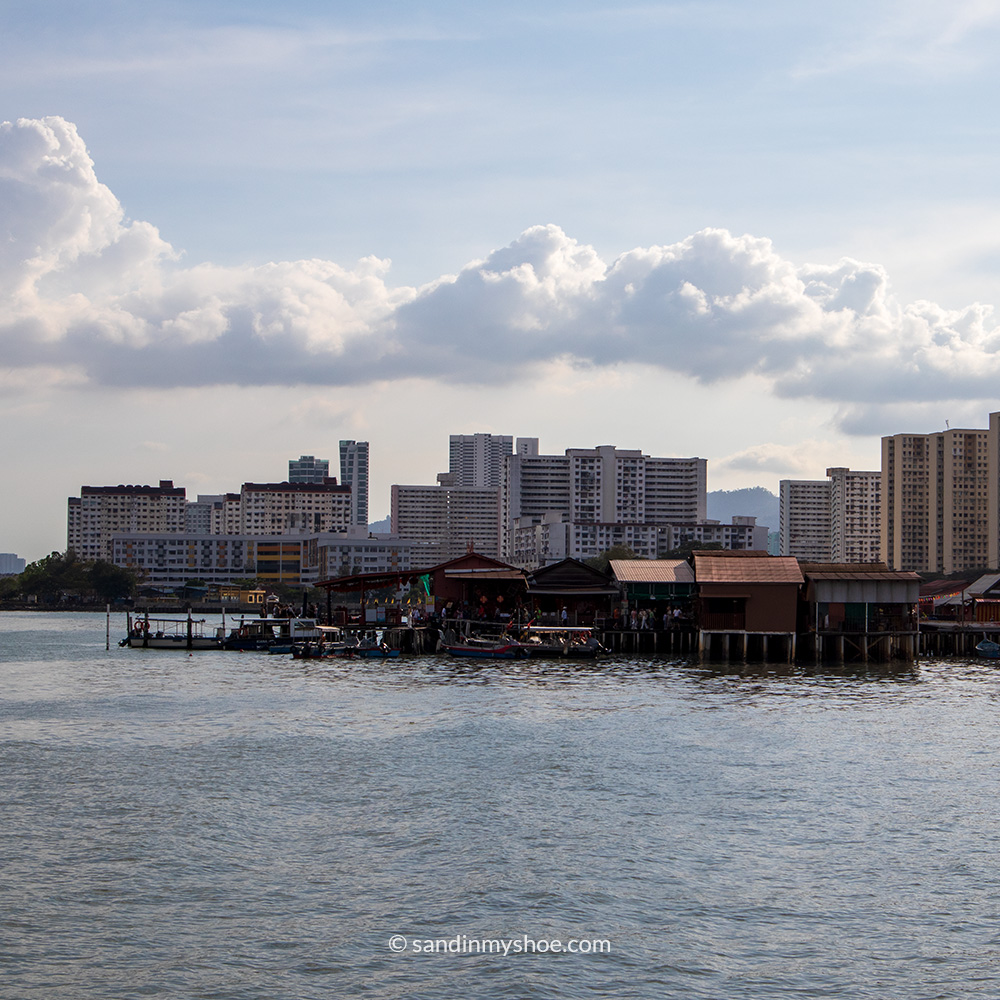
A UNESCO‑protected heritage site, Chew Jetty is one of several clan jetties where Chinese immigrant families built wooden homes on stilts over the water. It’s the largest and most visited of the jetties, and walking along its boardwalk gives you a glimpse into a community that has lived here for generations.
The families who settled here were mostly working‑class Chinese labourers who worked at the port. Living on the water made sense as it was close to their jobs, cheaper, and allowed clans to live together by the surname Chew — a common way Chinese migrant communities organised themselves for support, protection, and shared resources. So while Penang’s wealthy merchants built mansions, the jetty communities developed their own practical, tight‑knit way of life right above the tides.
You can wander past shrines, family homes, and small shops, chat with locals if they’re in the mood, and try the refreshing nutmeg juice that everyone seems to be holding. Yes, it’s touristy — souvenir stalls, photo ops, the usual — but it’s still worth visiting for the history and for the rare chance to see how these waterfront communities live today.
Little India
Around 4 or 5 PM any day, head to Little India. This neighborhood completely transforms in the evening. It’s like stepping into a chill, less chaotic version of India. The streets fill with music, smells of curry and incense, and people in colorful clothing.
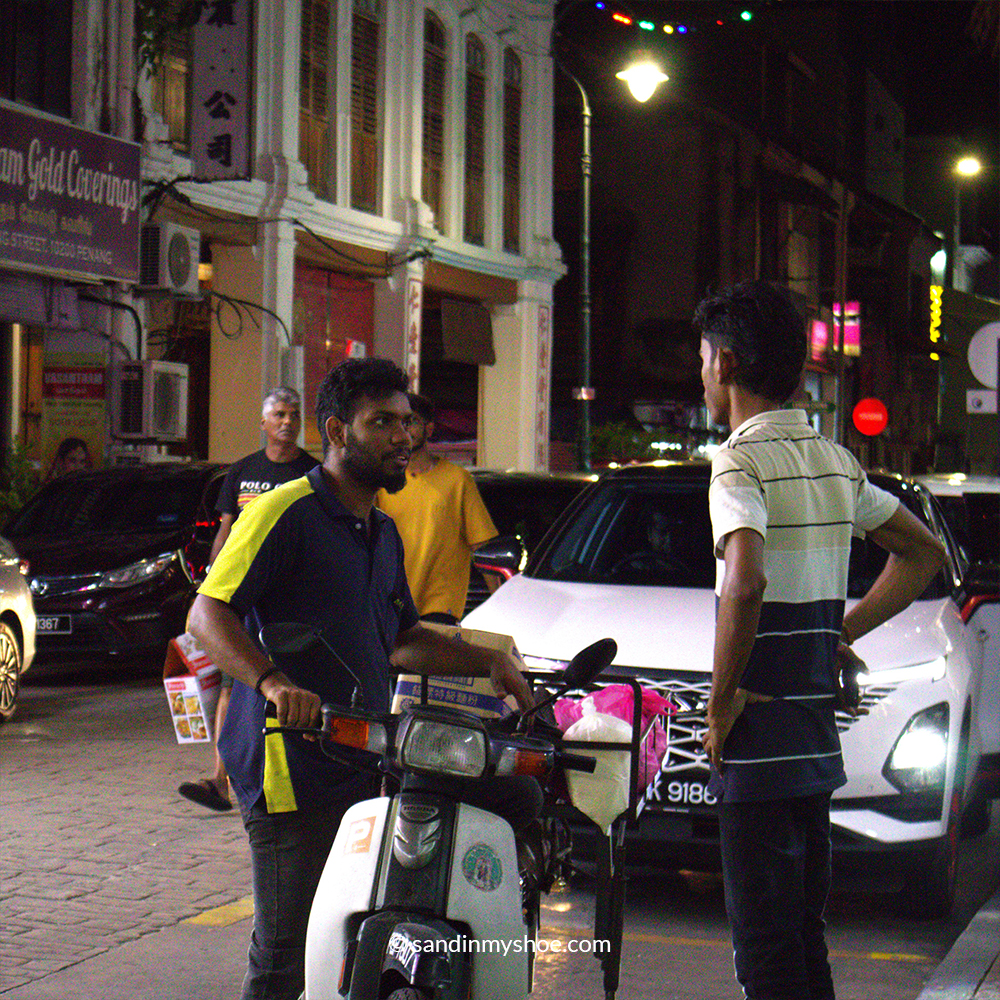
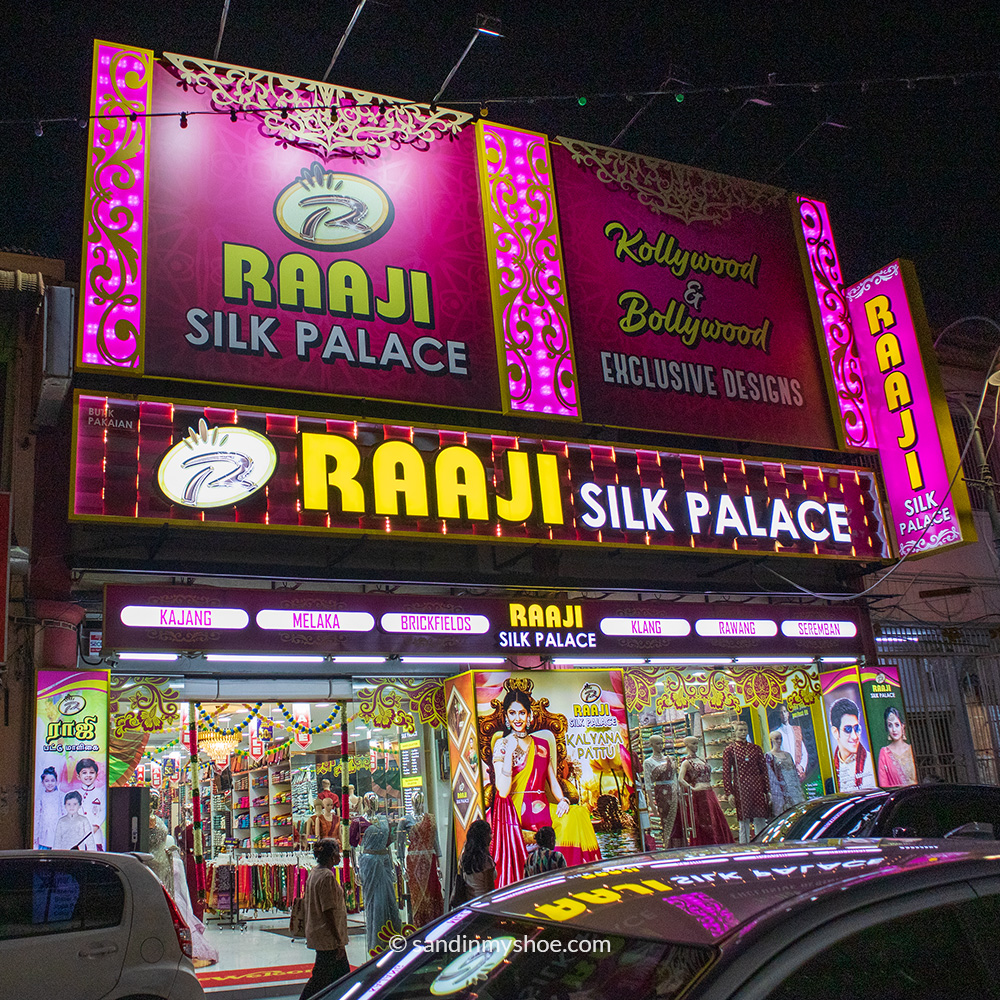
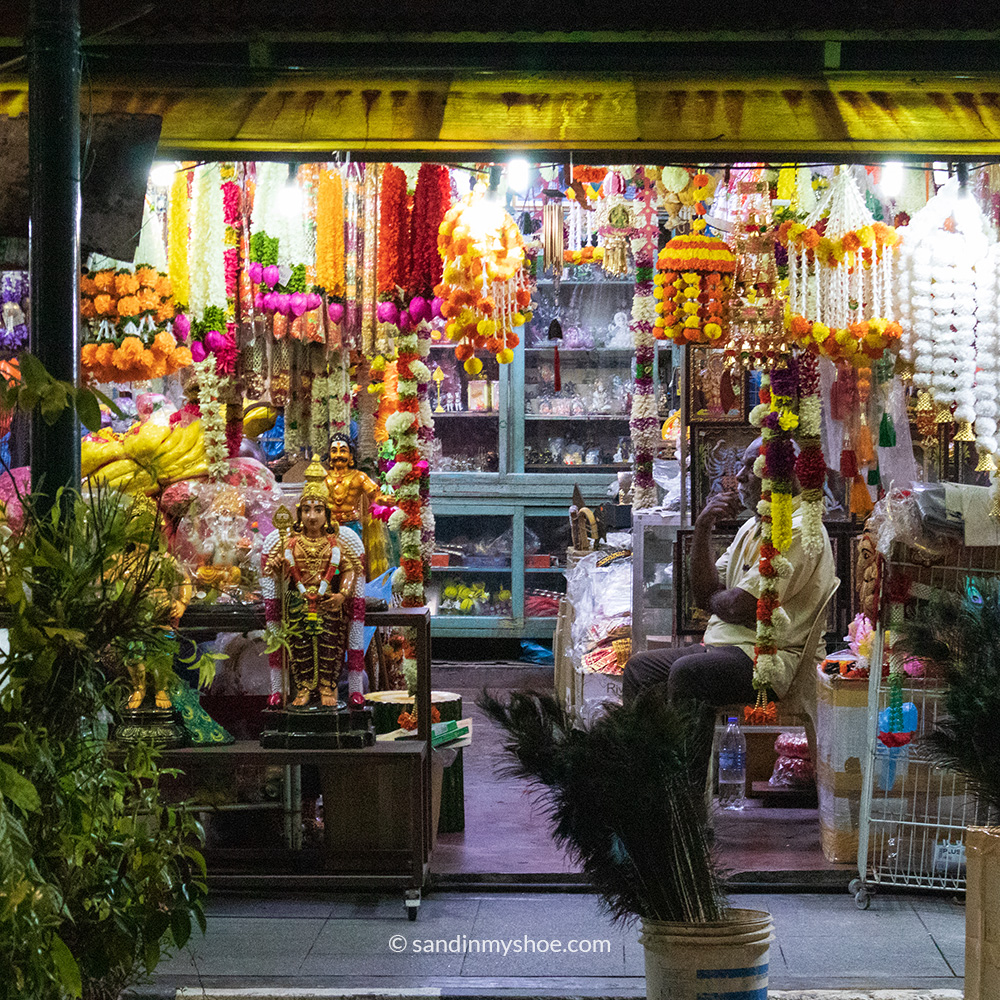
Browse through Indian convenience stores, spice shops, and colorful sari boutiques. Drop by a canteen-style restaurant—cheap, delicious, and bursting with flavor. At one place, someone even offered me a taste from their plate. (A very nice gesture, but he was eating with his hand, and offered a fistful of rice and curry so I politely declined). The whole atmosphere in Little India was very friendly and vibrant.
Try to save the experience of Little India for one occasion and go in with fresh eyes—it’s much more charming when you fully immerse yourself without any sneak peeks.
Fort Cornwallis
Commissioned by the British East India Company, Fort Cornwallis is Penang’s largest standing fort. It was built for defense but never fired a shot in combat, and it ended up serving mostly administrative and ceremonial roles. Captain Francis Light named it after Charles Cornwallis, the Governor‑General of Bengal — essentially his superior in the East India Company hierarchy, and someone it was wise to keep impressed.
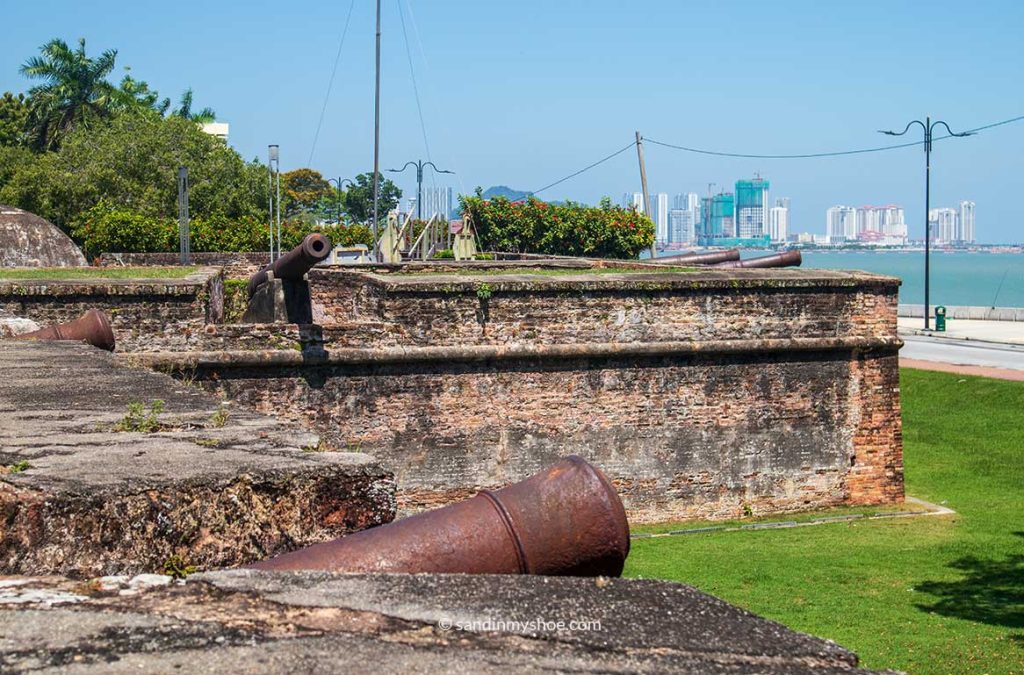
A guide is included in the entrance fee, and it’s worth listening to — without the context, the site quickly feels like a pile of old stones.
Things to Do in Penang
The activities around Penang range from must‑visits like Penang Hill and Kek Lok Si Temple to a decent beach with a national park in the north, and even a quirky snake‑filled temple in the southern part of the island.
Penang Hill
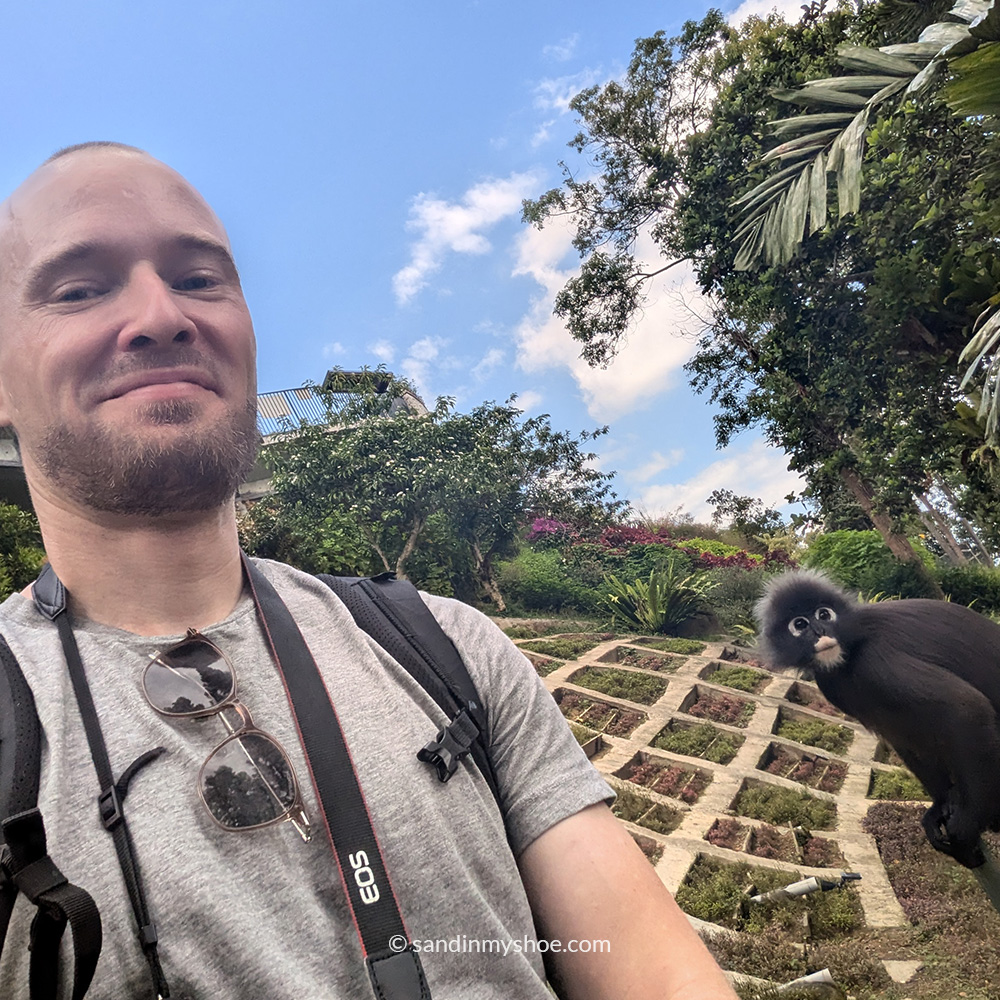
Visiting the Penang Hill is definitely one of the best things to do in Penang. It offers spectacular panorama views of the island, nature, wildlife, gardens, museums, and a peaceful rain forest trail called the Habitat. And yes, there are monkeys. Dusky Leaf monkeys to be exact. Very peaceful and cute monkey race.
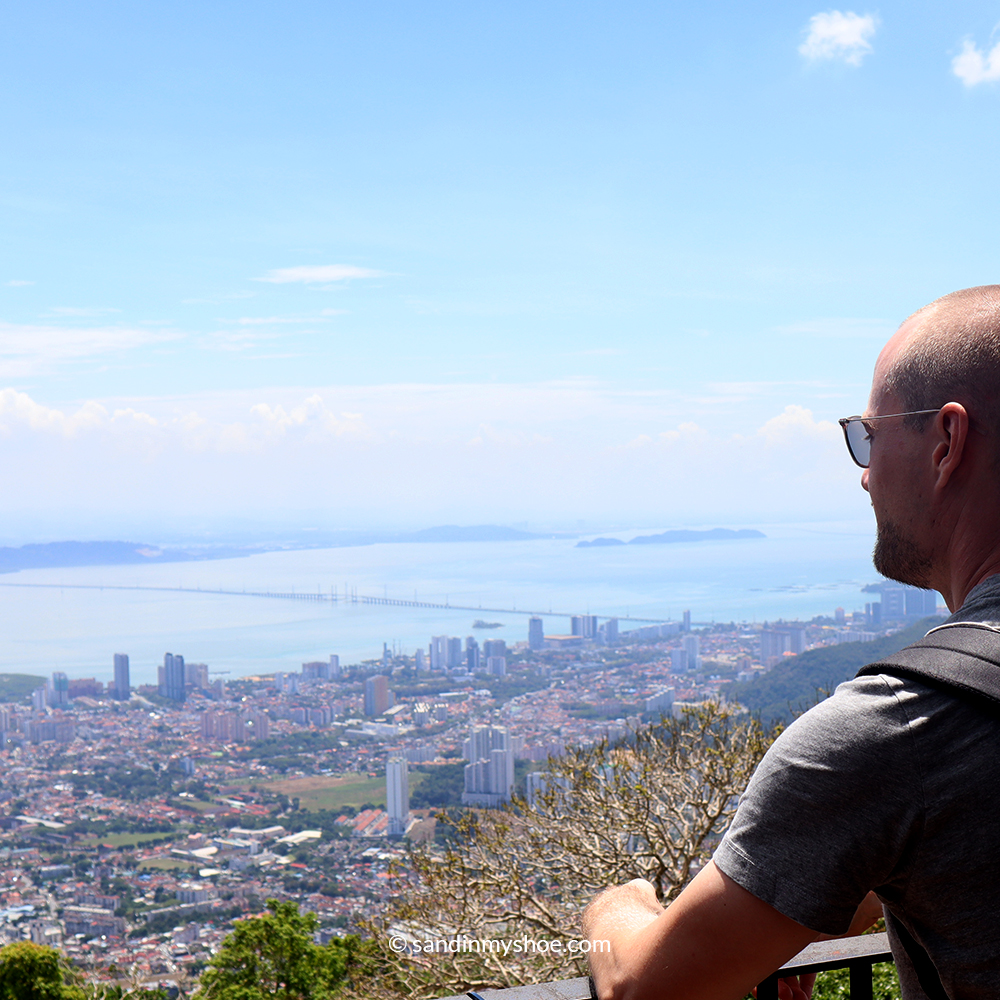
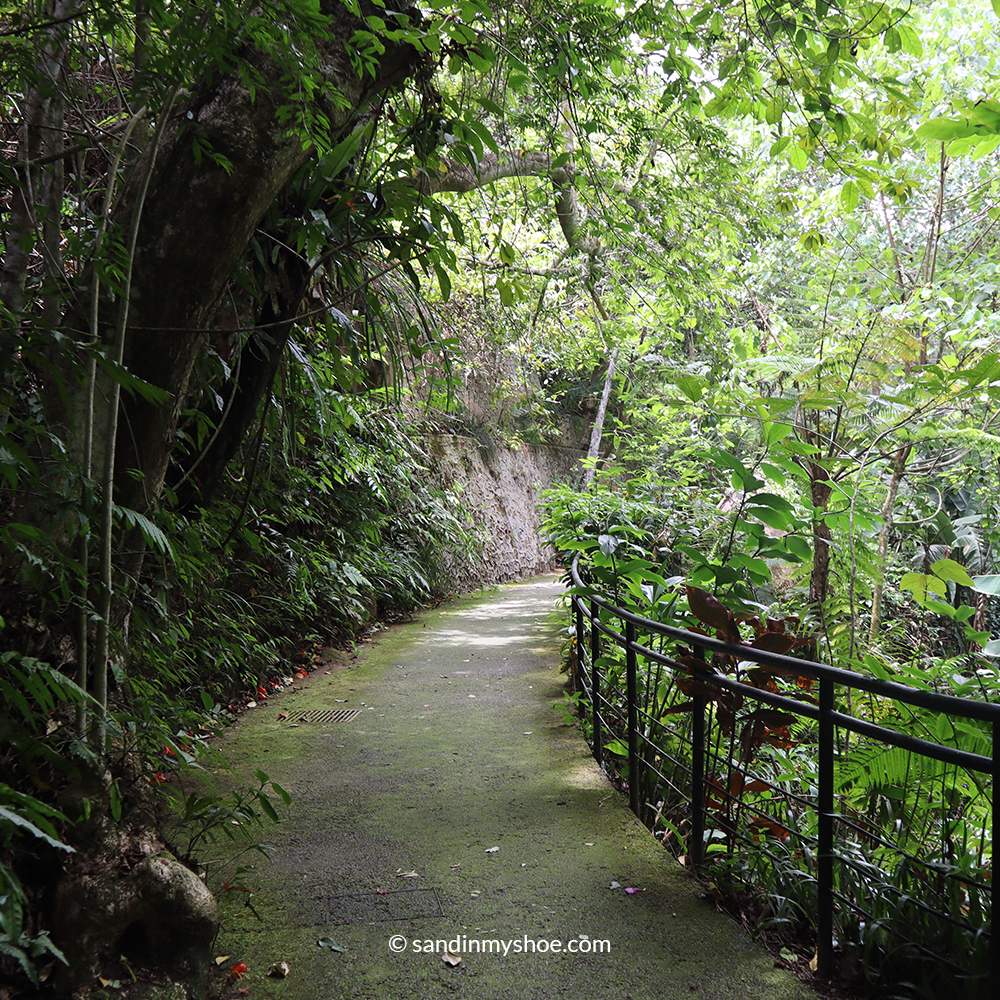
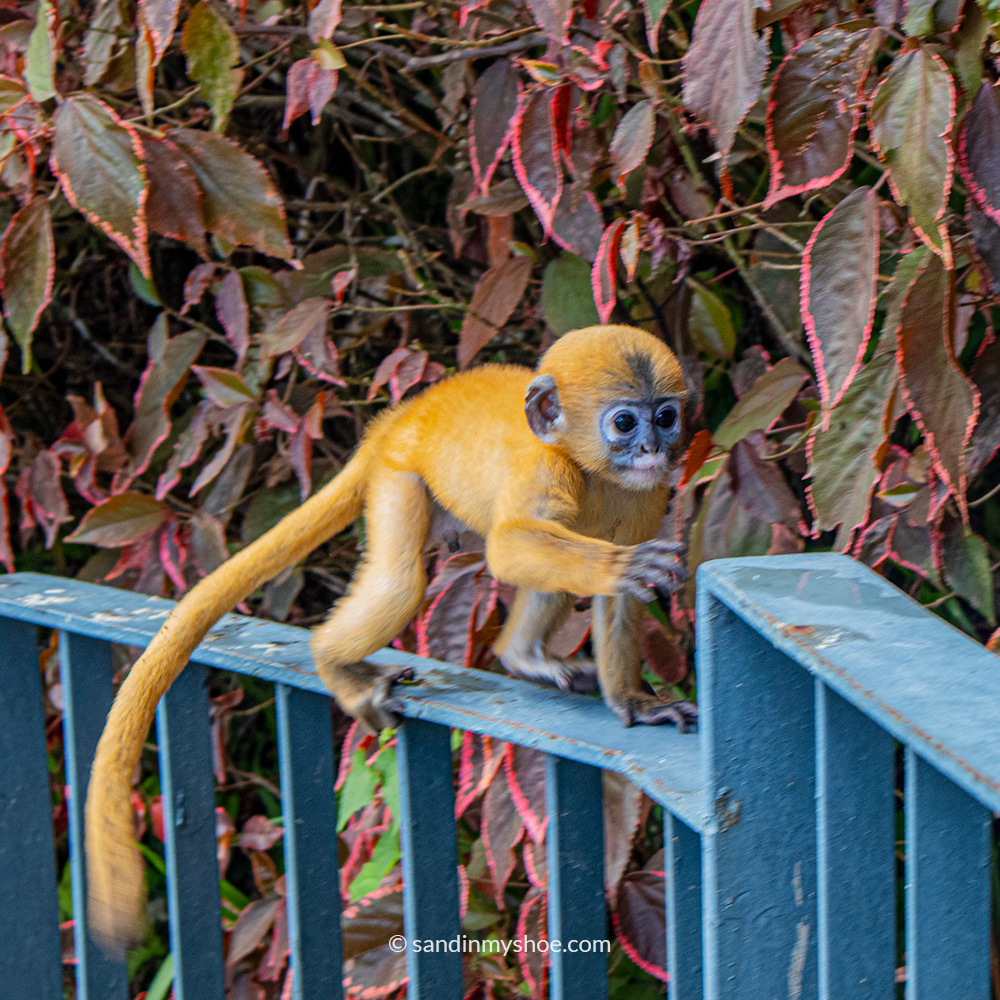
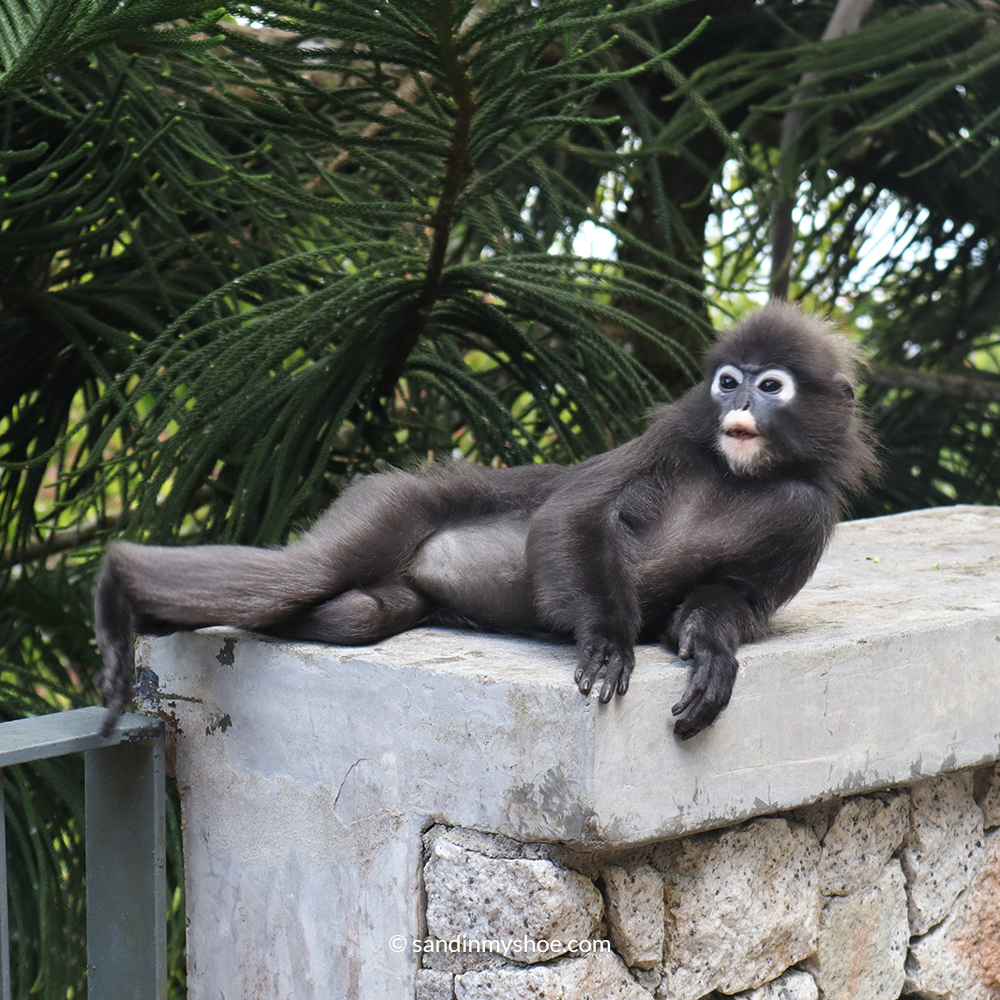
To get to the top of the hill, some people hike it, but most including myself use the funicular train to get to the top.
Options for getting to the top
- Standard Ticket: ~30 MYR round-trip (adult, non-Malaysian)
- Express Lane: ~80 MYR (skip the queue, especially useful during weekends or holidays; check the queue before buying a ticket)
- Hiking Trails: Free if you choose to hike. Trails like the Moongate Trail offer a great nature experience with a bit of exercise. Just download the app: Alltrails.
While at the top, some attractions are free to explore, while others come with additional fees. The free ones include: the viewing platforms to enjoy panoramic views of the city, stroll through the colonial-era buildings, visit the Sri Aruloli Thirumurugan Temple, and even take a walk through the Love Lock Pavilion for no extra cost.
The Habitat is costs 30 MYR extra, and it’s definitely worth it. It’s a peaceful rainforest trail with canopy walks, treetop platforms, and fantastic views. If you’re lucky, you might spot squirrels, butterflies, monkeys, and even tortoises along the way. I only saw butterflies while inside The Habitat, but shortly after leaving, but once I got outside the habitat I was surrounded by a group of friendly monkeys.
Other paid attractions on the top include the Owl Museum and the Monkey Cup Garden, though I didn’t visit them myself.
Kek Lok Si Temple
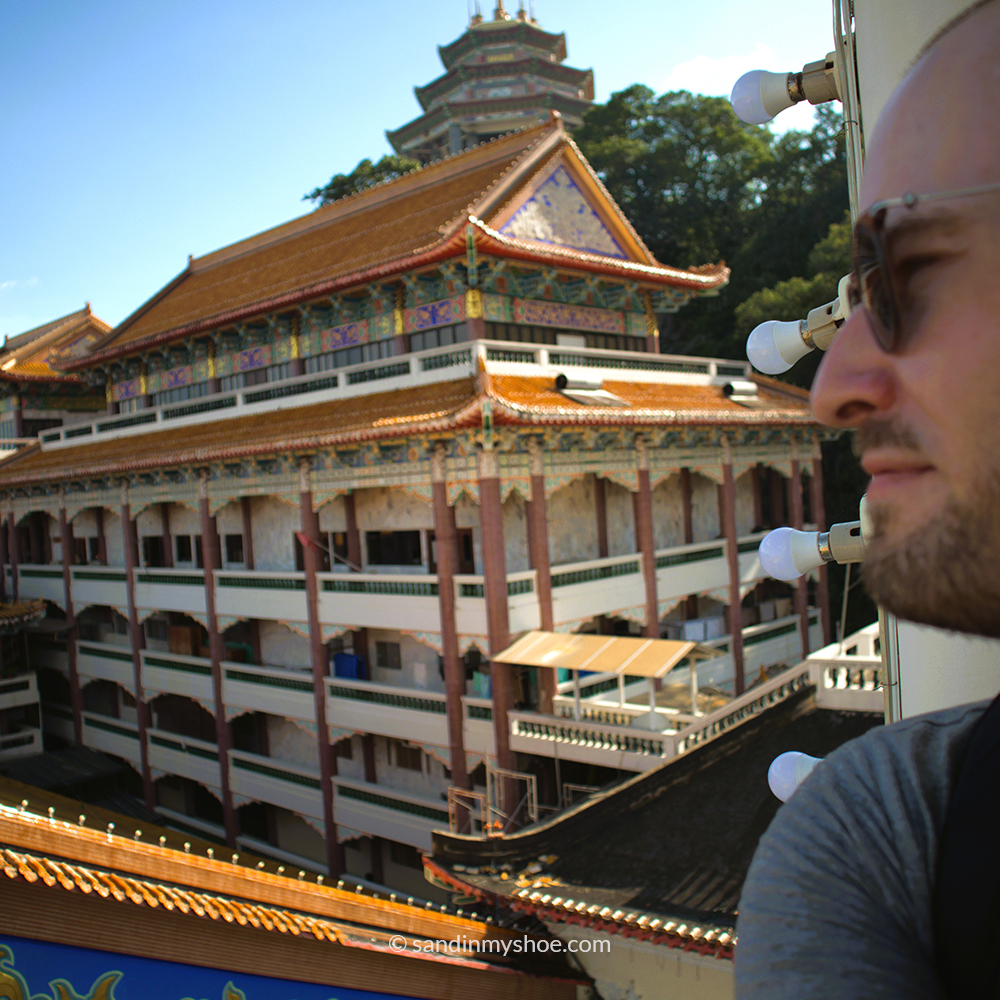
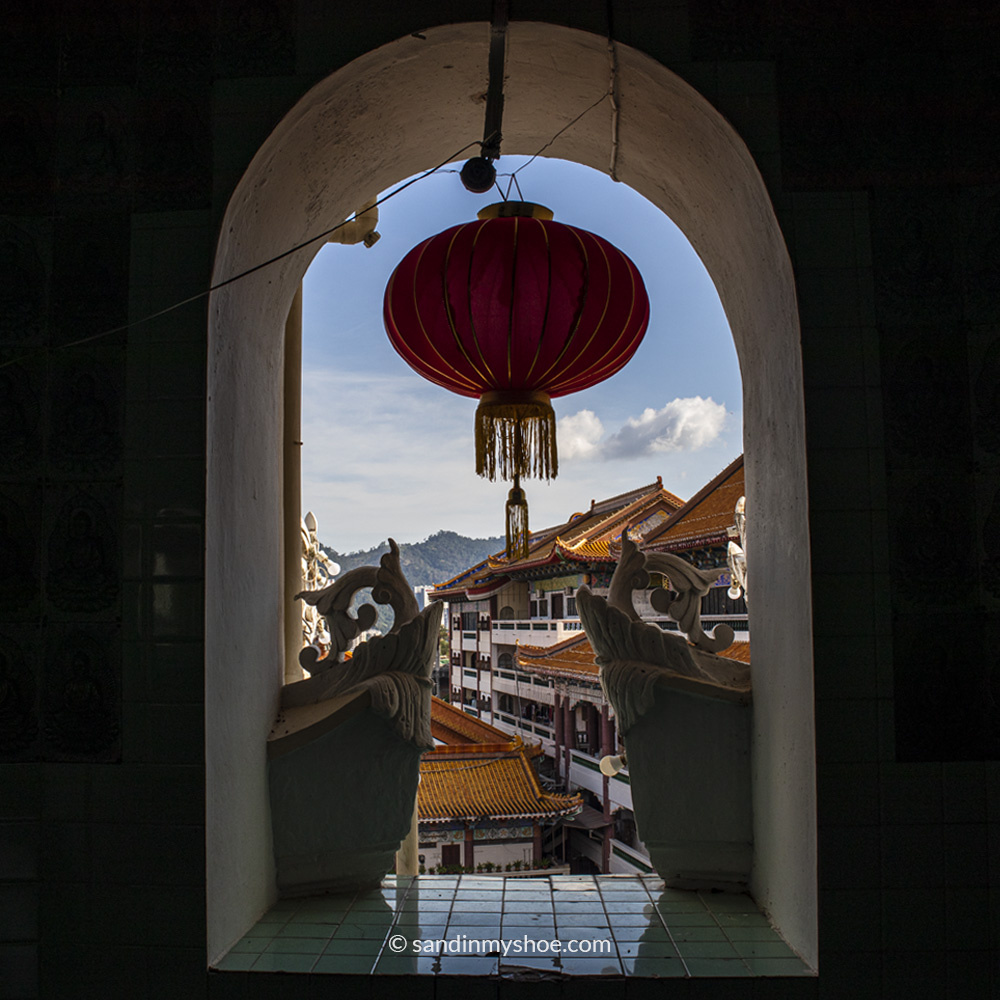
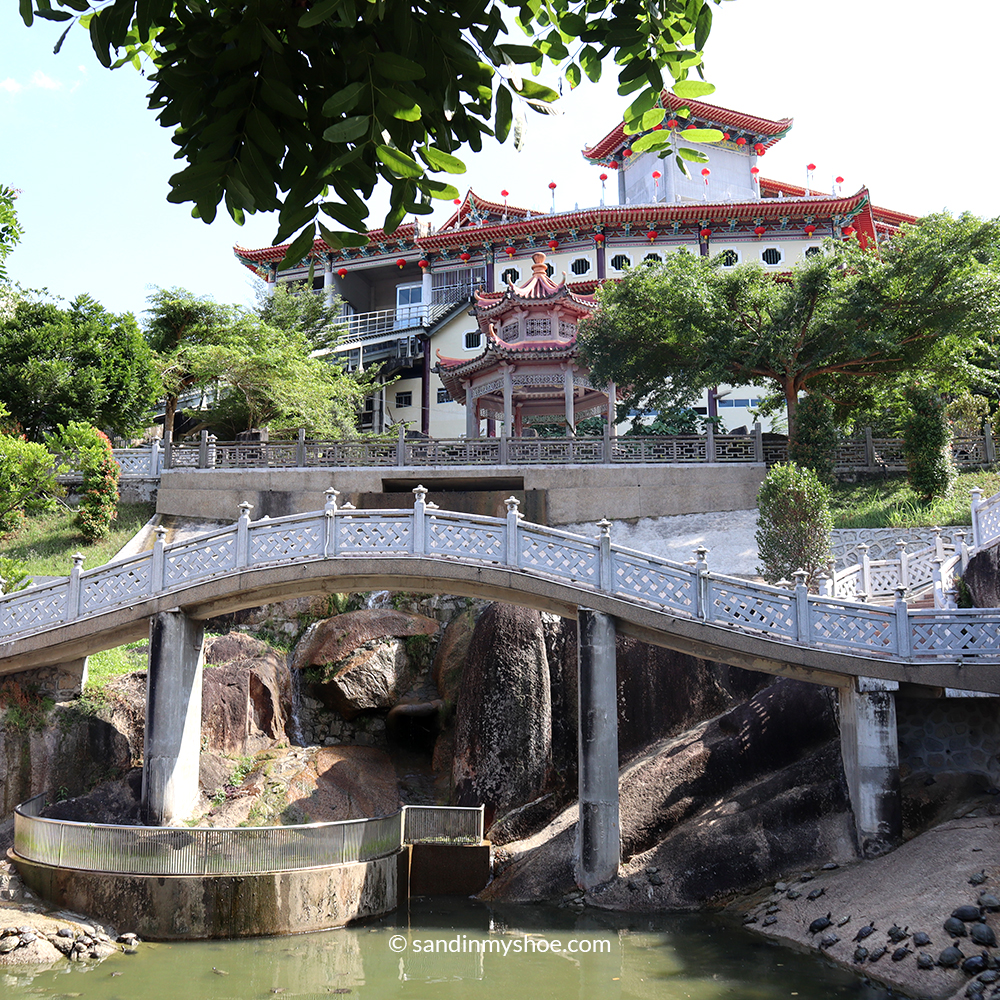
The Kek Lok Si Temple — conveniently located near the foot of Penang Hill — is one of the largest and most impressive Buddhist temple complexes in Southeast Asia. It’s a peaceful and spiritual place filled with ornate prayer halls, towering pagodas, and beautifully carved statues.
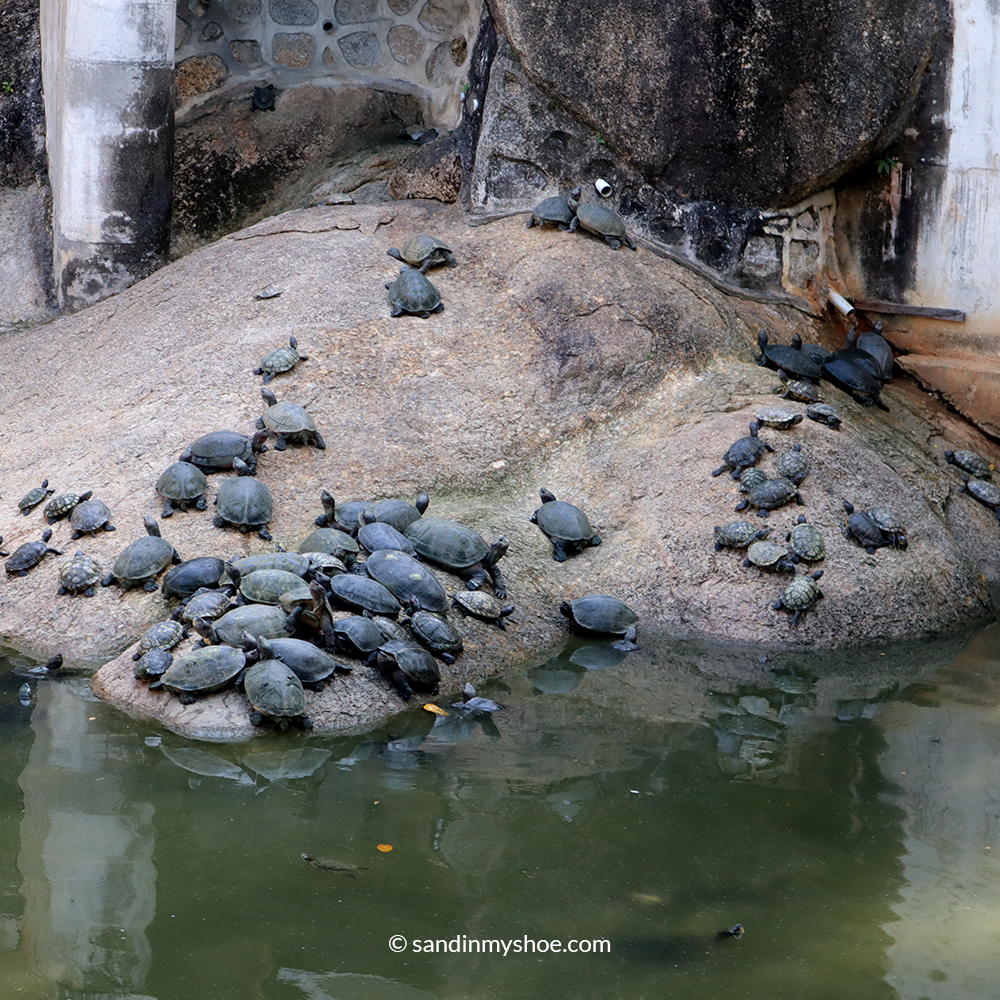
Around the temple grounds, you’ll find a pond with hundreds of turtles—considered symbols of longevity—which visitors often feed. The complex is a mix of quiet corners, colorful altars, and panoramic views, especially beautiful at sunset.
This temple was one of my favorite spots in Penang.
Best time to visit the temple is along with your visit to the Penang Hill because it’s just a 5-minute Grab ride or a short local bus trip. If you’re going with the bus, use the MyRapid Pulse app for schedule because Google Maps isn’t always reliable for public transport around Penang.
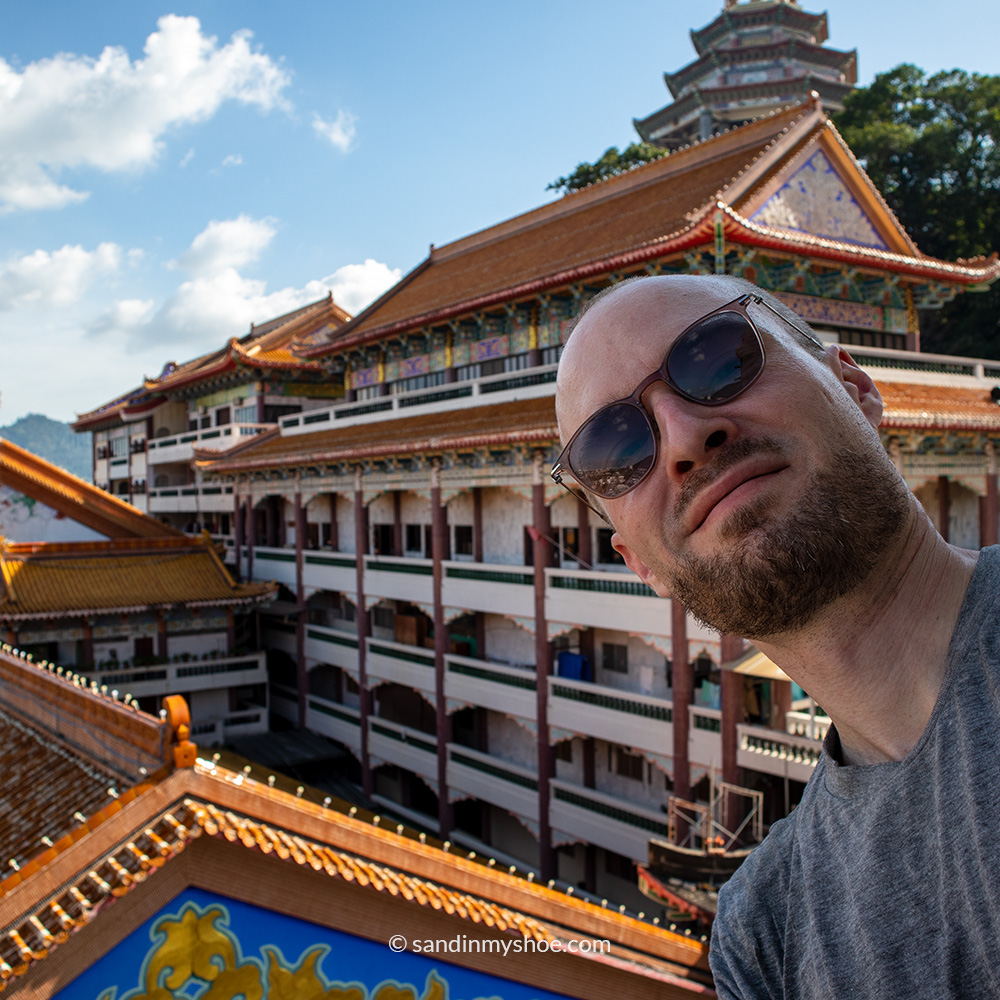
Kek Lok Si Temple in Penang
Penang National Park
You, the sound of cicadas, rustling branches from monkeys jumping overhead, and sunlight streaming through thick tropical leaves. It’s a meditative walk inside the rainforest of Penang National Park.
There are two spots in the national park, the more popular one being the Turtle Beach, and the other is Monkey Beach. The names are self-explanatory, but you have monkeys in Turtle Beach as well.
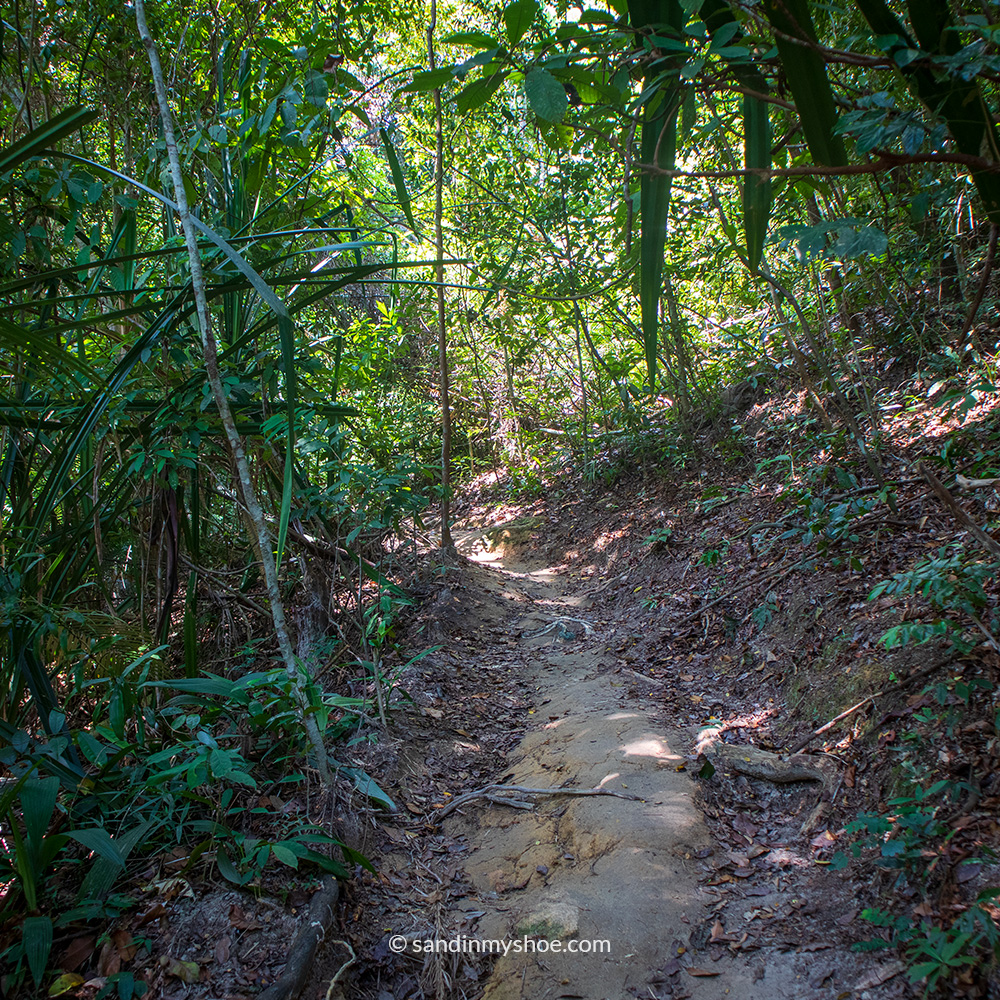
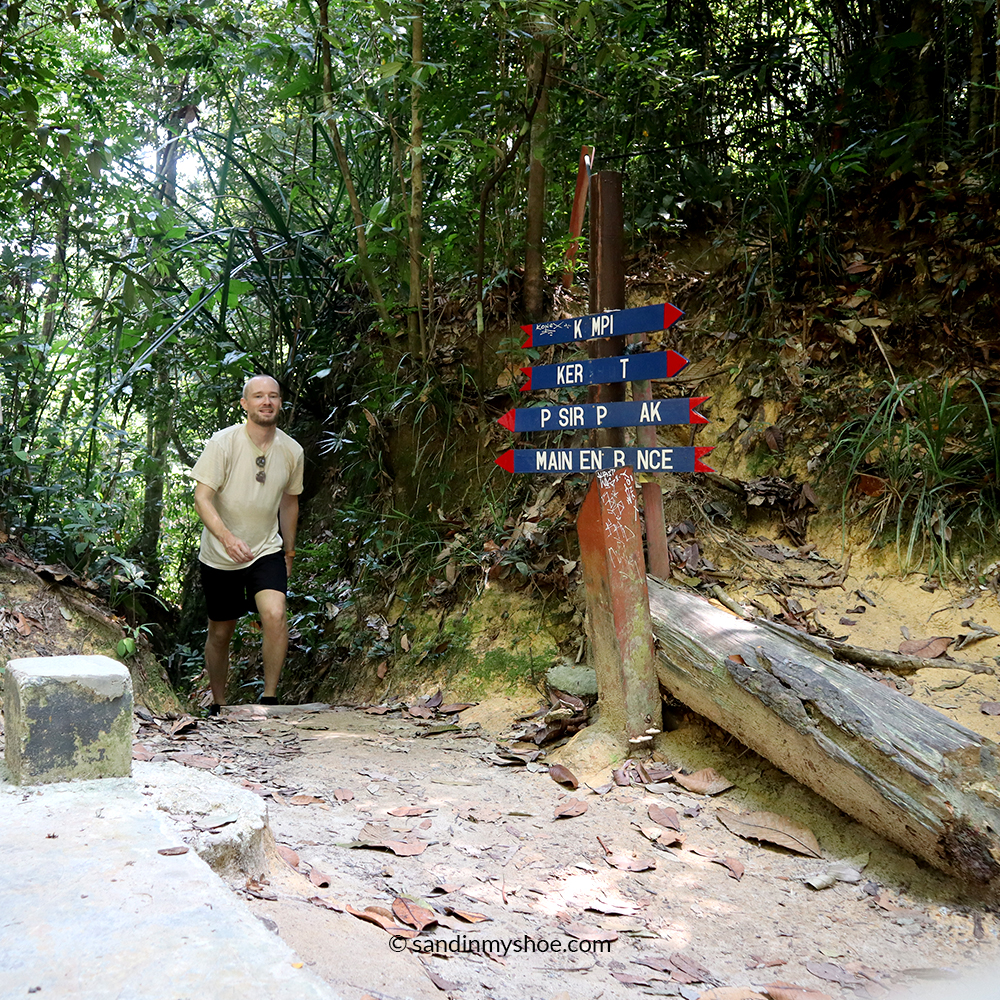
I hiked to Turtle Beach, which took me around 1 hour one-way through jungle paths, some steep, some gentle. The path was originally carved out by seven men with buffaloes. The path is good and it’s fully shaded, but don’t underestimate it—wear proper shoes and bring at least 2 liters of water and some snacks. Since there are nowhere to buy supplies inside, and watch your snacks—the monkeys here are sneaky and bold.
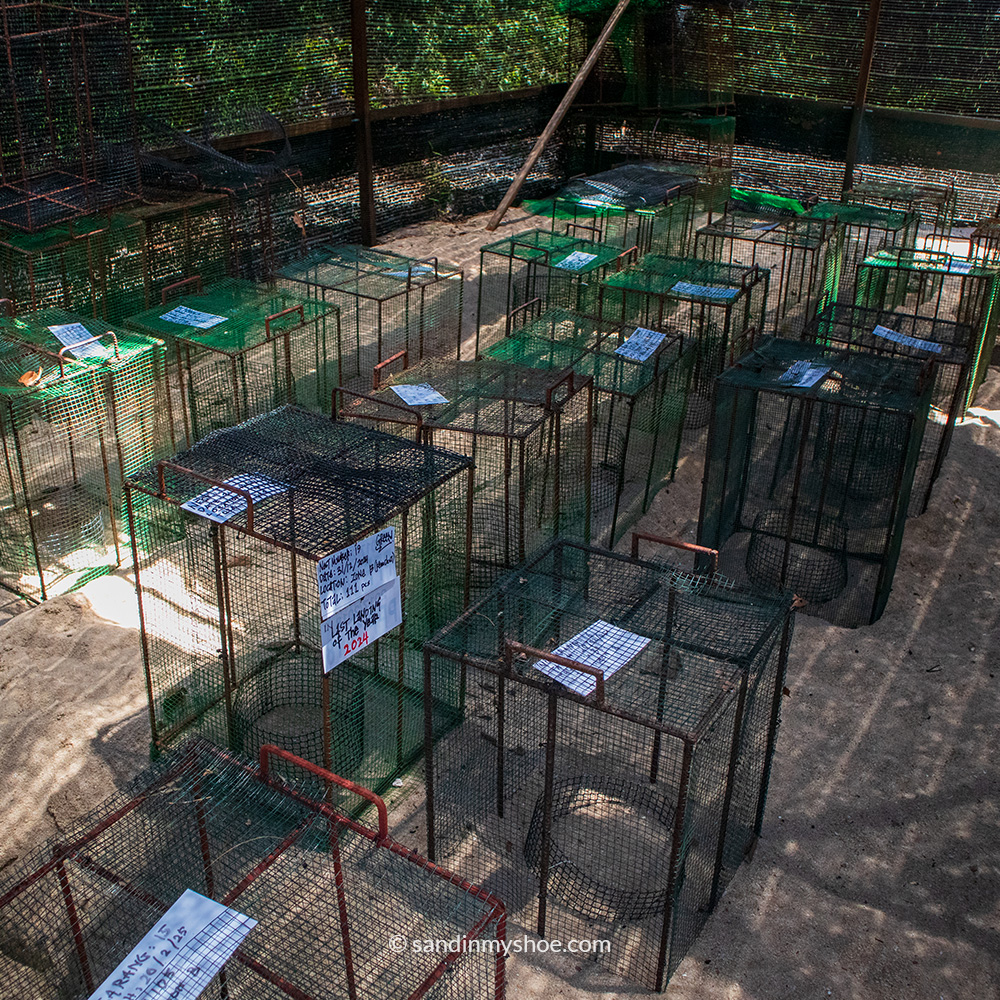
The Turtle Beach itself is home to a turtle conservation center where you can spot baby turtles and you’ll learn about their egg protection efforts. While swimming isn’t allowed, the beach is peaceful and secluded—perfect for a quiet rest.
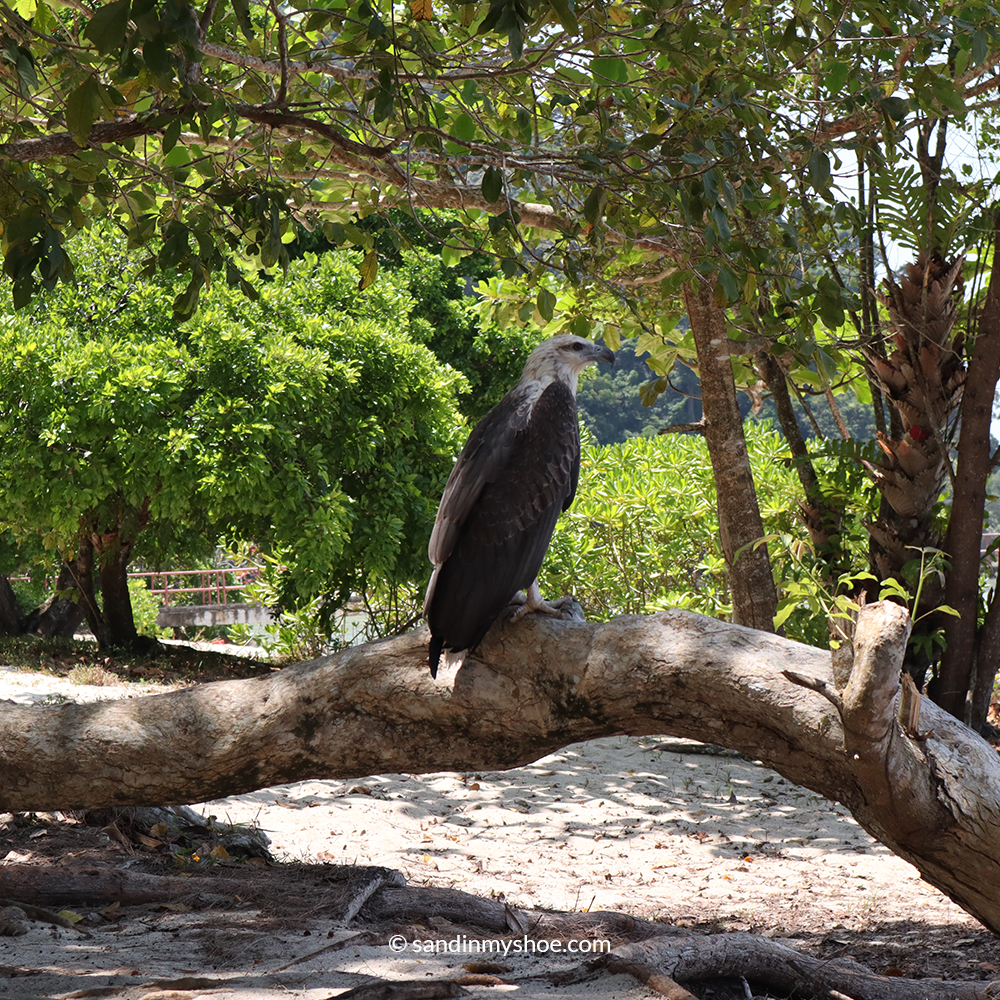
The area is home to other animals as well. I spotted a massive eagle during my visit, with a size that really makes one respect the distance between me and the animal.
Entrance cost: 50 MYR for adults and 20 MYR for students. If you prefer not to hike, you can hire a boat to Monkey Beach and/or Turtle Beach and back for around 100 MYR. But if you’ve already had your monkey encounters, visiting the Monkey Beach might not be worth the extra ride.
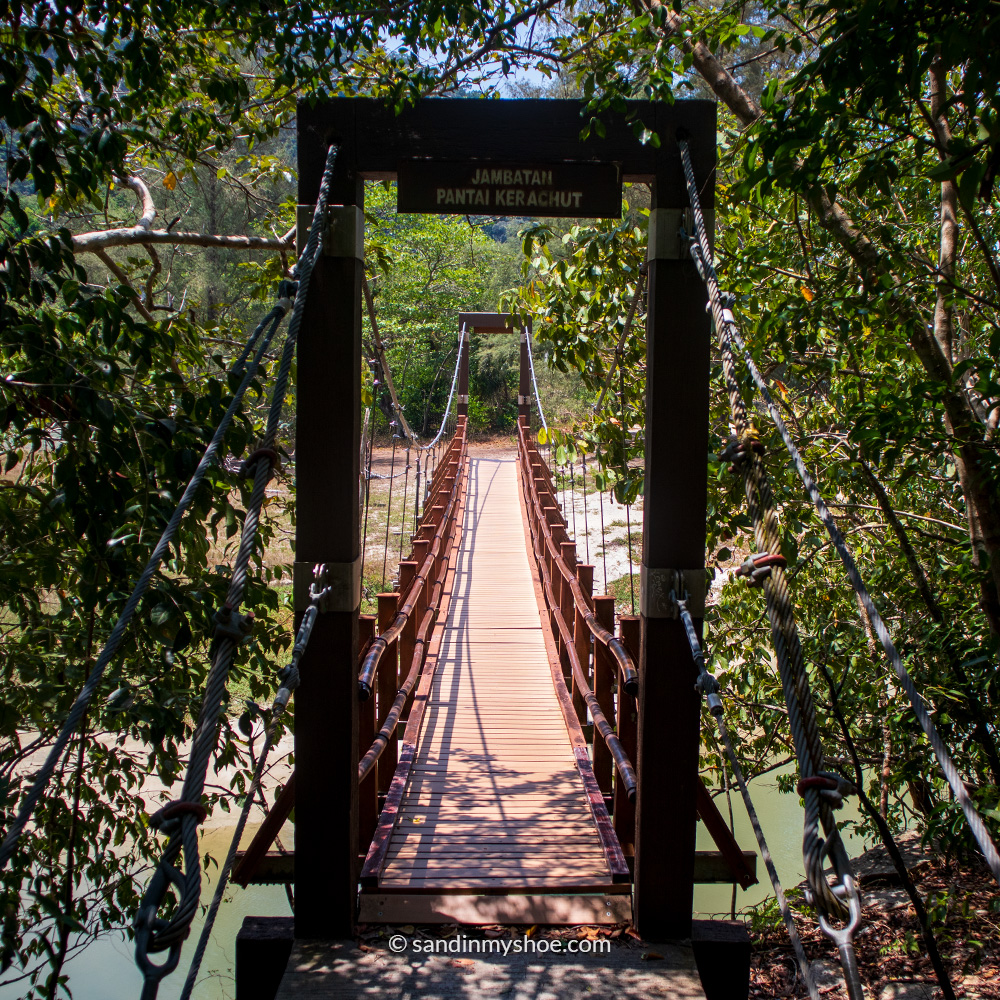
Penang National Park: Hiking Guide to Turtle Beach & Monkey Beach (2026)
Batu Ferringhi Beach
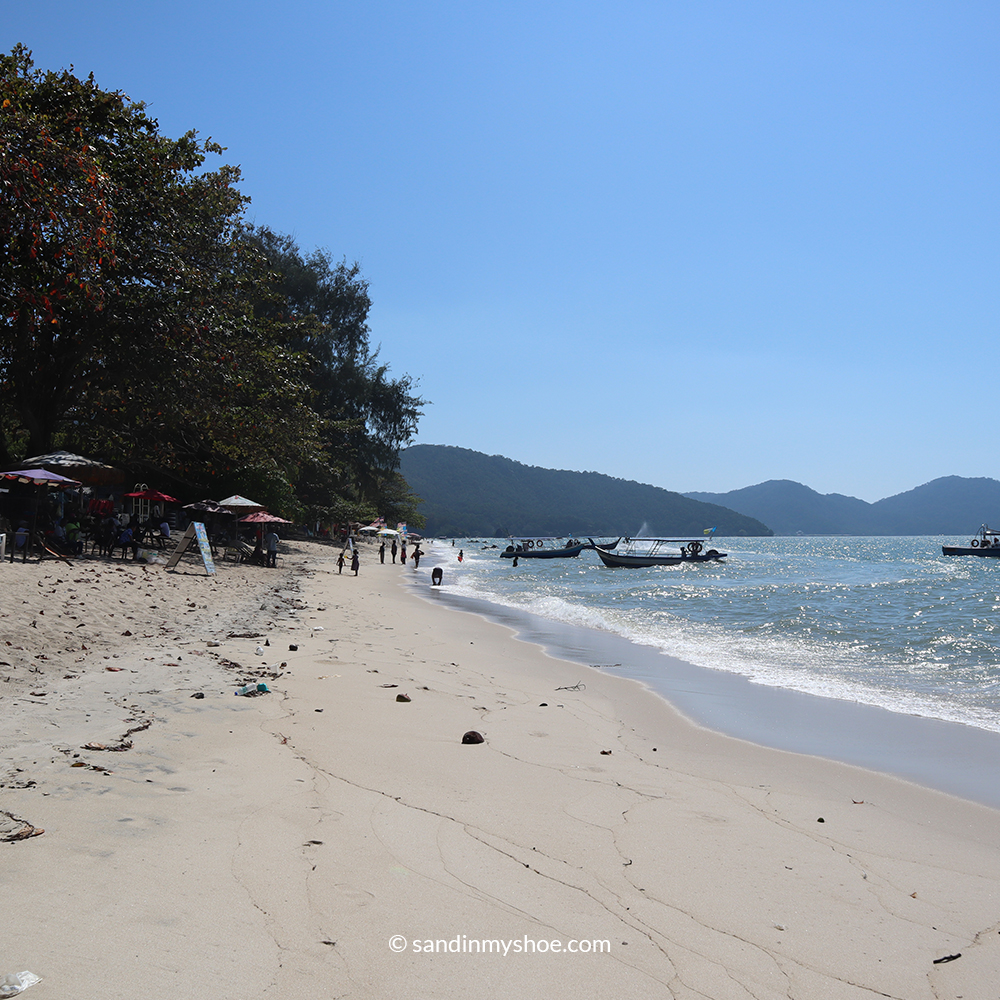
Batu Ferringhi Beach is Penang’s beach escape. You can either stay in the area in one of the amazing resorts or just visit during the day. It’s perfect after a couple of days of sightseeing in George Town and around Penang. Here you can get a fresh coconut served cold while lying on a sandy beach with the sun heating your skin and the ocean waves slowly removing all the stress you might carry.
It’s safe for swimming, but do check with the locals first if there are any jellyfish near the shore. You’ll also find water sports—jet skiing, parasailing, banana boats—if you feel like some action. But honestly, just doing nothing can be the perfect amount of activities.
Snake Temple (Poisonous snakes)
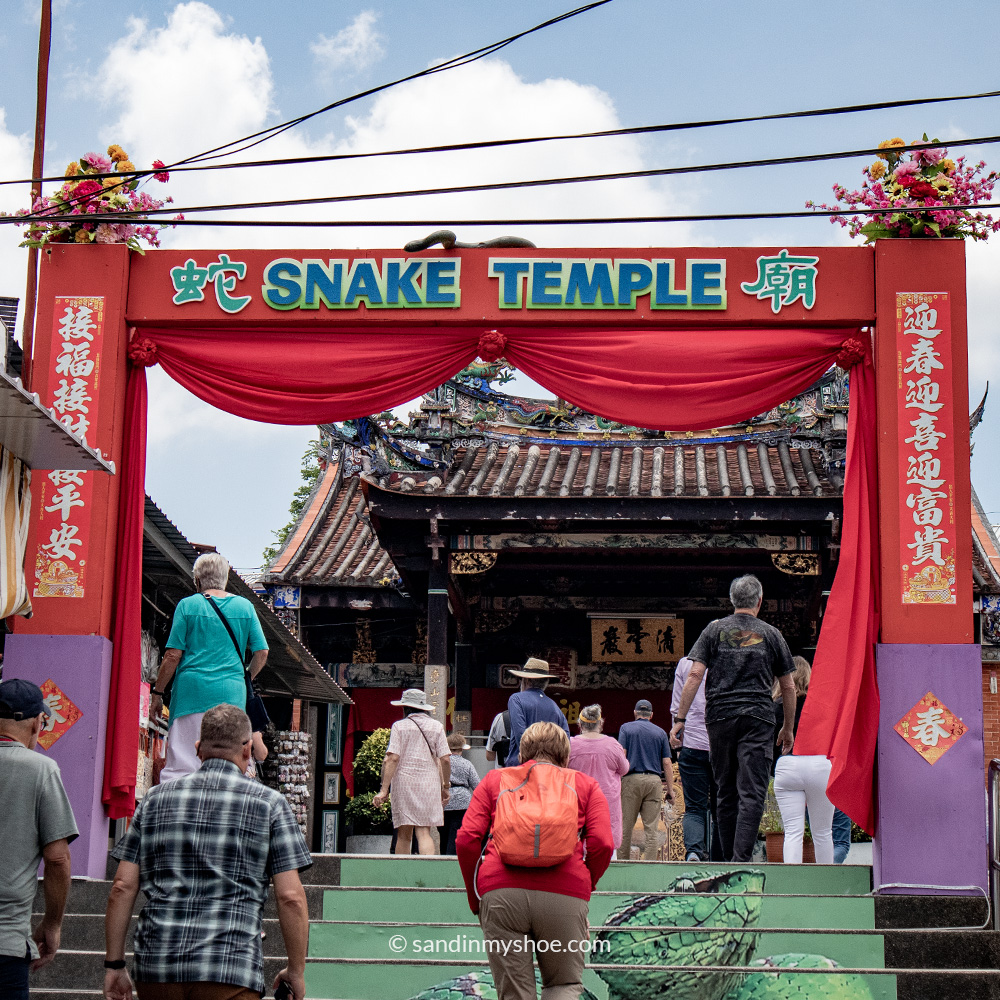
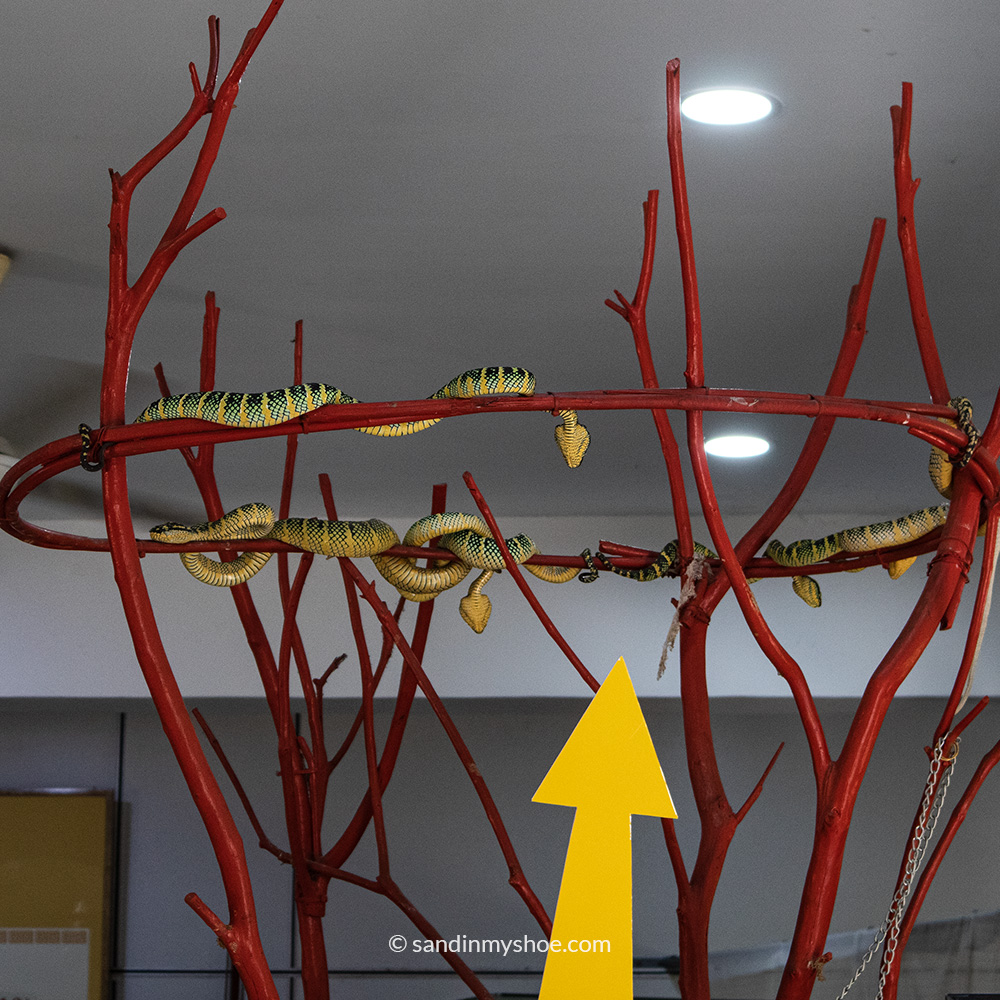
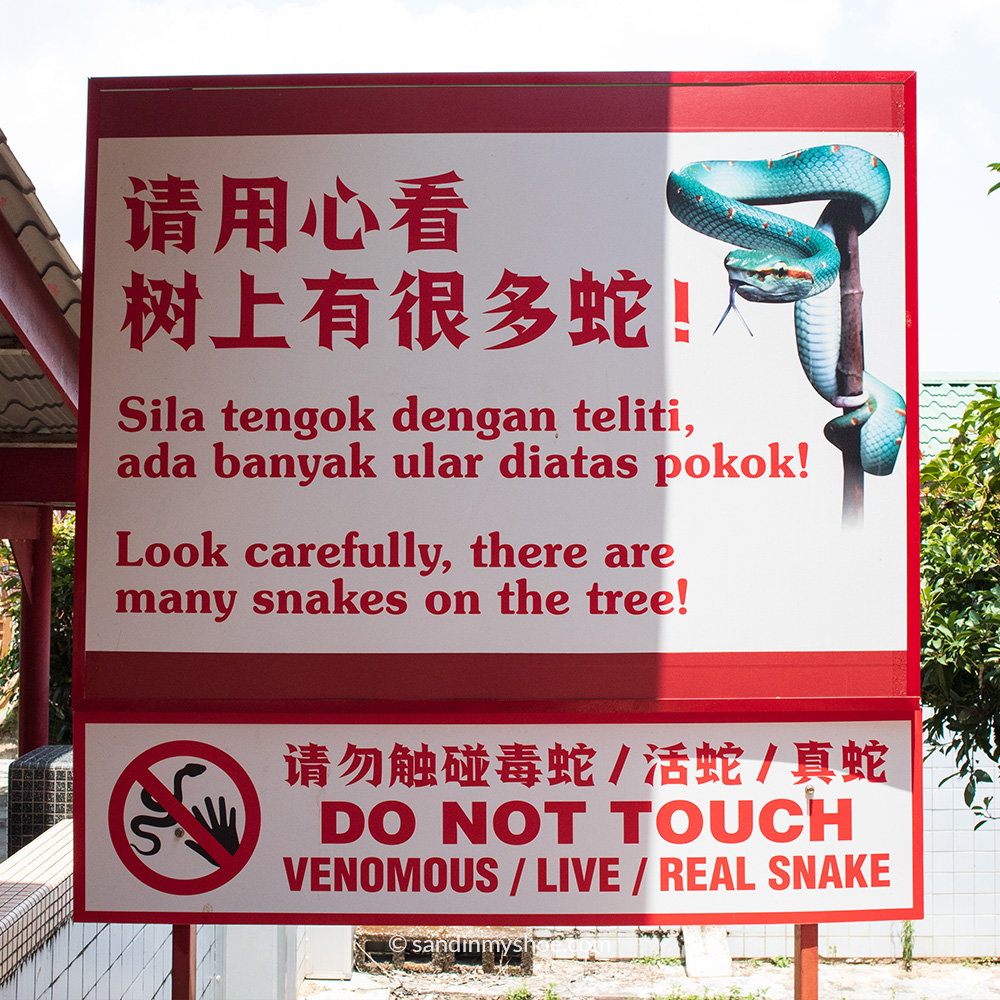
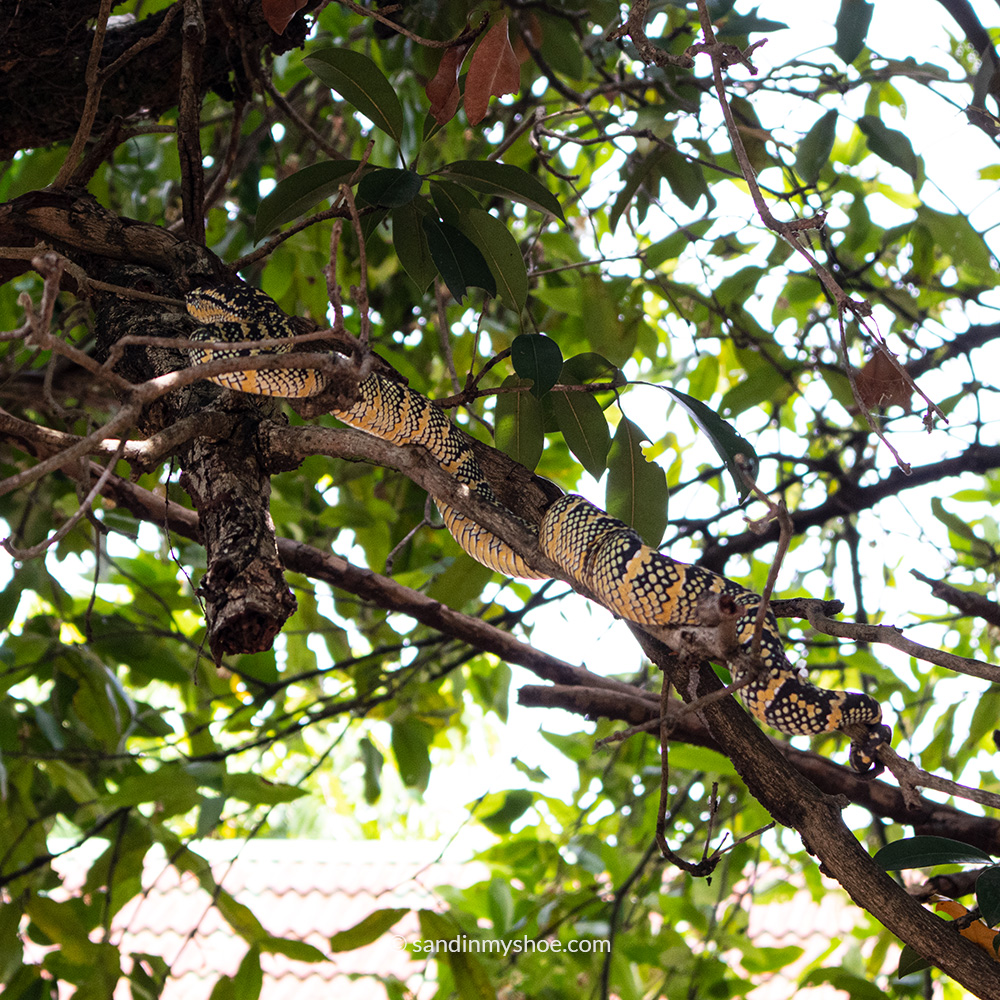
The Snake Temple in Penang is an oddity in itself. It’s a temple with Pit Vipers that used to be venomous, but nowadays devenomized. They are allowed roam freely around the shrines and in the trees outside. And since they’re nocturnal, they mostly sleep during the day, and at first glimpse look a bit fake, but as you watch more closely, you’ll notice some movement. The atmosphere is peaceful and quiet, with a surreal edge that makes it stand out from other temples.
It’s a quick and unusual stop that adds something truly different to your Penang experience. It’s located just minutes away from the airport, so probably best visited when you’re flying in or out of the island. Getting there from the center of George Town might take you an hour.
Entry is free, though there’s a small fee if you want to take a photo with a large snake around your neck.
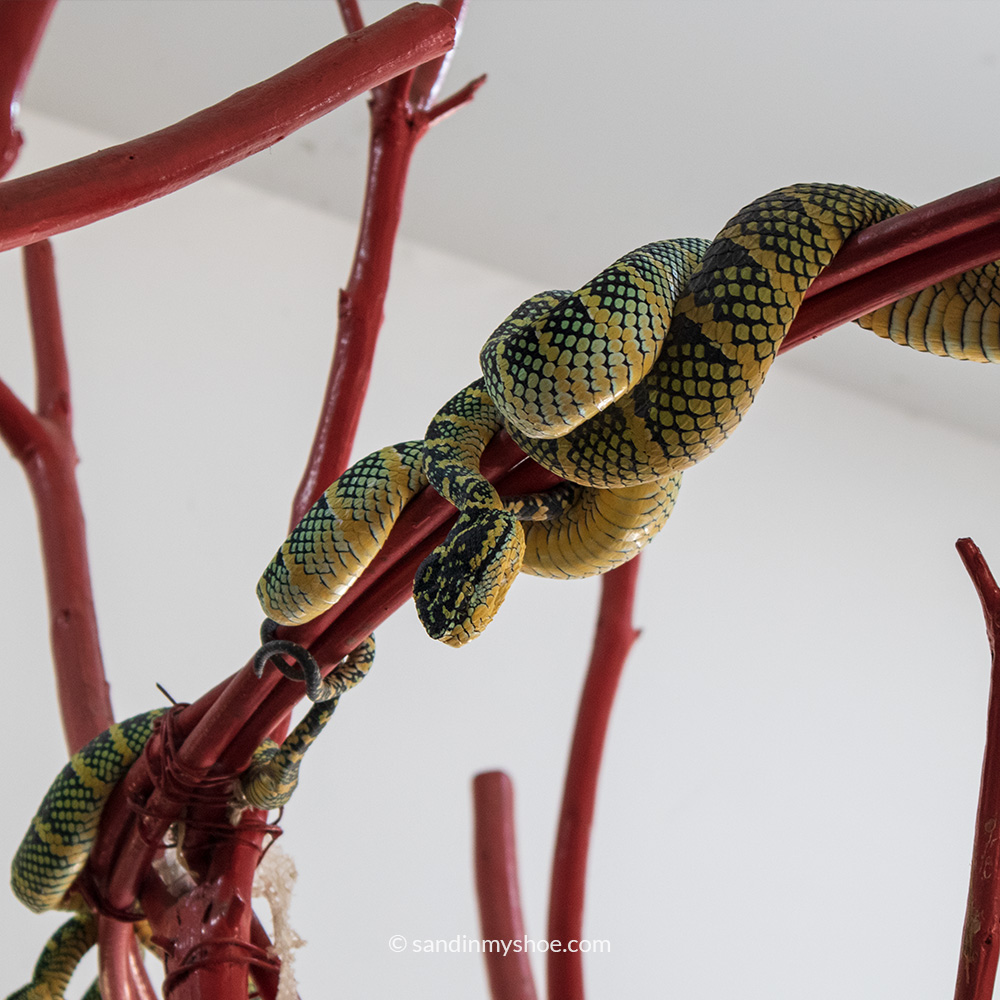
Snake Temple in Penang Filled with Pit Vipers: Tourist Trap or Worth Visiting?
Penang Itinerary (4 Days)
Spending at least 4 days in the Penang region is enough time to see and experience most of what it has to offer, and with a solid itinerary, you’ll be able to do in an efficient way. Here a suggested itinerary that takes you around the best spots in Penang.
Day 1 – Historical and Cultural Spots in George Town
Start your George Town adventure by exploring the cultural landmarks and the street art around the city center.
- Morning & Afternoon
Pinang Peranakan Mansion
Cheong Fatt Tze Mansion (The Blue Mansion)
Chew Jetty
Fort Cornwallis - Evening
Check out the Hawker center and Street Stalls
Day 2 – Nature and Temples Around Penang
Time to leave the city behind and dive into some of the best things to do in Penang. Expect plenty of walking and some encounters with monkeys.
- Morning
Penang Hill - Afternoon
Kek Lok Si Temple - Evening
Chulia Street for a drink and snacks
Day 3 – Beach Day & Little India in the Evening
After a couple of packed days, it’s time to slow things down a bit. The third day is all about relaxing, soaking up some sun, and then jumping right into the colorful chaos of Little India.
- Morning & Afternoon
Hang out in Batu Ferringhi Beach. - Evening (after 5pm)
Check out Little India and eat dinner there.
Note: Little India sits in the heritage core of George Town, and while it’s easy to glimpse while visiting nearby sights, I recommend saving it for Day 3. Experiencing it all at once is far more rewarding — I even avoided looking at it on earlier days, and when I finally stepped in, it felt like being teleported to India.
Day 4 – Unusual and Adventurous Things to Do in Penang
For your last day in Penang, it’s time to get a little wild. The fourth day is about hiking through the jungle, spotting wildlife, and ending your trip with temple that’s filled with Pit Vipers (don’t worry, they’ve been devenomized).
- Morning
Penang National Park - Afternoon
Snake Temple
Best Time to Visit Penang
Penang is a year-round destination, with warm and humid weather. The best time to visit Penang is December to March, when it’s drier and slighly cooler. November is a good shoulder month too with improving weather. April to June fells hotter due to humidity but managable, while July to October is the wet season. Except short showers and lower prices.
West Coast (Mainland)
jan
 32°C
23°C
32°C
23°C
32°C
23°C
feb
33°C
23°C
33°C
23°C
mar
33°C
24°C
33°C
24°C
apr
 33°C
24°C
33°C
24°C
33°C
24°C
may
32°C
24°C
32°C
24°C
jun
32°C
24°C
32°C
24°C
jul
 32°C
24°C
32°C
24°C
32°C
24°C
aug
32°C
24°C
32°C
24°C
sep
31°C
24°C
31°C
24°C
oct
31°C
24°C
31°C
24°C
nov
31°C
24°C
31°C
24°C
dec
31°C
23°C
31°C
23°C
How To Get Around in Penang
Penang has a solid public transport system, so you can get around with buses easily to any spot you want. Best way to accurate information is with their own app called MyRapid Pulse. If you prefer higher comfort, and faster transport opt for Bolt or Uber.
Final Thoughts on Penang
Penang was my first stop in Malaysia, and I quickly liked it. Even after visiting more than ten cities in both West Malaysia and Borneo, it was still my favorite one. What I like was that it wasn’t as big as Kuala Lumpur, but still there were plenty of things to do in Penang. Not only historical, cultural and gastronomical, but also possible to hike in a national park and relax on a nearby beach. I feel that it’s a destination that has something to offer for everyone.


No comments yet, be the first one!
I appreciate hearing from you. If you have any suggestions, questions, or feedback, please leave a comment below. Your input helps ensure the information stays relevant and up to date for everyone.
Thank you for sharing your thoughts!