

I traveled through Sabah, the part of the island where most of the iconic experiences are concentrated. It’s far less developed than West Malaysia, but that doesn’t make it worse — if anything, it makes it more interesting and adventurous. The people were incredibly friendly too. I was invited to a dinner in Semporna just by walking past a house during Eid, and I got several free rides simply by asking for directions (even when I insisted on paying, they refused). One person even said they preferred giving me a good impression of Malaysia over taking any payment — and I absolutely left with one.
After traveling through West Malaysia, I flew from Kuala Lumpur to Kota Kinabalu — a quick 2.5‑hour flight. The city became my base for about five days, giving me time to slow down, get some work done, and plan a proper itinerary for Borneo.
I quickly realized that while Sarawak does have some impressive sights, they’re spread out over large distances, and Brunei offers only a limited range of experiences. In contrast, Sabah truly felt like the crown jewel of Borneo. Here you get the best experiences: river safaris along the Kinabatangan, world‑class diving in Semporna, orangutans and sun bears in Sepilok, cool‑climate hikes around Kundasang, and some of the finest wildlife‑spotting opportunities in Southeast Asia.
What to Know Before Deciding Your Borneo Itinerary
- It takes time to get around. Sabah looks small on the map, but distances are long and the roads are slow. Traveling from Kota Kinabalu to Semporna is about 550 km and takes 10–11 hours by bus or car. You can fly instead, and in many cases that’s the smarter choice.
- Domestic flights are cheap. Kota Kinabalu ↔ Sandakan ↔ Tawau flights are often $30–40 USD and save you a day of travel.
- Plan buffer time. Transfers take longer than you think. Even short distances can take hours because of winding roads, rain, or traffic. Always add buffer time. Some smaller vans also wait to depart until they’re full, so always add extra time to your schedule.
- Pre‑book during high season. I almost ended up sleeping outside in Kinabatangan because I arrived without any bookings and everything was either full or closed due to Eid. I spent two hours walking around with 30 kg of luggage after sundown trying to find a place. Don’t repeat my mistake — book ahead during holidays and peak months.
- Cash is still king. Many tours, homestays, and food stalls don’t take cards so make sure to always have cash with you. Maybe a buffer of at least a couple of hundred dollars’ worth of ringit. ATMs do exist, but in places like Kinabatangan, Semporna islands, and small villages, you often won’t find one — and if you do, it’s probably one of those with high fees and poor exchange rates.
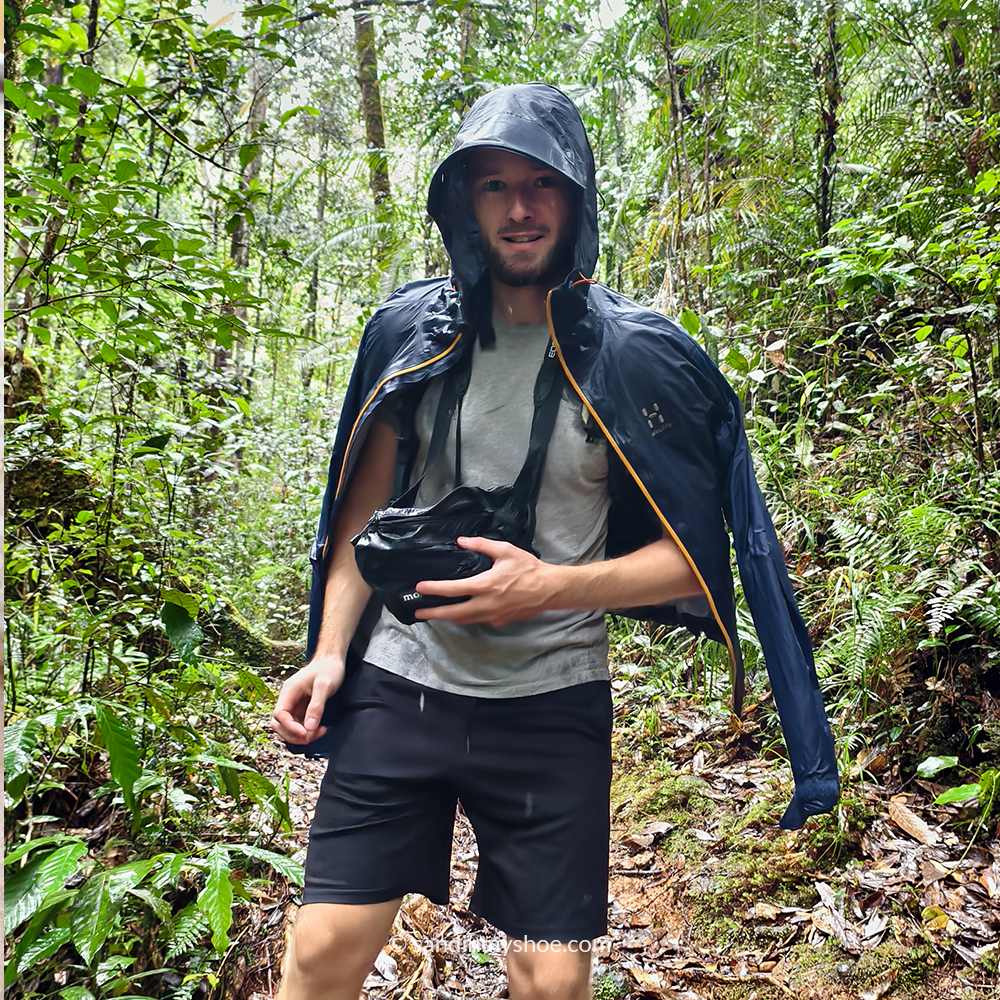
- Weather varies. Sabah doesn’t follow the same clear dry/wet seasons as mainland Malaysia, and you can get rain at any time of year. Coastal areas are hot and humid, while mountain regions like Kundasang are much cooler, especially in the evenings. Bring a light jacket and be prepared for sudden weather changes.
My Borneo Route: How I Traveled Sabah
As I mentioned, I started my journey in Kota Kinabalu, the main gateway to Sabah, and spent around five days there working and partly mulling over how I should travel through Borneo without backtracking too much. I knew I wanted to visit Kundasang, Kinabatangan, Sepilok, and Semporna with its islands, and I wanted to travel in a loop.
Overview of Sabah, Borneo
How to Use the Map: Click the top-left corner to view and select map layers. Green pins are the considered best places to visit in Borneo, and the blues are airports. Use the map to get an overview of Sabah state in Borneo.
I was psyched to go diving, so I took the bus to Semporna as my next move— about 12 hours. The seats were fairly comfortable, and we had a couple of food and restroom stops along the way. A faster option is to fly to Tawau and continue by taxi to Semporna, but since I was traveling on a fairly tight budget, the bus made more sense. From Semporna, I traveled shorter distances between the stops I wanted to make, and wrapped up the Borneo itinerary in Kota Kinabalu before flying to the Philippines.
I visited the spots below in the same order they’re listed.
Day 1-5: Kota Kinabalu
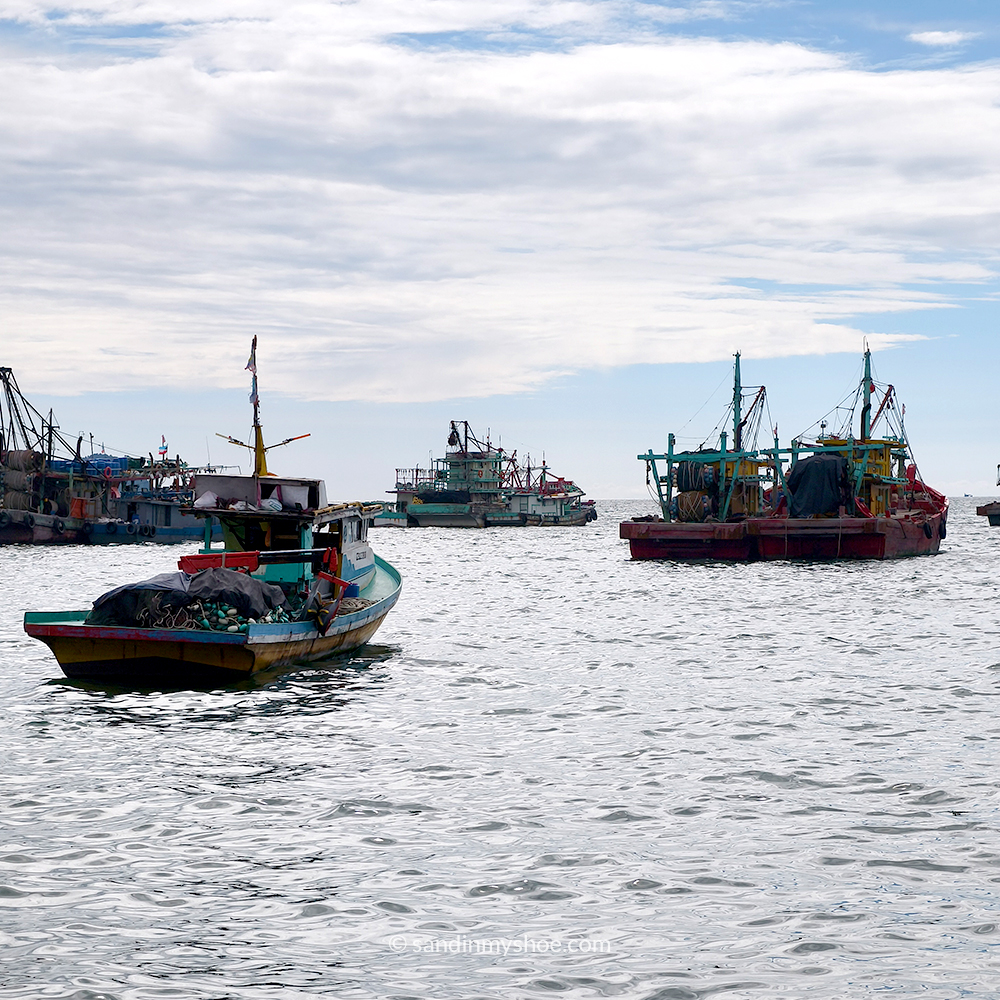
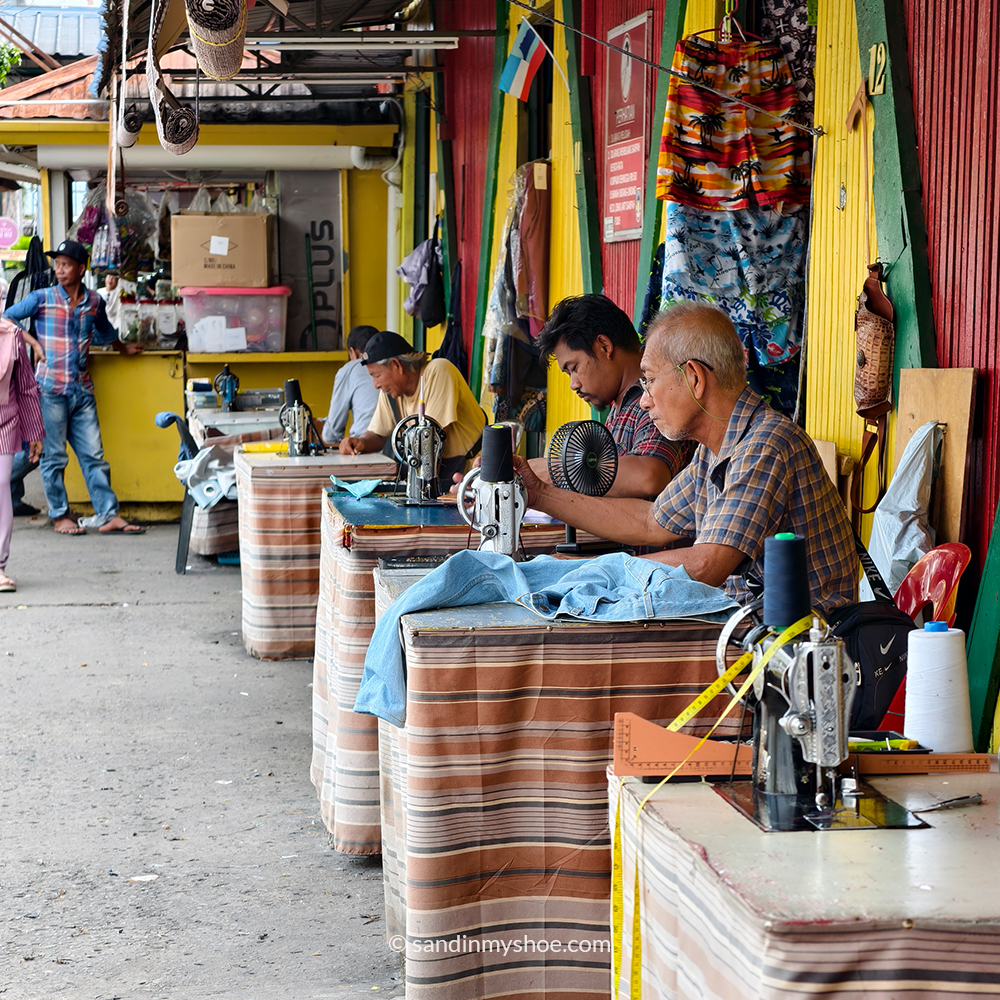
The coastal capital with a lively waterfront and night market, island‑hopping, and many excellent seafood restaurants. It’s also a convenient base for day trips to places like Mari Mari Cultural Village or the Lok Kawi Wildlife Park before flying onward. Most travelers fly into Kota Kinabalu, and AirAsia usually has the best prices for flights within Malaysia or nearby countries.
Day 6-9: Semporna
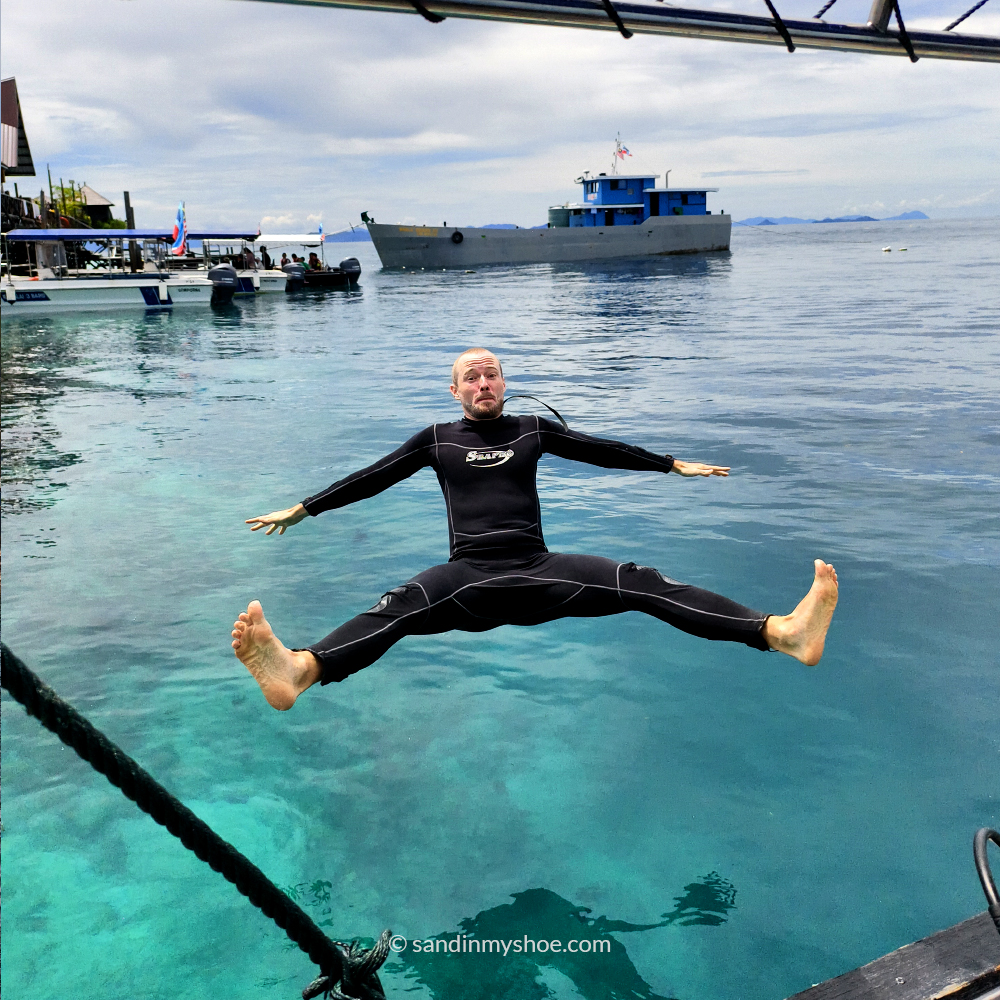
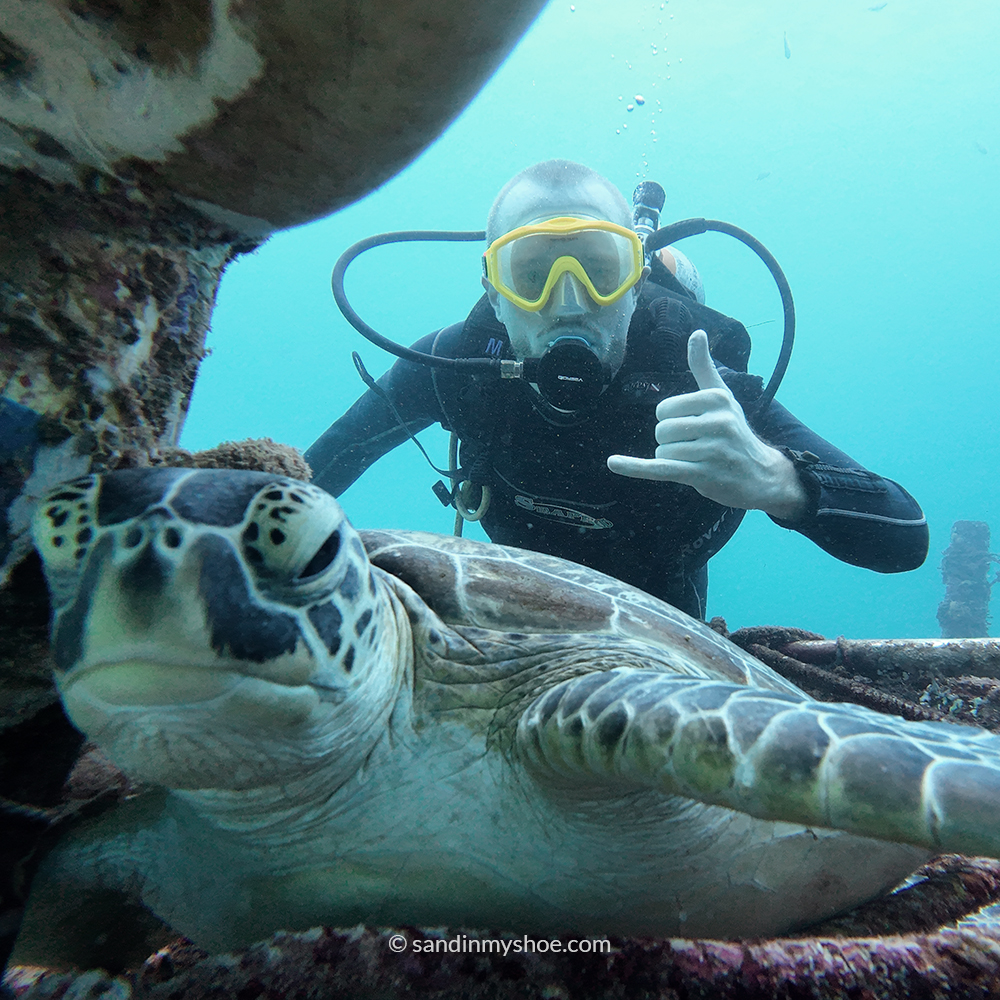
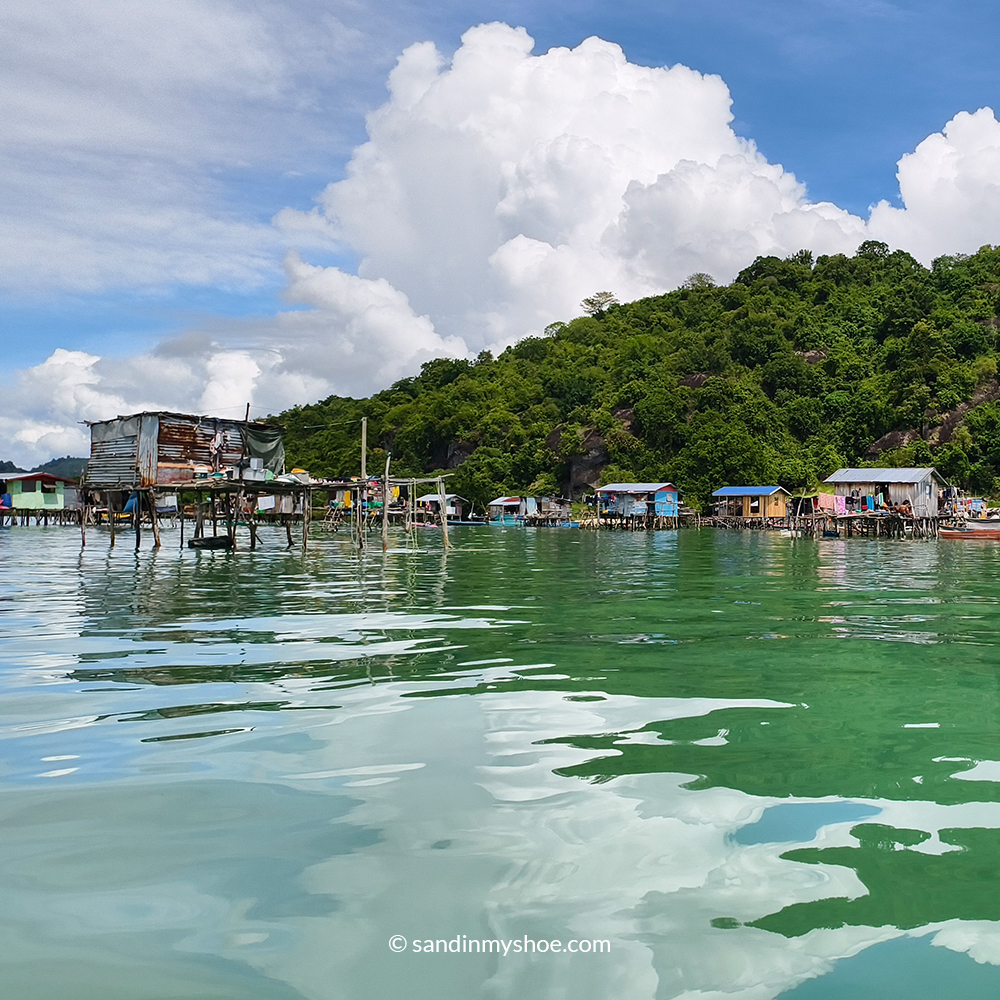
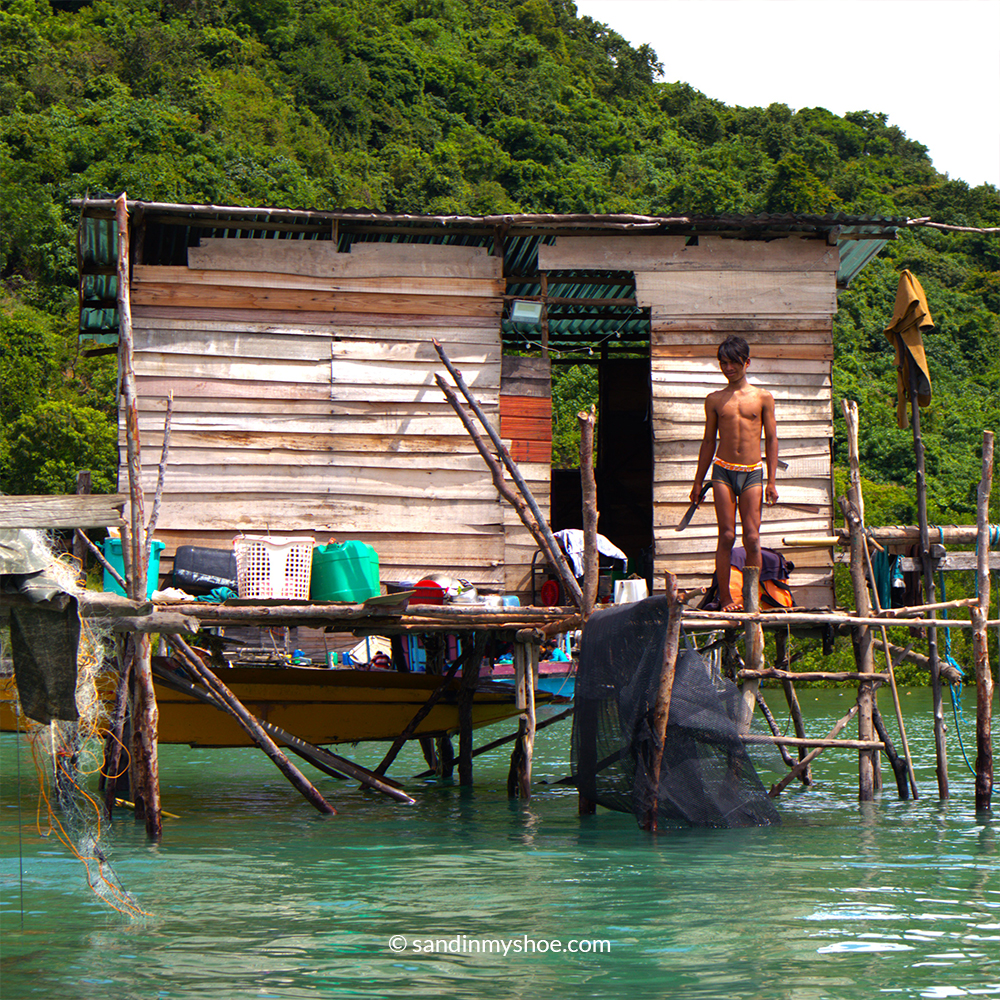
The jumping‑off point for world‑class diving around Sipadan, Mabul, and Kapalai. I dived in both Mabul and Kapalai since Sipadan was too pricey and required the Advanced certification, but even without Sipadan the diving was still really good. The area is also home to several Bajau Laut villages — sea‑gypsy communities living in stilt houses and wooden boats throughout the Semporna archipelago.
Bus tickets from Kota Kinabalu to Semporna can be bought on 12go.asia.
Day 10-13: Kinabatangan
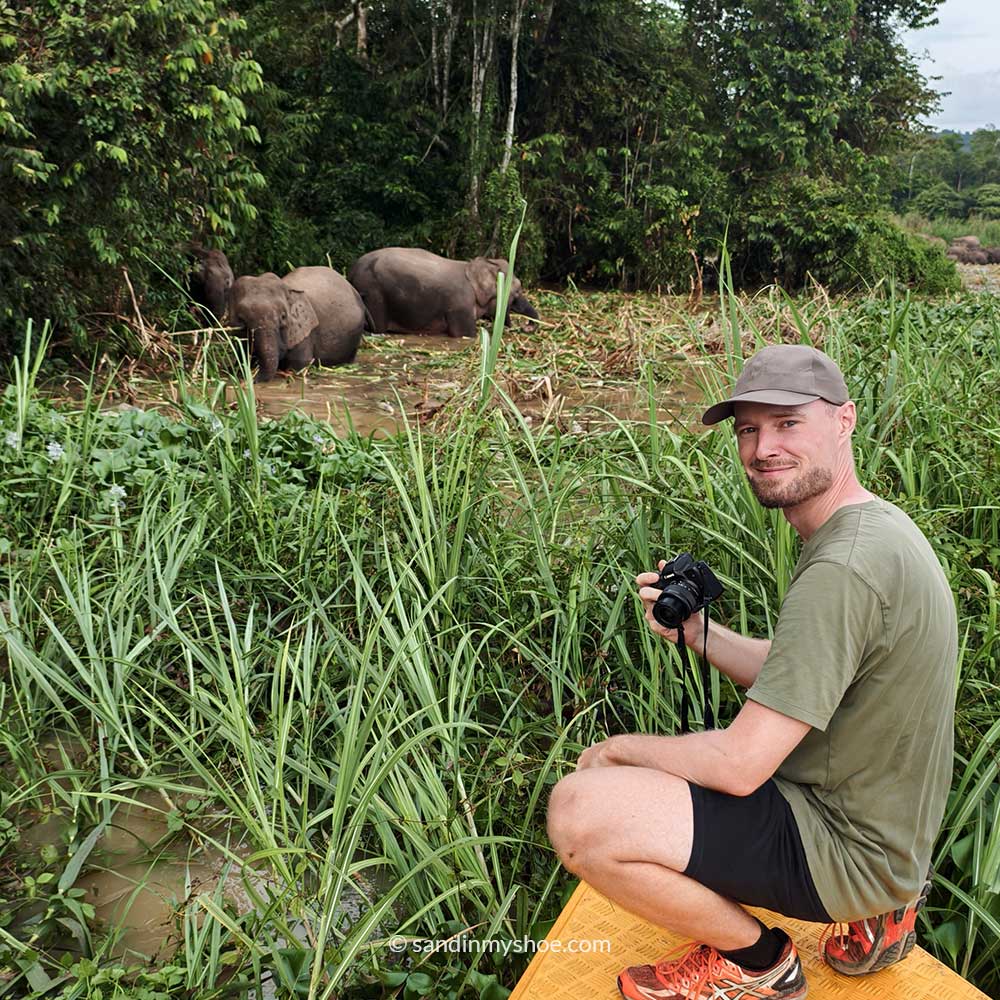
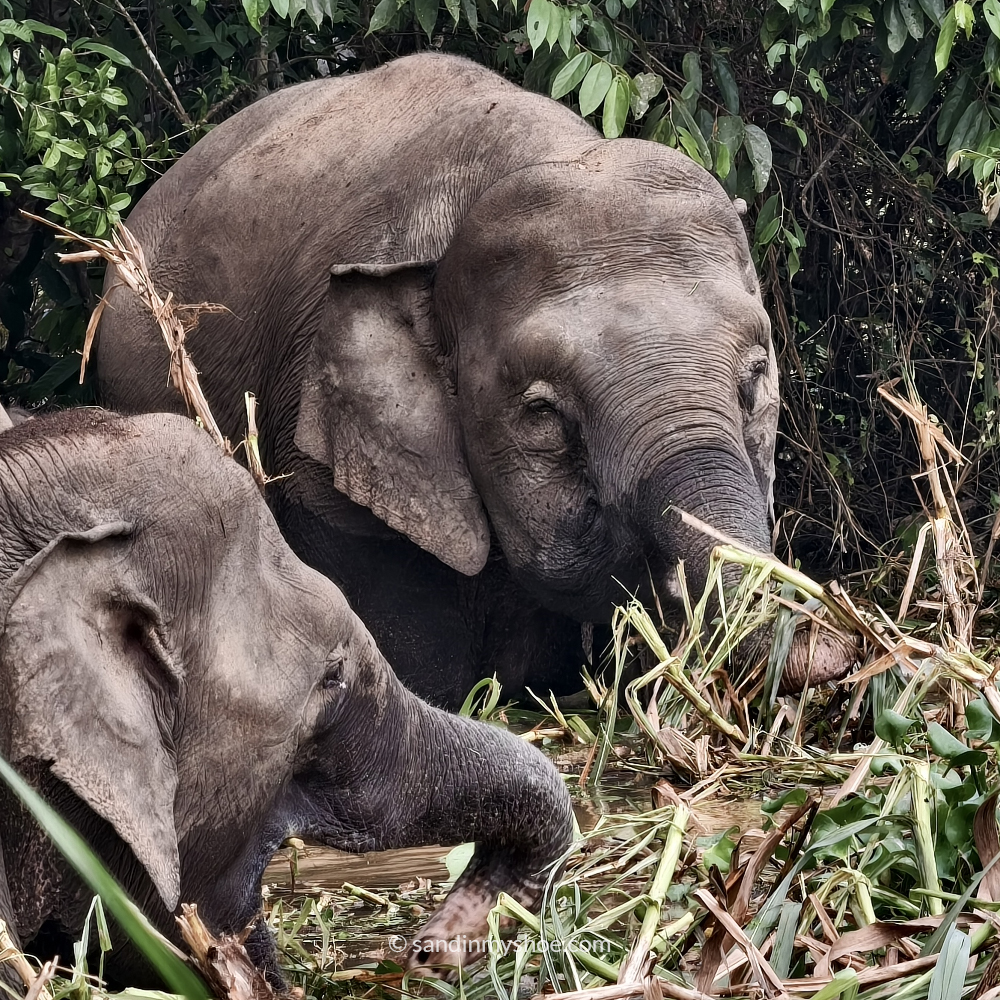
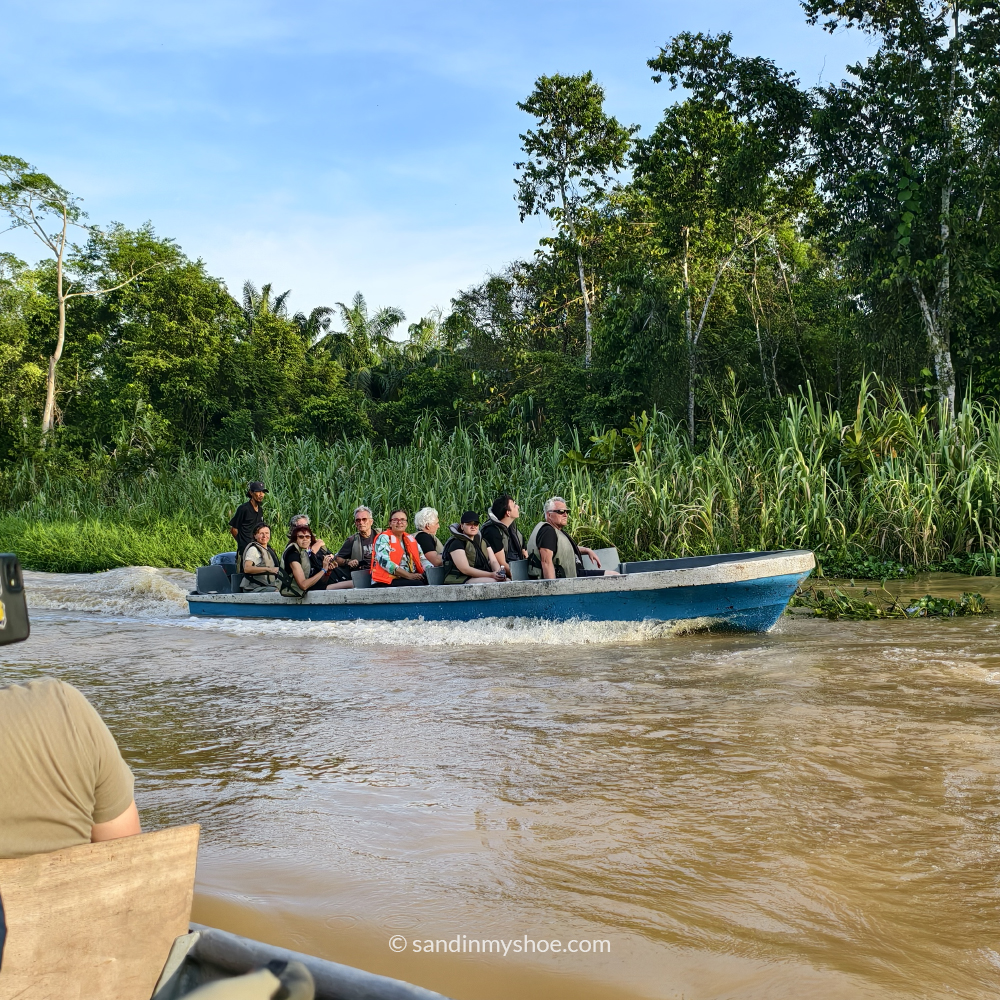
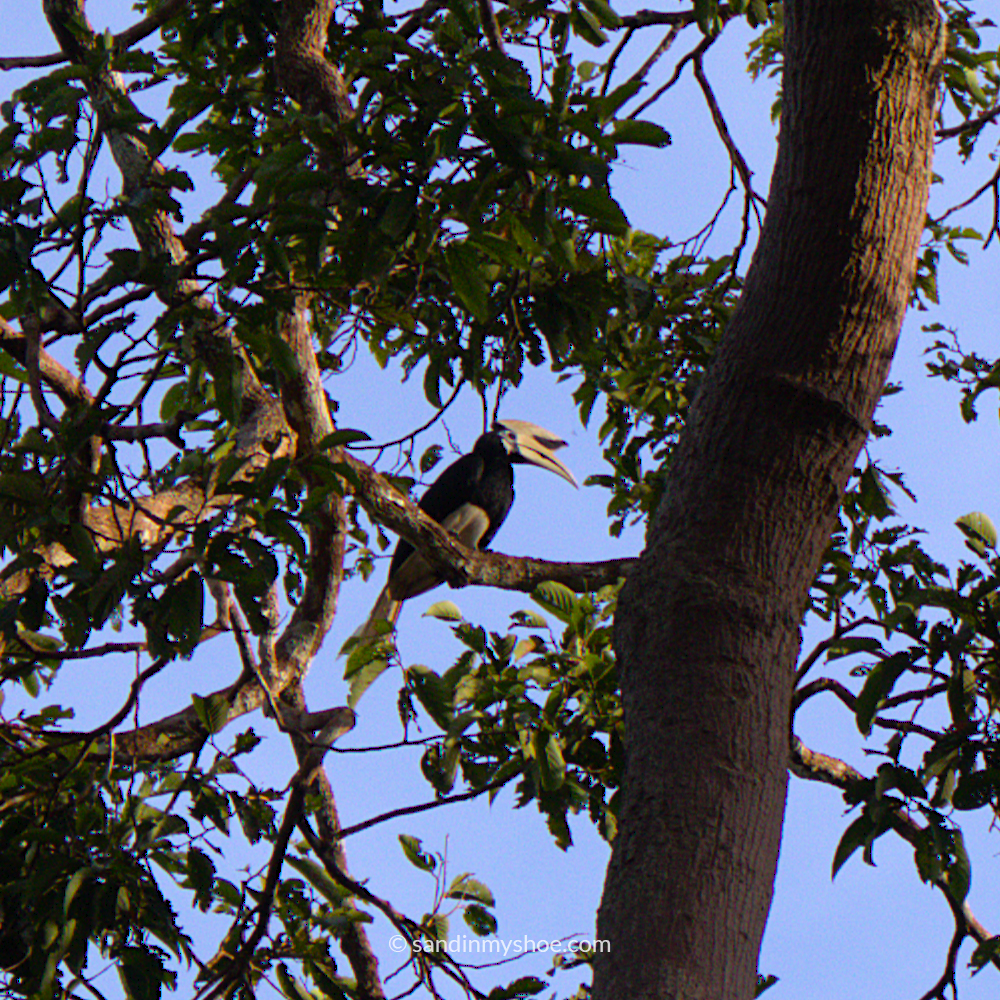
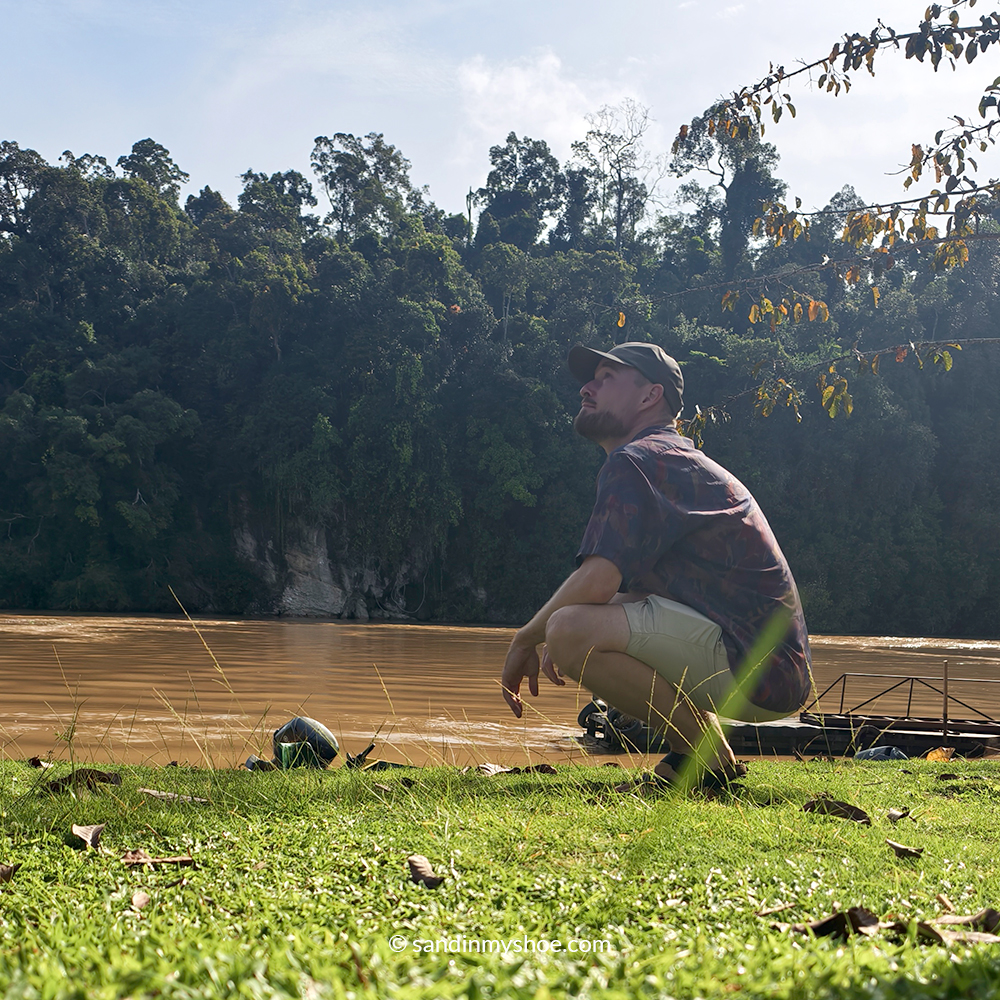
Home to river safaris and some of the best wildlife‑spotting opportunities in Southeast Asia. This is where you drift along the river at sunrise and sunset, watching proboscis monkeys leap between trees, hornbills fly overhead, and crocodiles glide silently along the banks. I was lucky enough to see a large herd of pygmy elephants snacking next to the river bank, one of the highlights of the entire trip. Most lodges include two daily boat safaris and optional night walks, and the area is one of the easiest places in Borneo to see wildlife without strenuous trekking.
If you’re interested in knowning more, have a look at my Kinabatangan River Cruise Guide.
Day 14-15: Sandakan & Sepilok
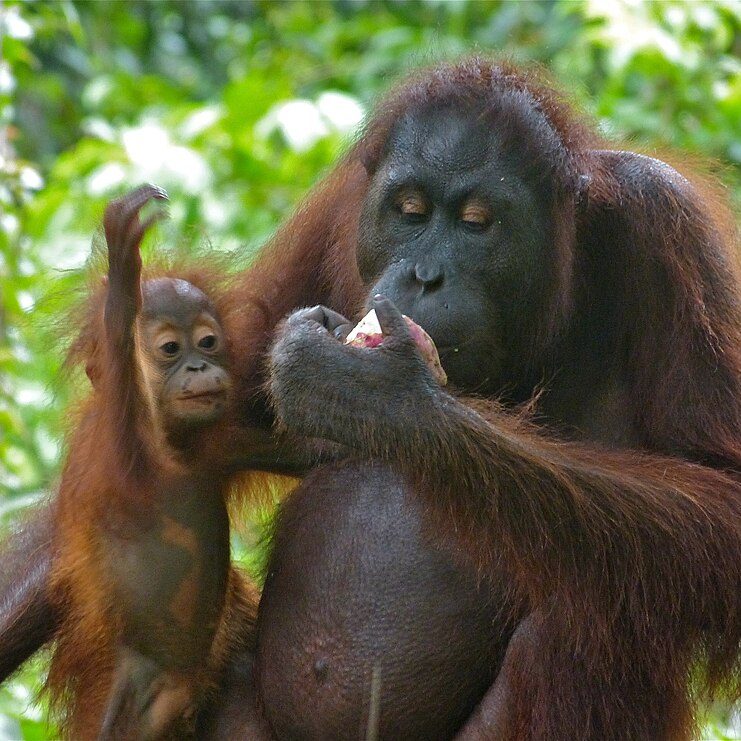
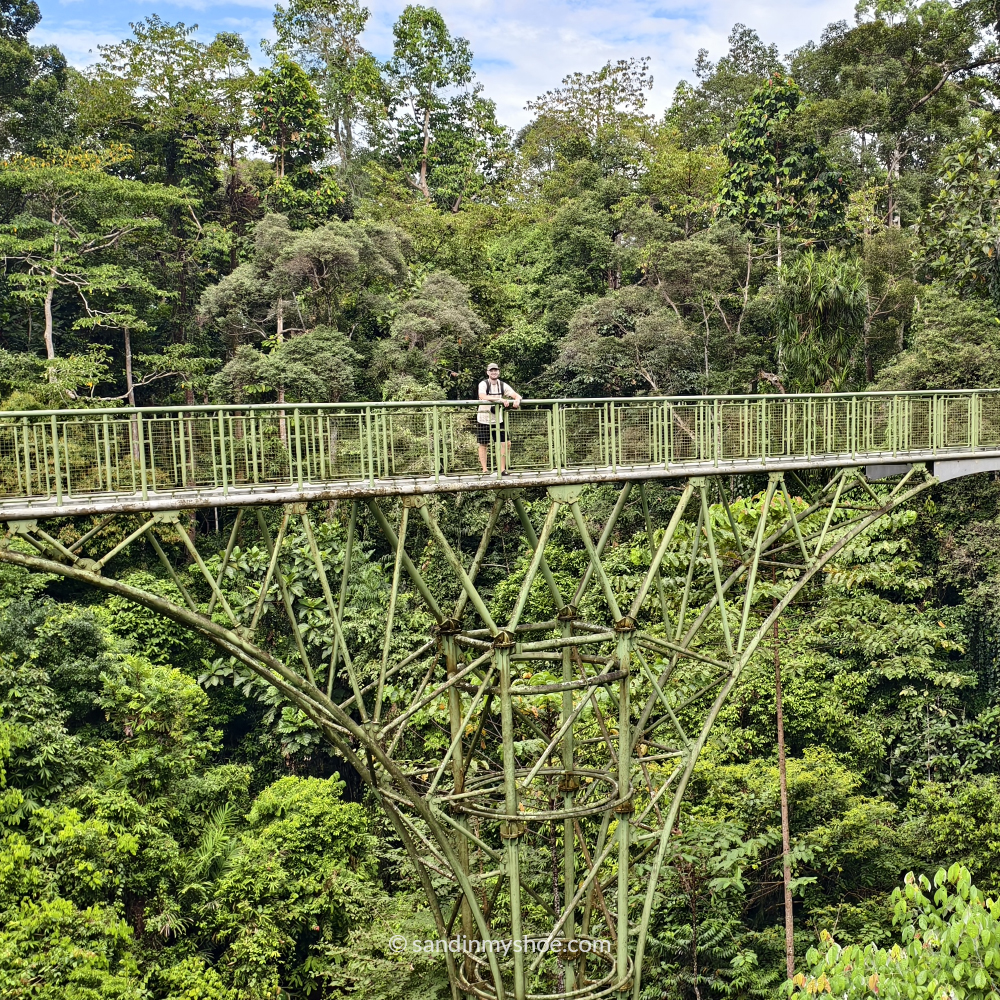
Orangutans, sun bears, and a deeper look into Borneo’s conservation efforts. I got to Sandakan by van from Kinabantangan, booked through my accommodation and it took around 2.5 hours. I paid 75 MYR (~19 USD) for a seat.
Want to dig deeper? Read my other post about the best things to do in Sepilok and Sandakan.
Day 16-17: Kundasang
Cool mountain air, hiking, rolling hills, and views of Mount Kinabalu. It takes about 6-7 hours to reach Kundasang from Sandakan; just get a ticket on 12go.asia.
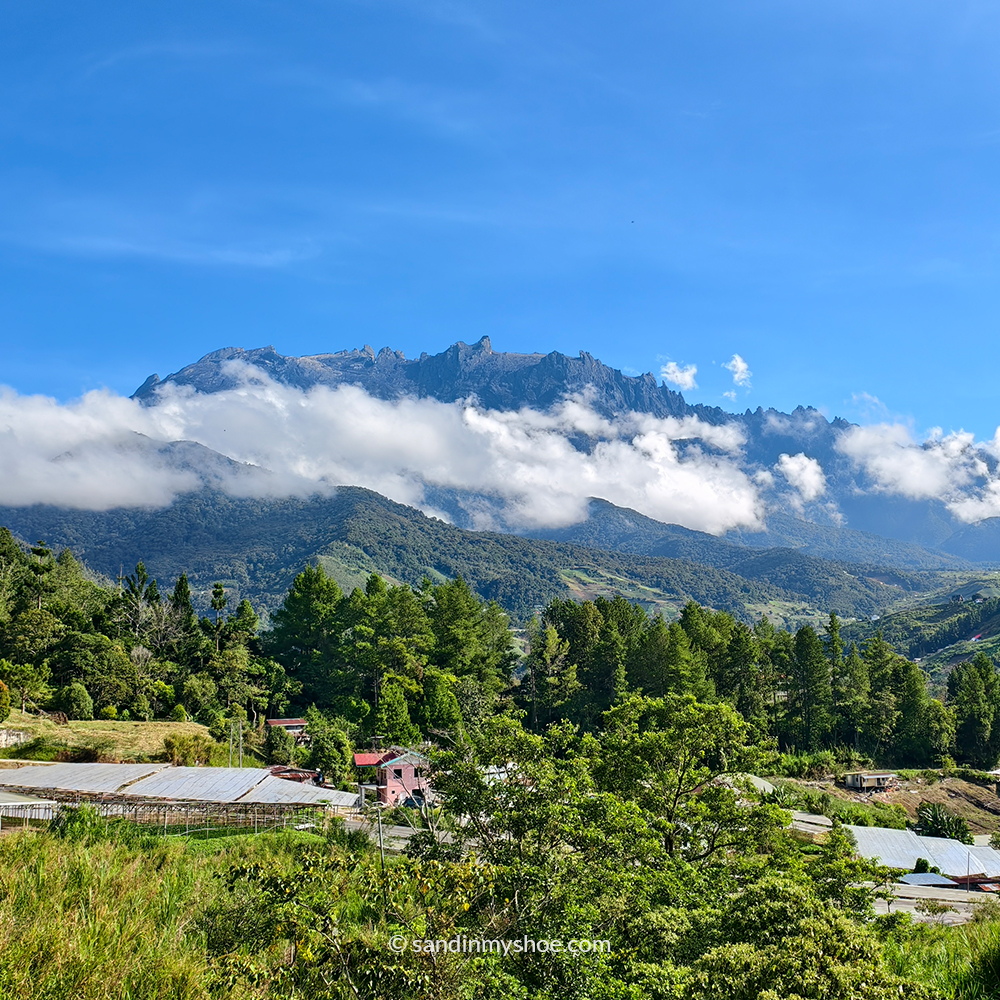
Day 18-19: Kota Kinabalu
A practical final stop before flying onward. I arrived late and caught my flight to the Philippines the next day.
Getting to Kota Kinabalu from Kundasang takes about 2 hours, and the easiest way is to head to the neighbouring town of Ranau and grab a seat in one of the shared vans. They leave when full, and they fill up much faster in Ranau than in Kundasang, so you won’t have to wait as long.
Full Itinerary Recap
This route gave me a perfect mix of nature, wildlife, culture, diving, and even a visit to a village on stilts — and it’s a great blueprint if you’re planning your own Sabah itinerary. I spent 19 days in Sabah, but this route can easily be done in 12 days, following this order: Kota Kinabalu (2 nights) • Semporna (3 nights) • Kinabatangan (3 nights) • Sandakan & Sepilok (2 nights) • Kundasang (2 nights).
Alternative Routes in Borneo (Sabah)
7 Days: Essentials
A fast but doable loop that focuses on the essentials:
- Day 1–2: Fly to Sandakan and spend your first days visiting the sights in Sepilok, including the Orangutan Rehabilitation Centre, the Sun Bear Conservation Centre, and the Rainforest Discovery Centre.
- Day 3–6: Head to the Kinabatangan River for several days of wildlife cruises, jungle walks, and slow‑paced nature experiences.
- Day 7: Fly back from Sandakan to Kota Kinabalu and spend the evening along the lively waterfront and night market.
7 Days: With Diving
A diving and wildlife oriented itinerary.:
- Day 1–3: Fly from Kota Kinabalu to Tawau, take a taxi to Semporna, and spend a few days diving or snorkelling around the nearby islands.
- Day 4–6: Take a bus to the Kinabatangan River and spend a few days doing wildlife cruises and jungle activities.
- Day 7: Take an early van to Sepilok, visit the main sights (Orangutan Centre, Sun Bear Centre, Rainforest Discovery Centre), then continue to Sandakan for your flight out.
10 Days: Highlights
A balanced itinerary with time for diving or snorkeling, wildlife and highlands:
- Day 1–3: Fly to Tawau from Kota Kinabalu, take a taxi to Semporna, and spend three days diving or snorkelling around the islands.
- Day 4–6: Take a bus to the Kinabatangan River for wildlife cruises, jungle walks, and slow‑paced nature watching.
- Day 7–8: Continue by van to Sandakan and Sepilok for the Orangutan Centre, Sun Bear Centre, and the Rainforest Discovery Centre.
- Day 9–10: Take a bus to Kundasang for cool‑climate views, Kinabalu National Park, and the surrounding highlands.
14 Days: Relaxed Loop
A full two‑week loop that lets you explore everything at a relaxed pace — including extra days in Semporna, more time in Kundasang, spending time in Kota Kinabalu or a wildlife experience in Danum Valley Conservation Area.
Best Time to Visit Borneo (Sabah)
Sabah is a year‑round destination with warm, humid weather, but conditions do shift throughout the year. The best time to visit is March to October, which covers the ideal months for river safaris, island trips, and hiking around Kundasang. I visited at the end of March and the start of April — the weather around Kundasang was a bit mixed, but everywhere else was mostly sunny and easy to explore, and the diving in Semporna was great as well.
 30°C
23°C
31°C
23°C
30°C
23°C
31°C
23°C
 32°C
24°C
32°C
24°C
32°C
24°C
32°C
24°C
32°C
24°C
32°C
24°C
 32°C
24°C
32°C
24°C
32°C
24°C
31°C
24°C
31°C
24°C
30°C
23°C
30°C
23°C
20°C
6°C
21°C
7°C
32°C
24°C
32°C
24°C
32°C
24°C
31°C
24°C
31°C
24°C
30°C
23°C
30°C
23°C
20°C
6°C
21°C
7°C
 23°C
9°C
25°C
10°C
27°C
13°C
26°C
13°C
26°C
12°C
26°C
12°C
26°C
11°C
25°C
11°C
22°C
9°C
20°C
7°C
23°C
9°C
25°C
10°C
27°C
13°C
26°C
13°C
26°C
12°C
26°C
12°C
26°C
11°C
25°C
11°C
22°C
9°C
20°C
7°C
How to Travel Around in Borneo (Sabah)
By Car
The most flexible way to get around Sabah is to rent a car. It gives you full freedom to stop at viewpoints, explore small towns, and travel at your own pace — especially useful in areas like Kundasang and Kinabalu National Park where public transport is limited. If you’re travelling as a group of 3–4 people, the cost per person ends up being only slightly higher than taking buses, while saving a lot of time. On Discovercars.com, the cheapest rentals I found were around $23 USD per day.
Domestic Flights
Since most people spend only 7–10 days in this region, it’s smart to minimize transit time as much as possible. If you’re planning to visit Semporna, consider flying from Kota Kinabalu to Tawau and then taking a bus or taxi to Semporna — you’ll save a significant amount of time. The same applies to Sepilok: you can fly to its neighboring city, Sandakan, and continue from there.
The good news is that you’ll only need to fly once. After that, you can easily travel between destinations by bus, minivan, or private car, depending on your budget and schedule.
 book DOMESTIC FLIGHTS with 12go
By Bus / Van
It’s absolutely possible to travel Sabah by bus and vans in smaller places, and that’s exactly how I did it. I completed a full loop using long‑distance buses and local connections:
- Kota Kinabalu → Semporna (12 hours bus)
- Semporna → Kinabatangan (4-5 hours bus & hitchhiking)
- Kinabatangan → Sepilok & Sandakan (minivan 2.5 hours)
- Sandakan → Kundasang (6-7 hours bus)
- Kundasang → Kota Kinabalu (2 hours minivan, it leaves when it’s full.)
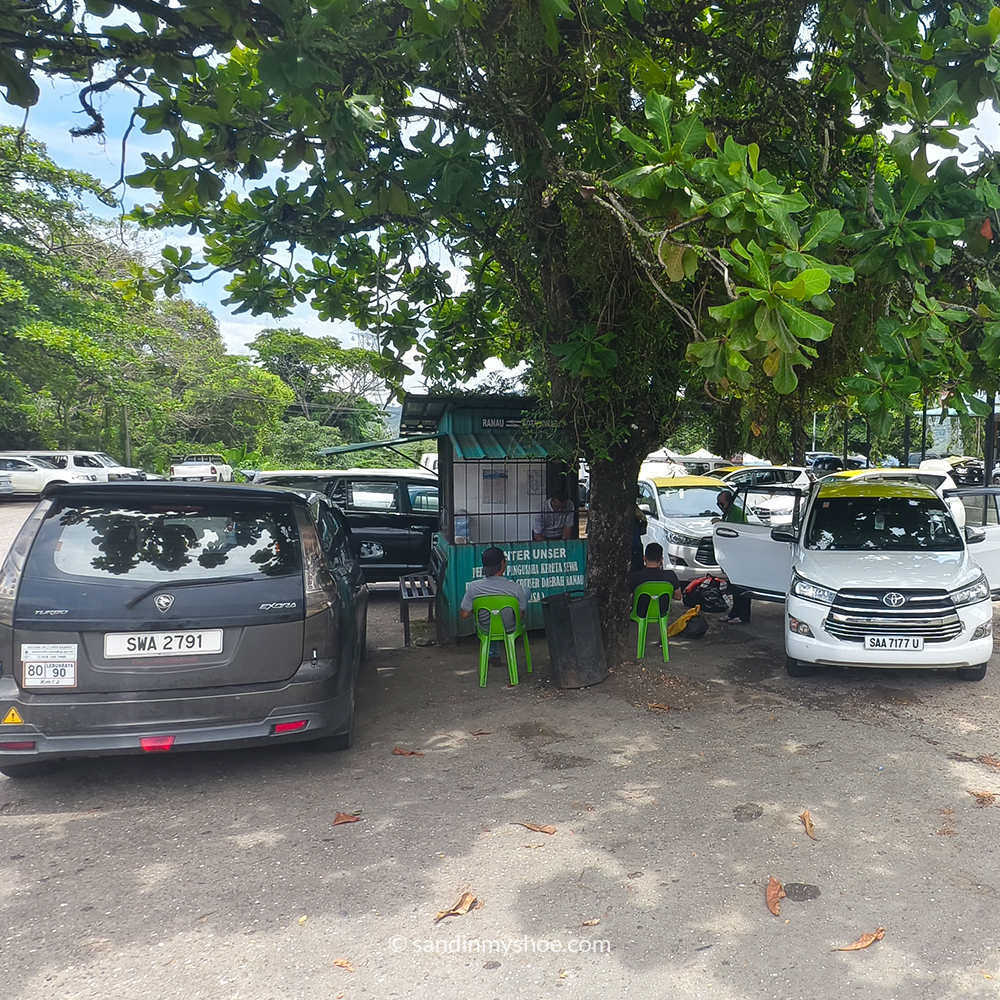
It takes more time than driving or flying between places, but the routes are straightforward, the buses are comfortable enough, and it’s a budget‑friendly way to see the region. If you’re not in a rush and don’t mind longer travel days, the bus network works surprisingly well for a full Sabah loop.
Borneo vs Bali
I’ve seen this question pop up in different travel forums, so here’s my take: should you visit Borneo (meaning Sabah) or Bali? The truth is, they’re two completely different animals.
Borneo is all about wildlife, rainforest, rivers, and rural adventures. This is where you come for orangutans, pygmy elephants, jungle lodges, river safaris, world‑class diving in Semporna, and cool highland hikes around Kundasang. It’s raw, natural, and feels like a proper expedition — even though it’s still easy enough to travel around.
Bali, on the other hand, is built for convenience and comfort. You get cafés, coworking spaces, beaches, nightlife, yoga studios, waterfalls, and a huge tourism infrastructure. It’s social, easy, and extremely accessible, especially for first‑timers in Southeast Asia.
As you can see, they’re not competitors — they’re exotic opposites. And that’s exactly why many travelers end up loving both for completely different reasons. For me personally, I liked Borneo more because I enjoy more raw adventures.
Safety in Borneo (Sabah)
Sabah is generally safe for travelers, and I personally felt very welcomed throughout my trip. People were friendly, helpful, and often went out of their way to assist me — whether I was asking for directions or hitchhiking between villages. That said, it’s still important to stay street‑smart, especially in more rural or less developed areas.
One example: in Semporna, I was looking to rent a small boat with a captain to visit the Bajau Laut communities. The first captain I spoke to gave me a strange feeling, so I trusted my gut and found someone else. Later, I learned that drug use can be an issue in some parts of the region, which might explain the odd interaction. Trust your instincts — if something feels off, walk away.
Aside from that, I hitchhiked a couple of times and ended up having great conversations about life in Borneo. For me, as a male traveler, Sabah felt safe and manageable. Female solo travelers may experience things differently, but most report feeling comfortable as long as they take normal precautions: avoid walking alone late at night, choose reputable tour operators, and stay aware of your surroundings.
Overall, Sabah is a welcoming and rewarding place to travel — just combine common sense with the same awareness you’d use anywhere else.
Costs & Budget in Borneo (Sabah)
I spent RM 6,500 (~1,650 USD) traveling solo for over 19 days, which comes out to roughly 86 USD per day. That included staying in a private room every night and doing pretty much every major activity Sabah is known for.
Here’s what that budget covered:
- Two full days of diving in Semporna
- Renting a private boat with a captain twice to visit the Bajau Laut areas
- Six different river cruises on the Kinabatangan River for wildlife spotting
- All major sights in Sepilok and Sandakan, including orangutans, sun bears, and the Rainforest Discovery Centre
- Hiking around Kundasang
- Eating out every day (local food + some cafés)
- All transport, including long‑distance buses and a couple of pricier minivan transfers
If you skip diving, and stay in hostels, you can easily spend much less. But if you want a comfortable trip with private rooms, wildlife tours, and a couple of splurges, 80–100 USD/day is a realistic range for Sabah.
Wrap-Up
Sabah is one of those places where a well‑planned itinerary makes all the difference. Distances are long, travel days take time, and the highlights are spread out — but if you follow a logical loop and use one domestic flight, the trip becomes smooth and surprisingly easy.
For most travellers, the main sights are best done in this order: Kinabatangan → Semporna → Sepilok. (If you’re into diving, Semporna easily takes first place.) If your budget allows, you can also consider adding the Danum Valley Conservation Area — it’s one of Sabah’s most pristine rainforest regions — though I’ve seen mixed reviews and didn’t visit myself, so I can’t comment on it in detail. The wildlife I saw in Kinabatangan was already above what I expected. Kundasang is great for scenery and cooler weather, but with no wildlife, it’s more of a secondary stop compared to the river and island experiences. Kota Kinabalu, the largest city in Sabah, works mainly as a gateway. There are a few sights and day trips around it, but I’d only spend extra time there if you have plenty of it.
Use this itinerary as a base, adjust it to your interests, and let Sabah do the rest. If you have any questions, just shoot!


No comments yet, be the first one!
I appreciate hearing from you. If you have any suggestions, questions, or feedback, please leave a comment below. Your input helps ensure the information stays relevant and up to date for everyone.
Thank you for sharing your thoughts!