

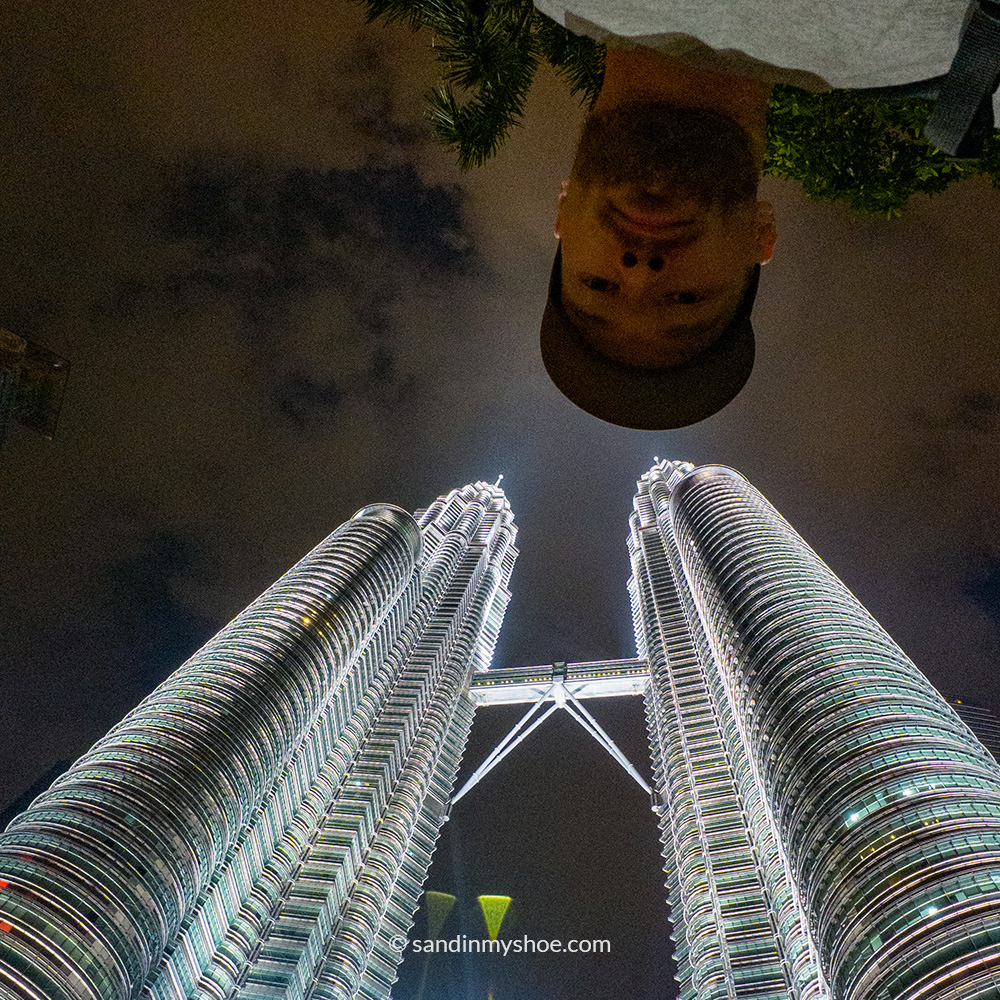
This 3‑day, 2‑night itinerary was created to give you a balanced introduction to Kuala Lumpur, mixing food, culture, and easy sightseeing. You’ll explore Chinese, Indian, and Malay influences, visit the city’s major landmarks, and still have time to enjoy the iconic Petronas Towers skyline.
Looking to Splurge During Your Kuala Lumpur Visit?
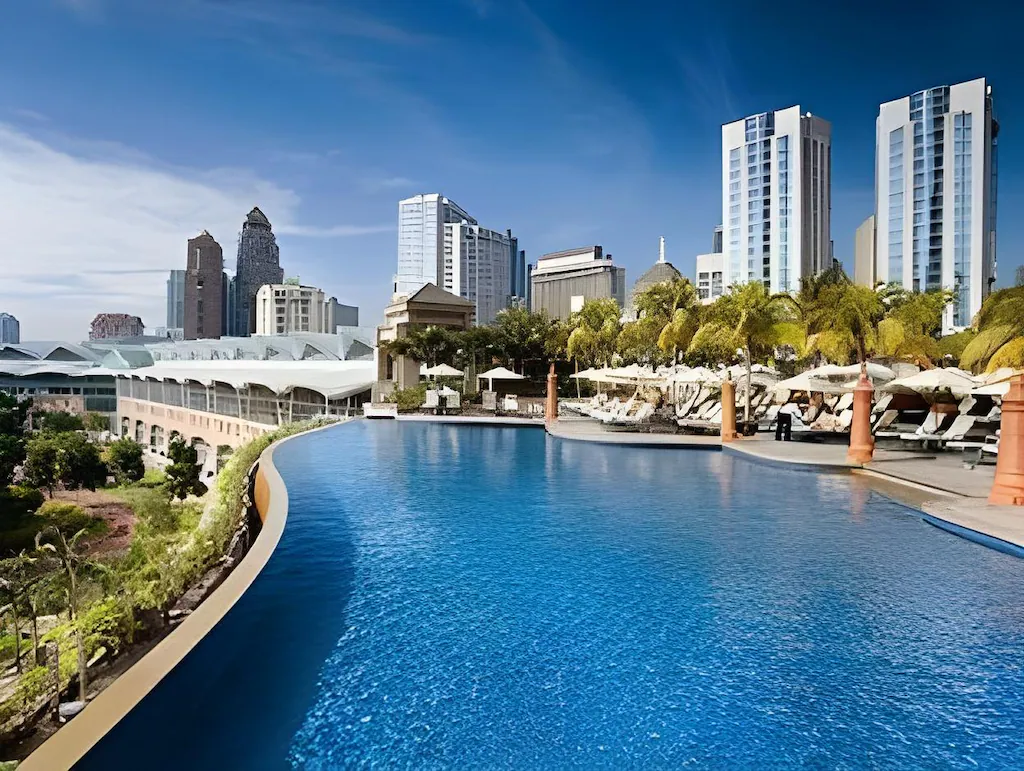
These three rooftop hotels deliver style, comfort, and some of the best skyline views in Kuala Lumpur. A rooftop pool is one of the easiest ways to elevate your stay in Kuala Lumpur.
Grand Millennium
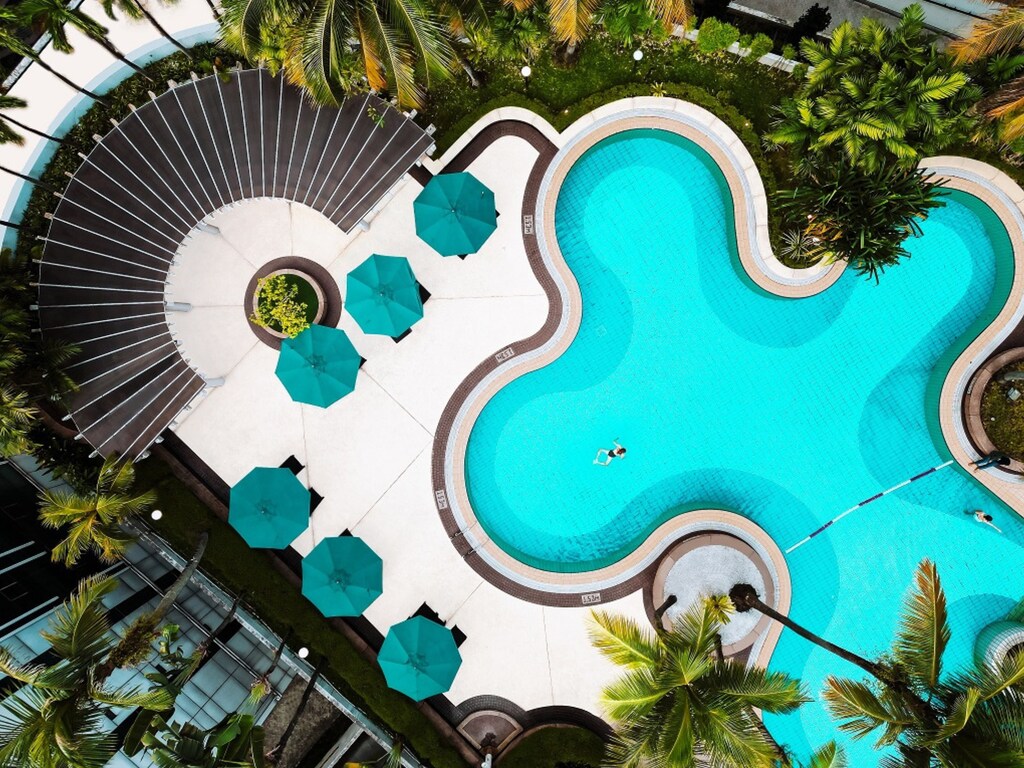
Tropicana the Residence
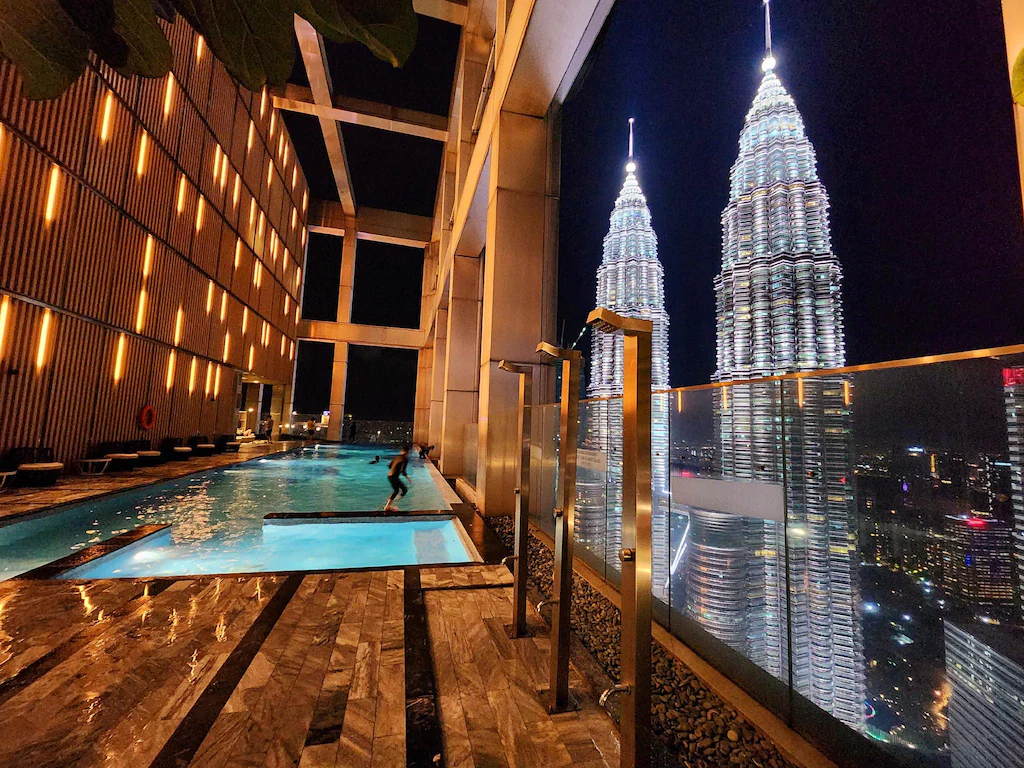
Mandarin Hotel
3-Day Kuala Lumpur Itinerary
After getting settled in your hotel, head to Chinatown.
Day 1: Chinese Food + Chinatown Sights + Thean Hou Temple
In my opinion the best way to begin your visit of Kuala Lumpur is to eat your way through Chinatown, and then checking out sights related to Chinese heritage.
Lunch in Chinatown
There are plenty of great restaurants around Chinatown; just pick one with lots of locals and you’re good to go.
My favorite was Zhang Lala Mee Tarik Jalan Sultan, and I later learned that it’s a bit Instagram‑famous, which I probably should have guessed from all the selfies people were taking inside. Normally I avoid these spots, but here the food was genuinely delicious, and I quickly became a repeat customer.
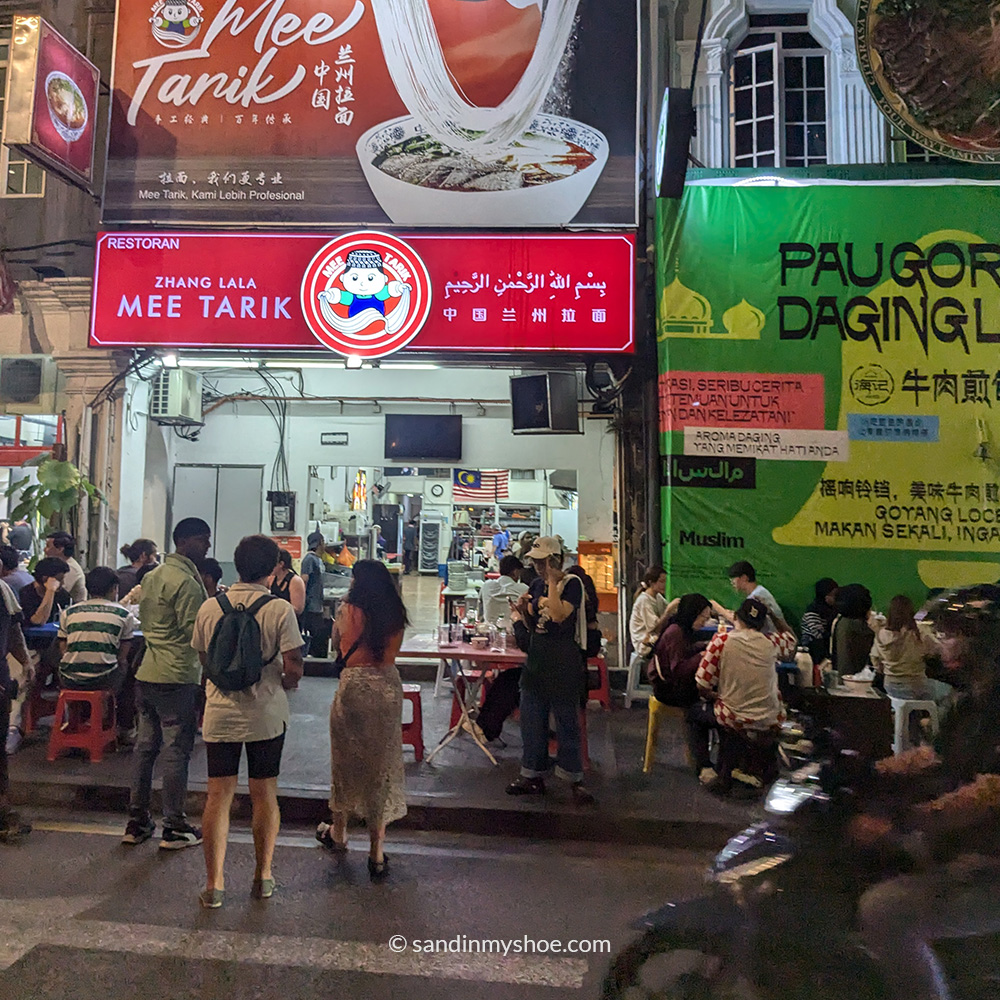
Be aware that some places operate more like a mall-style food court, where several food stalls share the same seating area. In these setups, the tables are usually “managed” by a drink stall, meaning you can order food from any vendor but you’re expected to buy your beverages from the stall that controls the seating. Some stalls only sell drinks, and that’s their entire business, so you’re essentially required to order something from them even if you brought your own water. It’s not a scam — just a local dining system that can surprise first-time visitors.
Don’t overeat though, so you can snack as you go while browsing Petaling Street afterwards.
Petaling Street Market
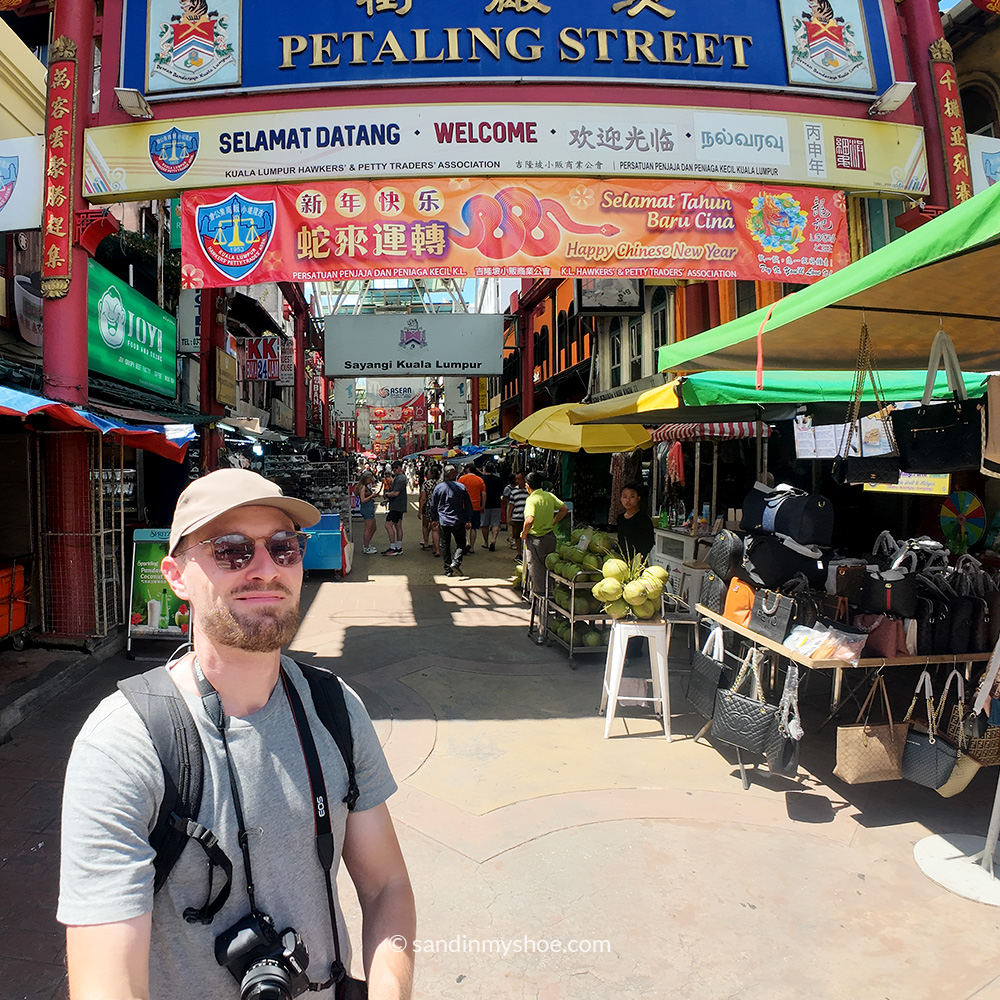
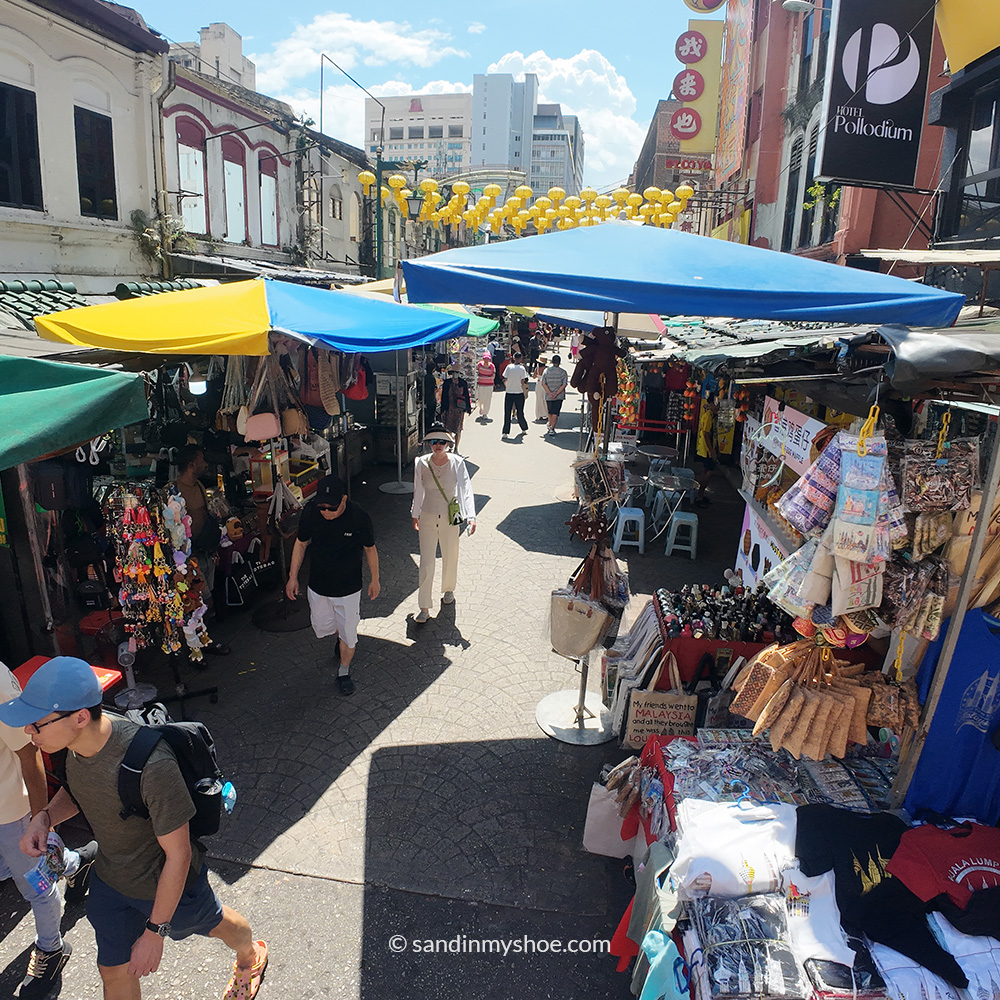
After lunch, wander through Petaling Street, Chinatown’s main market street. Filled with food stalls, fruit vendors, and small shops. It’s lively, easy to navigate, and perfect for additional snacking as you go.
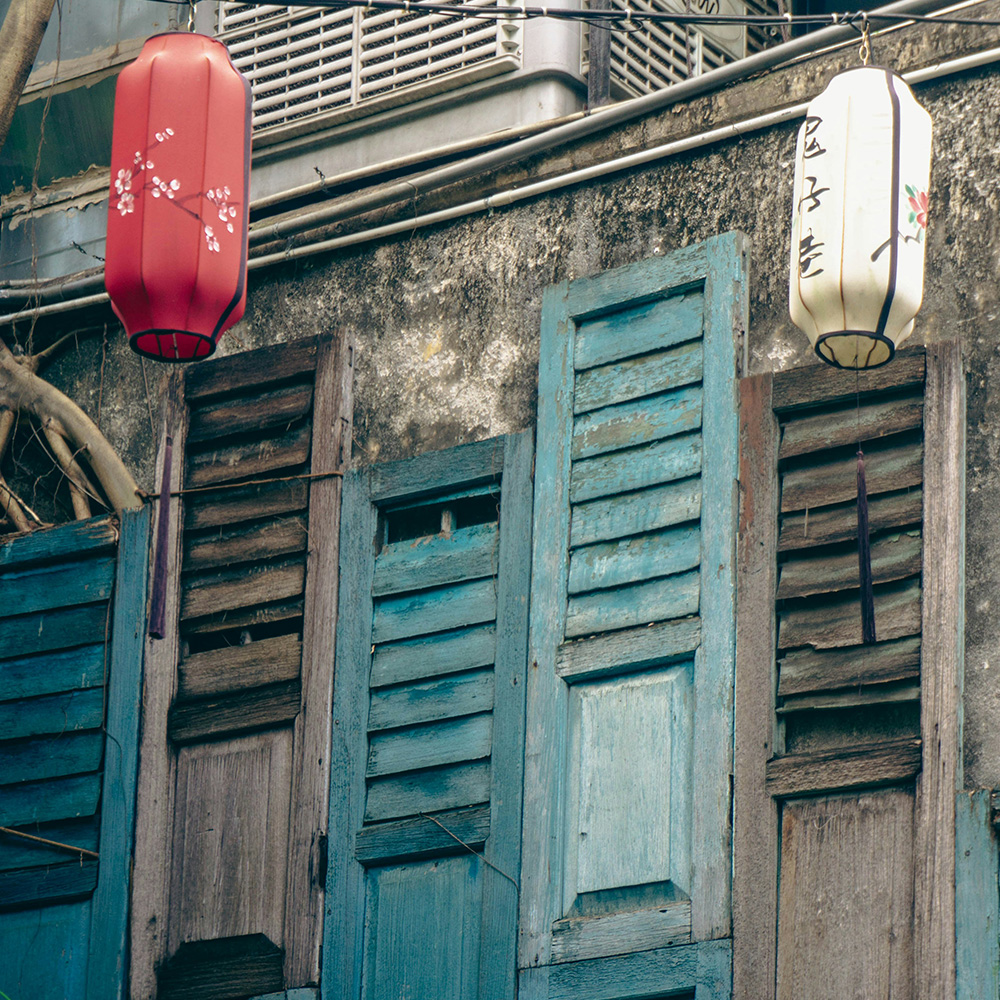
Nearby, there’s an alley called Kwai Chai Hong, which is a restored lane decorated with murals and small art installations. It’s a quick, photogenic stop and a nice contrast to the bustle of the market.
Thean Hou Temple
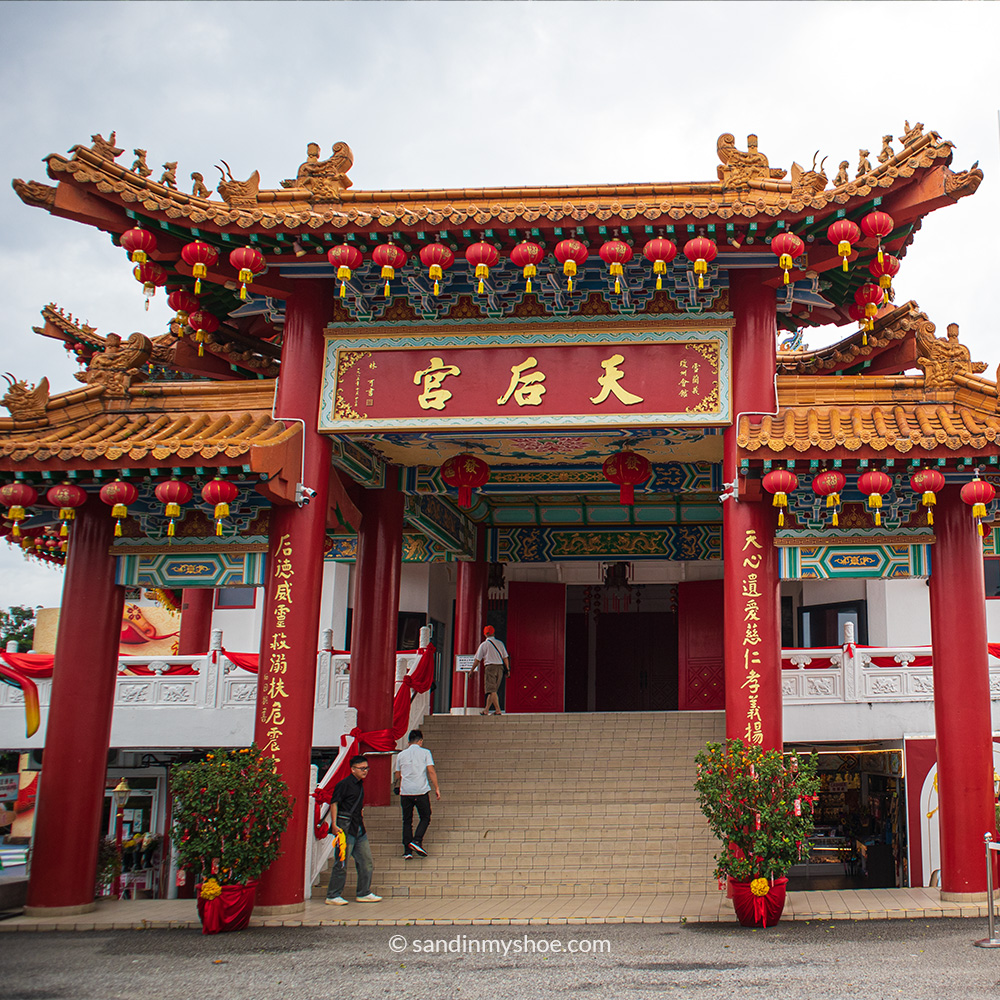
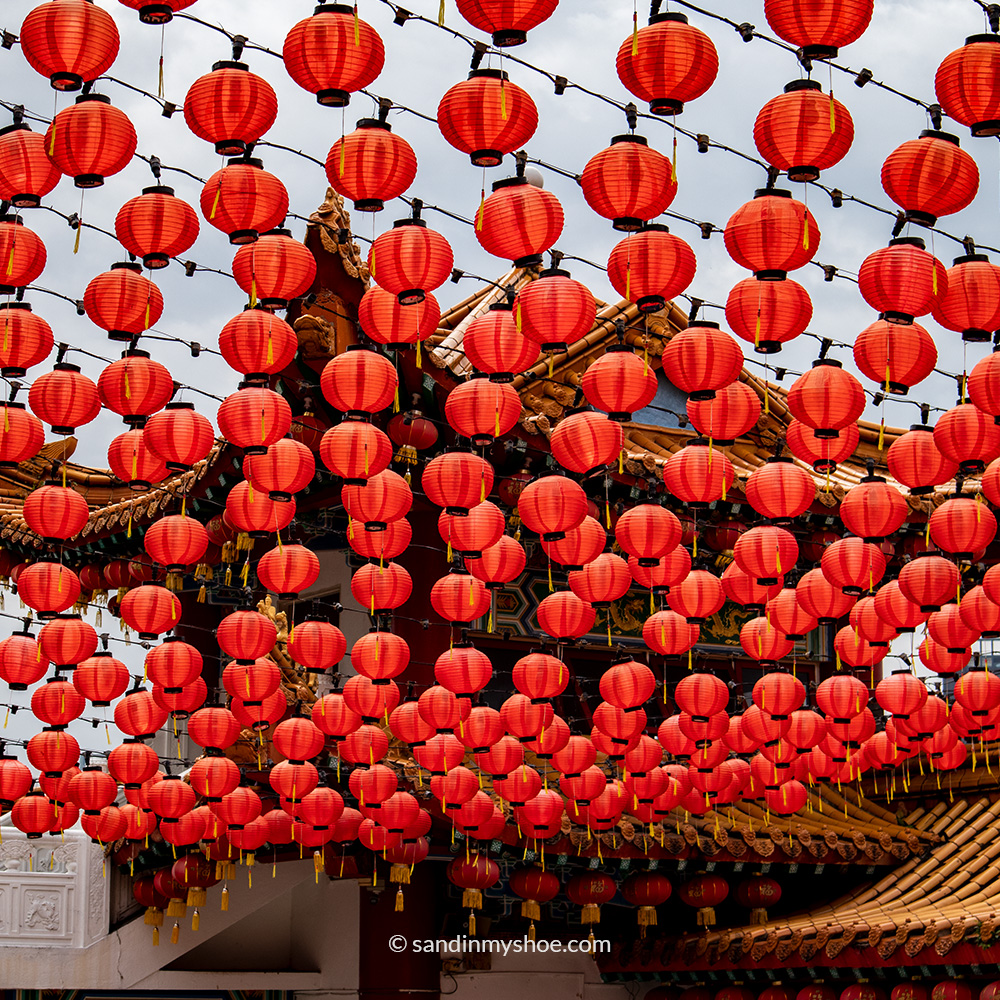
A couple of kilometers away sits Thean Hou Temple. It’s not historical in any major way — only about 40 years old — but it’s one of the largest temples in Southeast Asia, and the architecture is impressively grand. It blends elements of Buddhism, Confucianism, and Taoism, making it one of the most visually striking temples in Kuala Lumpur.
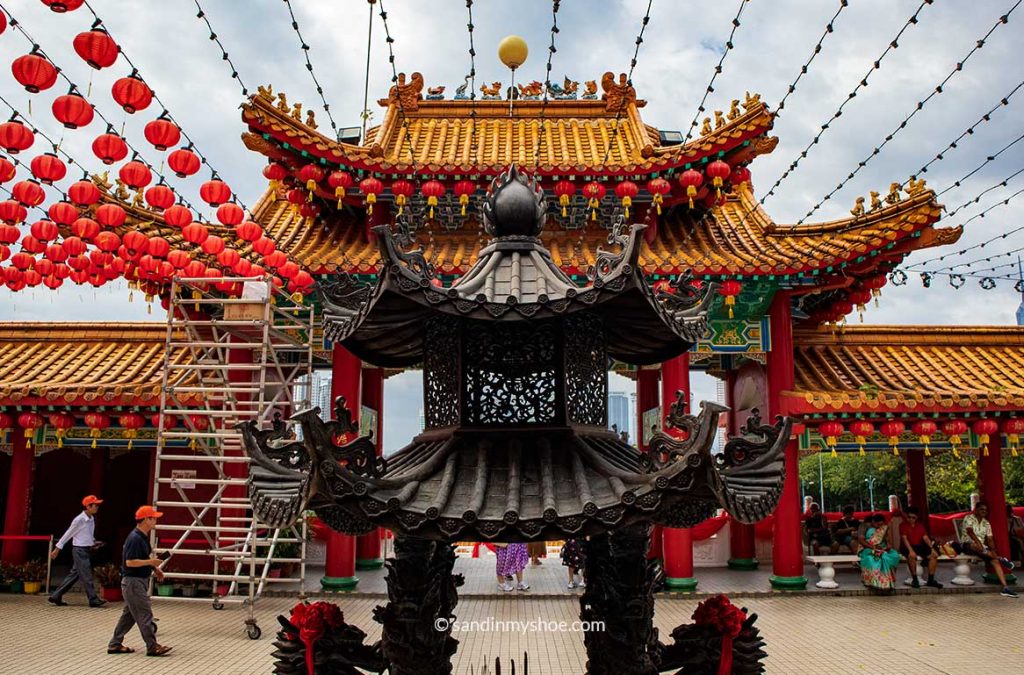
It’s easy to reach: grab a bus or a Grab ride. It’s a peaceful detour with great views and plenty of photo spots, and a nice contrast to the hectic Chinatown while still keeping the Chinese cultural thread.
Dinner in Bukit Bintang
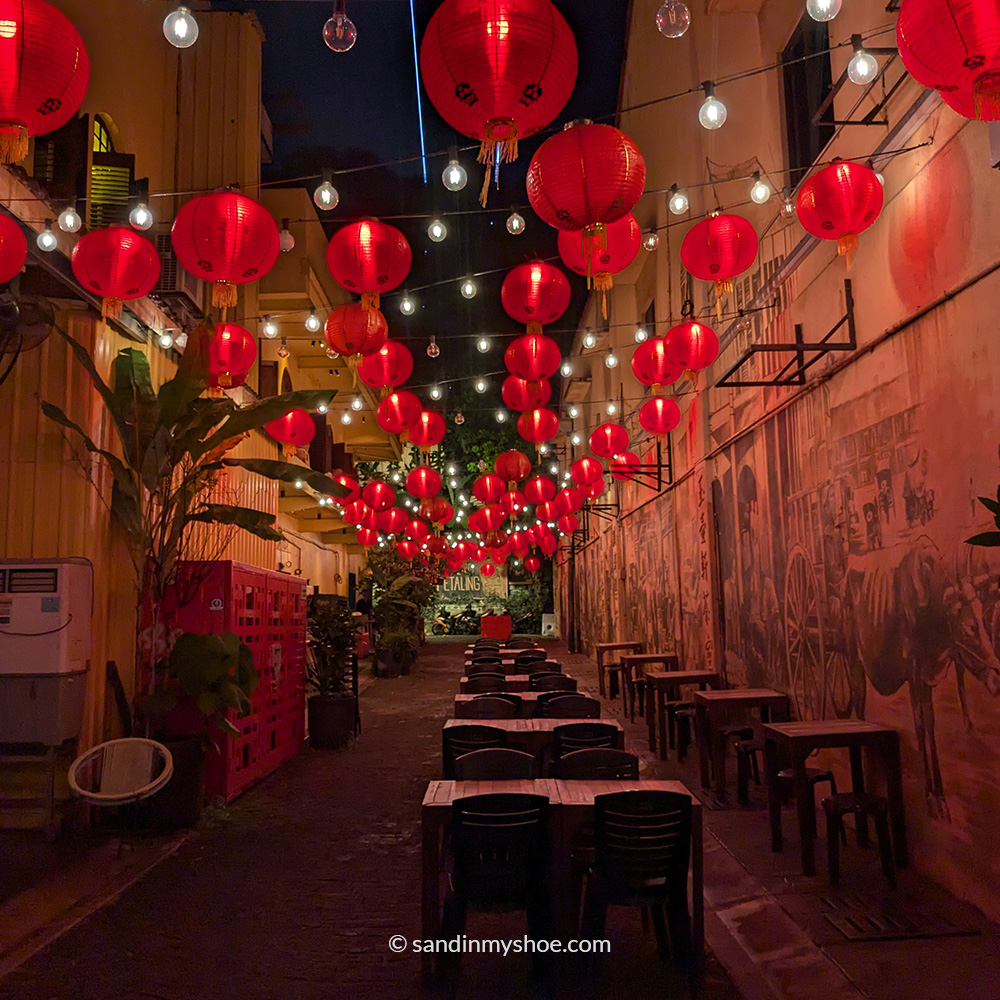
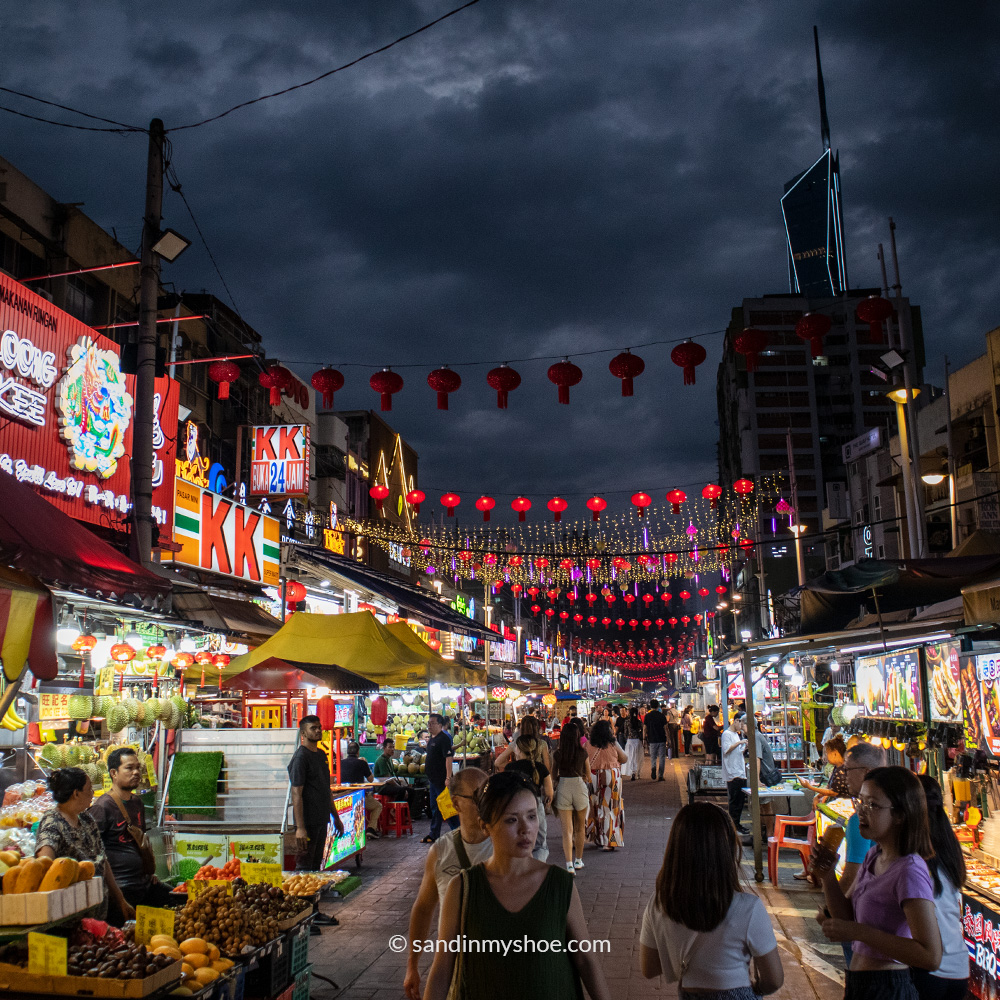
Wrap up the day with dinner at one of the many restaurants in Bukit Bintang, or simply wander around and snack your way through the area. The neighborhood comes alive in the evening — neon lights, lanterns busy sidewalks, and a mix of locals and travelers all looking for something good to eat. You can sit down for a proper meal, try Malaysian classics, or just follow your nose from stall to stall. It’s an easy, relaxed way to end the night and soak up Kuala Lumpur’s energy.
Day 2: Batu Caves + Independence Landmarks + KLCC Park
The second day is about hitting the big sights in Kuala Lumpur.
Batu Caves
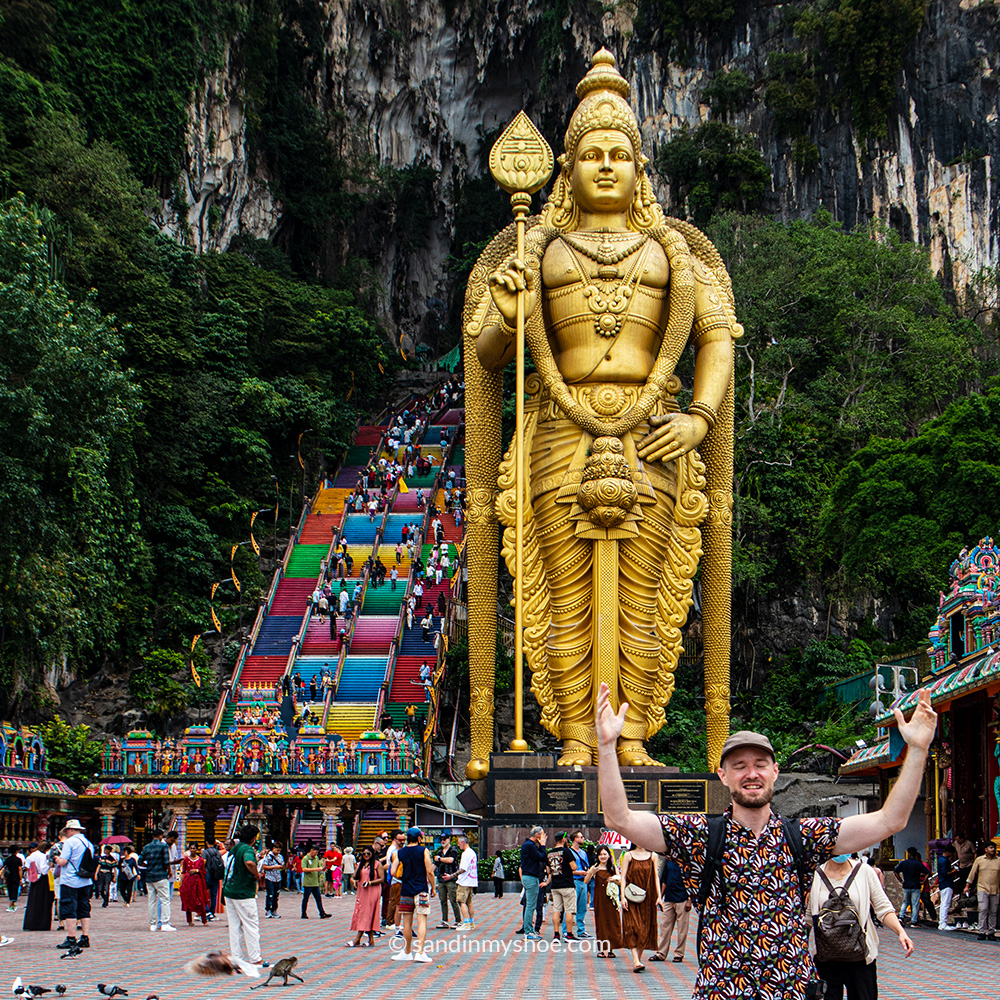
Start your day early and head out to Batu Caves, the most prominent Hindu site in Kuala Lumpur. It’s a limestone cave complex that contains several Hindu temples. The caves sit about 15 km from the city center, and you can easily reach them by KTM Komuter train, bus, or Grab.
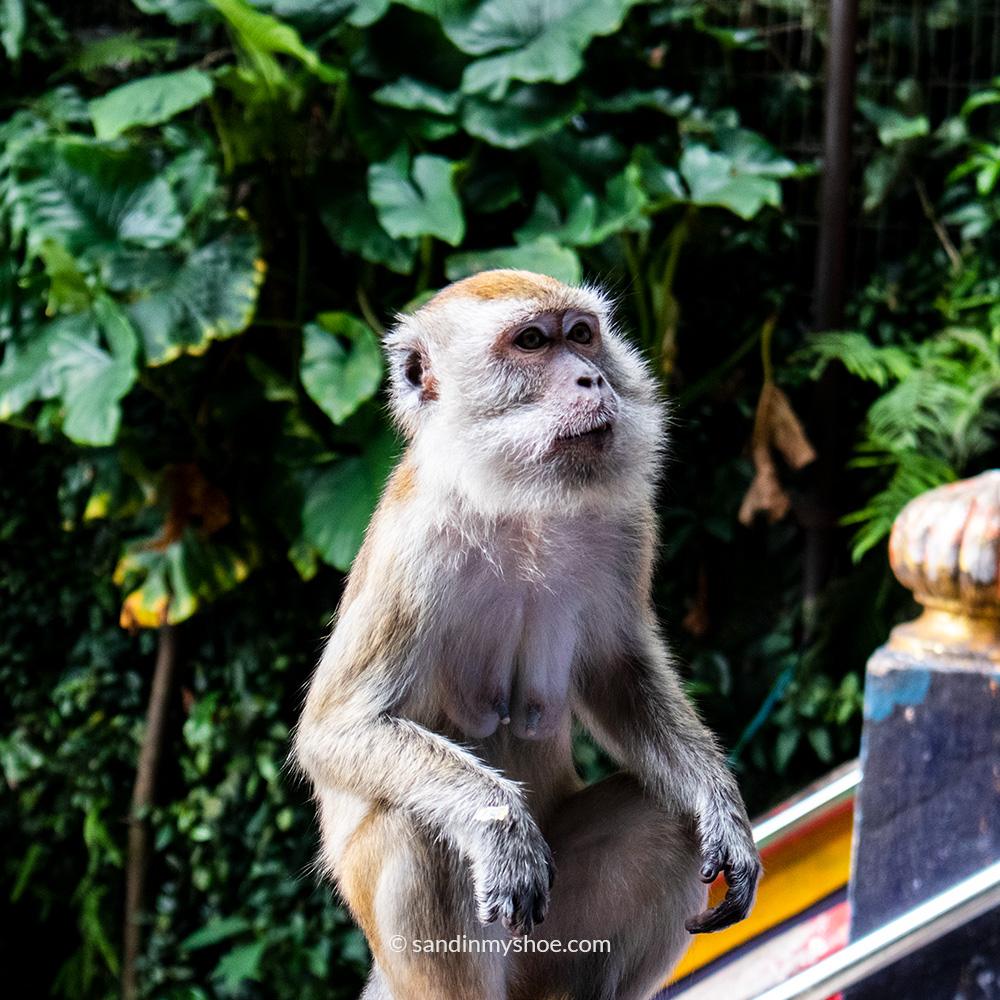
At the entrance you’ll be greeted by monkeys, the colorful rainbow staircase, and the massive gold‑painted statue of Murugan, the Hindu god of war. It’s probably the most widely shared image of Kuala Lumpur on social media after the Petronas Twin Towers.
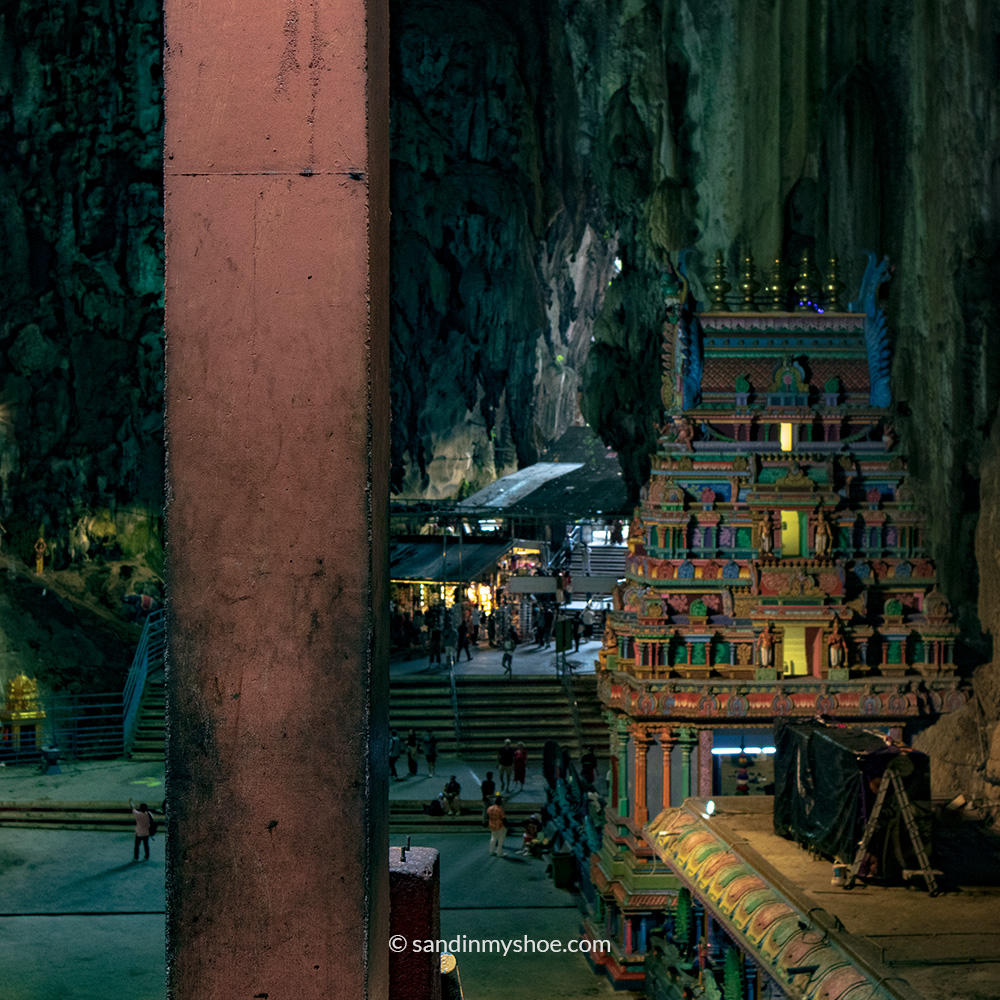
At the top of the stairs is the main cave, which houses the central shrine, plenty of bats, and more monkeys. You can easily spend 2–3 hours here exploring the temples and the cave interior.
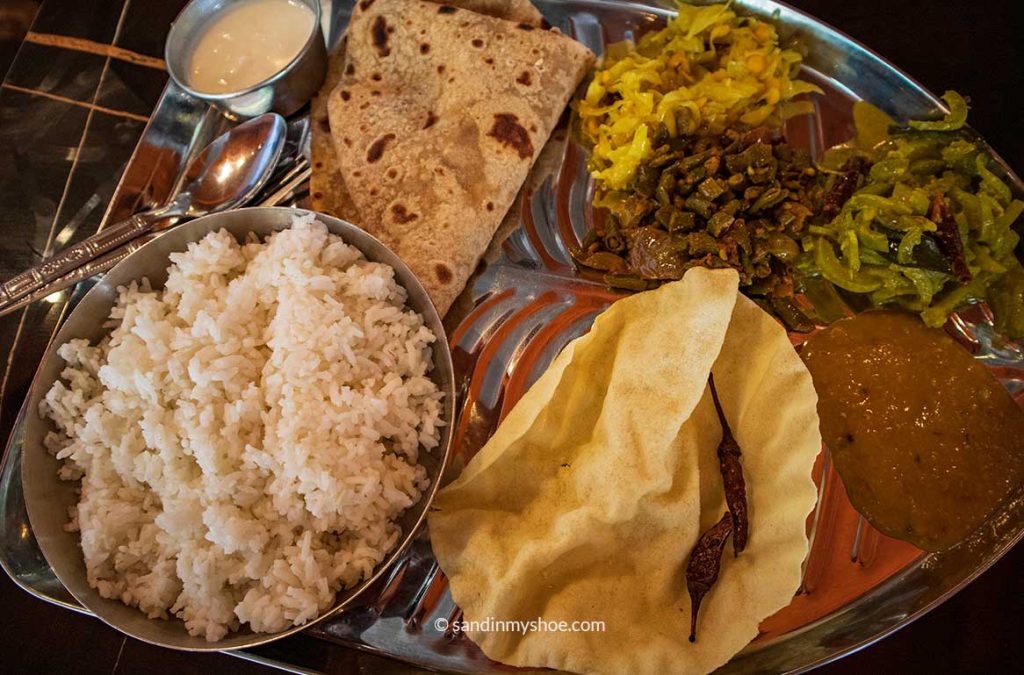
After visiting the caves, there are plenty of restaurants in the area. I recommend going for Indian food to match the Hindu setting — a banana leaf lunch is perfect here: rice, curries, vegetables, and pickles served on a banana leaf.
Merdeka Square & Bangunan Sultan Abdul Samad
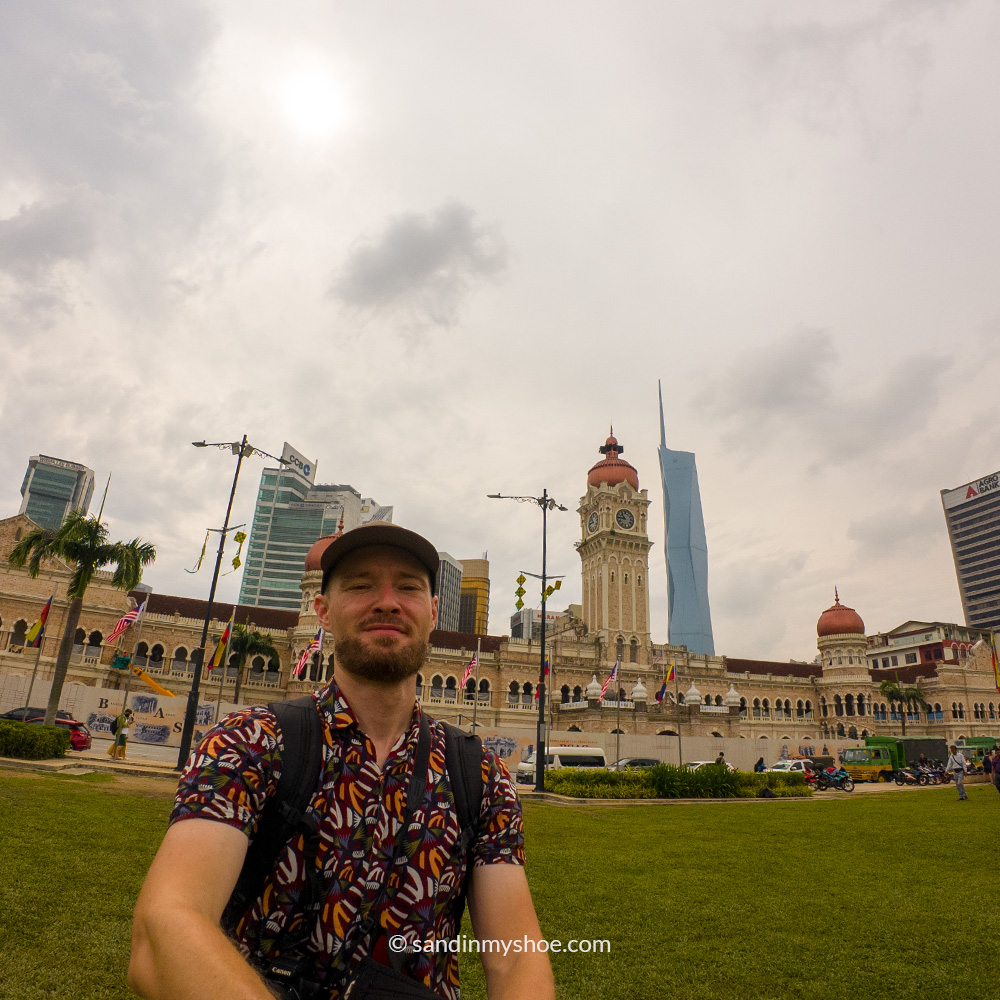
Walk over to Merdeka Square, the symbolic heart of Malaysia’s independence from the British. This is where the national flag was first raised in 1957, and the square remains one of the most important historic spaces in Kuala Lumpur. The area is surrounded by colonial‑era architecture, with the Bangunan Sultan Abdul Samad as the standout landmark that once housed the British administration.
It’s an easy place to explore on foot, and if you’re interested in history, consider joining a walking tour. Guides usually provide far more insight into the colonial period, the independence movement, and the architectural details than you’ll find on the signs around the square. Even without a tour, it’s a great stop to understand how KL evolved from a tin‑mining settlement into the capital of modern Malaysia.
Join a Tour to Learn More About Kuala Lumpur
Petronas Towers and the KLCC Park at Night
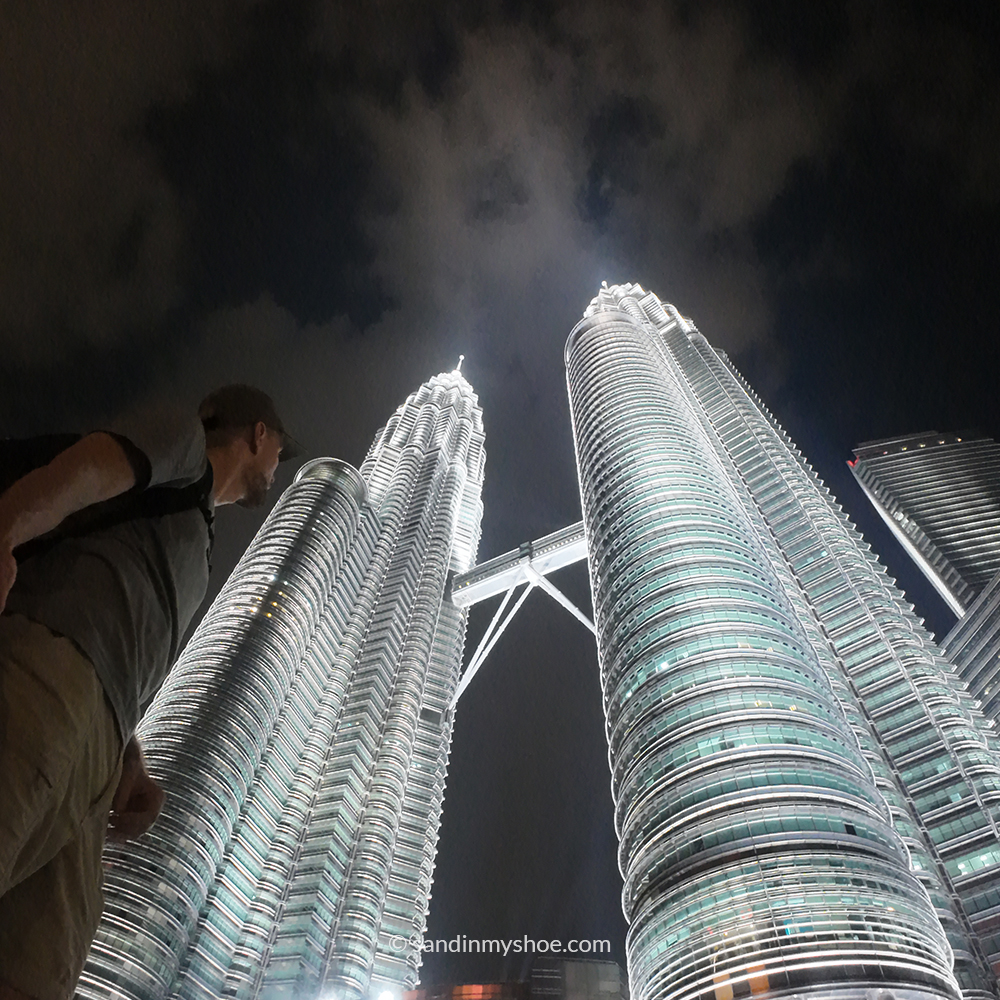
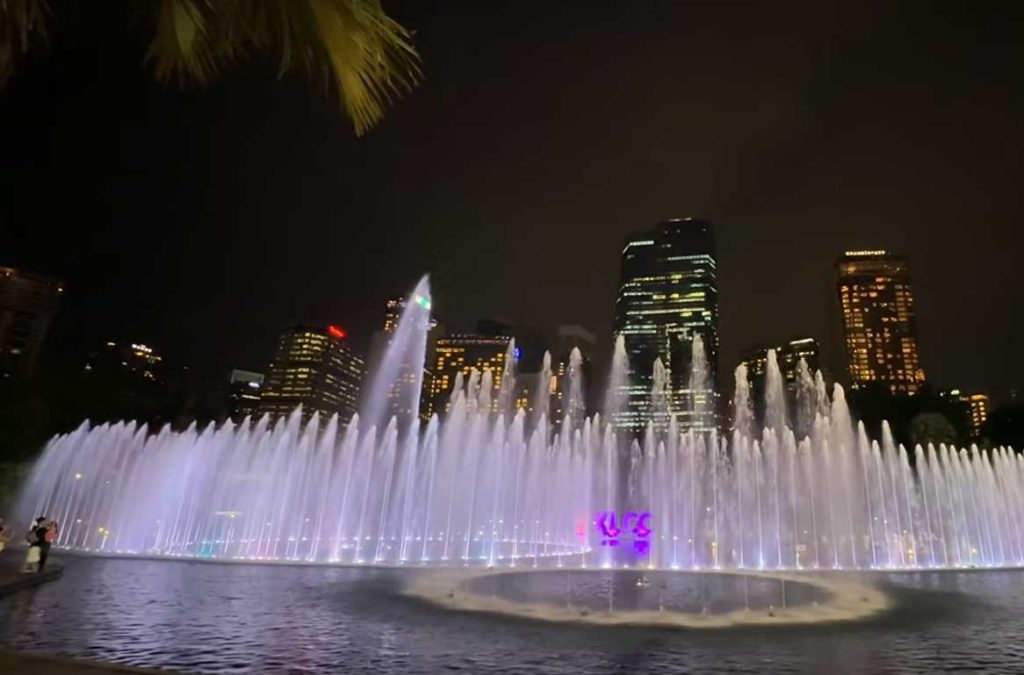
Head back to your hotel to refresh and rest a bit, then make your way to the Petronas Towers and KLCC Park. The park is a great place to take in the towers from different angles, with plenty of open space, water features, and photo spots. It’s an easy, relaxed way to transition into the evening.
Dinner near Petronas Towers For dinner, choose one of the restaurants around KLCC. Lot 10 Hutong is a solid option if you want to try classic Malaysian dishes in a food‑court setting, while the surrounding area offers plenty of more upscale choices as well. There’s also a watershow in the KLCC that might be worth a peek.
Day 3: Central Market + Indian Neighborhood (Brickfields)
Spend your last day exploring two very different sides of Kuala Lumpur: the historic Central Market and the vibrant Indian neighborhood of Brickfields. It’s a relaxed day with plenty of browsing, snacking, and people‑watching — a nice way to wrap up your trip.
Pasar Seni (Central Market)
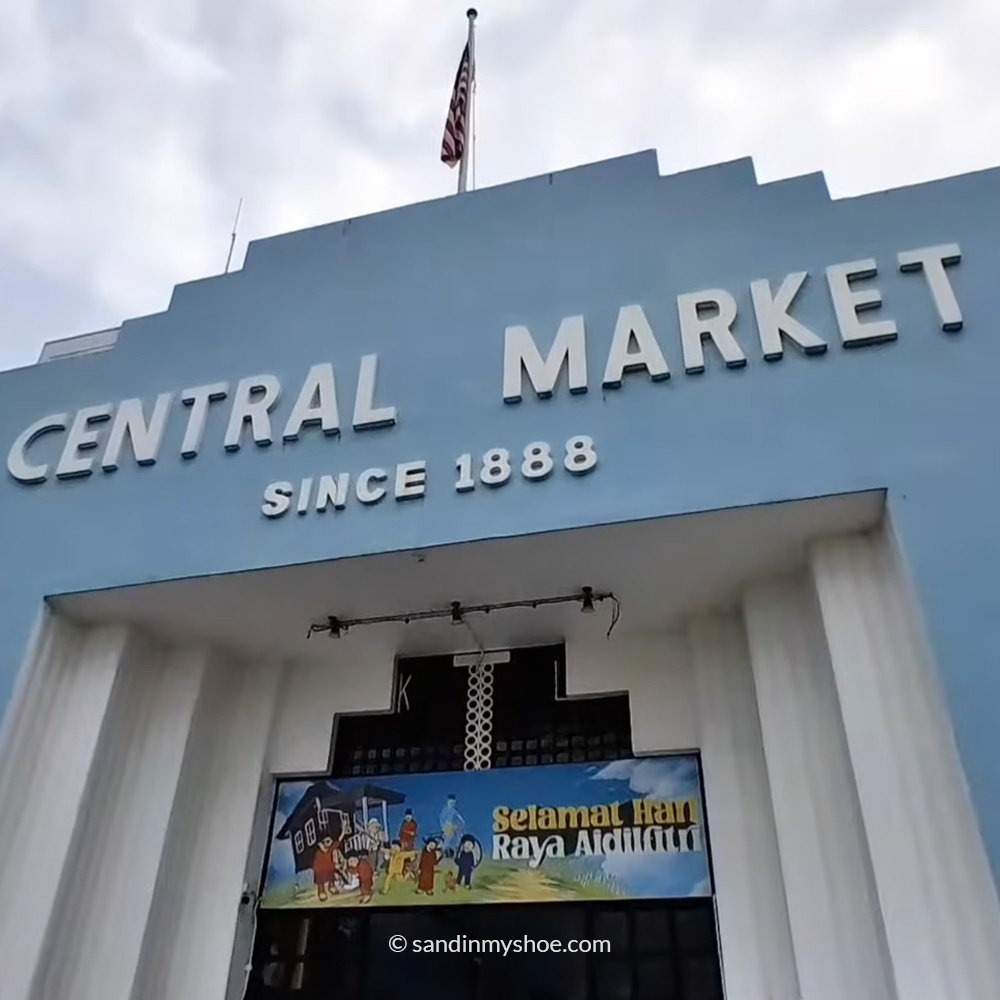
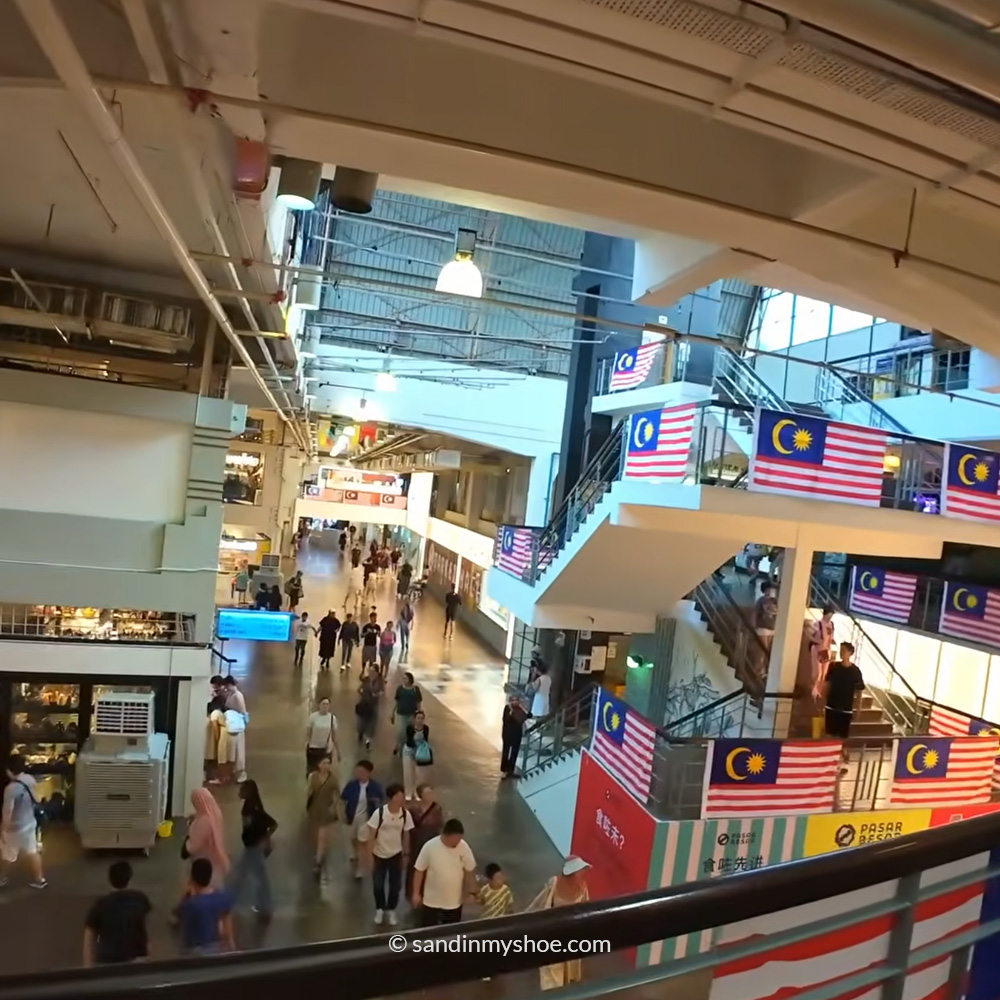
Start at Pasar Seni, Kuala Lumpur’s Central Market. It’s a cultural and craft center filled with stalls selling textiles, handicrafts, artwork, souvenirs, and local snacks. It’s easy to wander around for an hour or two, and the air‑conditioned interior makes it a comfortable stop in the middle of the day. If you’re looking for small gifts or Malaysian crafts, this is one of the best places to find them.
Brickfields (Little India)
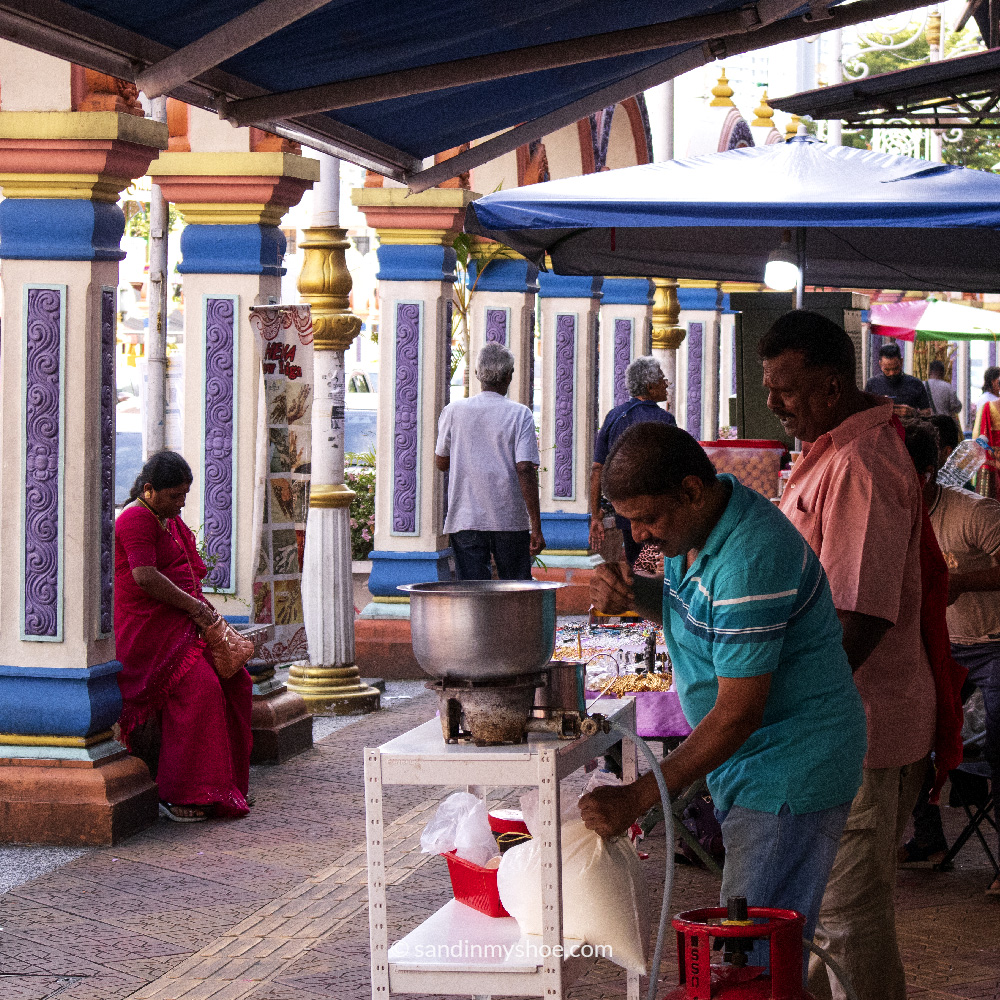
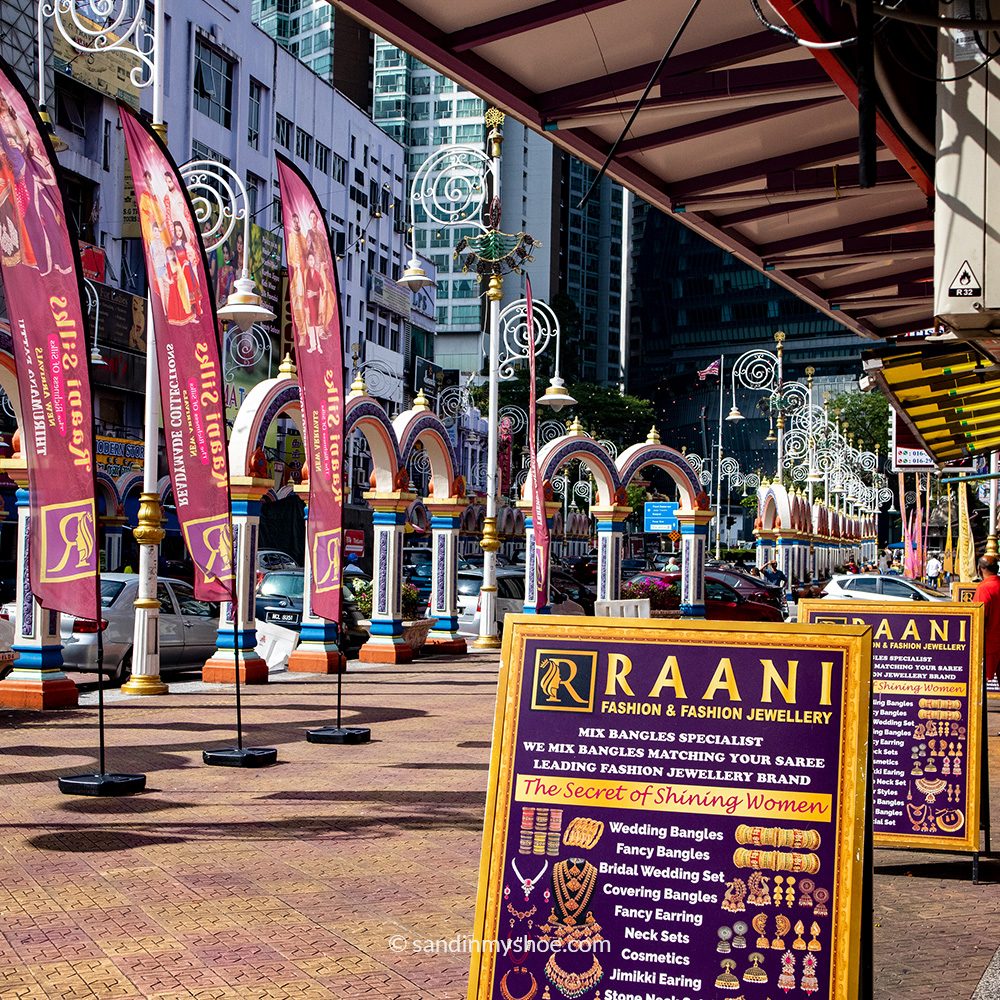
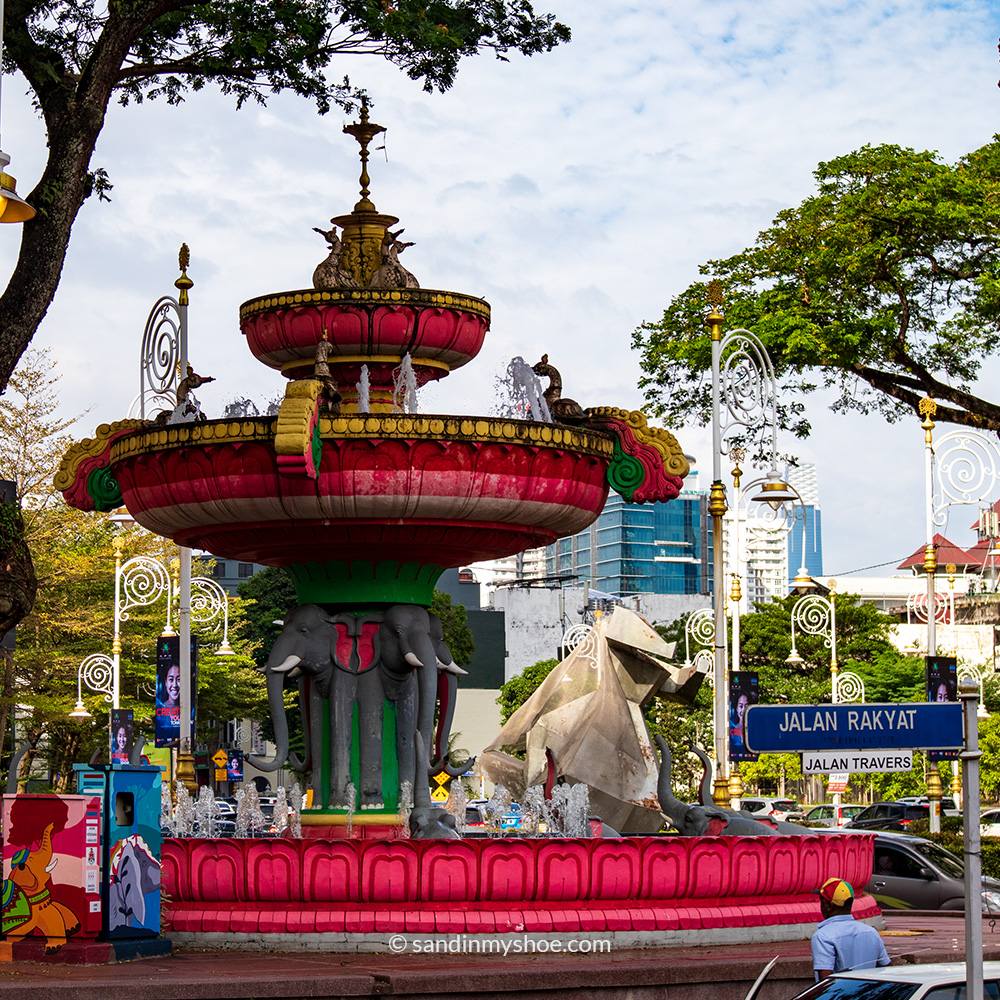
From Central Market, head over to Brickfields, KL’s Little India. The neighborhood hits you immediately with blasting Bollywood music, bright storefronts, and the smell of curry drifting from every direction. It’s lively, colorful, and very different from Chinatown and the colonial areas you’ve seen earlier. Browse the shops, soak up the atmosphere, and grab lunch at one of the many Indian restaurants — South Indian vegetarian meals, banana leaf sets, and tandoori dishes are all great choices here.
Common QA About Kuala Lumpur
How many days to spend in Kuala Lumpur?
Most of the times, I’m a slow-traveler and I prefer to stay a bit longer. However to experience the best things in Kuala Lumpur, I recommend staying at least 3 nights, so you get two full days to explore.
Best way to get an introduction to the history of Kuala Lumpur?
Probably by joining a walking tour around Merdeka Square. You’ll have a guide who explains the story behind Kuala Lumpur in a digestible way. There are plenty of tours available, some tip-based and others with a fixed fee.
How to Get Around in Kuala Lumpur
The easiest way to get around Kuala Lumpur is by using the Grab app. It’s reliable, inexpensive, and perfect if you want door‑to‑door convenience. Local transport works well too — especially if you’re traveling solo — and it’s definitely cheaper. The city has an extensive network of MRT, LRT, and KTM Komuter trains that connect most major sights, and stations are generally clean and easy to navigate.
Best Time to Visit Kuala Lumpur
Kuala Lumpur is warm and humid year‑round, with occasional tropical downpours. There’s no true “bad” season, but the driest months tend to be June to August, making sightseeing more comfortable. I visited in March, and while there were a few short bursts of rain, they were more refreshing than annoying — the kind of quick showers that cool the air rather than disrupt your plans.
Wrap-Up: Kuala Lumpur in 3 Days
Three days and two nights is the perfect amount of time to experience the best of Kuala Lumpur. You get a good mix of food, culture, and easy sightseeing without feeling rushed — and if you add a hotel with a rooftop pool into the mix, you’re set for a genuinely great visit.
For me, the highlight was the food. Chinatown alone could keep you busy for days, and the mix of Malay, Chinese, and Indian influences means every meal feels different from the last. The Batu Caves stood out as the most memorable sight — not just for the colorful staircase and the massive Murugan statue, but for the atmosphere inside the cave itself. It’s one of those places that feels completely different from anything else in the city.
What makes Kuala Lumpur enjoyable is how easy it is to explore. You can jump between cultures in minutes, eat incredibly well without spending much, and see everything from colonial architecture to modern skyscrapers in a single day. Whether you follow this itinerary exactly or use it as a loose guide, three days is enough to get a solid introduction to KL — and probably leave you wanting to come back for more food.


No comments yet, be the first one!
I appreciate hearing from you. If you have any suggestions, questions, or feedback, please leave a comment below. Your input helps ensure the information stays relevant and up to date for everyone.
Thank you for sharing your thoughts!