
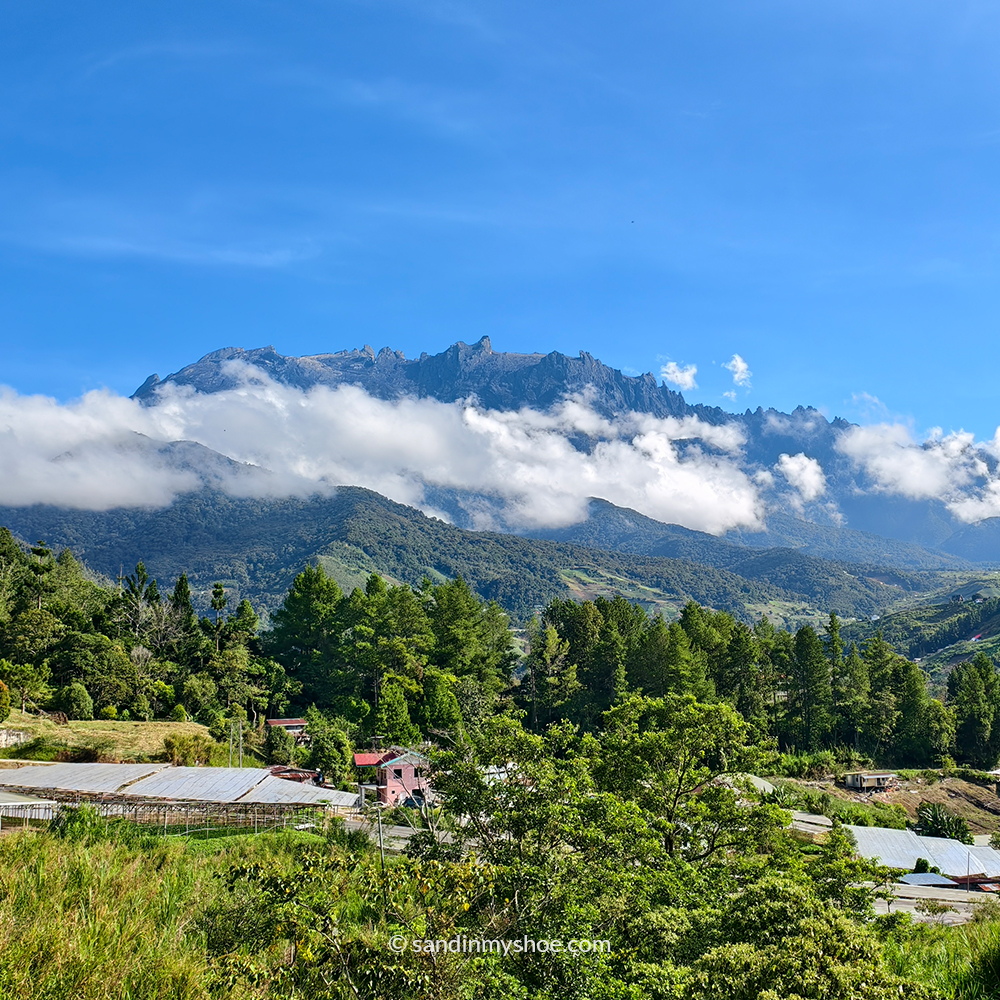
For most people, it isn’t the summit of Mount Kinabalu that brings them here — it’s the cool weather, the easier hikes, and the chance to visit farms and animal‑petting spots. For me, it was the hiking itself; as a Nordic person, it’s in my blood to head for the trails whenever I can.
Before getting into the best things to do in Kundasang, I have to mention the friendliness of the people here. Many locals greeted me with a smile as we passed each other. Once, when I asked for directions to Maragang Hill, a gentleman ended up driving me there at no charge — even after I insisted on paying. I had many similar experiences throughout Borneo: people going out of their way to help, simply because they want visitors to leave with a good impression of their country.
⭐ Top-Rated Day Trips from Kota Kinabalu⭐
Want to visit Kundasang for the day? Join a tour with pick-up in Kota Kinabalu and make your visit convenient.
- ATV Borneo Adventure – The ultimate ATV experience in Kundasang, rated 4.6/5 with 4,000+ bookings on Klook.
Book with Klook.com - Kota Kinabalu Kinabalu Park & Poring Hot Spring Full-Day Tour, rated 4.4/5 with 10,000+ bookings on Klook.
Book with Klook.com - Mount Kinabalu & Desa Farm Full-Day Tour, rated 4.6/5 with 1,000+ bookings on Klook.
Book with Klook.com
⭐ Best Places to Stay in Kundasang ⭐
Staying a night or two in Kundasang? Check out these options for accommodation.
- Kinabalu Park Sutera Sanctuary – Affordable 3‑star stay inside the Kinabalu Park.
Book with Agoda.com or Booking.com - Alawa Kundasang – The best 5‑star option in town.
Book with Agoda.com or Booking.com - Syameen’s Homestay – Glamping with mountain views.
Book with Agoda.com or Booking.com
And yes, things do get quiet after sundown. There isn’t much to do besides having dinner, maybe grabbing a couple of beers, and heading to bed early — but that’s part of the charm. Kundasang is for early risers.
Things to Do in Kundasang
Stroll Around in Kundasang
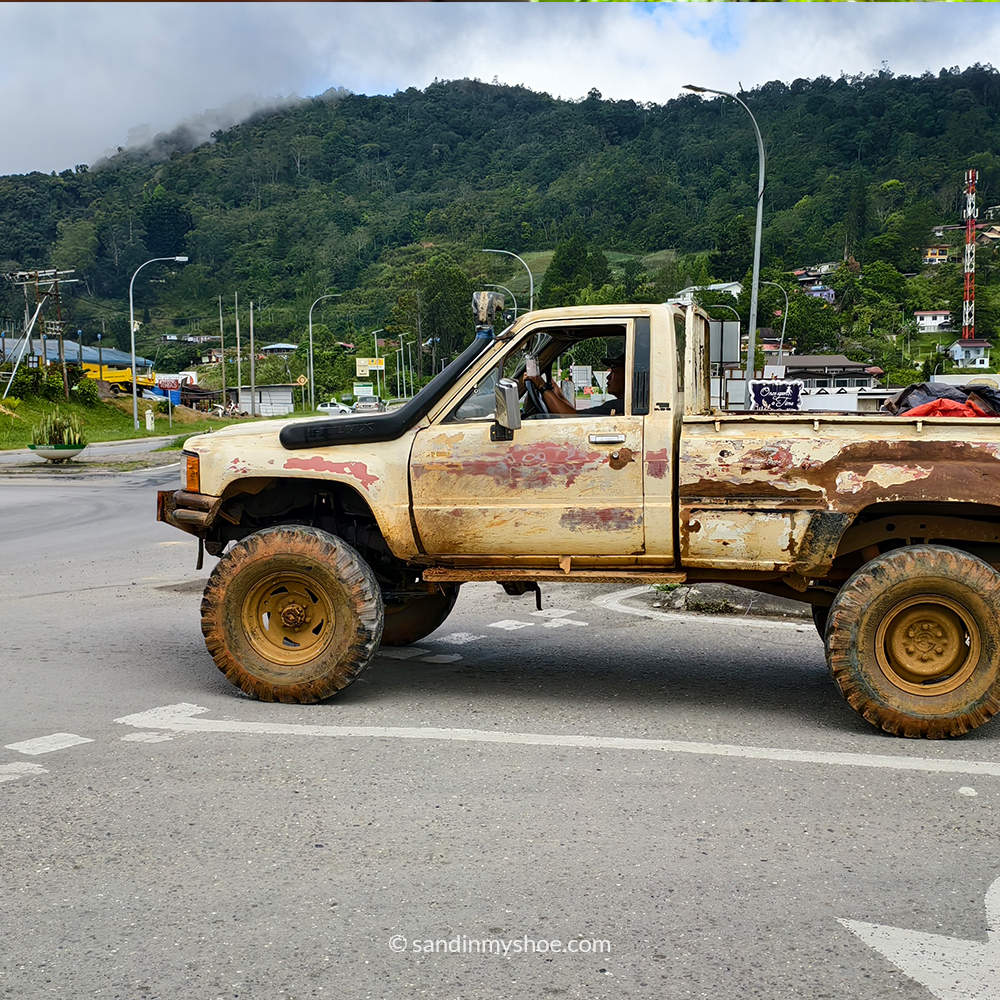
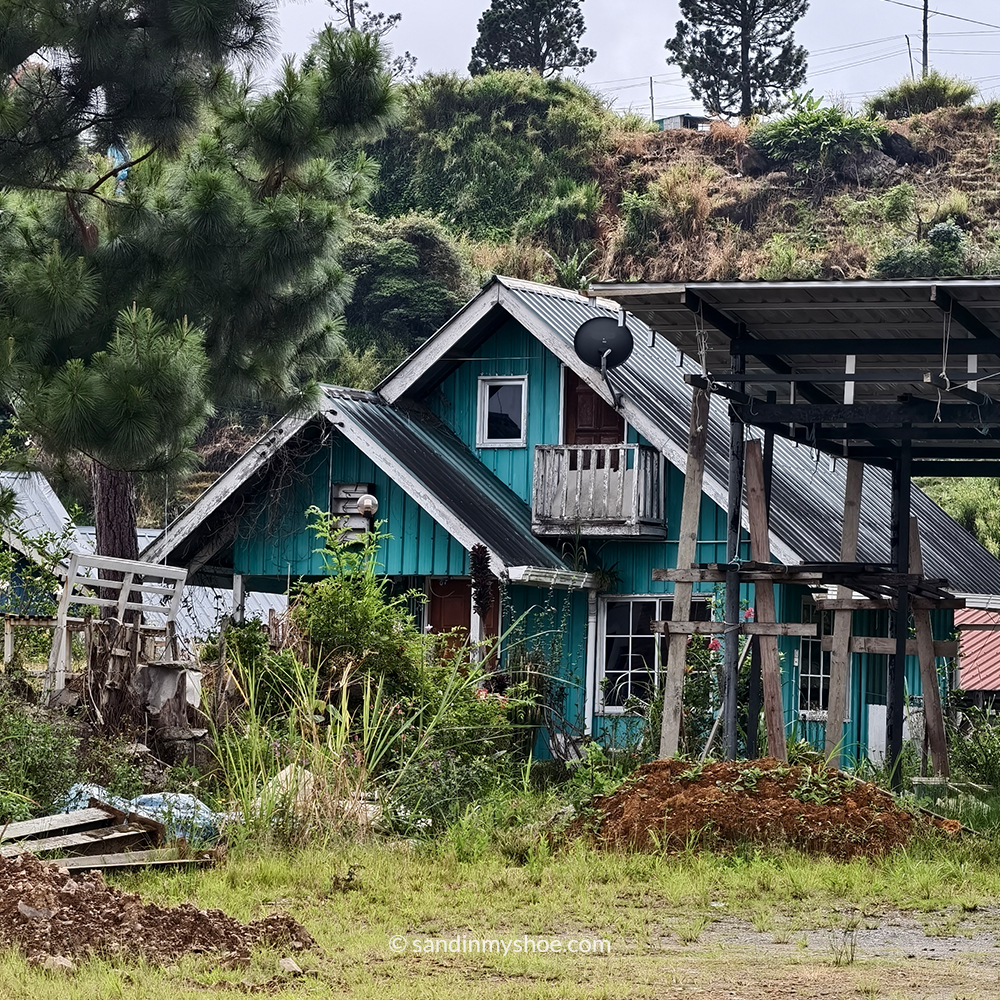
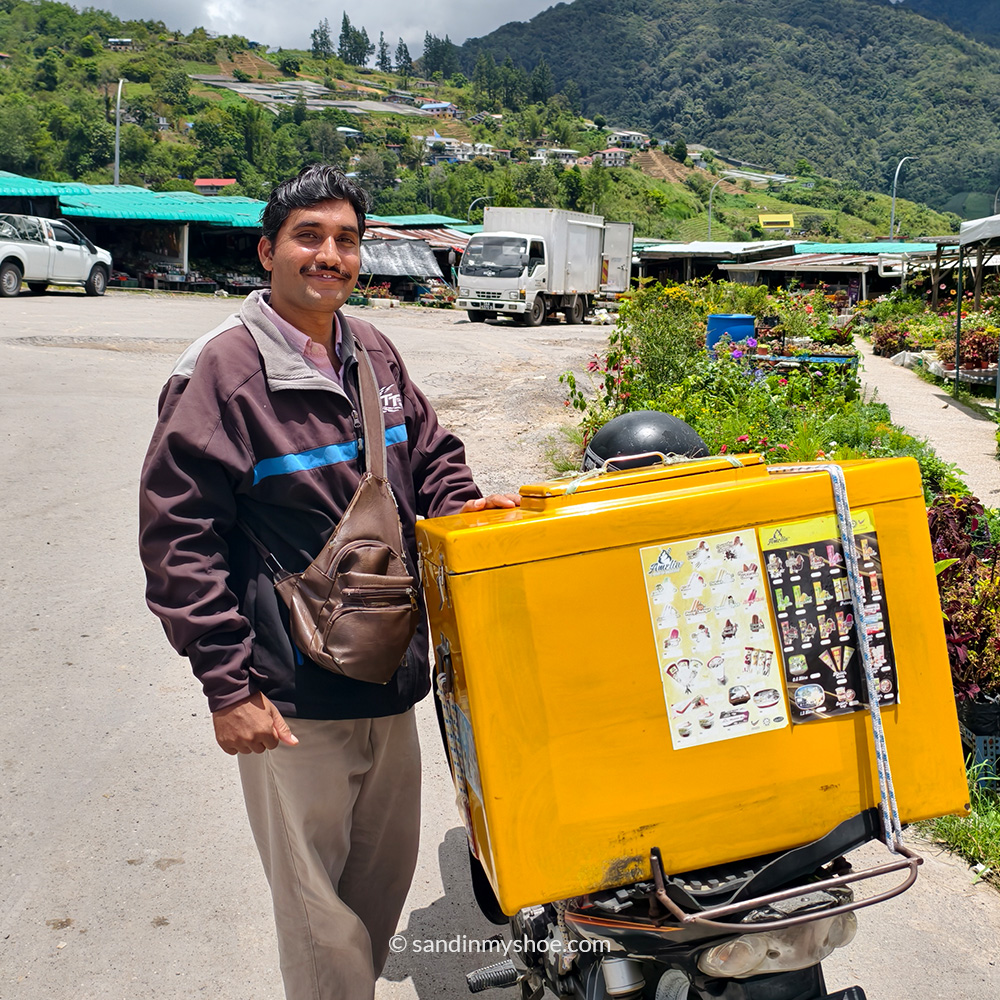
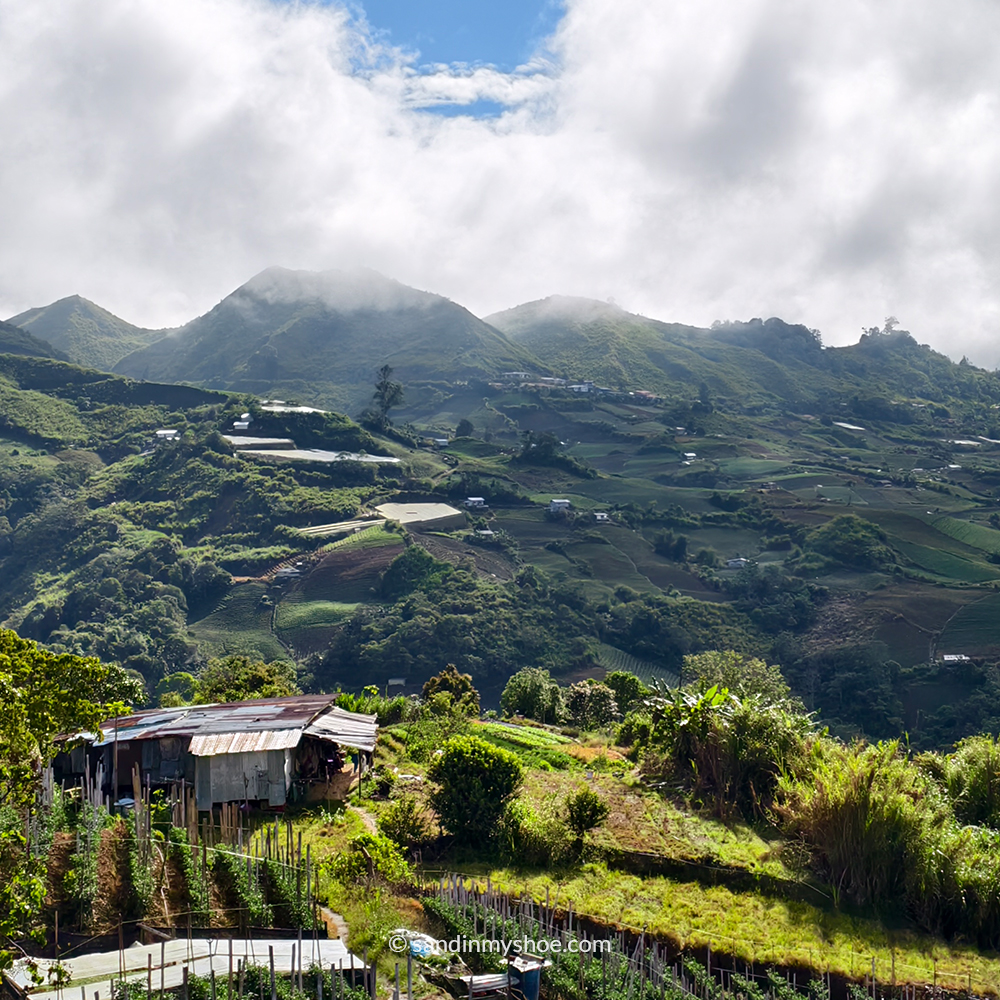
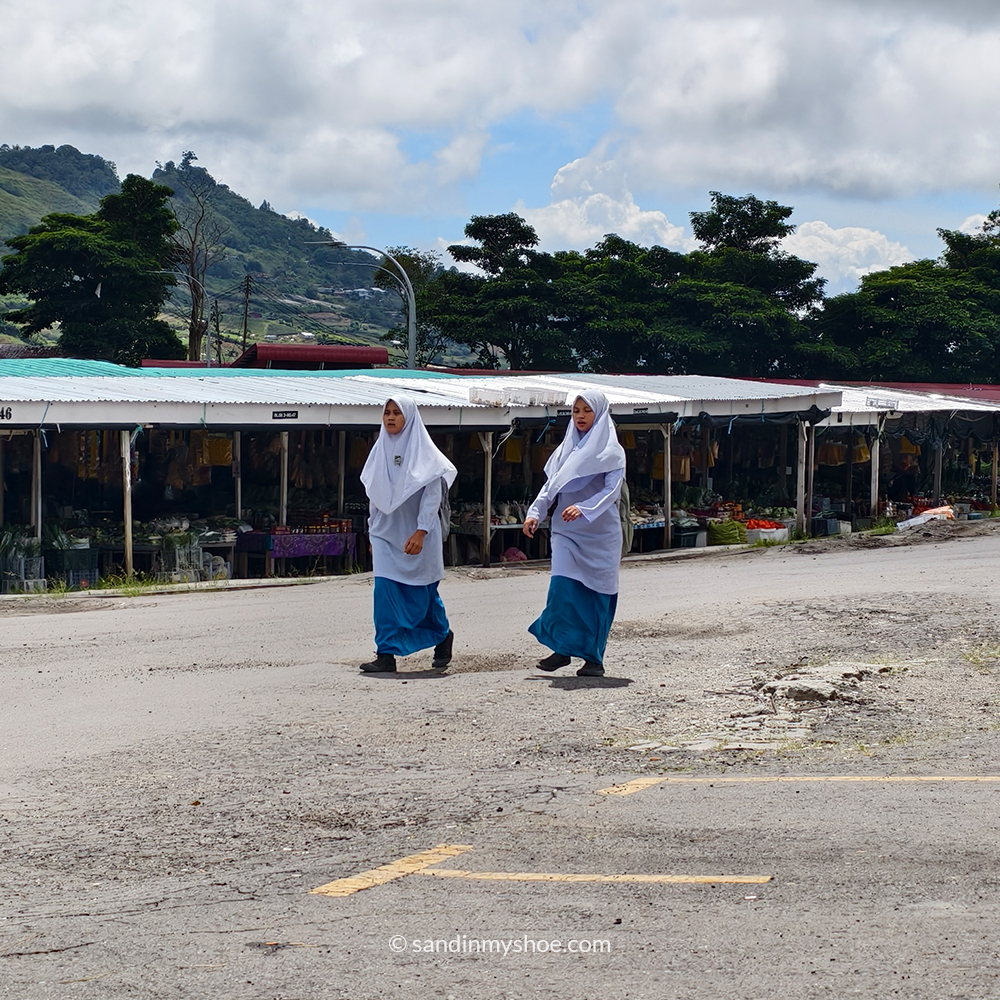
I spent a lot of time strolling around Kundasang, enjoying the views of farmland, rustic cars, and colorful homes. The slower pace of life really stands out here — people move gently, shops open when they open, and the cool mountain air makes everything feel unhurried. You notice small things: the sound of roosters in the distance, the mist rolling across the hills, and the way daily life blends into the landscape. On sunny days, you’ll even see locals selling ice cream from motorbikes, adding a small burst of colour and charm to the quiet roads.
Hike Kinabalu Park
Kinabalu Park offers easy, scenic hikes surrounded by dense forest, cool highland air, and the constant soundtrack of nature. The trails are well‑marked and perfect for anyone who wants a relaxed walk rather than a full mountain climb. You’ll find plenty of viewpoints, moss‑covered trees, and shaded paths that make the park feel peaceful even when there are other visitors around.
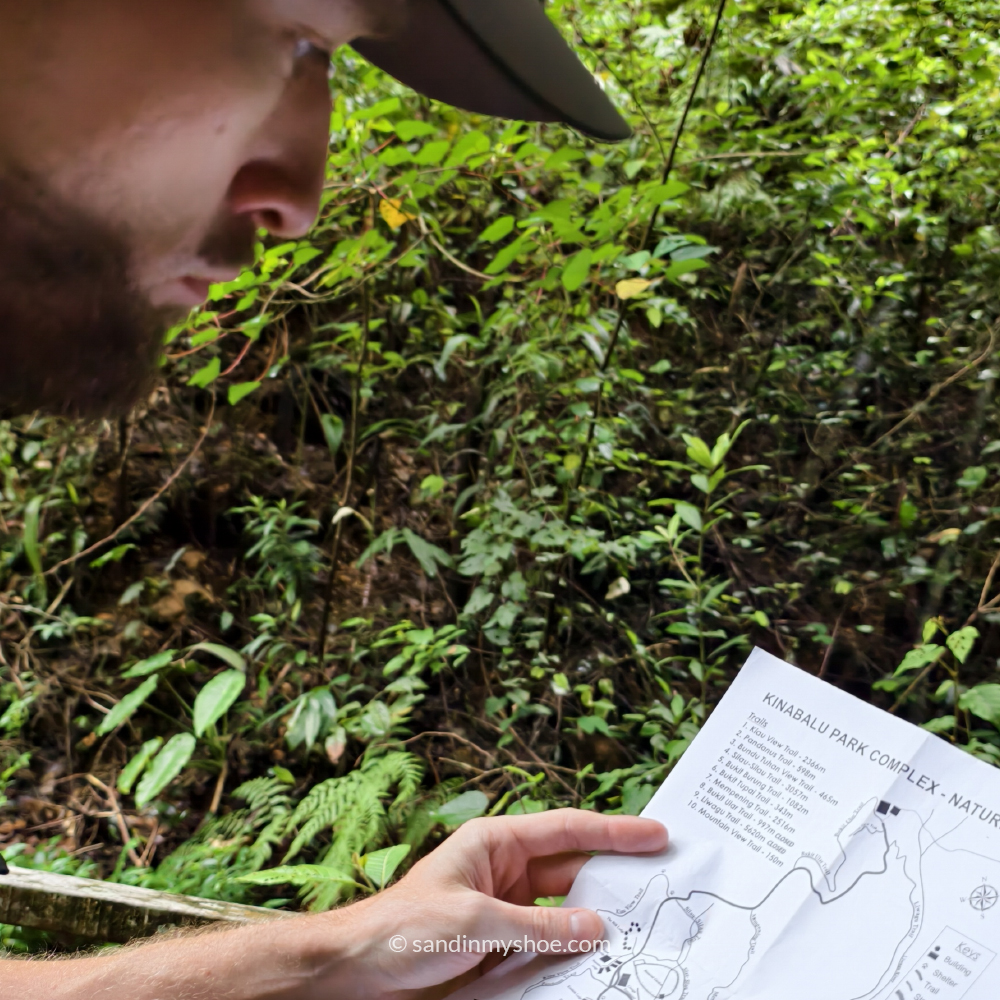
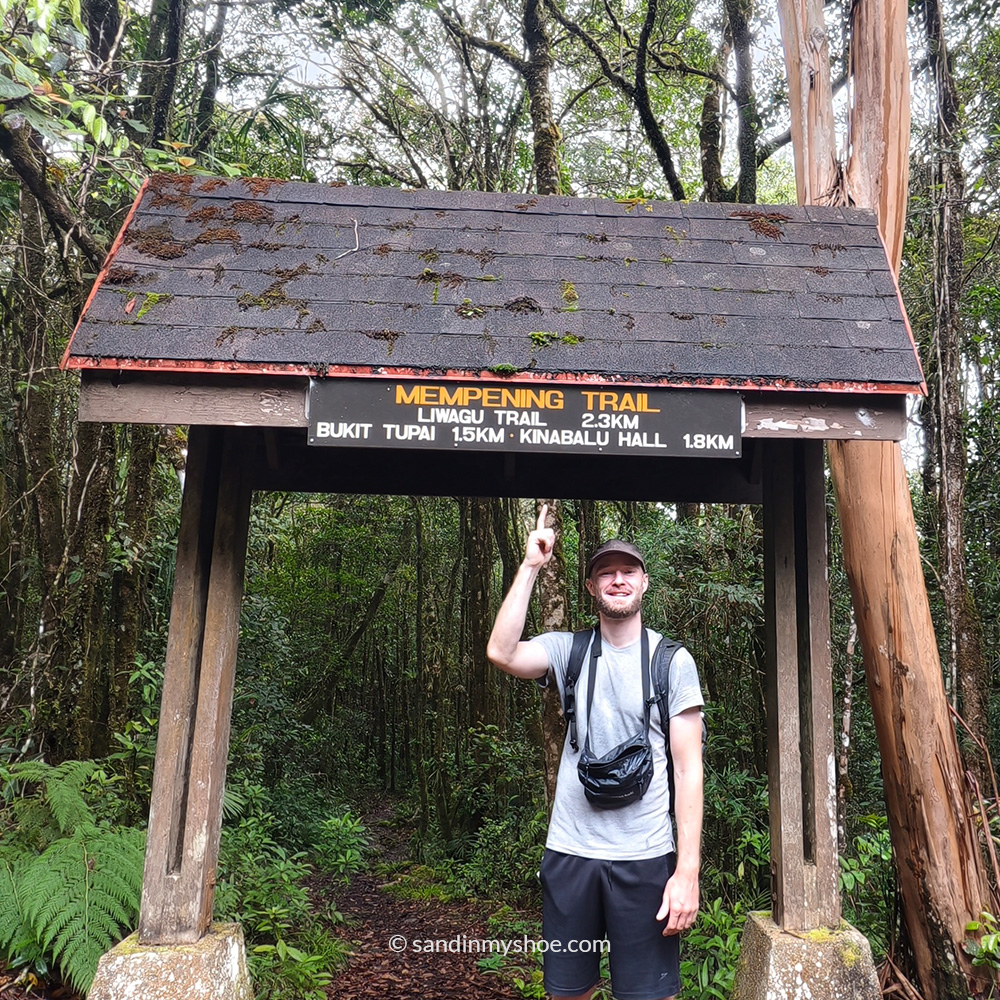
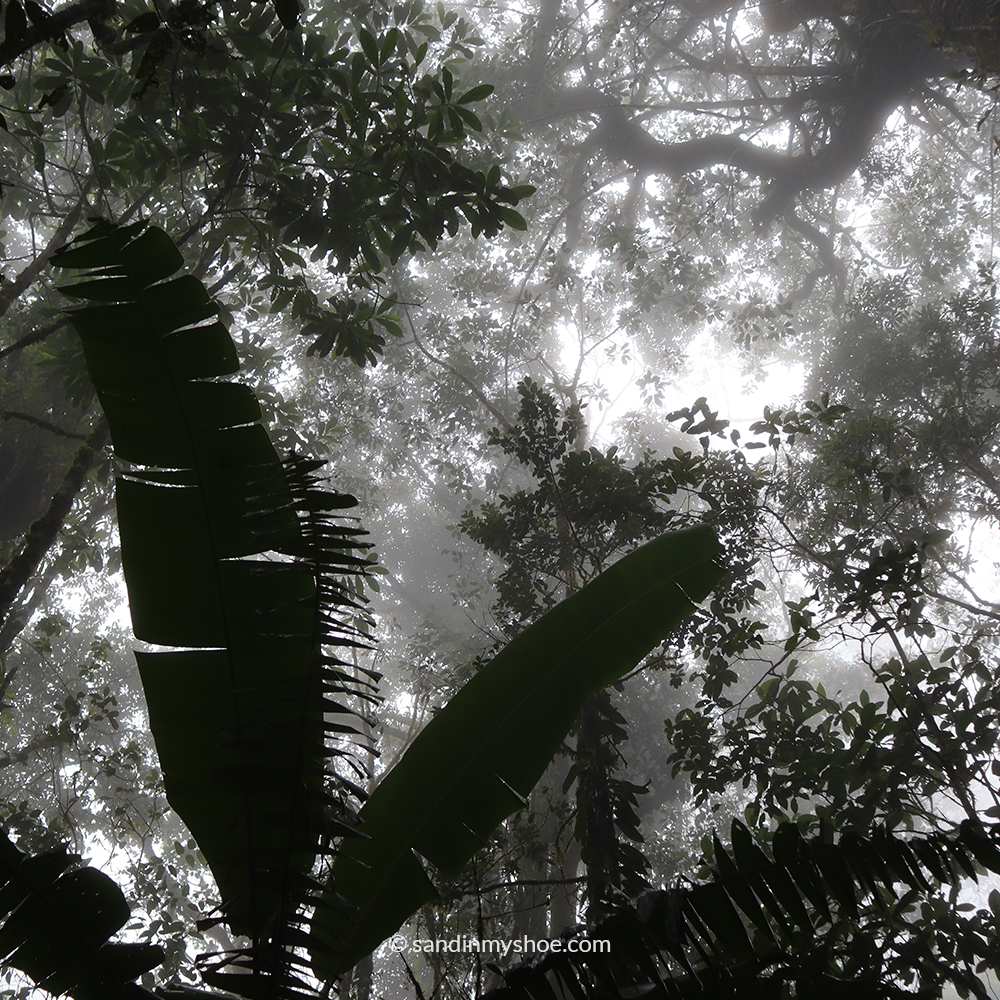
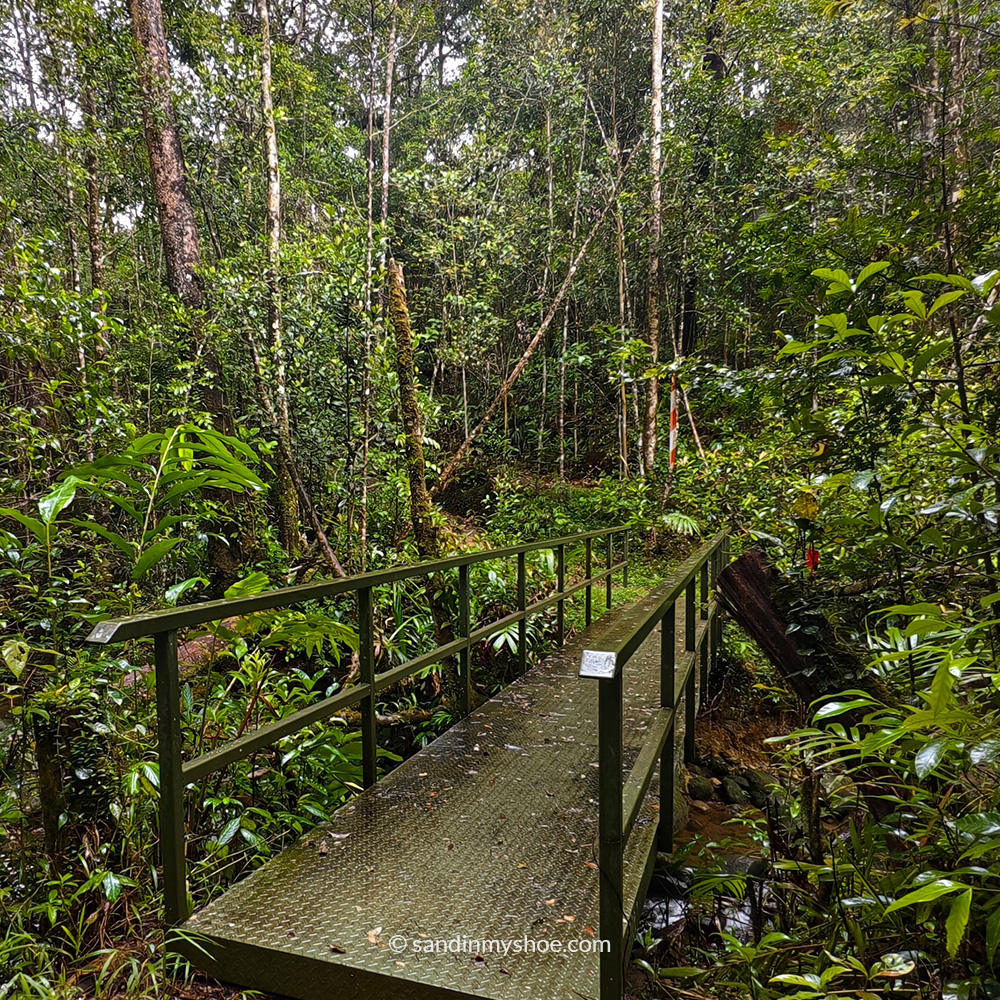
The longest trail in the park is about 5 km, but it was closed due to landslides when I visited — something that happens occasionally in this region, especially after heavy rain. But it’s easy to hike through several shorter routes to make the hike longer.
There’s also a botanical garden, home to a variety of unique plants, including insect‑eating species that are always a hit with visitors. Tip: Visit the botanical garden around 15:00 to avoid the big tour‑bus crowds that tend to arrive earlier in the day.
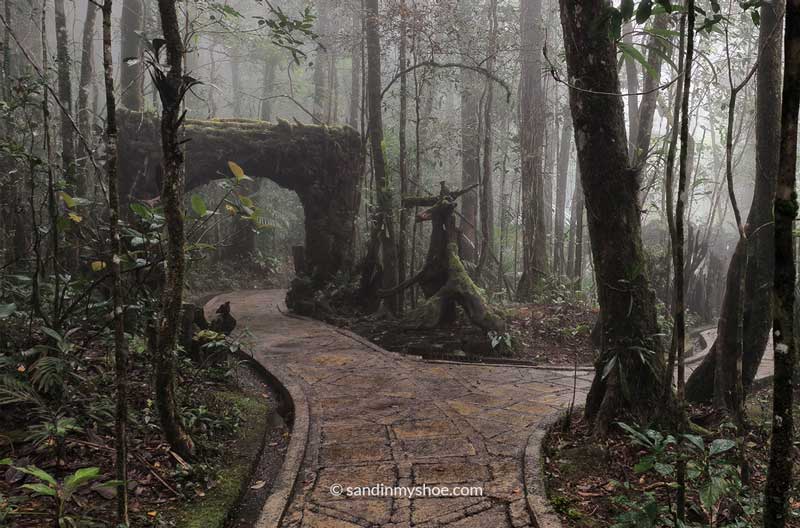
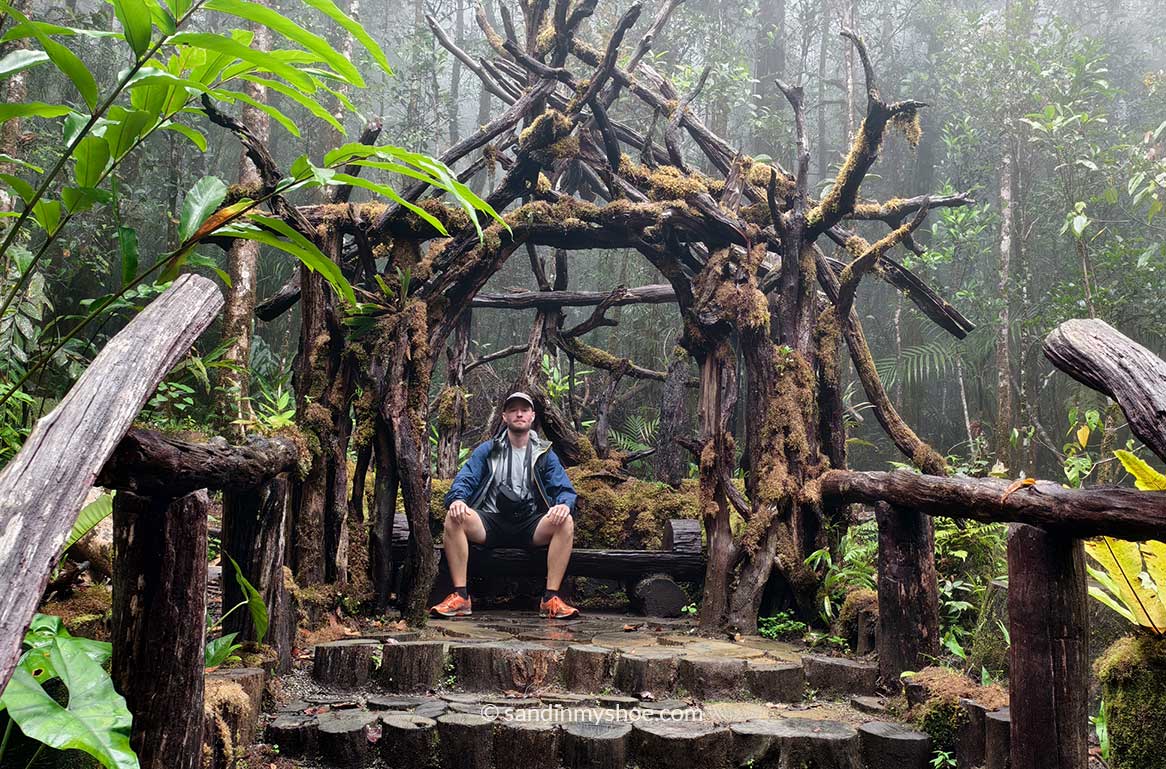
If you enjoy slow, quiet nature walks, Kinabalu Park is one of the easiest and most rewarding places to spend a few hours. The cool climate makes hiking here especially pleasant compared to the lowlands, and the forest feels refreshingly untouched.
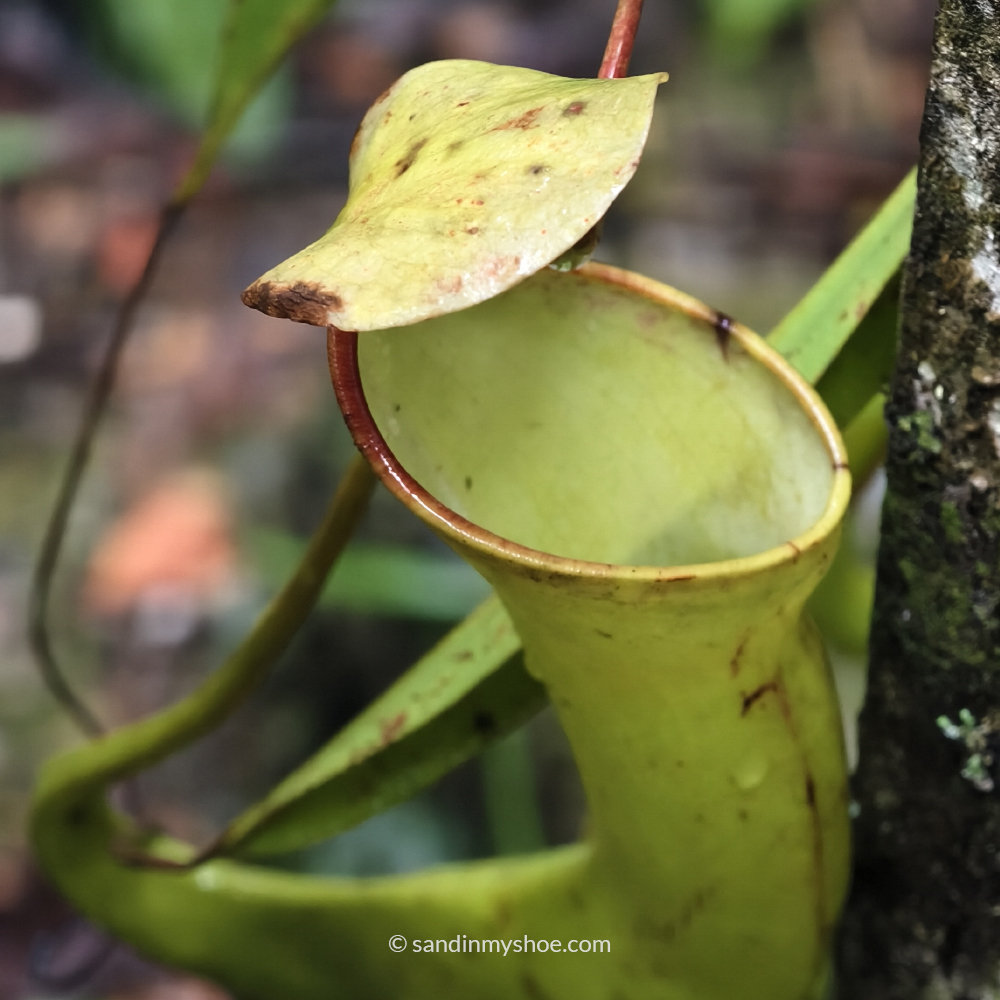
The entrance fee for non‑Malaysians is RM50 (~$12 USD), which is a bit pricey considering many countries offer similar nature experiences for free — but the scenery and atmosphere still make it worthwhile. For malays it’s just RM10 (~$2.5 USD)
Get Breakfast at the Center of Kundasang
The “center” of Kundasang is the round building where you’ll find a handful of small shops, an ATM, taxi drivers waiting for customers, and a few simple restaurants. It’s nothing fancy, but it’s the best place to get very inexpensive local food.
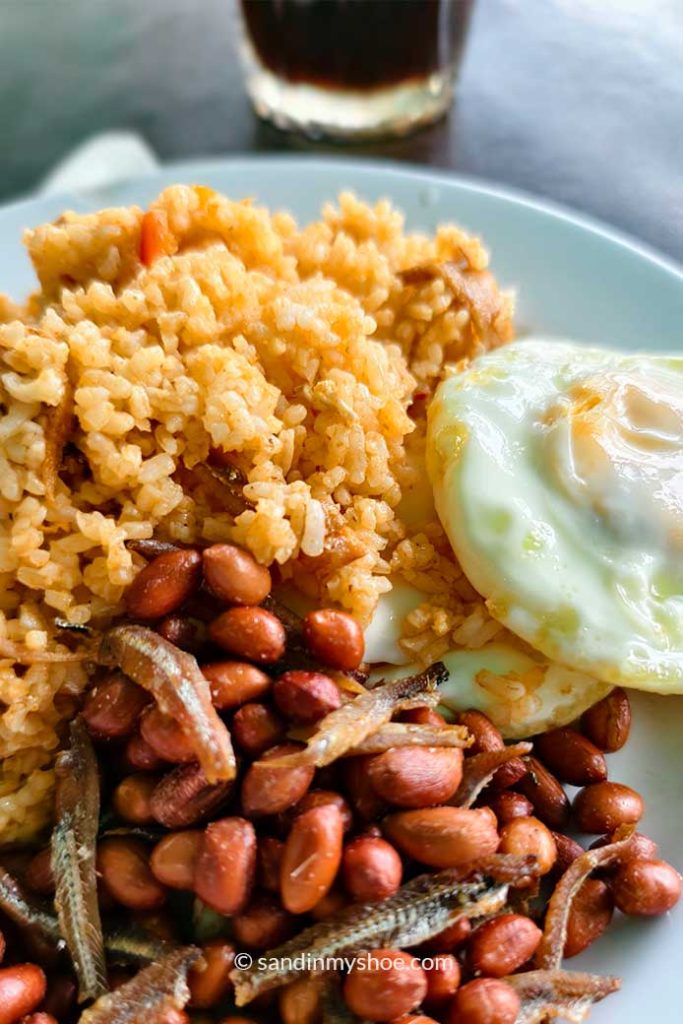
I paid RM5 for a filling breakfast — and it even included a coffee. As someone who appreciates a good deal, I was genuinely shocked. It’s one of those places where you sit down, eat well, and wonder how it can possibly be that cheap.
If you’re staying nearby, it’s the perfect spot to fuel up before heading out for hikes or sightseeing.
Hike Sosodikon Hill (Don’t)
Sosodikon Hill is a small hill in Kundasang that locals seem to make quite a fuss about. The hike itself is extremely short — it takes about 10 minutes to reach the top — and, of course, there’s an entrance fee. The views are decent, but nothing you won’t see elsewhere in Kundasang, and the experience feels a bit overhyped. If you’re looking for a real hike, this isn’t it.
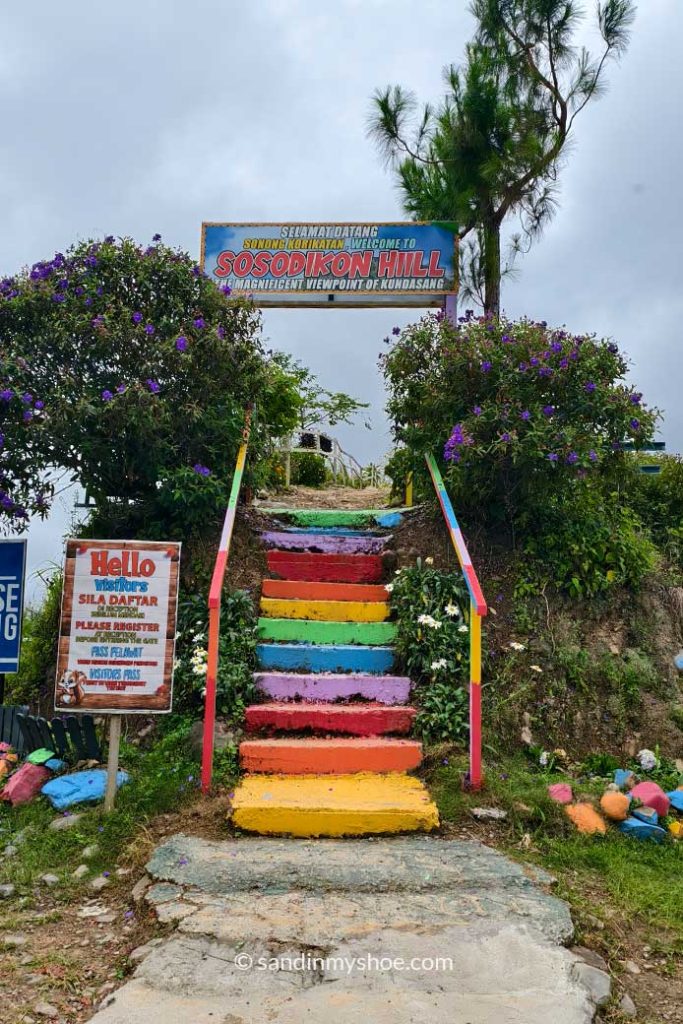
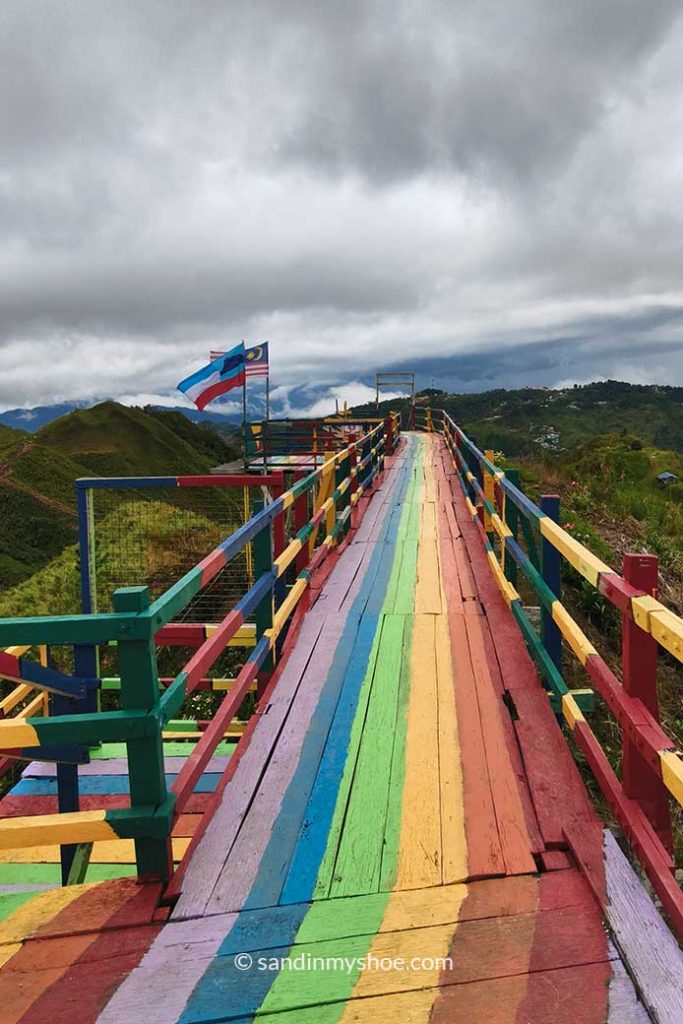
If you want a very small, quick walk just to stretch your legs, then sure, this one works. Otherwise, you can safely skip it and spend your time on more rewarding trails like Maragang Hill or the ones in Kinabalu Park.
Hike Maragang Hill
Maragang Hill is often recommended as one of the best alternatives to summiting Mount Kinabalu. It still requires a permit and a guide, and the views from the top are known to be impressive — especially the close‑up angle of Mount Kinabalu that many hikers rave about.
I didn’t hike it myself, but I spoke to several travelers who did, and they all said the same thing: it’s a moderate, manageable hike with a big payoff at the summit. Most people reach the top in about 1–1.5 hours, making it a solid middle‑ground option between the tiny hills and the full mountain climb.
The guiding requirement feels a bit unnecessary, but that’s how things work in the area. At least the guides are friendly and know the trail well.
If you want a rewarding viewpoint without committing to the full Mount Kinabalu summit, Maragang Hill is the one most people choose.
Summit Mount Kinabalu
Summiting Mount Kinabalu is challenging as the trail climbs to 4,095 m (13,500 ft) above sea level, with an overnight stay at a mountain hut around 3,200 m (10,500 ft) before the final push to the summit at sunrise. If you have the budget, it’s absolutely worth considering.
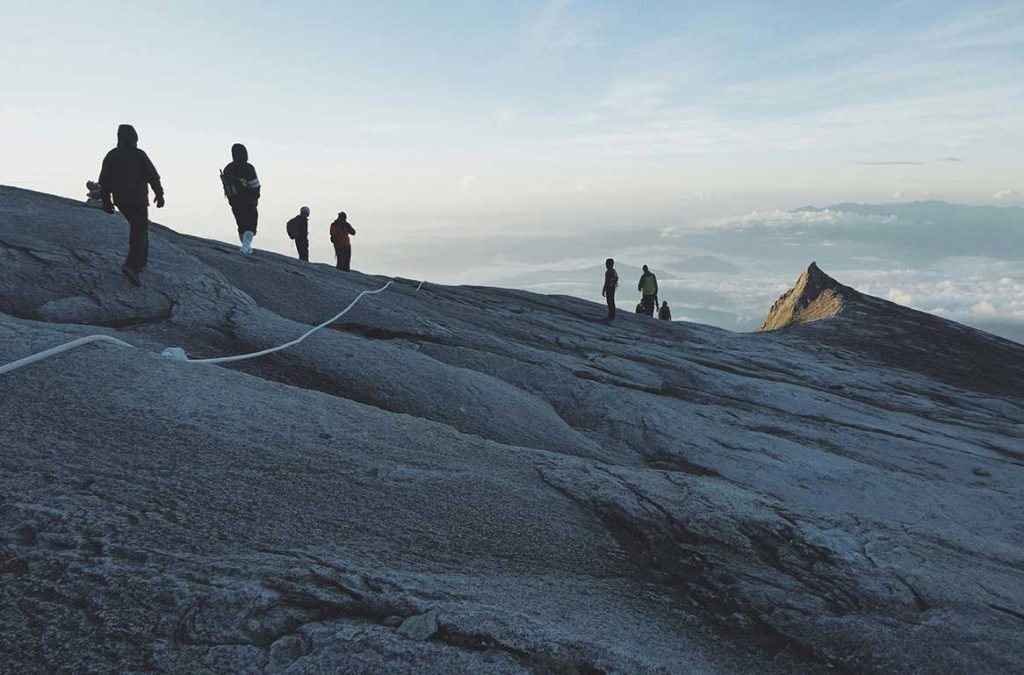
For non‑Malaysians, the full 2‑day climb costs around $500 USD, which includes the mandatory guide, the permit, and the overnight stay on the mountain. It’s cheaper if you book in advance. If you’re ready to take on the climb and the cost, this is one of Borneo’s signature experiences. The Klook operator is rated 4.7/5 with over 1,000 bookings.
 view tour on klook
Visit Desa Cattle Farm
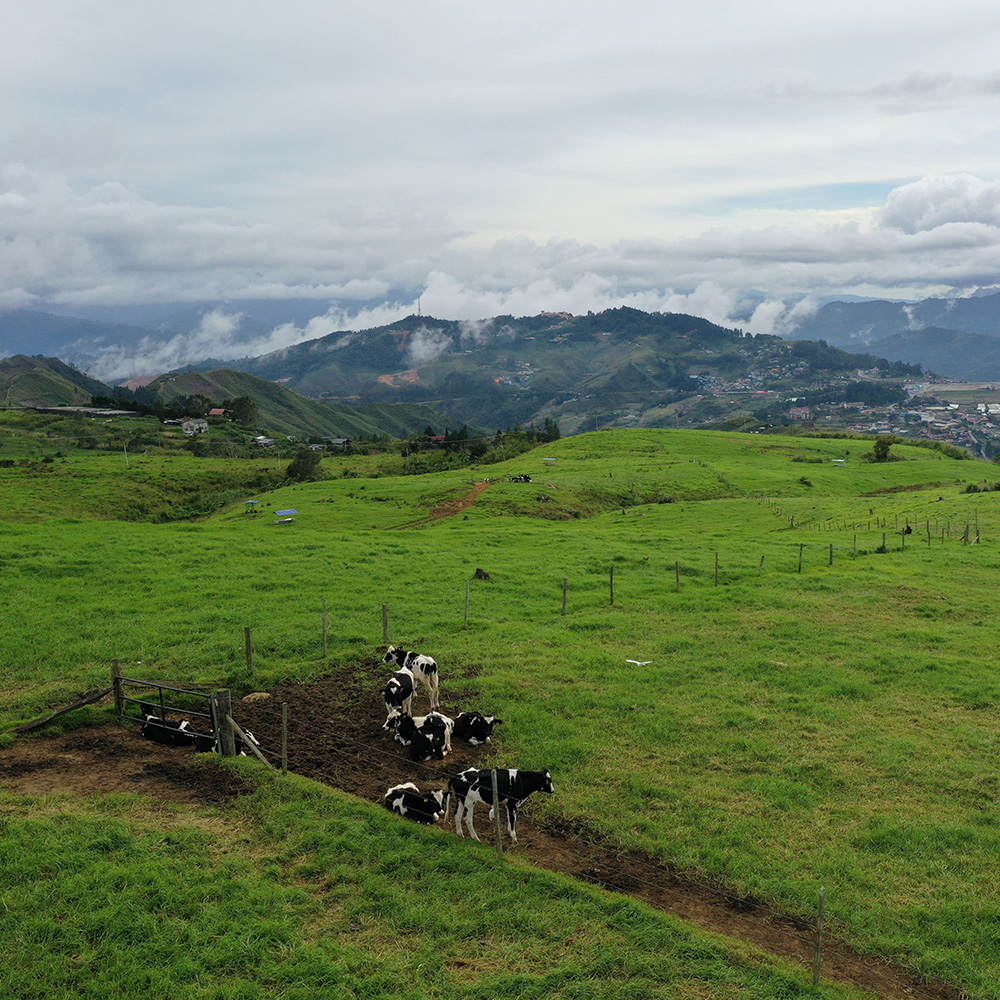
Desa Cattle Farm is one of Kundasang’s most popular stops, mostly because of its dramatic setting — green rolling hills, cool highland air, and cows grazing with Mount Kinabalu in the background. It’s often compared to “a little New Zealand,” and while that’s a stretch, the scenery is undeniably pretty.
If you’ve never been around dairy farms, it’s a fun and photogenic place to wander around for half an hour. There’s a small shop selling fresh milk, ice cream, and yogurt, which is what most visitors come for anyway.
If you’ve already seen plenty of cows in your life, you might find the experience a bit underwhelming — but the views alone can make it worth a quick stop.
Visit Alpaca Petting
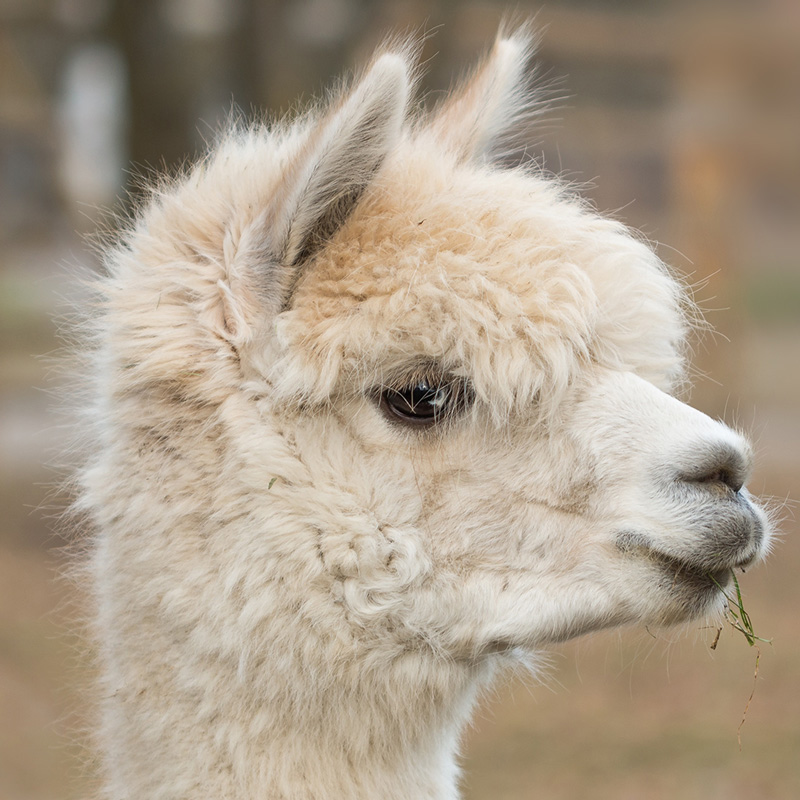
Yes, there are alpacas in Malaysia. The Alpaca Club is small, but the animals are cute, fluffy, and surprisingly friendly. You can pet them, feed them, and take photos — it’s very much a lighthearted, feel‑good stop.
It’s great for families, couples, or anyone who just wants a little mood boost between hikes. Don’t expect a huge attraction; think of it more as a short, wholesome detour that adds a bit of charm to your Kundasang itinerary.
Poring Hot Springs
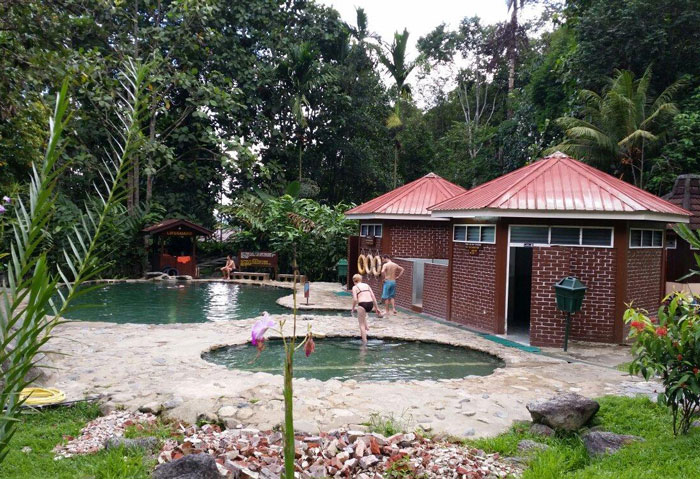
After a full day of hiking in the cool highland weather, Poring Hot Springs is the perfect place to give your legs a break. The pools are artificial outdoor hot springs, fed by naturally warm sulphuric water, and you can choose between private tubs or shared public pools depending on how much privacy you want.
The area is bigger than you might expect, with shaded paths, picnic spots, and a few side attractions. If you still have energy left, there’s a canopy walk nearby that takes you through the treetops — a short but fun detour if you’re not done exploring just yet.
It’s not a luxury spa by any means, but it’s a relaxing way to unwind after a long day on the trails, and a classic stop for anyone visiting the Kundasang–Ranau area.
What to Know Before Visiting Kundasang
The Practical Things
- Most hikes require a small fee. Even the shorter trails often have an entrance charge, usually collected by local landowners.
- Summiting Mount Kinabalu is expensive. The climb requires a permit, a guide, and an overnight stay — expect around $500 USD for the full experience as a non‑Malay solo climber. It’s cheaper if you’re in a group.
- People are incredibly friendly. Locals often go out of their way to help — it’s part of what makes Kundasang memorable.
- Evenings are quiet. After sundown, there isn’t much to do besides dinner and an early night. Kundasang is very much a wake‑up‑early kind of place.
- Bring cash. There are ATMs, but they can malfunction or run out of cash at times.
When to Visit Kundasang
Kundasang sits higher in the mountains than most stops on a typical Borneo itinerary, and because of that elevation, it’s generally a cloudier, cooler place. Clear views of Mount Kinabalu aren’t guaranteed — the mountain often hides behind clouds for most of the day.
 20°C
6°C
21°C
7°C
20°C
6°C
21°C
7°C
 23°C
9°C
25°C
10°C
23°C
9°C
25°C
10°C
 27°C
13°C
26°C
13°C
26°C
12°C
26°C
12°C
26°C
11°C
25°C
11°C
22°C
9°C
20°C
7°C
27°C
13°C
26°C
13°C
26°C
12°C
26°C
12°C
26°C
11°C
25°C
11°C
22°C
9°C
20°C
7°C
The best time for clear views in Kundasang is March to July, when the weather is more stable and mornings tend to be brighter. Even then, clouds can roll in quickly, so early starts are your best friend.
What to Pack
It’s a good idea to pack layered clothing—like a warm jacket, long-sleeve shirts, and pants—to stay comfortable. If you’re visiting during the cooler months or planning early morning or evening activities, bring extra warm items like a hat and gloves. Don’t forget sturdy shoes for hiking and exploring the area.
How Many Days to Spend in Kundasang
If you’re not climbing Mount Kinabalu, two full days is enough. Even one single full day can work—just follow the Day 1 itinerary and throw in the alpaca visit if you have time.
Itinerary for Kundasang
Day 1
- Morning: Visit Kinabalu Park
- Lunch
- Afternoon: Soak in the Poring Hot Springs
Day 2
- Morning: Hike Maragang Hill
- Lunch
- Afternoon: Visit the alpacas and cattle farm
Getting Around in Kundasang
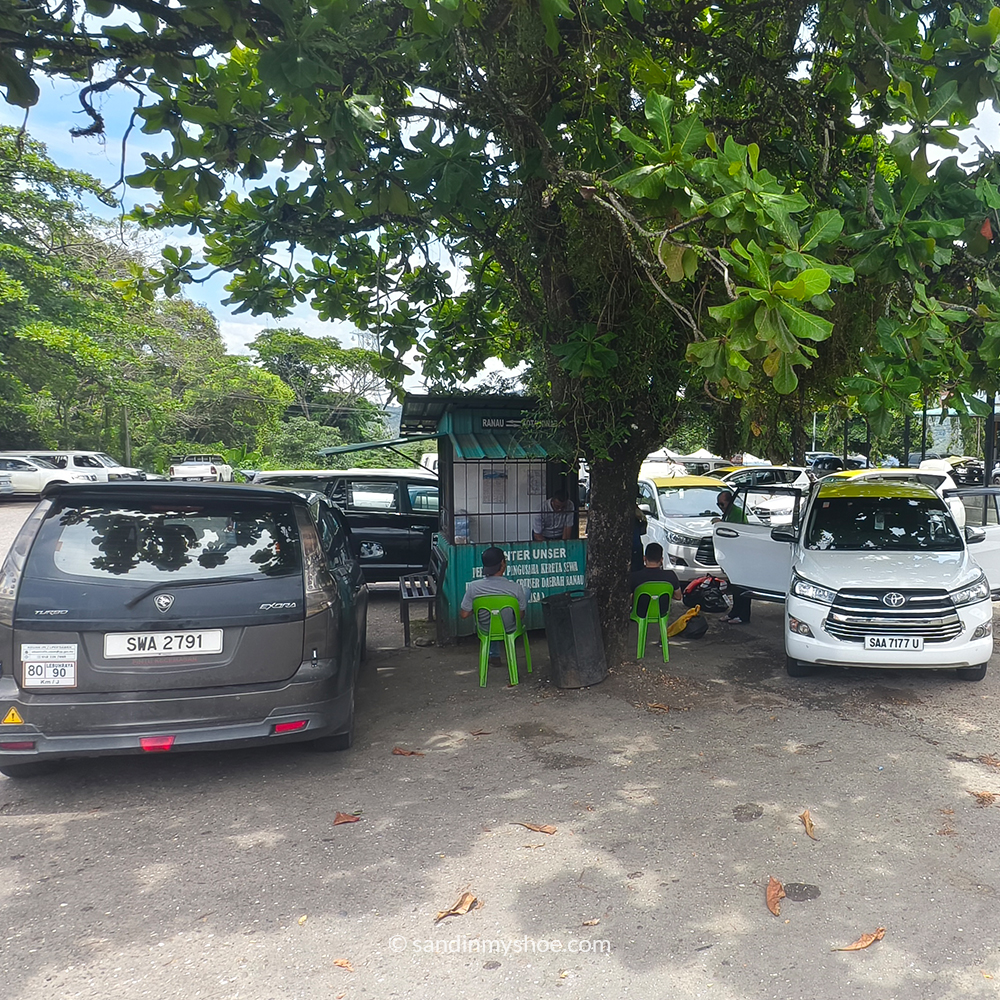
There’s no Grab and no real public transport in Kundasang, so getting around requires a bit of planning. Your best bet is to hire a local taxi. You’ll usually find drivers near the market or along the main road. Just negotiate the fare beforehand, as there are no meters — and yes, you’ll need to haggle. Rates vary depending on distance, time of day, and how busy things are.
Another option is renting a motorbike, which gives you the most freedom. If you’re not on a tour, having your own transport makes a huge difference. The sights in Kundasang are spread out across the hills, and walking between them isn’t realistic. Public transport is extremely limited, so a bike or taxi is essential if you want to see more than just the town center.
Getting to Kundasang
From Kota Kinabalu to Kundasang
It’s easy to get to Kundasang from Kota Kinabalu. Just head to the Inanam Bus Terminal and take a bus bound for Ranau or Kundasang. (Ranau is the larger town located beyond Kundasang.)
Cost: Around RM45 ($11).
 book transport with 12go
From Kundasang to Kota Kinabalu
There are several options for a return trip, but it’s harder to catch a bus from Kundasang, so I’d recommend getting one from Ranau to be on the safe side of actually arriving to Kota Kinabalu.
- Bus or van from Ranau bus station: The bus station is near the night market. This is the most reliable option, with more frequent departures. Vans leave when they are full. Vans from Ranau usually fill up faster and leave more frequently due to higher demand, so heading there first could save you time.
- Flag down a van: Stand near the main road in Kundasang and flag down vans going to Kota Kinabalu. Many vans are happy to pick up passengers if they have space.
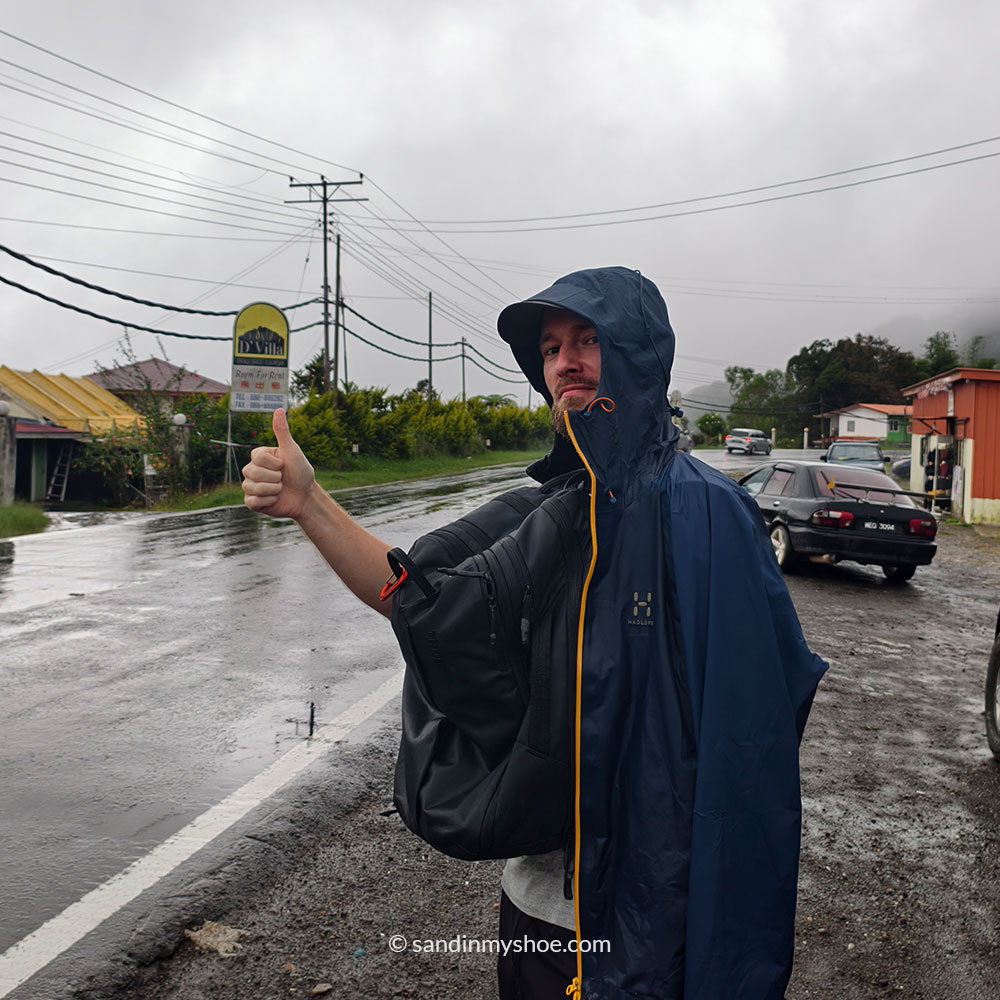
- Minivan from the vegetable and fruit market in Pekan Kundasang: There’s a small van stand here, but because fewer people leave from Kundasang, it can take a while for the van to fill up. I waited for over an hour before hitchhiking to Ranau and catching a van from there — which worked out just fine.
Wrap-Up
Even if you’re not summiting Mount Kinabalu, visiting Kundasang is refreshing thanks to its higher altitude and cool mountain air. It’s a peaceful countryside escape with friendly locals, scenic views, and plenty of small hikes to choose from.
Kundasang is an easy stop for families, casual hikers, and anyone who enjoys quiet nature, fresh produce, and slow mornings. It’s not a place for nightlife or shopping — but that’s exactly why it feels so relaxing. After days of wildlife, diving, or city exploring elsewhere in Borneo, Kundasang is the perfect place to slow down, breathe, and enjoy the highland calm.
However, if you’re short on time, it’s worth prioritizing Borneo’s main highlights: Kinabatangan River Cruises for wildlife spotting, Semporna for world‑class diving and snorkeling and Sepilok for the orangutan rehabilitation center and sun bear conservation. If you’re still shaping your Borneo route, have a look at my 10‑day Borneo itinerary as well.
Check out my other Sabah guides: Travel Guide Semporna and Things to Do in Sepilok and Sandakan.
Kundasang is lovely, but it’s more of a secondary stop.


Can you give a cost breakdown of the 2 day itinerary? and are local taxis available easily? a solo female traveller
Sure. For a 2-day Kundasang trip, around 80-100 usd is enough. That includes the bus from Kota Kinabalu and back, basic lodging for two nights, local taxis, entrance fees, and meals. For taxis, many drivers wait at this spot: https://maps.app.goo.gl/B4aPvcAeyWjfJ28U8 — just be prepared to haggle firmly. :)