

Full disclosure: I know Boracay is praised to be one the best beaches, but I skipped it because I’ve heard it became way too touristy years ago. I’m sure has its beautiful beaches, but I prefer beaches tucked away from resorts and people selling you stuff, beaches without hotels on the sand or vendor every few steps. Those quieter beaches are getting rarer; once a spot gets popular, money follows and the shoreline fills with hotels and little stalls.
Beachside Gangs and the Coconut Stall
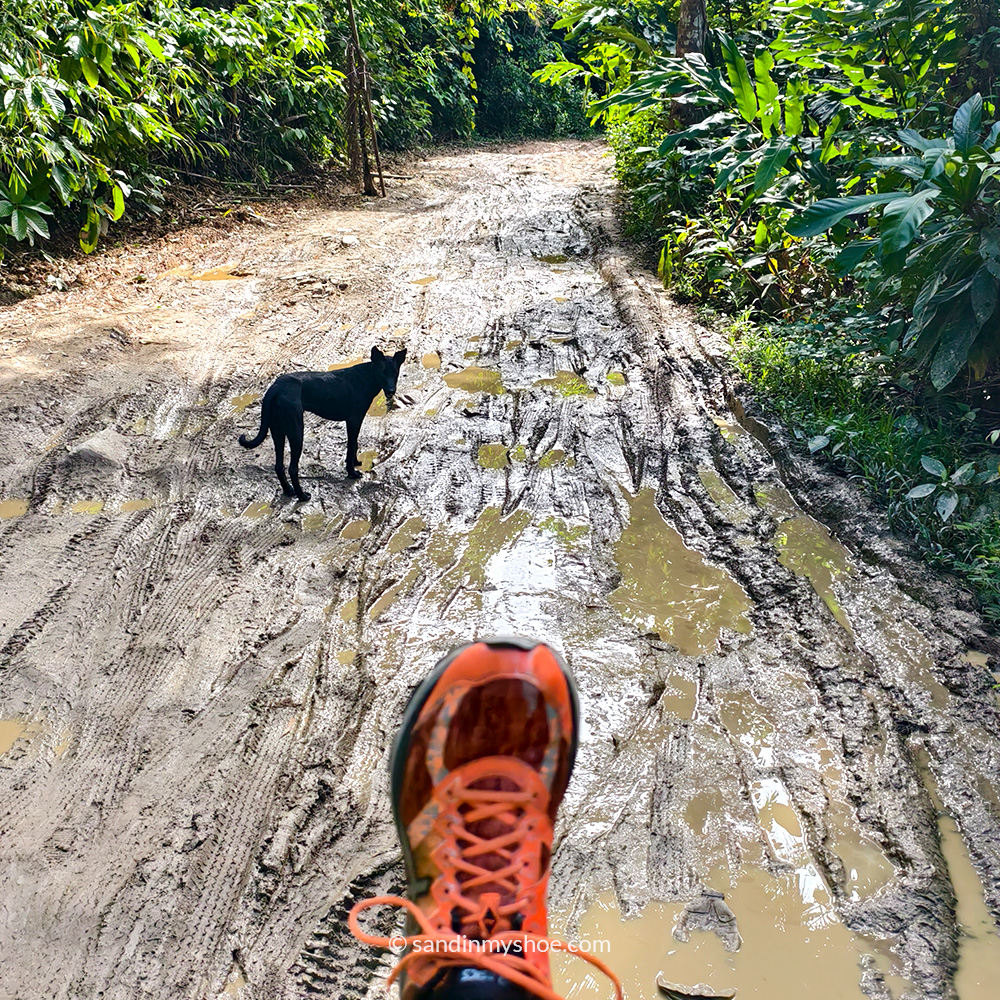
I was led by a stray dog from the village along a muddy dirt road, sidestepping puddles left by yesterday’s rain. Surrounded by light jungle on both sides, I kept my eyes on the ground to avoid slipping. I didn’t know what to expect from the beach, but after twenty minutes of watching my feet I looked up and the dirt road had transformed into a stunning white sand beach.
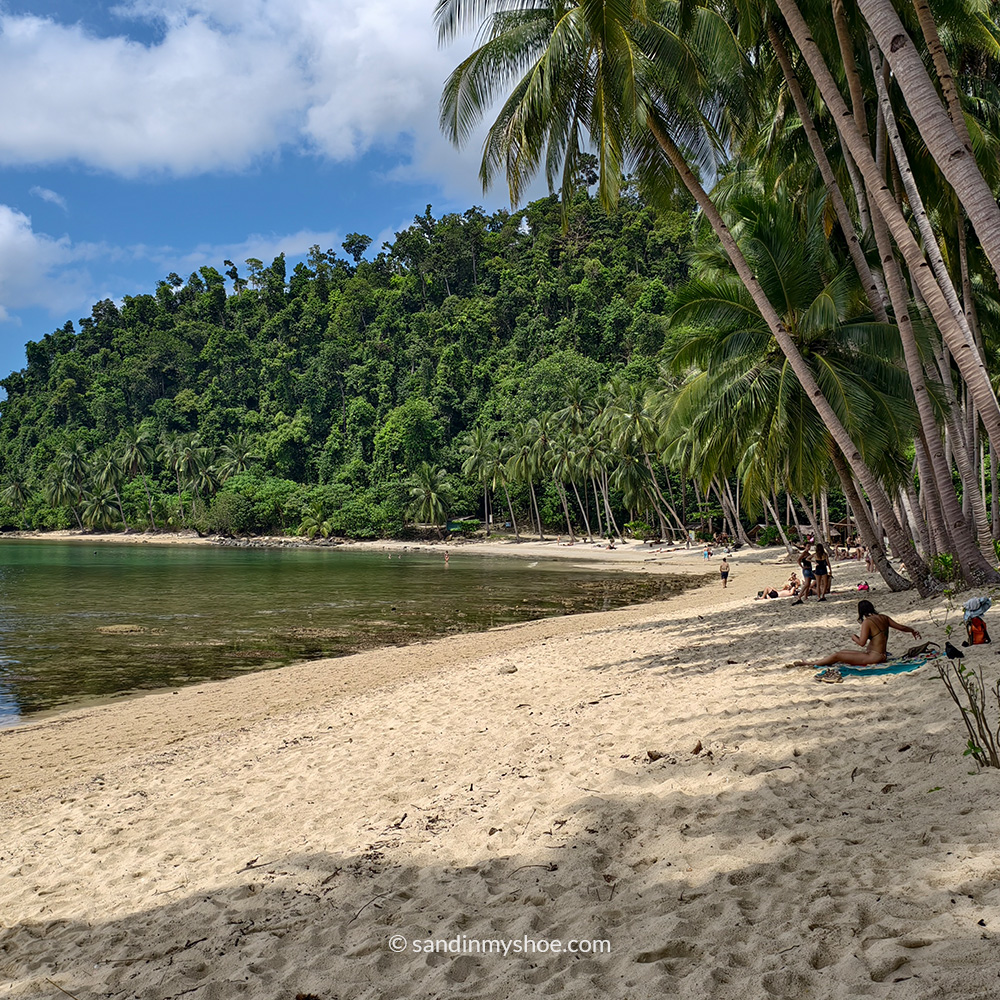
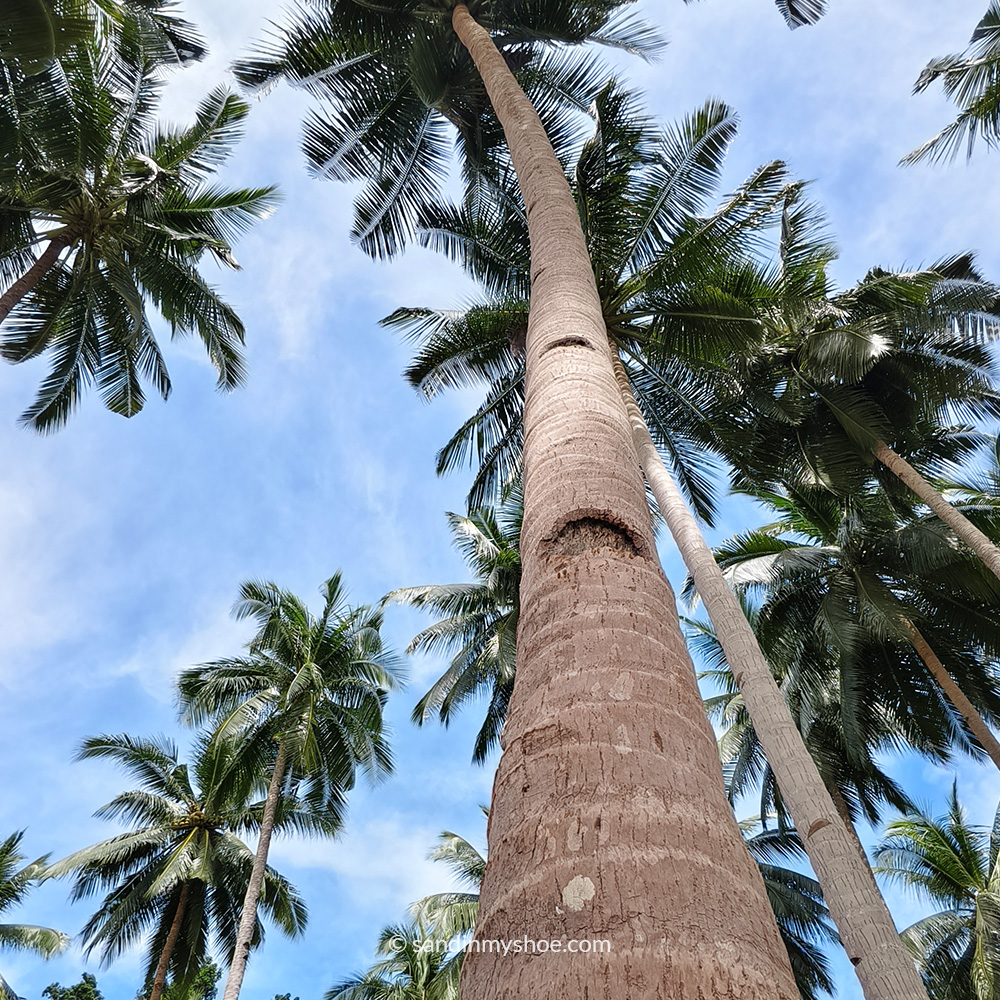
Some coconut palms stretched their necks toward the white‑sand sea, while others stood tall inland. They all shared one job: feeding the pigs that roamed the beach. Although there were other animals running around such as dogs, cats, and chickens, the pigs stole the show.
The pigs seemed the cleverest animals on the sand, traveling in loose gangs that looked like families. Groups ranged from hogs my size to piglets no bigger than strips of bacon; I couldn’t tell if they were different breeds or just different ages.
There was a laidback shop at the beach, where they sold coconuts.
“Hello—how much for a coconut?”
“Eighty pesos, only.” She warned. “The pigs eat the coconuts and your snacks if you leave them unguarded.”
“Thanks for the tip. Do you eat the pigs?”
“No, they’re sold when they’re fat enough.”
After I bought my coconut I sat on the sand. The pigs came close, but I guarded my drink and kept it to myself. A little later, sunbathing tourists became the pigs’ preferred targets: the animals would snatch bananas and eat them gloatingly in front of the tourist; I couldn’t help laughing. I loved having pigs on the beach — some lounged like sunbathers while others raided bags — the small, messy adventure made the beach lounging feel alive.
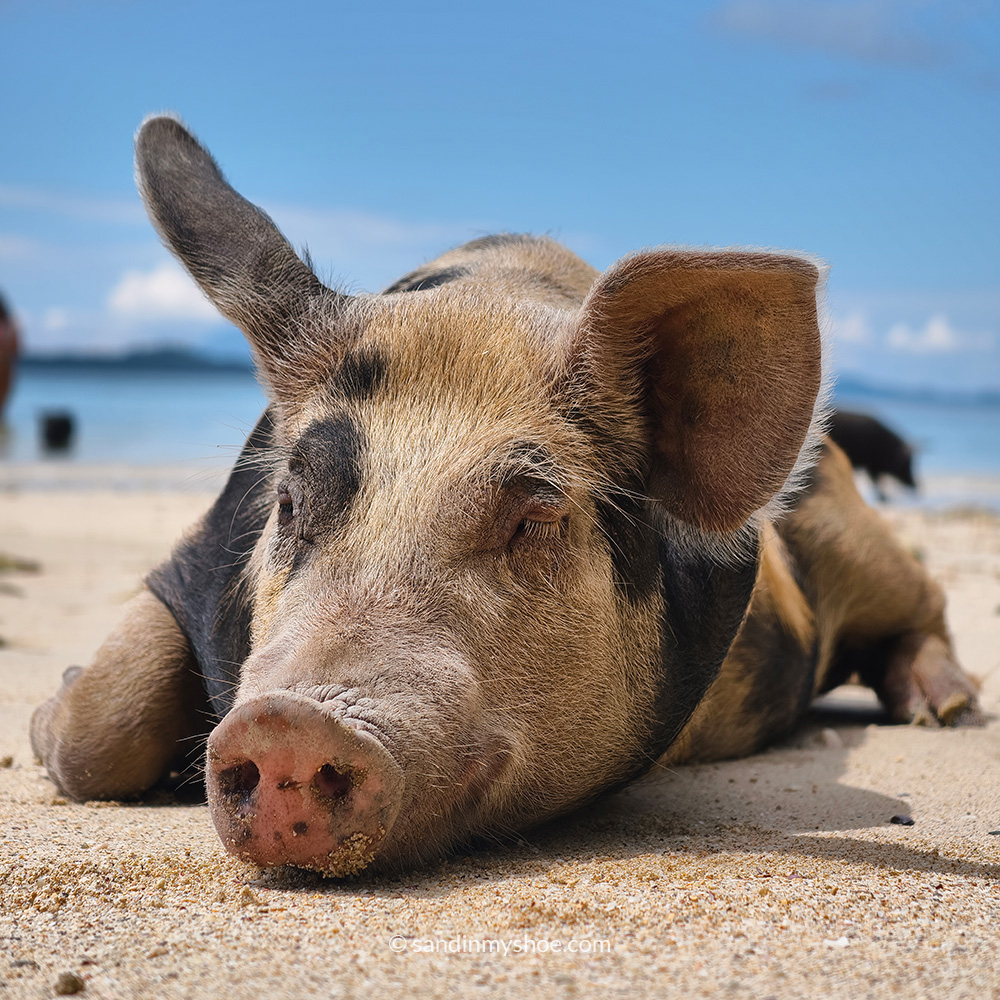

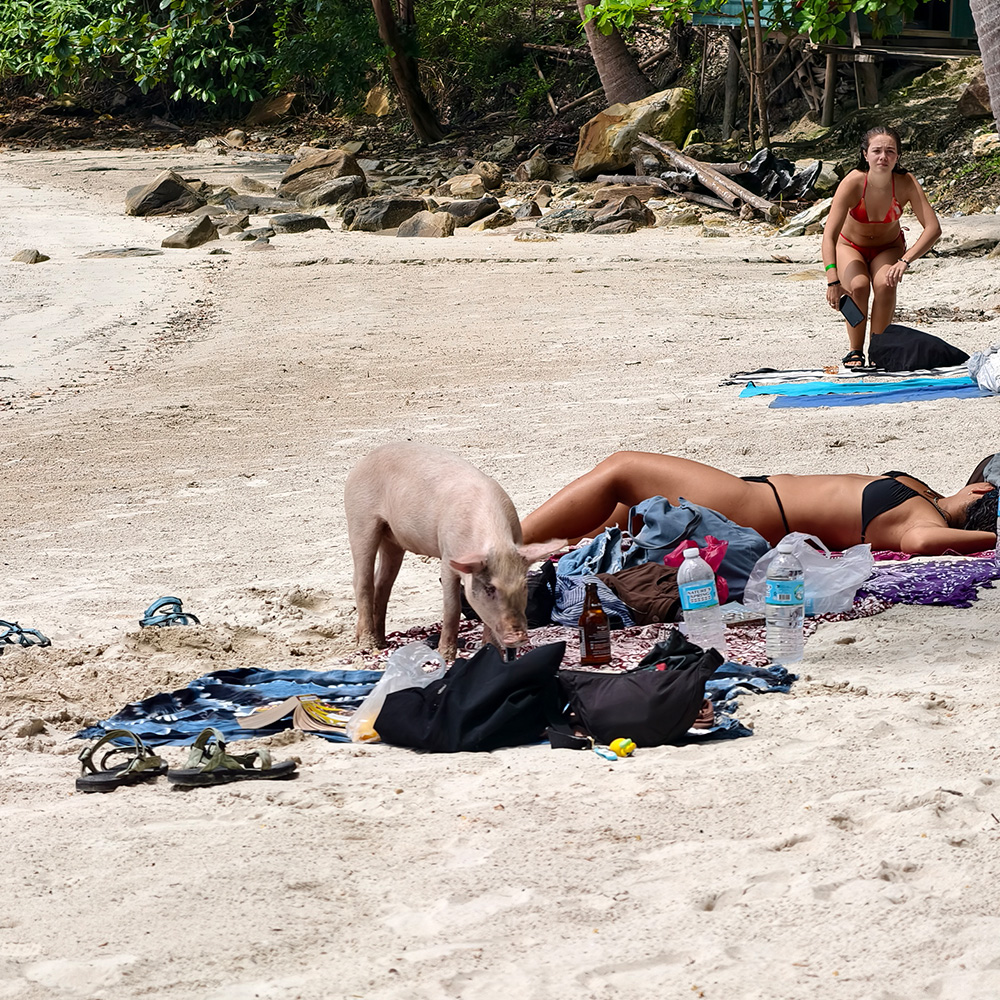
In hindsight, the pigs were a perfect business tool for the shopkeeper: they drew curious tourists to the beach, who were happily ransacked of their snacks and left with a story to tell while the pigs grew fatter with every raid — later sold by the shopkeeper for profit. A smart investment indeed.
So.. the name of the beach is Coconut Beach and it’s located in a small village called Port Barton on the Palawan’s west coast between Puerto Princesa and El nido. The small village triples its population during high season and is expensive compared to other parts. For me this is the best beach in Palawan — mostly because of the pigs, but also for its postcard-perfect strip of sand and crystal blue water.
WARNING: Be careful before swimming — there may be box jellyfish in the area. Their stings are highly venomous and can require urgent medical attention, so check with locals in Port Barton before you go into the water.
After Coconut Beach I walked to White Beach, about twenty minutes away. There are no pigs here, but bold wild goats that will raid your bag if you’re not careful. At sunset a taxi boat arrived from Port Barton to shuttle people back to the village; you can return either by boat or by land taxi. I decided to walk back along the shoreline. The walk takes roughly forty minutes, but with the sun setting over paradise it felt like ten. Beware, the rocks are razor‑sharp and a slip in flip‑flops can draw blood, so if you decide to walk as well be sure to wear sneakers.
How to Get to the Best Beach in Palawan
You have several option to get to Coconut Beach and White Beach: you can walk, take a motorbike or tuk-tuk or hop on a boat. View Coconut Beach on Google Maps.
- Walking: It takes about 20 minutes to reach Coconut Beach, and another 20 minutes to White Beach. I’d recommend wearing sneakers, as the path can be muddy and uneven. Also if you decide to walk back along the shoreline, as I did, be careful — the rocks sharp, and wearing slippers could lead to injury.
- Boat taxi: Very comfortable ride with great views. Last one leaves around sunset. The cost is roughly PHP150 (~$2.5) for one‑way.
- Motorbike taxi or your own motorbike: Motorbikes handle the bumpy road the best.
- Tuk‑tuk: Larger vehicles are usually uncomfortable since the road is very bumpy.
How to Get to Port Barton
From Puerto Princesa, expect a 3–4 hour journey to Port Barton by van or bus. During high season, prebook transport to secure a seat. A one‑way trip costs roughly $10.
Notice: Bring enough cash to Port Barton — ATMs can be unreliable, and even if you find one, the fees are often high. Many restaurants and stalls accept pesos only. Also, expect tourist markups in Port Barton.
Wrap-up: Why This Is the Best Beach in Palawan and Should Be on Your Itinerary
If you try to recall every beach you’ve visited, how many distinct memories come to mind? For me, many beaches blur together—sunbathing and similar moments fold into one another—yet this beach truly leaves a mark: not only is it a stunning place with soft white sand, turquoise water, and palm‑fringed shores, but pigs that roam the beach and steal your snacks while you swim turn ordinary moments into satisfying memories.


Been to both this week, coconut great but way too rocky for swimming. It’s a great walk over the headband to white beach, perfect.
But today we visited nacpan Beach, El Nido far far better. Even better than boracay. Amazing, miles white sand, perfect swimming. Sunbeds even, 400 pesos for two.
Booked the van from el Nido, 700 pesos each. Tomorrow Lio beach, keep you posted.
Hey David!
Some parts are a bit rocky indeed. Lio Beach is nice too! Consider renting a motorbike for a couple of days, leaving your big bag behind in El Nido, and heading out with just a daypack. That way you can check into a hotel wherever the sun happens to set and continue your exploration from there the next day, without having to drive back to El Nido every time.