

The Image
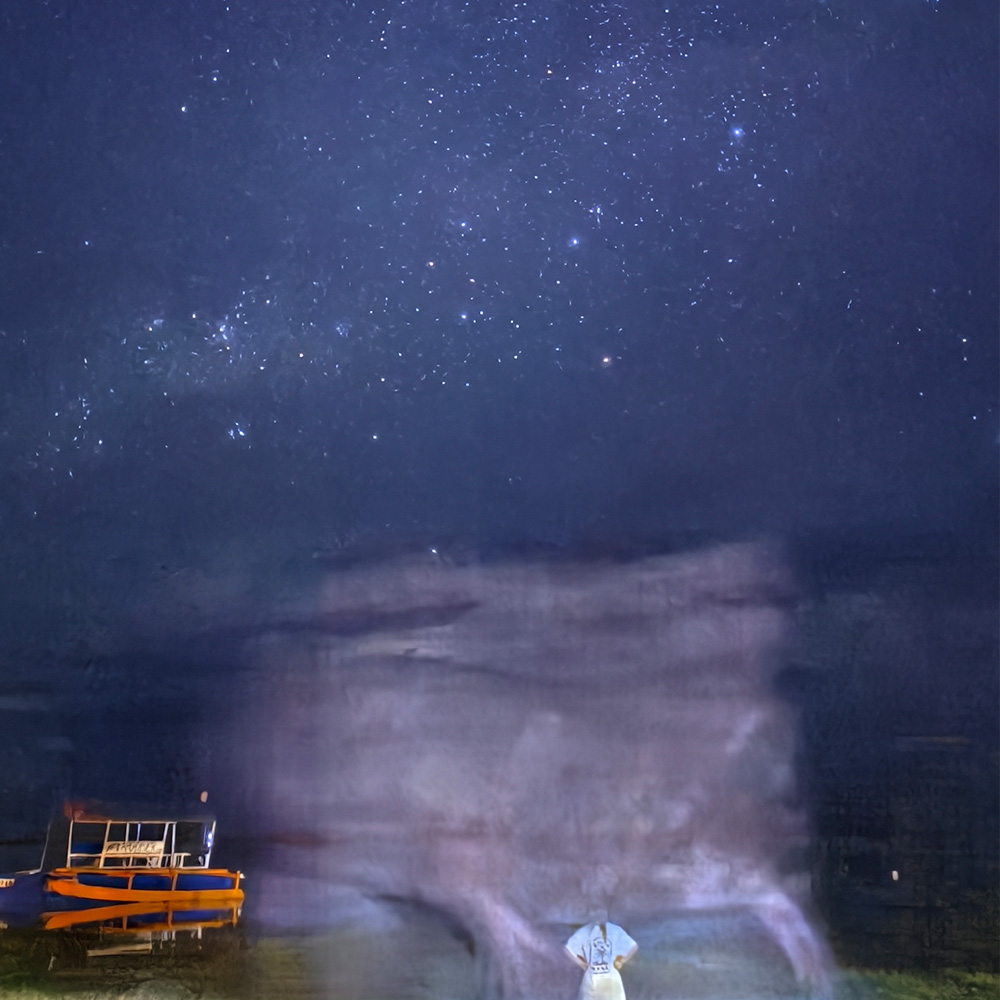
It was my second day on the island. After watching the sunset Cangbusyo Beach, I stayed behind with some people I’d met. I tried to capture the starry night and the shoreline with my phone, but without a tripod, it was tricky to get a decent shot.
After couple of shots, I look through the photos and saw that one of the photos turned out very weird. It gave me the chills, but as logical person I dismissed it as a result of long exposure and blur gone wrong. I didn’t think much of it again until I started reading about Siquijor’s history and the mythology of the Philippines.
For me, the blurry creature picture looks a like a mix of a human and an animal and the creepiest part of the photo are the clear hands. And in Filipino mythology, that points to one particular creature..
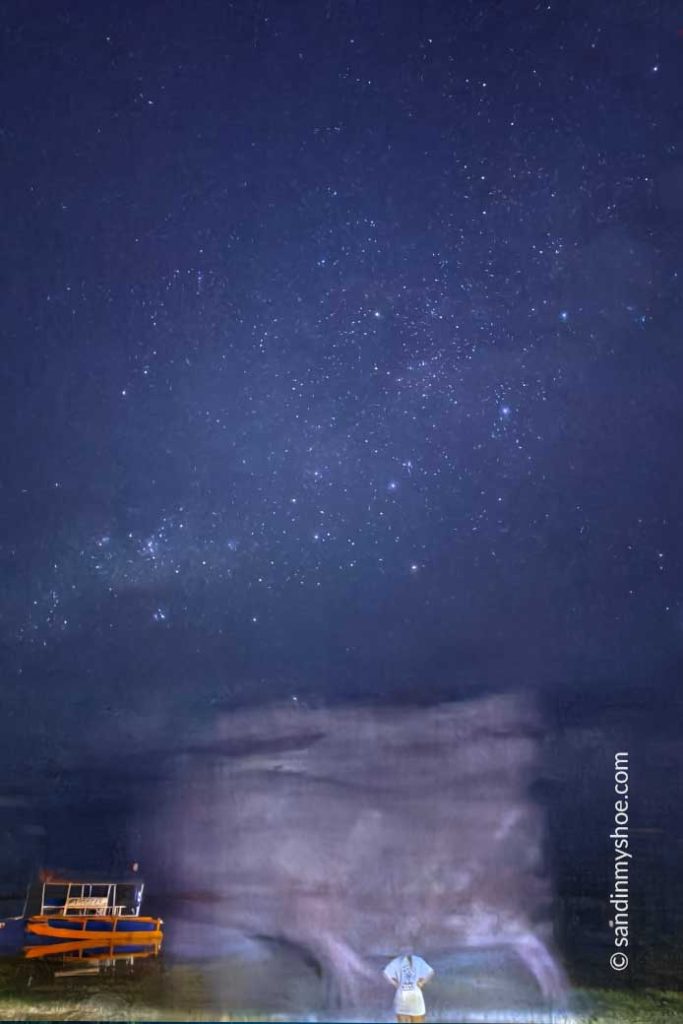
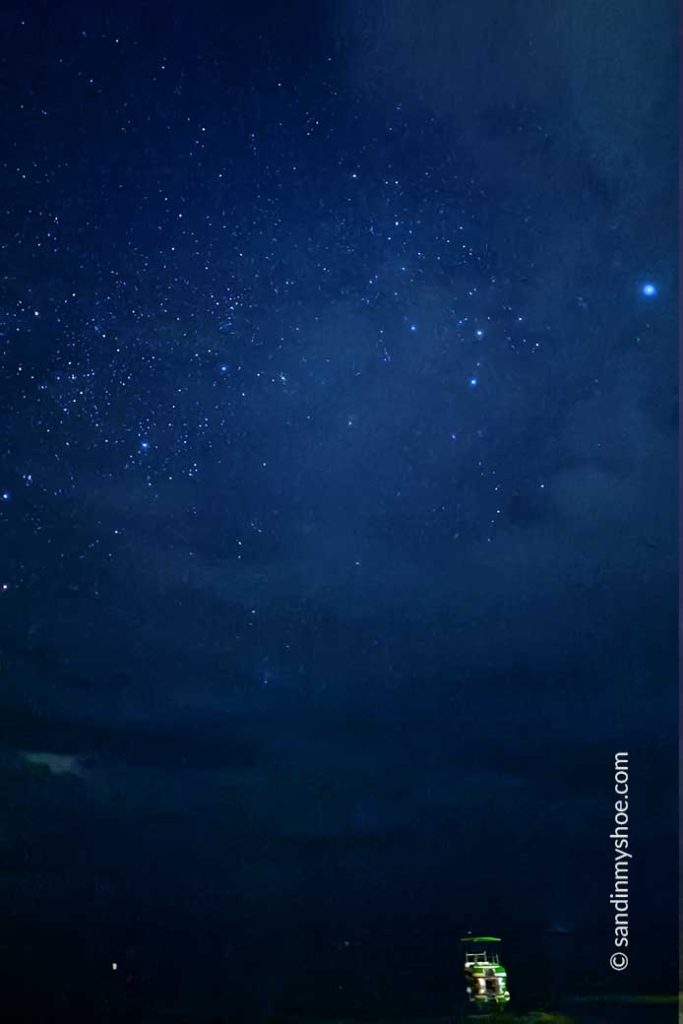
If you want to try to recreate it. Here’s the exact spot: Google Maps link.
History of Witchcraft in Siquijor
I had no idea when I traveled through Siquijor that, of all the 7,000+ islands in the Philippines, this small island in the heart of Visayas has the most persistent reputation of witches and spirits.
This rumor started already during the Spanish colonization in the early 1600’s. Back then the island was on the main trade route in the Visayas. At one point crew members of the ships started to feel sick and dropped by Siquijor for help from the locals. After getting help and learning their process of traditional healing, which included herbal medicine, chanting and rituals, the Spaniards started to view them as witches. The perception was then amplified from glowing fireflies at night all around the island. So the Spaniards eventually left and the rumour started.
Today, the witches of Siquijor are known as Mananambal, locally known as healers, and are descended from the Bolo Bolo tribe. There are various supernatural and herbal treatments available to cure sickness and disease, and even love potions. Some people even visit these healers instead of a regular doctor. The key part of the healing lies in the homemade prescription from the herbals on the island. According to this BBC article, there are more than 300 medical plants that grow on the island. And since much of modern medicine are made from plants, maybe there are some thruth to it.
The Mananambal are also know for their deep understanding of spells, which can be used to either bless allies or curse enemies. Folklore even claims that they have the ability to shape-shift into animals.
Siquijor’s Enchanted Balete Tree
Then there’s the Enchanted Balete Tree, said to be the spiritual center of Siquijor. This tree is a 400-year old Balete tree. They’re known for their expansive, sprawling roots and branches. Often, tend to germinate upon other trees, before entrapping them entirely and eventually killing them.
It’s an haunting image that fits perfectly into the island’s history. The Balete tree is said to be home for many powerful creature in Filipino folklore. That’s why it’s such a significant sight on Siquijor. Without that knowledge, it just looks like an ancient tree. Many believers of the folklore even ask for permission from the spirits before touching the Balete Tree in Siquijor.
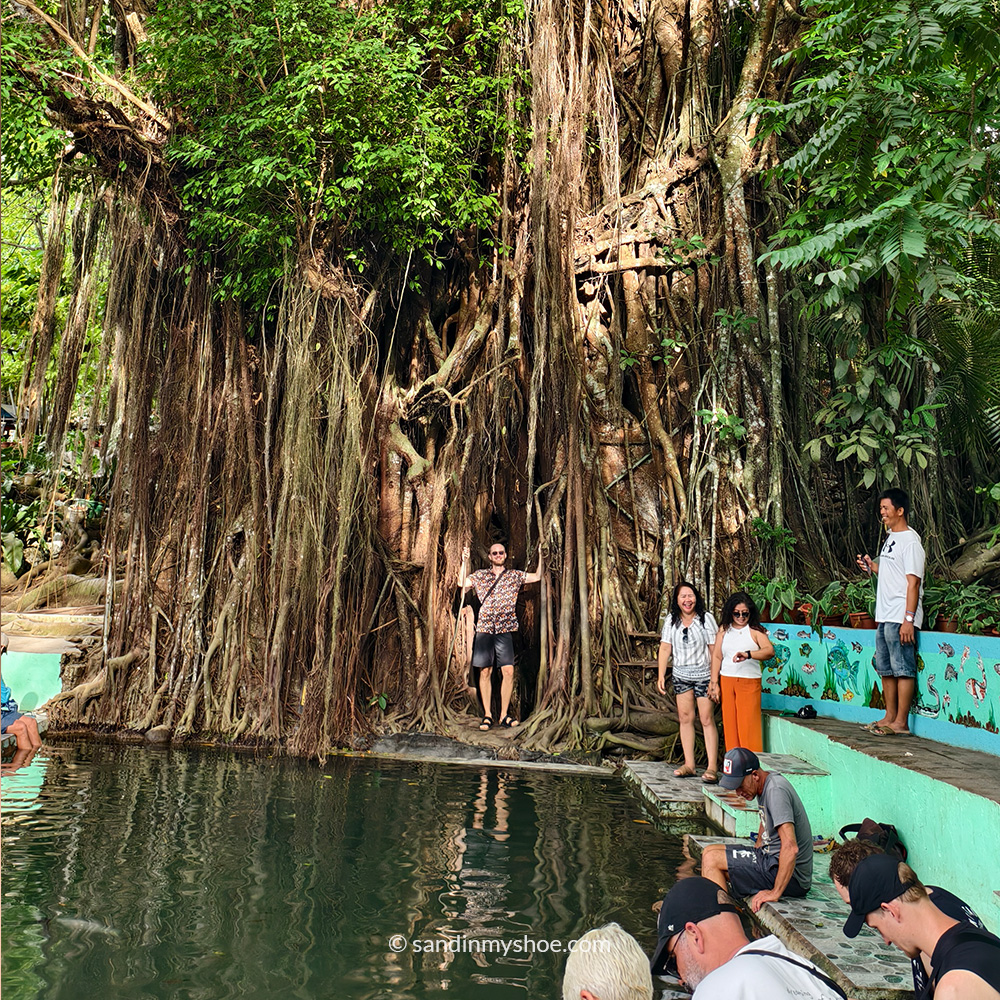
In Filipino folklore, there are many stories of supernatural occurrences surrounding the Balete Trees. The mythological creatures that are associated with the Balete trees.
- Aswang: a shapeshifter that transform into a human-beast hybrid (commonly dog, cat or pig)
- Diwata: supernatural figures similar to fairies or nymphs, guards specific areas.
- Dwende: a dward of goblin that can be good or mischievous
- Tikbalang: a horse-headed humanoid with long limbs
Reflections on the Image
As a skeptic and scientifically minded person, I figure it was a weird combination of blur, motion, and light that created the effect. But this has never occurred before or after, and knowing what I now do about Siquijor’s history and Filipino folklore it feels even weirder..
To me, if I had to categorize it one mythological creature from the Filipino folklore, I would choose Aswang, the shapeshifter. Half human, but half guinea pig. Not sure if that is a choice, but it should be.
Let me know your thoughts in the comments.


No comments yet, be the first one!
I appreciate hearing from you. If you have any suggestions, questions, or feedback, please leave a comment below. Your input helps ensure the information stays relevant and up to date for everyone.
Thank you for sharing your thoughts!