

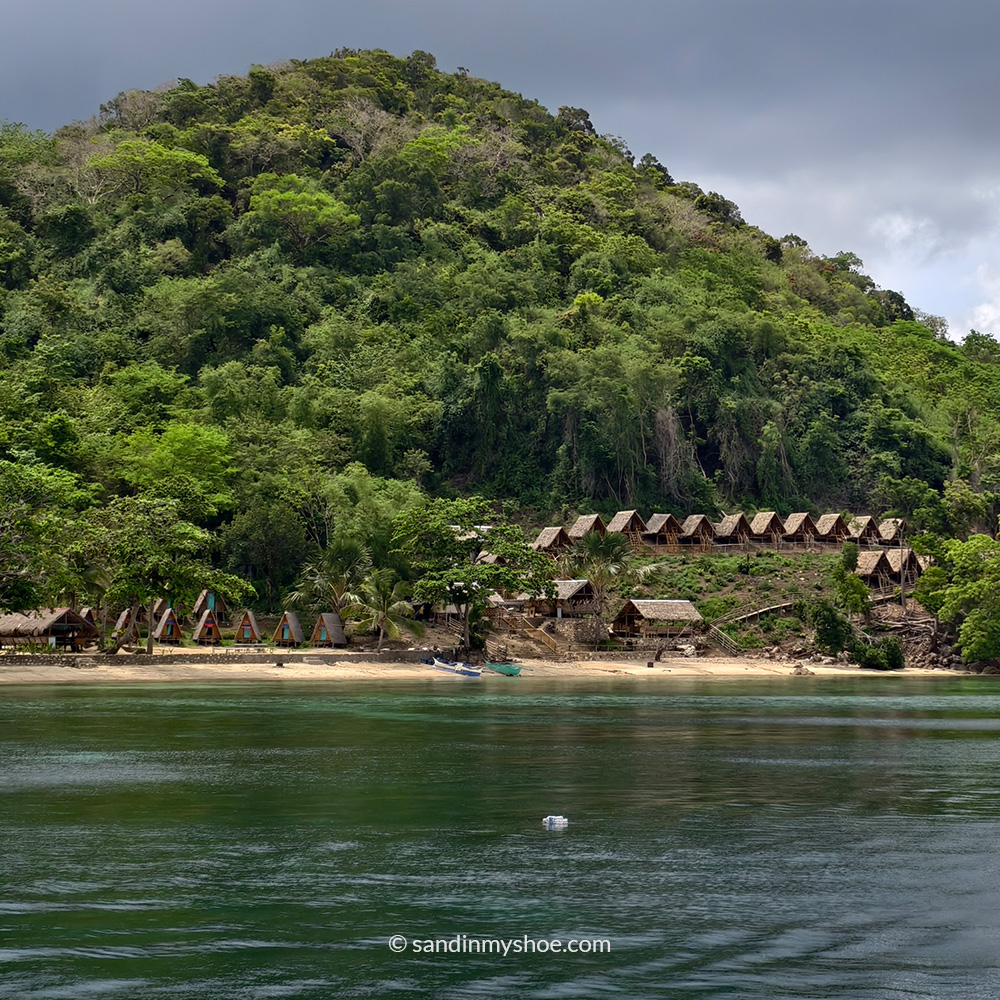
This post contains practical tips to keep in mind before arriving, organized in the order of importance.
1. Book Domestic Flights Ahead of Time
Booking domestic flights in the Philippines a month or more in advance will save you money. You might pay as little as $20-30 USD for a one-way ticket between many of the islands while last-minute prices can be as high as $150-200 USD.
I am usually a last-minute planner and prefer traveling with a loose itinerary. But in the Philippines, I had to do it differently and booked most of my flights in advance. The downside is that you’ll need to have a rough idea of how long you’ll be staying on each island.
2. Eat in Carinderias
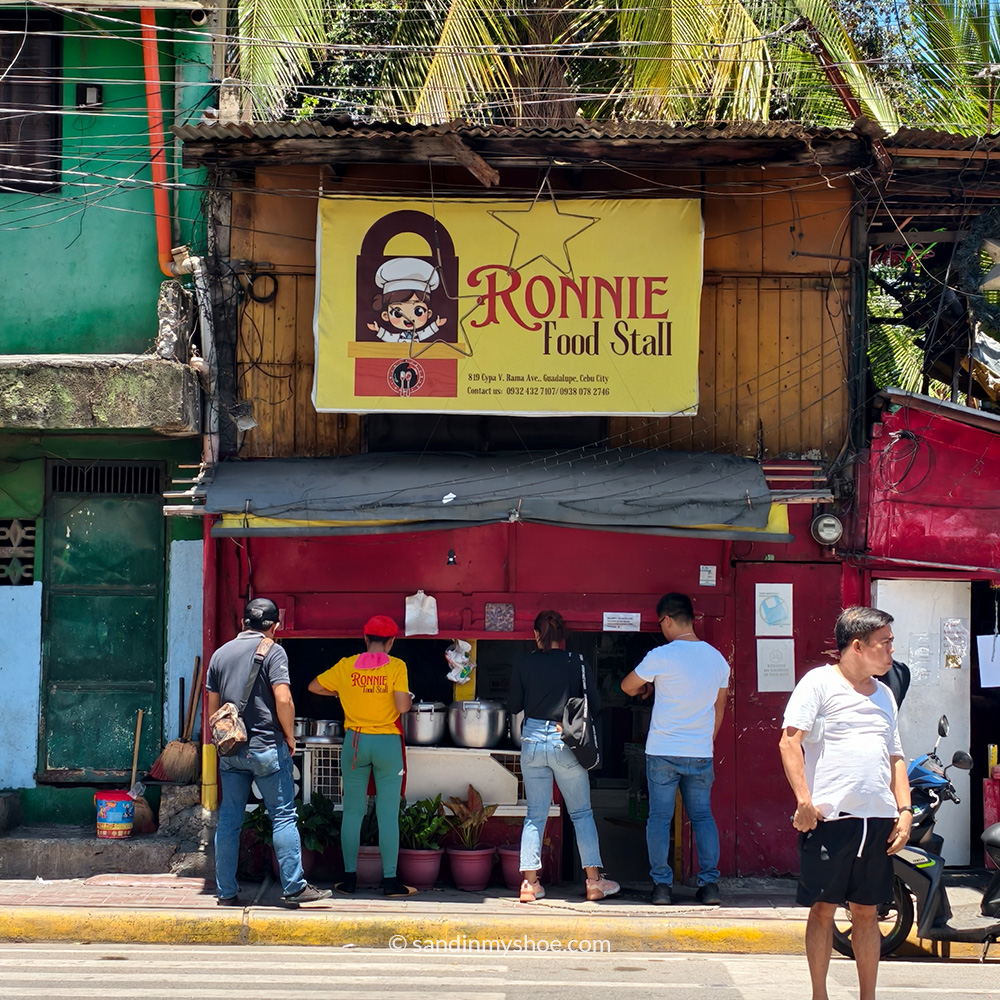
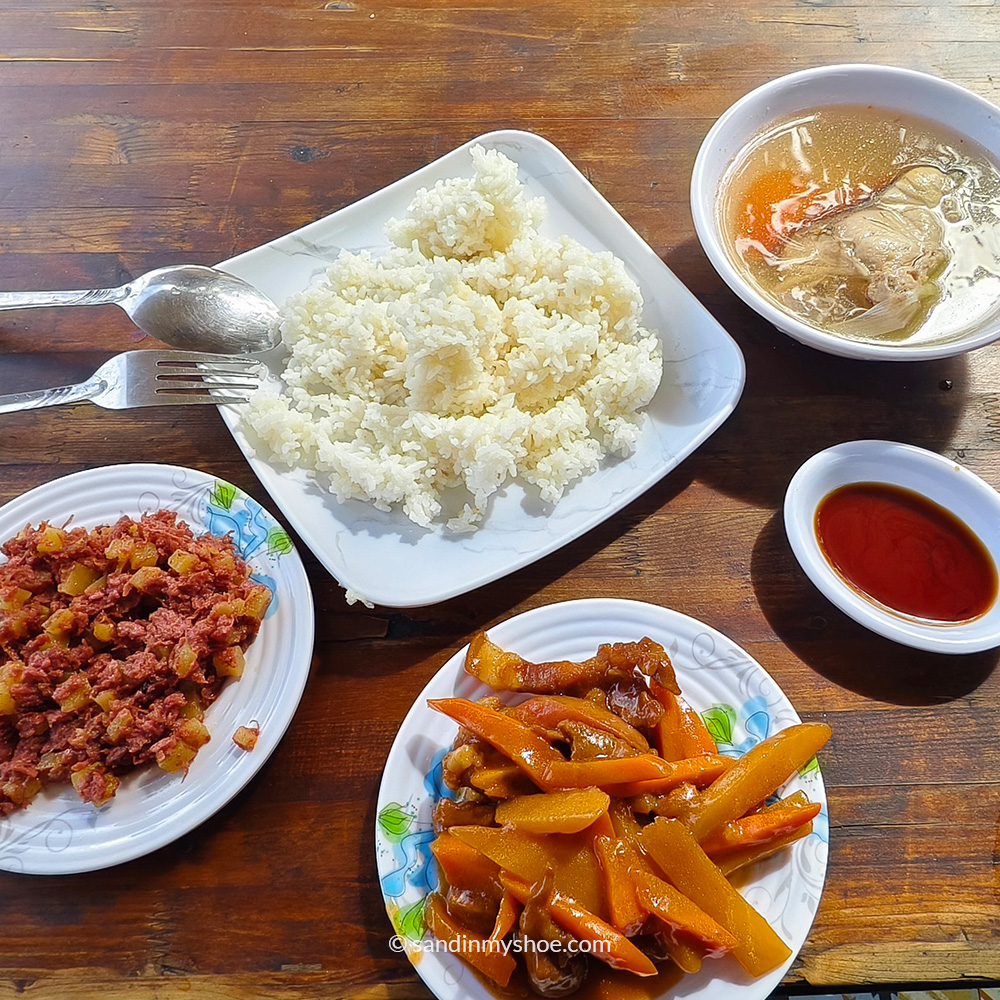
At first while I traveled in the Philippines everything seemed deep fried and it seemed hard to find healthy options — until I discovered the Carinderias.
Carinderias are the best during lunchtime, when large batches of different dishes are freshly cooked and laid out for you to pick and choose. The food is much less deep fried, and they usually have vegetarian options available too.
Expect to pay around $1-2 USD for a typical meal. A full day’s worth of carinderias might set you back $3-5 USD.
I’d say the heart of Filipino cuisine lies in the carinderias. If you’re a meat lover, make sure to try the classics: Pork Adobo (braised in soy sauce), Bulalo (slow-cooked beef soup), or Sinigang (sour tamarind-based soup, often with shrimp, fish or pork).
My personal favorite was the Ginataang Kalabasa at Talong, which is an eggplant and squash dish simmered in coconut milk.
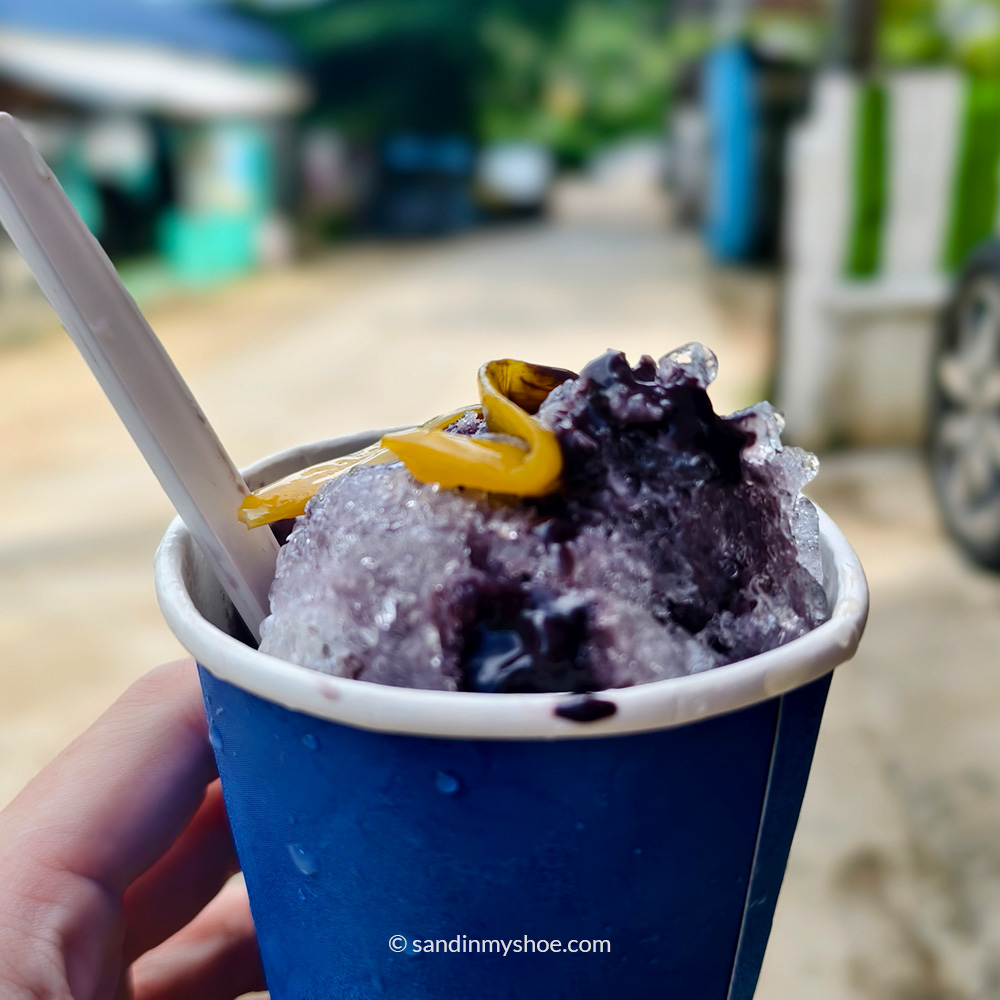
The typical thing to do in the carinderias is to order 2-3 dishes and get rice as the base. And don’t miss dessert: Halo-Halo, the iconic Filipino dessert, is a colorful mix of shaved ice, sweet beans, jellies, fruits, and creamy evaporated milk. Super refreshing in a climate like this.
3. Skip Big Cities Like Cebu City and Manila
I spent time in both Cebu City and Manila, and I can surely say the highlights of the Philippines are not found in these urban centers. The biggest reason is that they lack any major cultural sights. Sure Manila has the remnants of its colonial past, but the real magic of the Philippines lies elsewhere.
It’s in the white-sand beaches with turquoise waters, jungle-covered waterfalls, motorbike journeys along mountain roads, and unforgettable sea life experiences that will blow your mind. The diving and snorkeling here are unforgettable. If you’re feeling daring, head to Malapascua to dive with thresher sharks. Or, for something lighter, snorkel in Moalboal, where sea turtles glide past and thousands of sardines swirl around you in shimmering clouds for the cost of less than $4 USD.
4. Download the Transport & Food Apps
I recommend downloading the essential apps before you arrive to the Philippines, so you’ll have everything ready to go. While you can always negotiate fares with tricycles and taxis, it’s often easier and less stressful booking with an app. You’ll probably get a better price as well.
For transport, Grab is the most popular international ride app. Local alternative such as Joyride and Angkas offer often better prices, especially for motorbikes.
Foodpanda or GrabFood are go-to apps for food if you decide to dine-in one of the days.
5. Expect That You Might Need Travel Days
Plan travel days into your itinerary because the Philippines is scattered into 7,000 islands, and getting from one place to another often takes longer than expected. Some routes can consume an entire day because they might consist of both bus rides and ferries.
It’s not just the distance or the changes of transports that take time, sometimes a storm on the sea can cancel your ferry or a traffic jam make you miss a connecting transport.
6. Pack Light, but Bring a Sweater
The Philippines is a warm country, so you won’t need much. A pair of shorts and t-shirt will be enough even at night, while lighter pants and long-sleeve shirts are more about style than necessity. Jeans, however, will be too much for this tropical climate.
That said, on larger ferries , buses, vans, and airplanes, the air conditioning is often cranked up to the maximum. More often than not, it gets surprisingly chilly — so pack a sweater or light jacket to stay comfortable during the ride.
7. Bring a Dry Bag
Much of the Philippines is enjoyed near water, so I’d advise bringing a dry bag to keep your electronic devices safe. I learned this the hard way during an expedition from El Nido to Coron, when I placed my bag in the wrong spot. It got soaked, and a few of my devices ended up breaking because of it.
A dry bag is a simple piece of gear that can save you from costly mistakes — especially when island-hopping, kayaking, or joining boat trips.
8. Cash is King
Although Visa and Mastercard are widely accepted, small stores and local restaurants still rely heavily on cash payments. ATMs can be found in most touristy areas, but I found it safer to always keep around ₱20,000 (roughly $340) in pesos with me. In smaller towns, ATMs sometimes run out of money and some places only had ATMs with high withdrawal fees.
Always keep cash.
9. Use the Right ATM to avoid High Fees
ATMs in the Philippines can vary widely in cost. Some are very expensive, while others are free for certain bank cards. The ones to avoid like the plague are Euronet ATMs, which charge extremely high fees.
ATMs from HSBC Bank are considered the best option, offering the highest withdrawal limit (up to ₱40,000 ($680 USD)) and a fee of ₱250 ($4 USD) — free for some cards. By contrast, ATMs in tourist areas often cap withdrawals at ₱10,000 ($170 USD), which means paying around 2.5% per transaction. That may not sound like much, but if you’re traveling long-term, these costs add up quickly.
My approach was simple: in each location, I tried to find an HSBC ATM and withdraw as much as possible in one go, but they are rare to find.
10. Keep Emergency Cash and Extra Bank Card
The Philippines is generally a safe country for tourists, but on rare occasions you might get unlucky and face pickpocketing or theft. That’s why it’s smart to keep a small emergency cash stash and carry an extra bank card, especially if you’re traveling solo. This way, your vacation won’t be completely ruined if something happens.
Personally, I tend to leave my main bank card in the hotel and keep some emergency cash — often in euros — tucked away for those rare cases.
11. Bring Sunscreen
For some reason, sunscreen is more expensive in Southeast Asia than in Europe — and the Philippines is no exception. I’ve seen prices up to three times higher than in Sweden. I’d recommend bringing your own, not only to save money but also to ensure that it properly protects you.
12. Carry Mosquito Repellent
Bring Mosquito repellent, or buy some as soon as you land. The mosquitoes can be relentless. They’re not very active during the day, but many nights after sunset they come out in force and attack anyone who isn’t prepared. If you head out during the day and plan to stay out late, keep some repellent in your pocket for later — your skin will thank you.
13. Do Not Drink the Tap Water, But Bring a Water Bottle
This might sound obvious, but in most Southeast Asian countries the tap water is not safe to drink. The Philippines is no exception. Always stick to bottled water or filtered water.
But nonetheless bringing a refillable water bottle is still the right move. You can refill it almost everywhere thanks to the water-filling stations, even in the countryside. I’d say everywhere you find people living, you’ll have a water-filling station somewhere nearby. Just slip a couple of pesos into the machine and you’ll have clean drinking water ready to go.
14. Skip Your Favorite Sandals and Bring an Umbrella
Since most activities in the Philippines involve water and nature, it’s a smart move to leave your favorite sandals at home. Birkenstocks, for example, will quickly get ruined by seawater, mud, and rough terrain. I learned this the hard way when mine were destroyed by saltwater.
Instead, pack water shoes and slippers. Water shoes protect your feet from sharp rocks and sea urchins during water activities, while slippers are perfect for relaxing on the beach.
And don’t forget an umbrella as tropical downpours are still common, and having one on hand makes life much easier.
15. Get eSIM or SIM for Data
You’ll most likely need mobile data, and the most convenient way to get it is with an eSIM or by buying a local sim card. Sim cards are widely available at convenience stores like 7Eleven. The option with the least hassle is an eSIM, which you can set up before visiting. I’d recommend using Saily.
16. Laundry – Be Careful
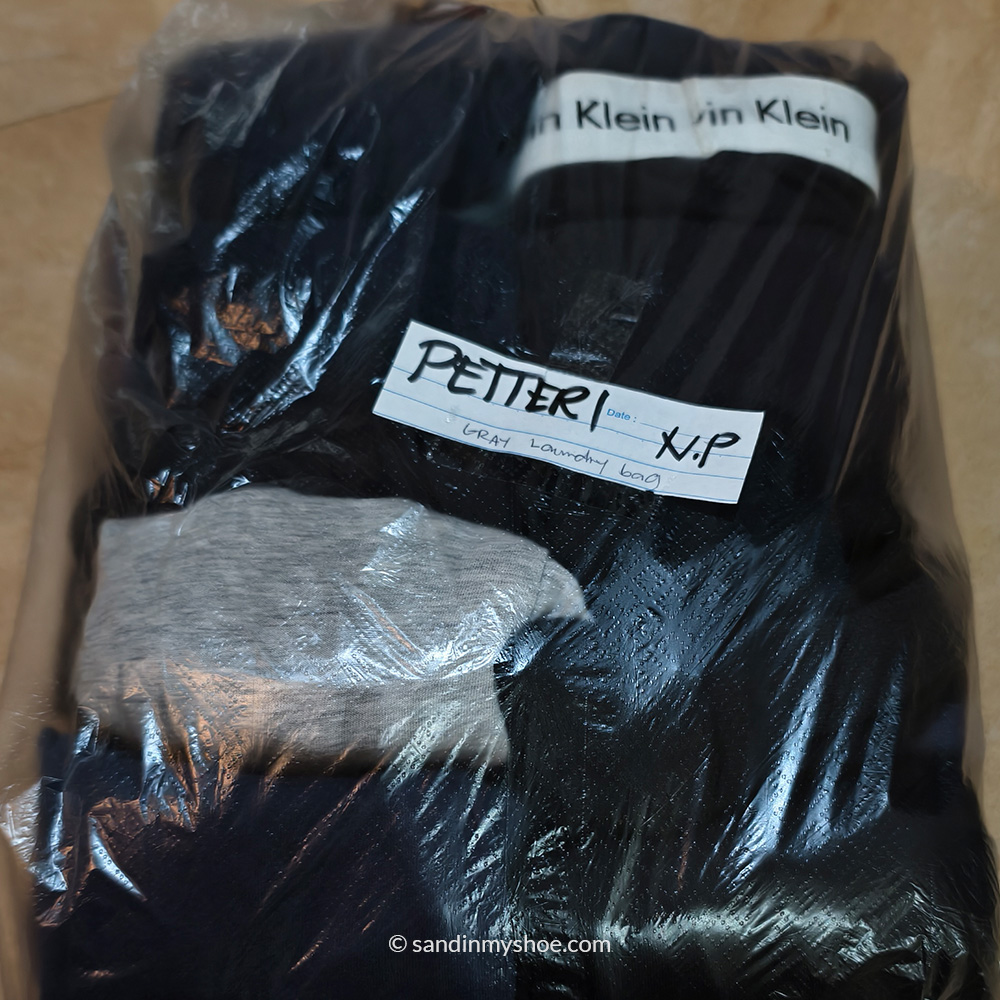
When leaving clothes at laundromats, be cautious. At times, clothes are washed at too high a temperature, which can cause them to shrink. This happened to me a couple of times during my nine‑month trip through Southeast Asia.
I recommend being very clear about the temperature you want your clothes washed at, and choosing laundromats with strong reviews on their Google My Business profile.
17. Always Ask the Fare First—Never After
One rookie mistake some travelers make is forgetting to negotiate the price before hopping into a taxi. It’s easy to assume the meter will be used—if there even is one. Once you’re already seated, you lose all leverage, and drivers know it. A quick ‘How much to…?’ before you get in keeps everything clear and avoids awkward arguments later.
Final Thoughts Before You Go
Traveling in the Philippines is amazing, but at times unpredictable. Accept that things won’t always go as planned and allow an extra day for travel during longer journeys. Skip the larger cities, and instead embrace the beaches, tucked-away waterfalls, and stunning nature the country offers. And don’t forget to eat at the carinderias. If you welcome a mix of chaos and beauty, you’re in for a treat.
If you’re looking for more inspiration which places to visit, check out my other guide: Where to Go in the Philippines.


No comments yet, be the first one!
I appreciate hearing from you. If you have any suggestions, questions, or feedback, please leave a comment below. Your input helps ensure the information stays relevant and up to date for everyone.
Thank you for sharing your thoughts!