
Many travel guides will tell you that the best thing to do in Cebu City is to leave as quickly as possible, but the city does have a handful of sights worth visiting, especially if you’re already spending a night or two before moving on.
During my 7-week stay in the Philippines, I ended up in Cebu City on three separate occasions: on arrival, in between adventures on Cebu island, and before flying onward to Palawan. I stayed here in total of six nights, and each stop revealed something new.
Cebu City vs Cebu Island — What’s the Difference?
Cebu City is the busy urban center of Cebu Island — the place where most travelers land, stay a night, and continue onward. The island itself is where you’ll find the famous beaches, waterfalls, diving spots, and coastal towns like Moalboal, Oslob, Bantayan, and Malapascua. Most of the iconic attractions people associate with “Cebu” are not in Cebu City, but the city is a convenient base for day trips and onward travel.
And since almost everyone passes through Cebu City at some point, it’s worth knowing what the city actually offers — and which sights are worth your time before you head out to the island’s highlights.
As Cebu City was my first stop in the Philippines, everything was interesting, from the colorful Jeepneys left behind after World War II and tricycles to random buildings and street-food stands. Heck, I was even fascinated by the traffic jams since they looked different to my western eyes. But after returning a couple of times, my sight got clearer. I still wouldn’t recommend treating a traffic jam as one of the things to do in Cebu City—unless you are into slow-moving performance art — but there are a few places in Cebu City that are worth checking out.
Location of Cebu City, the Philippines
The Best Things to Do in Cebu City
Now, let’s hop into the things to do in Cebu City. This guide is intended for first-time visitors to the Philippines.
1. Visit Casa Gorordo Museum
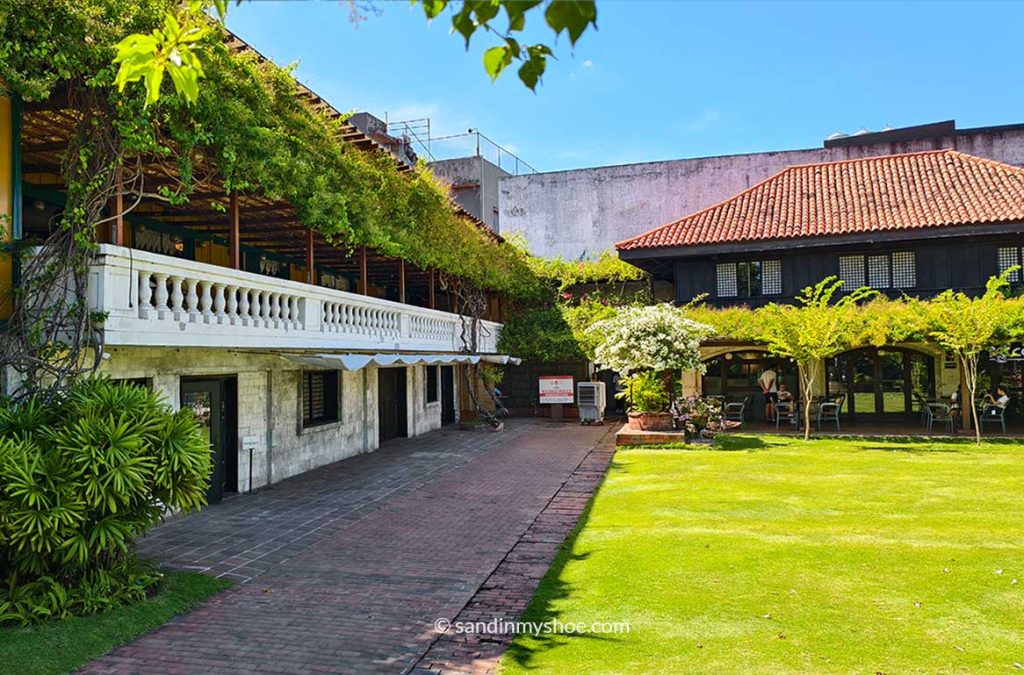
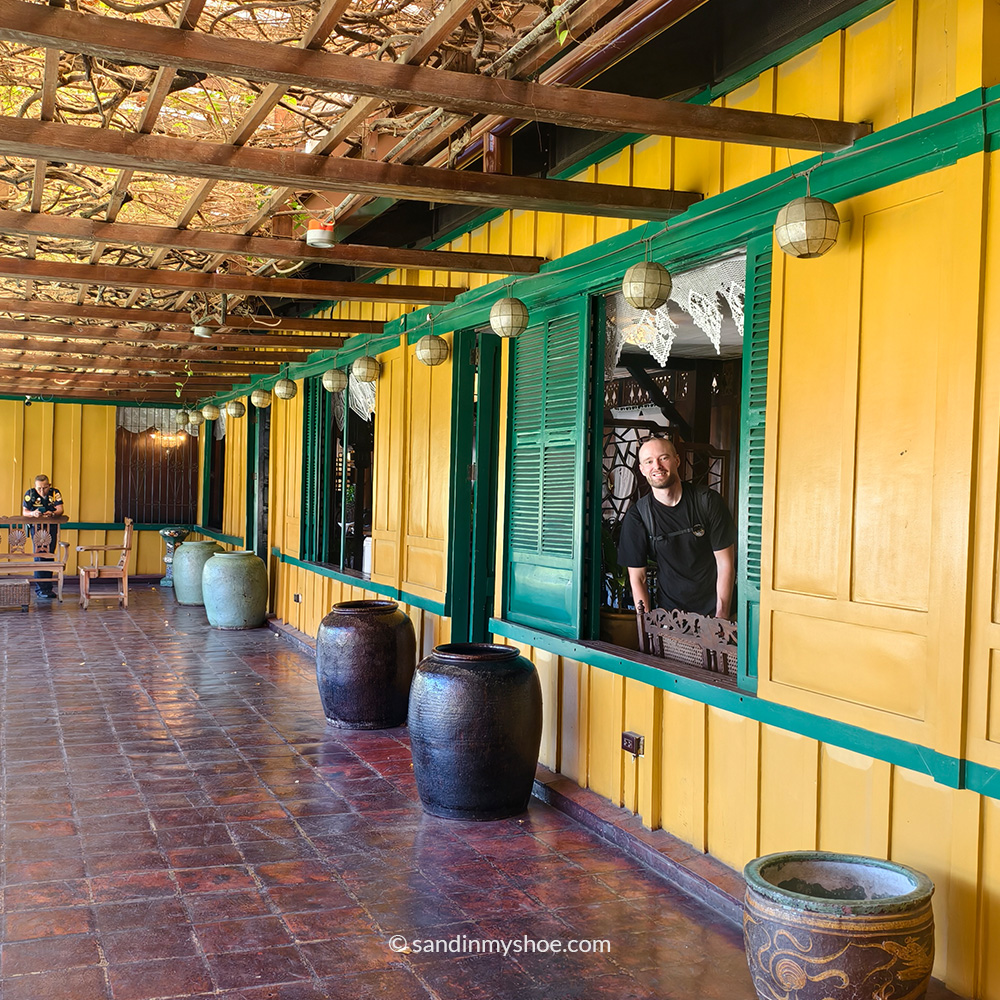
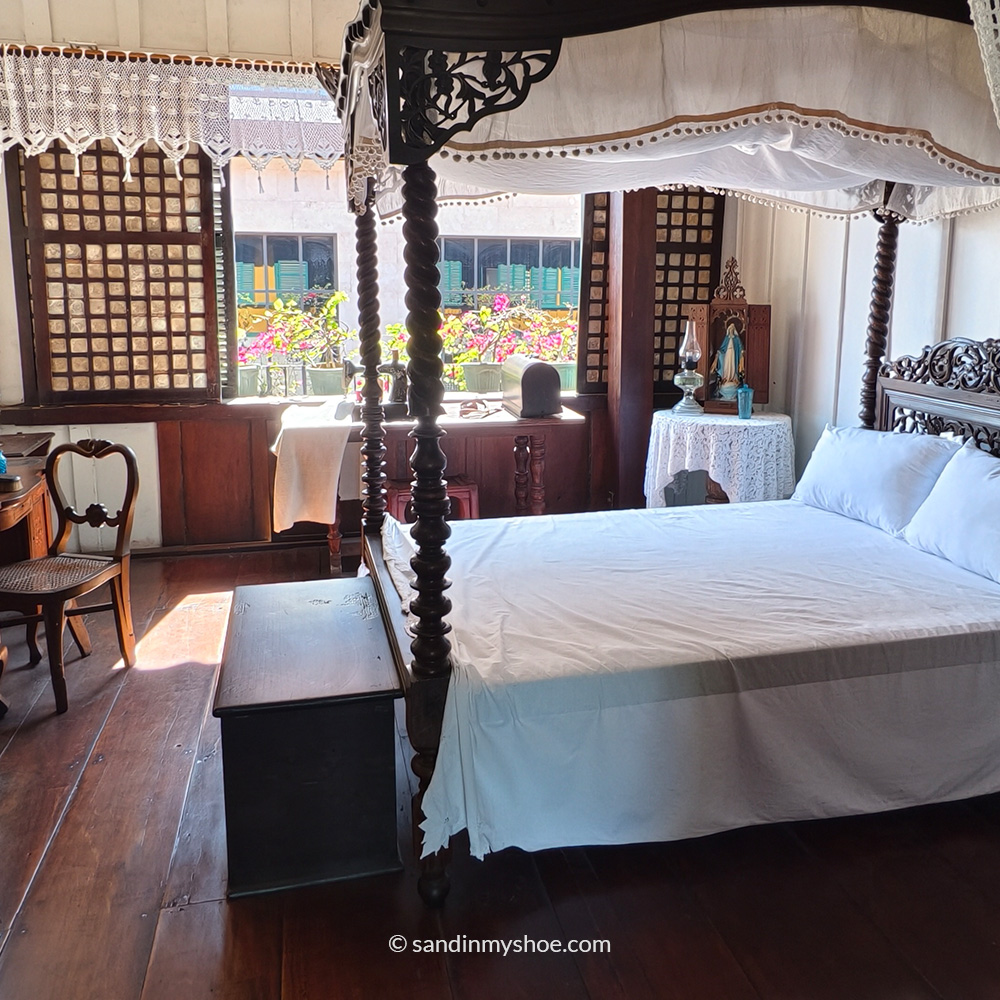
Casa Gorordo is considered Cebu City’s most important heritage house. It’s a traditional Filipino home that blends Filipino, Spanish, and Chinese architectural influences. Inside, you get a glimpse of how Cebuano elites lived during the 19th‑century Spanish colonial era.
It’s best experienced with a tour guide—as the stories they share bring the rooms and objects to life. Otherwise you just be looking at old furniture without much context. The guided tour costs less than $1 USD, and the guides often double as photographers as well. So the cost is nothing to worry about.
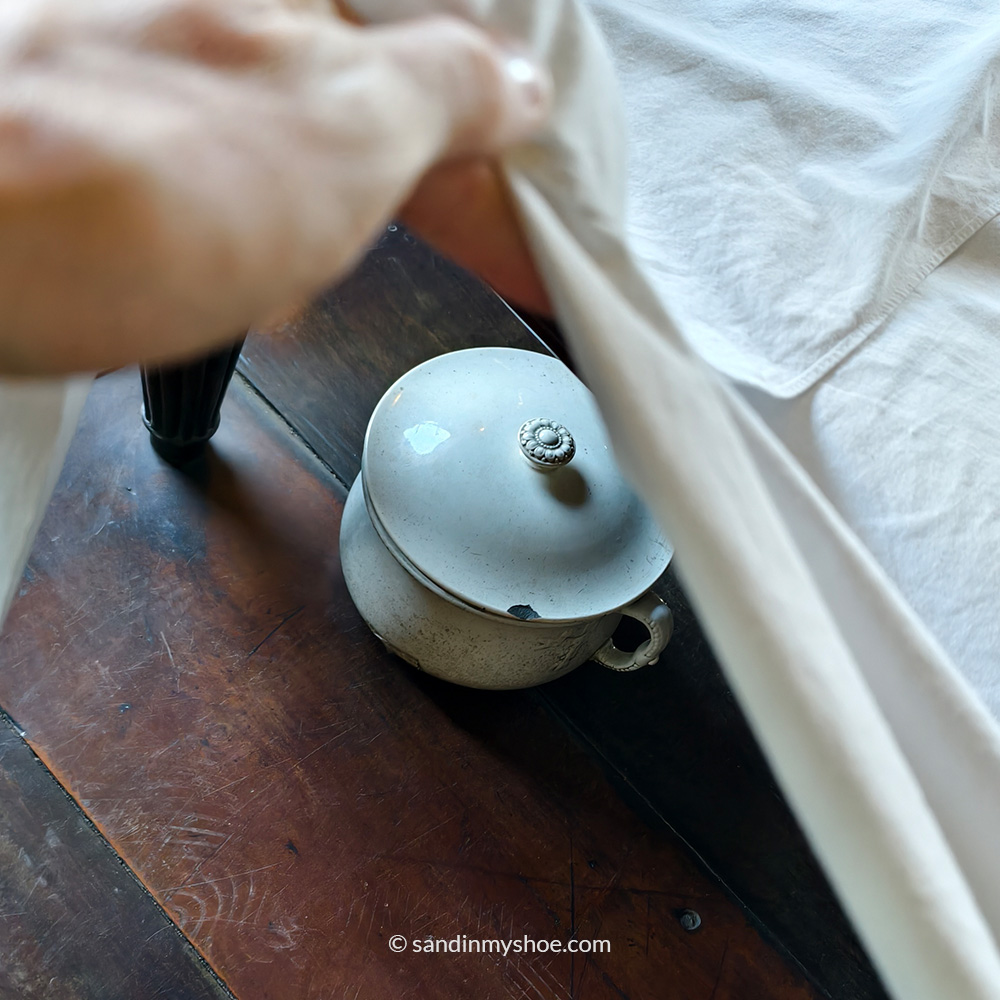
I remember one odd story the guide told me about courtship among the high society of those times. During a first date, if the man behaved badly—or if the mother simply didn’t approve of the suitor—she would empty her urine bowl on him. I can’t remember whether she threw it from a window as he was leaving or dumped it on him while he was standing right there. Either way, it makes dating today look far less risky.
If the daughter accepted the suitor, she would signal with a white handkerchief; if she didn’t, she’d throw a glass of water in his face. I guess they didn’t have a simply “no, thank you” in their vocabulary back then.
Entrance: 100 pesos (~$2 USD)
Guide: 50 pesos (~$1 USD)
2. Visit Fort San Pedro
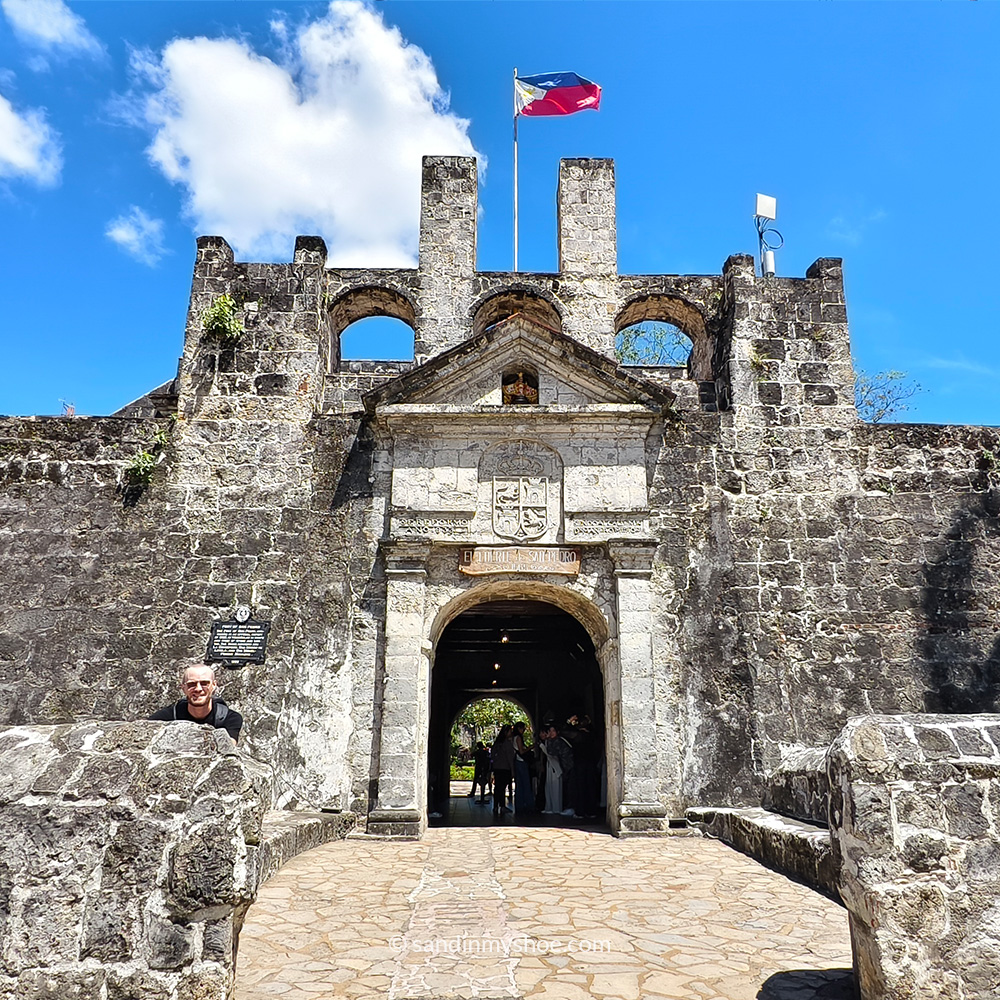
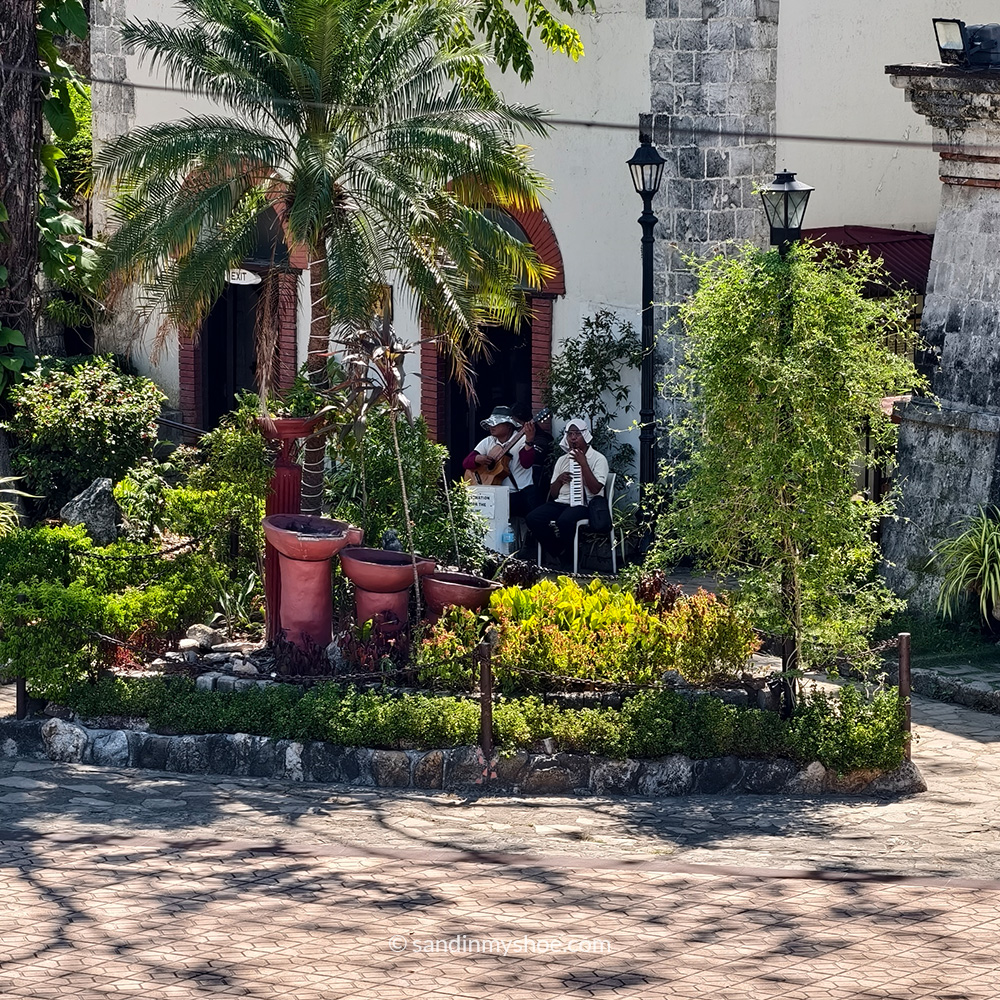
Fort San Pedro is an old military fort built by the Spanish—as you might be able to guess from the name. I visited it on the same day as Magellan’s Cross, and I remember that I genuinely enjoyed it. Part of it was simply that I like castles, and the other part was due to the small band playing inside the fort, which added a nice atmospheric touch. I didn’t take a guided tour, which I regretted a bit afterwards, because I didn’t get the full story of the place. Very much worth checking out.
Entrance: 30 pesos (~$0.5 USD)
Guide: Tips (50–100 pesos / ~$1–2 USD)
3. Visit Magellan’s Cross
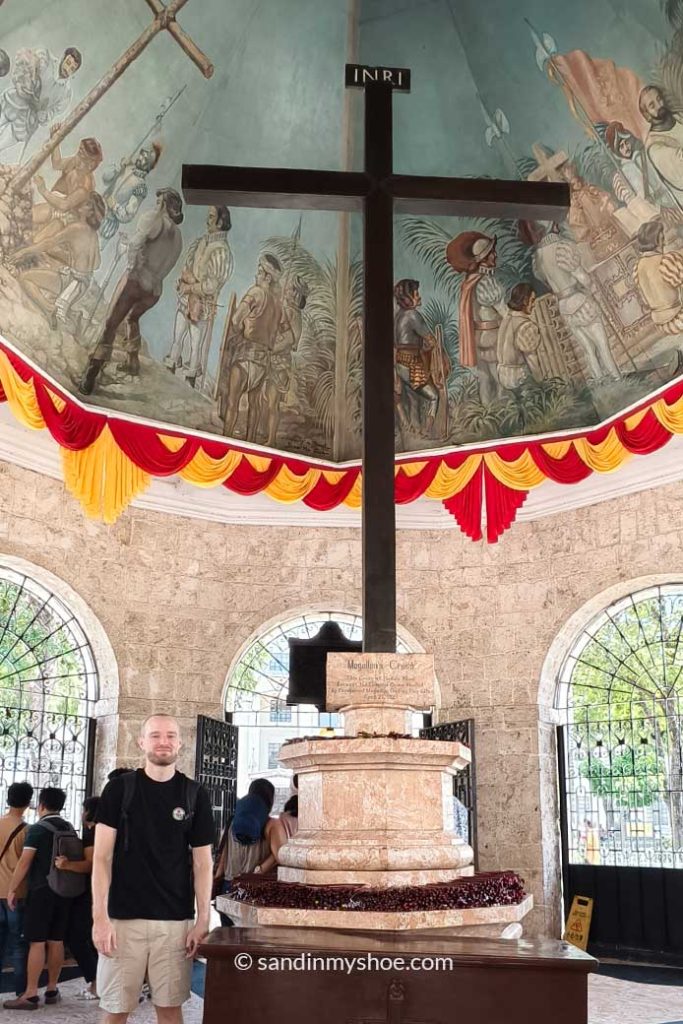
Magellan’s Cross marks the beginning of the Christian era in the Philippines as it’s one of the earliest documented symbols of the Spanish arrival. Ferdinand Magellan and his crew arrived in Cebu in 1521 and began to spread their religion to the locals.
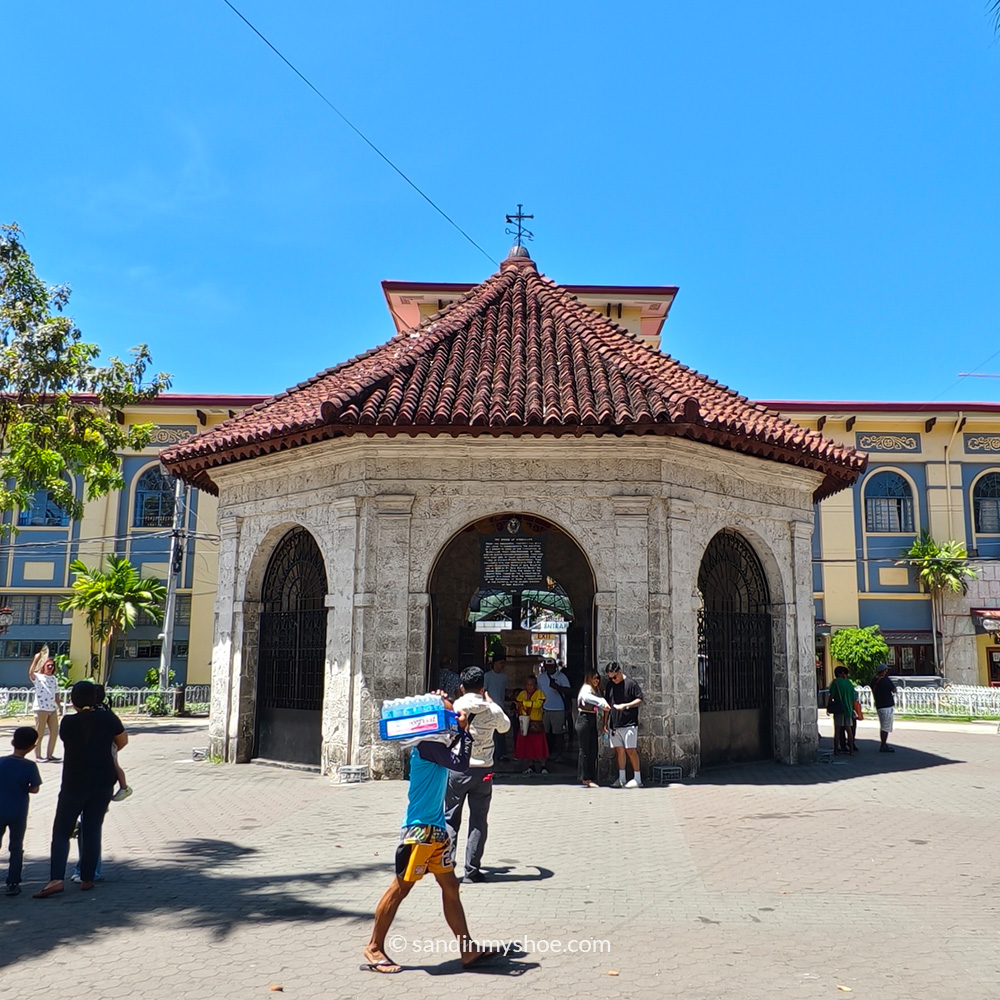
On interesting detail I came across was that early on the locals believed that the original cross had miraculous powers. People would chip off small pieces to make amulets, hoping it would help them make their wishes come true. To protect what remained, the Spaniards had to encase the original cross inside another wooden cross—the one you see in the pavilion today.
Entrance: Free
Powered by GetYourGuide
4. Basilica del Santo Niño
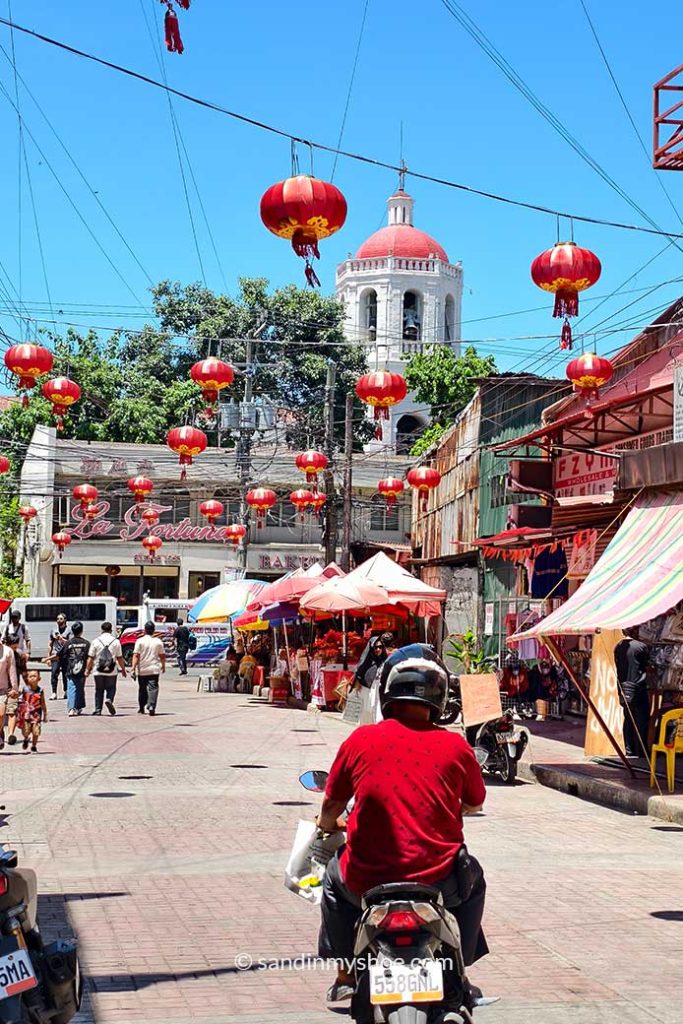
Around the same area, you’ll find the oldest roman catholic church in the Philippines. It’s considered an important religious site and draws large crowds of worshipers from all over the country.
Entrance: Free
5. Visit the Taoist Temple
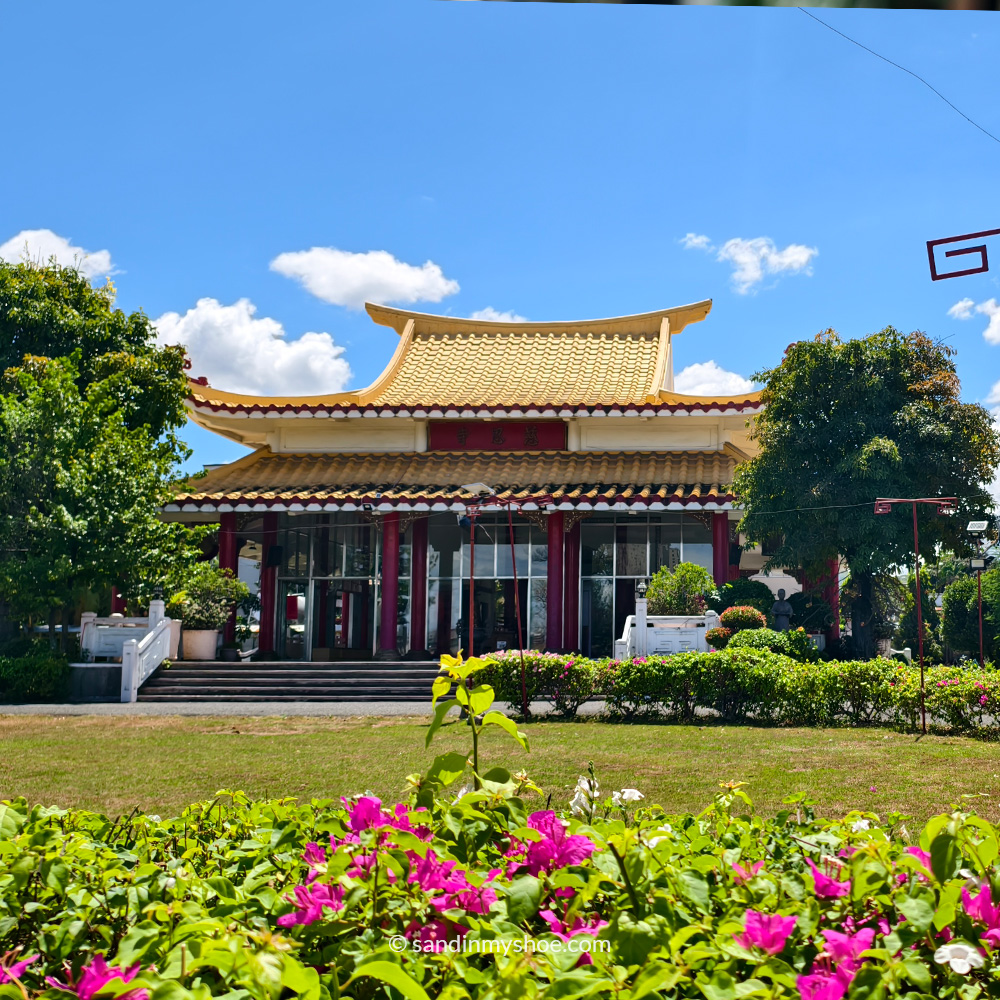
The Taoist Temple is the most distinctive cultural landmark of centuries of Chinese trade and immigration in Cebu, with roots going all the way back to the 10th century. The temple itself isn’t old —it was built during the 1970s—but it’s a peaceful escape from the city’s traffic noise. Perched on a hilltop, it also gives you a great panoramic view of Cebu City and the surrounding coastline.
Cost: Free
Etiqutte: Remove shoes, wash hands before entering and do not take photos while inside.
6. Sirao Garden & Temple of Leah
These two places are located on hilltops that give you a spectacular view. Sirao garden is known for its tulpans, nicknamed even “little Amsterdam”, and has a large hand statue where many people like to climb on top of to take pictures.
The Temple of Leah is near Sirao Garden and was commissioned by a man to honor his wife. It was built in 2012 and is a popular stop for its views and for the story.
Entrance Cost Sirao Garden: 120 pesos ($2 USD)
Entrance Cost Temple of Leah: 100 pesos ($1.7 USD weekdays / 120 pesos ($2 USD) weekends
Powered by GetYourGuide
7. Visit Mactan Island for the Beach
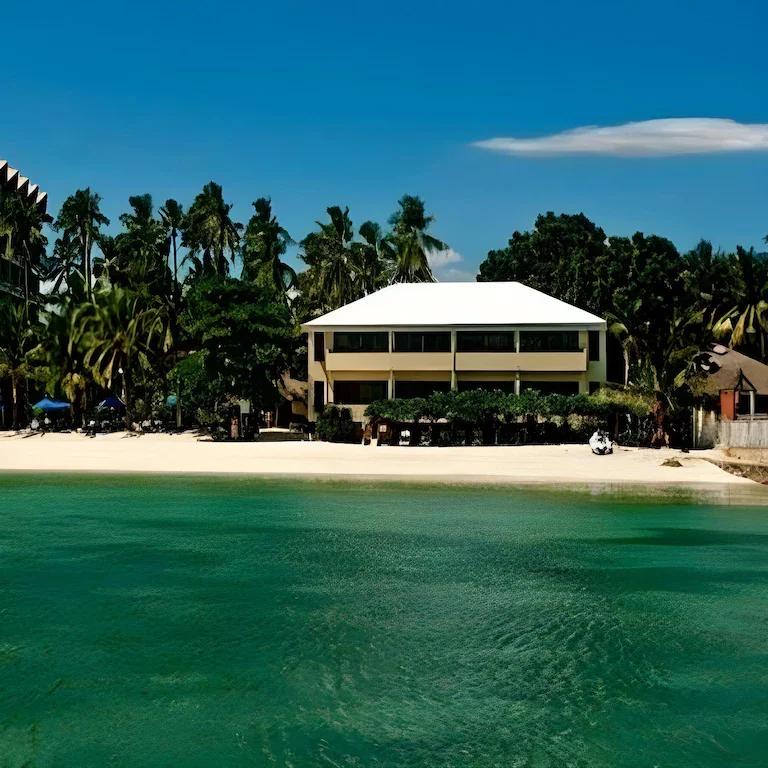
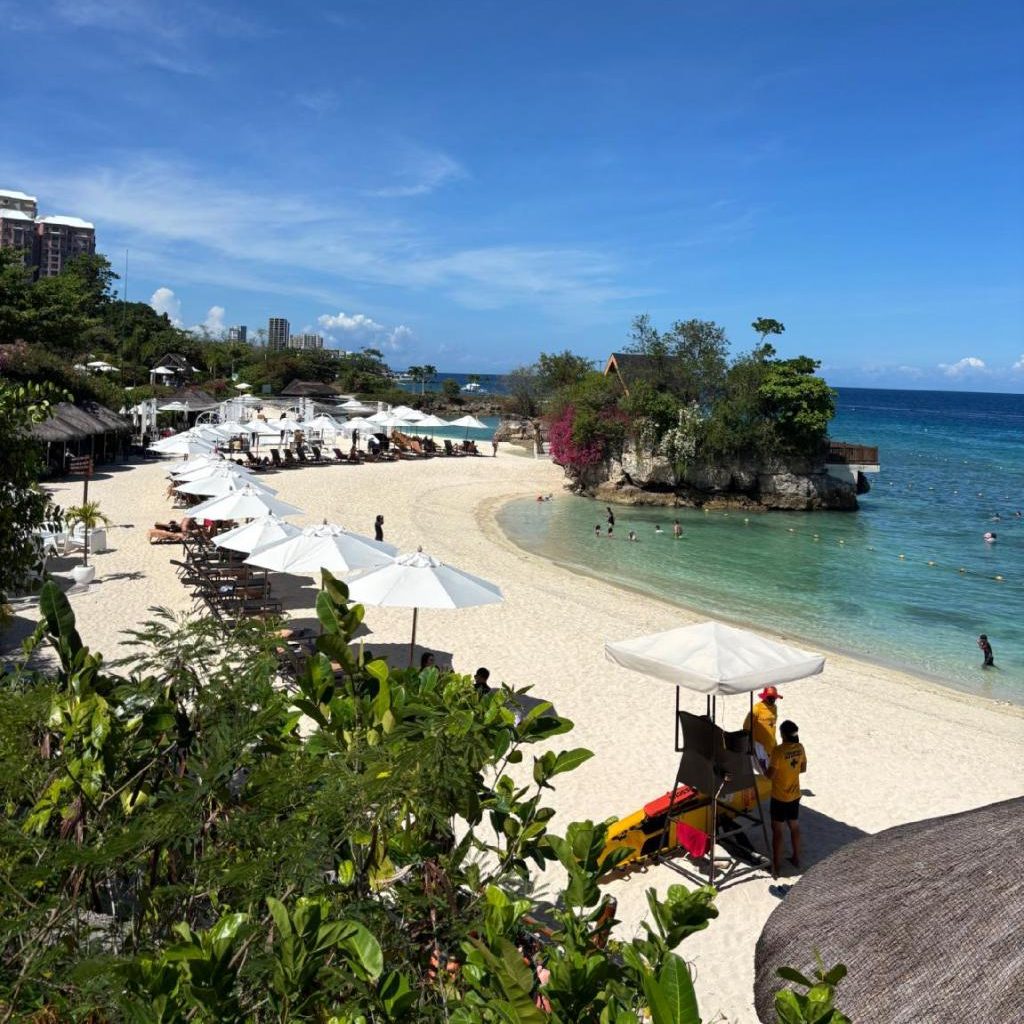
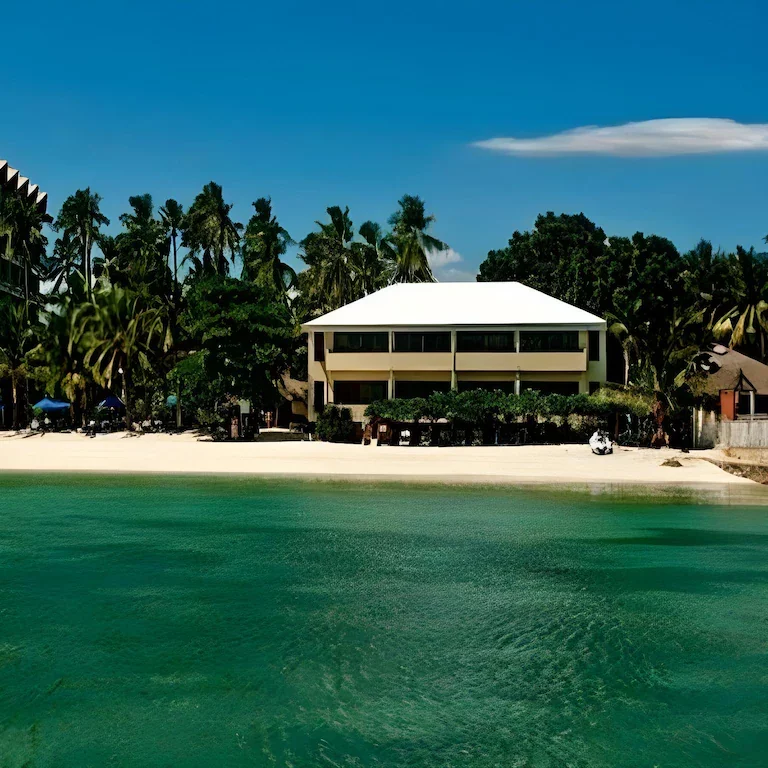
If you decide to stay in Cebu City and craving for a beach escape, Mactan has the closest beach, but it’s made of small stones and coral rather than soft sand. It sits just southeast of Cebu island, and you can get here easily by a taxi or by jeepney if you want the local experience.
Keep in mind though that the best streches of beach are controlled by resorts, so getting a daypass is essential. This way you’ll have access to cleaner sand, proper facilities, a pool, and generally more relax setup that makes your day more enjoyable.
8. Hop on a Jeepney Like a Local
Magellan and his crew were so successful in spreading their religion that even today it remains deeply woven into everyday life. You’ll see Bible verses and citations everywhere—painted on storefronts, tricycles, and especially on jeepneys.
Jeepneys are the local equivalent of public buses within Cebu City. They run on dedicated routes around the city, and unless you already know the system, you’ll usually need to ask a local which one to hop on.
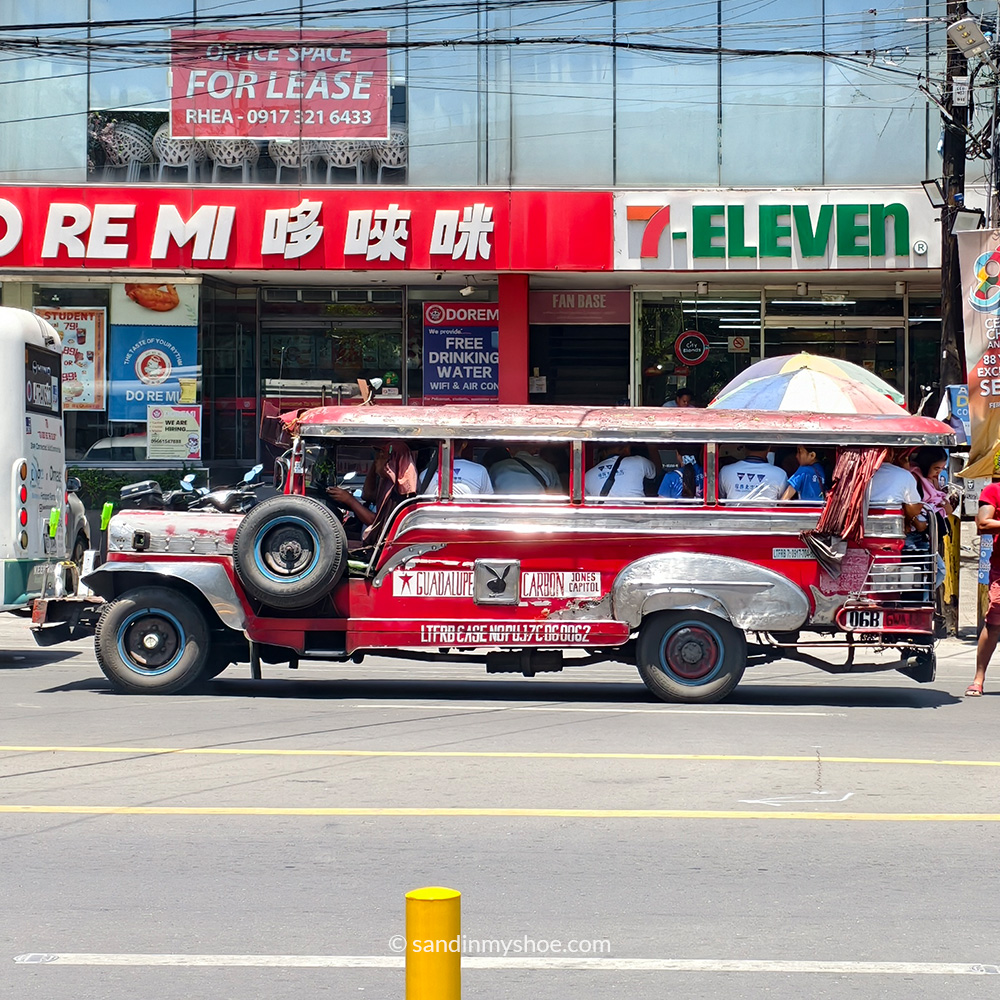
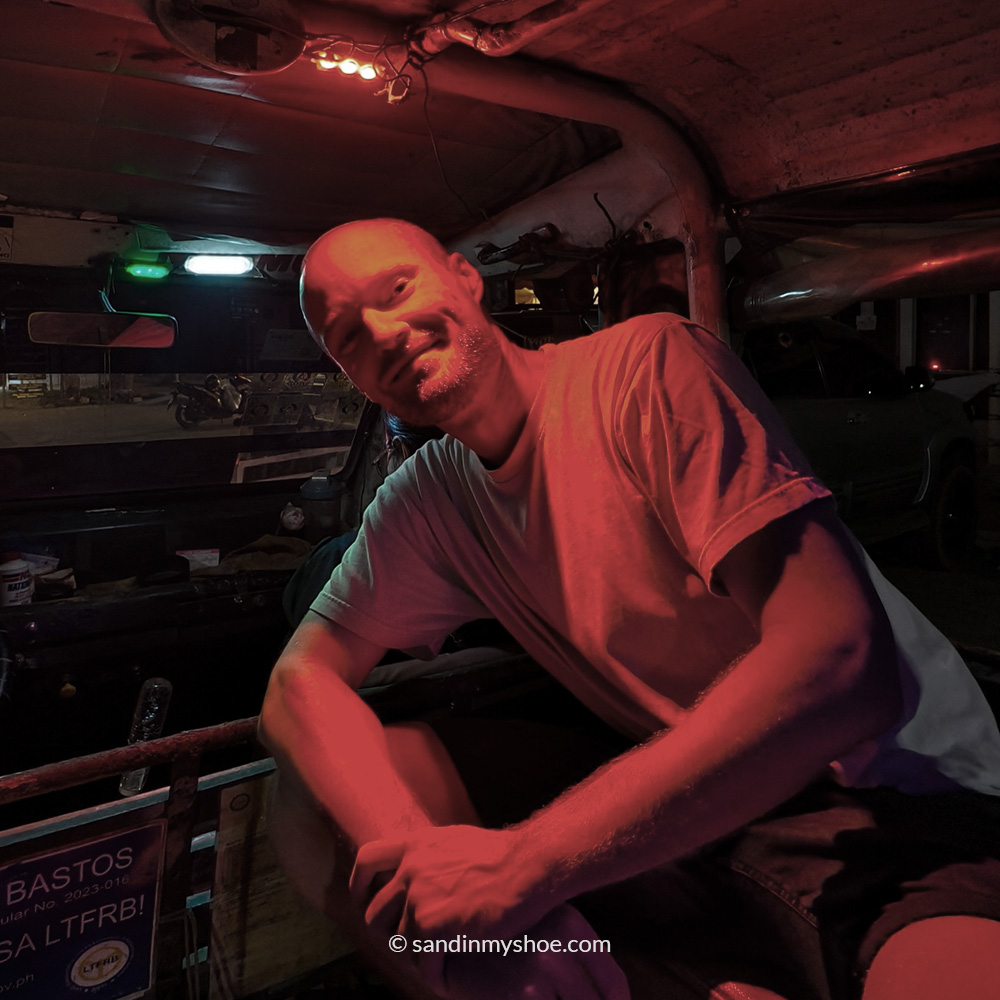
What makes jeepneys particularly fascinating is their origin story. They began as repurposed military vehicles left behind by American forces after World War II. Over the decades, they’ve been stretched, modified, and transformed into the iconic public vehicles you see today—often painted in bright colors and decorated with religious slogans.
Cost: I went 4 stops for 14 pesos, which is equivalent to $0.25 USD.
9. Stroll Around in Different Neighborhoods
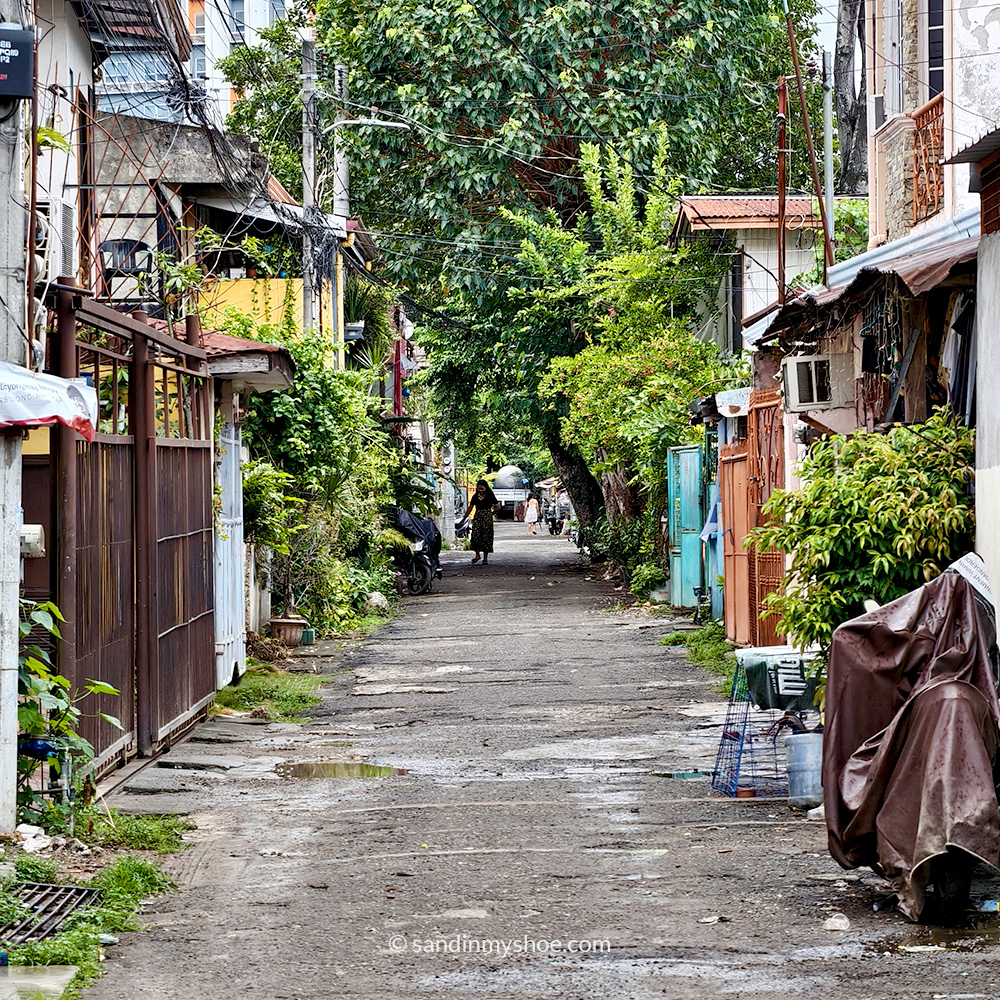
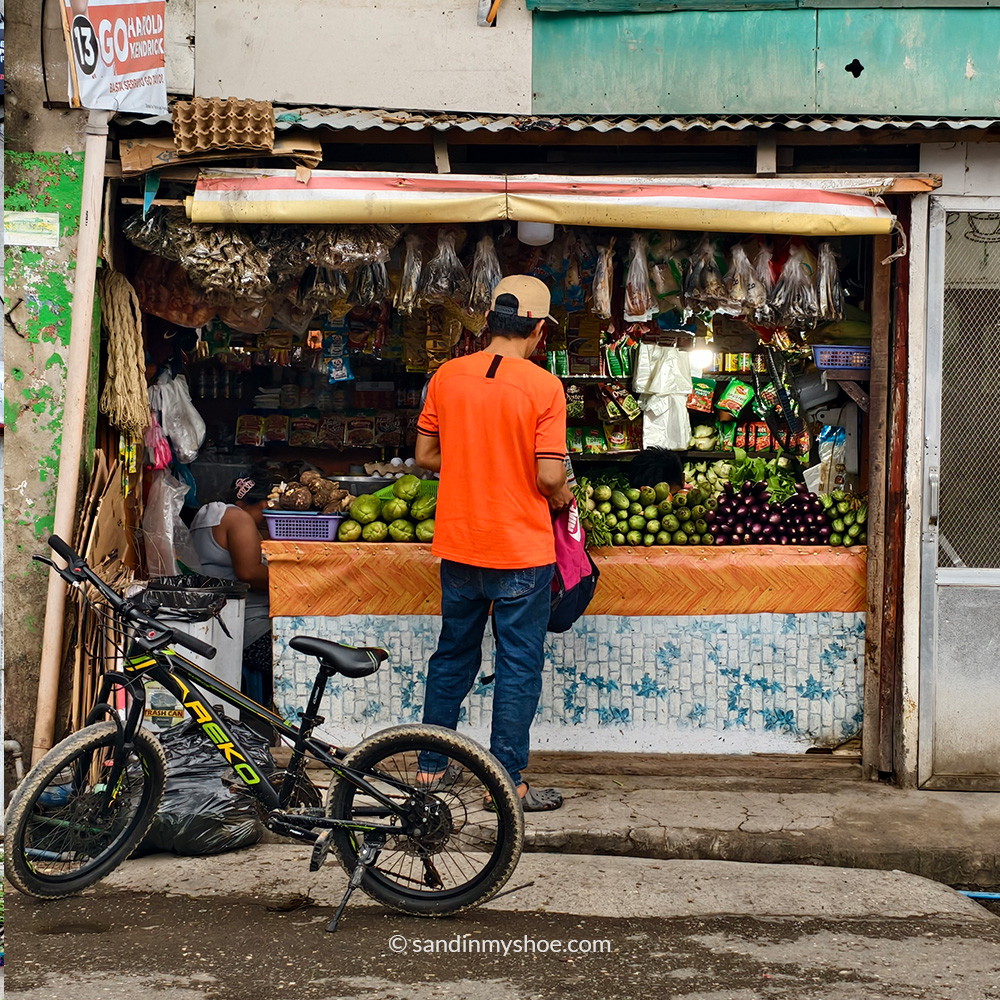
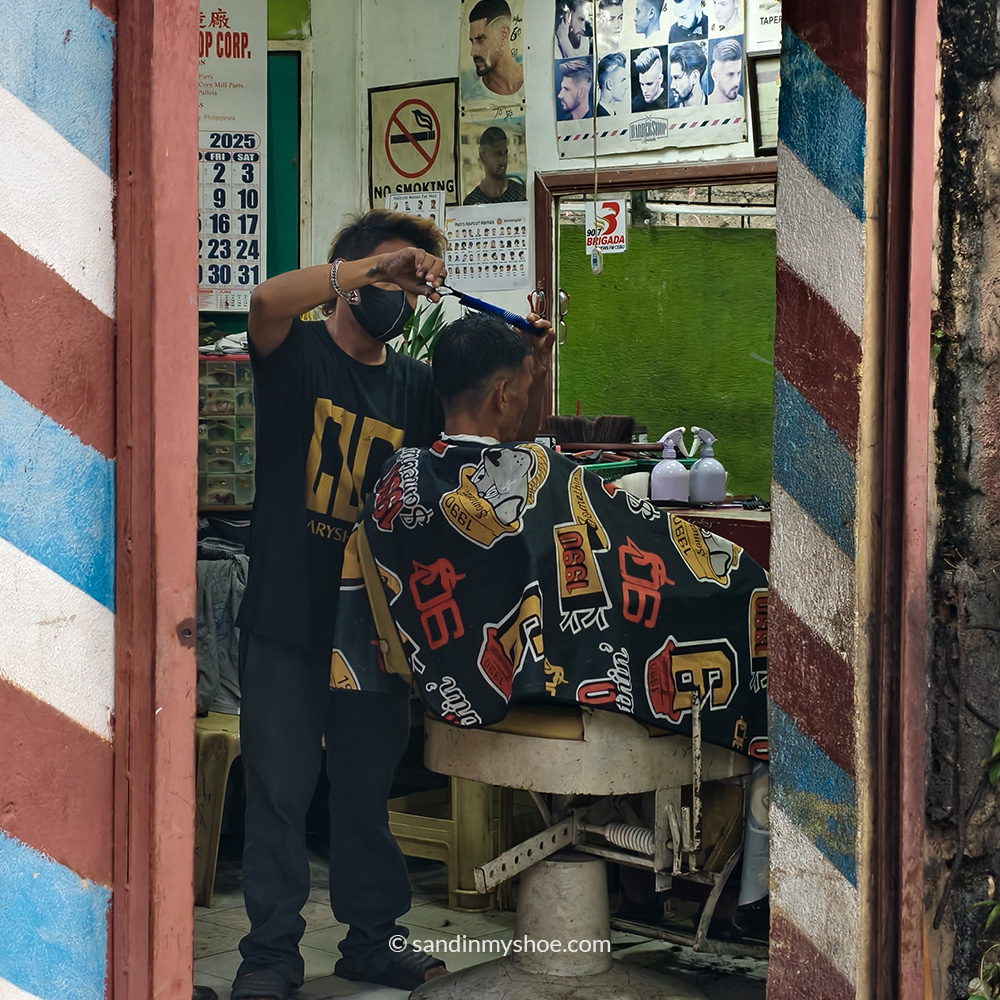
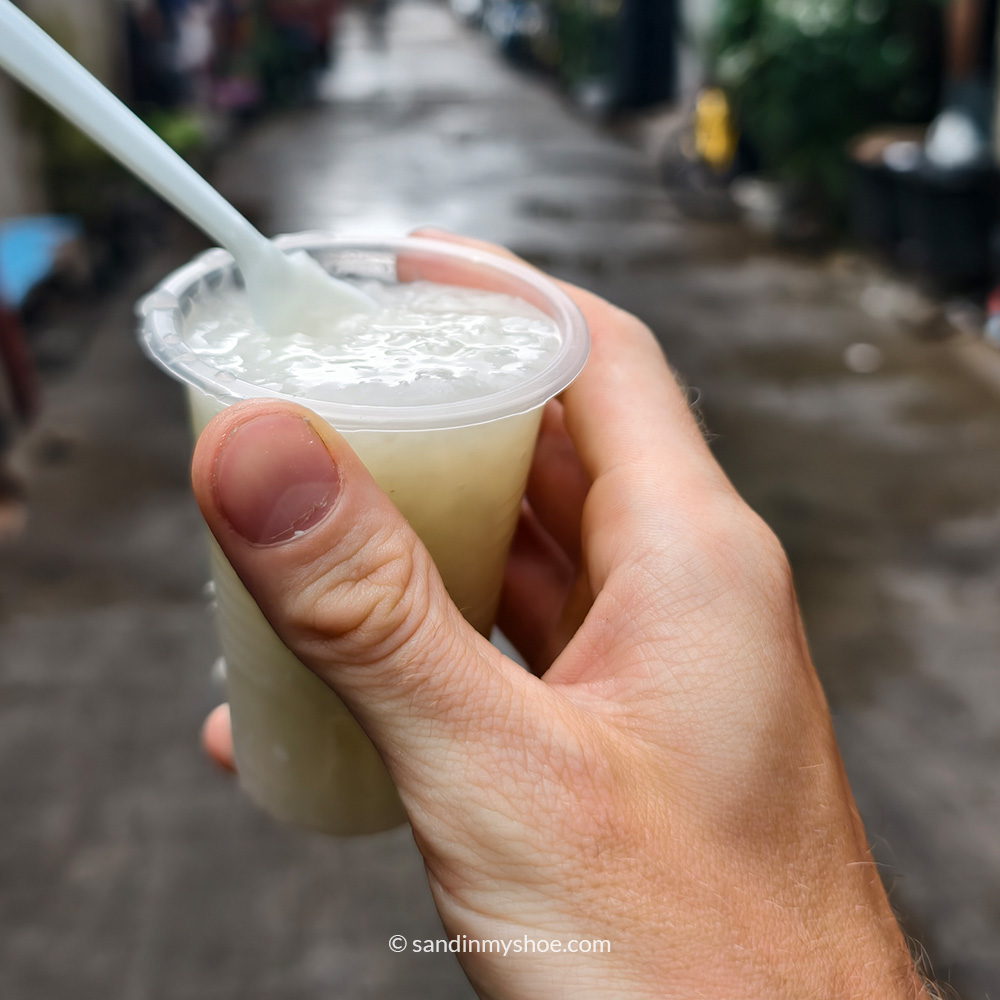
One of my favorite things to do in a new country, is just to stroll around randomly, and watch every life unfold. I love to see how people live, how does a standard restaurant look like in a typical neighborhood, or the barber, or just a simple shop without having been polished for mass tourism as many popular destinations tend to get. You never know what you’ll stumble across — porridge here, dumplings there, and a dozen other surprises.
Where: Neighborhoods of Guadalupe, Talamban and Banilad.
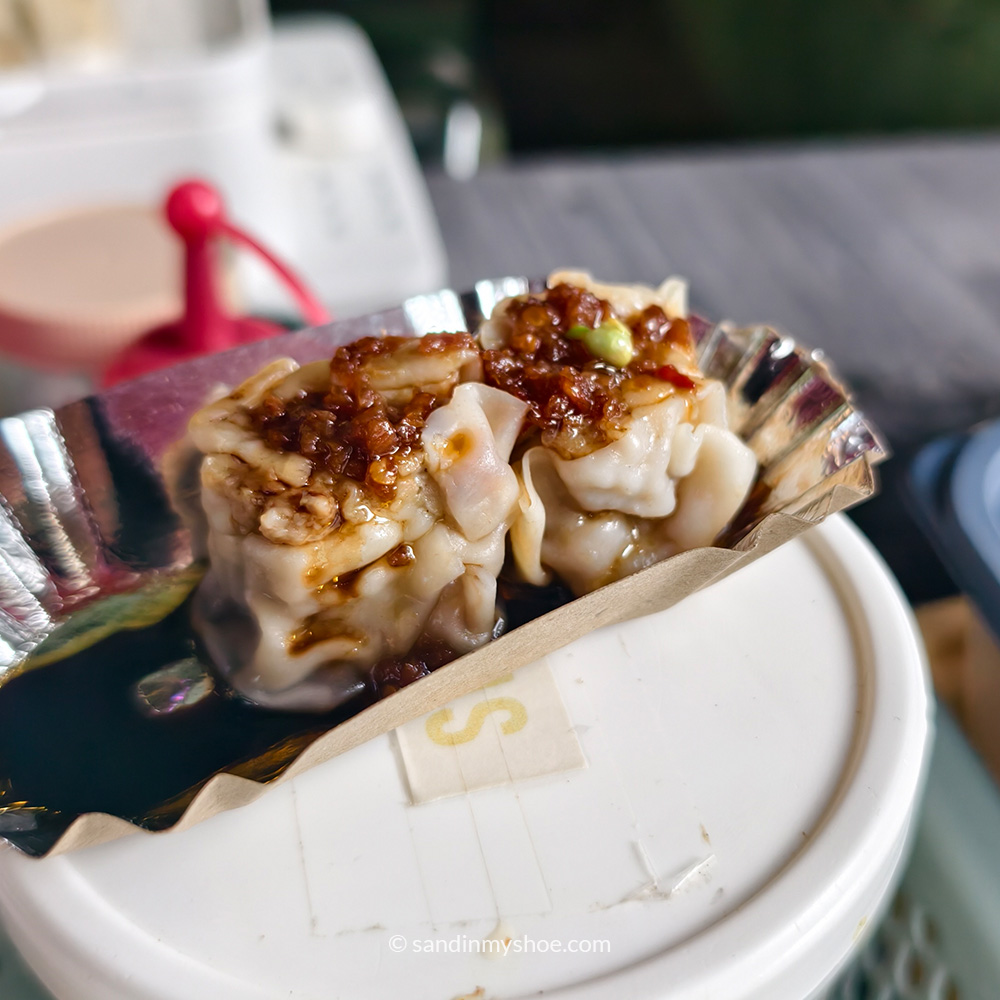

10. Eat in a Carinderia
Early on in my time in the Philippines, I found it hard to find healthy food options. So much of the food seemed deep‑fried, and the Jollibee chain wasn’t helping on that front. But then I discovered where the locals actually eat—the canteens called Carinderia—and it was a game‑changer.
A carinderia is a typical neighborhood restaurant found all over the Philippines. They prepare a variety of dishes in large batches and serve them canteen‑style. Here you’ll find all the Filipino classics—from chicken and pork adobo to lechón, tortang talong (eggplant omelet), and even delicious vegetable dishes like pinakbet, a mix of squash, eggplant, and other local veggies.
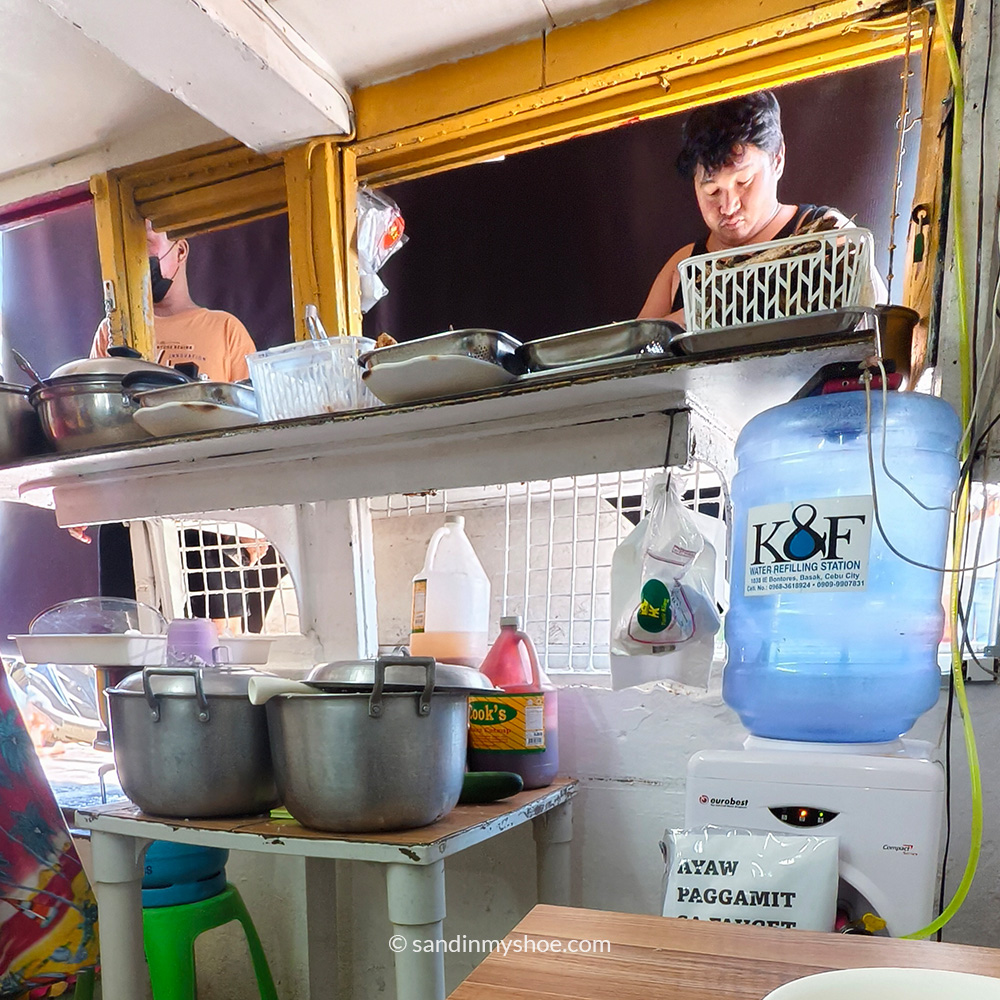
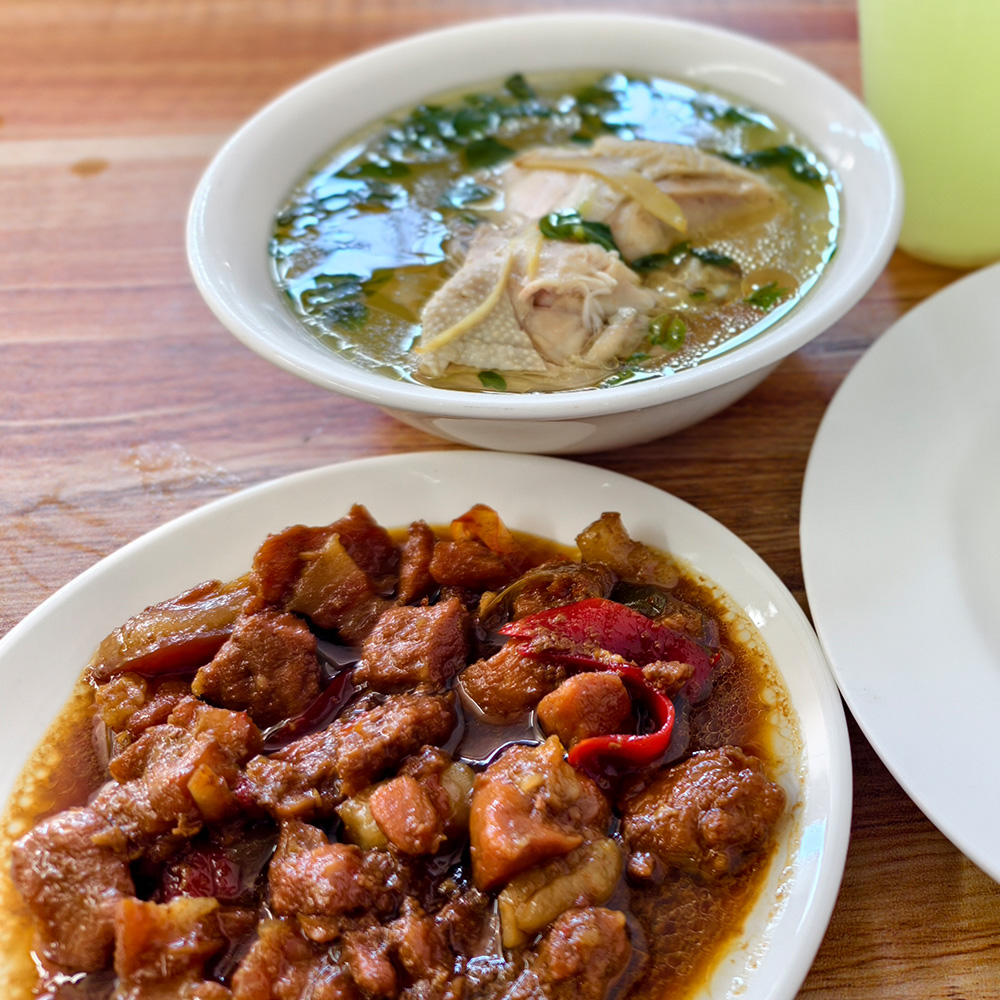
I remember this little place called Ronnie Food Stall in Cebu City, where I first discovered the magic of the carinderia. A great lunch with several dishes cost me less than 100 pesos ($1.70 USD), and it completely shaped how I ate throughout my time in the Philippines.
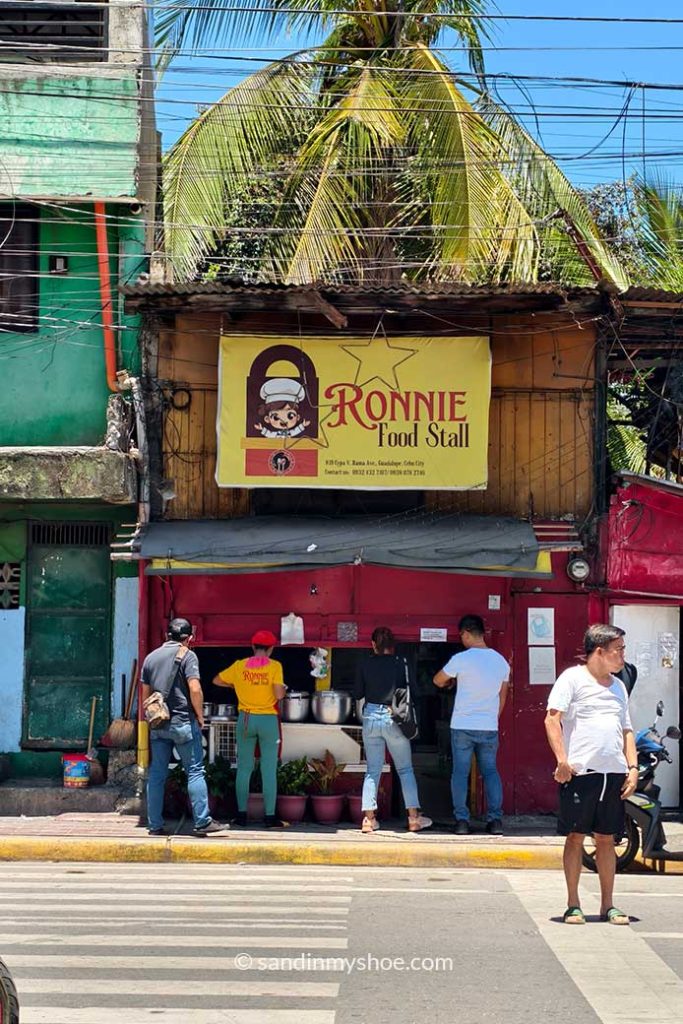
The best time to eat at a carinderia is usually from morning until lunchtime, since most dishes are cooked early in the day and replaced quickly as they’re eaten. That’s when the food is at its freshest. In the evening, it might be best avoided as the food has been sitting out for hours in the heat.
Price: 50-100 pesos (~$1-2 USD)
Best time to eat: Morning to lunchtime, when dishes are the freshest due to high turnover.
11. Bouldering
I went a bouldering a couple of times at RockOn Bouldering Gym, located in the Ayala mall inside IT Park. It’s a high-quality bouldering gym with routes that are updated continuously. If you enjoy staying active while you travel, I highly recommend checking it out.
Website: www.rockon.ph
Daypass: 550 pesos (~$9 USD)
FAQ about Cebu City
How is Cebu City?
Cebu is a culturally layered city, shaped by centuries of Chinese trade and immigration as well as Spanish colonial history. It has around one million people scattered on a large area, and unfortunately not a very walkable city. But it’s easy to get around with public transport once you get a hang of it, or by taxi, whether that’s a tricycle, car or even a motorbike (which is usually the fastest option, since they can zig-zag through the traffic jams).
Is Cebu City Worth Visiting?
Both yes and no. I don’t regret visiting, however if you are short on time, I recommend spending it on a white-sand beach rather than in a traffic jam. That said, if you are tired from the flight and maybe jet-lagged, spending a couple of days in Cebu City to recover can be a smart move.
Who Should Visit Cebu City?
Cebu City is the sixth most populated city in the Philippines, and because of its size, it offers plenty of amenities and services. There’s a large modern district called IT Park, packed with co-working places, cafes, popular stores, restaurants and even a bouldering gym.
For digital nomads, you’ll find everything you need here, though it’s not a true 24/7 city like Bangkok. Many places stay open late, still if you work on US time, the nights might feel a bit lonely.
Is There a Beach Near Cebu City?
The closest beach to Cebu City is on Mactan Island, just southeast of Cebu. I’ve written a daytrip section about Mactan Island at the end of this post.
Should You Extend Your Visa in Cebu City?
No. Try to avoid doing that in Cebu City. The reason is because when I was about to extend my visa in Cebu City, I checked the reviews on the Immigration office’s Google business page and they were horrible. Many travelers reported long waits and frustrating experiences, including concerns about corruption. I ended up extending my visa in Puerto Princesa on Palawan instead and had no issues at all.
Where to Stay Cebu City
Cebu City is a big, busy urban area, and choosing the right neighborhood makes a big difference. Ayala Center is best for comfort and convenience, IT Park is great for cafés and co‑working (I stayed around this area), and Mactan Island is ideal if you want resort‑style relaxation with pools and beach access. If you want a full breakdown of the best areas and hotels, have a look at my Where to Stay in Cebu City guide.
Final Thoughts on Cebu City
My favorite things to do in Cebu City were simply to stroll around, watch everyday life unfold, and stop by carinderias for a genuinely local food experience. Riding the jeepneys now and then was fun too. When it comes to actual tourist sights, I enjoyed Casa Gorordo, Fort San Pedro, and Magellan’s Cross the most—mainly for their historical value, which helped me understand the city and the country on a deeper level.


No comments yet, be the first one!
I appreciate hearing from you. If you have any suggestions, questions, or feedback, please leave a comment below. Your input helps ensure the information stays relevant and up to date for everyone.
Thank you for sharing your thoughts!