

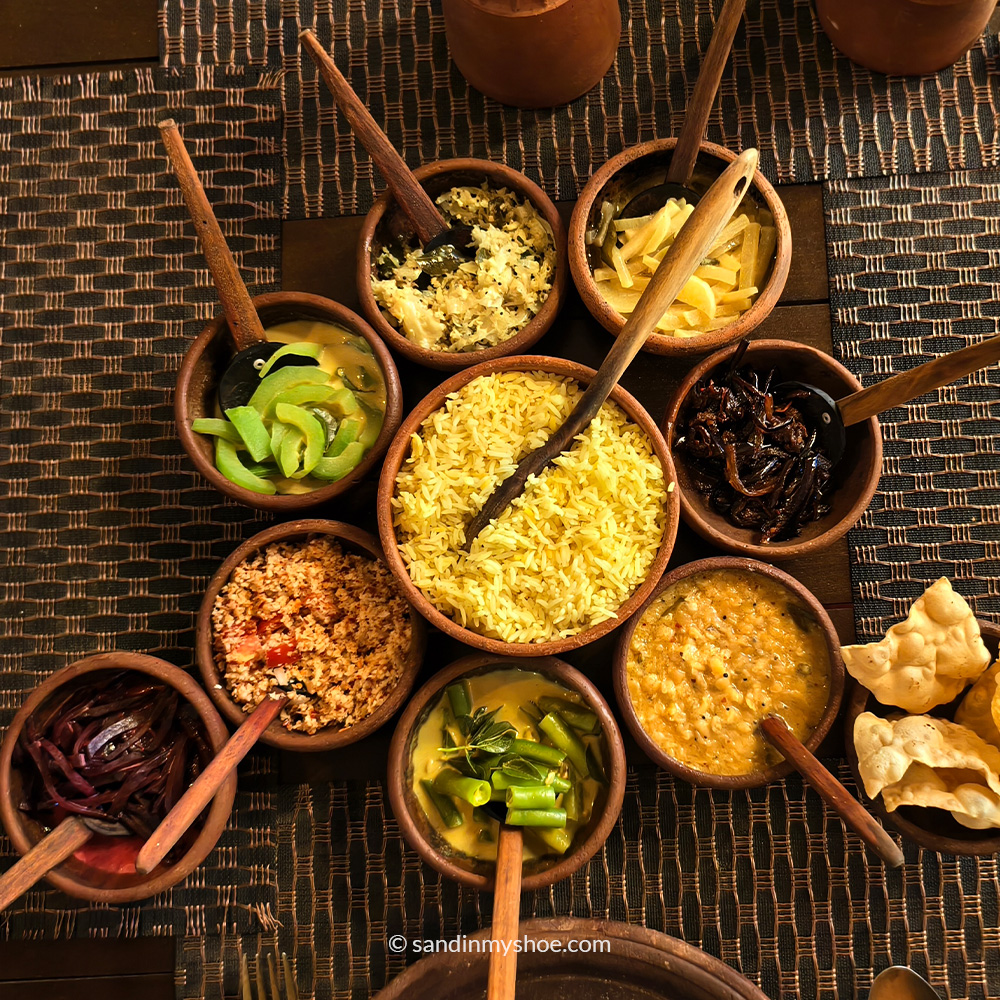
I visited Sri Lanka for three weeks, and I ate everything from roadside hoppers and kottu to fresh fruit, seafood, and the kind of home‑style curries you only find in small towns.
In this post, I’ll walk you through the most common dishes you’ll come across in Sri Lanka, along with a few personal favourites from my time on this vibrant island.
Common Questions About Sri Lankan Food
Yes — very. Sri Lankan food has deep vegetarian traditions, so you’ll find dhal, vegetable curries, jackfruit, sambols, hoppers, roti, and rice‑and‑curry plates everywhere. Most small restaurants and guesthouses understand “vegetarian” immediately, and you’ll never struggle to find a good, filling meal.
Vegan is doable with a bit more communication. Many dishes are naturally plant‑based, and Sri Lankan cooking relies heavily on coconut rather than dairy. Just mention no milk or eggs, and most places can adjust. Breakfast is especially easy: coconut roti, string hoppers, sambols, fruit, and dhal are usually vegan by default.
Must-Try Sri Lankan Traditional Dishes
I’ll sort this list by the order of my personal favorites, and what I ate the most.
Roti (Personal favorite!)
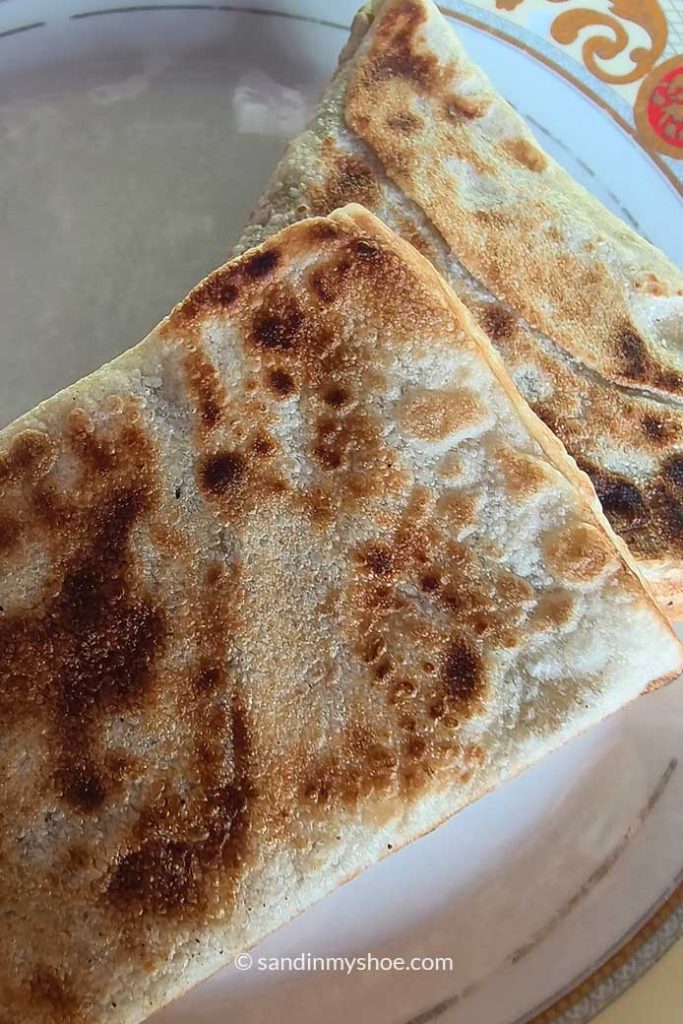
Roti isn’t really a “dish” — it’s more of a snack — but in my philosophy, enough Roti absolutely counts as a full meal. It became an instant favorite after just one bite. During my Sri Lanka tuk‑tuk days, I ate countless rotis and grabbed snacks wherever I stopped.
It’s a triangular, pan‑fried flatbread with savoury filling, and you’ll usually find it in two classic versions:
- Chicken Roti
This filling is a mix of chicken, potatoes, onions, and a handful of spices. Slightly crisp on the outside and soft on the inside, it’s one of the most satisfying grab‑and‑go bites you’ll find in Sri Lanka. - Vegetable Roti
A close second and sometimes even better, depending on the place is the vegetable version of this little triangle of paradise. The chicken is swapped out for carrots, cabbage and whatever vegetables are available that day. Same golden triangle, just a ligher, plant-based filling.
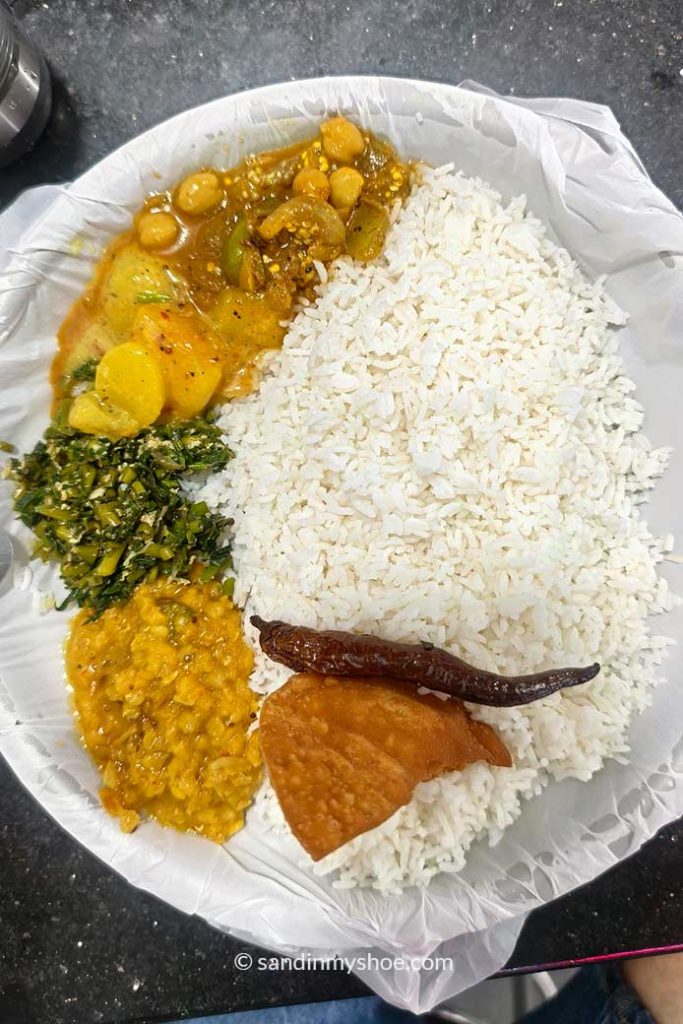
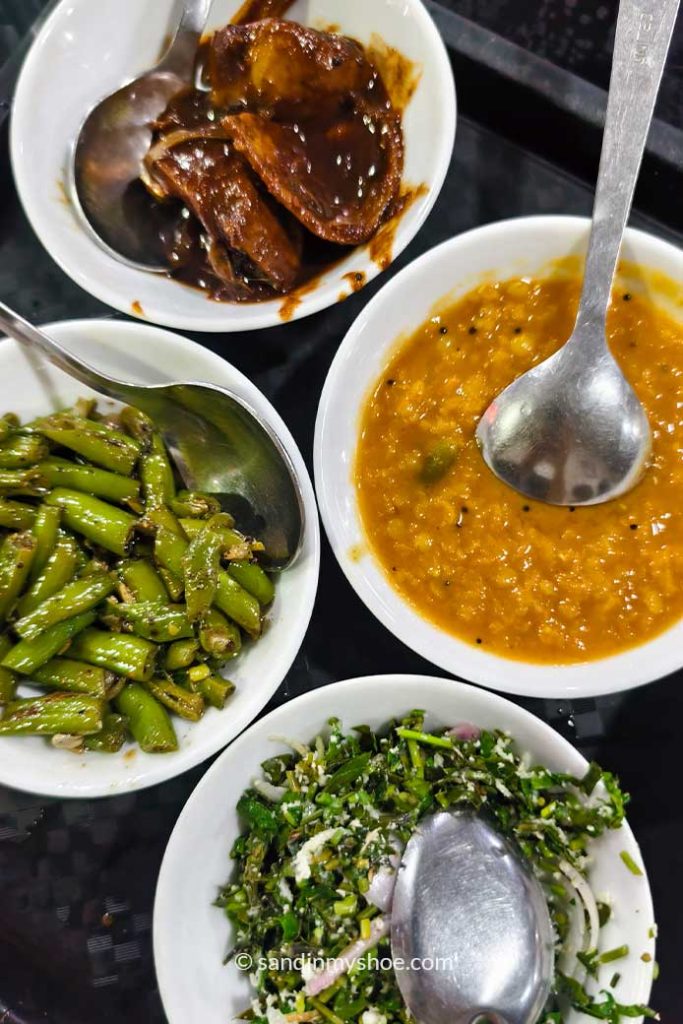
Rice And Curry
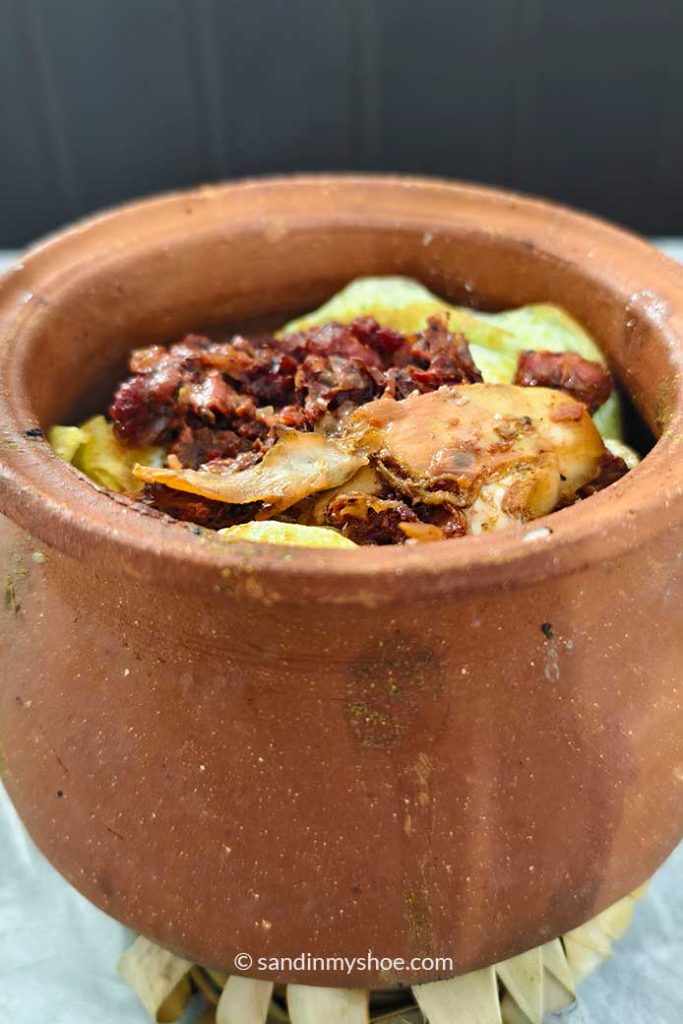
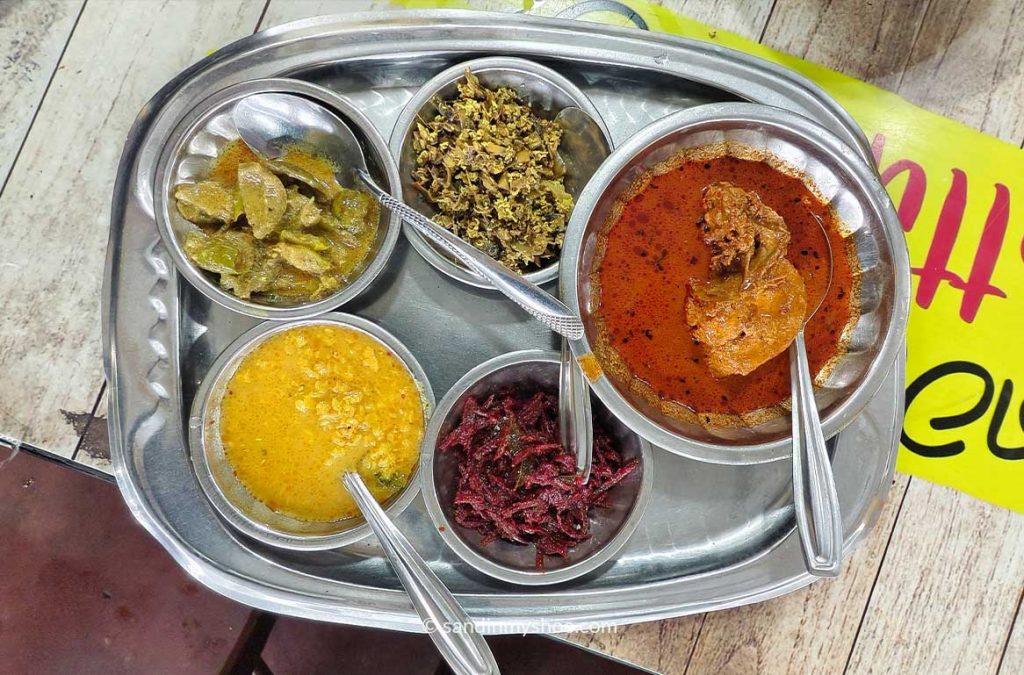
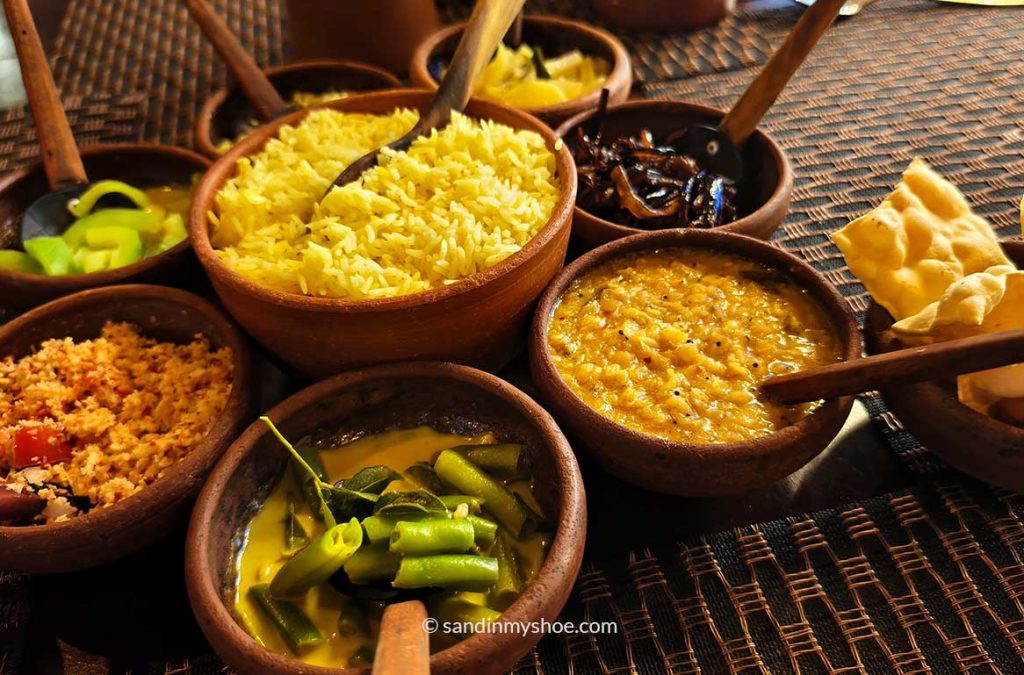
Rice and curry is without a doubt the most classic dish in Sri Lankan cuisine — or perhaps more accurately, a tasting plate, since it’s made up of so many different small dishes. Usually it’s served on a plate, but sometimes in a warm pot.
The curry part consists of different dishes, some vegetarian and other meat-based, often featuring chicken, fish, lamb or goat. This is accompanied by several other dishes, pickled fruits or vegetables, chutneys and sambols.
Together, the spices and pickled sides create a bright, layered sensation on the palate.
The most elaborate one I had was in Sigiriya town: nine separate curries served alongside a bowl of rice. It was arguably the standout of my trip. The flavours were incredible, but the visual presentation surprised me just as much.
Kottu Roti
Tak‑tak‑tak. That’s the sound of kottu roti coming to life — two metal blades clattering over a hot plate, shredding roti, vegetables, eggs, curry, and rice into the island’s favourite late‑night chaos.
It’s an iconic street food dish made everywhere in Sri Lanka, and considered as one of the go-to dishes during a hangover.
I was genuinely curious to try kottu roti. On paper it’s simple enough — it reminded me of the fried‑rice‑with‑chicken dishes you find all over Asia, except here they throw in chopped roti as well. But honestly, it wasn’t my favourite. It felt like carbs on carbs, and more than once I ended up with a mountain of rice, a few sad pieces of chicken, and barely any vegetables.
Maybe I was just unlucky, or maybe some vendors cut back on the pricier ingredients, but it never quite lived up to the hype for me.
The Devilled Dishes
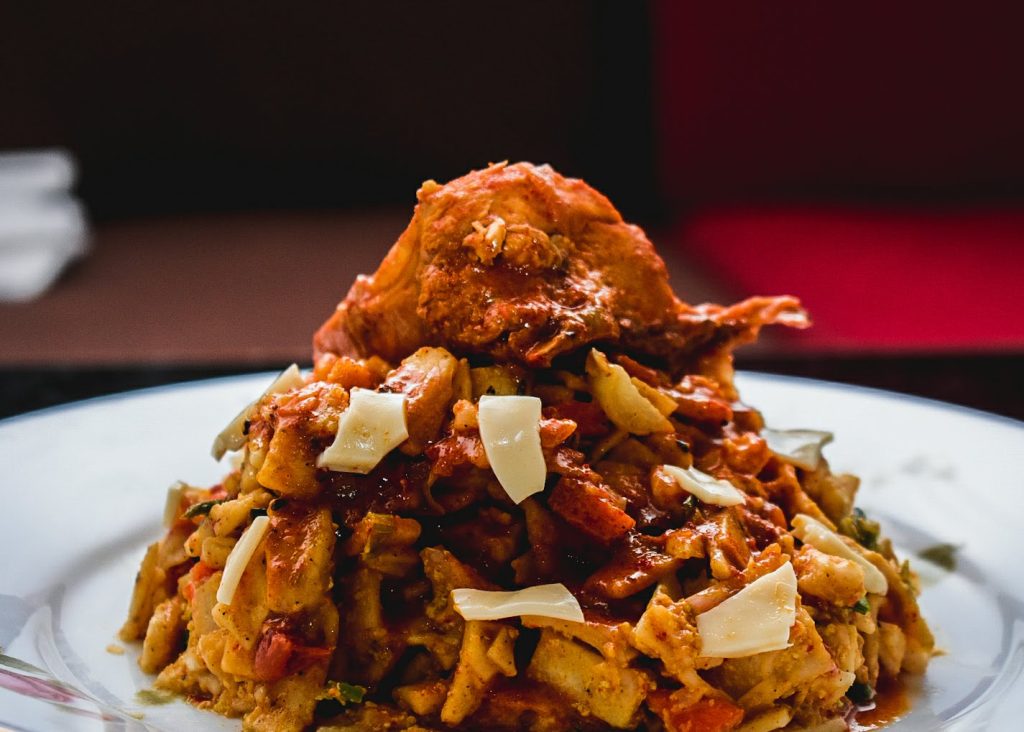
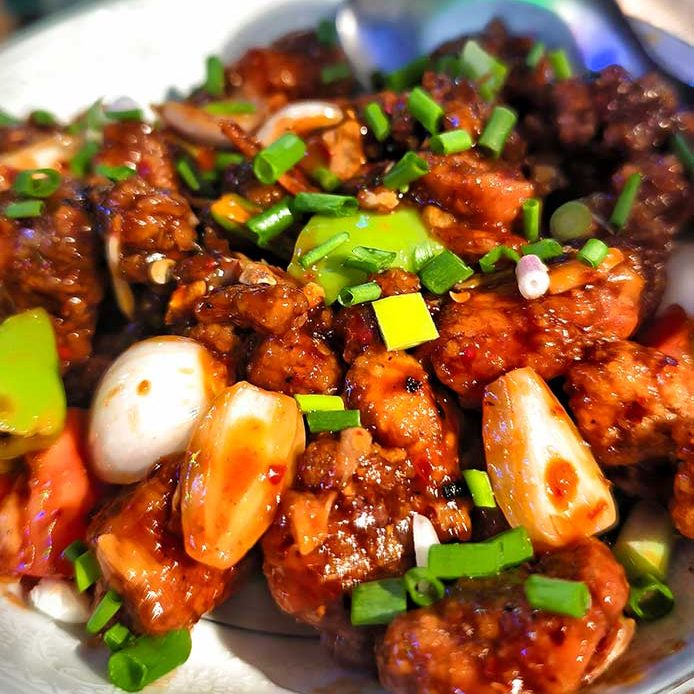
The term devilled refers to highly seasoned and boldly flavored food. It’s usually made with meat that’s marinated to become spicy, sweet and acidic all at the same time, then quickly fried with onions, peppers, tomatoes and plenty of chili. It can be found in more or less any town in Sri Lanka, and made with all kinds of meat: chicken, fish, lamb, whatever the kitchen has on hand.
Dosa
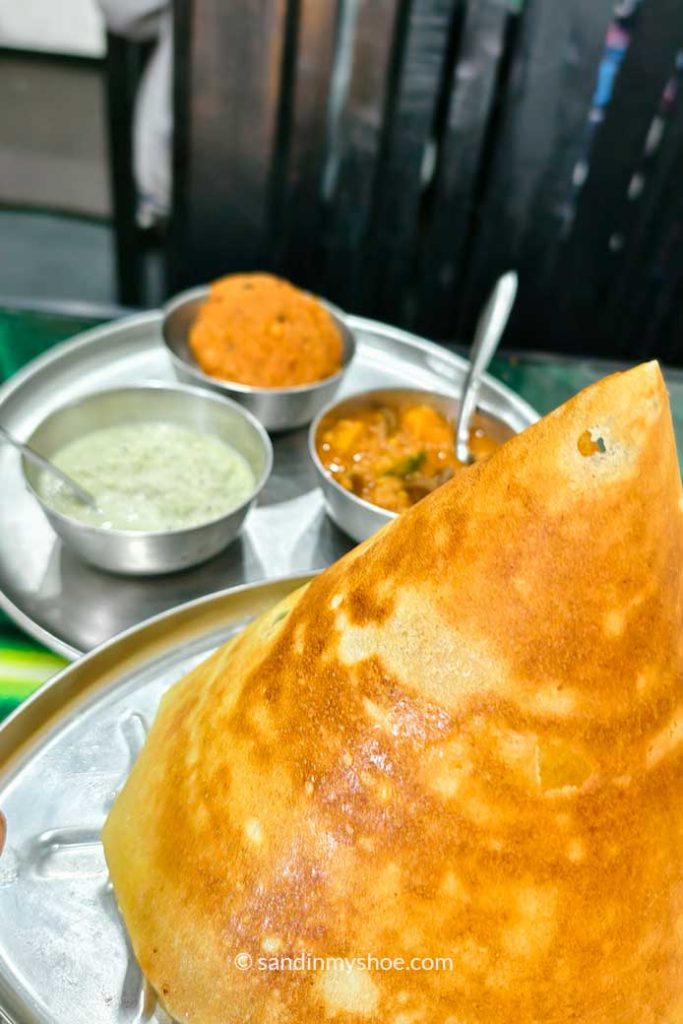
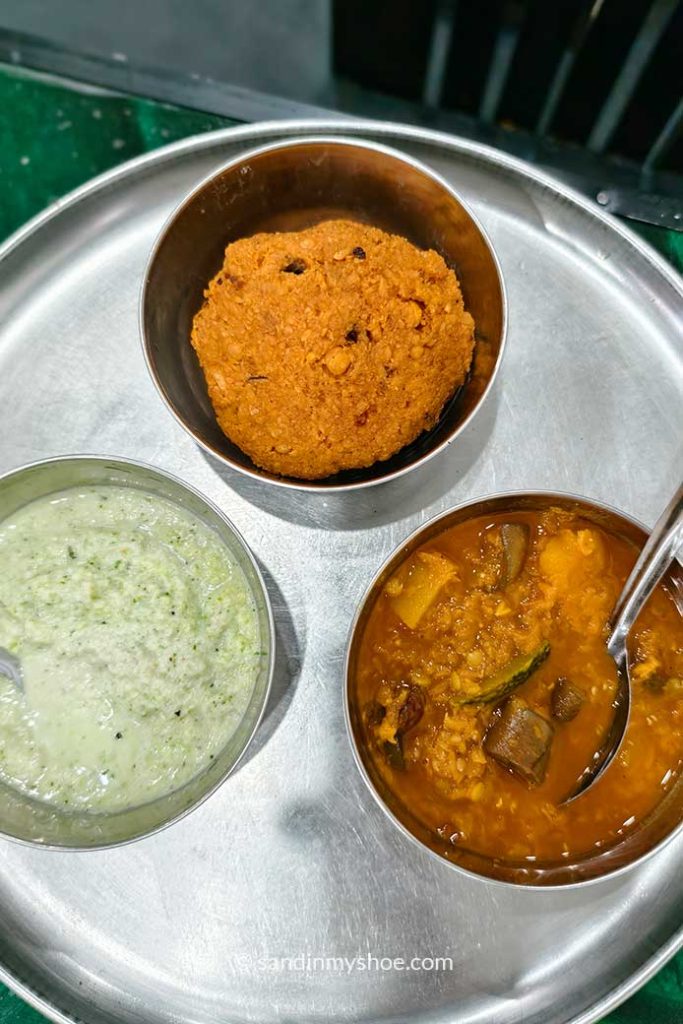
Dosa is a thin savory crepe made of lentil and rice flour, served with hot chutney and sambar. The bread is hollow inside, it’s just shaped like a hat.
I walked by this random restaurant and the visual presentation caught my eye, while checking out a random town close to Ella called Bandarawela.
Chicken Biryani
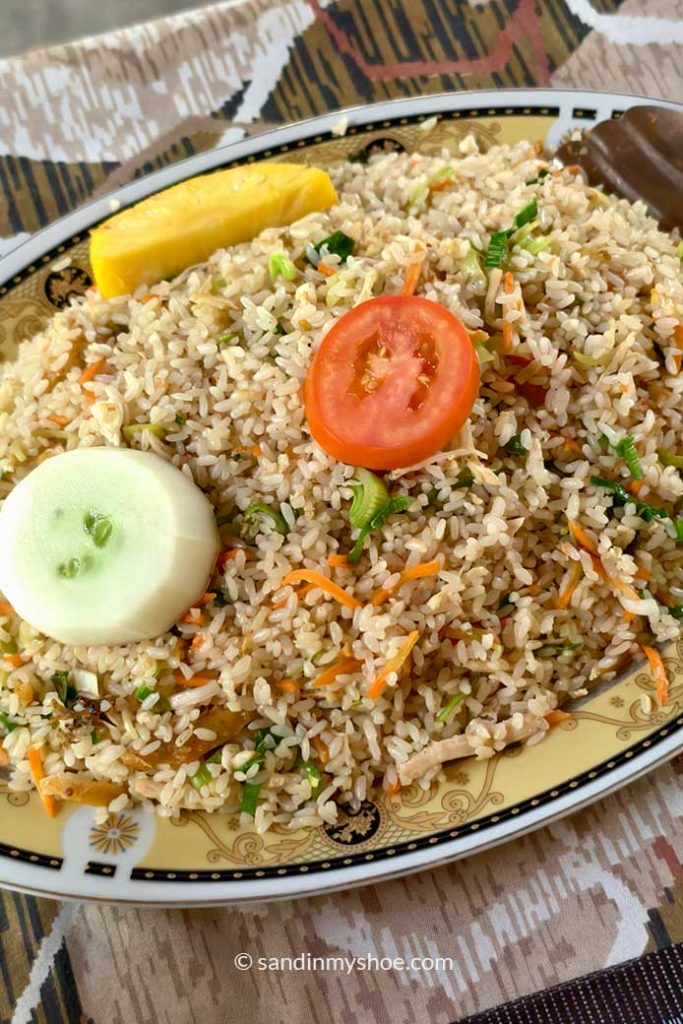
This is a very safe dish — more or less what you expect. Spiced rice, chicken shreds and vegetables cooked with enough flavour to keep you happy without surprising you with the heat. It’s a kind of dish you order when you’re tired and just want to eat, and knowing that you’ll get something reliable.
Snacks & Sweets
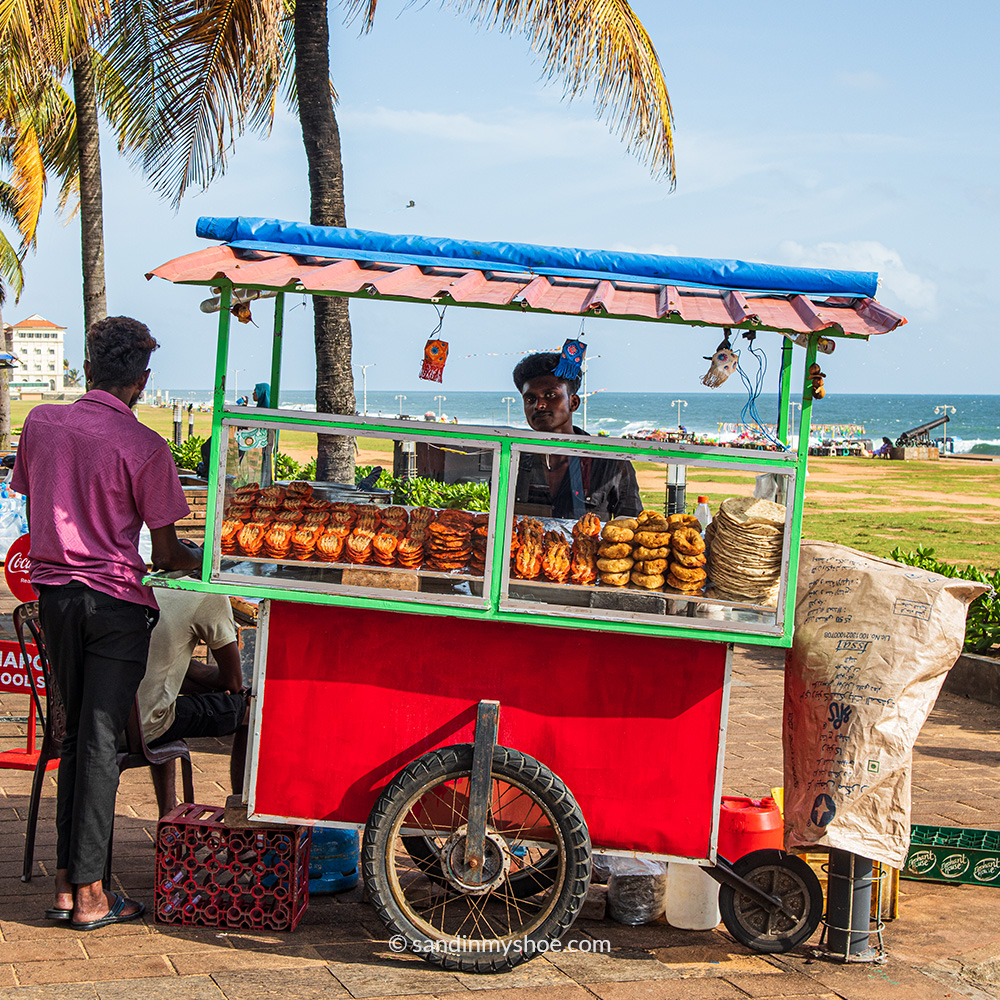
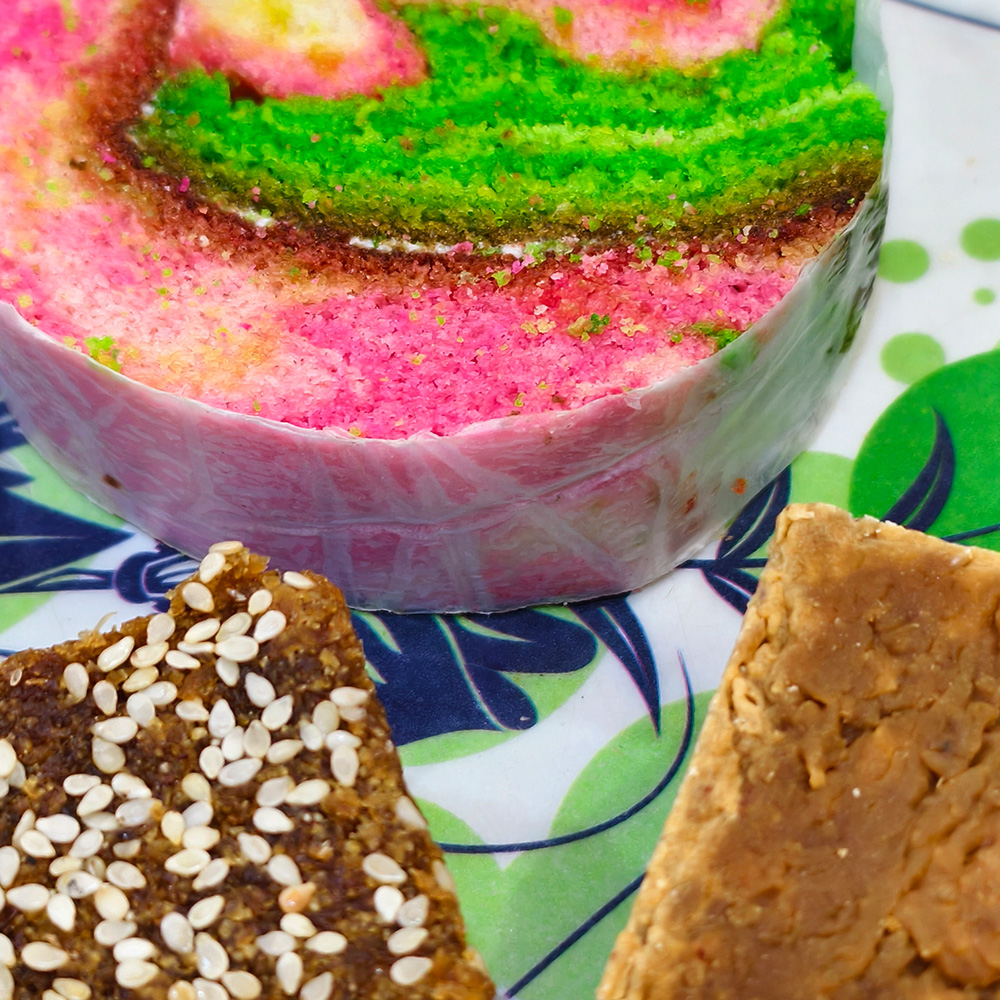
I had a habit of buying small snacks wherever I was. Sometimes that led to the best surprises.
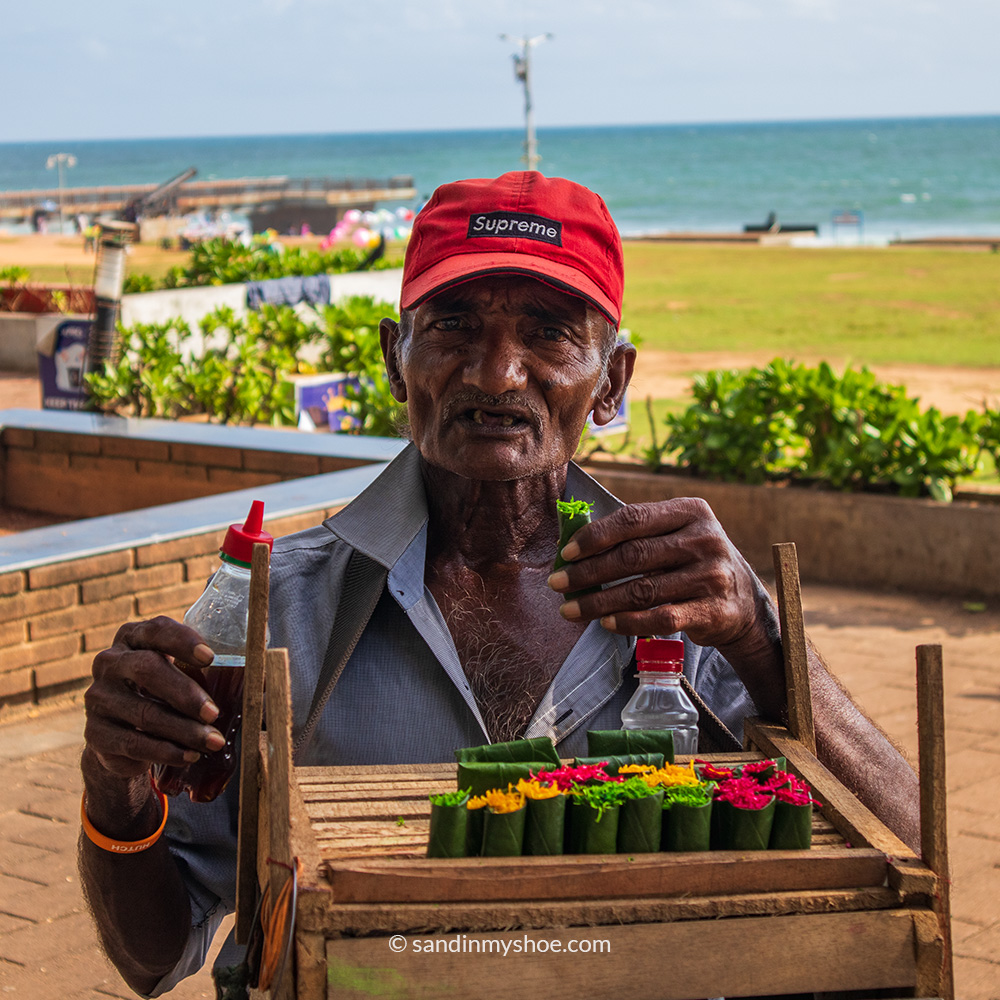
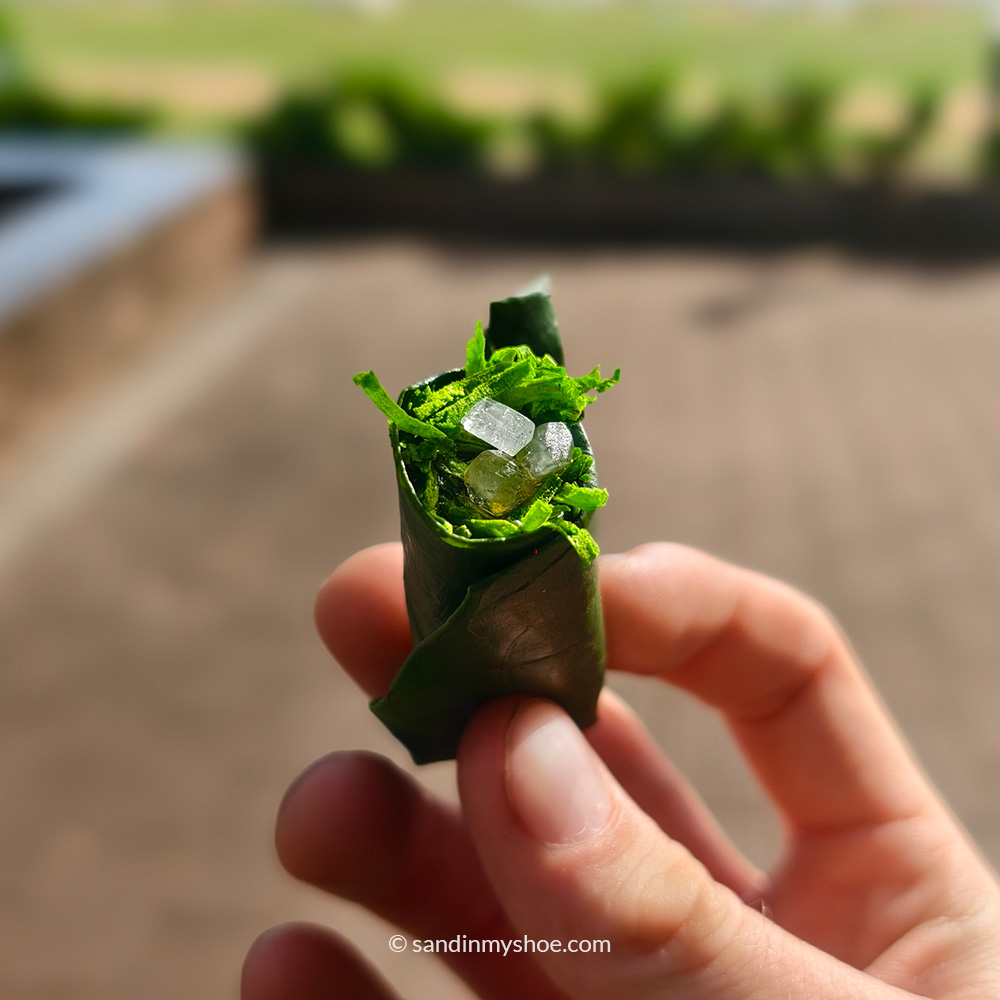
Lavariya (Sweet Dumplings)
Honestly, the first time I tried it confused me. I though that someone was pranking me since it looked like some old noodles they’ve found laying around in someone’s pocket. But after a brave bite, I learned it’s actually a sweet treat: caramelized coconut encased in delicate string hoppers. Interesting to try, but one servings can easily be shared with two people.
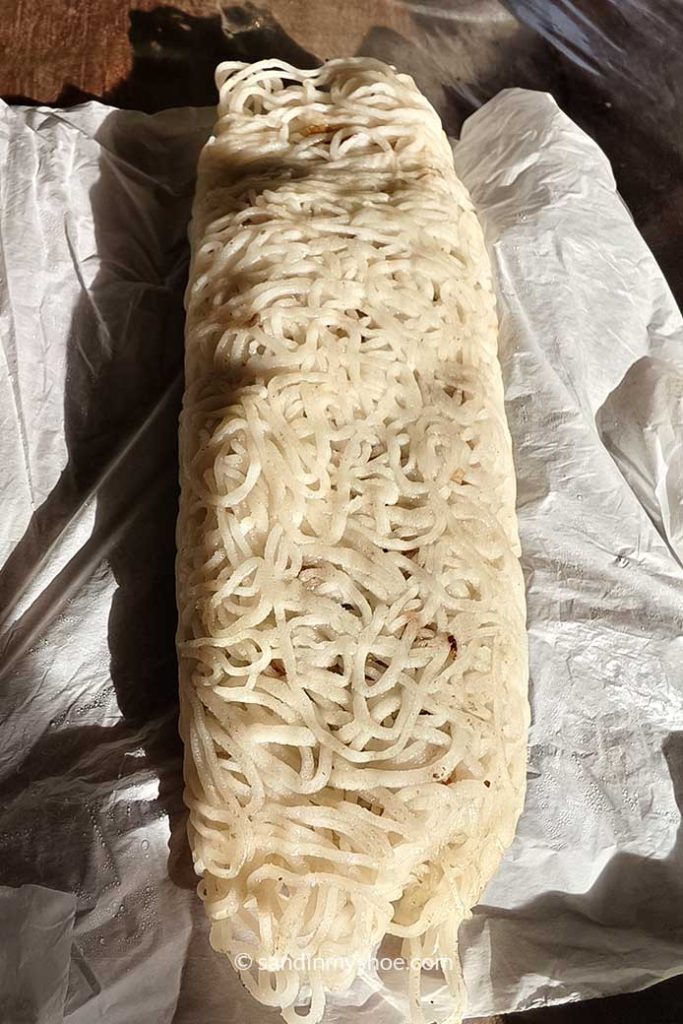
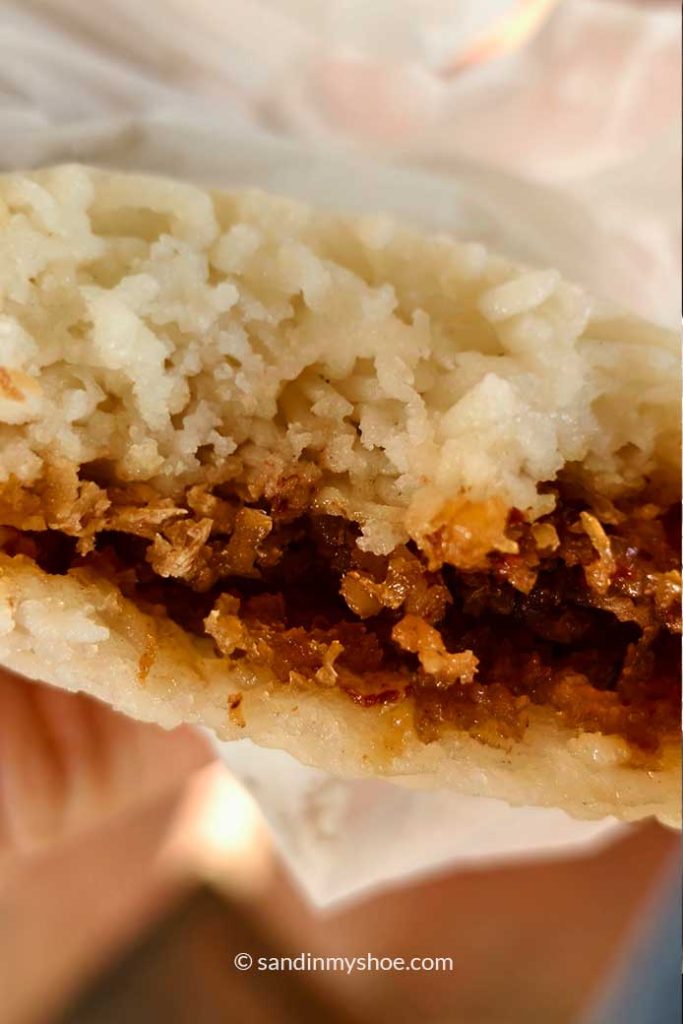
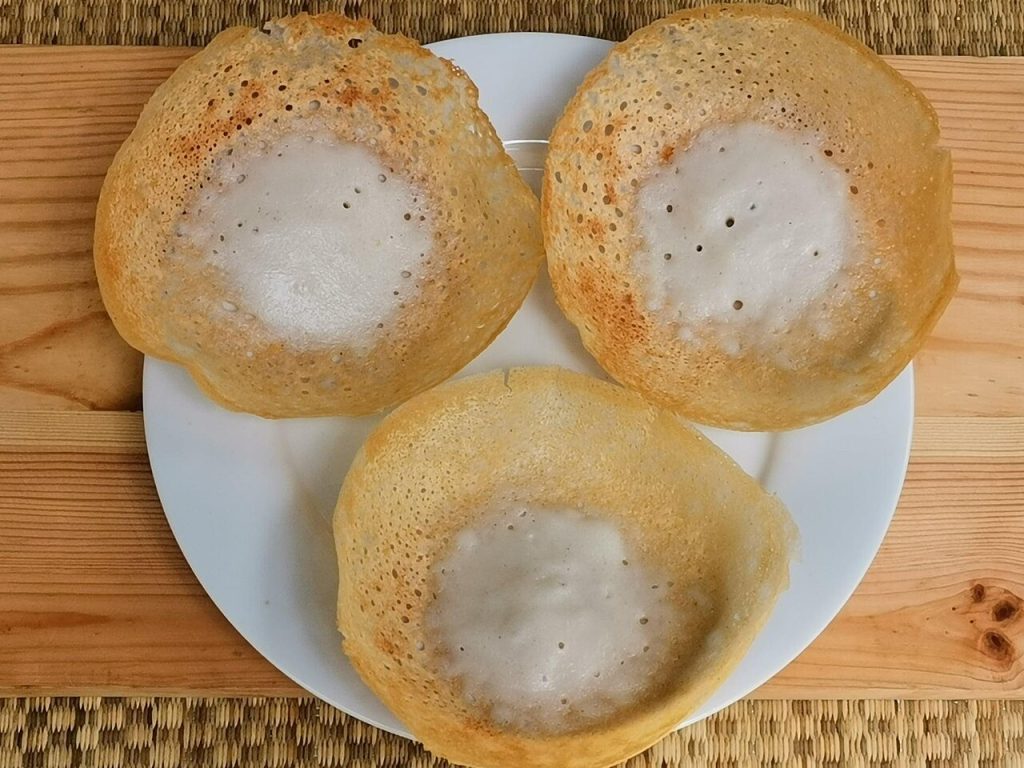
Egg Hoppers
Egg hoppers are bowl-shaped pancakes made from fermented rice flour and coconut milk, cooked until the edges turn crisp and golden. They’re very much a street‑side breakfast — quick, cheap, and easy to grab on the go. But also common in hotel buffees.
King Coconut
A king coconut is simply a young coconut, but as a Swede, I’m not exactly used to seeing these lying around in the shops — and when they do appear, they cost a small fortune. In Sri Lanka, though, they’re basically growing in the backyard. You get sweet, cold coconut water straight from the source, no processing, no packaging, just pure refreshment. Don’t miss it. It’s so good.
Where To Eat Cheap and Authentic Food in Sri Lanka
I usually look for restaurants packed with locals. It’s cheaper and more authentic than the ones that cater towards foreigners. During my travels I could easily eat a great lunch for 300-400 LKR ($1-$1.3 USD). In some areas, though, that’s easier said than done. Tourist hubs often cater mainly to visitors, so you may need to wander a few streets away from the main strip to find the real local spots.
Breakfast in Sri Lanka
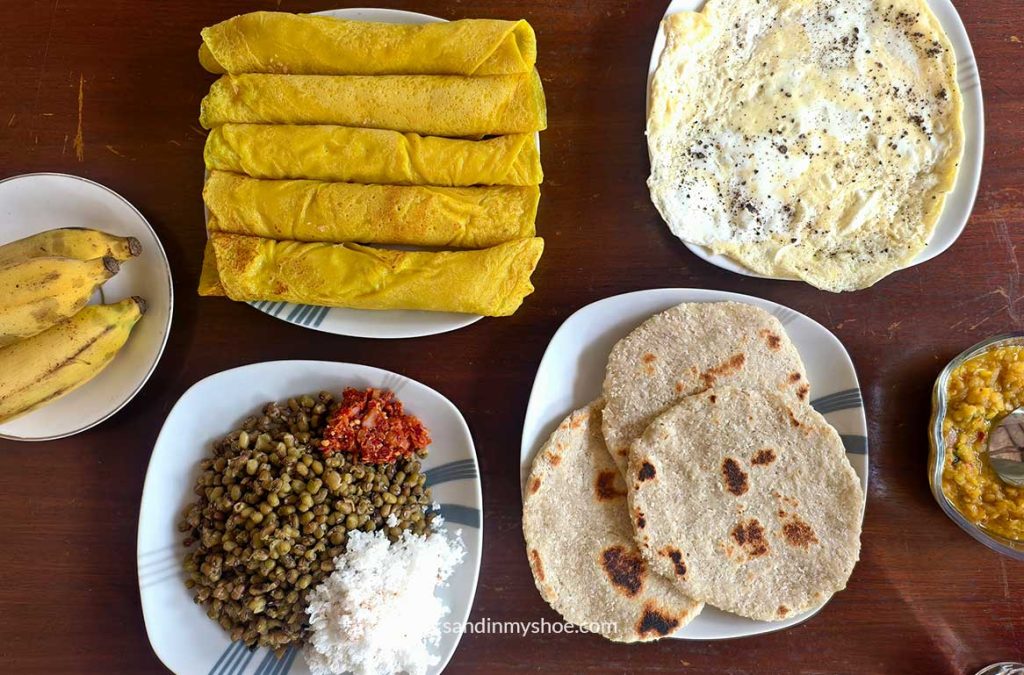
Prepare yourself to be blown away by the breakfasts in Sri Lanka. In so many of the guesthouses I stayed in, the owner casually asked if I wanted breakfast, and I said yes without thinking twice. I had no idea I was agreeing to some of the biggest breakfasts I’ve had in years. Normally I’m a two‑cups‑of‑black‑coffee kind of morning person, but Sri Lanka changed that completely. Suddenly I was eating like a family of three, and pregnant with one more.
One morning I was served a spread that looked like it belonged at a wedding buffet: rolled coconut pancakes, mung beans with grated coconut, spicy chutney, dhal curry, roti, a peppered egg, and a plate of bananas to round it off. It was colourful, comforting, and completely over the top — and I loved every bite. Sri Lankan breakfasts aren’t just meals; they’re morning rituals built around warmth, spice, and coconut in every form imaginable. I ate so much that I didn’t need a tuk‑tuk for sightseeing; I could’ve just rolled myself to the next place.
Cost of Food and Drinks in Sri Lanka
During my travels in Sri Lanka, I was surprised on both ends of the spectrums — not just by how cheap things could be, but also by how unexpectedly expensive they sometimes were.
A coffee could cost 50 LKR ($0.2 USD) in a very local place and 1500 LKR ($5 USD) in a very touristy area. Food was the same — prices went up dramatically the moment the tourist concentration increased. Here’s some price guidelines.
Daily Travel Budgets for Food in Sri Lanka
I consider myself a comfortable backpacker, and I averaged around $20 USD per day on food while travelling in Sri Lanka — mostly by eating at local spots rather than tourist‑oriented restaurants. Here’s a rough idea of what you can expect to spend:
- Backpacker budget per day: 2,000–4,000 LKR ($6.5– $13 USD)
Enough for local meals, snacks, water, and the occasional treat. - Mid‑range budget per day: 5,000–10,000 LKR ($16 – $30 USD)
Covers nicer cafés, coffee culture spots, and a mix of local and tourist restaurants.
The Cost of Food & Drinks in Sri Lanka
- Coffee (local place): 50 LKR / $0.20 USD
- Coffee (tourist café): 1,000–1,500 LKR / $3.20–4.85 USD
- King coconut: 150-300 LKR / $0.5-1 USD
- Local rice & curry: 300–600 LKR / $1–2 USD
- Burger menu in Arugam Bay: 4,500 LKR / $15 USD
- Chicken Roti: 120 LKR / $0.40 USD, Vegetable Roti 100 LKR / $0.32 USD
- Tourist café meal: 1,200–3,000 LKR / $3.80–9.60 USD
- Fresh fruit juice:
- Local: 300–600 LKR / $1–2 USD
- Touristy: up to 1,200 LKR / $3.80 USD
- Beer:
- Shops: 500–700 LKR / $1.60–2.25 USD
- Bars & restaurants: 1,000–1,200 LKR / $3.20–3.80 USD
- Drinks in tourist areas: 2,000–3,000 LKR / $6.50–10 USD
The Easy Summary
I recommend trying as many of the traditional Sri Lankan dishes I mentioned as you can — and enjoy them the local way. That’s where you get the real flavours, the proper atmosphere, and it’s way better for your wallet. Food prices are all over the place in Sri Lanka: cheap in big cities, noticeably higher in touristy areas around major sights and along the coast. But if you stick to the spots where locals actually eat, you can still keep costs low — and honestly, those meals are usually the most memorable anyway.
If you want to turn these food experiences into a full journey, I’ve built a 3‑week Sri Lanka itinerary that follows a relaxed loop through the island — from street‑side hoppers to spicy coastal curries, tea‑country snacks, and east‑coast seafood.


No comments yet, be the first one!
I appreciate hearing from you. If you have any suggestions, questions, or feedback, please leave a comment below. Your input helps ensure the information stays relevant and up to date for everyone.
Thank you for sharing your thoughts!