
In this post, I’ll share some of my favorite experiences across the islands during my 7-week visit and reflect on if the experience was worth the cost. From super-cheap local adventures to splurges that might be worth every peso. Whether you’re traveling on a shoe-string budget or with knee-deep pockets filled with pesos, this list offers something for everyone.
When To Visit the Phillipines
Before hopping into the list of best things to do in the Philippines, let’s first look at when it’s the best time to visit. There are several monsoons affecting the overall weather in the Philippines at different times, but touristy areas such as: Cebu, Palawan, Boracay, Bohol, Siquijor and Siargao are the driest between January and April.
Shoulder months like November, December and May are still considered good time to visit, slightly wetter, but with less crowds and more affordable prices.
The remaining months: June to October mark the peak wet season and are generally best avoided.
Now that we got that out of the way, let’s begin with the activities.
 29°C
25°C
29°C
25°C
30°C
25°C
32°C
26°C
29°C
25°C
29°C
25°C
30°C
25°C
32°C
26°C
 32°C
26°C
32°C
26°C
 31°C
26°C
30°C
26°C
31°C
26°C
31°C
26°C
30°C
26°C
29°C
25°C
29°C
25°C
29°C
24°C
30°C
24°C
31°C
25°C
33°C
25°C
33°C
26°C
32°C
26°C
31°C
26°C
31°C
26°C
31°C
25°C
31°C
25°C
30°C
24°C
30°C
24°C
31°C
26°C
30°C
26°C
31°C
26°C
31°C
26°C
30°C
26°C
29°C
25°C
29°C
25°C
29°C
24°C
30°C
24°C
31°C
25°C
33°C
25°C
33°C
26°C
32°C
26°C
31°C
26°C
31°C
26°C
31°C
25°C
31°C
25°C
30°C
24°C
30°C
24°C
1. Learning to Freedive in Barracuda Lake, Coron
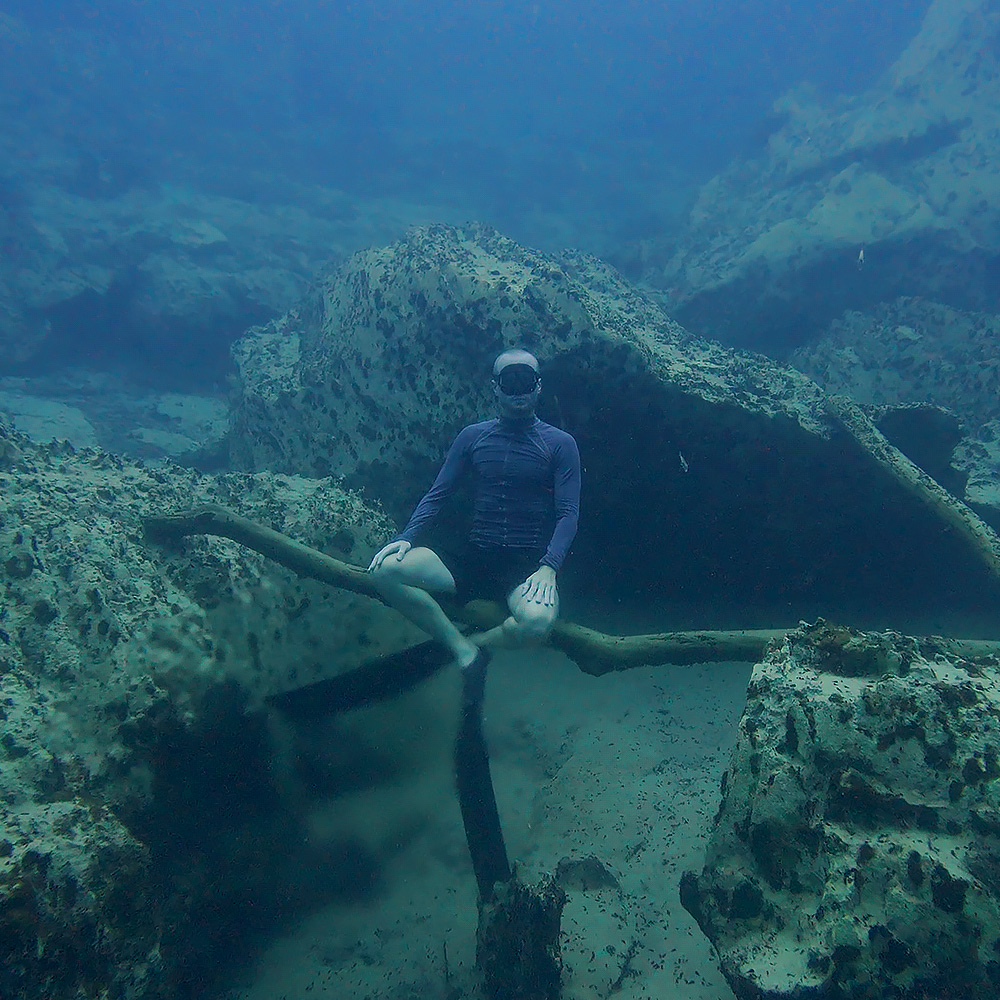
I’ve been curious about freediving ever since a lung capacity test in high school revealed that I was above average. That small discovery stuck with me, occasionally surfacing in the back of my mind. But I never acted on it until more than a decade later.
Eventually, while traveling through Southeast Asia for nine months, I signed up for a two-day freediving course in Coron. It was my first real step into the world I’d been curious about for years.
The practical part of the course was held in Barracuda Lake, which is a volcanic crater that has reverse thermoclines and a mix of fresh and salt water. That means the water gets warmer the deeper you dive. A strange feeling when your instincts are expecting the opposite. Then, at around 28 meters, it gets colder again (I went only down to 22 meter / 72 feet). So there’s a pocket of warm water and it reaches up to 40 °C (104 °F), making the experience even more memorable.
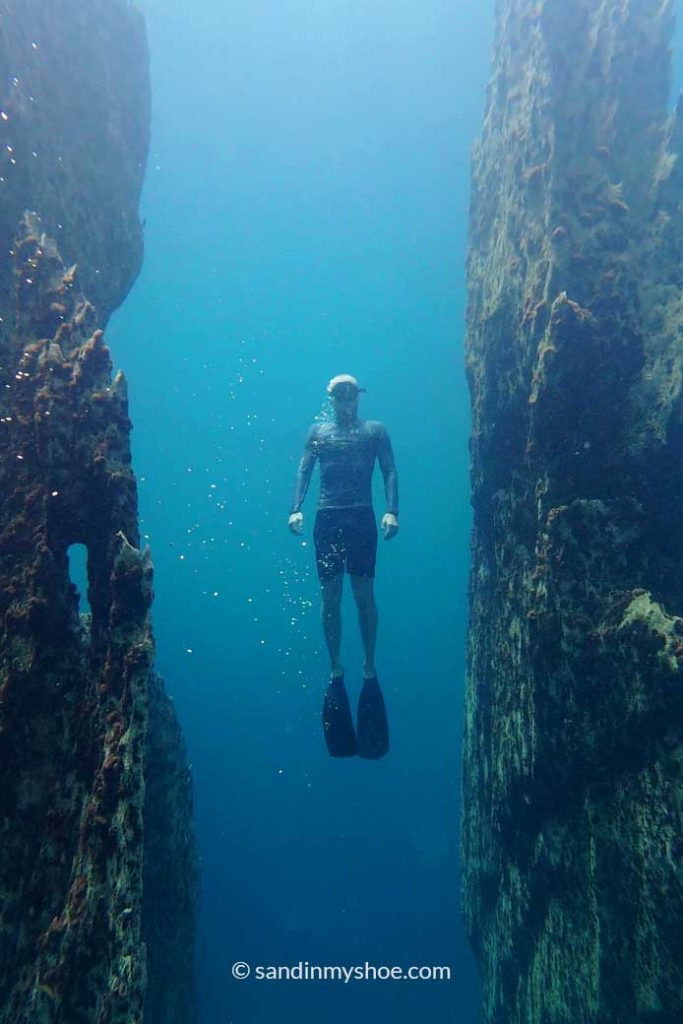
The course taught me the fundamentals of freediving: breathing techniques, ear equalization, safety protocols and the mental discipline required to stay calm when you have 20 meters of water above you and your diaphragm is spasming.
After learning the basics, I was proud to be able to hold my breath for 2 minutes and 15 seconds.
Since I’ve been curious about freediving for a long time, I’d say it was worth the cost—but definitely on the expensive side compared to other activities.
Price: PHP 14,400 ($238 USD) for a two-day course
2. Three-Day-Two-Night Coron Expedition
If you are looking for adventure consisting of remote islands, snorkeling over coral reefs in crystal-clear waters and unlimited rum—this is the trip.
After spending a good amount of time on Palawan Island and hearing people talk about their experiences on the Coron Expedition, I decided to join the 3-day and 2-night expedition from El Nido to Coron as well.
We traveled in a traditional boat called Banca, which is a long wooden canoe-looking boat with bamboo stabilizers that look like training wheels for the sea. They’re used everywhere in the Filipino waters since they work great in shallow areas.
We were around 10 people in total plus the crew—a mix of solo travelers and groups from many different countries and age ranges. The crew vibe was great. Some of the crew didn’t speak English, but the ones in charge did. The energy was warm and welcoming throughout.
For those three days, we hung out on empty beaches on even emptier islands, snorkeled in more spots than I can remember, slept in the simplest huts on the beach, ate plenty of Filipino food, sang karaoke, and drank rum like pirates (and yes, the Filipino rum is good).
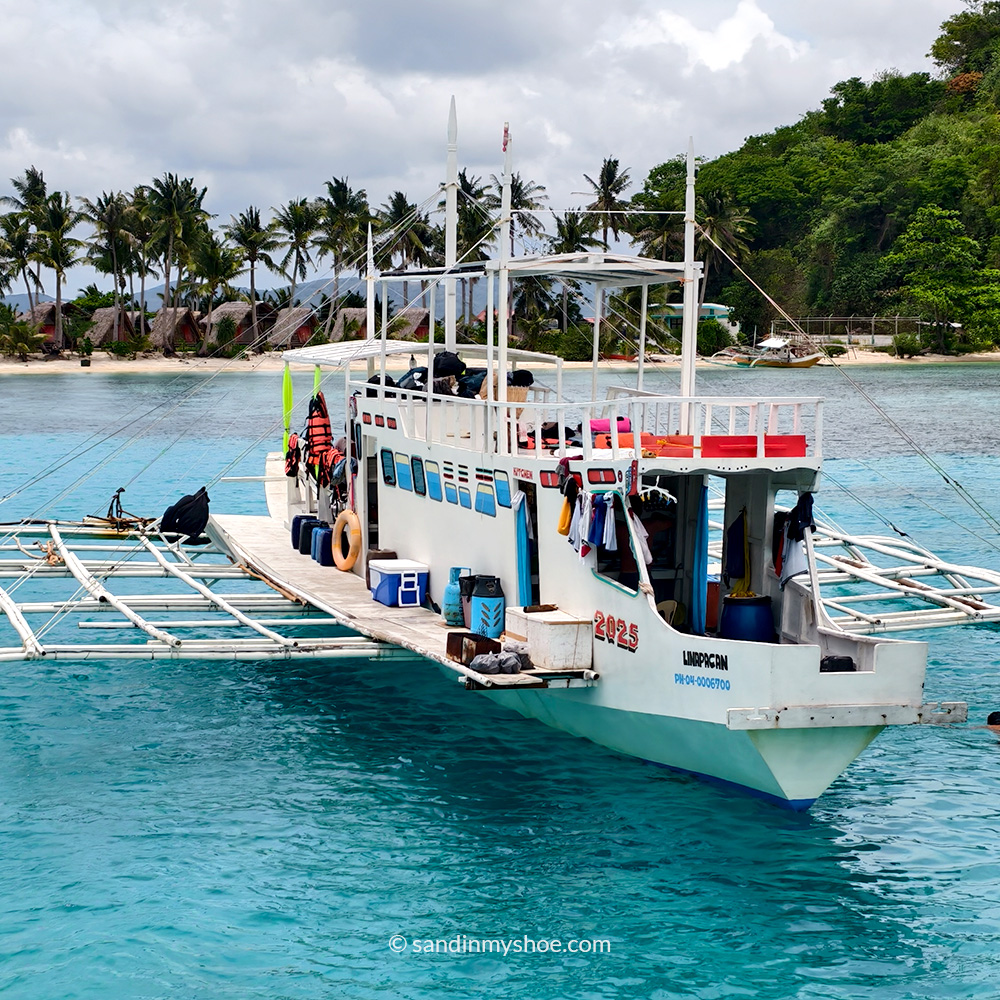
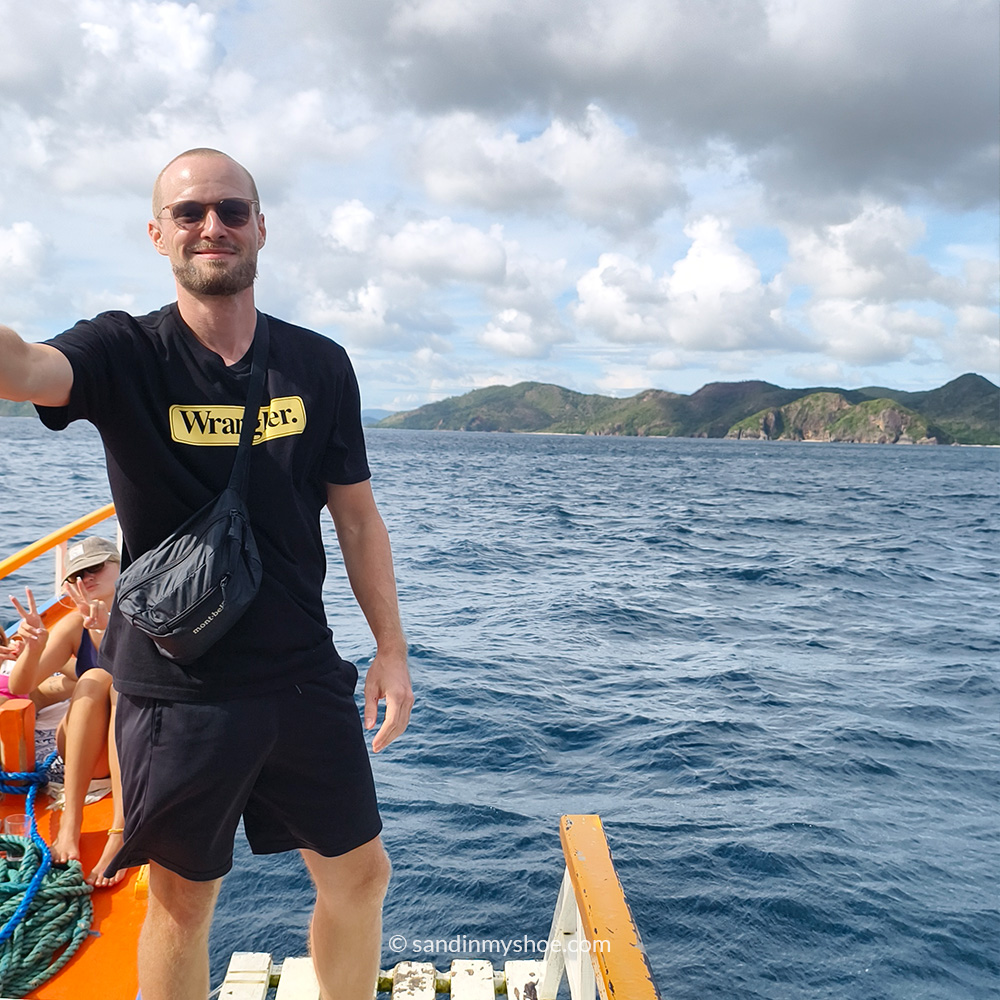
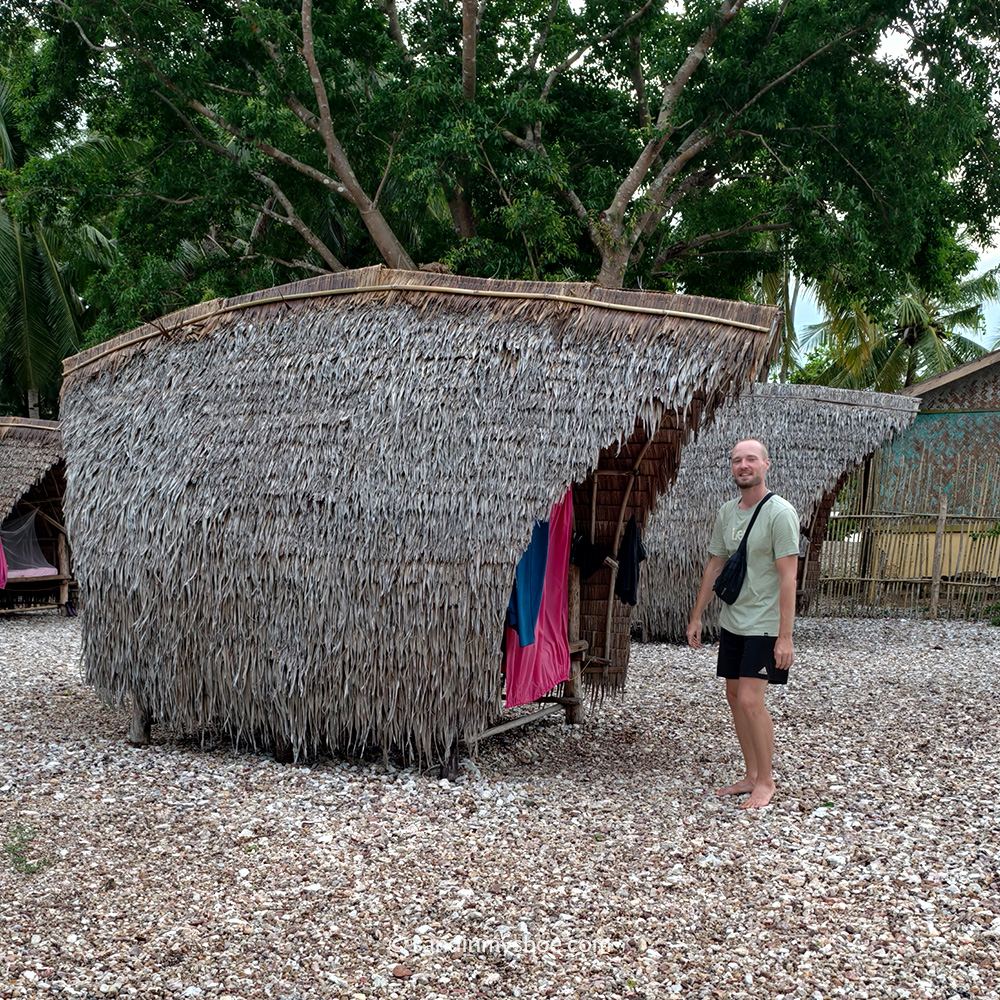
The price was PHP 14,000 (~$238) and included food, lodging, booze, the boat ride to Coron and snorkeling gear. That’s not bad, considering you save on accommodation—Palawan area is expensive, so around $60 for a two nights in a private room. A day ferry to Coron would cost about $45, and food and drinks maybe $60 for three days. You would be spending around $165 anyway.
So the extra cost is roughly $73 for traveling around like a pirate and stopping in beautiful, deserted places while sipping rum like Jack Sparrow. That’s about ~$24 per day for activities.
It’s well worth the experience and memories, especially if you justify the cost by creative calculation. Easily one of the most memorable things to do in the Philippines.
Price: PHP 14,000 (~$238 USD)
3. Diving with Thresher Sharks
In Malapascua, thresher sharks might glide within three meters, watching every twitch your body makes as their presence is enough to put most divers on edge. Initially, when I laid eyes on the first shark, I got afraid because there’s nowhere to hide. But after noticing that nobody else seemed afraid, I relaxed and enjoyed my time watching these amazing creatures glide around us.
This is an experience that stands apart from the usual things to do in the Philippines — and it’s definitely adrenaline-filled, because it goes against instinct. One should swim away from the sharks, not towards them.
The island of Malapascua is located in the northern part of Cebu, and its main activity is diving with sharks. Thresher sharks can be seen at Monad Shoal throughout the year, and it’s basically guaranteed that you’ll see one. Apart from them, you might be able to spot whitetip sharks and tiger sharks, though they’re rarer. If you want to maximize your luck for all type of sharks, consider traveling during the dry season: January to April. I was there in mid-April and saw multiple thresher sharks and one whitetip shark.
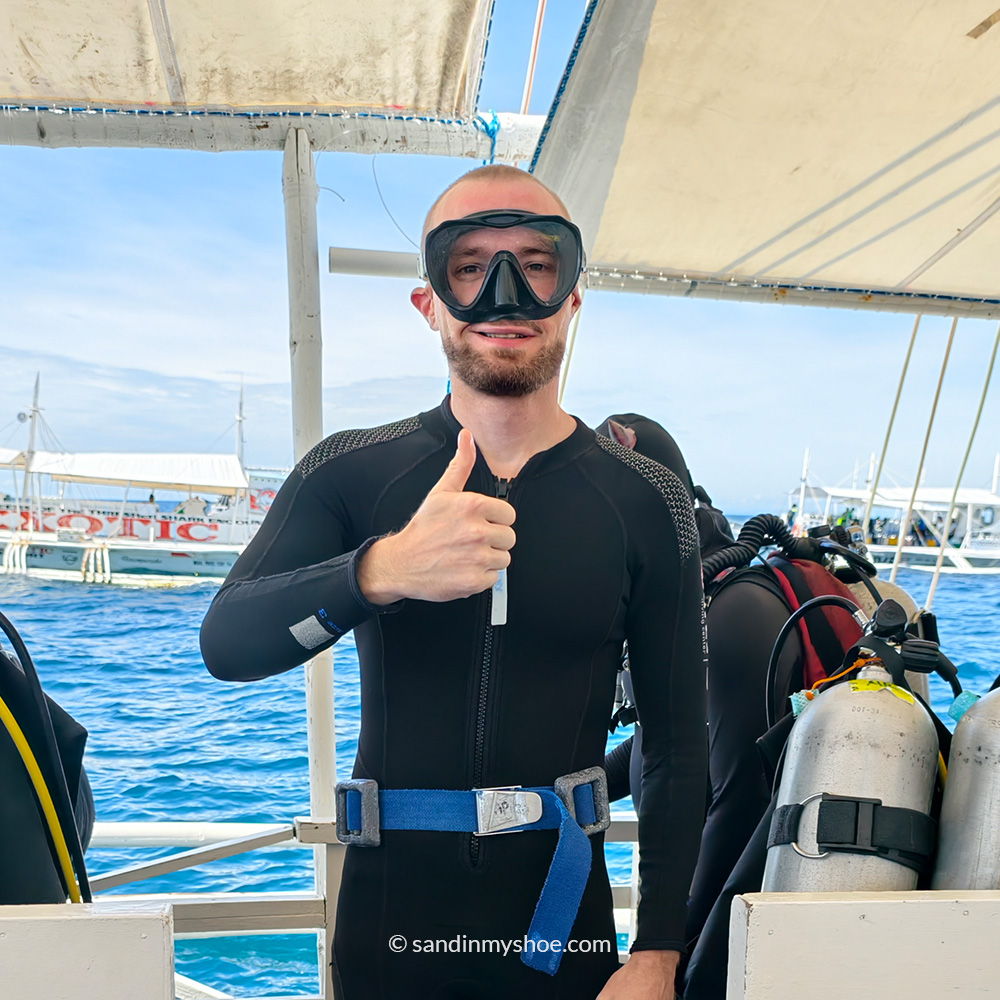
It was a bit pricey, but worth it — sightings of thresher sharks are almost guaranteed, since Monad Shoal is full of them. For me, the experience was absolutely worth it. However, traveling to Malapascua for anything other than diving might not be.
Price: PHP 5,600 (~$95 USD) for three dives
4. Kawasan Canyoneering
Kawasan Canyoneering is the adrenaline filled adventure where you hike, jump from cliffs and waterfalls and swim through turquoise water while being surrounded by jungle-covered canyon walls.
The route starts gently with some hiking and swimming, and gradually the cliff jumps appear — beginning with 2–4 meters (6.5–13 feet), then getting taller until the final 11-meter (~36 feet) jump. You don’t have to jump if you’re scared, since you can always walk down, but I highly recommend going for each one. Every leap spikes your adrenaline and adds to the thrill.
It’s available on the western side of Cebu island, with Moalboal being the closest town and a popular spot for travelers. From there, it’s easy to arrange your own Kawan Canyoneering experience. The activity typically takes around 3-4 hours to complete.
Yes, it’s very touristy, but still a blast. The amount of adrenaline I got for the cost makes this activity really worth the price.
View Location on Google Maps (Book with an organizer in advance)
Price: PHP 1,800 (~$30 USD).
5. Exploring the corners of Palawan with a Motorbike
I generally skip tours when I can and prefer to explore on my own. During my time on the Palawan Island, I rent a motorbike for a five of days and set out to explore the island on my own terms. I’d just ride, stop at places that seemed interesting, and find a place to sleep wherever the sun happened to set.
I left my big bag at a hotel in El Nido, and left with a light bag with just the essentials for the following days. I mostly explored the northern parts of Palawan. It was a great way to find hidden beaches, interact with locals and let the day present itself without much planning.
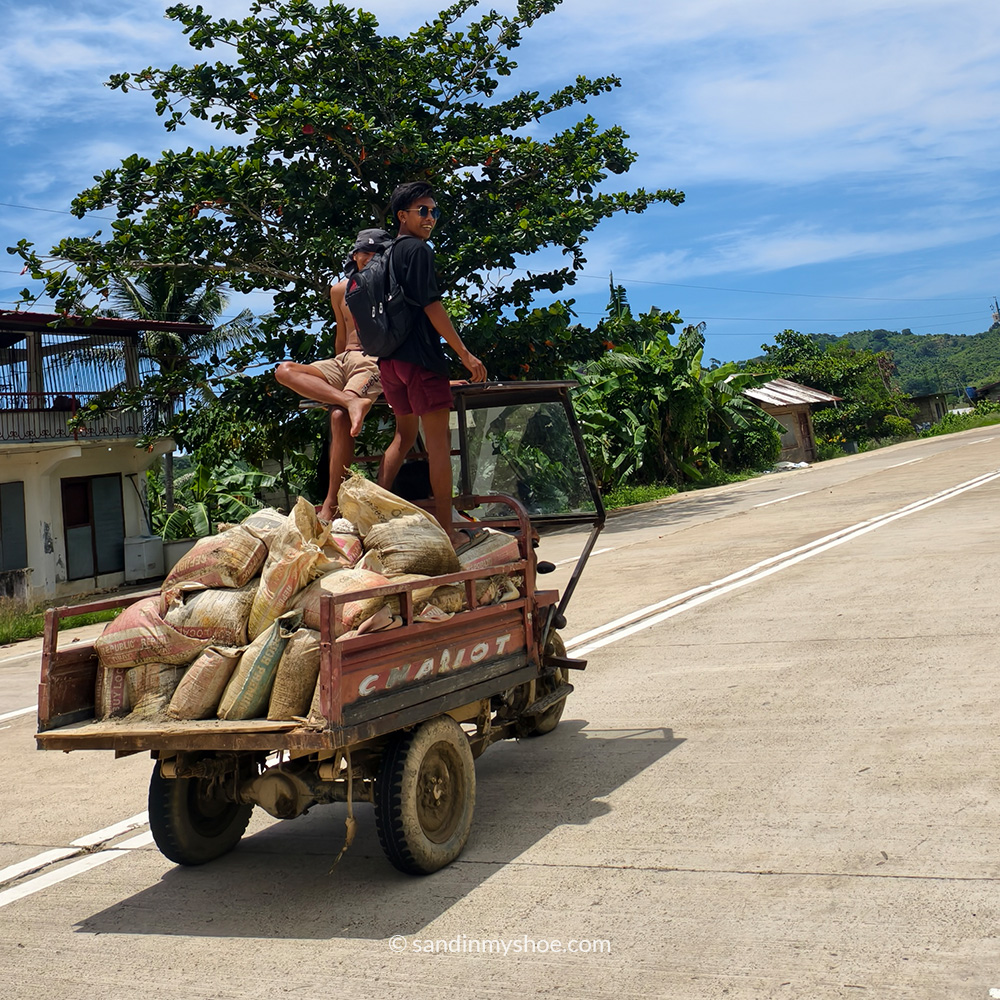
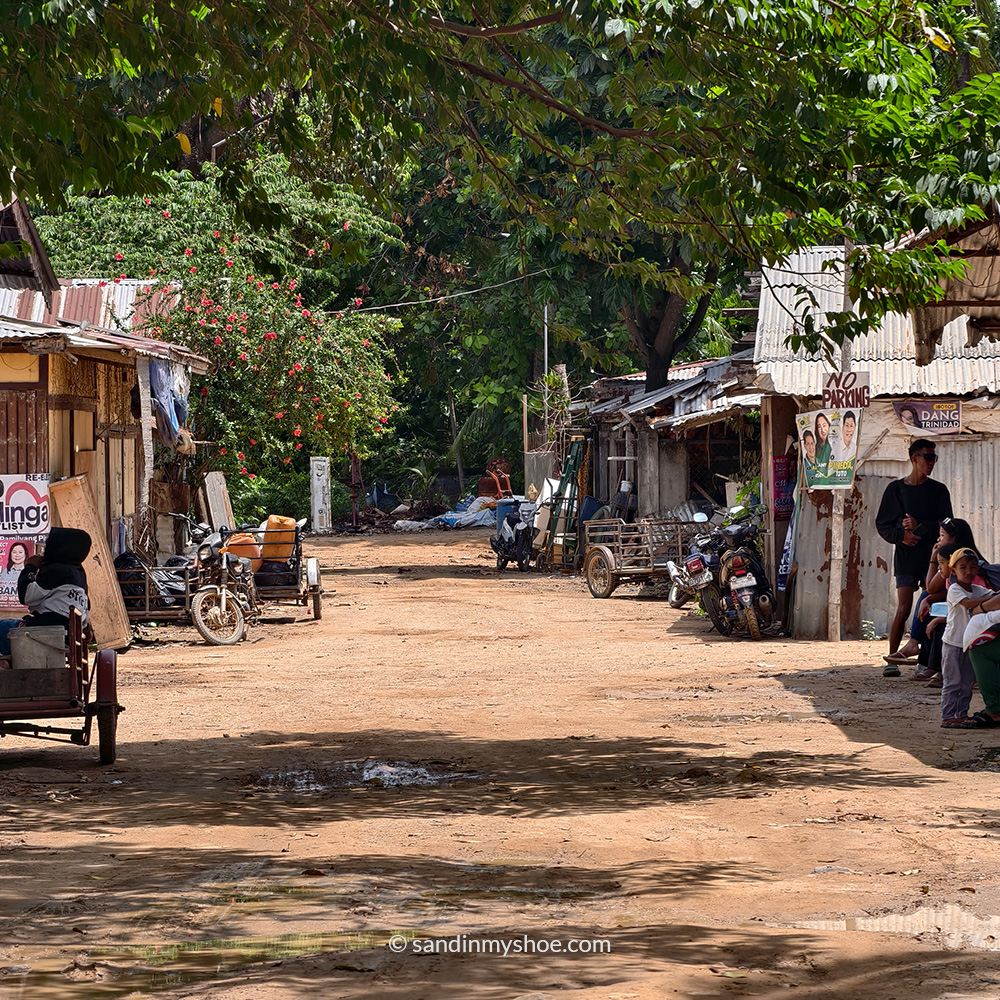
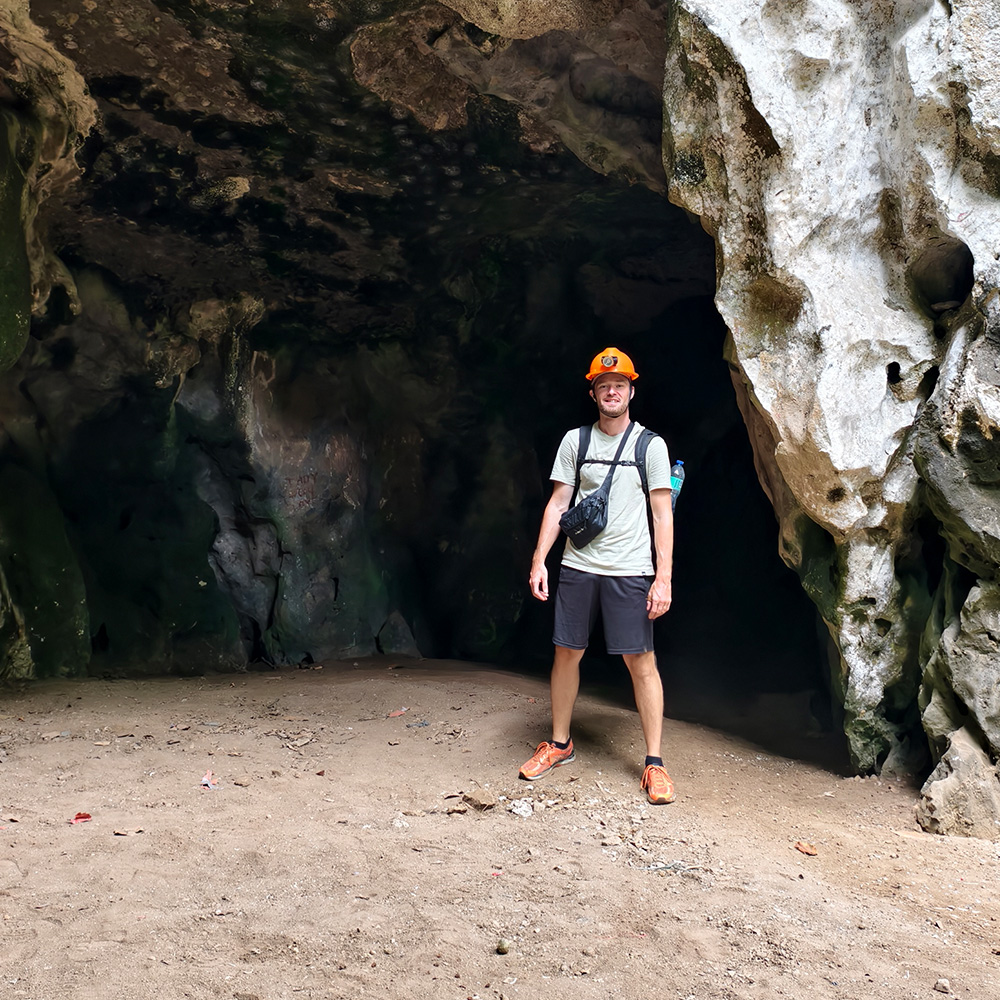
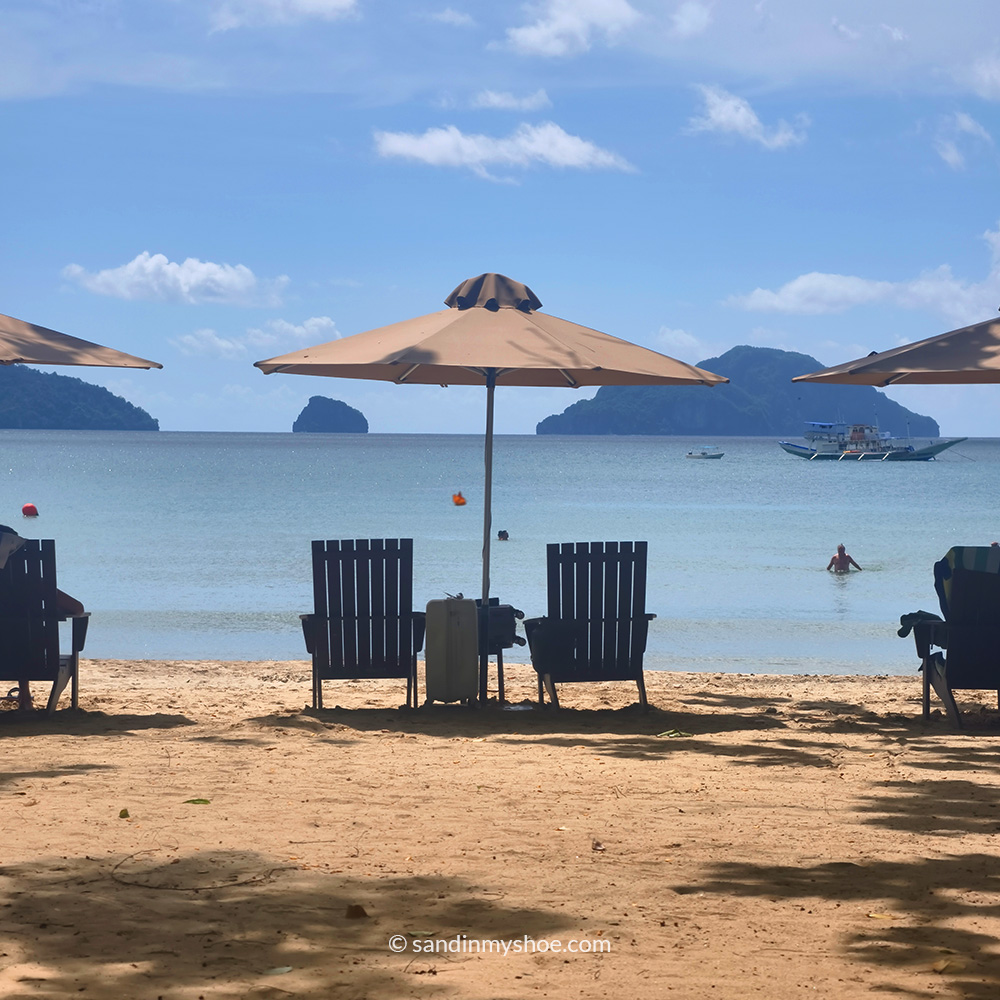
Some of the areas I enjoyed was: Lio Beach, Twin Beach, Nacpan Beach, Ille Cave.
Price: PHP 350 (~$6 USD) per day for the motorbike. A must-do activity in Palawan.
6. Visit the Beach with the Most Personality — Coconut Beach in Port Barton, Palawan
With so many beautiful beaches in Palawan, it’s hard to pick the best one because most of them offer the same things: sunbathing and swimming in pristine conditions: white sand, turquoise water and palm trees. Paradise, in other words. Maybe it’s a spoiled thing to say, but for me this gets boring quickly. However I found a beach that has all that, but a personality as well.
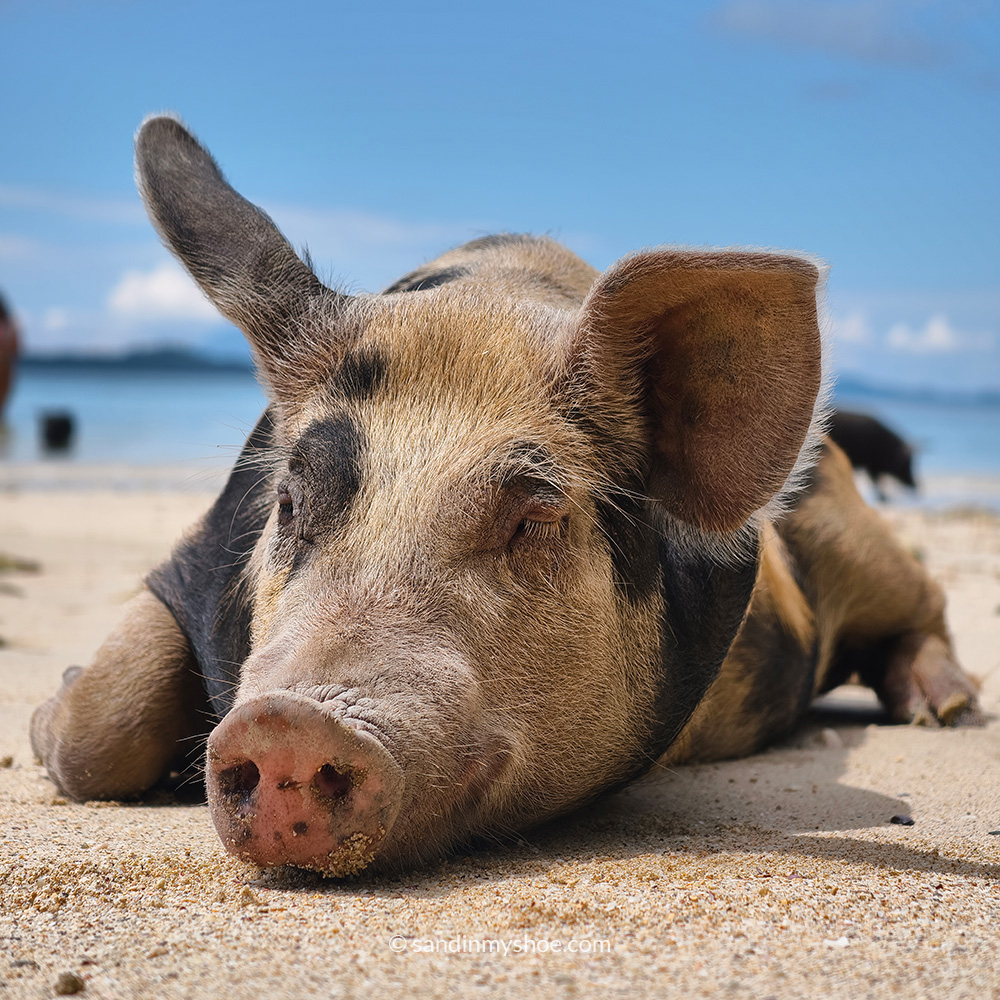
Coconut Beach is the name of the beach and it’s a 40 minutes walk away from Port Barton in Palawan. What gives the beach personality are the animals that roam the beach. There are not only cats, dogs and some monkeys, but pigs as well.
They roam in gangs, steal snacks and coconuts from unsuspecting tourists and prance around as if they are the owners. Here, you are just a visitor and the pigs are the ones in charge. It’s chaotic, hilarious and oddly welcoming.
I’d argue that this is the best beach in Palawan because of the extra it offers.
Price: PHP 50 ($0.85 USD) per person — plus whatever snacks and coconuts you’re willing to lose
7. Hike in Alicia Panoramic Park, Bohol
Hiking in Alicia Panoramic Park is like stepping into the classic Windows 98 background—beautiful green hills stretching as far as you can see until the ocean takes over. The trail is gentle and it takes less than an hour to reach the top. Hike at sunrise of sunset for that golden glow and cooler weather.
This hike is located in Bohol, close to the Cebu Island and less known than the main attraction: Chocolate Hills. But that spot is super touristy — you’ll basically have to elbow your way in and out. I visited both, and while the Chocolate Hills are iconic and pleasant to at, they don’t quite compare to Alicia for hiking and views. These hills feel wilder, more open, and far less crowded. When I hiked it during one afternoon, I saw fewer than ten people — most just scattered in the distance.
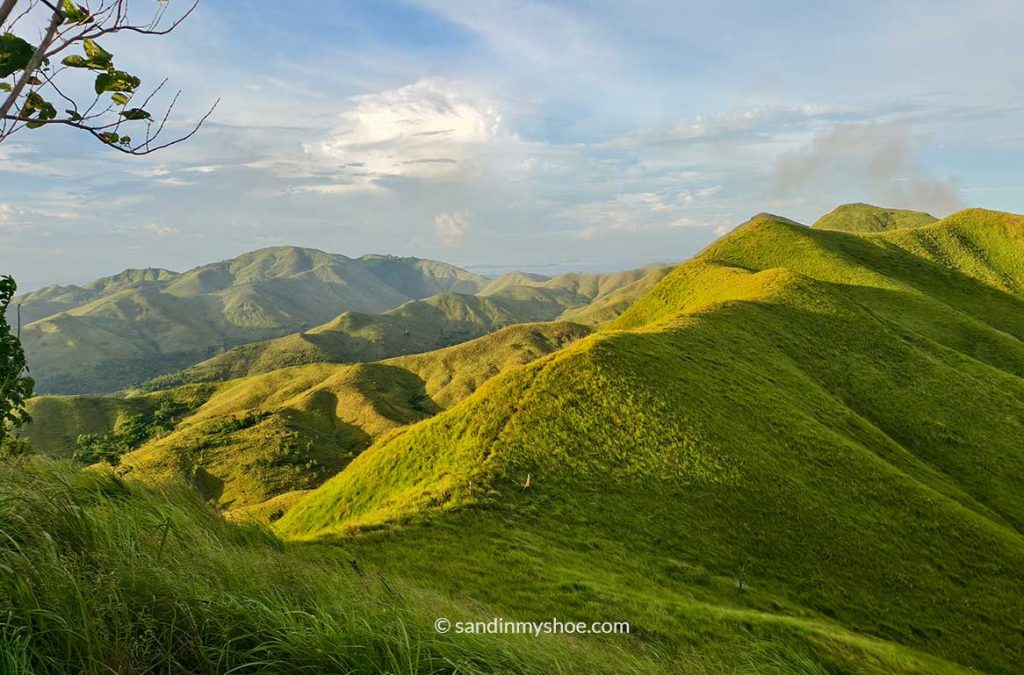
The park is located on the eastern side of Bohol, about a three-hour motorbike ride from Panglao, the island’s main tourist base.
Price: PHP 470 ($8 USD), which includes the entrance fee and local guide who also doubled as a photographer.
8. Watch Little People Boxing in Manila
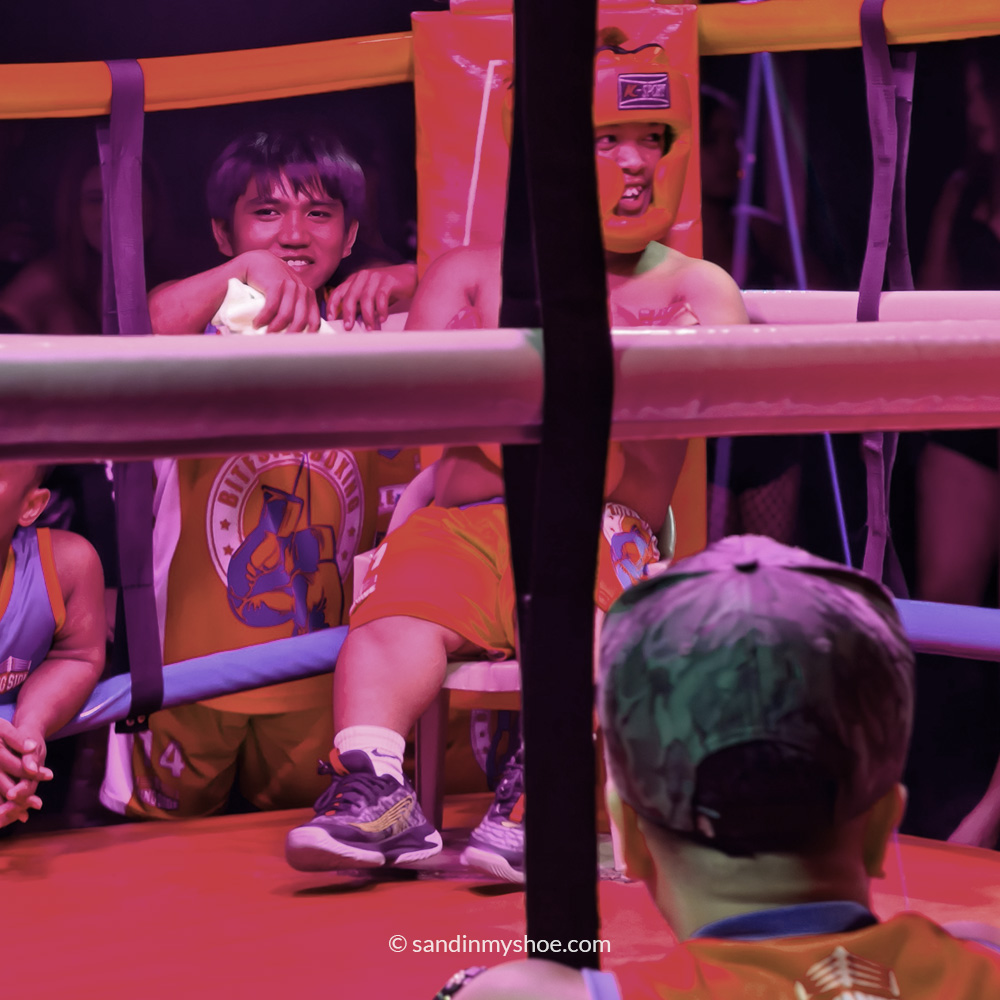
Little person boxing is choreographed mock boxing — think WWE-style entertainment, but with boxing moves and a cast of little people. The show takes place at Ringside Bar in Makati, and according to staff, the entire operation is run by little people themselves.
When I visited, the wrestling was already underway and it was wild, boxers were getting punched out of the ring, but with a smile on their face. I bought a beer and watched from the bar. Later, I learned that to kick off the show, someone usually has to buy a tray of tequila shots — a kind of ritual to get things started.
Whether or not it’s morally acceptable to watch is a personal call. But after talking to people and thinking it through, I saw it less as exploitation and more as performance — a way for the performers to earn a living, build community, and take control of their own stage.
Price: Tray of tequila shots
9. Riding a Jeepney
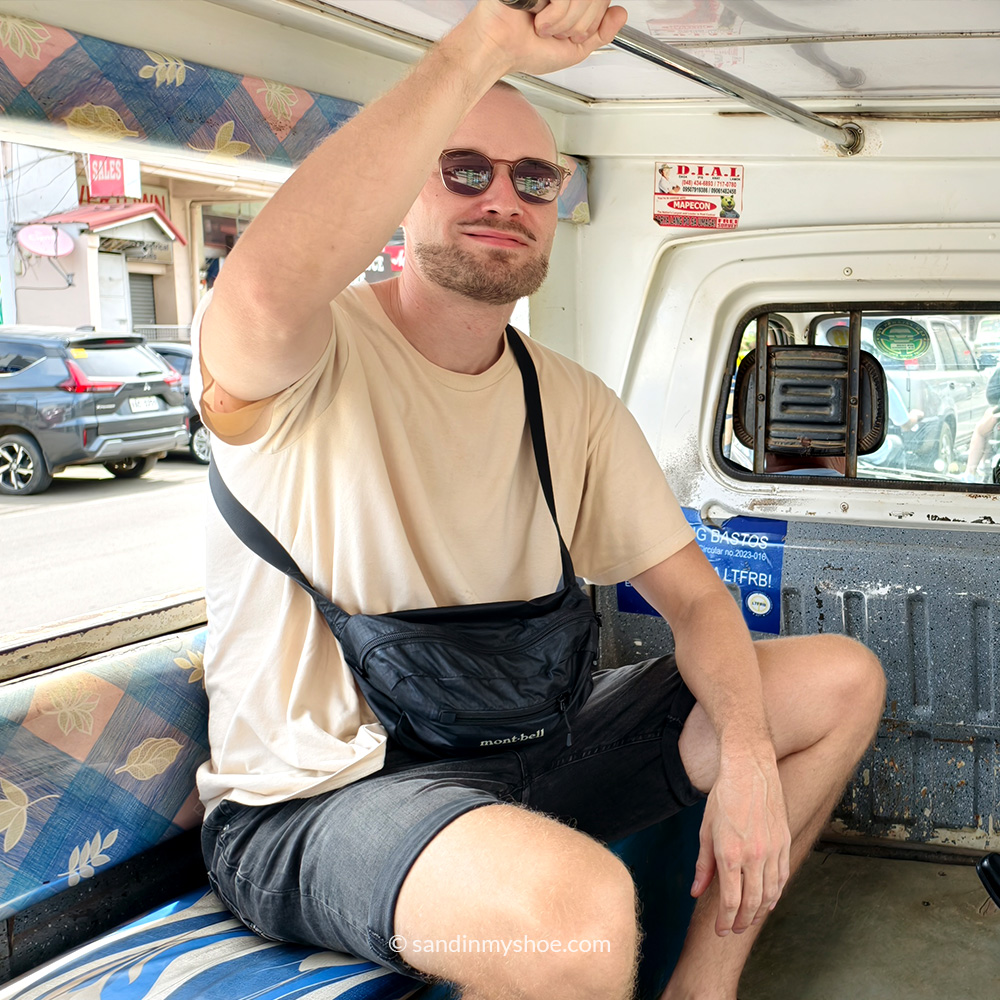
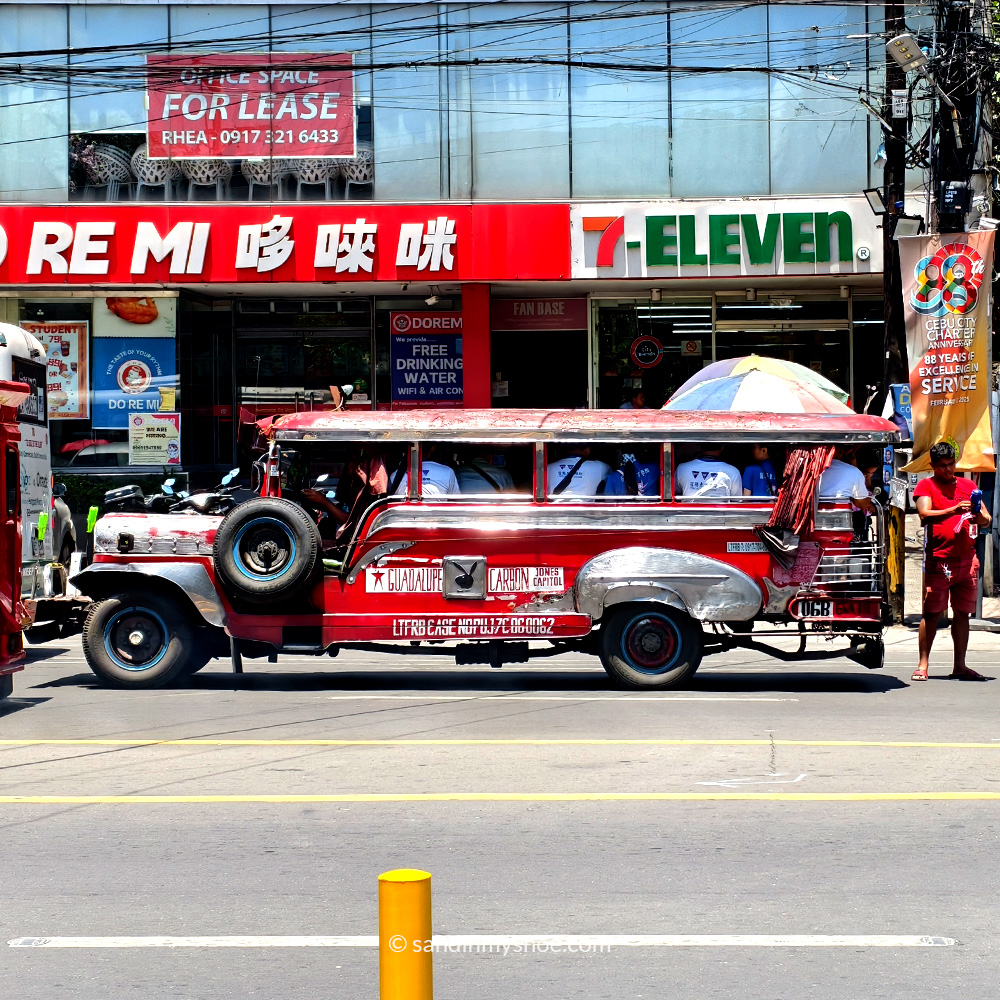
Riding a jeepney isn’t exactly a wow experience — not when you compare it to high-adrenaline activities like diving with sharks or cliff jumping from 11 meters (~36 feet). But it’s a charming way to get around and feel the rhythm of a city.
I hopped on one in Puerto Princesa, entering from the back and walking hunched over along the streched-out cabin toward the driver. I told him where I was going, and he asked me to hand him PHP 13 (~$0.20). Then I sat near him.
At first, only another passenger sat quietly inside. But after the next stop, people began to pile in, and coins started passing hand to hand through the cabin. As I was sitting near the driver, I became the link between the passengers and the driver — passing fares forward and returning change at every stop.
After some chitchat with another passenger, I learned the story behind the vehicles: jeepneys are repurposed military jeeps left behind by American forces after World War II. Over time, they’ve been extended and transformed into public buses — stripped of their military green and restyled with bright, bold colors, chrome grills, religious slogans, and neon lights. Each jeepney seemed to reflect the driver’s personality.
At first, it can be confusing to use jeepneys, since it’s difficult to understand where they are heading. But there is a system, and every jeepney follows a specific route within the city. I usually asked around and eventually found the right one.
Price: Starts at PHP 13 ($0.2)
10. Sardine Run in Moalboal
The sardine run is, without doubt, the experience with the most value for its cost. It takes place just 20 meters from the shore at Panagsama Beach, and you’ll literally swim with huge schools of sardines — probably in the thousands within the visible range.
At one point, after I’d been chasing the sardines, I finally calmed down, looked around, and found myself surrounded. Sardines were just everywhere. And besides this, there were some turtles as well, gently gliding past at times.
It’s probably the most surreal underwater experiences you can have without a boat.
You can enjoy this great experience on Panagsama Beach — View Location on Google Maps.
Price: PHP 100 to rent a mask and snorkel, plus another PHP 100 for the entrance fee — a total of PHP 200 (~$3.40).
11. Riding a Motorbike in the Mountains of Cebu
I spent a couple of nights in Moalboal. The sardine run and Kawasan canyoneering are the big-ticket experiences, but what I really enjoyed was just riding a motorbike through the mountains nearby.
The roads twist through hills and quiet villages, and the views are great. Sunsets up there are spectacular — but once it gets dark, the roads turn pitch black, and sometimes the asphalt just ends and you’re suddenly on gravel. It gets bumpy real quick, so you’ve got to stay focused and not speed too much.
I even got a flat tire at some random spot. Pulled over next to a shop to ask for help, and right across the road was a repair place. A 12-year-old kid fixed the back tire for $2. One of those moments that sticks with you.
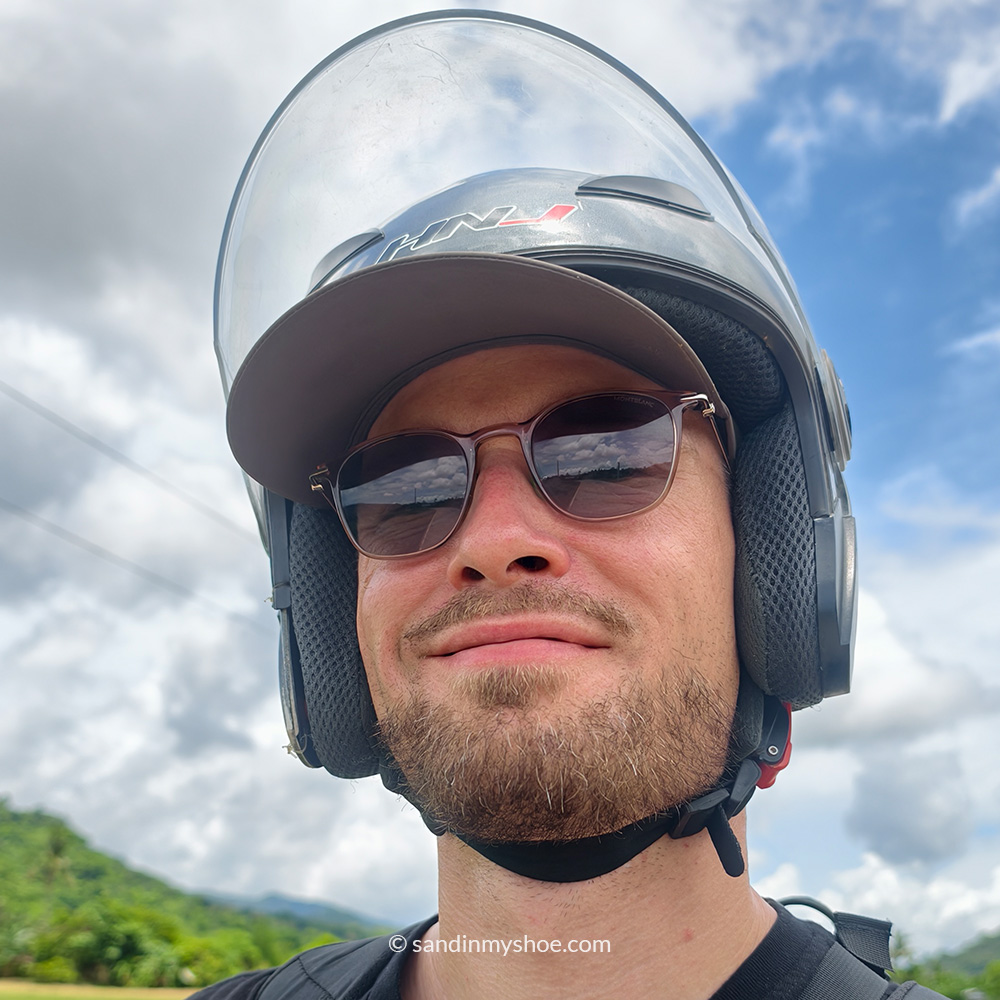
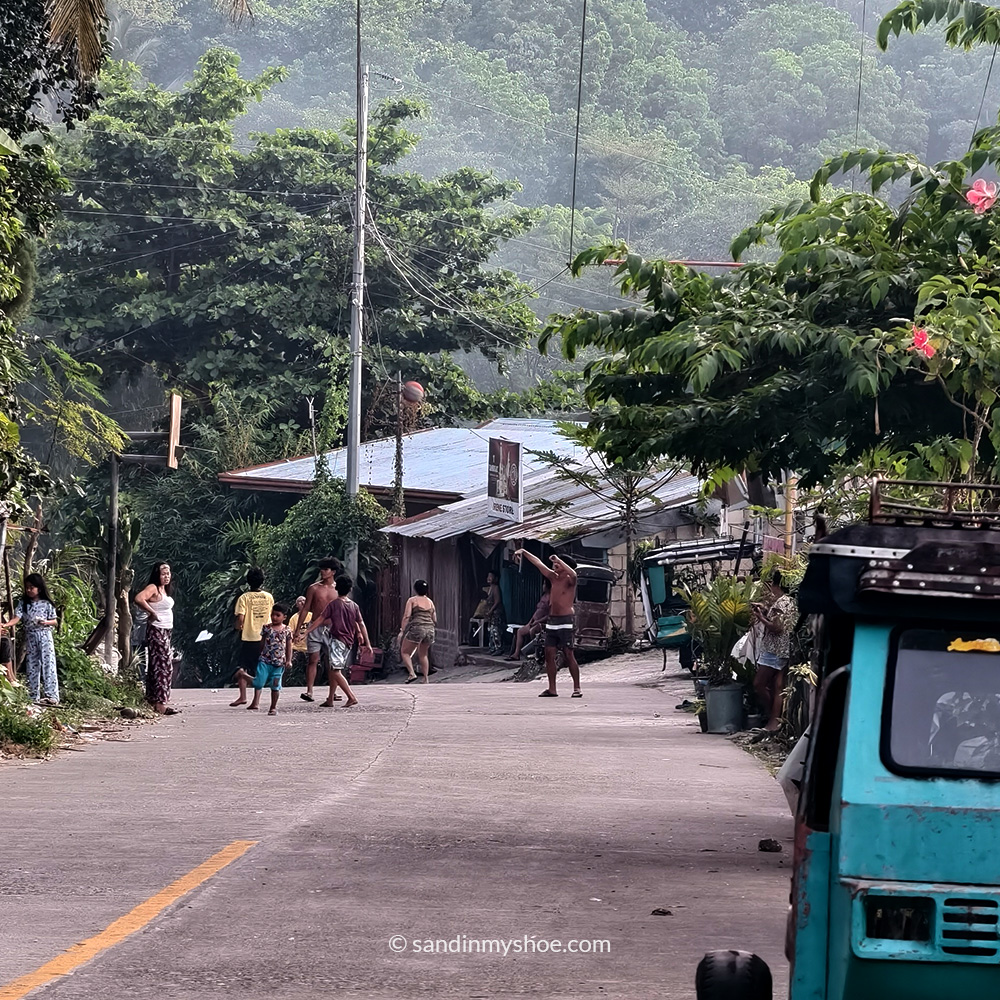
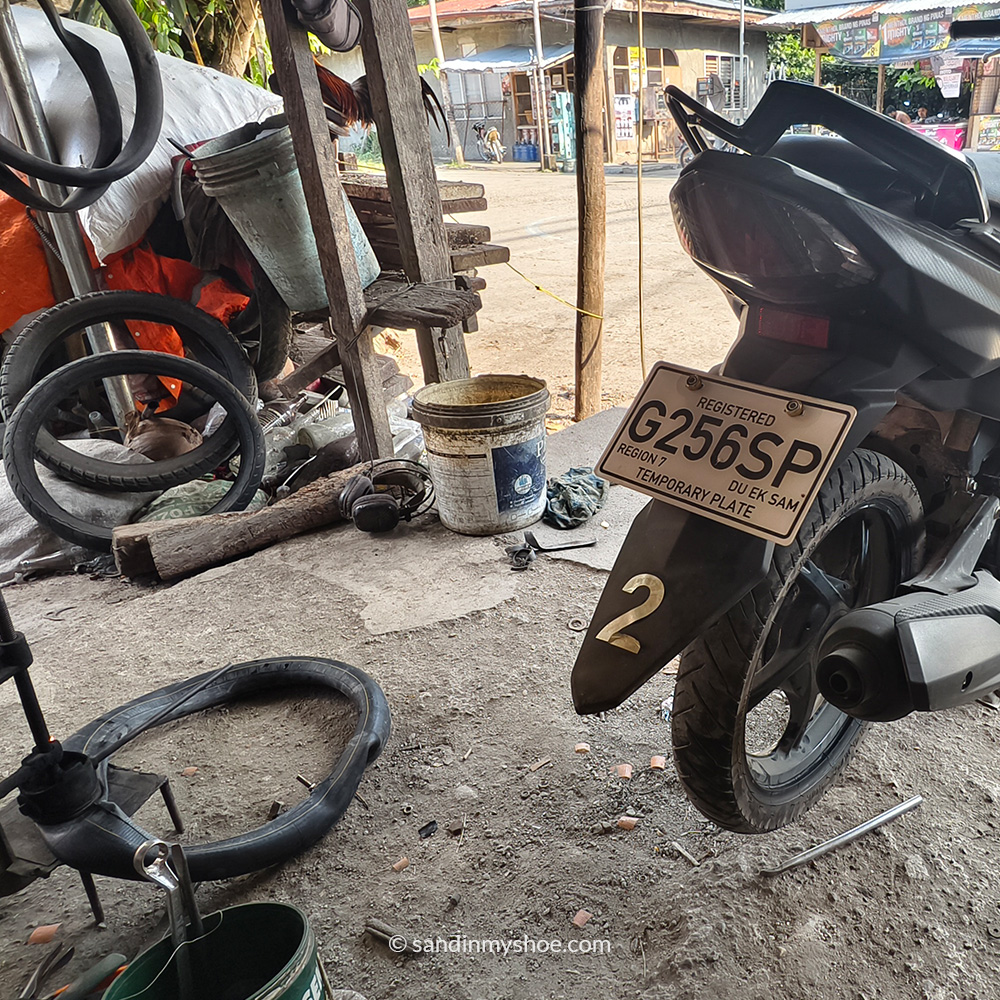
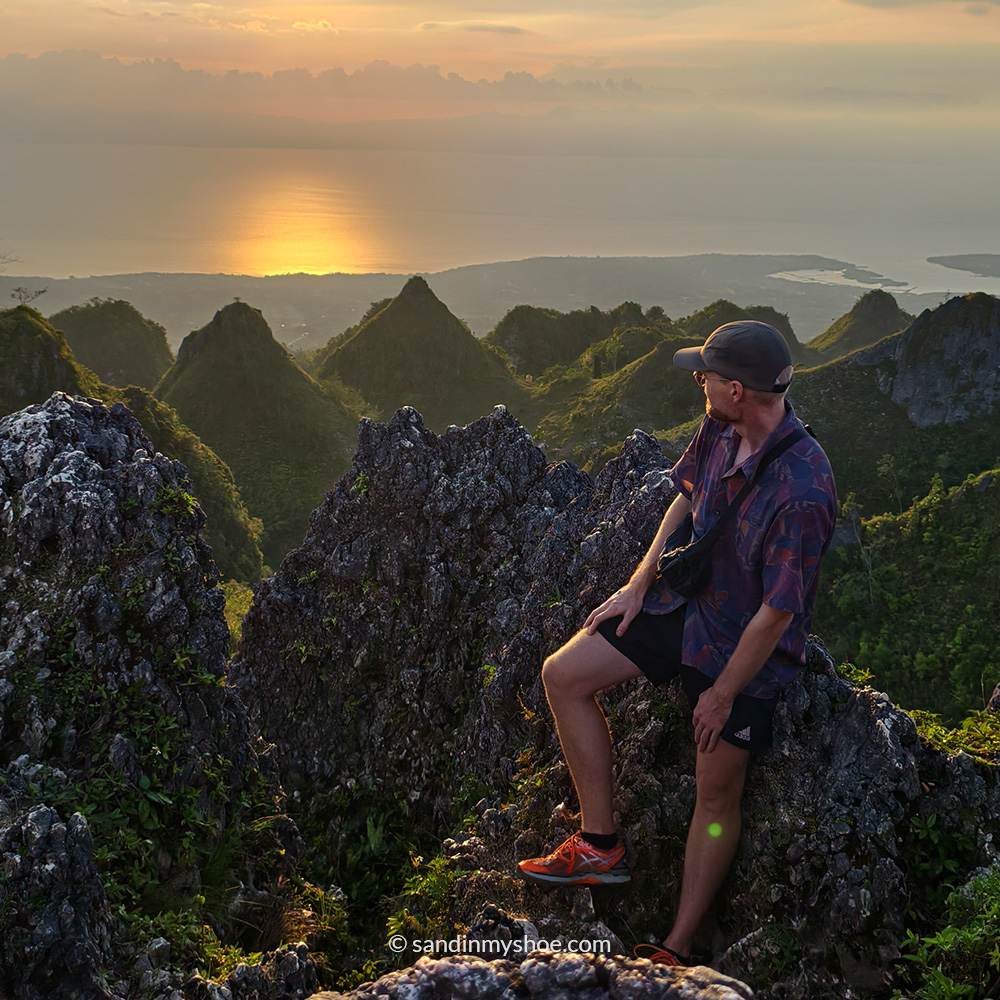
There’s some hiking around the mountains too — Osmeña Peak (popular one, crowded at sunset) and Casino Peak (less crowded; I was there alone). But the best part was just stopping at random roadside spots to eat and hang out. No plan, just ride and see what happens.
You don’t need a plan for this — just a full tank and a loose schedule.
12. Gambling at a Village Casino
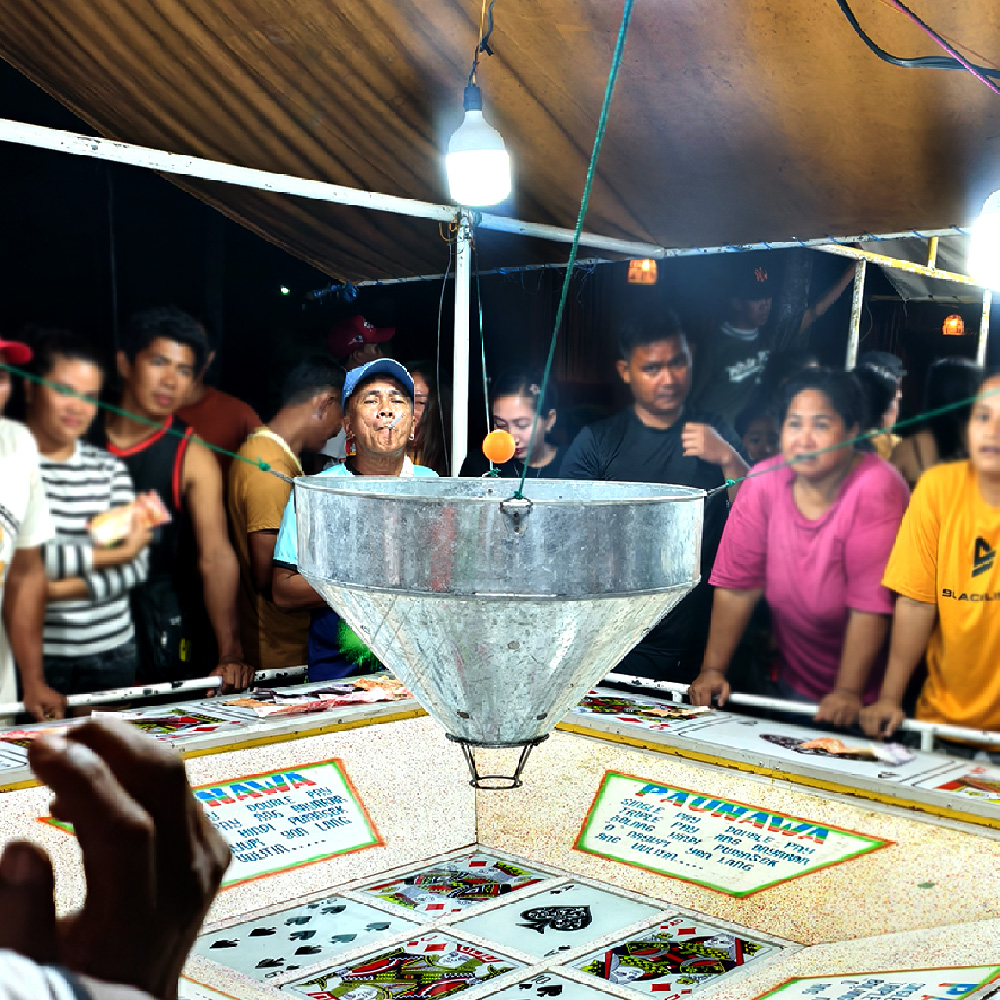
One of the most unexpected things I stumbled upon in the Philippines was a pop-up roulette table tucked away in a countryside village. It wasn’t a casino in any formal sense — more like a backyard gathering with ping-pong balls, cheap drinks, and loud laughter. People were tipsy, shouting across the table, and celebrating every win like it was a life event.
These setups seem to appear on weekends or during local fiestas. If you happen to come across one, don’t overthink it — just join in. You slam a bill on the card, pick your spot, and hope the ball lands in your favor.
The person throwing the ball is picked by the organizer and rotated after a couple of throws. One tip: bet the same way the thrower is betting — I noticed they sometimes have a slight edge.
Honestly, the best way to find one is to hop on a motorbike and just ride. Let curiosity lead the way.
Price: Depends on your gambling skills
Final Thoughts: Are These Things Worth Doing While in the Philippines?
Yes, these were my favorite things I did in the Philippines. Not every activity is for everyone. If you’re into adrenaline with a dose of spontaneity and oddness, the Philippines delivers. But there’s also plenty for the more chilled-out traveler.
I found that the real question isn’t “how much does it cost?” always, but “how long does the memory stick with you?”. Many of the best Philippines things to do aren’t just about price — they’re about impact.
I hope you found some value in this post. Let me know your thoughts in the comments — or share your own favorite experiences from the islands.


No comments yet, be the first one!
I appreciate hearing from you. If you have any suggestions, questions, or feedback, please leave a comment below. Your input helps ensure the information stays relevant and up to date for everyone.
Thank you for sharing your thoughts!