

Siquijor is infamous for witchcraft, a rumor that got started already in the 1600s by the Spaniards when they spread tales of sorcery of the island. With more than 300 different species herbs growing on the island, a tradition of natural healing evolved. Even today, local healers known as Mananambal practice alternative medicine to treat illness and ailments, and they even make love potions for the singles that are ready to mingle.
Besides from this, there are waterfalls tucked in the jungles, beautiful beaches and a generally laid back vibe throughout the island.
Where is Siquijor And is It Worth Visiting
Siquijor is located in the southern part of the Visayas, south of Cebu Island and the island of Bohol, and east of Dumaguete. Siquijor is the laidback version of Bohol, with just enough tourist infrastructure to make it convenient, but not too much to destroy the authenticity of the place.
Map Overview of Siquijor: Things to do & Sunset places
How to Use the Map: Click the top-left corner to view and select map layers. Learn more about each point by clicking its pin or sidebar entry. To save the map, click the star next to the title. Access it later via Google Maps → Saved → Maps.
How to Get to Siquijor

There’s no airport in Siquijor, so the only option is using a ferry. Below are the majority of ferry routes you can take to the island.
- From Cebu City, there are numerous ferries operating daily from morning until late afternoon. There is a direct ferry that takes 4-5 hours. And another type of ferry that stops first in Bohol before continuing to Siquijor, which takes in total around 6 hours. One-way ticket ₱1,600 ($27 USD).
- From Dumaguete, there’s a fast ferry which takes only 40 minutes and cost ₱350 ($6 USD).
- From Bohol, there’s a fast ferry that takes 2 hours and cost ₱800 ($13.6 USD).
- From Moalboal or Oslob* you have two options:
Option 1: take a bus to Liloan Port, located in southern tip of Cebu island > a ferry to Sibulan in Dumaguete (25-40 minutes) ₱135 ($2.3 USD) > tricycle / jeepney (7km) ~22min to Dumaguete Port > Fast ferry to Siquijor (45-60 min). *It’s a hassle for sure.
Option 2: There’s one ferry from Oslob that leaves at 11:30 to Bohol, then you’ll need to hop on another boat the next day to Siquijor.
When to Visit Siquijor
The best time to visit Siquijor is during the dry season, which falls between December and April. These months offer the most reliable weather for enjoying the beach, visiting waterfalls, and exploring the island with a motorbike without worrying about slippery roads.
The shoulder months of November and May are also appealing, though they often bring more days with rain. On the upside, the prices are usually lower and the island is a bit more quieter. The wet season, from June to October brings frequent rain and occasional storms, making it best avoided.
 29°C
22°C
30°C
22°C
31°C
22°C
32°C
23°C
29°C
22°C
30°C
22°C
31°C
22°C
32°C
23°C
 32°C
24°C
32°C
24°C
 32°C
23°C
32°C
23°C
32°C
23°C
32°C
23°C
31°C
23°C
31°C
23°C
30°C
23°C
32°C
23°C
32°C
23°C
32°C
23°C
32°C
23°C
31°C
23°C
31°C
23°C
30°C
23°C
Where to Stay in Siquijor
Siquijor offers plenty of accommodation options scattered around the island. The most popular area is San Juan, known for being lively, with hostels, restaurants and bars packed in one single area. There are also some sights near the area, along with beautiful beaches making it popular especially with solo travelers and young backpackers.
Since I had a motorbike during my stay, I chose to stay in a guesthouse outside the main area called La Familia. Rooms cost just ₱900 ($15 (USD) per night for a room, and the guesthouse even had a small pool.
FAQ for Siquijor
Are there frequent brownout in Siquijor?
The island has occasional brownouts, so don’t expect electricity always be available. If electricity cuts off while charging, unplug right away to prevent damage because once the electricity comes back there might be a surge which can cause damage.
If you want to be extra careful, carry a power bank, use it to charge your devices during the day, and recharge the power bank at night.
How many days is enough for Siquijor?
You’ll be able to see what the island offer within 2-3 days.
Which Island Is best to visit first, Siquijor or Bohol?
I’d start with Siquijor since it’s smaller and more laid back than Bohol.
Siquijor Things to Do – My Experience
I arrived in Siquijor on a fast ferry from Bohol. The trip took just two hours and a one-way ticket cost me ₱800 (~$14). The cabin was air-conditioned, making it a bit chilly, but with an extra sweater it was comfortable enough.
Immediately after arriving at the port of Siquijor, a large number of tricycle drivers approached me and my fellow passengers as we got off the boat. First batch of drivers asked for quite high prices for short distances, but the further I got from the port, the prices dropped significantly. The starting price was ₱300-400 ($5.1-6.8 USD) for a 2 km ride, but after a while it became ₱50 ($0.8 USD).
I stayed in a guesthouse called La Familia, which was along the same coast as the docks. However, many people prefer staying in San Juan since there are more restaurants and bars.
I arrived relatively late to Siquijor that day and mostly chilled the rest of the day while planning what to do in Siquijor the following days.
With my Siquijor things to do list in hand, I set off from the docks on a rented motorbike. Here are my favorite places I discovered along the way.
1. Laga-an Falls
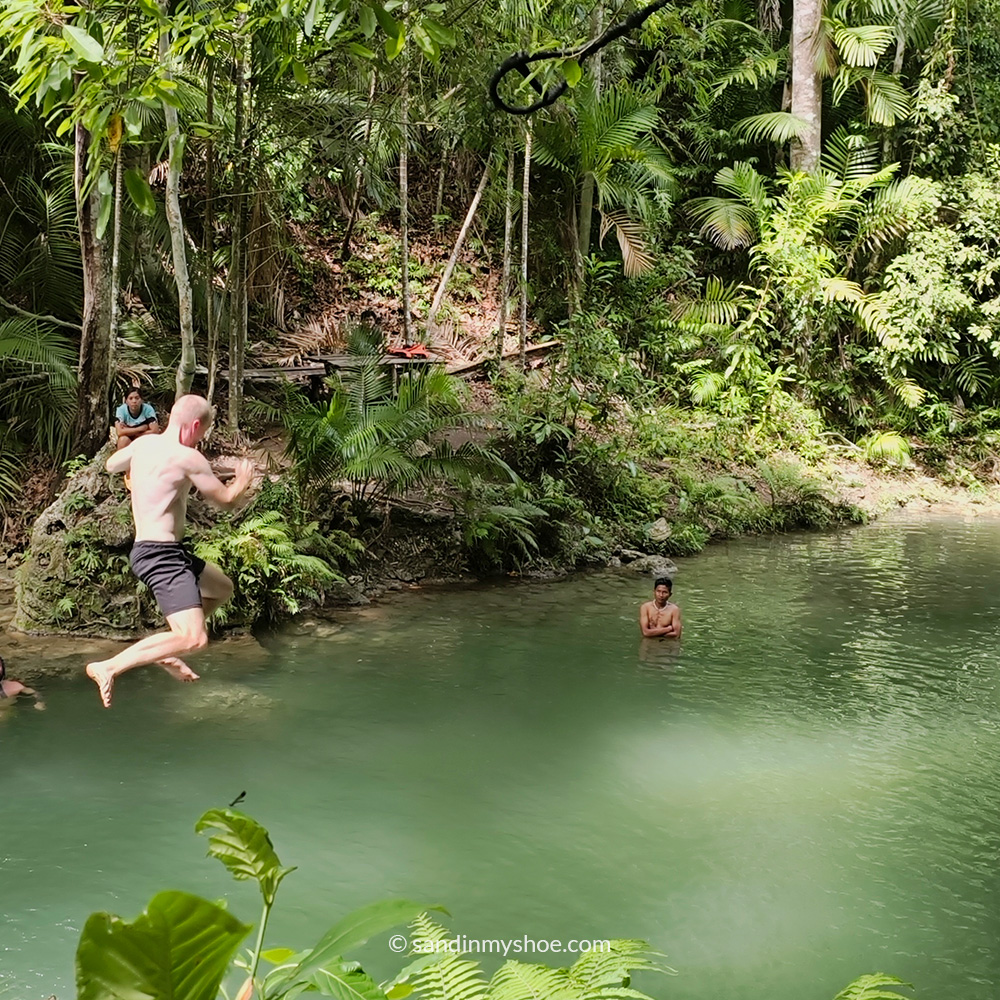
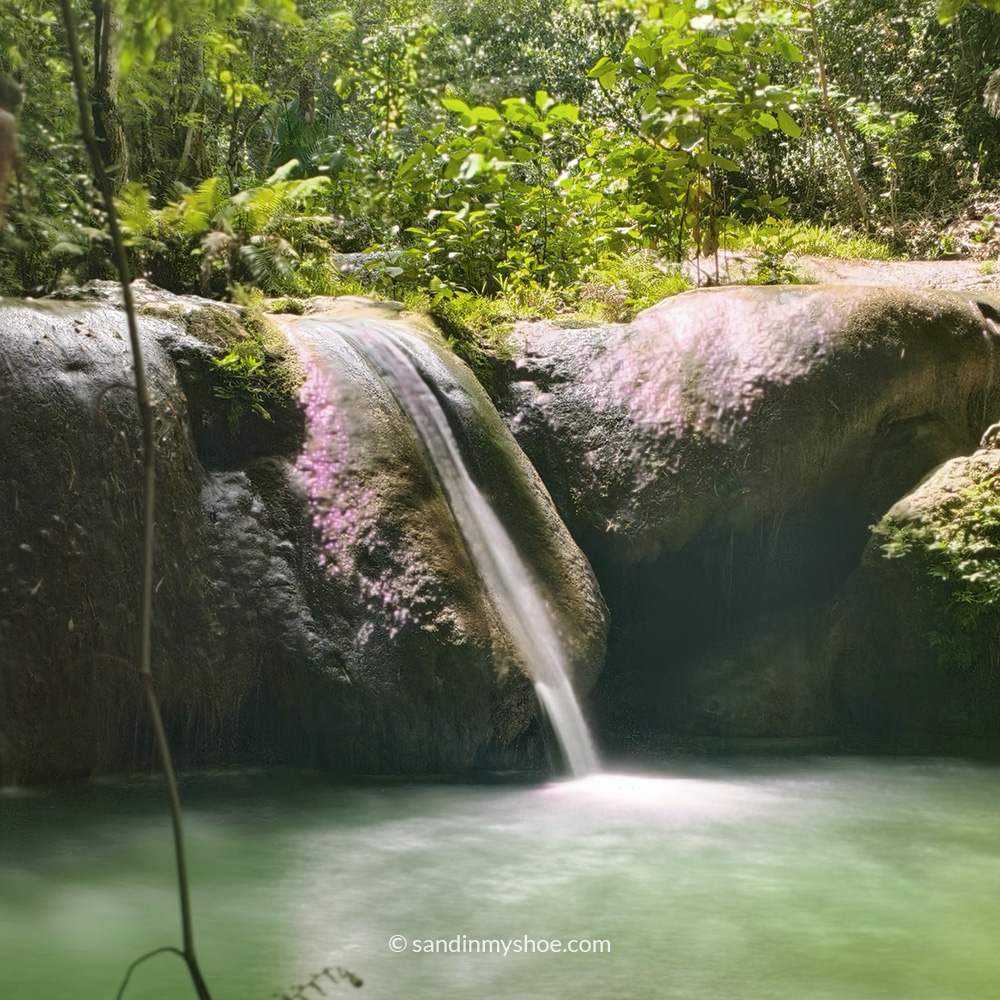
Laga‑an Falls is a hidden gem tucked away in the jungle, with natural pools of turquoise water where you can swing on ropes and glide down a naturally carved waterslide. It’s a less crowded and quieter alternative to the popular Cambugahay Falls.
Reaching the falls require though a short trek through the jungle. Most comfortable done with sneakers, but sandals or slippers work as well. There’s a small entrance fee, and you need to be accompanied by a local guide (paid with tips), who often doubles as a photographer.
At the falls, guides assist with the rope swinging and the waterslide, keeping the experience fun and safe. Life vests are available too, if you need an extra layer of safety.
Entrance fee: ₱50 ($0.85) per person
Guide fee: Tips
2. Sunset at Nakabalo Pool
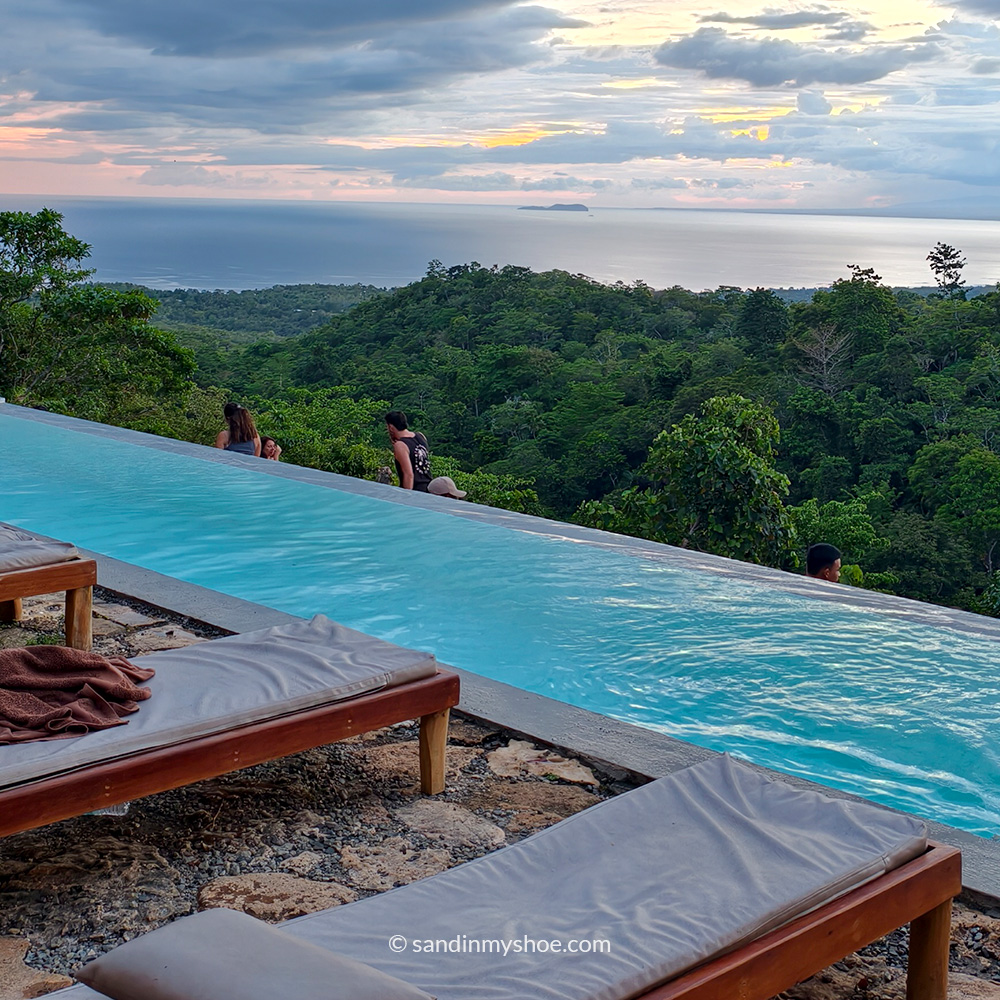
Nakabalo is a hilltop hotel and restaurant that offers spectacular views and an infinity pool overlooking the ocean. Watching the sunset from here is one the best Siquijor things to do — picture yourself floating in their infinity pool with a drink in your hand while overlooking the ocean to a golden sunset. Sunset at Nakabalo is not easy to beat.
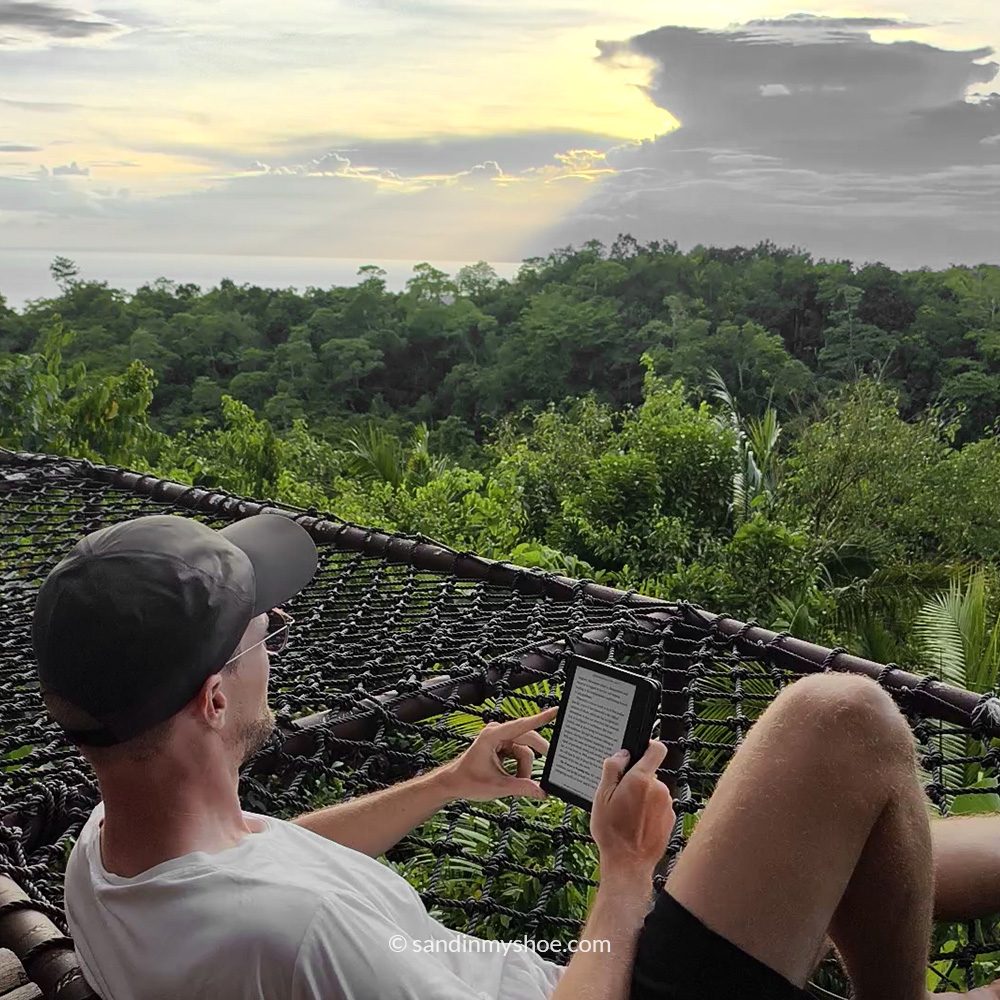
When I visited, I chose to relax in one of their hammocks, catching up on some reading while sipping on a cold beer during the golden hour. The atmosphere and the laid-back vibe made it one of my favorite experiences in Siquijor.
Nakabalo is located near San Juan, about 45 min walk from the city. The easiest way to get there would be by a motorbike or a tricycle.
Entrance fee: Minimum consumption ₱200 ($3.4)
Pool fee: ₱500 ($8.5) per person and includes a towel, but you can redeem ₱200 ($3.4) back against food and drinks.
3. Lunch at Bucafe
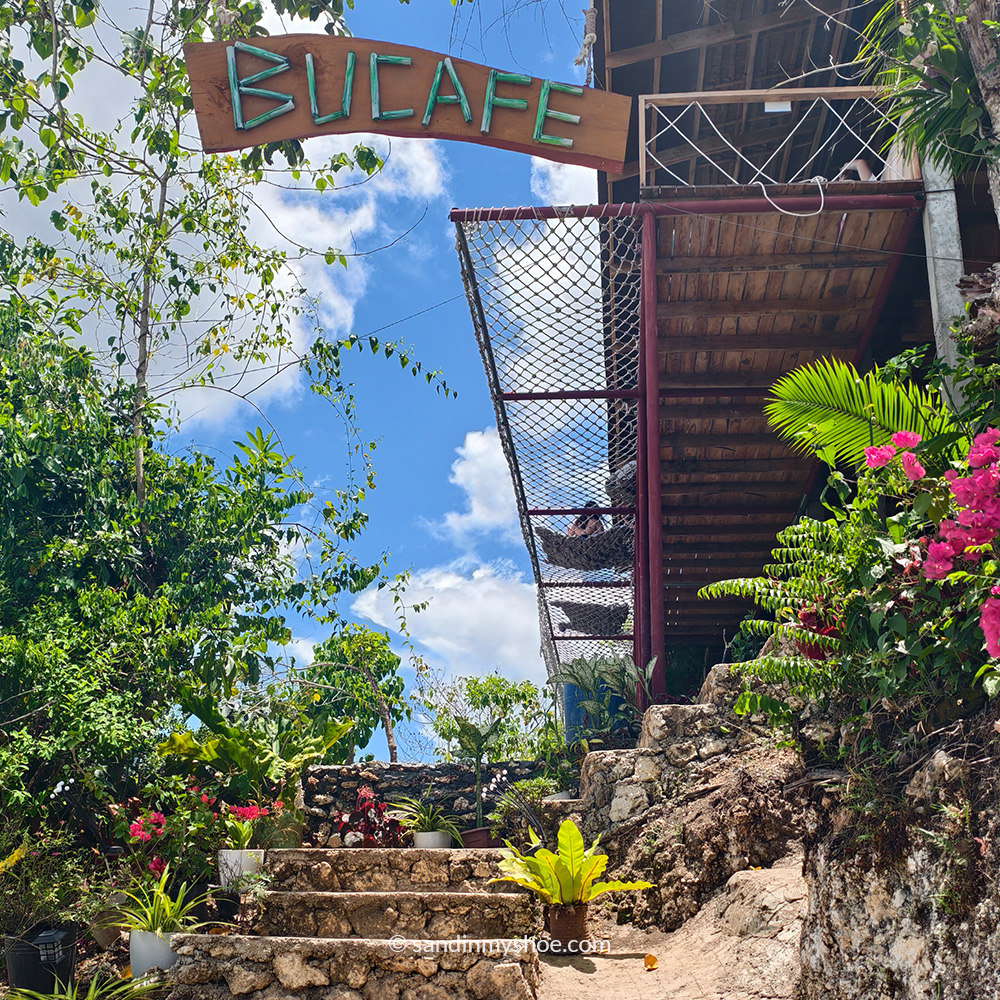
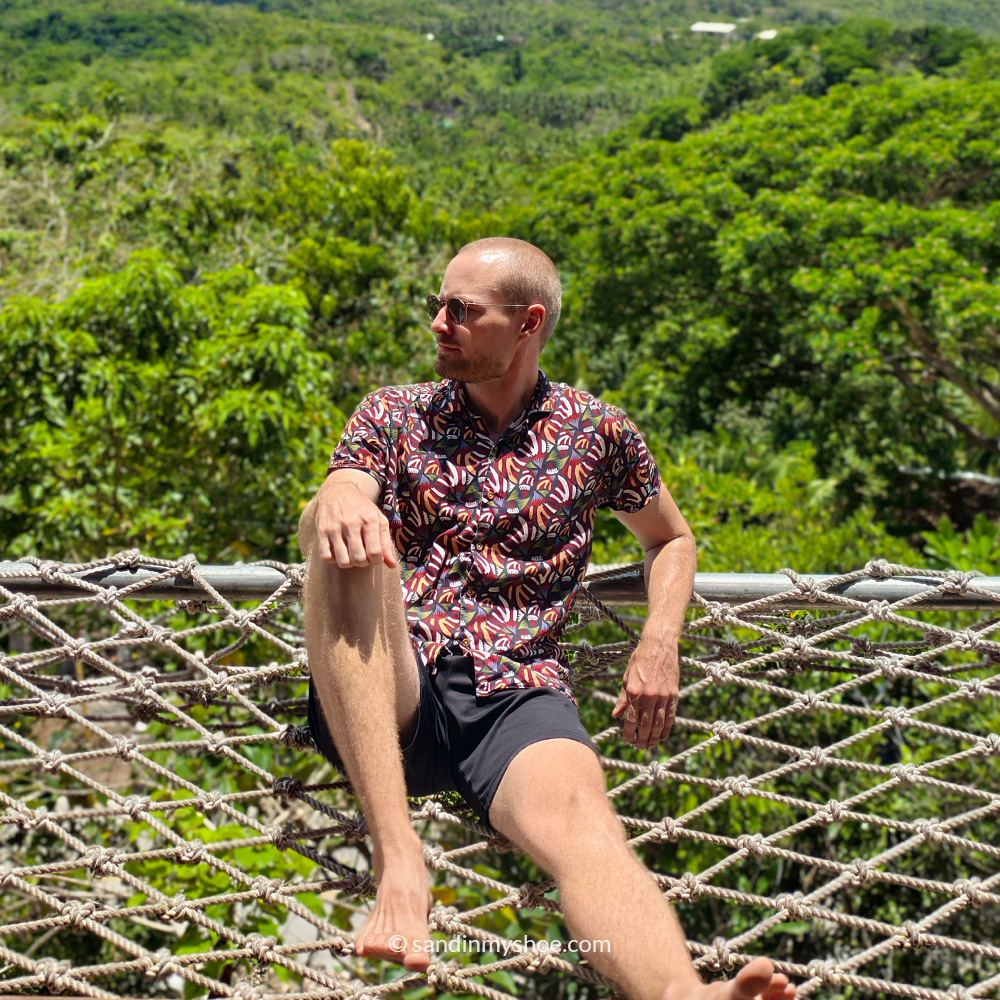
I stopped at Bucafe on one of the days for lunch and enjoyed some delicious food in their relaxing atmosphere to scenic views. They offer both western and Filipino dishes. Coffee lovers will also appreciate this place, since they have proper coffee machines and know how to make a great americano. You can chill after your meal in one of their hammocks or swings and enjoy the views.
It’s located on the western side of the island and can be easily accessed from San Juan.
Cost: Expect to spend around ₱600-900 ($10-15 USD) for a meal and a coffee.
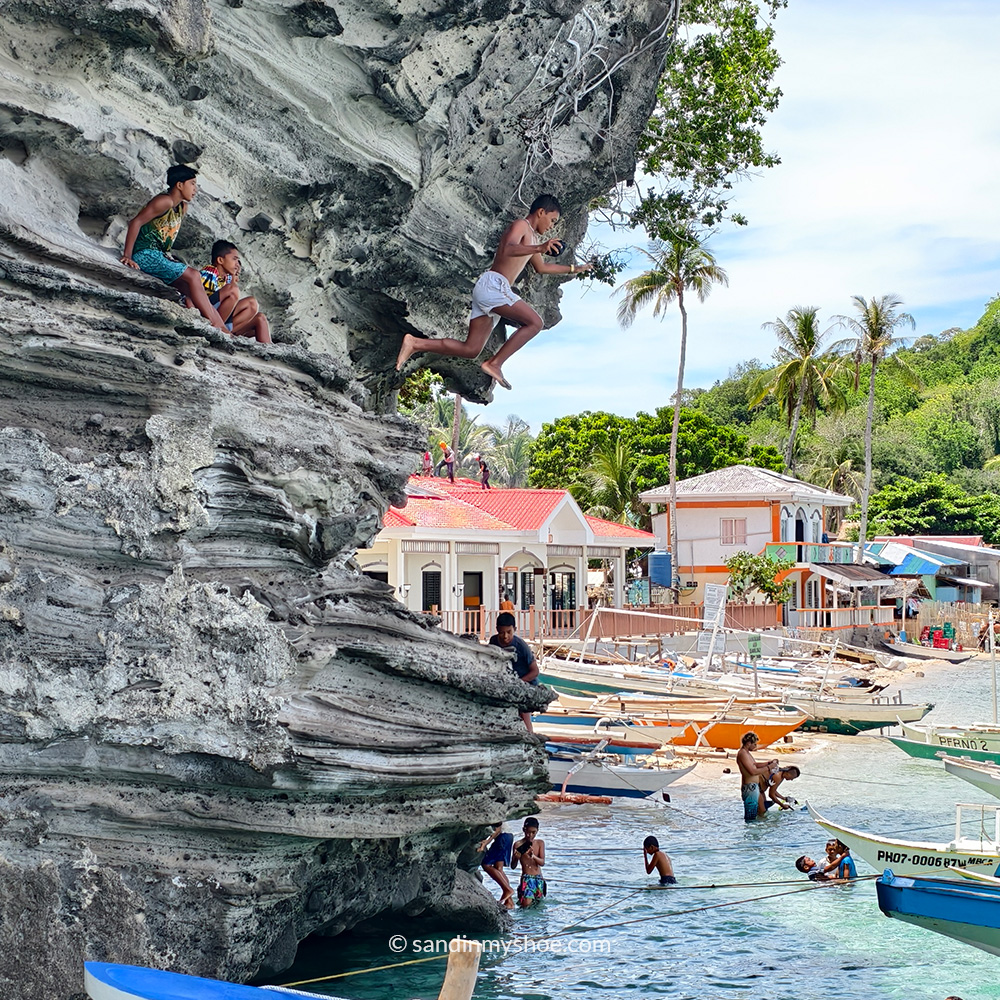
4. Cliff Jumping at Salagdoong Beach
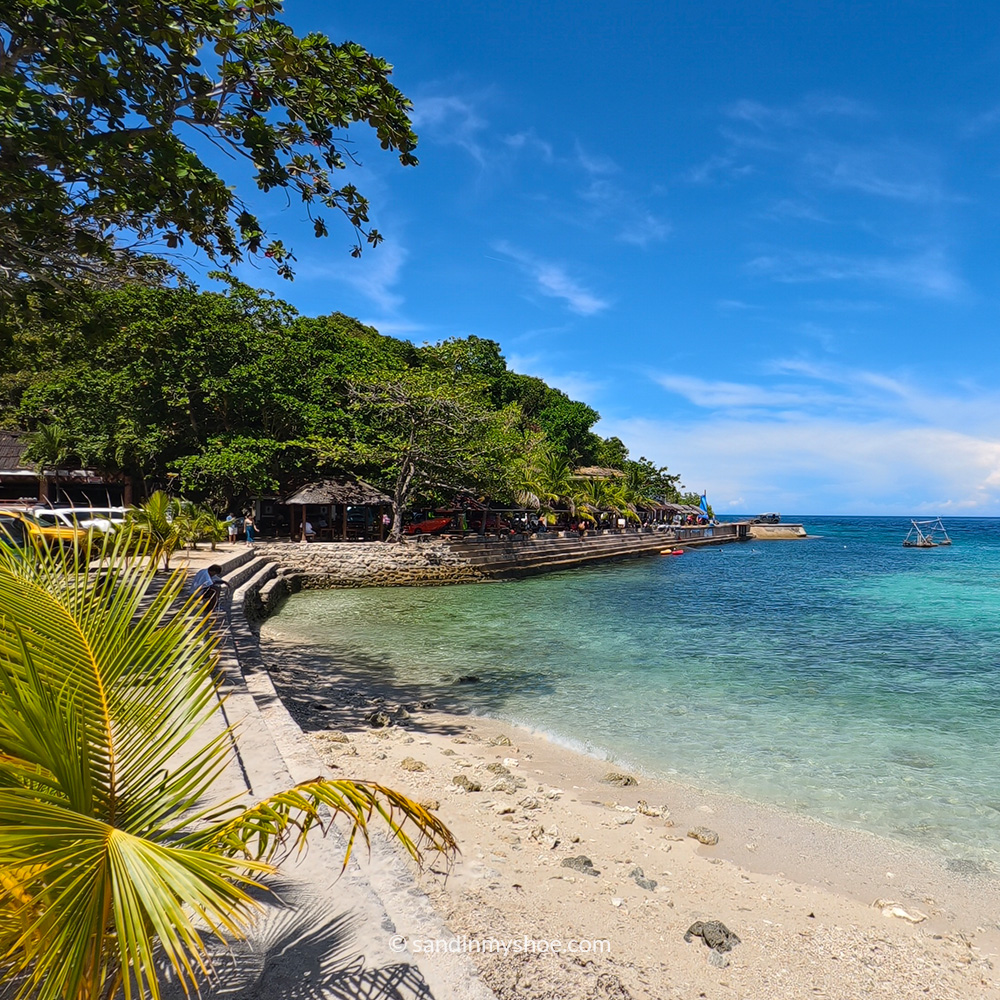
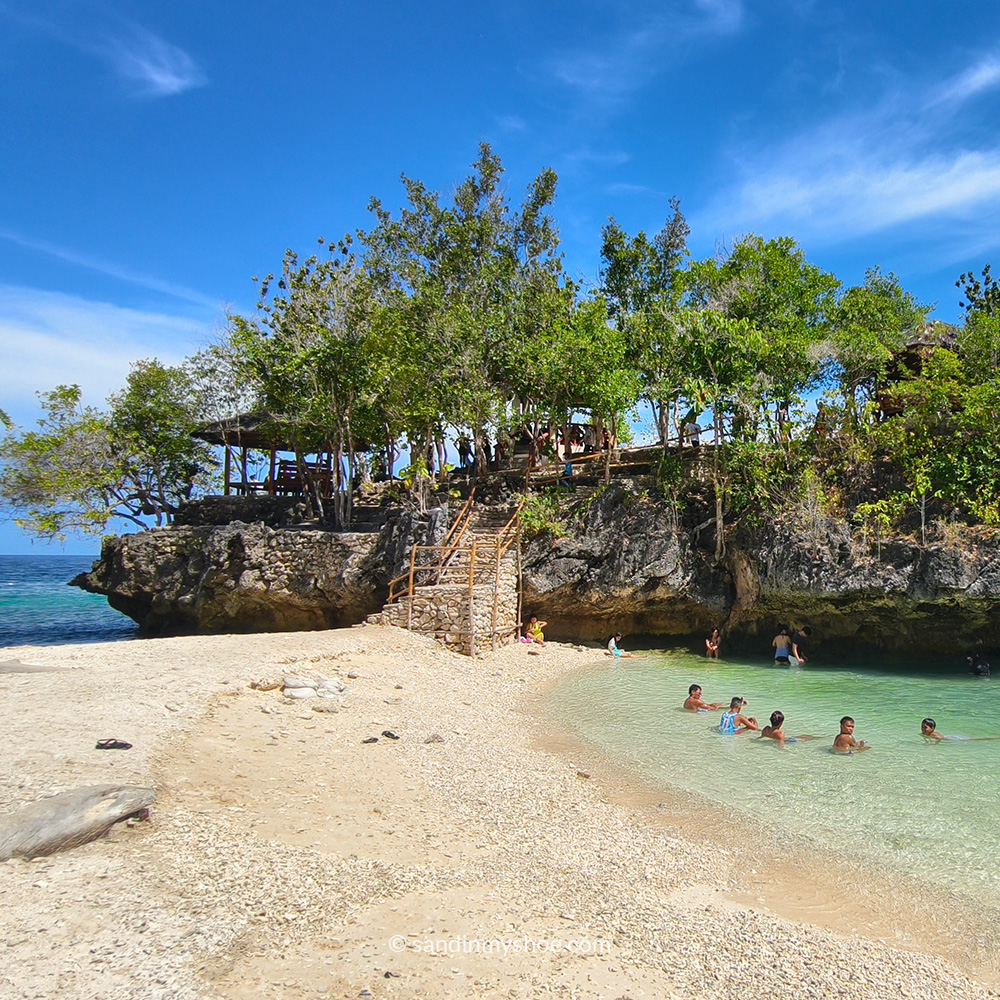
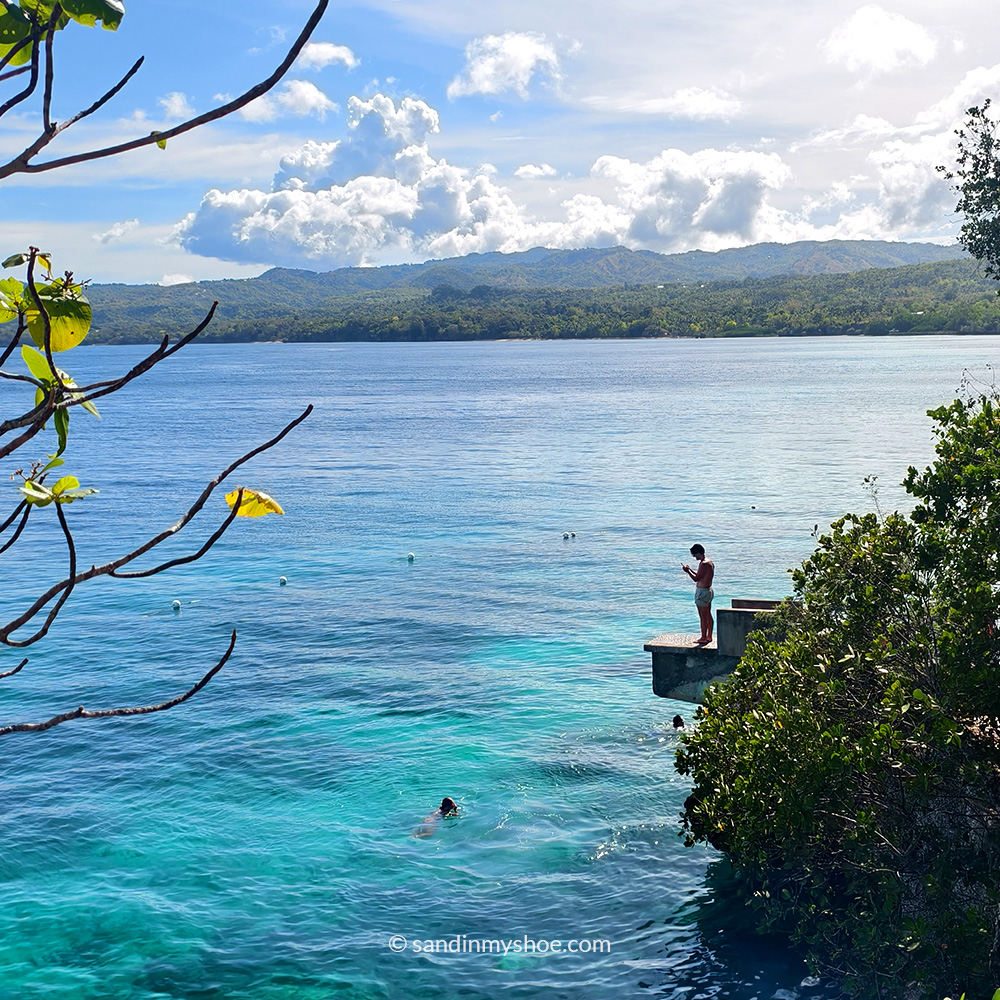
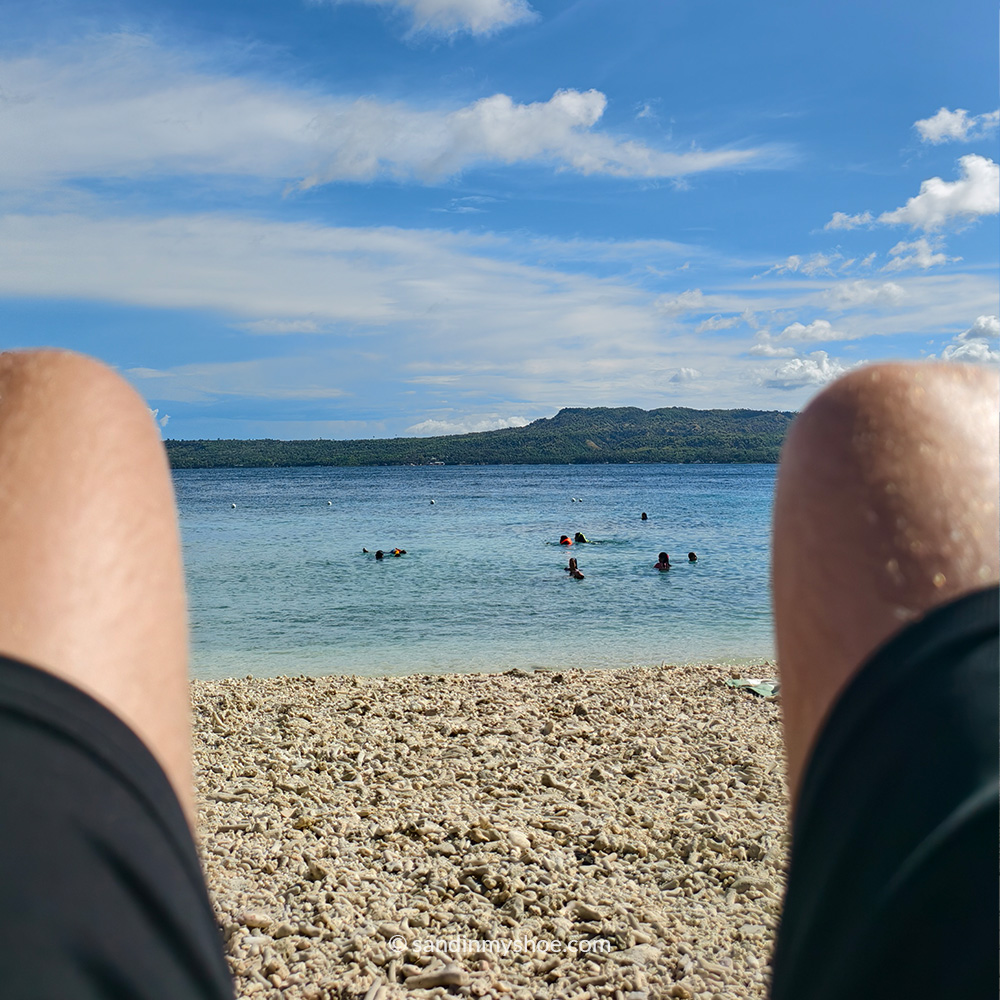
Salagdoong beach is one of Siquijor’s most popular spots and known for its cliff jumping.
It’s a beautiful spot, but the rocky surface makes beach lounging feel like an involuntary stone massage — so consider renting a sun chair.
For cliff jumping there are two concrete diveboards: one at 5 meters (16 feet) and the other on 10 meters (32 feet).
The beach is located on the north eastern tip of the island, near a town called Maria. It’s managed by the beach resort, so there’s an entrance fee for the beach and cliff jumps.
Easiest way to get here is with a motorbike, a guided tour or getting a tricycle taxi.
Entrace fee: ₱50 ($0.85 USD) per person
Parking fee: ₱20 ($0.35 USD) per motorbike
5. Paliton Beach
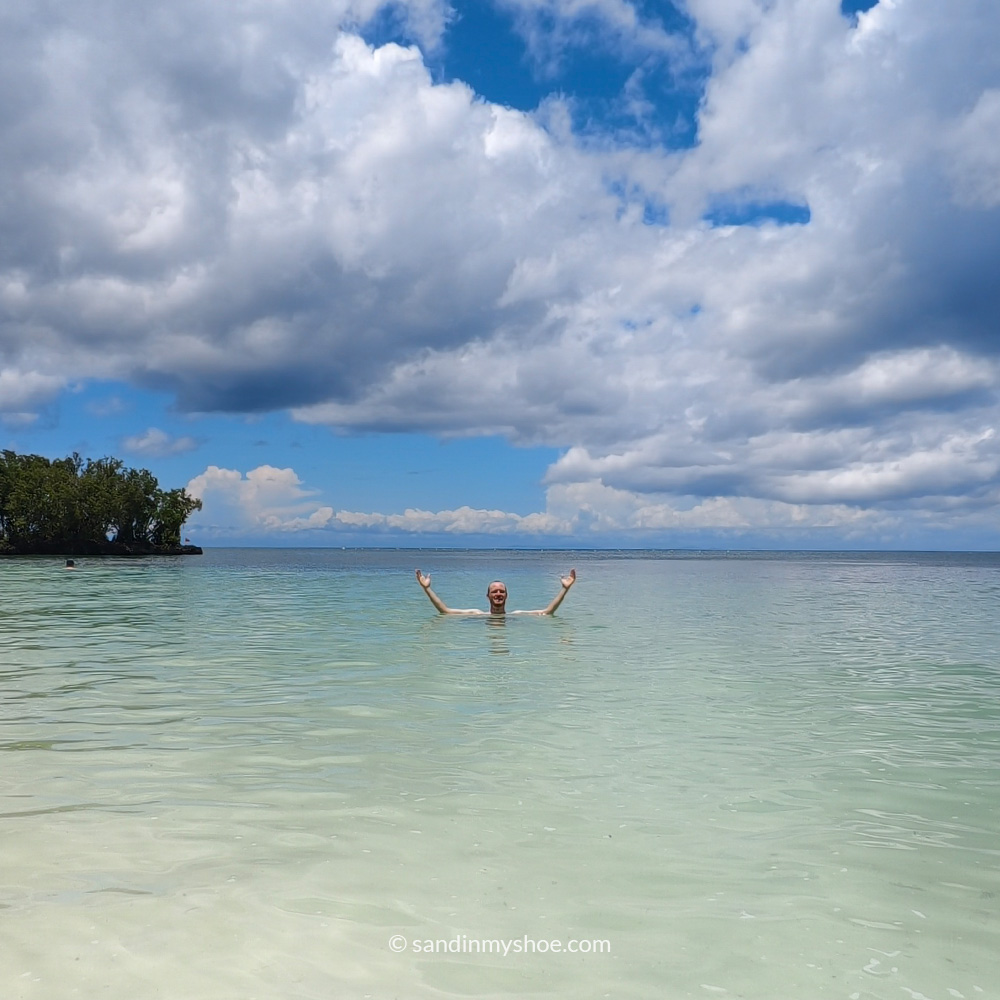
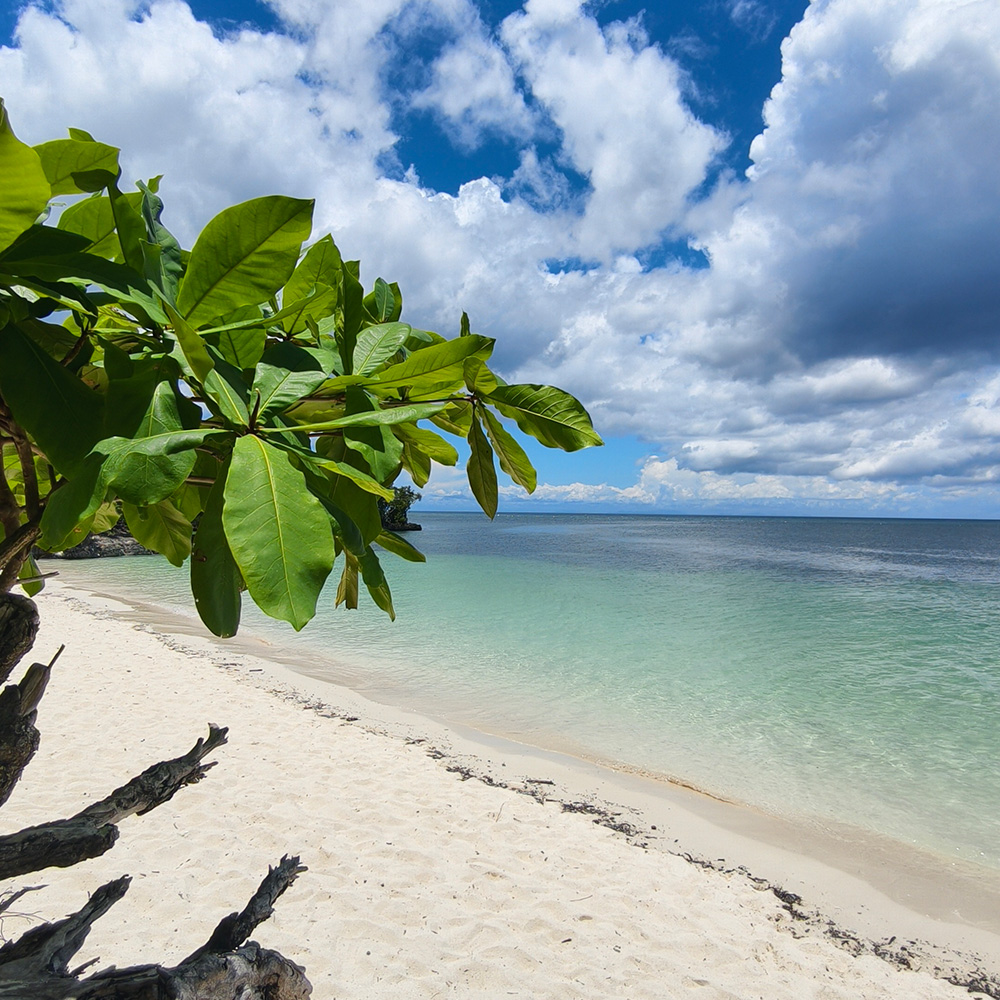
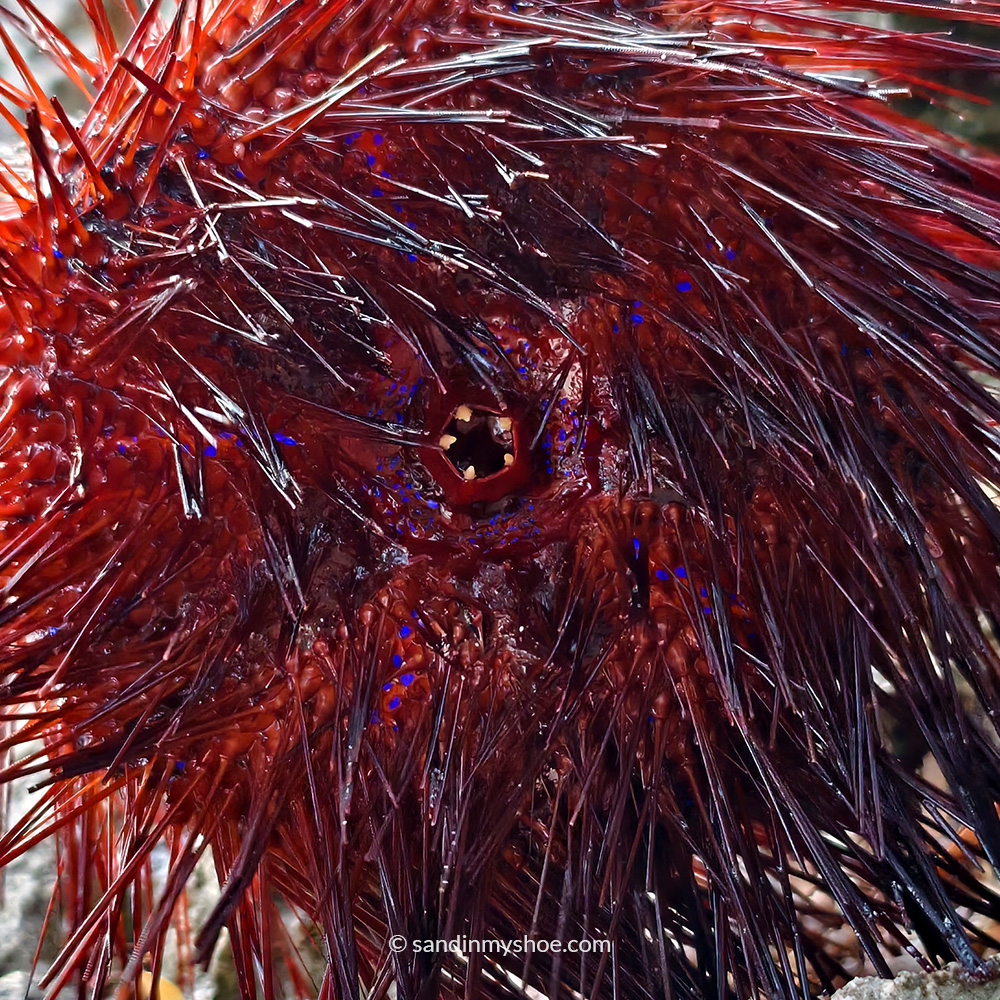
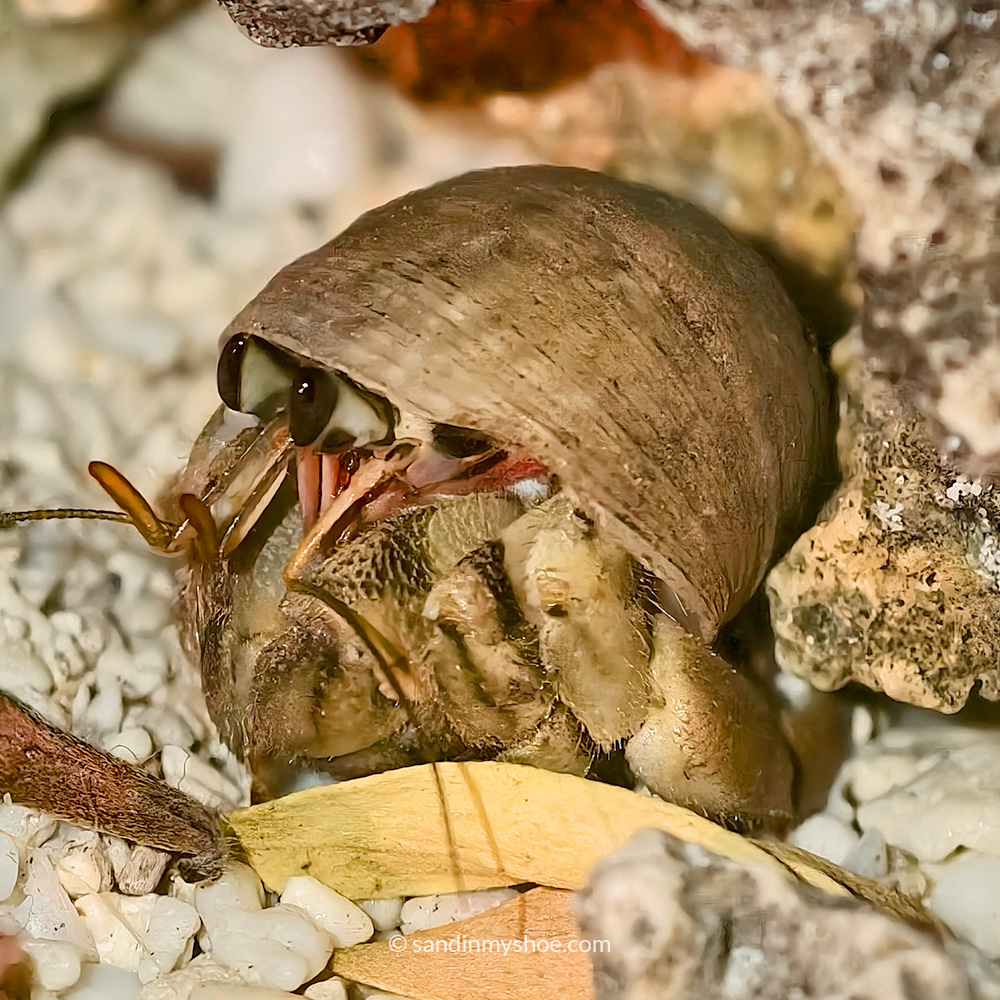
Paliton Beach is a stunning stretch of soft white sand and clean turquoise water. Perfect for a refreshing swim or simply lounging under the sun. It’s one of the most accessible beaches from San Juan, which makes it quite popular, especially during peak tourist season from of December to April.
You’ll also find great food stalls along the shore serving delicious coconut and mango shakes.
The beach is home to some small wildlife as well, tiny hermit crabs running across the sand and sea urchins tucked among rocks. Just watch your step, those spiky sea urchins can cause serious damage to your feet.
Environmental fee: ₱20 ($0.35 USD)
Parking fee: ₱30 ($0.5 USD)
6. The Old Enchanted Balete Tree — Learn the backstory to it before visiting
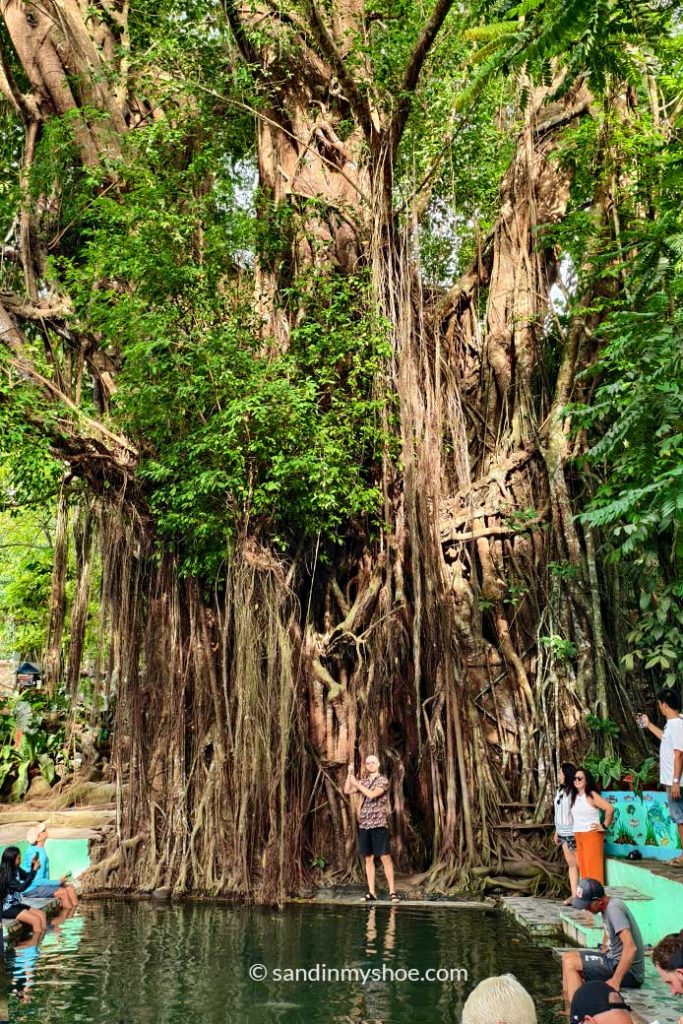
At first glance, the old enchanted Balete tree might just look like a strange, sprawling tree. Visitors often dip their feet into the pond beside it, where little fish nibble away to soften their feet, making it a natural fish spa. There are also souvenir stalls where you can buy spiritual items, including love potions and other curiosities.
But, there’s more this than that, and knowing some of the history will make your visit more interesting.
The Balete tree has deep roots in Filipino folklore and is often believed to be a dwelling place for spirits. Siquijor itself is infamous for witchcraft, a reputation that dates back to the 1600s during Spanish colonization. Because of this history, many locals consider the tree a spiritual centerpoint on the island.
Even today, many Filipinos travel to Siquijor to consult traditional healers for health concerns instead of visiting a hospital. The going rate for these healers were ₱200 ($3.4) per session (Not sure what it includes).
Normally, stories like this go in one ear and out the other for me, but my curiosity was sparked by a photo I took one night on the beach. A mix of blur, motion, and light added a strange creature with visible hands to a photo I took of the beach. I didn’t think much of it at first, until I started learning about the history of Siquijor and I got a bit spooked.
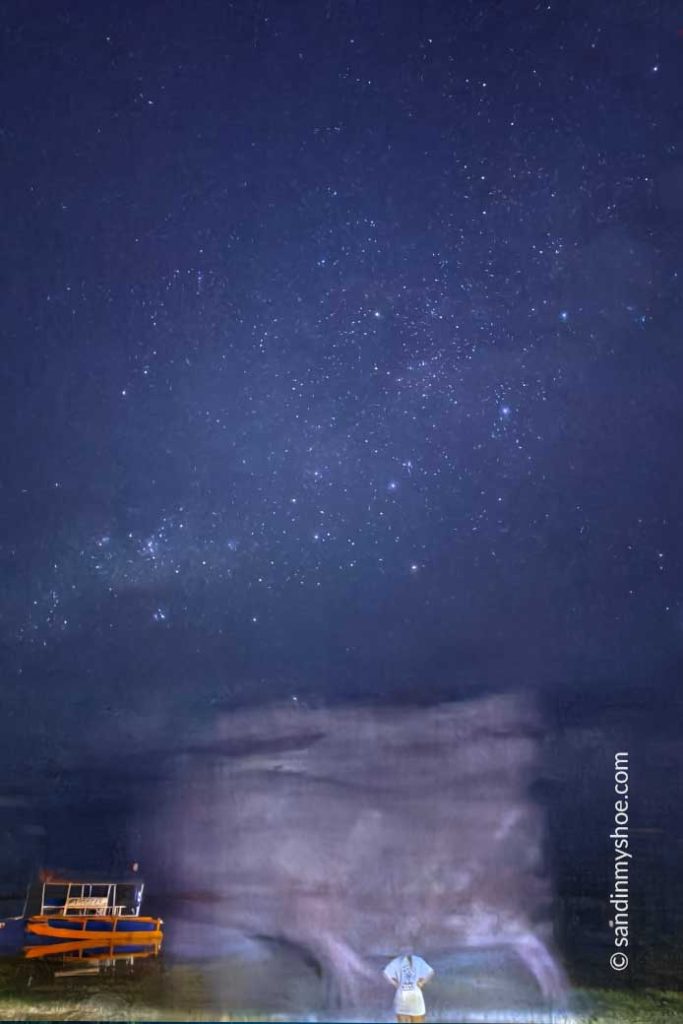
Even though I still don’t believe in supernatural things, I found it quite funny that this happened on the island with a reputation of supernatural activity.
Entrance fee: ₱20 ($0.35 USD)
Parking fee: ₱5 ($0.1 USD)
7. Day trip to Apo Island for Snorkeling
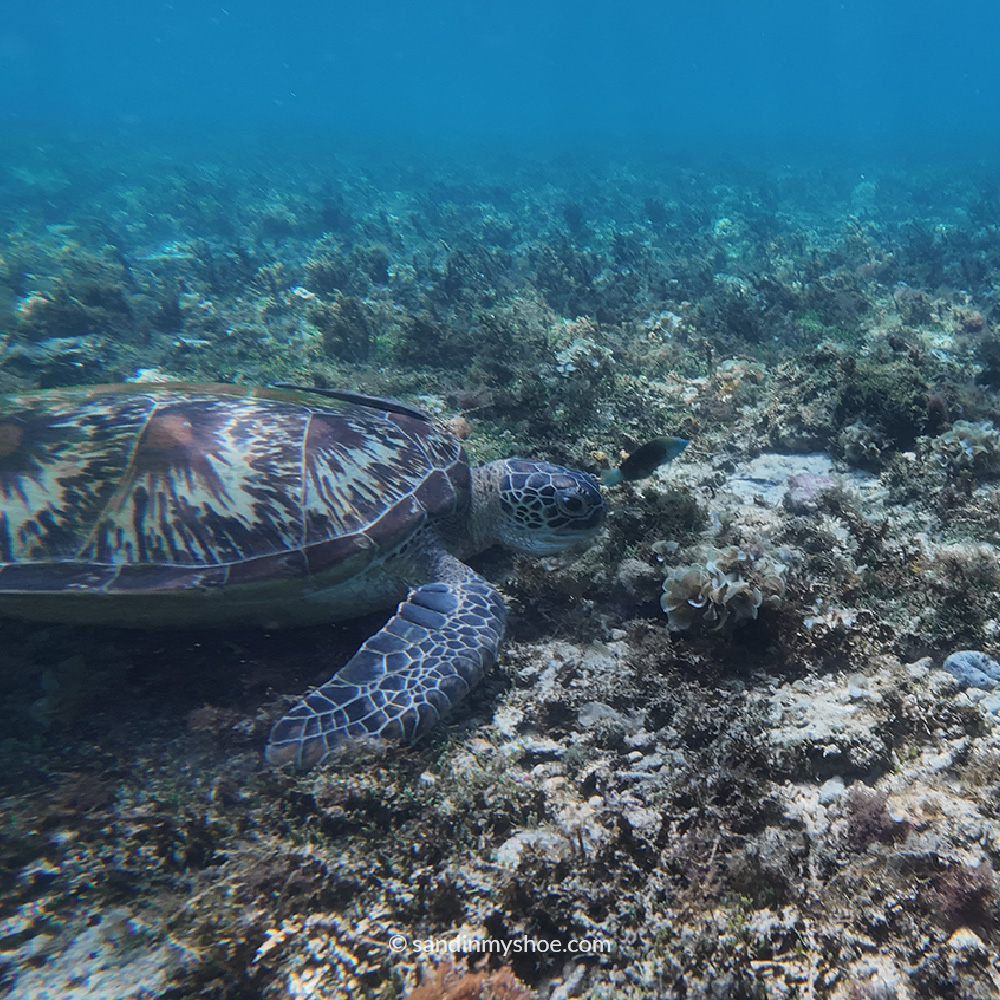
Snorkeling around Siquijor isn’t particularly rich in sea life, and the corals accessible from the beach aren’t very lively. That’s why I decided to book a day trip to Apo Island. Having been a turtle sanctuary for more than 30 years, this small island promised encounters with sea turtles, and it certainly delivered, along with plenty of other marine life.
The waters around Apo Island are vibrant, with both hard and soft corals and a wide variety of fish. Still, the main attraction is the sheer number of sea turtles that inhabit the area. It’s basically impossible to see one while snorkeling there.
Although Apo Island isn’t technically part of the Siquijor things to do list, it makes for a perfect day trip from Siquijor and deserves a mention here. The excursion runs from morning until sunset and includes meals, snacks, drinks, and snorkeling gear. I spent hours exploring different snorkeling spots and spotted countless turtles.
Later, we docked on the island itself and had about an hour and a half to explore. I hiked up to the lighthouse, which offered stunning views of the surrounding sea. Apo Island is simple, with only four hours of electricity per day and a single restaurant — making it an ideal place for a digital detox and a refreshing break from modern distractions.
Daytrip cost: ₱3,350 ($57 USD)
Location on Google Maps
Summary of Siquijor’s Top Things to Do
Siquijor is a laid-back island best experienced with your own motorbike, since it gives you the freedom to discover hidden gems and explore at your own pace.
If you prefer something more convenient, guided tours are also available and cover most of the highlights.
The best Siquijor things to do include rope swinging into a jungle‑surrounded pool, discovering waterfalls, cliff jumping, visiting a witch doctor, enjoying food with scenic views, and simply lounging on one of the beautiful beaches the island has to offer.
Let me know your favorite place in Siquijor in the comments.
No comments yet, be the first one!
I appreciate hearing from you. If you have any suggestions, questions, or feedback, please leave a comment below. Your input helps ensure the information stays relevant and up to date for everyone.
Thank you for sharing your thoughts!