

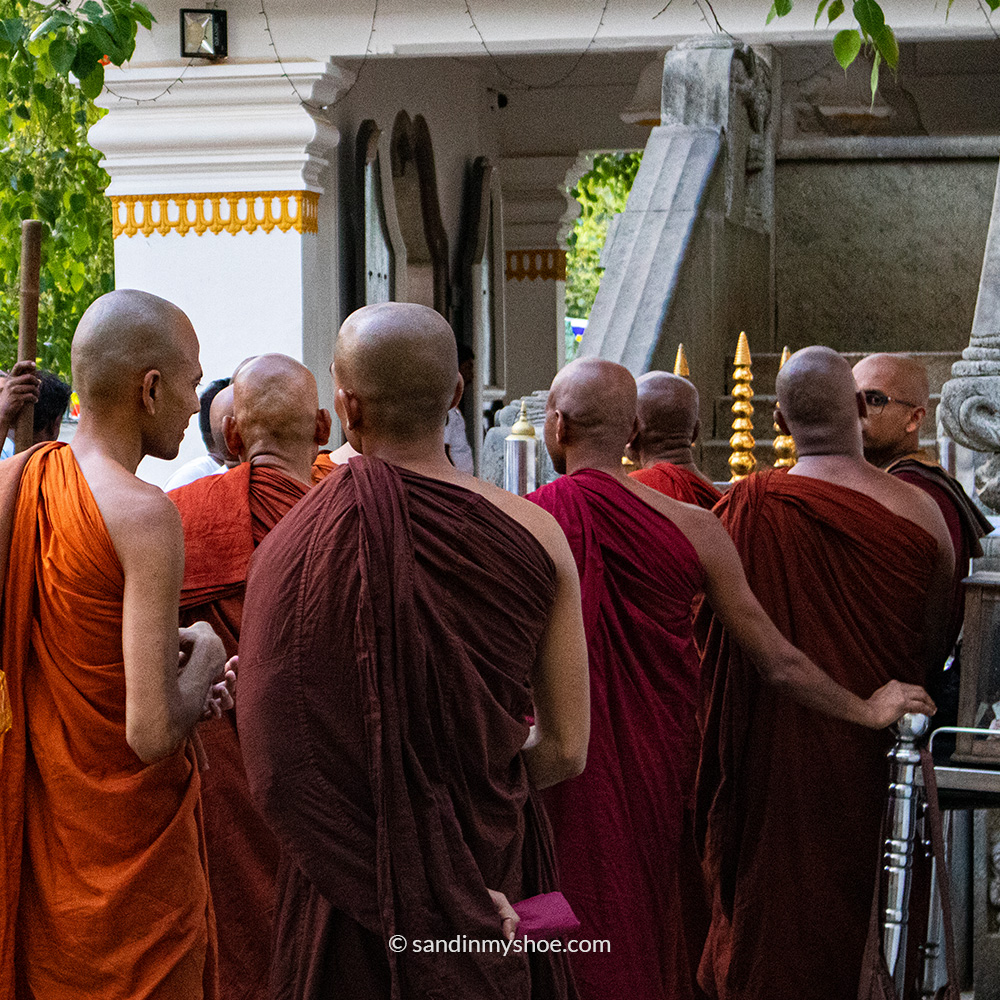
The Cultural Triangle is an area in the center of Sri Lanka with a high concentration of cultural sites. It sits between three key points—Anuradhapura, Sigiriya, and Polonnaruwa. This guide will help you understand which sites are truly essential, which secondary sights might still be worth your time, the best ways to visit them, and how to combine your trip with a safari or two in the nearby national parks.
When to Visit the Cultural Triangle in Sri Lanka
The cultural triangle is affected by both monsoons in Sri Lanka, but neither hits it as hard as the coastal areas. Rain tend to come in short showers rather than long downpours, so you can travel here comfortable throughout the year with only minor weather inconveniences.
 31°C
21°C
33°C
22°C
34°C
24°C
31°C
21°C
33°C
22°C
34°C
24°C
 34°C
25°C
33°C
24°C
32°C
24°C
32°C
24°C
32°C
24°C
32°C
24°C
31°C
23°C
30°C
22°C
30°C
21°C
34°C
25°C
33°C
24°C
32°C
24°C
32°C
24°C
32°C
24°C
32°C
24°C
31°C
23°C
30°C
22°C
30°C
21°C
Cultural Triangle Map for an Overview
The main sites of the Cultural Triangle are Lion Rock in Sigiriya and the ancient capitals of Polonnaruwa and Anuradhapura. Around these core locations you’ll find several secondary sites that are smaller but still worth considering, and the closest national park for a safari.
How to Use the Map: Click the top-left corner to view and select map layers. Learn more about each point by clicking its pin or sidebar entry. There are several itineraries which you can enable. To save the map, click the star next to the title. Access it later via Google Maps → Saved → Maps.
Anuradhapura Areas
Yellow Markers
- Main Site: Anuradhapura Ancient City
- Secondary sites: Mihintale
- Nearby Safari: Wilpattu National Park
Sigiriya Area
Blue Markers
- Main site: Lion Rock
- Secondary sites: Dambulla Cave Temple, Pidurangala, Ritigala, Aukana Buddha Statue & Yapahuwa
- Nearby national park: Minneriya for the “Gathering” of hundreds of elephants
Polonnaruwa Area
Green Markers
- Main site: Polonnaruwa Ancient City
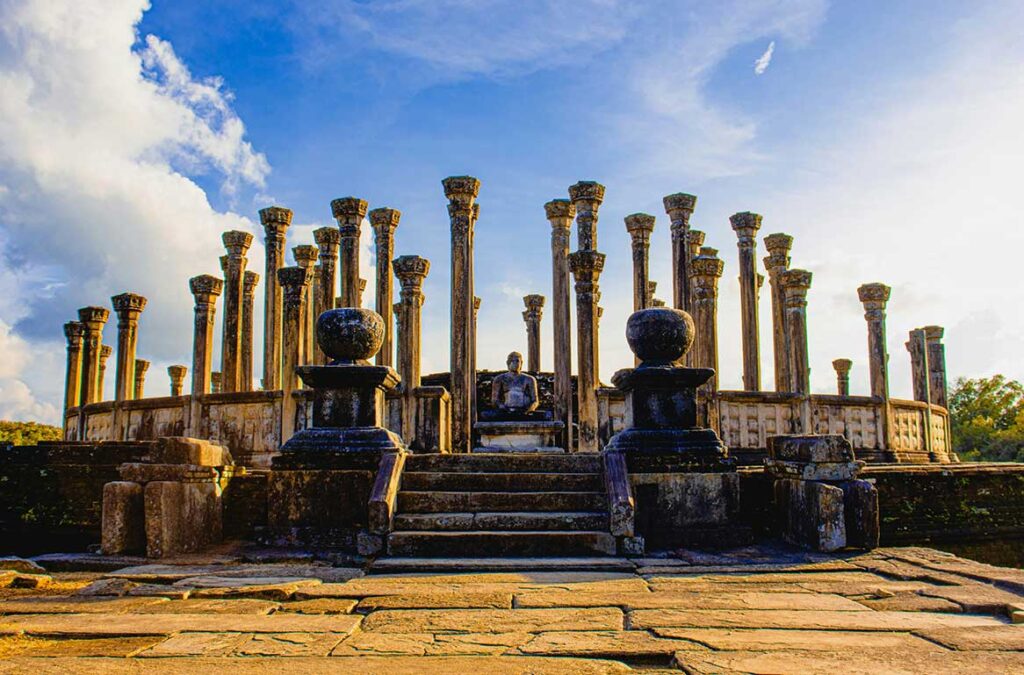
- Secondary site: Medirigiriya Vatadage
Now that you have the big picture, let’s move into the itineraries and then deeper into each area and what the different areas offer.
Itineraries for Sri Lanka’s Cultural Triangle
I’ve put together several itineraries to make planning for you easier — and whatever you do, combine the cultural landmarks with safaris. Yes, plural if your budget allows it. Safaris are some of the most memorable experiences in the Cultural Triangle, and each park offers something slightly different, so doing more than one really pays off. Wilpattu National Park is quieter and known for leopard and elephant sightings in a less touristed atmosphere, while Minneriya National Park is famous for its massive elephant gatherings, sometimes reaching 200–300 elephants in one place.
Start your visit of the Cultural Triangle in Anuradhapura and Wilpattu National Park for leopard sightings. Then continue to Sigiriya, and if you want to visit Polonnaruwa, make it a day trip from Sigiriya so you don’t need to repack. This way you’ll keep travel time to a minimum.
Check Out the Cultural Triangle Itineraries
- Day 1: Anuradhapura → Mihintale for the sunset
- Day 2: Morning Safari in Wilpattu National Park → Transfer to Sigiriya town → Visit Lion Rock
- Day 3: Dambulla → Minneriya Elephant Gathering
- Day 1: Anuradhapura & Mihintale
- Day 2: Morning Safari in Wilpattu National Park → Transfer to Sigiriya town → Visit Lion Rock
- Day 3: Dambulla → Minneriya Elephant Gathering
- Day 4: Daytrip to Polonnaruwa → Medirigiriya Vatadage
- Day 1: Anuradhapura & Mihintale
- Day 2: Morning Safari in Wilpattu National Park → Transfer to Sigiriya town → Visit Lion Rock
- Day 3: Minneriya Elephant Gathering → Relax in Sigiriya town or Hike Pidurangala
- Day 4: Dambulla → Yapahuwa Rock Fortress → Aukana Buddha Statue
- Day 5: Daytrip to Polonnaruwa → Medirigiriya Vatadage
What to Visit in Sri Lanka’s Cultural Triangle
The most significant sites appear first, with additional options listed afterward. And since the area isn’t very large — Anuradhapura to Polonnaruwa is only 100 km, and Anuradhapura to Sigiriya just 70 km — it’s easy to vist many areas during your trip in Sri Lanka.
Anuradhapura Area
Anuradhapura Ancient City — Main Site
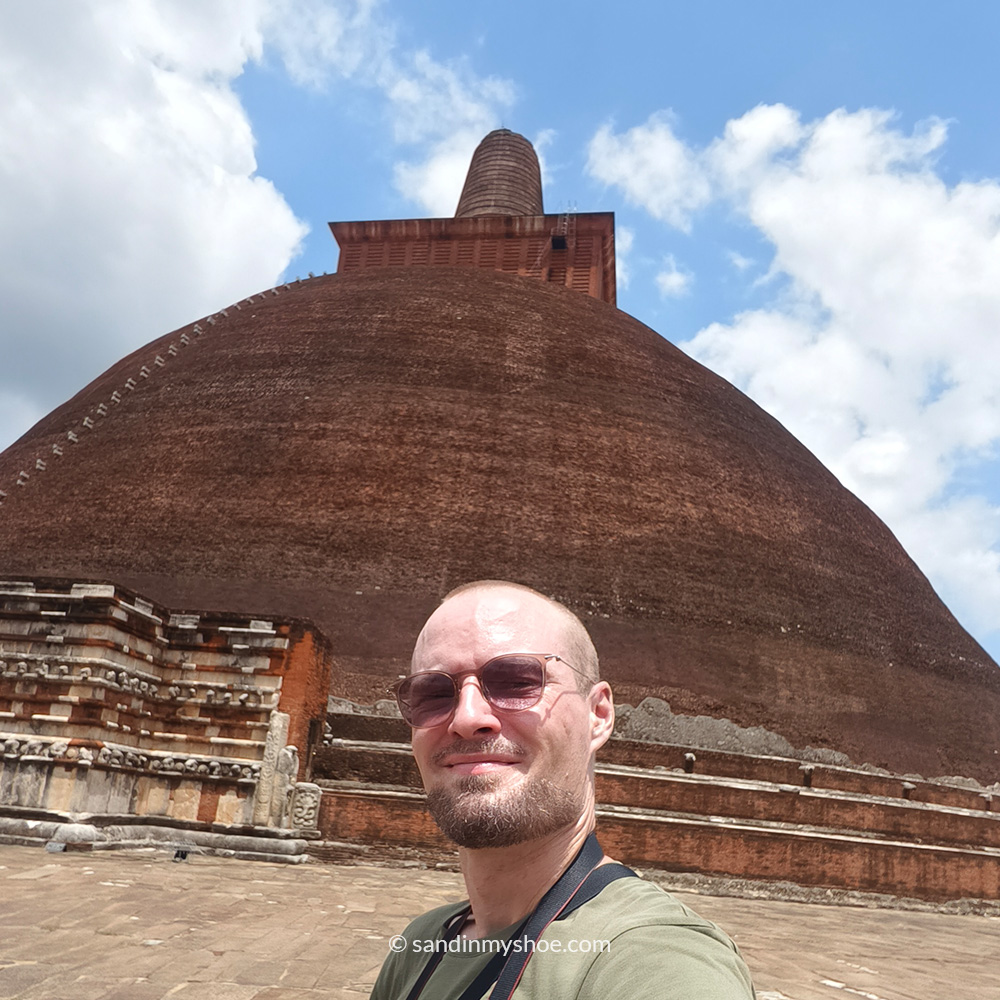
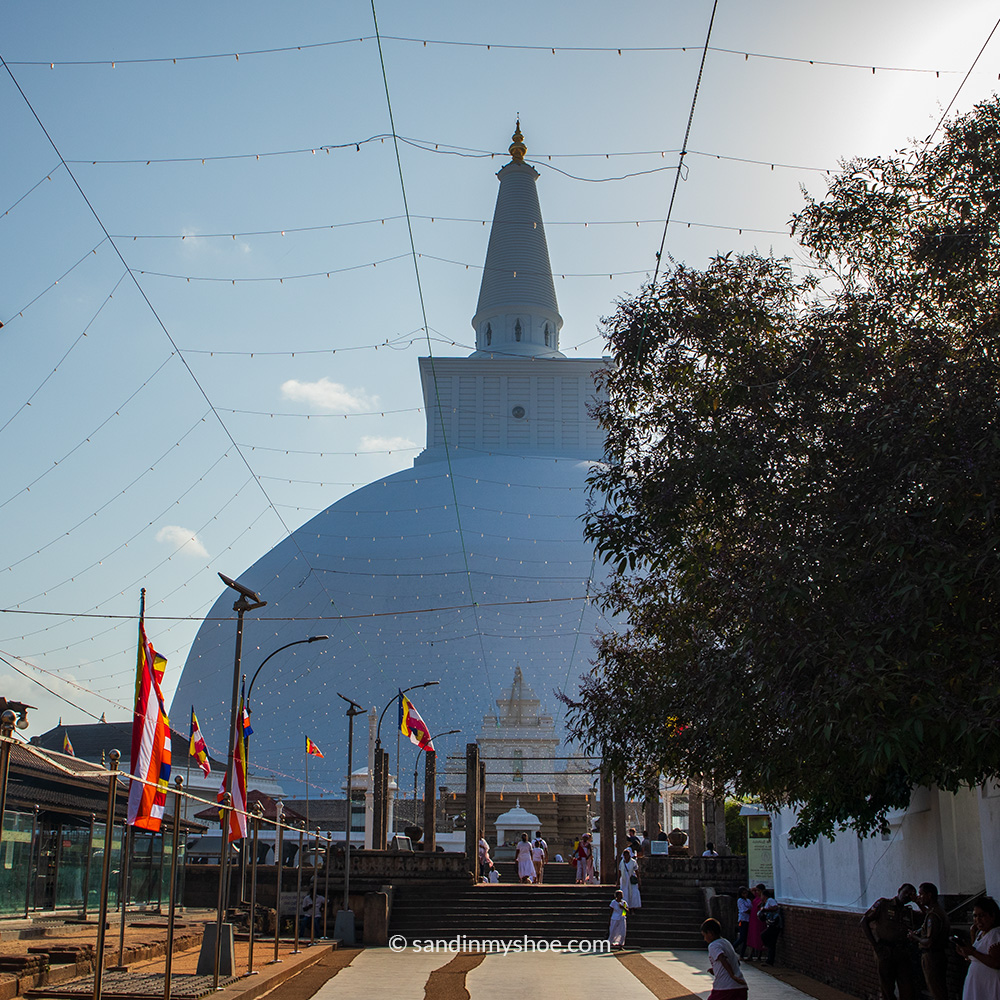
Ancient city of Anuradhapura was the first capital of Sri Lanka, founded in the 4th century B.C.E., and today it’s a UNESCO World Heritage Site with vast monastic complexes, giant stupas, and sacred sites spread across a huge area. At its heart stands the Sri Maha Bodhi, said to have grown from a cutting brought by the Buddhist nun Sanghamitta in the 3rd century B.C.E. The city flourished for over a thousand years before being abandoned after an invasion in 993, slowly reclaimed by the jungle until its rediscovery centuries later.
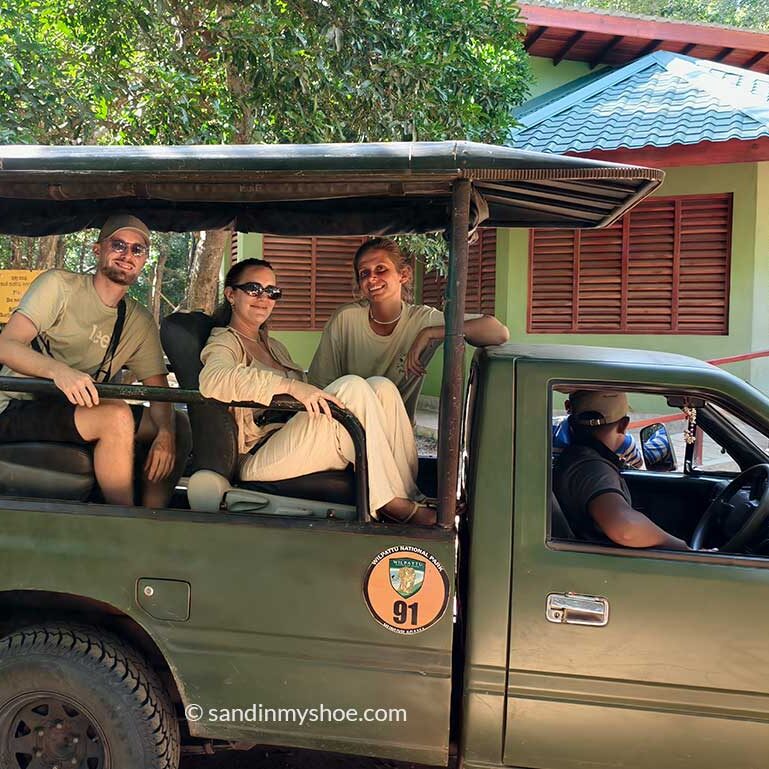
Wilpattu National Park — Nearby Safari
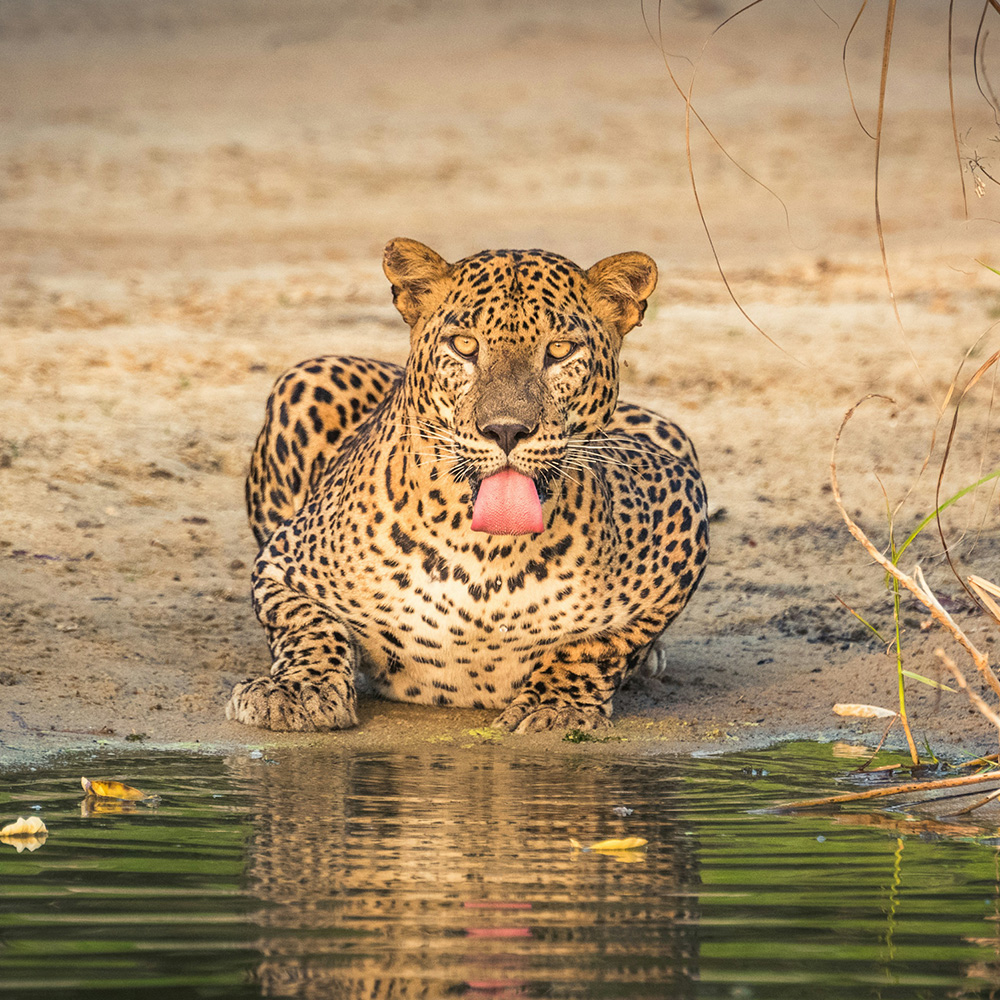
A quieter, more remote park with excellent leopard‑spotting potential and far fewer tourists than Yala National Park. Wilpattu is known for its dense forest, natural lakes, and unhurried safaris where you often feel like you have the wilderness to yourself.
It’s one of the best places in Sri Lanka to see leopards in a calm, unhurried setting, along with sloth bears, elephants, and a wide range of birdlife.
Mihintale — Secondary Site
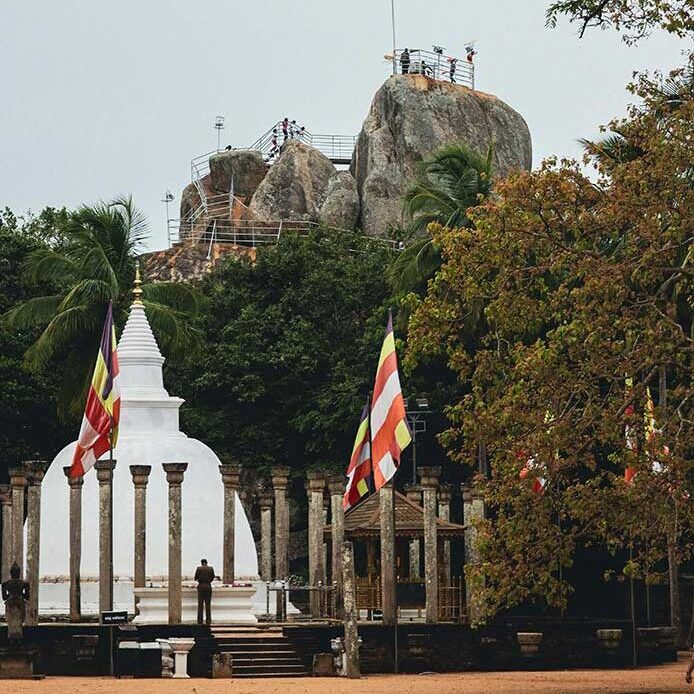
Mihintale is located near Anuradhapura, and can be easily accessed with a tuk-tuk from. It’s a hilltop temple complex considered the birthplace of Buddhism in Sri Lanka.
According to historical chronicles, the monk Mahinda met King Devanampiya Tissa here in the 3rd century BCE and taught him the Buddha’s teachings and that encounter marked the beginning of Buddhism on the island.
The climb takes you past shrines and ancient stonework before opening onto wide views over the plains.
Arrive about an hour before sunset to enjoy the golden light and the peaceful athmosphere.
Sigiriya Area
Lion Rock (Sigiriya) — Main Site
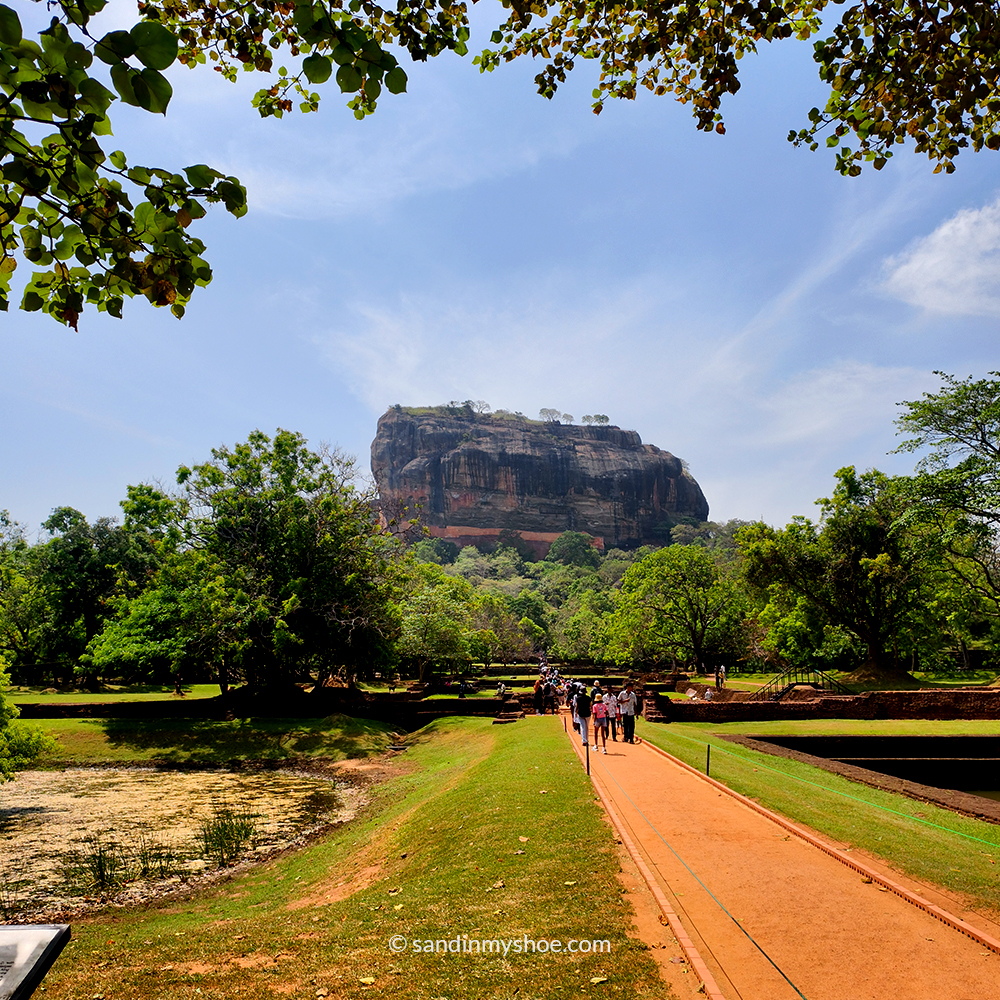
The Cultural Triangle’s most iconic landmark, Sigiriya Lion Rock is an ancient fortress built on top of a towering rock rising straight out of the jungle.
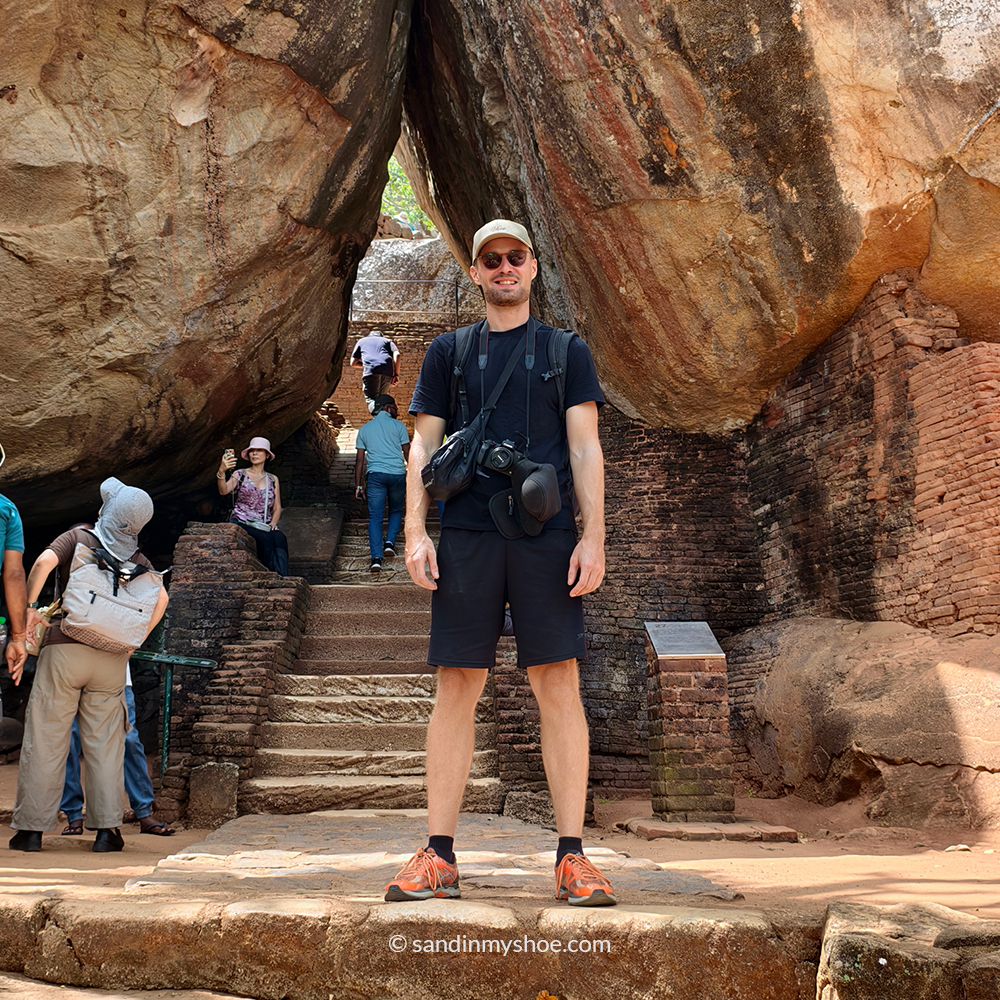
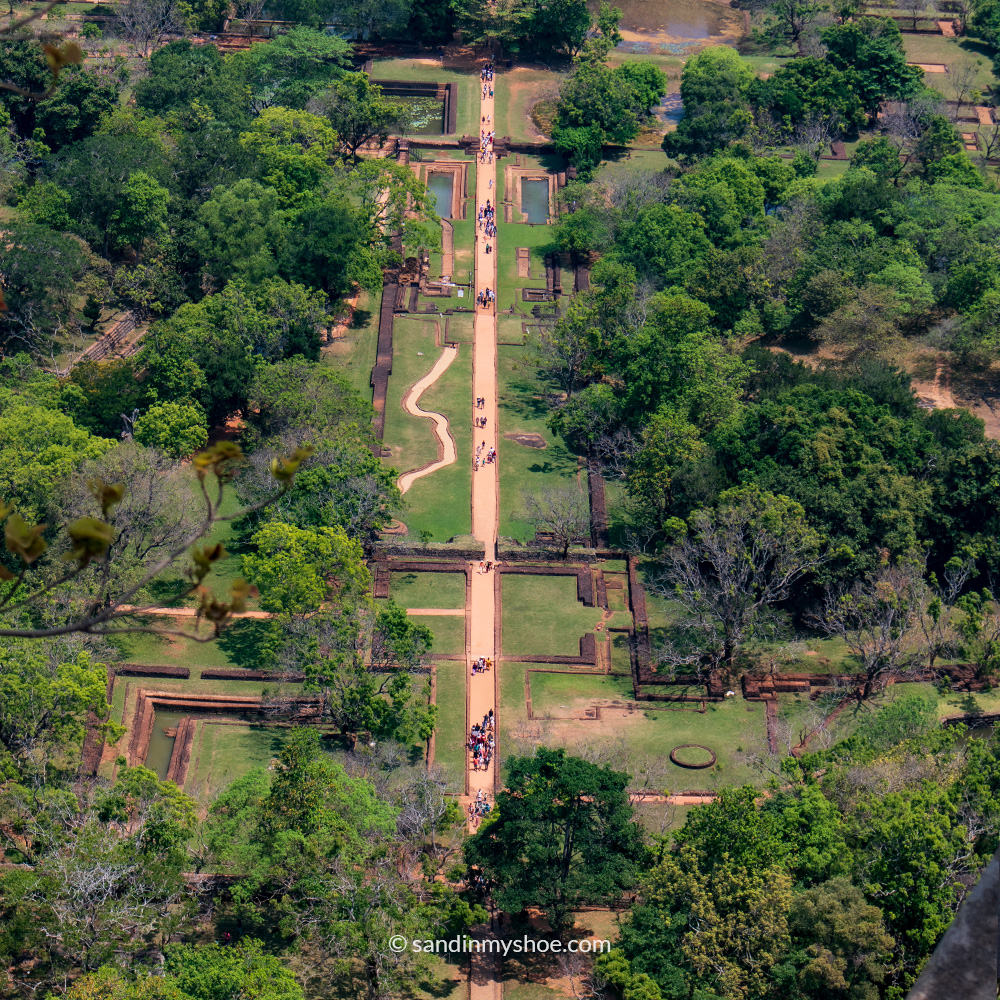
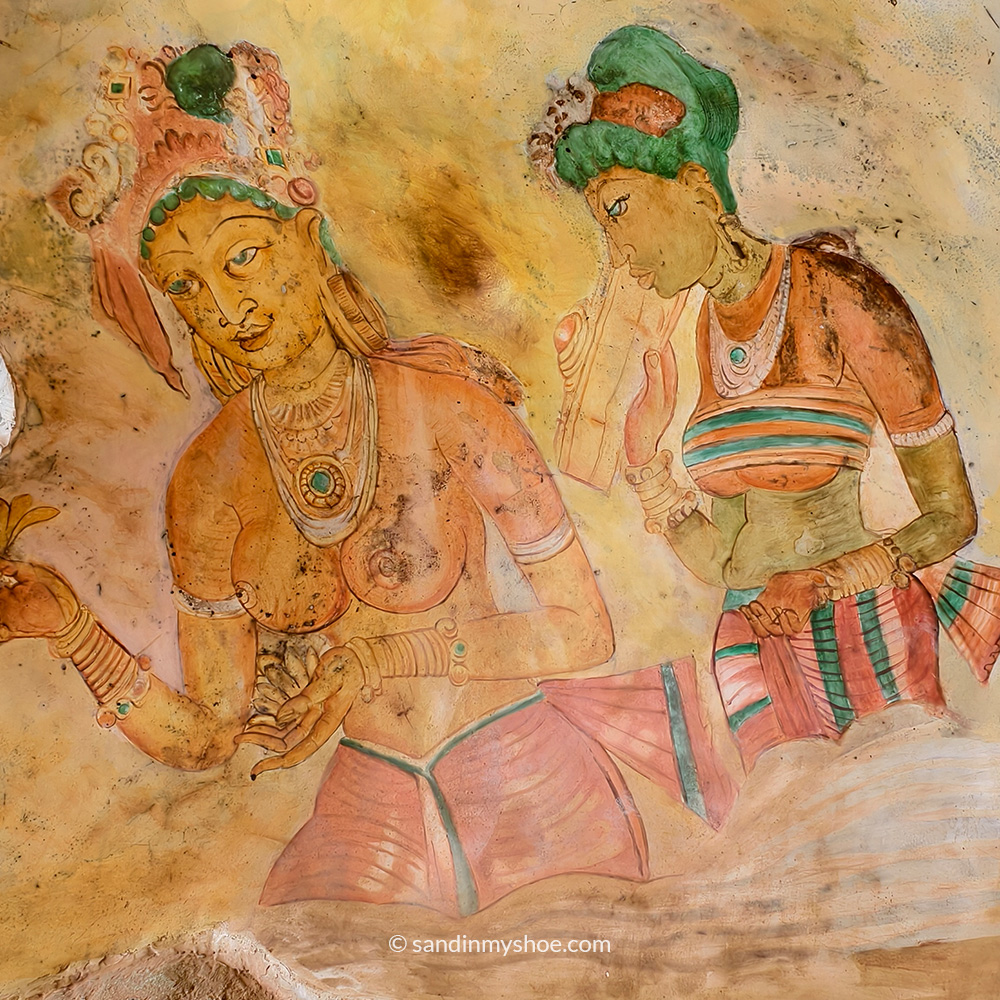
The visit begins with a walk through the water gardens before you start the steep but manageable climb. Partway up you reach the massive lion‑paw entrance that once guarded the final ascent. From there you continue to the summit, where the ruins of a royal palace overlook forests, lakes, and distant mountains. On the way down you pass the famous frescoes before returning to the base.
It’s one of the most impressive archaeological sites in Sri Lanka and an absolute must‑see.
Minneriya National Park — Nearby Safari
Best known for the “Gathering,” where hundreds of elephants congregate around the reservoir during the dry season. It’s an easy half‑day safari, with most drives focusing on the open grasslands around the tank where elephant sightings are guaranteed.
Dambulla Cave Temple — Secondary Site
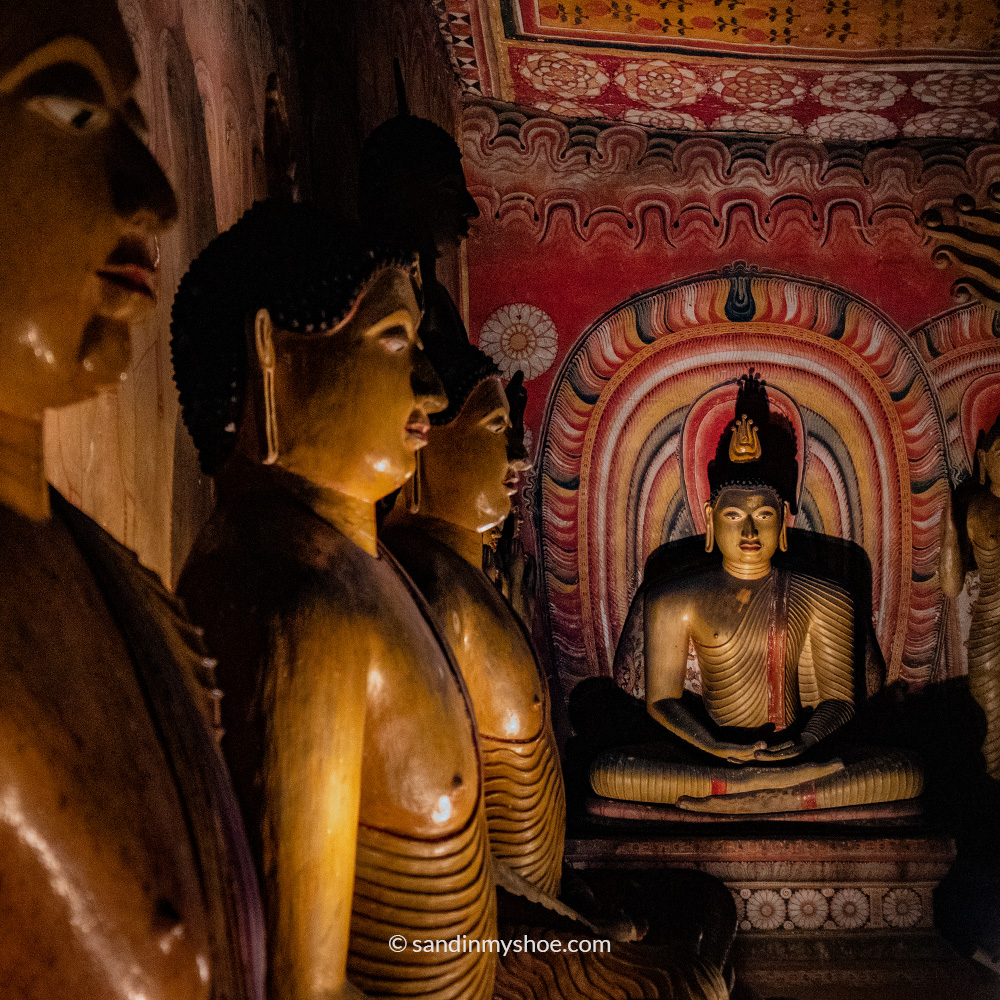
A series of cave shrines filled with Buddha statues and murals spanning more than 2,000 years, showcasing different periods and styles. Dambulla Cave Temple one of the most important Buddhist sites in Sri Lanka and the best‑preserved cave temple complex in the country.
Visit the Dambulla Cave Temples to see frescoes and statues from different periods and artistic styles.
Pidurangala Hike — Secondary Site
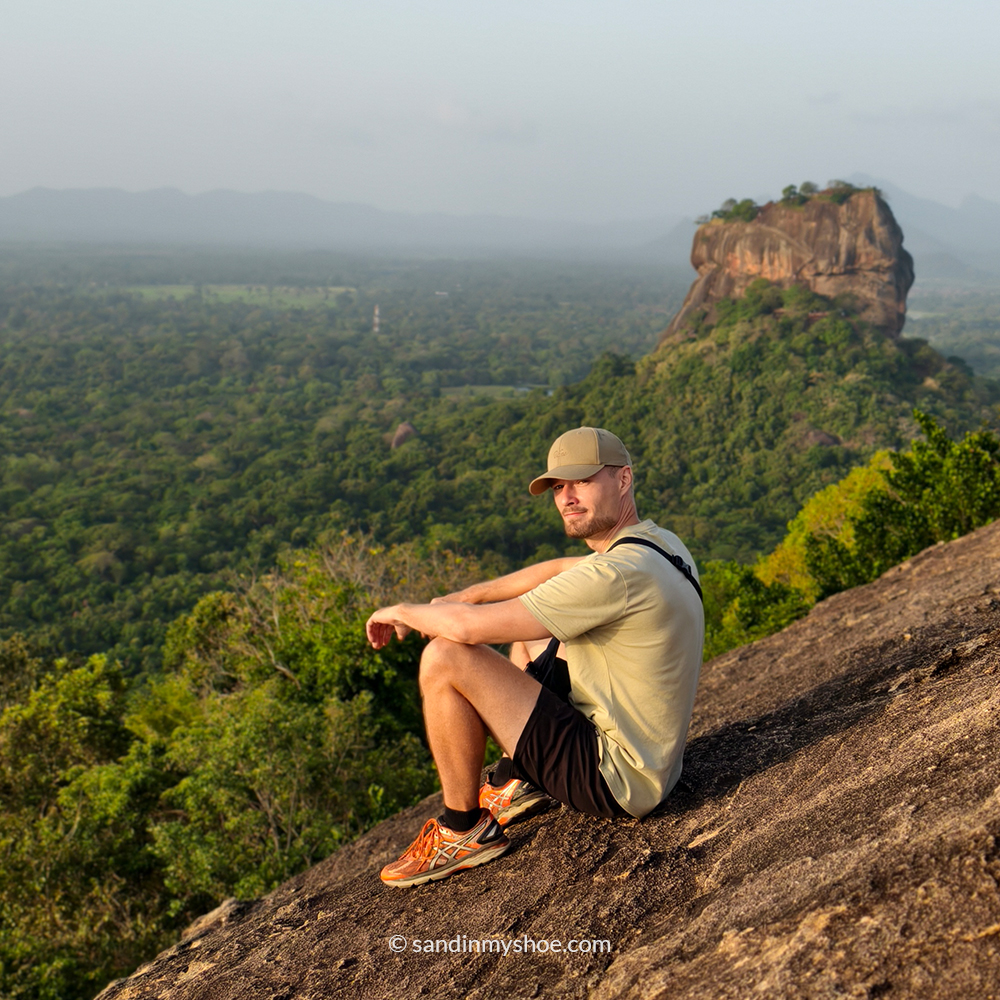
Pidurangala is one of many popular hikes in Sigiriya, located just next to the Sigiriya Lion Rock, offering a cheaper and much quieter alternative with a panoramic view of Sigiriya from the summit. The trail starts with a gentle forest path before turning into a short rock scramble near the top. Sunrise is especially rewarding here, with soft light hitting Lion Rock and the surrounding jungle. It’s a great option if you want the iconic view without spending the $35 USD it costs to enter Lion Rock.
Aukana Buddha Statue — Secondary Site — A bit further out
A 12‑meter standing Buddha carved from a single rock, considered one of the finest examples of ancient Sri Lankan sculpture. The statue’s proportions and craftsmanship are remarkably precise, and its serene expression makes the site feel calm and contemplative. It’s roughly 50 km away from Sigiriya town, meaning an hour by car.
Yapahuwa Rock Fortress — Secondary Site — A bit further out
A rock fortress with a steep staircase and carved stone lions. It’s far less visited than Sigiriya but very rewarding, especially if you’ve already seen Lion Rock and want another impressive climb without the crowds.
Ritigala — Tertiary Site
An atmospheric forest monastery, today reduced to ruins spread through dense jungle. It’s ideal if you want something quieter and less touristed, but note that it’s ruins — a guide is basically essential, otherwise you’ll just be looking at piles of rock without understanding what you’re seeing.
Polonnaruwa Area
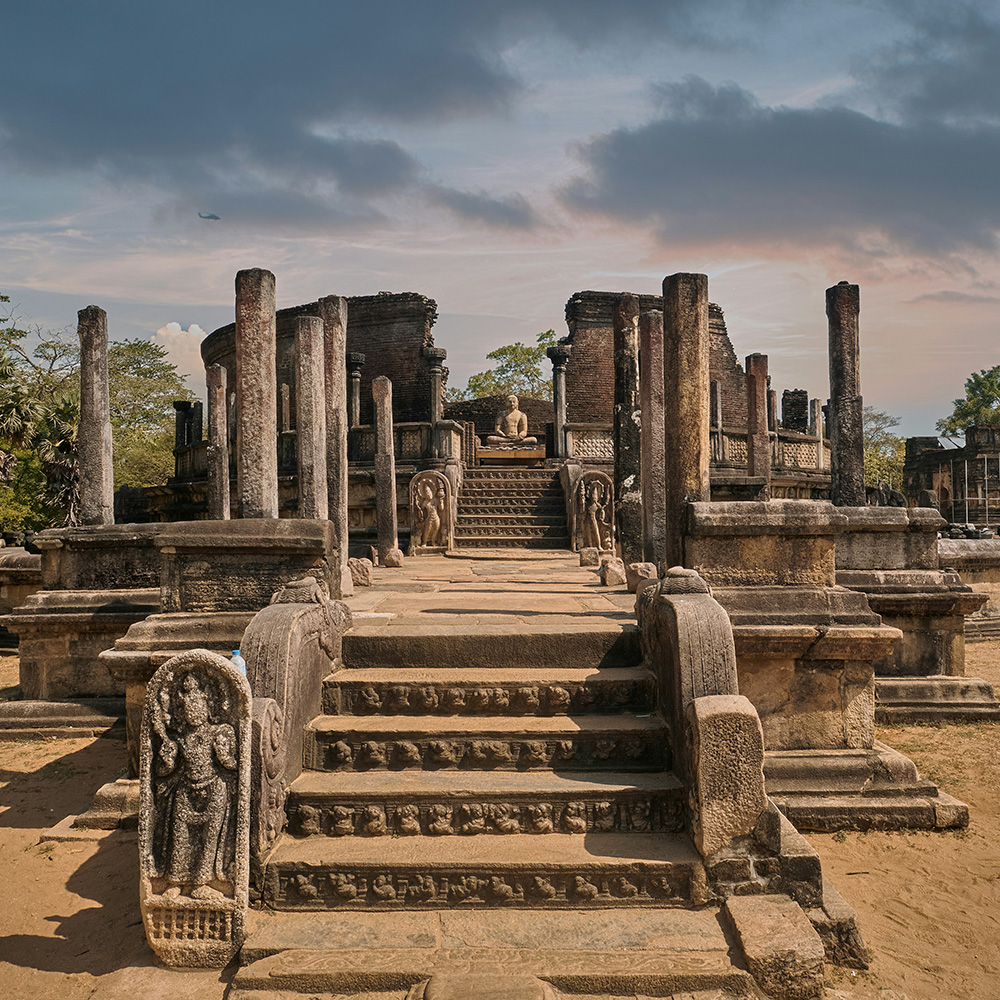
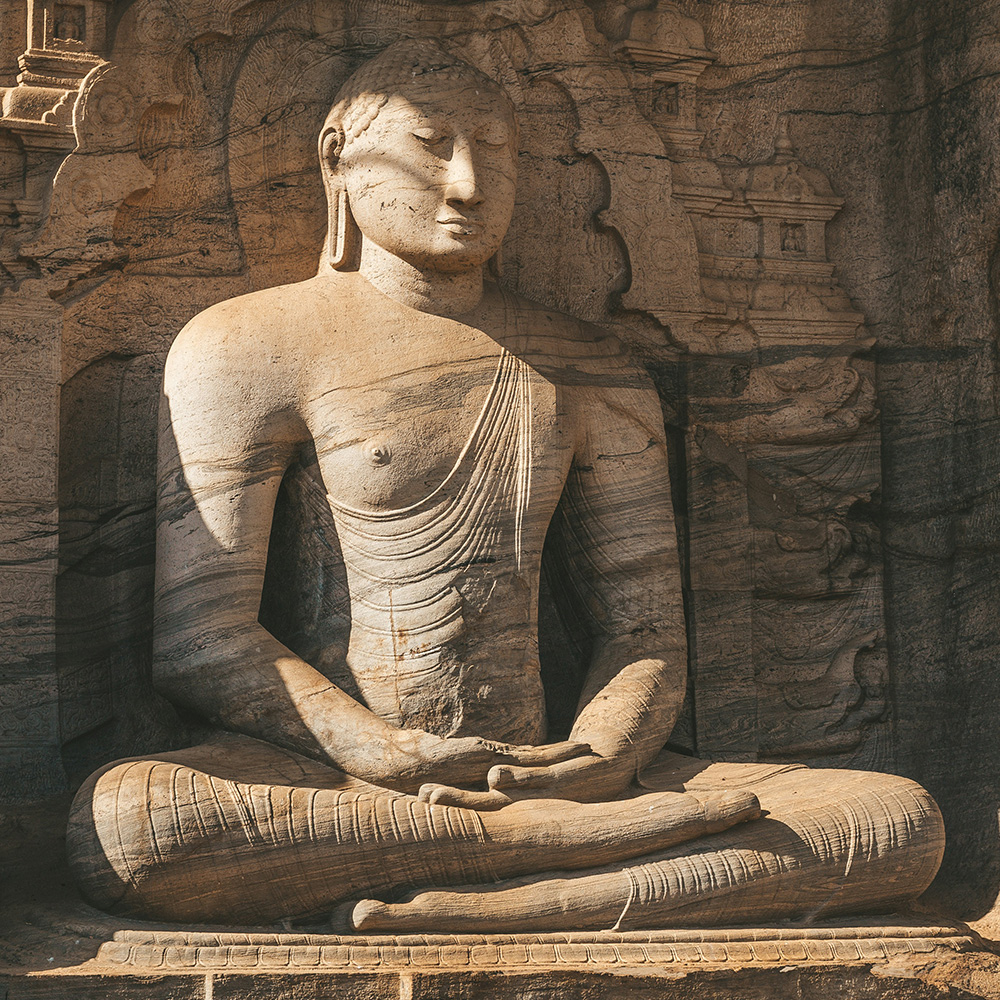
Polonnaruwa Ancient City — Main Site
A compact, beautifully preserved former capital with temples, stupas, royal ruins, and the famous Gal Vihara Buddha statues carved from a single granite outcrop. The highlights are clustered along an easy route, making the city straightforward to explore by bike or tuk‑tuk. Many structures stand high and intact, giving a clear sense of how the ancient capital once looked.
Medirigiriya Vatadage — Secondary Site
A circular shrine surrounded by stone pillars. Small but elegant, with a peaceful setting that makes it a pleasant stop. It’s easy to combine with a daytrip to Polonnaruwa.
What to Know Before Visiting the Cultural Triangle
How to Prioritize What to Visit in the Cultural Triangle
Sigiriya is hands-down the most iconic landmark and should be in any Sri Lanka itinerary. After that, whether you visit Anuradhapura or Polonnaruwa really depends on whether you want a sprawling, spiritual ancient city or a compact, beautifully preserved former capital that’s easier to explore. If you have the time consider visiting both of them.
How to Plan Your Visit
Now that you have the big picture of the sights— and knowing the area isn’t that large — let’s move on to planning your visit. The first question is how many days you should spend in the Cultural Triangle. The answer depends on your travel pace and how much time you have in Sri Lanka overall.
If you’re traveling in Sri Lanka for 2 weeks, I’d recommend setting aside 3–4 nights for the Cultural Triangle. That gives you enough time to see the major sites without rushing. In my 3‑week Sri Lanka itinerary, I set aside five nights just for the Anuradhapura and Sigiriya areas, and that felt right for a slower, more in‑depth visit.
If you want to cover all the main sites, I’d recommend basing yourself in Anuradhapura city and Sigiriya town, and visiting Polonnaruwa as a day trip from Sigiriya. That way you don’t need repack all the time, and the transfers stay simple.
How to Get Around in Sri Lanka
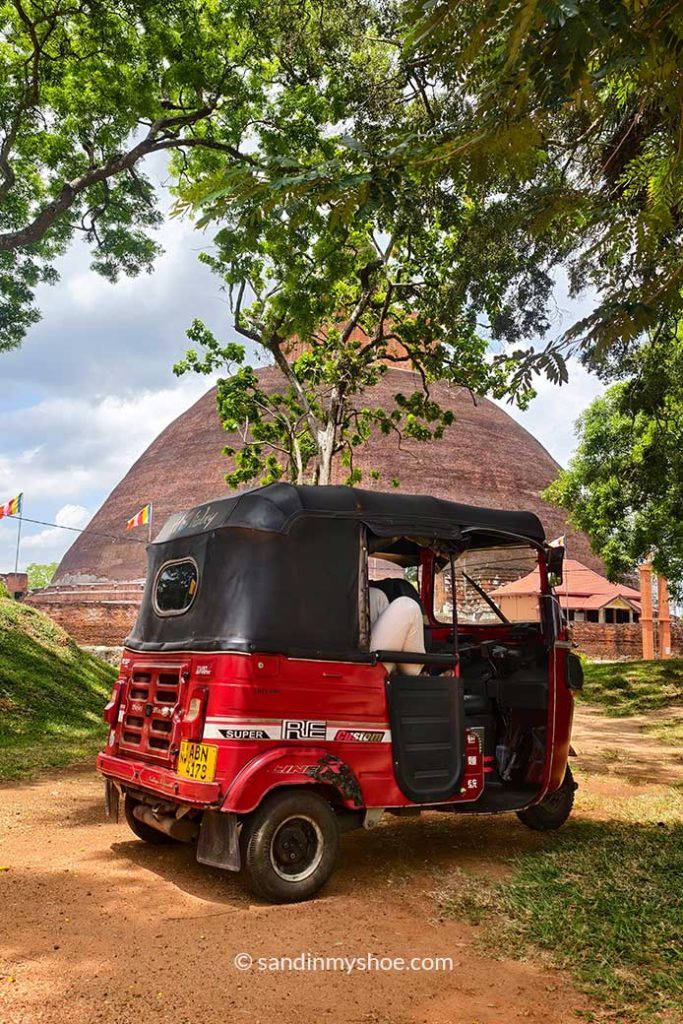
I traveled around Sri Lanka with my own tuk‑tuk, which made getting from place to place incredibly easy. If you prefer not to drive yourself, getting around with local transport is straightforward too. Just head to the bus station in the town you’re in and hop on the next bus — they run frequently and are very affordable. For private cars or minivans, book online through 12Go.
Another comfortable option is hiring a private car with a driver throughout your trip, which is common in Sri Lanka and ideal if you want to save time or avoid navigating on your own.
Final Thoughts On Cultural Triangle of Sri Lanka
Visiting Sri Lanka’s Cultural Triangle is a must‑do in any itinerary, whether you’re spending two weeks or three weeks in the country. The combination of ancient cities, iconic landmarks, and nearby national parks makes it one of the most rewarding regions to explore. Any questions? Just hit me up on the comments.
Where to Go After the Cultural Triangle
The most popular next stop is Kandy town, which many travelers mistakenly assume is part of the Cultural Triangle — it actually marks the beginning of Sri Lanka’s hill country. Here you can watch a cultural dance performance, and the next day hop on the scenic train to Ella town, enjoying the rolling tea‑plantation landscapes along the way. Another good option is heading to the east coast, with Trincomalee offering beaches, snorkeling, and a slower coastal vibe.


No comments yet, be the first one!
I appreciate hearing from you. If you have any suggestions, questions, or feedback, please leave a comment below. Your input helps ensure the information stays relevant and up to date for everyone.
Thank you for sharing your thoughts!