

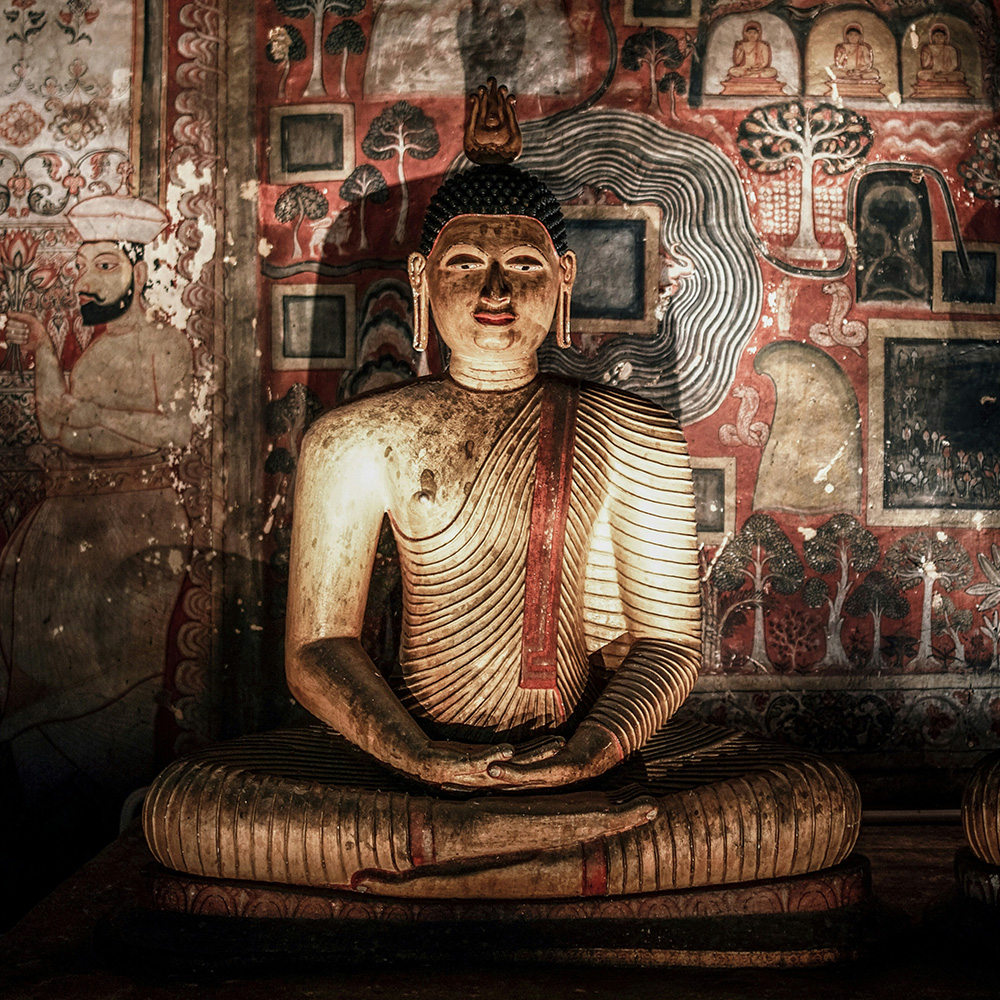
Quick Guide for Dambulla Cave Temples
- Time Duration to Visit: Approximately 2 hours to have a peek in the museum, walk up to the caves, explore all five, admire the murals, enjoy the panoramic views and climb down. It takes about 15-20 minutes to walk up the stairs to the caves.
- Opening Hours: 7 AM – 7 PM (The best time to visit is during morning or late afternoon to avoid the heat and the crowds.)
- Dress Code: As this is an active Buddhist temple, you’ll need to cover your shoulders and knees. Shoes and hats must be removed before entering the caves. I arrived in shorts and luckily was able to rent a sarong at the entrance, so even if you forget, you can easily sort it out for a small fee.
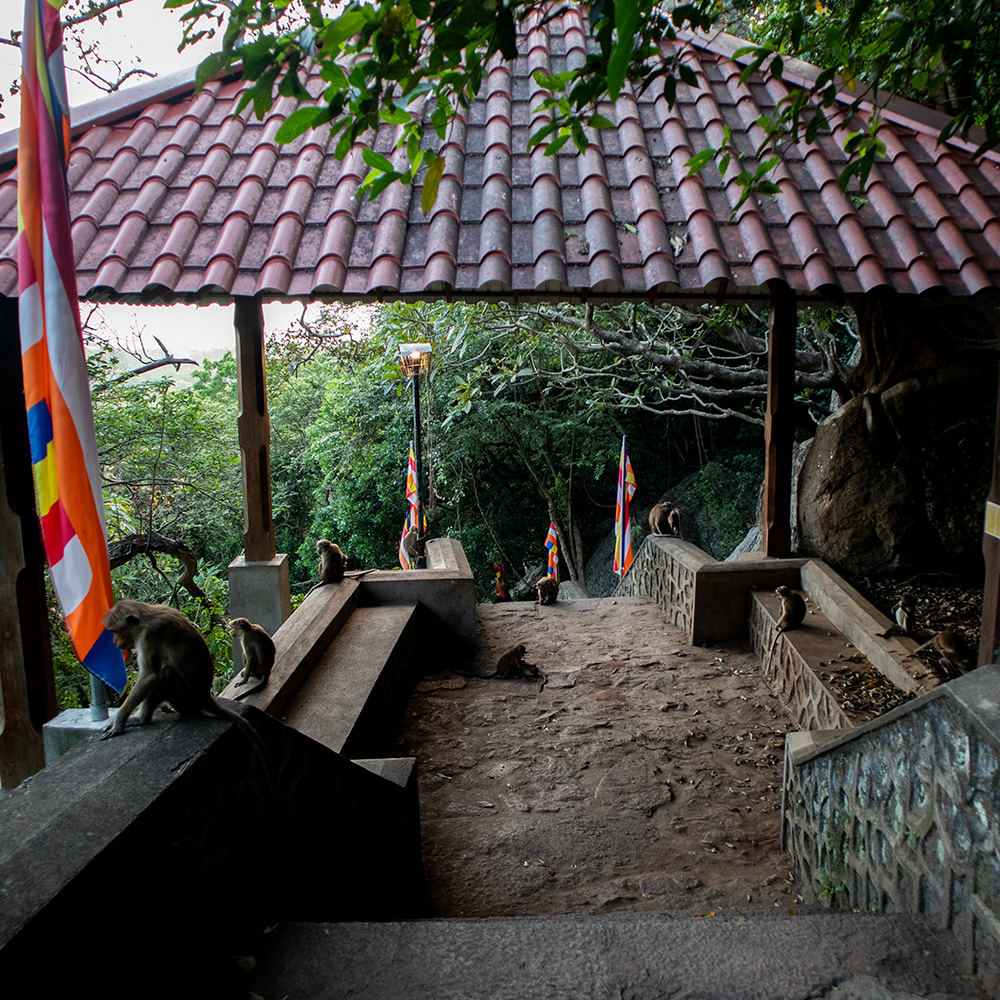
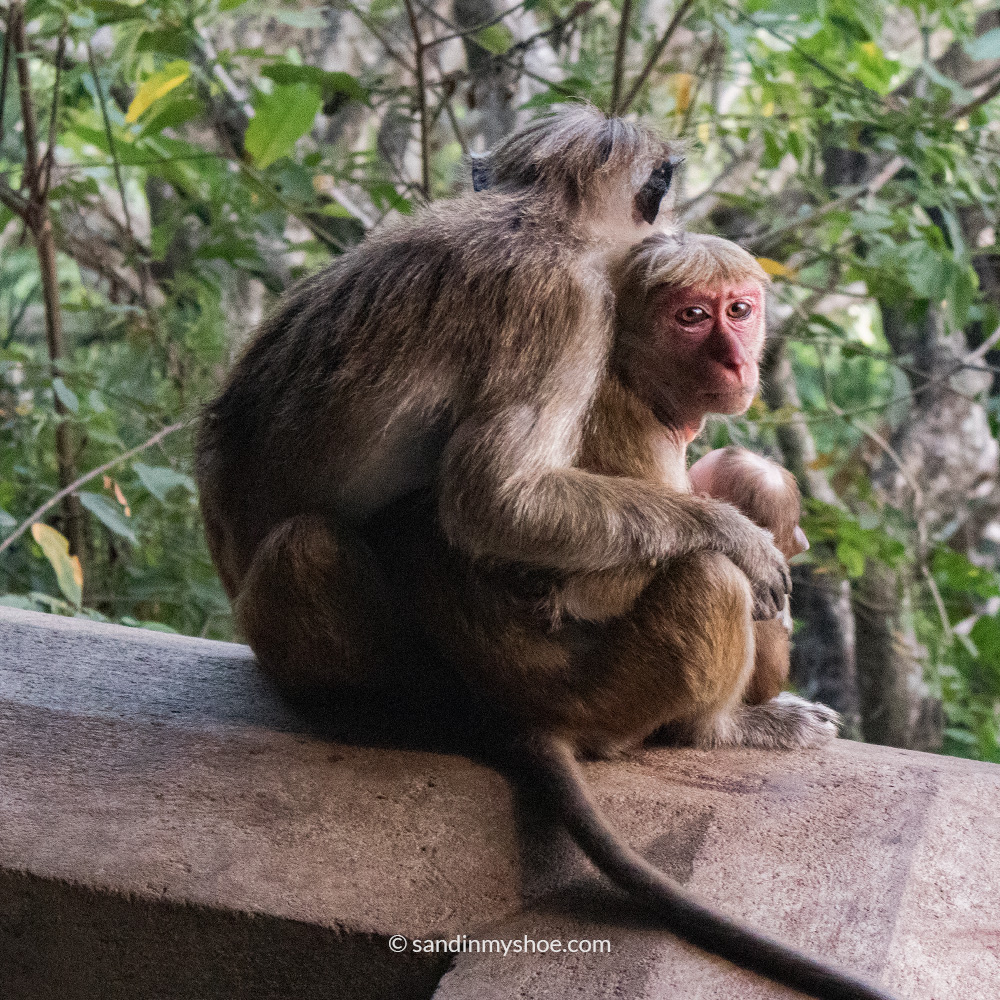
- Watch out for the monkeys: They’ll go for anything that looks like food, so keep your bag closed.
- Avoid flip‑flops: The steps are uneven, the rock gets hot, and some sections can be slippery, so proper sandals or shoes make the climb easier and safer.
Dambulla Entrance Fee 2026
Here’s the Dambulla Cave Temple entrance fee breakdown.
- Foreign Adults: $10 USD
- Foreign Children (6-12 years): $5 USD
- SAARC Nationals: $5 USD
- Local Adults: Approximately $1-2 USD
- Local Children: Often free or at a minimal cost.
Note: I had trouble finding the ticket office for foreigners. If you run into the same issue, use this Google Maps link — it takes you straight to the right spot.
Why the Dambulla Caves Are Worth a Visit
I’m not religious, and I’ve visited plenty of temples during my travels, but Dambulla genuinely stands out. What makes it special isn’t just the cave setting or the massive reclining Buddha carved from the rock itself. It’s the layers of artwork created over many different centuries — murals, statues, and painted ceilings that evolved over time yet still sit together in the same five caves.
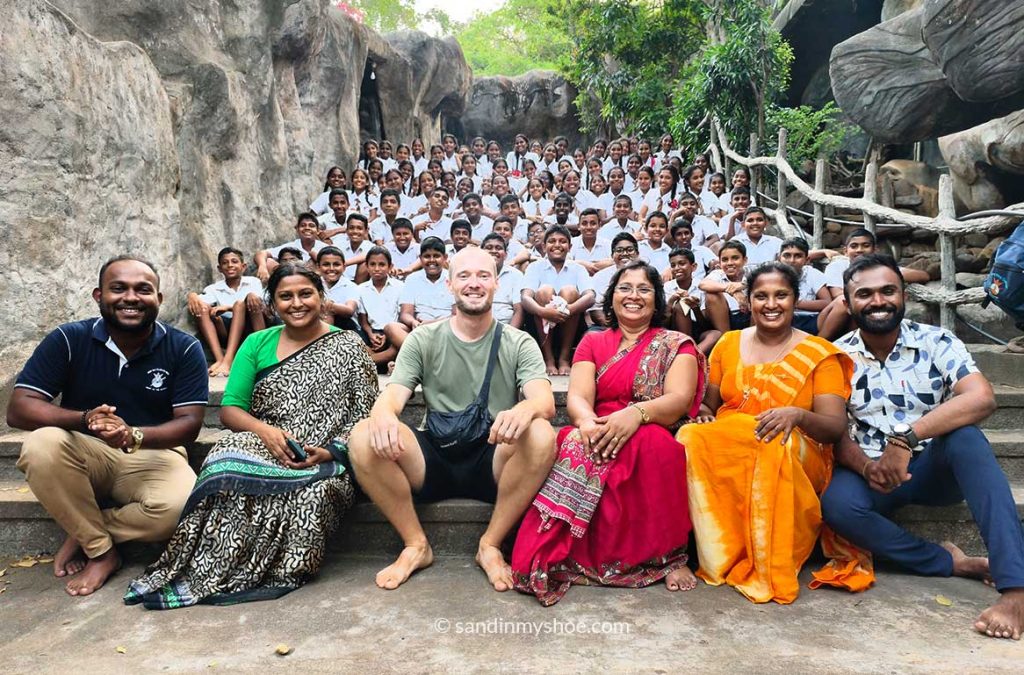
Dambulla is one of Sri Lanka’s most important Buddhist sites due to these reasons — a UNESCO World Heritage Site and an active pilgrimage destination. It’s busy but welcoming, something I felt immediately when a group of middle‑school teachers pulled me into their class photo on the staircase up to the caves.
Whether you are planning to visit the Cultural Triangle or already visiting Sigiriya Town, it’s a simple addition that’s absolutely worth to fit into any Sri Lanka itinerary. Expect sweeping views from the hillside, a compact visit, and a lively troop of monkeys around the entrance.
The Story Behind Dambulla Caves Temples
Dambulla’s cave temples look impressive at first glance, but the story behind them makes the place even more interesting. The caves have been used for over 2,000 years, starting when a Sri Lankan king took refuge here during a South Indian invasion. After reclaiming his throne, he turned the caves into a temple complex as a thank‑you offering.
Over the centuries, different kings added statues, murals, and new chambers, which is why the artwork feels layered — some ancient, some surprisingly fresh. Today, the caves are still active temples, not just a historical site, which gives the whole place a quiet, lived‑in atmosphere.
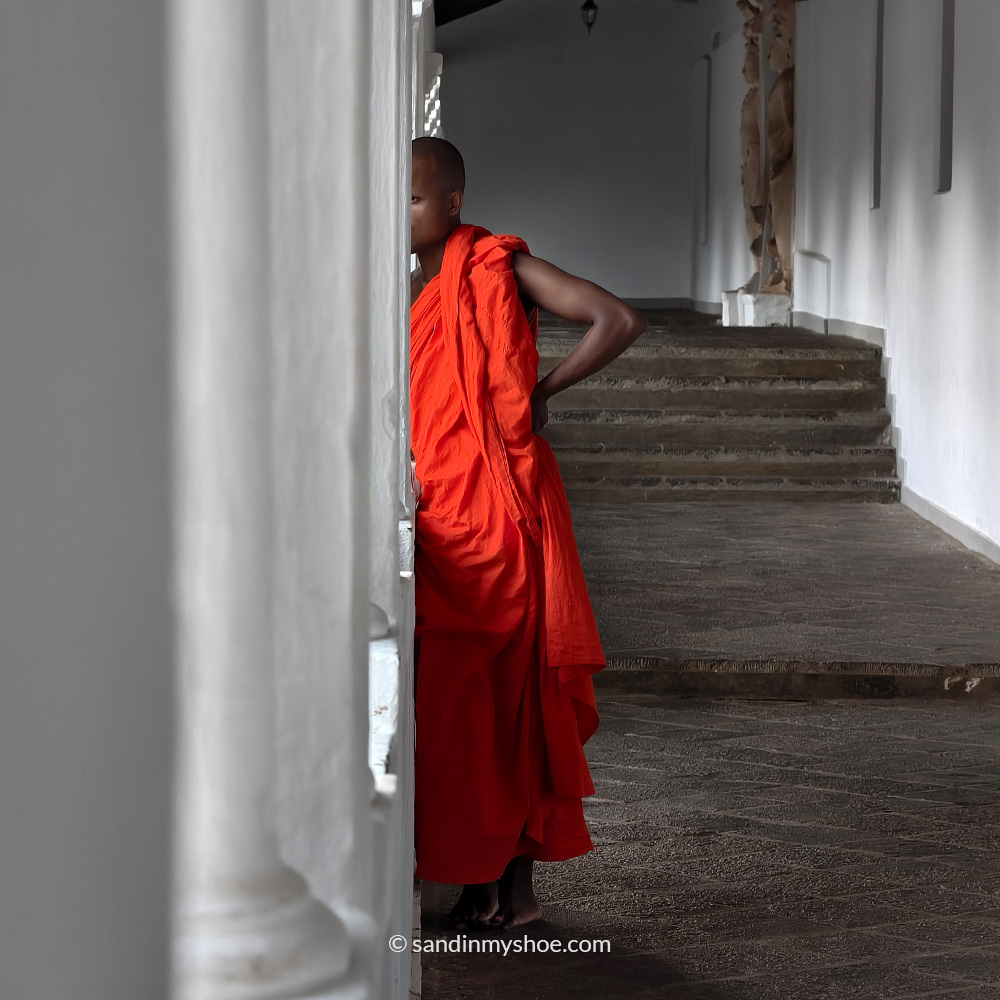
What to Expect at the Dambulla Cave Temples
After buying your ticket from the foreigner ticket office (Google Maps), I recommend to walk back toward the Golden Temple and the small museum and start from there. It feels natural to head straight up the alternative staircase beside the ticket office, but that shortcut takes you directly to the caves and you’ll miss the museum entirely.
1. The Golden Temple & Museum
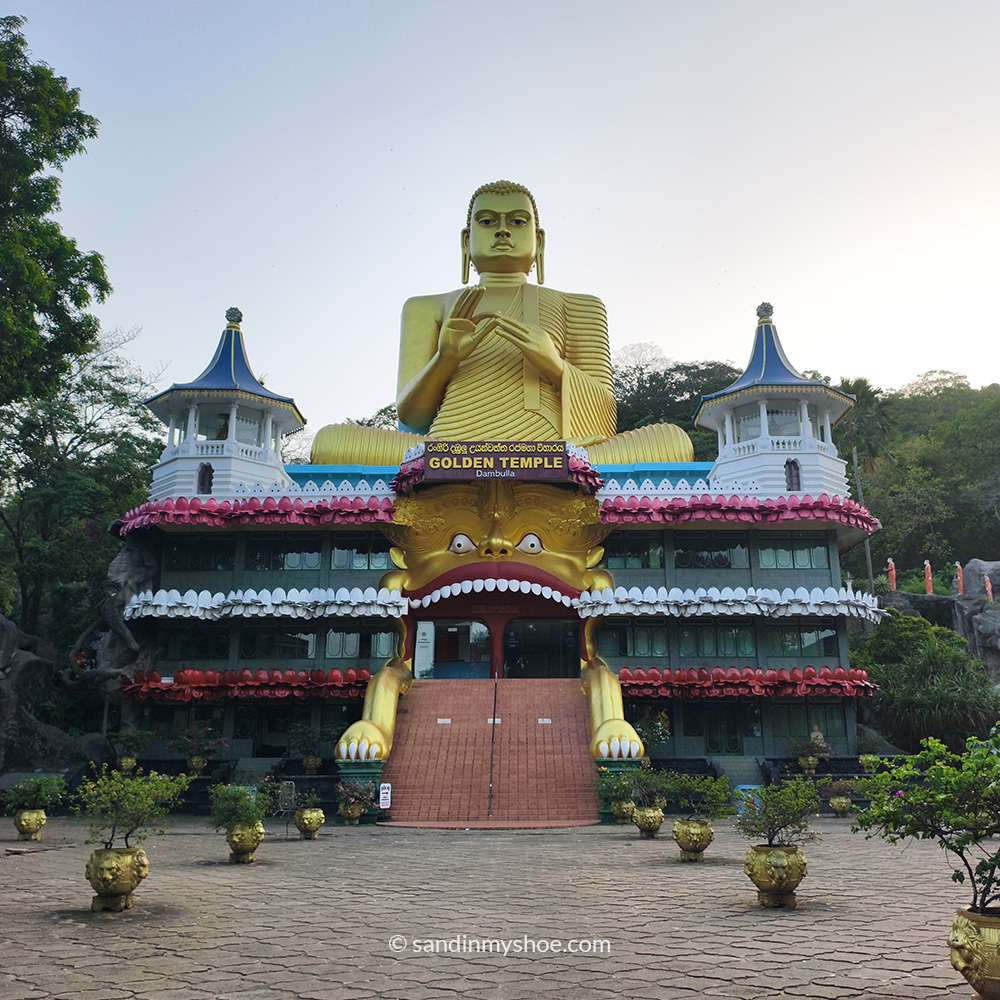
On arrival, you’ll be greeted by a massive golden Buddha statue perched atop the museum entrance. The entrance itself is designed to look like the open mouth of a weird looking lion, with its front paws resting on either side. Inside the building, you’ll find a small museum with displays related to Buddhist history and the temple complex.
2. Panoramic Views from the Top
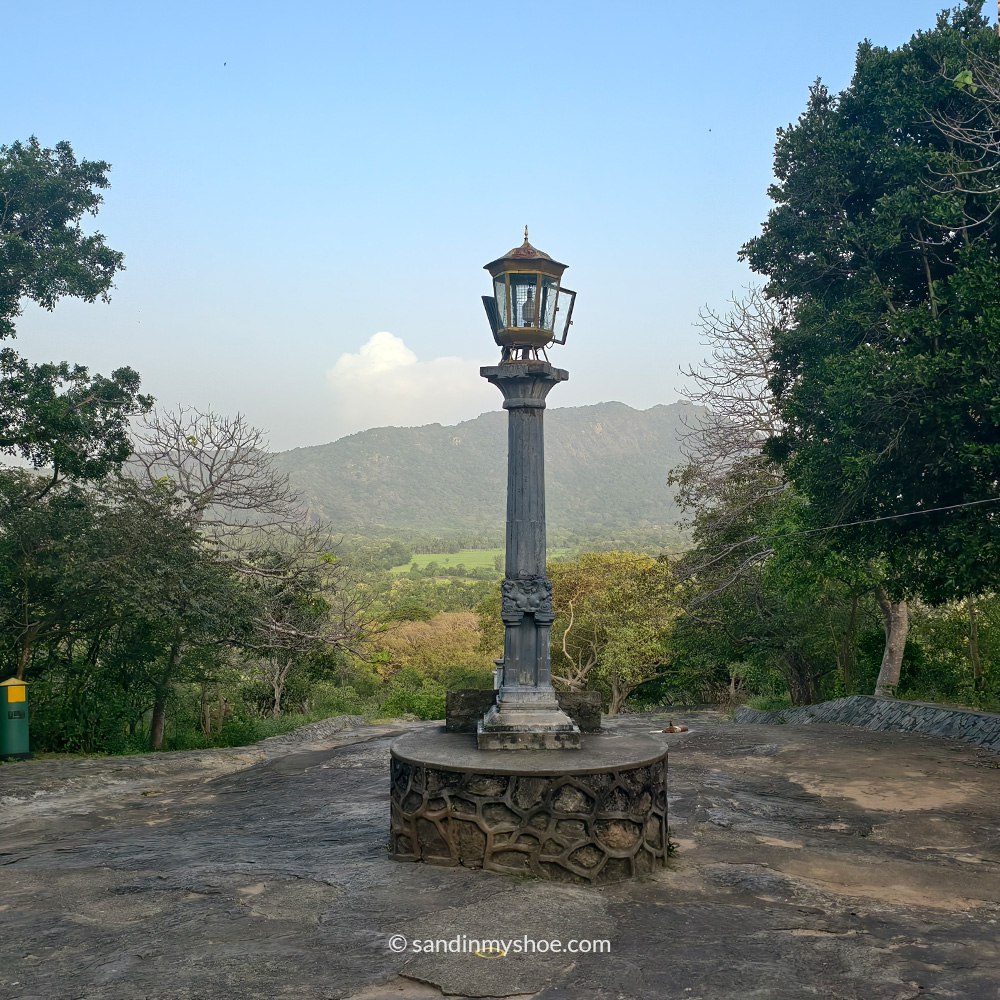
Once you reach the upper terrace, you’ll be rewarded with sweeping views over Dambulla and the surrounding countryside. The open rock surface around the cave entrances offers plenty of spots to pause, catch your breath, and take in the landscape before heading inside the caves.
3. The Ancient Cave Temples
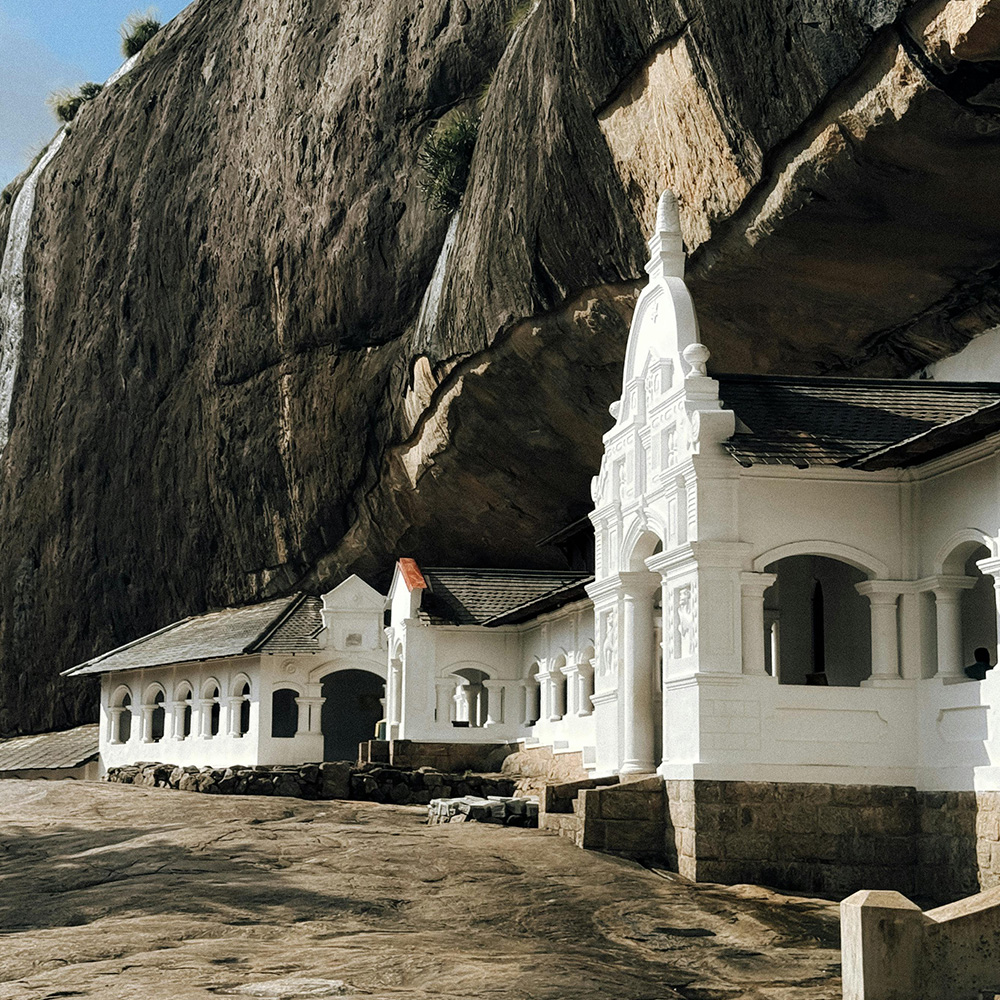
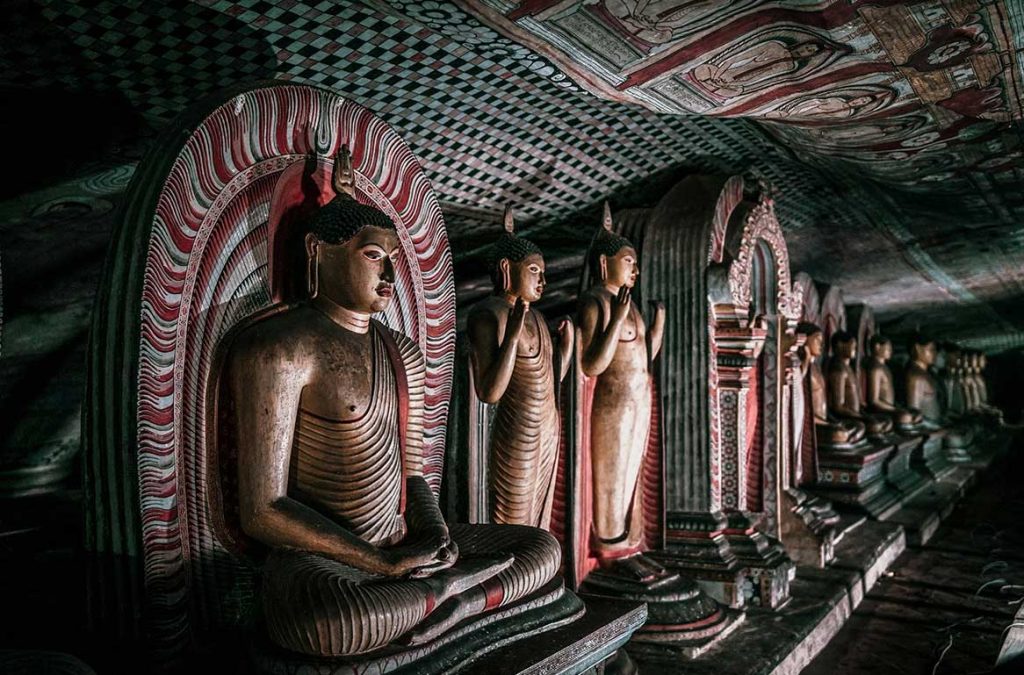
At the entrance you’re met by a long row of whitewashed buildings that form the outer façade of the cave complex, and inside you’ll find the main attraction: the five ancient cave temples. Each cave is carved directly into the rock and filled with centuries‑old murals and statues, all remarkably well preserved.
Together, the five caves contain more than a 150 Buddha statues, images of Hindu deities, and sweeping ceiling paintings that cover nearly every surface. The first cave features a 14m (45ft) long reclining Buddha carved into the rock itself, which is pretty impressive, while the second — the largest and most impressive — is packed with statues and vibrant murals that tell stories from Buddhist history. The remaining caves are smaller but equally atmospheric, each with its own mix of statues, shrines, and painted ceilings.
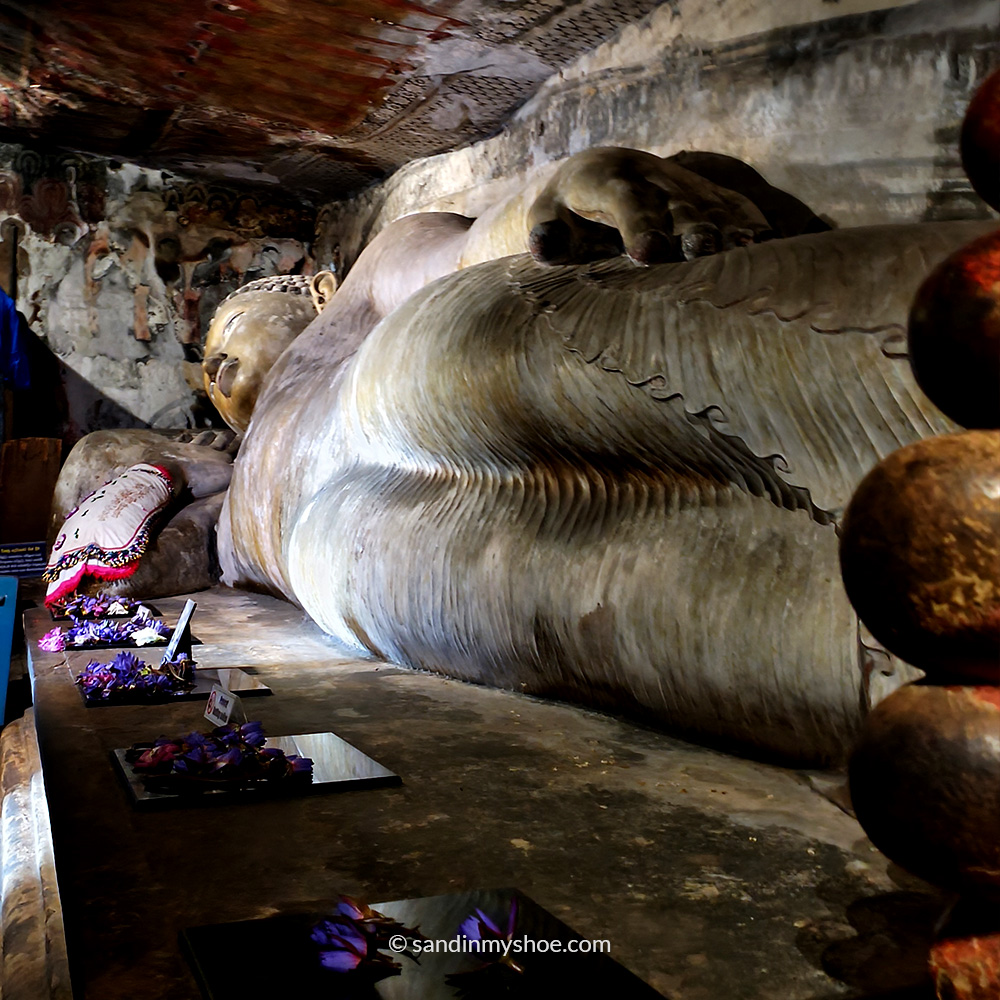
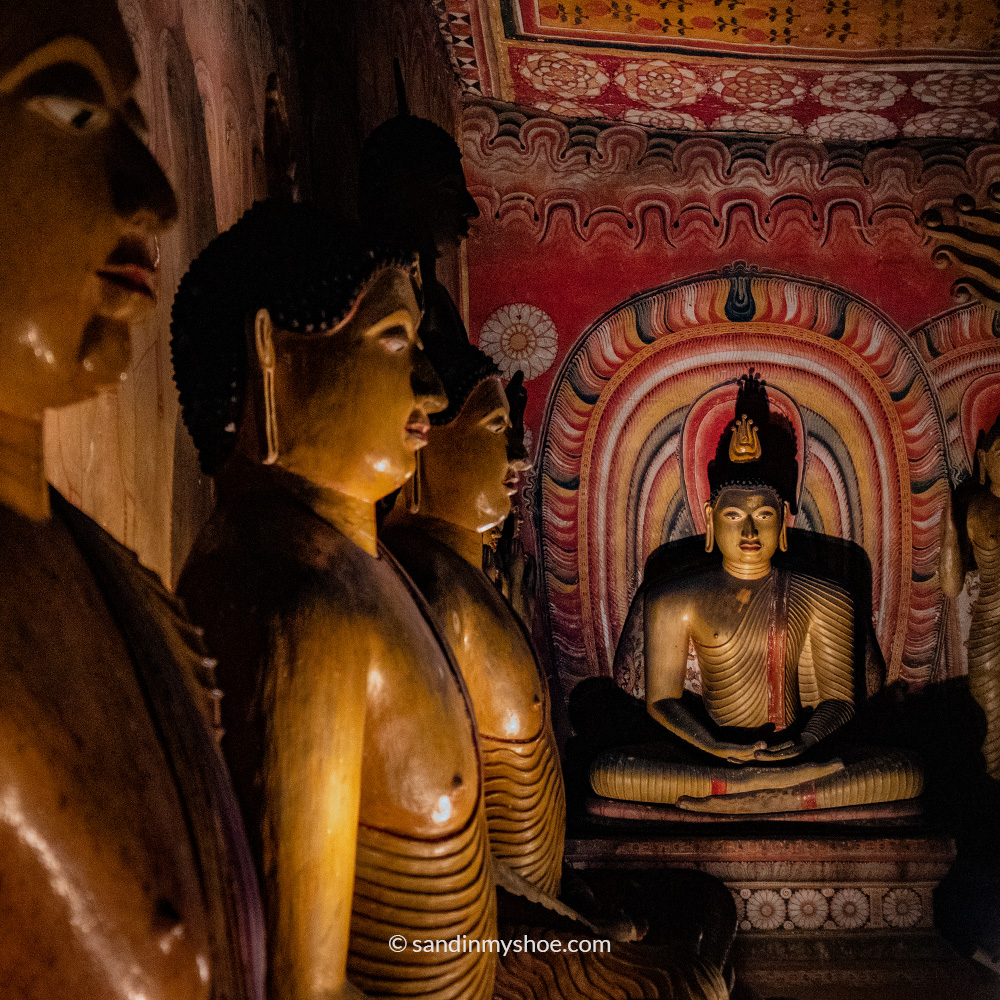
This entire cluster forms the spiritual and historical heart of the complex, and it’s the reason Dambulla is recognized as a UNESCO World Heritage Site.
How To Visit Dambulla Cave Temples
The Dambulla Cave Temples can easily be visited without an organized tour, but if you’re on a tight schedule, booking one removes the stress of transport and timing.
Visiting With An Organized Tour
Many travelers combine Dambulla with Sigiriya Lion Rock, and even Minneriya Safari. Visiting Lion Rock in the morning, the cave temples afterward, and finishing the day with a safari. It’s an efficient way to cover many highlights in a single day, and there are tours that pick you up directly from Kandy or Colombo if you are not in Sigiriya town.
The Most Popular Tour From Kandy
The Most Popular Tour From Colombo With Safari
Find my content useful? Consider booking your tours through my links — it supports the site at no extra cost for you.
Visiting By Yourself
If you have extra time and prefer going independently, it’s easy to visit the Dambulla Cave Temples on your own.
- From Sigiriya Town: If you’re already in Sigiriya Town, the easiest option is to take a tuk‑tuk to Dambulla — the ride takes roughly 30 minutes. Prices vary depending on your negotiation skills, but expect to pay around 1000-1500 LKR ($3-5 USD) one-way, or up to 2000 LKR ($6-7 USD) if you’re a terrible bargainer.
- From Kandy: If you’re coming from Kandy, the local bus is the easiest and cheapest option. Head to the main bus station and look for a bus to Dambulla — they run often and drop you close to the caves. If you prefer something quicker and more comfortable, you can book a minivan or a private car through 12go.
Best Time to Visit Dambulla
The site is open every day from 7 AM to 7 PM, and the best time to visit is right when it opens or a couple of hours before it closes. You’ll avoid the worst of the heat and skip most of the crowds, making both the climb and the cave interiors far more enjoyable. Expect to spend 1.5–2 hours here in total.
When it comes to weather, you might think it doesn’t matter much since the temples are inside caves, but you still need to walk up the hillside, so visiting during the dry season is definitely more pleasant. Dambulla is part of Sri Lanka’s Cultural Triangle and follows the same weather pattern as Sigiriya and Polonnaruwa.
I visited in May and got the occasional short showers, but nothing that that actually affected the visit.
 31°C
21°C
33°C
22°C
34°C
24°C
31°C
21°C
33°C
22°C
34°C
24°C
 34°C
25°C
33°C
24°C
32°C
24°C
32°C
24°C
32°C
24°C
32°C
24°C
31°C
23°C
30°C
22°C
30°C
21°C
34°C
25°C
33°C
24°C
32°C
24°C
32°C
24°C
32°C
24°C
32°C
24°C
31°C
23°C
30°C
22°C
30°C
21°C
Where to Stay in Dambulla
Dambulla is a great base in the Cultural Triangle, and from here you can easily visit the main attractions in the area. It’s decently placed for all the different hikes in Sigiriya — Lion Rock and Pidurangala — as well as the great elephant gathering in Minneriya National Park. Everything is close, the roads are straightforward, and you avoid the higher accommodation prices around Sigiriya itself.
Find my content useful? Consider booking your travels through my links — it supports the site at no extra cost for you.


No comments yet, be the first one!
I appreciate hearing from you. If you have any suggestions, questions, or feedback, please leave a comment below. Your input helps ensure the information stays relevant and up to date for everyone.
Thank you for sharing your thoughts!