
There are no performances, no baby elephants on unicycles, no riding or forced interactions of any kind. As a visitor, you simply watch from a designated viewing area at a respectful distance. It’s rehabilitation first, tourism second.
Protip: Arrive early and watch the 40-50 baby elephants migrate from the small island in the lake before feeding time. It was one of the most memorable parts of my visit.
Short Video My Experience at Elephant Transit Home in Udawalawe, Sri Lanka
Ethical Information & What You Might See
Some tourists online mention seeing staff use sticks or prods during feeding times. It can look harsh if you’re not familiar with elephant behavior, but it’s important to understand the context: young elephants are powerful, unpredictable, and easily excited around food. Their skin is extremely thick, so what looks like a “tap” to a human is often more of a signal than a punishment.
That said, no physical force should ever cross into cruelty. The Elephant Transit Home’s stated goal is rehabilitation, not entertainment, and the staff’s job is to keep dozens of energetic juveniles from injuring each other — or the humans working with them. Controlled feeding routines are part of that process.
Check out these highly rated tours that include both Udawalawe National Park and the Elephant Transit Home.
My Experience at the Elephant Transit Home
The Lake
I stumbled upon the Elephant Transit Home while driving my tuk‑tuk all the way from Arugam Bay back to Negombo. I’d been on the road since morning and knew I needed to stop somewhere before it got dark. I’d noticed a patch of green and a lake on the map earlier, but I didn’t expect much beyond Udawalawe National Park—which I wasn’t planning to visit, since I’d already been to Wilpattu National Park.
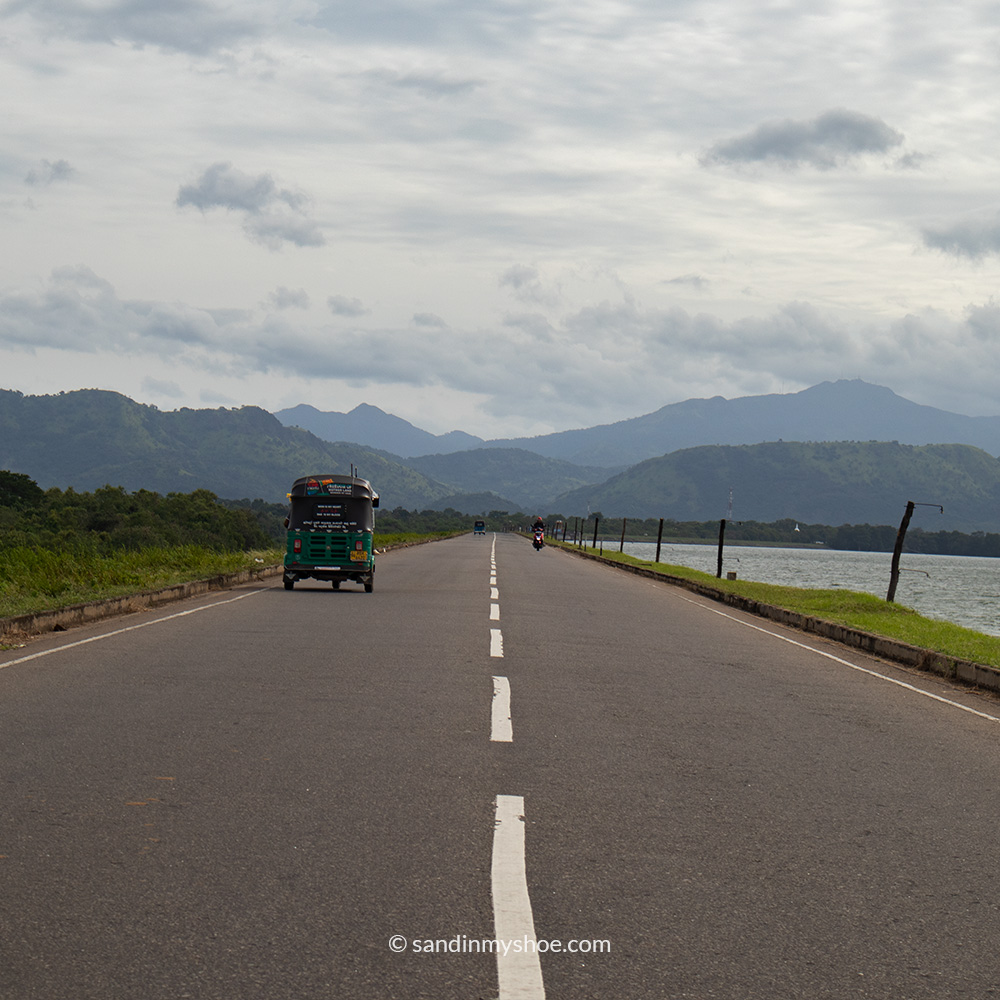
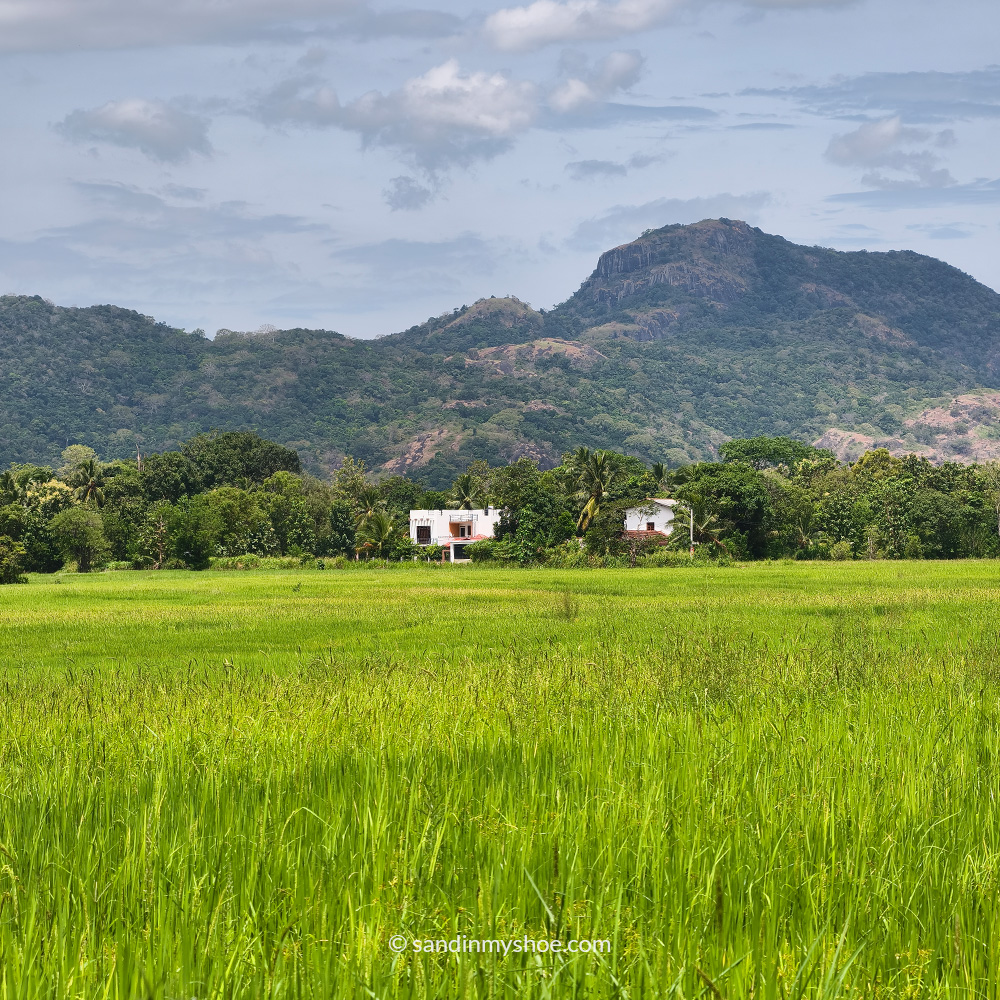
Most of the drive had been fairly dull until the landscape suddenly shifted. The road rose slightly, and a calm, glassy lake appeared on my right while the left kept rolling on with trees, bushes and occasional farmland. The road stretched straight and long ahead of me, with soft hills lining in the horizon.
This was what I’d been looking for. Something spectacular.
I pulled over to take some photos and just breathe in the scenery. A while later, a local man wandered over as he headed in to the lake for a swim with his family and their small dog. We started chatting, and before I knew it he was encouraging me to join them.
So I did. I changed to my swimming trunks in the tuk-tuk, and crawled under the electrical wires to reach the lake side. After a while, floating around and making small talk, I jokingly asked whether there were crocodiles in the lake. He answered yes—very casually—before adding that they usually stayed on the other side.
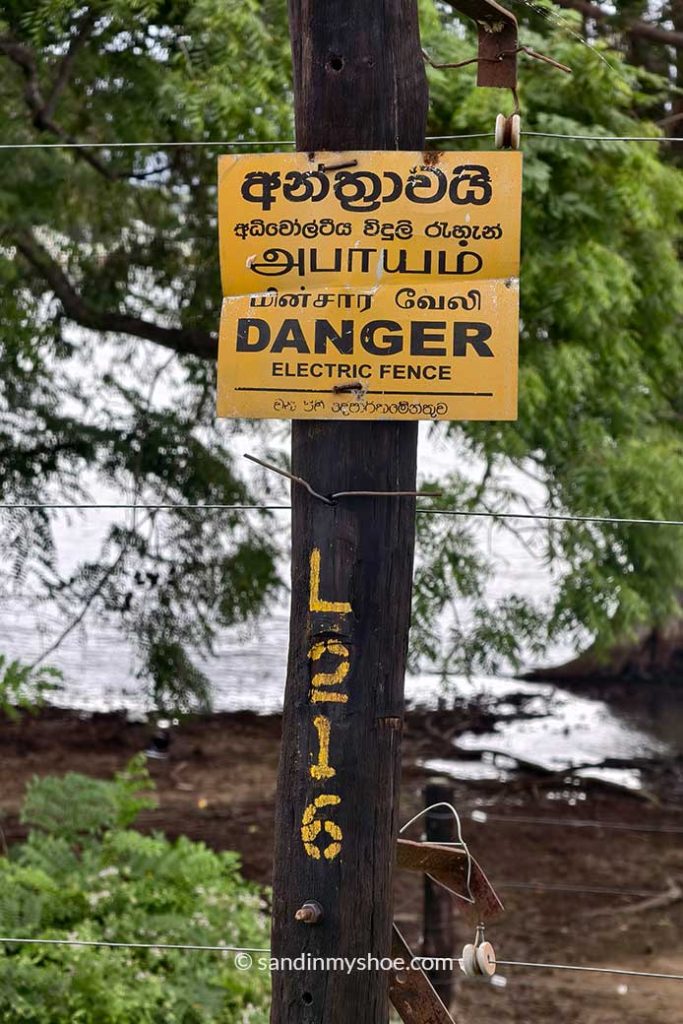
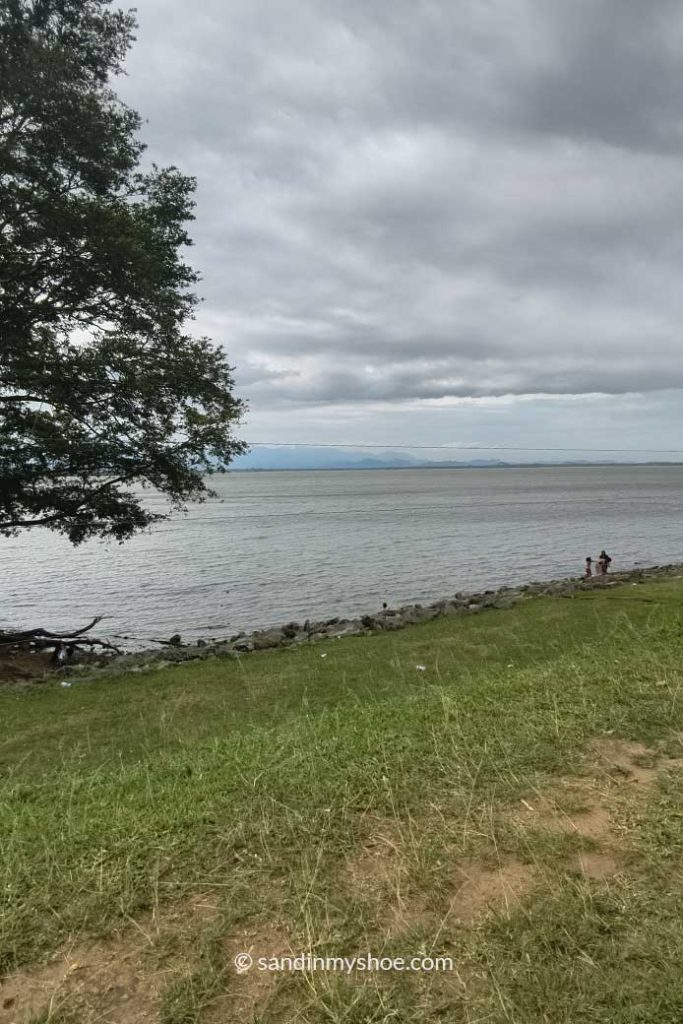
I froze mid-paddle.
“Usually?! How safe is this really?”
He laughed and explained that he’d been swimming here every week since he was a boy, and now brought his own family. If he was willing to risk his life, his family’s, and the dog’s, I figured the odds were in my favor that someone else would get eaten first. So I stayed in the water.
It helped that he turned out to be a ranger in one of the national parks. Somehow that made the whole situation feel… marginally less insane.
In the lake, the ranger told me about the Elephant Transit Home and said I should keep an eye on the small island in front of us. At feeding time, he explained, around 40–50 baby elephants would come charging across the narrow strip of land that connects the island to the transit home, all of them eagerly running toward their meal.
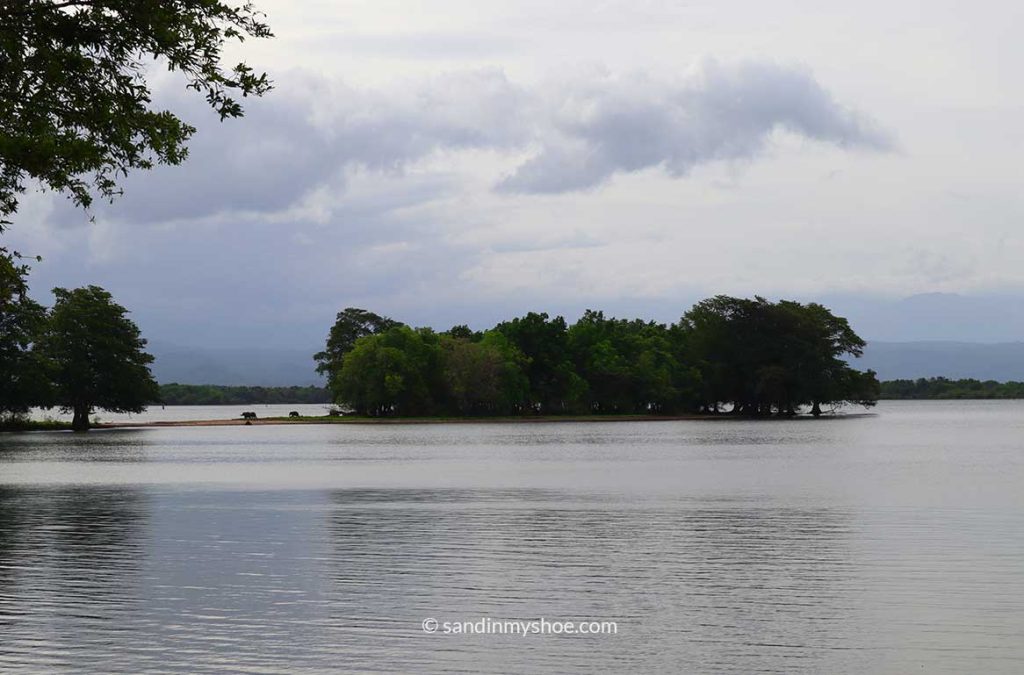
A moment later they were already charging across, and I ended up sprinting too—not to get fed, but to grab my camera.
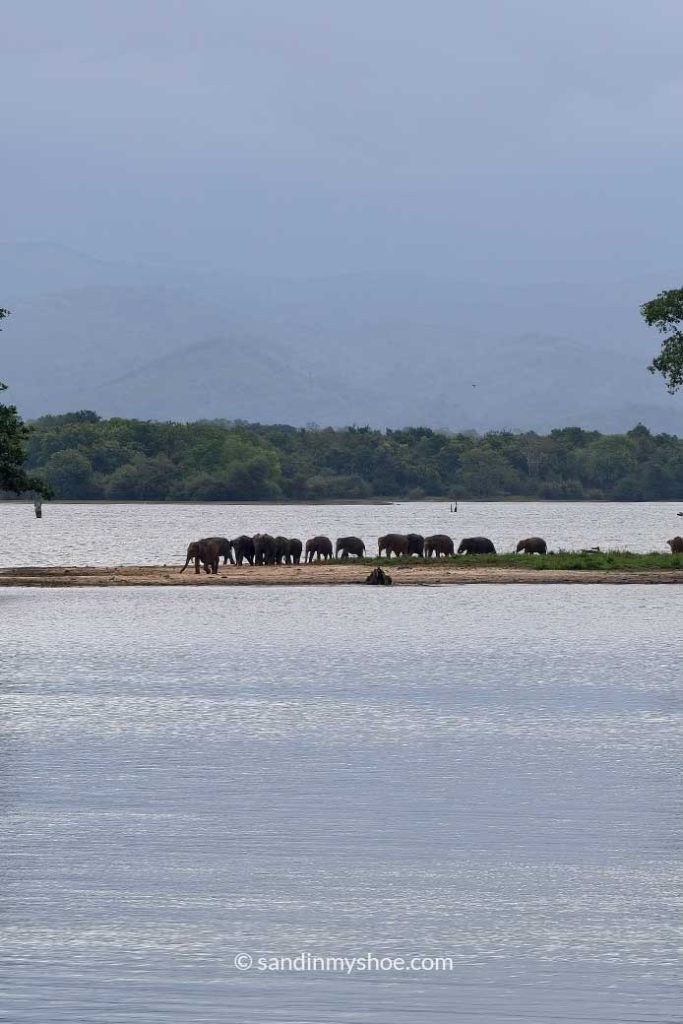
Shortly after, I changed into dry clothes and headed to the baby elephant transit home. I bought a ticket for about $5 USD, grabbed a coffee from the café next door, and waited for feeding time to start. The staff waited for all the elephants to gather in a dedicated area before anything happened.
Visiting the Sanctuary
While the experience had already started in the distance, I was eager to see the elephants closer. I entered the feeding area, which is set up like a small stadium with four rows of seating. There were maybe five other tourists there with me.
Out on the island next to the sanctuary, the baby elephants were still being gathered. The area felt calm, but there was this quiet tension in the air as the little ones let out impatient tuuts here and there, like toddlers who knew snack time was coming.
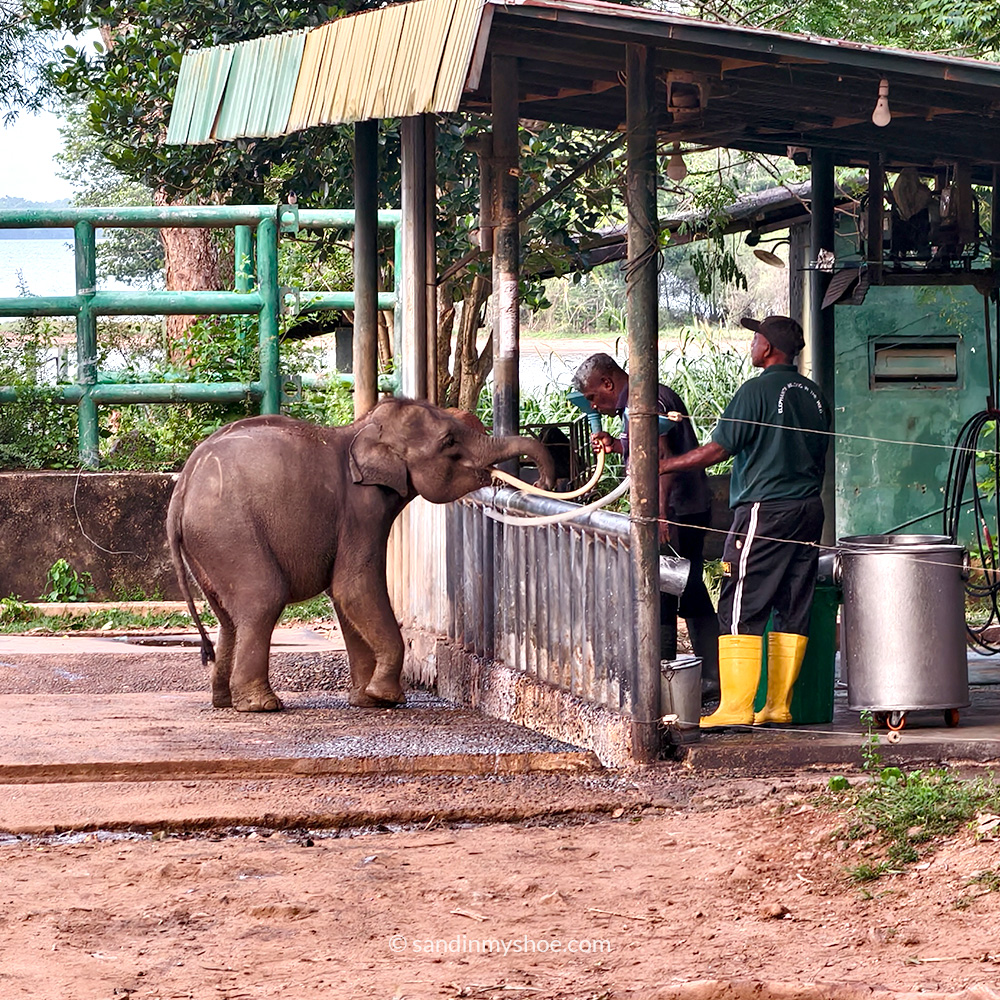
Soon a handful of them came running in, moving in a neat little line like tiny, determined soldiers with one clear mission: get that milk at all cost. When they reached the feeding station, they opened their mouths wide as the staff placed a hose inside and poured milk through a funnel on the other end.
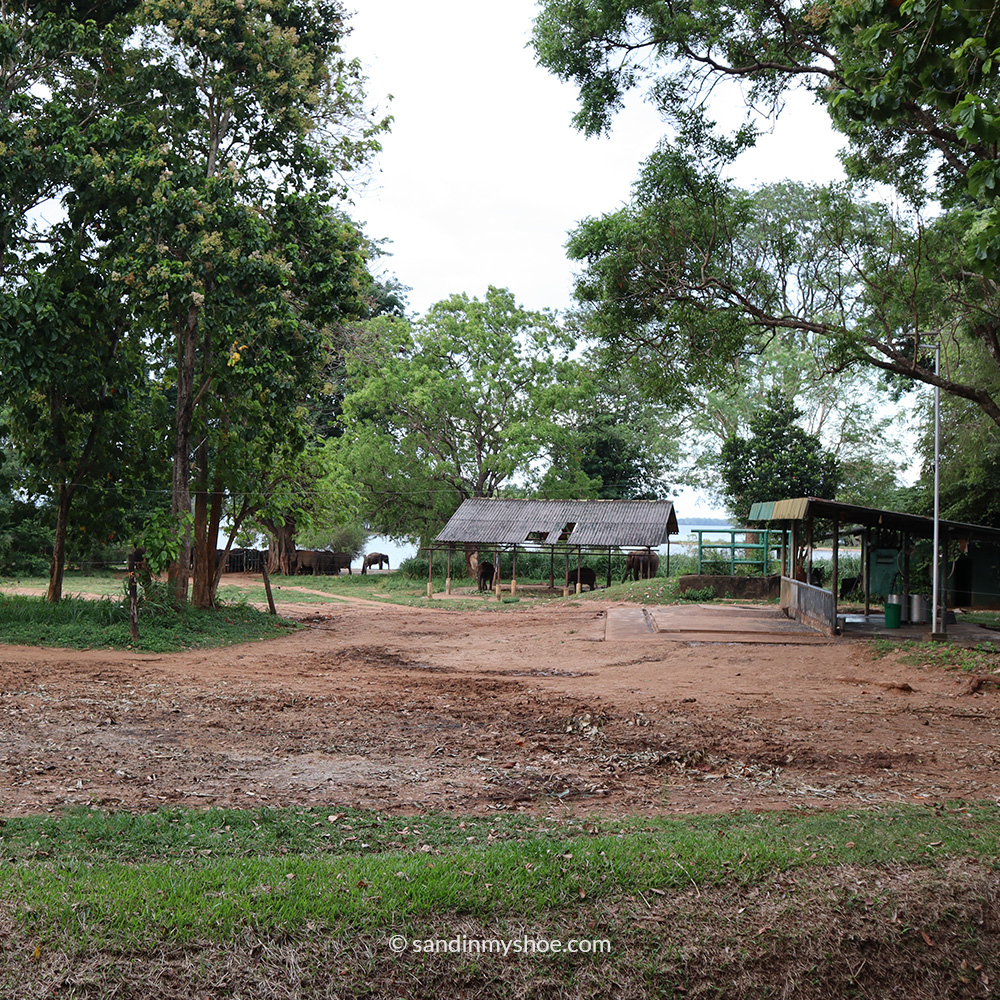
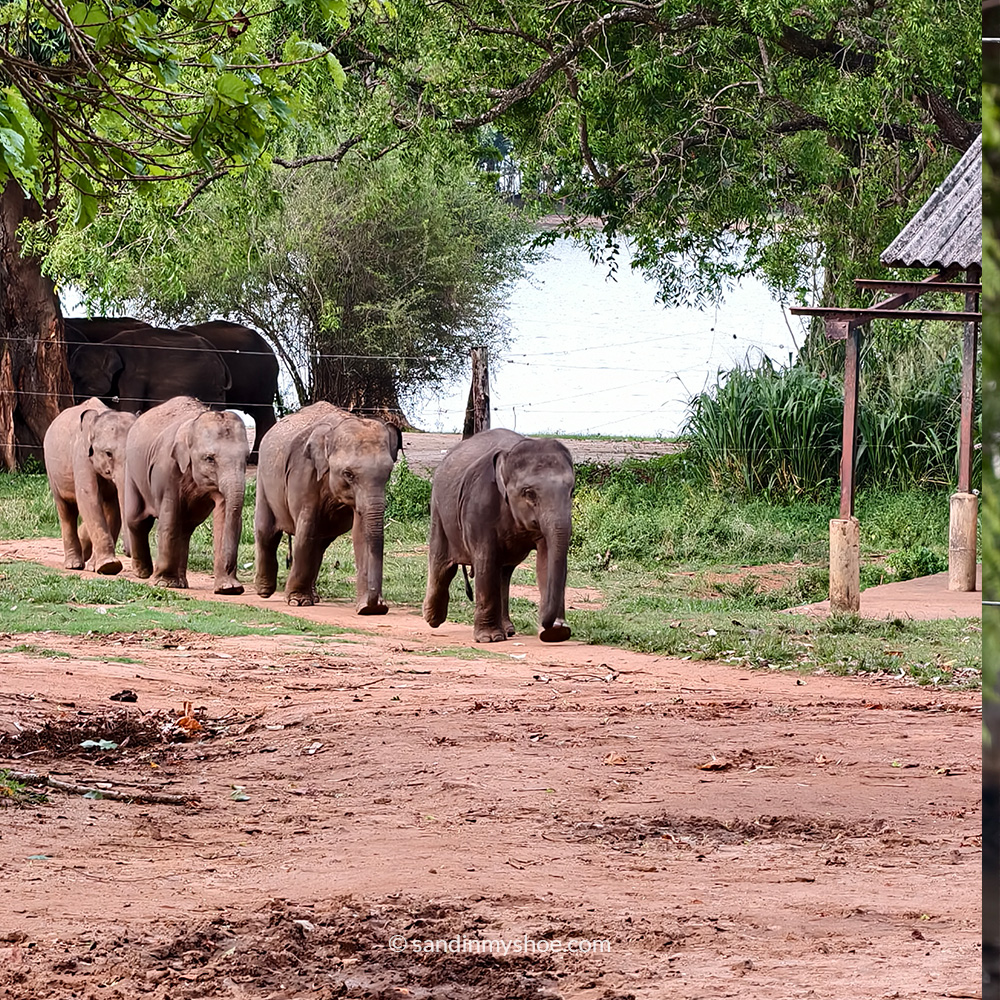
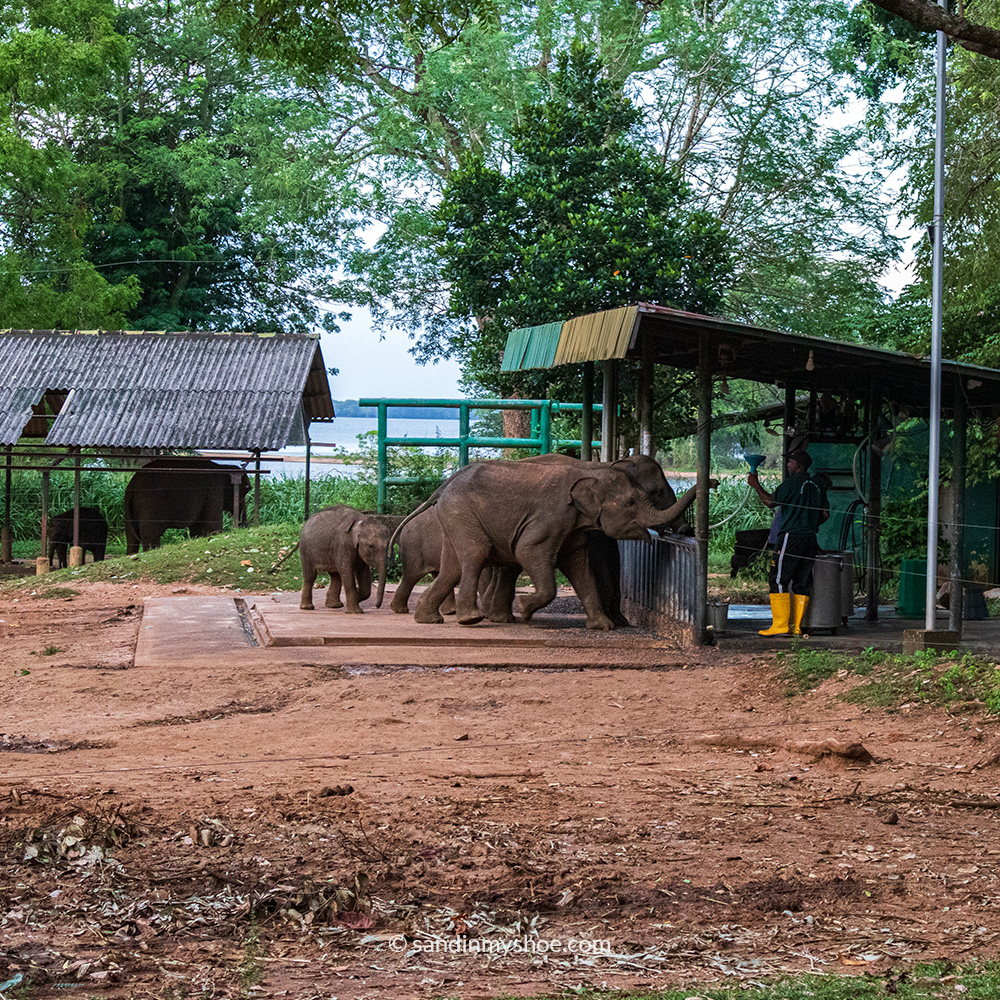
After their milk, the elephants wandered off to another area to munch on greenery while a new group came in for their turn. They were incredibly cute—and some of them a bit cheeky—trying to sneak back for seconds, but the staff quickly chased them away.
As a visitor, you can only watch. There’s no touching or riding, and the whole setup seemed to be designed to keep the elephants from getting too accustomed to humans. The staff seemed organized, calm, and knowledgeable, and the whole experience felt genuine from start to finish—especially after seeing them earlier from the lake.
There’s a small museum as well, but unfortunately it was closed when I visited.
My Review: Definitely not a tourist trap, and I would highly recommend visiting.
History of Udawalawe Elephant Transit Home
The transit home was established shortly after the Ministry of Wildlife Conservation launched a major initiative in 1995 to protect orphaned elephants. Its main purpose was to care for baby elephants that have been abandoned or separated from their mothers or herd for various reasons, and to look after them until they’re strong enough to survive on their own in the wild.
An elephant named “Komali” was the first orphaned elephant taken into the sanctuary’s care, and since then the facility has rehabilitated more than 200 elephants, most of which are released back to the wild at around five years of age.
At the center, the baby elephants are fed a special milk formula every three hours, following a strict routine that mimics the feeding patterns they would have in the wild.
Visiting is considered ethical, and your entrance fee helps support the center’s work with orphaned elephants.
How to Get to The Elephant Transit Home
The center is located in the south of Sri Lanka, about a twenty minutes drive from the Udawalawe National Park. You can visit it as part of a tour, or independently with your own vehicle. It’s also possible to get there by local bus, though you’ll need to change buses a couple of times if you’re coming for example from Colombo.
Feeding Times for Udawalawe Elephant Transit Home
The elephants are fed every three hours to mimic their natural feeding patterns, but only three of these sessions are open to visitors. You can watch the babies being fed daily at 10.30 AM, 2.30 PM, and 6:00 PM. Each feeding session lasts about 20-35 minutes. Make sure to time your visit to the feeding times.
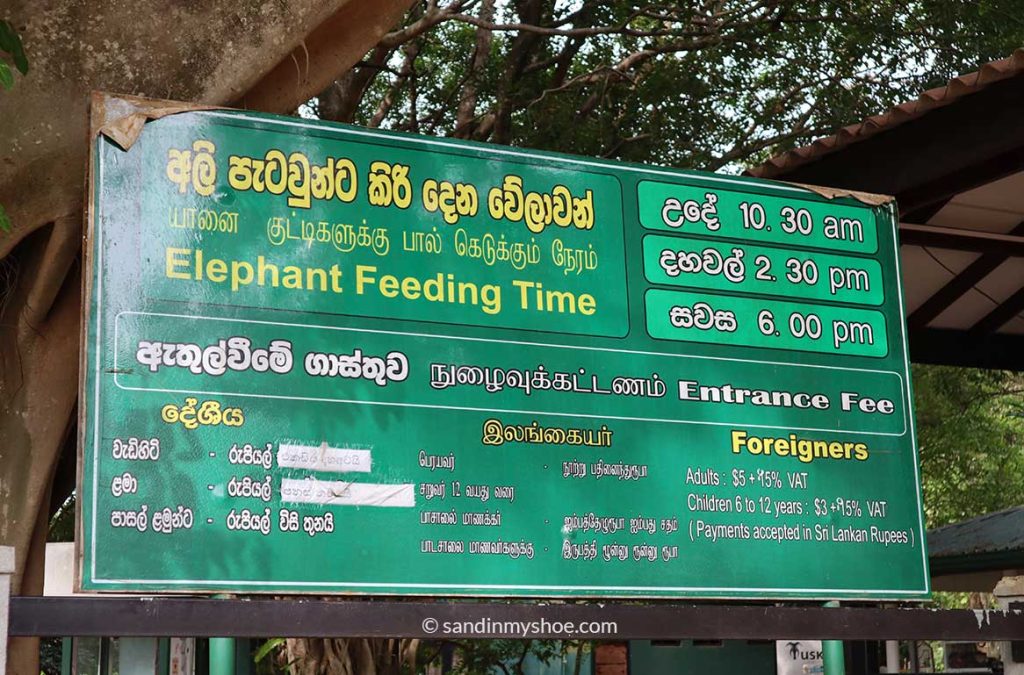
Entrance Fee for Udawalawe Elephant Transit Home
The entrance fees are listed in US dollars, but payment is accepted in Sri Lankan Rupees.
- For Foreigners
Adult: $5 + 15% VAT
Child (6-12 years): $3 + 15% VAT
- For Locals
Adult: 115.00 LKR
Child: 57.50 LKR
The Easy Summary
You’ll get a genuine, ethical experience when visiting the Elephant Transit Home. The easiest way to visit is with an organized tour or your own vehicle. To make the experience even better, arrive early and watch the elephants migrate from the lake before the feeding time.


No comments yet, be the first one!
I appreciate hearing from you. If you have any suggestions, questions, or feedback, please leave a comment below. Your input helps ensure the information stays relevant and up to date for everyone.
Thank you for sharing your thoughts!