
In this post I’ll share my overal costs, exact costs for activities, route choices, and practical money saving tips to help first-time travelers estimate their own travel budget for the Philippines.
Generally, traveling in the Philippines is a bit more expensive than in nearby Southeast Asian countries: Cambodia, Laos and Vietnam. The reason is partly because the Philippines is made of more than 7 000 islands and you’ll need pay for ferries or domestic flights to get around. Another reason being that tourist hotspots tend to mark up food, tours and accommodation. That said, the country is still very affordable if you avoid the busiest tourist hubs and Manila.
Thinking about whether Manila is worth a spot in your travel itinerary? Check out my other post: Is Manila Worth visiting?
Can You Really Travel the Philippines on $20 a Day?
Some blogs claim you can travel the Philippines for as little as $20 per day. That’s possible only if you’re strictly surviving — sleeping in the cheapest dorms or using coachsurfing, hitchhiking, using boats instead of flying between islands, eating at basic canteens and skipping paid activities.
If you want a little comfort and plan to do regular activities, expect to spend more. A realistic backpacker budget is around $30-40 per day. The Philippines offer a lot of excellent low‑cost activities such as beaches, hikes and snorkeling that deliver big value for little money. But chances are, you’ll want to splurge on a few big activities and they have a higher price tag.
My Route + How I travelled
My route was mostly in Visays and Palawan. I skipped Siargao since I don’t surf that much.
Visayas Loop (Cebu + Smaller Islands)
- Manila → Cebu City (flight)
- Cebu City → Malapascua (van + boat)
- Malapascua → Moalboal (van or bus via Cebu City)
- Moalboal → Dumaguete (bus + ferry)
- Dumaguete → Siquijor (ferry)
- Siquijor → Bohol (ferry)
- Bohol → Cebu City (ferry)
Palawan
- Cebu City → Puerto Princesa (flight)
- Puerto Princesa → Port Barton (van)
- Port Barton → El Nido (van)
- El Nido → Coron (expedition boat)
- Coron → Manila (overnight ferery)
Quick glance on each Expense Category
Here’s a quick glace on my expenses. I will cover each category in detail more into the article.
I traveled solo, did a lot of paid activities and stayed in private rooms during the whole trip. I spent ~$72 on average per day. With a travel buddy, you could have the same experience for around $55 because you would be splitting accommodation costs and many of the transport costs. If you are traveling solo and want to save a bit more, stick to dorms and choose activities that gives a lot of value for a low price.
Expense Overview
| Category | Average Cost Per Day | Total Cost For 49 Days |
|---|---|---|
| Accommodation | $19.1 | $934.4 |
| Activities | $15.1 | $737.6 |
| Transport | $14.8 | $727.6 |
| Visa extension | $0.7 | $32.5 |
| Shopping & Souvenirs | $5.1 | $250 |
| Food & Drinks & Laundry | $17.3 | $850 |
| Total | $72.1 | $3532.1 |
Cost of Accommodation in the Philippines
When I chose a place to stay I kept it simple: a clean bed, quiet and a central location. I usually skipped dorms and booked private rooms or Airbnbs for a better night’s sleep. I always researched listings carefully before booking—I recommend checking out my accommodation booking strategy so you can avoid bad stays.
On average I paid about $20 per night for private rooms; my cheapest night was $10 in Coron, and the most expensive was $26 in El Nido. Traveling solo? Expect to spend between $5 and $20 for a dorm bed.
Cost of Activities in the Philippines
The cost of activities in the Philippines depends on what you want to do, but expect a big portion of your budget to go on tours and experiences because the nature is absolutely fantastic. Some costs are unavoidable — small entrance fees for beaches and waterfalls, and at least one snorkel trip if you want to see the amazing sea life. Entrance fees for many beaches and waterfalls are usually around PHP 50 – PHP 100 (~$0.80–$1.60). In some jungle sites a local guide is mandatory; it can feel unnecessary, but the fee and tips go straight to locals who rely on that income.
Below is a breakdown of all the activities I did and what each one cost — organized per island so you can easily get a clear overview.
Visays
Here are my activity costs in the island of Visays. Cebu, Siquijor and Bohol.
- Snorkeling at Panagsama Beach (Moalboal) — rented the snorkeling gear at the shore and swam with hundreds of sardines and turtles just 50m from the shore for about PHP 100 ($1.7). Really amazing value for the low price.
- Canyoneering in Kawasan Falls area (Moalboal) — full day experience with great adrenaline for PHP 1,800 (~$30.6).
- Bouldering in Cebu City — Not related to nature in particular, but I like the workout. Expensive for being in the Philippines. Day pass PHP 550 (~$10.4) x 2 times.
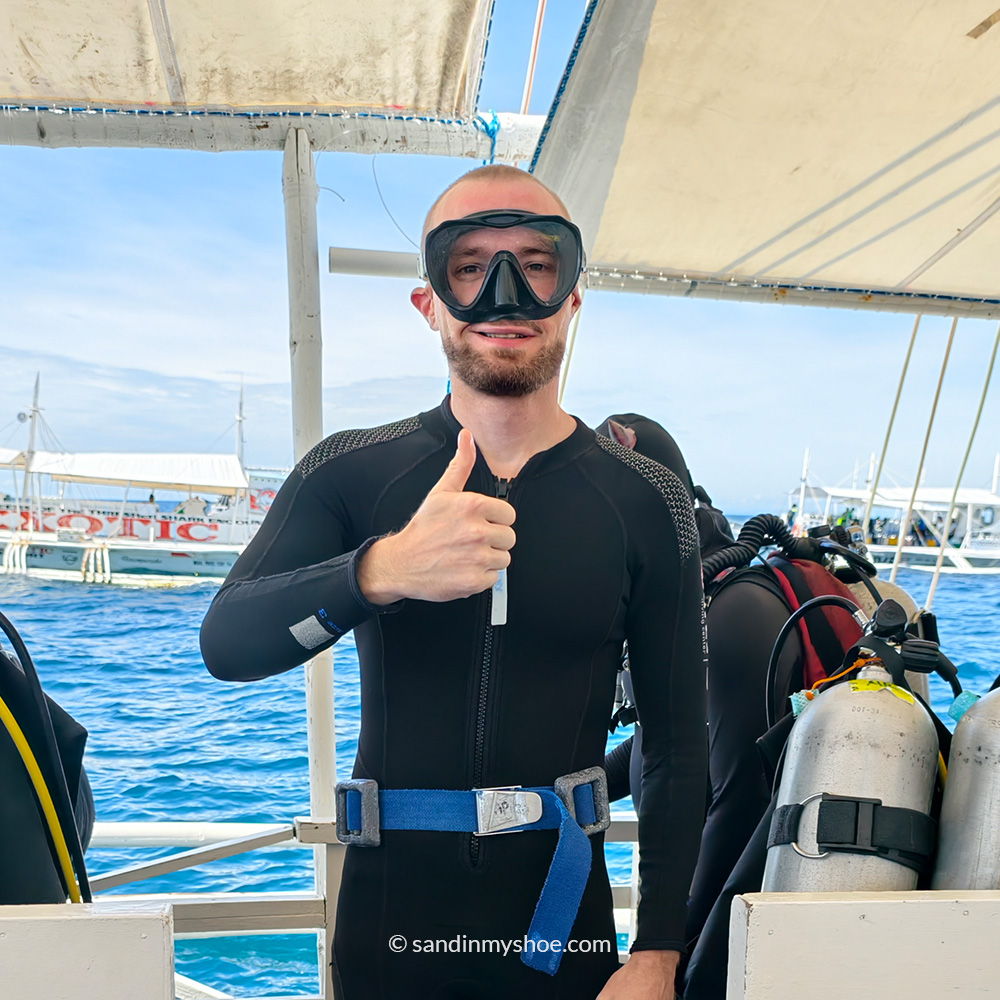
- Diving with Thresher Sharks in Malapascua— 3 dives for PHP 5,600 (~$95.5). Pricey, but worth the experience, if you dare to dive with sharks.
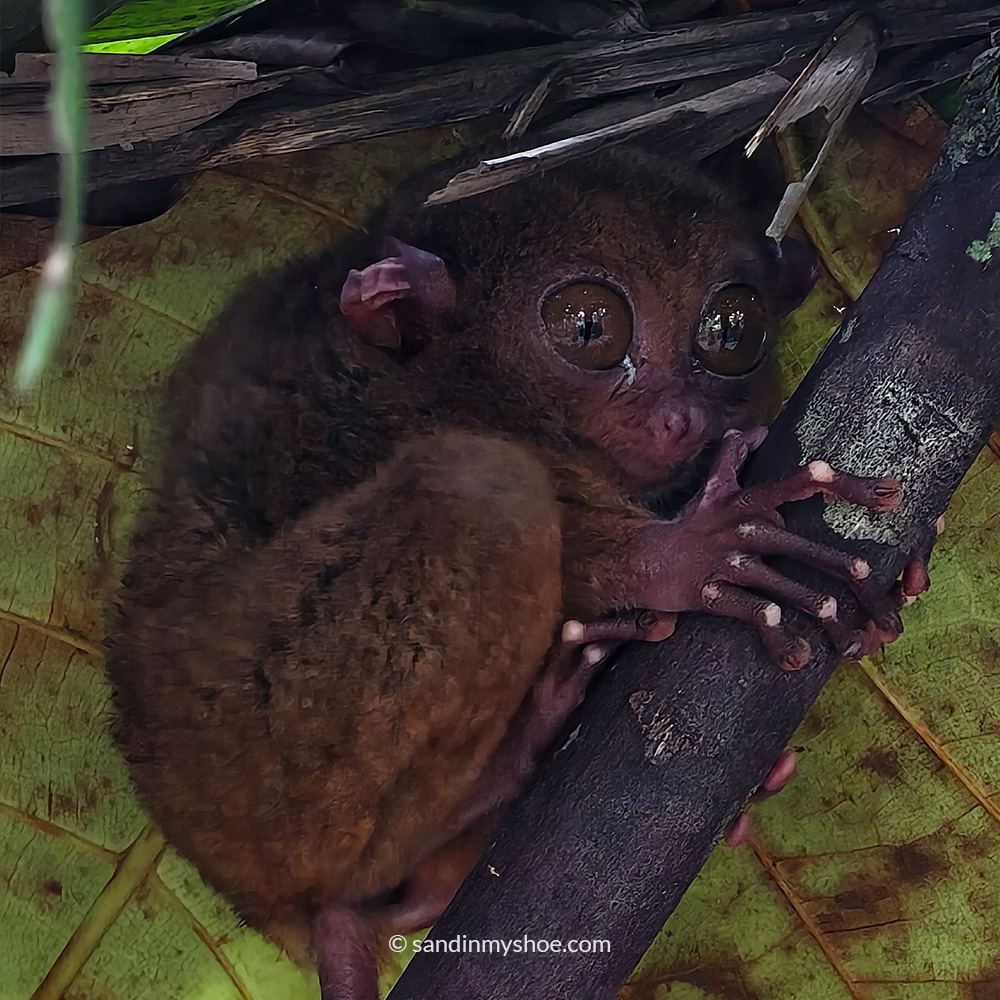
- Visiting Tarsier Conservation Area in Bohol — Entrance fee to see the world’s smallest monkey was less than PHP 100 (~$1.7).
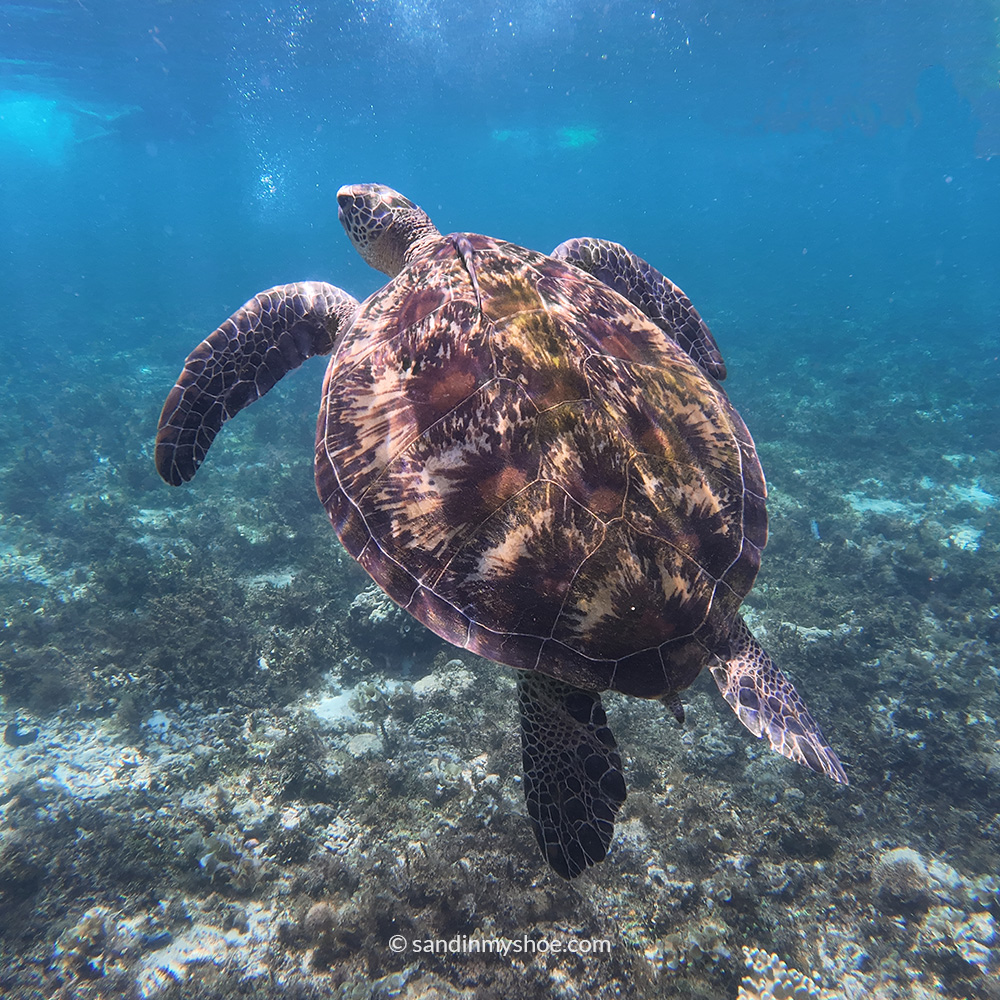
- Snorkeling Trip to Apo Island* from Siquijor — It was a full day trip which included a scenic boat ride, food and snorkeling gear, all for PHP 3,350 PHP (~$56.95).
*Apo Island is known for its turtle sanctuary, run by the local community for over 30 years. Because of their efforts, the turtle population around the island is thriving. If you go snorkeling, you’re almost guaranteed to spot a couple of sea turtles cruising by.
Palawan
The activity costs in the islands of Palawan.
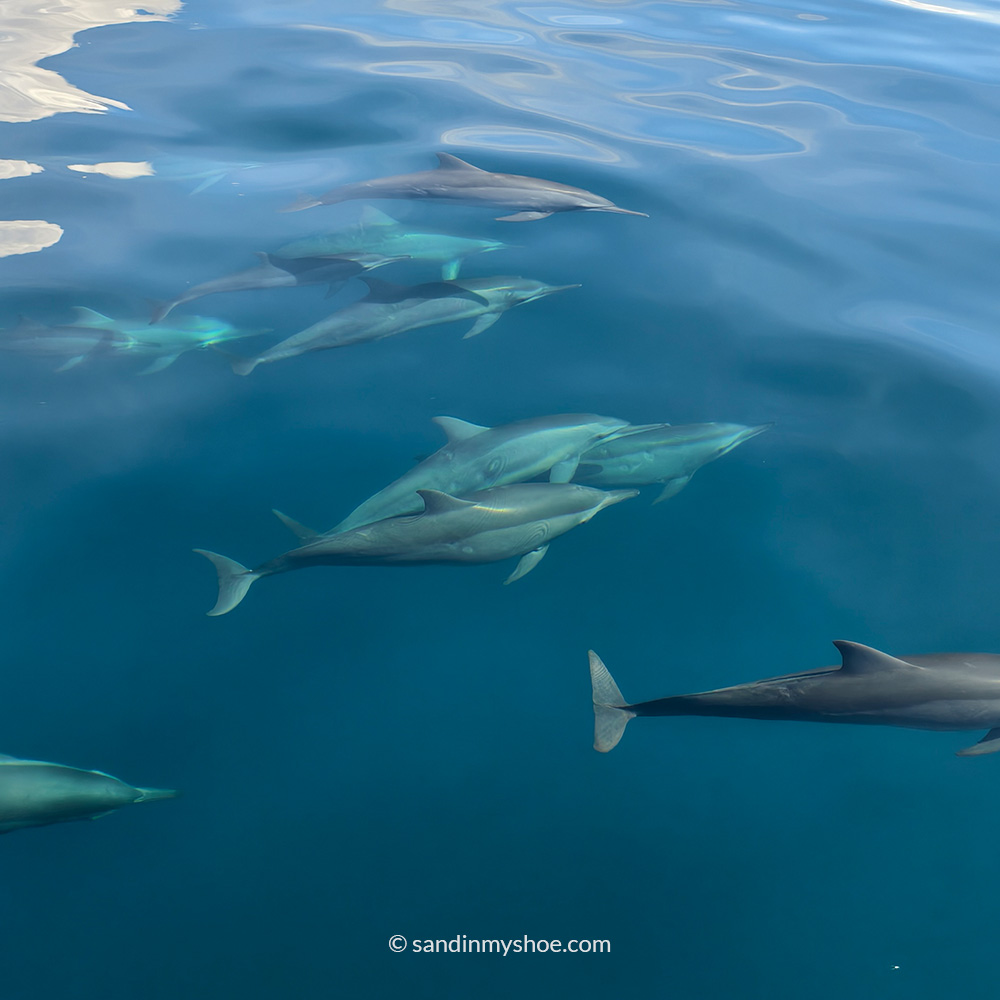
- Whale Watching in Puerto Princesa — I didn’t spot any whales, but we were surprised by a bunch of dolphins instead. PHP 2,500 (~$42.50)
- El Nido Tour C — lots of stunning spots in one day for PHP 1,400 (~$24). Just a heads-up: it can get pretty touristy during peak months.
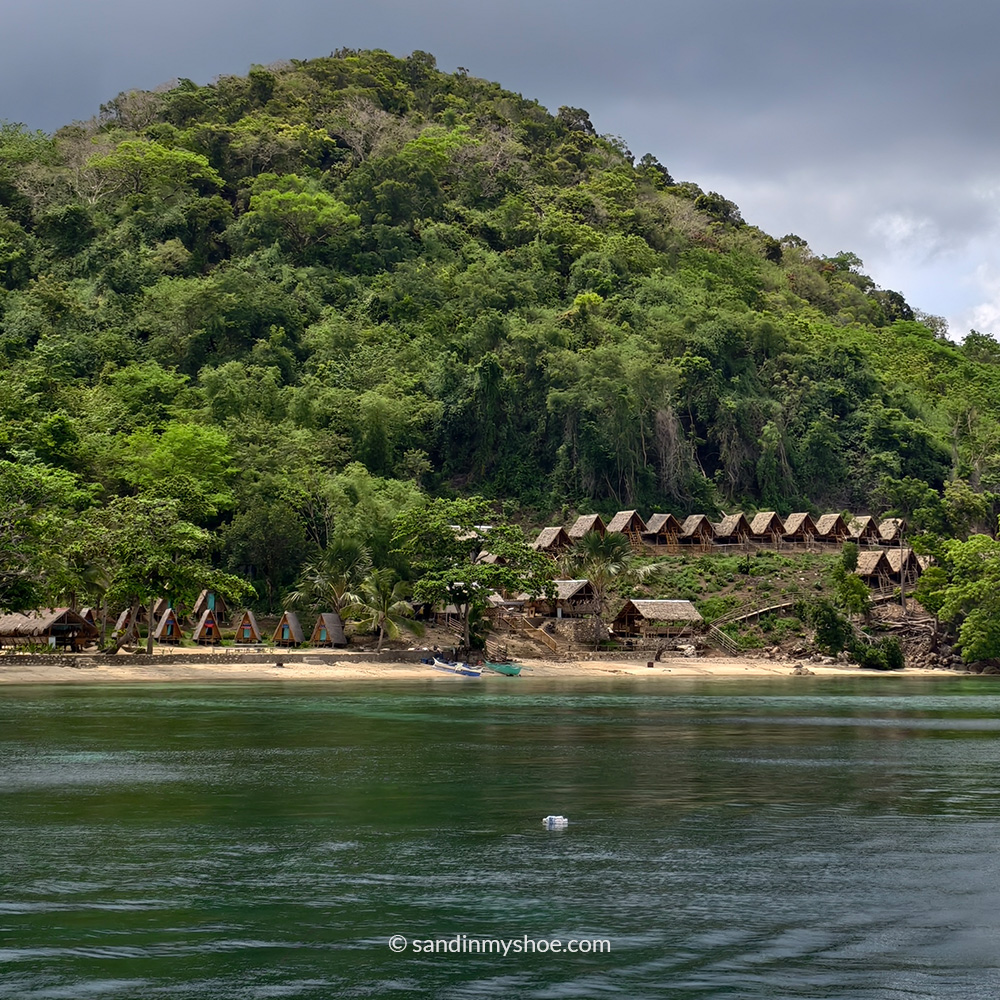
- 3-Day, 2-Night Boat Expedition from El Nido to Coron — This trip included accommodation, meals, activities, and even alcohol, all for PHP 14,000 (~$238).
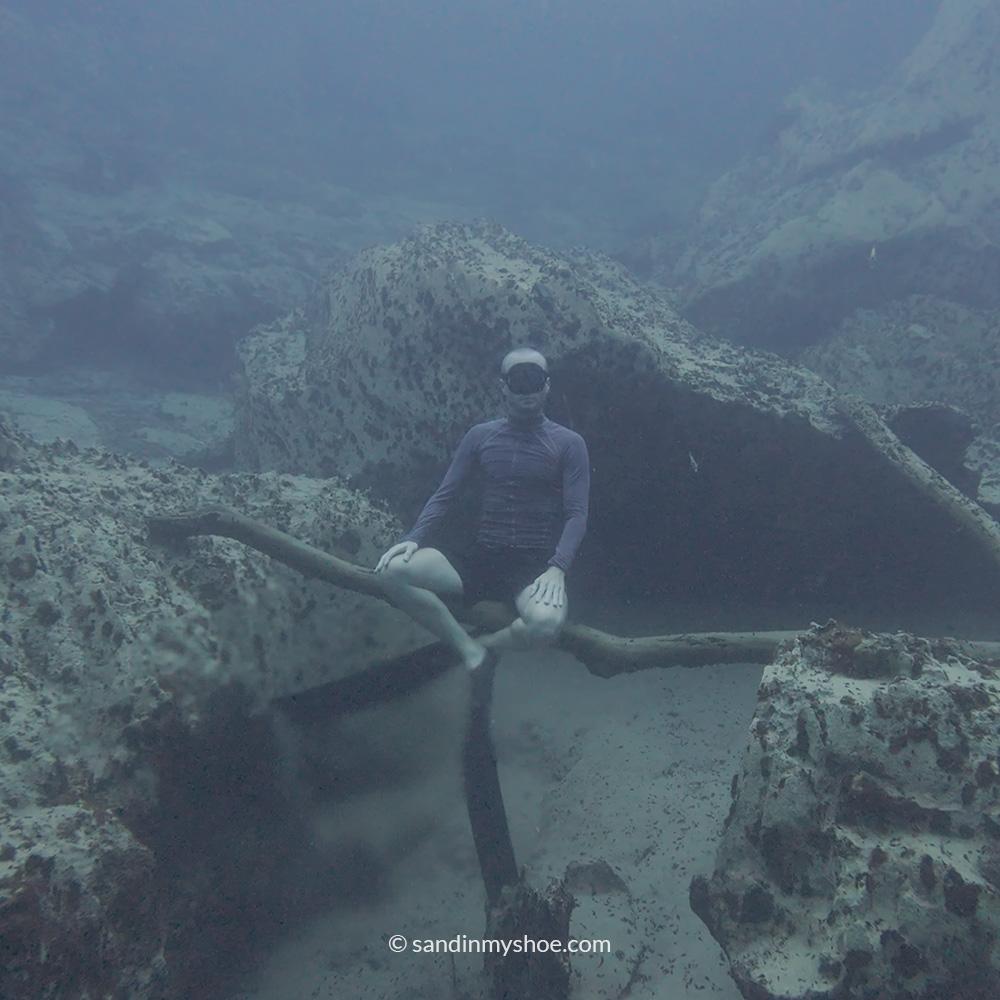
- 2-Day Freediving Course in Coron — This was a transformative experience where I learned to dive down to 20 meters without any extra oxygen. It was surprisingly addictive and cost PHP 14,400 (~$244.80).
Cost of Transport
Travel between the major islands is typically done by air. However, ferries are also available between many islands, offering a more adventurous and budget friendly alternative for travelers with extra time.
Flights
For long-distance routes such as Manila to Cebu or Cebu to Puerto Princesa, flying is the best option. Booking in advance is essential because last minute prices can be 3-6 times more expensive. Aim to book all flight ticket 6-8 weeks ahead to get the best deals.
Flight Expense Overview
| Route | Cost |
|---|---|
| Manila-Cebu | PHP 3,250 (~$55) |
| Cebu-Puerto Princesa (Palawan) | PHP 4,375 (~$74) |
I flew from Manila to Cebu, and later Cebu to Palawan with a large backpack. I booked only a couple of weeks in advance—booking earlier could have saved me around 40%.
Ferries
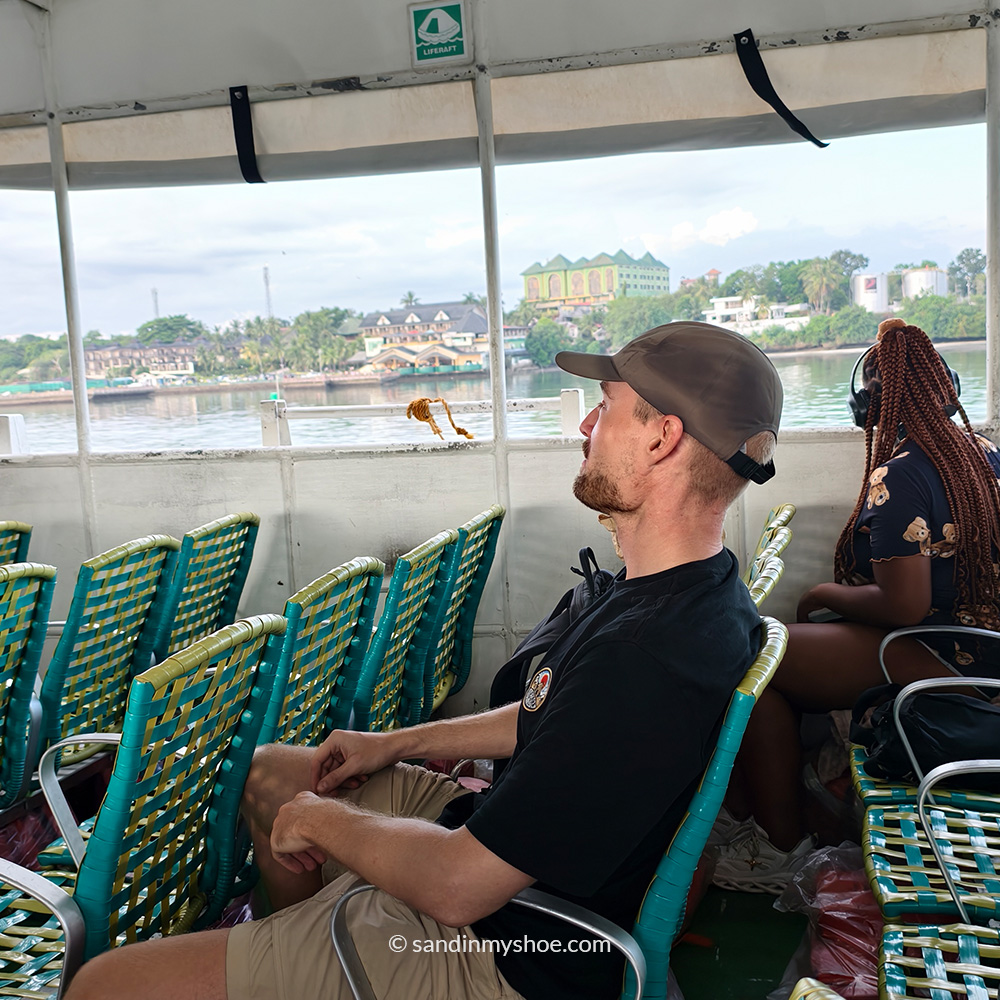
Ferries to nearby islands like Bohol and Siquijor are relatively inexpensive and widely available. For islands farther away, where flights may be costly or unavailable, ferries offer a reliable and budget-friendly alternative.
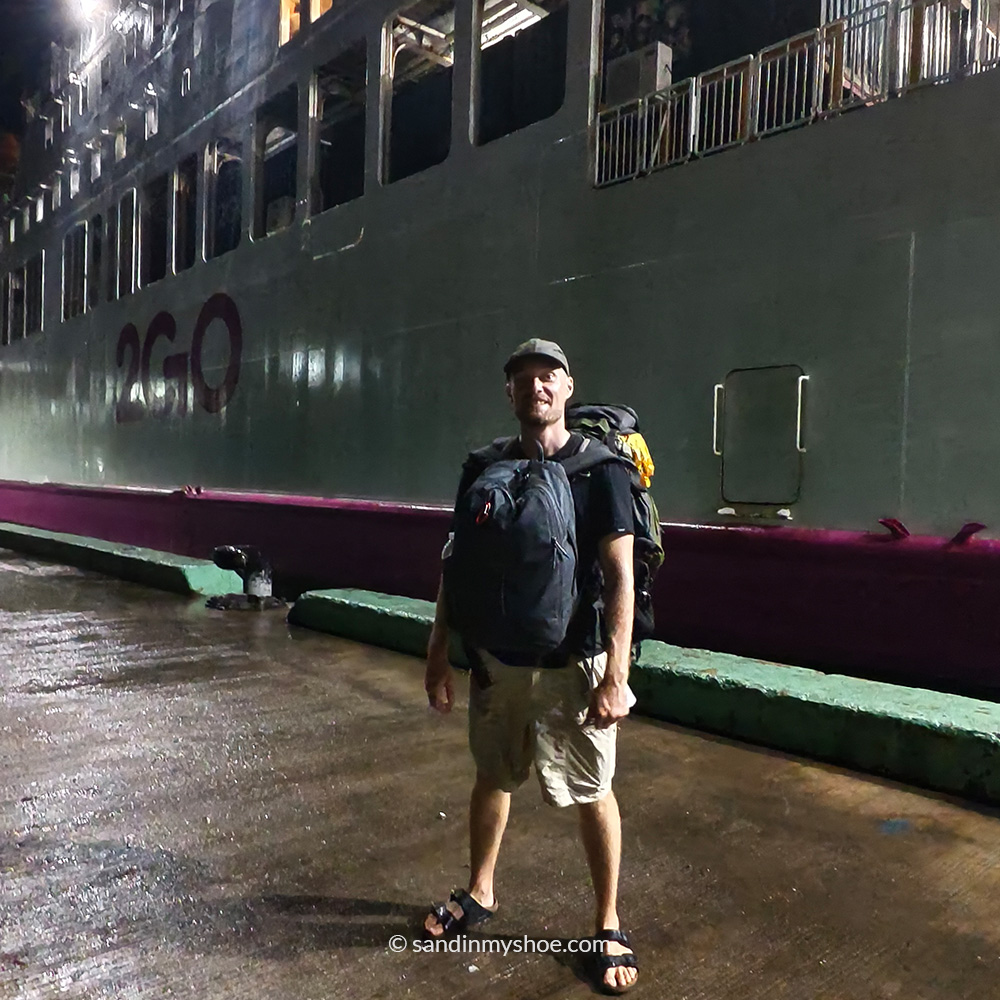
For instance, when flights from Coron were priced around $200, I chose an overnight ferry for just PHP 3,680 (~$62.80) — and even saved on accommodation that night. There’s also a ferry route from Cebu to Siargao, making it easier to explore more remote destinations without breaking the bank. However, be aware that ferries can be a bit slow and often prone to delays.
Ferry Expense Overview
| Destination | Price |
|---|---|
| Overnight Ferry: Coron– Manilla | PHP 3,680 (~$63) |
| Day Ferry One Way: Cebu – Siquijor | PHP 1,600 (~$27) |
| Day Ferry One Way: Cebu – Bohol | PHP 800 (~$14) |
| Dumaguete – Siquijor | PHP 350 (~$6) |
Jeepneys
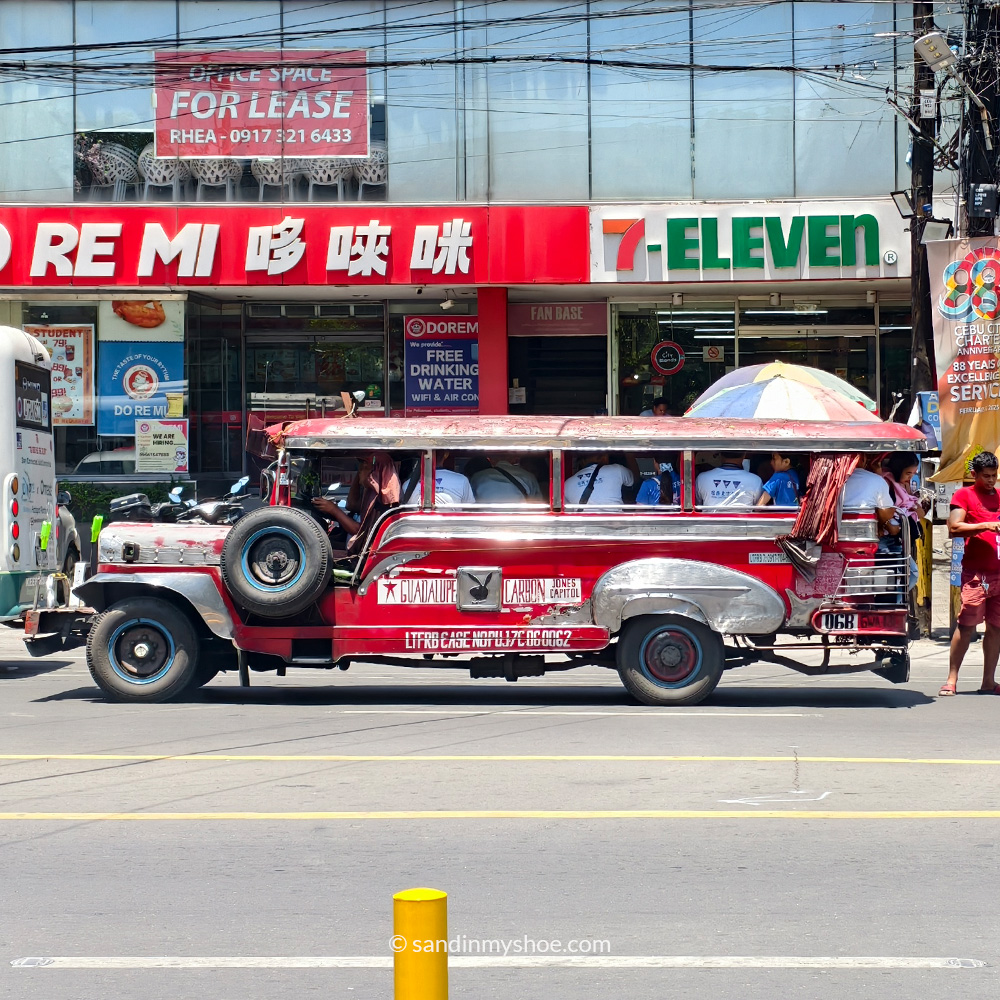
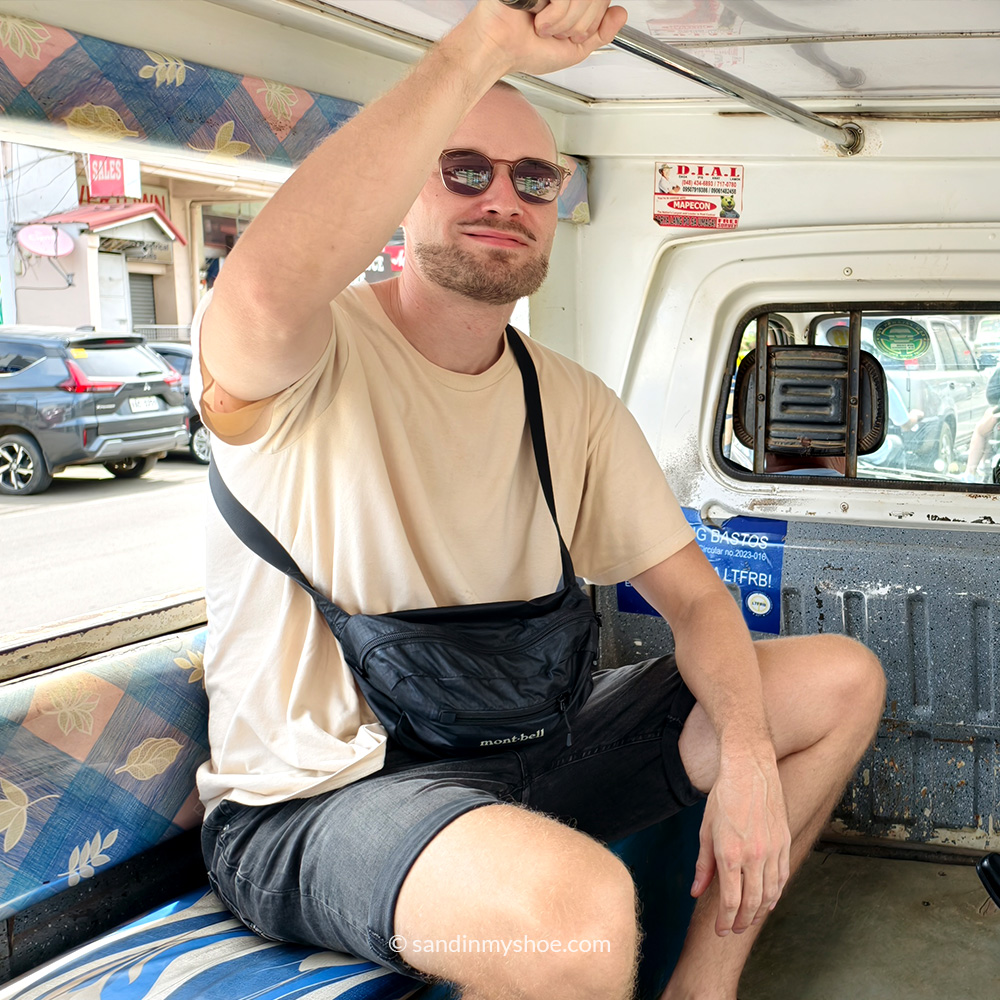
Riding a Jeepney is probably the coolest way to get around since they are converted military surplus jeeps left behind by Americans after World War II. They are not just practical, but a cultural experience in itself and widely used by the locals.
It’s also the cheapest way to get around. Fares start at PHP 13 (~$0.2) in most cities and increase slightly with distance.
I loved using them, but it’s difficult to understand how they work in the beginning. If you are having trouble, just ask a local—people in the Philippines are very friendly.
Motorbike Rentals
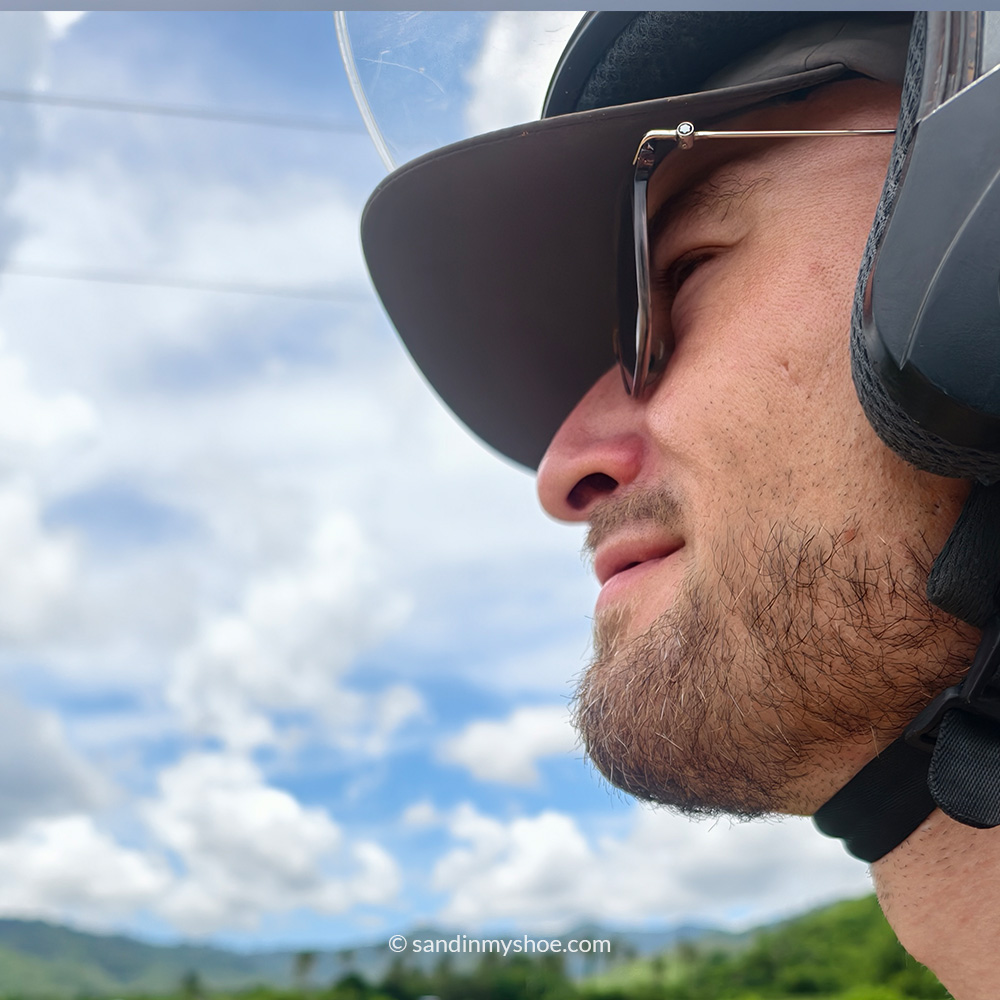
Renting a motorbike is the best way to explore islands independently. Prices vary by location and rental duration. On smaller islands, rental companies often collaborate and charge slightly higher rates. Here’s what I paid from place to place.
| Island | Days of rental | Daily Rental Price |
|---|---|---|
| Coron (Coron) | 1 | PHP 500 ($~8.5) |
| El Nido (Palawan)* | 5 | PHP 350 (~$6) |
| Moalboal (Cebu) | 2 | PHP 350 (~$6) |
| Bohol | 3 | PHP 300 (~$5) |
| Siquijor | 3 | PHP 250 (~$4.2) |
* The best experience I had was in Palawan. I left my big bag in El Nido and spent five days exploring the island by motorbike. I’d just ride, stop wherever looked interesting, and find a place to sleep wherever the sun happened to set.
Cost of Visa renewal
Before renewing my visa, I did a lot of research online to find the most reliable and hassle-free location. I came across a lot of negative reviews about the immigration office in Cebu, with travelers reporting issues like corruption and being asked to pay unofficial fees.
Based on many positive recommendations, I chose to renew my visa in Puerto Princesa, Palawan. The process was smooth. It cost PHP 2,000 and took three working days. There was also an option to expedite the process for an additional PHP 1,000, which would have reduced the waiting time to just an hour or so.
Cost of Food and Drinks in the Phillipines
Food and drinks are very affordable, especially if you’re open to eating like a local.
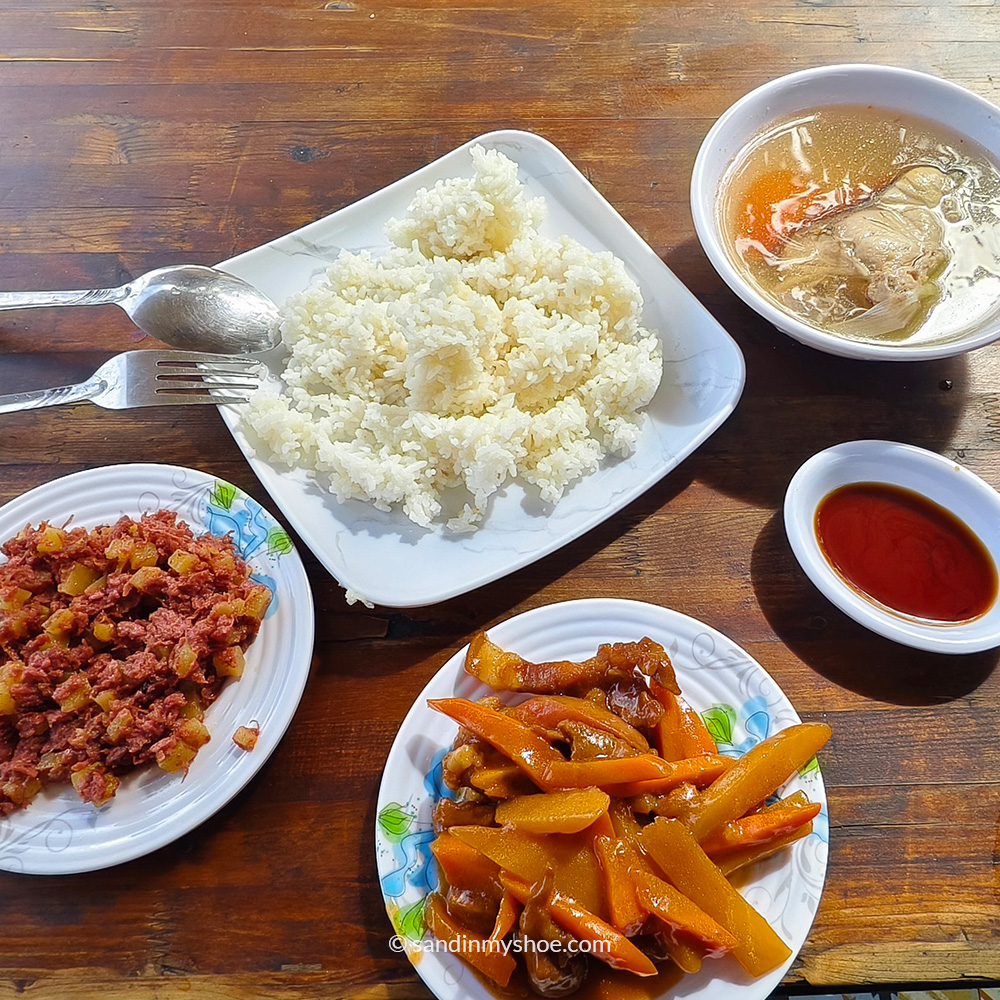
At the beginning of my trip, I had trouble finding healthy food since everything seemed to be deep-fried. But then I found the carinderias (local eateries), and the food in these places is not only delicious and healthy but also very affordable. These meals typically include rice with a choice of meat, fish, or vegetables. Popular dishes like adobo, sinigang, lechon kawali, or grilled fish are common. A favorite of mine became the Tortang Talong, which is ironically a deep-fried dish—eggplant with egg.
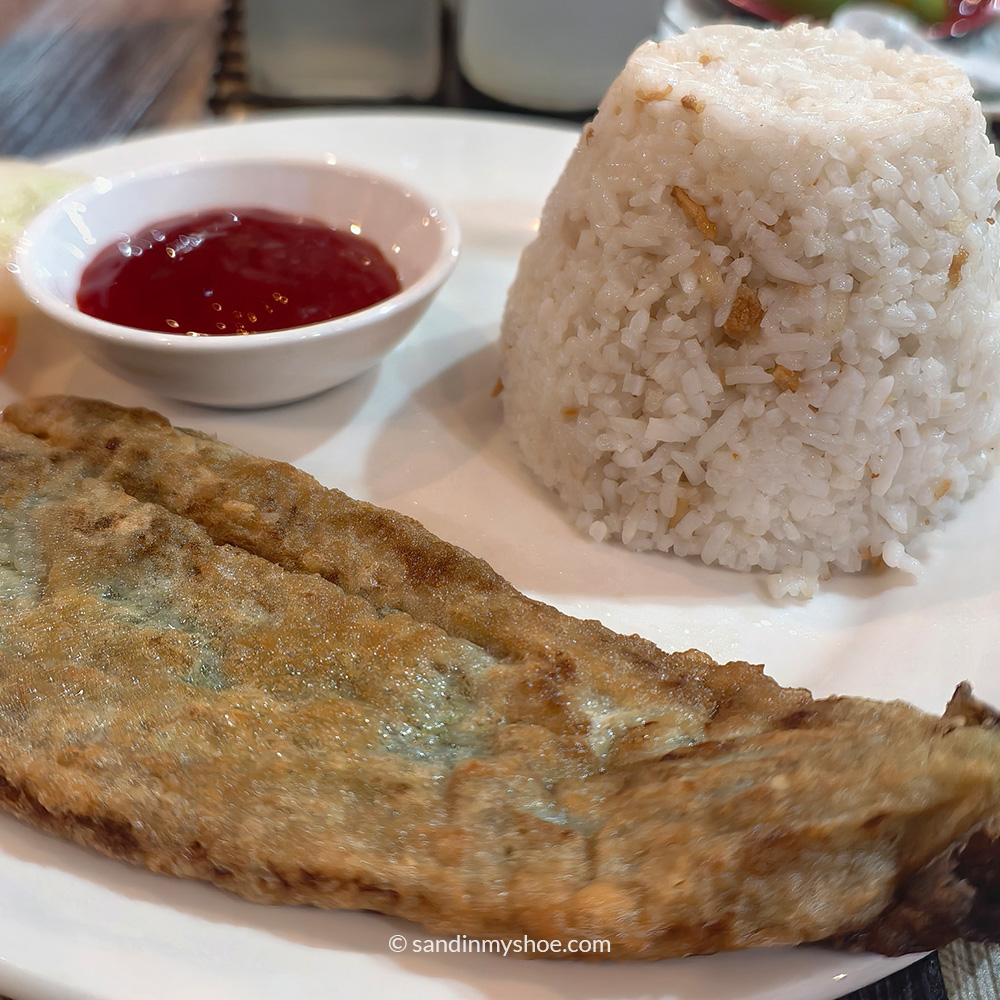
The prices for these satisfying meals are usually as little as PHP 80– PHP 150 ($1.40–$2.60).
Restaurants and Western Food
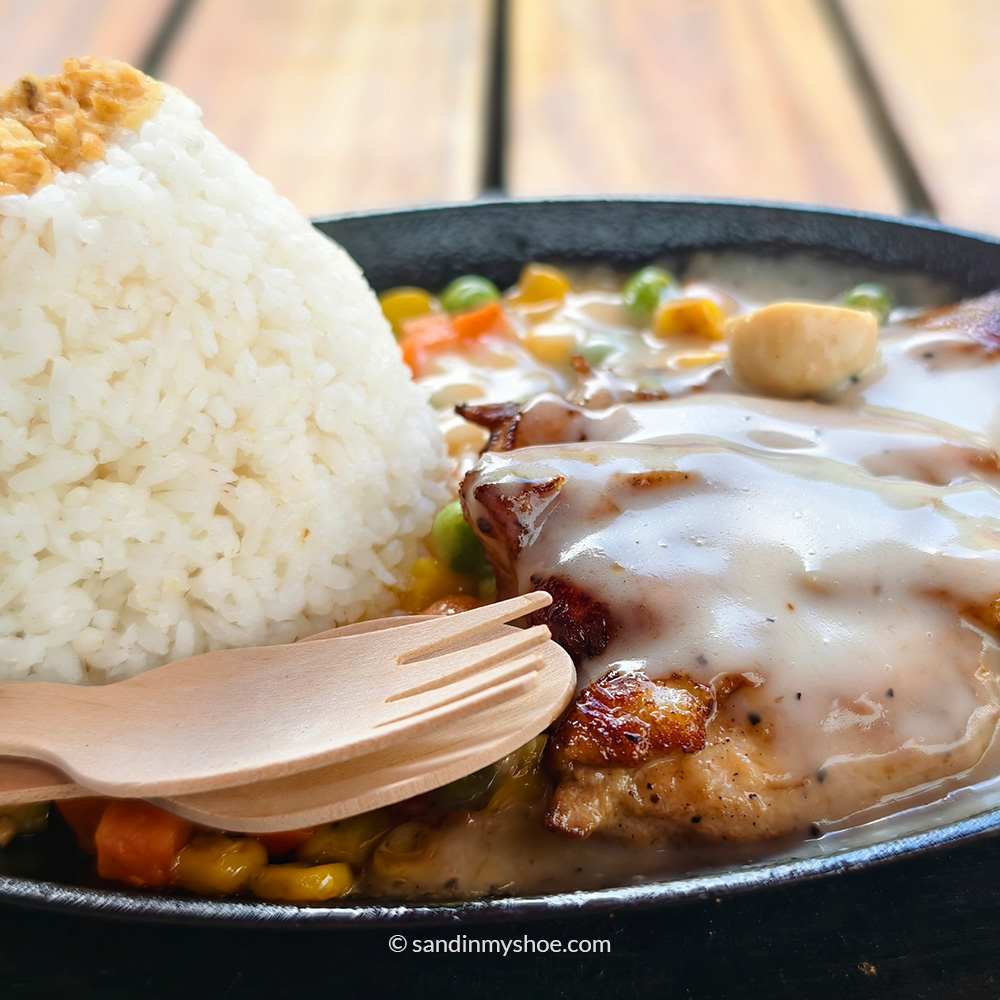
Mid-range restaurants offer more variety and meals range from PHP 250–PHP 600 ($4.30–$10.30) per person. Western-style restaurants or tourist-oriented spots tend to be pricier, especially in places like El Nido, Boracay, or Siargao. Expect to pay PHP 700– PHP 1,500 ($12–$26) for a meal for two at a decent sit-down restaurant in El Nido. But honestly the Filipino food is already very good in the local places (carinderias).
Drinks
- Bottled water (500ml): PHP 20–PHP 30 ($0.35–$0.50)
- Soft drinks (can): PHP 25–PHP 40 ($0.45–$0.70)
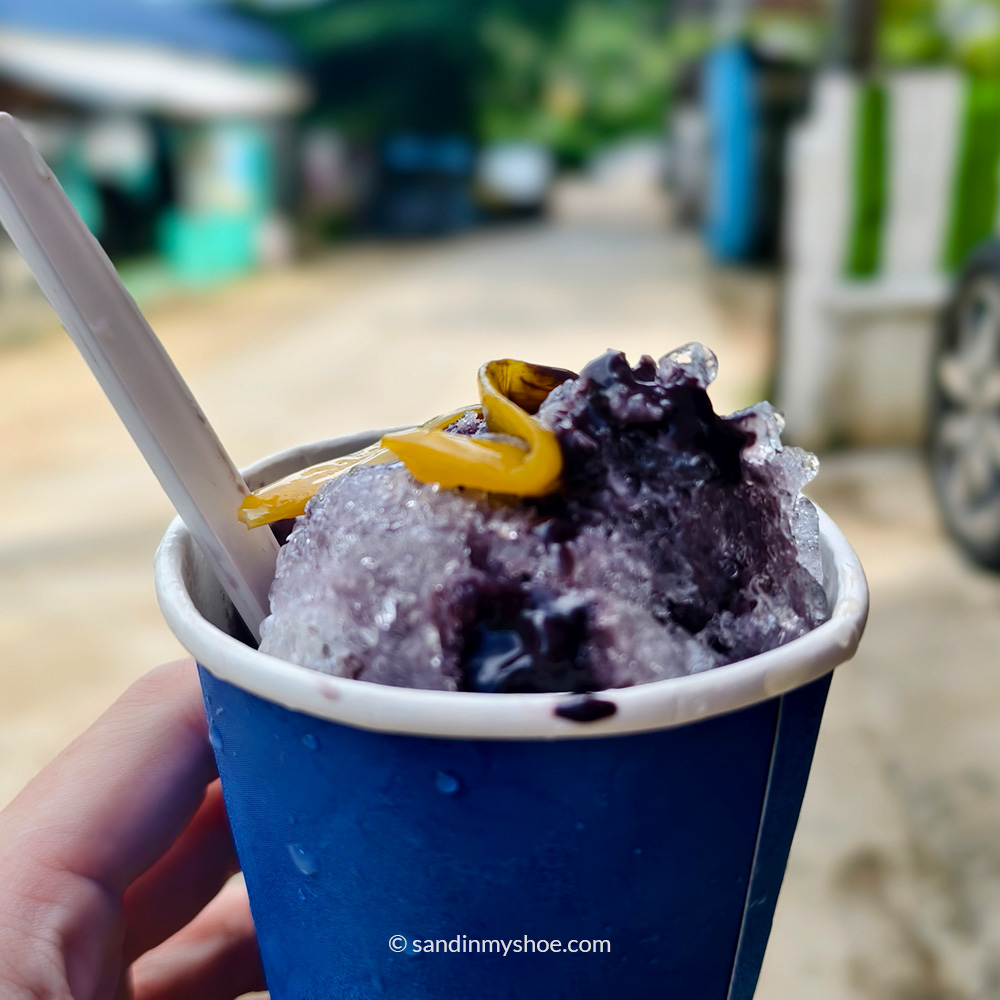
- Fresh fruit shakes or juices: PHP 60–PHP 120 ($1.00–$2.05)
- Domestic beer (San Miguel, Red Horse): PHP 50–PHP 100 ($0.85–$1.70)
How to Stretch Your Travel Budget in the Philippines: Money-Saving Tips
Have a Rough Itinerary
I love not having a plan and just winging it when I travel in Southeast Asian countries, but the Philippines is slightly different from the rest because it’s an island nation. During your travels, you’ll most likely hop between islands like Luzon, Cebu, Palawan, Siargao, Bohol, Siquijor, and others. The traveling is usually done by plane and having a rough idea of how long you’ll stay on each major island can really save you money because flight tickets tend to get more expensive the later you book.
If you are looking for an itinerary for the Philippines, check out my other post: Philippines Itinerary for 2 weeks.
Keep in mind: The Philippines isn’t a wing-it-at-the-last-minute kind of country—it’s more of a plan-it-roughly-and-book-your-domestic-flights-early kind of place.
Have a Travel Companion
Having a travel companion will split the cost of private rooms, motorbike rentals, and many other transportation expenses. It also makes negotiating easier and adds a layer of safety and support during your trip.
Rent a Motorbike
Renting a motorbike is the cheapest and most flexible way to explore places like Bohol, Moalboal, or parts of Palawan. Whether you’re heading for a waterfall, a beach, or a hidden viewpoints, having your own ride saves money compared to hiring tricycles or joining tours. It also gives you tons of flexibility.
Just make sure to wear a helmet, carry a valid license, and check the bike’s condition before renting (double check the brakes).
Haggle
In many Southeast Asian countries, prices often differ between locals and tourists. If you don’t ask or negotiate, you might end up paying significantly more than necessary.
Tip: Always haggle—especially at motorbike rental shops, tricycle taxis, local markets, and street vendors. It’s not considered rude; it’s expected. Just smile and offer politely about 50–70% of the initial asking price and negotiate from there.
Watch out for Airport Taxi Scams
Landing at the airport in busy hubs like Manila or Cebu can be stressful, and unfortunately, that’s when taxi scams often strike. In the midst of finding your way to your accommodation, it’s easy to overlook details like checking if the meter is running or confirming the fare upfront.
A ride that should cost $4 can easily turn into $40 if you’re not careful.
The easiest way to avoid this is by using Grab, which offers a fixed price. However, metered taxis are still the cheapest option—if you can find a reliable one. One tip is to ask a local who’s also looking for transportation; they might help you spot a trustworthy driver.
Use the Ferries Between the Islands
Using ferries instead of flights will save you some money. But you will need extra time since they are slow and prone to delays. I saved around $140 by taking an overnight boat instead of flying between Coron and Manila. Mostly because I booked quite close to the departure date.
Use Public Transportation
Jeepneys, buses, and tricycles are much cheaper than taxis or private transfers. They’re great for getting around on a budget — just be sure to agree on the fare before taking a tricycle, as prices can vary and tourists are often charged more. Asking a local for the usual rate can help you avoid overpaying.
Bring Your Own Sunscreen
It’s surprisingly expensive in Southeast Asia. Prices are often much higher than in places like Sweden, despite the region getting far more sun. In tourist hotspots, shops frequently apply steep markups, especially on imported brands. Packing your own will save money and ensure you have a brand you trust.
Use a Refillable Water Bottle
It might seem like a small saving, but bringing a reusable water bottle can help cut costs over time—especially in hot, humid weather where you’ll be drinking a lot. A bottle with good insulation will keep the water cold for the whole day, even under the tropical sun. Plus, it’s a win for the environment by reducing single-use plastic.
Many hostels, hotels and cafés offer free refills.
Wrapping it up
Your travel budget for the Philippines really depends on your style. If you’re a backpacker looking to save but still splurge on a few epic experiences, expect to spend around $30–40 per day.
Traveling with a buddy and prefer private rooms, plus want to do most of the activities — including diving? Then you’re looking at closer to $55 per day. Either way, the Philippines offers incredible value for unforgettable adventures.
If you found this post useful — or think something’s missing — please let me know.


No comments yet, be the first one!
I appreciate hearing from you. If you have any suggestions, questions, or feedback, please leave a comment below. Your input helps ensure the information stays relevant and up to date for everyone.
Thank you for sharing your thoughts!