
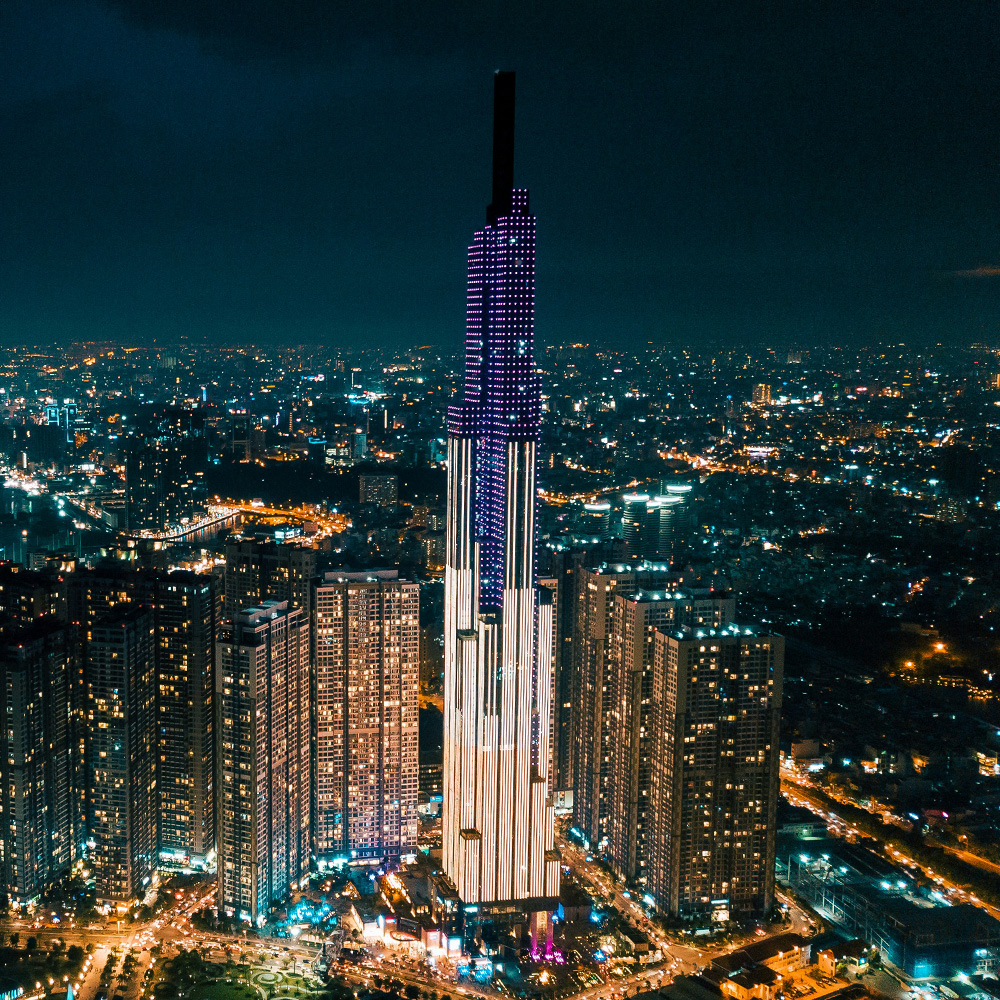
Gleaming skyscrapers rise above French colonial boulevards, while narrow alleyways hide family‑run shops and decades‑old apartment blocks. The city also carries visible reminders of the Vietnam War—not only at the War Remnants Museum and the nearby Cu Chi Tunnels, but in several former espionage hideouts scattered across the city.
I spent a week in Ho Chi Minh City, also known as Saigon, trying to understand what the city offers beyond the standard tourist circuit. This itinerary covers not only the main sights but also a couple of the best remained espionage hideouts, and a few local restaurants that I think every curious traveler should try.
In addition to the Ho Chi Minh City itinerary, I’ll cover the usual daytrips to the Cu Chi Tunnels and the Mekong Delta.
Overview of Ho Chi Minh City
The city has 24 districts, and on my first visit I had no idea which one mattered. In reality, you only need to know a few. This 2-day itinerary focuses on District 1, District 3, and District 5—where most of the key sights and experiences are. I’ll mention a couple of other districts as well, in case they fit your travel style.
Districts of Ho Chi Minh City
Essential Districts (Green Areas)
- District 1 — Landmarks, museums, colonial architecture, and classic Saigon energy.
- District 3 — Jade Emperor Pagoda, the Pink Church, old espionage hideouts, and an unusual restaurant tucked into the leafy streets.
- District 5 — Chinatown (Cholon), with temples, markets, and dense trading streets.
Additional Districts that Might Interest You (Blue Areas)
- District 4 — Once known for its rough, mafia‑linked past, now a safe, lively district famous for street food and canal‑side life.
- District 7 — A modern, expat‑heavy area with wide sidewalks, malls, and a calmer pace.
- District 2 (Thao Dien) — A creative, expat‑friendly pocket with cafés, boutiques, craft beer, and a slower suburban feel.
How to Use the Map: Click the top-left corner to view and select map layers. Learn more about each area by clicking its area or sidebar entry.
Best Way to Get Around Town
Bolt and Grab are the most convenient ways to move around the city. They’re cheap, fast, and save you from negotiating prices.
- If you’re in a group, book a car. It’s still inexpensive and far more comfortable in the heat.
- If you’re solo, the motorbike taxis are usually the quickest option. They weave through traffic and cut travel times in half during rush hour.
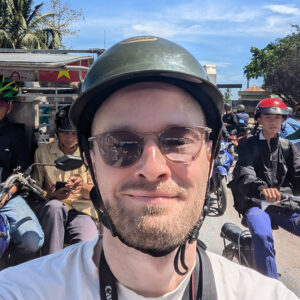
Riding on the back of a bike is part of the Saigon experience, but it comes with its own rhythm. Keep your knees tucked in—traffic gaps can be tight—and hold on lightly when the driver accelerates. It feels chaotic at first, but the drivers know the flow better than anyone.
I learned one thing the hard way: don’t take a motorbike taxi with a 20‑kg backpack on your back. I did that on arrival, and every time the driver accelerated I tipped backwards and nearly slid off the seat. Not deadly dangerous — I’d probably have landed on the bag — just uncomfortable enough to make it clear that heavy luggage belongs in a car, not on a bike.
Itinerary Overview
Day 1: Core Saigon Landmarks (Purple dots)
A compact day built around the essential sights of central Ho Chi Minh City. The morning leans into wartime history, the afternoon shifts to colonial architecture and street life, and the evening opens up into food and nightlife. Everything is close together, so the day stays easy to navigate.
Morning
- War Remnants Museum — Best early in the day before crowds; the content is heavy, so give yourself time.
- Independence Palace — A short walk from the museum and easy to explore in under an hour.
Afternoon
- Notre Dame Cathedral — Still under renovation, but the façade is worth a brief stop.
- Saigon Central Post Office — Right next to the cathedral; a quick, photogenic visit.
- Nguyen Van Binh Book Street — A calm pedestrian stretch with cafés, good for a short break.
- Ben Thanh Market — The tourist market; ideal for souvenirs; be prepared to bargain.
Evening / Night
- Unusual restaurant in District 3 — A street restaurant that only serves porridge and frog.
- Nguyen Hue Walking Street — A calm post‑dinner stroll, with the Café Apartments right along the route.
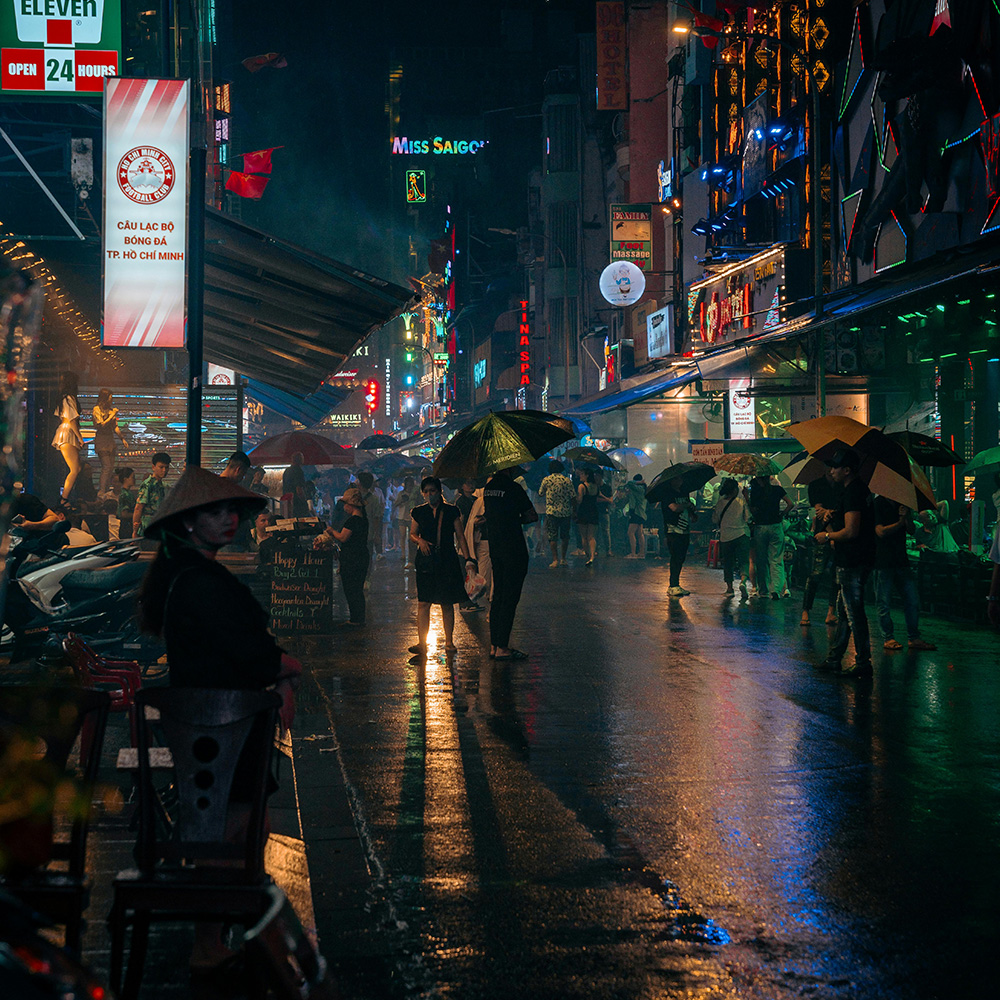
- Bui Vien Street — Finish the night with a beer on the loudest, most chaotic street in Ho Chi Minh City. Fun in small doses. If it gets too intense, The Park Rooftop Bar & Lounge nearby offers an easy escape.
Day 2: War-era Saigon + Chinatown (Orange dots)
A day that moves beyond the main tourist core. The stops are spread across District 3 and Chinatown, but rides are short and inexpensive, making the route easy to manage. The morning focuses on hidden wartime history, while the afternoon shifts into temples and the dense street life of Cholon.
Morning (District 3)
- Former espionage hideout café — Start the day with coffee in a building once used for covert operations.
- Pho shop used as an STF communication hub — A small, unassuming restaurant with a surprising wartime backstory.
- Jade Emperor Pagoda — One of Saigon’s most atmospheric temples, busy but worth the stop.
- Tan Dinh “Pink Church” — A quick visit for the striking façade; the interior is often closed.
Afternoon (Chinatown)
- Secret Weapon Cellar — On the way to Chinatown, there’s a small shop house that hides a secret weapon cellar once used to store more than two tonnes of ammunition.
- Thien Hau Temple — The most iconic temple in Cholon, filled with incense coils and intricate details.
- Chinatown + Binh Tay Market — Wander the surrounding streets and the market’s courtyard for a glimpse of everyday local trade.
Evening
- Social Club Rooftop Bar — A polished rooftop with one of the best sunset views in the city.
- Snuffbox Speakeasy — A dim, atmospheric cocktail bar hidden behind an unmarked door if you prefer something quieter.
Daytrip to Cu Chi Tunnels and the Mekong Delta
A full-day trip that combines two of southern Vietnam’s most iconic experiences: the war‑era tunnel network at Cu Chi and the river life of the Mekong Delta. Many operators offer combined tours, which are ideal if you’re short on time. Travel distances are long, but the day stays manageable with hotel pickup and drop‑off.
If you have extra days, consider doing Cu Chi tunnels as a half-day tour and then spending a couple of nights in the Mekong Delta for a slower, more authentic visit beyond the mass-tour routes.
Day 1 Itinerary
The first day covers the essential sights, and most of them sit close together, so it’s an easy one to walk. It starts heavy with the War Remnants Museum, then shifts in the afternoon toward colonial architecture and street life. The evening mixes an offbeat restaurant, a stroll along a walking street, and a beer on busy Bùi Viện. Comfortable shoes are all you need—maybe an umbrella, depending on the season.
Morning
War Remnants Museum
The War Remnants Museum offers a direct and often difficult look at the Vietnam War, documenting the conflict and the American war crimes committed through photographs, testimonies, and historical records.
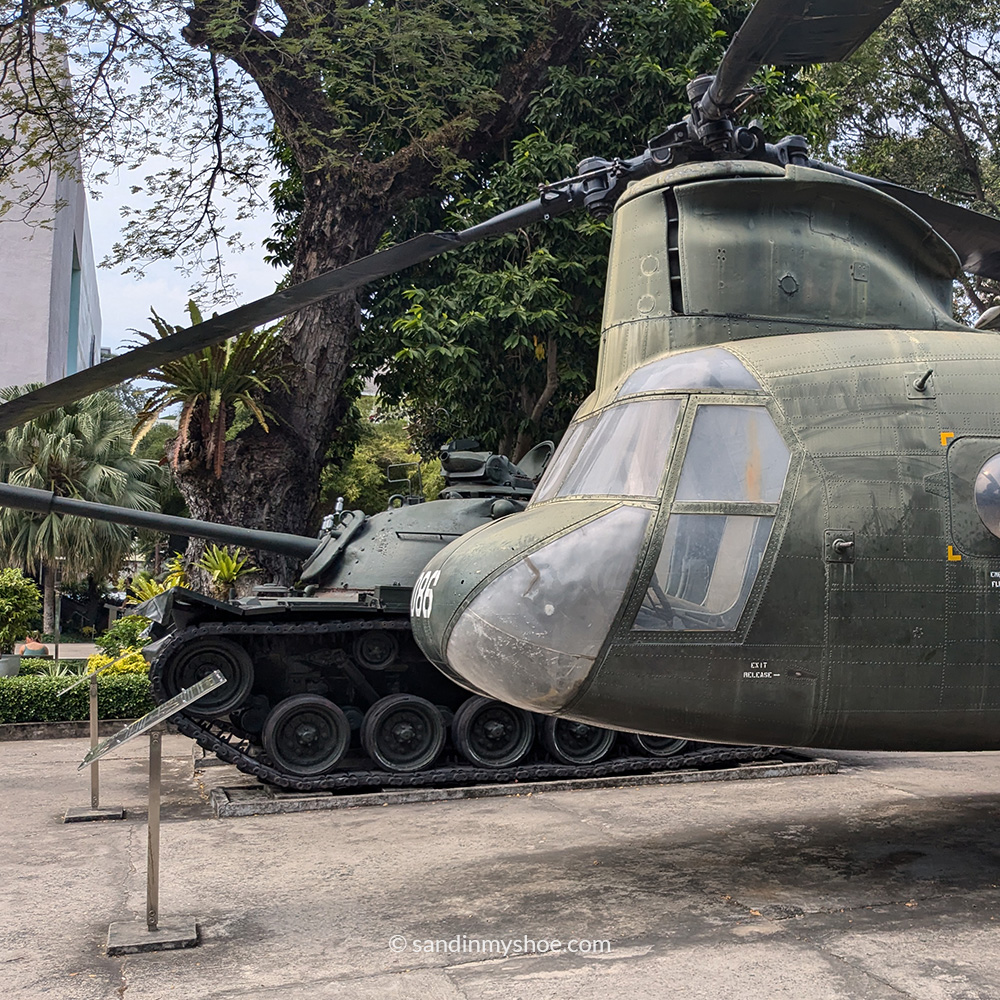
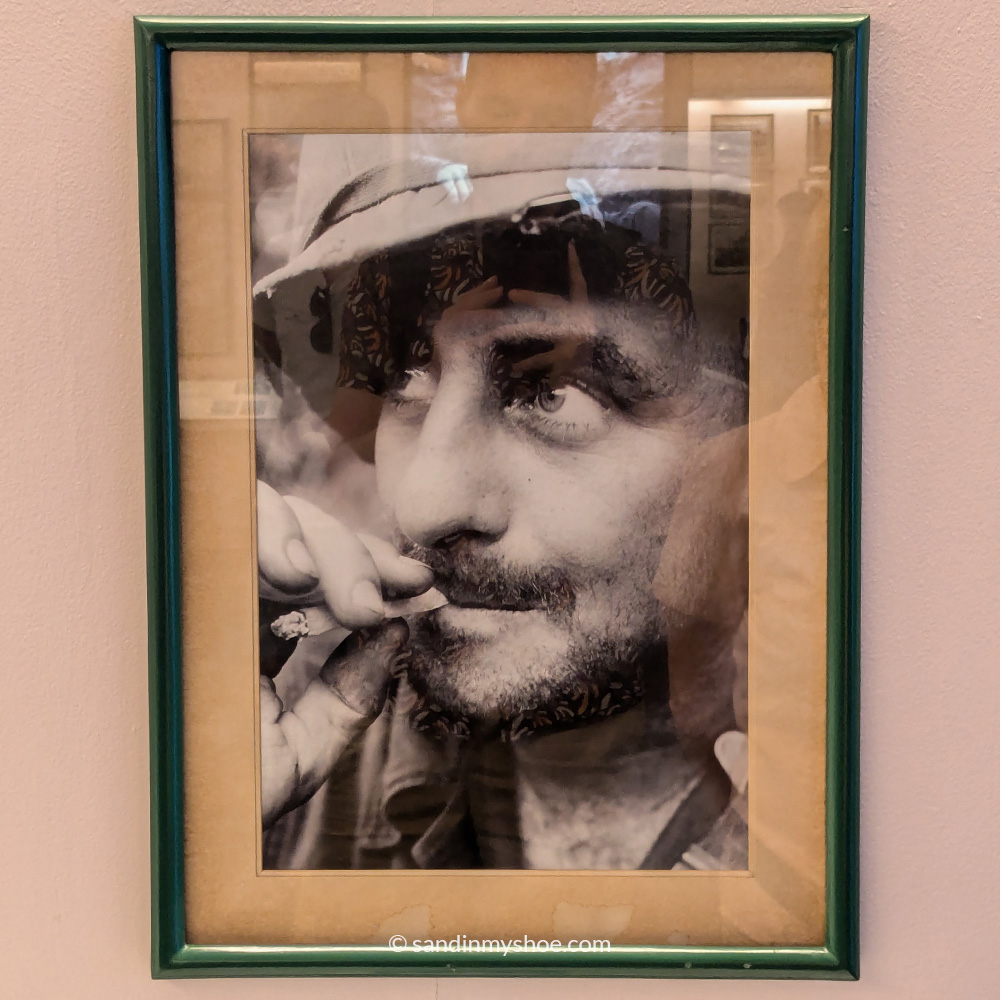
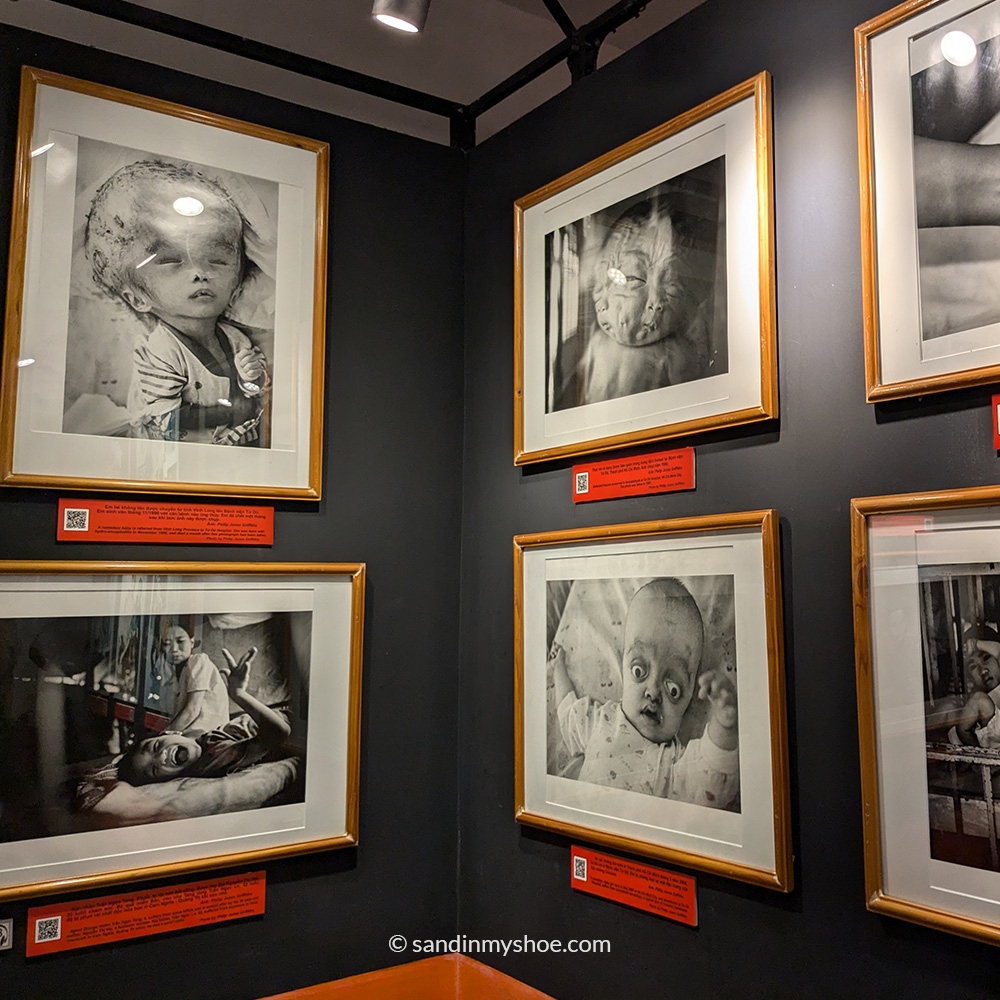
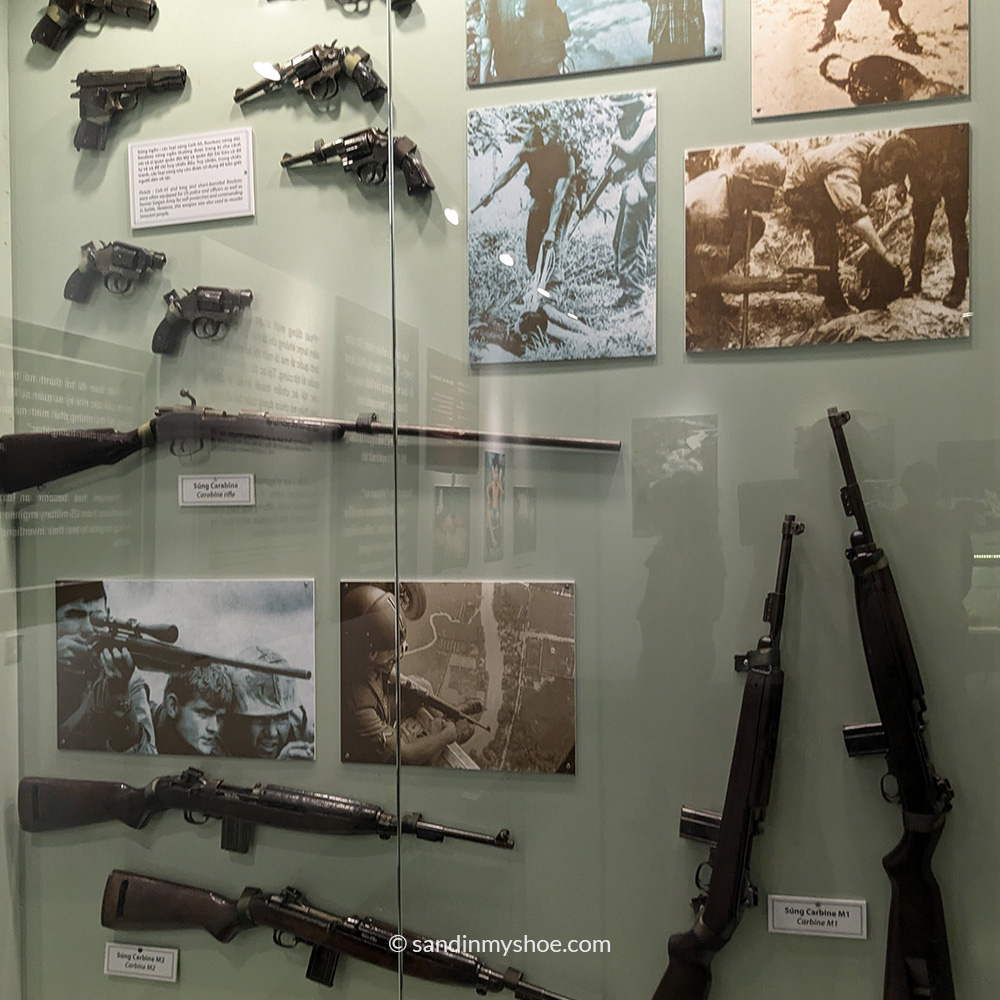
The courtyard displays U.S. tanks, helicopters, jets, and artillery, giving a sense of the scale of the war.
Inside, the exhibits cover the long‑term impact of Agent Orange and other chemical weapons, the international anti‑war movement, frontline photojournalism, and the ongoing struggles faced by millions of victims even today.
The Requiem gallery, honoring photographers from all sides who died covering the conflict, is one of the museum’s most powerful sections. It’s an emotional experience that shows you the human reality of the war and the deep scars it left behind.
Independence Palace
The independence Palace is just a short stroll way, and is a preserved snapshot of South Vietnam in its final years. Many rooms remain exactly as they were in 1975, from formal reception halls and family living quarters to the underground command bunker and the bomb‑scarred rooftop helipad. Walking through it feels like stepping into the final hours before the government fell.
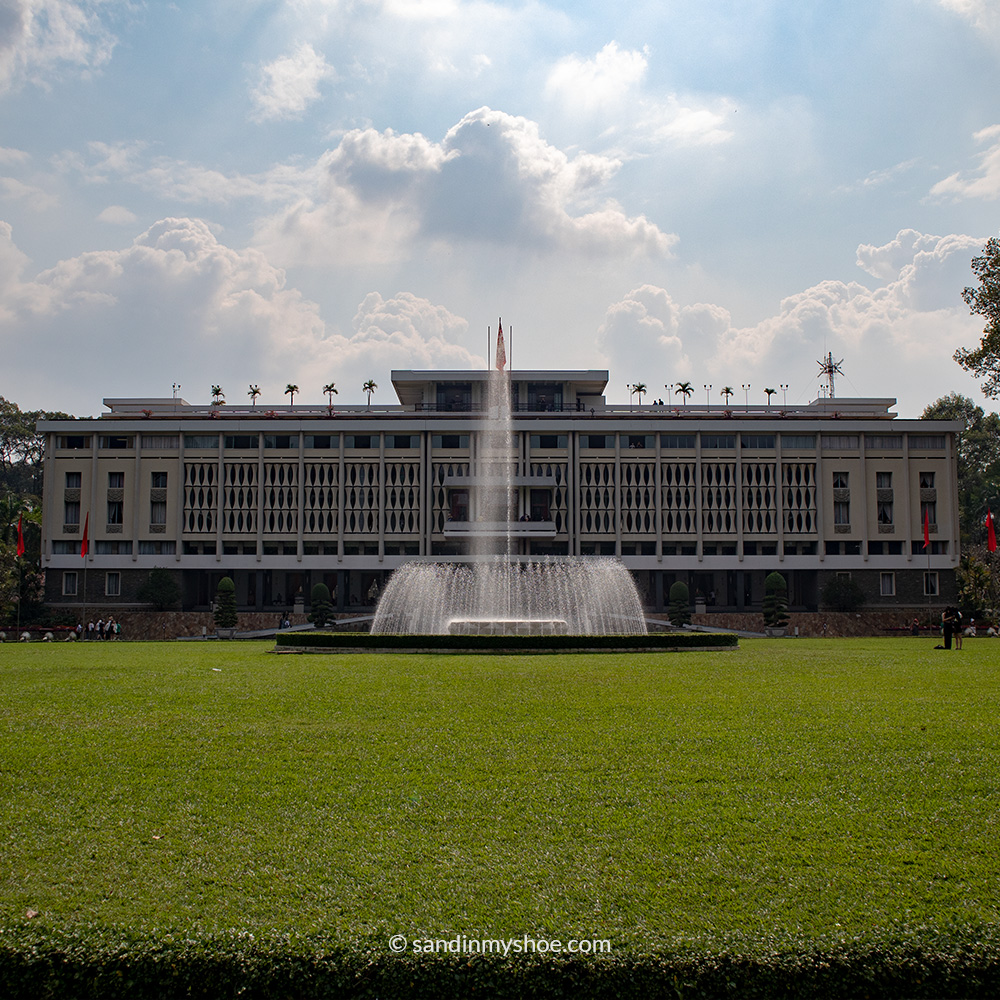
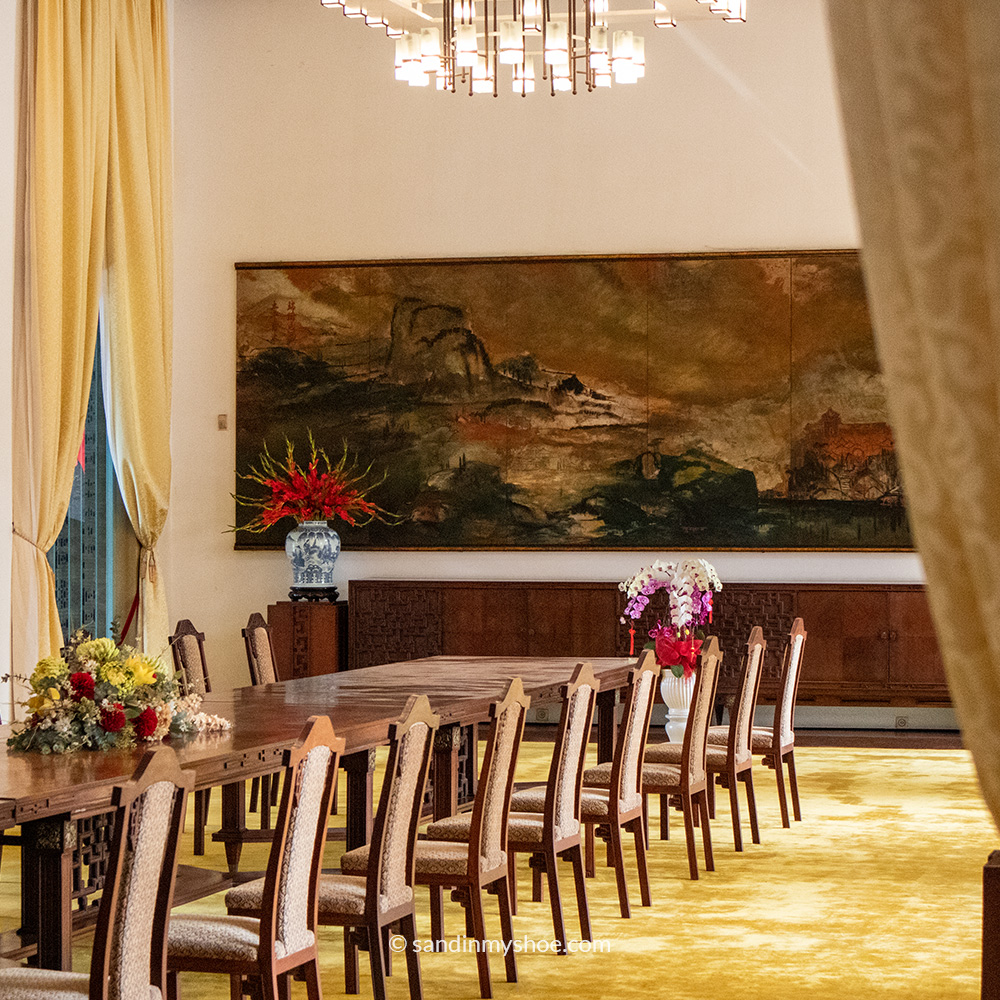
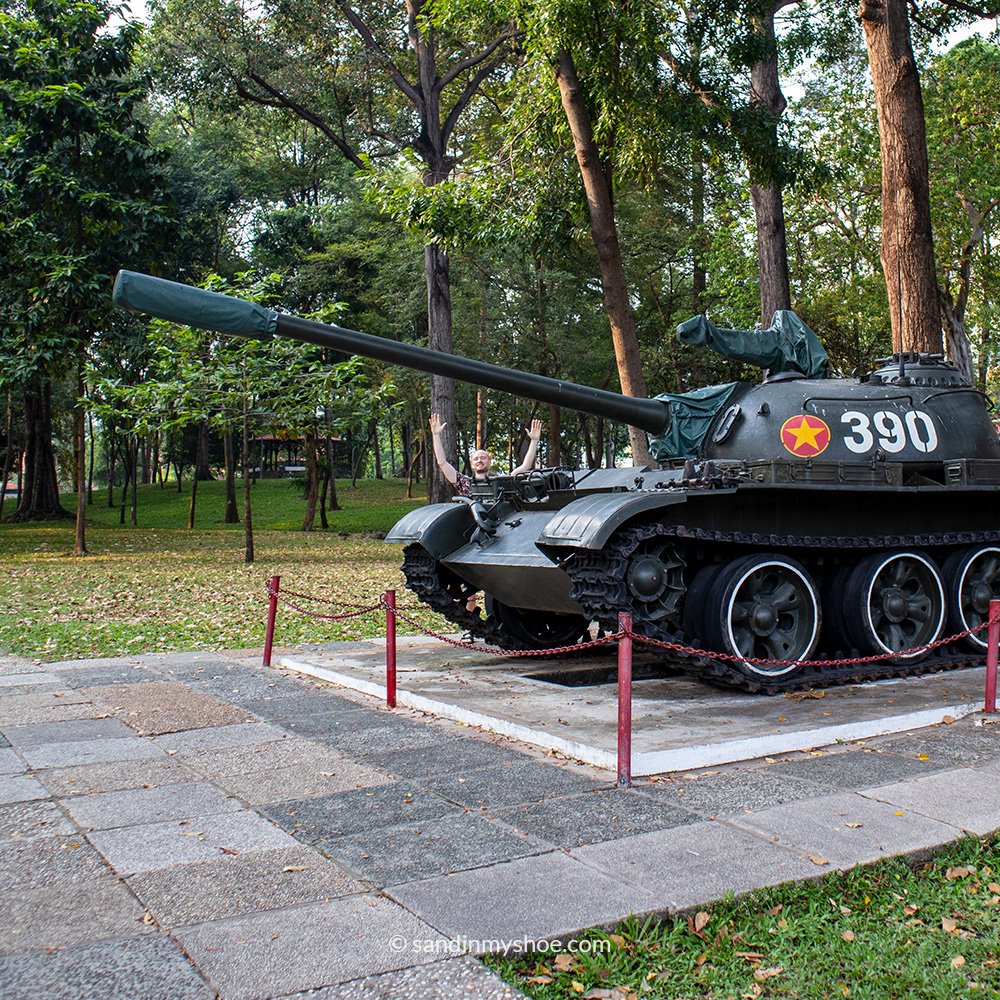
I hesitated at first because the place seemed a little dull, and after five months of travel I wasn’t sure it would add much. But that impression didn’t hold up. It’s genuinely worth visiting, and the audio guide adds the context that makes each room come alive.
Lunch at Nghe Street Food Market
If you’re having a hard time choosing what to eat or you’re in a larger group where everyone wants something different, head to Bến Nghé Street Food Market for lunch. It’s right next to the Independence Palace and offers a wide range of food stalls in a bustling, semi‑open setting. You’ll find local dishes as well as international options if you’re craving something other than Vietnamese food. It’s an easy place for everyone to find something they like. The only downside is that it’s catered toward tourists, so prices run a bit higher than usual, but the food still feels authentic.
Afternoon
The afternoon is deliberately lighter: an easy loop of French‑colonial landmarks, shaded streets, and a book street lined with cafés. It’s simple, low‑effort sightseeing after the morning’s heavier history. You finish at the city’s most popular tourist market, a reliable stop for haggling over souvenirs.
Notre‑Dame Cathedral
Now that you’re recharged, walk over to Notre‑Dame Cathedral. When I visited 2025 it was hidden under scaffolding and tarps
The name aims high compared to its Parisian counterpart, but the building itself is a handsome red‑brick church from the late 1800s, built with materials shipped in from France. From what I saw from the picture, it looks great but most of what I saw in 2025 was hidden under scaffolding and tarps.
Saigon Central Post Office
Just across from the Notre Damn Church lies the Saigon Central Post Office. It might seem unusual to visit a post office as a tourist, but this one has become a landmark thanks to its architecture.
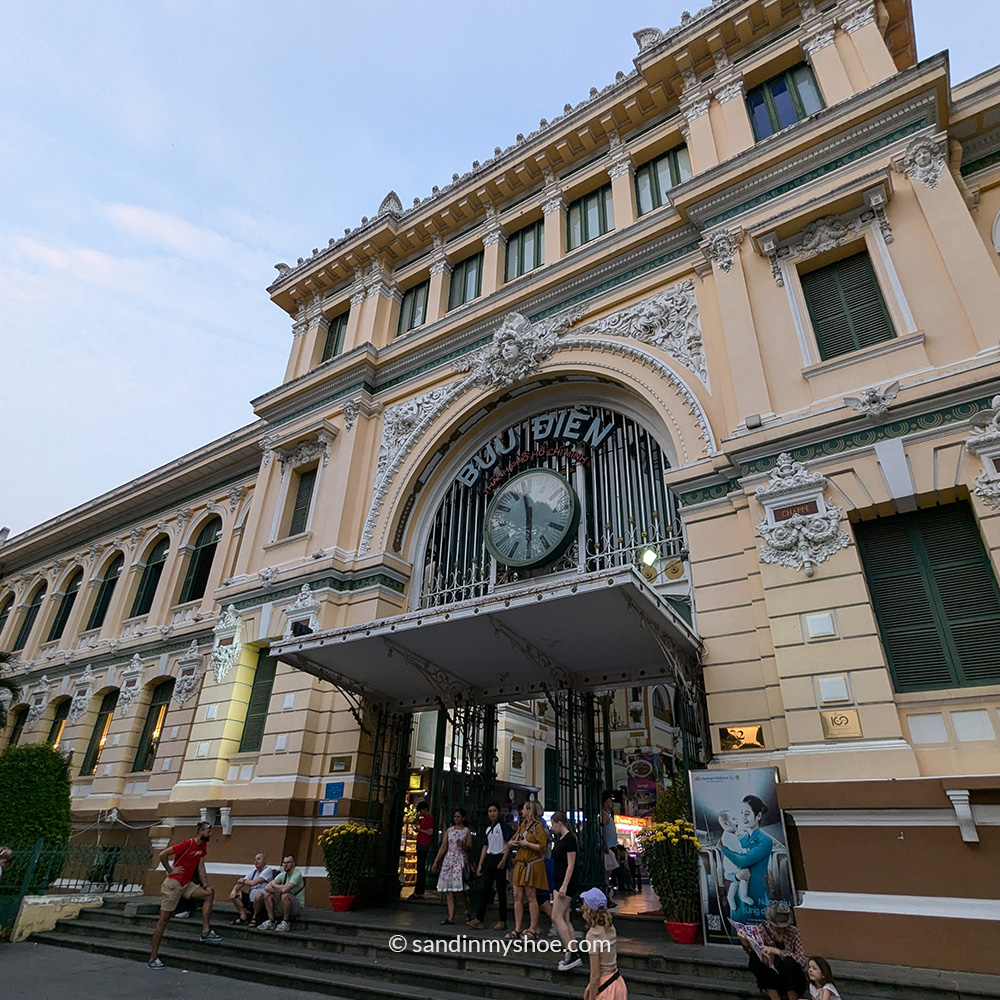
It’s French‑inspired as well, and has an impressive palace‑like façade, and the moment you step inside you’re met with high ceilings, arched windows, and vintage details that make the whole place feel like a step back in time. Despite the historic setting, it’s lively and full of activity, which adds to its charm. Here, you can pick up souvenirs, stamps, stickers, toys, and of course send postcards home.
It was even ranked among the most beautiful post offices in the world in 2023. If you’re unsure whether it’s worth a stop, don’t overthink it — it’s right in the area, and you won’t lose much time, even if it’s not your bowl of phở.
Book Street
A couple of steps away is the Book street, which is a peaceful escape from the city’s noise. It’s a tree-lined stretch filled with small bookstores and shaded benches. The shops range from Vietnamese literature to English novels, travel books, and art prints, and the whole street has an easy, unhurried feel.
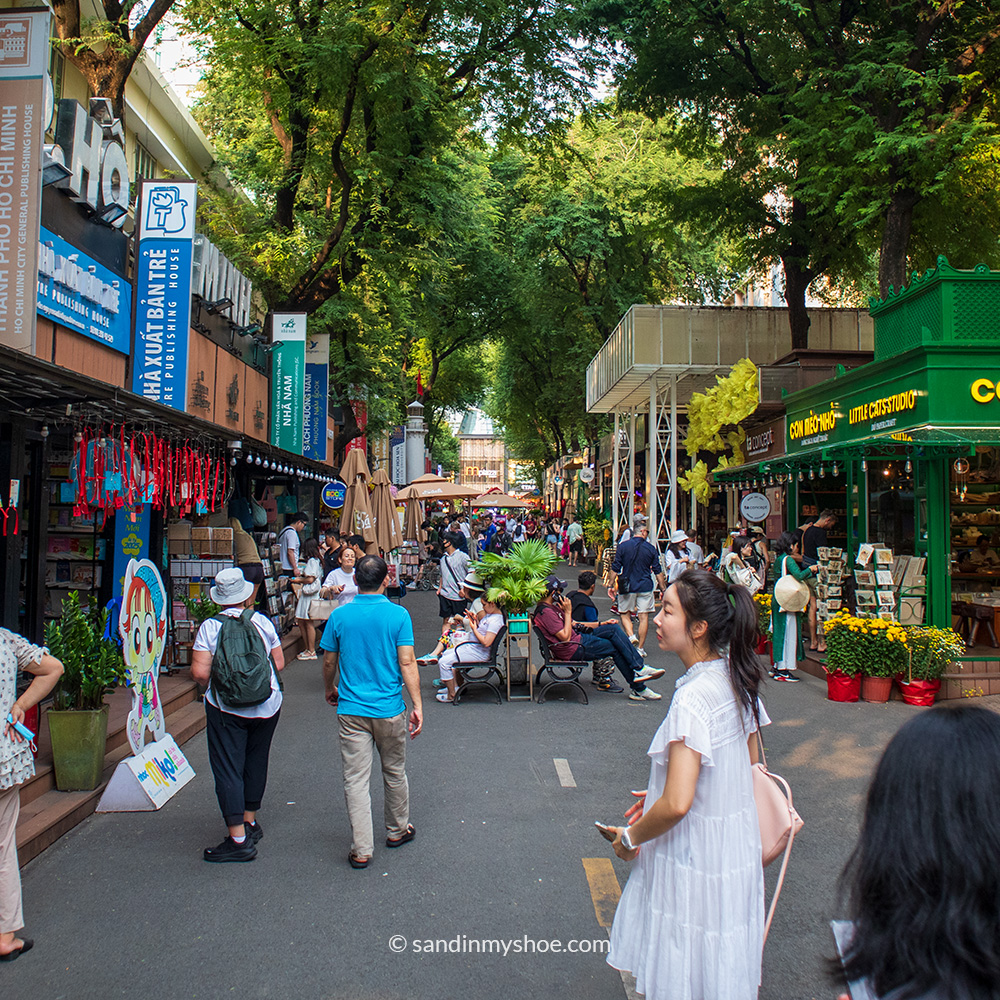
Cafés are tucked between the bookstores, so it’s simple to grab an iced coffee and wander, or settle under the trees on one of the benches and people-watch.
Ben Thanh Market
After you’re caffeinated yourself properly at the book street, head to Ben Thanh Market — it’s about a 15-minute walk. This is the most famous and most touristy market in Ho Chi Minh City. Inside, the aisles are loud, crowded, and packed with souvenirs, T‑shirts, bags, and every kind of fake brand you can imagine. Beware: even a glance that lingers for more than three seconds is enough to draw a vendor’s attention, and within seconds you’ll be negotiating a price whether you ever intended to buy anything or not.
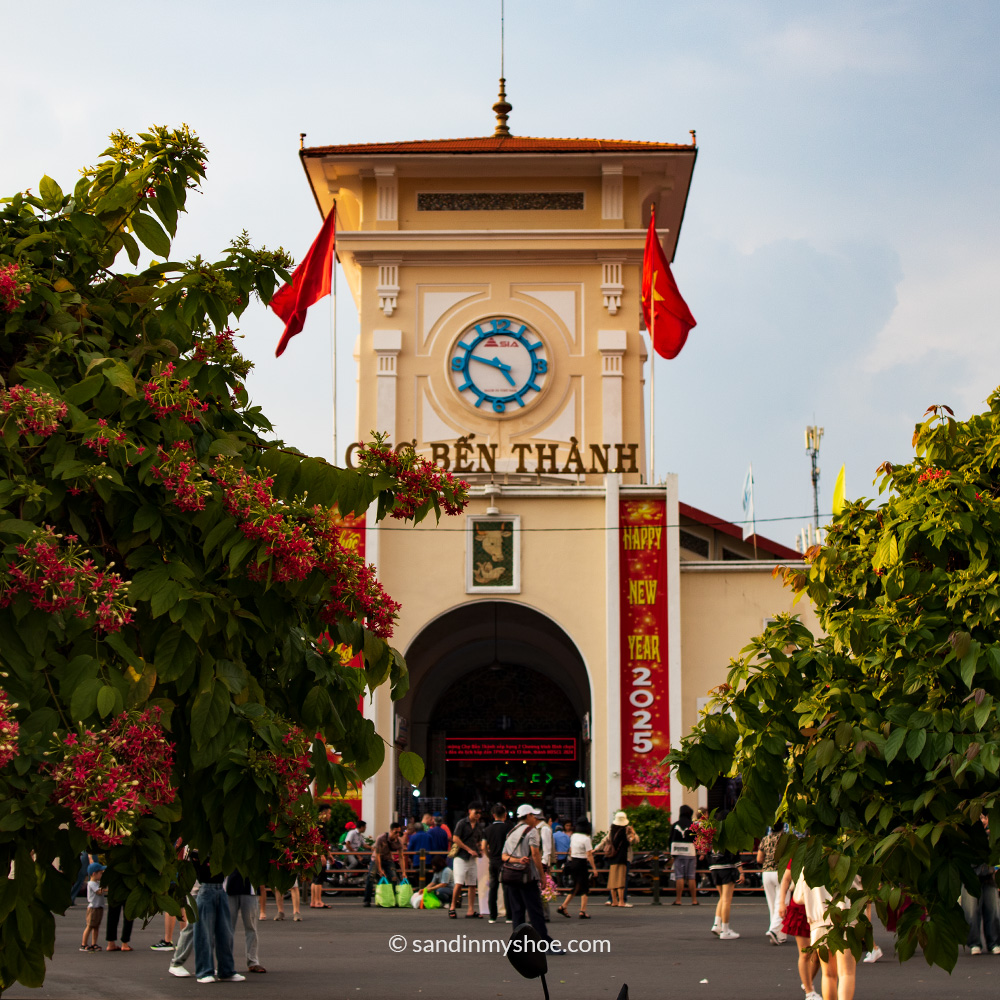
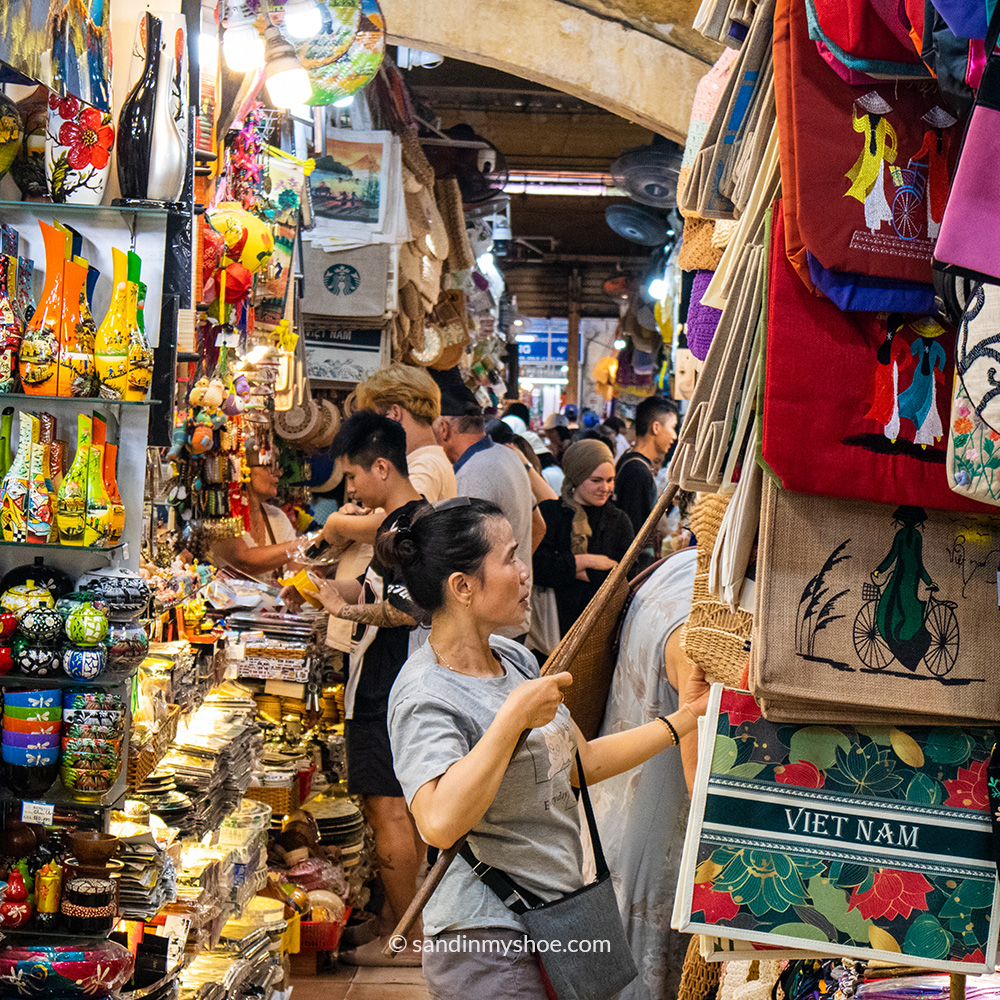
Prices here start high because the market caters to tourists, so bargaining isn’t optional — it’s part of the experience.
If a vendor opens at 100,000 VND, a fair counter is around 25,000 VND, and you’ll usually settle somewhere near 40,000 VND. The key is to stay firm, smile, and be ready to walk away. If you’re uncomfortable with bargaining, this market can feel intense, but staying calm and friendly goes a long way.
Ben Thanh is worth a visit if you want souvenirs and don’t mind the hustle. Just be sure to bring cash because the majority do not accept card payments.
Evening
After you’ve rested for a while back your accommodation, the evening takes a stranger turn: a weird restaurant, a walking street with an option to visit an apartment building filled entirely with cafés, and finally ending the night on Ho Chi Minh City’s wildest street.
Unusual restaurant in District 3
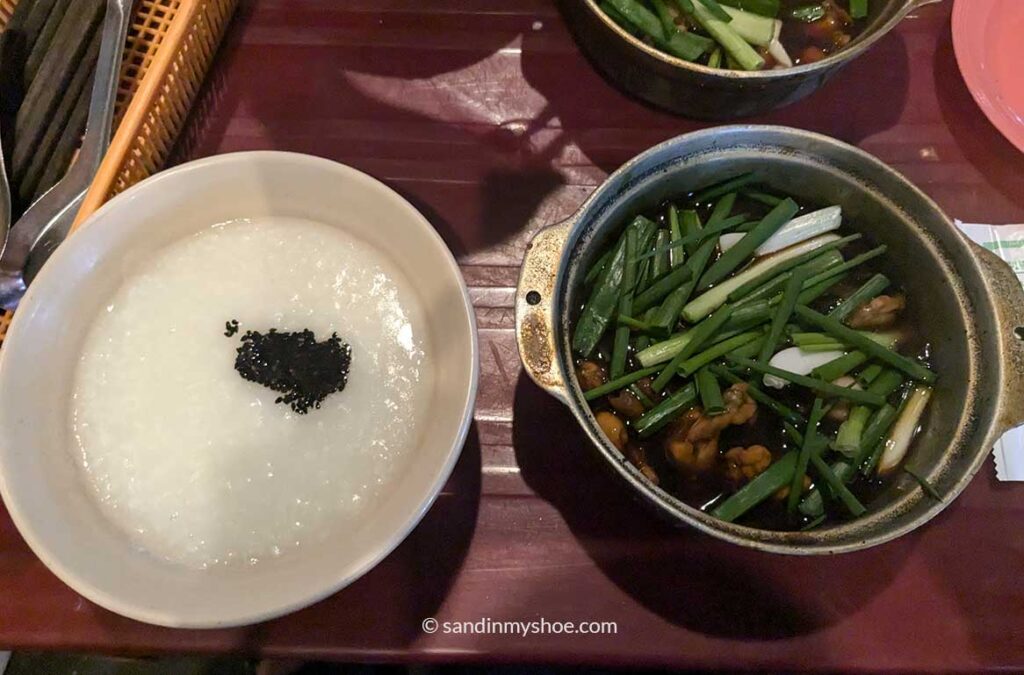
This is a very local and simple spot that specialises in porridge and frog. It’s a strange combination, maybe even off‑putting, but it’s surprisingly delicious and very popular, as it was hard to even get a plastic stool. There wasn’t a menu when I visited; we simply pointed at what other guests were eating and held up two fingers. The only other tourist besides me was a fellow traveller I was with, which made the experience feel even more like a small local secret. An oddity worth trying.
Nguyen Hue Walking Street
Next, head to Nguyen Hue Walking Street to do some people‑watching and see how locals spend their evening. It’s a wide pedestrian boulevard lined with cafés, ice‑cream stands, street performers, and families out for a stroll. The atmosphere shifts throughout the night — early evening is relaxed, later it gets louder and more energetic.
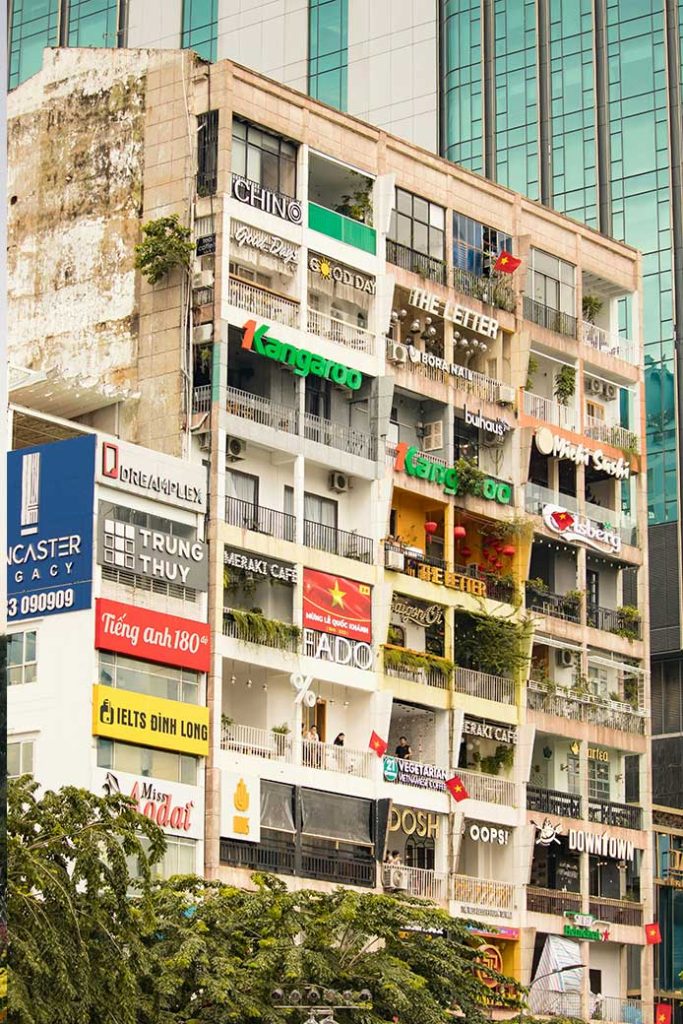
Café Apartments sits right along the route: an old apartment building filled entirely with cafés, dessert shops, and tiny boutiques stacked on top of each other. Even if you don’t enter, it’s cool to just witness this oddity.
Grab a Beer at Busy Bùi Viện Street
If you have the energy, finish your night on Ho Chi Minh City’s most famous drinking street, Bùi Viện. It’s loud, chaotic, and packed with tourists. It’s worth stopping by for a beer or two just to feel the energy, but it’s not a place you’ll want to linger for the whole night. Once you’ve had your fill of the noise, there are a couple of rooftop bars nearby with spectacular views that are worth checking out. Park Rooftop Bar & Lounge was the better one in my opinion, and it even has a 4.9 rating on its Business Profile on Google Maps at the time this post is written.
Day 2 Itinerary
The second day moves through a mix of wartime hideouts, local markets, the dense streets of China Town, and finishing the nights on a rooftop bar or one of the popular speakeasy cocktail bars. The stops are spread across the city, but the route keeps travel time as tight as possible, but you’ll still need to use Bolt or Grab between some of the sights.
Morning
Espionage Hideout Cafe
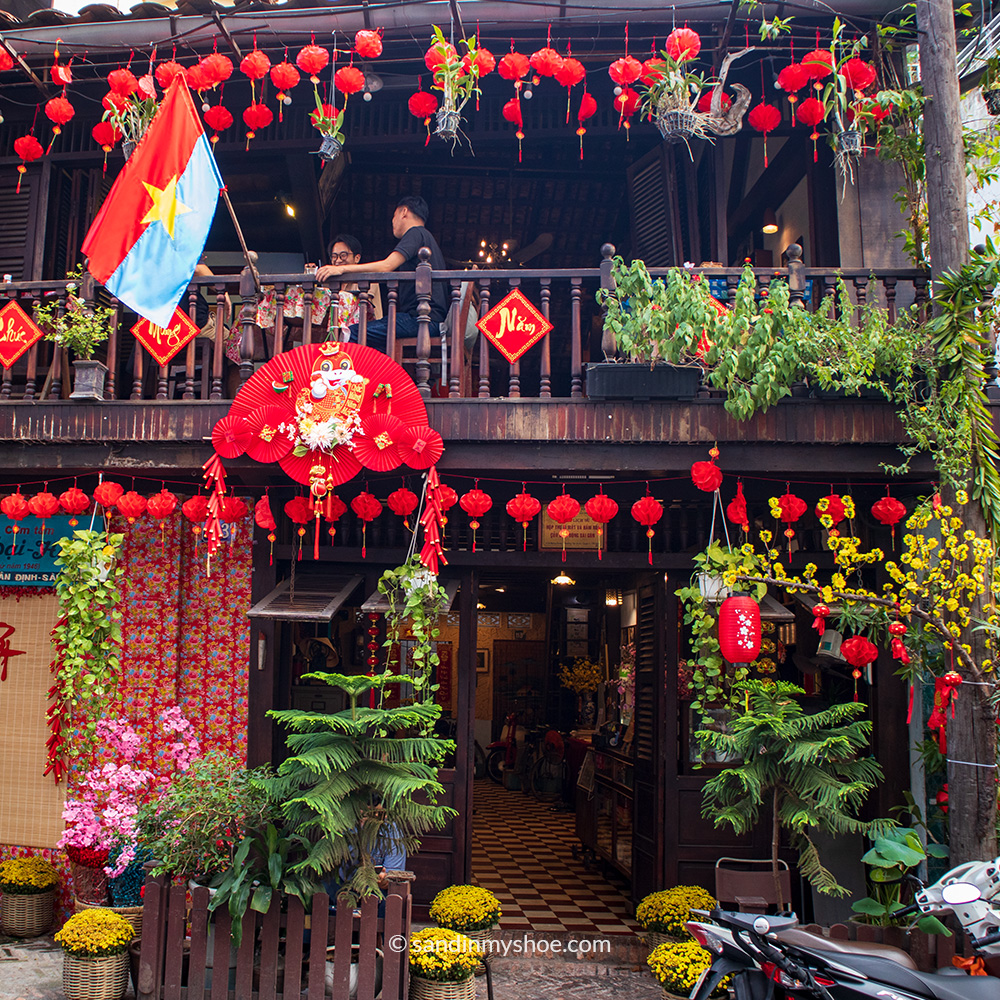
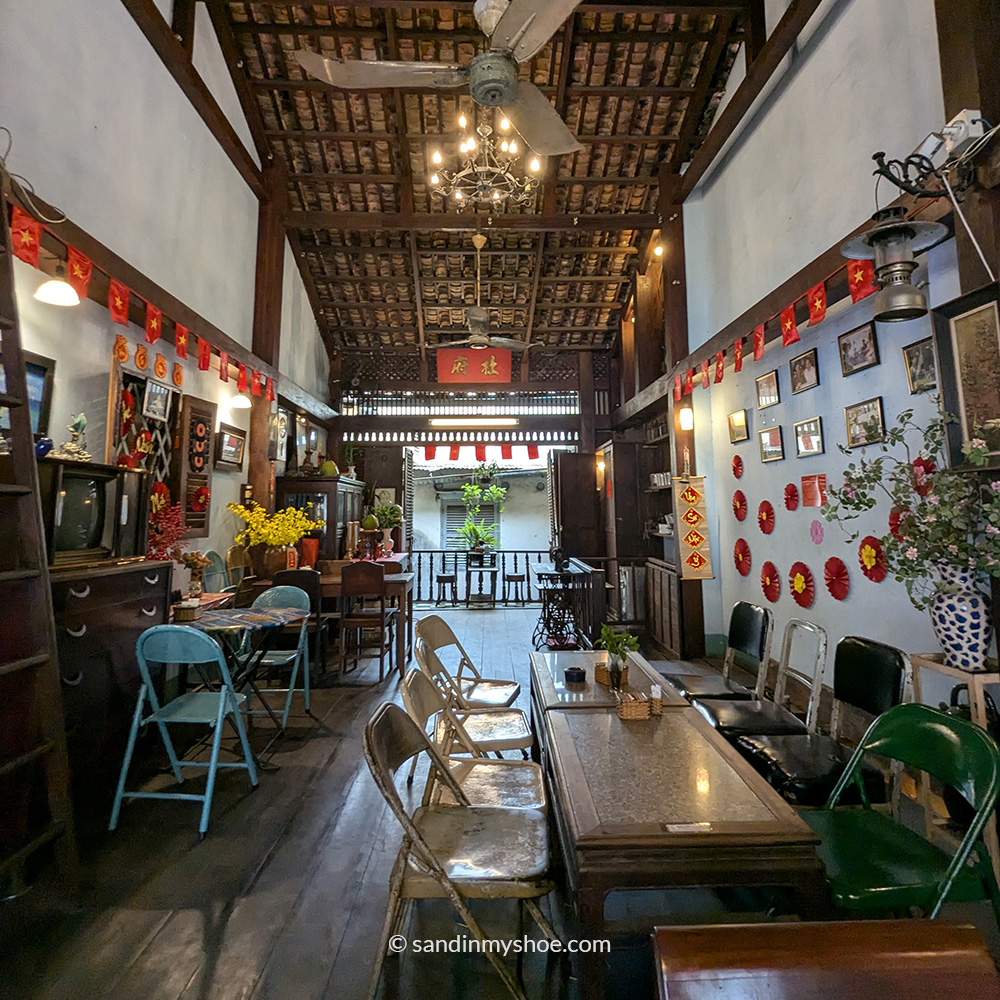
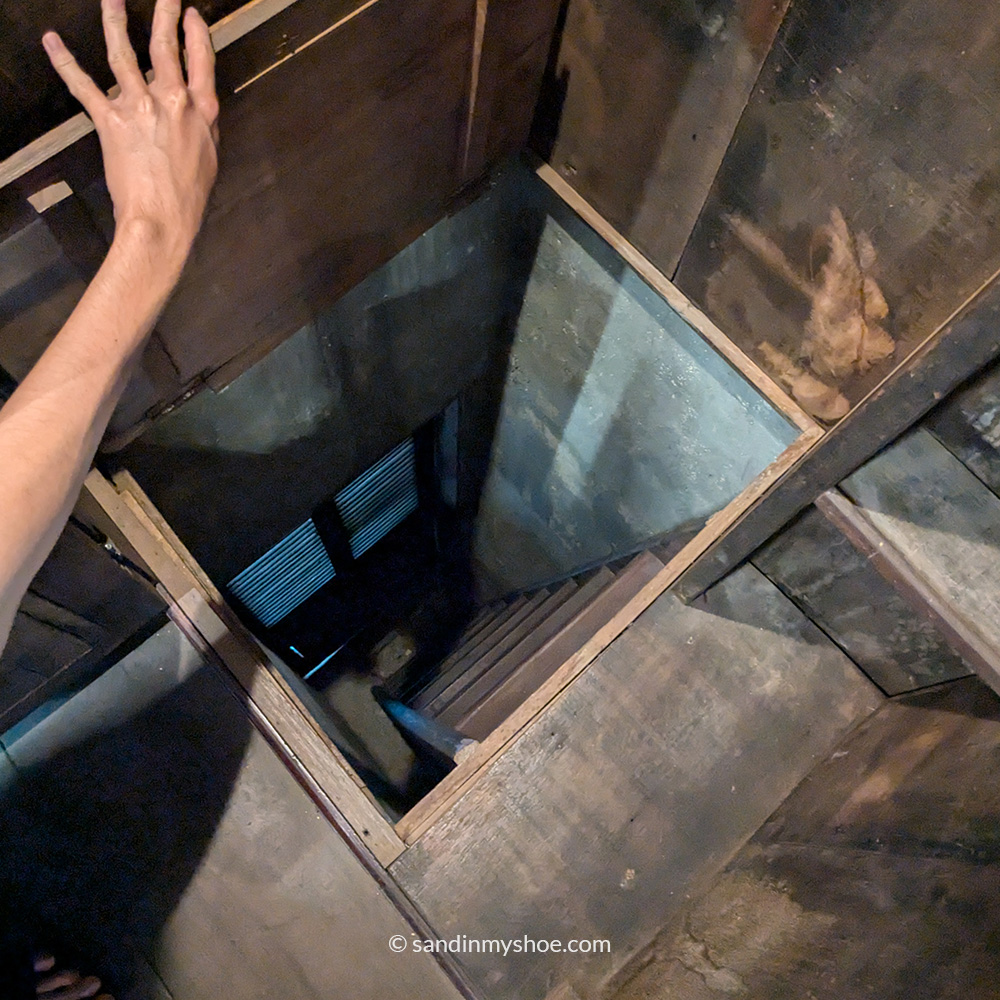
Kickstart the day with coffee at the Espionage Hideout Café, which opens at 7. At first glance it looks like a cozy neighborhood spot, but it once functioned as a secret weapons arsenal. I remember enjoying my coffee while the staff enthusiastically showed me the basement and the old hiding compartments that remain. It’s a low‑key way to ease into the morning and get a quiet glimpse of how these places once operated.
Pho Suop Thanh Nien
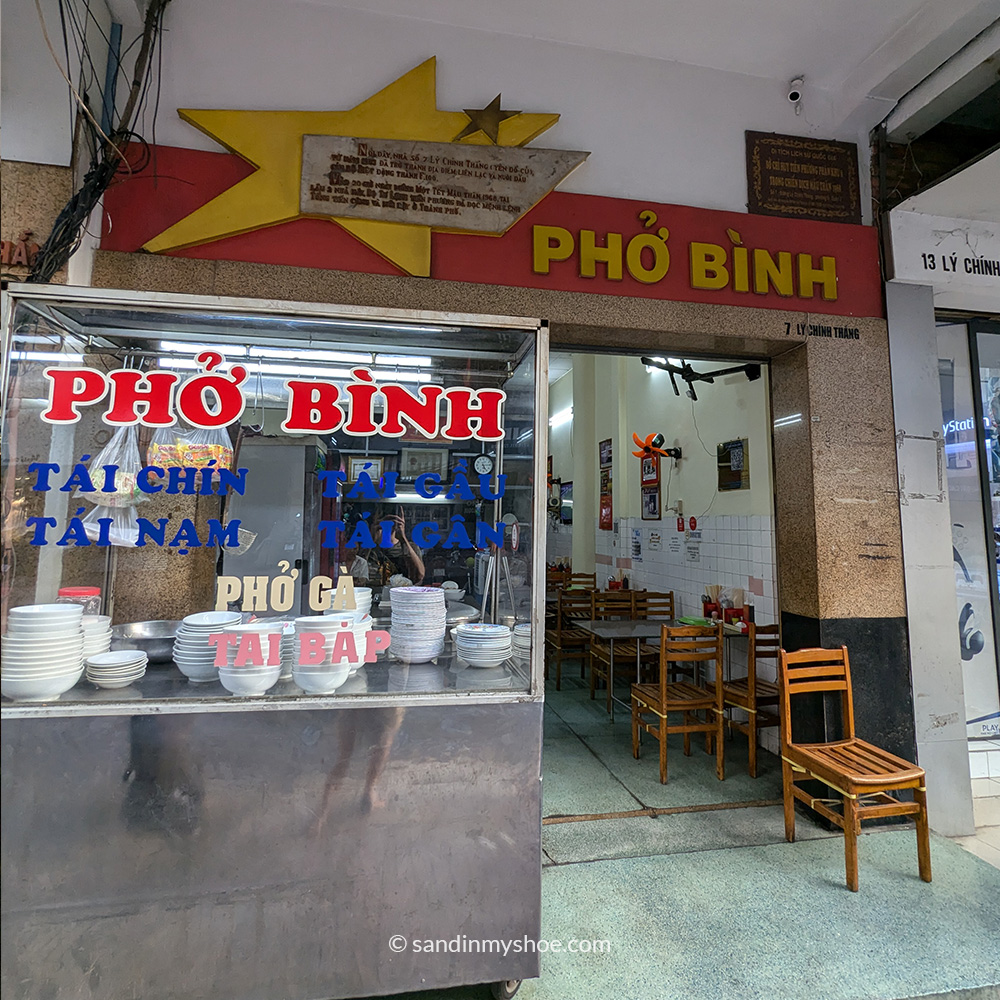
A short walk from the café is Pho Suop Thanh Niên, a simple pho shop that once served as a communications hub and meeting point for the Viet Cong Special Task Force. The exterior is unassuming, but its role during the war gives it an interesting layer of history. If you only had a coffee at the Espionage Hideout Cafe, you can sit down for a bowl of Pho Soup or simply step inside for a quick look at the space.
The “Pink Church”
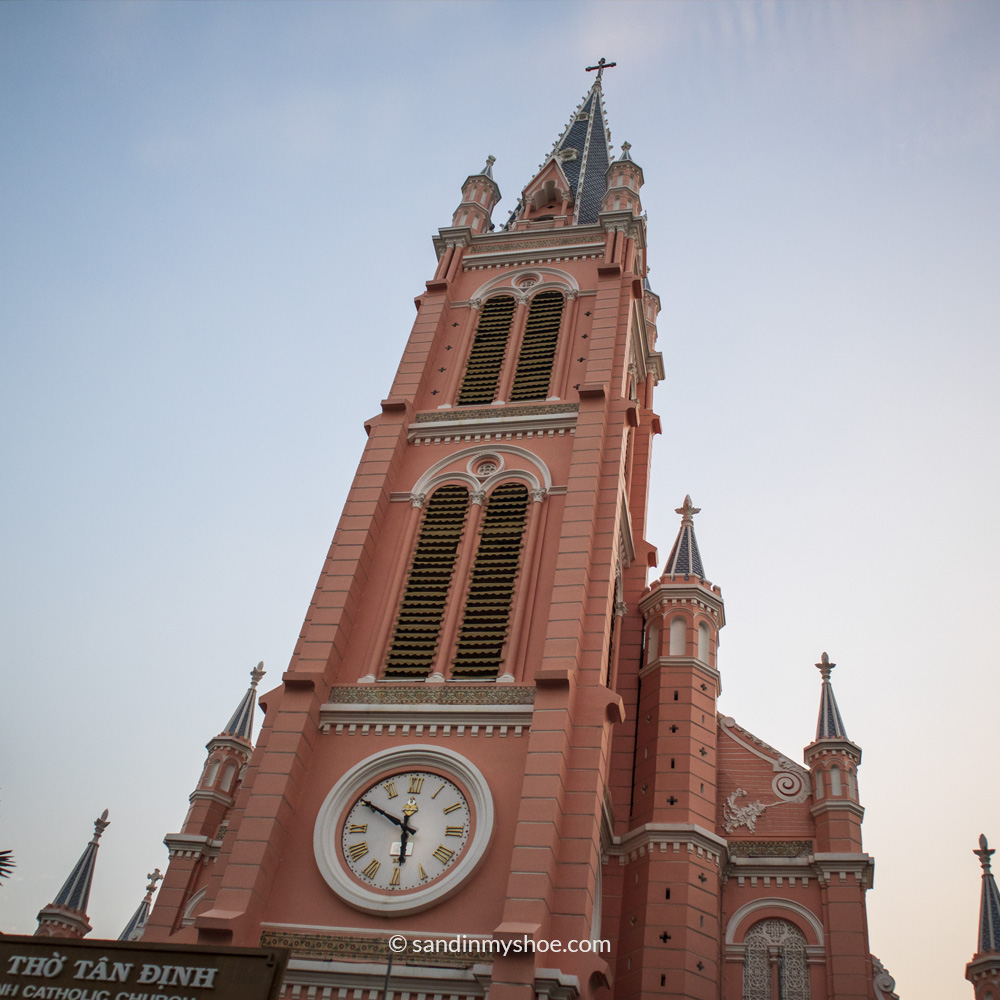
A short stroll away on the main road stands a striking early‑1900s Catholic church known for its soft pink façade and Gothic detailing. Its unusual color and ornate design make it stand out in the area and have turned it into a small sight on its own.
Jade Emperor Pagoda
A short 15‑minute walk away is another spiritual sight, the Taoist Jade Emperor Pagoda. Built by the Cantonese community in the early 1900s to honor the Jade Emperor—the supreme ruler of heaven, earth, and the underworld in Chinese mythology—it’s an atmospheric place filled with drifting incense and soft light filtering through the roof, giving it a mystical, almost ancient feel. President Obama has even visited the pagoda. It’s free to enter, but no photography is allowed inside.
Hầm Vũ Khí Bí Mật Secret Weapon Cellar
Next up is Chinatown, but on the way there is a building that once played a key role during the Vietnam War. It was purchased and maintained by a single individual who kept its purpose hidden for years. He kept a whopping two tonnes of ammunition and weapons in its secret cellar as preparation for the attack on the Independence Palace. He and a few trusted people had dug the cellar by hand and dumped the earth in various places around town to keep it a secret. It’s a rare opportunity to see how weapons were concealed in an ordinary Saigon home.
Lunch at a Noodle Place
Your lunch options are wide, with restaurants scattered all over the area, but if you want an easy, reliable choice for delicious noodle soup, head to this place. It’s a short taxi ride away from the weapon cellar.
Afternoon
The afternoon is dedicated to Chợ Lớn, Saigon’s historic Chinatown. Chinese influence has been part of Vietnam for more than a thousand years, and this district has its own rhythm: dense streets, old shopfronts, and a mix of temples, markets, and food stalls. It’s best explored on foot so you can take in the atmosphere between stops.
Hao Sì Phường Alley
Start of with Hao Sì Phường Alley, which is an atmospheric residential enclave more than a hundred years old, known for its vibrant, closely packed two‑story homes and its quiet, lived‑in feel. The architecture and daily rhythms offer a small glimpse into traditional Cantonese life in Chợ Lớn. The alley is still very much a functioning community, and residents value their privacy, so photography is restricted.
Thien Hau Pagoda
A short walk away is Thien Hau Pagoda, one of the most important temples in Chinatown. The courtyard fills with incense coils, and the interior is lined with altars dedicated to the sea goddess Mazu. It’s a calm, atmospheric stop before heading to the noisy Binh Tay Market.
Binh Tay Market
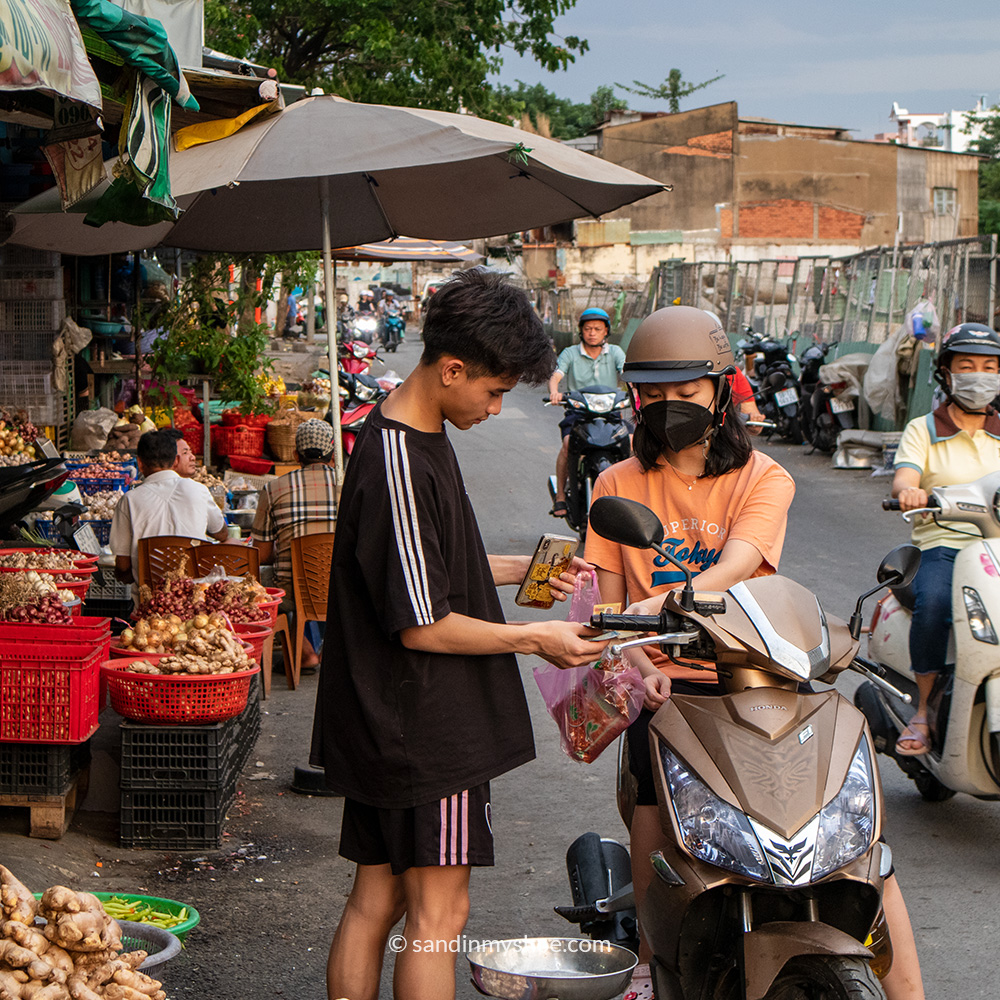
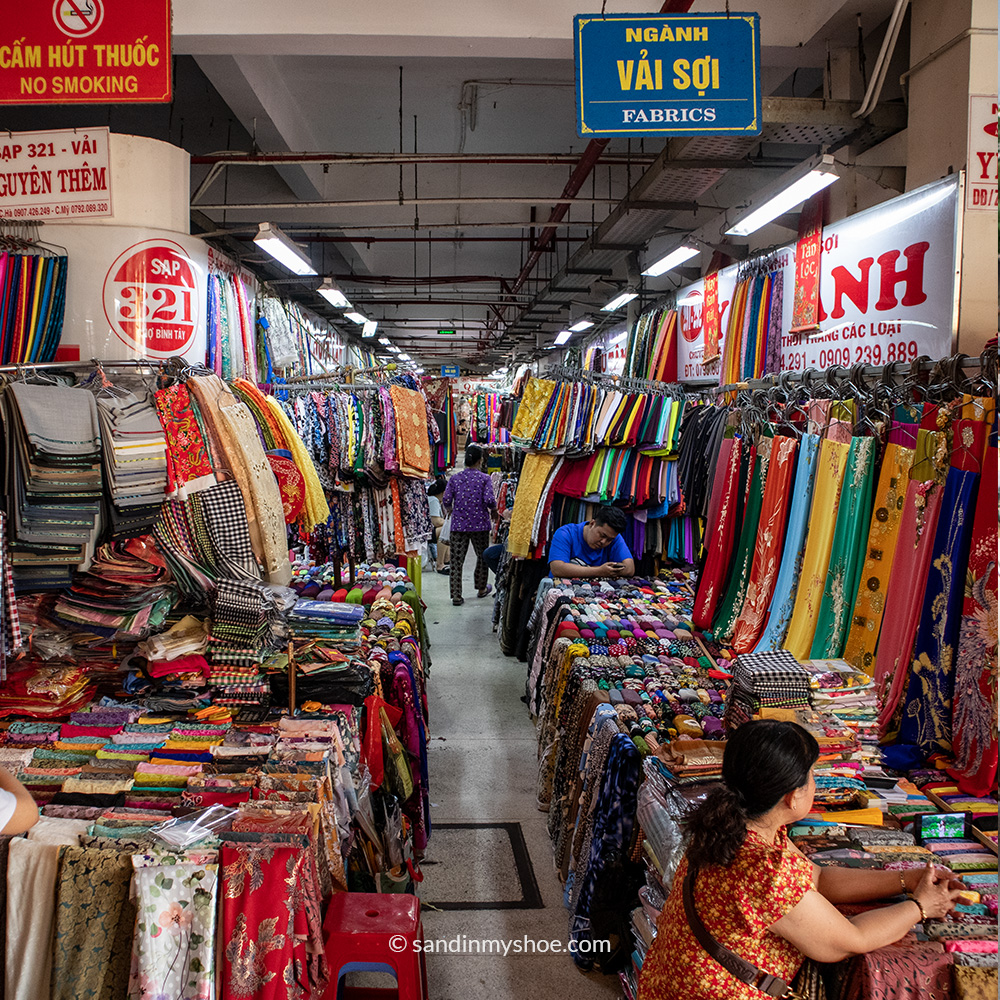
Binh Tay Market offers a more local market experience compared to the touristy Ben Thanh Market. It’s busy and practical rather than tourist‑oriented, with vendors selling clothing, produce, dried goods, household items, and snacks. The atmosphere is very different from Ben Thanh, less polished, more everyday, and the English level is generally lower.
Outside, the food stalls are lively, and you’ll most likely be the only foreigner around.
Evening
Drinks on a Rooftop or at a Speakeasy
After you’ve relaxed in your room and eaten supper, put on your finest garments and head to the Social Club Rooftop Bar for city views and a relaxed drink. If you prefer something moodier, slip into Snuffbox, a speakeasy‑style cocktail bar hidden behind an unmarked door. Both spots let you round off the day in style and see a different side of Saigon’s nightlife without the tourist packs.
Day Trip to Cu Chi Tunnels & Mekong Delta
After you’re done sightseeing in the city, it’s time for two essential stops: the Cu Chi Tunnels and the Mekong Delta.
Cu Chi Tunnels (Ben Dinh & Ben Duoc )
The Cu Chi Tunnels is for sure one of the most famous historical sites in southern Vietnam. They’re an impressive example of the ingenuity and resilience of the people who lived and fought underground. Most visitors explore the Bến Đình section, which was reconstructed after the war for safety and demonstration purposes. The tunnels here are wider and easier to navigate than the original ones, but they’re still narrow, humid, and very claustrophobic. As you crawl through the tight spaces, you’ll hear gunshots from the nearby shooting range, which adds more panic to the experience. At the end of the tour, you can also try shooting weapons ranging from AK‑47s to larger machine guns if you want to.
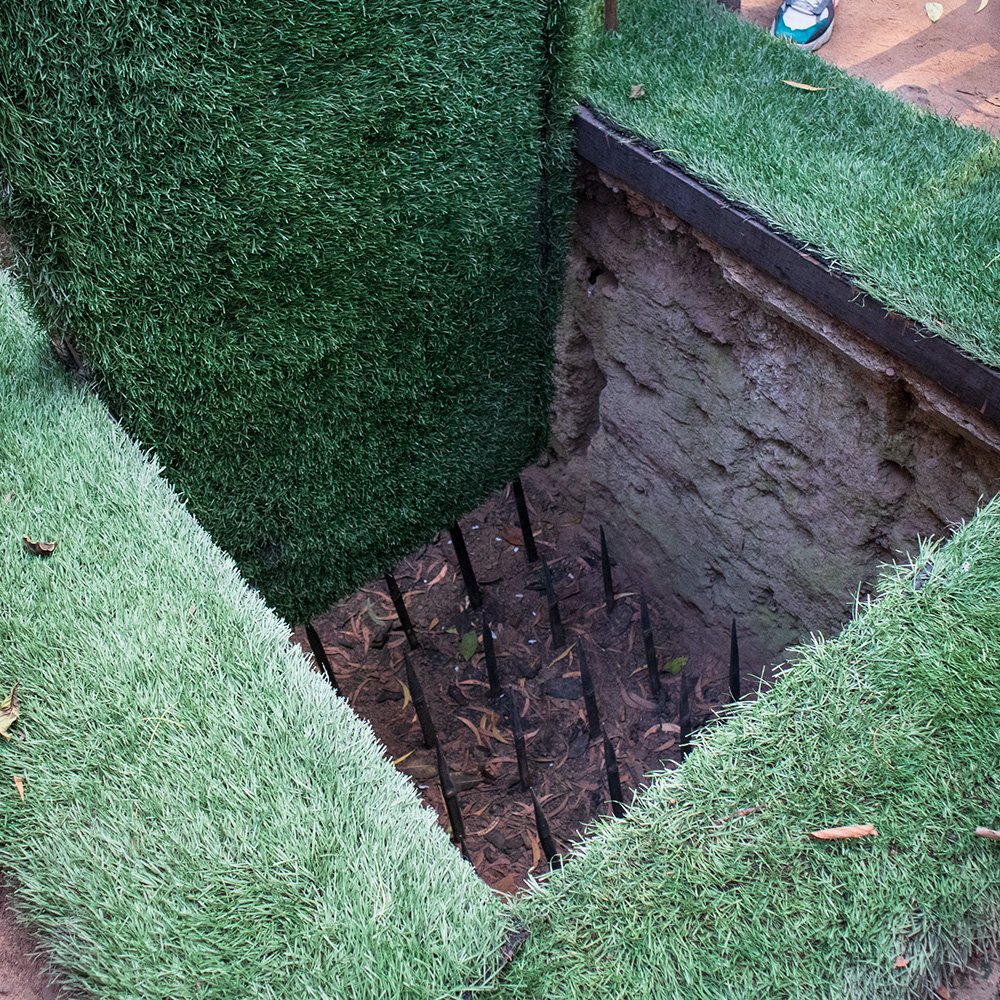
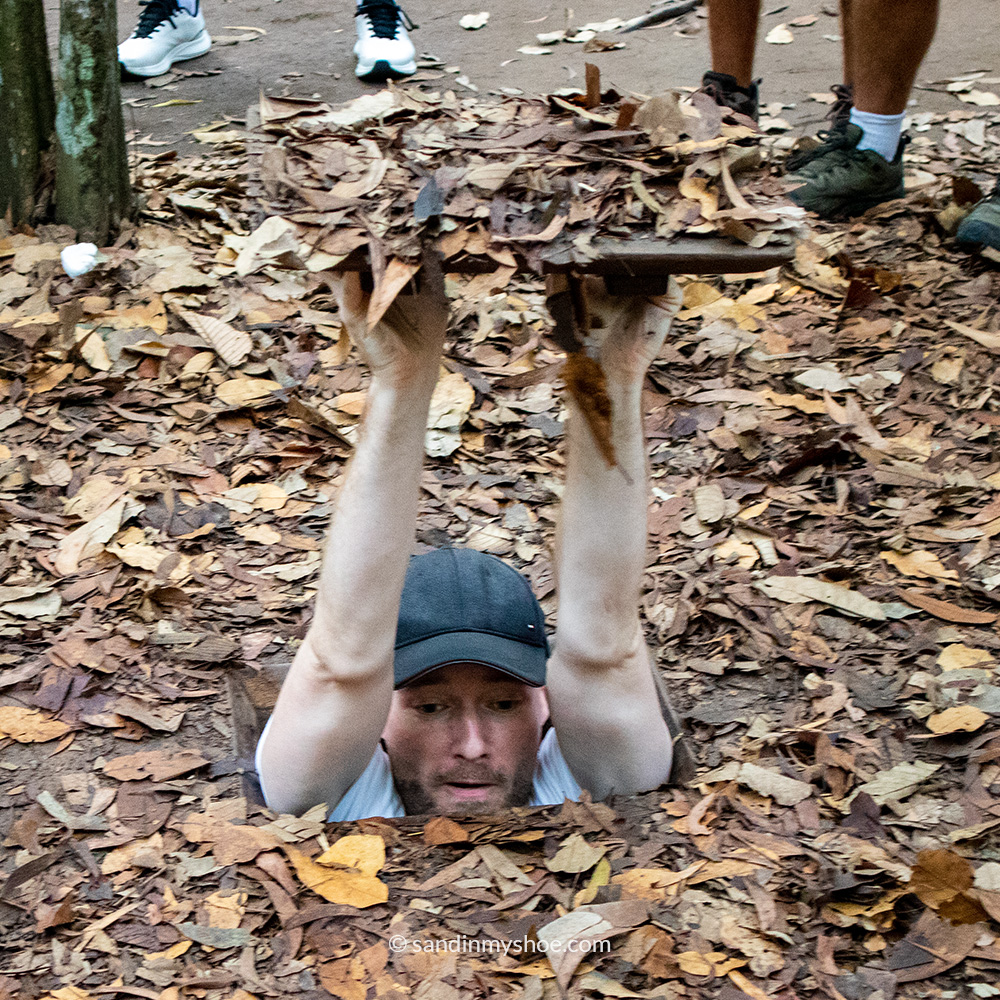
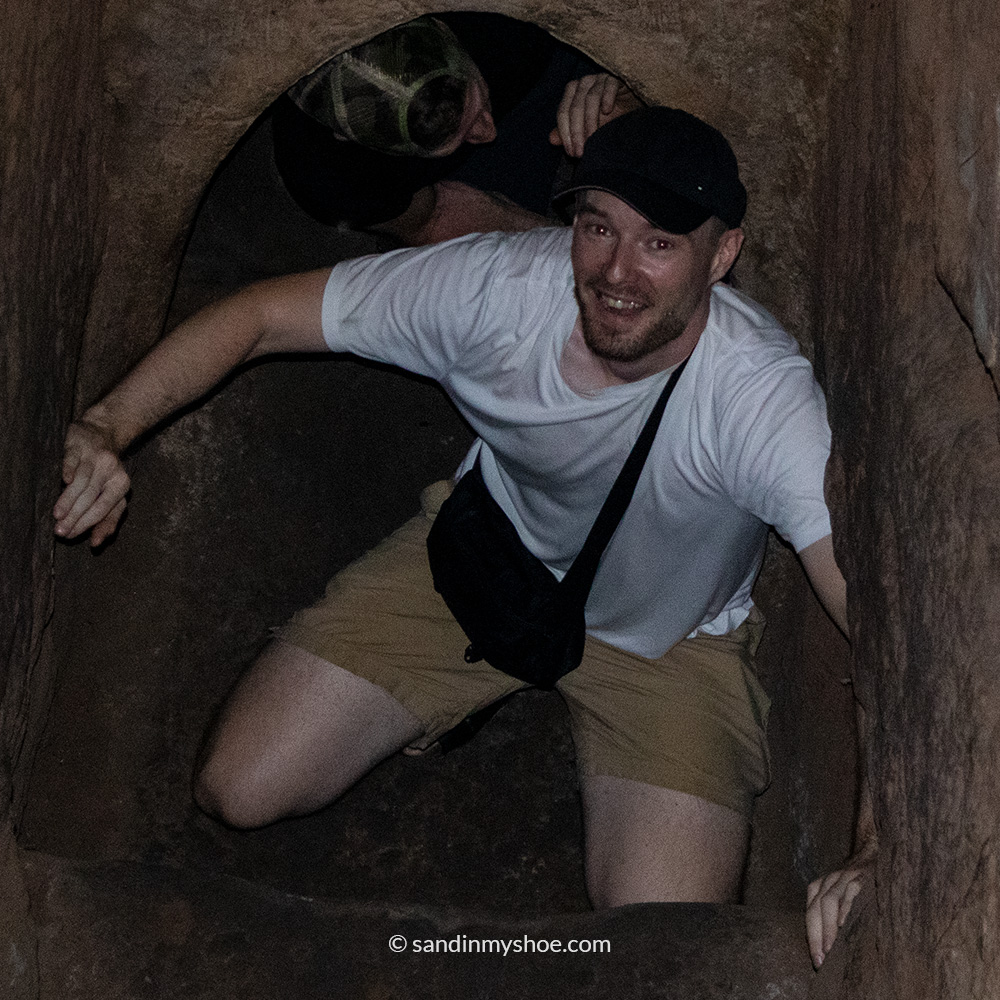
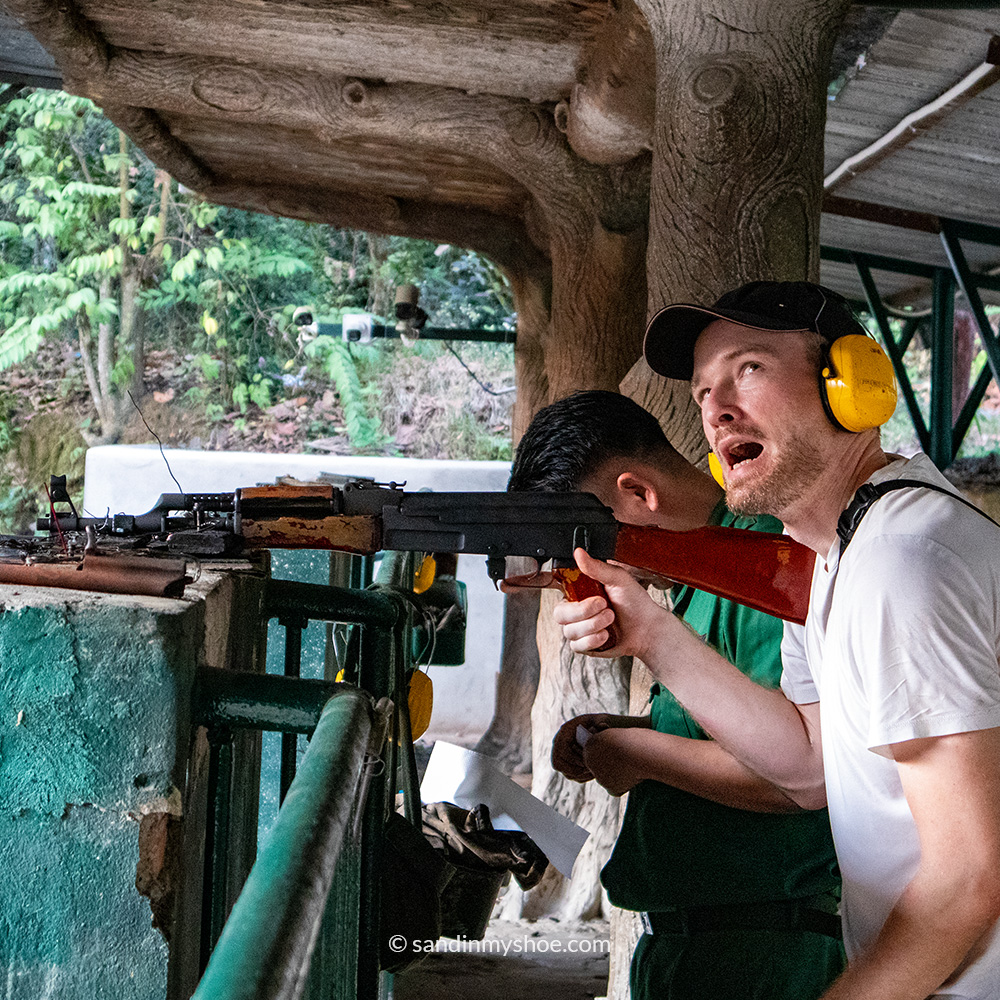
If you want to see tunnels that are closer to their original size, head to Bến Dược. They’re located nearby and are far narrower, darker, and more physically demanding to navigate. It’s a more authentic but also more challenging experience.
Book a Half-Day Tour With GetYourGuide
Mekong Delta
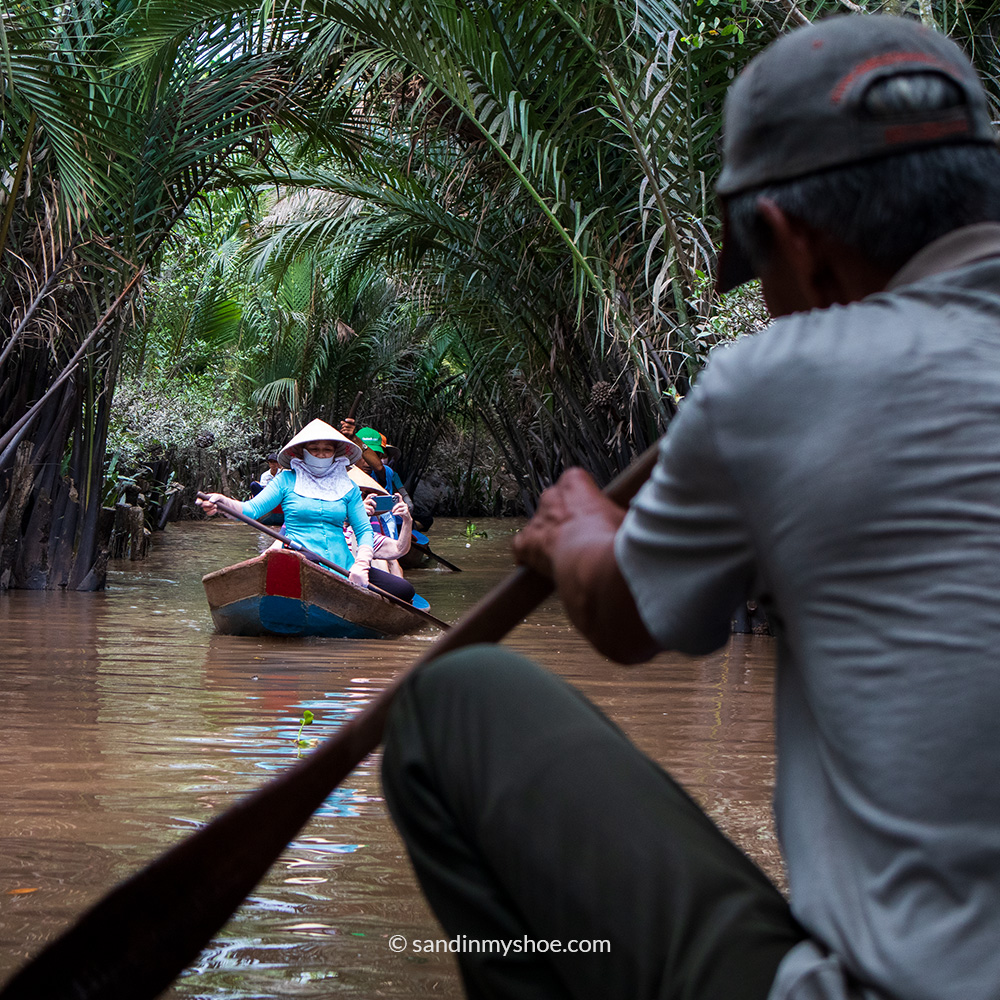
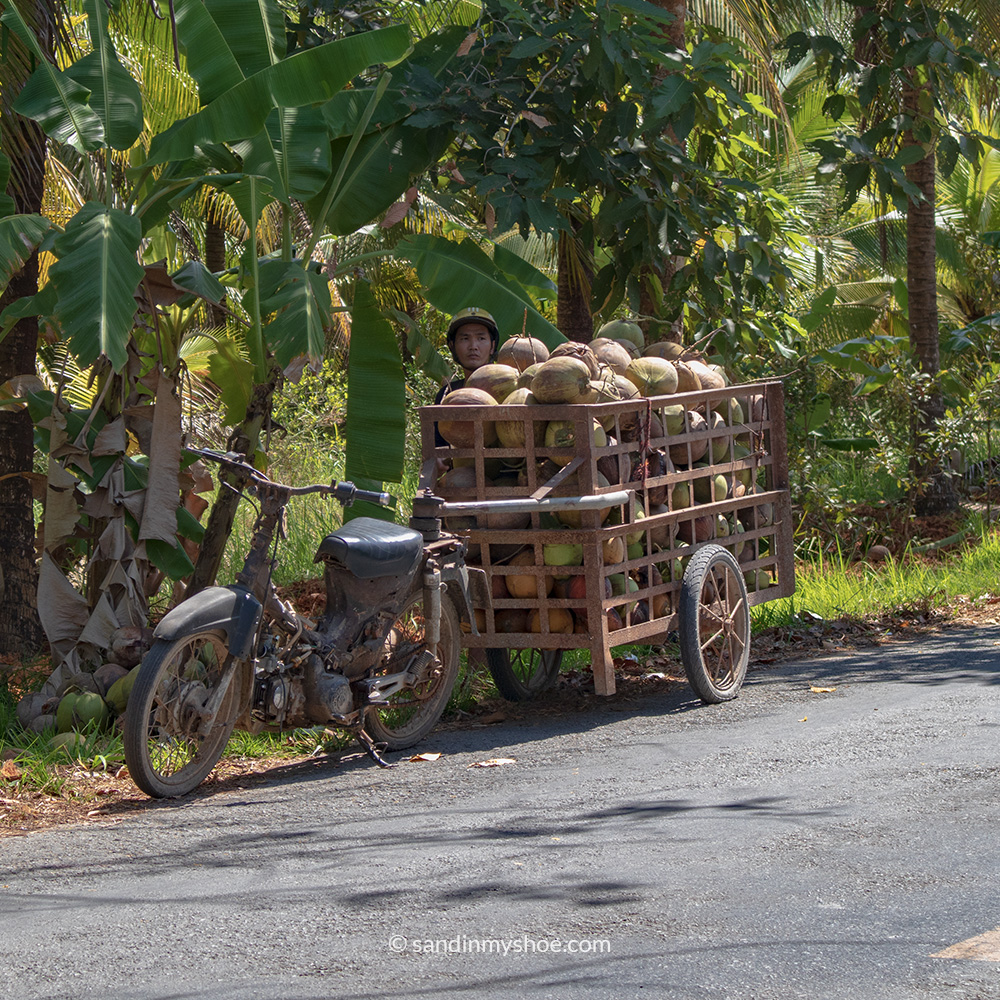
The Mekong Delta is one of the most underrated areas in Vietnam. Many travelers skip it, but it’s a calm, atmospheric region where life moves at a slower pace. I spent a week exploring the Delta’s small villages and narrow backroads, mostly by motorbike, often without seeing another tourist. That quiet rhythm makes the region feel very different from the rest of Vietnam.
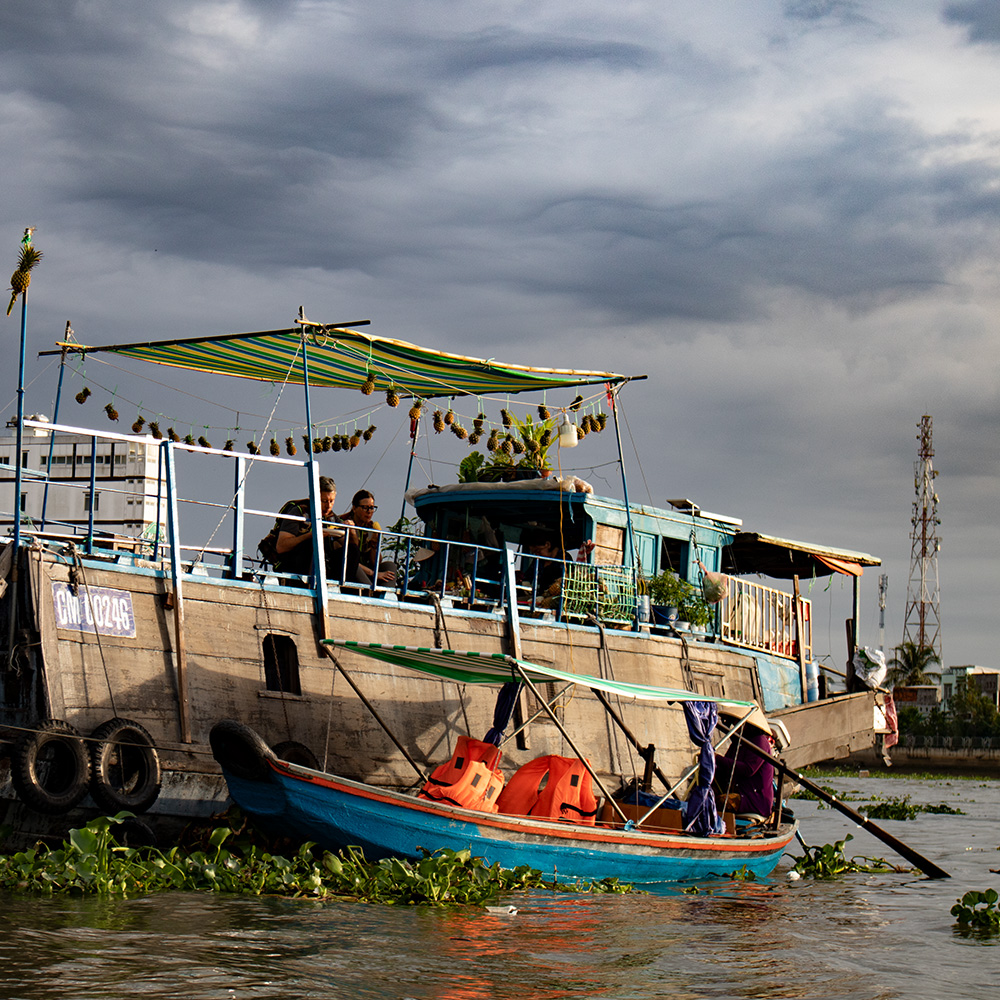
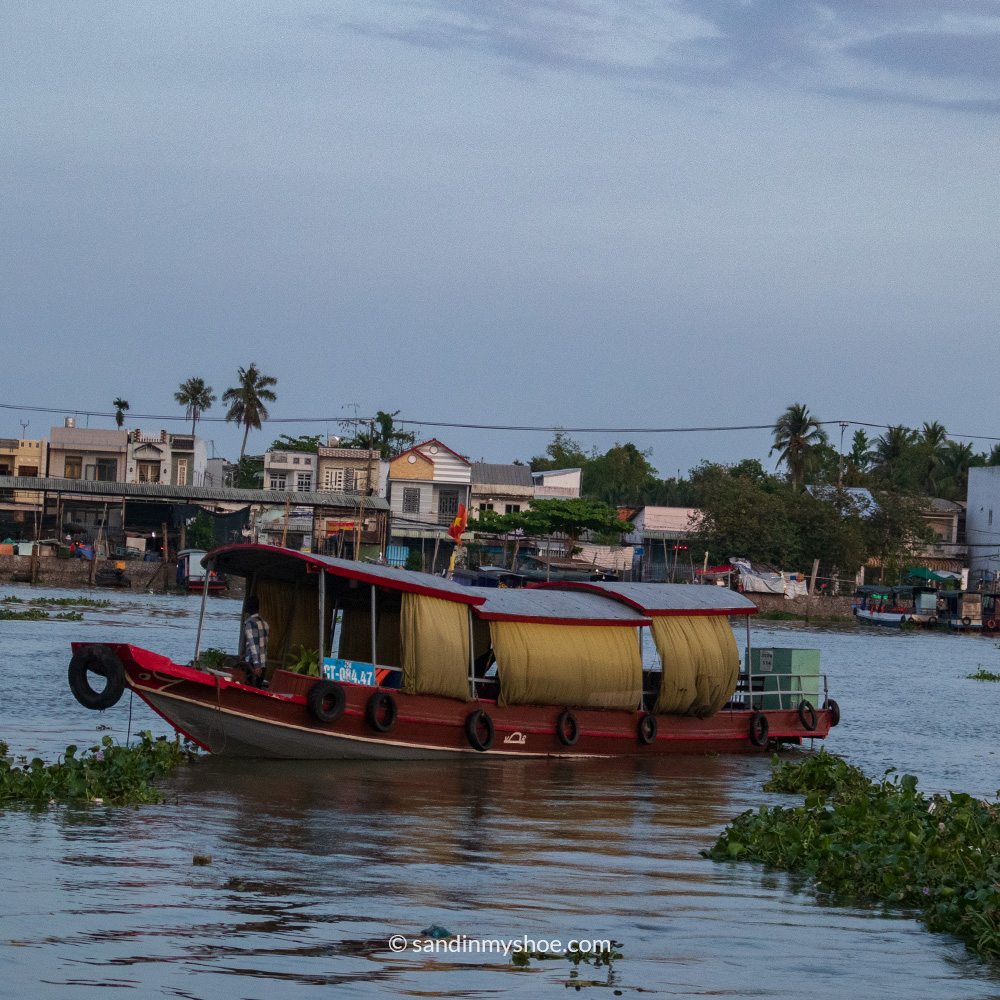
Floating markets like Cai Rang show how trade once worked entirely on the waterways, with vendors selling produce and breakfast dishes directly from their boats at dawn. Further west, Chau Doc is the spiritual center of the region, attracting worshippers from all over the country and giving you a very different cultural angle on the Delta.
Beyond the markets and temples, the Delta offers canal rides, small workshops, and simple homestays that give you a closer look at everyday life.
How to Book a Tour for the Cu Chi Tunnels and the Mekong Delta
If you’re short on time, a combined Cu Chi Tunnels and Mekong Delta tour is an efficient way to see both in a single day. It’s long, but the contrast makes it worthwhile: the tunnels in the morning, the river in the afternoon.
If you have more time, book a half-day tour of the Cu Chi tunnels, and then spend a night or two in the Delta.
Book A Combined Tour With GetYourGuide
Practical Questions and Answers
Two full days are enough to cover the main sights and experiences in Ho Chi Minh City, not counting any day trips. With two days you can see the core landmarks in District 1, explore District 3, and get a feel for the city’s food and street life. If you plan to visit the Cu Chi Tunnels or the Mekong Delta, add at least one extra day.
In my opinion, the War Remnants Museum is the one true must‑visit in Ho Chi Minh City. The second most important is the day trip to the Cu Chi Tunnels. These two places offer the clearest window into Vietnam’s history and consistently rank among the city’s top attractions.
Bùi Viện is the city’s busiest bar street, but after a couple of beers it can feel overwhelming. I preferred the more relaxed atmosphere at The Park Rooftop Bar & Lounge nearby, and I also really enjoyed Social Club Rooftop Bar close to the book street.
I didn’t scribble down every place I ate at, but I remember two spots that were worth to note down: Great Soup with Homemade Noodles Restaurant and Frog Porridge Restaurant. Both were memorable in their own way and worth seeking out. If you are looking for a food court that pleases everyone, head to the westernized Bến Nghé Street Food Market.
Wrap‑up: Ho Chi Minh City in Two Days (Plus a Day Trip)
Exploring Saigon over two days gives you a great feel for the city’s energy. You’ll cover the main sights, wander through different neighborhoods, and try plenty of local food along the way. The balance between the major attractions and the quieter, less‑visited parts of the city gives you a fuller and more interesting introduction to Ho Chi Minh City than the standard highlights alone, while China Town adds a layer of history and everyday life that many visitors miss.
Adding a day trip to the Cu Chi Tunnels and the Mekong Delta rounds things out nicely. It’s a long day, but the contrast is worth it: the tunnels offer a look into the region’s wartime past, while the Delta shows a slower, more rural side of southern Vietnam.
Taken together, this itinerary gives you a balanced and varied introduction to Ho Chi Minh City and the surrounding region, with enough contrast to keep each day feeling fresh.


No comments yet, be the first one!
I appreciate hearing from you. If you have any suggestions, questions, or feedback, please leave a comment below. Your input helps ensure the information stays relevant and up to date for everyone.
Thank you for sharing your thoughts!