

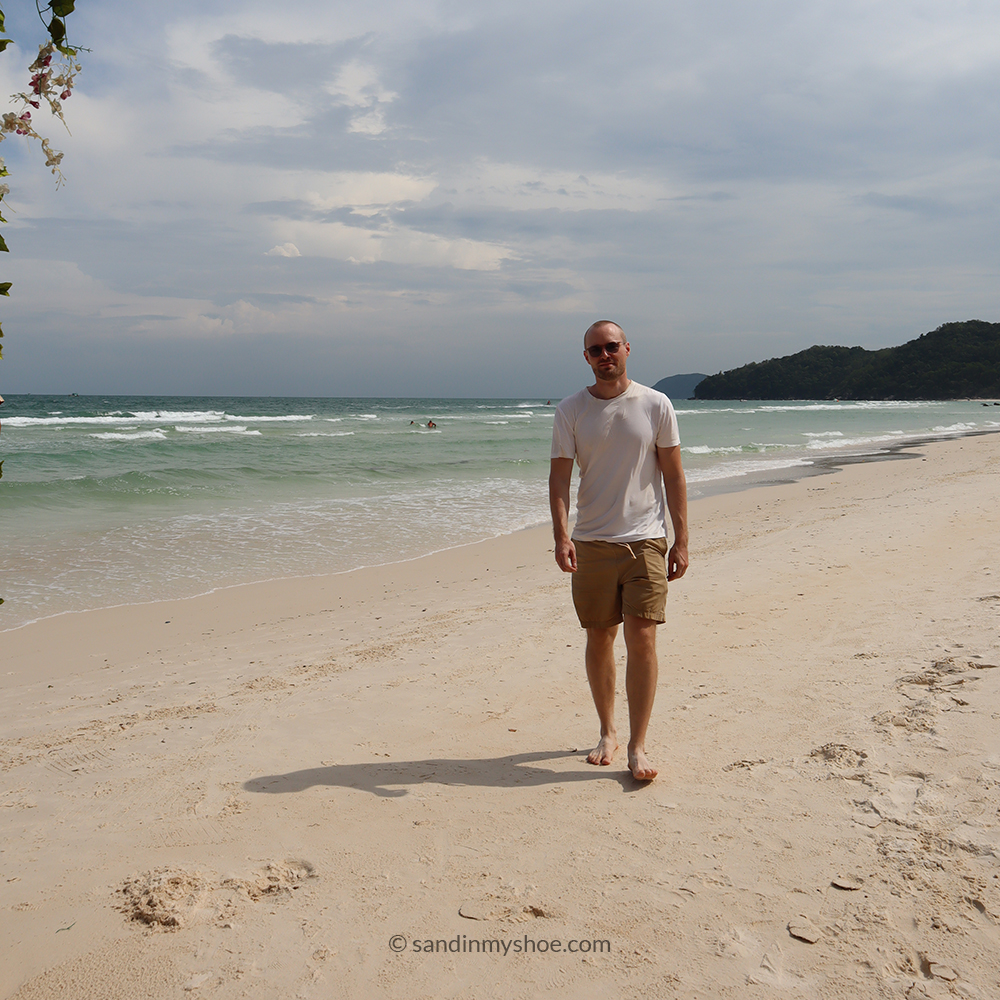
I’ve visited Vietnam several times, and on my last trip I spent two months traveling from the north all the way down to the Mekong Delta, finishing on the heavily marketed island of Phu Quoc. That journey gave me a clearer sense of which places make the most sense for a first-timer, what often disappoints, and what the different regions of the country have to offer.
In this guide, I’ll walk you through the best places to visit in Vietnam for a first-timer, what you can realistically expect from each, and which spots are more tourist‑heavy than they look at first glance.
How Is the Overall Vibe in Vietnam
The first thing to set straight is the expectation that Vietnam will feel like Thailand in terms of constant smiling. It won’t. Compared with the “Land of Smiles”, Vietnam is noticeably more reserved. People tend to be less outwardly smiley and a bit more direct in their communication.
If you’re arriving from Thailand, Laos, or Cambodia, you’ll notice the shift almost immediately. The warmth is still there, but it’s expressed in a quieter, more straightforward way.
When to Visit Vietnam
Vietnam spans several climate zones, with monsoon seasons shifting noticeably from south to north, so it’s hard to find one perfect window for every region; overall the best time to visit is March–April, with September–December as a solid second choice, though central Vietnam often gets rain in autumn and the north can feel chilly toward the end of the year.
 32°C
21°C
33°C
22°C
33°C
23°C
32°C
21°C
33°C
22°C
33°C
23°C
 35°C
24°C
35°C
24°C
 34°C
25°C
34°C
25°C
 32°C
24°C
32°C
24°C
32°C
24°C
32°C
24°C
32°C
24°C
32°C
24°C
 31°C
24°C
31°C
23°C
31°C
22°C
31°C
21°C
25°C
18°C
26°C
19°C
28°C
21°C
30°C
23°C
32°C
25°C
32°C
26°C
34°C
26°C
33°C
25°C
31°C
24°C
29°C
23°C
19°C
21°C
25°C
19°C
20°C
10°C
21°C
13°C
24°C
16°C
28°C
20°C
32°C
22°C
34°C
25°C
35°C
26°C
33°C
26°C
32°C
24°C
29°C
21°C
26°C
18°C
22°C
14°C
31°C
24°C
31°C
23°C
31°C
22°C
31°C
21°C
25°C
18°C
26°C
19°C
28°C
21°C
30°C
23°C
32°C
25°C
32°C
26°C
34°C
26°C
33°C
25°C
31°C
24°C
29°C
23°C
19°C
21°C
25°C
19°C
20°C
10°C
21°C
13°C
24°C
16°C
28°C
20°C
32°C
22°C
34°C
25°C
35°C
26°C
33°C
26°C
32°C
24°C
29°C
21°C
26°C
18°C
22°C
14°C
Best Destinations to Visit in Vietnam
Vietnam has no shortage of great places to visit, but as a first‑timer you most likely won’t be able to see everything—most travelers spend 2-3 weeks in the country, which makes smart choices more important than long lists. The places in this guide are the ones that give newcomers the strongest, most balanced introduction to Vietnam. Maximum Vietnam for the time and effort you put in.
That said, not every recommendation fits every traveler, so each destination includes a short note on who it’s best for and who might want to skip it.
They’re arranged from south to north, following a route most travelers naturally take.
Ho Chi Minh City
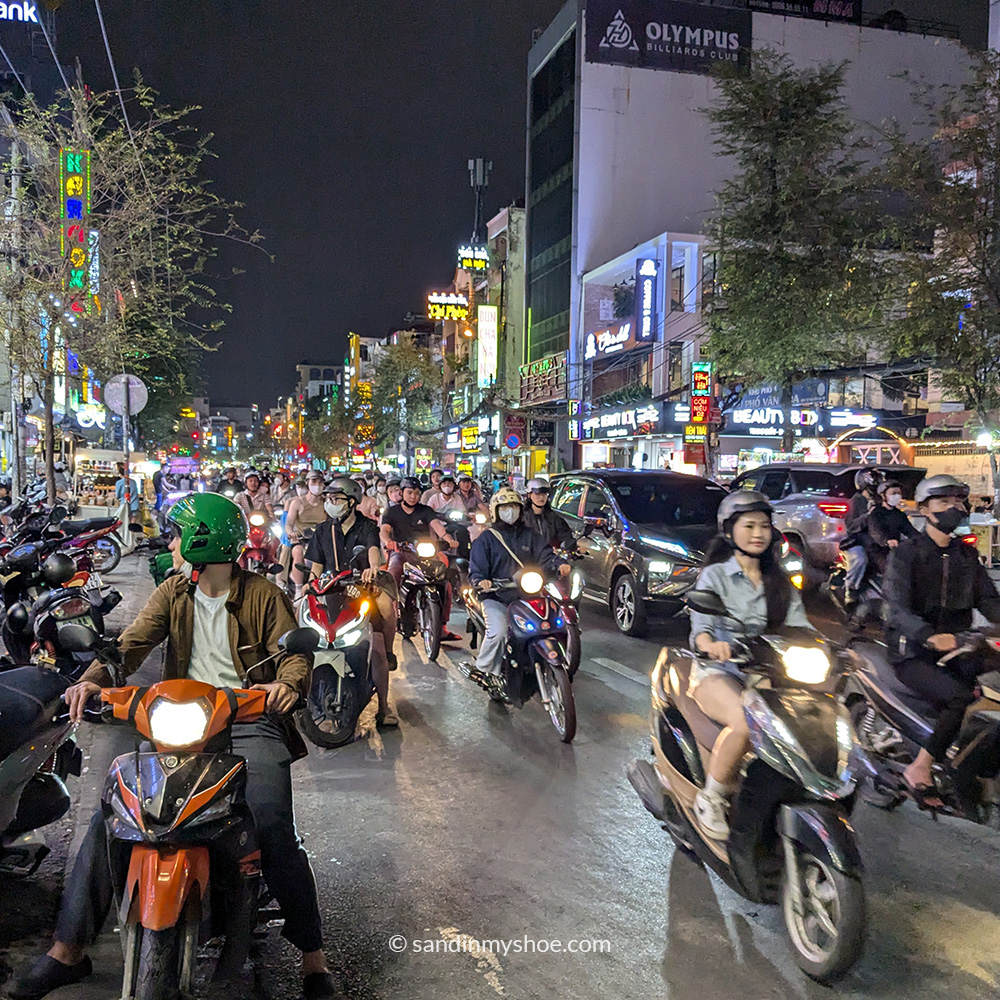
Ho Chi Minh City, still widely known as Saigon, is Vietnam’s largest and most modern city. The contrasts are immediate: you can sip a cocktail on a rooftop bar overlooking a skyline of glass towers, then drop back to street level and sit on a plastic stool in a place that serves nothing but porridge and frog. That mix of polished and rough‑edged is what defines the city’s energy.
The contrasts run deeper than street level. Beneath the modern skyline, the city still carries some of the country’s most visible reminders of the war.
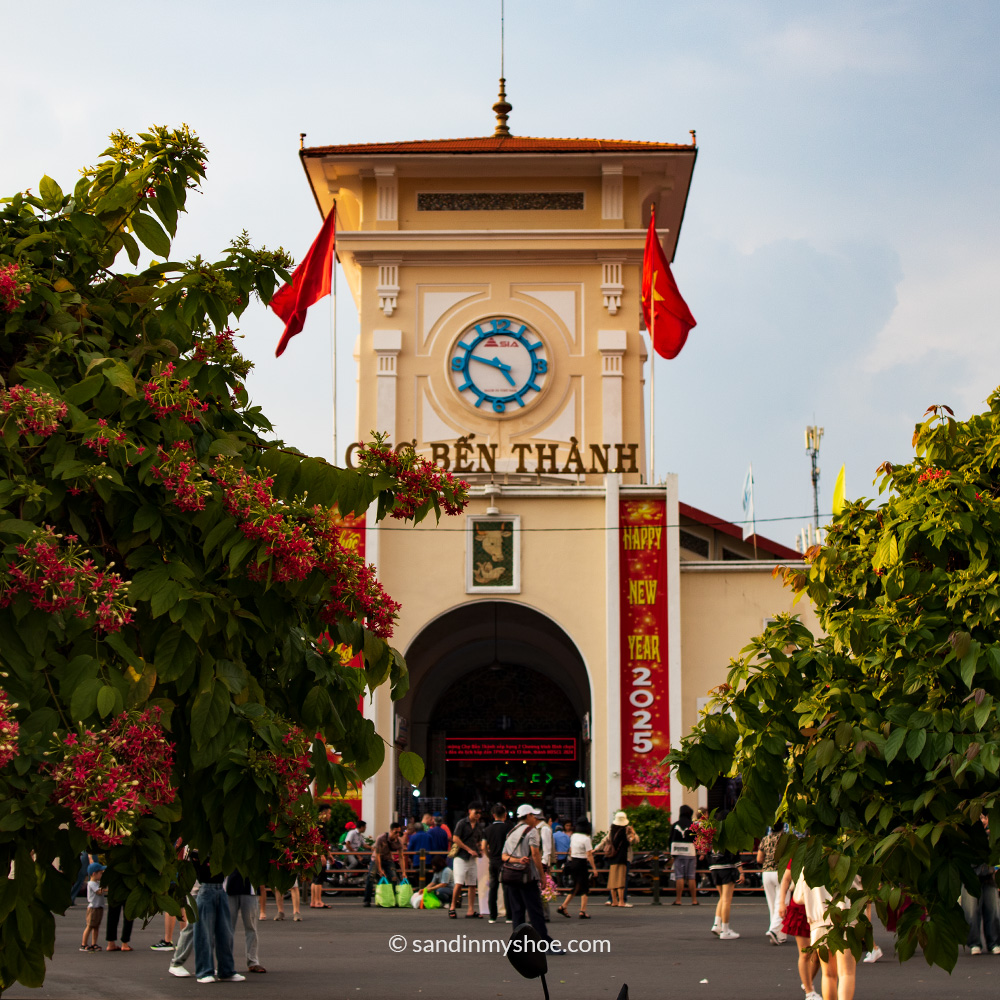


You see it in old government buildings, cafés that once served as meeting points, former hideouts, and major historical sites such as the War Remnants Museum and the nearby Cu Chi Tunnels. Both offer a powerful, sometimes confronting look into Vietnam’s recent history and are among the most eye‑opening experiences for first‑time visitors.
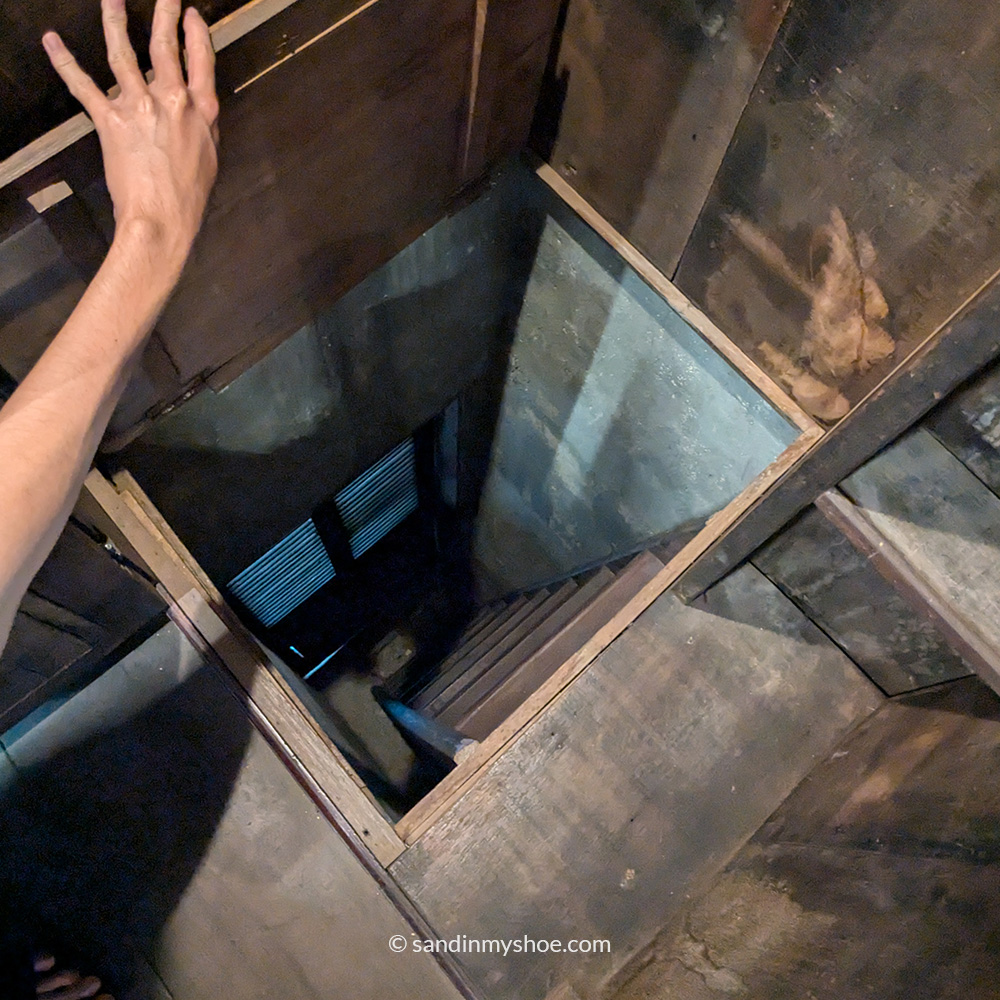
Saigon also works well as a base for a day trip to the Mekong Delta, where you can explore river life, floating markets, and small villages. It’s a convenient way to get a taste of the region without committing to an overnight stay.
Ho Chi Minh City is a good fit for anyone interested in Vietnam’s war history and for travelers who enjoy fast‑moving, modern cities.
You can cover the main sights in two days, in addition you’ll need one more day to visit the Cu Chi Tunnels and the Mekong Delta. Read my Ho Chi Minh City 2-day Itinerary for details.
Pros & Cons
Can Tho in The Mekong Delta
Can Tho sits at the heart of the Mekong Delta and is an excellent choice for first‑timers because it’s far less touristy than many other parts of Vietnam and offers a genuine look at rural life. The region is wide and fertile rather than a beach destination, shaped by winding rivers, canals, and lush greenery. Coconut palms, rice fields, and waterways lined with jungle‑like trees define the landscape, and the Delta is known for producing roughly half of Vietnam’s rice along with an abundance of tropical fruit.
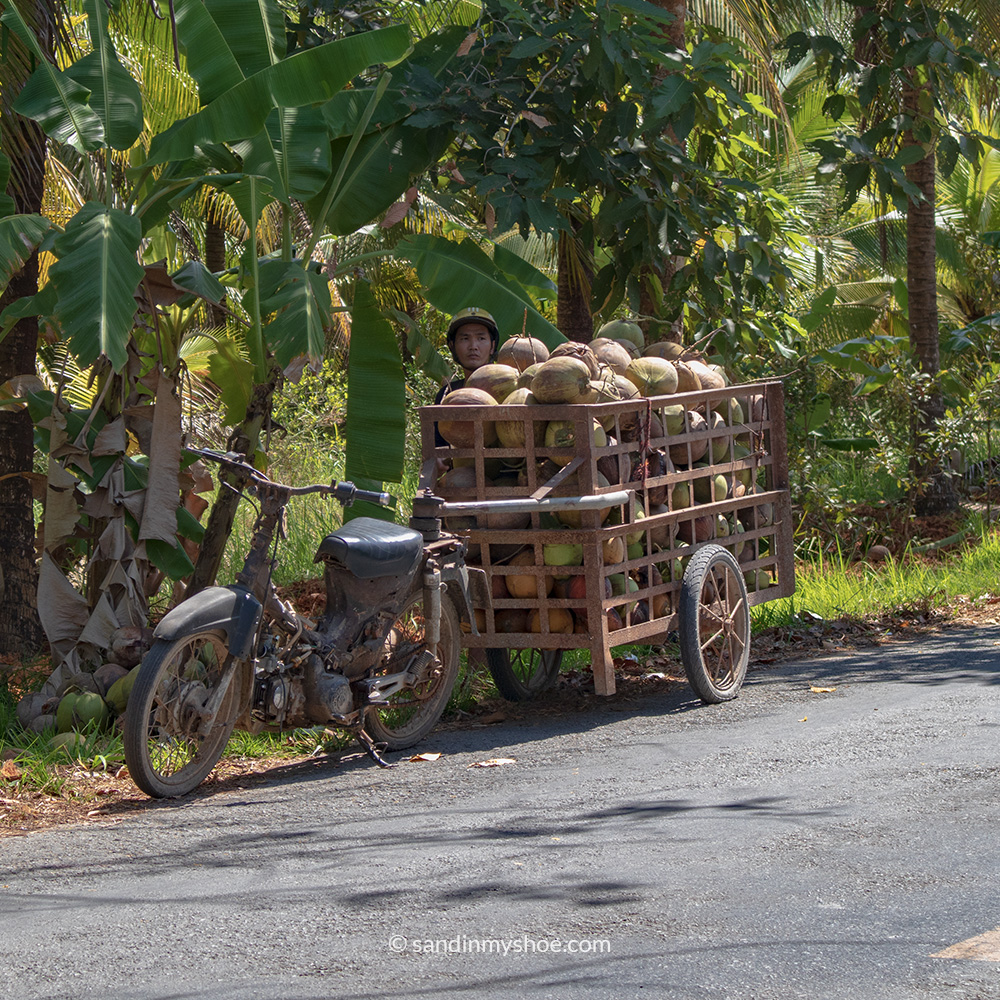
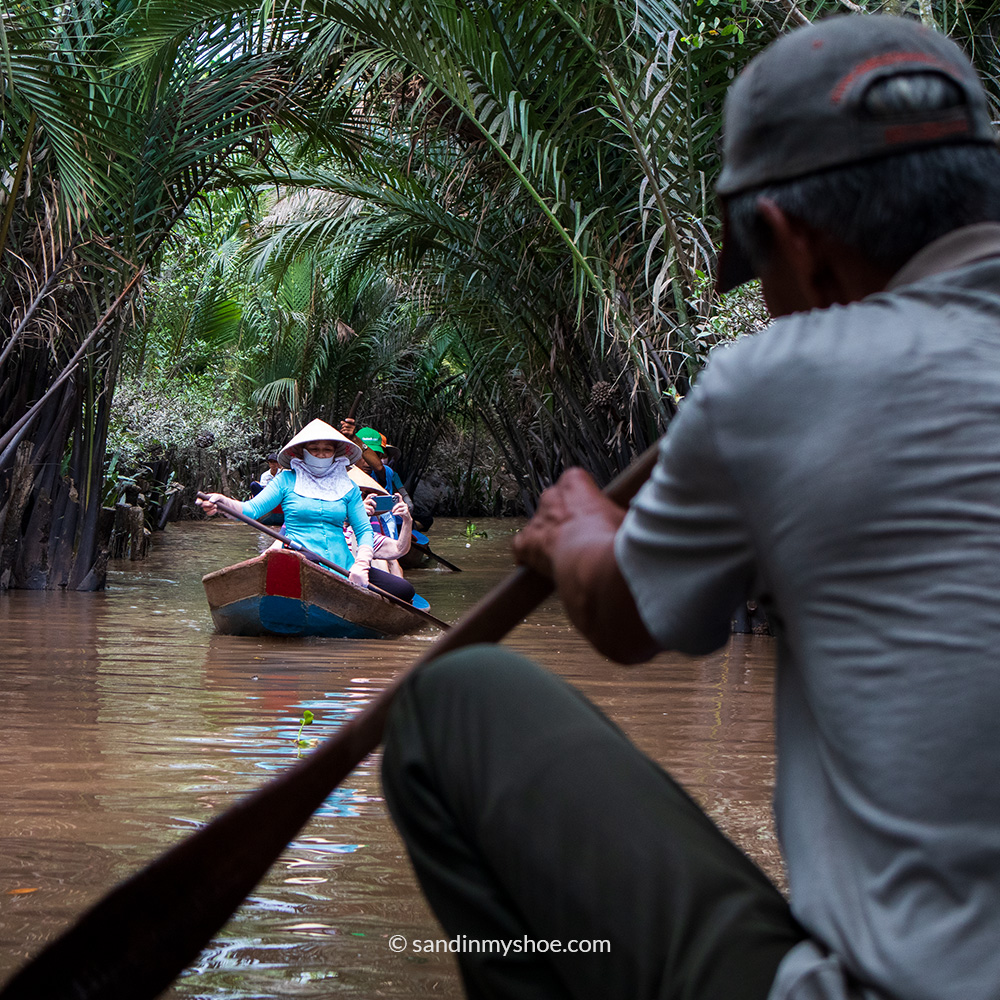
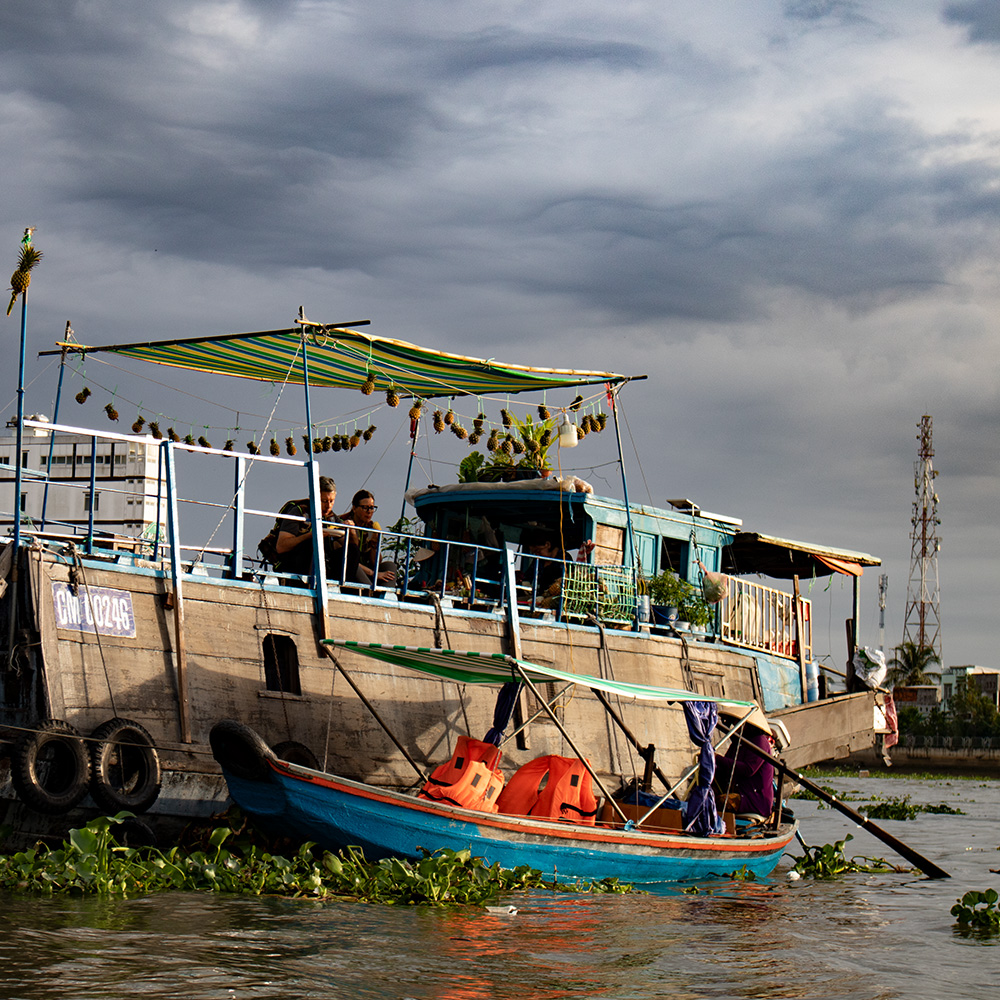

Spending time in the Delta isn’t about ticking off sights; it’s about letting the slow pace of life sink in, drifting between laid‑back places and enjoying the quiet. There are still memorable stops—floating markets waking up at sunrise (some now partly moved onto land but still atmospheric), narrow palm‑lined canals you can glide through by boat, and small temples and pagodas that locals visit every day.

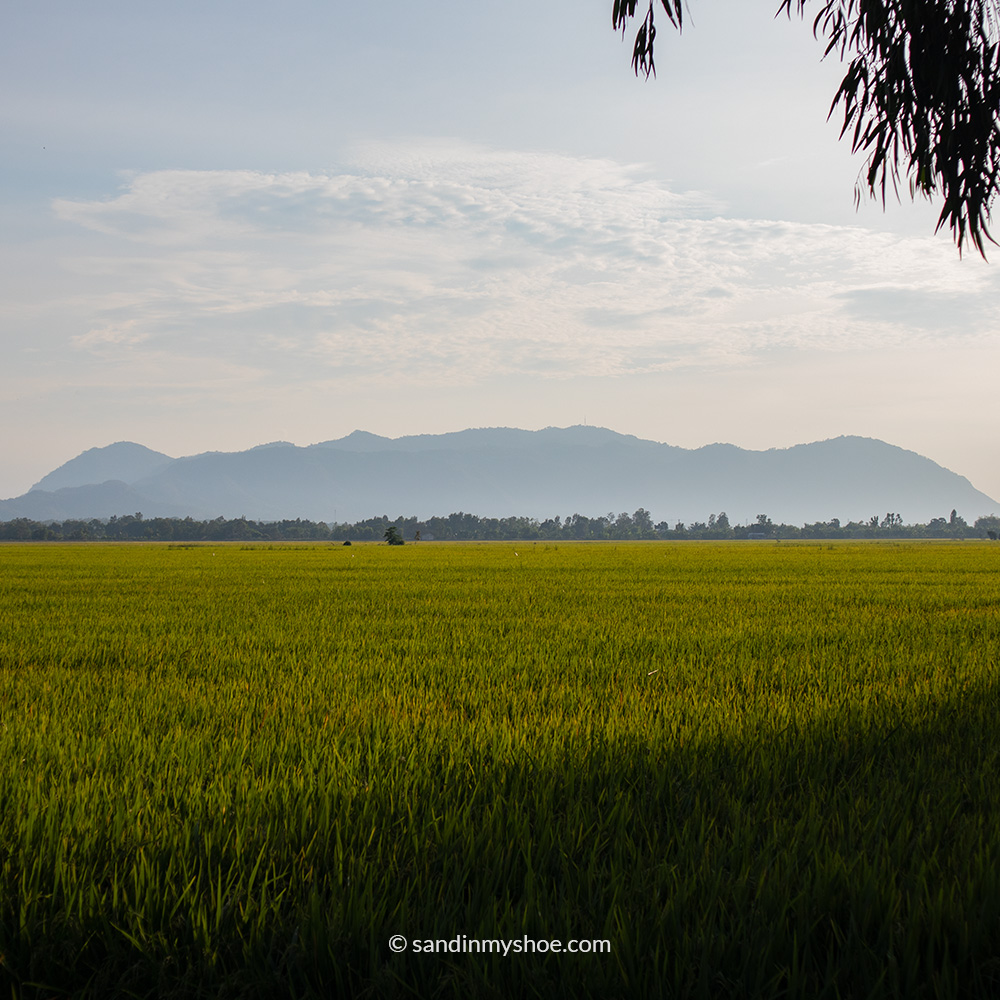
Can Tho is for travelers who want a very authentic slice of Vietnam, where everyday Delta life still feels untouched and unhurried.
Spend a night or two, slow down, and let the Delta’s rhythm settle in.
Pros & Cons
Island of Phu Quoc
Phu Quoc is Vietnam’s most heavily marketed holiday destination, shaped by huge investments in resorts, and large‑scale tourism projects. It’s polished and convenient, but not always the most authentic. Still, with its long beaches and protected nature reserves, it remains one of the easiest places in Vietnam to unwind.
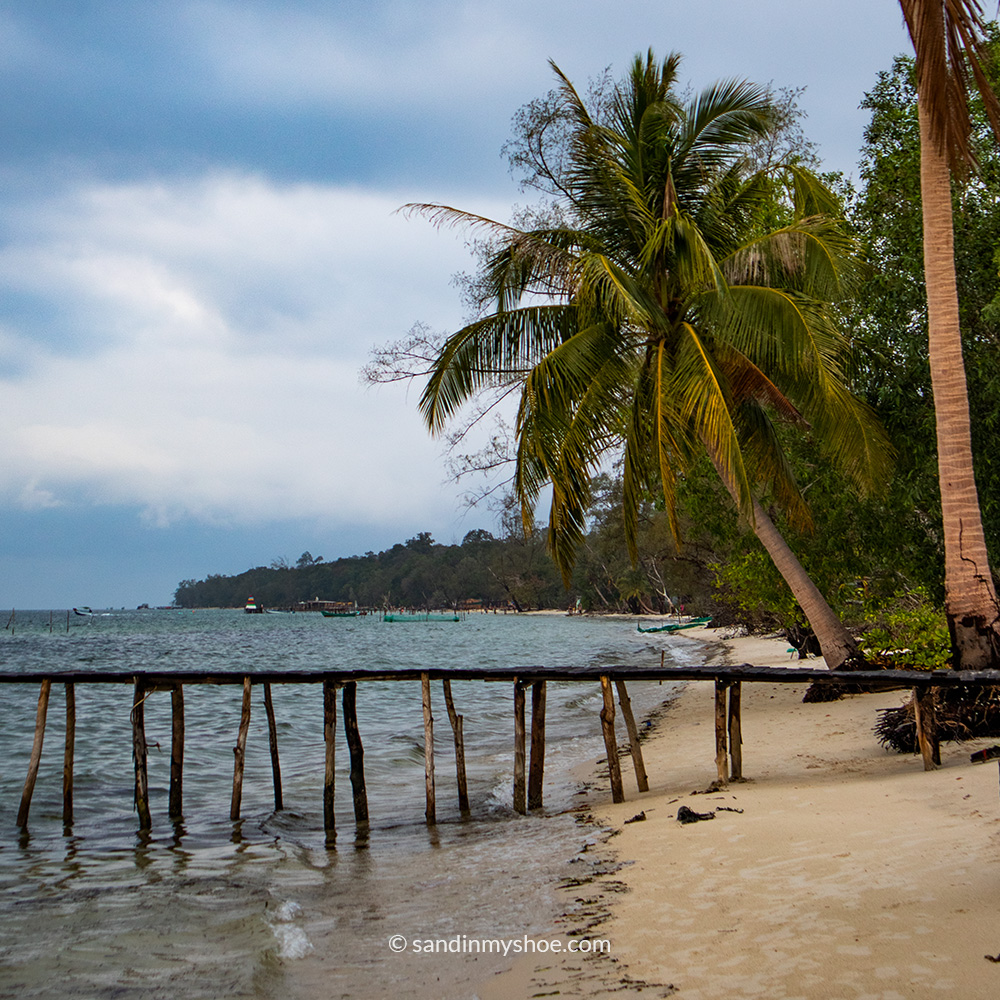

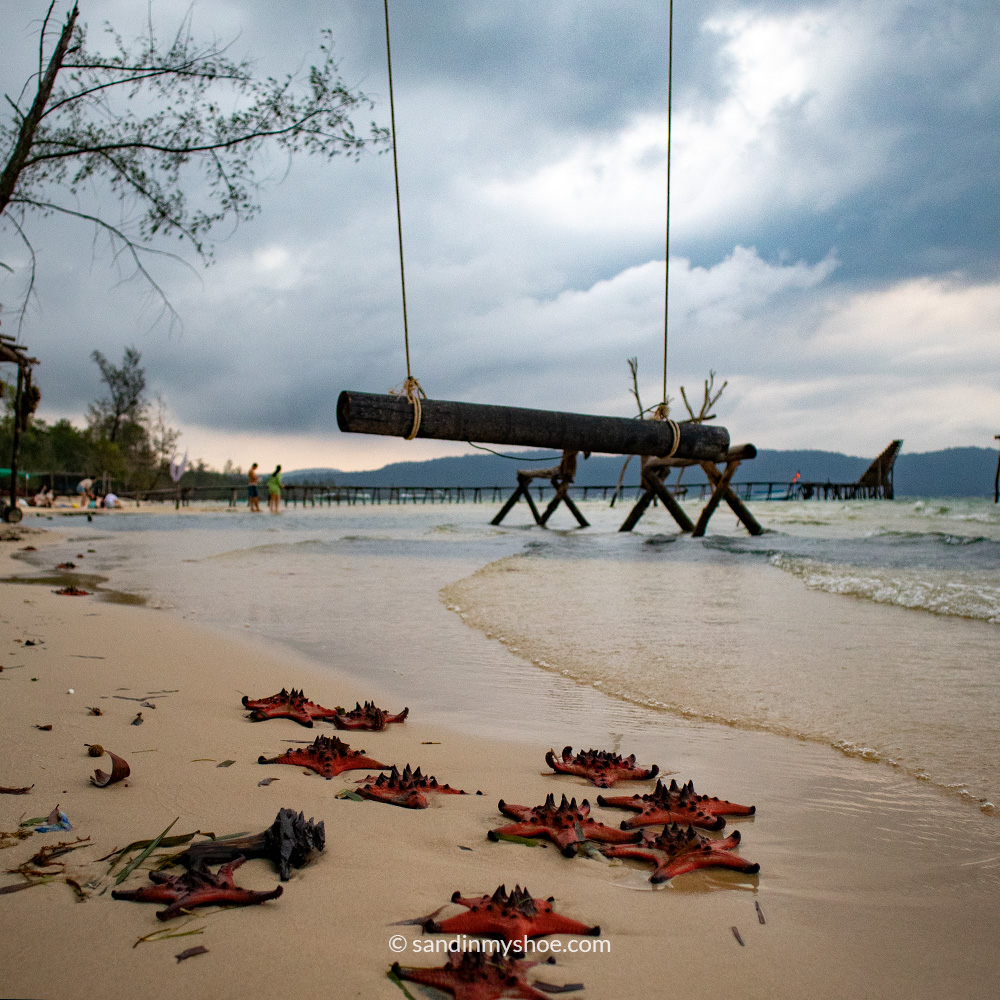

You’ll get the classic coconut‑tree postcard beaches, but you’ll also get a strange, artificial city center. It’s built to resemble a small European town with French‑style architecture, a nod to Vietnam’s colonial past, but most of it sits empty, which gives the area a slightly theme‑park feel.
There are genuinely nice spots, though. The starfish beach is beautiful, and several other beaches are great for swimming and relaxing. There’s also a short 5 km hike around Suối Tranh Waterfall, and a surprisingly interesting prison museum if you want something different.
Getting around is easy thanks to a free island shuttle and cheap scooter rentals. If you’re looking for a comfortable resort, sipping a coconut, enjoying a beautiful beach and ending your evening in nice bar, Phu Quoc delivers exactly that.
Since Phu Quoc is mainly a leisure destination, how long you stay depends on how much beach time you enjoy before it starts to feel repetitive. As a practical baseline, three to four nights works well, especially given that it’s roughly a one‑hour flight from Ho Chi Minh City.
Pros & Cons
Hoi An & Its Neighbor Da Nang
Hoi An is a small, atmospheric town on Vietnam’s central coast, known for its beautifully preserved old Town and its history as a major trading port from the 15th to 19th century. Today it’s a UNESCO World Heritage Site.
The old town is full of yellow shopfronts, lantern-lit streets, wooden merchant houses, and a blend of Japanese, Chinese, and French influences. It’s incredibly photogenic and easy to explore on foot, with loads of cafés, tailors, and small restaurants tucked into every corner.
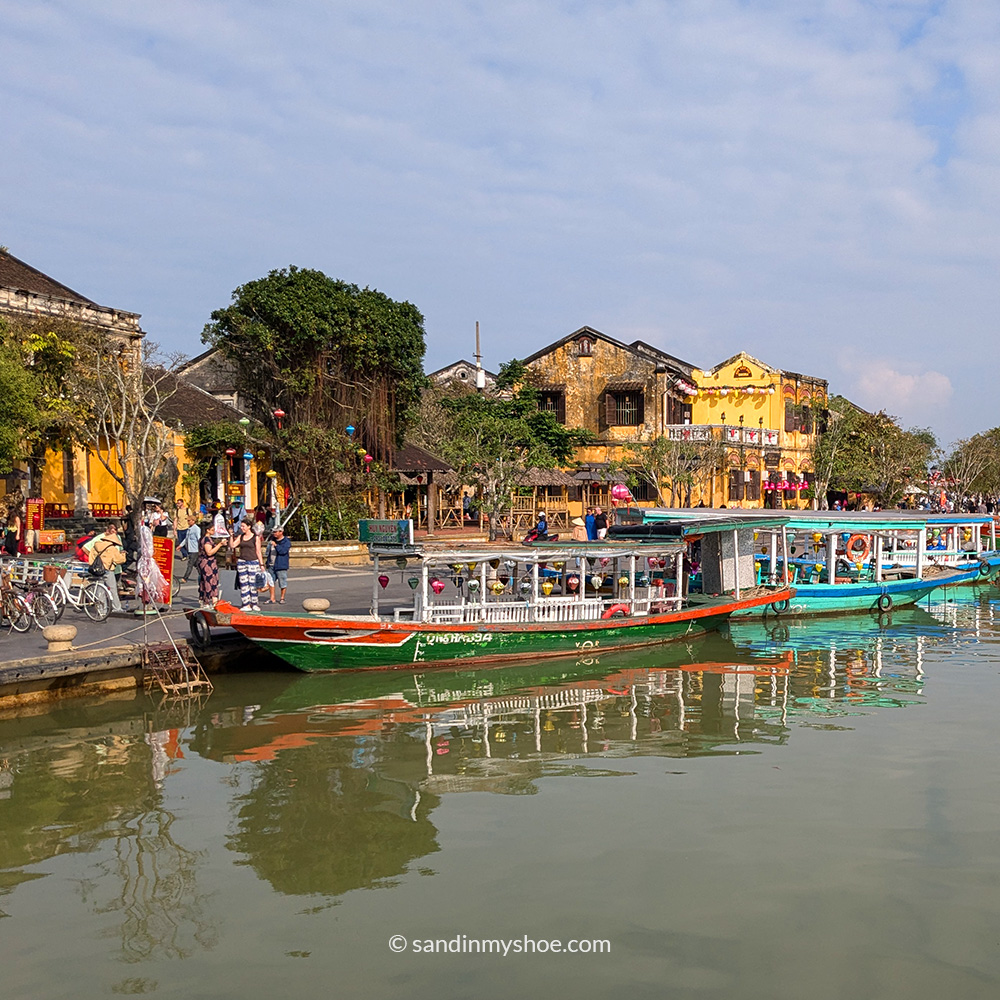
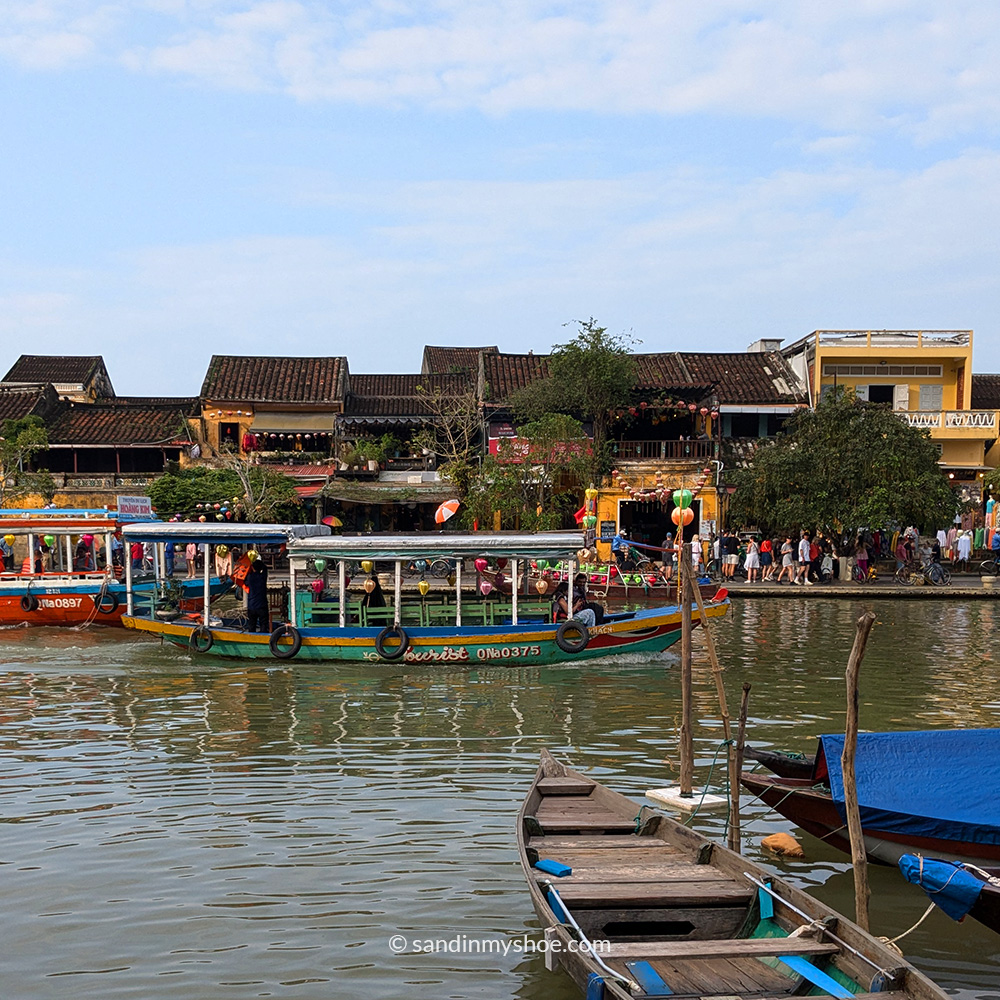


Tailoring is a big part of the experience. I remember on my first visit in 2008, I wasn’t planning to buy anything, but after a short stop in a shop I walked out with two suits and a stack of shirts for a fraction of what I would have paid back home, all barely fitting into my already full backpack. These days I’m more of a minimalist, and on my 2025 visit I didn’t even step inside a tailor because it’s so easy to get carried away.
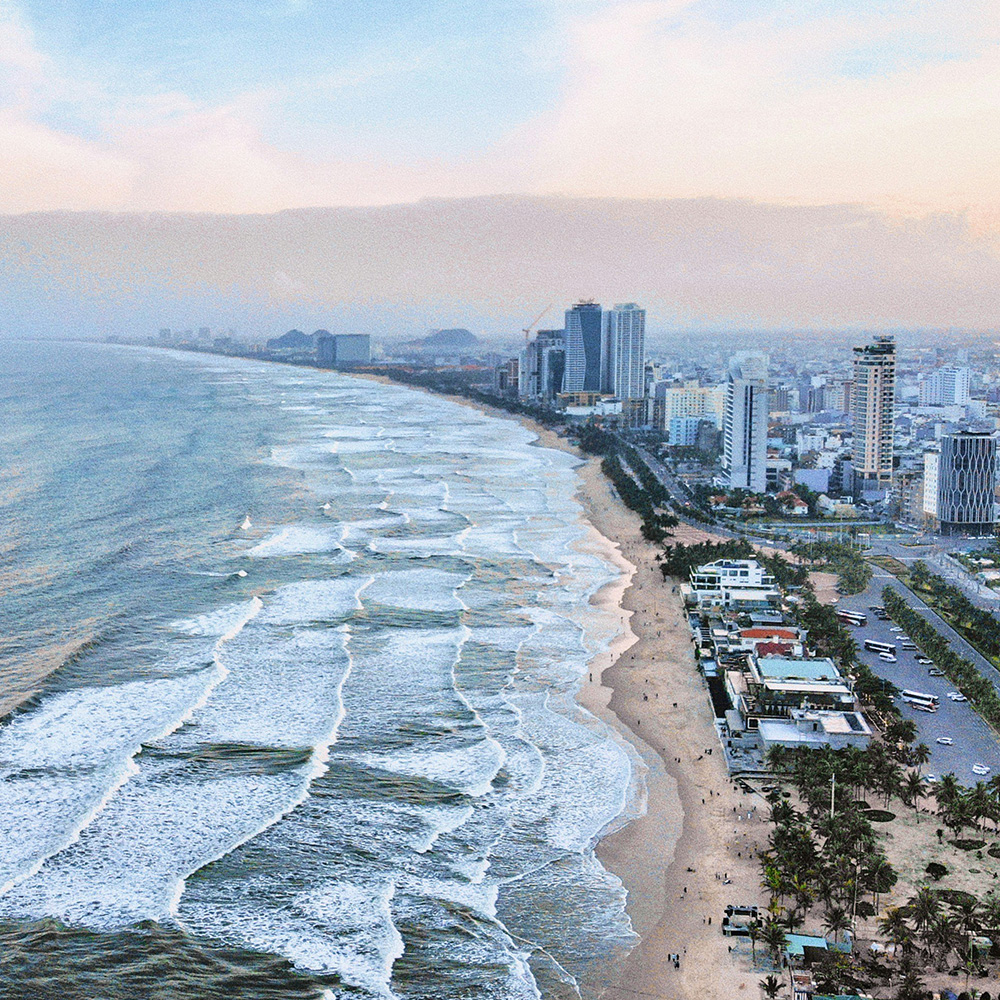
While Hoi An is all about atmosphere and history, Da Nang, just 25 km to the north, has a very different character. It’s a modern beach city with long stretches of sand right along the boardwalk, good cafés, and a growing digital‑nomad scene. It’s especially popular with Russian and Korean tourists, so much that many restaurant signs are in Russian and Korean, and the first language locals tried with me was Russian.
I recommend visiting both cities but using one as your base to avoid constant unpacking and packing.
- Stay in Da Nang if you want better value for money, faster access to good beaches, nightlife, and facilities that work well for families.
- Pick Hoi An if you want to stay close to culture and enjoy a more romantic, atmospheric vibe.
Staying three to five days is a good amount for this region. You can settle into one base, explore both cities at an easy pace, and still have time for a beach day or a countryside ride.
Pros & Cons Hoi An
Pros & Cons Da Nang
Huê
Huê was the imperial capital of Vietnam during the Nguyen dynasty and the main reason so many Vietnamese people carry it as a last name. It’s a calm, historically rich city with pagodas, royal tombs, and a slower pace than the coastal cities nearby. An ideal stop if you want quieter days filled with cultural and historical sights.

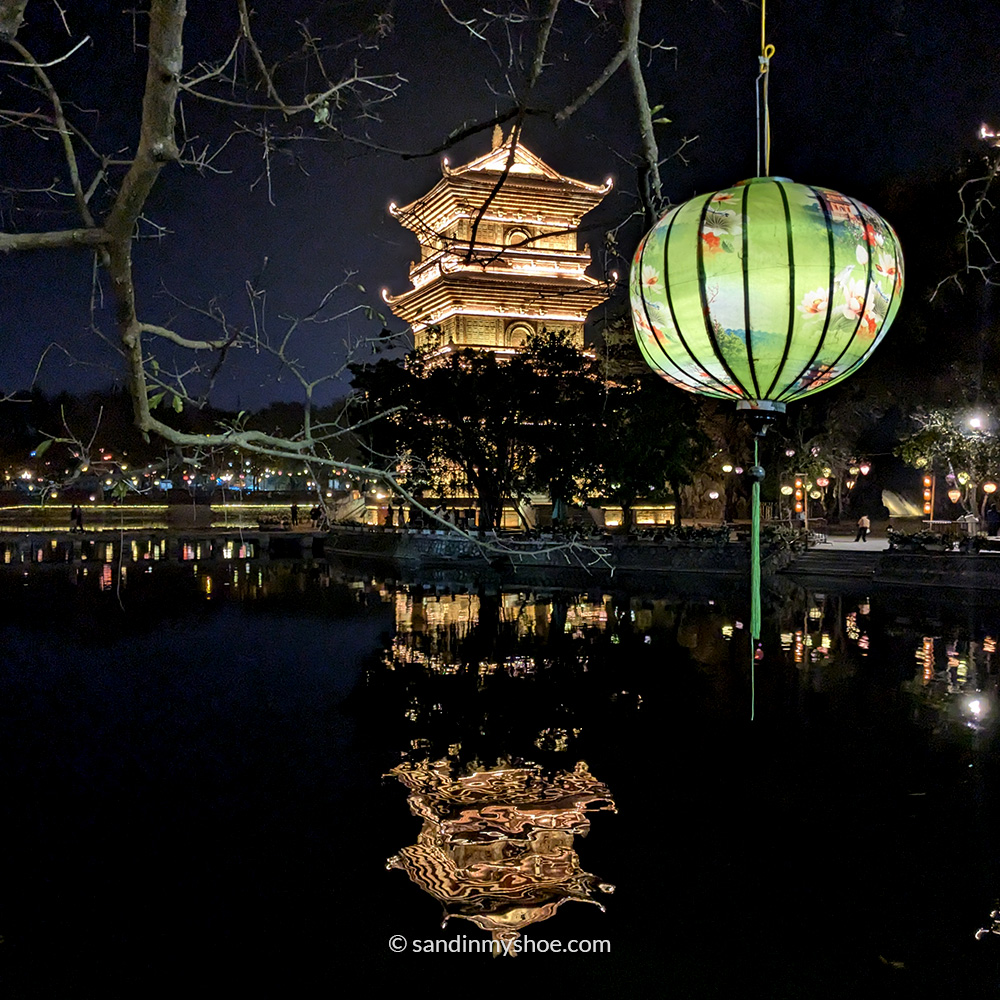
The local cuisine is considered as one of the most distinct ones in the country due strong influence from imperial court cooking, which small, beautifully presented dishes were the norm. Some travelers come to Huê just to eat.
The city sits about 100 km north of Da Nang, and arriving from the south means crossing the Hải Vân Pass, one of Vietnam’s most scenic coastal stretches with sweeping ocean views and misty mountains. By the time you reach Huê, the landscape has already set the tone. Once in the city, your days revolve around exploring royal sites, wandering along the riverfront, diving into its food scene, and, if you’re interested in war history, visiting the nearby DMZ.
Huê is worth visiting if you’re drawn to quieter days filled with imperial history, interested in seeing the DMZ, and especially if you’re a foodie looking for a place with truly distinctive flavours
Pros & Cons
I recommend staying 2-3 days so you’ll be able to visit the historical sights properly, and eat as much as possible without feeling rushed.
Ninh Binh
Further north lies Ninh Binh, often called Ha Long Bay on land for its dramatic limestone mountains, which rise out of expansive rice fields and slow‑moving rivers. It’s a peaceful area just under 100 km south of Hanoi.
The two best ways to experience Ninh Binh are riding a motorbike through the quiet countryside and joining one of the rowboat trips that take you through the limestone valleys and caves in Tràng An. Exploring by motorbike lets you move at your own pace, stopping at viewpoints, backroads, and small villages without being tied to a group tour with twenty other people. The rowboat ride is genuinely one of the most peaceful activities in the country—the slow rhythm of the boat and the scenery rising on both sides make it feel almost meditative. The area even served as a backdrop for the latest King Kong movie.
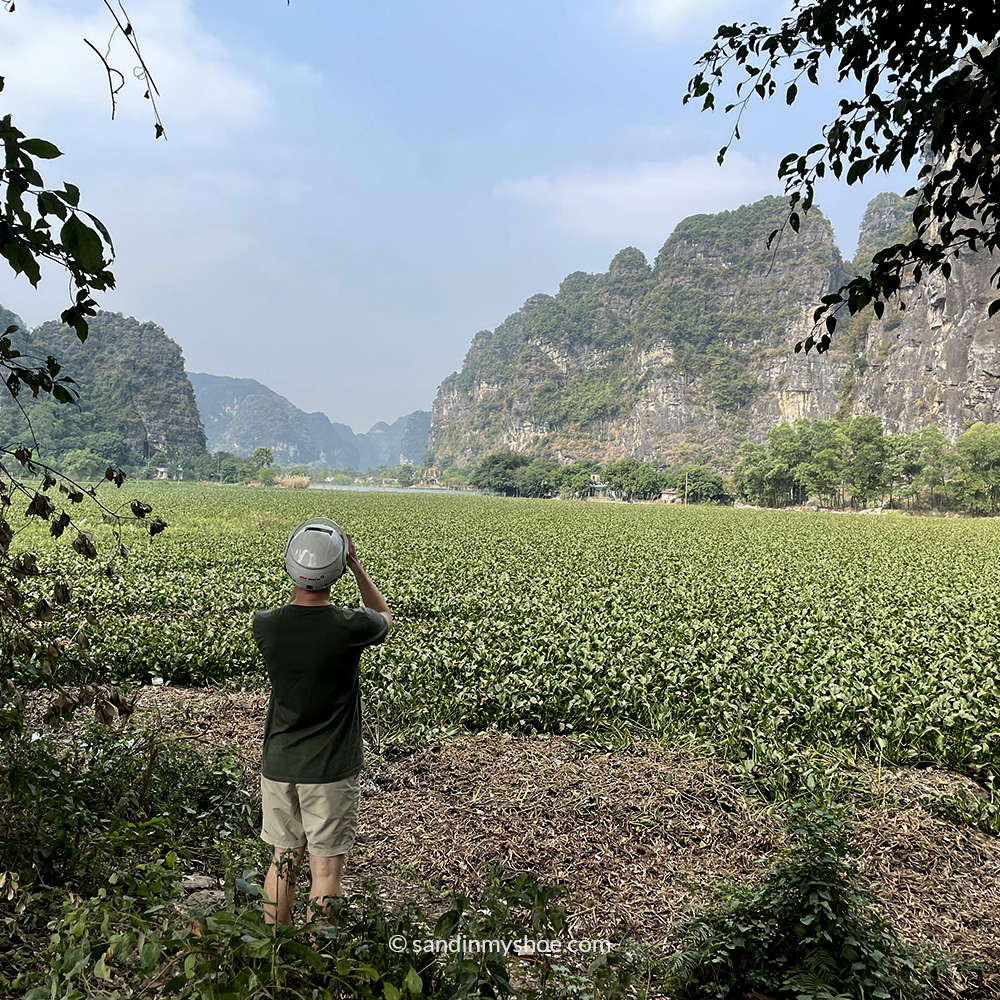


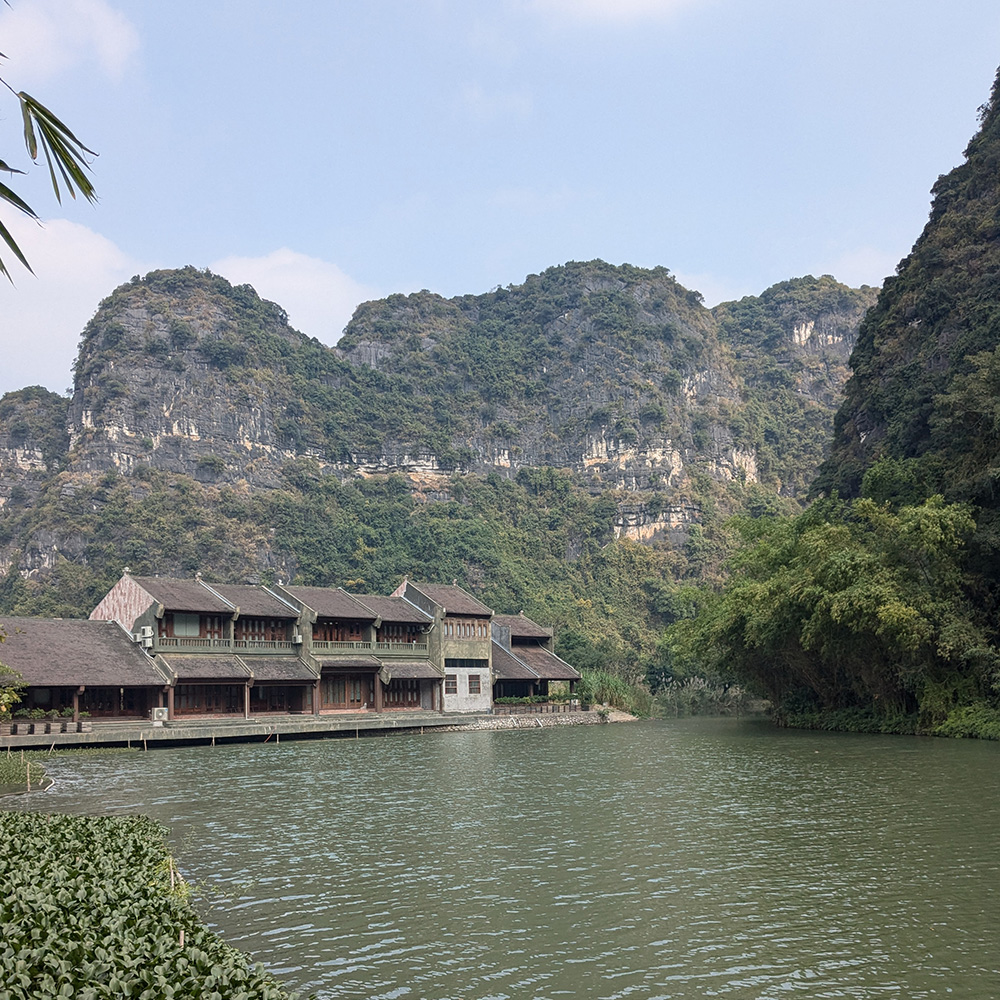
Ninh Binh isn’t a hidden gem, though. Nowadays, it’s popular with both locals and foreign visitors, so if you prefer a quieter experience, aim for a weekday that isn’t a national holiday.
Pros & Cons
Stay for 2-3 days, but if you are short on time you can visit Ninh Binh as a day trip from Hanoi—though staying a night or two is far more rewarding.
Hanoi
Hanoi is a city of contrasts—chaotic streets, ancient temples, French‑era boulevards, and some of the coziest cafés in Vietnam. And yes, this is where the famous train‑track cafés are. First‑time visitors often feel overwhelmed at first: scooters flow like a river, sidewalks double as kitchens and parking lots, and the Old Quarter is packed with shops selling everything from rice-picking hats to fake North Face jackets.
It’s a great place to land, but not somewhere I’d linger for too long — stay for a day or two. Hanoi works best as a transport hub for exploring the north: Sapa for trekking through rice‑terraced mountains, Bac Ha for visiting remote ethnic minority communities, or the Ha Giang Loop if you want a multi‑day motorbike adventure. It’s more of a connection point for the next destination.
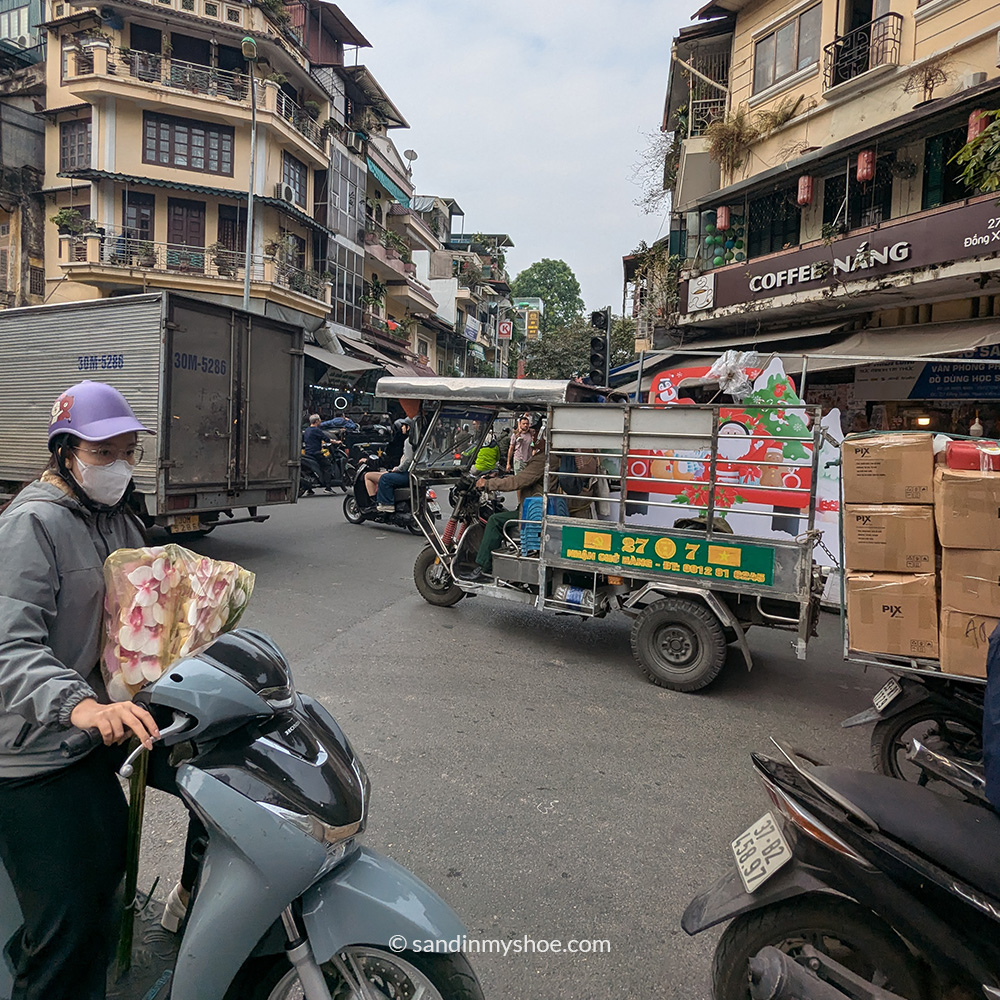
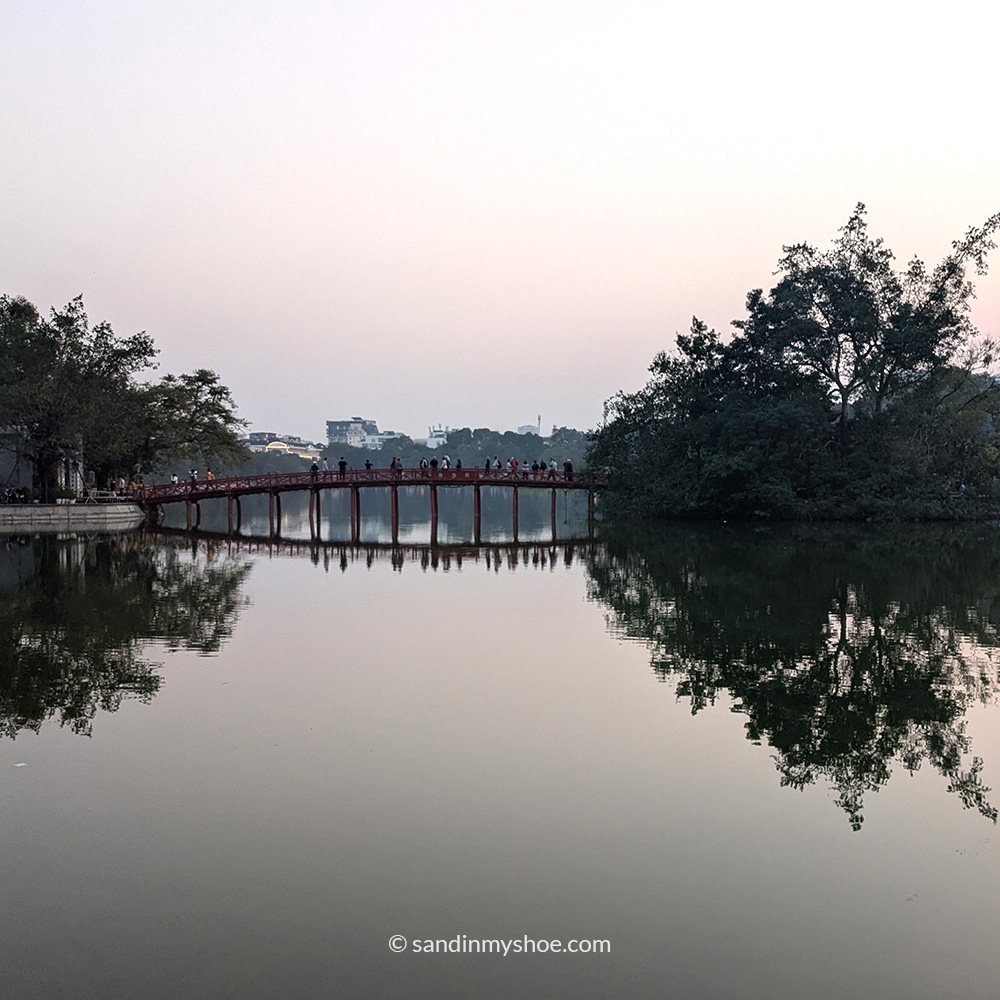
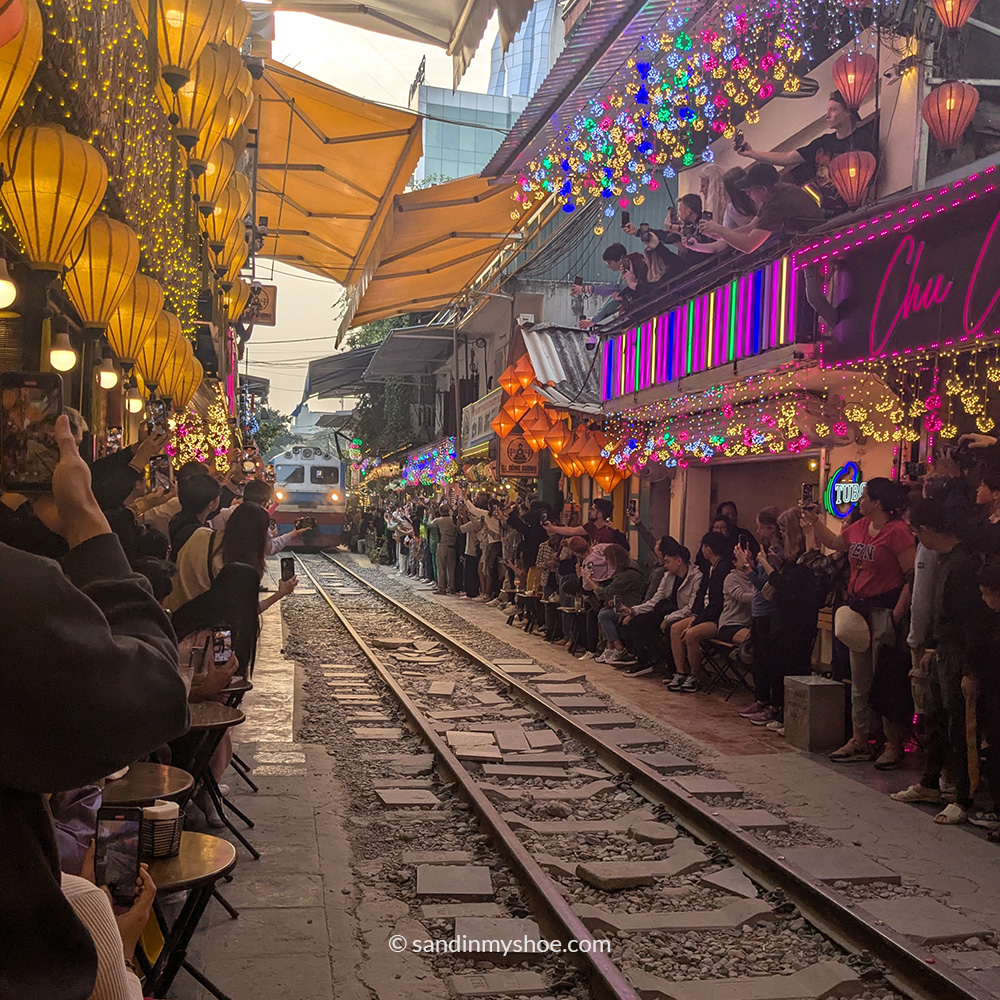

The city also makes an excellent base for day trips. Ha Long Bay and Ninh Binh are both easy to visit without staying overnight if you prefer to return to Hanoi in the evening.
And whatever you do, don’t leave without trying egg coffee — a creamy Hanoi specialty best enjoyed in one of the city’s small, cozy cafés.
Pros & Cons
Ha Long Bay
Ha Long Bay is a bit like the elephant in the room—everyone knows it’s famous, everyone feels they should see it. I visited during the low season and it was still crowded and touristy, yet the landscape is so iconic that it’s still worth experiencing at least once.
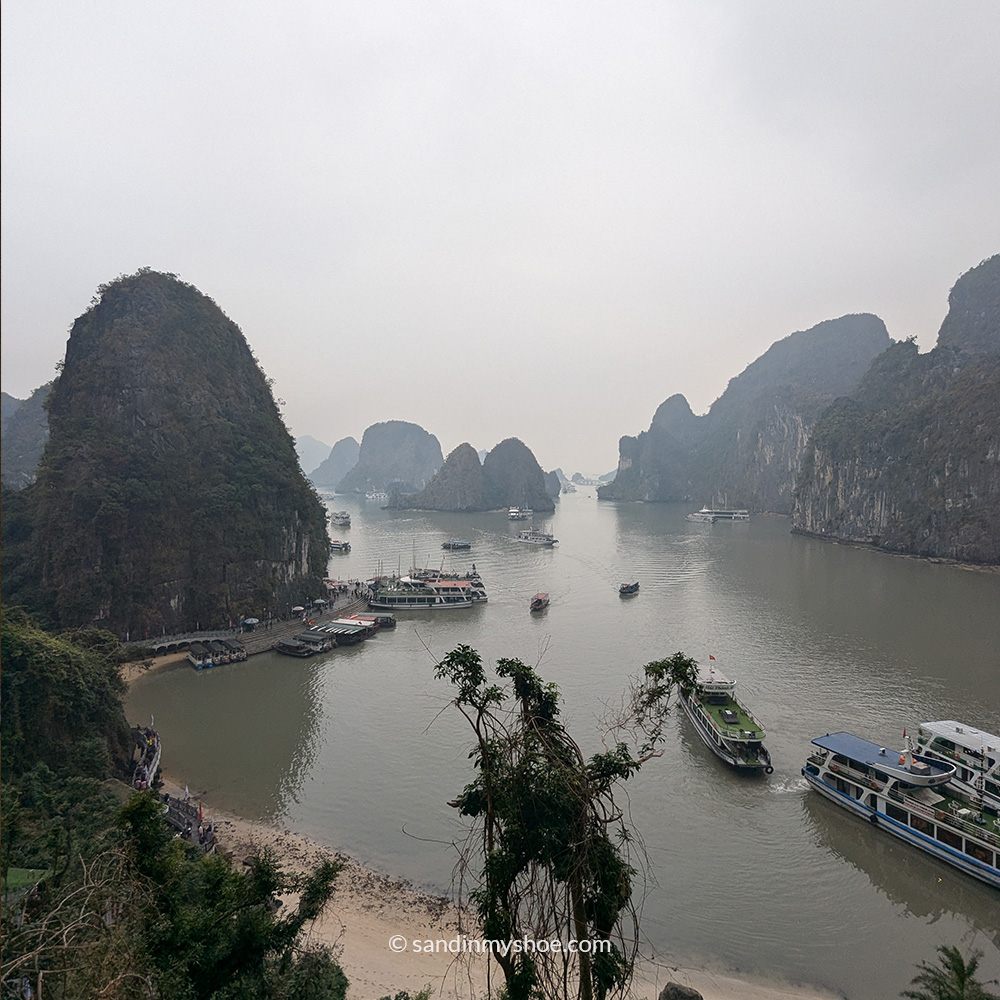
Having seen Ninh Binh as well, I’d still recommend visiting Ha Long Bay, but it’s not a place I’d return to. The scenery is spectacular, but the sheer number of boats and people makes it feel like a mass‑tourism operation rather than a quiet, genuine experience.
If you want a less crowded experience of Ha Long Bay, consider a spending night on the boat. Here you’ll drift farther away from the busiest day‑trip routes and wake up to the bay at its quietest, before most of the other boats arrive.
Ha Long Bay can be done as a daytrip, but if you want a better experience consider staying overnight on the boat.
Pros & Cons
Ha Giang
The Ha Giang Loop is a classic motorbike route in northern Vietnam. It’s grown massively in popularity over the past decade and is now considered a must‑do for travelers looking for adventure. The route takes you through some of the most dramatic scenery in the country—towering limestone peaks, deep valleys, tiny mountain villages, and winding cliffside roads that feel like they go on forever.

The roads can be treacherous, with sharp turns, steep drops, and unpredictable traffic. Because of that, most travelers ride on the back of a local driver’s bike rather than driving themselves. It’s safer, and it lets you actually enjoy the views instead of focusing on the road.
Most people do the loop as a 3‑day, 2‑night journey, staying in small homestays along the way. The experience is a mix of breathtaking landscapes, simple village life, and long days on the road.
Pros & Cons
Sapa
If you enjoy hiking, Sapa is one of the best places in Vietnam for multi-day hikes. The region is known for its spectacular rice‑terrace landscapes, misty mountain valleys, and cool highland climate. Trails wind through small villages, bamboo forests, and terraced hillsides, with local guides from ethnic minority groups leading many of the treks.

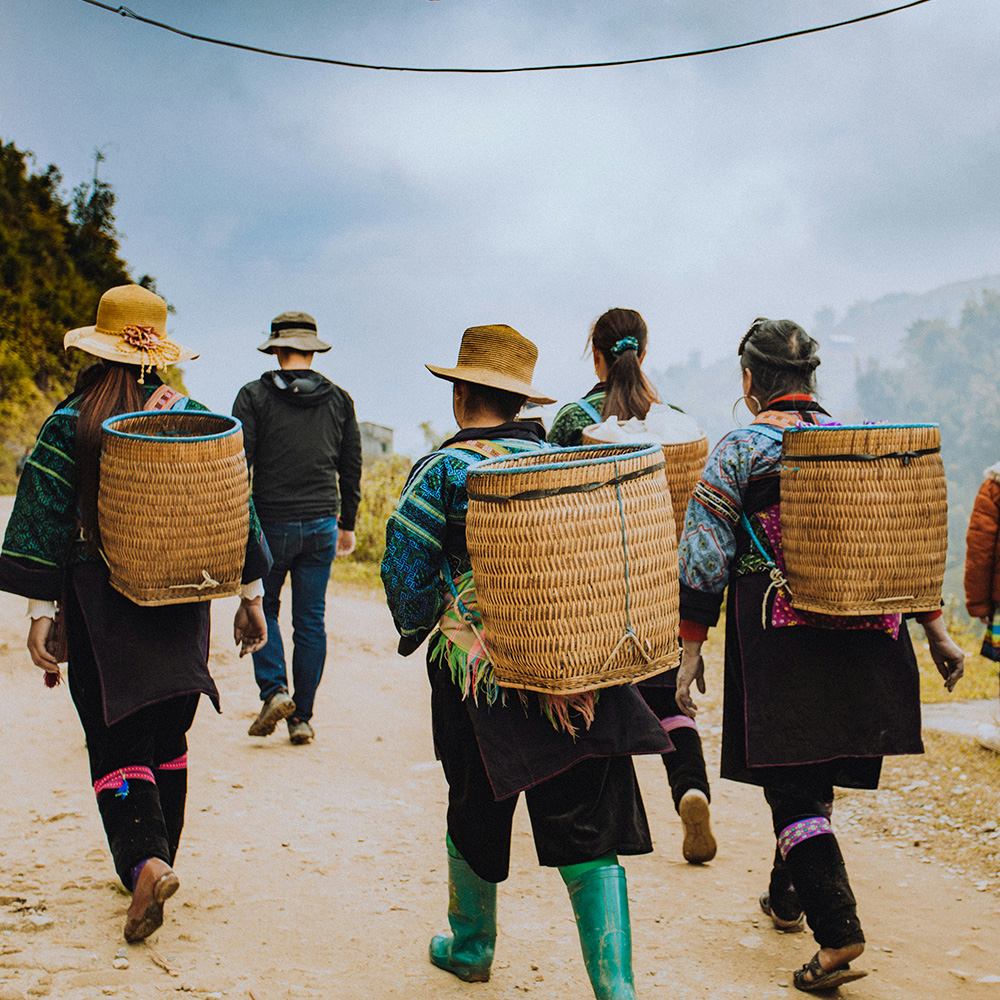
The city itself is quite touristy, but once you step outside it becomes far more authentic and peaceful.
Pros & Cons
FAQ About Where to Go in Vietnam
Both yes and no. The landscape is undeniably impressive: thousands of limestone karsts rising straight out of the water, misty mornings, and that iconic emerald‑green bay. I visited during the low season, and it still was quite crowded. Boats cluster in the same areas, the town is heavily commercialized, and the overall experience depends a lot on how you choose to visit.
The best way to experience the bay is on an overnight cruise. You get quieter moments at sunrise and sunset, fewer boats around, and a sense of actually being out on the water rather than shuttled between tourist stops.
Quy Nhon is the answer. During my last trip, a local recommended it to me, and it turned out to be exactly what I was looking for: a beach city with a strong local vibe and very little foreign tourism. It has long, quiet beaches, relaxed seafood restaurants, and a much more local feel than places like Da Nang or Nha Trang. You won’t see signs in English, Korean, or Russian—this is very much a Vietnamese holiday spot.
I spent about five nights here and rented a flat with an ocean view for around $15 USD per night during low season. In full transparency, it was more of a side ocean view than a straight‑on balcony view, but still incredible value for the price.
You should add it to your itinerary if you want a coastal beach town without the mass tourism.
Ho Chi Minh City is the better choice if you want a fast, modern metropolis with a high‑energy feel. It’s the strongest base for exploring Vietnam War history, with major sites like the War Remnants Museum and the Cu Chi Tunnels easily accessible, and it offers straightforward day trips to the Mekong Delta. Starting in the south also sets a more urban, contemporary tone for the beginning of a Vietnam trip.
Hanoi is the better option if you prefer a more traditional, historic atmosphere. Its Old Quarter, temples, and slower rhythm give a strong sense of Vietnamese culture, and it’s the natural gateway to the north — including Sapa, Bac Ha, Ninh Binh, Ha Long Bay, and the Ha Giang Loop. Beginning here shapes the trip around culture and landscapes rather than modern city life.
Wrap-up: Where to Go in Vietnam as a first-timer
Vietnam stretches long and thin, and each region offers something different, so the simplest way to plan a first trip is to decide what kind of experience you want. Even so, a few places make sense for almost everyone:
- Ho Chi Minh City for a modern, high‑energy start
- Hoi An for atmosphere and food
- Ninh Binh for dramatic landscapes
- Hanoi for culture and access to the north
If you have any questions, just drop them in the comments below.


No comments yet, be the first one!
I appreciate hearing from you. If you have any suggestions, questions, or feedback, please leave a comment below. Your input helps ensure the information stays relevant and up to date for everyone.
Thank you for sharing your thoughts!