

Locals hold the town in deep respect, and you feel that as soon as you arrive. Most international travelers skip it unless they’re crossing the border to Cambodia, which is a shame.
This guide breaks down what Chau Doc is like, whether it’s worth your time, what to do, and where it makes sense to stay.
What is Chau Doc like?
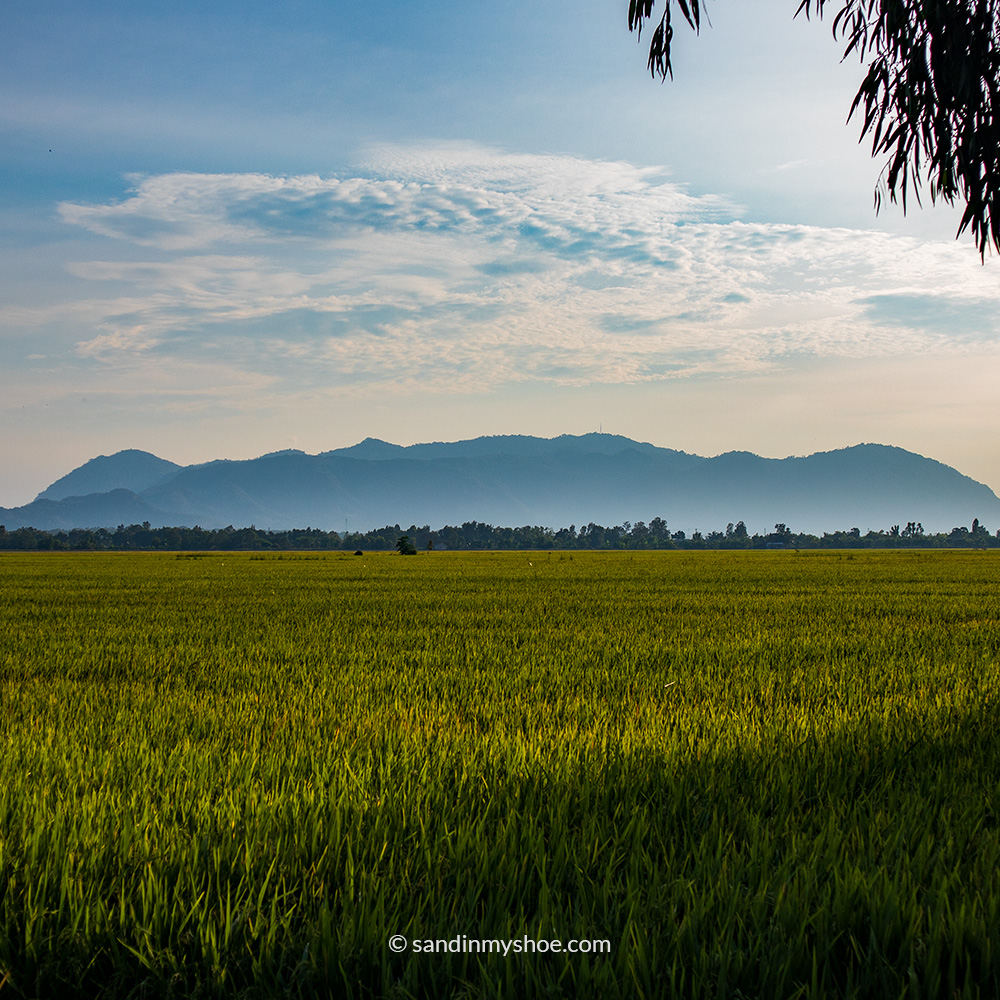
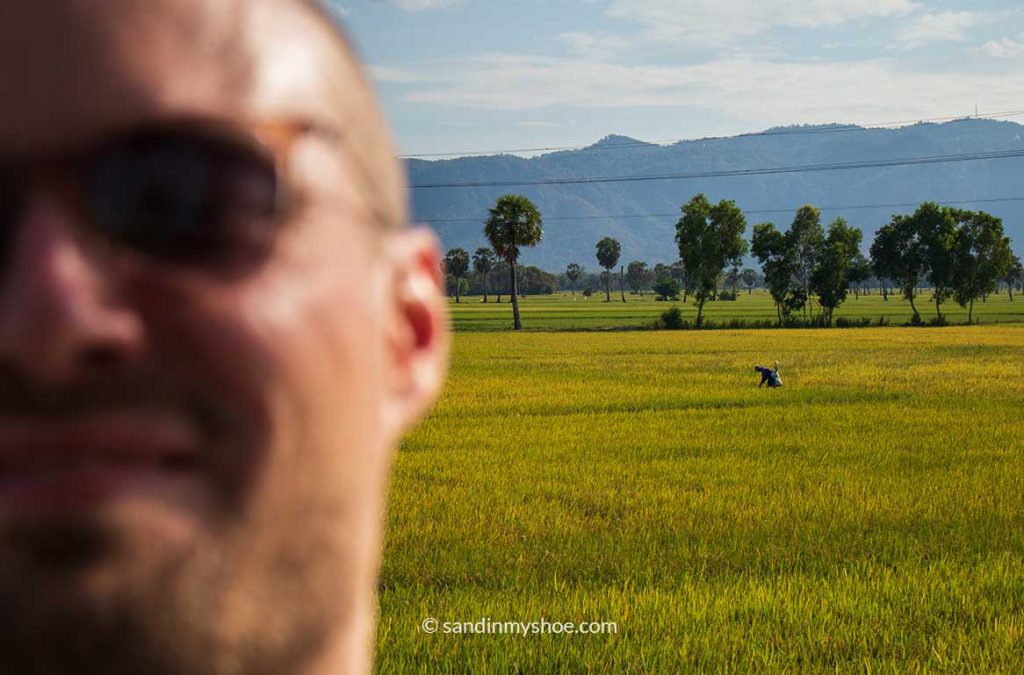
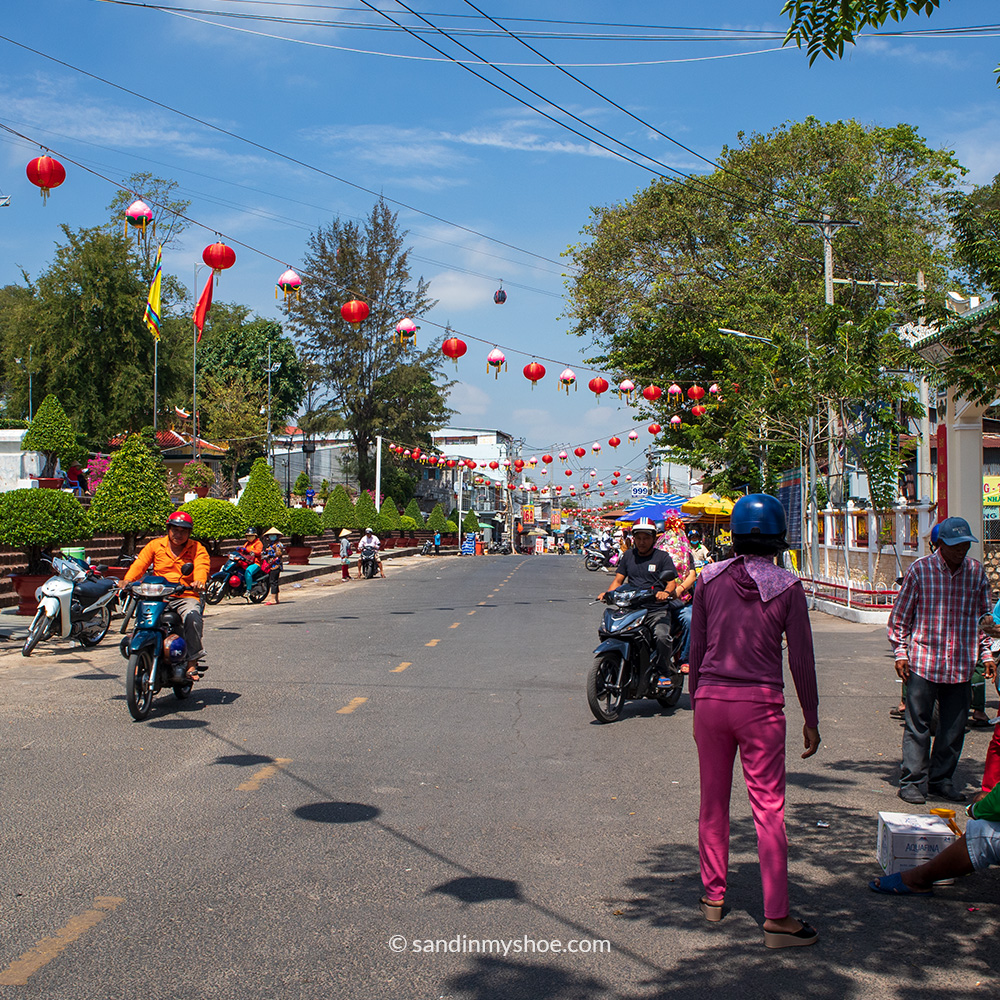
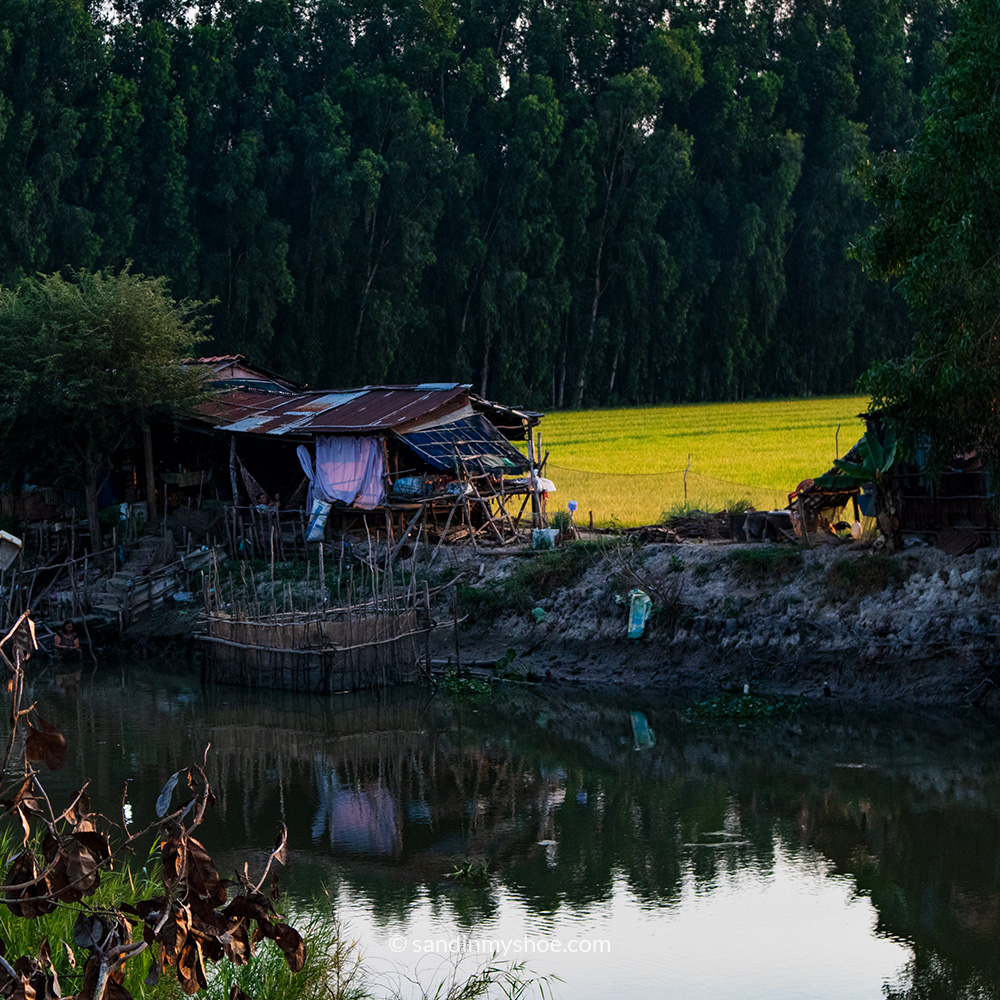
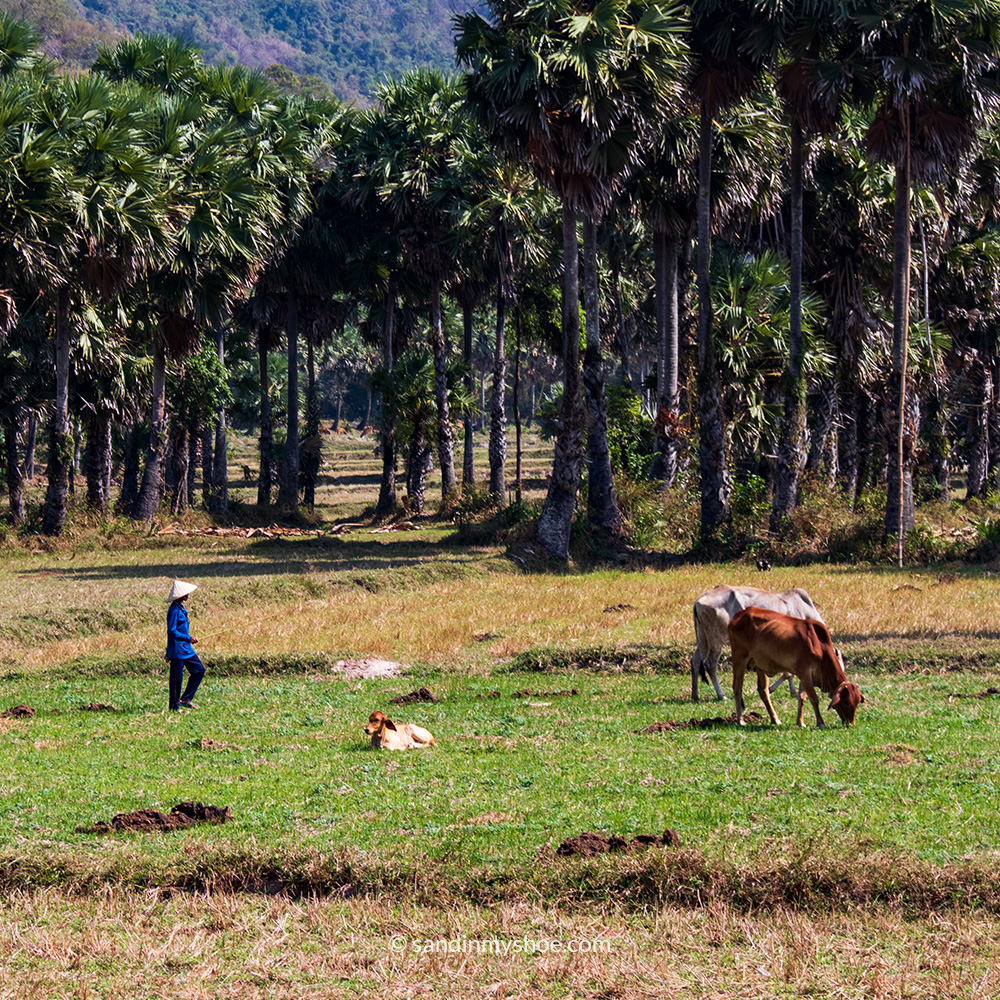
Chau Doc has a calm, grounded atmosphere and a sense of everyday devotion that’s hard to find in more visited places. Once you leave the town center, it opens into endless rice fields—flat, green, and quiet. The best way to explore is by motorbike. You can stop at small cafés surrounded by nature, with cows grazing in the fields and the occasional motorbike rolling past on the narrow road.
Because the heat can be intense for long stretches of the year, many cafés and restaurants have rows of hammocks where guests can rest during the hottest hours. It’s completely normal to see people stretched out, half asleep, letting the day slow down around them.
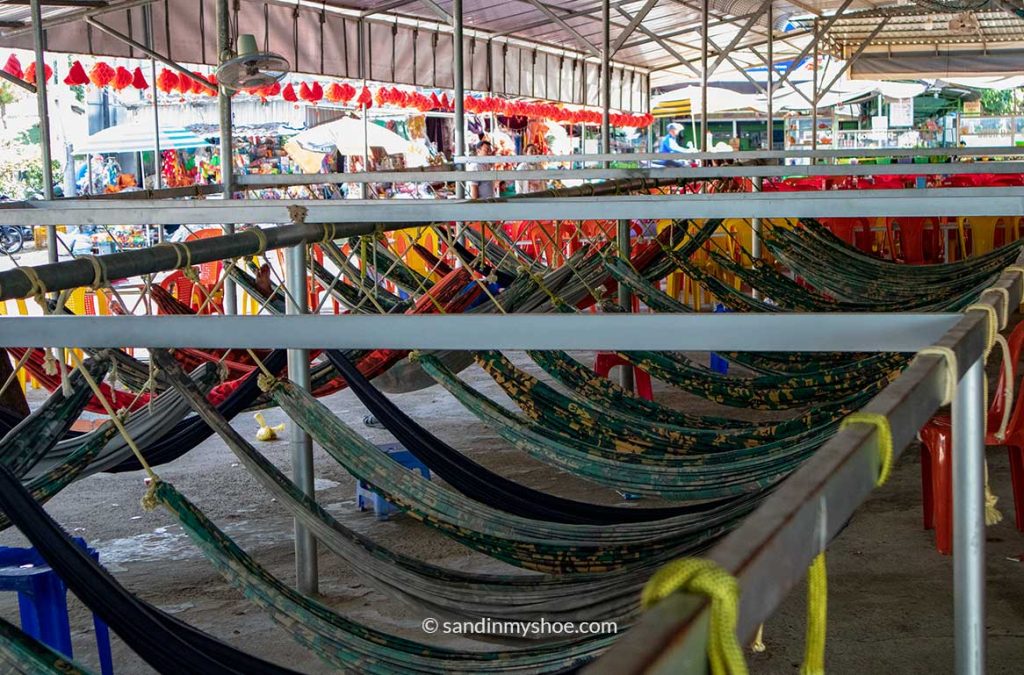
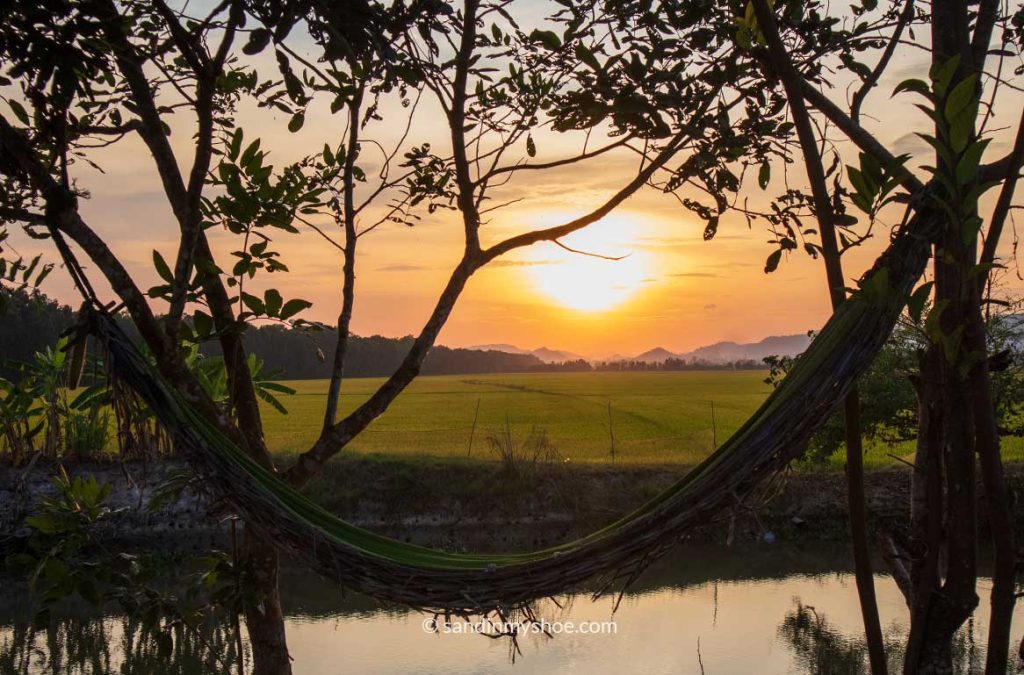
Chau Doc is, in many ways, the spiritual napping capital of the Mekong Delta.
Is Chau Doc Worth Visiting?
If you’re looking for a very local experience, then yes—Chau Doc is absolutely worth it. This is a town that still sits well outside the usual tourist circuit, especially for travelers who aren’t crossing the border to Cambodia. People here are curious in the best way. If someone’s English is good enough, they’ll happily stop for a chat. Kids passing by will greet you and try out a few words, usually with big smiles and zero hesitation. Even the cows seem to give you a friendly nod as you ride past.
How Many Days to Spend in Chau Doc
I spent two nights here since I arrived quite late in the afternoon and many of the main sights sit outside town. You need a bit of time to reach them, and you’ll want either a motorbike or an organized tour to reach them. If you value independent travel, I’d strongly recommend renting a bike—it gives you the freedom to explore the rice fields, temples, and quiet backroads at your own pace
Chau Doc: Things to Do
There are a couple of things in Chau Doc that belong in any itinerary: the pagodas on Sam Mountain and the Tra Su Cajuput Forest, which sits in the wider Chau Doc area. Beyond that, it’s mostly quiet roads, rice fields, and the slow rhythm of daily life.
Visit Hang, Lady and Tay An Pagoda in Sam Mountain
This is the pride of Chau Doc, and it holds deep spiritual value for many locals. People make pilgrimages here from all over Vietnam, but despite the steady flow of visitors, the atmosphere stays calm and sincere.
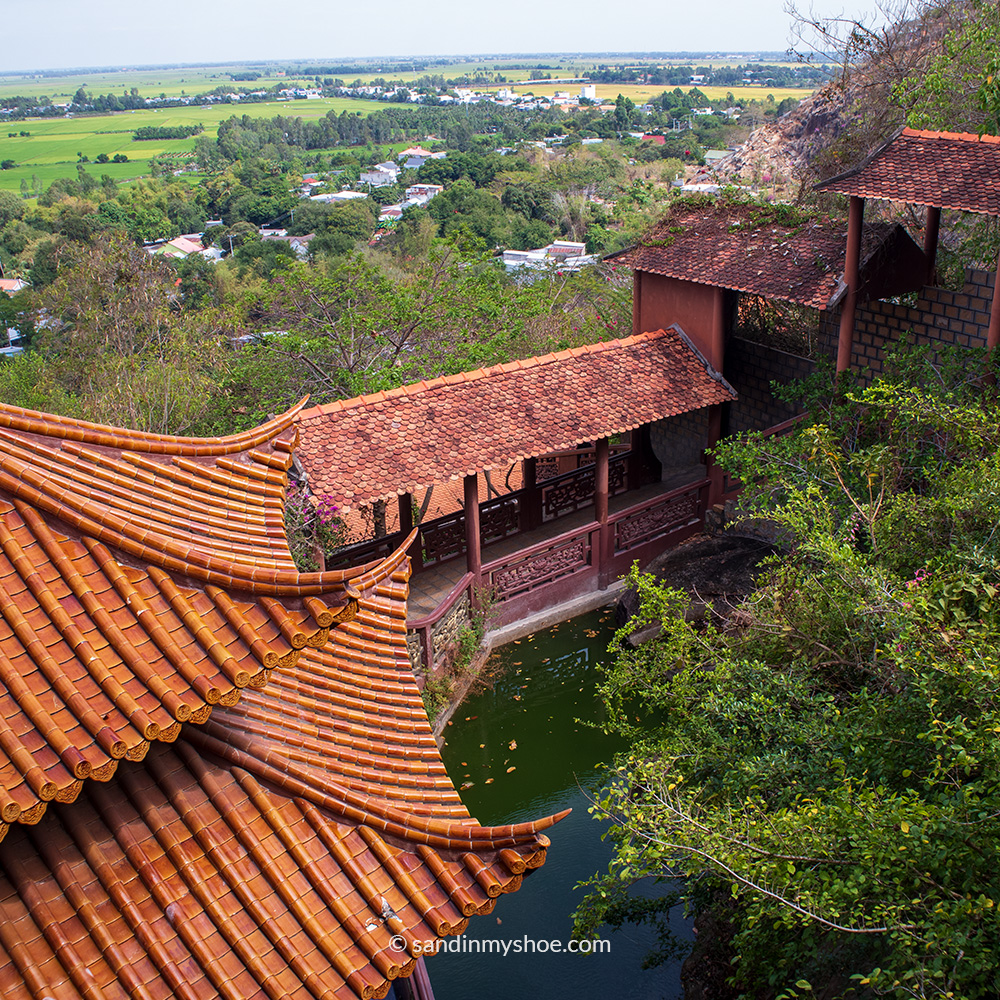
Sam Mountain sits just outside town, anchored by two main sites: Hang Pagoda and the Lady Pagoda. Hang Pagoda is built directly into the mountainside and is considered one of the oldest pagodas in Vietnam. The area around it is dense with temples and shrines, and on a clear day you get wide views over the rice fields stretching all the way to Cambodia.
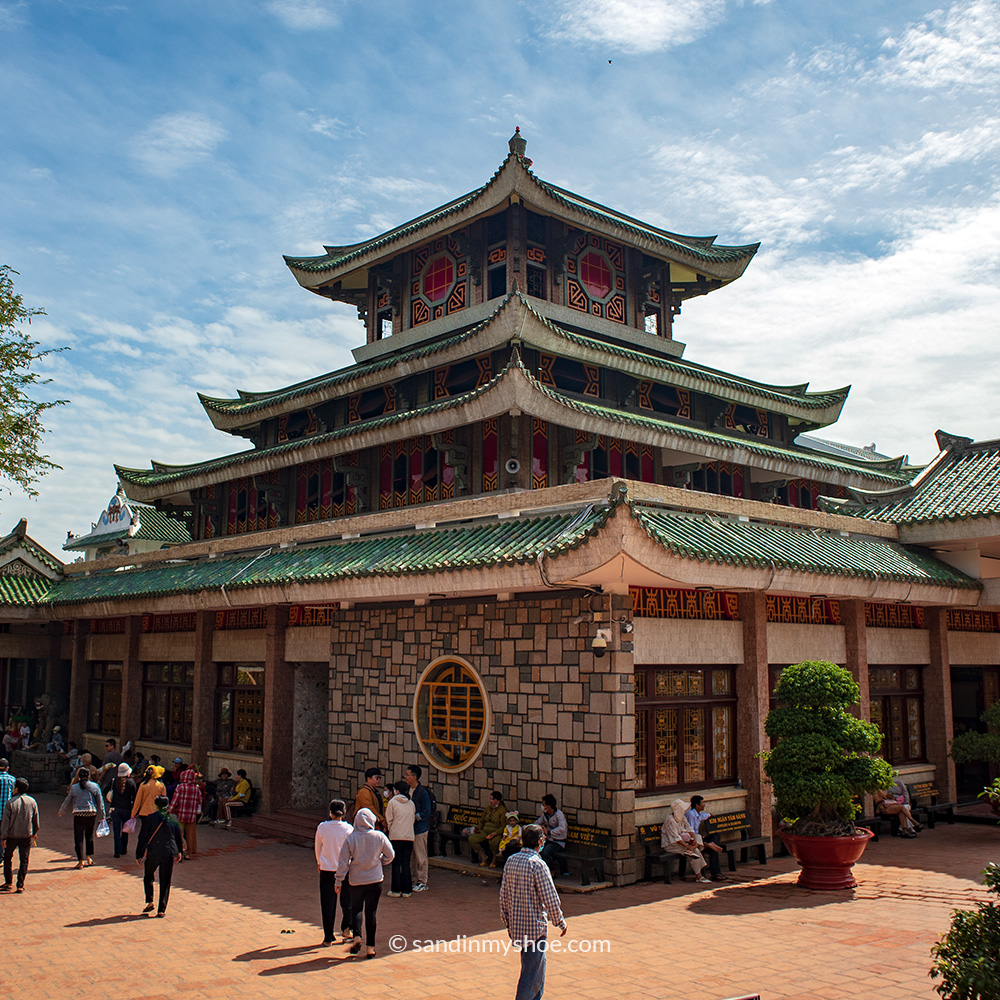
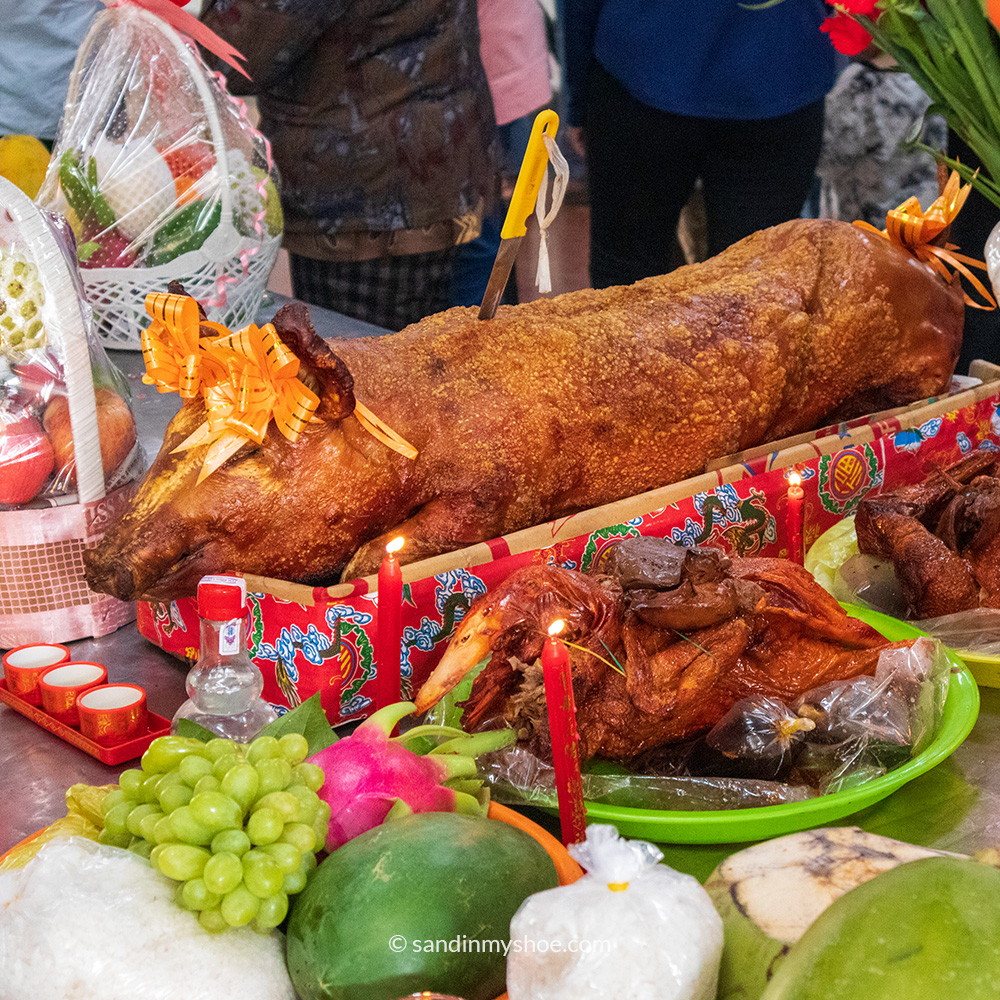
Just below it is the Lady Pagoda which is more intimate and ritual‑focused. Inside, the air is thick with incense and the Vietnamese come here to perform Buddhist ceremonies and offer prayers for prosperity and good fortune. The offerings are wonderfully varied: fruit, water, alcohol, even slices of roasted pig.
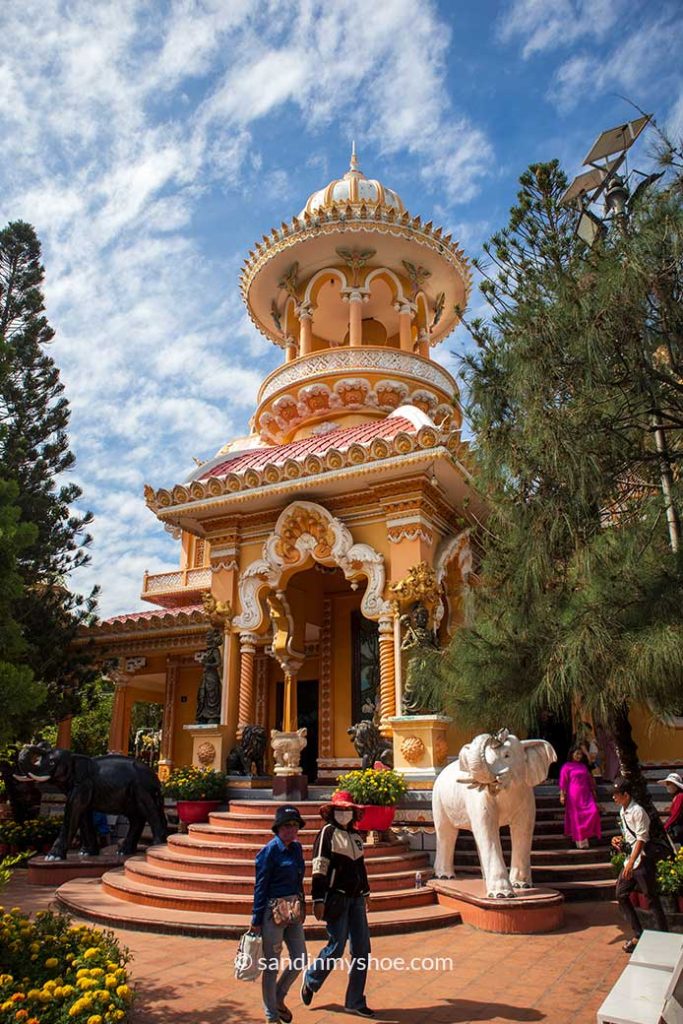
Tay An Pagoda, a short walk away, offers a different expression of the same devotion. Its bright, mixed‑style façade gives way to a quieter interior where people pause to light incense, ask for protection before a journey, or simply sit in the stillness.
Tra Su Cajuput Forest
Tra Su is a beautiful stretch of wetlands about 30 km from Chau Doc, known for its flooded cajuput forest and more than seventy bird species, including herons and storks. You can explore the area on foot along raised walkways or by traditional sampan boats that move quietly through the canals. There are also a few restaurants inside the reserve.
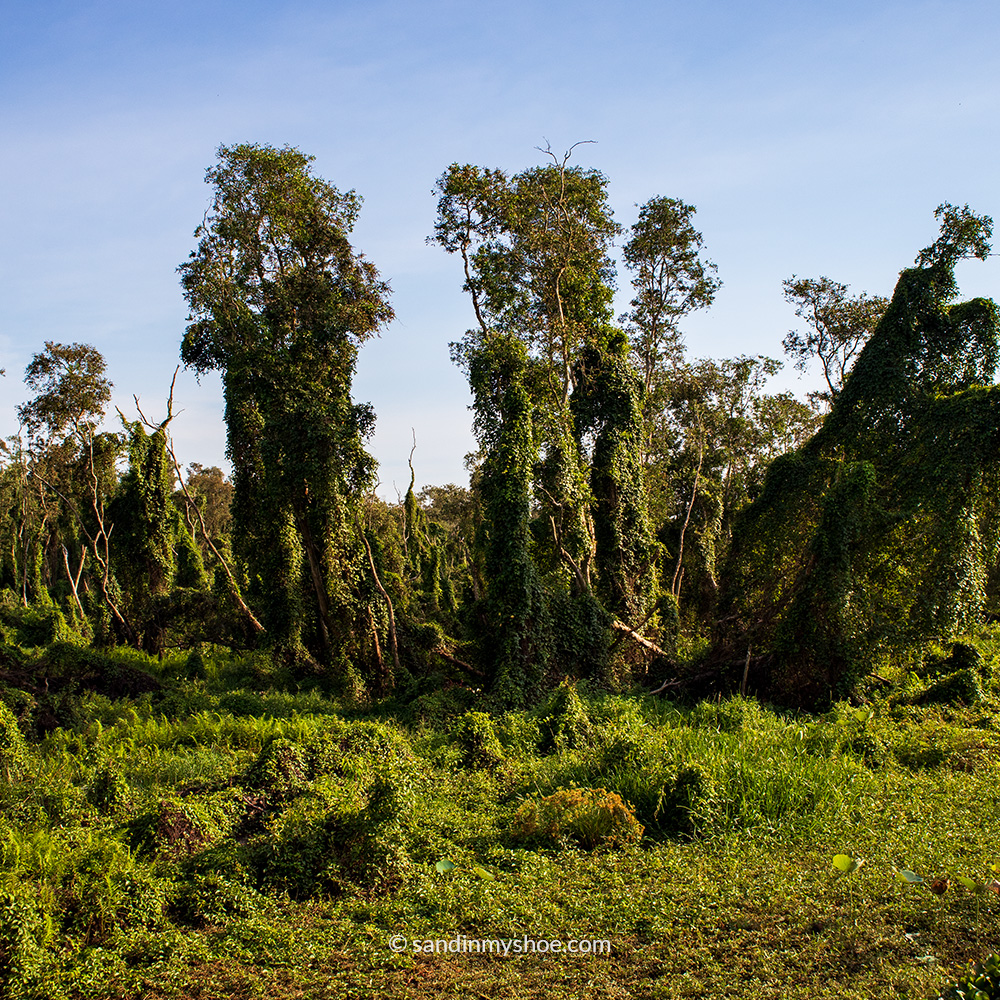
It’s a popular spot and parts of it feel commercialised, but it doesn’t take much effort to find the quieter side. I found a peaceful section almost immediately after entering: I took a left straight away and kept walking until I could turn right. The crowds disappeared fast, and suddenly it was just birdsong, flowing water, and the sound of my own footsteps. Moving slowly through that stretch felt genuinely calming and worth the small detour.
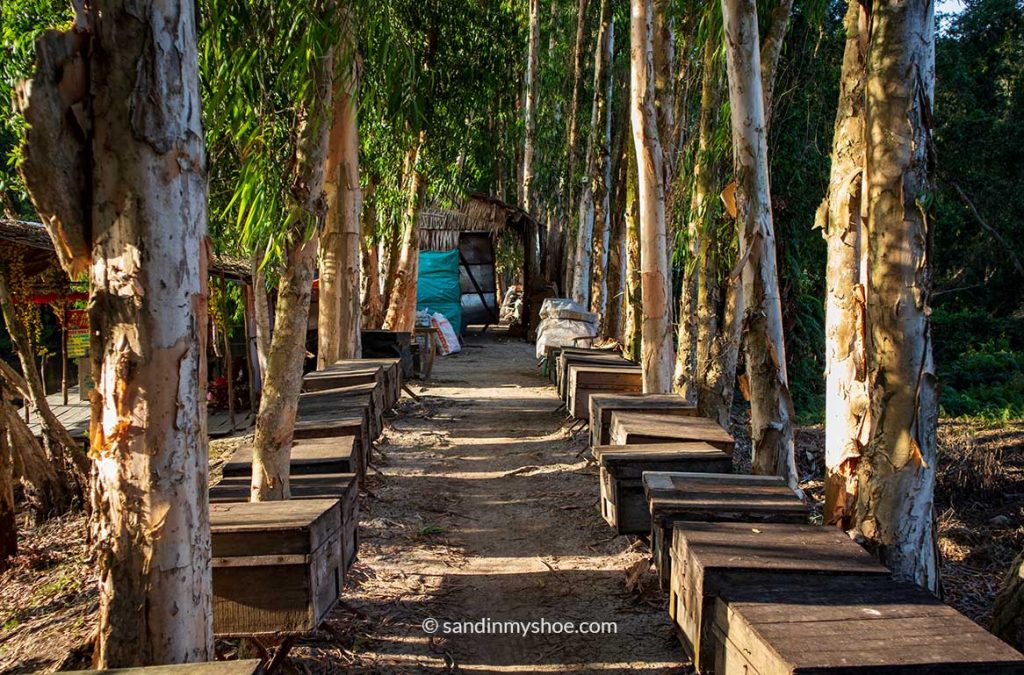
A little further in, after another left turn, I came across around forty beehive boxes belonging to a local beekeeper and his family who live there. Bees drifted in and out of the hives. It looked intimidating at first, but once I relaxed and moved steadily, it was fine — the challenge was mostly in my head.
Explore the Countryside by Motorbike
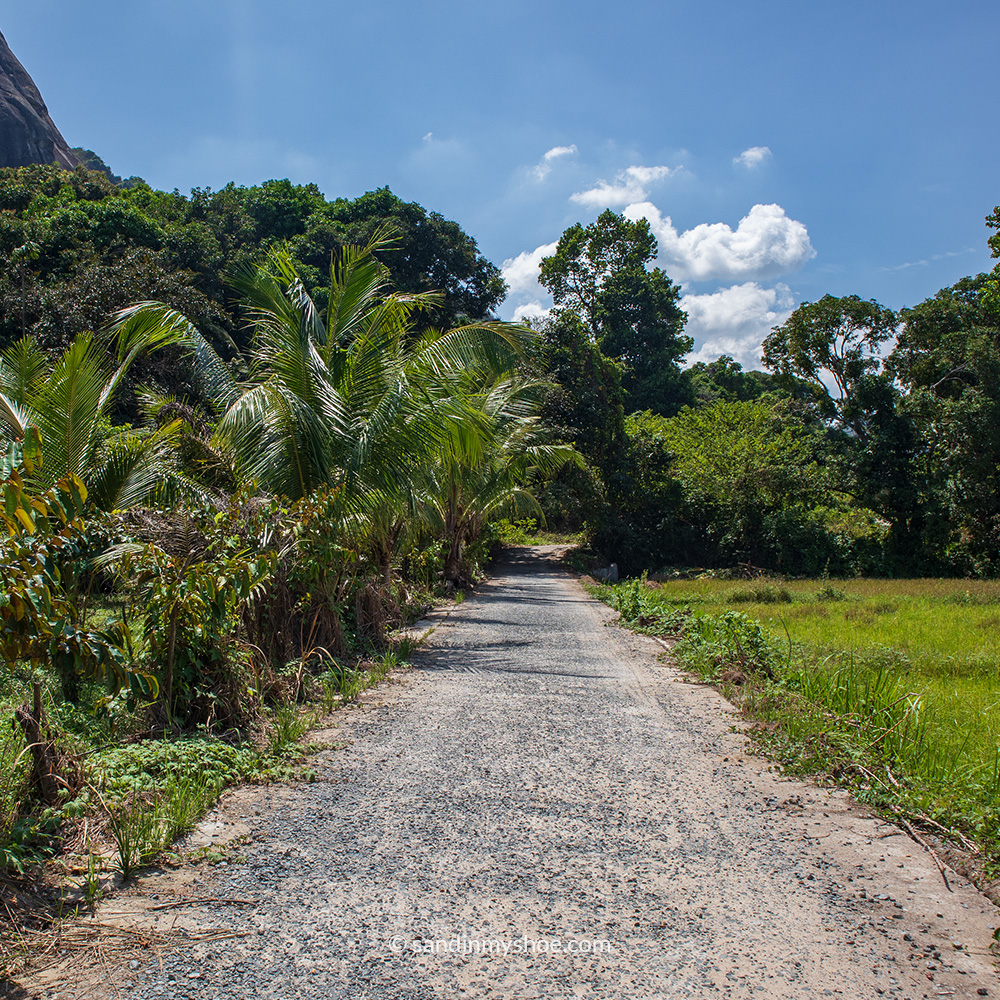
Rent a bike, double‑check that the brakes work, insist on a good helmet, fill it up to the rim and you’re ready to go. Once you’re on the road, follow whatever path looks interesting, then stop for a fresh sugar‑cane drink or a coffee when you see a stall or a small café in the middle of nowhere. Take your time. If you feel like it, hike one of the smaller hills or mountains for a quiet view over the fields. This is the kind of place where unplanned detours often end up being the best part of the visit.
Spend Time in the Rice Fields
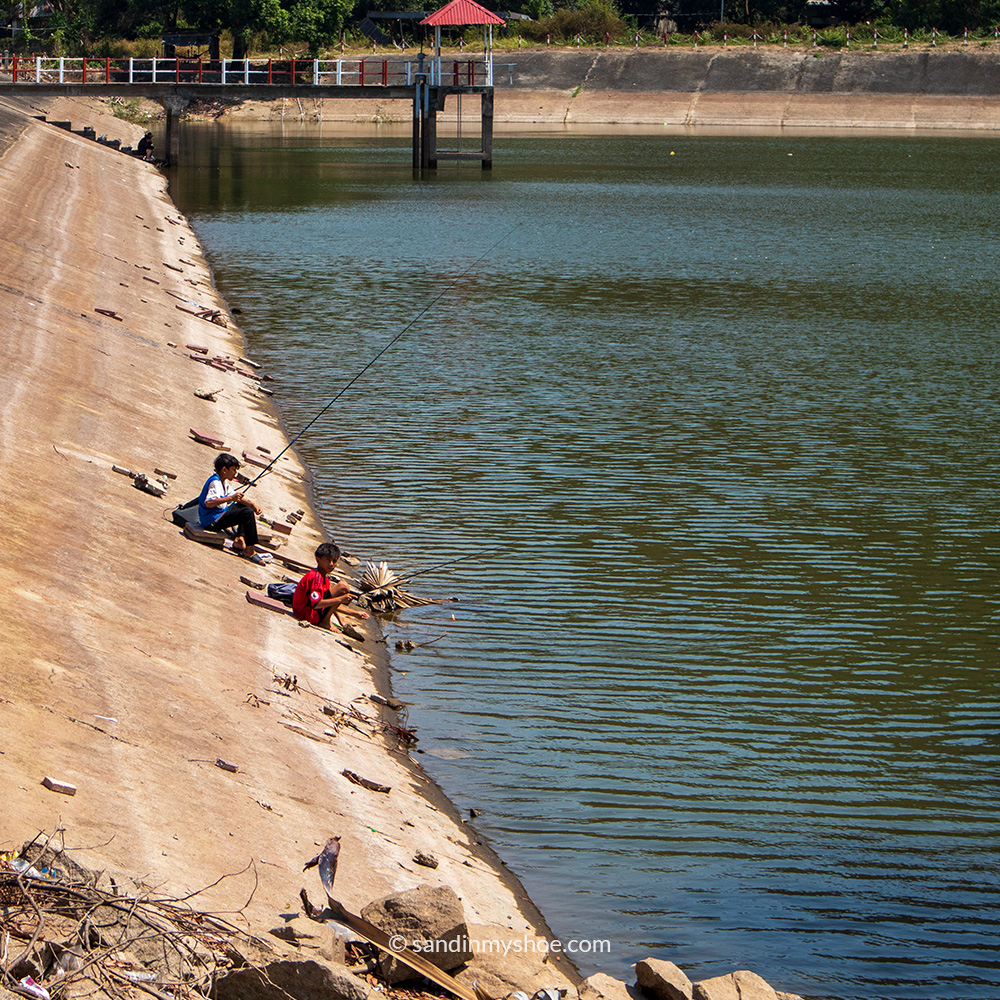
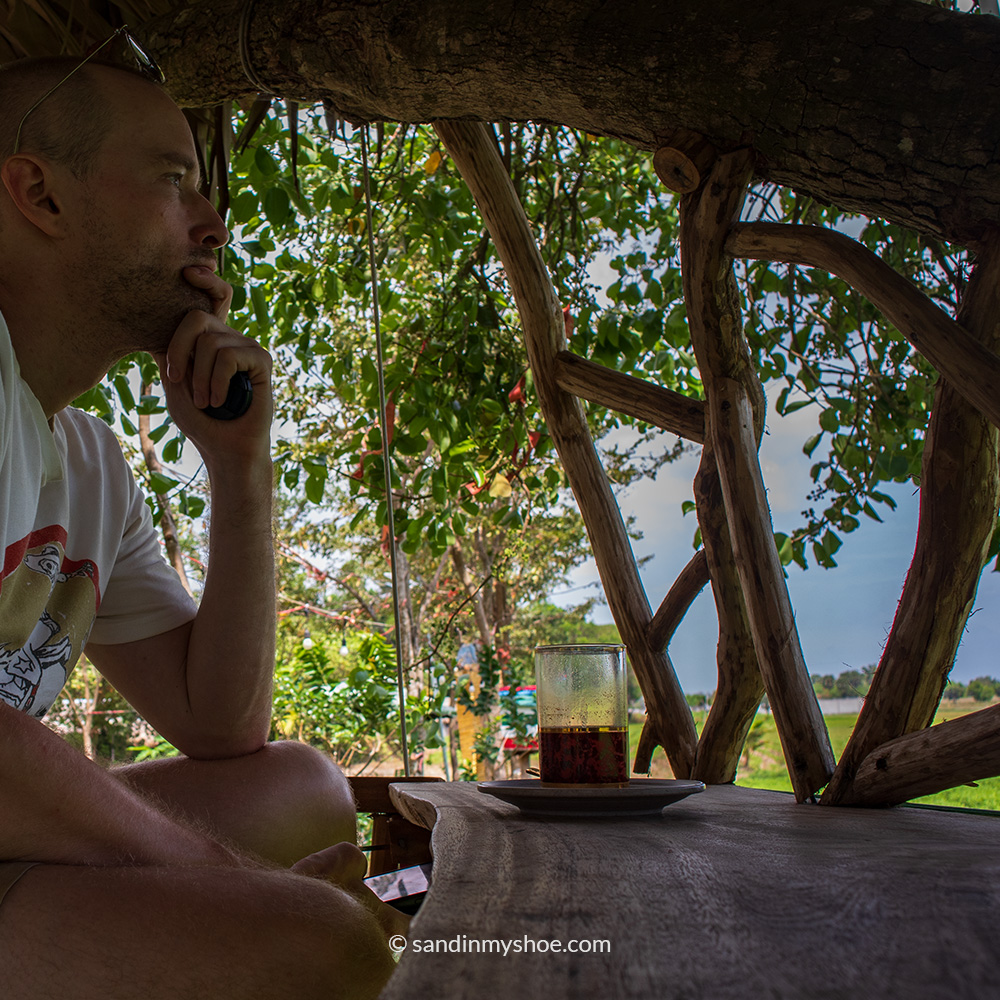
There are many small cafés scattered around the fields, often nothing more than a few plastic chairs, a hammock, and a fridge full of cold drinks. Bring a book, order something cold, and let the afternoon drift by. The pace is slow, the air is still, and the only real soundtrack is the rustle of the fields and the occasional motorbike rolling past.
Where to Stay in Chau Doc
I stayed in a homestay in Chau Doc, and I’d recommend doing the same if you want a more personal experience than a hotel can offer. Homestays in Chau Doc are simple but warm, and you get a much clearer sense of local life. If you prefer a pool, more polished rooms, or hotel‑style comfort, then a hotel is the better choice — there are a few good ones around town.
Chau Doc Homestay
Chau Doc has several homestays, but the experience can be inconsistent: some are warm and personal, others feel more like simple guesthouses. It’s worth choosing carefully, because a good homestay here really shapes your time in the city. The best ones give you local insight, practical help, and a sense of being looked after without anything feeling staged.
Homestay Khoa Chau Doc | Central
I stayed here and rented a motorbike from them as well. It was a very good stay — simple, central, comfortable, and a genuine homestay experience. The high reviews make sense.
Vi and her mother were great hosts. They organised a bike for the day, gave solid restaurant recommendations, and pointed me toward the best places to see around the area. It’s the kind of stay where you feel looked after without anything being over the top.
 book with agoda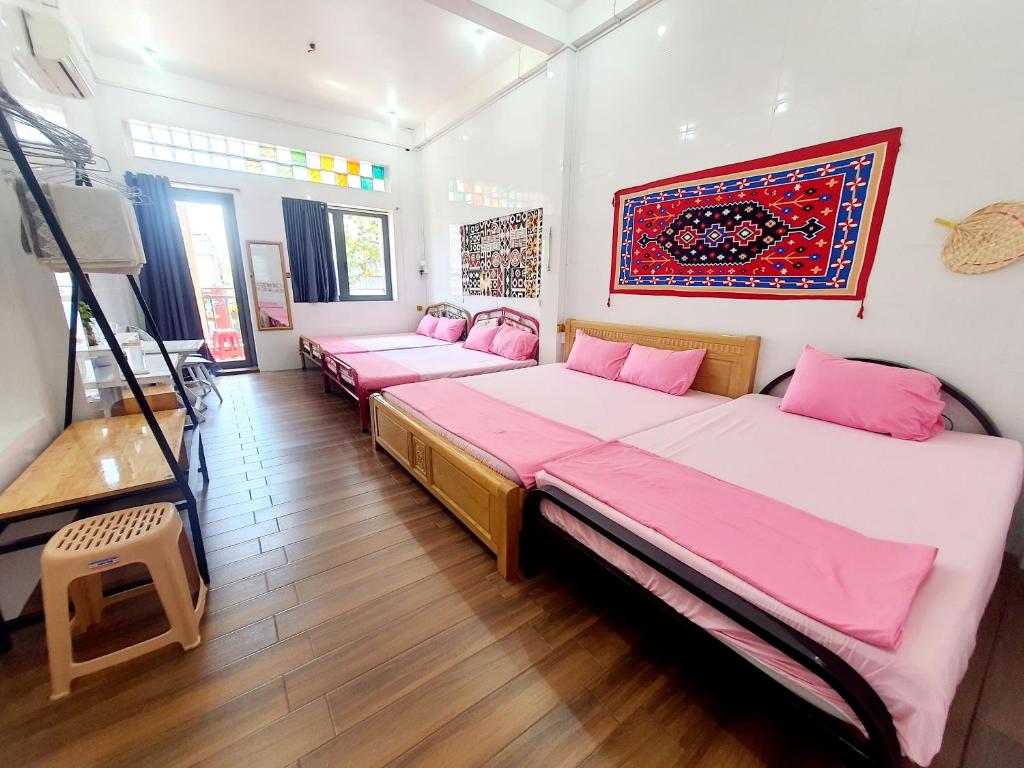
Chau Doc Hotels
If you prefer hotel comfort over the simplicity of homestays, there are a few reliable options. Most hotels sit either in the city center or around Sam Mountain, offering everything from standard rooms to scenic hillside stays with views over the rice fields.
Little Sai Gon Hotel | Central
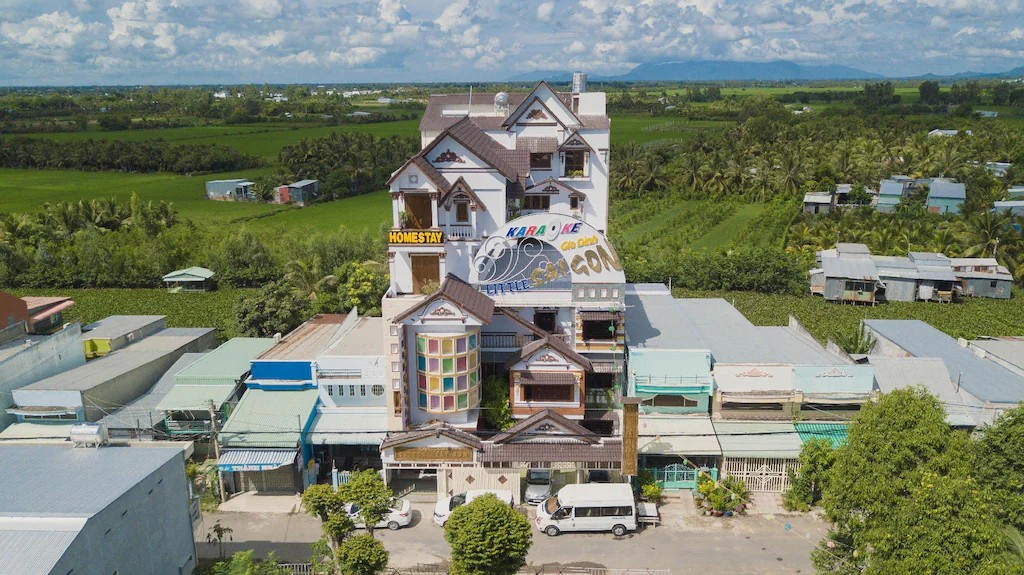
I originally planned to stay here, but it was already sold out by the time I booked. Reviews from other travelers consistently describe it as a charming, well‑decorated budget hotel with a warm, welcoming atmosphere.
Rooms with balconies overlooking the rice paddies and Sam Mountain. The on‑site restaurant also gets good feedback, making it easy to stay in for dinner.
Overall, it’s widely praised for offering great value for money and a level of service that feels personal rather than generic. Also it’s quite centrally located.
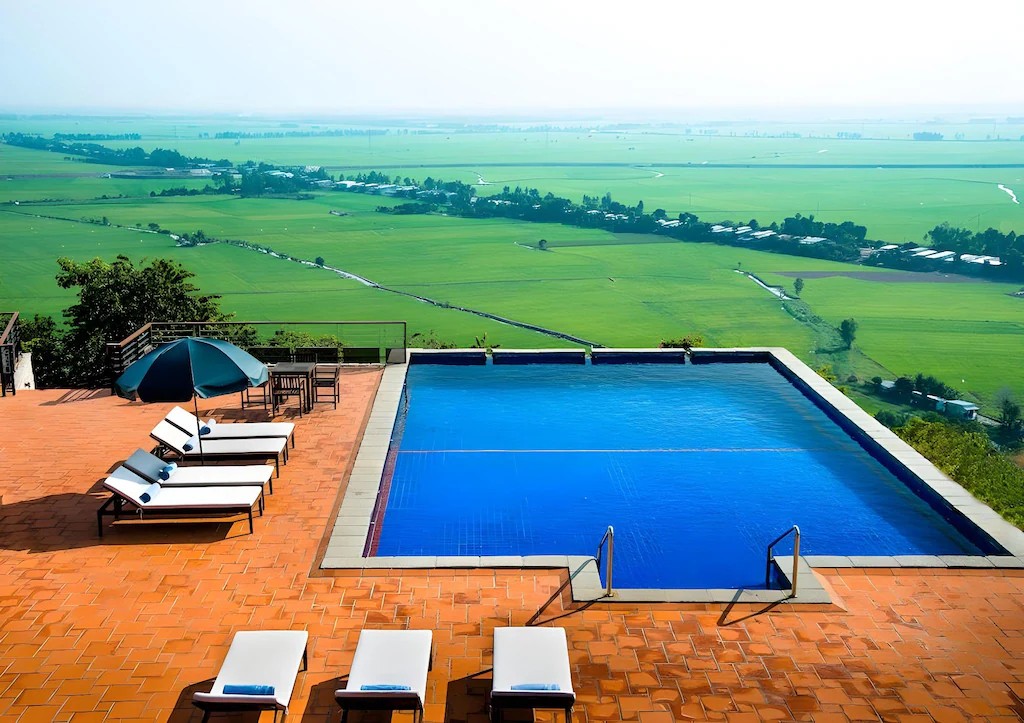
Victoria Nui Sam Lodge | Sam Mountain
Perched on the mountainside of mountain Sam with wide views of the rice fields and sunsets, this 3-star hotel is known for its peaceful setting. The rooms have a natural, cozy design that fits well with the surroundings, and the infinity pool overlooking the valley is often mentioned as the highlight.
How to Get to Chau Doc from Ho Chi Minh City
The most convenient way is to take a bus. Several companies run direct routes, and you can book tickets easily through 12Go, which lists multiple departures throughout the day. The ride takes around 5-6 hours depending on traffic, and costs about $9-$13 USD. Taxi is another option, but prices can be around $150 USD.
Final Thoughts on Chau Doc
Chau Doc is a lesser‑visited destination in the Mekong Delta, especially compared to Ben Tre and Can Tho, which offer more for most travelers. It’s best suited for the spiritually inclined, anyone interested in Sam Mountain’s pagodas, travelers looking for very local experiences, or those passing through on their way to Cambodia. You can see the main sights in a morning, then spend the afternoon exploring the countryside by motorbike.
Looking for more inspiration?
Check my Mekong Delta guide for a full itinerary and all the best things to do — you can jump straight to the sections here:


No comments yet, be the first one!
I appreciate hearing from you. If you have any suggestions, questions, or feedback, please leave a comment below. Your input helps ensure the information stays relevant and up to date for everyone.
Thank you for sharing your thoughts!