

This guide covers what to do in Can Tho, which homestays, hotels and resorts are worth considering, how to get to Can Tho from Ho Chi Minh City, and how to know whether this part of the Delta fits the kind of traveler that you are.
What is Can Tho Actually Like
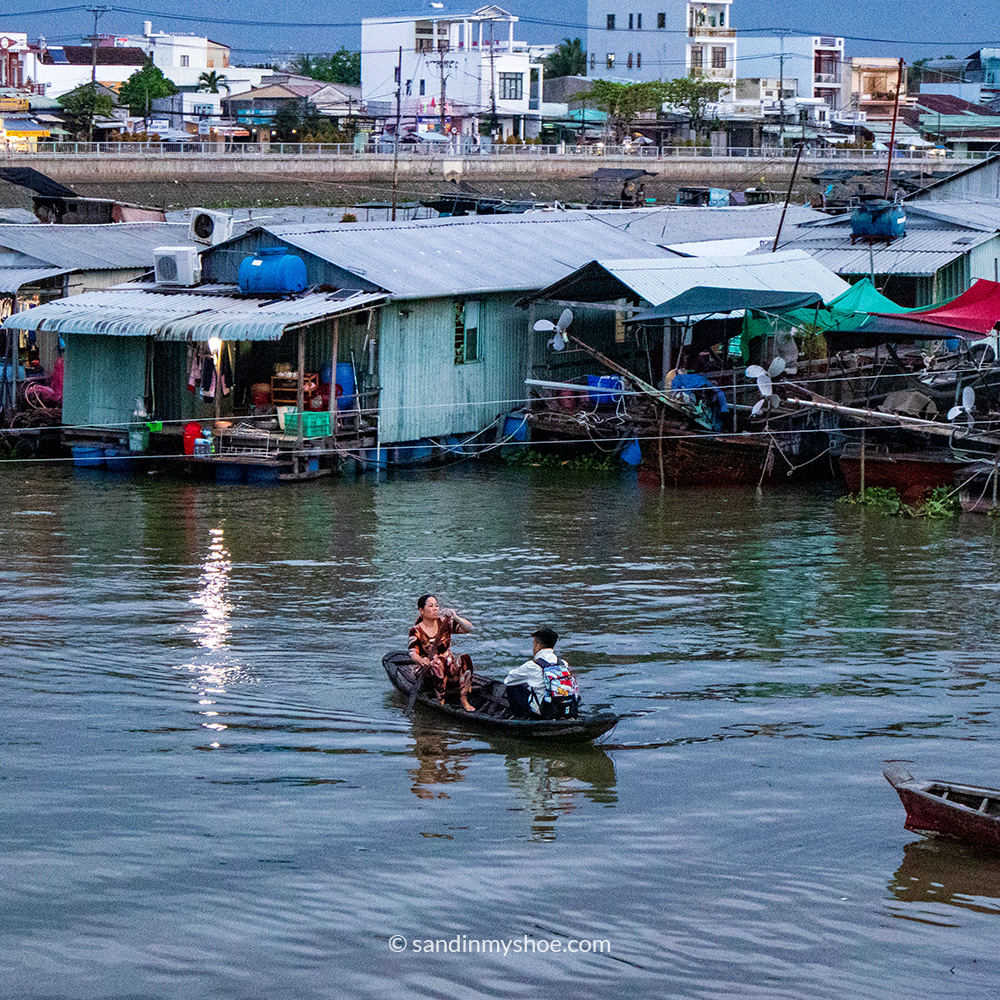
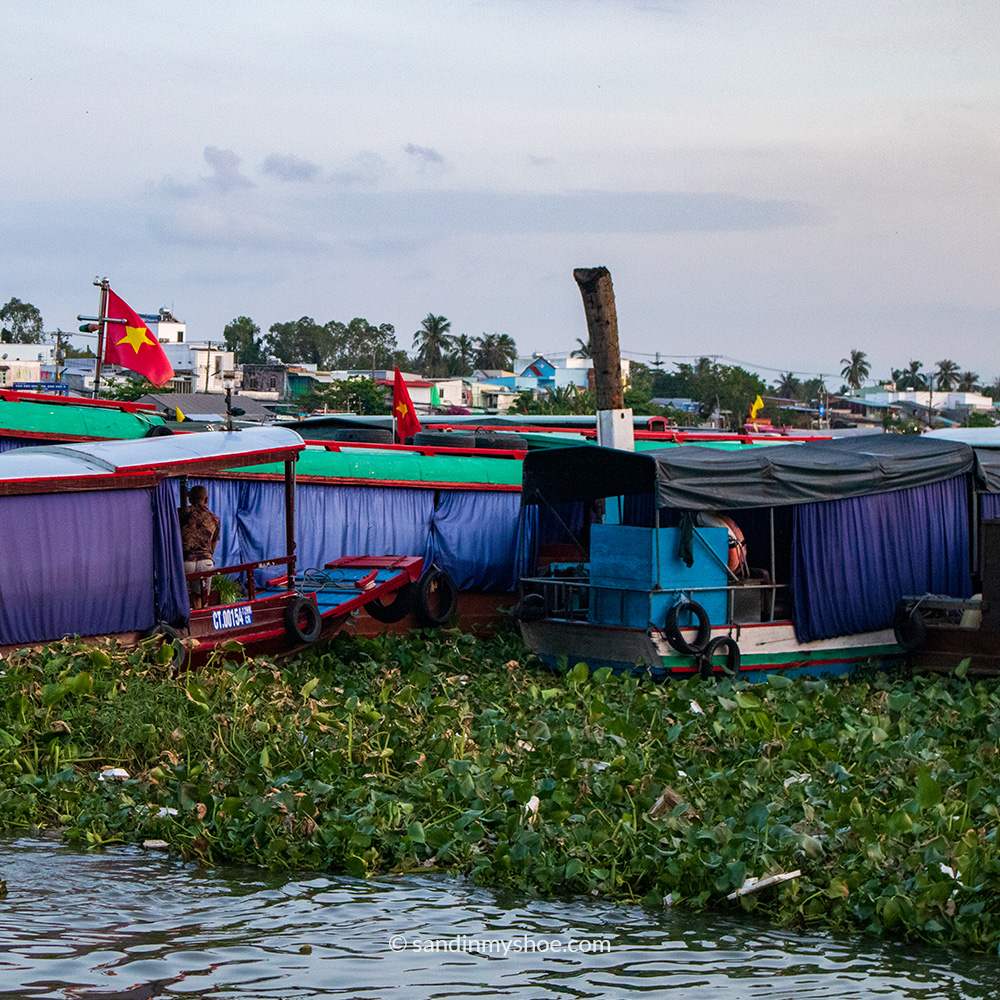
Can Tho is the biggest city in the Mekong Delta, with around two million people in its wider metropolitan area. Yet just a short walk along the riverbank tells a different story. The mangrove vegetation, the nipa palms, and the ever-present waterways make the city feel built into nature rather than on top of it. It’s the modern Mekong Delta, where nature still has the upper hand.
Welcome to the urban jungle. Cue Slash ripping up a solo in the distance.
Is Can Tho Worth Visiting
Can Tho is not as intimate as Ben Tre or as spiritual as Chau Doc, and it doesn’t have any big must-see sights. Many travelers come to the Mekong Delta for peace and countryside, and this is the region’s urban center — so it doesn’t fully match with that expectation.
But it has its own appeal. The river markets at dawn, the palms creeping along the canals, and the way the riverfront wakes up before the streets do give the city a character that’s hard to mistake. It’s a practical base for exploring smaller river communities, with comfortable hotels and easy connections around the delta. Spend time in the markets, try the local dishes, and walk the riverfront at night — that’s where the city shows its real character.
Can Tho is worth visiting if you want to see the modern Mekong Delta where boats, markets, nature and city life all overlap.
How Many Days to Spend in Can Tho
One night is enough for most travelers. You can see the floating market at sunrise, wander the riverfront, and try a few local dishes before moving on. If you have more time, stay longer and just explore at your own pace. For extended stays, I recommend choosing somewhere calm and nature‑focused.
Can Tho Things to Do
The things to do in Can Tho as a traveler are woven into everyday life, split between the river and the city. Here are the experiences that shows how this urban jungle actually works.
Stroll Around the Riverbank
A stroll along the riverbank in Can Tho is one of those simple things that ends up setting the tone for the whole city. After dropping my bags at the Wink hotel, it was the first thing I did, and it turned out to be quietly absorbing. The path follows the Hau River past small piers, clusters of trees, and stretches where the city thins out and starts to feel like countryside again. Boats slide in and out, the air is heavy and green, and there’s a slow rhythm to everything that’s easy to fall into. Nothing dramatic happens, but it’s a good way to get a feel for the place before heading out to the floating markets. If you are a runner, this whole stretch is also a great area for that.
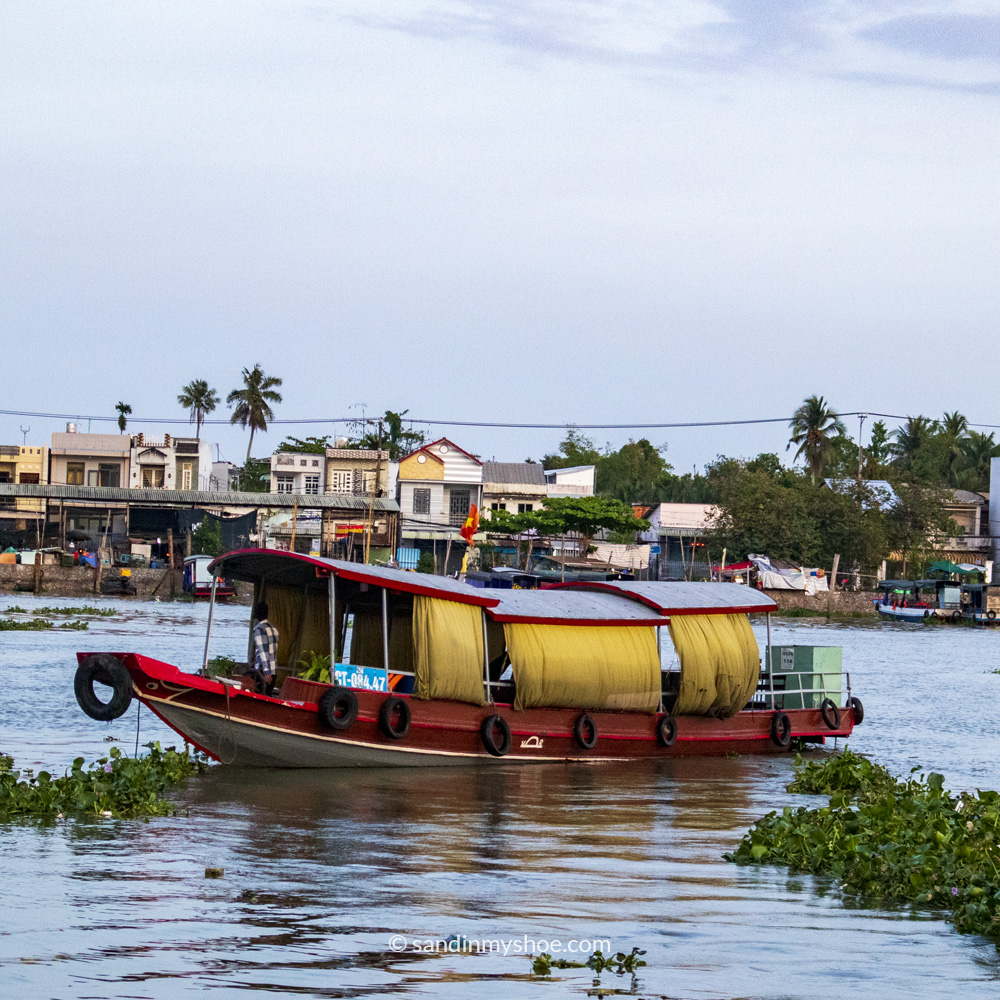
Cai Rang Floating Market in Can Tho
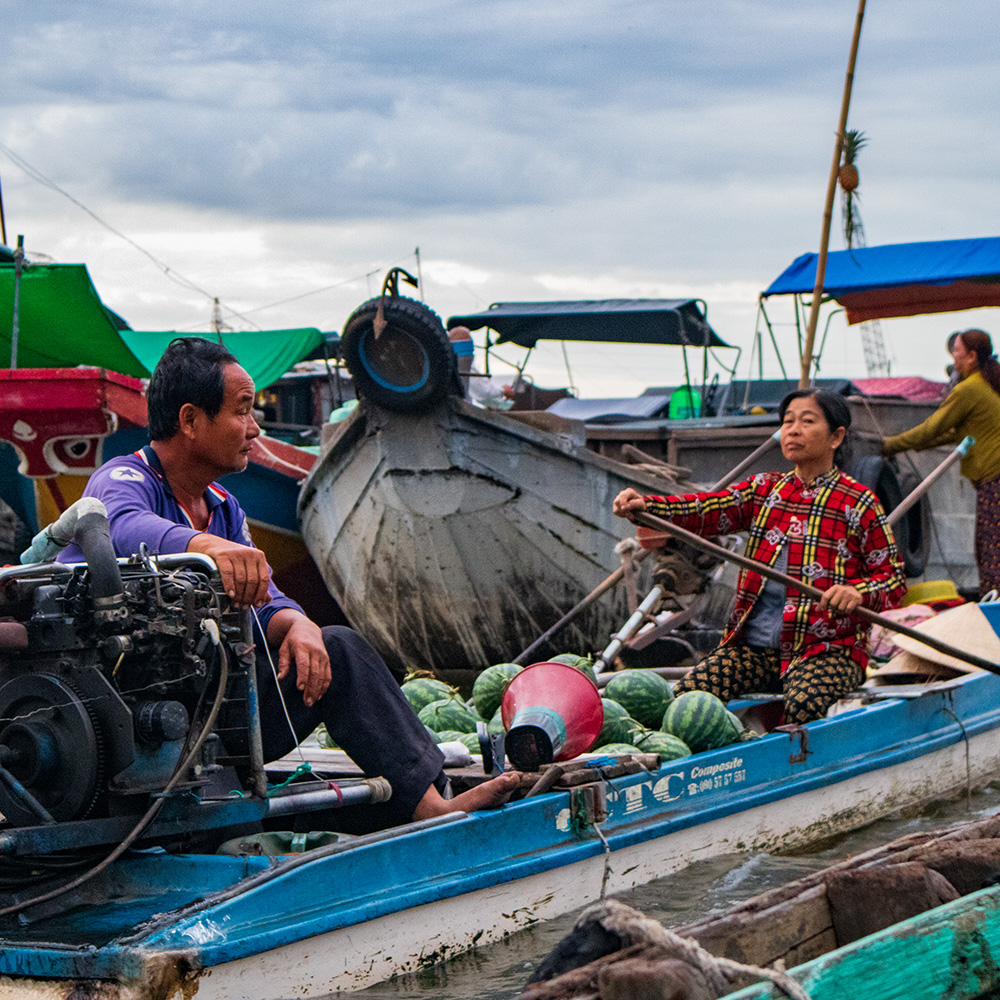
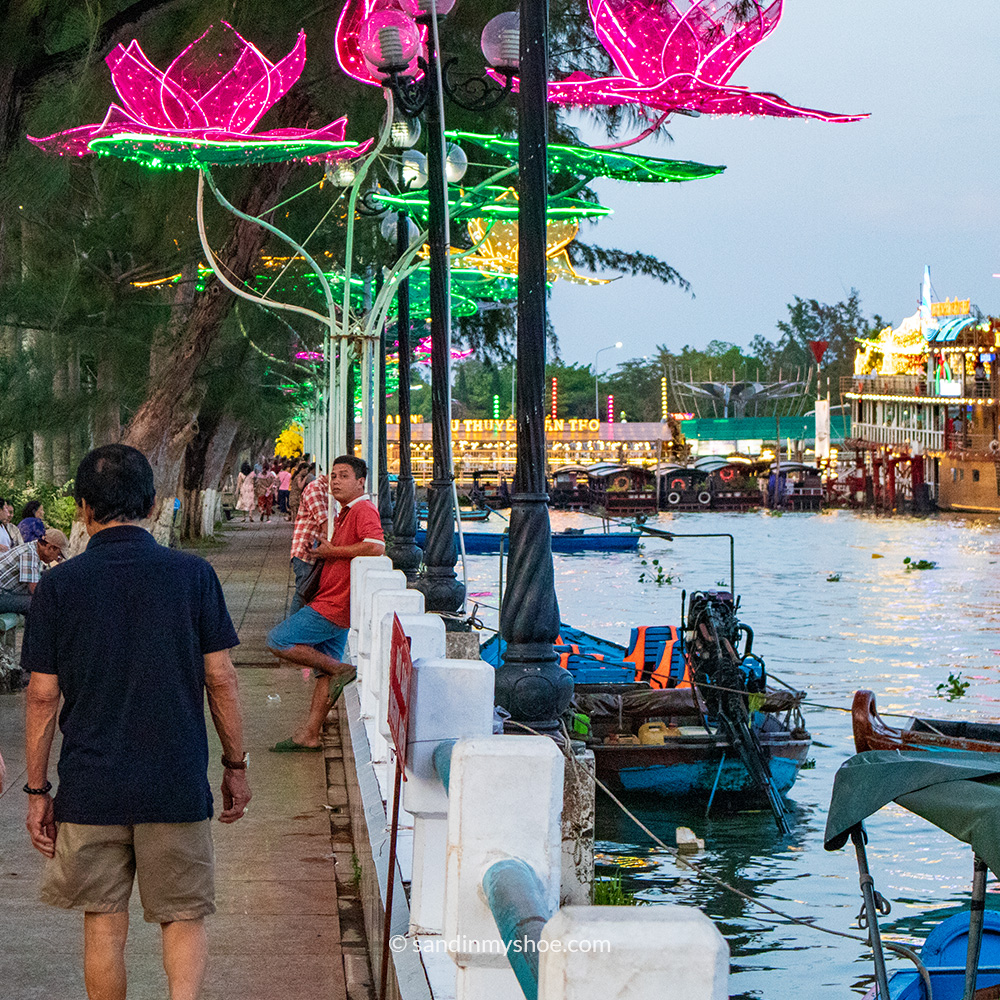
At sunrise you’ll see boats selling fruits and vegetables — some loaded with watermelons, others stacked with onions — and locals pulling up to buy their share. Other boats cater to visitors with fruit, coffee, and noodle soup, and a few larger houseboats even let you climb aboard for breakfast, which makes for a surprisingly cozy start to the morning.
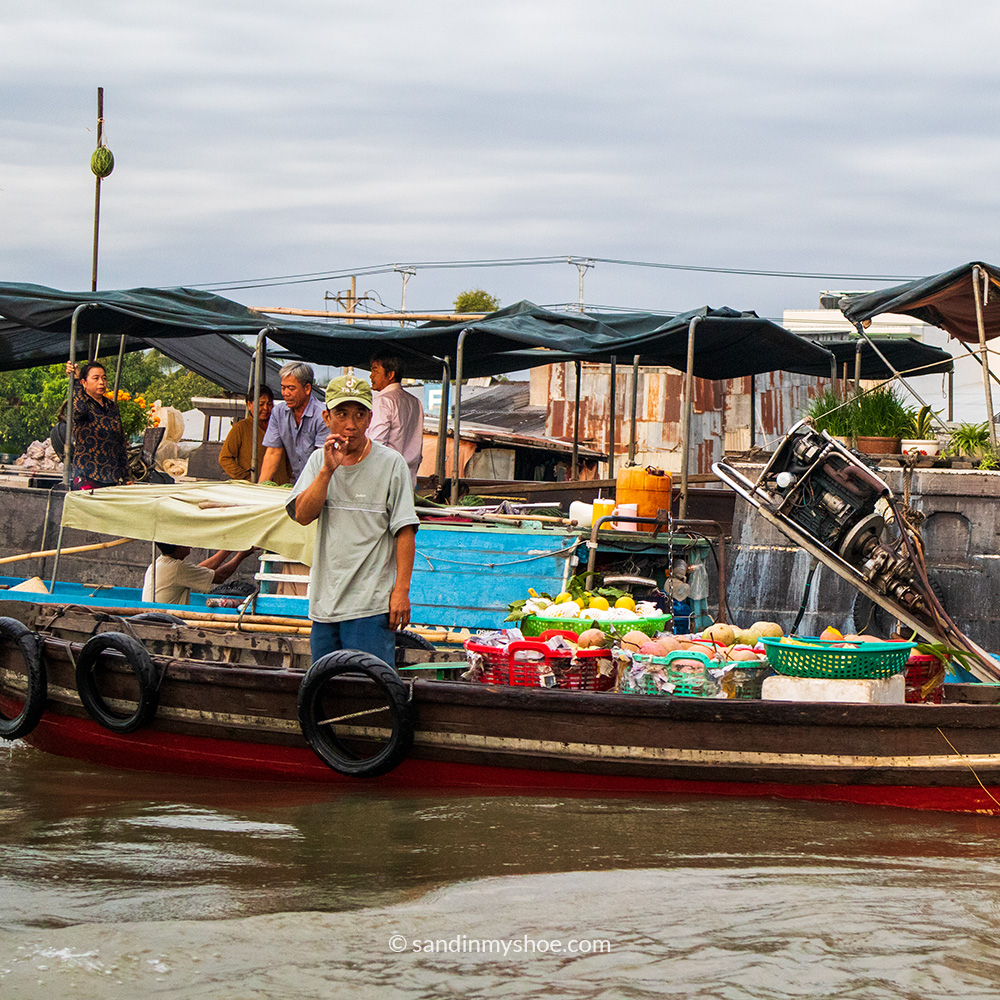
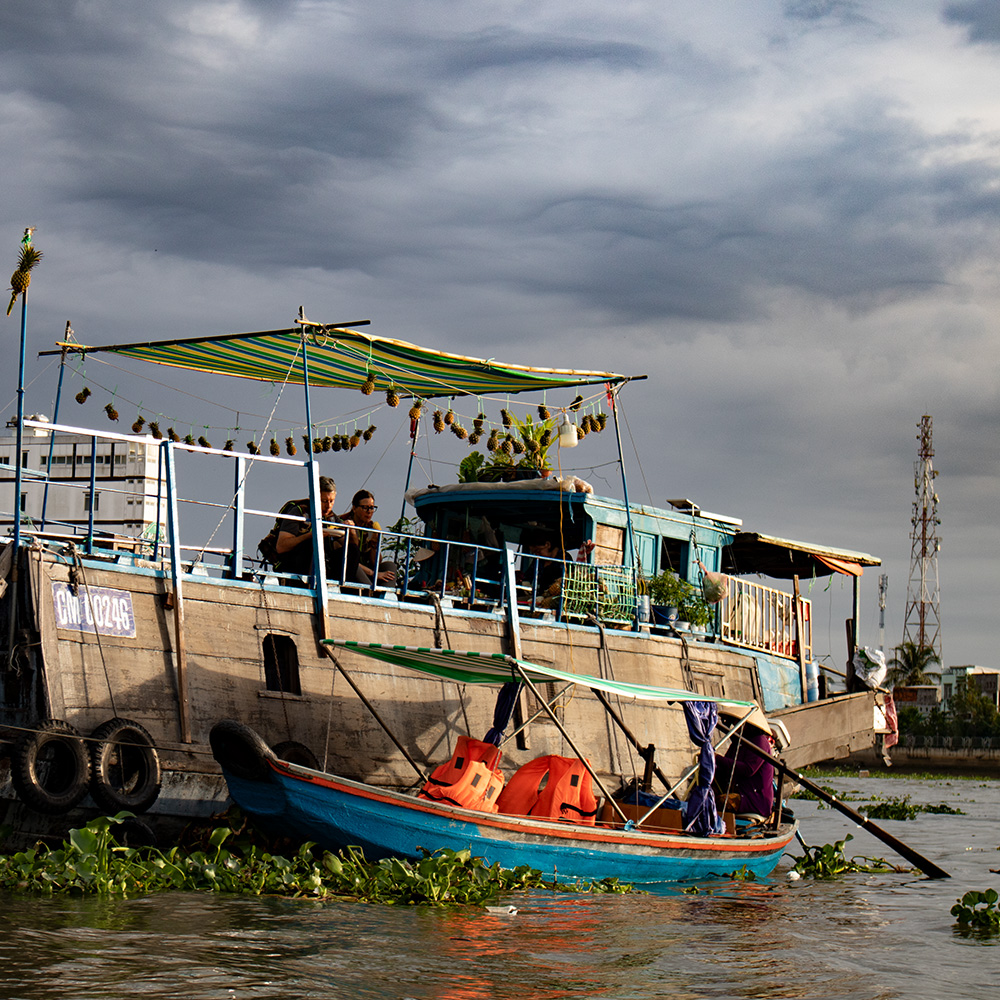
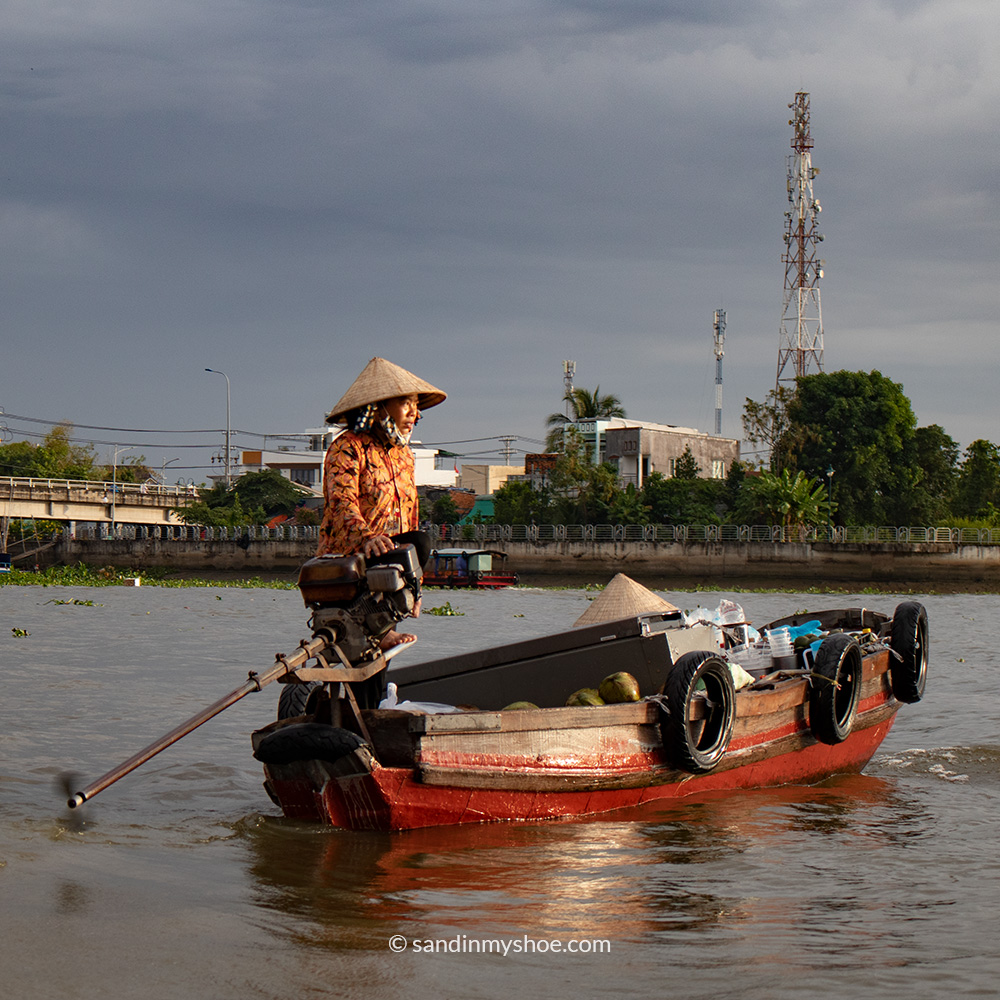
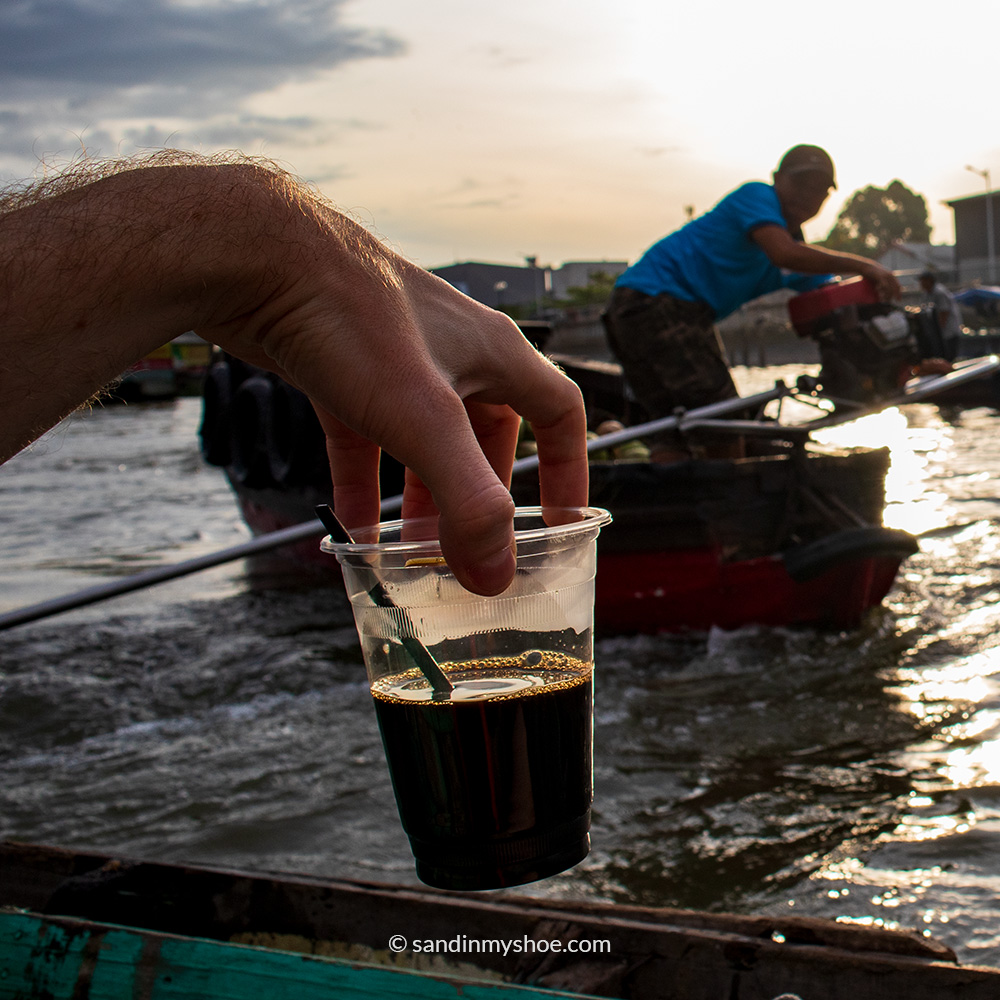
But Cai Rang is no longer the bustling wholesale hub you see in old photos. Most of the real trade has moved onto land, and what remains on the water is smaller, quieter, but still worth experiencing for the atmosphere.
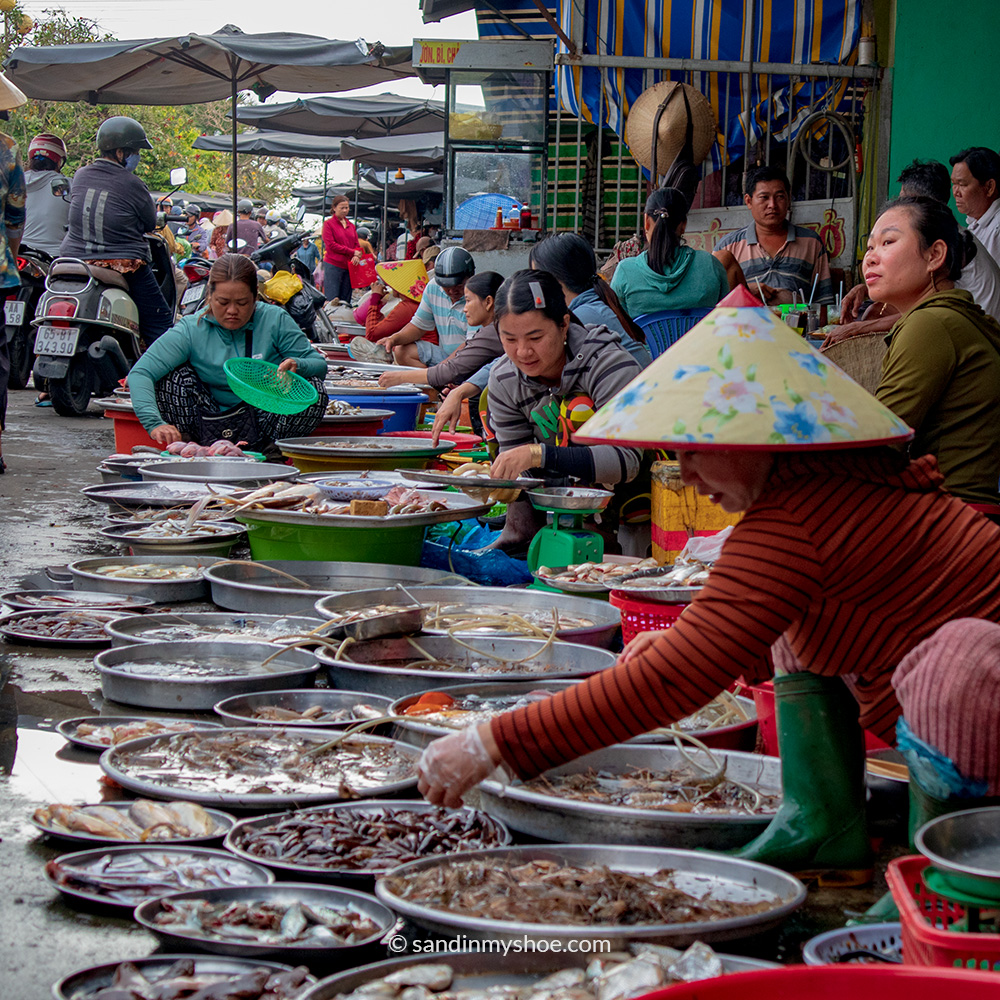
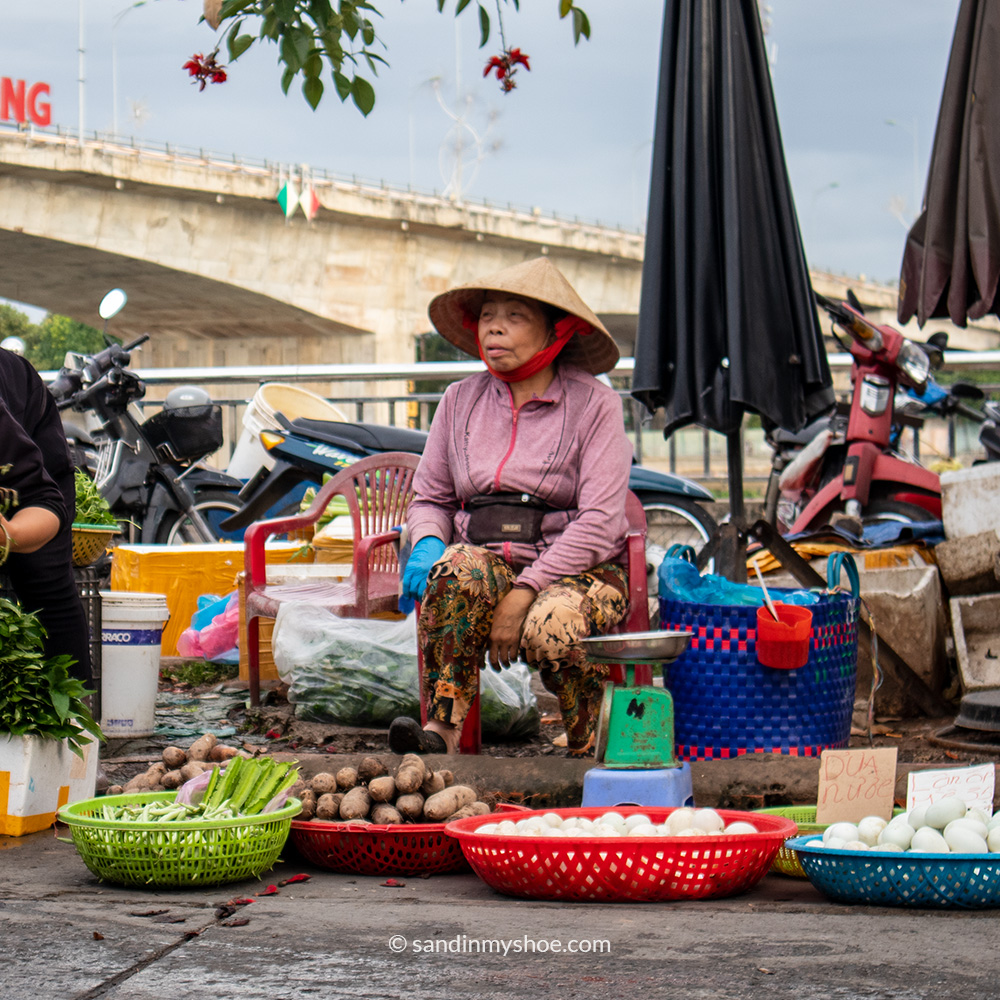
Once you’ve seen the floating part, the land market right next to it is the real highlight. It’s busy, loud, and completely local — no staged experiences. You’ll find every imaginable cut of meat, piles of vegetables and herbs, and the kind of everyday chaos that makes Vietnamese markets so compelling.
The floating market in Cai Rang is one of the Mekong Delta’s most famous activities, and sunrise is the best time to visit. Wake up around five and head out early.
You can visit the floating market in a couple of ways:
- Shared boat from the main harbor Can Tho — About 100k VND (~$4 USD) for a spot on a large boat. It takes roughly an hour to reach the floating market and is the standard organized‑tour experience.
- Private boat from the main harbor in Can Tho — A full small boat costs 200k–300k VND (~$8-12 USD). Same route, but you get more flexibility and a quieter experience. If you’re traveling with someone or in a small group, this is the best option.
- Ride a motorbike or take a taxi straight to the Cai Rang bridge area and hire a small boat there. This is the least touristy approach. I did it this way: rode out, paid 100k VND (~$4 USD) for a short private ride of about 30 minutes, had a coffee on the water, then walked through the land market afterwards. It felt more local and less packaged than the standard tours because I could just point to where I wanted to go, and the boatman took me there.
The Cai Rang Floating Market is still worth seeing—as long as you go with the right expectations. The floating part is modest, but the early‑morning atmosphere and the transition into the land market make it a memorable stop.
Grab Dinner on a Riverboat Along the Riverbank
Dinner on one of the docked riverboats in Can Tho is a relaxed experience. These boats sit right along the main harbor, lit up in the evenings, and function as floating restaurants without actually going anywhere. You step on board, find a table, and eat while the river moves around you rather than you moving along the river.
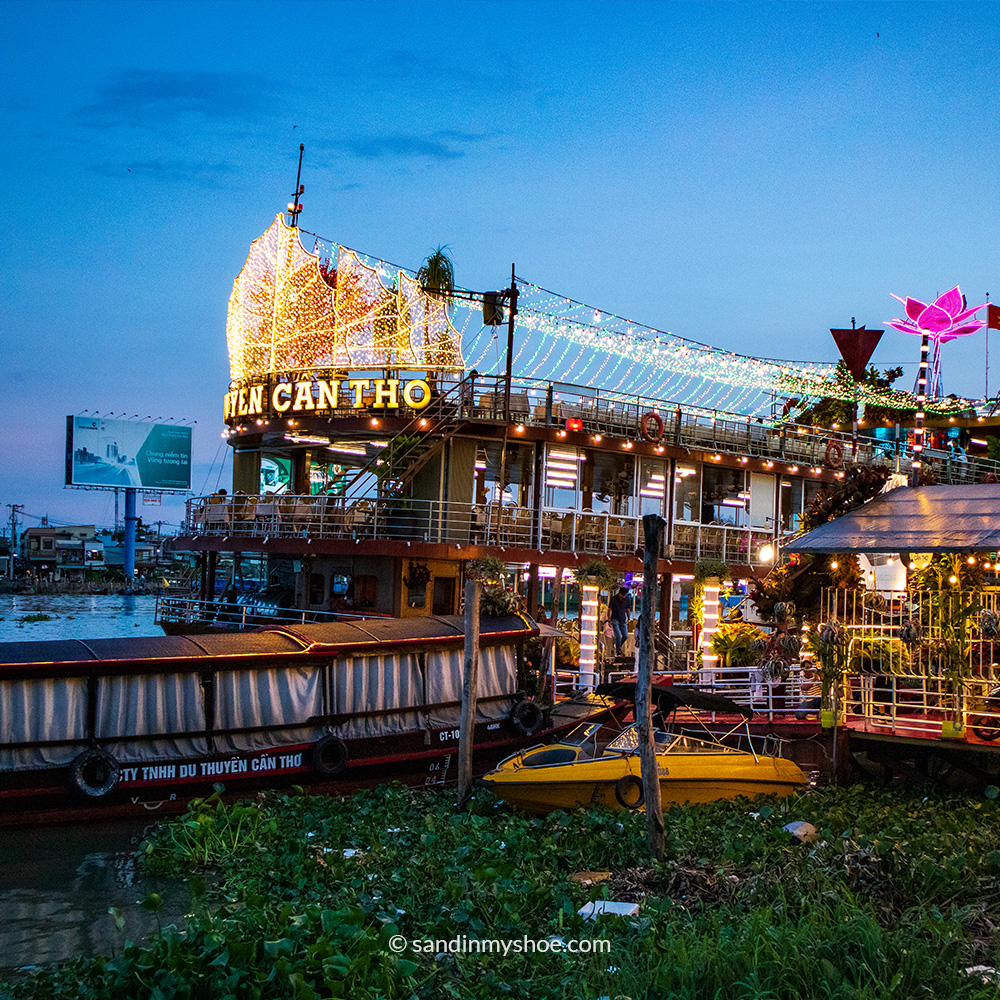
The food is straightforward Mekong Delta cooking—grilled fish, hotpots, simple seafood dishes—and the atmosphere does most of the work. You get the warm evening air, the lights reflecting on the water, and the steady hum of boats passing by. It’s not about fine dining; it’s about being close to the river, the thing that defines the Mekong Delta.
Some boats are livelier with music and big groups, while others are quieter and better for a slow dinner. It’s worth walking along the harbor first to see which one matches the mood you want.
Visit the Night Market
The night market in Can Tho sits right along the river and it’s one of those places you naturally end up drifting into in the evening. It’s a simple stretch of street‑food stalls—bright lights, plastic chairs, smoke from the grills—and a steady mix of locals and travelers passing through. The food is straightforward and good value. Grilled seafood, meat skewers, fruit, sweet snacks, a few vegetarian dishes—it’s all there, nothing fancy, just honest street food at local prices.
Ong Pagoda
Ông Pagoda isn’t a must‑see sight, but if you’re already wandering along the riverbank it’s worth stepping inside. The Chinese community has been part of Vietnam for more than a thousand years, and their temples appear throughout the Mekong Delta. This particular pagoda was built in the late 1800s and still serves as an active place of worship.
Inside, you’ll find coils of incense hanging from the ceiling, bright altars, and a steady flow of locals stopping by to pray. It’s small, atmospheric, and easy to visit without going out of your way.
Eat Durian Sweets, Pastries and Cakes
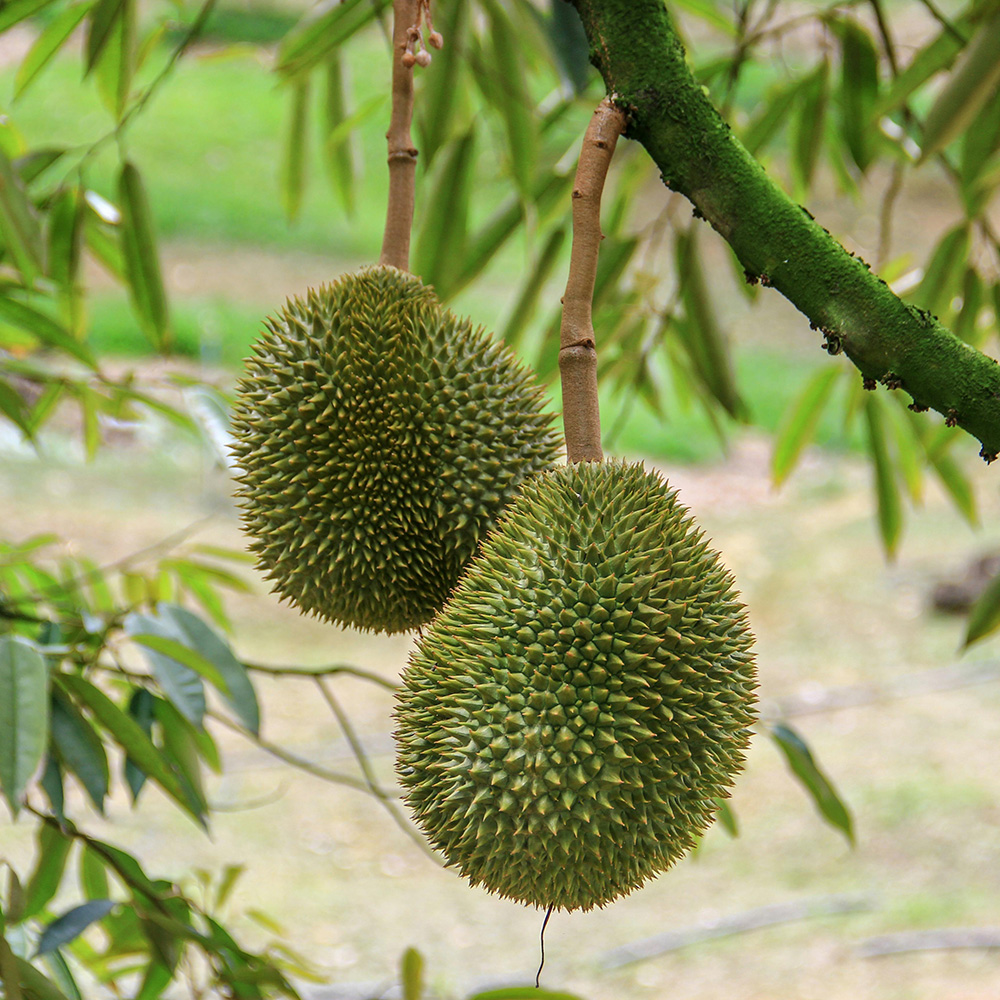
Durian shows up in all kinds of sweets in the Mekong Delta simply because so much of Vietnam’s durian is grown here. Some of the local varieties have a rich, custardy flavor, and people fold that into pastries, cakes, ice cream, smoothies, candies, and even coconut‑based treats. You’ll see these everywhere in markets and small bakeries, and the taste shifts depending on the variety and how ripe the fruit is. It’s an easy way to try durian without committing to a full, fresh piece — just buy whatever looks good and snack as you go.
Get a Haircut
This one leans more toward guys, mostly because we tend to be less particular about the outcome, which is exactly why it used to be one of my favorite travel habits. The language barrier added a bit of suspense — you never quite knew what you’d walk out with. These days I stick to a basic 3 mm cut, so the mystery is gone, but the experience is still worth mentioning.
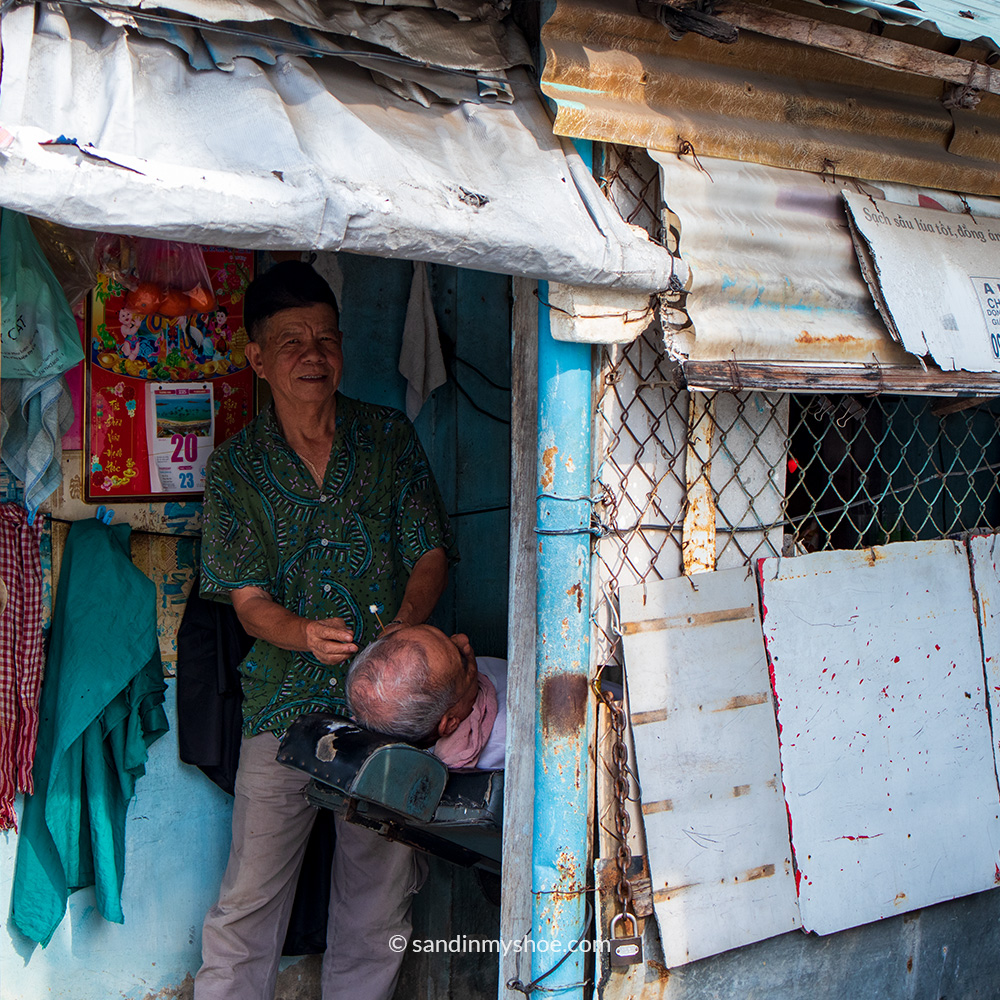
What stands out in the Delta are the barbershops themselves. Some are proper shops with mirrors and fans, but others are literally just a hole in the wall: one chair, one mirror, a few clippers, and a barber who’s been doing this for decades.
It’s quick, cheap, and oddly satisfying, and it gives you a glimpse of daily life you’d never get from a tour or a café.
Where to Stay in Can Tho
Where to stay in Can Tho works differently from Ben Tre because the city is bigger, busier, and more urban. The best options here are either staying centrally near the night market, the harbor, and most restaurants, choosing a riverside resort, or staying a bit outside the city.
Can Tho Homestay
The small riverside homestays you find all over Ben Tre don’t really exist in Can Tho. Instead, the best budget‑friendly central choice is Winter Spring Homestay, and if you prefer a quieter, nature‑focused stay, Bamboo Eco Village about 10 km outside the city is a great alternative. Below are the two options in more detail.
Winter Spring Homestay
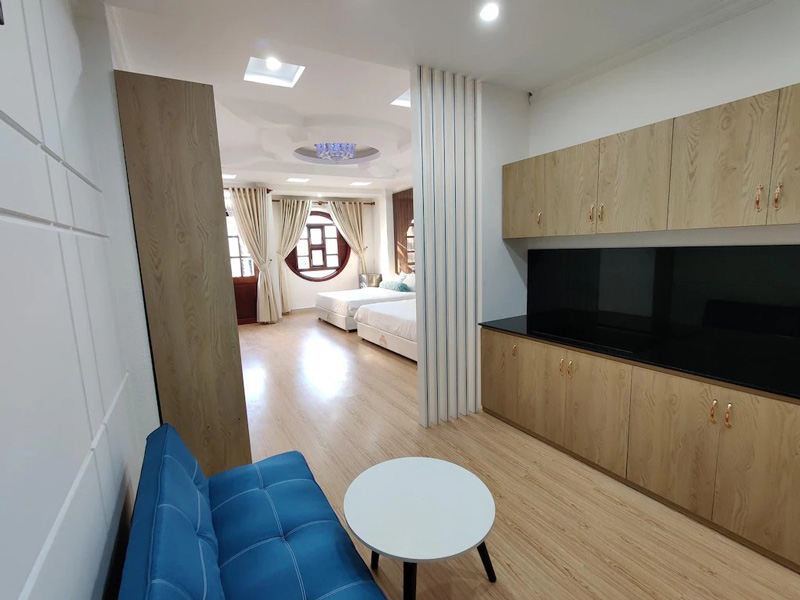
Winterspring is a central, cheap, and very practical place to stay. The rooms are large and clean, there are useful extras like a shared kitchen and free washing machine, and the staff are kind and helpful with things like transport and motorbike rental. It’s simple but great value, with easy access to an authentic neighbourhood market called Cai Khe Market, and quick Grab rides anywhere in the city.
 book with agoda
Bamboo Eco Village
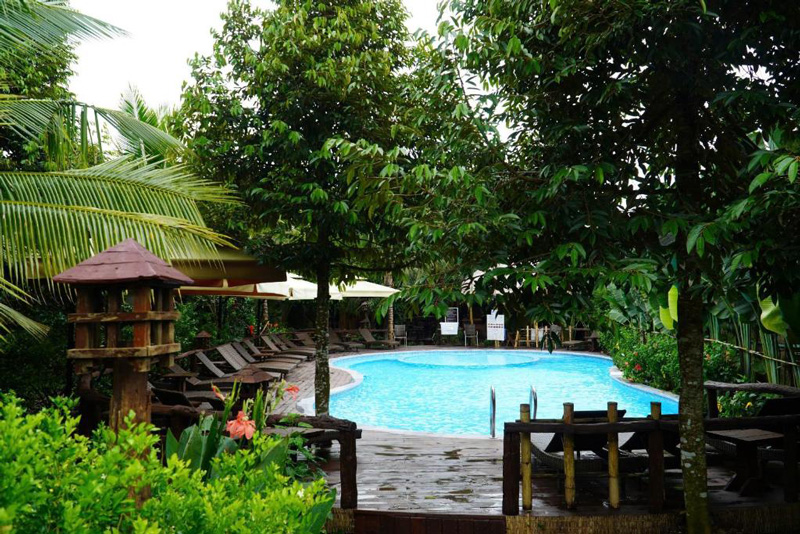
If you want a nature‑focused place to stay, Bamboo Eco Village is a good option to consider. It’s a peaceful, greenery‑filled spot about 10–12 km outside central Can Tho, with simple bungalows, clean private bathrooms, and a quiet riverside setting. There’s a garden, a small outdoor pool, and easy access to cycling or fishing, plus optional airport transfers. It’s a relaxed, good‑value choice if you’d rather be surrounded by trees and water than the city.
Can Tho Resort
Can Tho has a couple of decent resort‑style places. They sit close to the river but outside the busy center, with more space, greenery, and a calmer atmosphere than the hotels in town. You’re still only a short taxi ride from the riverfront and the night market, but the setting feels more like being in nature than in the city.
Resort Con Khuong
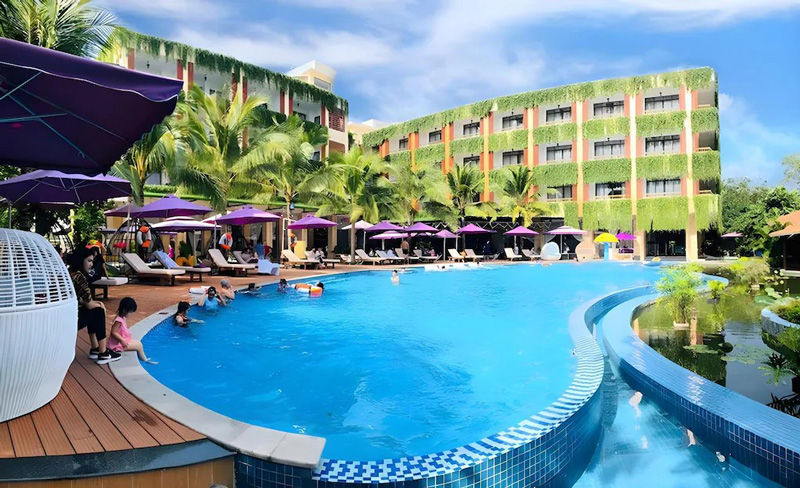
A peaceful resort outside the center with friendly staff, clean and spacious rooms, and a lovely pool, plus good food and a great breakfast buffet. It’s excellent value for money, and the quiet setting and warm service make it an easy place to extend your stay.
Victoria Can Tho Resort
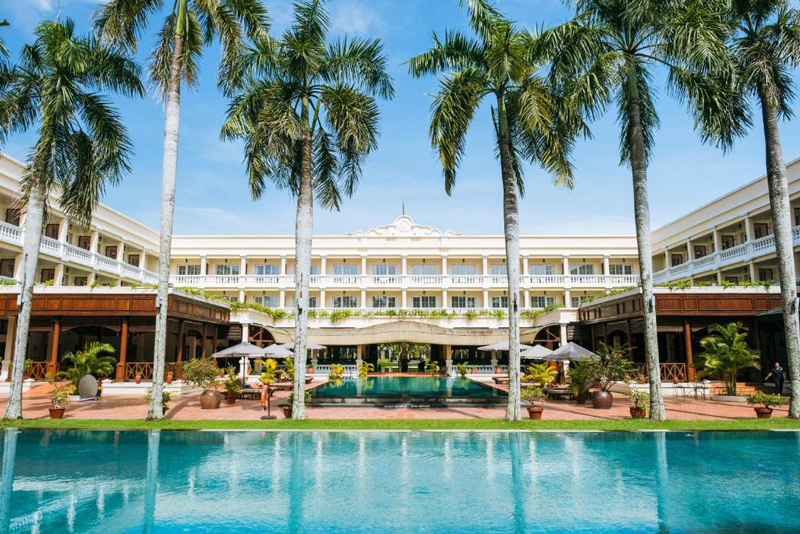
Victoria Can Tho Resort is a calm, comfortable place to unwind, with lush grounds, spacious rooms, and a large pool right by the river. The staff are genuinely warm and attentive—small gestures and personal touches make the stay feel memorable. It’s an easy place to recommend if you want a relaxed, nature‑leaning break just outside the busy center.
Can Tho Hotels
Wink Hotel (I stayed here)
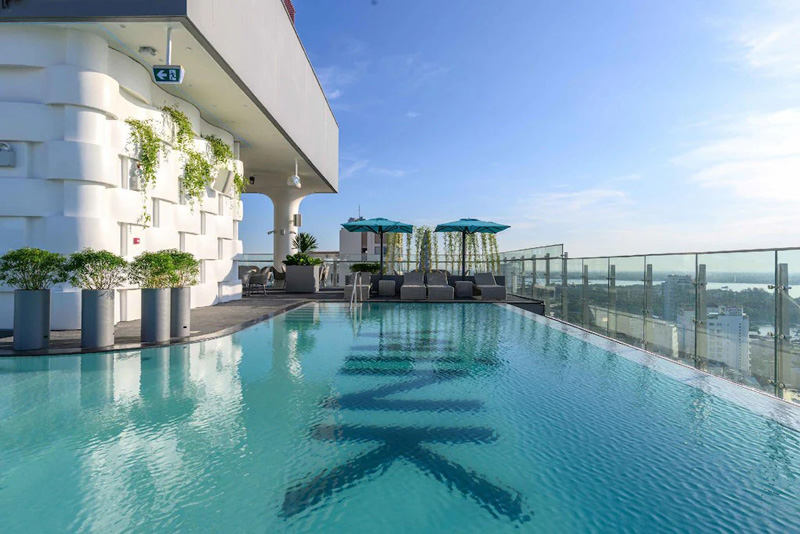
I stayed at the Wink Hotel, and it ended up being the most comfortable place I slept in the Delta. The room was sound‑isolated, the bed was ridiculously good, and the building itself is modern and central. They have a rooftop pool, a decent gym, and breakfast included, so it felt like a small upgrade without being expensive. The best part is their 24‑hour stay policy: if you check in late, you can check out late the next day, which is surprisingly useful when you’re moving around a lot.
Sheraton Can Tho
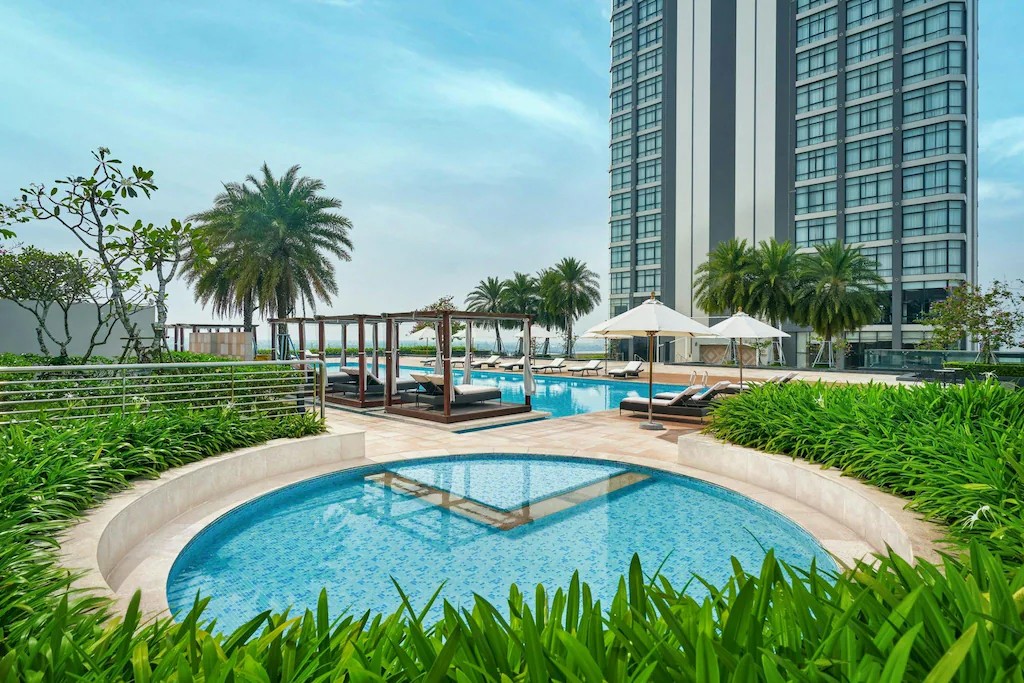
You can never go wrong with a Sheraton hotel. The Sheraton Can Tho has large, spotless rooms, warm professional staff, and consistently high standards across the board. Great breakfast, smooth service, and an overall experience that feels reliably excellent every time.
Legacy Mekong, Can Tho, Autograph Collection
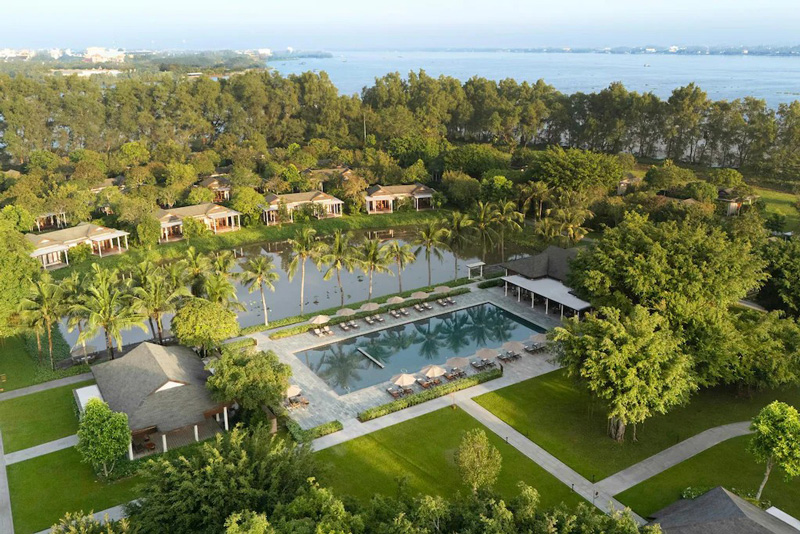
Legacy Con Au Resort sits on Con Au Island just across the riverbank and is one of few 5‑star hotels in the area, making it the clear choice if you want to splurge. It’s peaceful, surrounded by nature, and thoughtfully maintained, with warm staff and a calm atmosphere that feels very different from staying in the city.
How to Get to Can Tho from Ho Chi Minh City
The easiest way to reach Can Tho from Ho Chi Minh City is by bus. The trip takes about four hours and costs $8–13 USD, depending on comfort level. The cheaper option is a lying bus; it’s reasonably comfortable if you’re under about 180 cm (5.9 ft). I’m 181 cm and it was still fine. The pricier limousine buses have wide, cushy seats and feel more relaxed overall. Both options can be booked through 12Go.
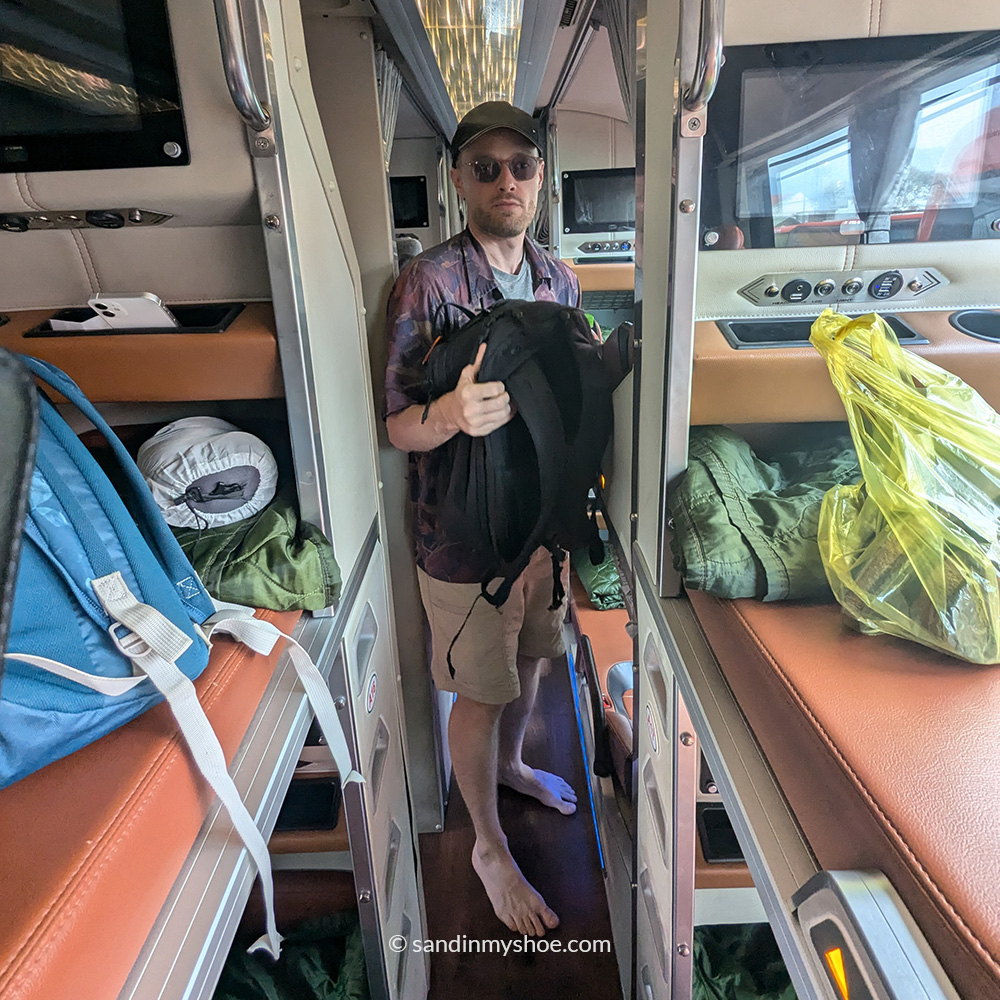
A private car is another straightforward choice. It’s slightly faster and usually around $70 USD for a three‑seat vehicle. This works well if you’re landing at the airport as a small group and want to head straight to the Mekong Delta without dealing with bus stations, saving you a bit of time. You can book a private car through 12Go as well.
Final Thoughts on Can Tho
Can Tho is one of the most popular bases for exploring the Mekong Delta, and it’s definitely worth a stop. The city gives you easy access to the floating market, the riverfront, and a glimpse of daily life along the water. One night is usually enough to see the highlights without rushing. If you stay longer, it’s worth shifting into a nature‑focused stay outside the city — that’s where the Mekong Delta feels most itself, with quiet canals, fruit gardens, and slower rhythms you won’t find downtown.
Looking for more inspiration?
Check my Mekong Delta guide for a full itinerary and all the best things to do — you can jump straight to the sections here:


No comments yet, be the first one!
I appreciate hearing from you. If you have any suggestions, questions, or feedback, please leave a comment below. Your input helps ensure the information stays relevant and up to date for everyone.
Thank you for sharing your thoughts!