

This guide brings together the key places, routes, and experiences to help you explore the region at your own pace and understand what makes it worth visiting.
What is Mekong Delta Actually Like?
The Mekong Delta is a vast, flat region in southern Vietnam and one of the most rural and agricultural parts of the country. Thanks to the Mekong River and its countless channels, the land is incredibly fertile, and the area produces over half of all the rice in Vietnam, along with fruit, coconut, and fish farming that shape daily life across the region.
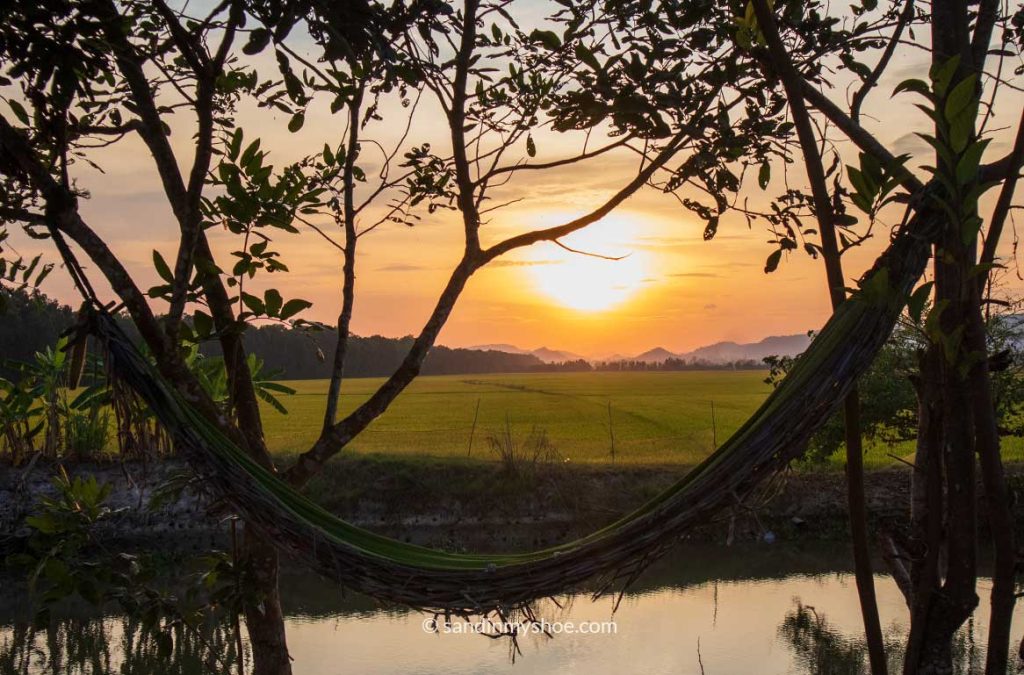
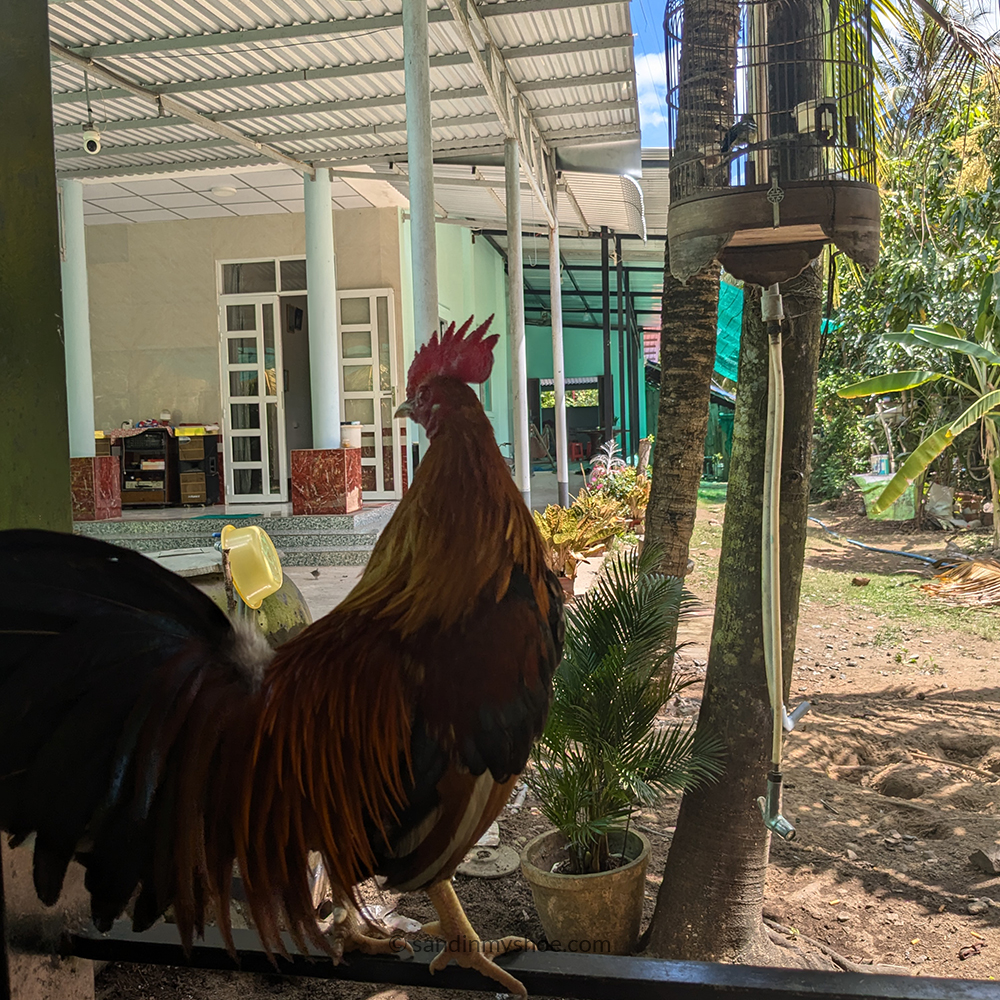
Backpacking the Mekong Delta can feel a bit confusing at first since there’s no dramatic landscape or big, iconic sights. The charm is in the everyday moments: the slow pace of life, a parent rowing their child to school, a rooster hopping onto your table while you drink your afternoon coffee, or a motorbike ride between rice fields where you stop for a fresh coconut and rest in a hammock. It’s a region where small, unscripted experiences end up defining the trip.
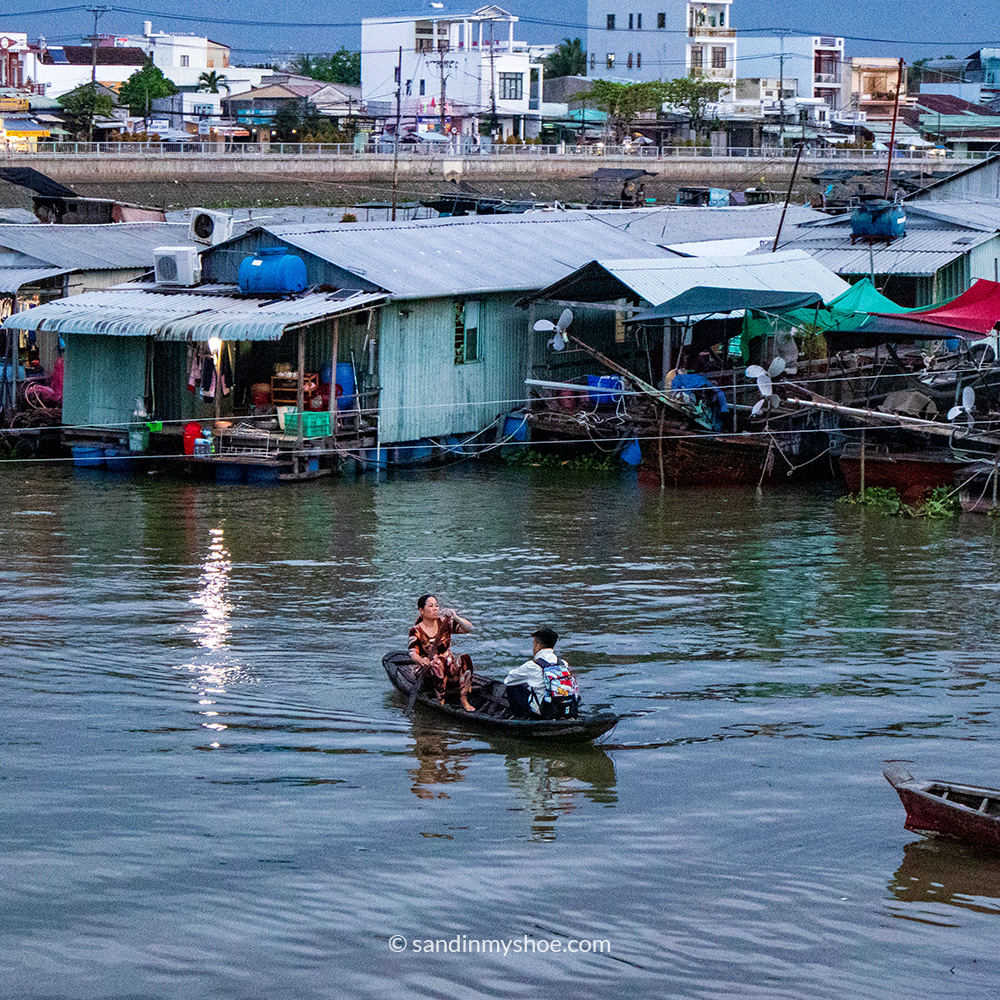
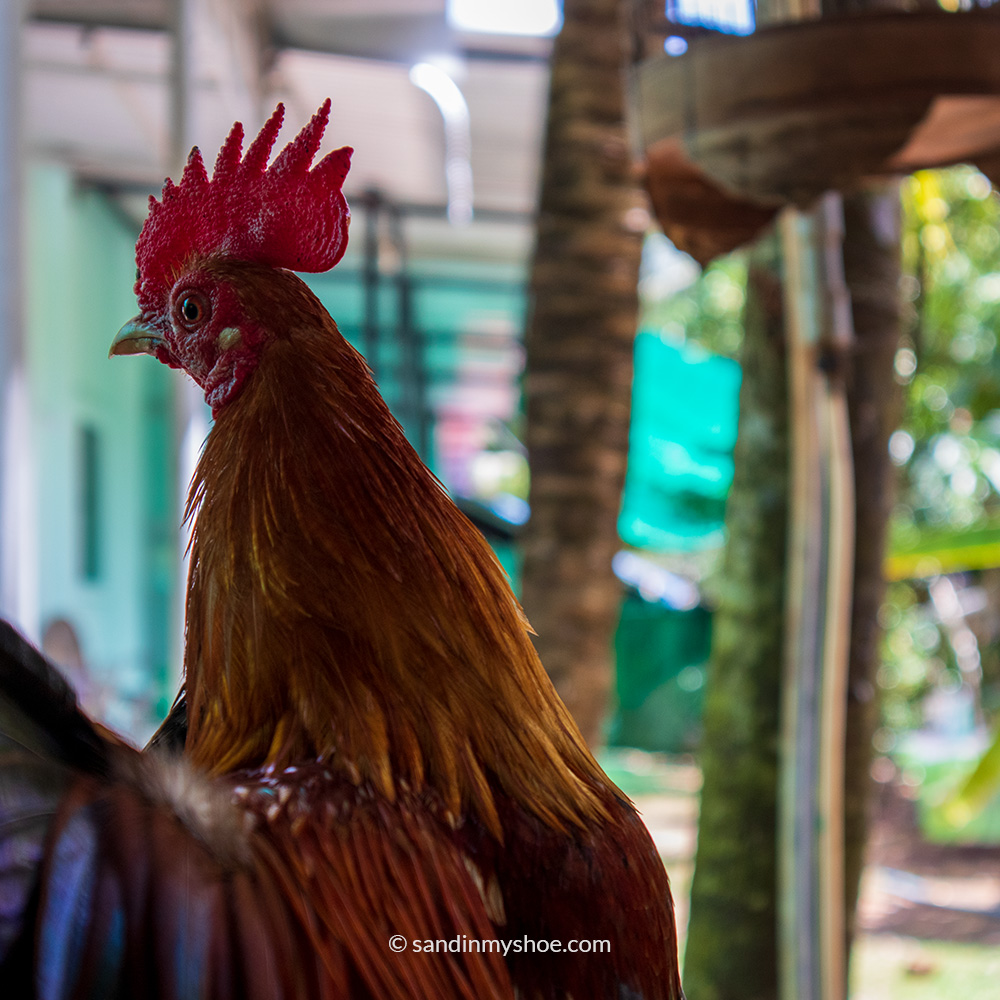
This is Mekong Delta outside the typical tour circuits.
Is Mekong Delta Worth Visiting
I had a more genuine experiences here than in many other places in Vietnam, and it slowly became one of my favorite regions in Vietnam.
I stayed for about a week, and loved the calmness, the slow pace, and the curious looks and smiles of the people. The children were psyched to say hello to me— they don’t see that many foreigners — and even the older folks gave me curious smiles. Keep in mind that this is outside the beaten tourist path. Your experience will be wildly different if you just join on a half-day tour from Ho Chi Minh City.
Best Time to Visit Mekong Delta
The Mekong Delta stays warm year‑round, so what really matters is avoiding the peak heat and the heaviest rain. The most comfortable months are December to March, when the weather is dry, the skies are clear, and the temperatures are easier to handle. April is still fine, but it’s also when the heat peaks. October and November can be pleasant too, though the weather is more mixed. The wettest stretch is June to August, when you’ll get short but heavy afternoon showers rather than all‑day rain. The upside of the rainy season is fewer tourists and generally lower prices (they are already low though).
 32°C
21°C
33°C
22°C
33°C
23°C
32°C
21°C
33°C
22°C
33°C
23°C
 35°C
24°C
35°C
24°C
 34°C
25°C
34°C
25°C
 32°C
24°C
32°C
24°C
32°C
24°C
32°C
24°C
32°C
24°C
32°C
24°C
 31°C
24°C
31°C
23°C
31°C
22°C
31°C
21°C
31°C
24°C
31°C
23°C
31°C
22°C
31°C
21°C
How Many Days to Spend in the Mekong Delta
If you’re traveling without a tour, I’d recommend spending at least three nights. It takes time to get here, and even more time to move between destinations. The Delta is also a place to slow down, so rushing through it defeats the point.
If you’re traveling slowly with a loose plan — like I did — and want to visit many different cities, give yourself at least five days. The region is big, the roads are slow, and the charm is in wandering around rather than trying to tick off sights
Independent Travel vs Mekong Delta Tours
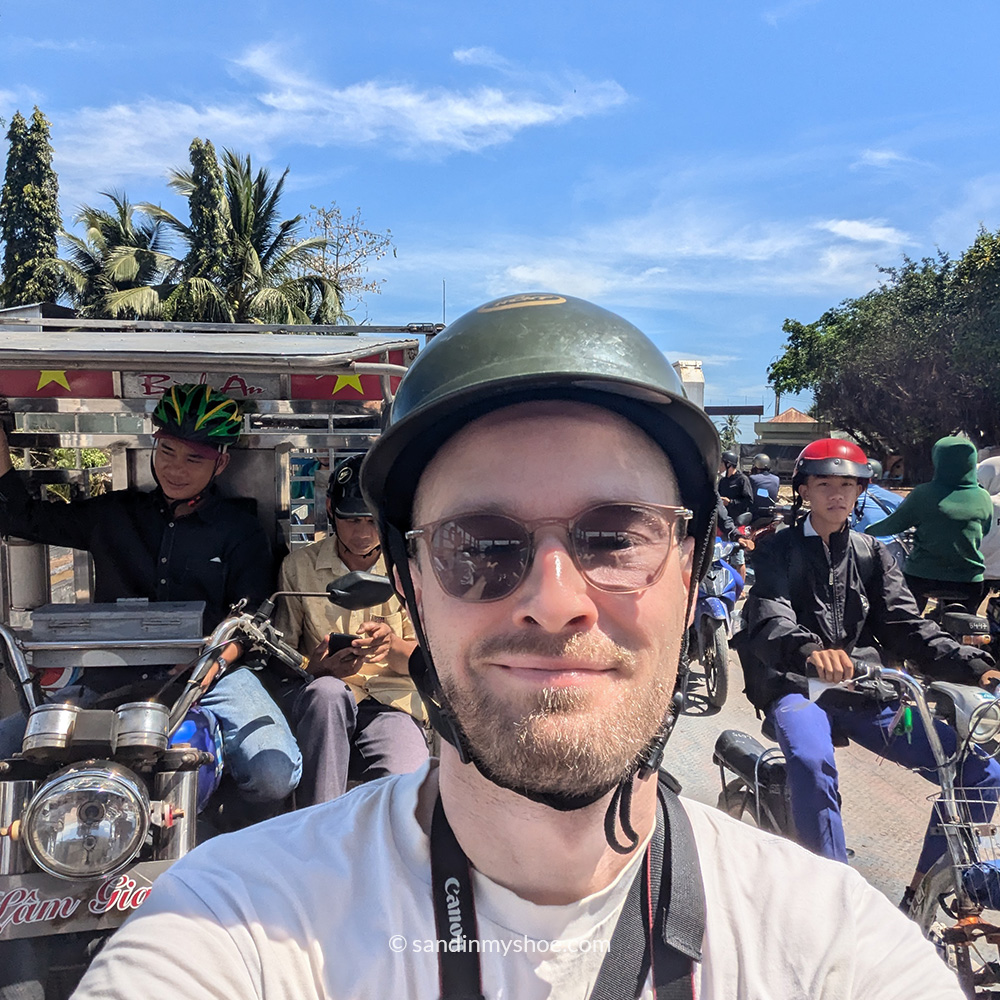
Backpacking independently the Mekong Delta gives you a freedom that organised tours simply don’t. During my week in the region, I saw plenty of tour groups being shuttled from stop to stop, often looking a bit stuck in the set program, watching me with envy as I rolled up on a motorbike with a teddybear helmet. I could head wherever I wanted—down small roads, across the little ferries that carry both vehicles and people, or into dusty villages that tours never visit.

The Delta is built for slow roads, ferries, and wandering—and having a motorbike is what makes it all work. It’s the only practical way to explore the countryside, because Grab and Bolt motorbike taxis stop working as soon as you leave the towns.
That said, if you want to visit the Mekong Delta without any hassle or deep research, joining a day trip or multi‑day tour is the easiest option. They take you straight to the key areas and handle all the logistics. Just keep in mind that the experience is more fixed, and you’ll see the Delta on someone else’s schedule.
Highest-Reviewed Day Trips to the Mekong Delta
Highest-Reviewed Multi-Day Tours to the Mekong Delta
Mekong Delta Map Overview
The Mekong Delta is bigger than most travelers expect, and travel times matter more than distances. This map gives you a sense of scale and helps you plan where to go, how the cities connect, and which places make the most practical bases for exploring the region.
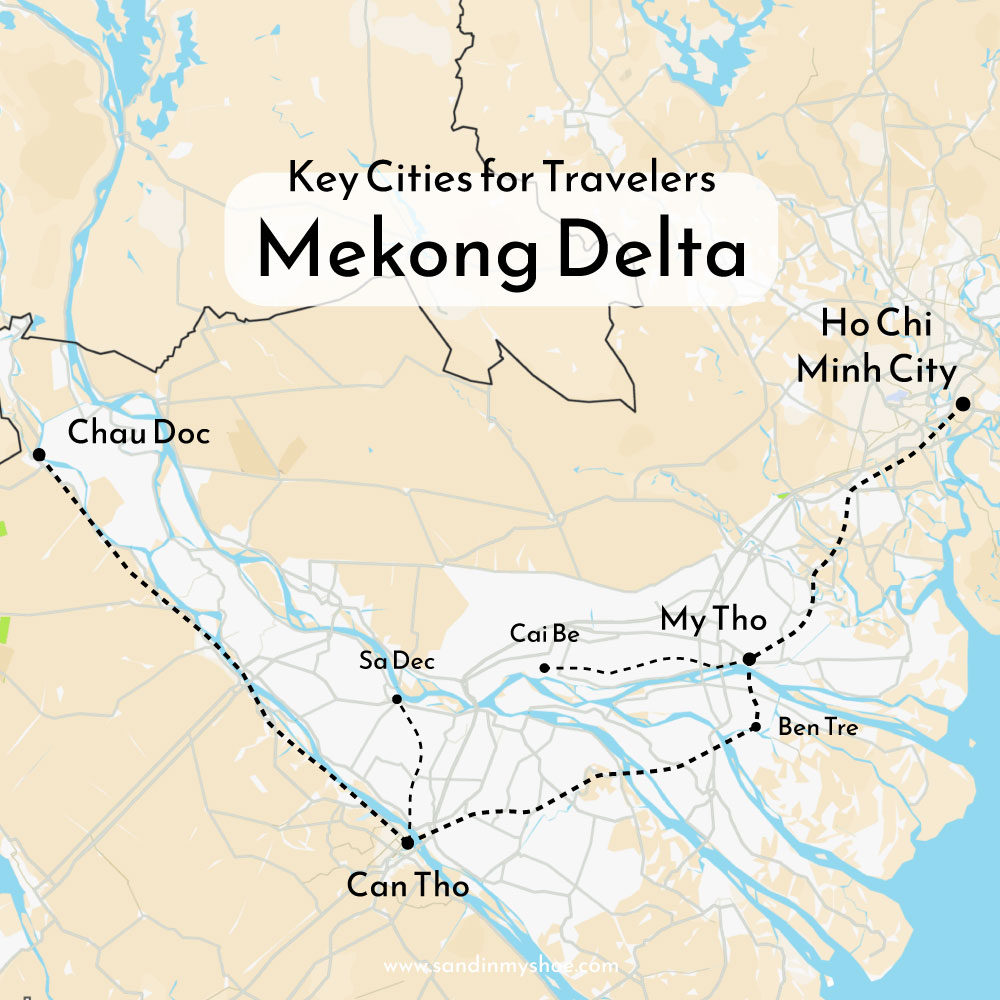
Cities that sit close together — My Tho, Cai Be, and Ben Tre — can easily be visited from a single base. Can Tho and Sa Dec pair well too, especially if you’re interested in markets and flower villages.
Chau Doc, meanwhile, is the outlier: far from everything else, but worth it if you want something more atmospheric and less polished.
Which Cities to Visit in the Mekong Delta
It’s not immediately obvious which cities in the Mekong Delta are actually worth visiting. Most travelers end up in My Tho or Can Tho, and both are solid introductions — but if you want something quieter or more textured, places like Ben Tre, Sa Dec, and Chau Doc add a very different feel to the trip. Personally, I really enjoyed Ben Tre and Chau Doc.
- My Tho — The most visited city in the Delta and the classic day‑trip from Ho Chi Minh City. Good for a quick introduction, less good if you want quiet.
- Cai Be — A traditional stop on short itineraries. Smaller floating market these days, but still pleasant for craft villages and canal trips. Lies 40 km away from My Tho.
- Ben Tre — A greener, calmer alternative to My Tho with narrow waterways, coconut workshops, and great cycling. Located 15 km south of My Tho.
- Can Tho — The region’s largest city and the main overnight hub, home to Cái Răng Floating Market and a surprisingly lively riverfront.
- Sa Dec — Known for its flower village and the Huynh Thuy Lê Ancient House. I didn’t visit, but it’s often recommended for photography and a quieter, more local feel. Located 50 km north of Can Tho.
- Chau Doc — A border‑town with temples, Cham villages, and Sam Mountain. More cultural, less polished, and a good link to Cambodia.
Mekong Delta Itinerary
The time you have — and whether you’re travelling independently or on a tour — shapes your Mekong Delta itinerary more than anything else.
The most straightforward route looks like this:
Stay in My Tho or Ben Tre (daytrip to Cai Be)→ Stay in Can Tho (daytrip to Sa Dec) → Finish in Chau Doc.
If you have at least five days, you can easily cover the full route. With less time, it’s better to pick a couple of spots instead of rushing it.
Day 1-2: My Tho or Ben Tre
If you’re arriving from Ho Chi Minh City, your first decision is whether to stop in My Tho or Ben Tre. My Tho is convenient but tour‑heavy, while Ben Tre is quieter and surrounded by coconut countryside, as it’s one of Vietnam’s major coconut‑producing regions. There’s no need to base yourself in both, since you can visit other one, and do a half-day trip to Cai Be for a floating market visit.
Day 3-4: Can Tho
From there, continue to Can Tho, the Delta’s biggest hub. It takes 3.5 hours with the local bus and cost $3.5 USD. There was two regular buses, one leaving at 10:00 AM and another at 01:30 PM from My Tho. The fastest way to get to Can Tho is by taxi, but it’s more expensive. Expect the local bus be full with passengers, packages, and maybe some chickens in boxes, but no cows.
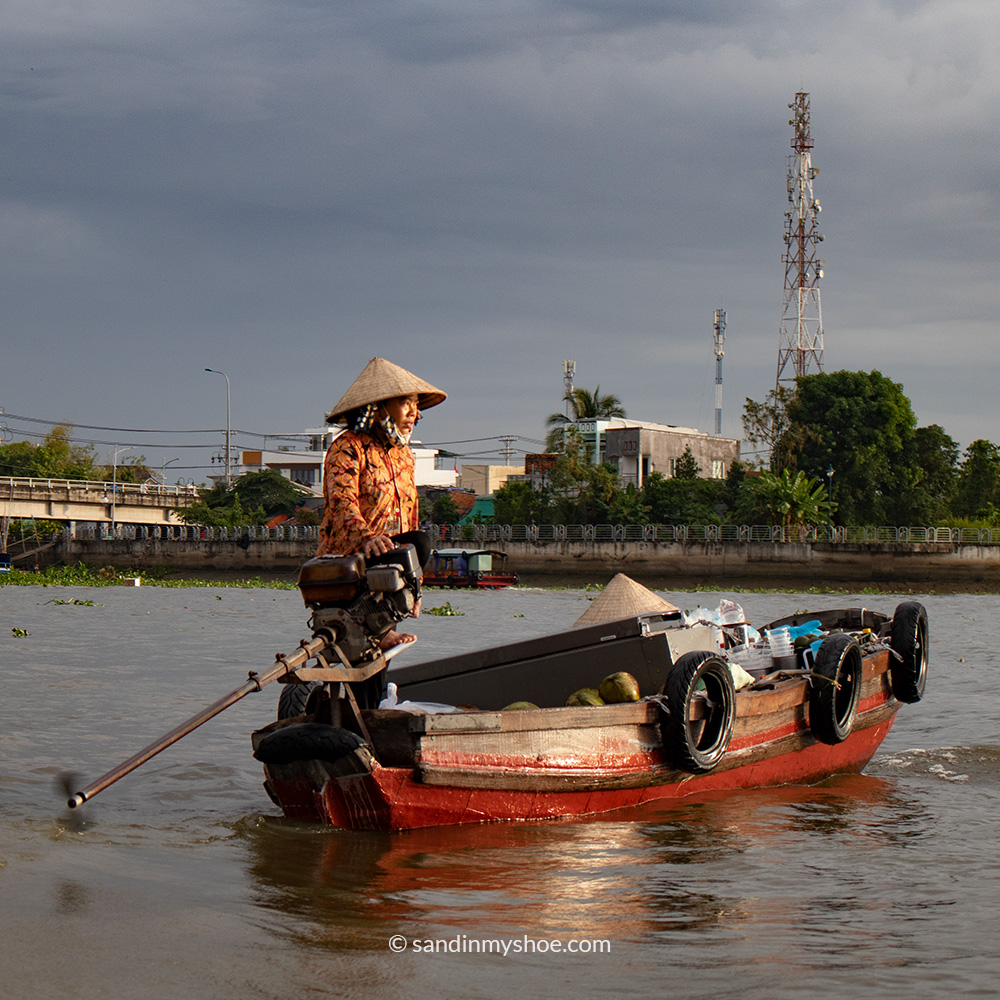
This area is known for early‑morning river life: boat trips at dawn, floating markets, and long stretches of river that feel almost jungle‑like as you travel deeper into the canals. From Can Tho, you can visit the flower village Sa Dec as a daytrip, if you are into flowers.
Day 5: Chau Doc
After Can Tho, head north to Chau Doc, a border town close to Cambodia with a very different feel. The countryside around Sam Mountain is full of temples, rice fields, and small villages. It’s considered the spiritual heart of the Mekong Delta, and people from all over Vietnam come to pay their respects. It’s also one of the best places in the region to see a more local, less commercial side of the Delta.
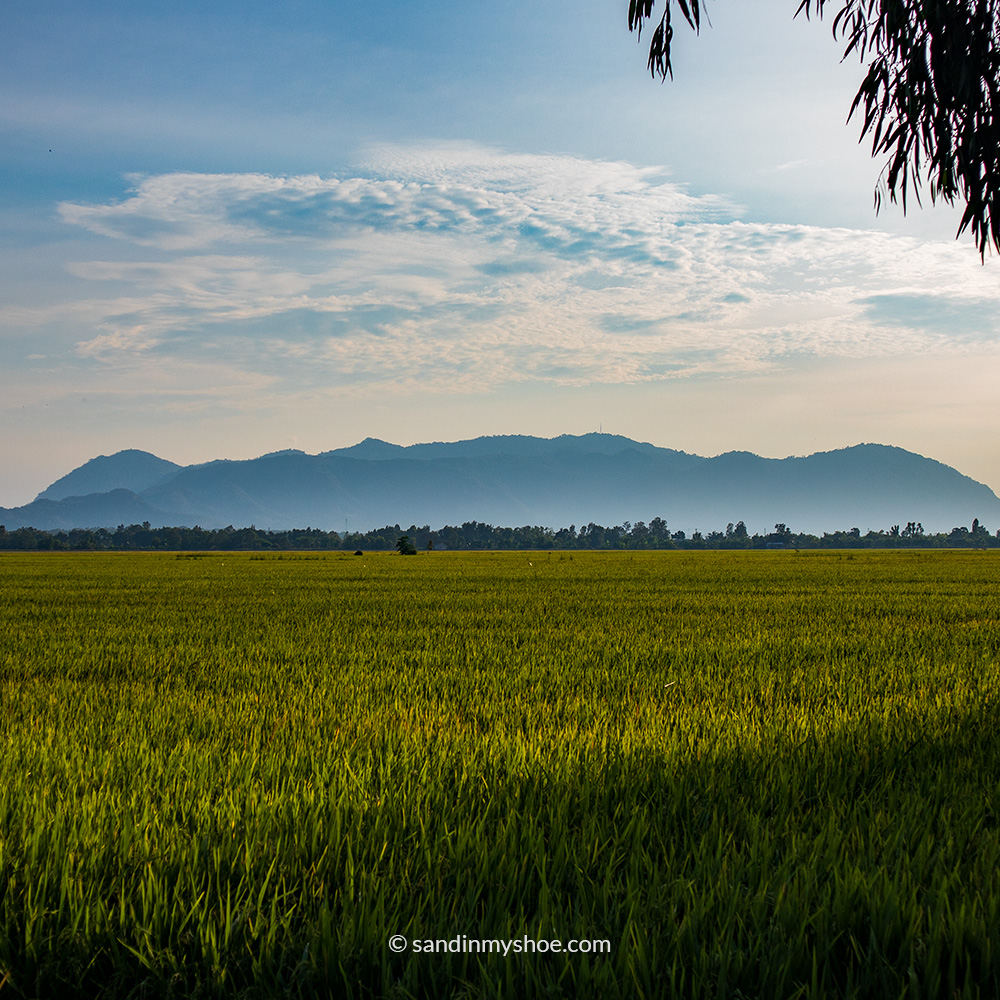
Near Chau Doc is Tra Su Cajuput Forest, a beautiful flooded forest with boat rides through green waterways. It’s touristy, but still atmospheric if you go early, and it works well as a half‑day trip from Chau Doc with a motorbike.
Things to Do in Mekong Delta
The Mekong Delta isn’t really about ticking off big sights. There are places worth visiting, and you should definitely see them, but it helps to know that some attractions aren’t quite what they’re marketed as. My aim here is simply to give you the right expectations.
Cai Rang Floating Market in Can Tho
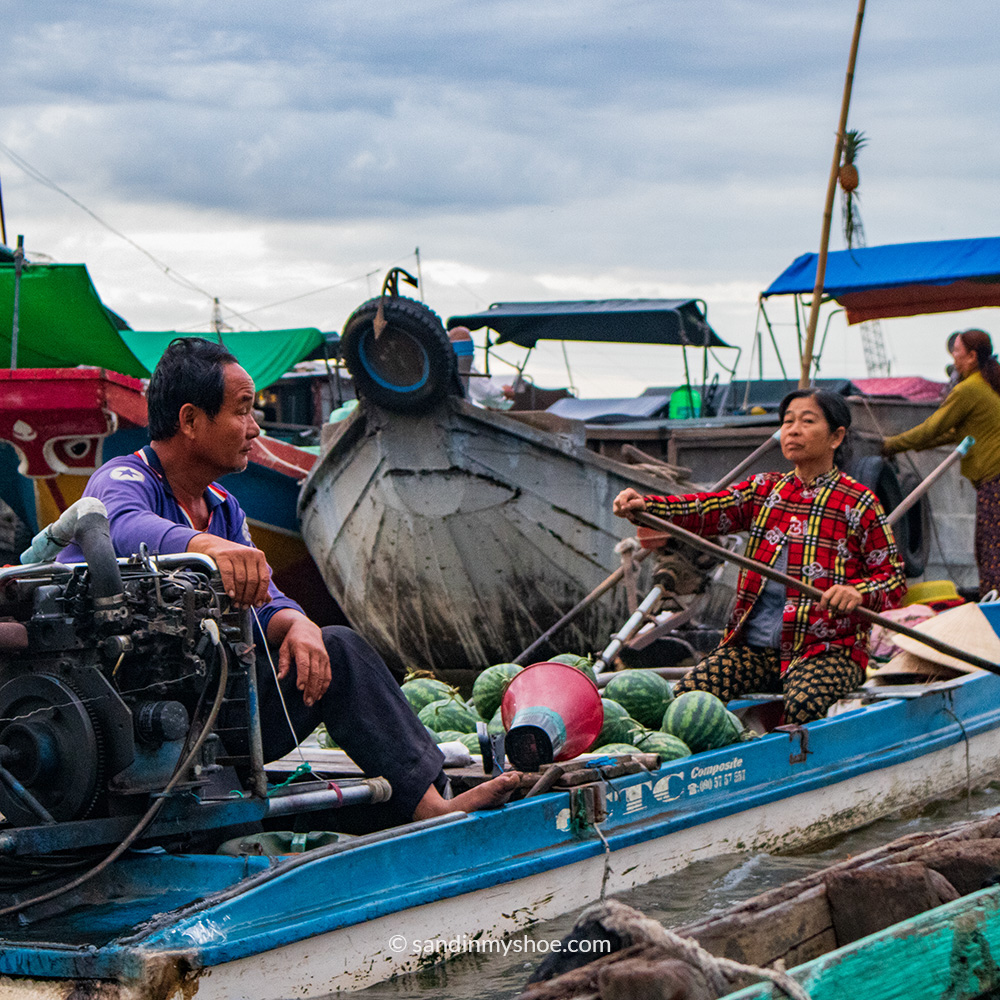
This is one of the most famous sights in the Mekong Delta, but it’s smaller and quieter than the tour photos suggest. There are still boats on the water, just far fewer than in its former glory days, and most of the real market has moved to land. It’s still worth seeing if you’re staying in Can Tho — just go early and keep expectations realistic. I still enjoyed it, especially the busy land market afterwards.
Sampan Boat Ride Through Small Canals in Ben Tre
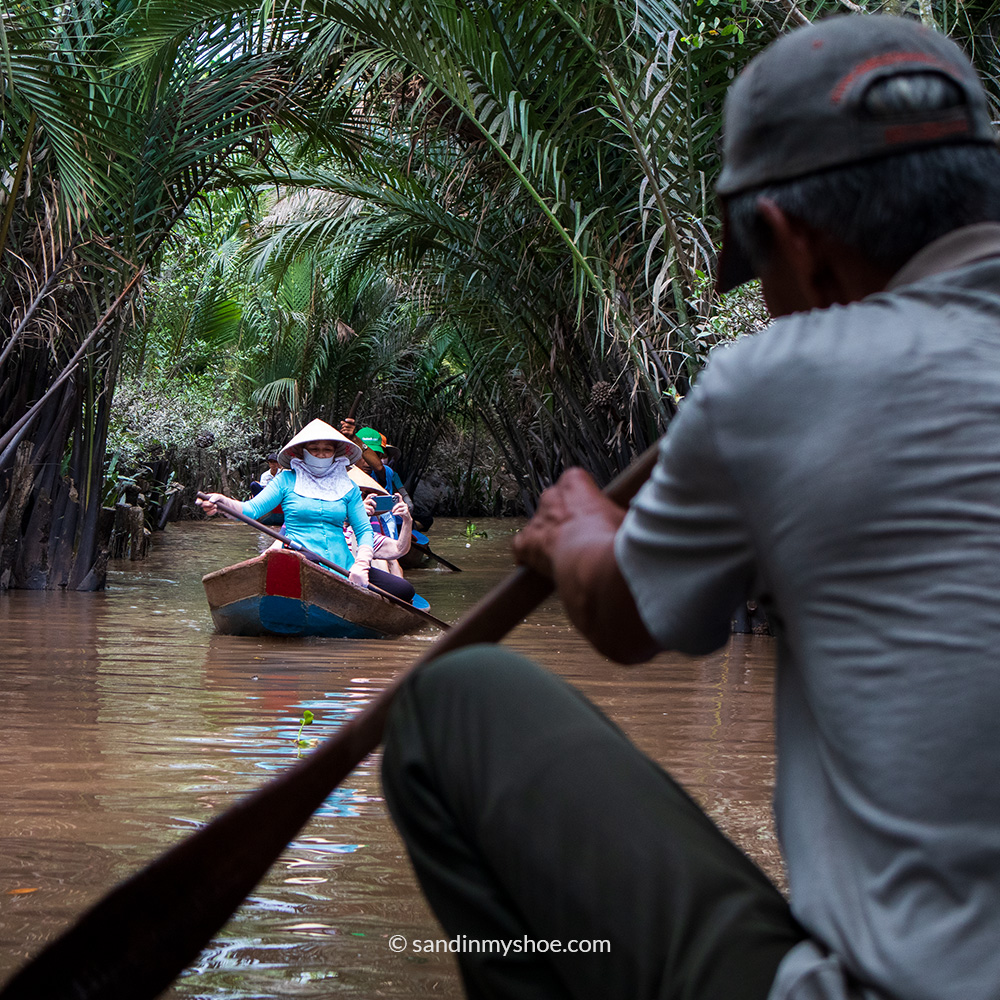
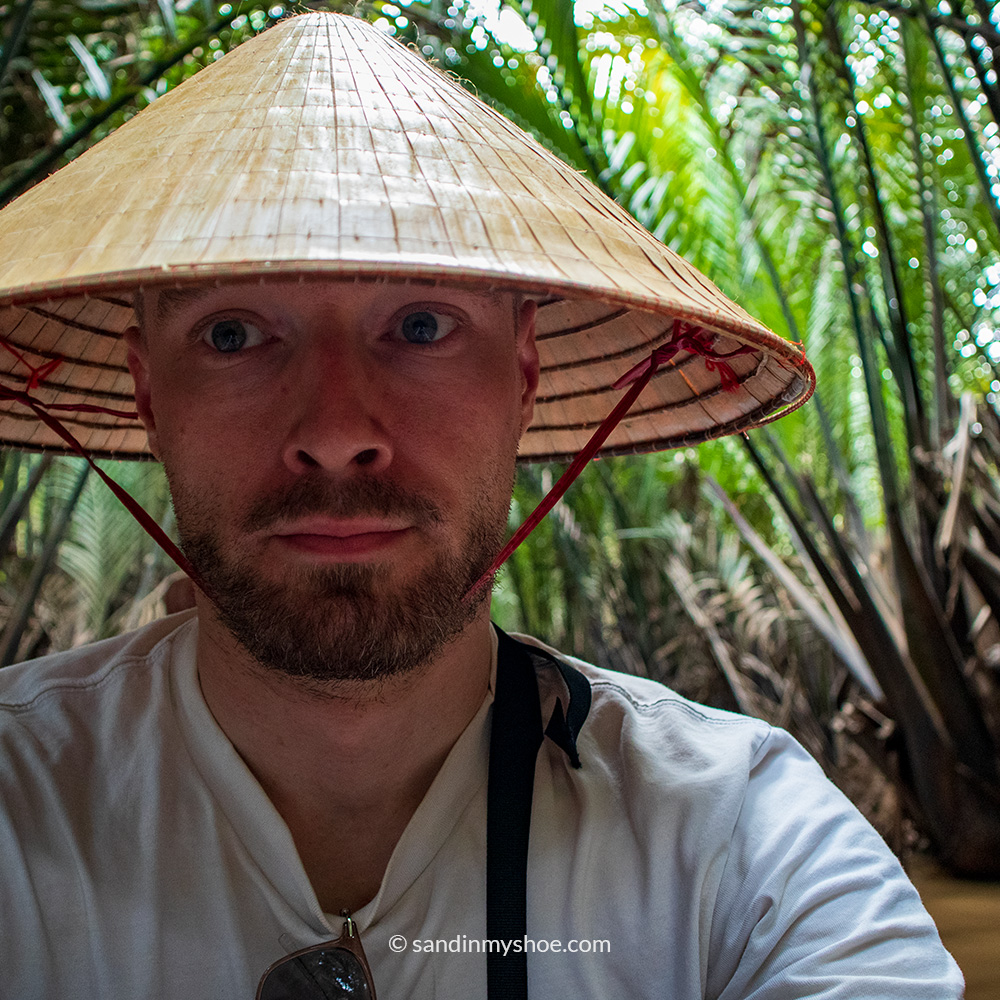
The classic narrow‑canal sampan ride — the one you see in makong Mekong Delta your photos — is found in the My Tho and Ben Tre area. This is where you get the postcard‑perfect canals lined with coconut palms, small sampans boats rowed by locals while you sit there with a rice-picking hat, and slowly glide through the shaded waterways. It’s touristy, but still worth doing.
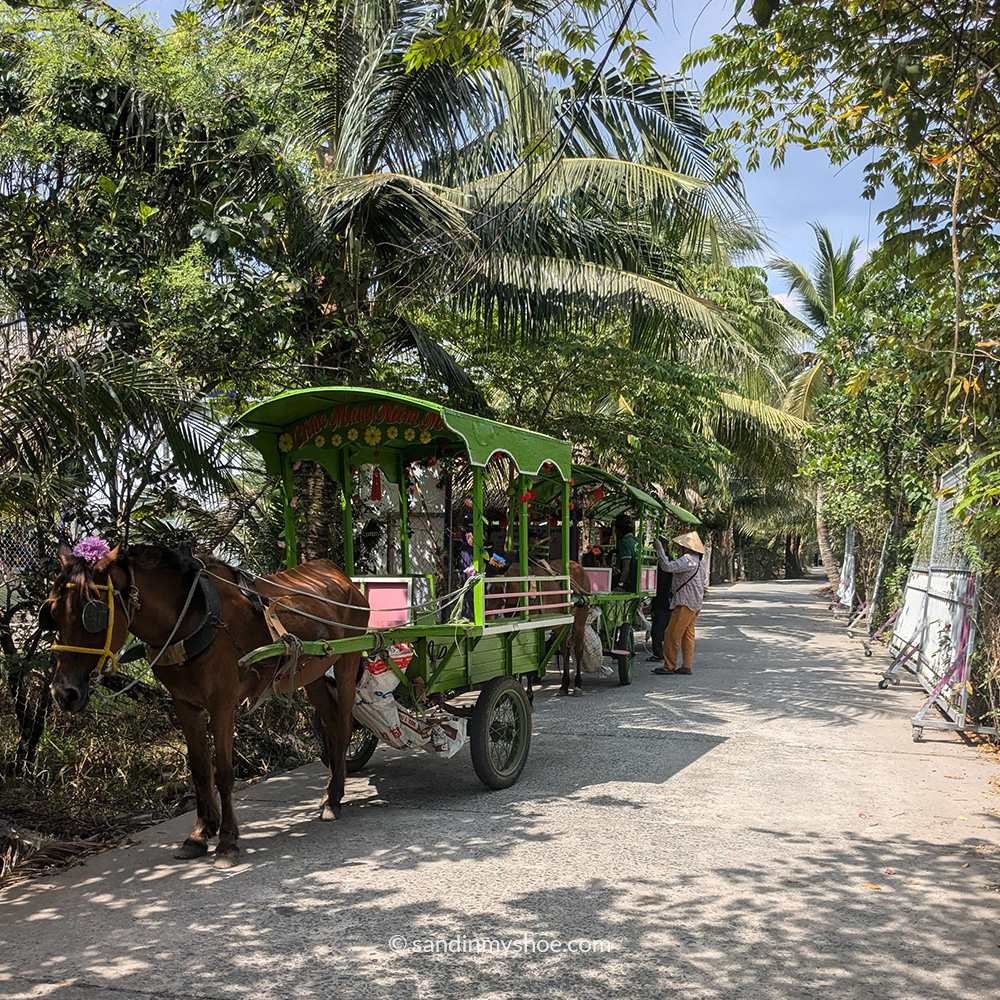
If you are traveling independently, head to Du lịch Cồn Phụng Bến Tre (link below). Here you can also take a horse‑drawn carriage around the village roads, listen to traditional southern music, and taste fresh coconut candy straight from the coconut candy workshop.
Cycling in Ben Tre
Ben Tre is basically the Netherlands of Vietnam when it comes to flatness, which makes it perfect for slow, easy cycling. A bike tour takes you along quiet village roads, through coconut groves and over small canals, and it’s one of the most peaceful ways to explore the area. The pace is relaxed, the scenery is green and rural, and you get a close look at everyday life. Talk to your homestay about where to book a tour — or just rent a bicycle and roam around on your own.
Taking a Horse Tour in Unicorn Island
Unicorn Island has a short horse‑cart ride that takes you along the small village roads. It’s touristy, but it’s an easy way to move between the different stops on the island. Along the route you visit places where they make honey, coconut candy, and a few small restaurants and tasting areas, so the horse ride is basically the link between these spot.
Visit Hung Phong island
Charming little island which is quite nice to explore. There are not much here for tourists—but there are some café where you can enjoy a local coffee. Follow the link below for the ferry port.
Ben Tre Coconut Villages
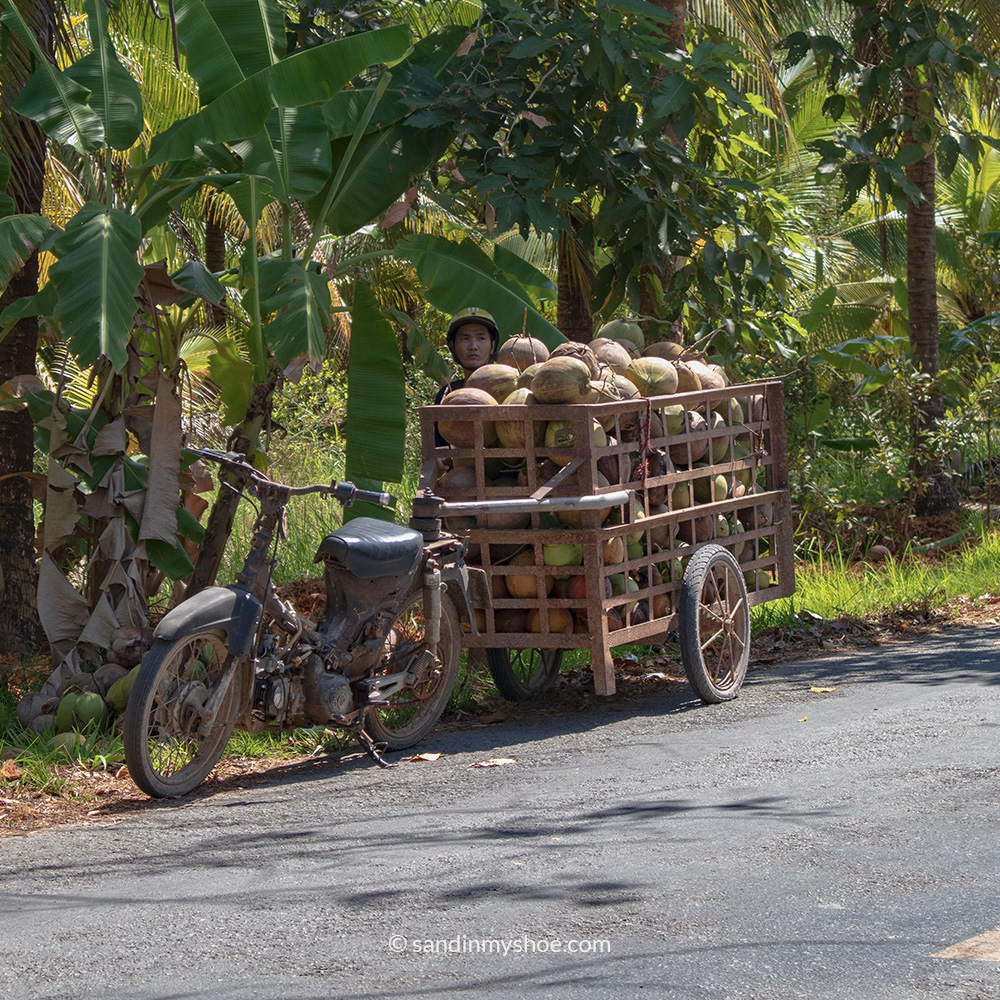
Ben Tre produces an enormous amount of coconuts, and you see it immediately—motorbikes wobbling past with carts stacked high and locals selling coconuts at tiny storefronts. They’re also turned into all kinds of products, from coconut candy to woven mats and simple handicrafts. Workshops range from larger commercial operations to quiet family‑run ones. The atmosphere is slower and more grounded than in My Tho, and the visits feel less staged and more connected to everyday life.
Many tours bring visitors to Mo Cay Town and Chau Thành District, which are the more commercial stops. But if you want something quieter and more authentic, rent a motorbike and explore on your own around Ben Tre. Chances are you’ll find a smaller family workshop just around the second turns.
Try Durian in Different Variations
The region of not only famous for coconuts, but also for producing delicious durian. The town of Vinh Long, which lies between Ben Tre and Can Tho, is especially known for producing tasty durian, though Ben Tre has decent ones as well. You can of course eat the fruit as it is, but there are many snacks and sweets to try, and popular options include durian smoothies, durian ice cream, sticky durian rice, and various durian pastries and cakes.
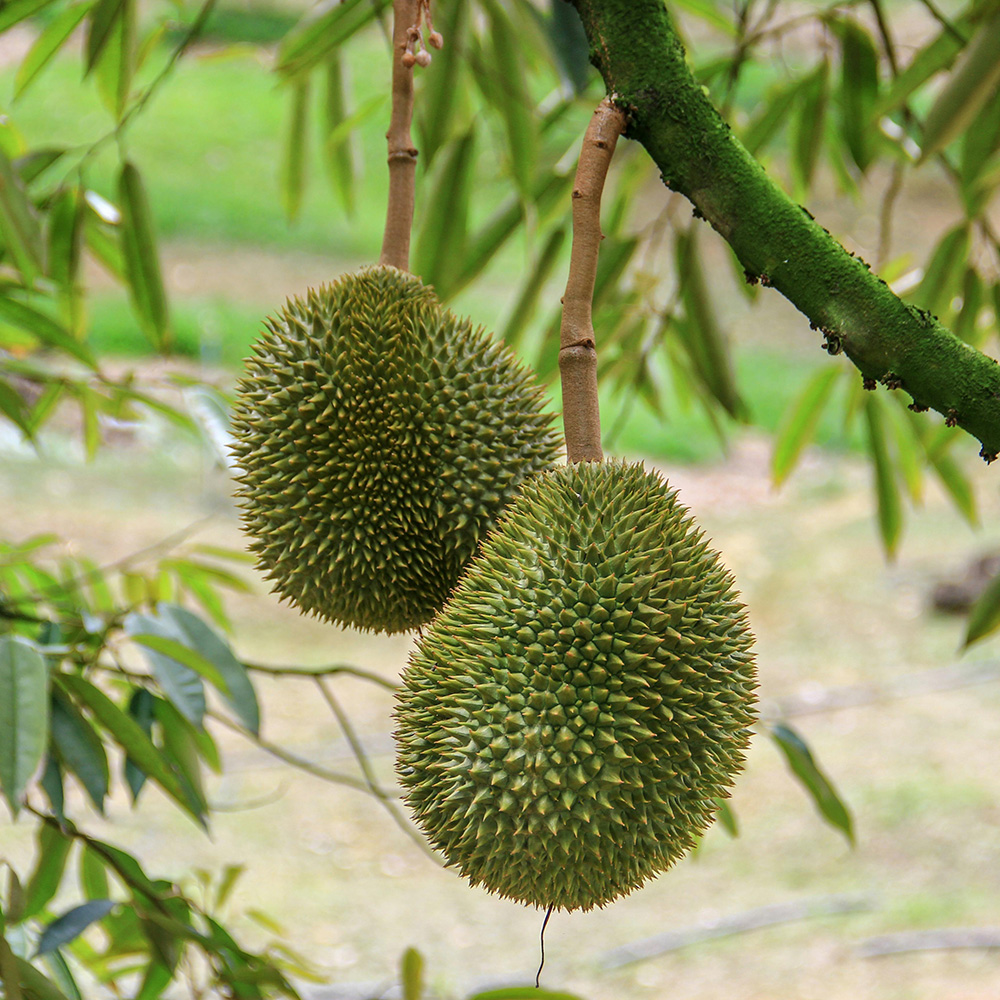
Just don’t bring any back to your accommodation — it smells quite strongly, and many hotels prohibit guests from bringing it inside.
Stroll Around the Riverbank of Can Tho
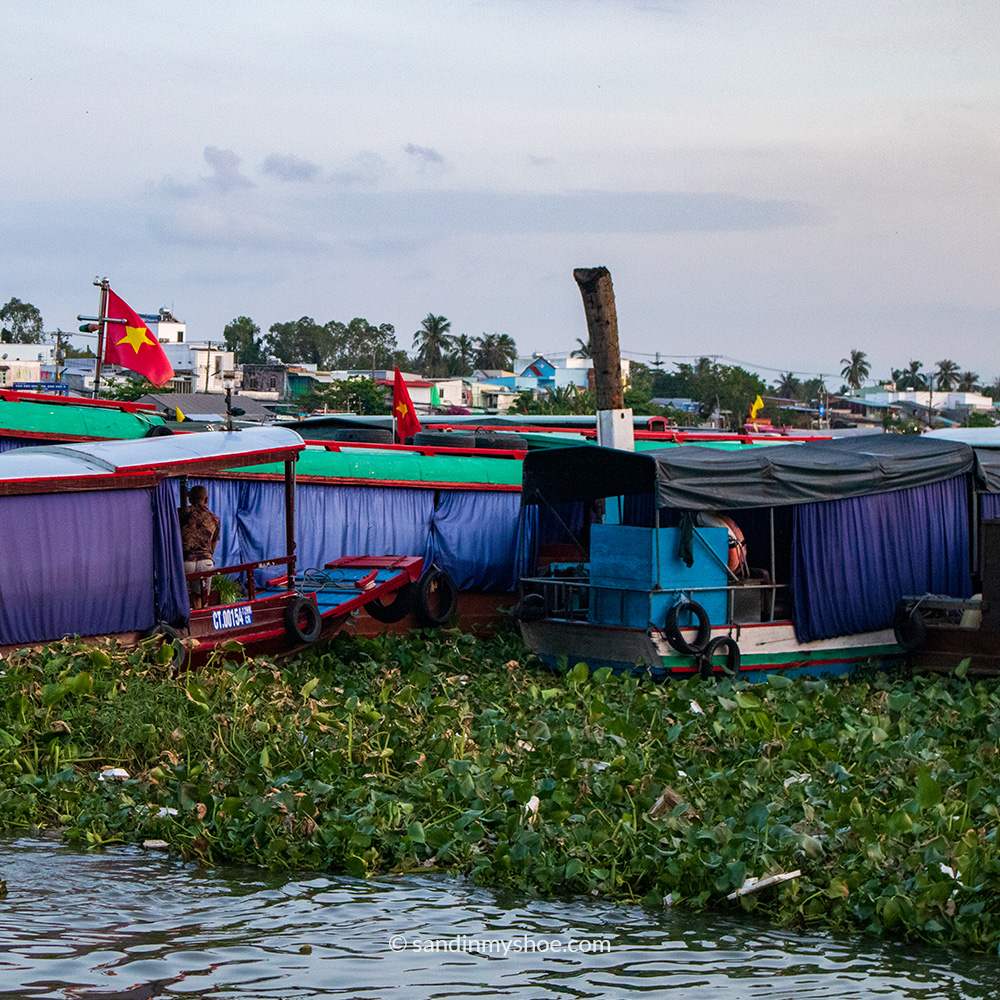
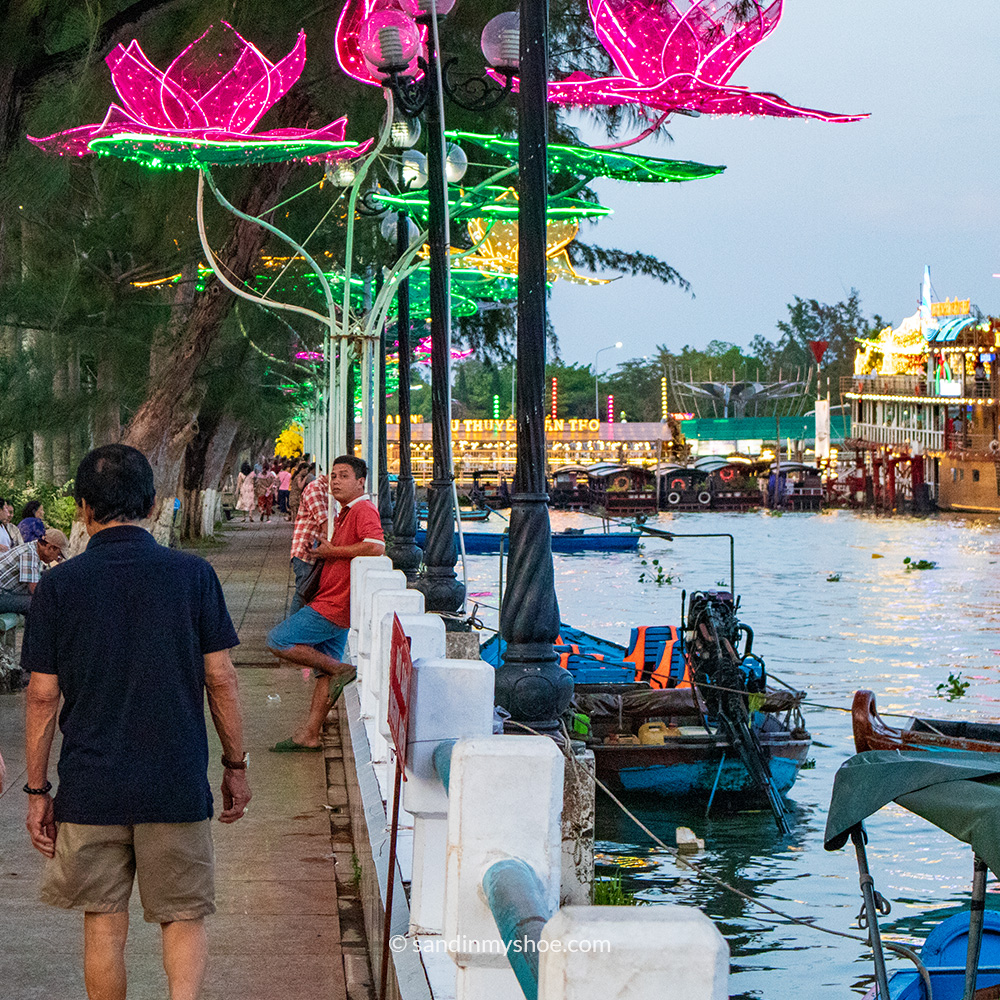
Walking along the riverbank turned out to be a simple but surprisingly absorbing thing to do. The path follows the Hau River past small piers, clusters of wild greeneries, and stretches where the city feels like it’s slipping back into countryside. Boats move in and out, the air feels heavy and green, and the whole scene has a quiet rhythm that’s easy to fall into. Nothing dramatic happens, but it’s a good way to get a feel for the place before heading out to the floating markets. If you are into running, this is a wonderful stretch for just that.
Explore the Rice Fields and Rural Villages With a Motorbike
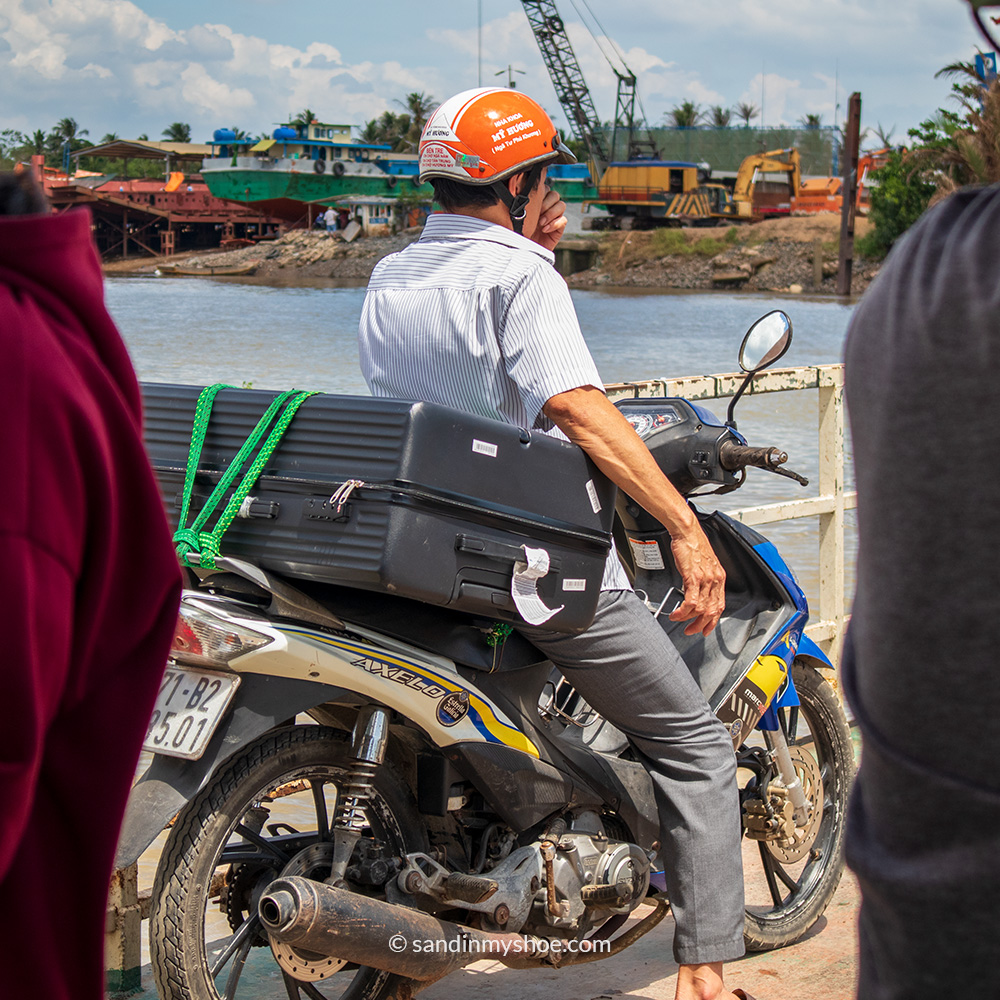
Renting a motorbike is almost essential if you’re traveling the Mekong Delta without a guided tour. Distances are short, the roads are flat, and traffic is far calmer than in the big cities. A bike lets you drift through rice fields, quiet villages, and small bridges at your own pace.
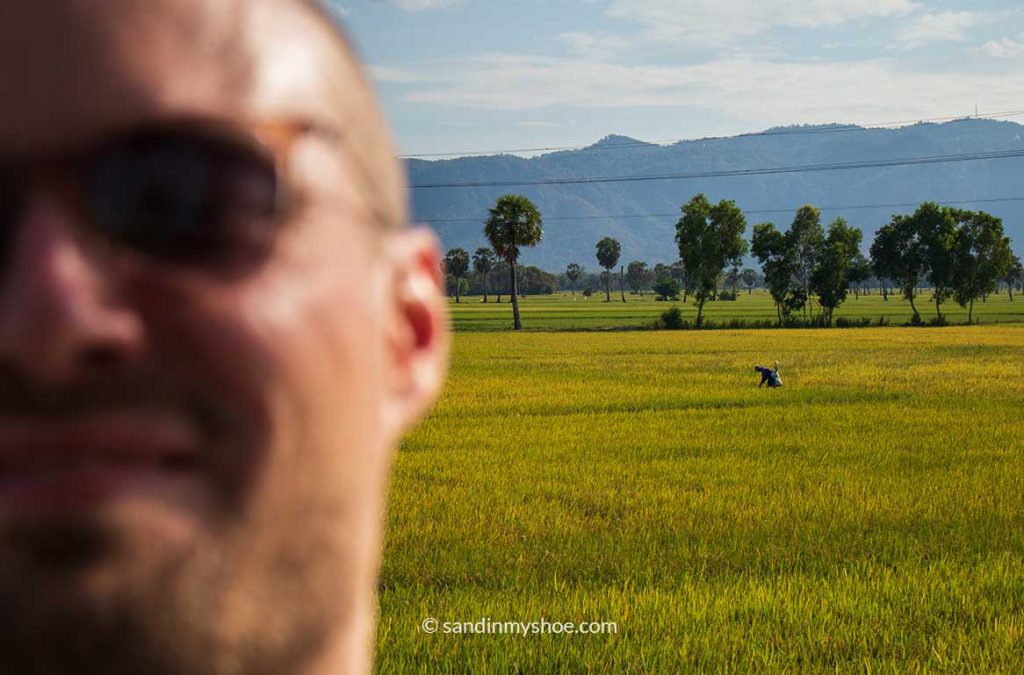
Stop at tiny cafés in the fields, enjoy the calmness, listen to the birds, feel the wind, and watch farmers taking care of their crop in the distance. It’s the most flexible way to explore the region and the easiest way to get a feel for daily life beyond the main tourist stops.
Note: Many of the small islands in the Mekong Delta don’t have bridges, so locals use simple ferries to move between them. These ferries can carry motorbikes and often cars, and the price is extremely low — usually around $0.20–0.30 USD for a motorbike. They run frequently and the crossings are short.
Visit Hang and Lady Pagoda in Sam Mountain
The Sam Mountain on the outskirts of Chau Doc holds deep spiritual importance, drawing pilgrims from across Vietnam to pay their respects. Often overlooked by international travelers heading between Vietnam and Cambodia, it remains a quiet refuge for those seeking something less touristy, spiritual, and calm.
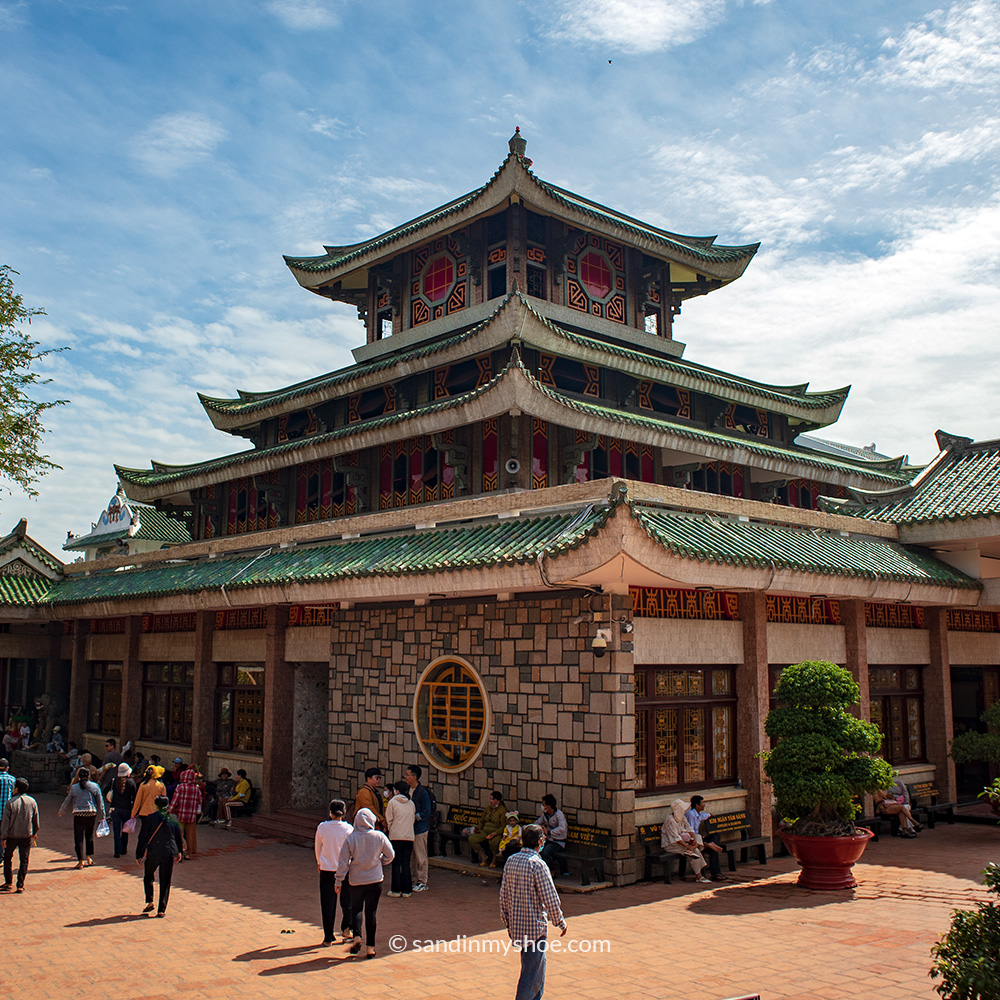
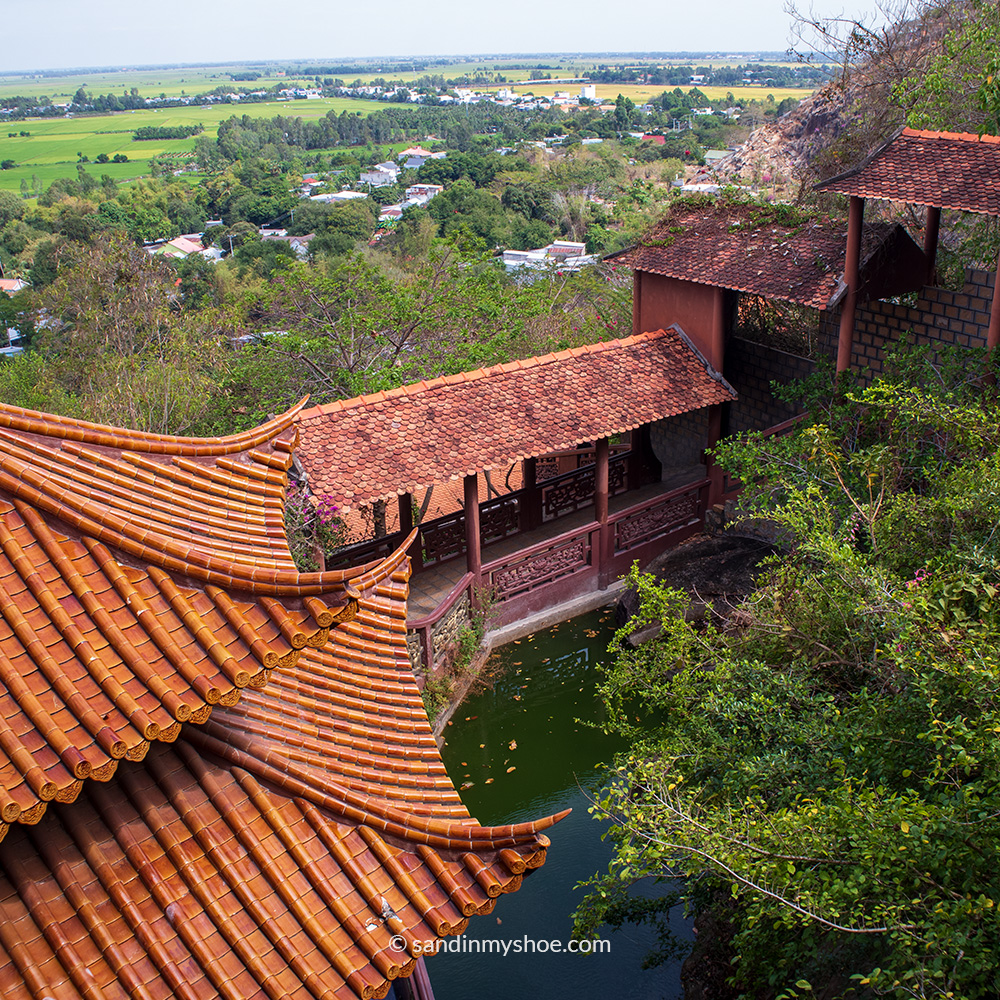
Two major sites anchor the mountain: Hang Pagoda and the Lady Pagoda. Hang Pagoda, nestled into the mountainside, is considered one of the oldest pagodas in Vietnam. The surrounding area is dense with temples and shrines, with sweeping views over rice fields that stretch all the way to Cambodia on a clear day.
The Lady Pagoda (Ba Chúa Xứ Temple) sits just below it and carries a different kind of energy—more intimate, more ritualistic. Stepping inside, the air is thick with incense, creating a calm, almost meditative atmosphere. Locals come here to perform Buddhist ceremonies and offer prayers for prosperity and good fortune. The offerings are wonderfully varied: fruit, water, alcohol, even slices of roasted pig. It’s a vivid glimpse into the region’s living spiritual traditions and the everyday devotion that shapes life in the Mekong Delta.
Visit Tra Su Cajuput Forest located near Chau Doc
Tra Su Cajuput Forest is a beautiful wetland near Chau Doc. It’s a flooded forest filled with tall cajuput trees and more than seventy bird species, including storks and herons. The area can be explored by the traditional sampan boats along the canals or on foot along raised walkways. I chose to walk, since I had already spent plenty of time on boats.
The entrance area can feel a bit commercialized, but take an immediate left and keep walking until you can turn right. The crowds fade quickly, and you end up in a quiet part of the forest where you hear birdsong and flowing water instead of other visitors. Moving slowly through this section is genuinely calming and worth the detour.
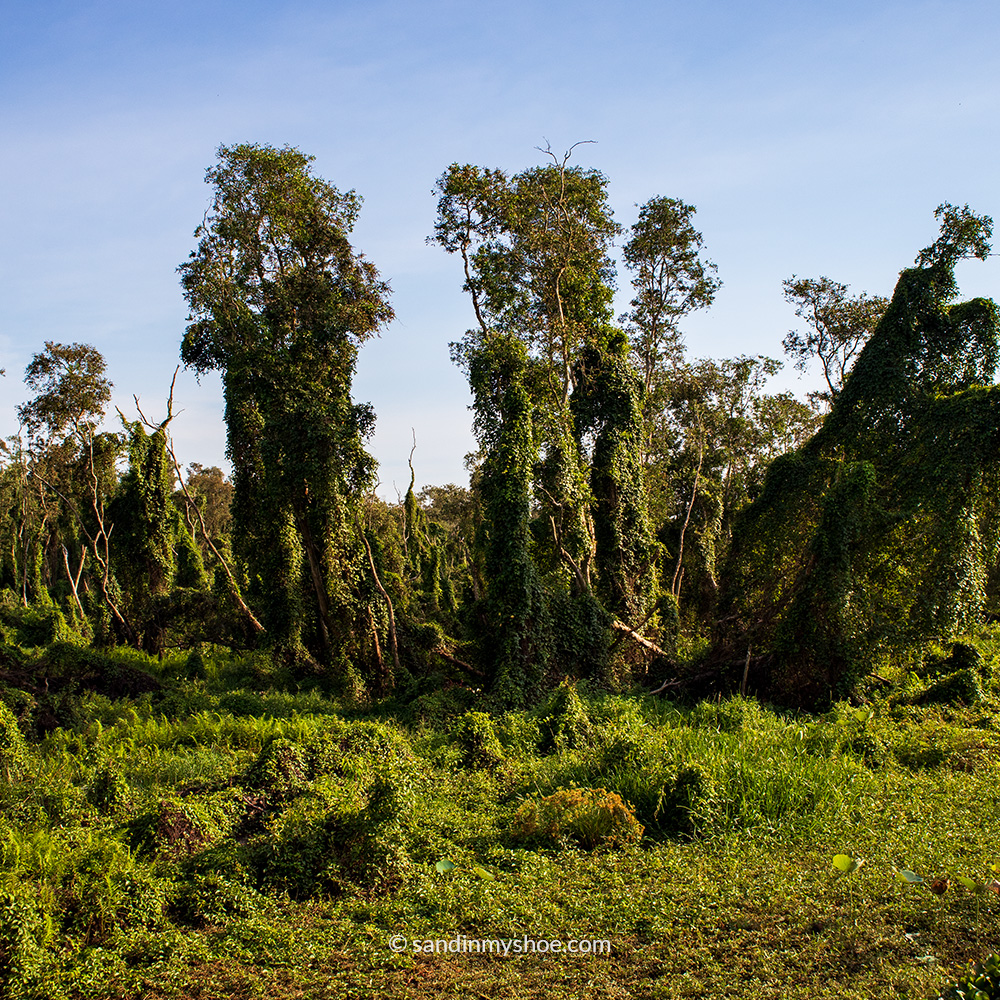
A little further in, after another left turn, you’ll come across around fifty beehive boxes belonging to a local beekeeper and his family. Walking past them looks intimidating, but the bees are calm. Stay relaxed, move steadily, and you’ll be fine—the challenge is mostly mental.
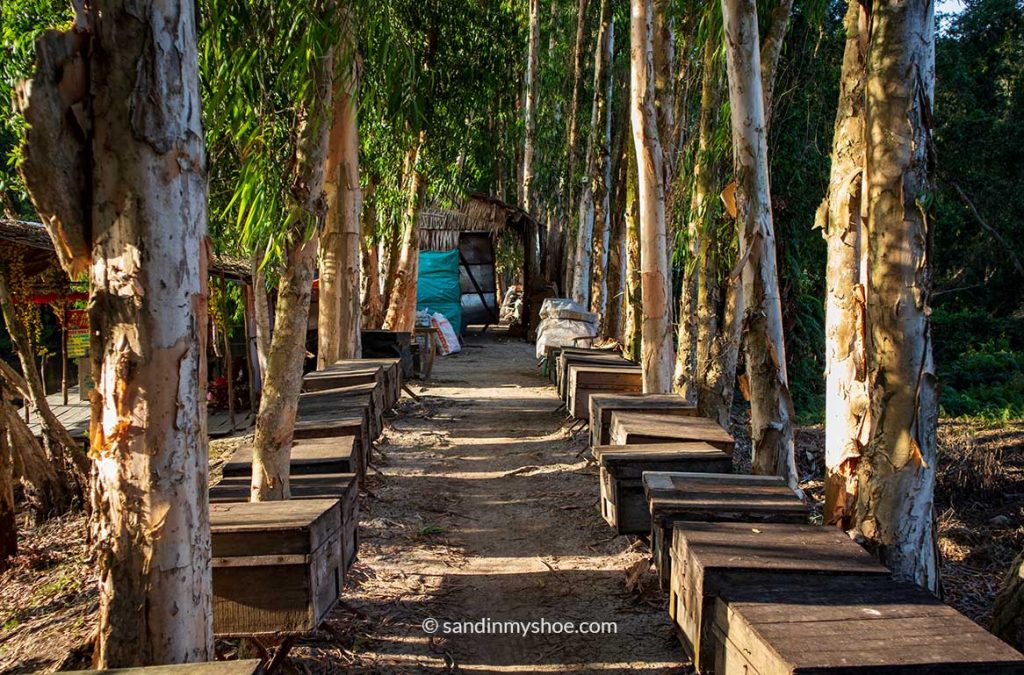
There are restaurants inside the forest as well, which is convenient if you get hungry after all the walking.
Where to Stay in Mekong Delta
Choosing where to stay in the Mekong Delta plays a big role in your overall experience. Options range from simple homestays for around $10 USD to boutique riverside lodges costing several hundred. Smaller towns lean more toward homestays, while the larger cities offer a better selection of hotels. The best‑value places tend to book out early, so it’s worth reserving ahead if you have specific spots in mind.
Mekong Delta Homestays
The Mekong Delta is at its best when you stay close to the water and local life. The strongest homestay experiences were in Ben Tre and Chau Doc — smaller, quieter places where homestays feel natural rather than staged. MỹyTho has good homestays too, but they’re not in the centre; the cozy ones are on the nearby islands and in the rural outskirts.
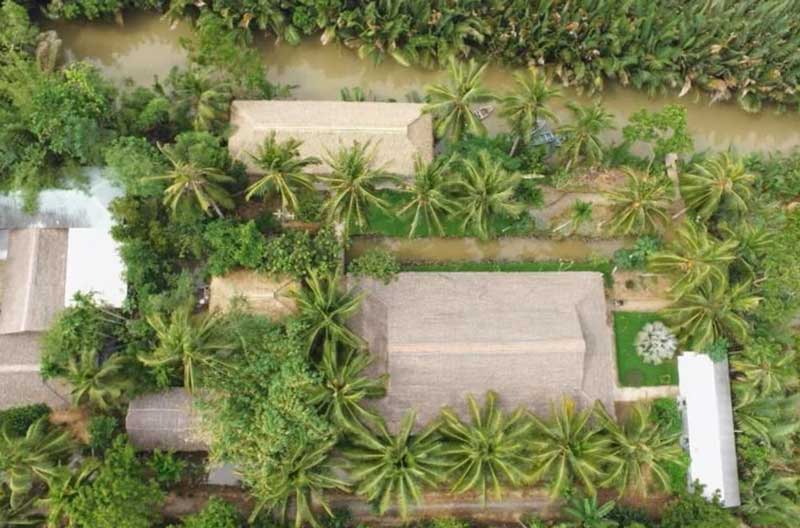
For more detailed recommendations, check out:
Mekong Delta Hotels
The best hotels in the Mekong Delta usually come with views, a pool, quality service, and great food. Some can be quite expensive—upwards of $200 USD—but in my experience, the value is roughly the same as what you get in the $100–150 USD range. If you want to splurge and stay comfortable, you can do that without paying $200 USD per night.
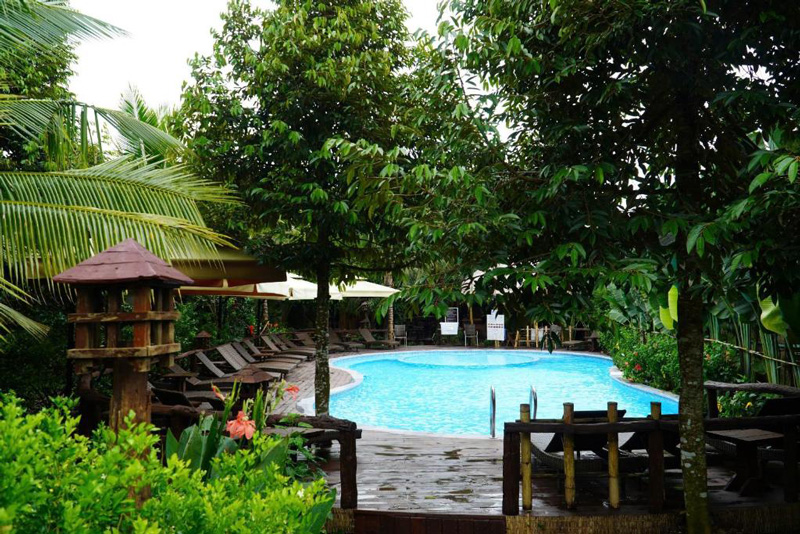
For more detailed recommendations, have a look at:
- Best Value Hotels in Ben Tre
- Best Value Hotels in Chau Doc
- Best Value Hotels in Can Tho & Best Resorts in Can Tho
How to Get To Mekong Delta from Ho Chi Minh City
There are several ways to reach the Mekong Delta from Ho Chi Minh City. The easiest is by taxi or private car, but the most common and budget‑friendly option is the bus.
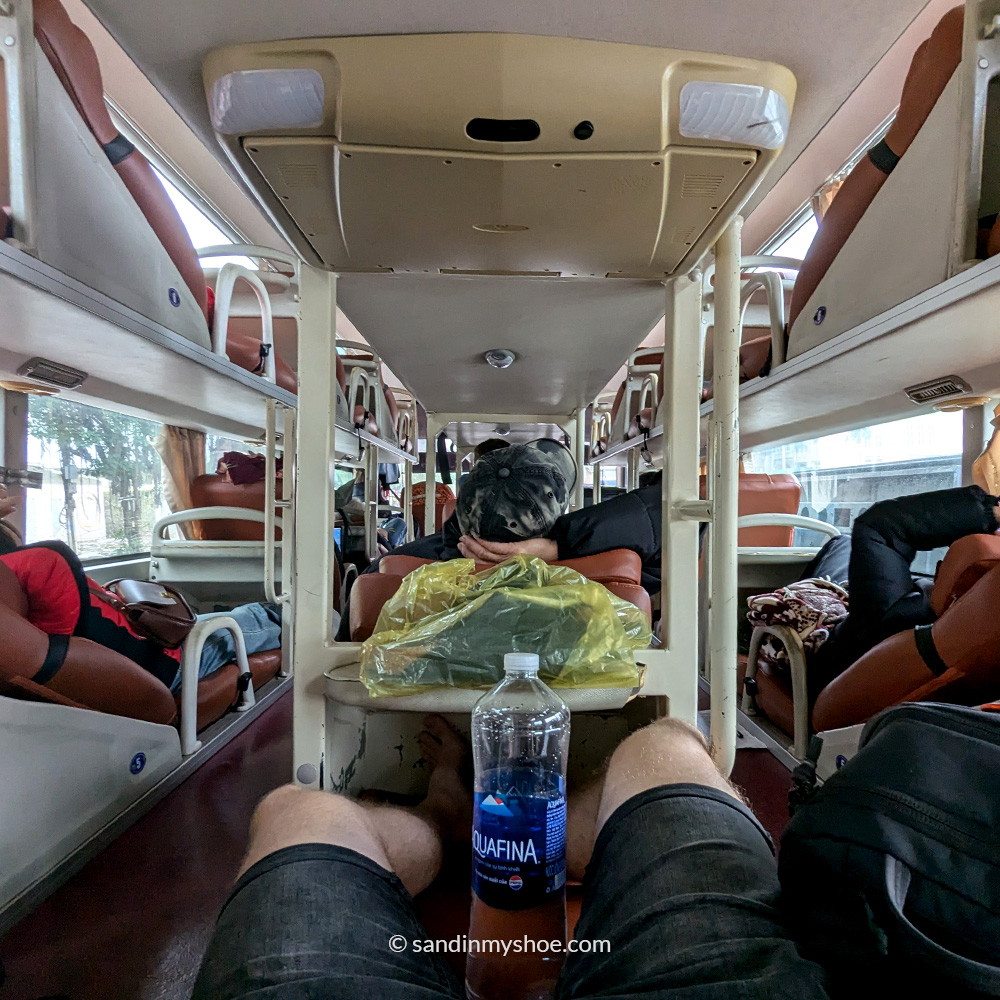
The closest towns to Ho Chi Minh City are My Tho and Ben Tre, and it takes about two hours to reach them. Tickets cost around $5–7 USD, depending on the operator. You can book seats on platforms like 12go.asia, which list frequent daily departures.
Travel times increase as you go deeper into the Delta:
- Can Tho: around 4 hours, $10–11 USD
- Chau Doc: roughly 5 hours, $12–13 USD
Final Notes
Traveling the Mekong Delta on your own gives you a clearer sense of what the region is actually like. Once you’re beyond the packaged tours, the Delta becomes a place of small roads, slow rivers, and everyday routines. You might find yourself riding a motorbike with rice paddies on both sides, spotting a tiny café on the horizon. You stop, and the owner greets you with a smile — you’re probably the only foreigner they’ve seen that day, maybe that week. You drink an iced coffee, rest in their hammock for a while, and continue on.
The Mekong Delta is built on moments like these. It rewards unhurried travel. Distances are short, but buses take time, and if you do join a tour, choosing a small group helps avoid the mass‑tourism feel.


No comments yet, be the first one!
I appreciate hearing from you. If you have any suggestions, questions, or feedback, please leave a comment below. Your input helps ensure the information stays relevant and up to date for everyone.
Thank you for sharing your thoughts!