

Most of your time is spent drifting along the river in a small boat while your guide scans the trees and riverbanks for movement. Sightings vary by day and depend heavily on luck, but the more cruises you do, the higher your chances of seeing something special.
In this guide, I’ll cover everything you need to plan your visit — what animals you can expect to see, how long to stay, the best time to visit, how to get there, and how to do it on a smaller budget. I’ll also cover Tomanggong Cave, a lesser‑known stop near the Kinabatangan that adds a bit more adventure to your Borneo itinerary.
Where is the Kinabatangan River
The Kinabatangan River is the second‑longest river in Malaysia, running more than 560 kilometers through the state of Sabah. It cuts through wetlands, mangrove forests, oxbow lakes, and some of the last pockets of lowland rainforest in Borneo. While large parts of the surrounding forest have been cleared for agriculture, several protected areas remain, creating vital wildlife corridors where animals can still move, feed, and thrive. These protected stretches are what make the Kinabatangan such a rewarding place for visitors — a glimpse of the rainforest that once covered most of Sabah. The village where most people stay in is called Sukau.
The Wildlife of the Kinabatangan
You’ve probably heard about Africa’s Big 5 – lion, leopard, elephant, buffalo, and rhino – originally defined by how hard and dangerous they were to hunt. But in Kinabatangan, the definition is different. Here, it’s about rarity, how difficult the animals are to spot, and their iconic status. And it’s not the same list used for the whole of Borneo either — the Kinabatangan has its own version.
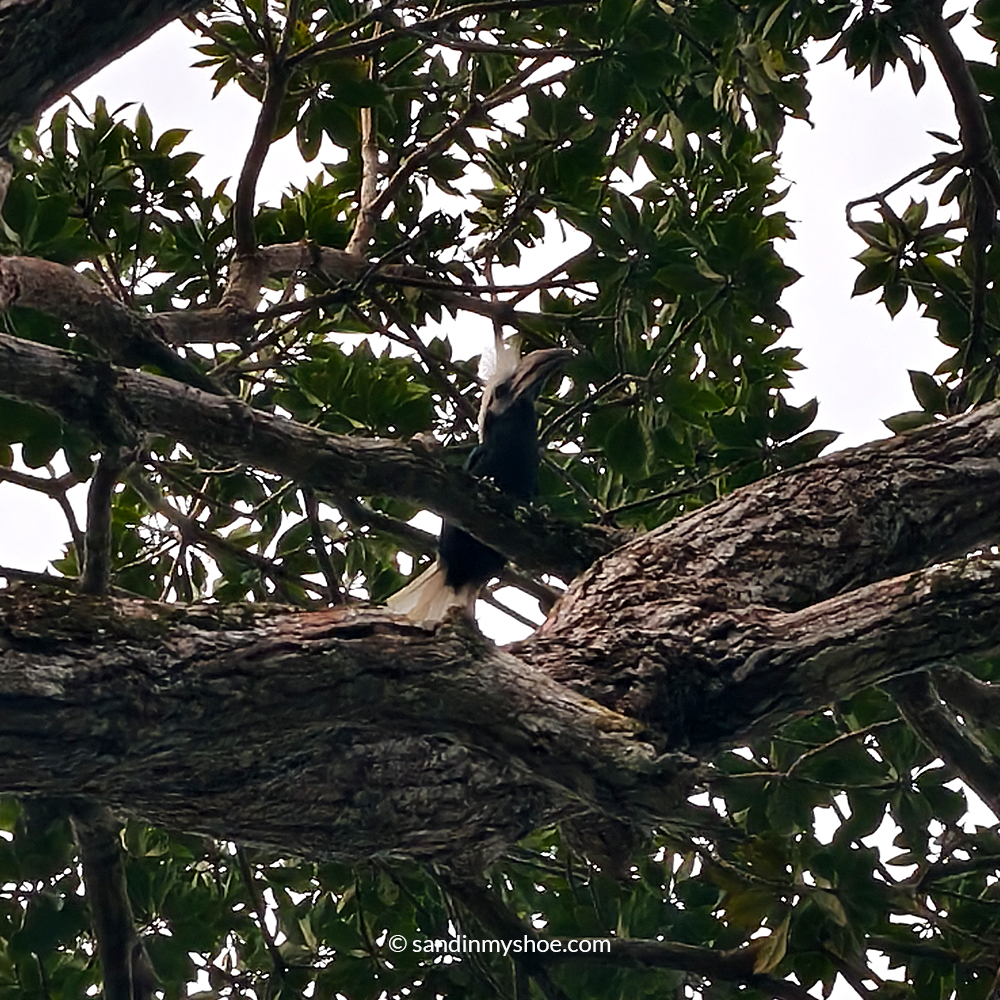
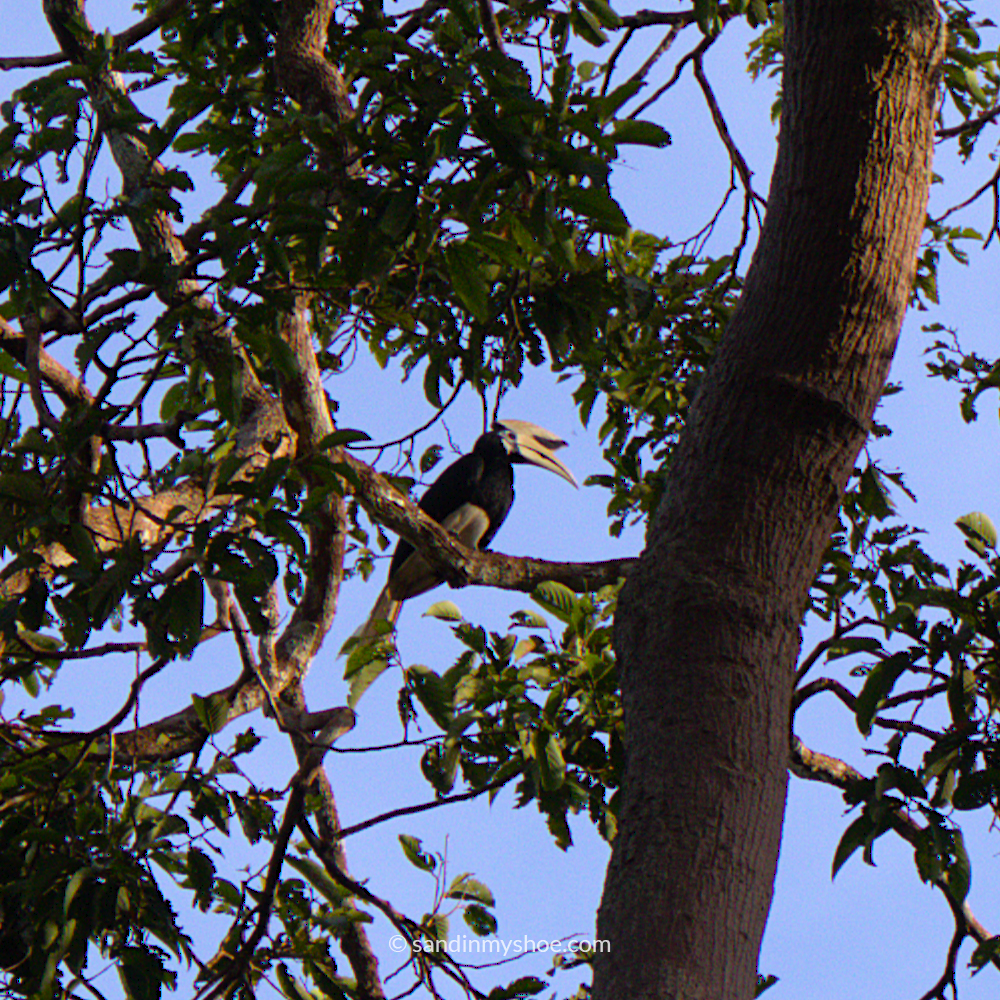
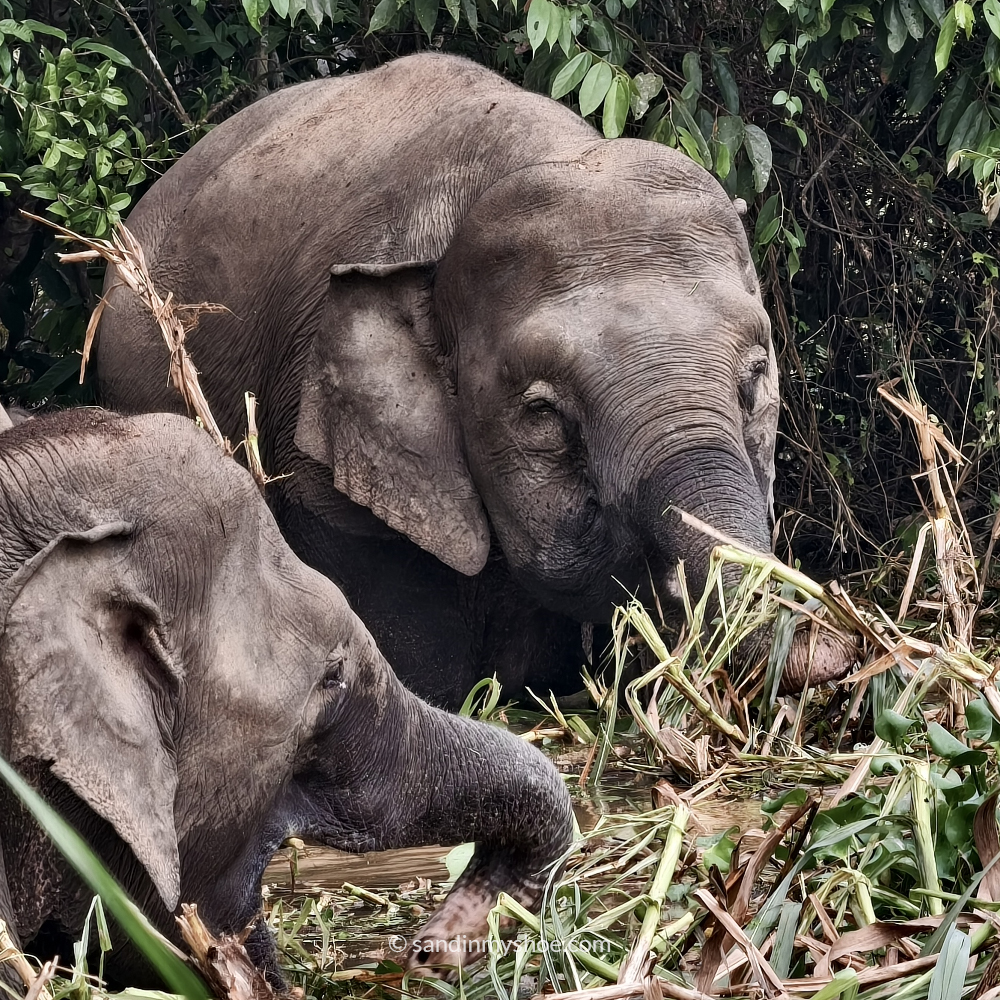
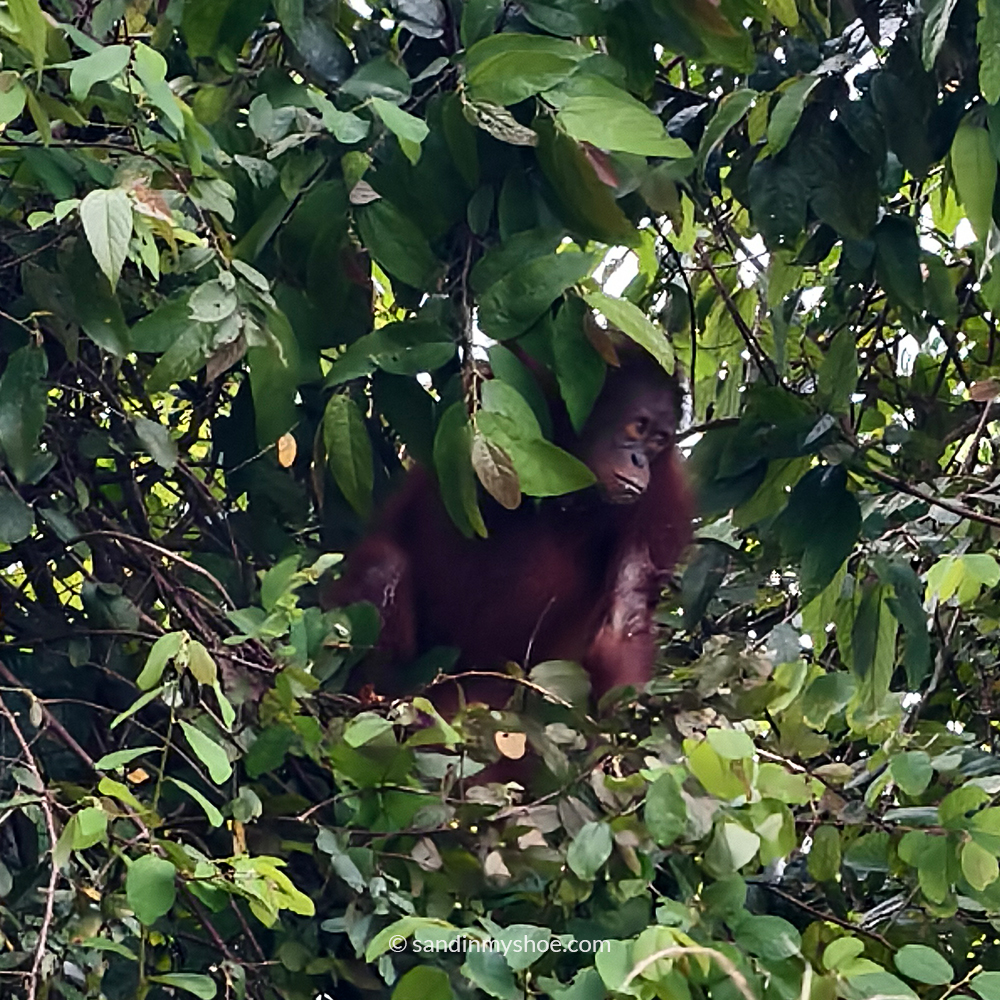
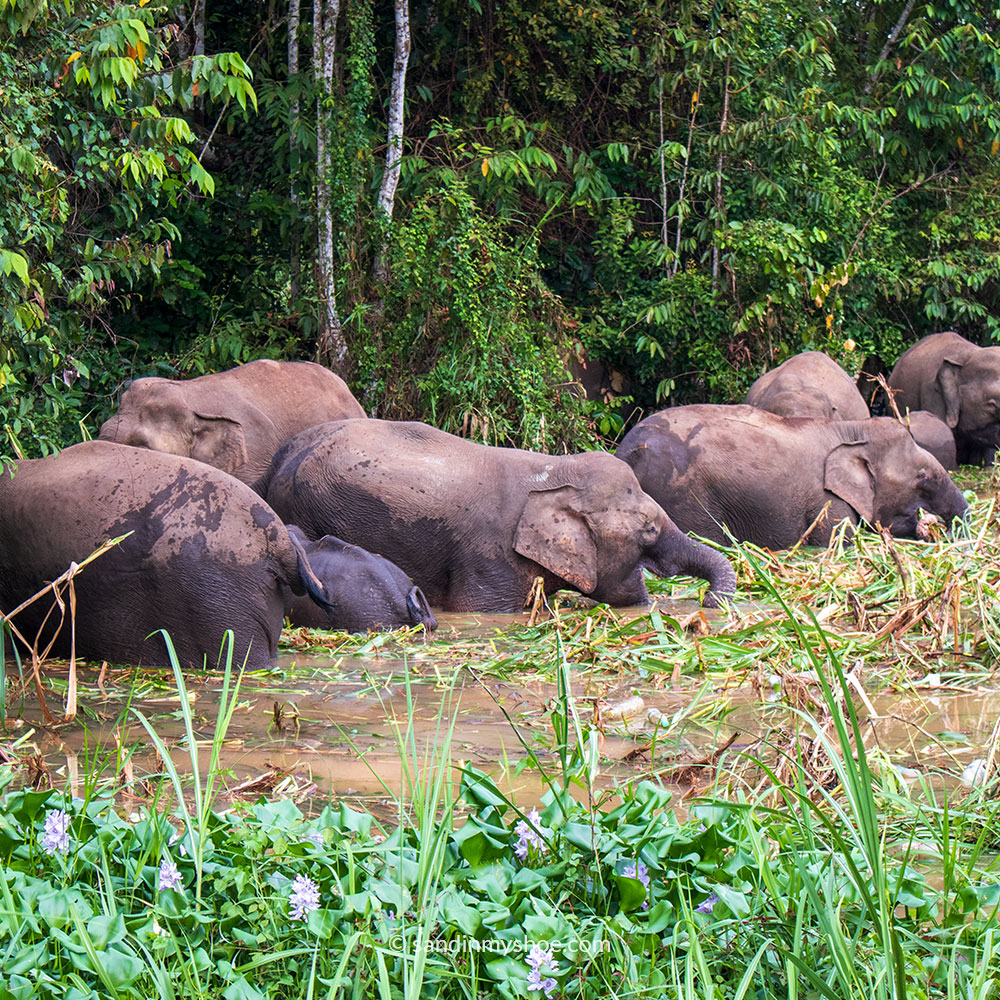
The local “Big 5” are orangutans, pygmy elephants, proboscis monkeys (yes, the potato‑nose ones), Rhinoceros Hornbills, and crocodiles. During my visit, I saw all of them except the crocodile.
The highlight of my trip was definitely spotting a herd of more than 15 pygmy elephants having supper on the riverbank. And seeing a Rhinoceros Hornbill up close was incredible — it genuinely looks like an AI glitch with that extra upside‑down beak.
Kinabatangan River Cruises: Morning, Afternoon & Night
Most lodges offer three different wildlife experiences each day.
Morning Cruise
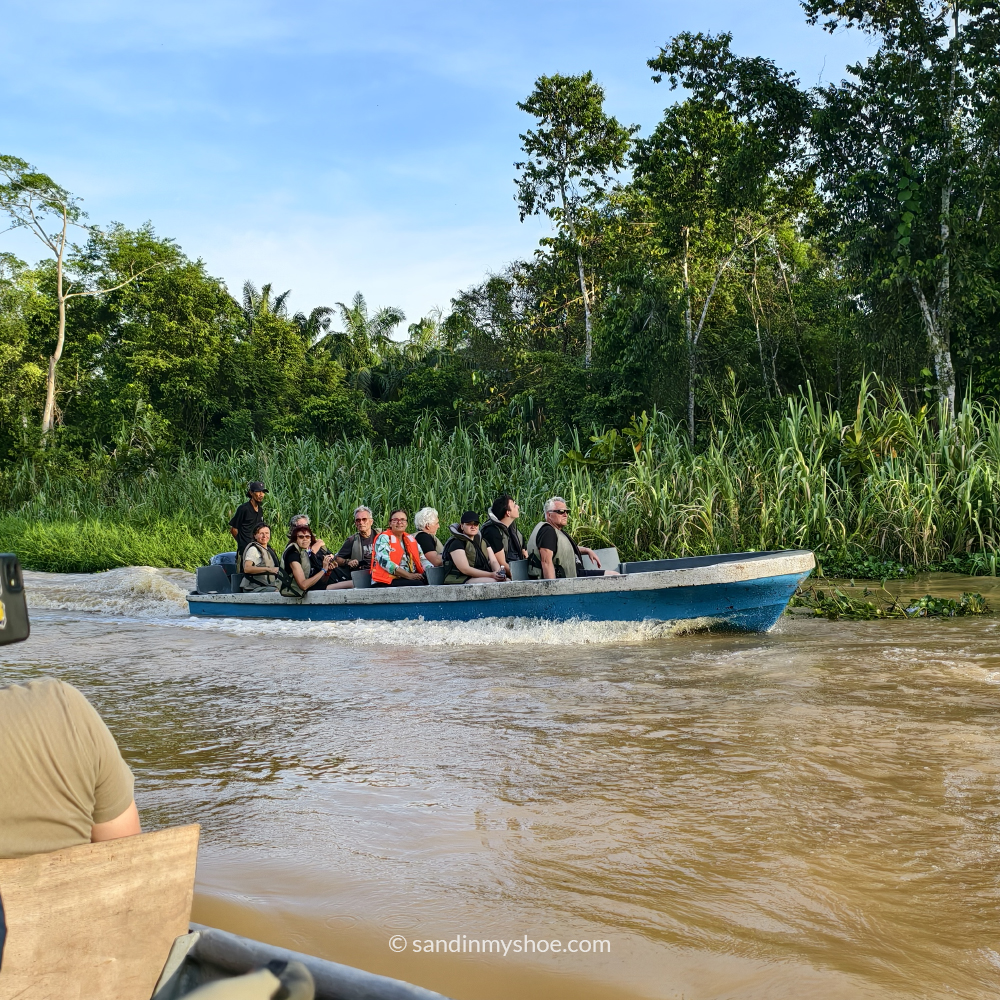
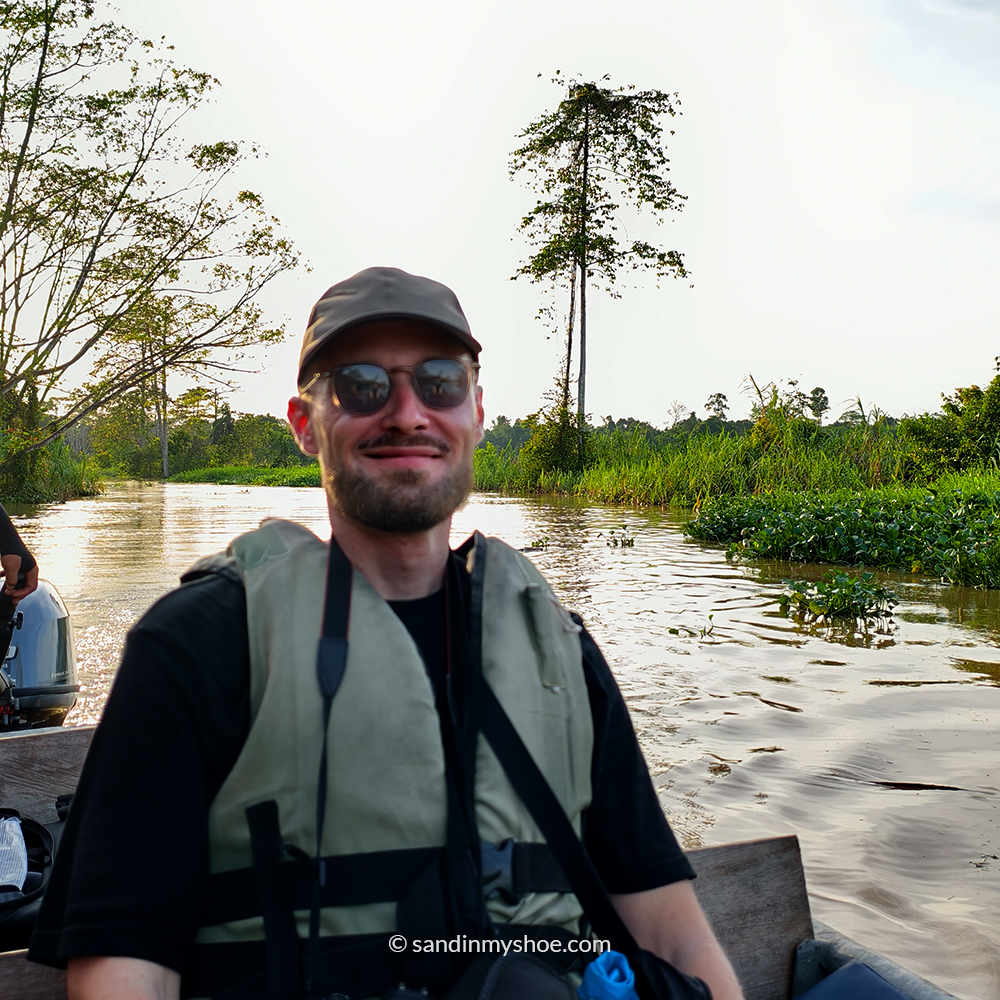
The day begins around 6:00 AM, when the river is still wrapped in soft light. You step into the boat, the engine kicks in, and suddenly you’re gliding at high speed through a corridor of jungle. The cool morning air hits your face, everyone’s buzzing with anticipation, and the river feels completely different from any other time of day. As the sun rises, the jungle wakes up with it — every rustle, call, and silhouette along the treeline grabs your attention. When you pass other boats, the guides exchange quick updates about what they’ve spotted, and then the chase continues.
The morning cruise usually lasts about 2 to 2.5 hours. Afterward, you’ll head back to the lodge for a well-earned breakfast and a bit of downtime.
Afternoon Cruise
When the afternoon heat starts to ease, it’s time to hit the river again. The afternoon cruise usually kicks off between 3:00 PM and 4:00 PM and runs about 2 to 2.5 hours as well. Armed with updates from the morning’s sightings, your chances of spotting wildlife are even better. Keep an eye out for orangutans lazing in the trees, crocodiles stretched out along the muddy banks, and pygmy elephants munching along the riverbanks. The golden light at this time of day also makes for some great photos.
Night Cruise (for nocturnal animals – bring a flashlight)
The last cruise of the day begins after dark, usually 1 to 1.5 hours after you return from the afternoon trip and finish supper. At first, it might feel like “one more cruise” is too much — but the night safari is a completely different experience. This is when the nocturnal animals come out, the smaller and rarer creatures you’d never see during the day.
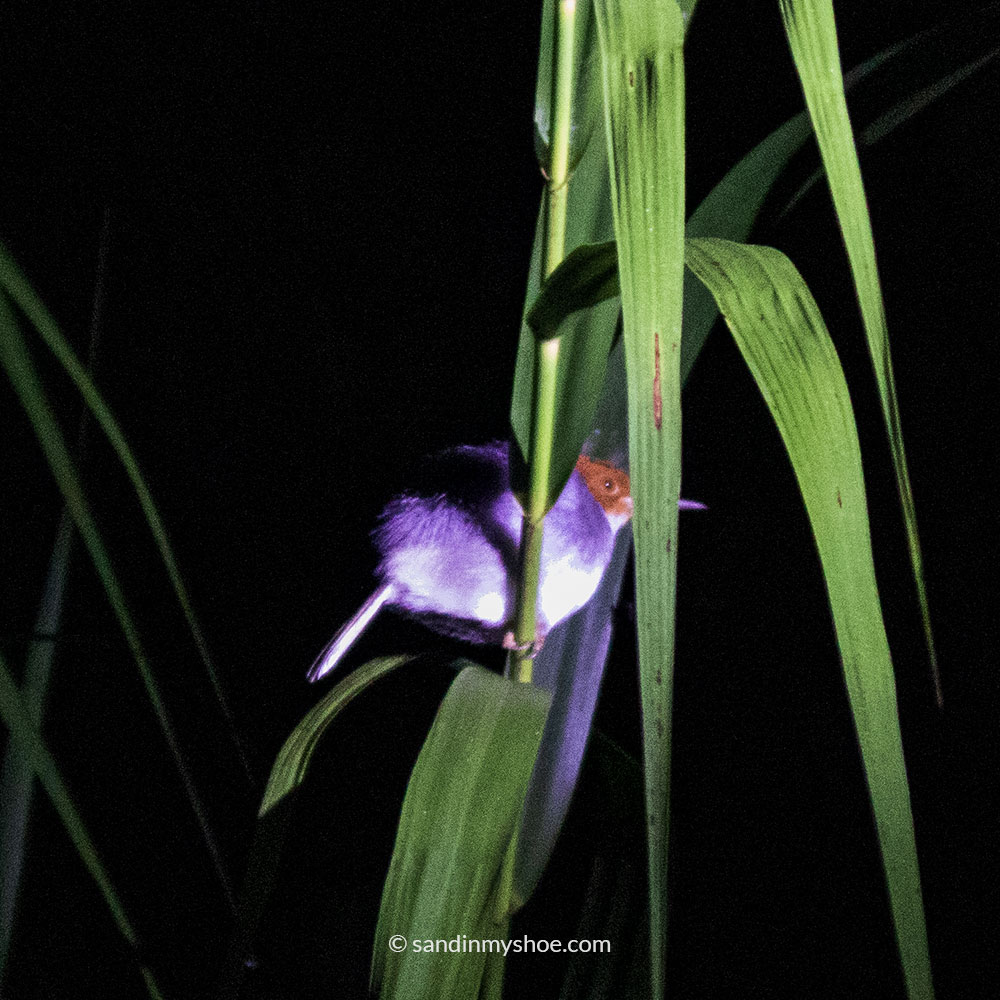
With flashlights in hand, you glide silently through the darkness while your guide scans the branches and riverbanks for movement. If luck is on your side, you might spot a Western Tarsier clinging to a branch, a Slow Loris peeking from the trees, snakes resting on low branches, or even flying foxes gliding overhead.
During my night safari, I saw flying foxes — those massive fruit bats — along with smaller bats swooping above the boat and several birds sleeping on branches right above the water.
The night cruise lasts about an hour, and in my opinion, one is enough. The animals are much harder to spot in the dark, so while the experience is unique, it’s also the least productive of the three cruises.
Some lodges also offer night walks in the forest, but reviews are mixed. Most people report seeing very little, and the experience depends heavily on luck and the guide’s skill. If you’re already doing a night cruise, the walk isn’t essential — but if you’re curious and have extra time, it can still be a fun way to experience the jungle from a different angle.
Gomantong Caves (Optional Extra activity)
If you have time to spare, I’d highly recommend checking out Gomantong Caves. The caves were once famous for their bird‑nest harvesting — used to make the prized bird’s nest soup — but after years of overharvesting, most of the swiftlets have moved on, and the nests are now few and far between. These days, the cave is better known for something else: bats. Lots of bats. Over 250,000 of them.
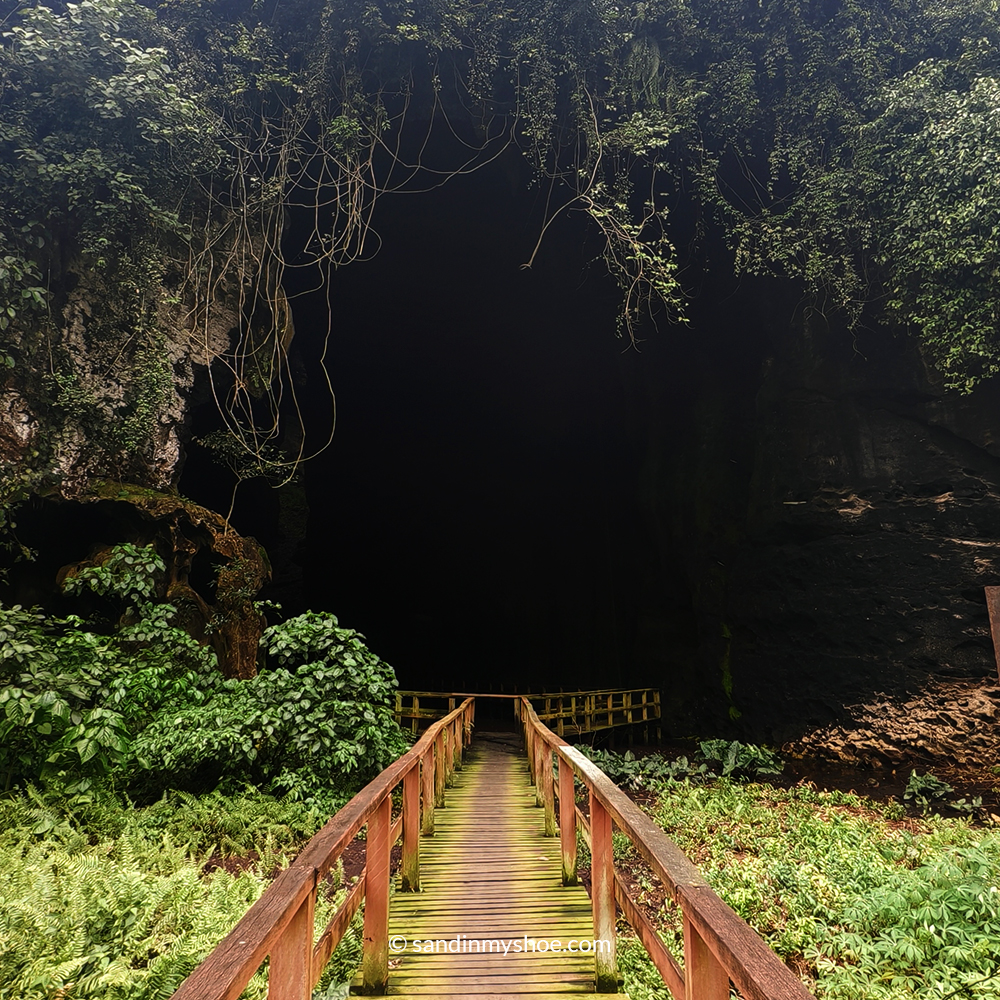
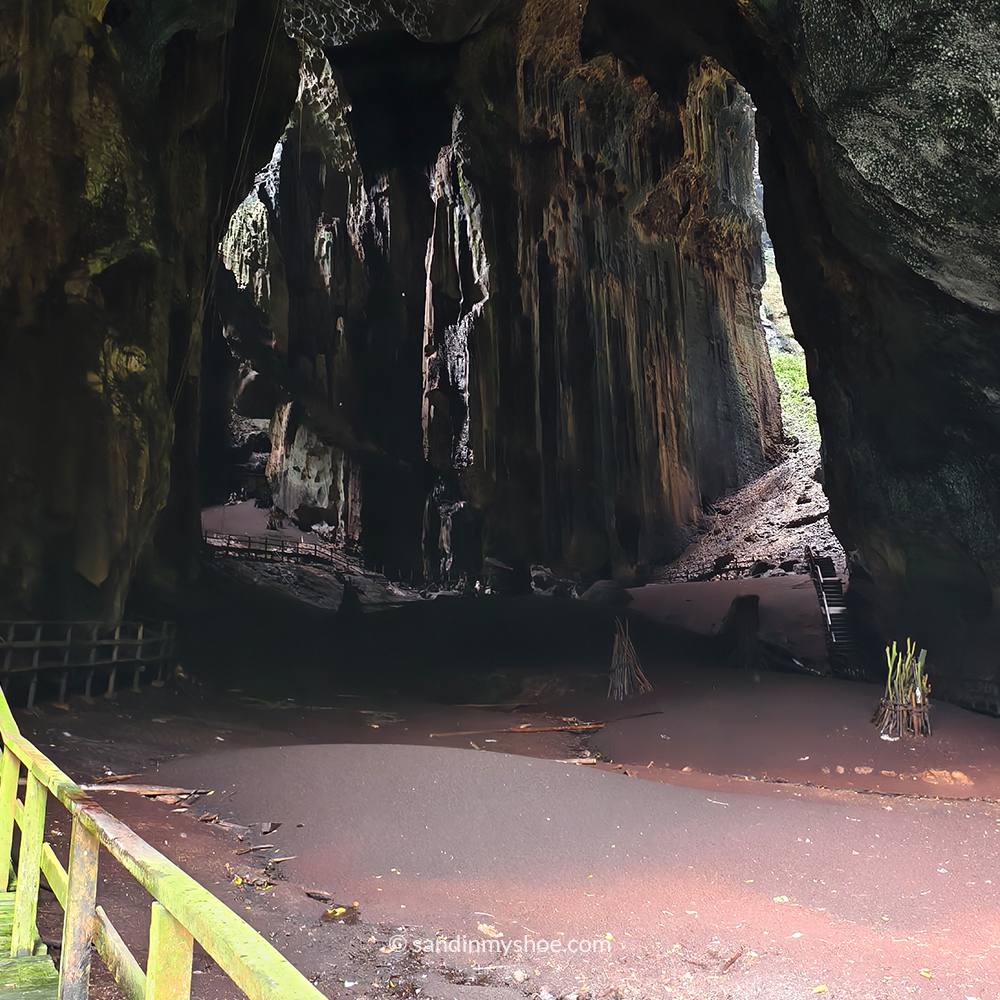
Each evening, usually between 4 PM and 6 PM, thousands of bats stream out of the cave in a dramatic wave as they head out to hunt. It’s a short but impressive spectacle and definitely worth seeing if you’re in the area.
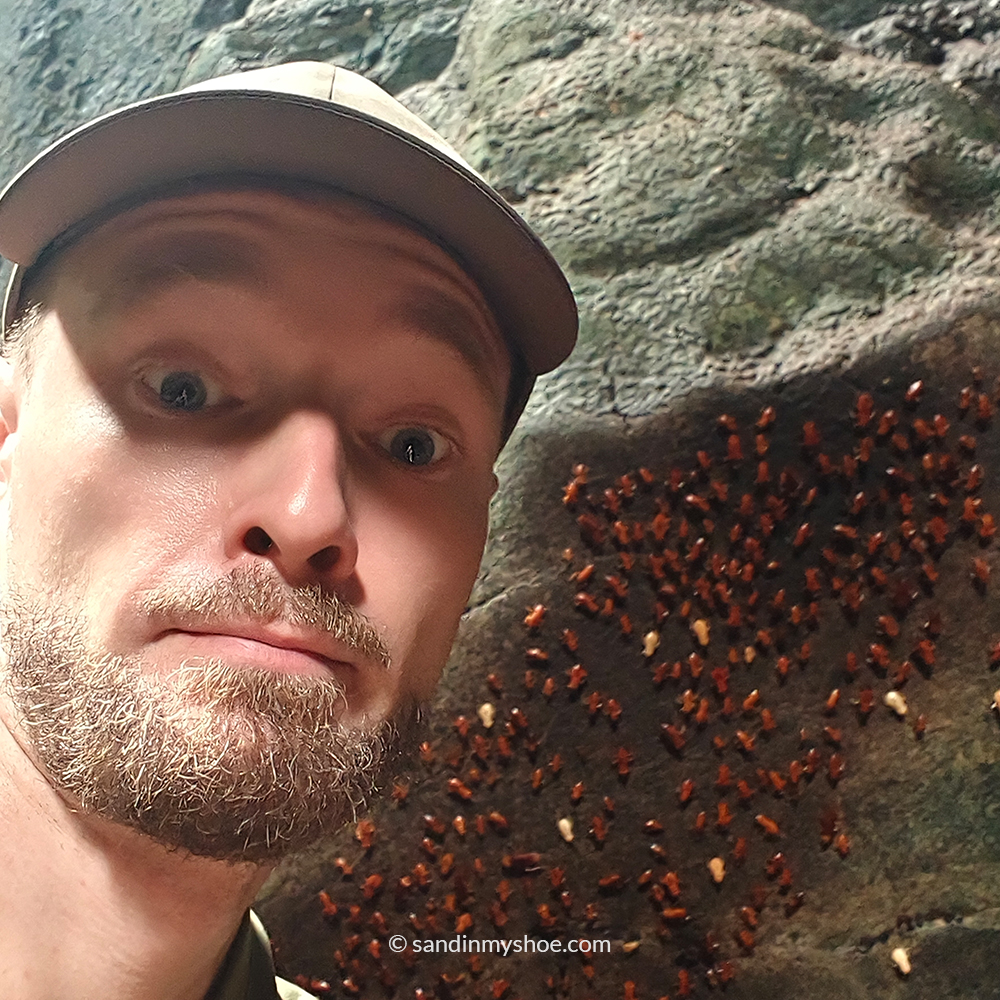
Just a heads‑up though: the cave is also a haven for cockroaches. Hundreds of thousands of them — on the walls, floors, and even the handrails. If you’re squeamish, this part might not be your favorite. But don’t close your eyes — you might trip, and then you’ll be rolling over them.
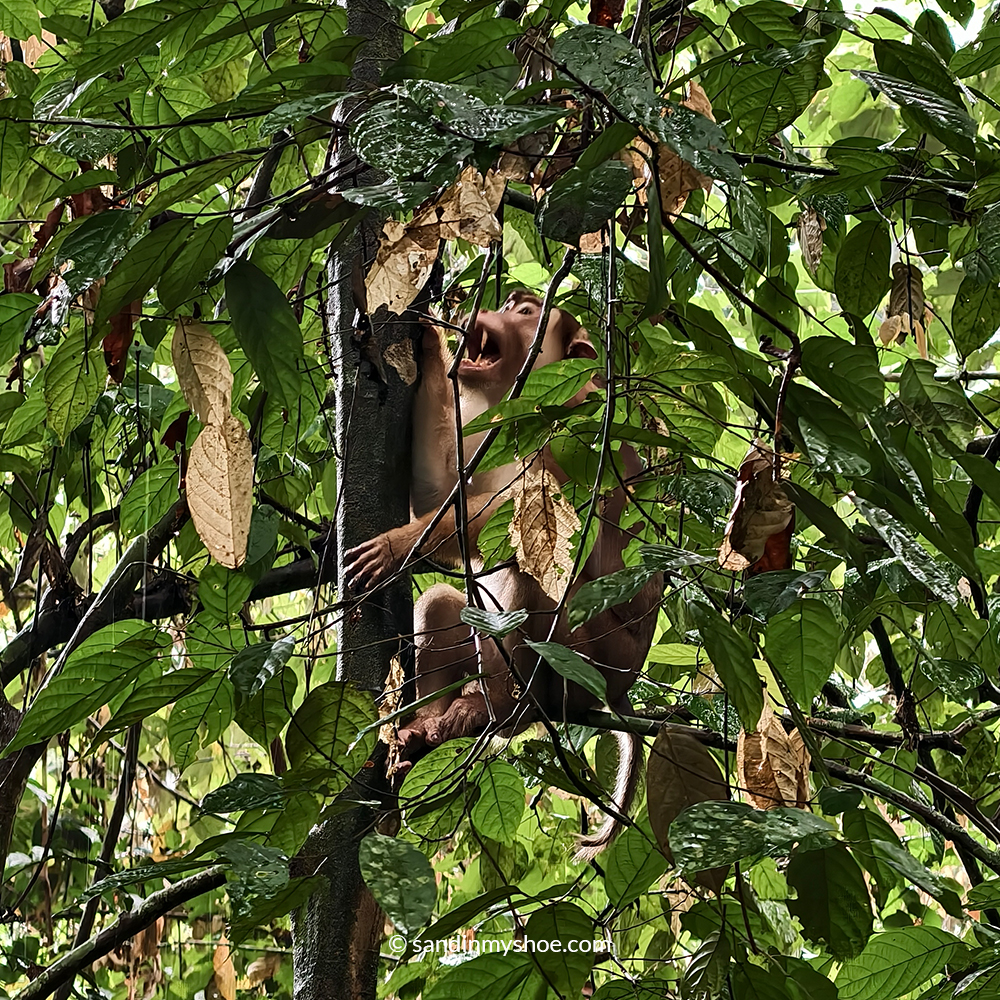
After visiting the cave, you can hike up to the top of the hill (about 30–45 minutes). Along the way, you might spot orangutans, long‑tailed macaques, or red leaf monkeys. If you’re lucky, the encounters can be surprisingly close. One small tip: don’t make eye contact with them — it might be interpreted as a challenge.
It can be a bit challenging to get here. During my visit, all the taxis in the village were unavailable because it was Eid, the Muslim holiday, and everyone was out praying. I ended up walking in the direction of the cave and trying to hitchhike; after about 30 minutes, someone finally picked me up. If you’re planning to visit, it’s best to ask your accommodation to help arrange a taxi in advance.
- Bring: water, snacks, rain gear
- Entrance: RM 30 for foreigners, RM 5 for locals
Is the Kinabatangan River Dangerous
Well, the river is home to plenty of crocodiles, but locals still swim in the river. A driver who picked me up while I was hitchhiking to the Tomanggong cave told me an old Pagan‑era legend: humans and crocodiles once made a pact not to harm each other. It’s a charming story — but not one you should rely on for safety.
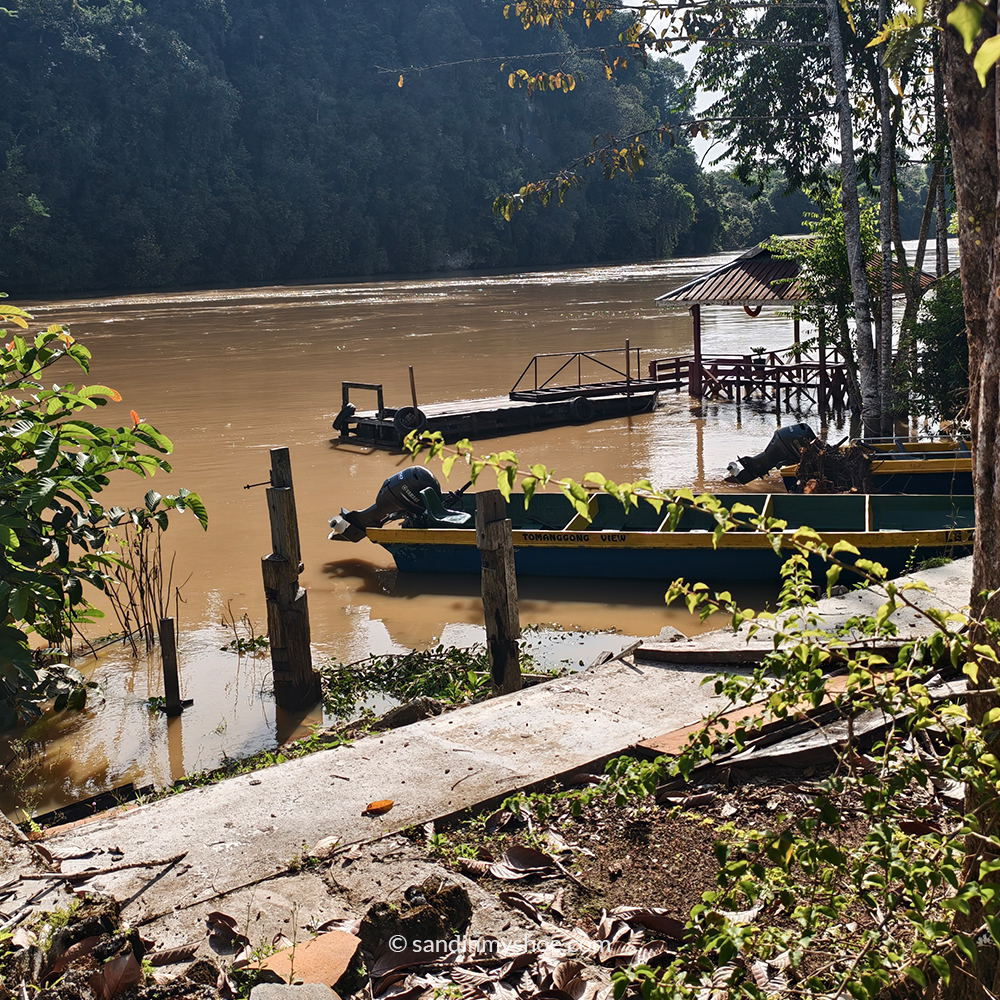
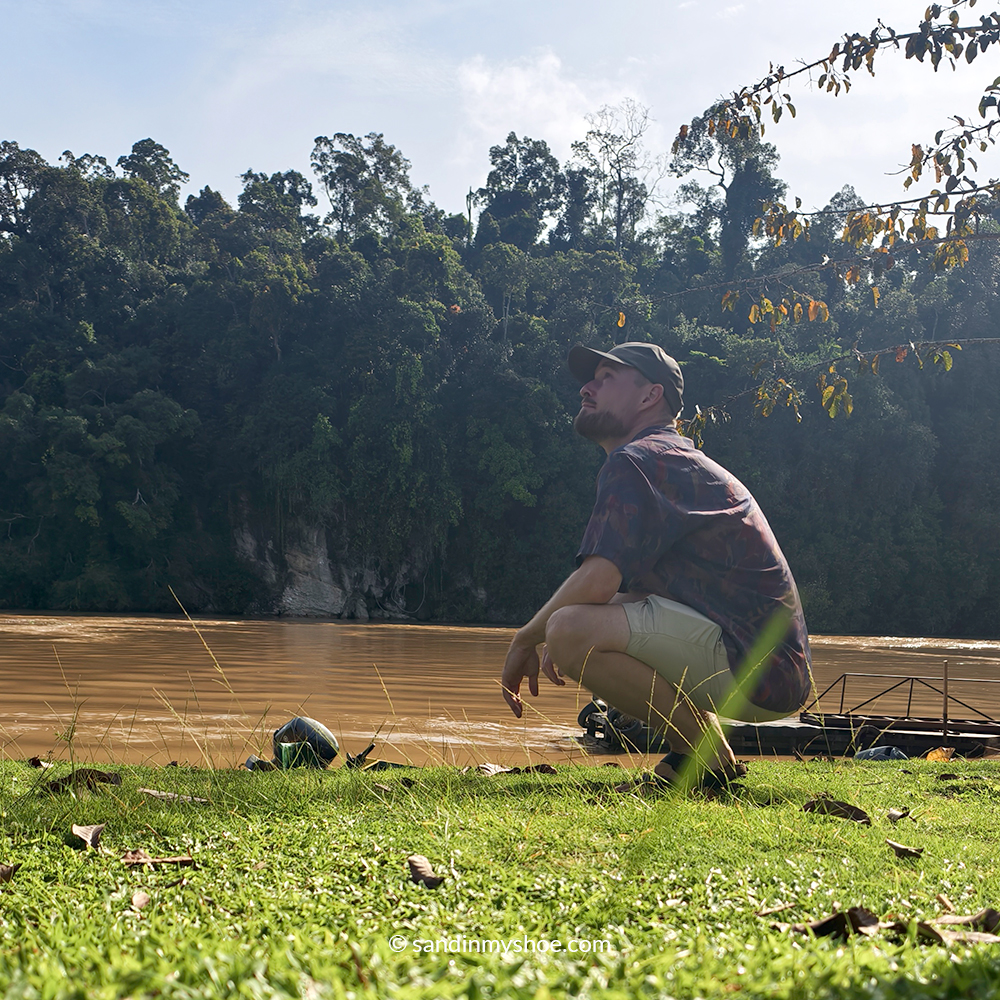
Once firearms arrived, people began controlling crocodile numbers. Today, crocodiles are protected, hunting them is illegal, and their population is recovering. An anthropology PhD student I met — who spent six months living along the Kinabatangan — told me that crocodile incidents involving humans still happen almost every month. She said the river looks calm, but the danger is quiet and constant, especially for people who rely on it daily for fishing, transport, or washing. Most incidents never reach tourists, but they’re very real for the communities who live right on the water.
My own close call
I arrived in the village without a booking and spent about 1.5 hours walking around with 30 kg of gear, desperately trying to find a place to stay. I eventually secured a room for one night, but the next morning I had to move again. On that first morning, I also stumbled across a dog’s severed foot lying on the road — no dog in sight — which didn’t exactly boost my confidence.
Later that day, I had to wade through a flooded road, knee‑deep in murky water, because it was the only way to reach my new accommodation. I was doing the whole trip DIY, so there was no alternative route. I crossed it five times without thinking much of it… until someone casually mentioned that crocodiles often lurk in that exact stretch of water.
Thankfully, the ancient pact held — at least for me that day. But make no mistake: the waters are wild, and danger is never far beneath the surface. Learn from my mistakes — have a booking sorted before you arrive.
Practical Essentials for Your Kinabatangan Trip
How Many Days Do You Need in Kinabatangan
There’s no guarantee you’ll see all the “Big 5” on your first day—it really comes down to luck and how many river safari cruises you go on. I stayed four nights and did six cruises in total, and I managed to see everything except the crocodile. There had been a flooding, which made them harder to spot.
Spending four nights gave me the perfect balance of adventure and downtime. I had enough time to explore, relax by the river, and even check out Gomantong Caves—plus hike all the way to the top of the mountain above it.
I recommend staying at least three nights, so you’ll have the chance to join multiple river cruises, do a night walk, and visit the Gomantong Caves if you get lucky early on with spotting the Big 5. If you’re thinking two nights will be enough, it can feel stressful — and you might get unlucky with wildlife sightings. Considering this is one of the highlights of Borneo, giving yourself at least three nights is the right move.
When to Visit the Kinabatangan River
Visit during the dry season: March to October. Less rain means animals are easier to spot along the riverbanks, and the trails are in better shape for hikes. But remember, it’s still a rainforest — quick showers are totally normal even in the “dry” months. I visited in early April and had decent weather with a few showers here and there. There had also been flooding when I arrived, so even during the dry season you can still get heavy downpours.
 30°C
23°C
31°C
23°C
30°C
23°C
31°C
23°C
 32°C
24°C
32°C
24°C
32°C
24°C
32°C
24°C
32°C
24°C
32°C
24°C
 32°C
24°C
32°C
24°C
32°C
24°C
31°C
24°C
31°C
24°C
30°C
23°C
30°C
23°C
32°C
24°C
32°C
24°C
32°C
24°C
31°C
24°C
31°C
24°C
30°C
23°C
30°C
23°C
How To Visit Kinabatangan
You can experience the Kinabatangan River in two main ways: by booking an all‑inclusive package or by doing it the DIY way. Both work — it just depends on your budget, travel style, and how much planning you want to do.
All‑Inclusive Package
This is the easiest and most convenient option. Many tour agencies offer similar safari packages that include:
- Accommodation
- All meals
- Multiple river cruises
- Night walks (sometimes)
- Pick‑up and drop‑off from Sandakan
Since Sandakan is only a couple of hours away, most travelers start their Kinabatangan trip from there. Packages are ideal if you want a smooth, stress‑free experience where everything is arranged for you. Book ahead during peak season. A 3D2N all‑inclusive package usually costs about $300 USD — that covers pickup from Sandakan, four river cruises, your lodge, and all your meals.
The Independent Way
If you’re traveling on a budget or prefer more flexibility, you can book everything separately. The simplest approach is to book your accommodation in Sukau (the village next to the Kinabatangan River) first, then arrange river cruises once you arrive. Some operators only accept guests staying with them, but others welcome walk‑ins.
I did it this way and managed to negotiate RM 310 (~$76 USD) for five normal cruises and one night cruise, and then I paid for lodging and food separately. It does require a bit more effort — walking around, comparing prices, and being flexible — but it can save you a significant amount, especially outside peak season.
Where to Stay in Sukau, Kinabantangan
There are plenty of lodges in Sukau, along with a couple of hostels for solo travelers or anyone looking to socialize. If you can, stay close to the river. It’s quieter, more scenic, and you’ll be right next to the action when it’s time for your cruises. The atmosphere is much calmer by the water, and you’ll appreciate waking up to the sounds of the jungle instead of the main road. Here are the top places in Sukau.
Getting to Sukau, Kinabatangan
Getting to Sukau on your own can be a bit of an adventure — transport is limited, schedules aren’t always obvious, and the last stretch requires some planning. But for many travelers (myself included), that’s part of the fun. Most people arrive from Sandakan or Semporna.
How to get from Sandakan to Sukau, Kinabatangan
Minivan (Most Convenient Option)
There are minivans going from Sandakan to Sukau, but schedules change often. The easiest approach is simply to ask around in Sandakan for the most up‑to‑date information. A minivan is the most convenient option because it takes you directly into Sukau village, without needing to arrange extra transport from the junction.
Public Bus
Taking the public bus is a bit more complicated, but definitely doable.
- Book a ticket on redbus.my to Lahad Datu (that’s the final stop).
- Once on board, tell the driver you want to get off at Sukau Junction — about 2–3 hours from Sandakan.
From Sukau Junction, you have two options:
- Arrange a pickup with your accommodation in advance, or
- Ask around for a lift into Sukau (expect to pay 30–50 MYR for the ~40 km ride).
Important: Leave Sandakan early enough so there are still people at the junction when you arrive. It’s absolutely doable — and part of the adventure — but arriving late makes it harder to find a ride.
How to get from Semporna to Sukau, Kinabatangan
Minivan (Most Convenient Option)
Just like in Sandakan, minivan schedules in Semporna change. The best approach is to ask your accommodation for the latest information — they usually know which operators are currently running and when they depart. A minivan is the easiest option because it takes you directly into Sukau Village, without needing extra transport from the junction.
Public Bus
I traveled from Semporna to Kinabatangan myself. The day before departing, I went to the bus station and bought a ticket in advance.
These were the bus schedules:
- Semporna ➔ Kota Kinabalu: 07:30 | 13:30 | 19:30
- Semporna ➔ Sandakan: 07:30
Try to catch the earliest bus, as the trip to Sukau Junction takes around 4–5 hours. Sukau Junction is still about 40 km from Sukau Village, so you’ll need to arrange the final stretch yourself. When I arrived, I simply told the driver to drop me at the junction and managed to get a ride the rest of the way into the village.
Once you’re at Sukau Junction, you can either arrange a pickup with your accommodation beforehand or ask around for a lift. Expect to pay around 30–50 MYR if you find someone heading that way. Taking the morning bus is important — that’s when there are still people around the junction offering rides. It worked out smoothly for me.
What to Pack for Kinabatangan
Here’s a quick packing list to make your Borneo safari more comfortable and productive:
- Binoculars (can be rented if the organizer has supplies)
- Dry or Wetbag
- Sunglasses
- Zoom lens for camera
- Mosquito repellent
- Sunscreen
- Poncho or light rain jacket
- Comfy shoes – Flip-flops are fine for boat rides and lounging, but bring sturdier shoes if you plan on hiking in the area or visiting the Gomantong Cave.
- Safari hat and earth-tone clothing (for the full-on safari look)
Wrap-Up
The Kinabatangan River surprised me in the best way. It’s simple, calm, and unpredictable — one of those places where every cruise feels different. Some days you see a lot, some days you don’t, but the atmosphere alone makes it worth the trip. Take your time here, stay close to the river, and let the jungle set the pace, and consider staying at least three nights.
Still deciding your Borneo Itinerary? Check out my 10-day Borneo Itinerary for inspiration. And if you’re exploring more of Sabah, don’t miss my other guides: things to do in Kundasang, things to do in Sandakan & Sepilok and Semporna travel guide.


No comments yet, be the first one!
I appreciate hearing from you. If you have any suggestions, questions, or feedback, please leave a comment below. Your input helps ensure the information stays relevant and up to date for everyone.
Thank you for sharing your thoughts!