

 book BUS from semporna to kinabatangan with 12go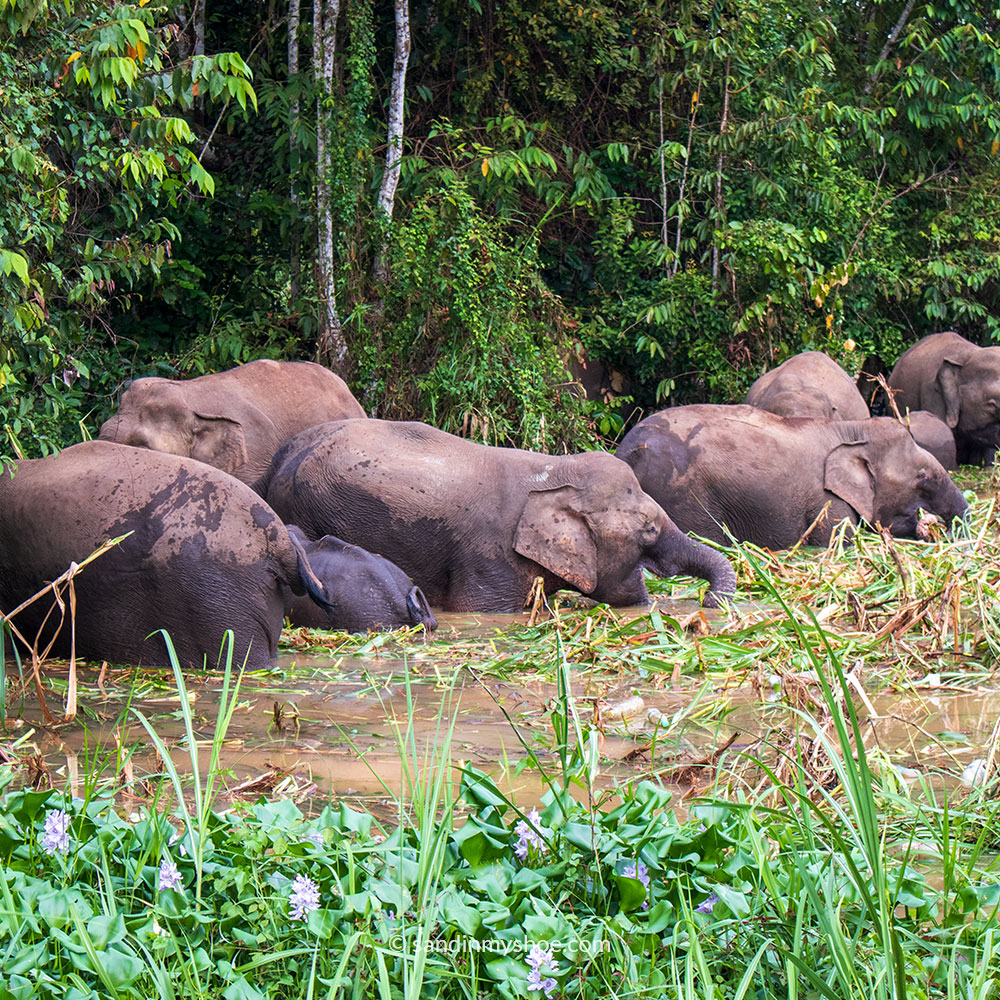
I traveled through Sabah, the northeastern state of Borneo, where most of the island’s iconic experiences are concentrated. This is where you’ll find Kinabatangan river safaris, world‑class diving in Semporna, orangutans and sun bears in Sepilok, and cool‑climate hikes around Kundasang — or even the chance to summit Mount Kinabalu.
The people are also very nice. I was invited to a dinner in Semporna just by walking past a house during Eid, and I got several free rides simply by asking for directions. Even when I insisted on paying, people refused — one person told me they preferred giving me a good impression of Malaysia over taking any money. And honestly, I left with exactly that.
Overview of Sabah, Borneo
How to Use the Map: Click the top-left corner to view and select map layers. Green pins are the considered best places to visit in Borneo, and the blues are airports. Use the map to get an overview of Sabah state in Borneo.
10‑Day Borneo Itinerary
Itinerary Overview
Day 1: Fly to Tawau & Transfer to Semporna
Day 2: Islands of Semporna
Day 3: Islands of Semporna & Transfer to Kinabatangan
Day 4: Kinabatangan River Safaris
Day 5: Kinabatangan River Safaris
Day 6: Kinabatangan River Safari & Transfer to Sepilok
Day 7: Sepilok: Orangutans & Sun Bears
Day 8: Explore Rainforest Discovery Centre & Sim Sim Water Village in Sandakan
Day 9: Travel to Kundasang
Day 10: Visit Kinabalu National Park & Return to Kota Kinabalu
Day 1: Fly to Tawau & Transfer to Semporna
This day is mainly about getting yourself into position for the islands. Fly into Tawau Airport (~1 hour), then take a taxi or bus to Semporna (1.5–2 hours).
Check in, walk the waterfront, arrange your island trips for the next two days.
If you want a cheap stay, opt for hotels in Semporna — they’re practical and close to everything — but you won’t get that classic “staying‑on‑the‑water” experience that the island resorts are famous for.
Day 2: Snorkeling or Diving in the Islands Around Semporna
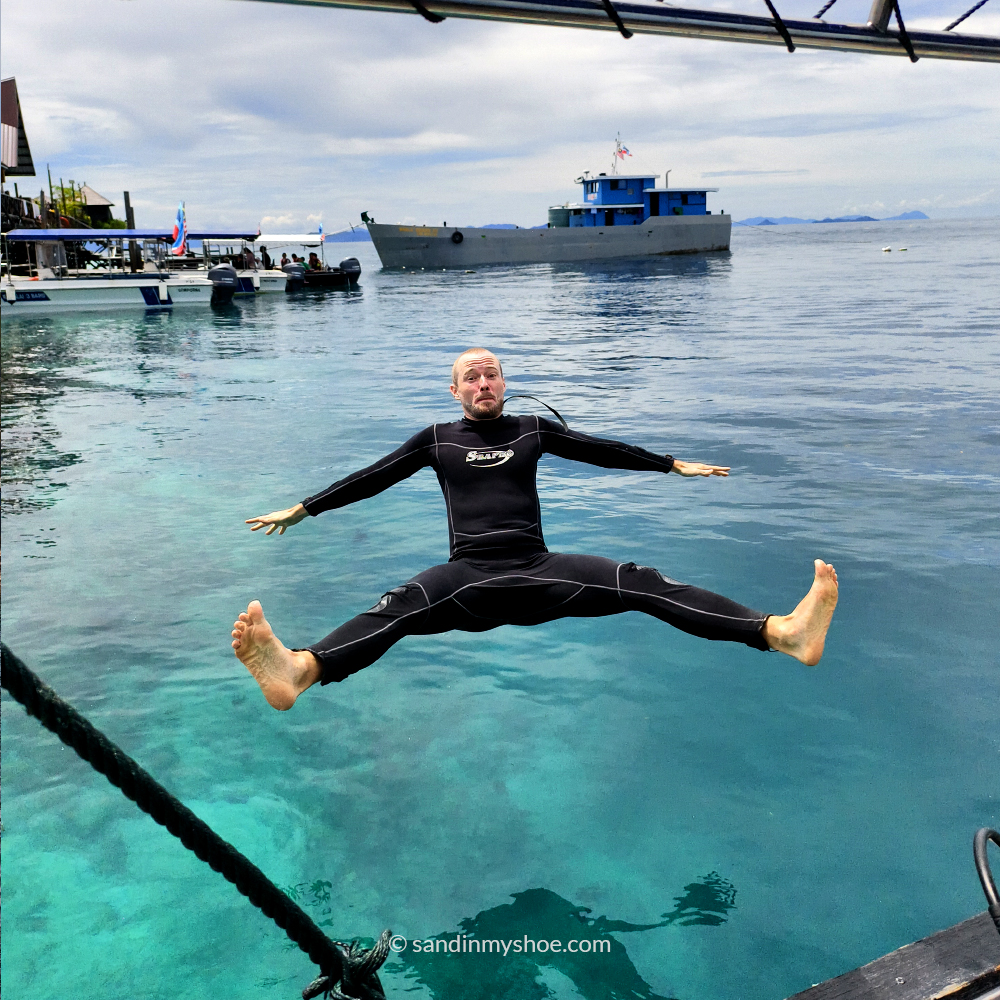
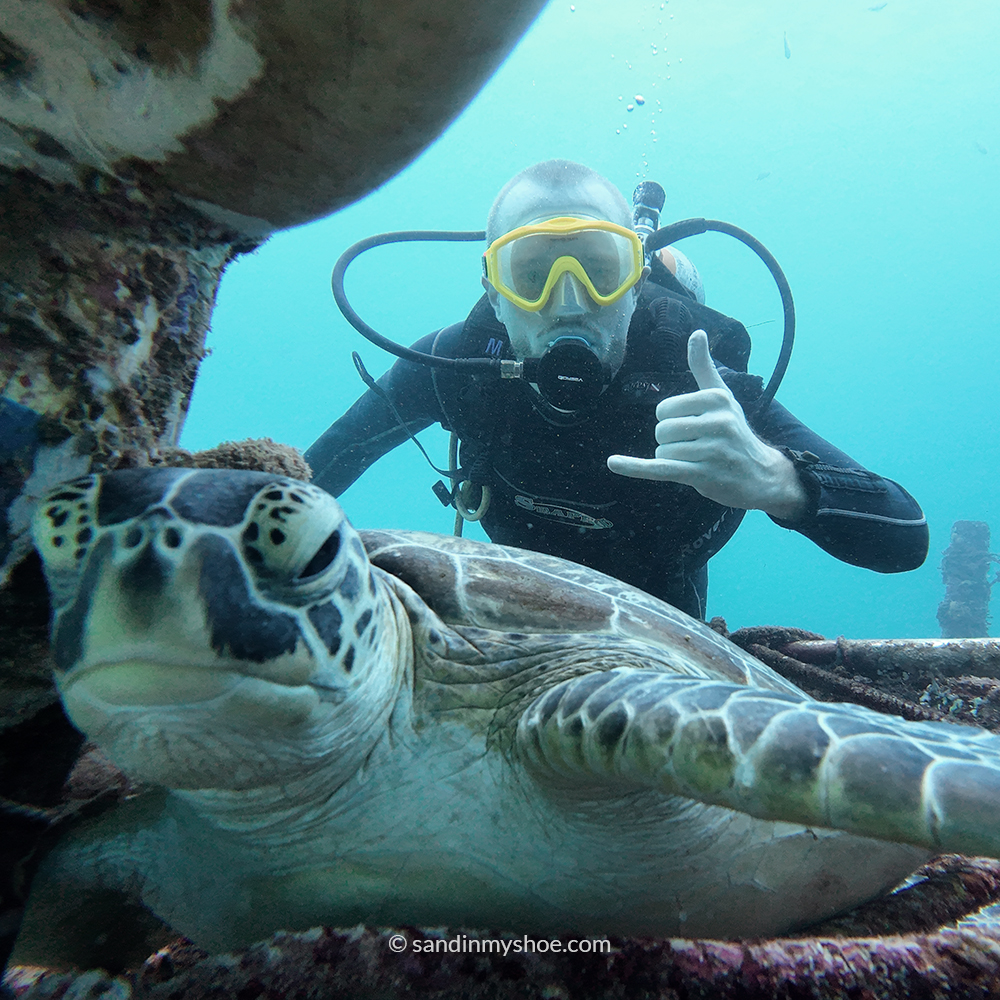
Spend the full day exploring the islands around Semporna. You can choose between snorkeling or diving, with popular spots including Sibuan, Mataking, Mantabuan, Bohey Dulang, Timba‑Timba, Pandanan, Mabul, and Kapalai.
Sipadan is the region’s crown jewel — often ranked among the best dive sites in the world — but it requires an Advanced diving certification, a limited daily permit, and is more expensive. Because of that, I skipped Sipadan and instead dived Mabul and Kapalai on one day, and Timba‑Timba, Mataking, and Pandanan on another. The conditions were excellent: clear water, coral gardens, turtles, and plenty of marine life.
If you plan to dive Sipadan, it’s recommended to book a dive package with accommodation near the dive site, as Sipadan island is quite far from Semporna.
Want to know more about Semporna? Dive into my full guide — Semporna Travel Guide.
Day 3: More Diving / Island‑Hopping / Self-Organized Visit Of a Bujau Laut Community & Bus to Kinabatangan
Morning
Use the morning for a second day of diving or island‑hopping. There are plenty of tours to book, check out the best rated tours on GetYourGuide or Klook.
If you’re feeling adventurous, you can also visit one of the Bajau Laut (sea‑gypsy) communities scattered around the Semporna archipelago. There’s no organized tourism, so you’ll need to rent a small boat with a local captain and get local advice before heading out. I paid around $20 for a 2–3 hour trip. It’s a fascinating cultural experience, but should be done respectfully and with awareness that these are real communities, not tourist attractions.
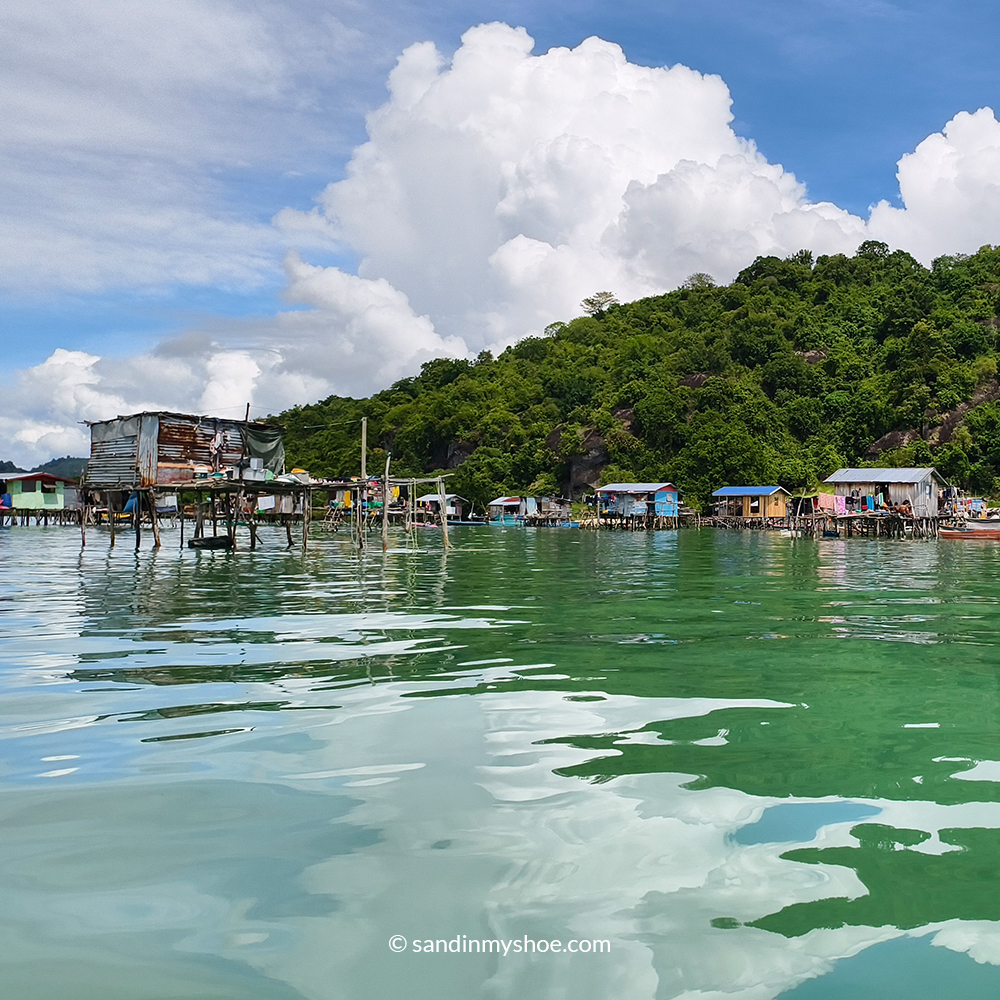
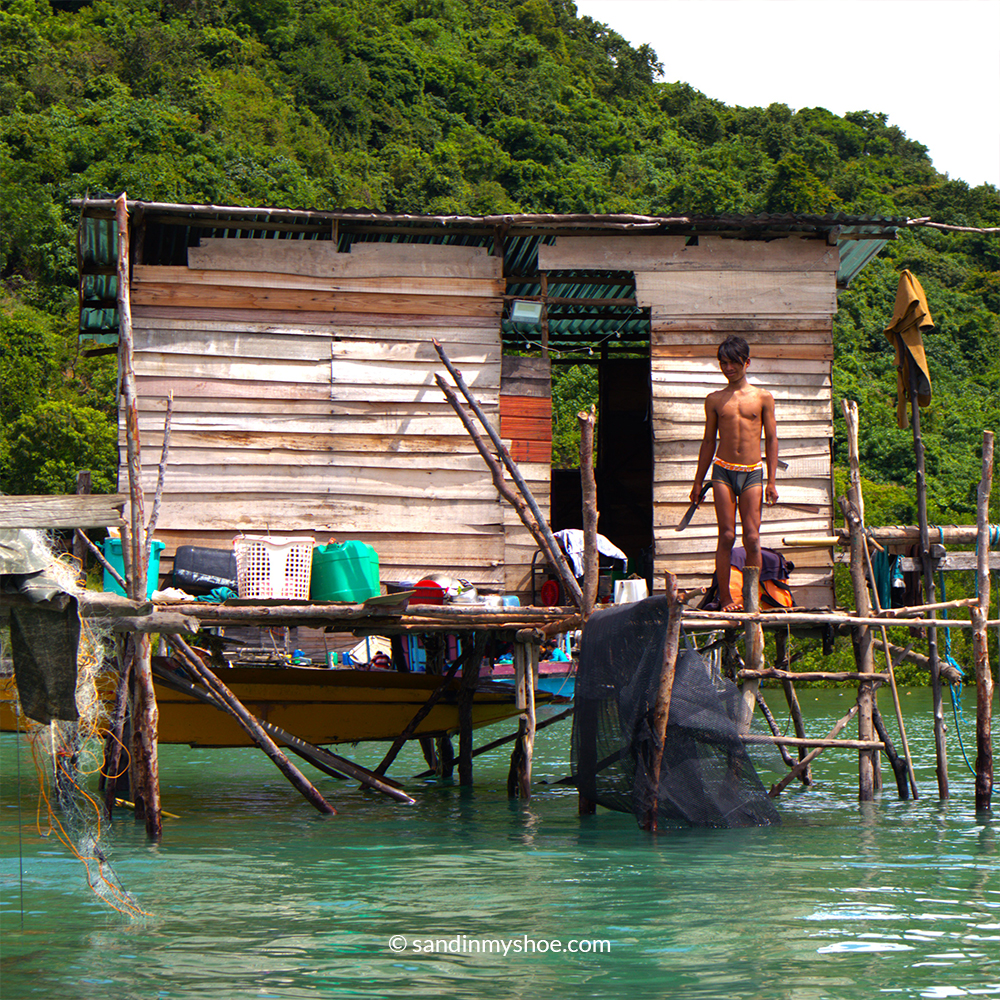
If you plan to go, head early to the docks to find a captain and ask about the communities around Pulau Menampilik. Use common sense when choosing who to go with — talk to a few people, see who feels right, and trust your gut.
Evening
In the evening, take the bus to the Kinabatangan area. The ride takes about 4–5 hours and drops you at the junction to Sukau, which is the largest village along the Kinabatangan River — but still about 40 km from the actual riverside lodges. Before doing any of this, make sure to talk with your accommodation in Kinabatangan so they’ll arrange a pickup from the junction. Often there is a van waiting that take travelers to the river for a fee. Check in, book the river cruise safaris for the next day, and rest before the wildlife days ahead. Every Borneo itinerary should include a trip to Kinabatangan.
Optional Detour: Danum Valley Conservation Area
If you have more than 10 days and a bit of extra budget, consider adding a detour to the Danum Valley Conservation Area — one of Borneo’s most pristine and untouched rainforests. It offers deep‑jungle trekking, ancient trees, canopy walks, and some of the best chances to spot truly wild orangutans. It’s remote and more expensive than other parts of Sabah, but for many travelers, it’s a once‑in‑a‑lifetime experience.
Day 4: Kinabatangan River Safaris
After settling into your lodge the previous evening and booking your river cruises, you’ll start the day with an early‑morning safari as the sun rises. The morning cruise is considered the best time, as it’s when the animals are most active and the light is softer, making it easier to spot wildlife along the river. The afternoon cruise is also excellent, offering a different atmosphere and another chance to see animals along the riverbanks.
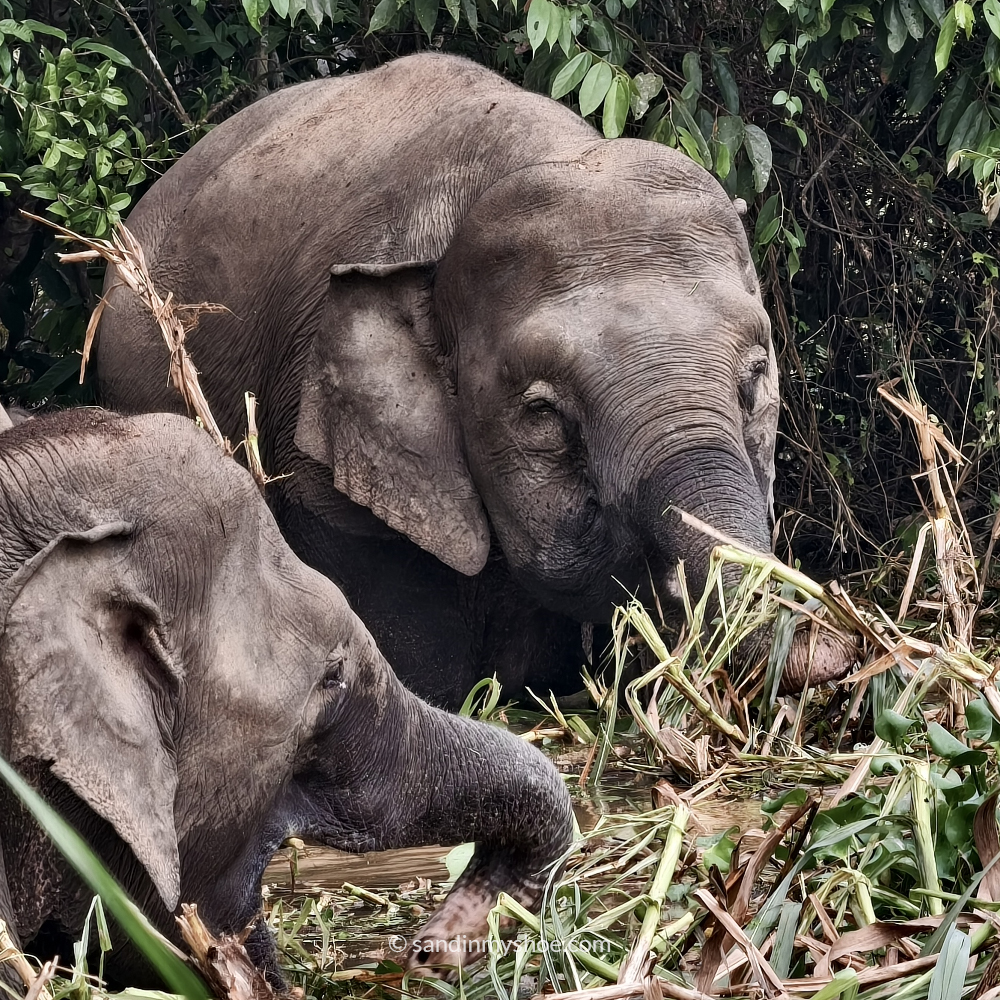
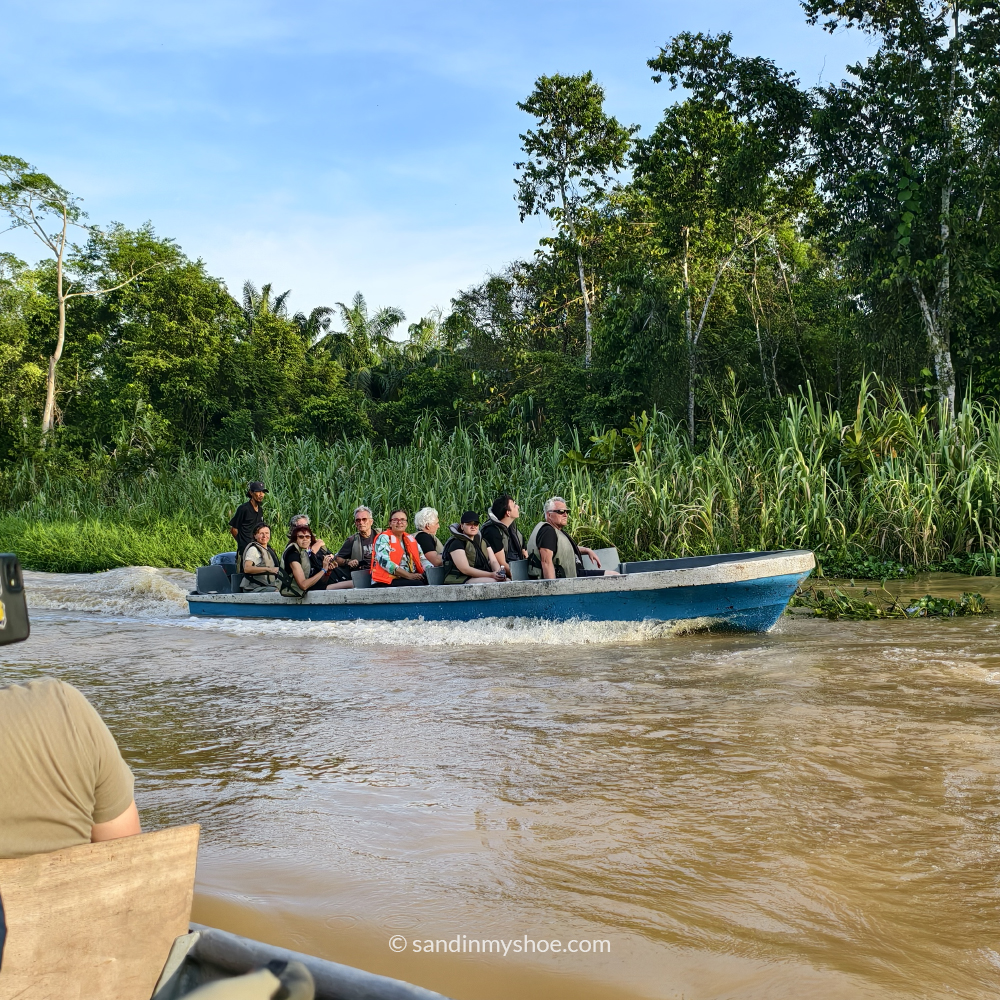
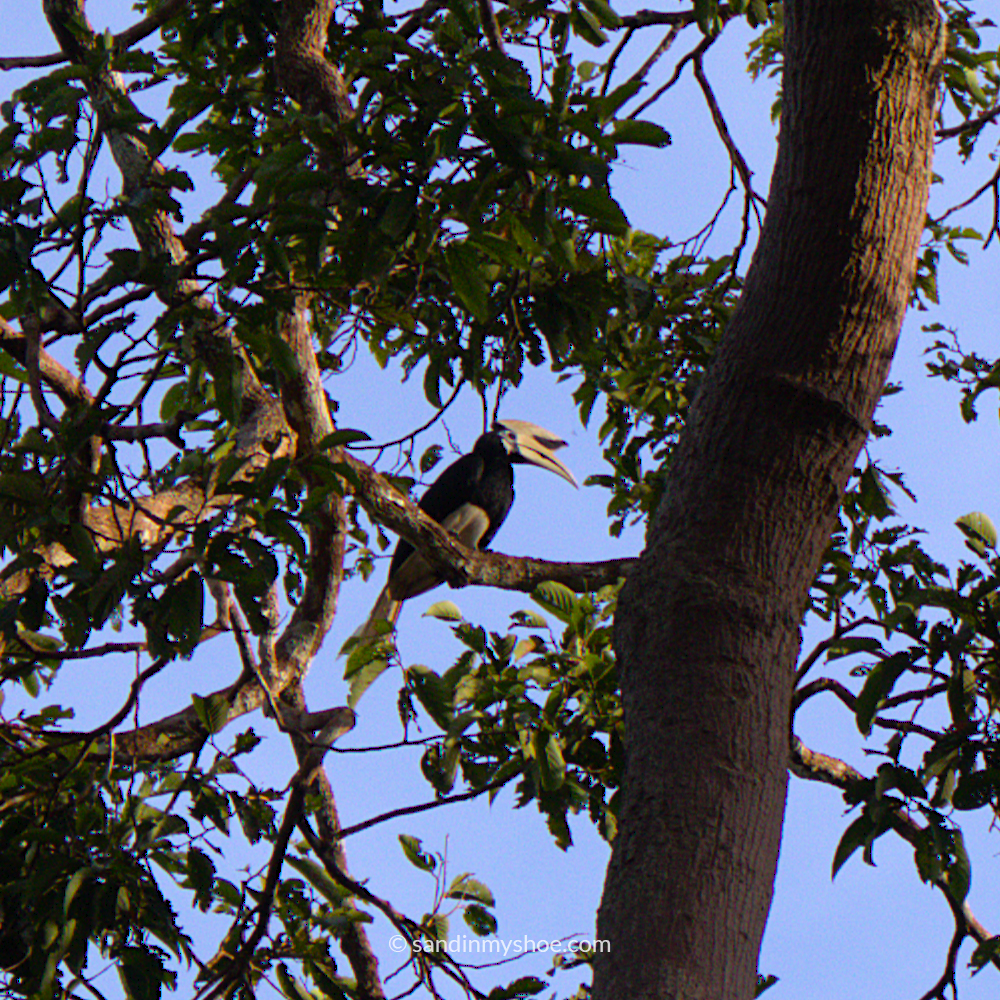
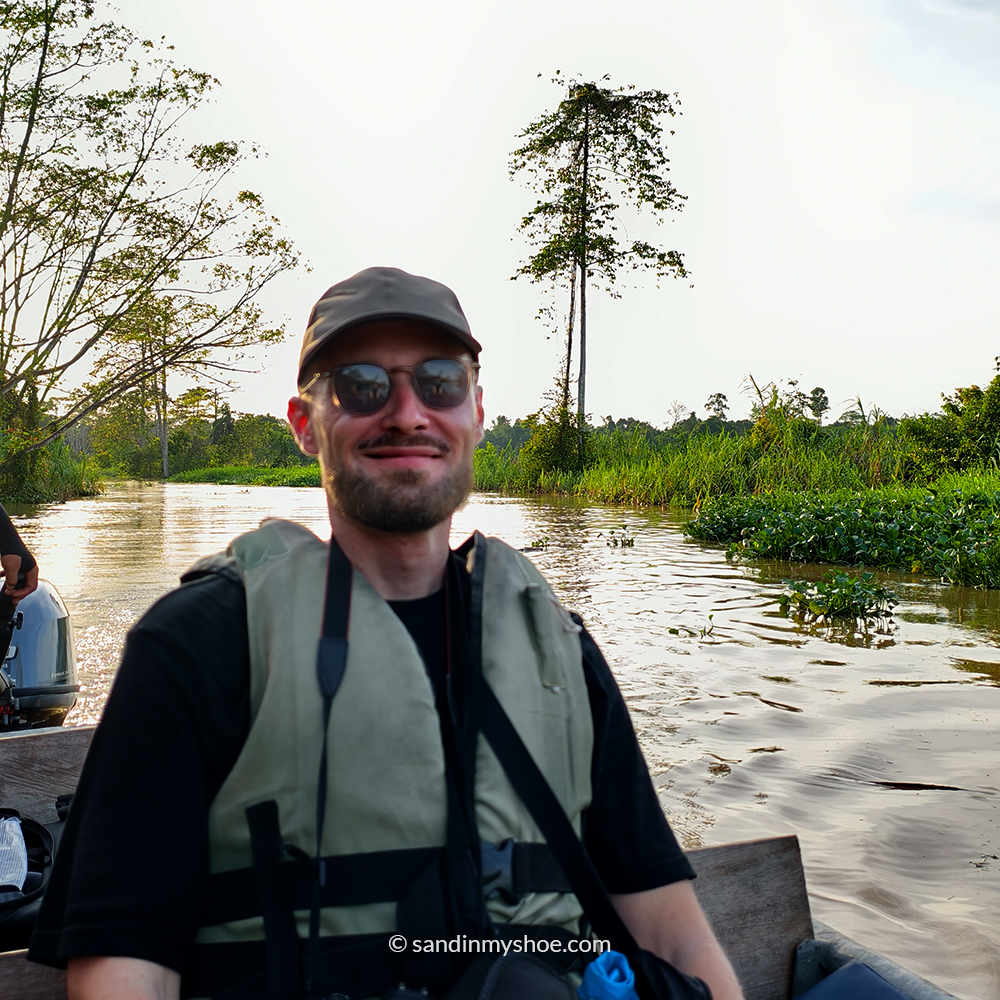
On these cruises, you may spot everything from pygmy elephants and orangutans to proboscis monkeys (the ones whose long noses give them a slight Gérard Depardieu vibe), crocodiles, and a wide range of hornbills. Sightings vary day by day, but the Kinabatangan River is one of the easiest places in Borneo to see wildlife without strenuous trekking.
Most cruises last about 2 hours each.
As night falls, you can join a 1‑hour night cruise, which focuses on spotting nocturnal animals such as flying foxes, owls, civets, and sleeping kingfishers. It’s a completely different experience and a great way to round out the day.
Cruises are booked through your accommodation. I paid RM65 (~$16 USD) per cruise, but prices vary depending on the lodge and how well you bargain.
Curious about Kinabatangan? Dive into my full guide — Kinabatangan River Cruises.
Day 5: More River Cruises, Jungle Walks & Night Walk
Start the day with another sunrise river cruise, which is often the most rewarding time for wildlife activity. If you’ve already spotted the “big five” of Kinabatangan — pygmy elephants, orangutans, proboscis monkeys (the ones whose long noses make them look a bit like Gérard Depardieu), crocodiles, and hornbills — you can mix things up with a jungle walk offered by most lodges.
If you’re looking for something different, you can also visit Gomantong Cave, a huge limestone cave system famous for its swiftlets and bats. It’s about an hour from the river area and can be arranged through your accommodation.
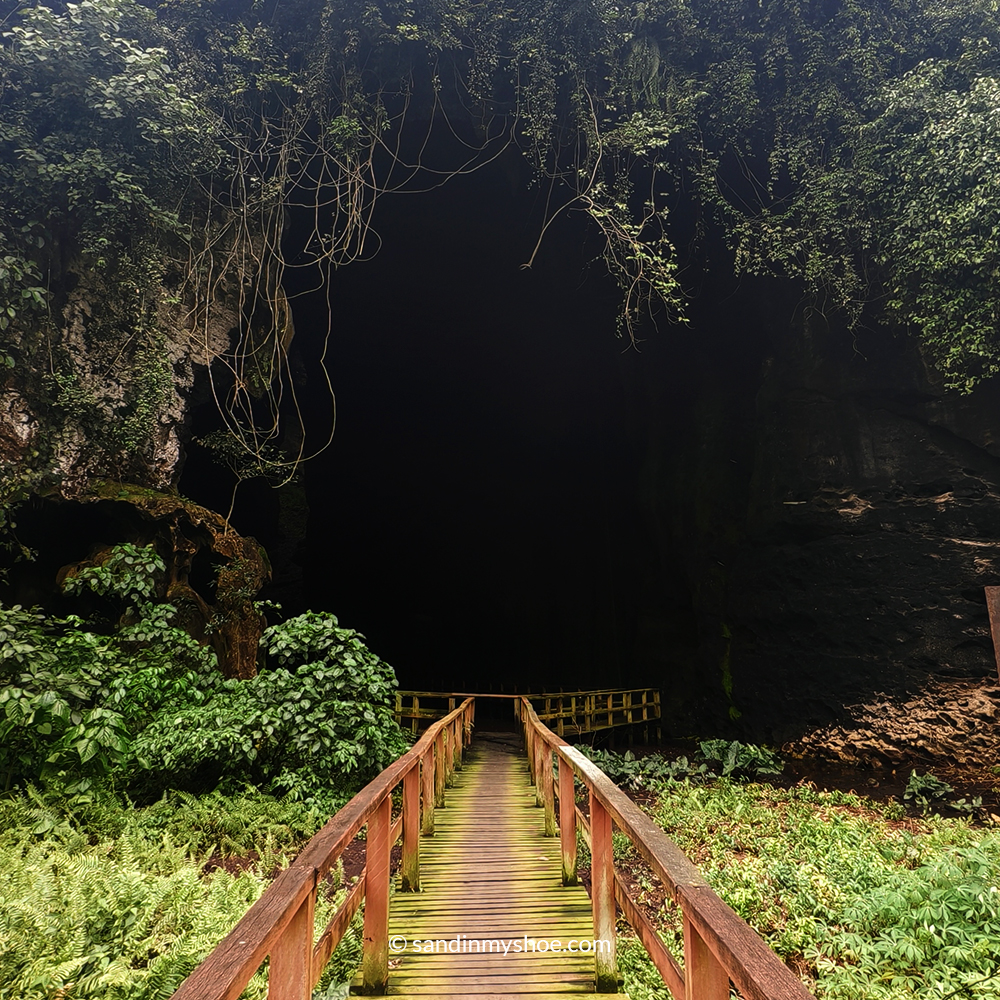
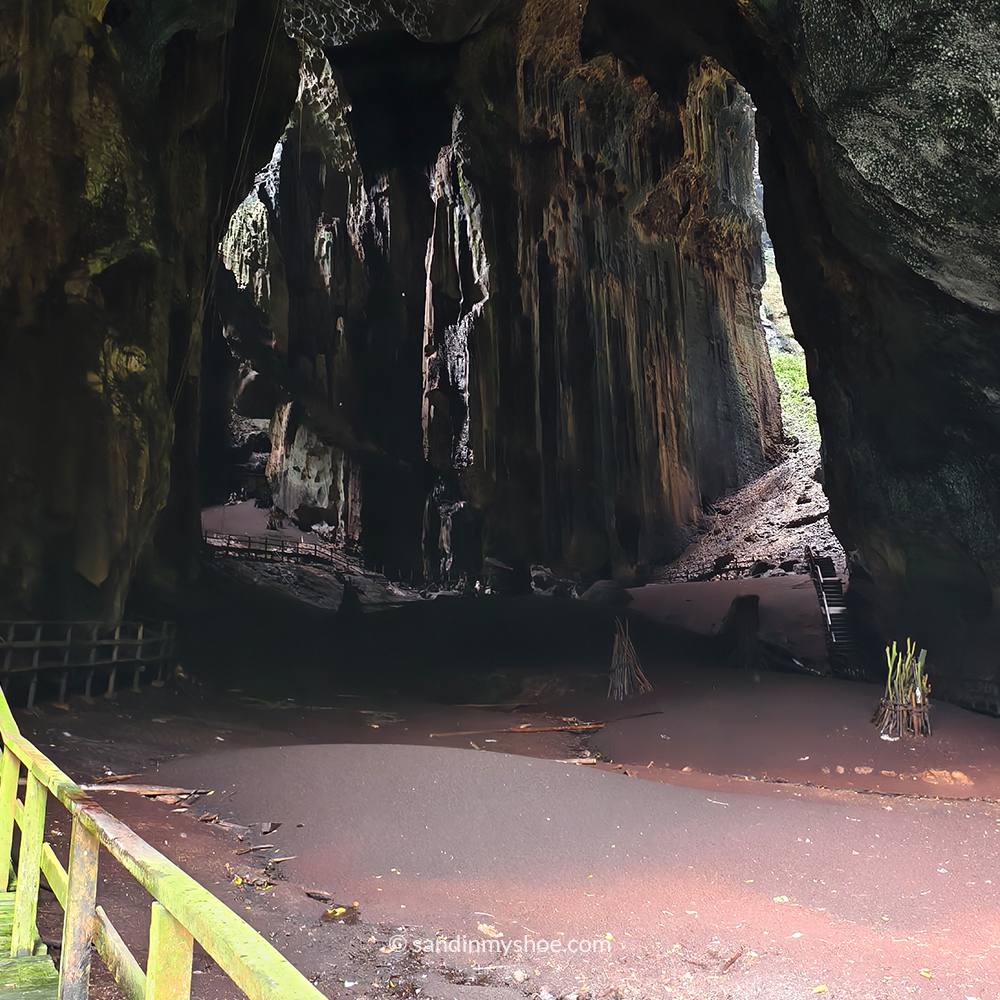
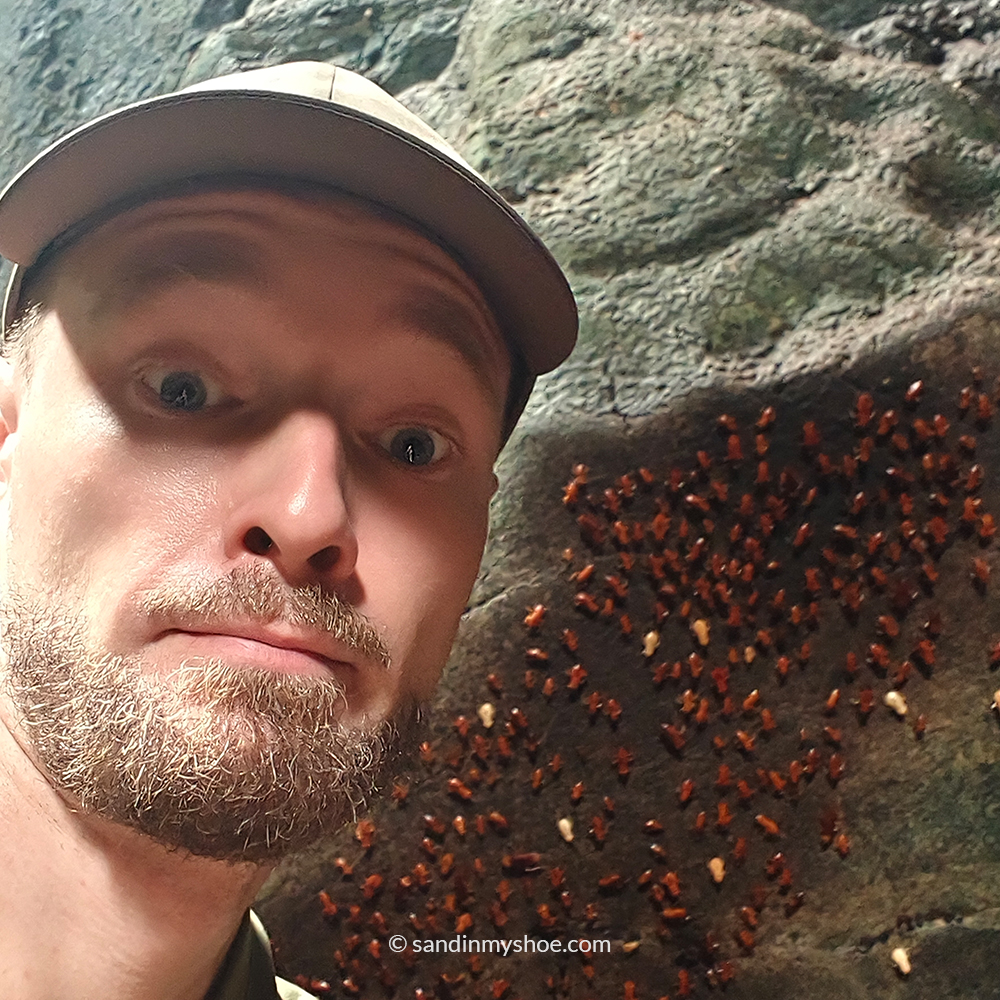
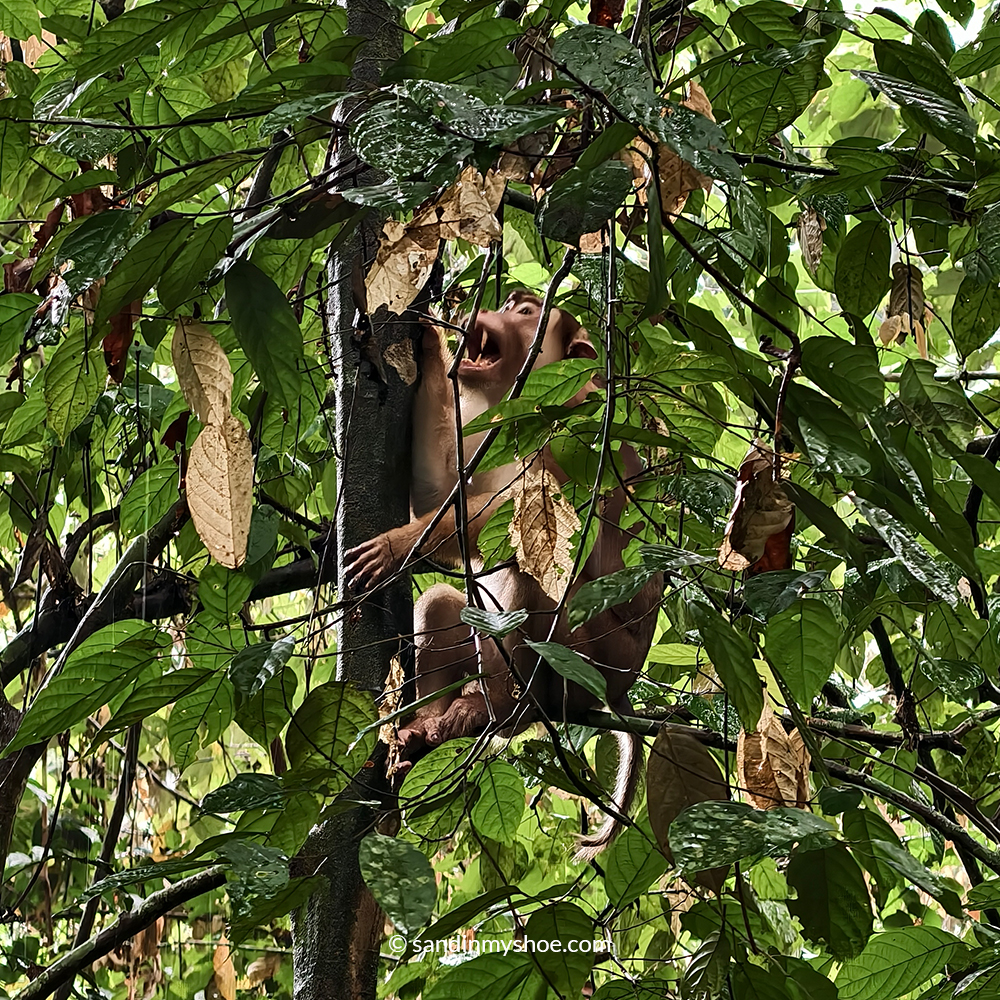
As night falls, join a guided night walk in the surrounding forest. This is your chance to spot nocturnal wildlife such as civets, flying squirrels, owls, stick insects, and other creatures that only come alive after dark. It’s a completely different atmosphere from the river cruises and a great way to round out your Kinabatangan experience.
Day 6: Optional Final River Cruise & Transfer to Sepilok
Enjoy one last morning cruise if you haven’t seen all the animals, then travel to Sepilok or Sandakan (2.5 hours by minivan). Book a minivan spot a couple of days in advance through your accommodation.
Day 7: Sepilok: Orangutans & Sun Bears
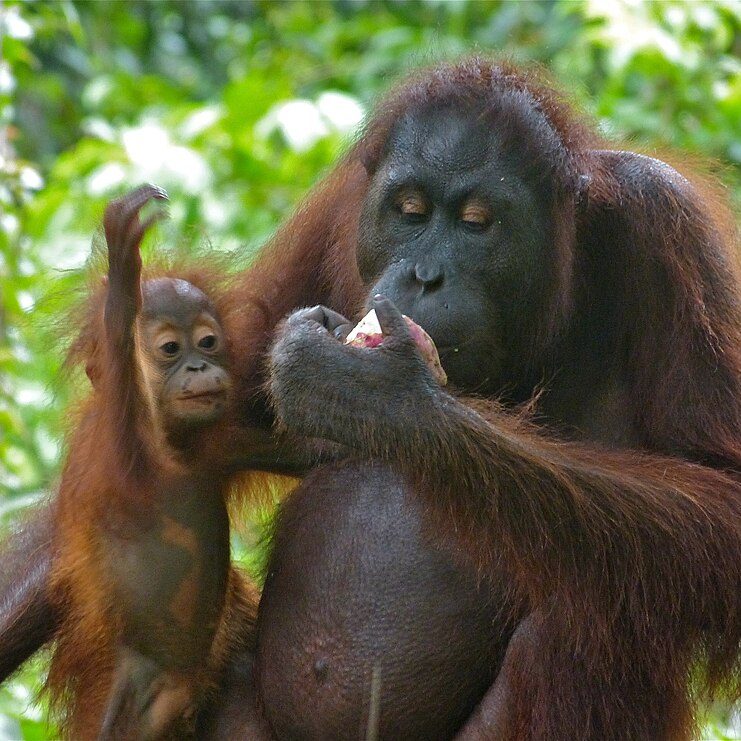
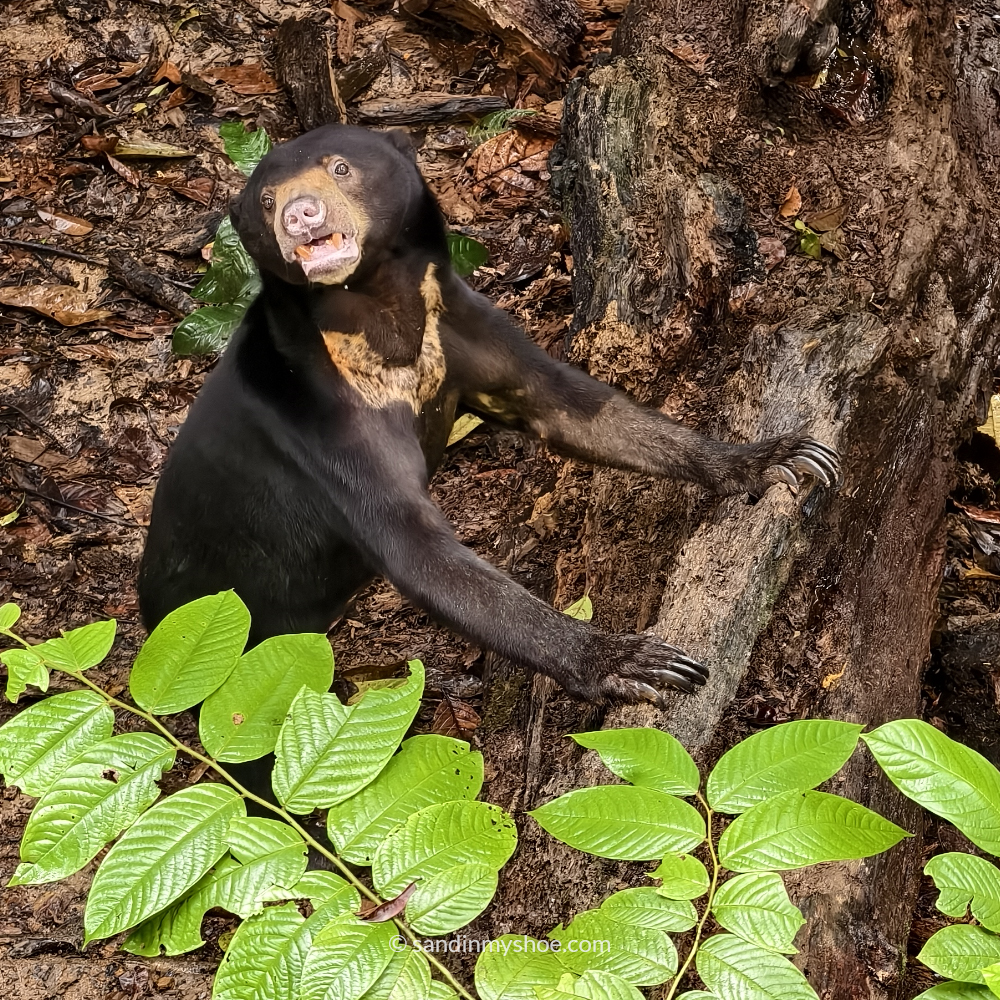
Spend the day exploring Sepilok’s three major highlights. Start with the Sepilok Orangutan Rehabilitation Centre, where rescued orangutans are gradually reintroduced into the wild. Right next door is the Bornean Sun Bear Conservation Centre, home to the world’s smallest bear species and an important rescue and rehabilitation project.
Day 8: Explore Rainforest Discovery Centre & Sim Sim Water Village in Sandakan
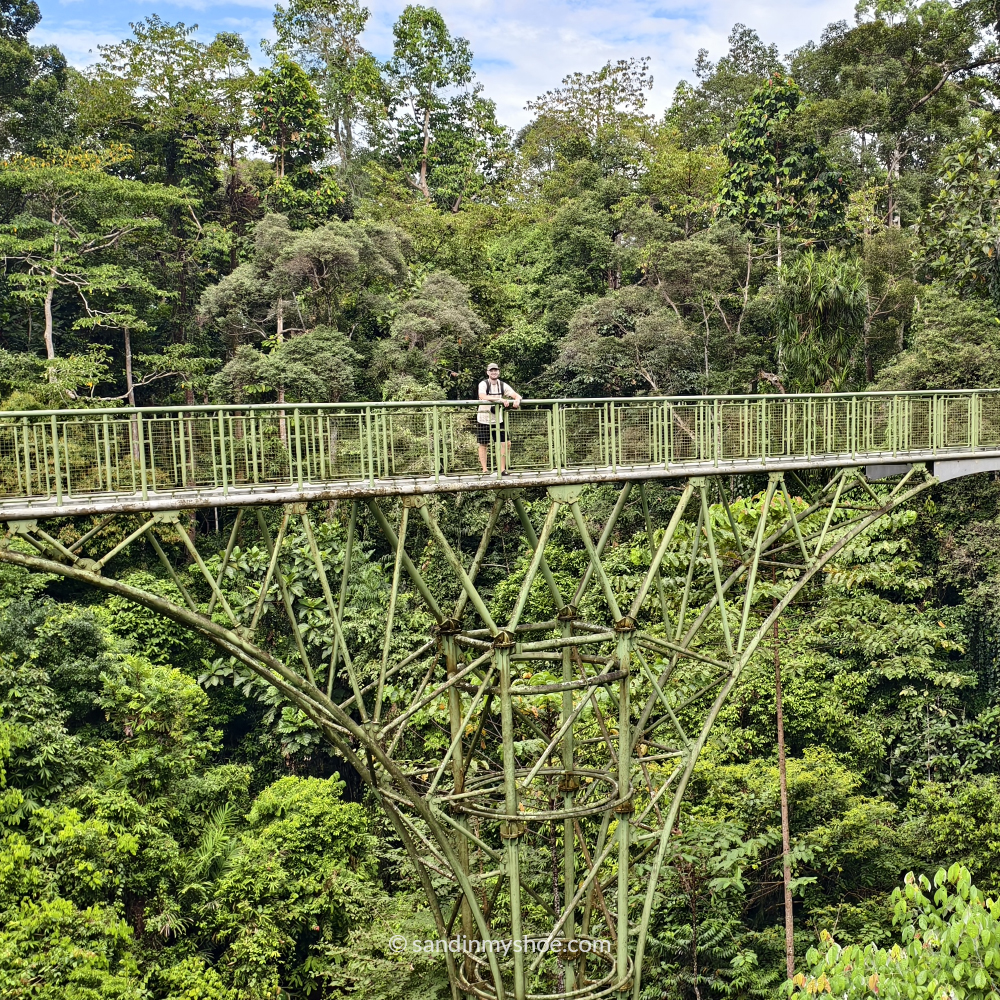
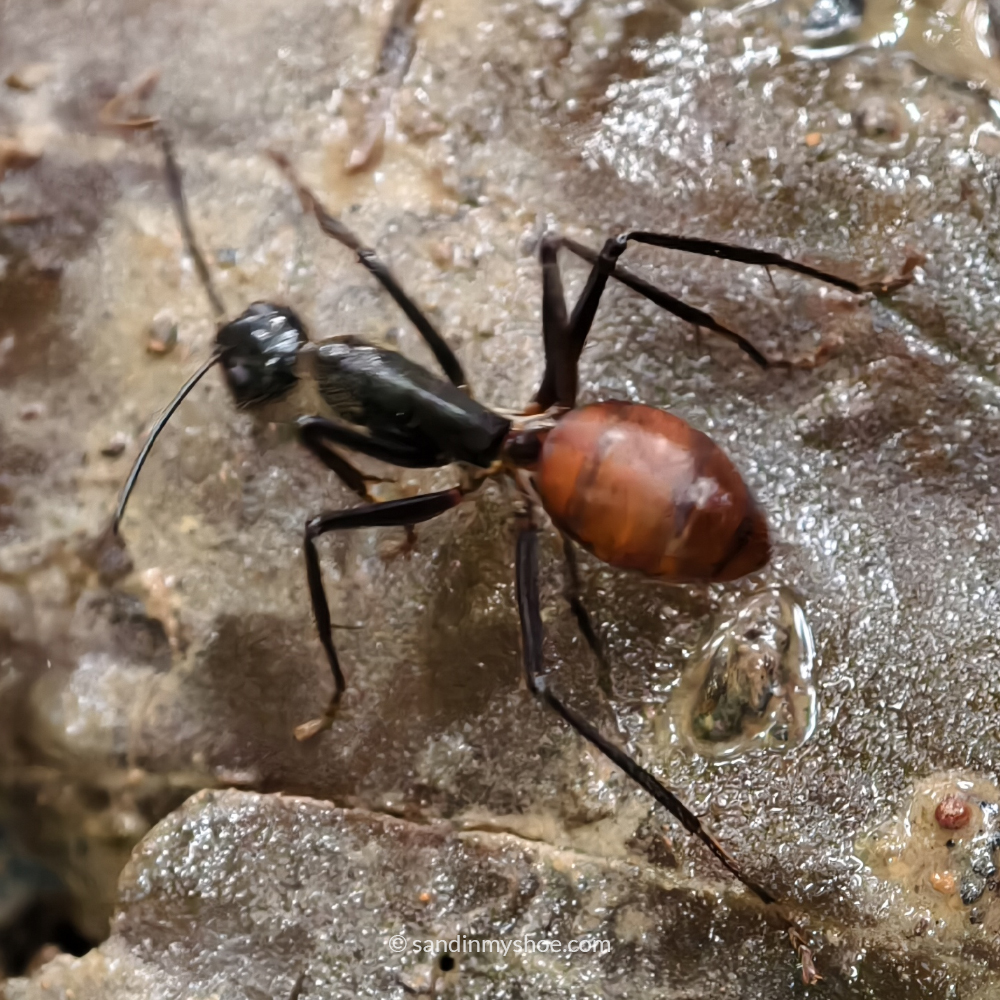
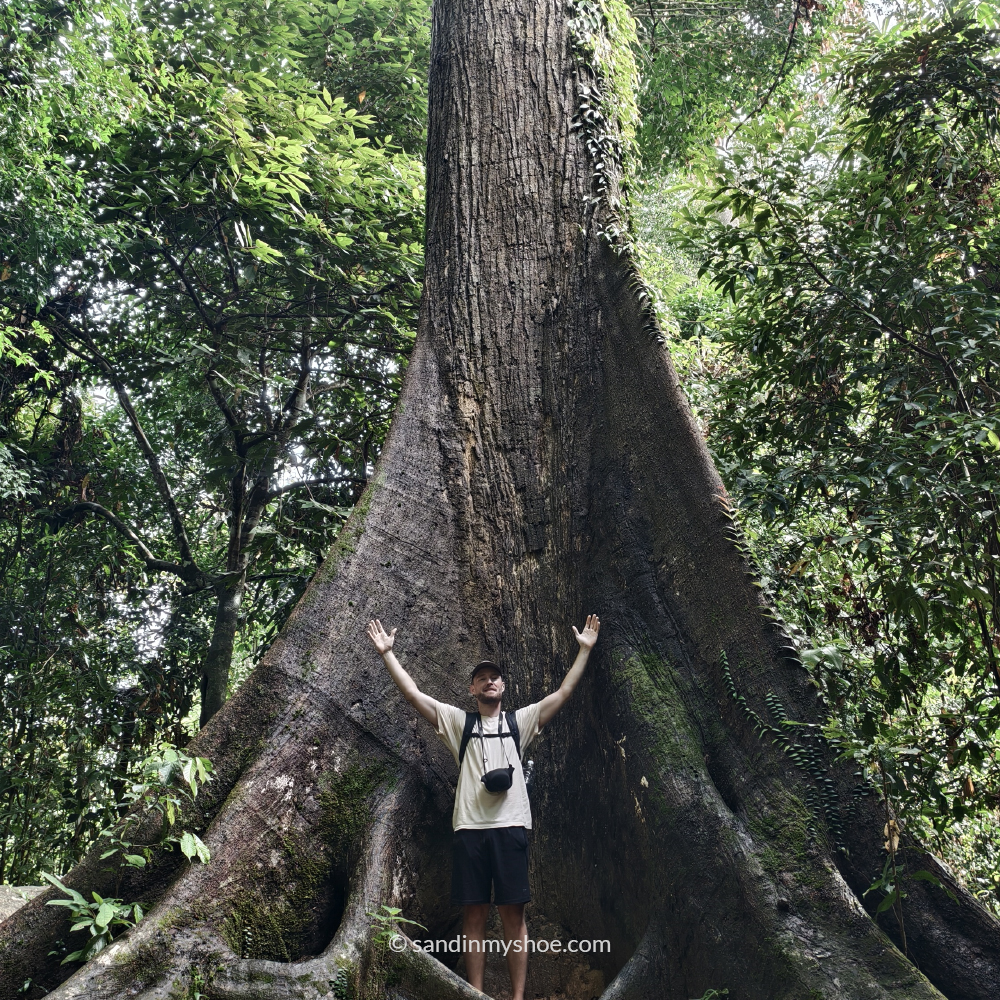
Use Day 8 to visit the Rainforest Discovery Centre (RDC) for an easy hike through the forest. The RDC features an impressive canopy walk, several massive rainforest trees, and a raised bird‑spotting platform high in the treeline — one of the best places in Sabah to see hornbills and other forest birds. The ants are huge here are well.
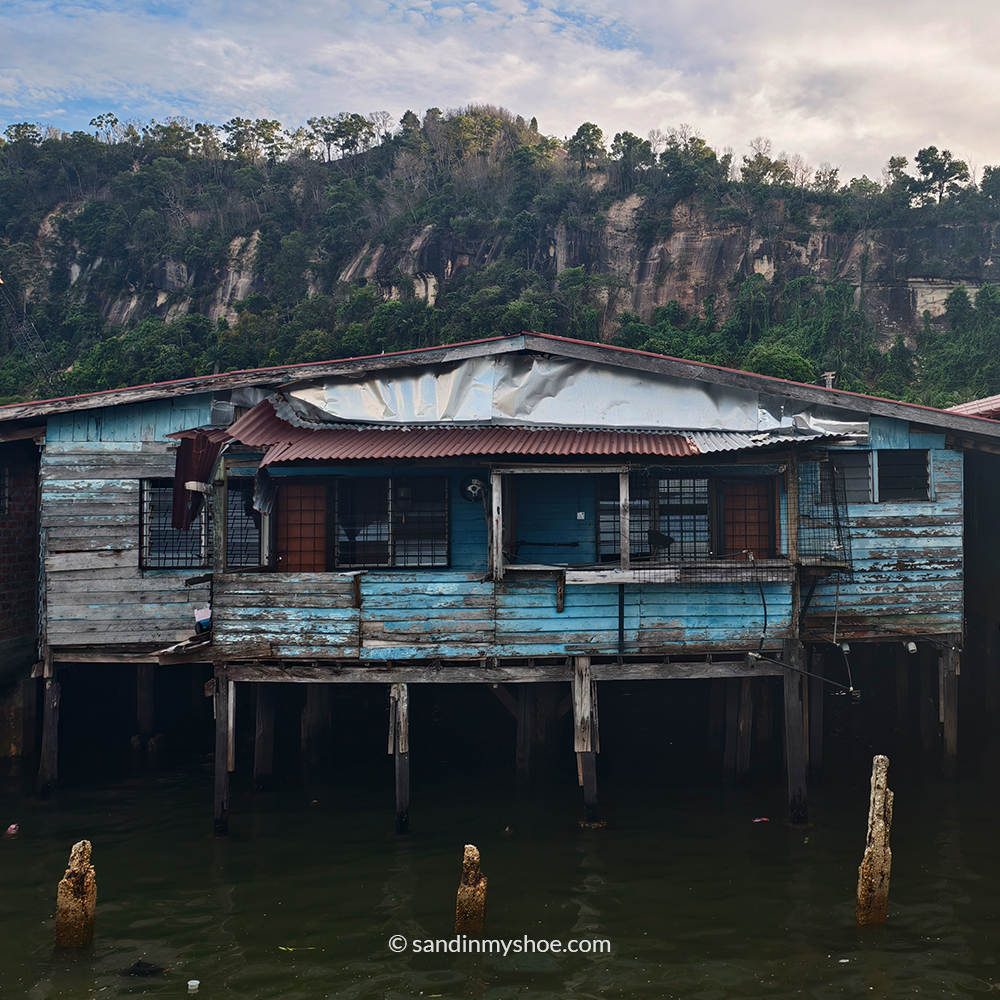
Afterwards, head into Sandakan. It’s a worn‑out town with a few crumbling buildings in the centre and not much traditional tourist appeal — but it does have one interesting stop: Sim Sim Water Village, a fishing community built entirely on stilts. It’s a good place to wander around, see local life, and try one of the seafood restaurants with sea views.
Day 9: Travel to Kundasang & Explore the Area
Take the early bus from Sandakan to Kundasang (tickets available on redbus.my). It’s a long ride, but once you arrive you’ll be greeted by cool highland air and sweeping views of Mount Kinabalu.
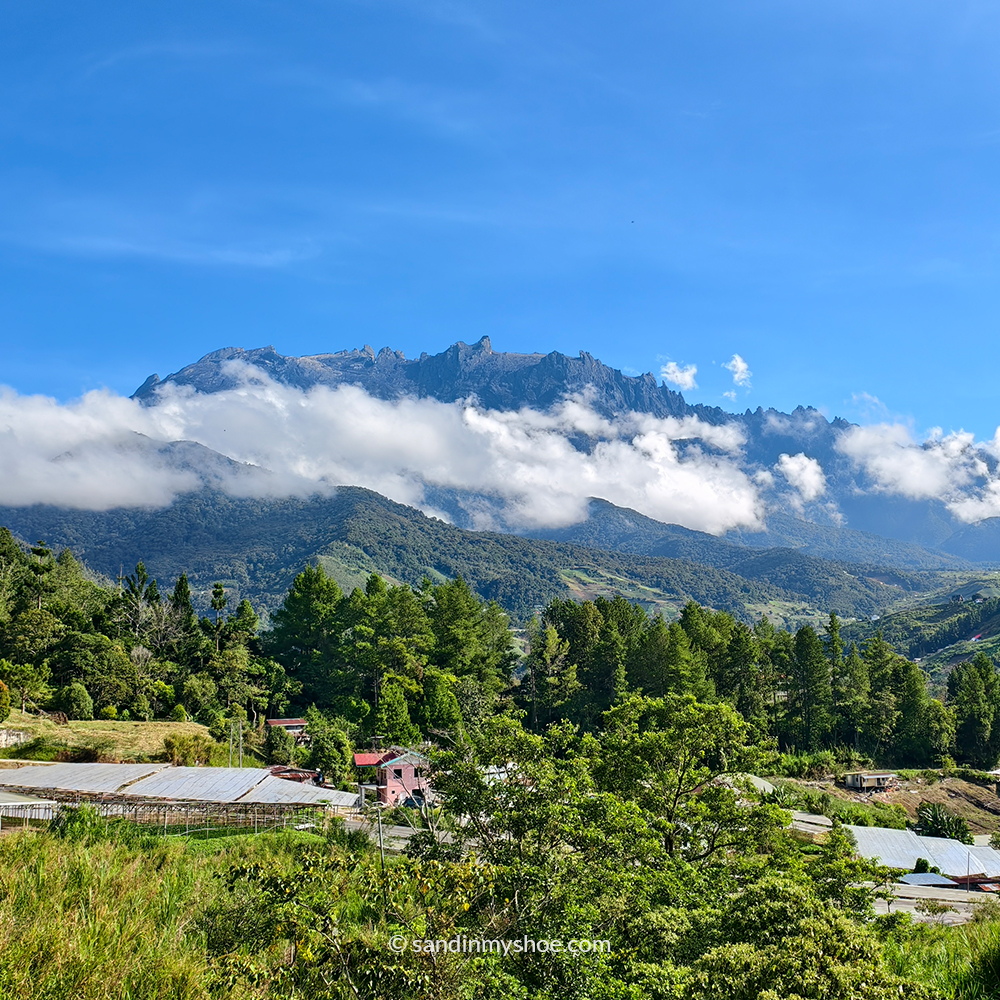
Spend the afternoon exploring the area. Popular stops include:
- Hike Maragang Hill — an alternative to Mount Kinabalu.
- Desa Dairy Farm — fun if you haven’t seen many cows, and the views are great
- Poring Hot Springs — a good place to soak after several days of jungle and travel
- Kundasang Market — fresh fruit, snacks, and local produce
Kundasang is a relaxed, scenic stop — perfect for winding down after the wildlife and rainforest days.
Day 10: Visit Kinabalu National Park & Return to Kota Kinabalu
Spend the morning exploring Kinabalu National Park, a UNESCO World Heritage Site with short, well‑marked trails and a beautiful botanical garden. Keep an eye out for the park’s famous carnivorous plants, which are displayed in the garden area.
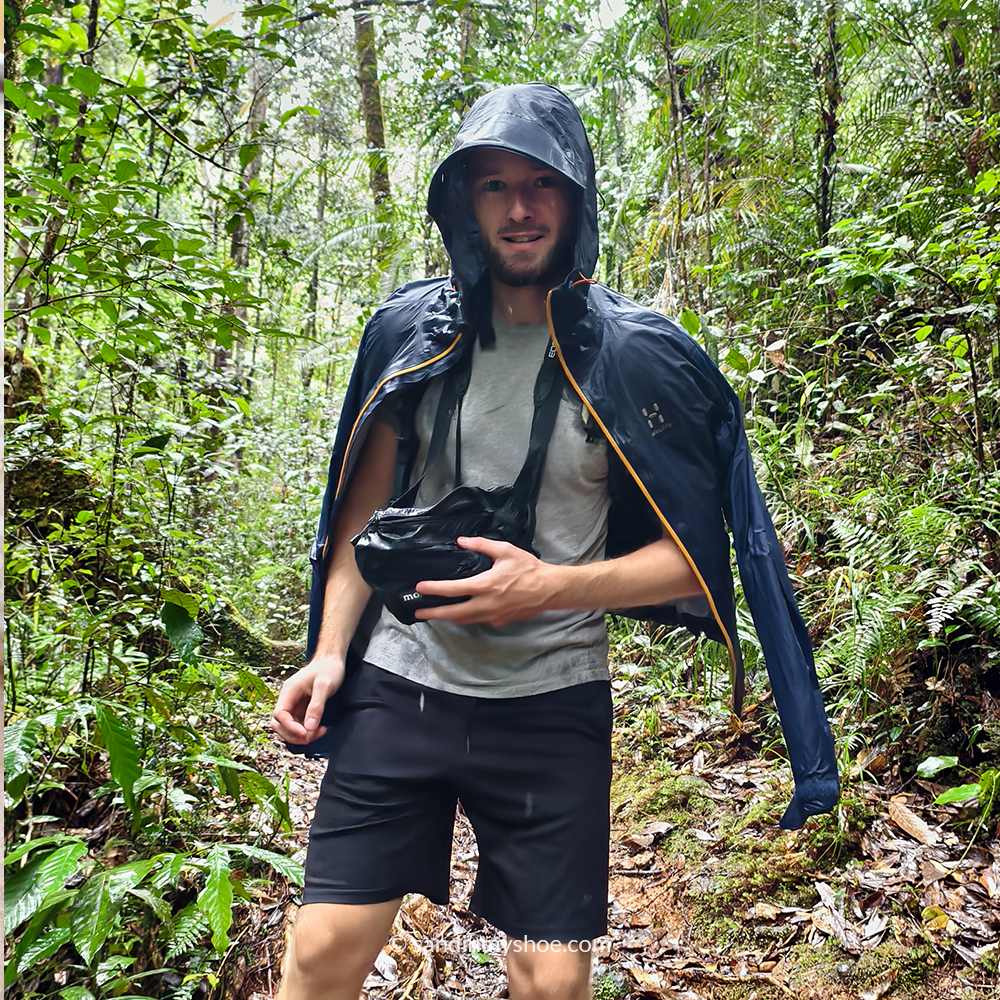
After lunch, make your way back to Kota Kinabalu (about 2 hours) and fly out in the afternoon or evening.
Note: If you want to climb Mount Kinabalu, you’ll need to secure a permit in advance. The climb is typically a 2‑day, 1‑night experience with an overnight stay on the mountain. Expect to pay around $500 USD for the full package.
What to Know Before Deciding Your Borneo Itinerary
Before jumping into the 10-day Borneo itinerary, take a moment to go through a few important things that will help you plan better.
The Practical Things
- It takes time to get around. Sabah looks small on the map, but distances are long and the roads are slow. Traveling from Kota Kinabalu to Semporna is about 550 km and takes 10–11 hours by bus or car. You can fly instead, and in many cases that’s the smarter choice.
- Domestic flights are cheap. Kota Kinabalu ↔ Sandakan ↔ Tawau flights are often $30–40 USD and save you a day of travel.
- Plan buffer time. Transfers take longer than you think. Even short distances can take hours because of winding roads, rain, or traffic. Always add buffer time. Some smaller vans also wait to depart until they’re full, so always add extra time to your schedule.
- Pre‑book during high season. I almost ended up sleeping outside in Kinabatangan because I arrived without any bookings and everything was either full or closed due to Eid. I spent two hours walking around with 30 kg of luggage after sundown trying to find a place. Don’t repeat my mistake — book ahead during holidays and peak months.
- Keep Cash. Many tours, homestays, and food stalls don’t take cards so make sure to always have cash with you. Maybe a buffer of at least a couple of hundred dollars’ worth of ringit. ATMs do exist, but in places like Kinabatangan, Semporna islands, and small villages, you often won’t find one — and if you do, it’s probably one of those with high fees and poor exchange rates.
- Weather varies. Sabah doesn’t follow the same clear dry/wet seasons as mainland Malaysia, and you can get rain at any time of year. Coastal areas are hot and humid, while mountain regions like Kundasang are much cooler, especially in the evenings. Bring a light jacket and be prepared for sudden weather changes.
- Hiking Mount Kinabalu is very expensive. It costs around $500 for the summit, including a guide and a night’s budget stay on the mountain. The reason for this is that all hikers must be accompanied by a mountain guide, and there are only 163 permits for climbers per day. For that reason, I chose to hike in Kota Kinabalu National Park instead.
When to Visit
Sabah is a year‑round destination with warm, humid weather, but conditions do shift throughout the year. The best time to visit is generally March to October, which offers the most reliable conditions for river safaris, island trips, and hiking around Kundasang. I visited at the end of March and early April — the weather in Kundasang was a bit mixed, which is normal for the highlands, but everywhere else was mostly sunny and easy to explore, and the diving in Semporna blew my mind.
Borneo
jan
 30°C
23°C
30°C
23°C
30°C
23°C
feb
31°C
23°C
31°C
23°C
mar
 32°C
24°C
32°C
24°C
32°C
24°C
apr
32°C
24°C
32°C
24°C
may
32°C
24°C
32°C
24°C
jun
 32°C
24°C
32°C
24°C
32°C
24°C
jul
32°C
24°C
32°C
24°C
aug
32°C
24°C
32°C
24°C
sep
31°C
24°C
31°C
24°C
oct
31°C
24°C
31°C
24°C
nov
30°C
23°C
30°C
23°C
dec
30°C
23°C
30°C
23°C
How Many Days You Need
I ended up spending 19 days in Borneo because I was partly working and, after four months on the road, a slower pace felt right. It also gave me time to explore some lesser‑visited places — including a few Bajau Laut communities who live in stilt houses out at sea.
For most travelers, though, 10 days is the optimal amount of time for exploring Sabah. It’s enough to see all the major highlights without feeling rushed.
If you have more time, I’ve included a few optional add‑ons at the end of the itinerary for a longer trip.
Why Sabah Is the Best Part of Borneo
- Kinabatangan River Safaris — one of Southeast Asia’s best places to see pygmy elephants, proboscis monkeys, hornbills, and crocodiles.
- World‑Class Diving in Semporna — Sipadan is often ranked among the best dive sites in the world. Even without Sipadan, islands like Mataking, Timba‑Timba, Pandanan, Mabul, and Kapalai offer excellent coral and marine life. I dived there myself and the conditions were excellent.
- Bajau Laut Sea‑Gypsy Communities — unique stilt‑house and boat‑dwelling communities in the Semporna archipelago. You can visit by renting a small boat with a local captain (I paid about $20 for 2–3 hours).
- Orangutans & Sun Bears in Sepilok — the easiest and most ethical place to see both species up close.
- Kundasang Highlands — cool weather, rolling hills, and mountain views that feel completely different from the coast.
- Mount Kinabalu — one of Southeast Asia’s most accessible high‑altitude climbs and a UNESCO World Heritage Site.
- Danum Valley — a pristine rainforest reserve with deep‑jungle trekking and ancient trees.
Costs
I spent RM 6,500 (~1,650 USD) traveling solo for over 19 days, which comes out to roughly 86 USD per day. That included staying in a private room every night and doing pretty much every major activity Sabah is known for.
Here’s what that budget covered:
- Two full days of diving in Semporna (Refresh course and two days diving in Mataking, Timba, Pandanan, Mabul, Kapalai).
- Renting a private boat with a captain twice to visit the Bajau Laut areas.
- Six different river cruises on the Kinabatangan River for wildlife spotting.
- All major sights in Sepilok and Sandakan, including orangutans, sun bears, and the Rainforest Discovery Centre
- Hiking around Kundasang
- Eating out every day (local food + some cafés)
- All transport, including long‑distance buses and a couple of pricier minivan transfers
- If you skip diving, and stay in hostels, you can easily spend much less. But if you want a comfortable trip with private rooms, wildlife tours, and a couple of splurges, 80–100 USD/day is a realistic range for Sabah.
Getting Around
Distances in Sabah, Borneo are long, and the roads can be slow, so it’s smart to combine flights, buses, and shared vans to save time. Some stretches are best done by air, while others are easy and affordable by road.
If you’re following the itinerary in this post, and planning to visit Semporna, consider flying to Tawau and then taking a bus or taxi to Semporna — you’ll save a significant amount of time. I took the bus myself, and the journey took 12 hours.
The good news is that you’ll only need to fly once. After that, you can easily travel between destinations by bus, minivan, or private car, depending on your budget. What to know about vans is that in smaller towns they leave when they’re full, so plan some extra time.
Here’s a quick overview of how long it takes to travel between the main stops in this itinerary:
- Kota Kinabalu → Semporna: 12 hours by bus · 1 hour by flight
- Semporna → Sukau Junction (Kinabatangan): 4–5 hours by bus
- Kinabatangan → Sepilok / Sandakan: 2.5 hours by minivan
- Sandakan → Kundasang: 6–7 hours by bus
- Kundasang→ Kota Kinabalu: 2 hours by minivan (departs when full; they fill faster in the neighboring town of Ranau)
Safety in Borneo
Sabah is generally safe for travelers, and I personally felt very welcomed throughout my trip. People were friendly, helpful, and often went out of their way to assist me — whether I was asking for directions or hitchhiking between villages. That said, it’s still important to stay street‑smart, especially in more rural or less developed areas.
One example: in Semporna, I was looking to rent a small boat with a captain to visit the Bajau Laut communities. The first captain I spoke to gave me a strange feeling, so I trusted my gut and found someone else. Later, I learned that methamphetamine use is an issue in some parts of the region, which might explain the odd interaction. Trust your instincts — if something feels off, walk away.
Aside from that, I hitchhiked a couple of times and ended up having great conversations about life in Borneo. For me, as a male traveler, Sabah felt safe and manageable. Female solo travelers may experience things differently, but most report feeling comfortable as long as they take normal precautions: avoid walking alone late at night, choose reputable tour operators, and stay aware of your surroundings.
Overall, Sabah is a welcoming and rewarding place to travel — just combine common sense with the same awareness you’d use anywhere else.
Wrap-Up
Sabah is one of those places where a well‑planned itinerary makes all the difference. Distances are long, travel days take time, and the highlights are spread out — but if you follow a logical loop and use one domestic flight, the trip becomes smooth and surprisingly easy.
For most travellers, the main sights are best done in this order: Kinabatangan → Semporna → Sepilok. (If you’re into diving, Semporna easily takes first place.)
If your budget allows, you can also consider adding the Danum Valley Conservation Area — it’s one of Sabah’s most pristine rainforest regions — though I’ve seen mixed reviews and didn’t visit myself, so I can’t comment on it in detail. The wildlife I saw in Kinabatangan was already above what I expected.
Kundasang is great for scenery and cooler weather, but with no wildlife, it’s more of a secondary stop compared to the river and island experiences. Kota Kinabalu, the largest city in Sabah, works mainly as a gateway. There are a few sights and day trips around it, but I’d only spend extra time there if you have plenty of it.
Use this itinerary as a base, adjust it to your interests, and let Sabah do the rest. If you have any questions, just shoot!


No comments yet, be the first one!
I appreciate hearing from you. If you have any suggestions, questions, or feedback, please leave a comment below. Your input helps ensure the information stays relevant and up to date for everyone.
Thank you for sharing your thoughts!