

 View on Agoda.com
 View on booking.com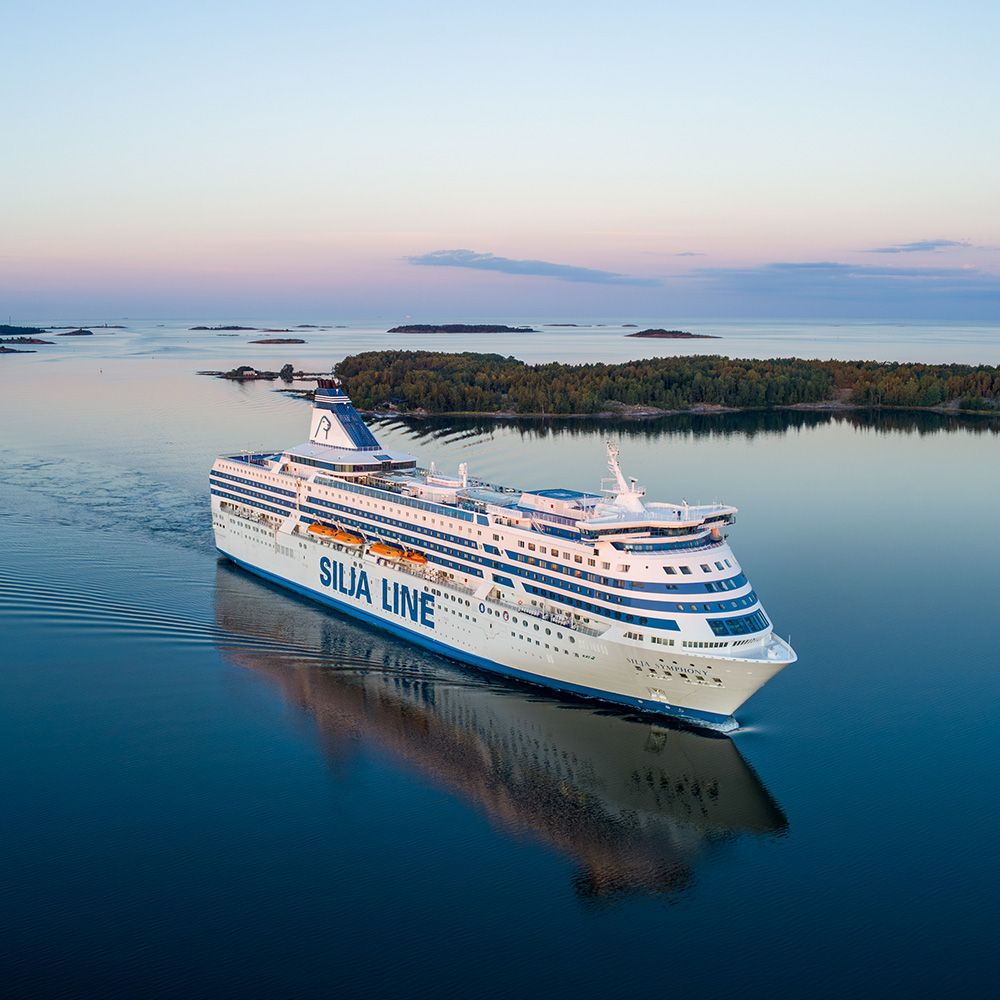
Traveling in Scandinavia has become increasingly popular over the years, especially for those who prefer milder weather compared to the scorching summers in southern Europe.
This 2‑week Scandinavia itinerary takes you through Denmark, Norway, Sweden and Finland* — combining three capitals, one fjord region and two ferry journeys into a smooth, first‑timer‑friendly route. Expect a balanced mix of city culture, dramatic fjord landscapes, archipelago life and everyday traditions like fika and sauna.
* Know that Finland isn’t technically part of Scandinavia, but fits naturally into this journey and add strong value to the overall experience.
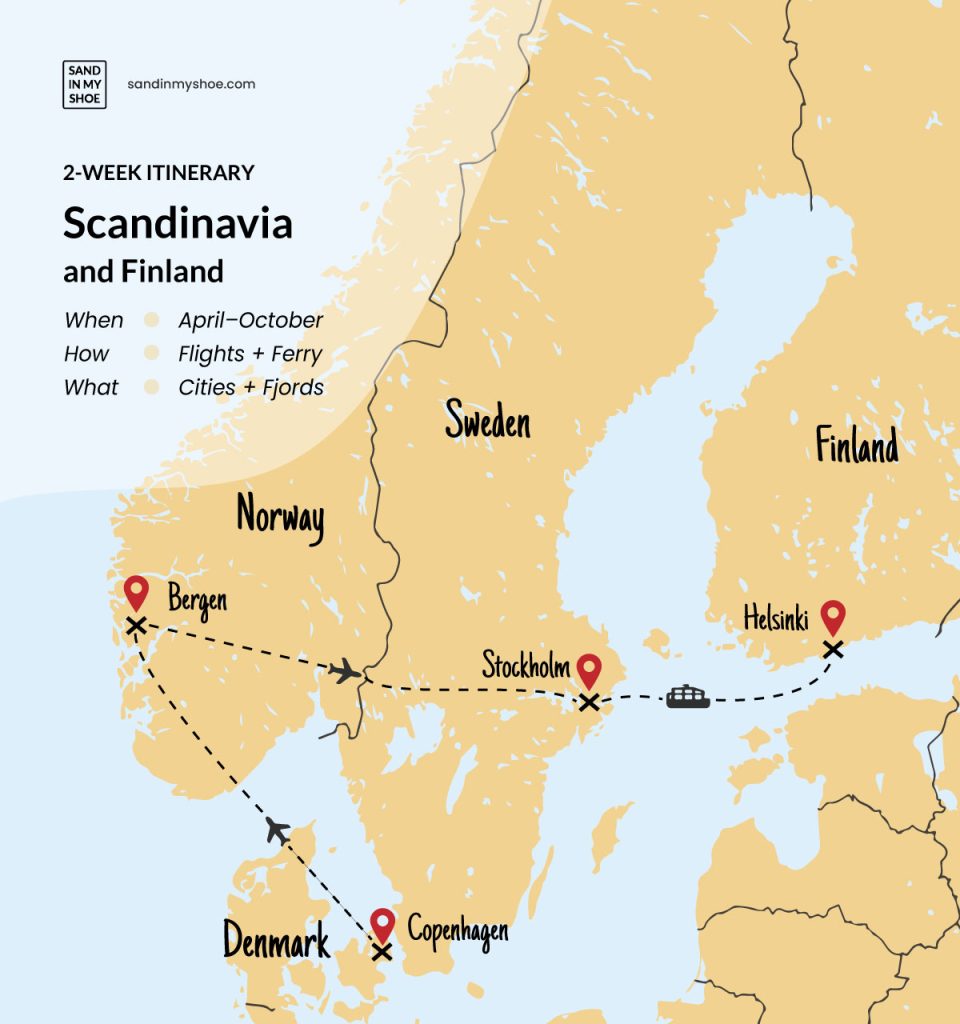
With long daylight hours, comfortable temperatures, and easy connections between countries, having a solid itinerary makes all the difference. This itinerary is designed for smooth travel across the region during spring, summer, and autumn. It has comfortable pacing and easy connections, using a combination of flights and the Baltic overnight ferry to Finland that make travel between the stops both straightforward and interesting.
Itinerary Overview
Day 1–4: Copenhagen
Day 5–7: Fly to Bergen & Visit the Fjords
Day 8–11: Fly to Stockholm
Day 12: Overnight Ferry to Helsinki
Day 13–14: Ferry to Helsinki
Throughout the guide, I’ll not only walk you through the key sights at each destination, but also highlight activities, food and pastry experiences that capture the everyday rhythm of life in this part of the world. As a Finnish Swede, these regions are my home, and this itinerary reflects how I personally recommend exploring them for a first-timers with limited time.
If you’re traveling as a couple, expect to spend around €4,400–€6,800 / $5,140 – 8,000 USD in total for a mid-range two-week trip, depending on your choice of hotels, transport, and activities. That budget covers a comfortable journey through four countries for two people.
When to Visit Scandinavia
These parts of the world are at their best during the summer months, when long daylight hours and warm weather make exploring easy and enjoyable. Spring and autumn offer fewer daylight hours but are still great for overall travel. You can do this route between April and October, but it’s better from May to September due to improved weather conditions, and more daylight.
Winter, however, can be tough as daylight drops to depressive levels. Yet it still can be rewarding if you enjoy winter sports or are keen to see the northern lights in the north. But if those aren’t your priorities, aim for the months with more daylight if you tend to follow this itinerary.
Alright, let’s dive into the route, starting in Copenhagen, one of Scandinavia’s most vibrant and accessible cities.
Day 1–4: Copenhagen
Copenhagen is best experienced on a bicycle — the city is flat, compact, and designed for cycling, so you can move easily between the colorful harbor of Nyhavn, the calm paths of Operaparken, modern canal‑side architecture, and lively food areas.
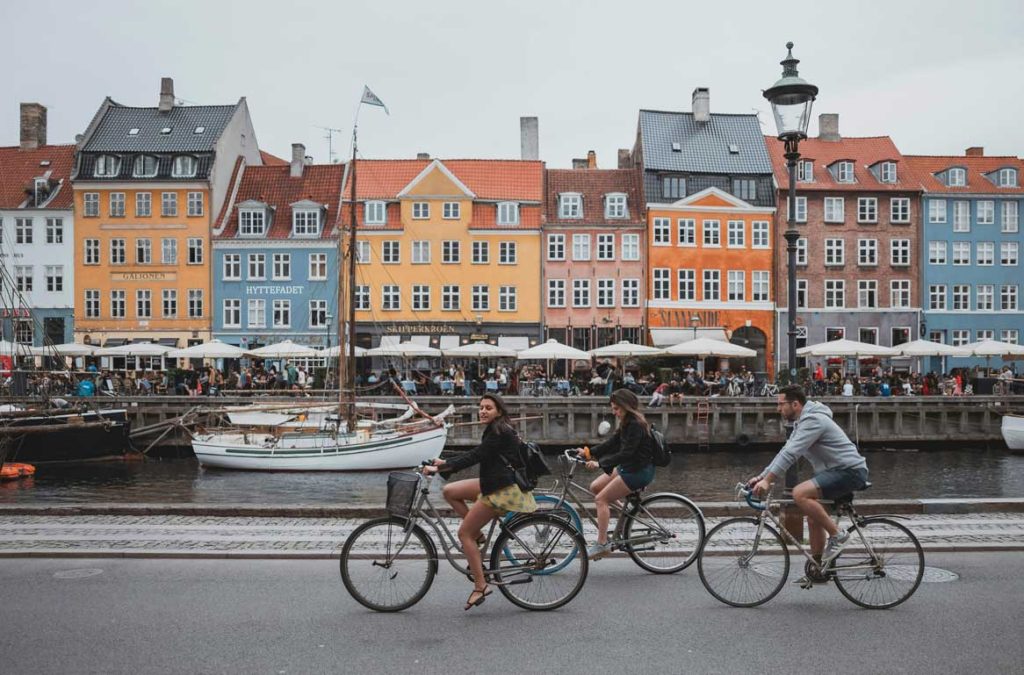
These first four days are about getting a feel for the city’s rhythm: relaxed mornings, scenic rides, and evenings spent in gardens, canals, or cozy cafés.
Be sure to try this old‑school pastry called bagerens dårlige øje — “the baker’s bad eye.” The name comes from the look: a flaky round pastry with a deep, dark spot in the middle that resembles a disapproving stare. Some people even jokingly call it “mother‑in‑law’s bad eye” for the same reason.

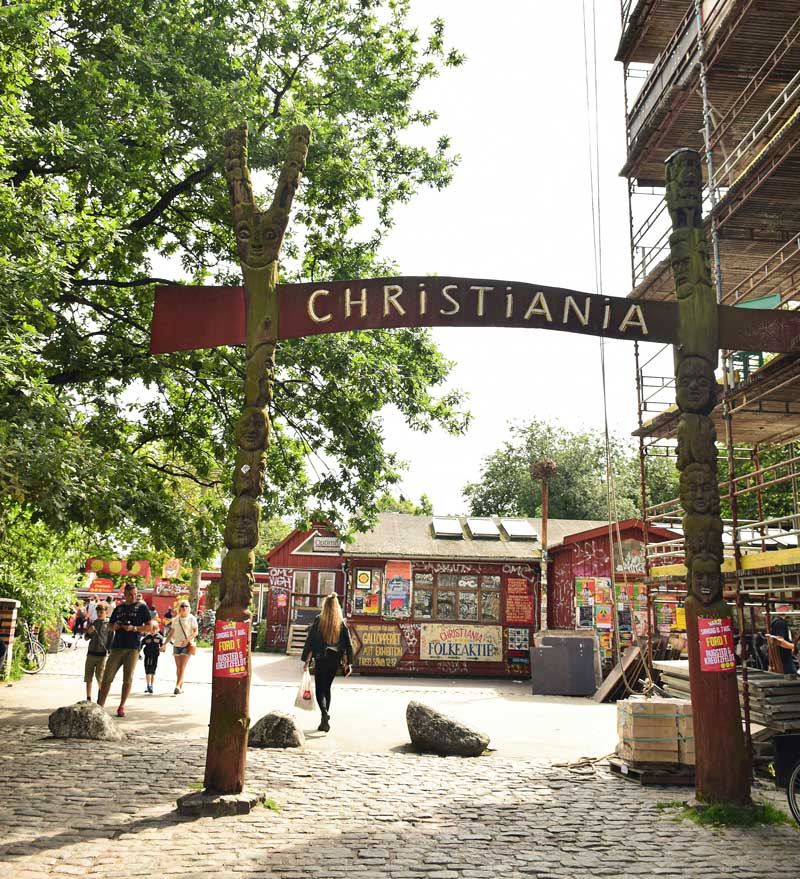
The odd thing about Copenhagen is that it has a well‑known free‑town, Christiania, right in the center — a self‑governed community with a strong countercultural identity. The atmosphere is very different from the rest of the city, and the open cannabis trade can surprise visitors, but the area is generally calm during the day and known for its street art and workshops. For most travelers, a short daytime walk combined with the canals of Christianshavn offer a good contrast of the districts.
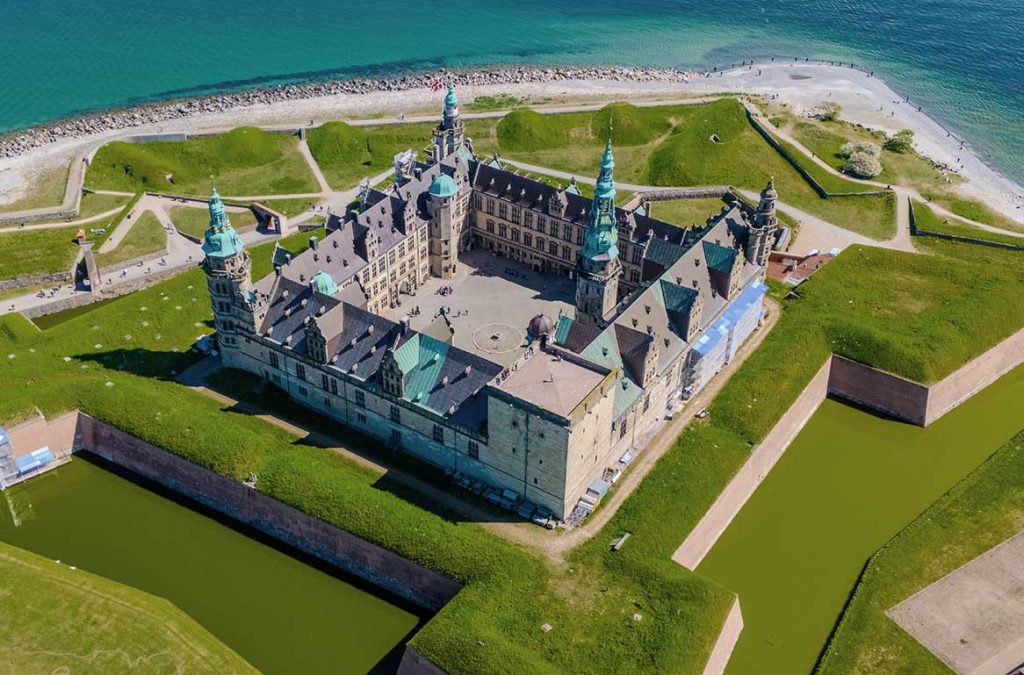
Once you’ve spent a couple of days in Copenhagen, it’s worth stepping outside the city for a day. A great option is Kronborg Castle, the fortress from Shakespeare’s Hamlet, located in Helsingør. It’s one of Denmark’s most impressive Renaissance strongholds and only about an hour away bytrain from Copenhagen.
If you want to experience another city before heading to Norway, you can take the 15‑minute train over the Öresund Bridge to Malmö. It’s an easy cross‑border hop, and Malmö offers a quieter, more local Swedish feel with parks, waterfronts, and a compact old town.
Here are some spots to know in Copenhagen:
- Nyhavn — the colorful harbor with 17th‑century facades, boats, and cafés. It’s the postcard image of Copenhagen and a natural starting point for a walk along the water.
- Tivoli Gardens — part amusement park, part historic garden, part evening hangout. It’s atmospheric at night with lights, restaurants, and live performances.
- Operaparken — a modern waterfront park next to the Opera House, with clean lines, quiet paths, and great views across the harbor.
- Christiania — a centrally located free‑town with a self‑governed, countercultural identity and open cannabis trade — lies within Christianshavn, a quiet district of canals, houseboats, and old warehouses that feels far calmer than the city center.
- The Round Tower (Rundetårn) — a gentle spiral walk to the top with panoramic views over the old town.
- Canal Tour — touristy but genuinely useful for understanding the city’s layout and harbor. Most tours also pass by the Little Mermaid statue. Just know the status is very overhyped, so keep your expectations in check.
- Reffen Street Food — a casual waterfront food market with stalls from around the world.
Top Hotel Picks for Copenhagen
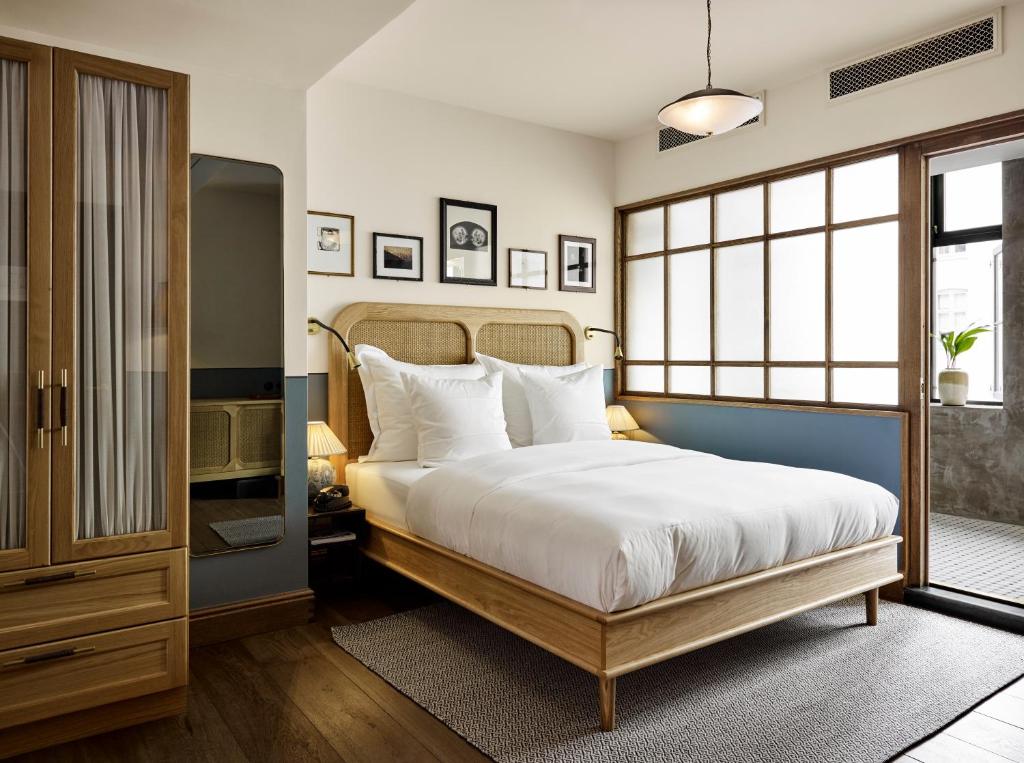
Best Overall Option — Hotel Sanders
Warm Scandinavian elegance, intimate courtyards, and a refined boutique feel.
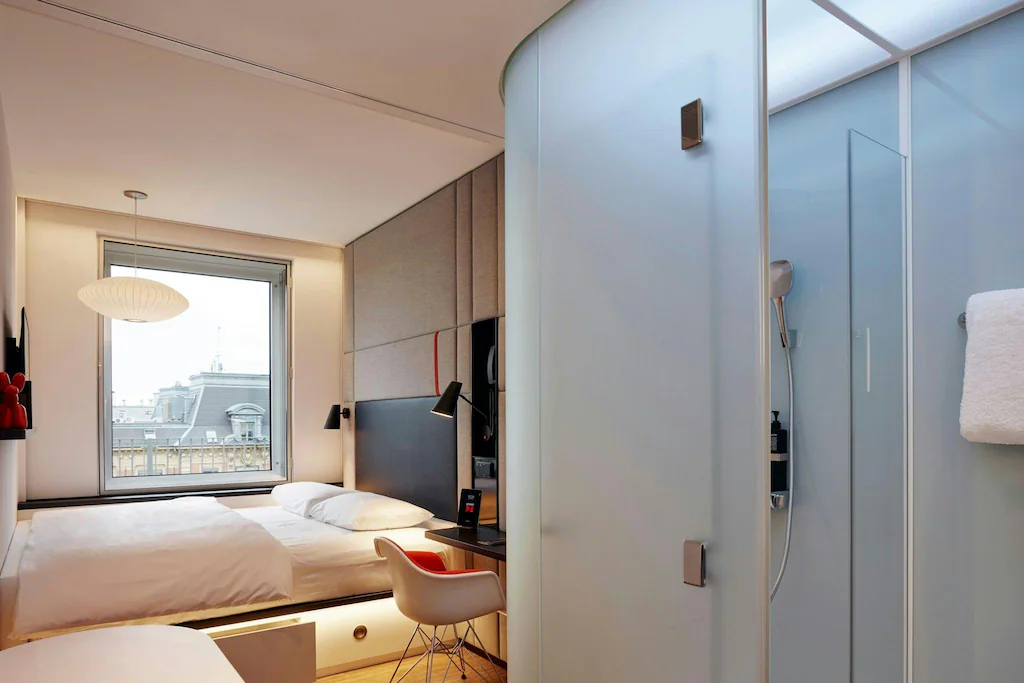
Best Value — CitizenM Rådhuspladsen
Smart, modern, compact rooms in a perfect central location.
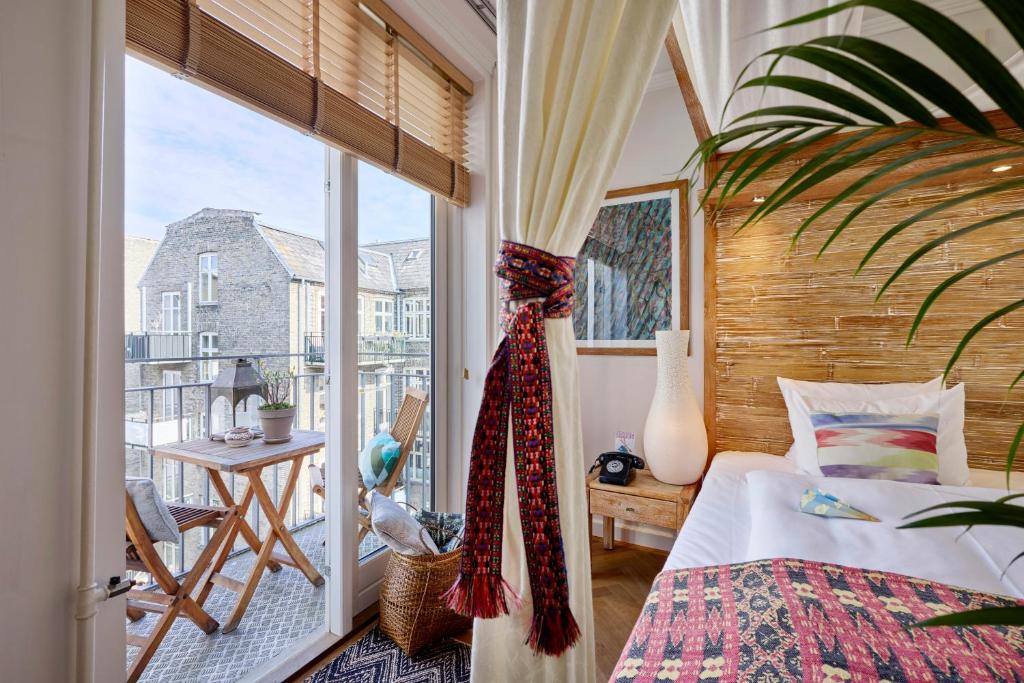
Best Boutique — Axel Guldsmeden
Eco‑chic Bali‑Nordic design, cozy rooms, and a relaxed, bohemian vibe.
Prefer a Social Stay?
If you’re looking for a social stay, Meininger Hotel Copenhagen has both dormitory options and private rooms. It’s well-reviewed by many, and located in the trendy Vesterbro district, which is just a few steps away from the central station.
After spending four amazing days in Copenhagen, it’s time to fly to Bergen. The flight is short, takes about 1 hour 30 minutes, with frequent daily departures. Be sure to book in advance for a better price.
Day 5–7: Spend Time in Bergen & Visit the Fjords
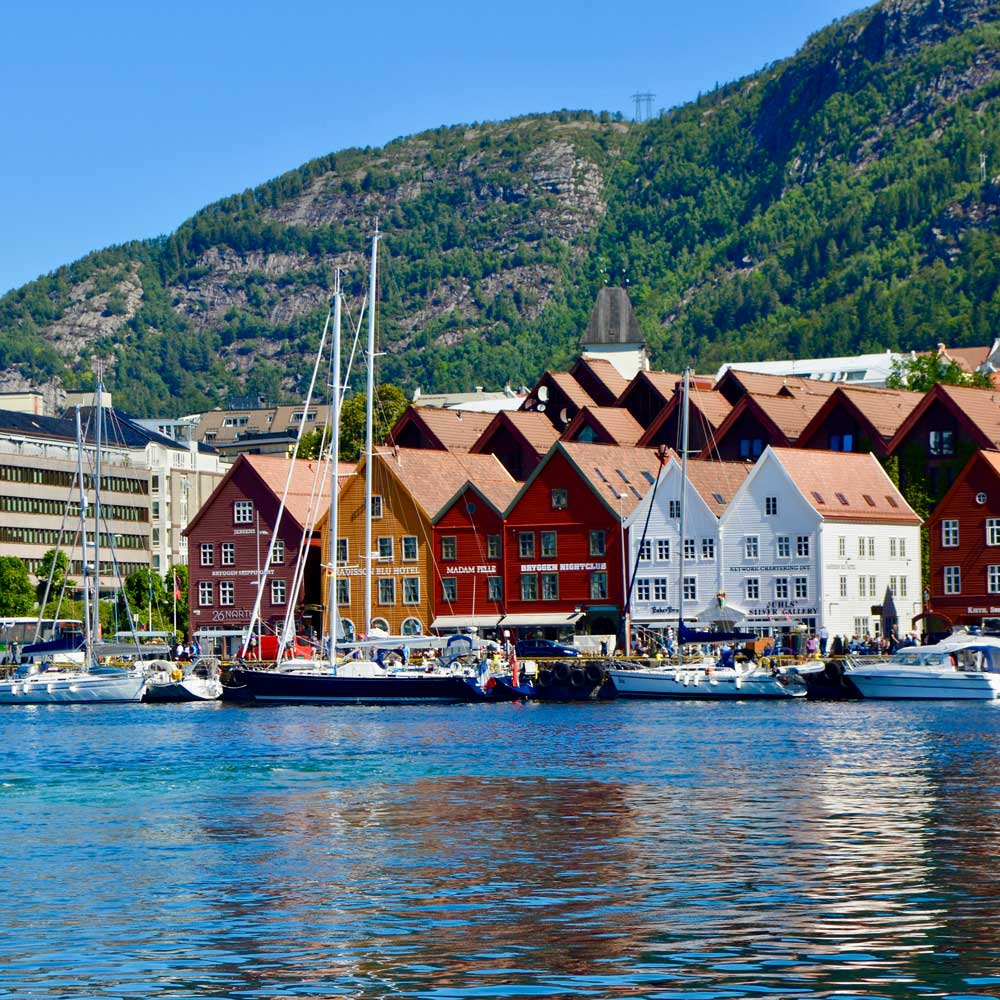
These three days shift the itinerary from city life to Norway’s fjord landscapes, with Bergen as your base. Bergen itself is compact and easy to navigate: colorful wooden houses at Bryggen, steep hills, viewpoints, and a harbor that feels like the gateway to western Norway.
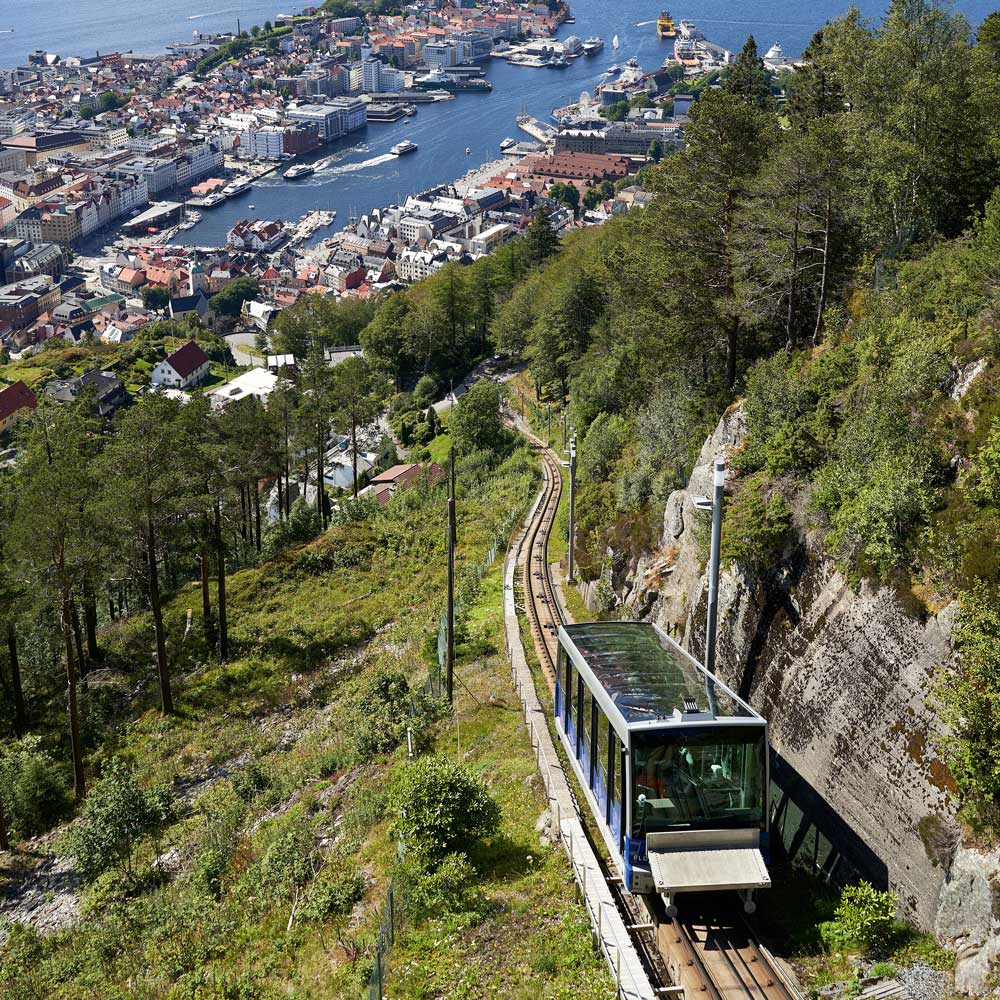
In the city of Bergen, I’d recommend joining a walking tour through the city and getting some background on Bryggen, the old Hanseatic wharf, and how Bergen developed around trade and the harbor, and then taking the funicular Fløibanen to the top for some amazing views over the city.
The fjords around Bergen are long, narrow inlets surrounded by steep cliffs, waterfalls, and small villages along the shoreline. They’re calm, scenic, and easy to explore by boat. The best way to experience them is on a fjord cruise. You have two main options: Nærøyfjord, which is the more dramatic and popular route, or Osterfjorden, which is closer to Bergen and offers a gentler, more relaxed trip.
Powered by GetYourGuide
If you choose the Nærøyfjord route, you can also combine it with the Flåm Railway, one of Norway’s most iconic train journeys. The line climbs from the fjord up through steep valleys, past waterfalls and mountain farms, making it a spectacular add‑on for travelers who want a deeper fjord‑and‑mountain experience.
Getting to Bergen
The best way to reach Bergen from Copenhagen is by a short flight. It takes about 1 hour 30 minutes, with frequent daily departures. Be sure to book in advance for better prices.
Top Hotel Picks for Bergen
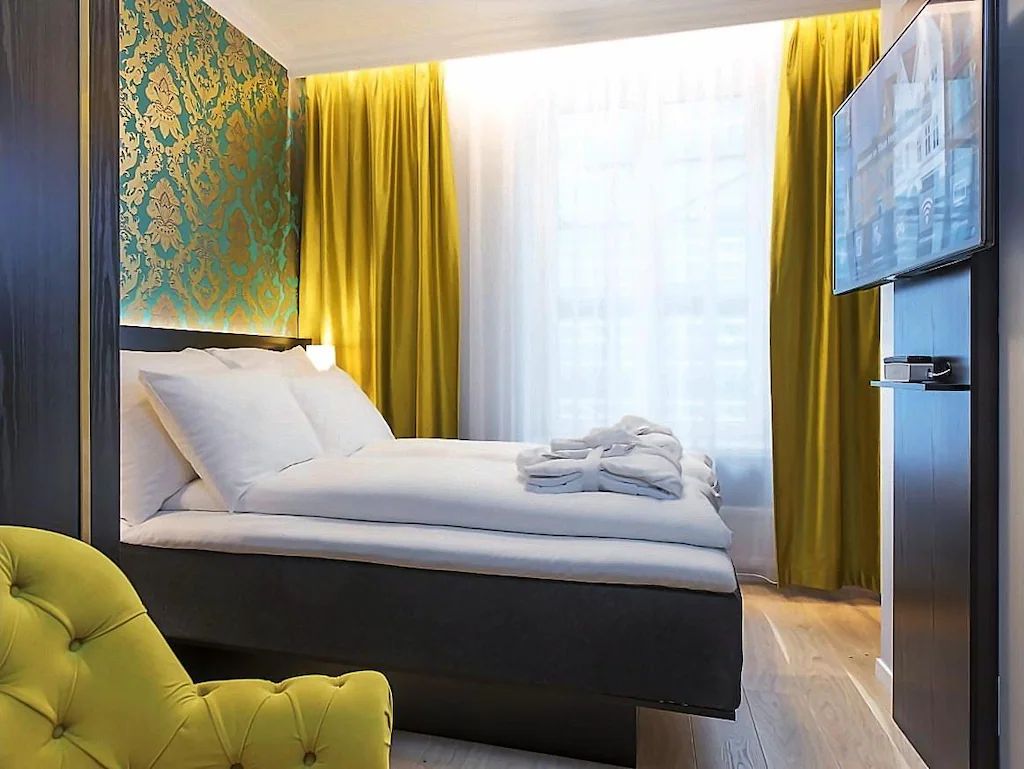
Best Overall — Thon Hotel Rosenkrantz
Modern, cozy, and perfectly located near Bryggen. A great base for exploring Bergen’s waterfront and old town.
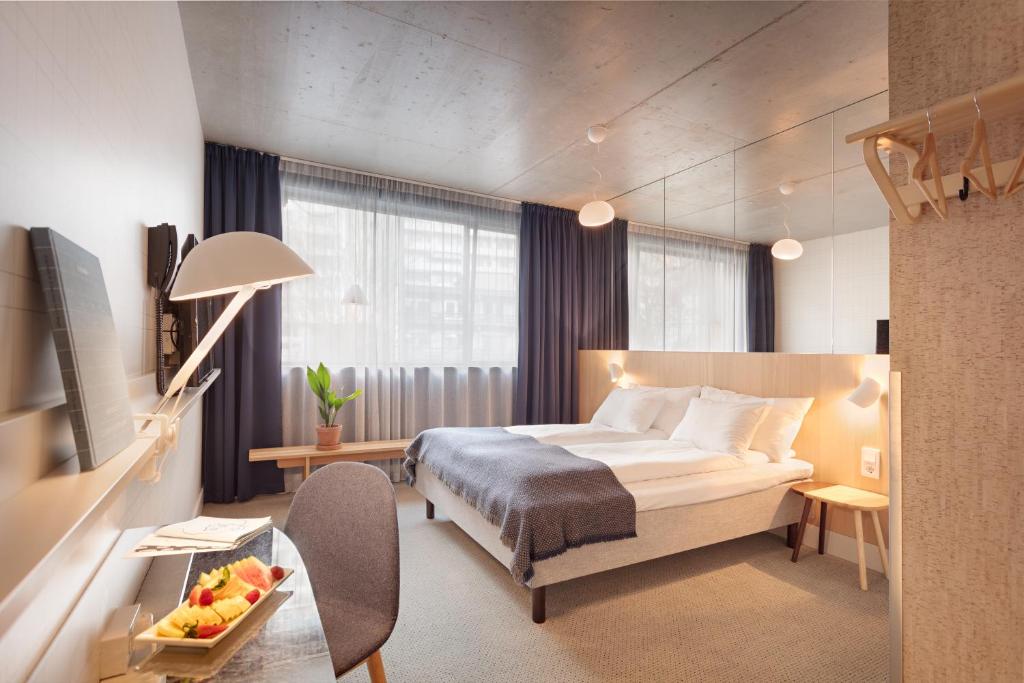
Best Value Option — Zander K Hotel
Minimalist and well‑designed rooms, plus quick connections to both the city center and airport buses.
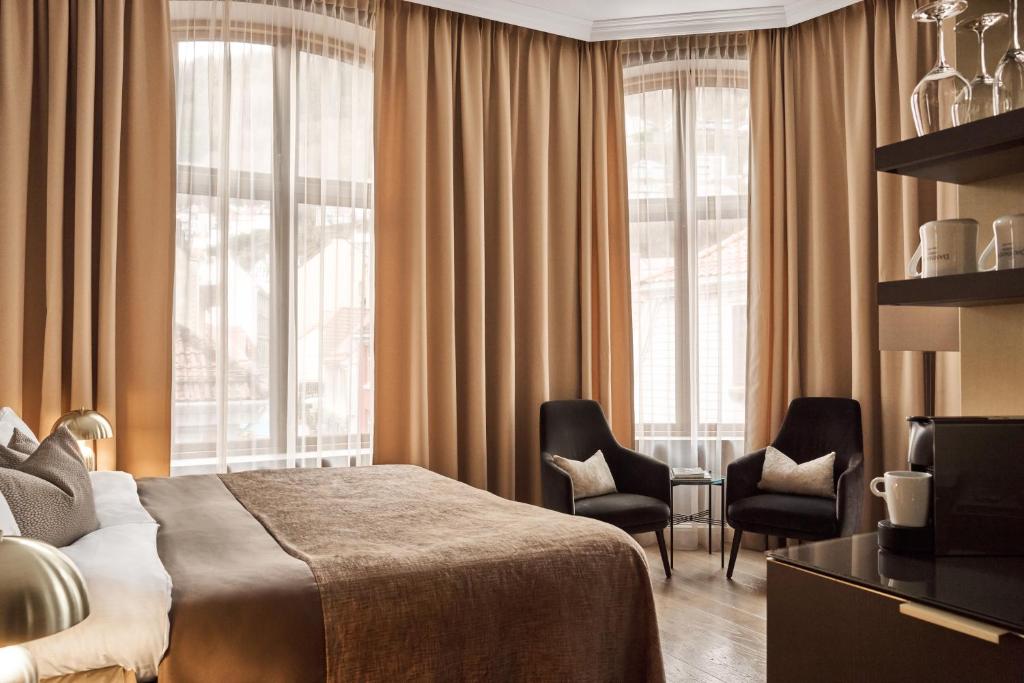
Best Boutique Option — Opus XVI
Elegant boutique hotel in a historic building, with refined rooms and curated details throughout.
Prefer a Social Stay?
If you’re looking for a social stay in a hostel, HI Bergen Hostel Montana is the top pick. Central, well‑reviewed, and they organize volunteer‑led hikes and other activities.
After three days of fjords, viewpoints, and coastal atmosphere, you’ll fly east to Stockholm for a calmer, structured city rhythm and plenty of meatballs and cinnamon buns.
Day 8–11: Explore Stockholm
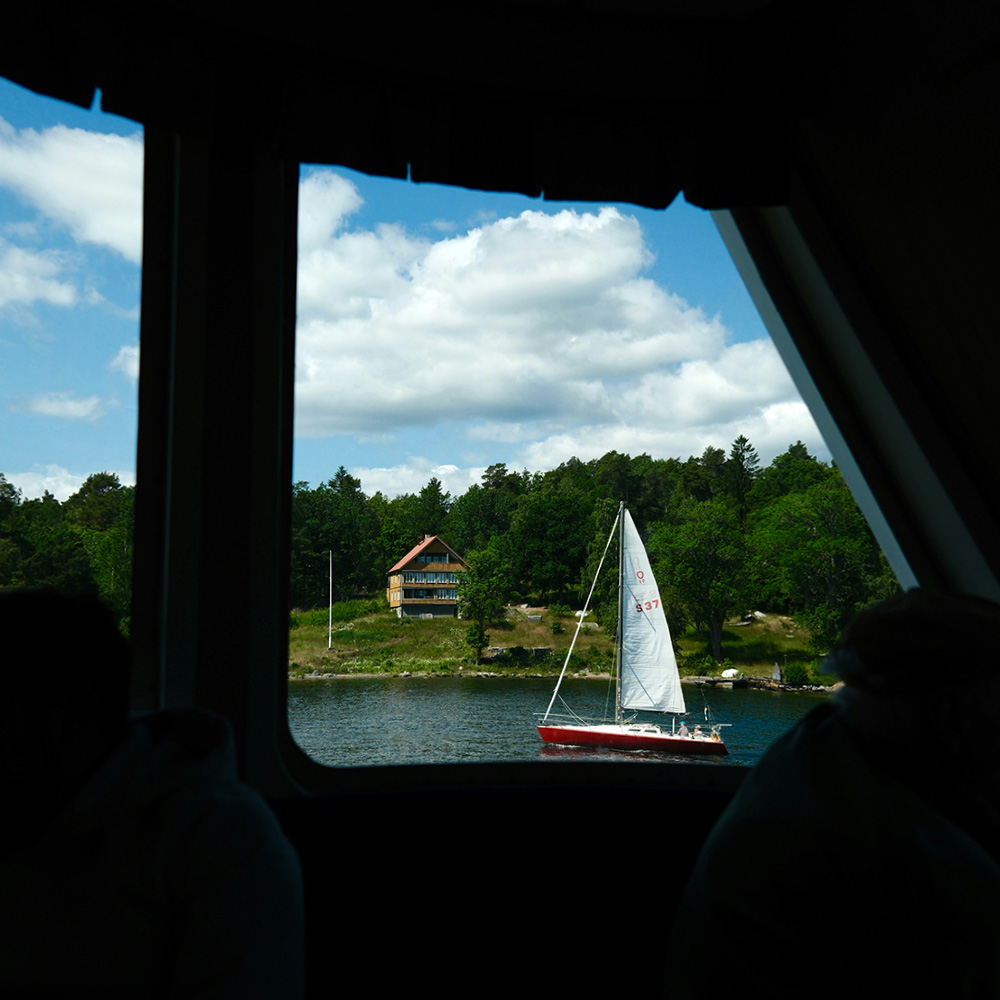
Stockholm is where the itinerary settles into a calm, structured city rhythm again — but with a very different feel from Copenhagen. The city is not as flat as Copenhagen, and it’s built on islands, so your days naturally move between waterfronts, bridges, viewpoints, and neighborhoods.
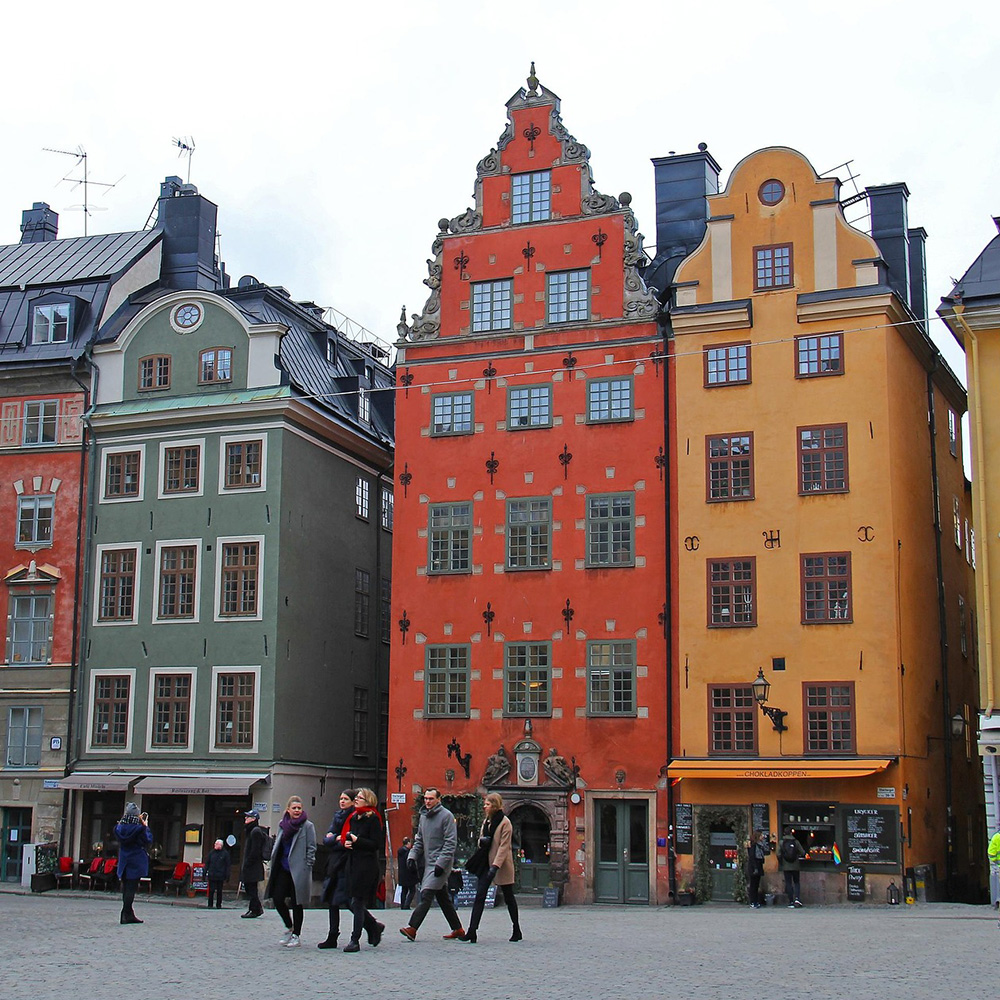
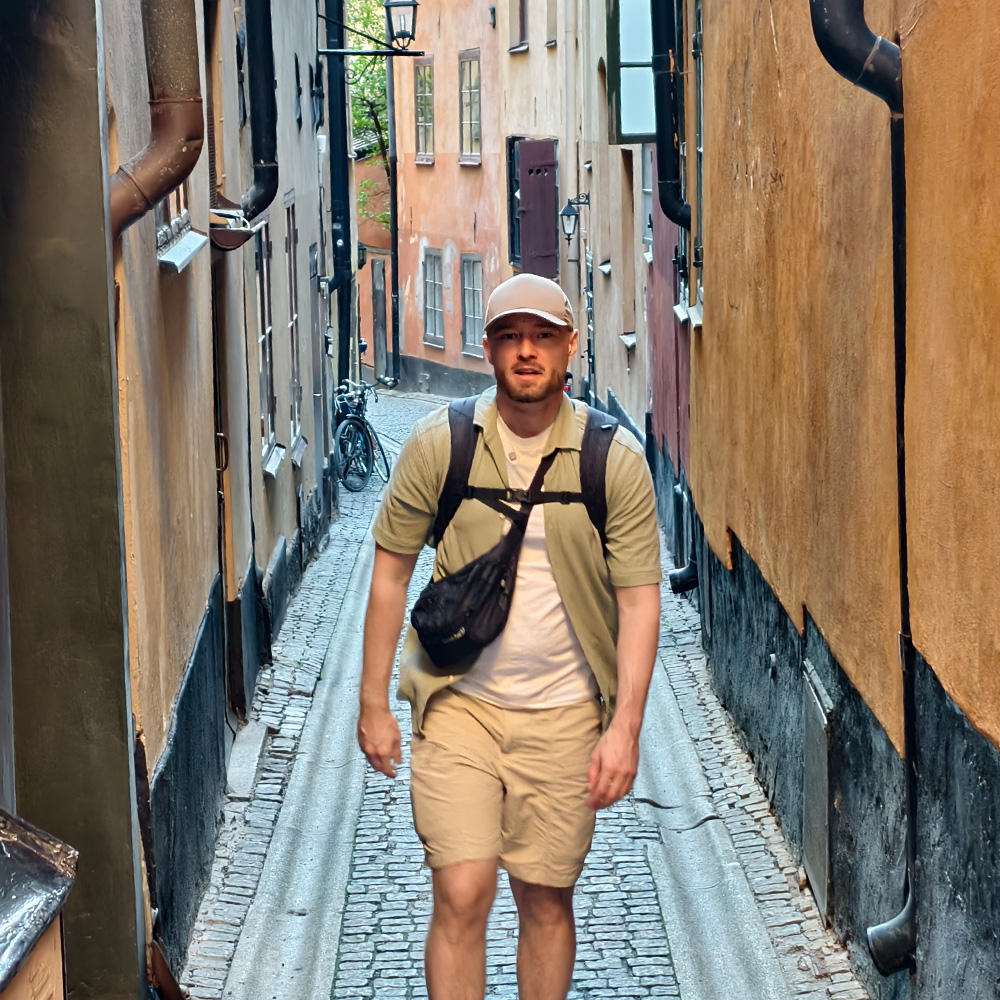
You’ll spend time in:
- Old Town (Gamla Stan), with its medieval lanes and postcard‑perfect colorful buildings.
- Södermalm, Stockholm’s hipster neighborhood full of cafés, viewpoints, and vintage shops.
- and Djurgården, a calm island of museums, parks, and waterfront paths. The most unique museum here is the Vasa Museum, which holds a full 17th‑century warship that sank on its maiden voyage in 1628. The ship is extraordinarily well‑preserved — 98% original — making it the only vessel of its size and age in the world still almost entirely intact.
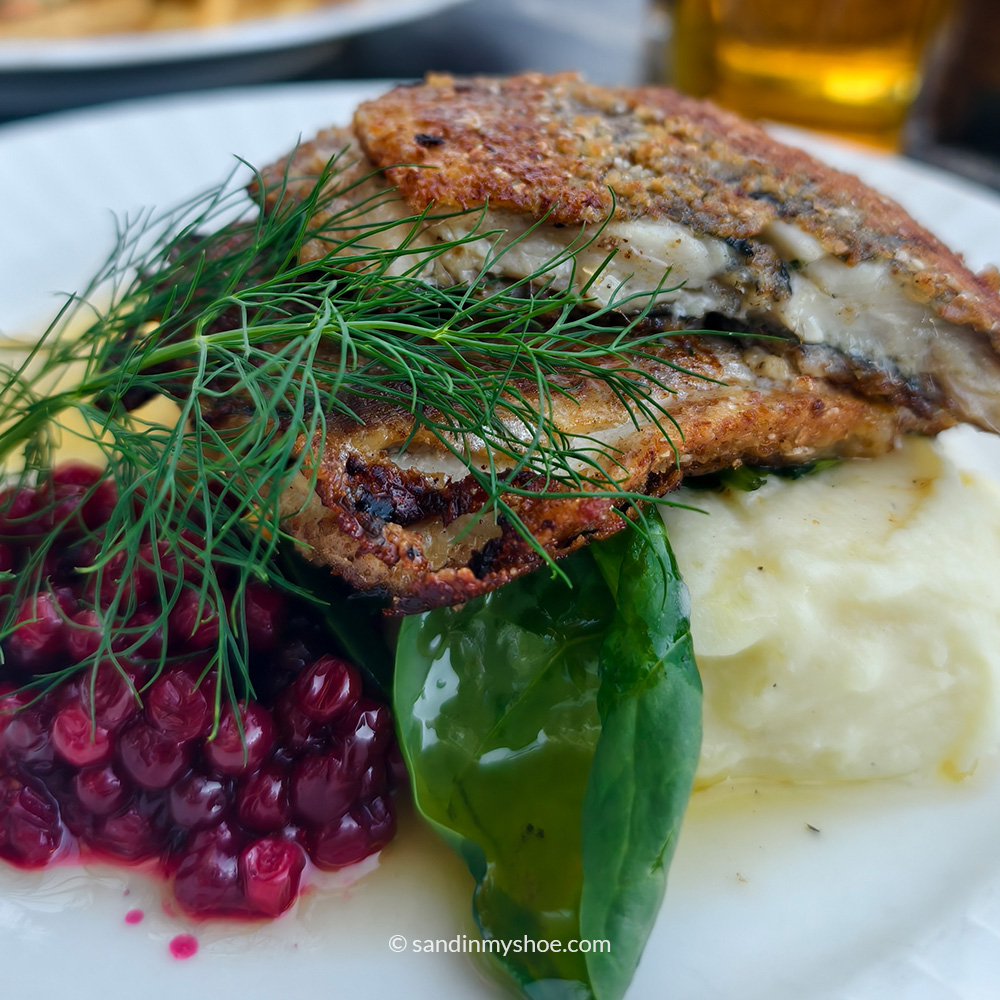
Be sure to eat traditional Swedish food and fika plenty while you’re here. Try meatballs at least once in one of the restaurants that make them the best, and make room for cinnamon buns, which are part of everyday life in Stockholm.
If you want help choosing where to go, check out my guides: Where to Find Swedish Food in Stockholm and the Stockholm Café Guide.
For the details of what to see and do, check out my Stockholm 2‑day itinerary, where I cover a walking tour through the city and a full section on how to get the most out of Djurgården. I’ve included lunch and dinner stops at local places for both days.
Once you’ve explored Stockholm’s islands, museums, and cafés, it’s time for a completely different experience: the overnight ferry across the Baltic Sea to Finland.
Getting to Stockholm
Fly from Bergen to Stockholm. A direct flight takes about 1 hour 20 minutes, with frequent daily departures.
Top Hotel Picks for Stockholm
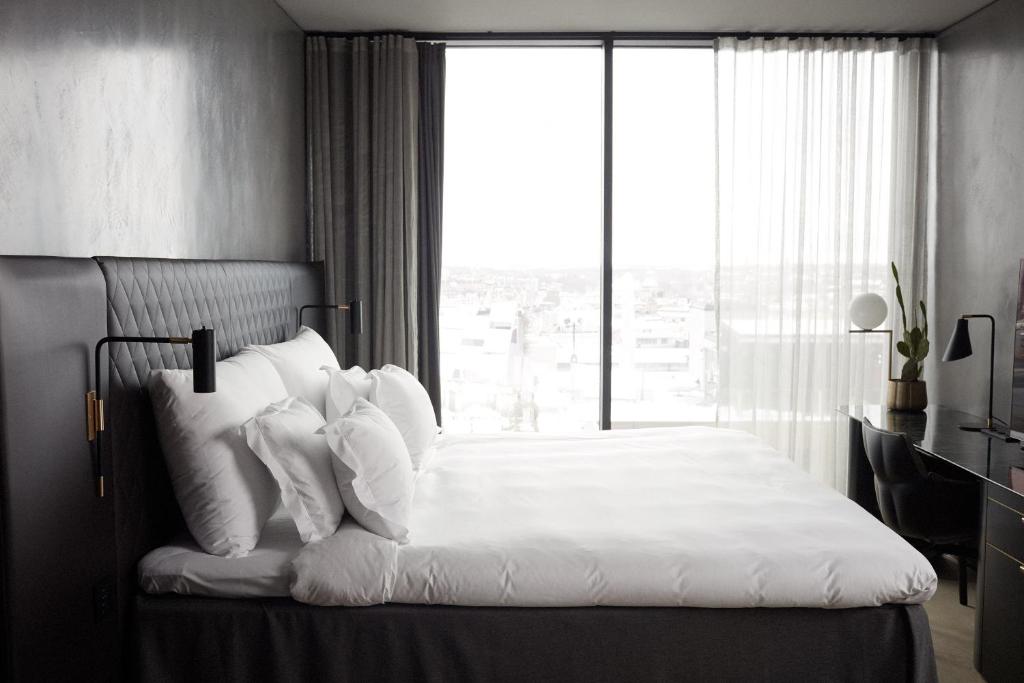
Best Overall Option — Hotel At Six
Modern, stylish and centrally located, with bright rooms and one of the best breakfasts in town.
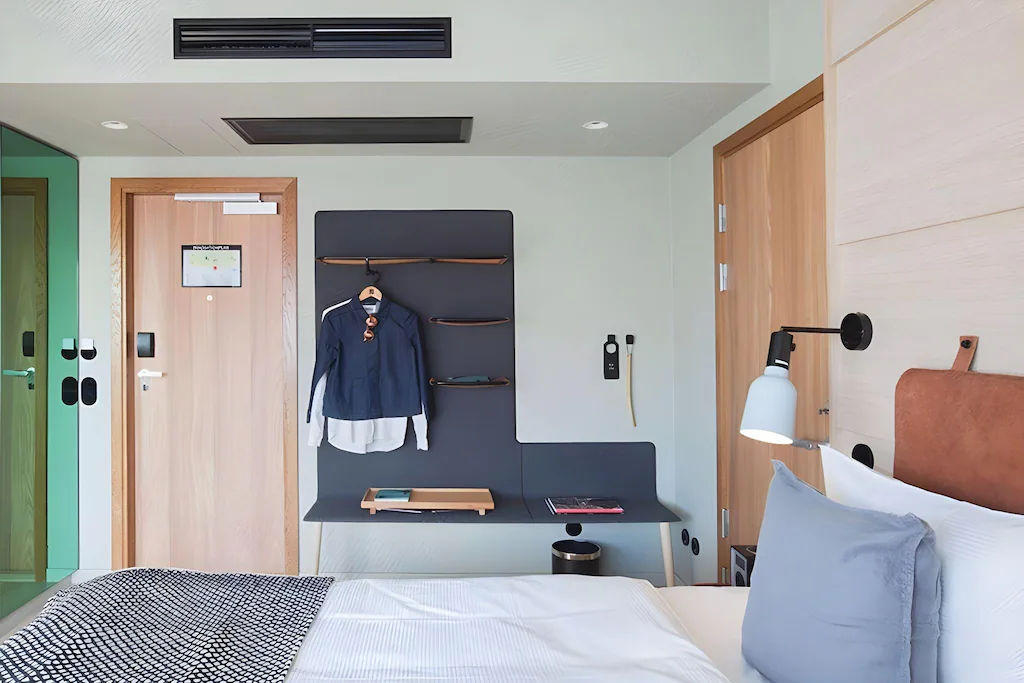
Best Value — Hobo Hotel
Creative, affordable, and perfect for younger, social‑minded travelers. Located near central station.
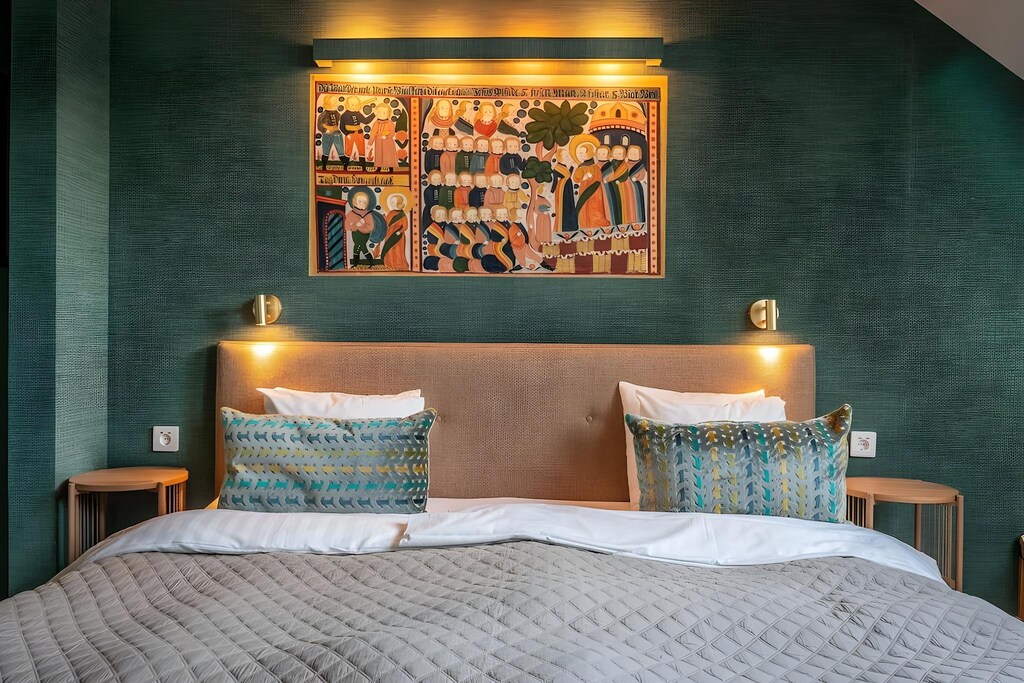
Most Charming — Lady Hamilton Hotel
Charming, historic, and set right in the heart of Stockholm’s Old Town.
Prefer a Social Stay?
If you’re looking for a social stay in a hostel, STF Stockholm Skeppsholmen is the top pick. Central, beautifully located in the island of Skeppsholmen, and one of the city’s best‑reviewed hostels. It offer both dormitory and private room options.
Day 12: Overnight Ferry to Finland
Next up is something I’ve done countless times. As a Swedish Finn, I’ve taken these cruise ferries more times than I can count, thanks to all my relatives in Finland.
Locals on both sides of the Baltic sea use these ferries regularly, for quick visits, family trips, or simply because it’s an easy and familiar way to cross between Sweden and Finland.
Taking the overnight ferry is an experience in itself. Depending on the ferry, they’re around 12 floors tall, with restaurants, bars, cafés, and even a walking avenue inside some of the newer ships. Shopping onboard is duty‑free.
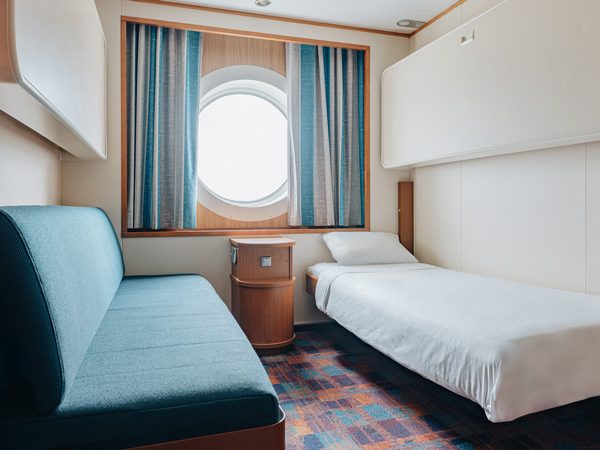
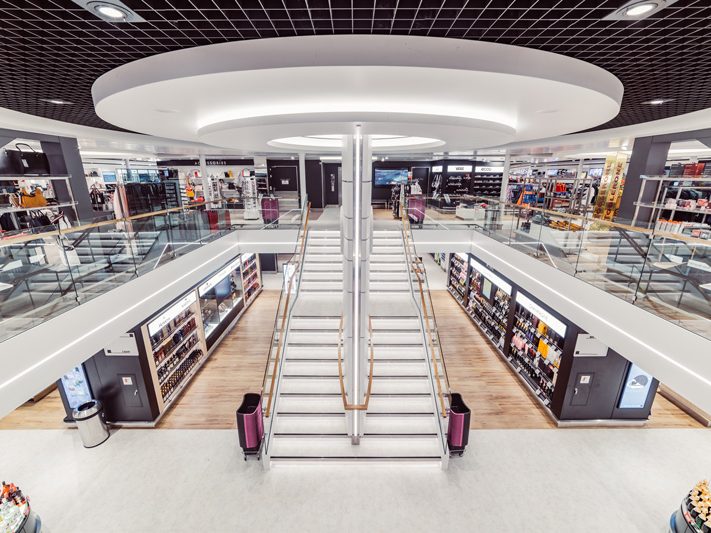
You board in the afternoon / evening, settle into your cabin, enjoy the nightlife or a quiet dinner, and wake up in Finland the next morning. It’s a practical way to travel, and you’ll save a night of hotel costs since you sleep onboard. And duty-free shopping.
Travel time: 16–18 hours overnight.
After the overnight crossing, you’ll arrive in Helsinki ready to explore Finland’s capital — from markets and cathedrals to sauna culture and modern architecture.
Read more about the experience in my dedicated post: Stockholm – Helsinki Cruise.
Day 13–14: Explore Helsinki
Waking up on the other side is many times a headache, depending on how much you enjoy the night before, but regardless of how you feel in the morning, you’ll be in for a treat as Helsinki has plenty to offer.
Check in to your hotel, and spend the day sightseeing the central parts of the city before heading to a sauna in the afternoon.
Stroll around places like the Market Square, Old Market Hall, Senate Square and the Uspenski Cathedral and Helsinki Cathedral.
If you want a guided tour, check out this option — a good introduction to Helsinki’s main sights: Guide Tour in Central Helsinki.
Afterwards head to the sauna.
Finland is the birthplace of the sauna, and whatever you do during your stay, make time for at least one or two sessions. With over two million saunas in the country, you’ll never struggle to find one. A great option in Helsinki is Löyly, which offers both a traditional smoke sauna and a wood‑fired sauna — a bit special, since many modern saunas are electric. It’s right by the sea, so you can cool off with a quick dip between sessions.
Another cool option is the sauna built into a cabin on a ferris wheel right in the center of the city by the harbor.
Know that Finns are generally reserved in everyday social situations, but the sauna is one of the few places where people tend to relax, chat, and be more open.
After your sauna session, try the salmon soup in Löyly’s restaurant — it’s one of the best versions in the city and a perfect post‑sauna meal. You can also try karjalanpiirakka, a traditional Finnish rye‑crust pastry filled with creamy rice porridge, and Finnish rye bread, which is a staple of everyday life and something locals eat with almost every meal.
Afterwards you can have an evening stroll in Esplanadi Park or check out some bars for a karaoke night. (Finns love karaoke)
On your second day, I recommend visiting Suomenlinna for a half day — the historic sea fortress just a short ferry ride away. It’s one of Helsinki’s highlights and a great way to round off your time in Finland.
In the afternoon and evening, you can explore a few of Helsinki’s modern landmarks, starting with the Rock Church, a striking underground chapel carved directly into solid bedrock. After that, continue to Oodi, the city’s award‑winning central library known for its airy architecture, public spaces, and panoramic views.
These final two days in Helsinki round off your Scandinavian journey with a mix of history, design, sauna culture, and island life — a calm and fitting end to a two‑week trip across the region.
Top Hotel Picks for Helsinki
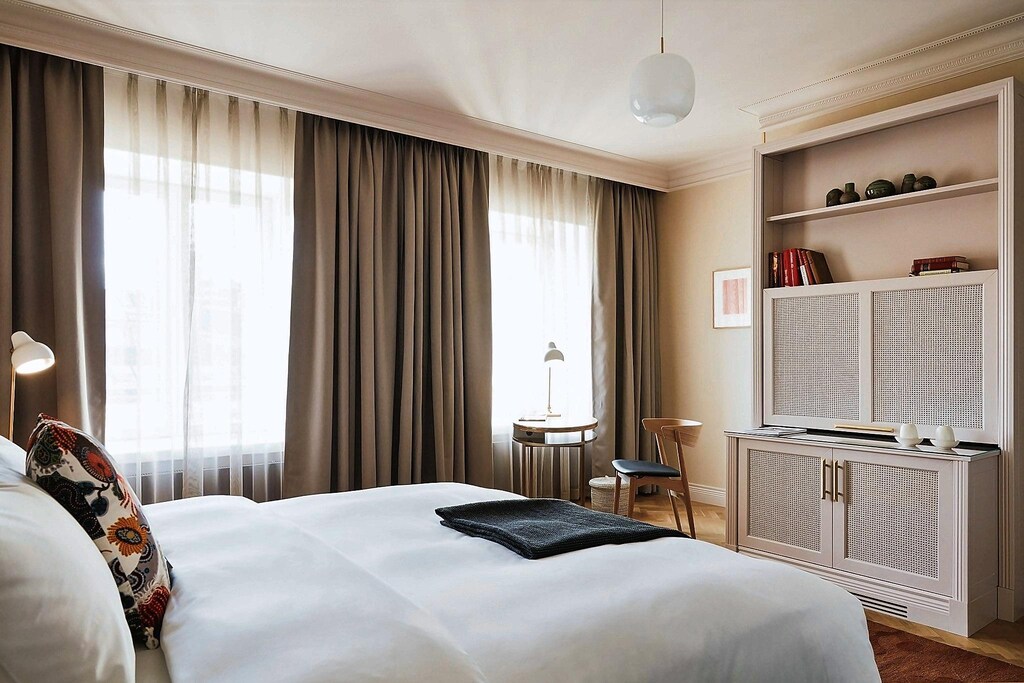
Best Overall Option — Hotel St. George
Elegant and art‑filled luxury in central Helsinki. Spacious rooms, spa access, and refined dining in a beautifully restored building.
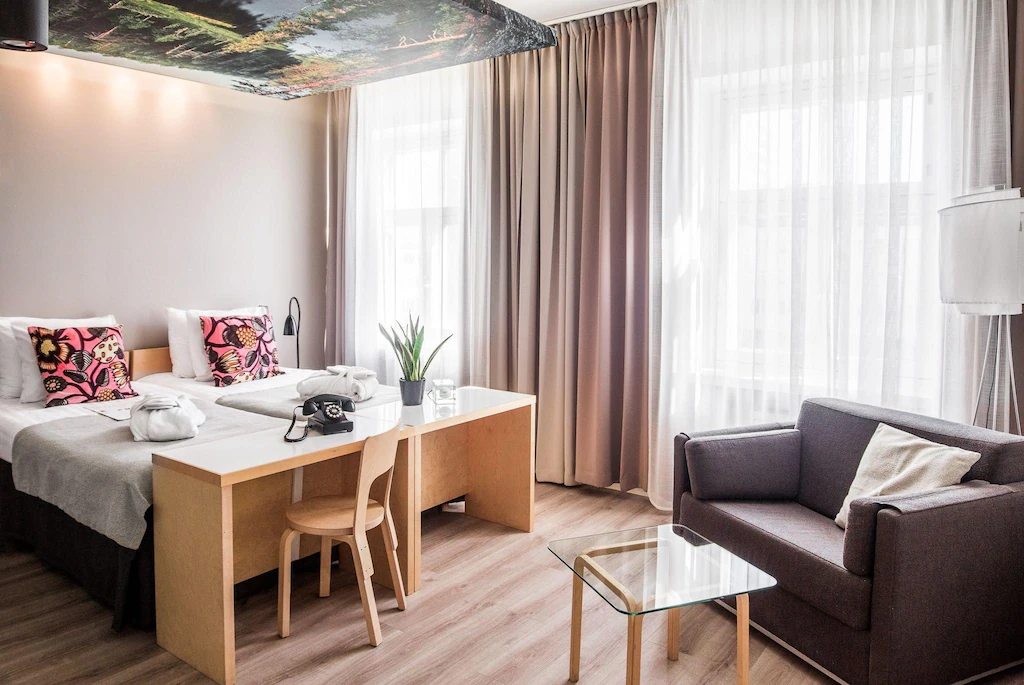
Best Value — Hotel Helka
Classic Finnish charm with modern touches. Great value, locally inspired interiors, and a relaxed atmosphere near Kamppi.
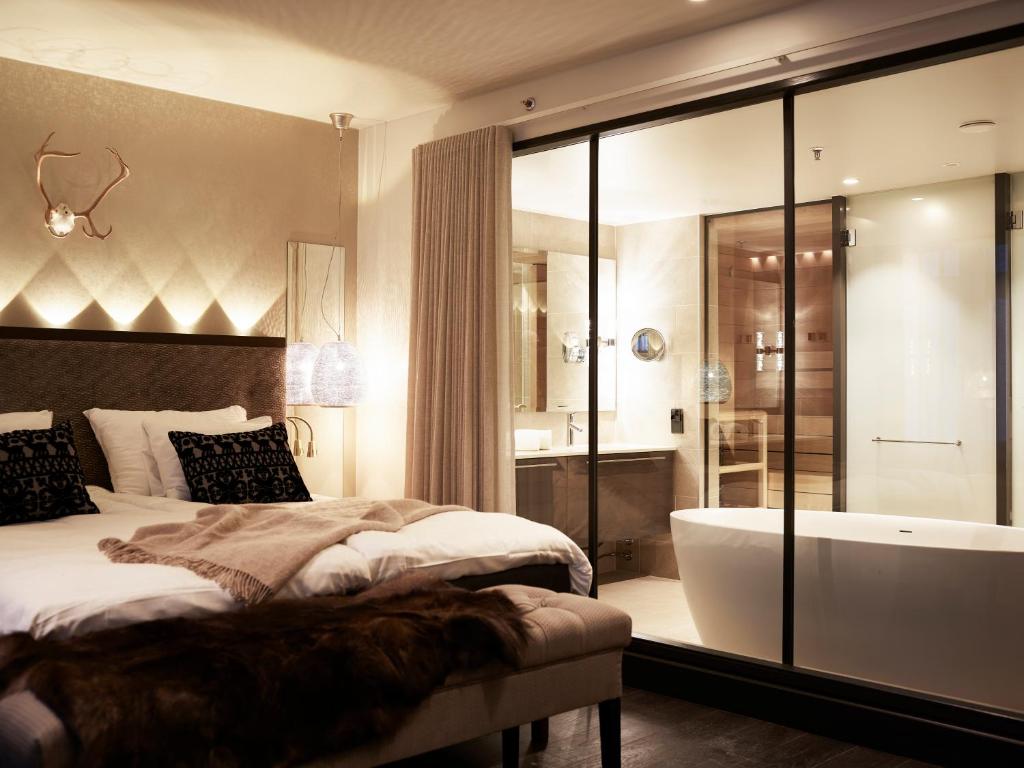
Best Boutique — Lapland Hotels Bulevardi
Stylish Nordic design meets cozy Lapland warmth. Central Helsinki location, excellent breakfast, and serene rooms with sauna options.
Prefer a Social Stay?
If you’re looking for a social stay in a hostel, CheapSleep Hostel Helsinki is a budget‑friendly, social hostel with clean dorms, a big common area, and a fully equipped guest kitchen. Located in Vallila with easy tram access to the center, it’s a great pick for travellers who want affordability, comfort, and a lively backpacker vibe.
Practical Tips for Scandinavia
There are some things to know about Scandinavia before visiting so you’ll a better trip.
- Payments: The region is almost fully cashless, with cards and mobile payments accepted everywhere. Even so, it’s smart to carry some cash for unexpected situations or for small market stalls that may not accept digital payments. One downside is that each country has its own currency, but you can easily withdraw small amounts in local ATMs in each destination. Just make sure to never accept the fixed exchange rate some ATMs offer — it’s always worse — and when paying by card, choose to be charged in the local currency for the best rate.
- Weather: Even in summer, evenings can be cool. Pack layers and a light rain jacket.
- Bring good walking shoes: The cities covered in this Scandinavia itinerary are best explored on foot or by bicycle, and many areas have cobblestones, parks, and waterfront paths. Comfortable shoes make a big difference when you’re out all day.
- Daylight: Long days in summer, shorter in spring and autumn, so plan outdoor activities accordingly.
- Transport: Scandinavia in general have excellent public transport; cycling is common and especially popular in Copenhagen and Stockholm.
- Language: English is widely spoken, and locals are used to helping visitors.
How Much Would This 2‑Week Itinerary Across Scandinavia Cost
Scandinavia is expensive, and you should expect higher prices for food, transport, and attractions compared to most other parts of Europe. Below is a practical breakdown of what a typical 2‑week trip might cost, depending on your travel style. I’ve traveled in all of these countries individually, so while I haven’t followed this exact route myself, the estimate below reflects realistic costs for a couple using the 2‑week itinerary described above.
Know that Norway is the most expensive country, even for us Swedes. Denmark comes second, followed by Sweden and then Finland as the most affordable of the four.
Cost Breakdown For a Couple
| Budget | Mid‑Range | Comfort | |
|---|---|---|---|
| Accommodation (shared room) | €630–€1,120 | €1,680–€2,520 | €2,800–€4,900 |
| Food & Drinks (for 2) | €700–€1,120 | €1,260–€1,960 | €2,240–€3,360 |
| Transport (for 2) | €500–€800 | €800–€1,200 | €1,200–€1,400 |
| Activities (for 2) | €300–€500 | €500–€800 | €800–€1,400 |
| Miscellaneous (for 2) | €200–€400 | €200–€400 | €300–€600 |
| Total (couple) | €2,330–€3,940 | €4,440–€6,880 | €7,340–€11,660 |
Final Thoughs
This 2‑week itinerary through Scandinavia offers a mix of vibrant cities, dramatic fjords, coastal villages, and that minimalist design the region is famous for. While the region is expensive, planning ahead, choosing mid‑range hotels, and using public transport can keep costs manageable. With long summer days, efficient transport, and friendly English‑speaking locals, Scandinavia is one of the easiest regions in Europe to explore, and unlike many southern European destinations, it rarely gets uncomfortably hot.
No comments yet, be the first one!
I appreciate hearing from you. If you have any suggestions, questions, or feedback, please leave a comment below. Your input helps ensure the information stays relevant and up to date for everyone.
Thank you for sharing your thoughts!