
It’s structured enough to guide you, but loose enough to enjoy the city without rushing from sight to sight. If you travel like the Griswolds, this won’t be your slam‑dunk guide.
One of the reasons I decided to make this guide was that I kept hearing travelers say they struggled to find affordable, authentic Swedish food. Many ended up grabbing a hotdog at a kiosk or defaulting to McDonald’s — not because they wanted to, but because they didn’t know where to go. So both days include reliable, good‑value food stops right along the routes.
Put on good walking shoes and enjoy two well‑planned days in Stockholm.
Stockholm Itinerary Overview
First Day (Blue Dots)
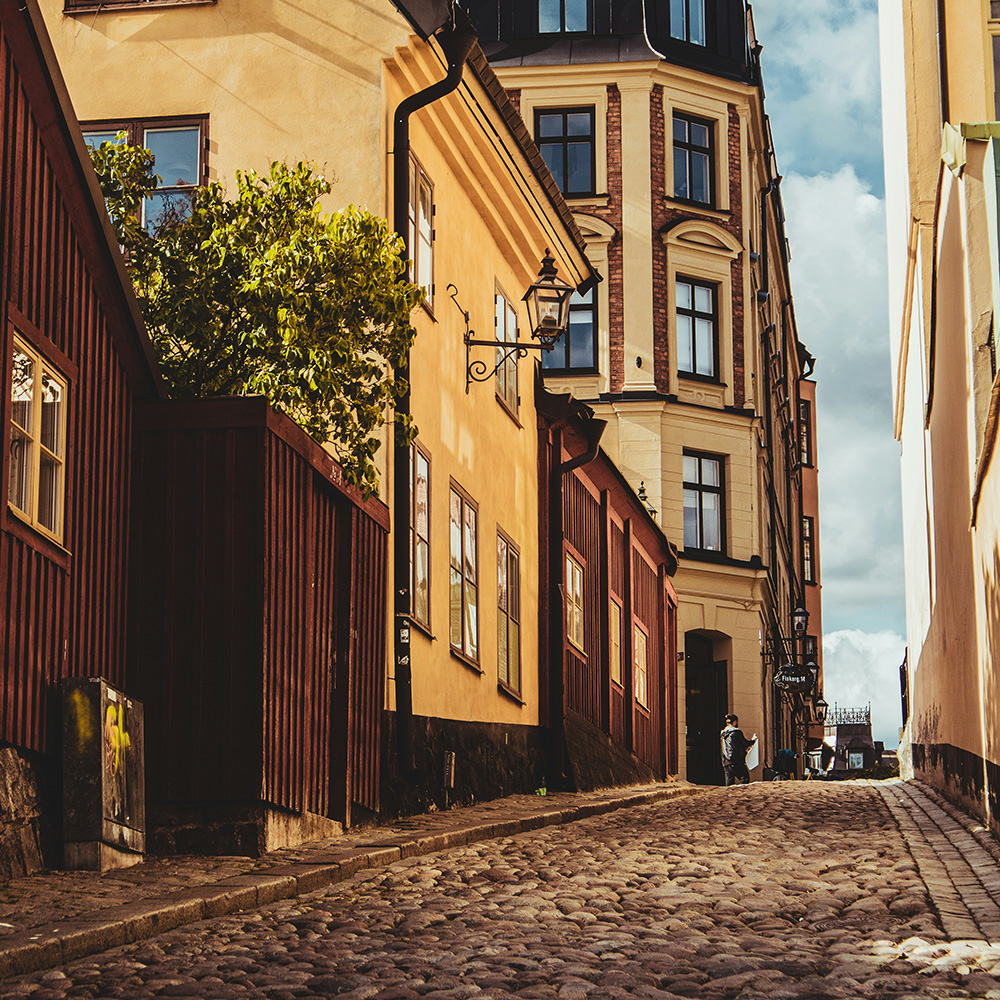
The first day is essentially a walking tour of the center, from Hötorget, through Old Town, to the hip Södermalm. You get markets, the town hall, waterfront promenades, the old town’s narrow lanes and cobblestone roads , viewpoints over the city, and a great local place for dinner, ending with drinks in Södermalm.
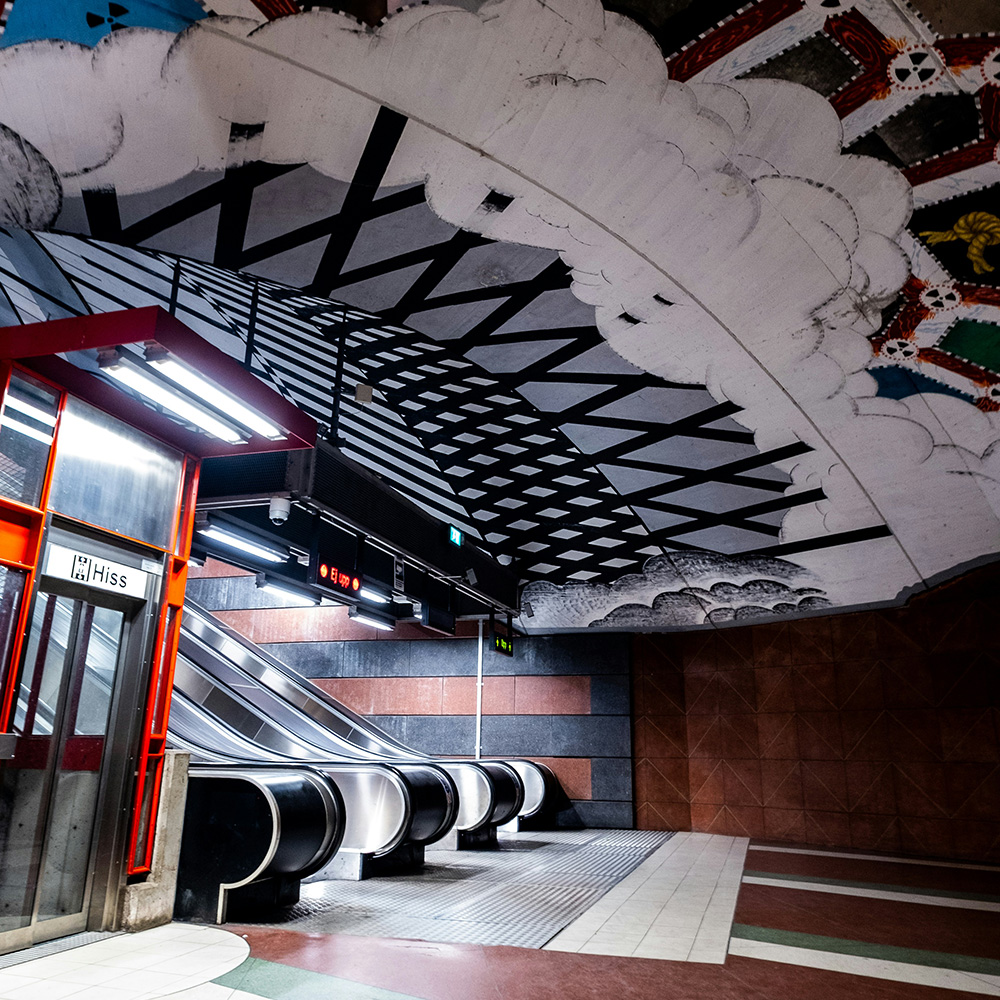
The dot marked as a star on the map is an add-on if you want to see subway art.
Map Overview: All Stops at a Glance
How to Use the Map: Click the top-left corner to view and select map layers. Blue pins are for the first day, and the yellow ones are for the second day.
Second Day (Yellow Dots)
The second day is all about Djurgården, Stockholm’s island of museums, gardens, and greeneries. You arrive by ferry, and spend the day mixing culture with nature. Vasa Museum. with its massive Warship, anchors the morning, followed by a slow garden lunch at Rosendals Garden, and optional cycling around the park if the weather allows, and followed by another museum that suits your interests.
Getting Around in Stockholm
Stockholm is easy to navigate because the metro, buses, trams, and ferries all use the same tickets. You can either buy a 24‑hour or 72‑hour pass for unlimited travel, or simply tap your debit/credit card at the gates.
As for 2026, a tapped card charges 43 SEK/€4 and gives you a 75‑minute ticket that works across all transport modes. During my visit, I just tapped my card. But if your accommodation is outside the center, or you expect to make more than 4 trips in a day, a 24‑hour pass can be better value, which costs 180 SEK/€17.
Day 1: The Heart of Stockholm
The first day is essentially a loosely structured city walk. There’s a clear path to follow, but feel free to deviate whenever something catches your eye. The goal is to move through the right areas at a relaxed pace, see beautiful architecture naturally, and let Stockholm unfold as you walk.
The Itinerary: Hötorget → Drottningsgatan → City Hall → Old Town (Lunch + sights) → Slussen → Dinner at Blå Dörren → Monteliusvägen (sunset) → Drinks & beer in Södermalm
Morning
Start At Hötorget
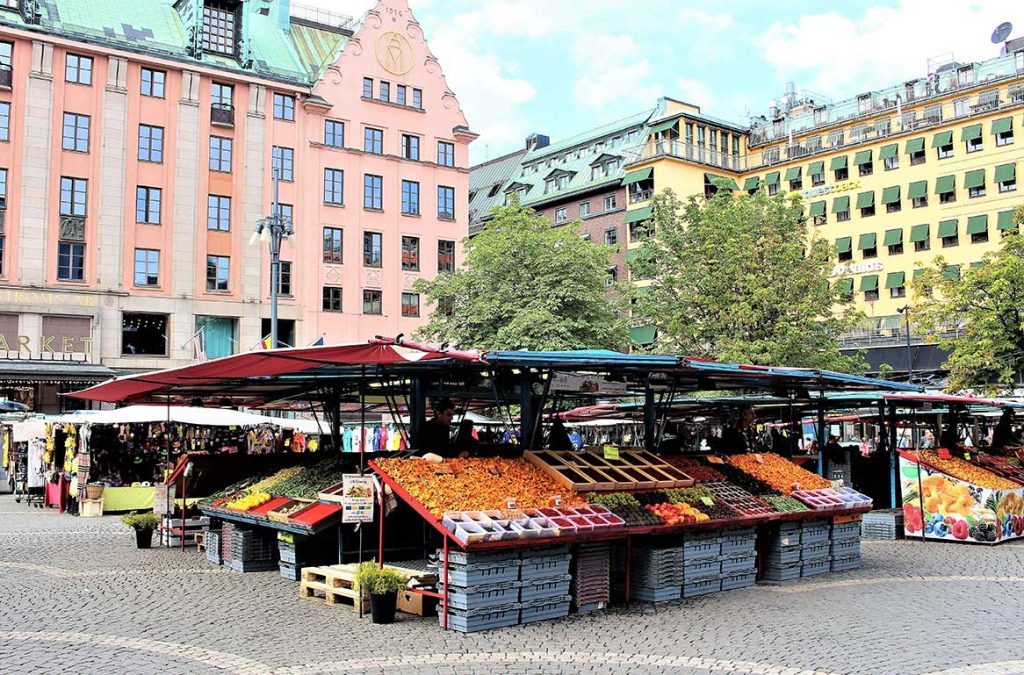
Start your day at Hötorget, a lively town square right in the center. On weekdays it’s filled with fruit stalls, flowers, and small vendors; on weekends it becomes more of a mixed market.
Tip: If you’re visiting on a Sunday, there’s often a flea market with vintage items, records, and curiosities.
Walk Down Drottninggatan
From Hötorget, continue toward City Hall by walking down Drottninggatan, probably the most popular walking street in Stockholm. It’s a long, lively stretch lined with cafés, bookstores, and all kinds of shops, and you’ll pass the iconic stone lion statues along the way.
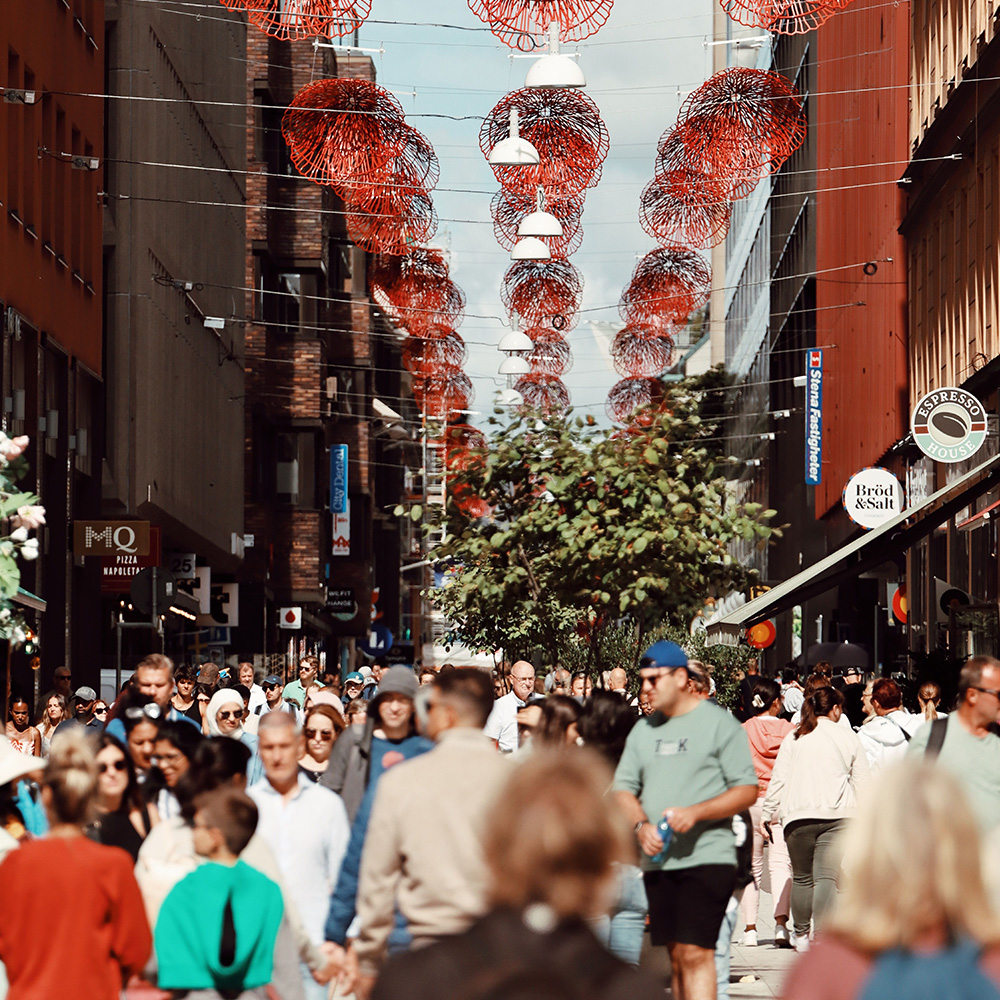
It’s busy, central, and very “Stockholm,” making it a natural way to transition from Hötorget toward the waterfront. And if you see people talking to themselves, they’re not typically crazy — just influencers.
At the end of the street, take a right and head toward City Hall.
Visit Stockholm City Hall (Stadshuset)
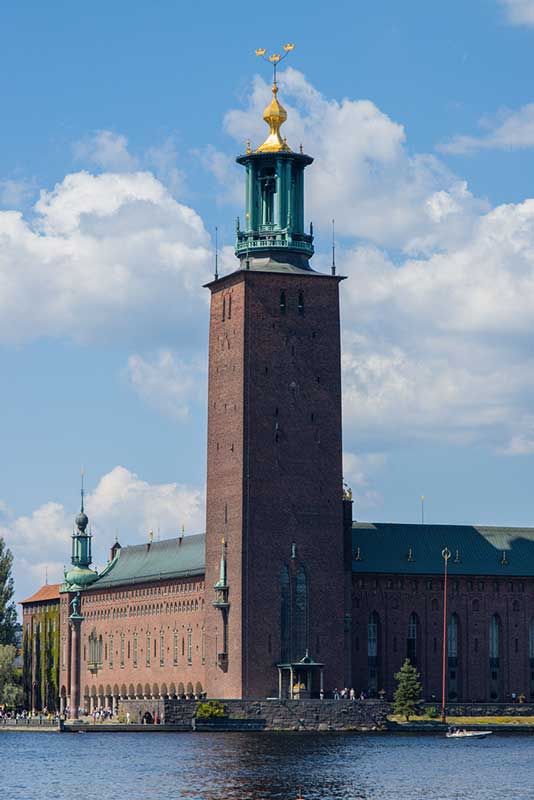
This red-brick building with its tall tower is hard to miss. It’s one of Stockholm’s signature landmarks, and the area around it is perfect for a short, scenic pause.
If you want to see the inside, guided tours take you through the Blue Hall — home of the Nobel Banquet — and the Golden Hall with its shimmering mosaics. It’s a compact visit, but a good way to get a sense of the building beyond its striking exterior.
Even if you don’t go inside, the courtyard and the promenade around it are worth the stop. From here you get great views over Riddarfjärden and the islands across the water, and it’s a calm contrast to the busy Drottninggatan you just walked down.
Afternoon
Explore Old Town And Eat Lunch Here
From City Hall, cross the bridge toward Gamla Stan, Stockholm’s medieval old town.
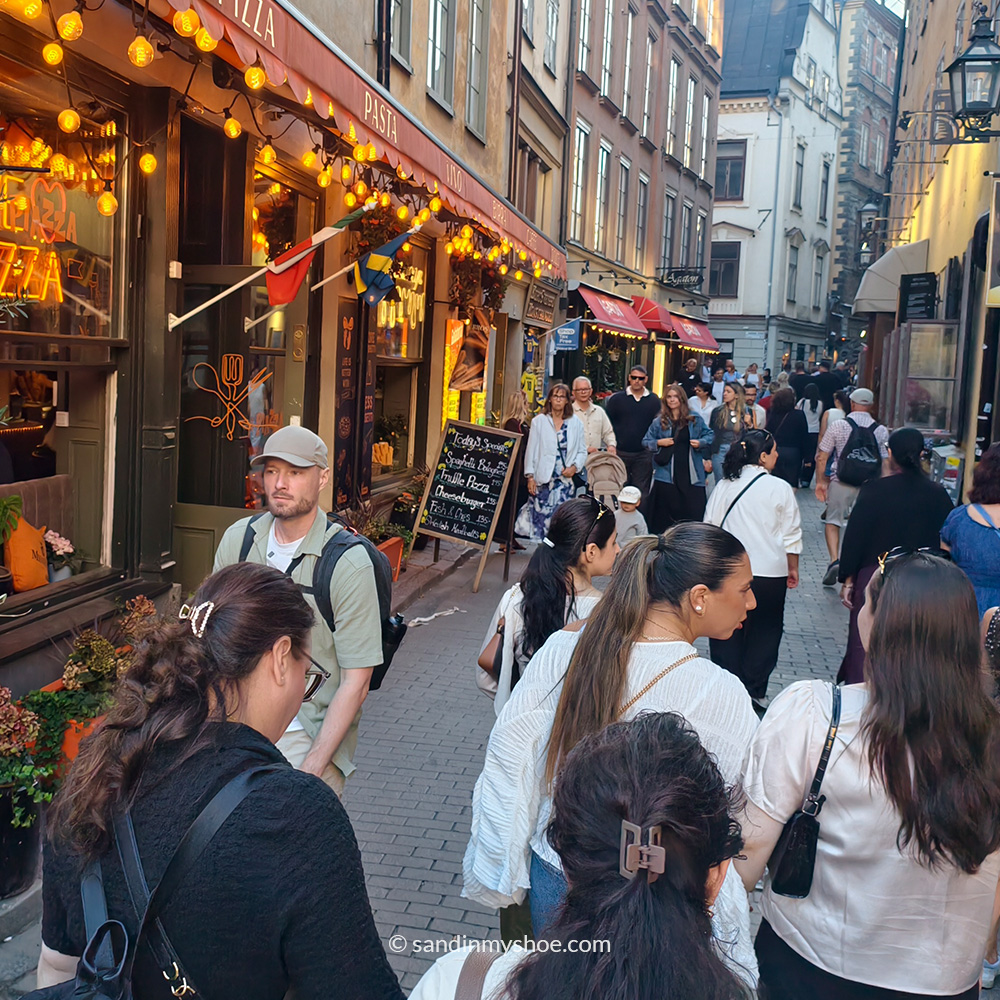
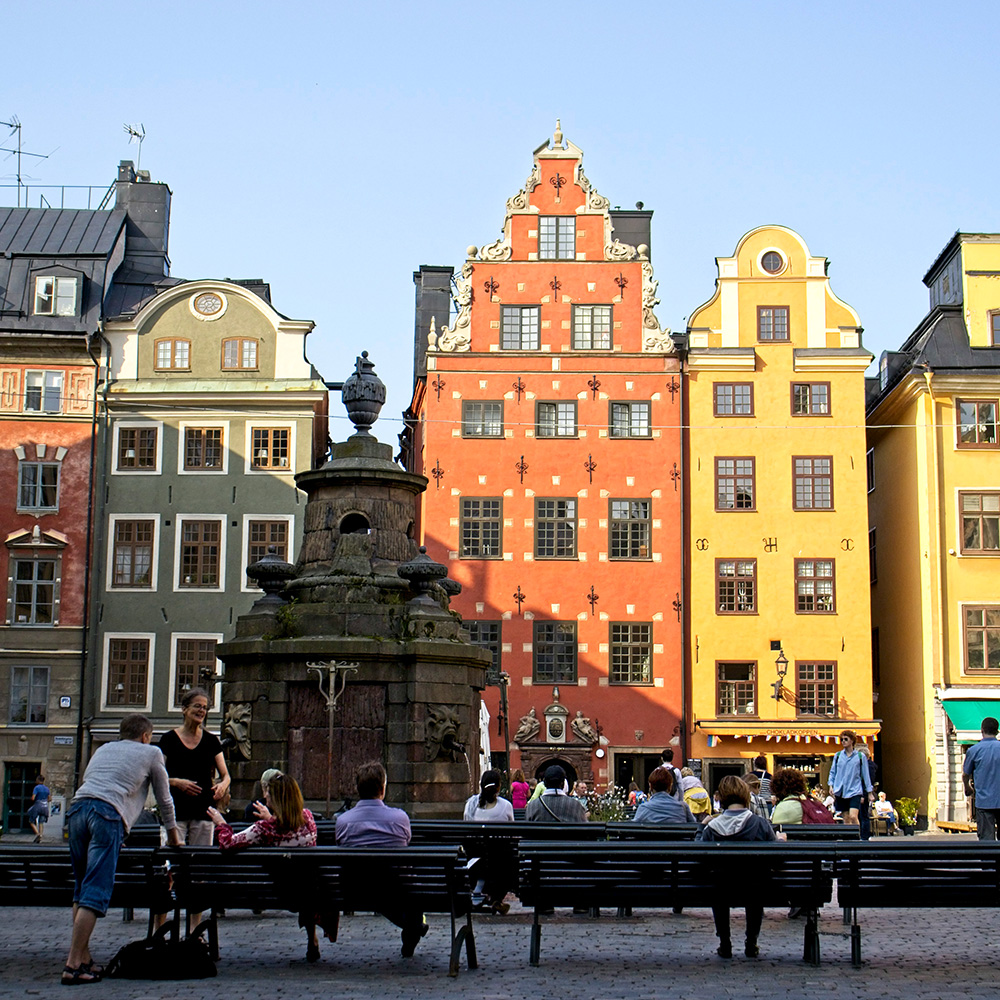
This is where you’ll stop for lunch and spend some time wandering the narrow lanes, small squares, and colorful facades. It’s one of the most atmospheric parts of the city, compact, historic, and perfect for slow exploration after the morning’s walk.
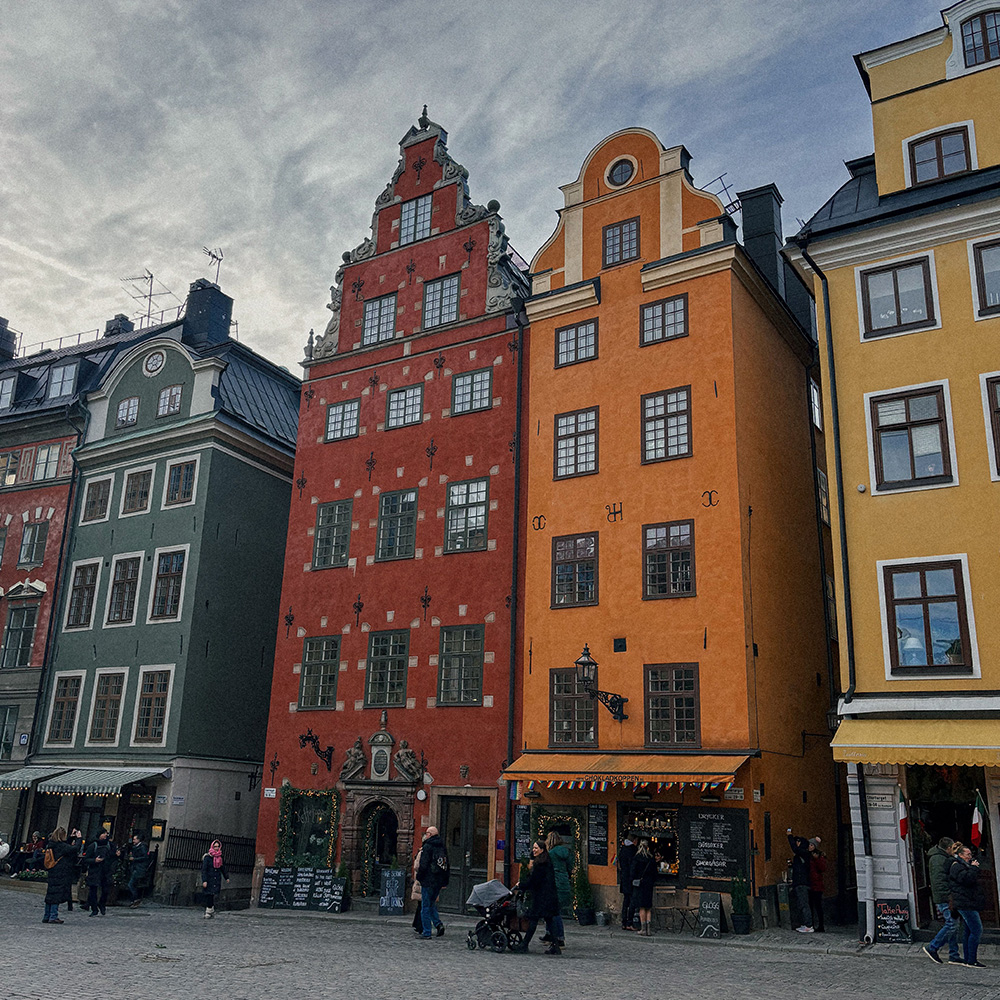
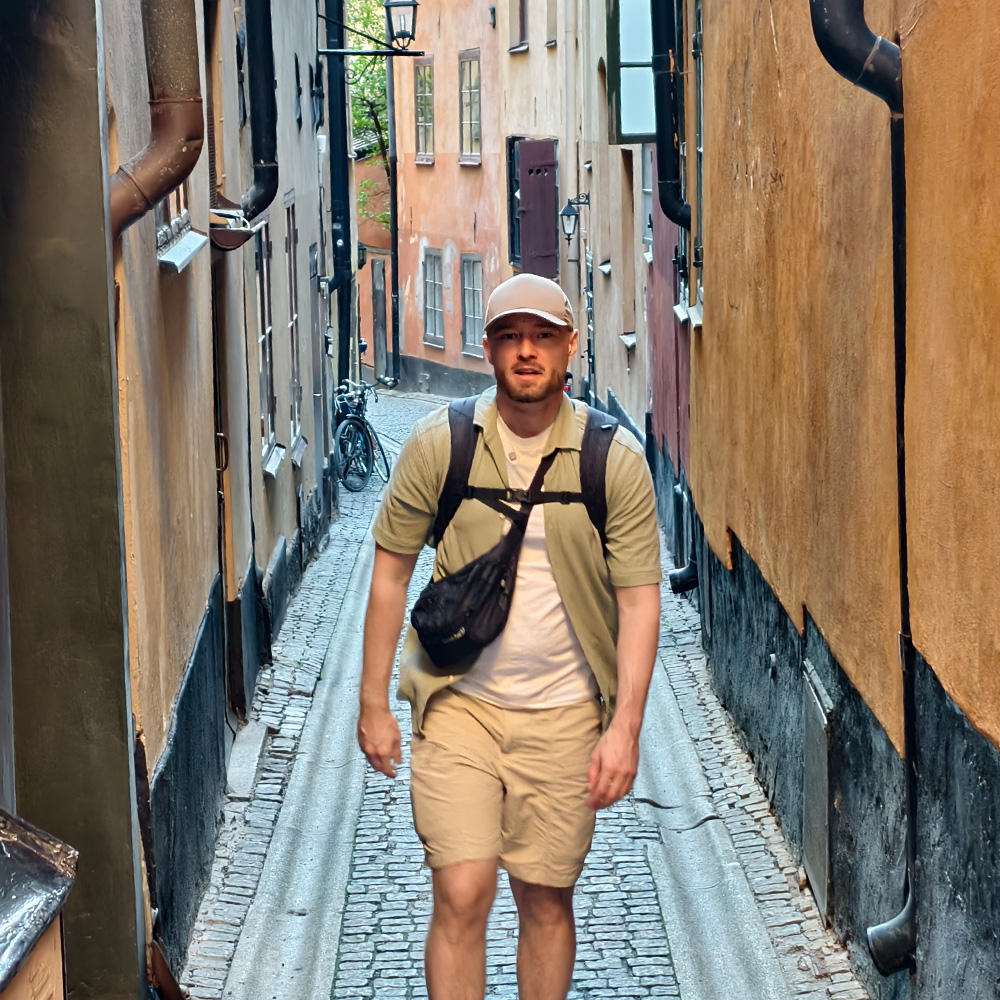
The old town is gorgeous, but it’s very touristy as well, and finding cheap, authentic meals here isn’t easy. One solid exception is Stockholms Gästabud. It’s small, friendly, fairly priced, and serves proper food Swedish, the meatballs here decent. None of that IKEA‑canteen stuff.
Spots to Visit in Old Town
After lunch, wander around old town, but be sure to stop by these highlights along the way.
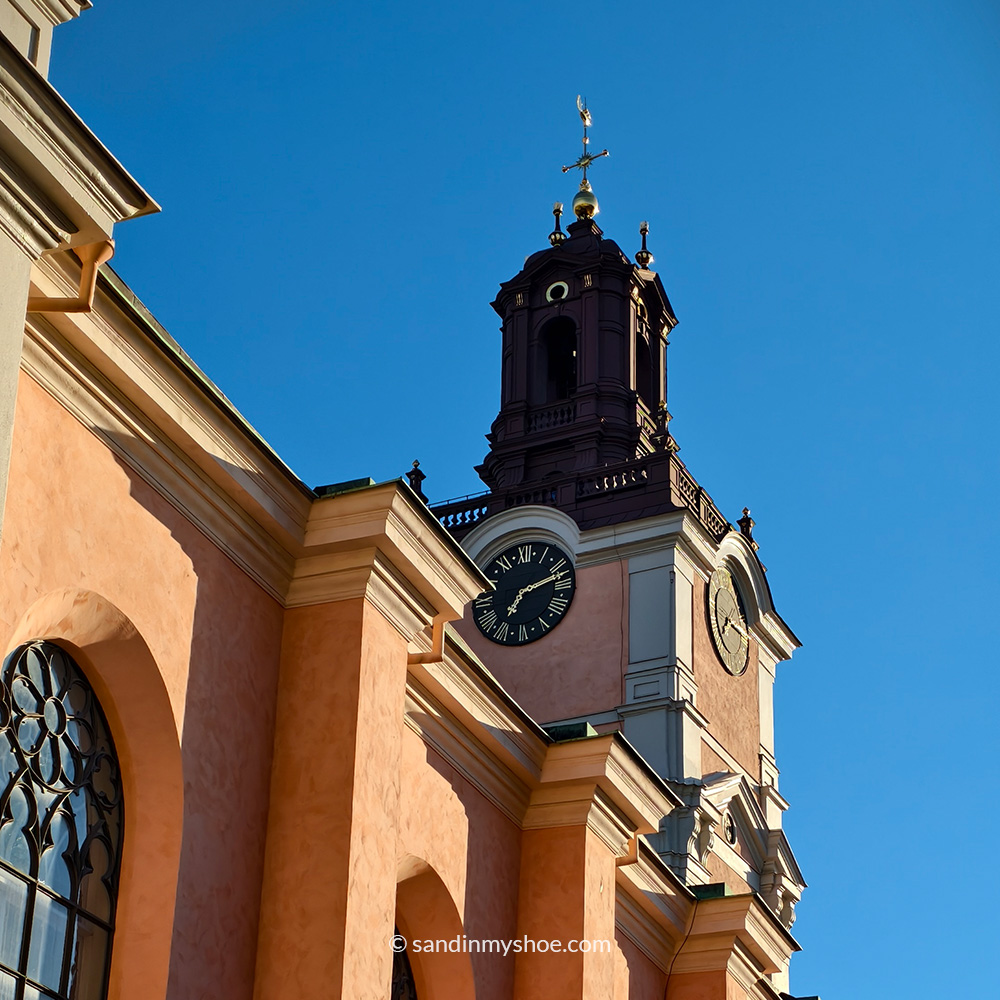
- Storkyrkan (The Cathedral)
Stockholm’s oldest church, right next to the palace. The exterior alone is worth a look, and you’ll pass it naturally as you continue into Gamla Stan. - The Royal Palace
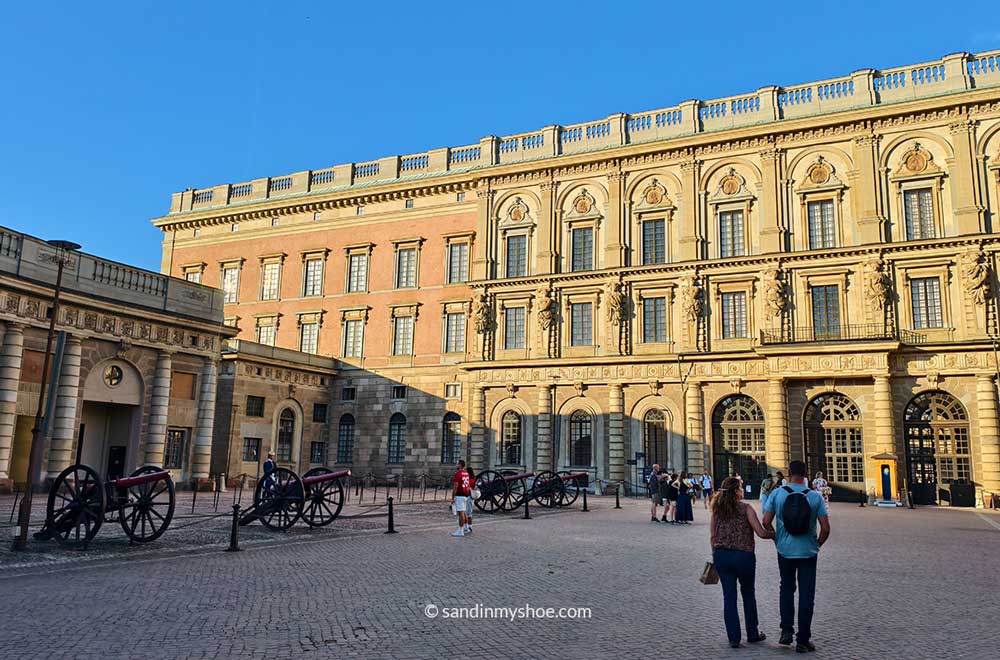
You’ll pass it naturally. It’s massive, central, and easy to walk around even if you don’t go inside. The exterior is more imposing than ornate, and you’ll naturally loop around it as you continue toward the waterfront. If you happen to be nearby at the right time, the changing of the guard is easy to catch, but it’s not something you need to plan for. - Stortorget
The main square with the colorful facades. It’s the postcard shot of Stockholm and the center of the old town.
It carries also some dark history. This is where the Stockholm Bloodbath took place in 1520, ordered by Christian II of Denmark after his coronation. Over two days, around 80–100 nobles, clergy, and citizens were executed, a turning point that left a deep mark on Swedish history. - Mårten Trotzigs Gränd
The narrowest street in the city (less than a meter wide). Great for a quick photo and a sense of the medieval layout. - Skeppsbron
The long waterfront street on the east side of Gamla Stan. It’s known for its wide harbor views and offers a nice contrast to the tight medieval streets. It opens up the city — long waterfront, big skies, and plenty of space after the narrow lanes of the old town.
Interested in a guided tour of Old Town? Check out these options
Powered by GetYourGuide
Evening
Slussen
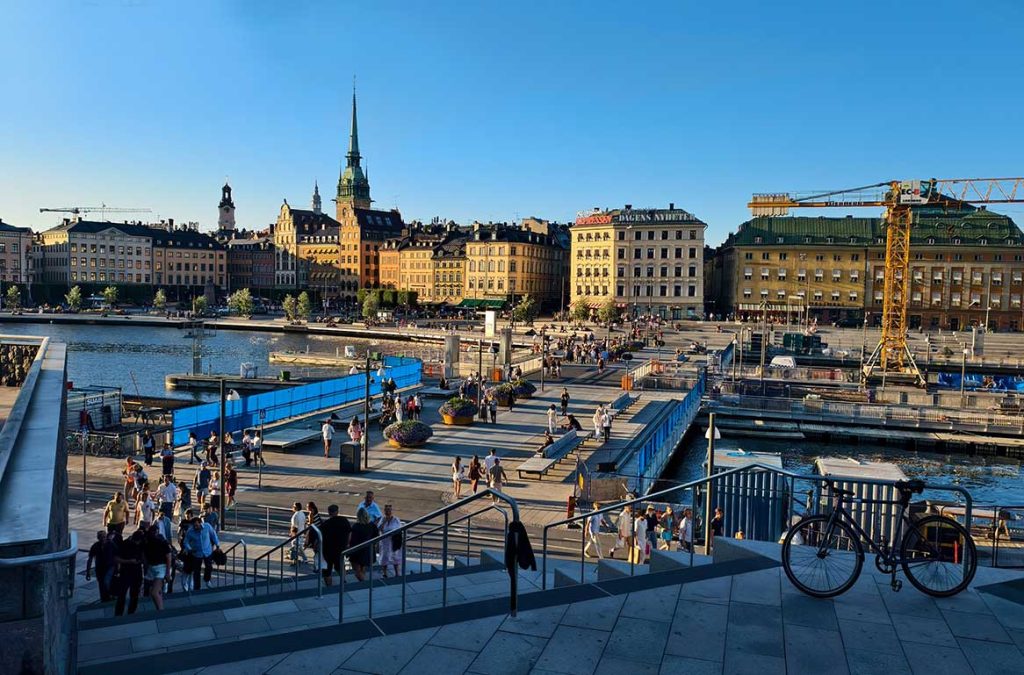
As you exit the old town, you’ll naturally enter Slussen. It used to be gritty and ugly — an iconic concrete monster from the past — but after the full makeover it actually looks great now, even in daylight. It’s also one of Stockholm’s main transport hubs, with metro lines, buses, and the Djurgården ferry all connecting here.
Beyond the transit, this is where your evening starts: a great local restaurant for dinner, a sunset spot to check out after, and Södermalm just ahead for drinks.
Eat Dinner at Blå Dörren
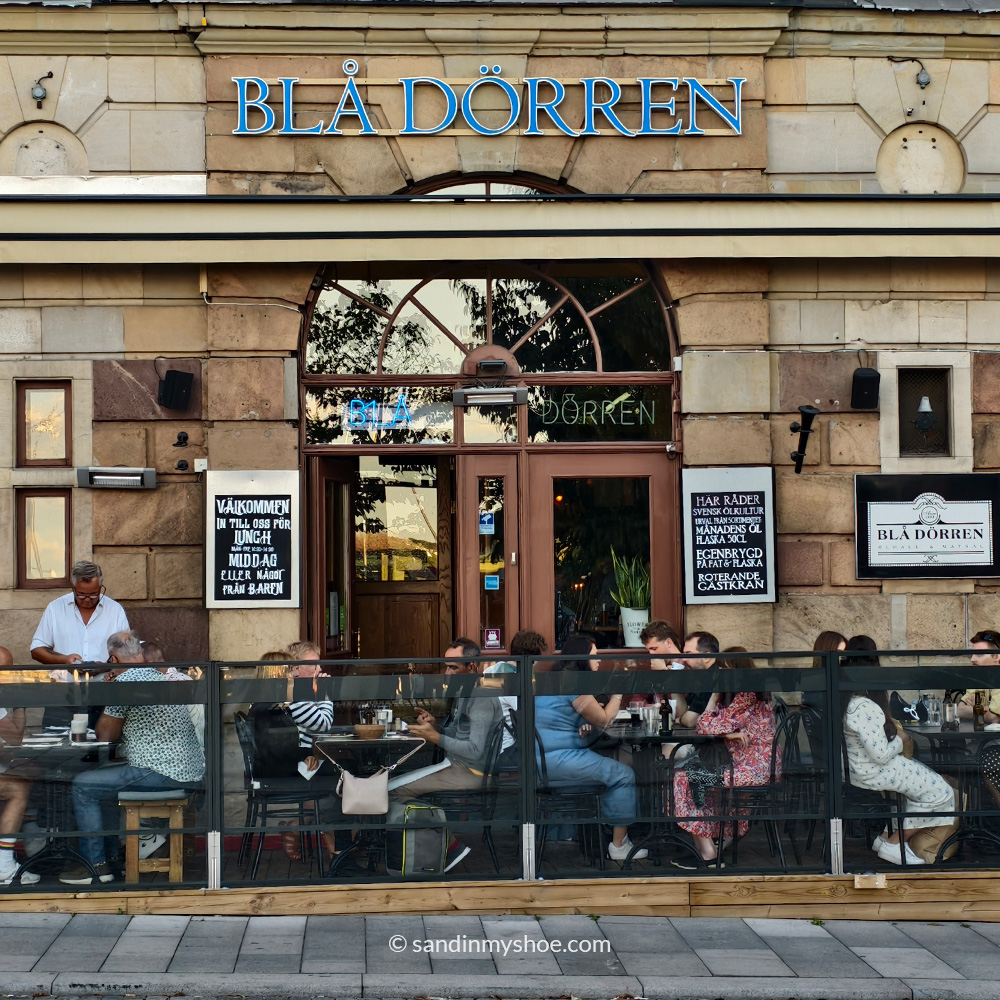
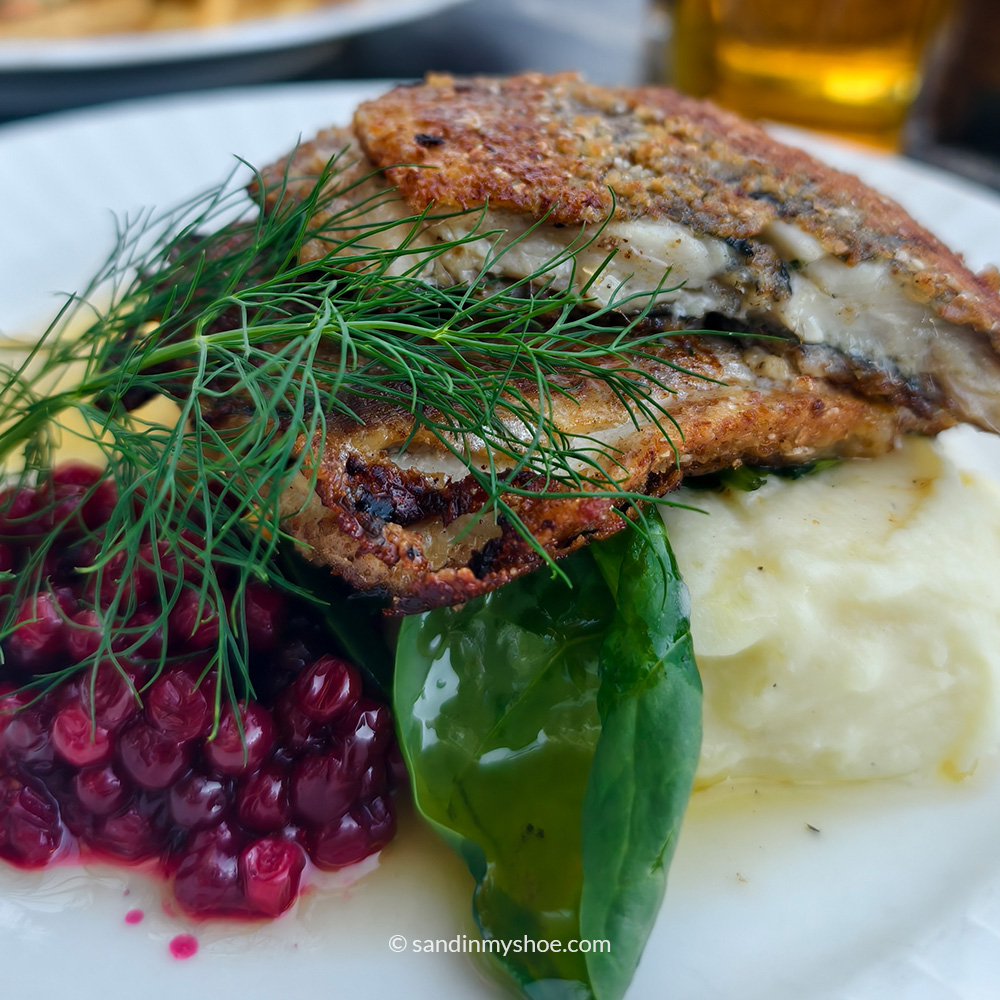
This is a classic Swedish place right by Slussen. It’s a working‑class restaurant. Think hearty herring with mashed potatoes and lingonberry sauce, wooden interiors, and a warm atmosphere without the tourist‑trap pricing of old town.
Watch the Sunset at Monteliusvägen
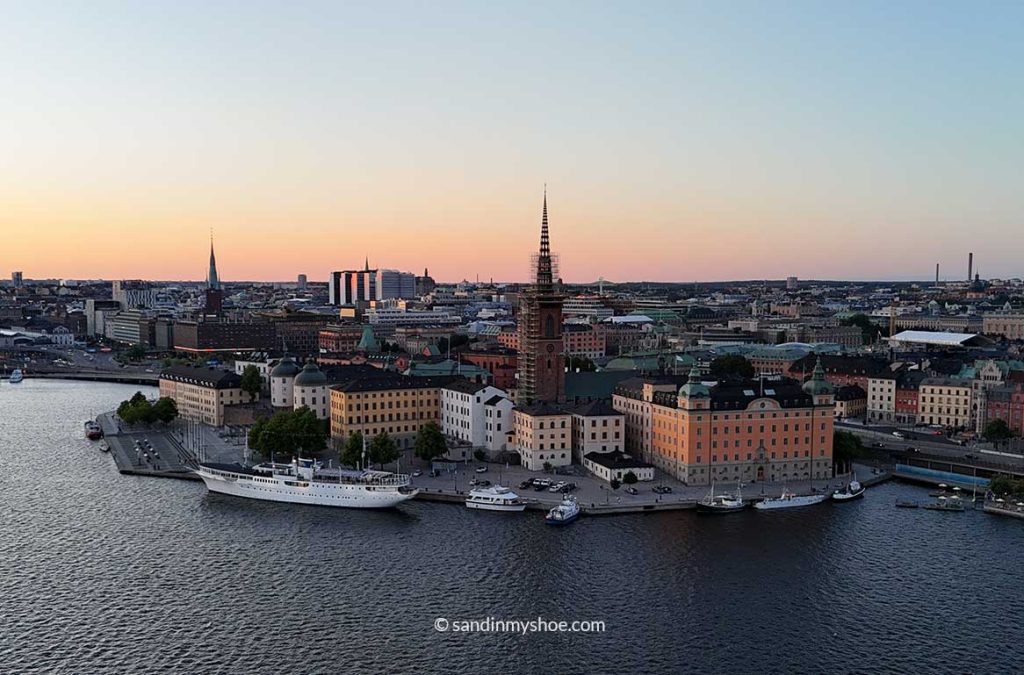
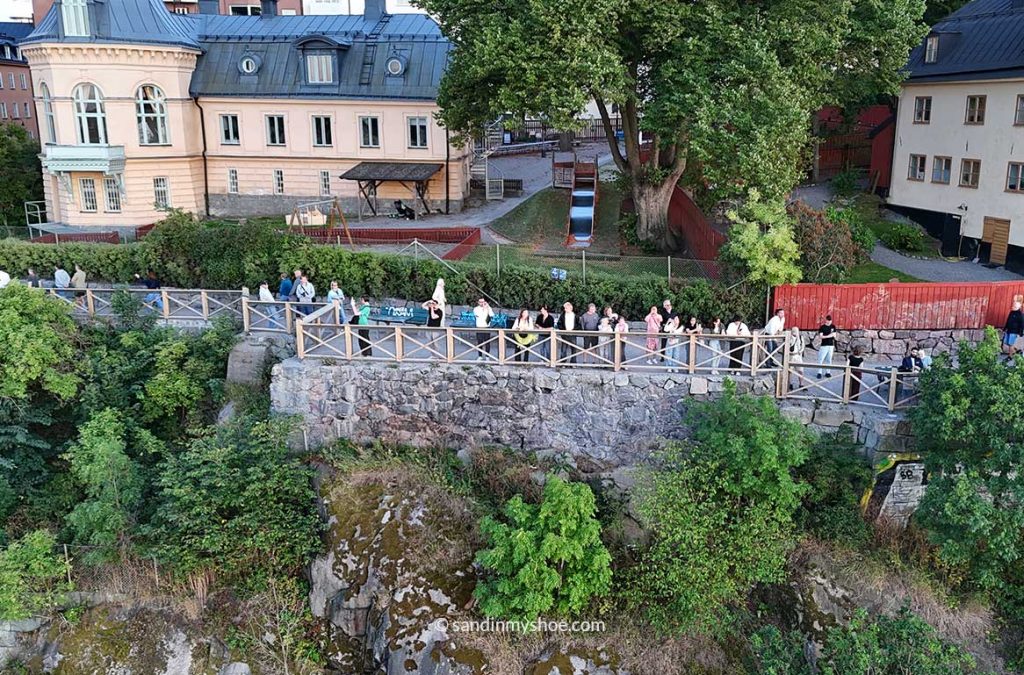
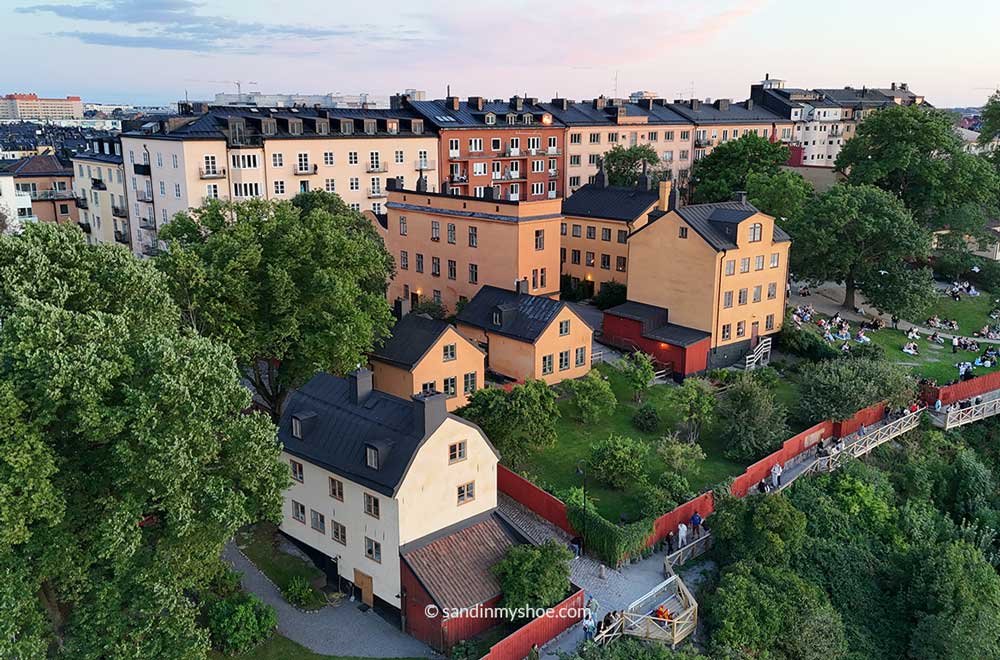
After dinner, walk up to Monteliusvägen for one of the best sunset spots in the city. It’s a short path along the cliff with wide views over Riddarfjärden, City Hall, and the skyline.
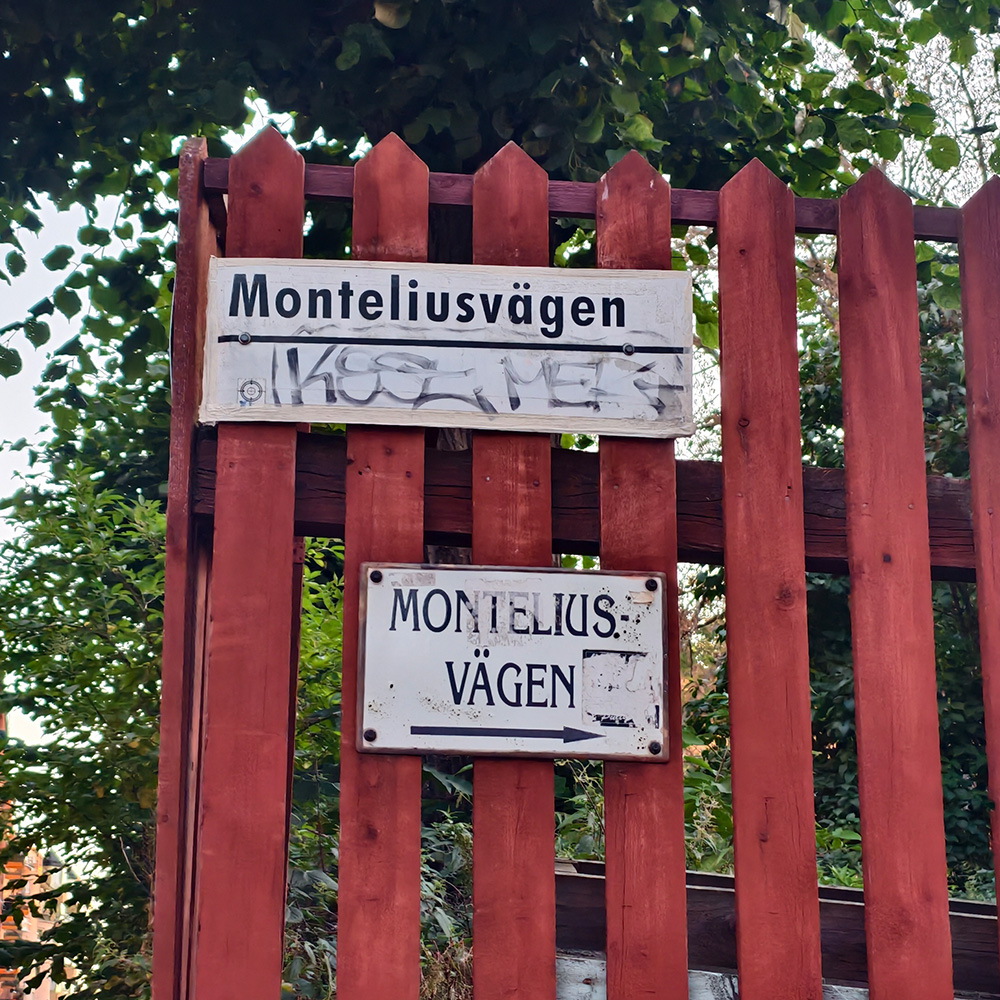
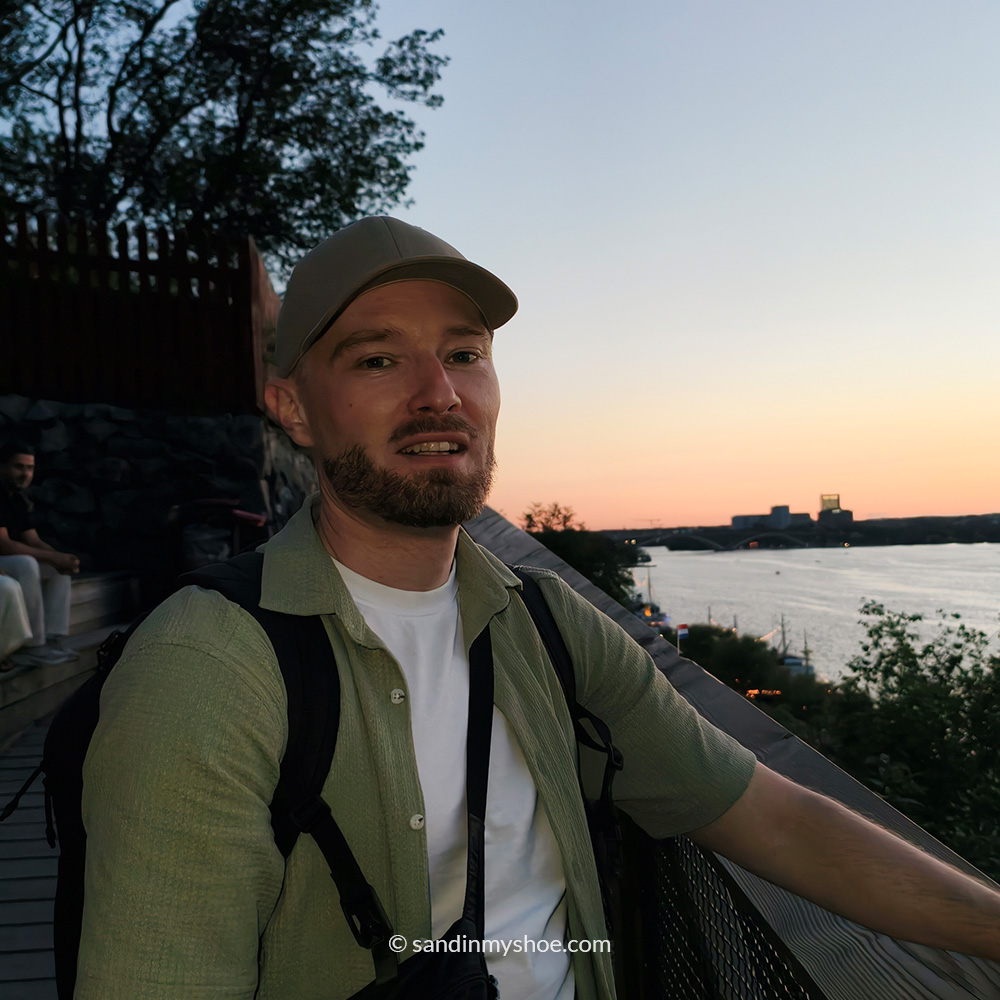
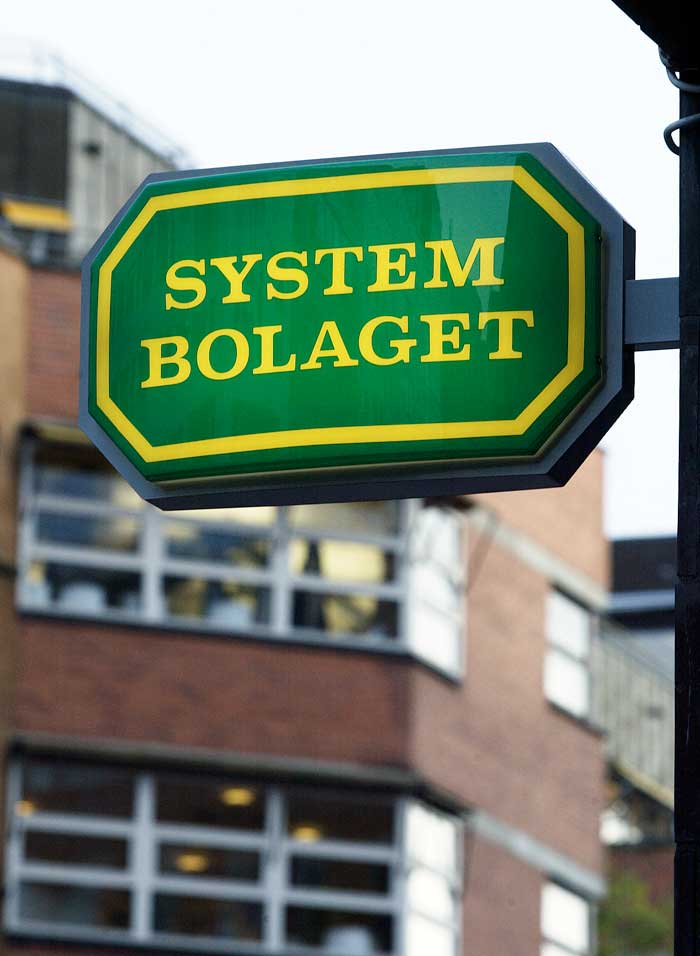
There’s also a small park right next to it where locals often gather for a drink. If you want to join for a drink in the park, remember that anything stronger than 3.5% isn’t sold in regular shops in Sweden. Stronger drinks are only available at Systembolaget, the government‑run alcohol store, or in bars and restaurants.
Drinks in Södermalm
After the sun has set, I recommend checking out the nightlife in Södermalm. Start off with the nearby Stigbergets Fot, an IPA bar from the Stigbergets brewery. It’s relaxed, local, and a great first stop before exploring the rest of Södermalm.
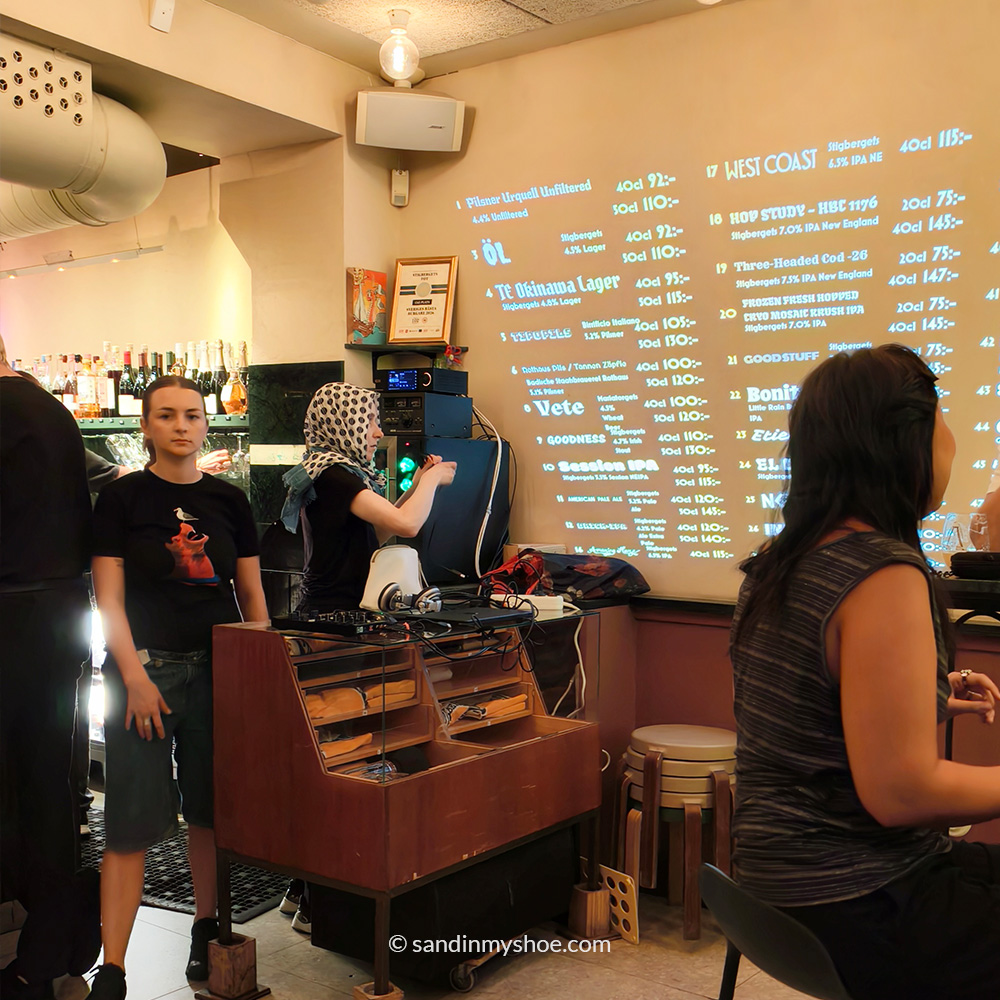
Check out other recommended spots in Södermalm on the map at beginning of the post.
Day 2: Museums & Nature in Djurgården
The second day is about mixing museums with nature in Djurgården — museums, waterfront paths, quiet parks, and some of Stockholm’s most scenic green spaces.
The Itinerary: Ferry to Djurgården → Vasa Museum → Rent a bicycle → Lunch in Rosendal’s Garden → Keep Exploring the park → Visit another Museum.
Morning
Ride the Ferry to Djurgården
Riding the ferry to Djurgården gives you a great waterfront view of Stockholm, with islands, bridges, and that classic mix of old and new architecture sliding by.
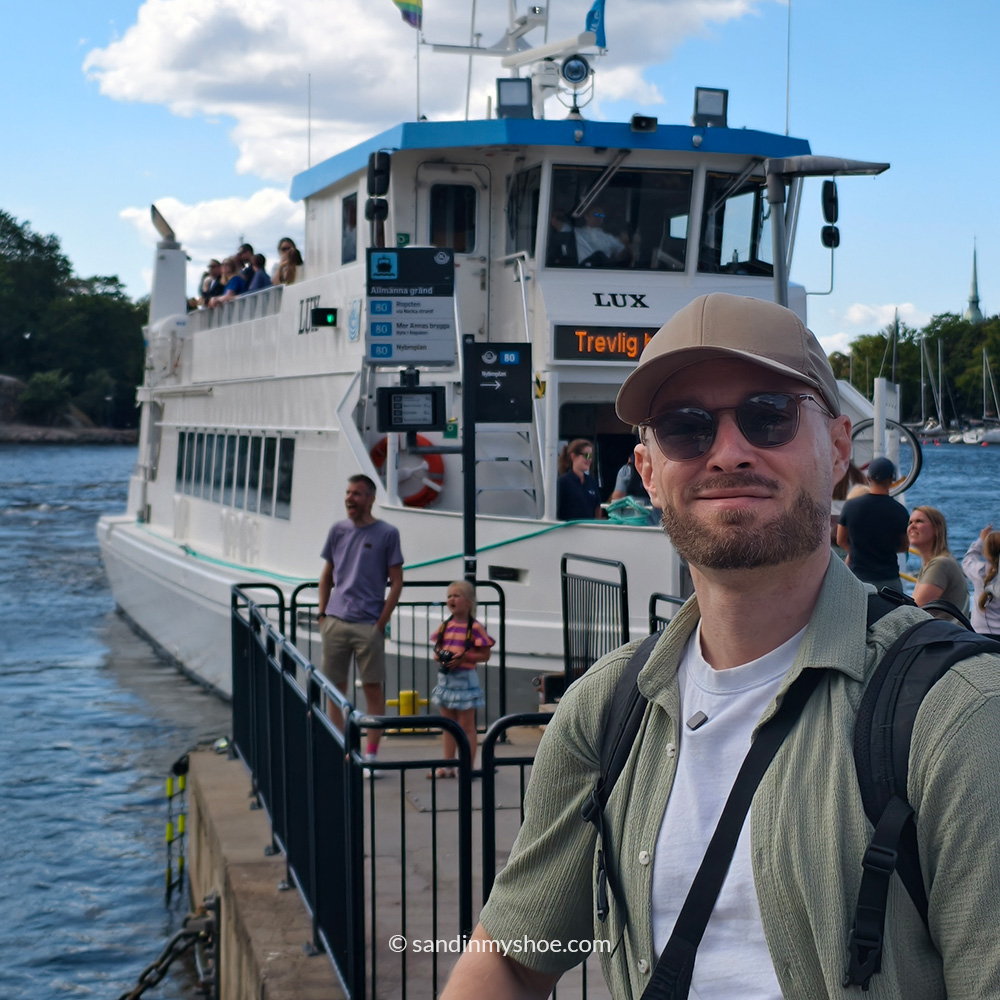
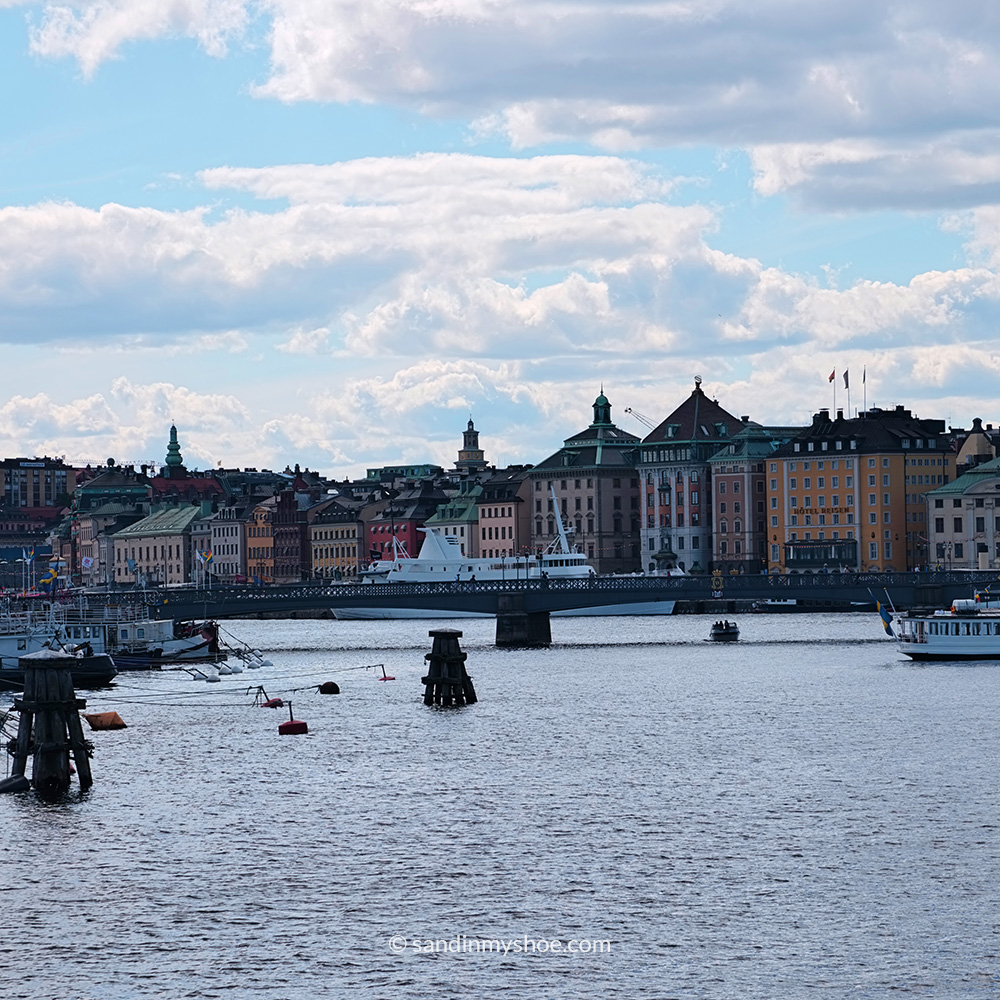
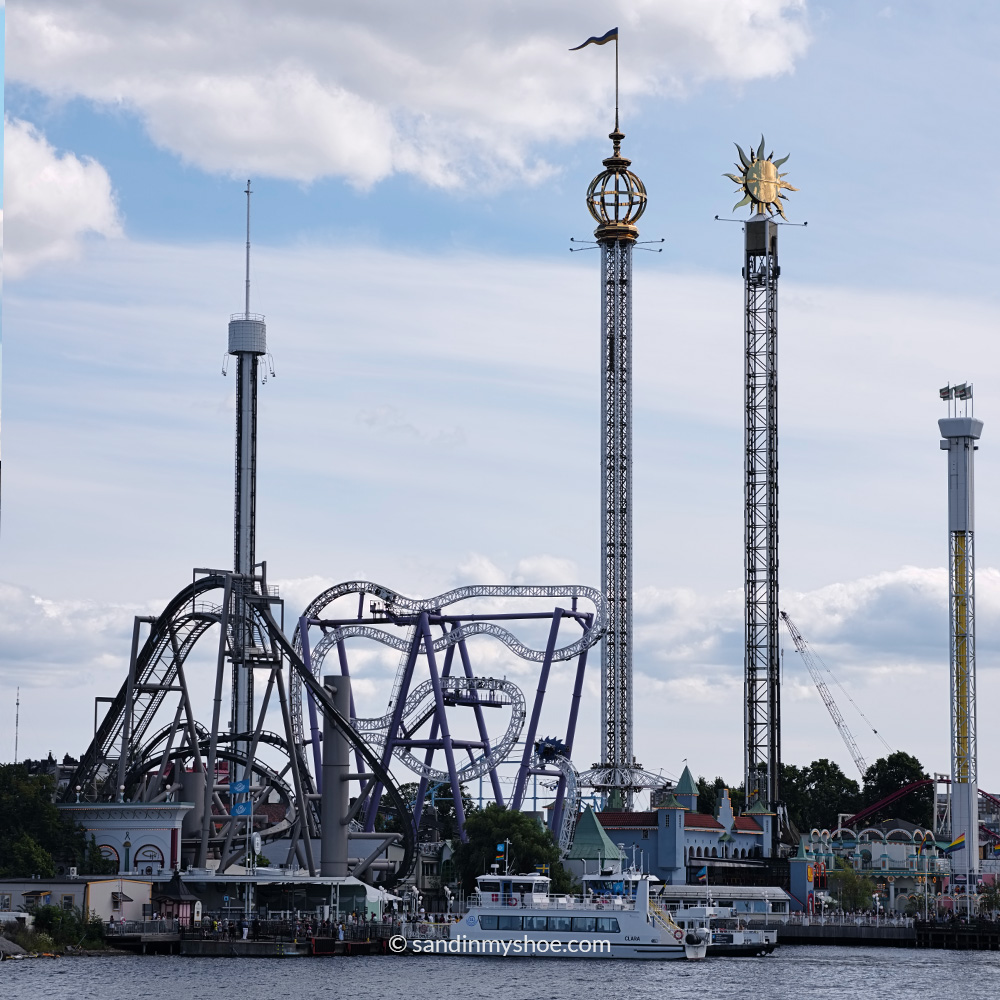
Head to Strandvägen kajplats 14 and take Ferry 80. You can pay by tapping your debit/credit card or use your 24‑hour/72-hour SL card. The tapping ticket is valid for 75 minutes and costs 43 SEK/€4. Hop off at the next stop, Allmänna Gränd, you’ll know you’re close when you start hearing the screams from the Gröna Lund rollercoasters.
Tip: If you enjoy the scenery from the ferry, you can stay on a couple of extra stops and then ride it back to Allmänna Gränd. A simple way to get a longer waterfront loop without needing a separate ticket.
Visit Vasa Museum
Once you’re on the island, head straight to the museum — you’ll be the most fresh and alert at this time of day.
The Vasa Museum is one of those rare museums where the main attraction genuinely leaves you speechless. It showcases the world’s best‑preserved 17th‑century warship, still 98% original, making it a completely unique sight. Nothing else of its size and age exists anywhere else in the world.

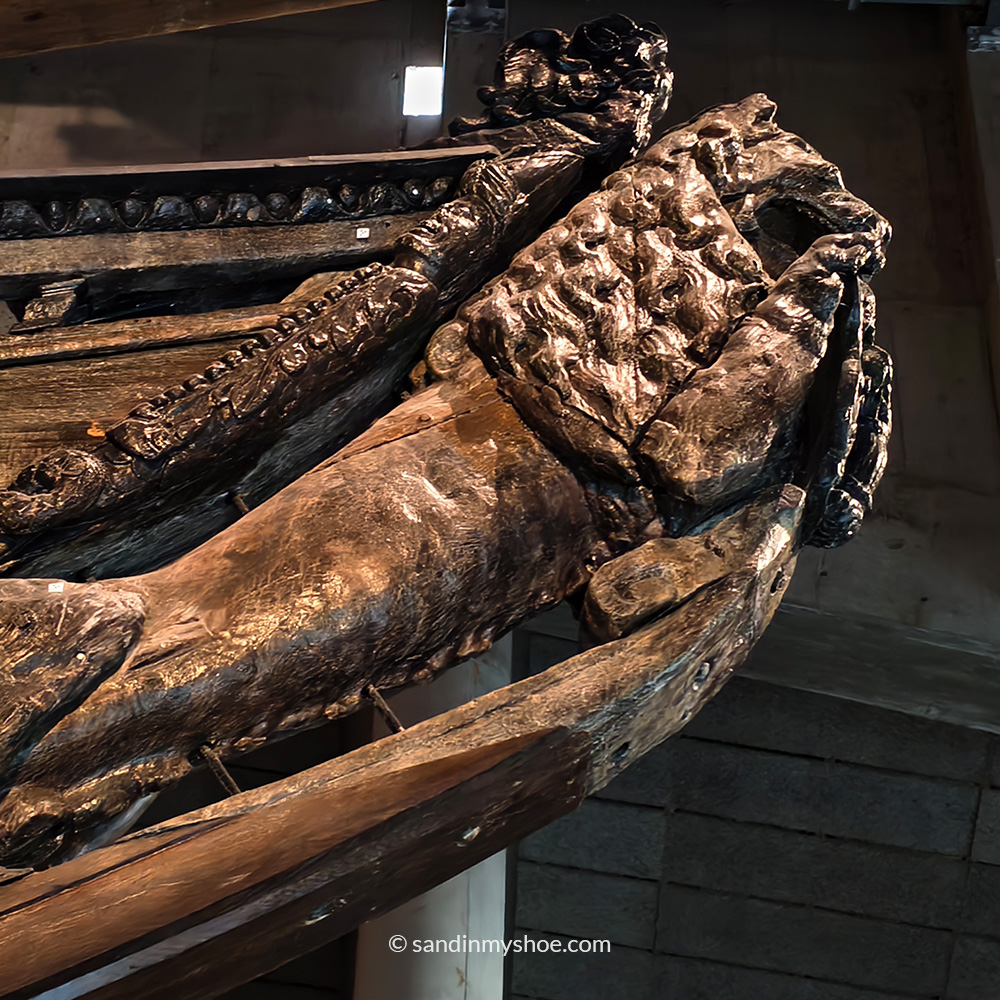
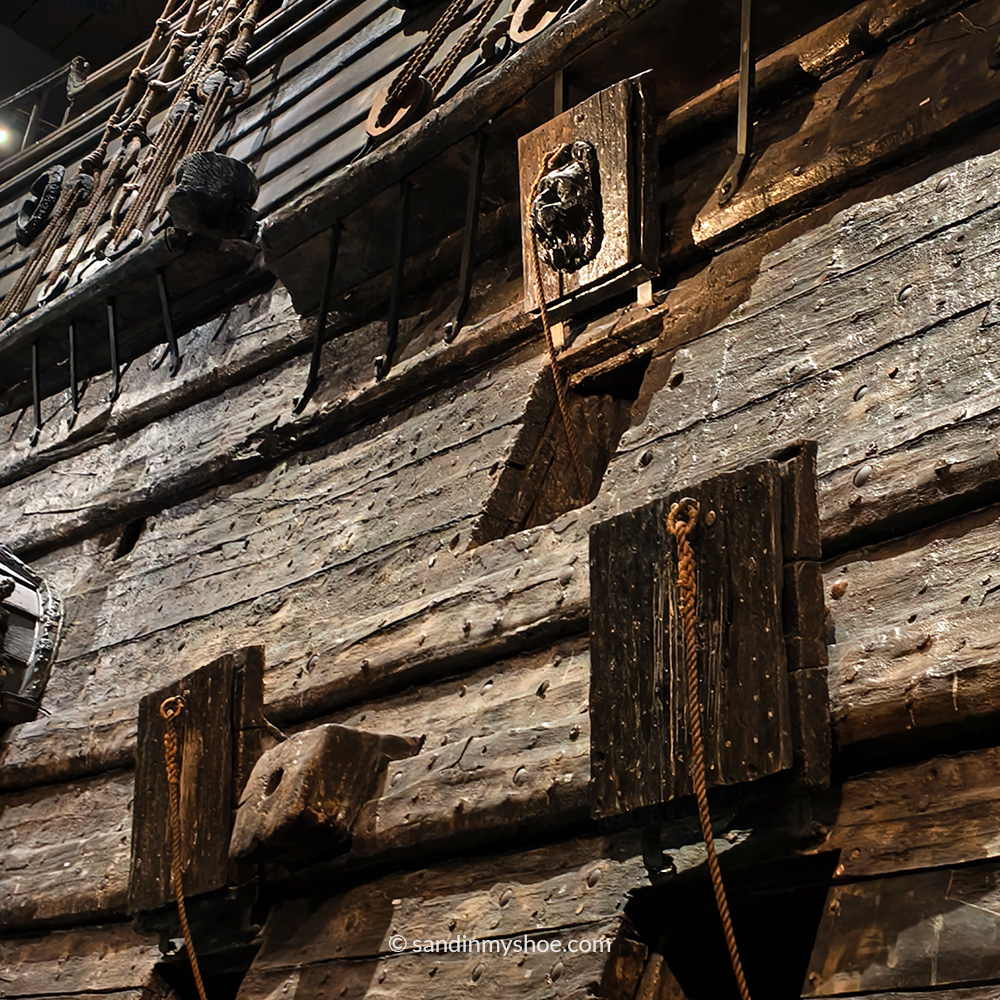
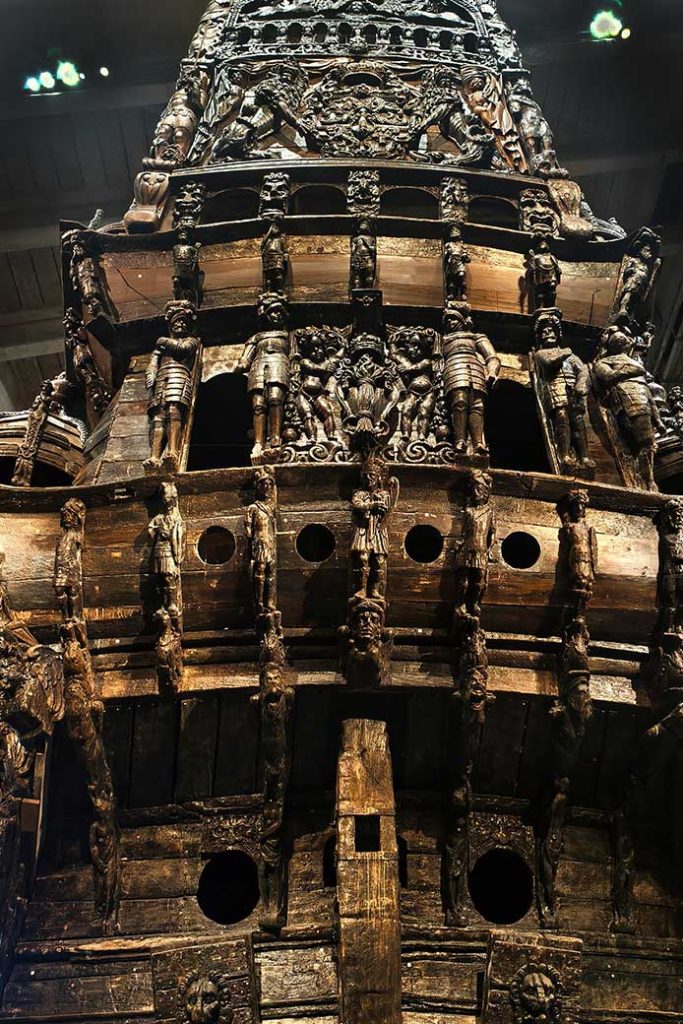
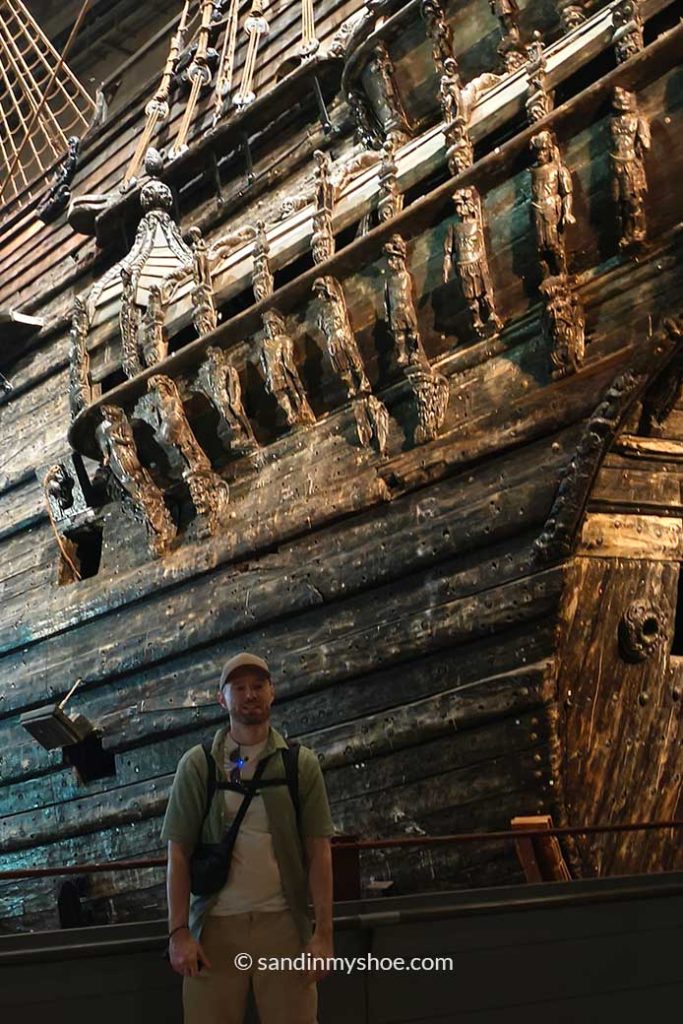
This massive vessel sank on its maiden voyage in 1628 and was recovered more than 300 years later, so the preservation is extraordinary. You get a close look at how the ship was built, why it sank, and how it was salvaged, all through clear and atmospheric exhibitions that make this one of Stockholm’s most impressive experience.
Get a Ticket to Vasa Museum in Advance And Avoid Queueing
Powered by GetYourGuide
Rent a Bicycle and Head to Rosendahl’s Garden
I recommend renting a bicycle, and biking to the garden. Afterwards you can use the bike to explore the surroundings. You can rent bikes at Djurgårdsboden, which is along the main road to the garden. Do check the quality of the bike before renting because some of them are not in their best condition.
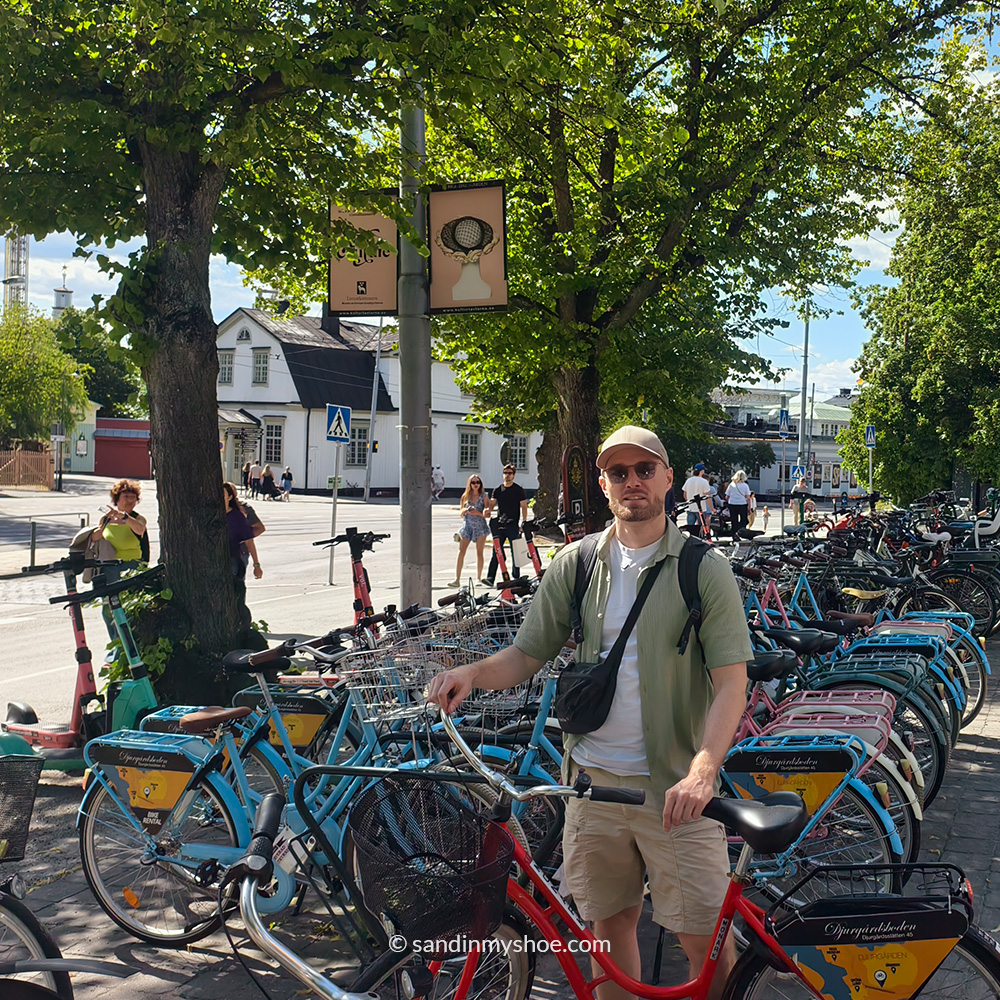
Important note: Whatever you do, do not rent an electric Grab bike. Because you can’t park them in the park unless you pay a high fee in the app, so stick to the regular bikes.
Lunch at Rosendahl’s Garden (Rosendahls Trädgård)
By the time you’re done at the Vasa Museum, it’ll be lunchtime. You’ll find plenty of places to eat around the area, though many serve little food for a lot of money. If you want an extraordinary setting with great Swedish cuisine, head to Rosendals Garden instead.
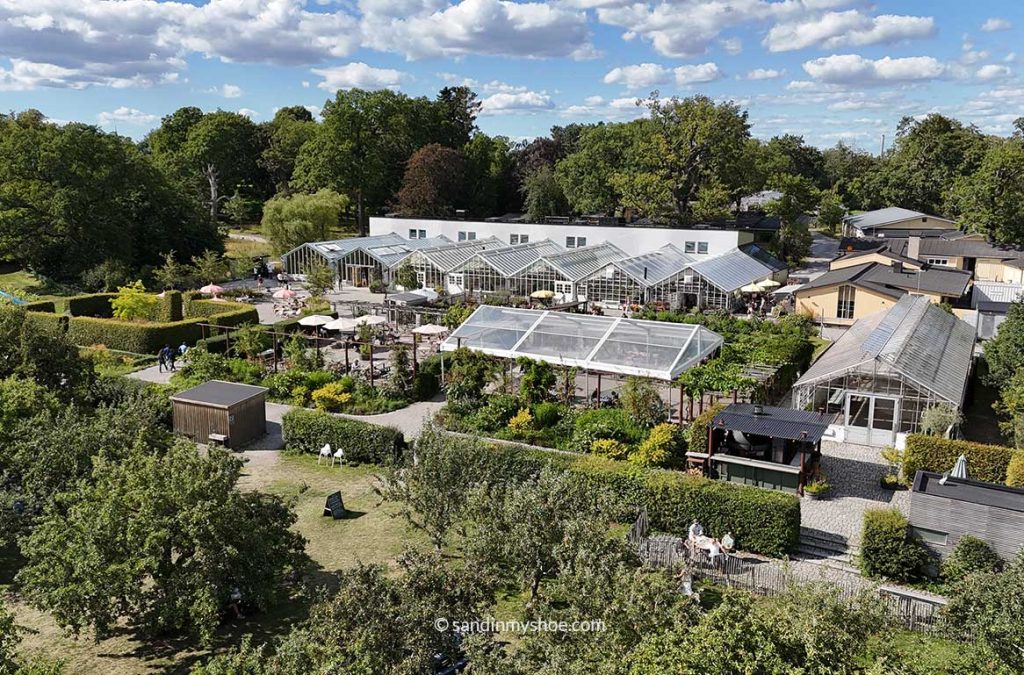
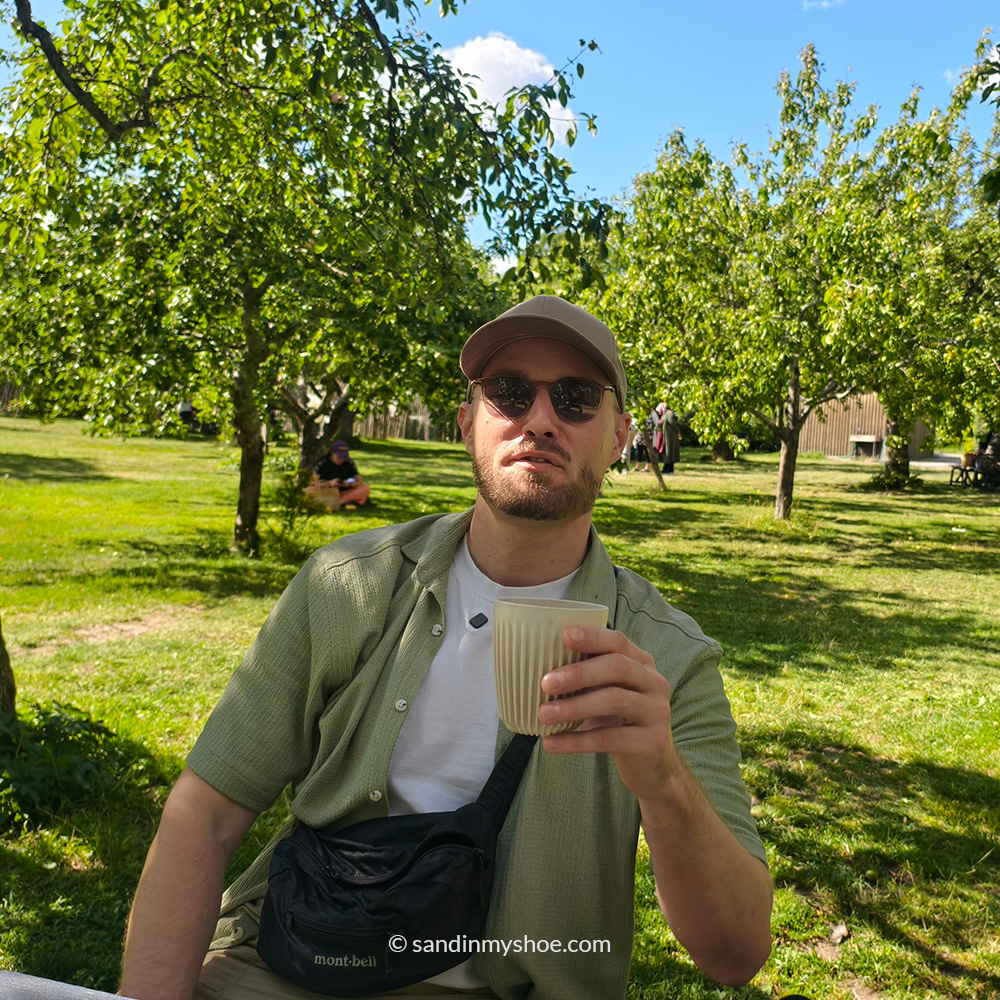
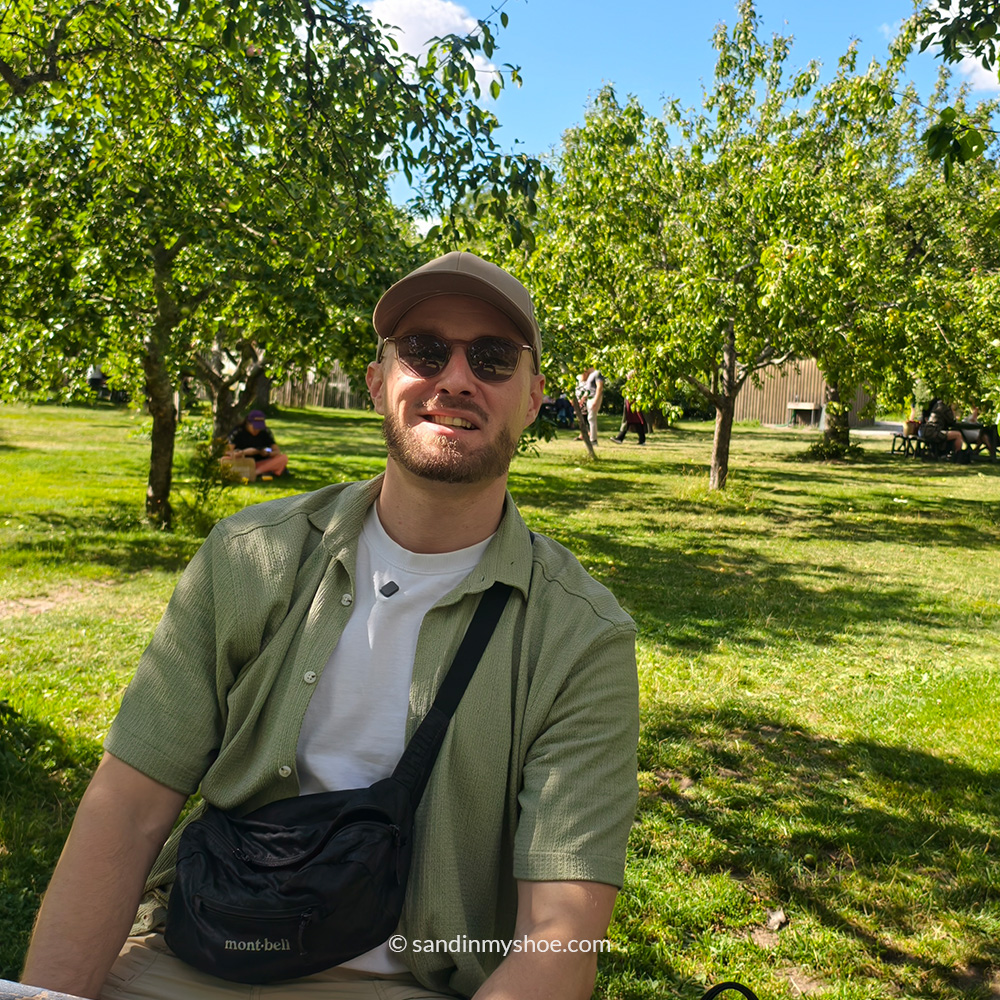
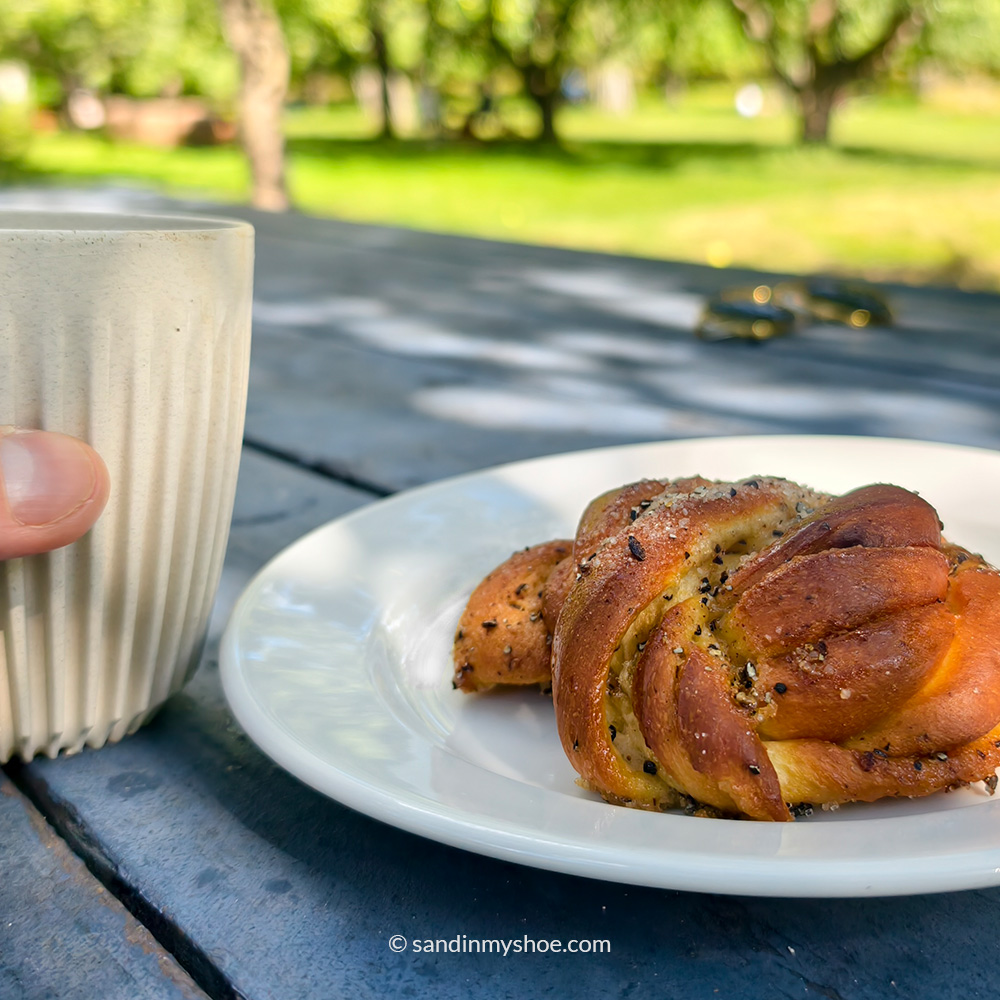
It’s a lovely garden where you eat typical Swedish food for lunch and have a fika. If the weather is good you can sit outside in the garden beneath apple trees or in their greenhouse if it’s not that pleasant outside.
Afternoon
Explore the Park
In the afternoon, explore the green areas of Djurgården and the nearby sights.
If you’re on a bike, you can ride a full loop around the island — about 5 km in total — which gives you access to quieter forest paths, peaceful waterfront stretches, and the more remote eastern tip. It’s the best way to experience Djurgården as a real island rather than just a cluster of museums.
If you don’t have a bicycle, consider walking to Rosendals Castle first to check it out, then continue south toward Waldemarsudde. If you only had lunch at Rosendals Trädgård, this is a great place to stop for a fika outdoors before heading back for another museum.
Visit Another Museum
If you still have the energy and time, do check out another museum. The best options are the ABBA Museum, Skansen, and Nordiska museet, all located close to the ferry area. Each offers a completely different experience, so you can pick based on what you’re in the mood for — music, open‑air history, or Scandinavian culture and traditions.
Abba Museum
The ABBA Museum is an energetic, interactive tribute to Sweden’s most famous pop group. You walk through the band’s history, see original costumes, and step into recreated studios — and if you’re up for it, you can even sing, dance, and mix tracks alongside digital versions of the band.
Just be warned: you may leave convinced you were the unofficial fifth member of ABBA.
Get a Ticket to Abba Museum
Powered by GetYourGuide
Skansen
If you prefer something more outdoorsy than ABBA, head over to Skansen. It’s Sweden’s most famous open‑air museum and zoo, showcasing traditional houses, crafts, seasonal folk performances, and native wildlife. Alongside bears, you can see moose, wolves, lynx, wolverines, seals, reindeer, and bison.
Note: If you’re traveling with kids, you might need a full day for this, but for adults a couple of hours will do.
Get a Ticket to Skansen
Powered by GetYourGuide
Nordic Museum
Lastly, if you’re keen on exploring how people lived in Scandinavia over the past five centuries, the Nordic Museum is the place to go. It covers everyday life, traditions, clothing, design, and cultural history, giving you a clear picture of how the region has evolved. It’s a great way to round off the day if you want something cultural without it feeling heavy — and the building itself is almost as impressive as the exhibitions inside.
Get a Ticket to the Nordic Museum
Powered by GetYourGuide
Evening
Dinner in Södermalm
After a full day on Djurgården, the easiest and most atmospheric way to end the day is to head back to your hotel and freshen up.
I suggest grabbing dinner in Södermalm. Here are a couple of local spots:
- Restaurang Kvarnen
- Restaurant Pelikan
Optional: Visit Fotografiska
If you still have energy after, visit Fotografiska. It stays open later than most museums and focuses on contemporary photography from around the world. The top floor has a great viewpoint over the water and Södermalm, making it an easy and atmospheric way to end the day.
Note: You need to pay the museum’s entrance fee to access the bistro and the viewpoint on the top floor.
Get a Ticket to the Fotografiska
Powered by GetYourGuide
Practical Things to Know Before Visiting Stockholm
Money & Payments
Sweden is almost entirely cashless. You’ll pay by card or phone everywhere, cafés, kiosks, markets, even public toilets, so there’s no need to withdraw cash.
Tip: When you pay by card and the option to charge in SEK or in your local currency appears, always choose SEK. You’ll get a better exchange rate and avoid the extra fees added through dynamic currency conversion.
Alcohol
In Sweden, it’s typical to plan your drinking in advance because anything stronger than 3.5% is only sold in Systembolaget, the state‑run alcohol shop, or served in bars and restaurants. And if you’re relying solely on bar beer to get drunk, it gets expensive fast.
Alcohol is generally expensive in Sweden — a beer in a bar can easily cost 100 SEK/€10, and wine is usually priced in the same range.
So if you want to get drunk affordable, you need to plan ahead: Systembolaget closes early, especially on Saturdays (usually 15:00), and it’s closed on Sundays. Search Systembolaget on Google Maps to find the closest one.
Weather
The weather in Sweden can be great, but often it isn’t. There’s a common midsummer joke: it’s not really midsummer unless it’s raining.
Even if the morning starts with blue skies and sunshine, conditions change quickly, do bring a light jacket or at least a sweater, and don’t trust the forecast too much.
Bring a Water Bottle
The tap water all around in Sweden is excellent. There’s really no need to buy water, just bring a refillable water bottle.
You can refill it anywhere, from cafés and restaurants to museums and parks. And asking for tap water in restaurants during meals is completely normal.
Public Transport
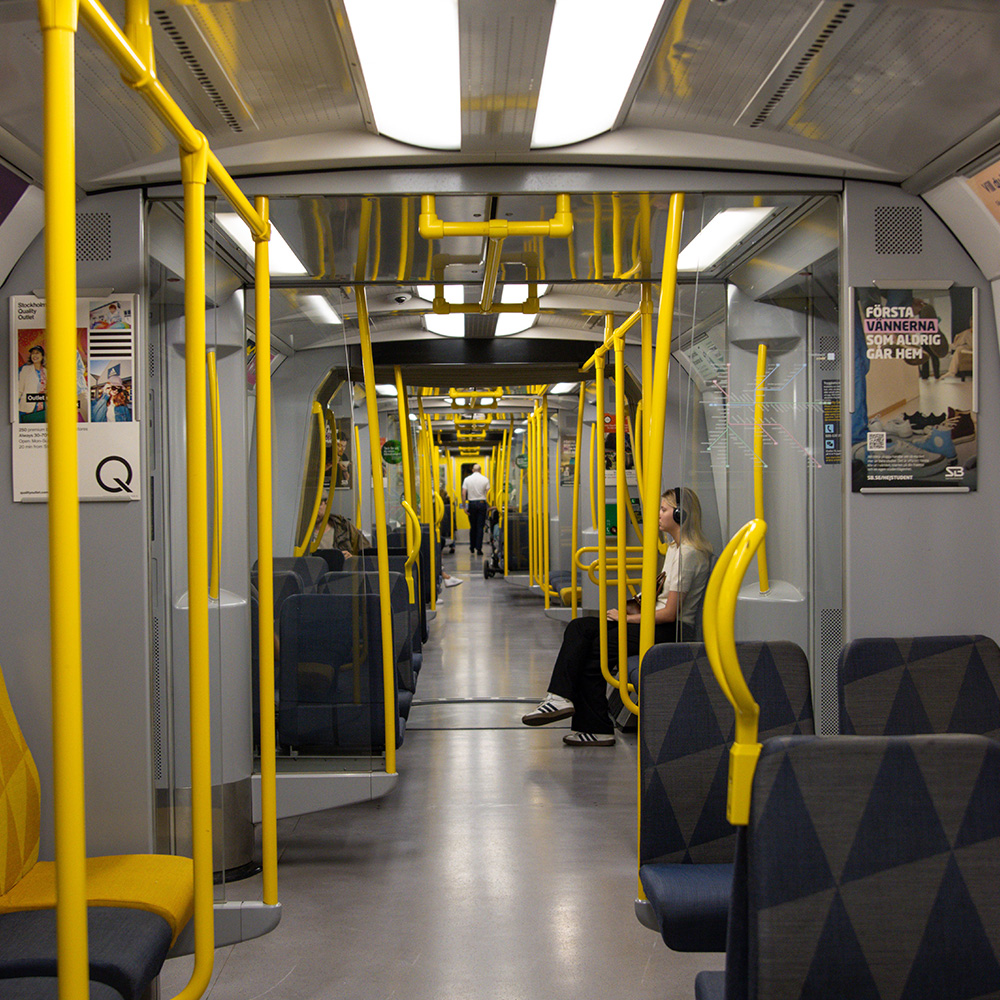
The SL app makes buying tickets easy. A single ticket costs 43 SEK/€4, is valid for 75 minutes, and works on buses, metros, trams, and ferries. Distances in Stockholm can be longer than they look, so mixing walking with public transport is a good way to save energy.
If you plan to make more than four trips in 24 hours, it’s cheaper to buy the 24‑hour ticket, which costs 180 SEK/€17. There’s also a 72-hour ticket for 360 SEK/€33, but most of the times it’s not worth getting.
English Level
The english level throughout in Sweden is very high, especially Stockholm. You will have problems getting around with just English. But knowing a couple of phrases in Swedish will be appreciated by the locals.
- Hej – Hi
- Tack – Thank you
- En öl, tack – One beer, please
- En kaffe, tack – One coffee, please
You probably noticed that “thank you” translates to “please” when it’s added at the end.
Café Culture
Sweden is actually the second‑largest coffee consumer per capita in the world, with Finland in first place. As a Finnish Swede, that ranking makes perfect sense to me, since my breakfast is usually just two black coffees.
Know that a standard coffee in Sweden is drip coffee, similar to an Americano. So when you order “a coffee,” that is what you will get, not an espresso like you might in Spain or Italy.
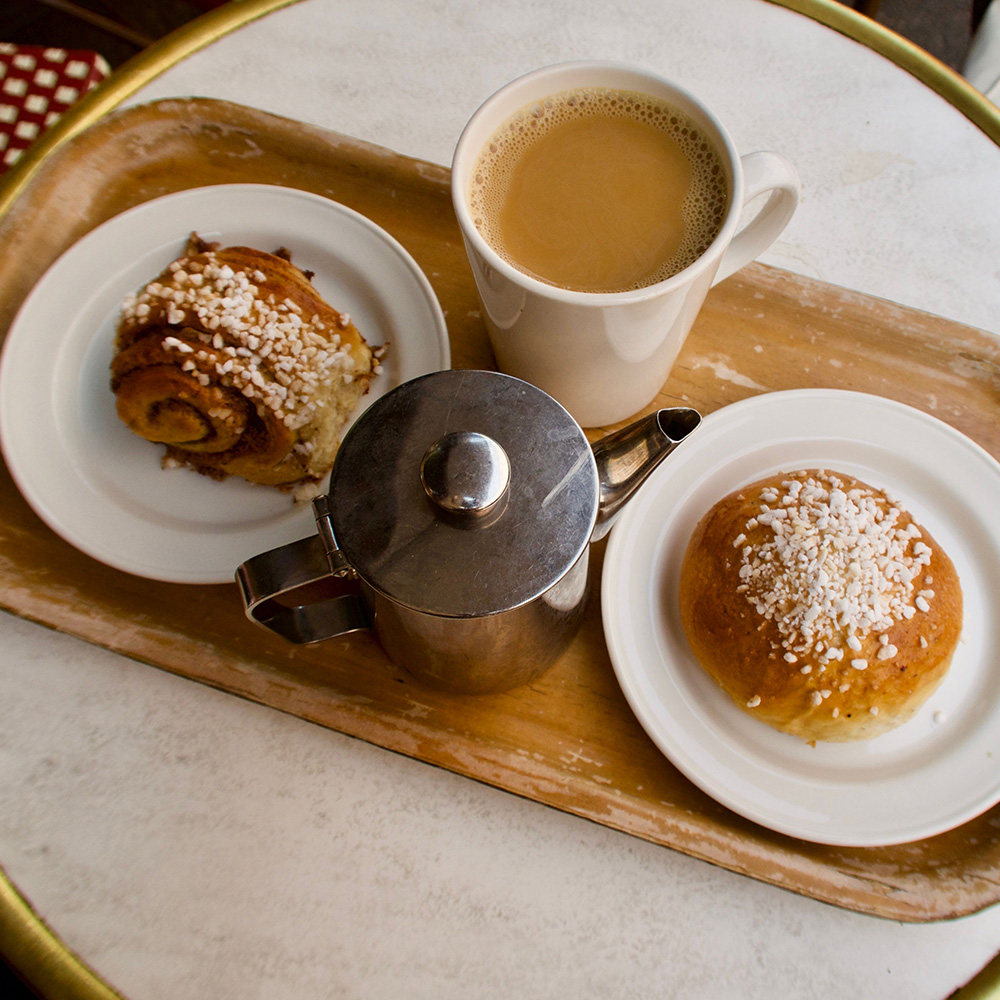
We also love pairing coffee with pastries. This combination is called fika, and the most common pastry is a kanelbulle, the classic cinnamon bun. Another classic is kladdkaka, a dense, sticky chocolate cake that’s a must to try. And beyond those, there’s plenty more, including the beloved chocolate ball, which used to be called a racist term but is now simply known as chokladboll.
Getting from the Airport to the Stockholm’s City Center
Arlanda Airport is about 40 km from Stockholm’s city center.
The best value option is the airport bus. It takes about 40-50 minutes to reach the City Terminal and costs 129 SEK/€12 for an adult. You can get the airport bus from terminals 2, 3, and 5. Just follow the signs for “Flygbussarna” after exiting arrivals.
The fastest option, however, is the Arlanda Express train. It takes you to the center in about 20 minutes, but also the most expensive option. A single adult ticket costs 340 SEK/€31, though groups can get discounts.
Personally, I always choose the bus — saving just 20-30 minutes isn’t worth paying almost three times more.
How Much to Budget for Stockholm 2026
Stockholm isn’t cheap, but with the right choices you can still eat well, see sights, and enjoy the city without overspending. Here’s what you should expect for this exact 48‑hour itinerary.
- Single SL ticket: 43 SEK/€4 (valid 75 minutes)
- 24‑hour pass: 180 SEK/€17 (worth it if you make 4+ trips in a day)
- Ferry to Djurgården: included in SL tickets
- Regular bike rental: ~150–200 SEK/€14-18 for a few hours
Total: 250–350 SEK/€23-32 depending on how close to the center you’re staying.
You can eat good Swedish food without going fancy.
Breakfast
- Pastry + coffee or café breakfast: 70–120 SEK/€6-11
Lunch
- Rosendals Garden: 150-250 SEK/€14-23
- Stockholms Gästabud: 200-300 SEK/€18-28
Dinner
- Good local restaurant in Södermalm: 250-400 SEK/€14-37
- Dinner with a beer at Blå Dörren: 250-350 SEK/€14-32
Drinks
- Beer: 70–100 SEK/€6-9
- Wine: 100–140 SEK/€9-3
Total: 1400–2000 SEK/€130-185 for 48 hours if you eat all meals in restaurants and cafés. Your total will vary depending on how much you drink.
Tip: If you want to keep your costs down, consider grabbing a ready-made lunch from the grocery store and only eating in the res
Your itinerary includes Vasa Museum and one optional museum.
- Vasa Museum: High season: 240 SEK/€22 / Low season 195 SEK/€18
- Fotografiska (optional evening): 225 SEK/€20
- ABBA: Seasonal pricing 249-329 SEK/€23-30
- Skansen: 305 SEK/€28
- Nordic Museum: 170 SEK/€16
Most travelers do Vasa + one additional museum, so the typical total comes to:
Total: 400–550 SEK/€37-50
You’ll probably fika once or twice a day. Expect to pay about 80–100 SEK/€7-9 for a coffee and a bun.
Total for 48 hours: 200-350 SEK/€18-32
Hotel prices swing a lot by season, and Stockholm is generally expensive, even hostels aren’t cheap. Here’s a rough breakdown by quality level. Be sure to book ahead because well-priced options tend to sell out faster.
Total for 48 hours (2 nights):
- Hostels: 800 – 1,200 SEK/€70-110
- Budget: 2,000–2,600 SEK/€180–240
- Mid‑range: 2,800–4,000 SEK/€260–365
Total Budget
If you eat all your meals in restaurants, have a couple of fika breaks, and visit a couple of museums, expect to spend around 2,400 SEK/€220 for 48 hours.
On top of that, accommodation for two nights costs roughly 1,000 SEK/€90 for a hostel, 2,600 SEK/€240 for a budget hotel, and 3,200 SEK+/€300 for mid‑range comfort.
Wrap Up
I hope this itinerary gives you good value as a reader. It’s tried and tested, and it works well timewise if you start reasonably early in the morning. It offers a balanced introduction to Stockholm, takes you on a walking tour through the city center, gives you time on Djurgården for both museums and the park, and provides solid options for both lunch and dinner.
Keep Exploring Stockholm
I’ve written other Stockholm posts you might find helpful, including my Stockholm Café Guide and my guide Stockholm How Many Days, which walks you through how long you should stay in the city.
No comments yet, be the first one!
I appreciate hearing from you. If you have any suggestions, questions, or feedback, please leave a comment below. Your input helps ensure the information stays relevant and up to date for everyone.
Thank you for sharing your thoughts!