

Looking up which national park to visit in Sri Lanka can get overwhelming — there are more options than you expect.
So in this post, I’ll start with a quick overview of Wilpattu, then compare the main parks, and finally share my own safari experience in Wilpattu National Park along with practical details you’ll need to know. After reading this post, you should know if this National Park is the right choice for you.
Quick guide for Wilpattu Safari
- What Animals Are There: Leopards, Elephants, Sloth Bears, Eagles, Crocodiles (See full list)
- Best Time to Visit: Feb-Oct (June extra good for spotting the sloth bear)
- How to Visit: By booking a half-day or full day safari
- How to Book: The easiest way is to book with GetYourGuide. Here below are direct links with different pickup points. They are affiliate links, meaning I get a small commission at no extra cost for you.
Where is Wilpattu National Park
It’s on the northwestern side of Sri Lanka, about 140 km from Negombo and roughly 40–50 km from Puttalam and Anuradhapura.
Why Choose Wilpattu Over the Other National Parks
There are 22 national parks in Sri Lanka and four of them are the most popular: Wilpattu, Yala, Minneriya & Kaudulla and Udawalawe. Each one offer something different.
What makes Wilpattu stand out is its size and the fact that it’s not as popular as Yala. It feels more spacious and wild, with jeeps naturally spread and a wide variety of animals, including leopards, sloth bears, and elephants.
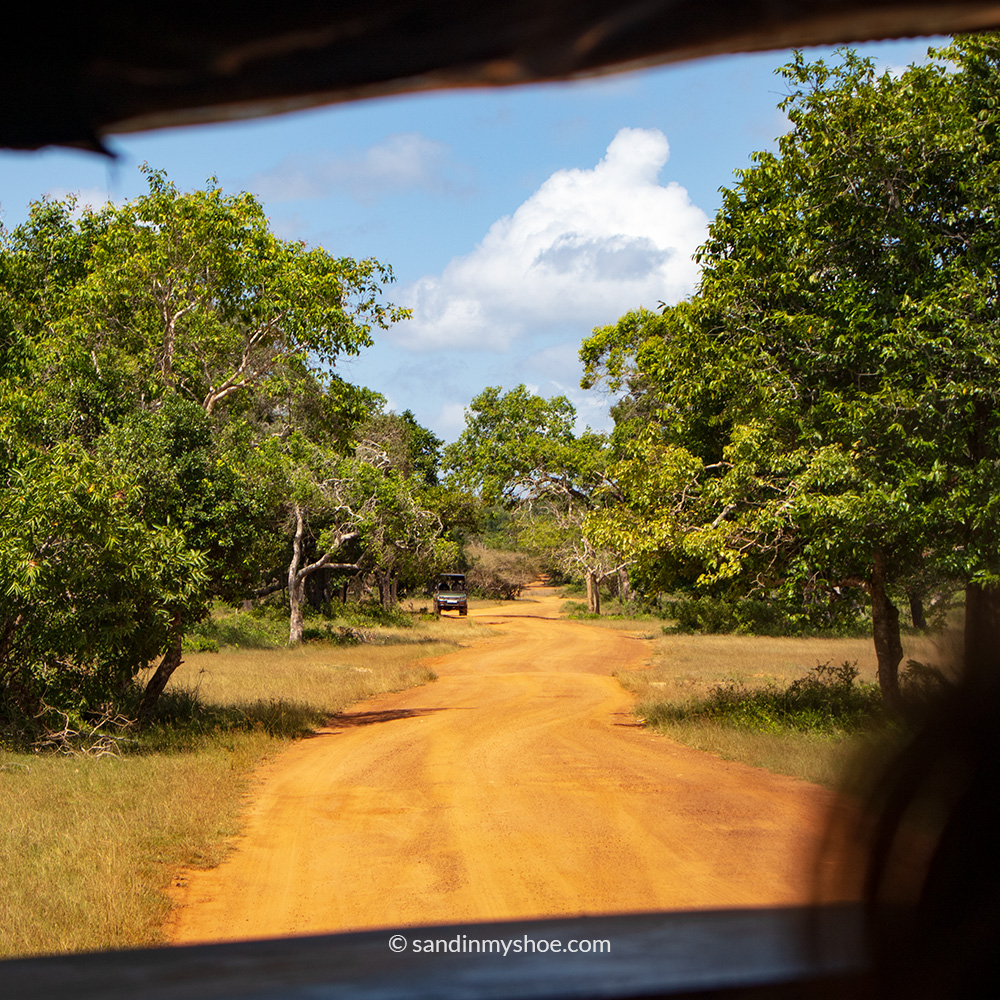
Yala, on the other hand has the highest density of leopards, so your chances of spotting one is higher — but it’s also much more touristy. When a leopard is spotted, every jeep rushes to the same place. You might be caught in a traffic jam, and even if you don’t, you’ll most likely be looking at the leopard behind one or two jeeps. I’ve read that on the most popular days there can be over 500 jeeps inside Yala national park at the same time. This was the main reason I chose Wilpattu over Yala for leopard spotting.
The neighboring national parks Minneriya & Kaudulla are best known for the largest gatherings of wild elephants in whole Asia. If this is what you want to see, there’s no other national park that even comes close.
Udawalawe National Park is also known for elephants, but more in the sense that you can reliably see them year-round.
You’ll find a full comparison of all major parks in my general Sri Lanka National Parks overview.
When to Visit Wilpattu National Park
The national park is open year‑round, but the weather follows the Northeastern monsoon and it has its dry period between February and October. During these months, animals tend to gather around the water sources, visibility is clearer, and the roads are less muddy. I visited in May, the weather was great, and I managed to spot all the animals I hoped to see except the sloth bear. I learned afterwards that June is the best month for spotting sloth bears because a particular fruit tree ripens then.
 31°C
23°C
31°C
23°C
 32°C
23°C
32°C
24°C
32°C
25°C
32°C
23°C
32°C
24°C
32°C
25°C
 32°C
26°C
31°C
26°C
32°C
26°C
32°C
26°C
32°C
26°C
32°C
26°C
32°C
26°C
31°C
24°C
32°C
26°C
31°C
26°C
32°C
26°C
32°C
26°C
32°C
26°C
32°C
26°C
32°C
26°C
31°C
24°C
Wilpattu National Park – My Experience
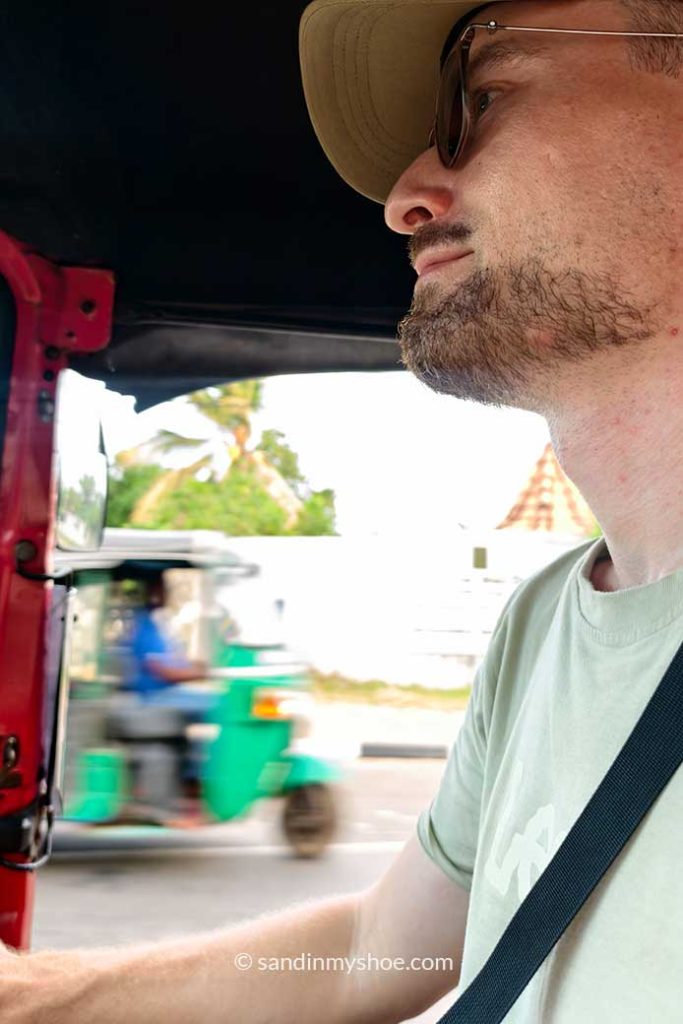
I drove my tuk‑tuk from Negombo to the small town of Pahala Maragahawewa, conveniently located right next to the national park. It was my first long drive, and the 150 km from Negombo took me around five hours — partly because tuk‑tuks are limited to 40 km/h, and partly because I kept stopping to take photos and enjoy the scenery.
I had already booked my safari, so everything was set for the next day.
What’s good to know when booking a safari is that the tour agents are independent. They usually include the jeep, driver, and guide. Sometimes lunch is included and other times pickup from nearby cities, but the entrance ticket almost never is. That’s an additional 11,000 LKR (~$36 USD) per person. So when browsing options on GetYourGuide or Klook, you really need to check what’s included — because the prices vary wildly.
I booked a full‑day tour, from early morning until almost sunset. Typically, the best time to visit a national park is in the morning, when the temperature is cooler and the animals are more active. In the afternoon, the heat kicks in and many animals slip into a lazy slumber. But choosing the full day turned out to be the right call for me — I ended up spotting most of the animals later in the day.
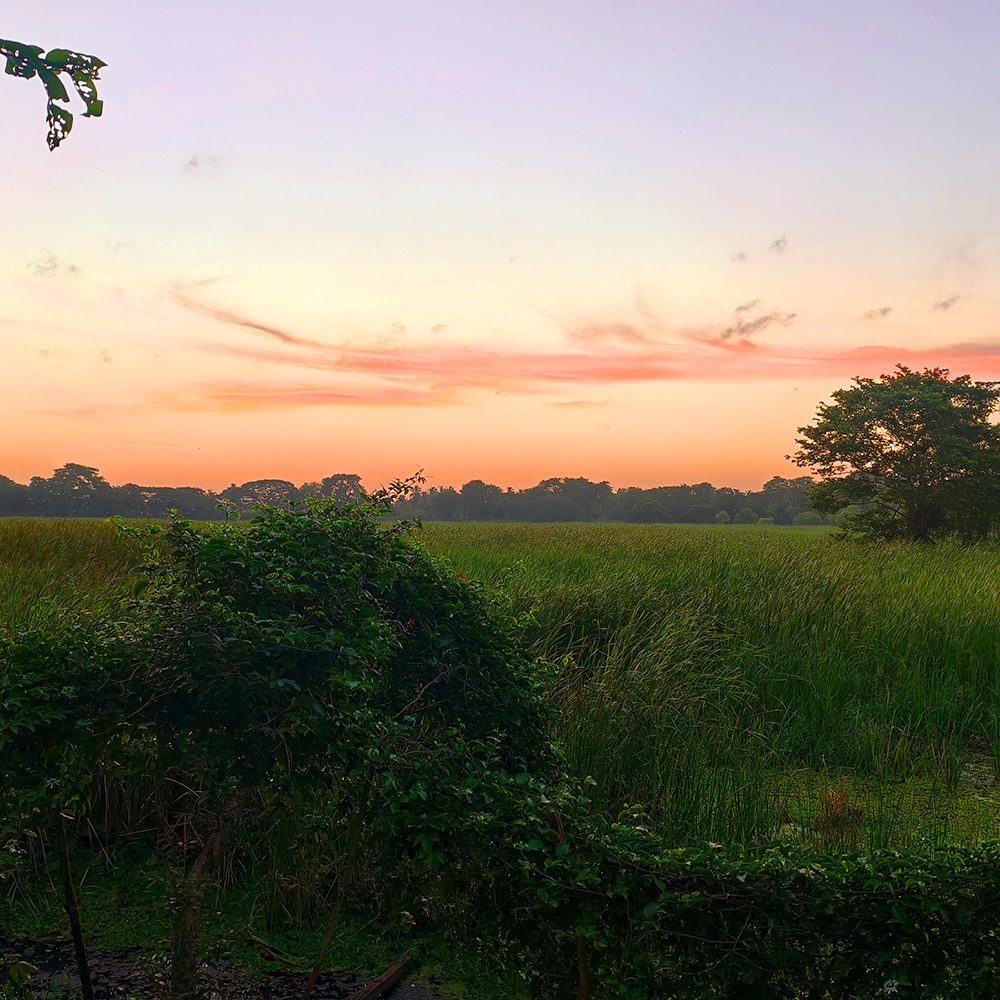
The following morning, just before sunrise, the jeep picked me up right outside my guesthouse. As we drove toward the entrance, the sun was rising and the feeling was ecstatic. I even caught myself humming the Jurassic Park theme — quietly, since there were other tourists in the jeep. We were three tourists and the driver, who also acted as our guide.
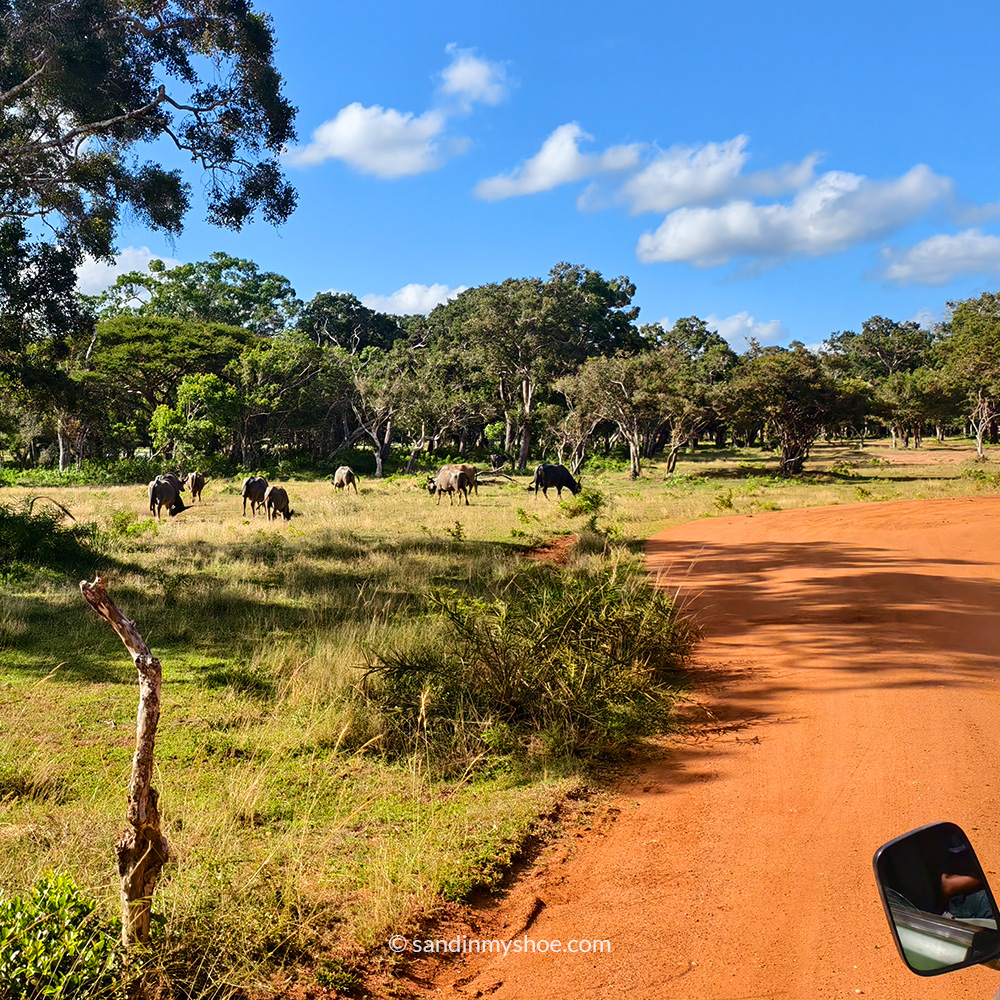
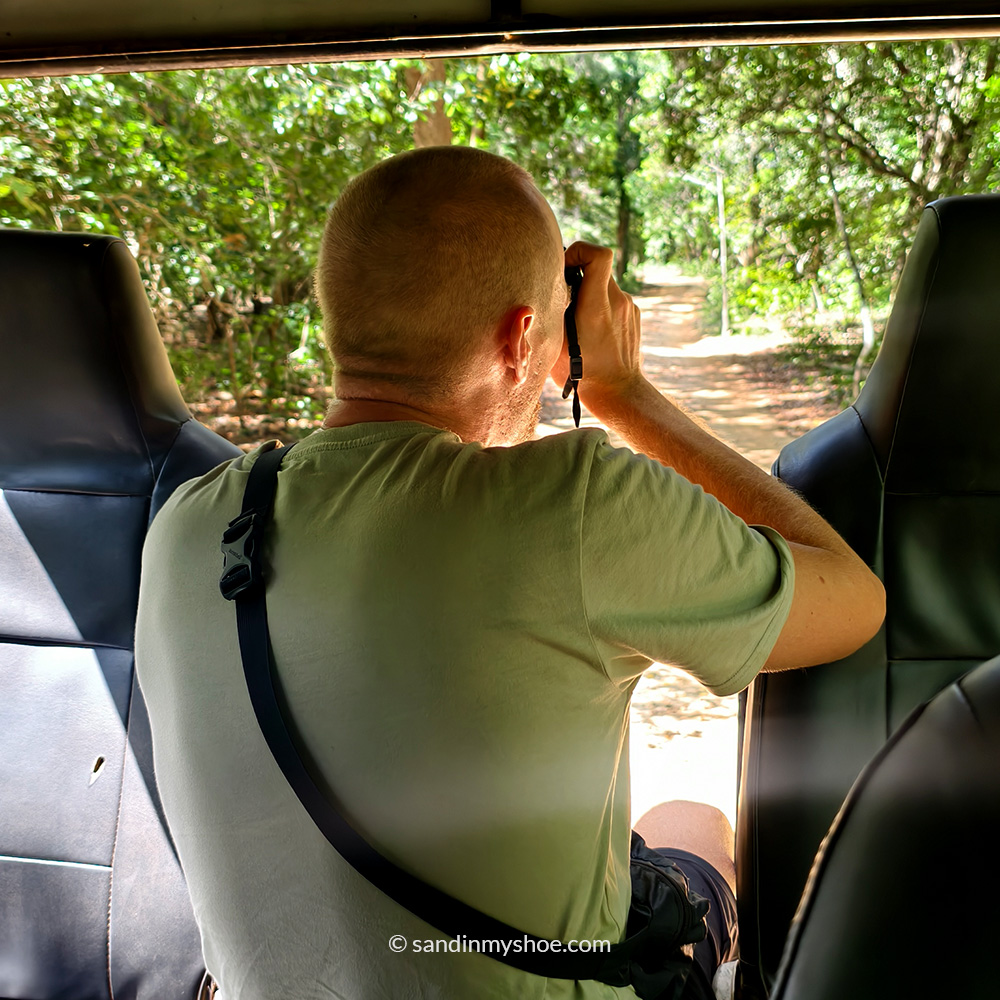
After paying the entrance fees at the gate, we rolled onto the dirt tracks and headed deep into the park, eyes wide open. Wilpattu felt remote and authentic.
During the morning, we spotted jackals, eagles, monitor lizards and many different types of birds but the big prize — the leopard — was still missing. We drove all over the park, and each time we passed another jeep, the drivers exchanged information. Eventually, we tourists started asking each other what we’d seen and whether we’d missed anything. Since the leopard was hiding, the running joke became: “Oh, we saw so many leopards just a few minutes ago… but they left. Shame you missed them.”
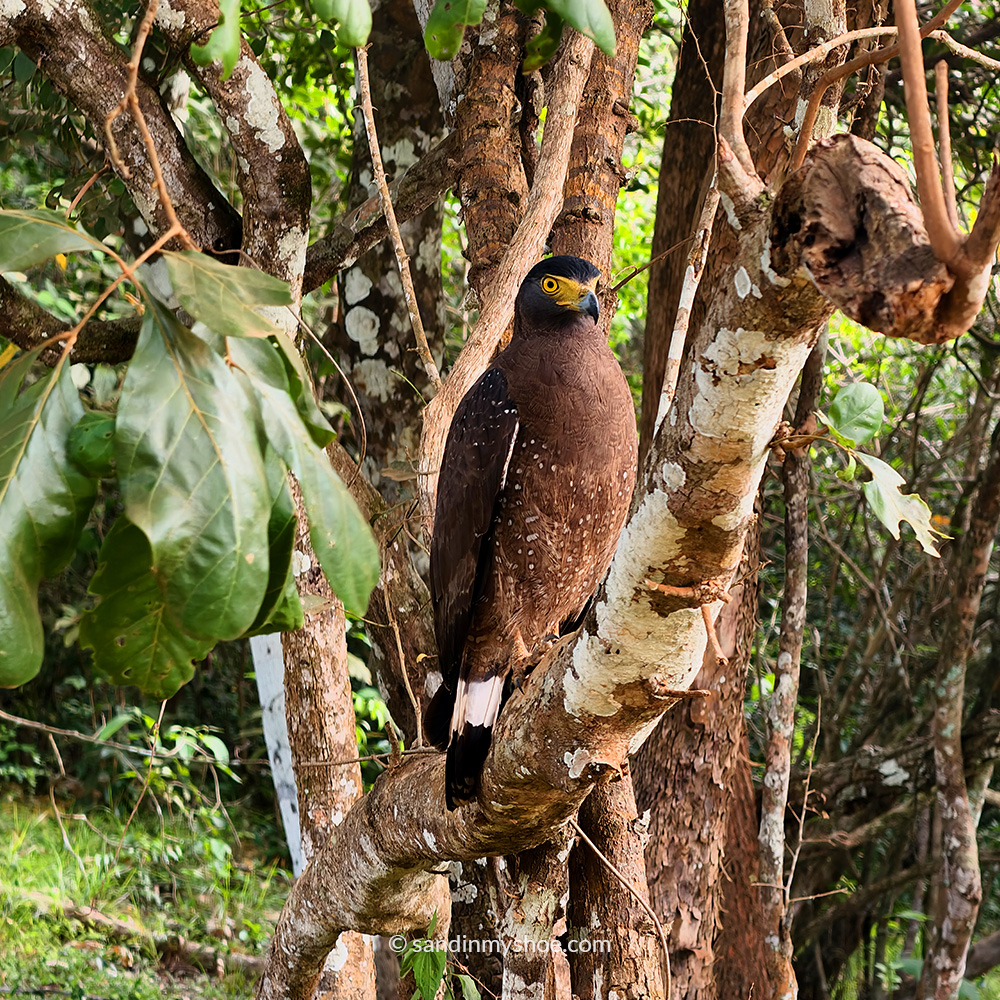
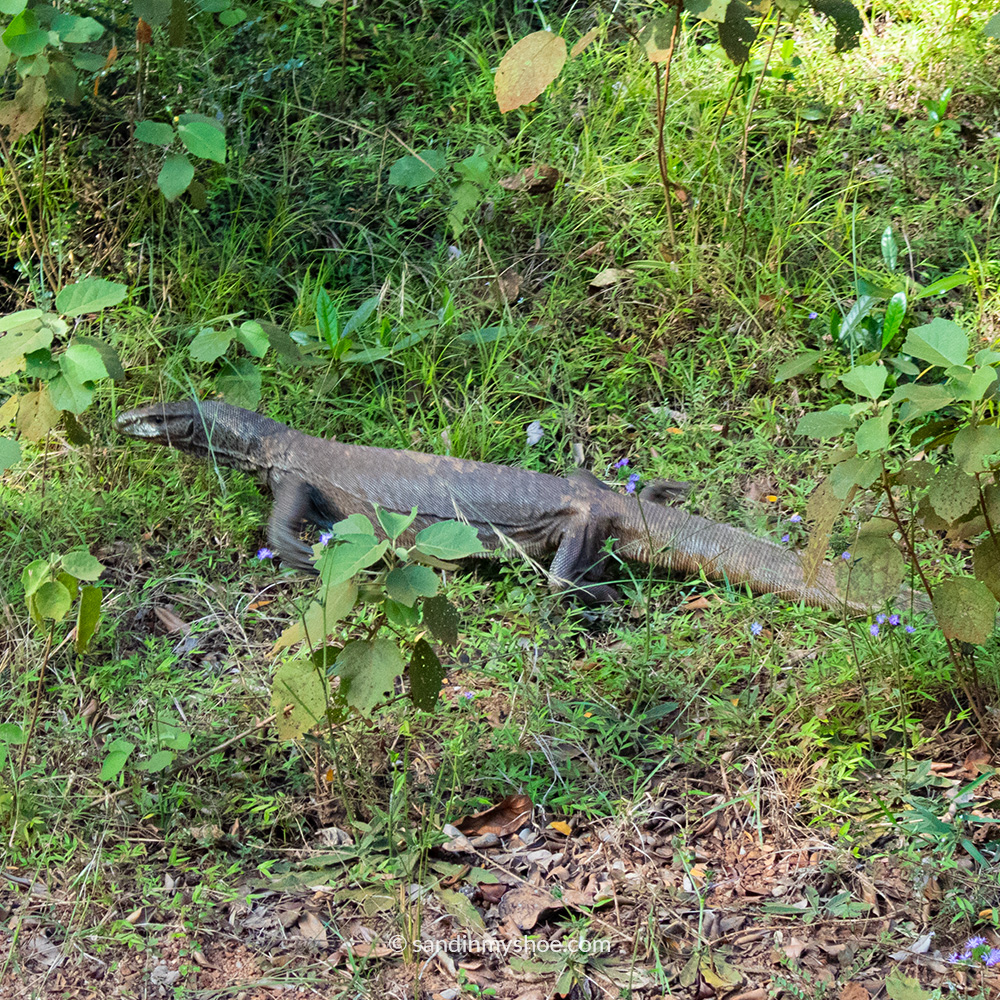
At one point, when the driver pressed the accelerator a bit too enthusiastically, my hat flew off, and disappeared behind us. I knocked on the side of the jeep to signal the driver to stop. I told him what happened, and we reversed back toward it. I scanned the area for predators, jumped out the back, and sprinted for my precious hat. My heart was racing, but I stayed calm — we’d been looking for leopards for hours and hadn’t seen any, so the odds of being attacked during a five‑second dash felt slim. And nothing happened.
Lunch came faster than expected. We stopped at a gated area where we were safe from most animals — except the monkeys.
Within minutes of stepping out of the jeep, the monkeys gathered around it, hoping to raid it for snacks. But the guide had already warned us not to leave anything inside. Still, the monkeys knew exactly where to look: the trash can. Some were licking chocolate‑smeared wrappers, others were tossing trash around in frustration. They were professionals.
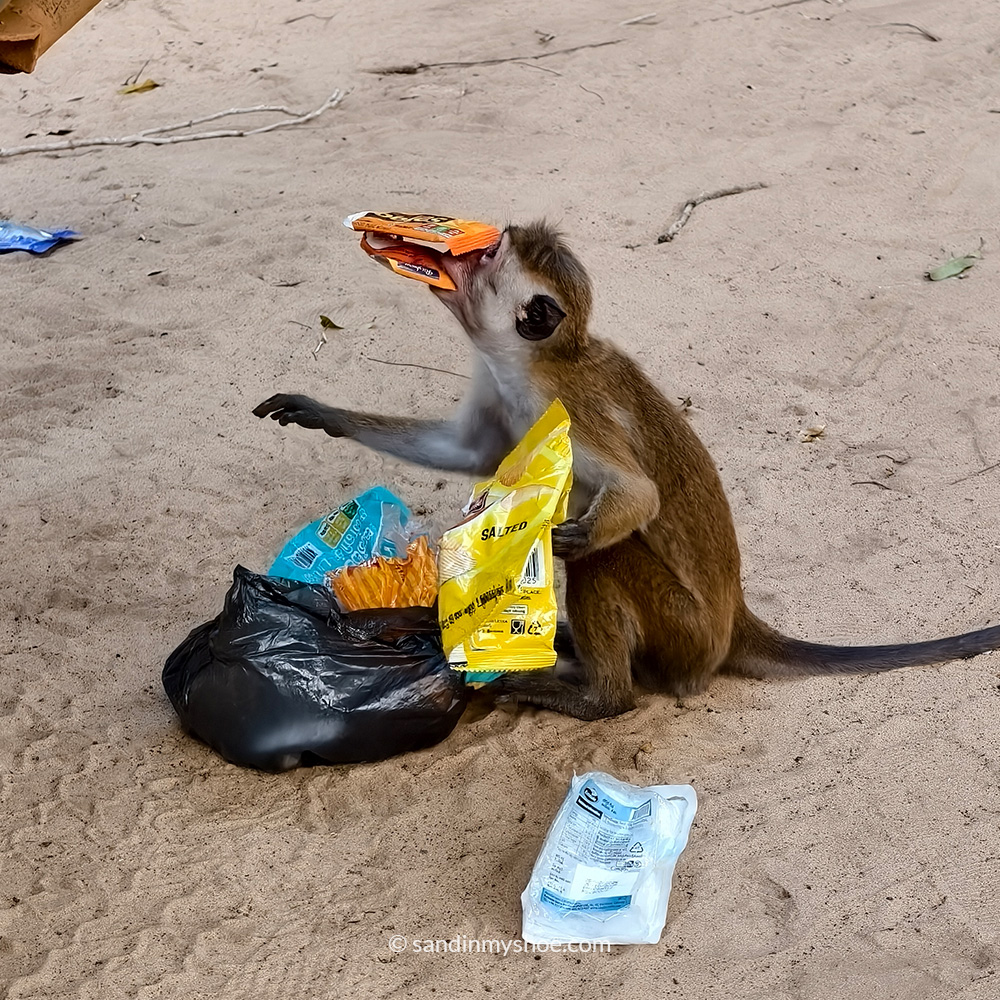
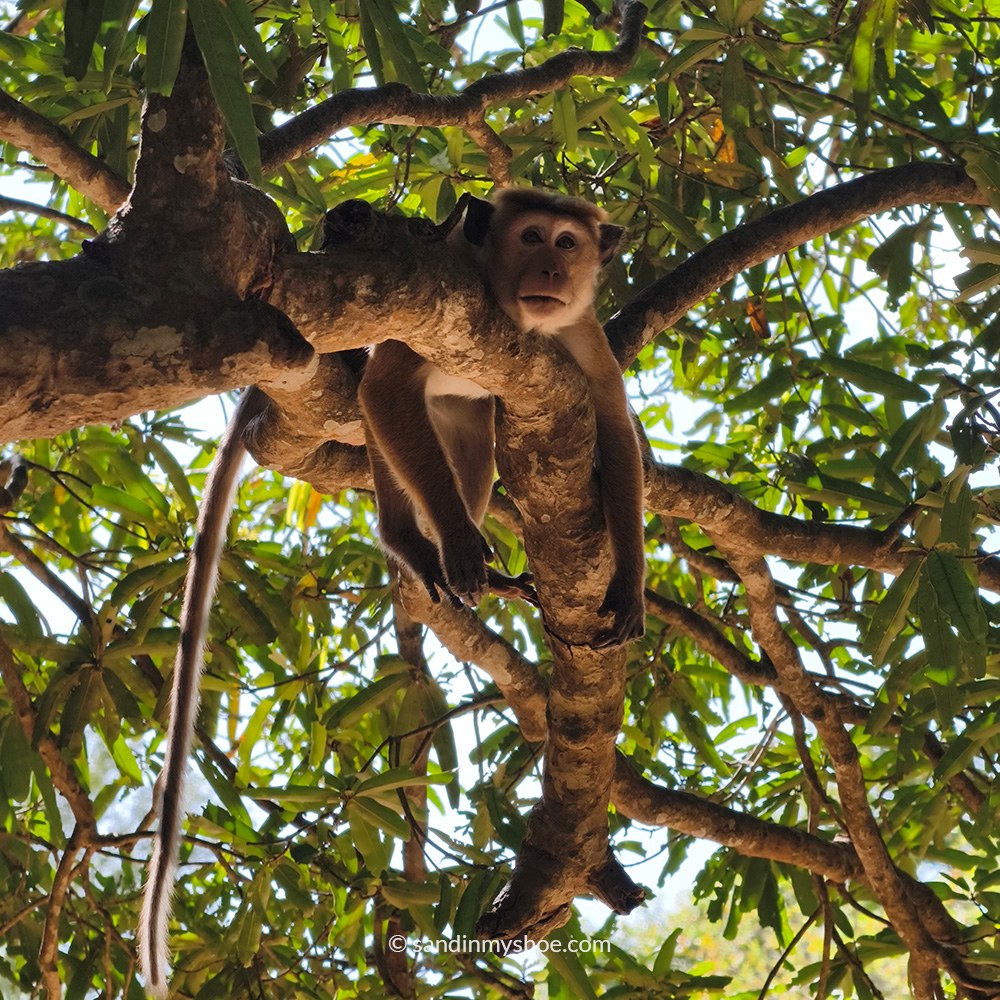
While we ate, it felt like we were inmates guarding our food — holding the plate with one hand and eating with the other while keeping an eye out for incoming monkeys.
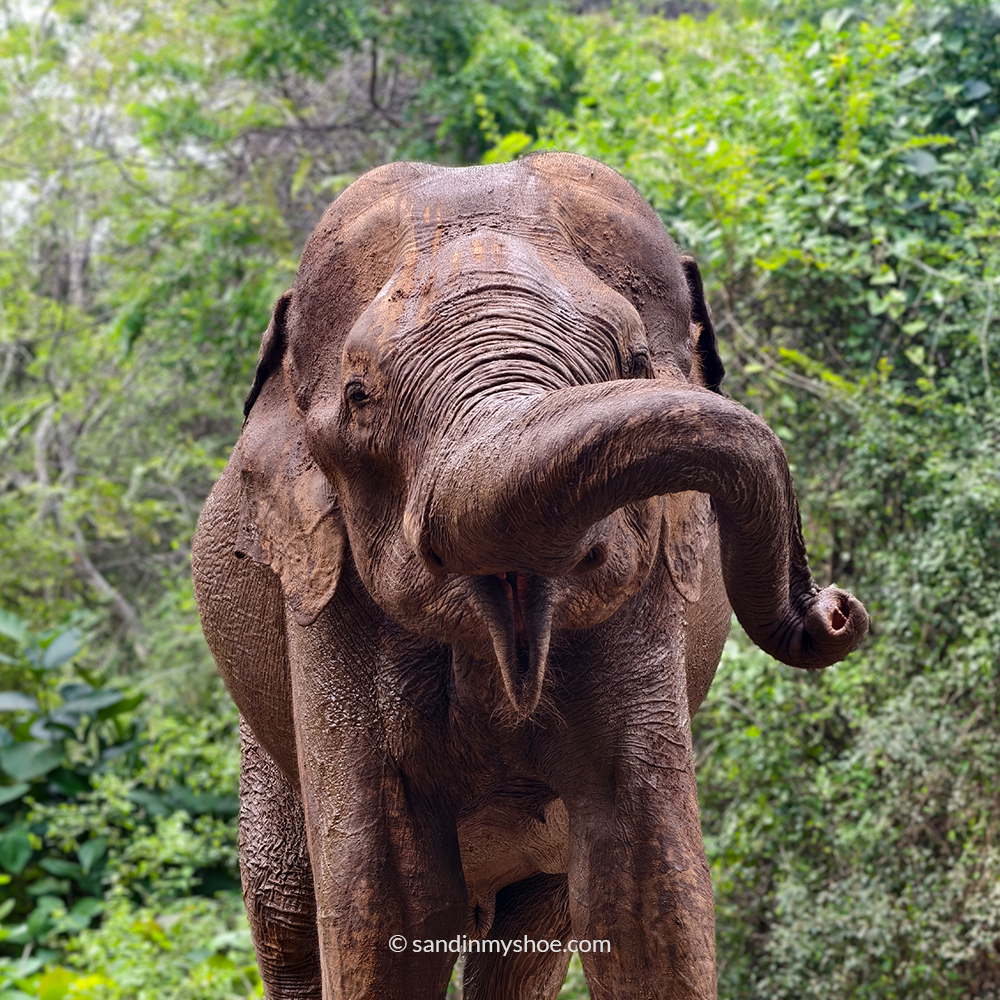
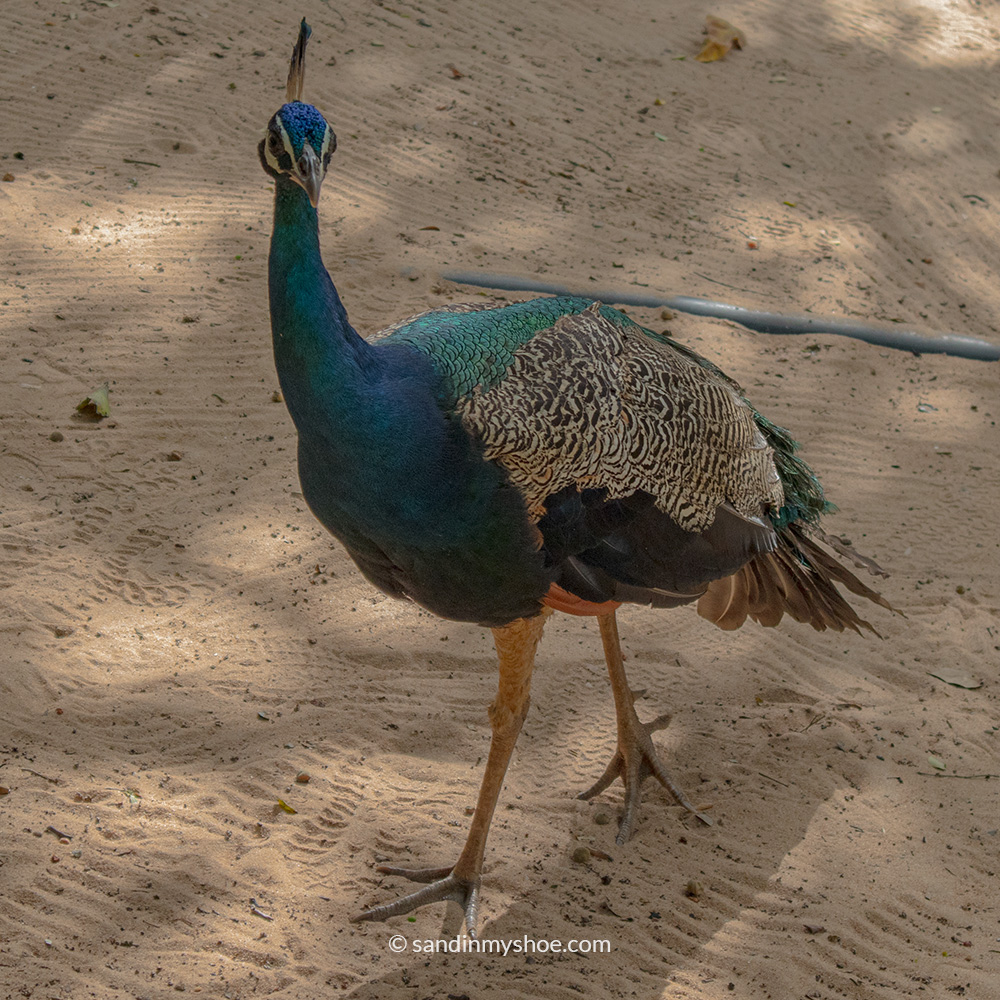
After lunch, we continued. We spotted beautiful peacocks, elephants, and after an hour or so we passed another jeep. The drivers exchanged information again, and from the grin forming on our driver’s face in the side mirror, I knew we had good news. They had just seen the leopard. We now had its coordinates, and we sped off — with the Jurassic Park theme playing in my head again.
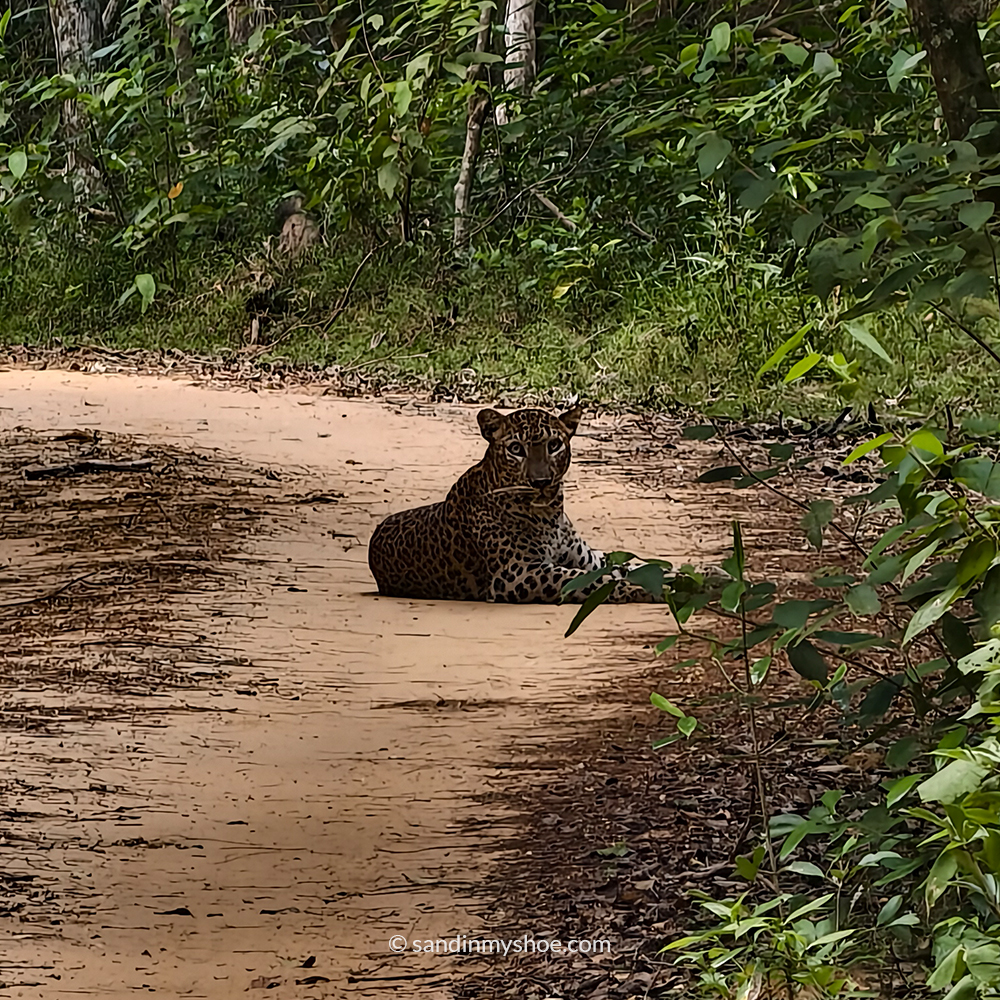
Suddenly we stopped. And there it was, in the distance: a leopard lying on the dirt road like it owned the park.
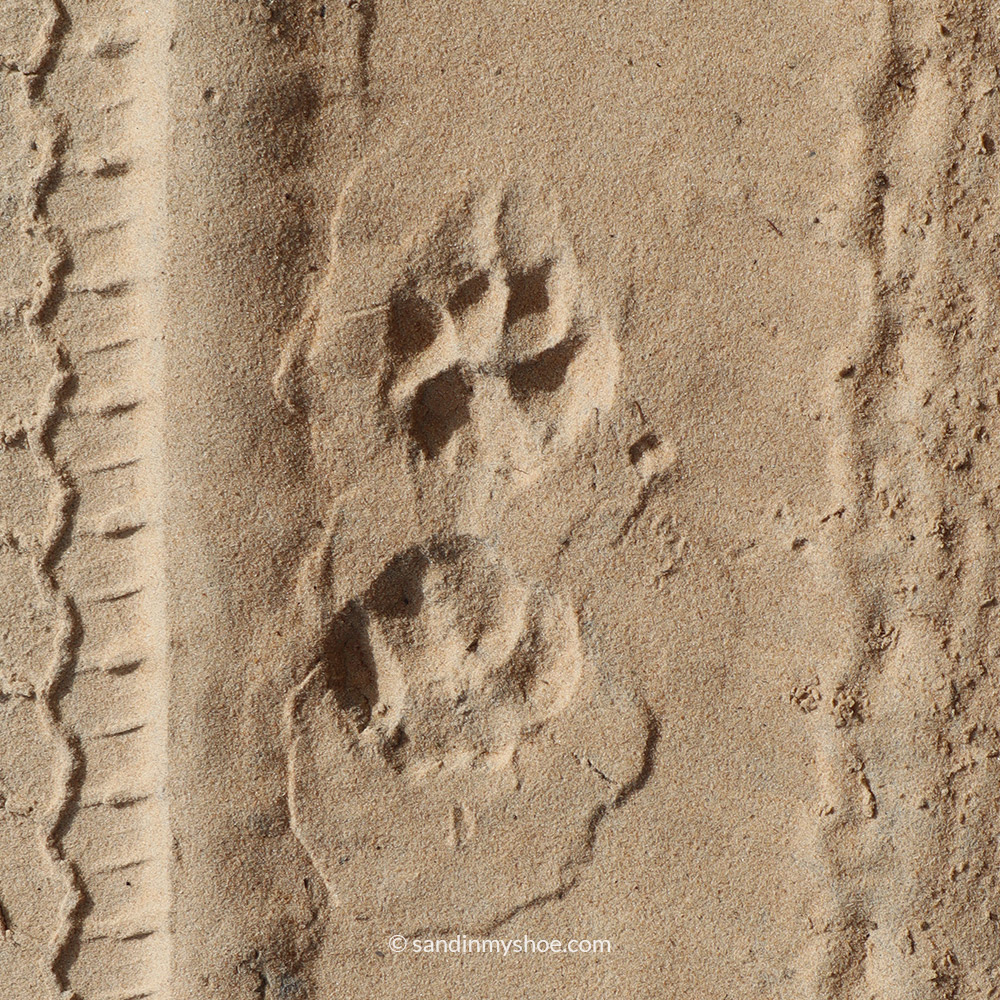
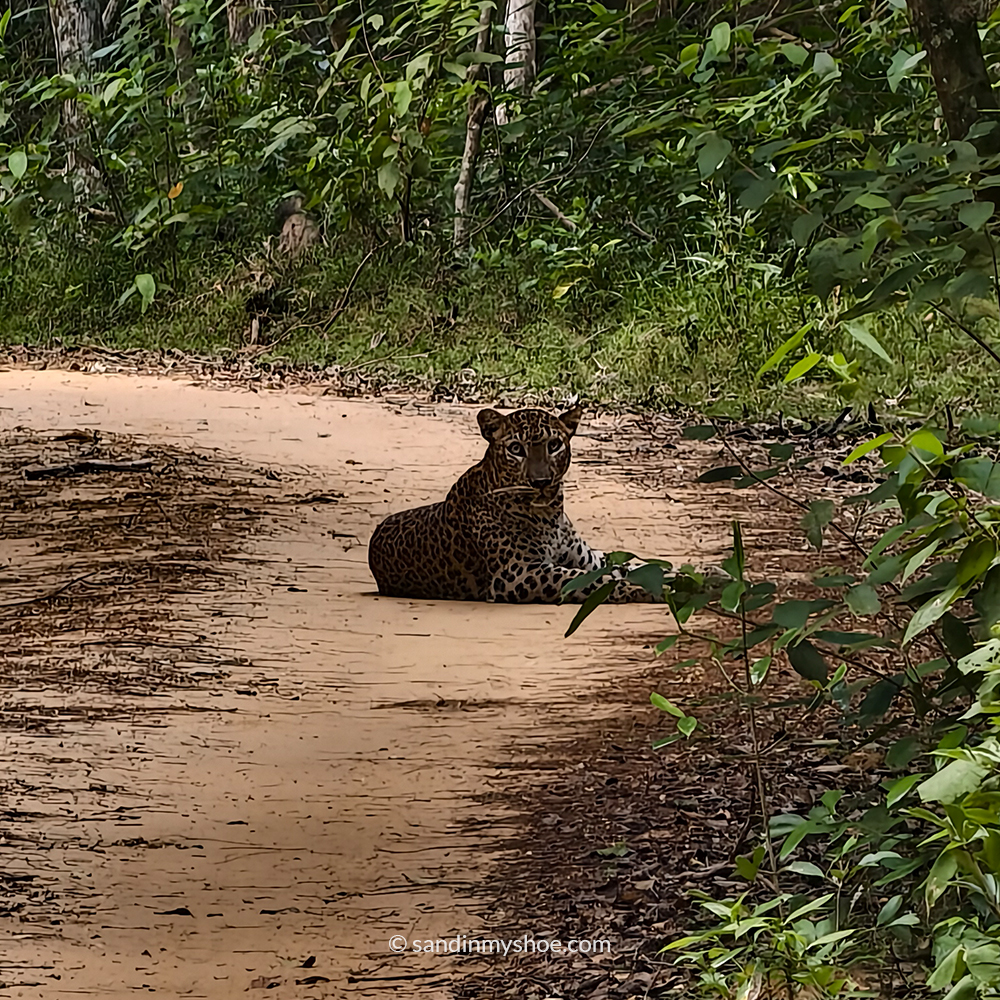
After finally seeing the leopard, we felt satisfied. And a hour later we decided to call it a day. It had been a long day sitting in that jeep.
Half-Day or Full-Day Safari
This can be a tricky choice because it really depends on your luck. Some animals are elusive, and Wilpattu National Park is huge compared to Yala or Udawalawe. If I had seen everything in the morning, the afternoon would have felt unnecessary. But in my case, most of the sightings happened in the afternoon, so I was glad I booked the full‑day tour.
If you’re planning to visit other national parks besides Wilpattu, a half‑day morning safari might be enough. But if you aren’t, a full-day safari is probably the better option.
What Wildlife Can You Expect to See
With its expansive size and varied terrain, Wilpattu is one of Sri Lanka’s best parks for wildlife. Here’s what you can expect to see.
Big Mammals — The Good stuff
- Leopard
- Sloth Bear
- Elephant
Other Mammals
- Spotted deer
- Sambar deer
- Wild boar
- Water buffalo
- Jackal
- Toque Macaque monkeys
- Grey langur monkeys
- Mongoose species
- Porcupine
- Pangolin (rare)
Birdlife
- Storks
- Peacocks
- Crested Hawk-eagles
- Hornbills
- Kingfishers
- Pin‑tail ducks
- Whistling teal
- Spoonbills
- White ibis
Reptiles
- Monitor lizards
- Mugger crocodiles
- Various snake species
What to Pack
As I mentioned already, there are many different safari operators and what they include can vary quite a bit. Make sure to check the details before you book, because there are no shops near the park. If lunch isn’t included and you didn’t bring your own, you’re out of luck.
Here’s a list of what to pack.
- Light, neutral-colored clothing (temperature-wise cooler than dark colored)
- Sunscreen and a hat
- Big bottle of water
- Binoculars (double check with the safari operator if included or not)
- Camera with zoom lens
- Snacks
- Lunch (especially if food isn’t included)
How to Book Wilpattu Safari
The easiest and most relaxing way to visit Wilpattu National Park is though to book an all-inclusive safari tour. Important to book a safari with great reviews, because a knowledgeable guide makes a huge difference. They spot wildlife you’d easily miss and share interesting facts about animals and the park’s history, which makes the experience more meaningful and immersive.
Keep in mind that with a bad guide, you might end up in a jeep driving around aimlessly. The bookings links I share are backed up with great reviews—choose wisely.
In full disclosure, they are affiliate links, meaning I get a small commission, but at no extra cost for you.
Visit Wilpattu from Anudrahapura
Another option is heading to Anuradhapura and booking a safari with pickup and drop‑off included from Anuradhapura. That way, you don’t need to move again the following day and can spend it immediately by exploring Anuradhapura’s historical sites.
Where To Stay During a Wilpattu Safari
I stayed just 10-15 minutes away from the national park. I forgot the name since I paid cash. However there are many different options and a lot of glamping options, which can be a fantastic experience combined with the safari.
Wrap-Up
Wilpattu is the perfect safari if you want big wildlife without the crowds. It’s wild and spacious, and with a good guide your chances of spotting leopards, elephants, sloth bears, and other animals are surprisingly high. You do need to be more patient in Wilpattu, but when the rewards finally arrive, you won’t be sharing them with a traffic jam of jeeps — just a couple.


No comments yet, be the first one!
I appreciate hearing from you. If you have any suggestions, questions, or feedback, please leave a comment below. Your input helps ensure the information stays relevant and up to date for everyone.
Thank you for sharing your thoughts!