

Now, much has changed. The docks felt fresh and modern, with none of those old remnants remaining. And instead of a taxi, I simply grabbed a Bolt scooter right after stepping off the ferry and rode straight to my hotel.
The arrival alone shows how far the city has come.
What draws tourists to Tallinn is partly its UNESCO‑listed old town, filled with medieval cobblestone streets and centuries‑old architecture ready to be explored. Costs are typically 30–50% lower than in many Western European capitals, and the city is far less crowded. Summers are warm but rarely extreme, especially compared to southern Europe.
I visited in September and spent three nights in Tallinn before continuing to the border town of Narva to visit Narva Castle.
This guide is for visitors who want to understand Tallinn and see its most meaningful sights with a practical plan for two days in the city, including a small excursion to Estonia’s national park.
Know that Tallinn’s old town has a lot of cobblestones, so good shoes make a big difference.
Overview of Tallinn’s Sights
How to Use the Map: Click the top-left corner to view and select map layers. To save the map for later, just click on the star icon.
How is Tallinn At the First Glance
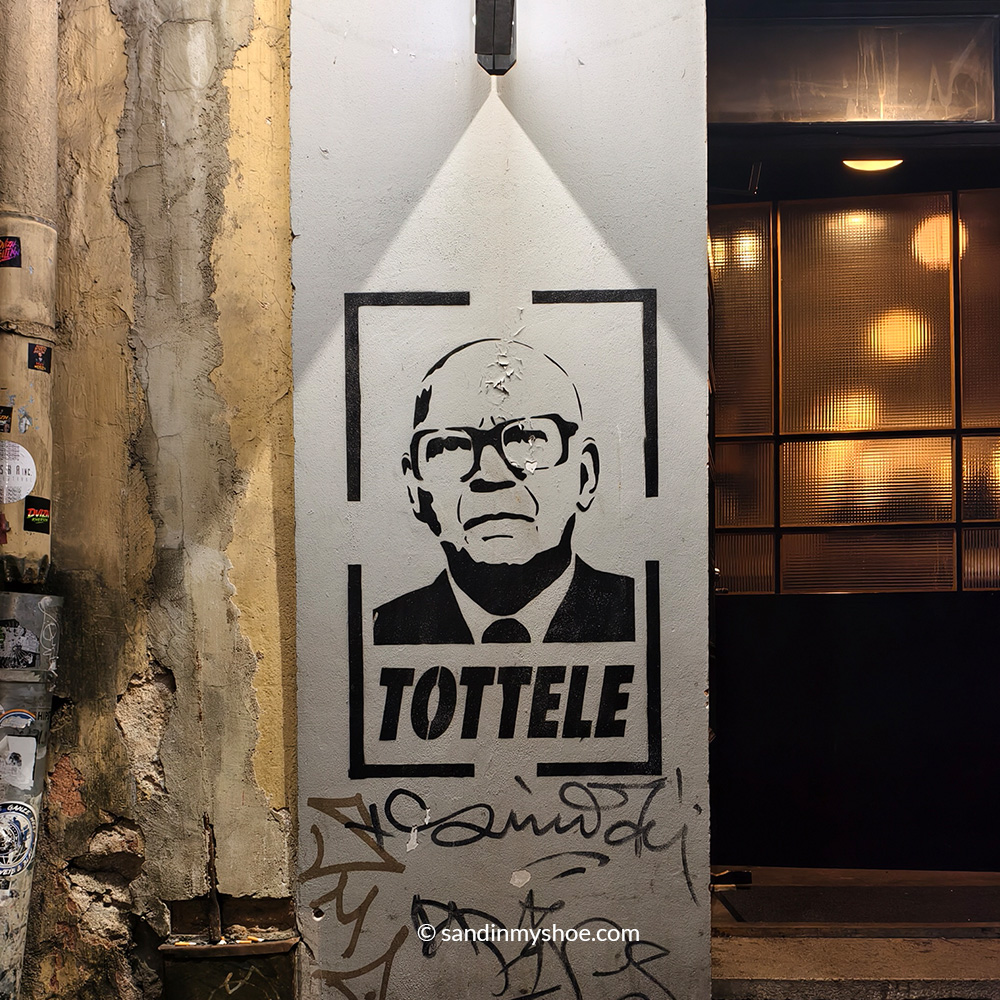
Tallinn feels like an honest capital. Pedestrians wait patiently for the green light before crossing the road, even when the street is completely empty. People seem calm and reserved, moving through the city in a quiet and orderly way. A bit like the Finnish, which makes sense as they are neighboring countries and even share language roots.
The calm daytime atmosphere shifts a little at night, especially during the weekend. Bars can get rowdy in the Old Town, but that’s typical everywhere. You’ll also come across Finnish karaoke here and there, as Finns like to visit Tallinn for a weekend as it’s only two hours from Helsinki.
Getting Around Tallinn
The city center is compact and easy to explore on foot.
Public transport works great in Tallinn, with plenty of buses and trams covering the city.
You can tap your debit card when entering public transport. As for 2026, a single ride costs €2 and is valid for one hour, and contactless payments are automatically capped at €5.50 per day, so basically giving you unlimited travel for 24 hours.
For short distances, you’ll find Bolt scooters on almost every corner. Bolt also operates taxis, which are generally inexpensive. You see the price in advance, and the chances of being overcharged are low as you might with regular street taxis.
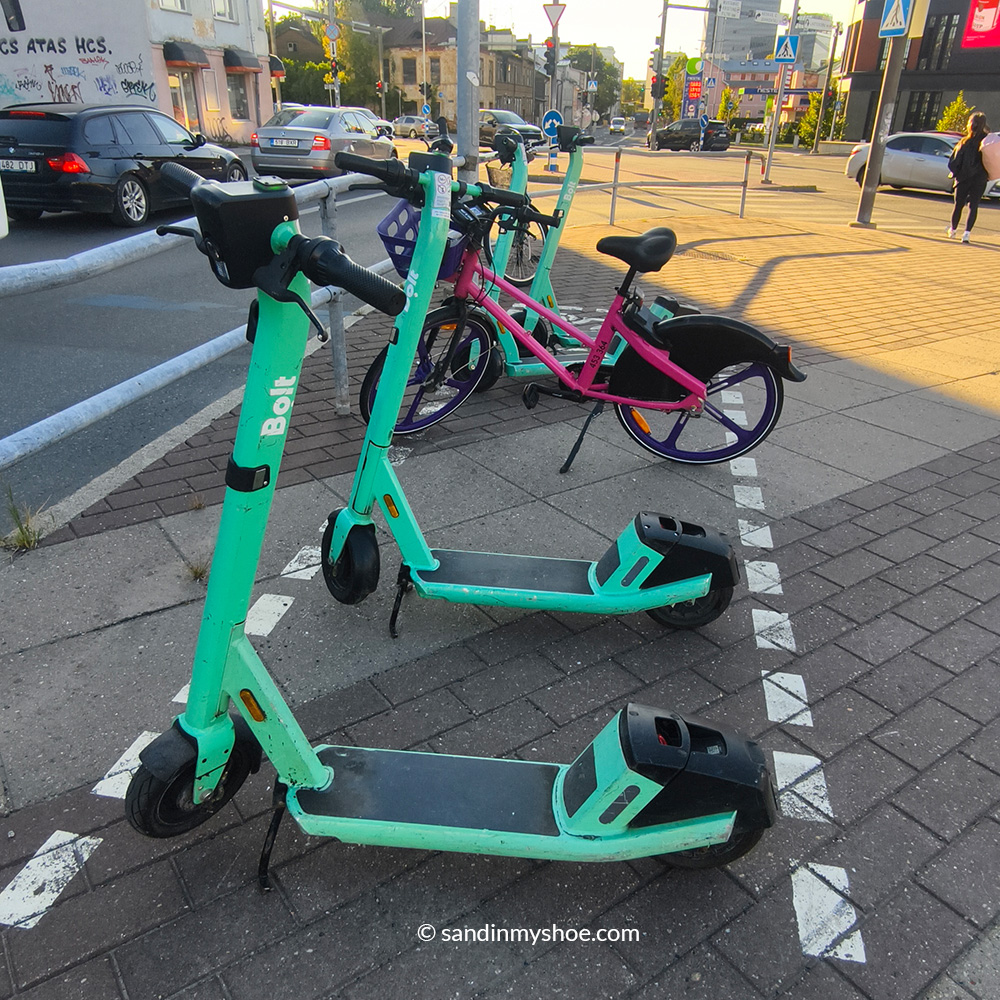
For longer distances, Bolt bikes are a practical option, and for even farther trips the buses and trams run frequently and cover the whole city well.
What to Do in Tallinn for 2 Days
Day 1
The first day is dedicated to the central parts of Tallinn.
Join a Free Walking Tour of Estonia’s Old Town
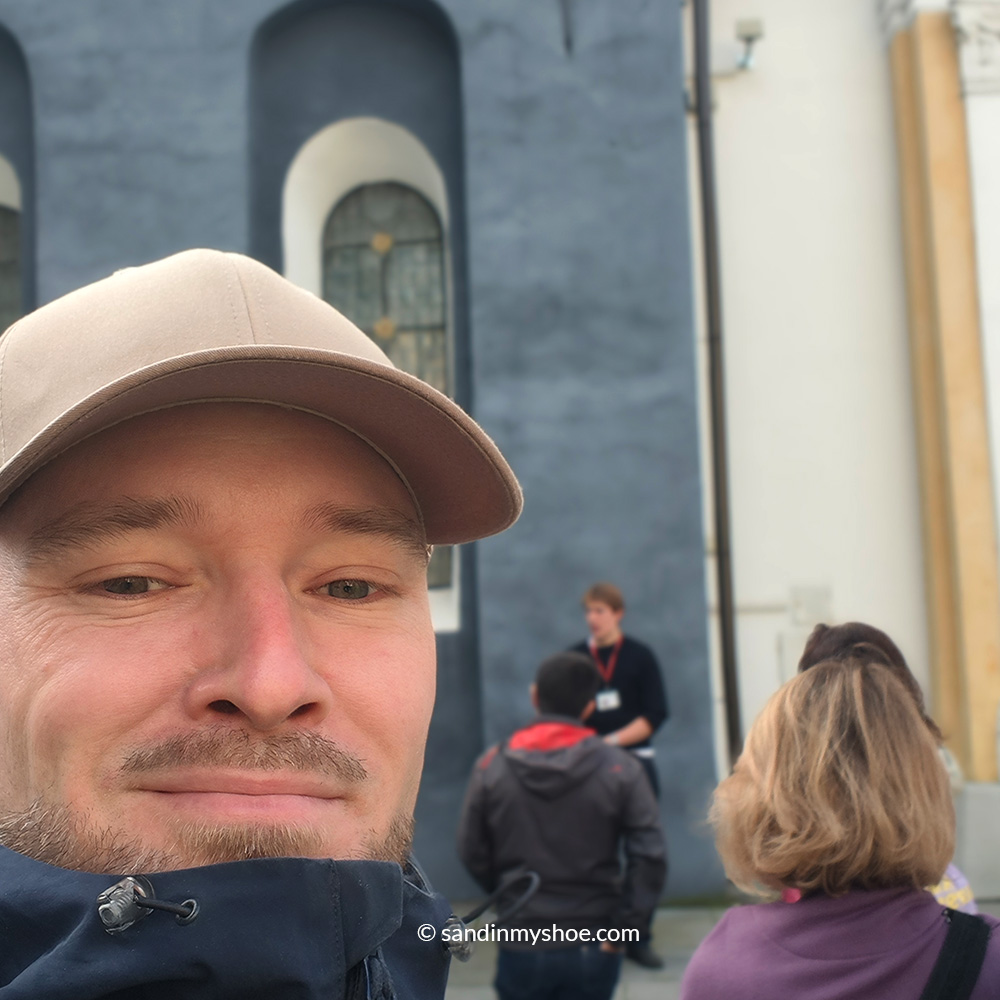
I joined a free‑walking tour of Estonia’s Old Town in the morning, which took us around the key sights in old town and brought them to life through the guide’s stories.
We started at Freedom Square, where the guide explained the controversy surrounding the War of Independence Victory Column and the corruption scandals of the early 2000s, when large sums of money disappeared during the so‑called “cowboy days.” He also shared a story about his grandfather, who had once gone to the cinema on the square during the Soviet era. Partway through the film, Russian officials stormed in and inspected everyone’s hands, looking for the callouses that proved you were a worker. Smooth hands could lead to detention. Fortunately, his grandfather had a skin condition that made his hands appear rough enough to pass the inspection.
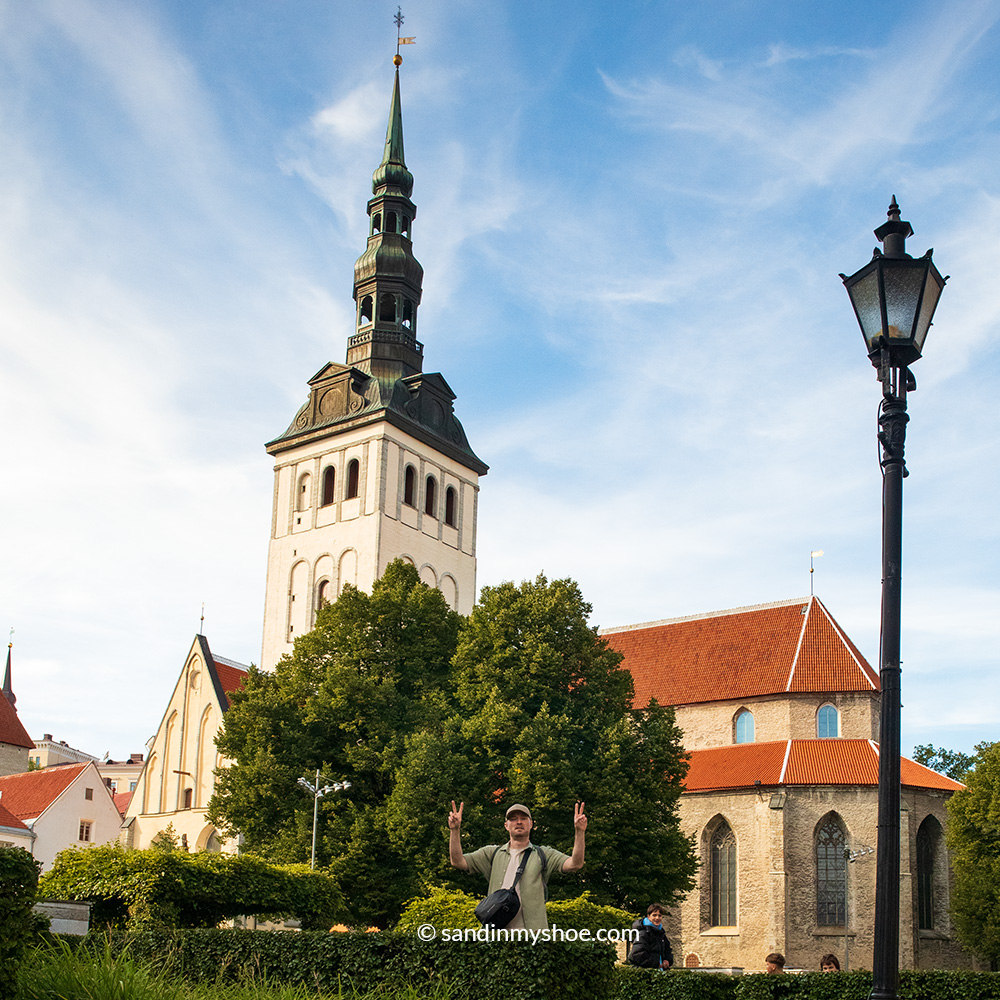
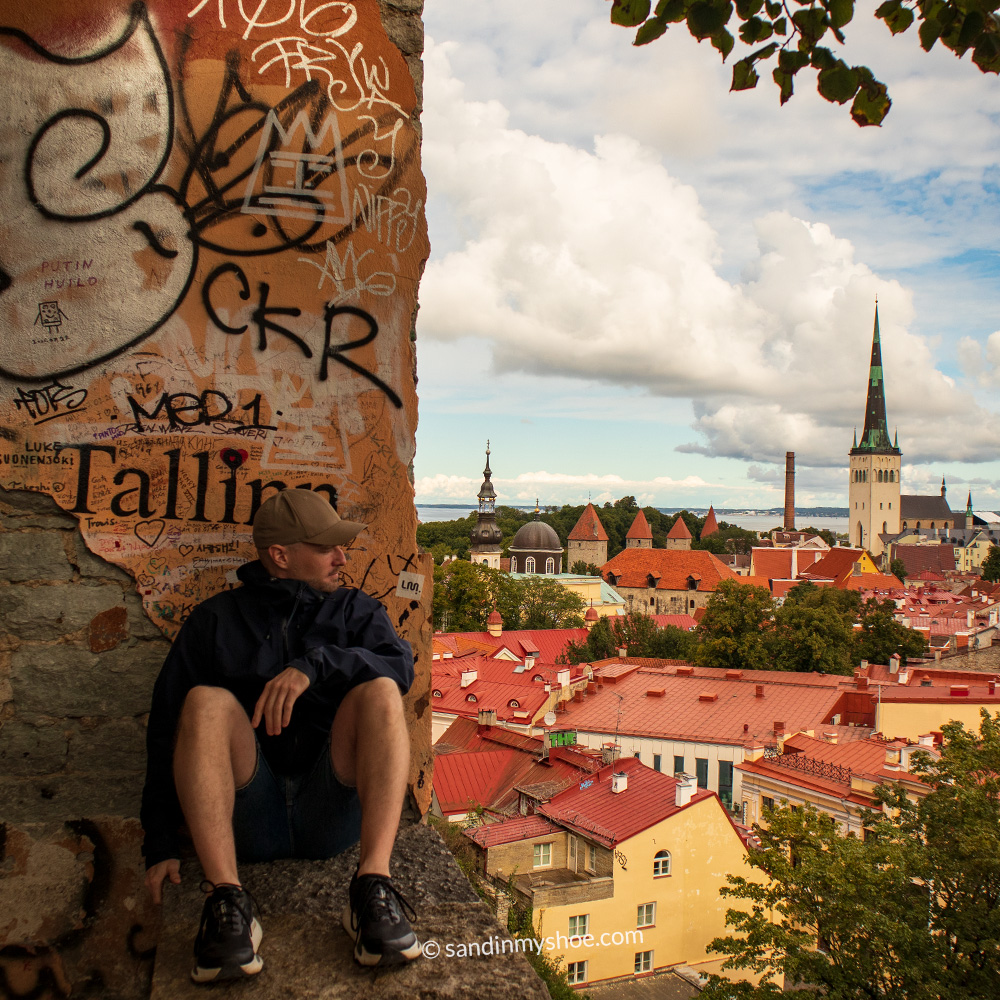
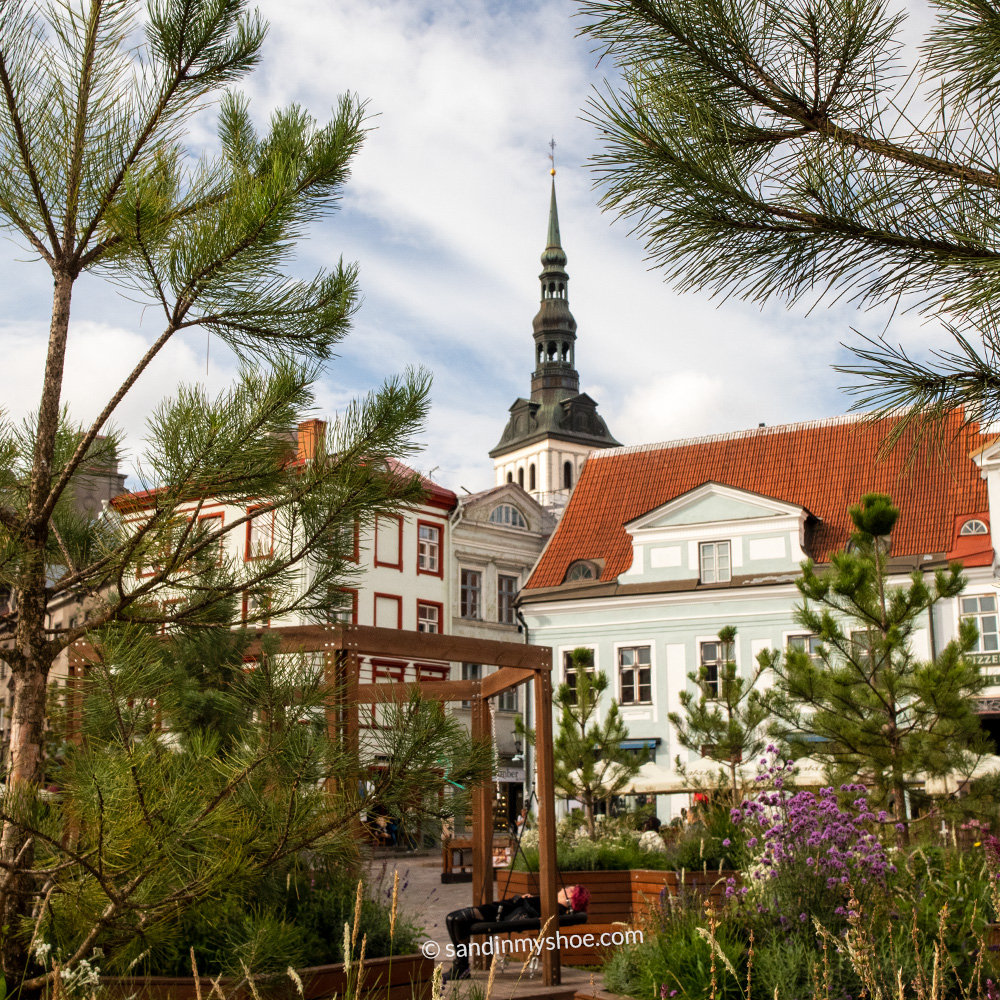
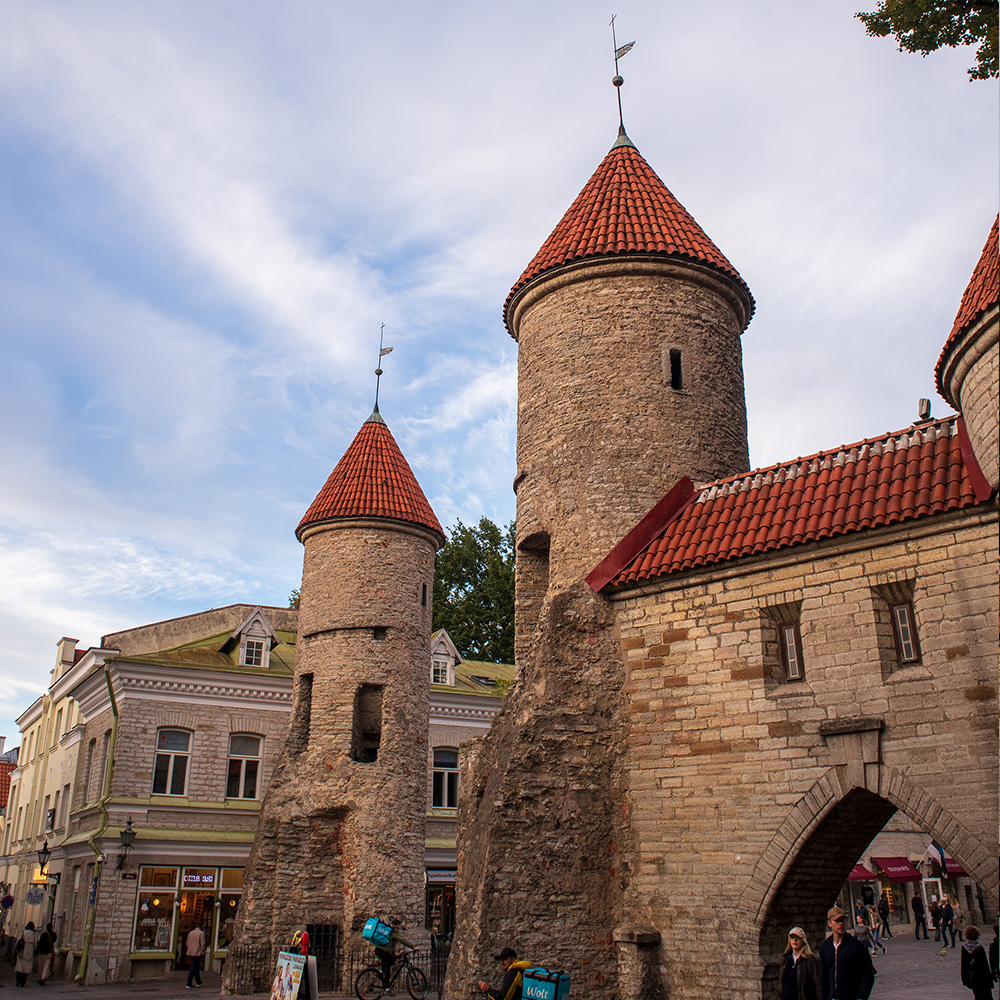
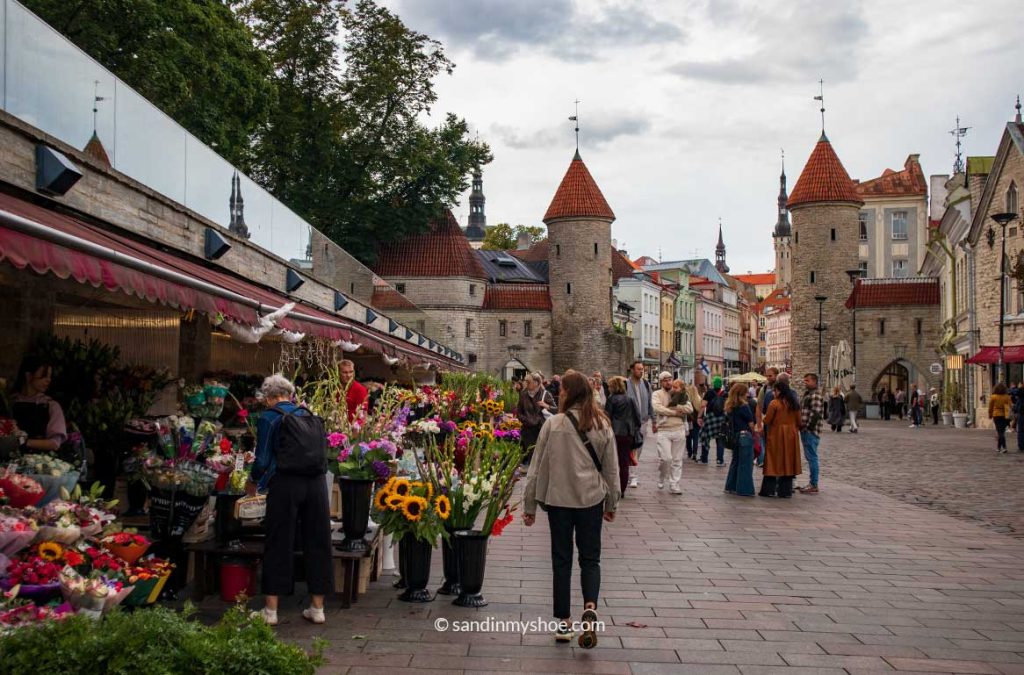
From there, we continued to Harju Street, historically a center of local production, before weaving through the medieval lanes toward Town Hall Square. We made several stops along the way, including Nikolai Church, the famous Viru Gate, and a handful of other great viewpoints, finishing at a spot with a wide panorama over the Old Town.
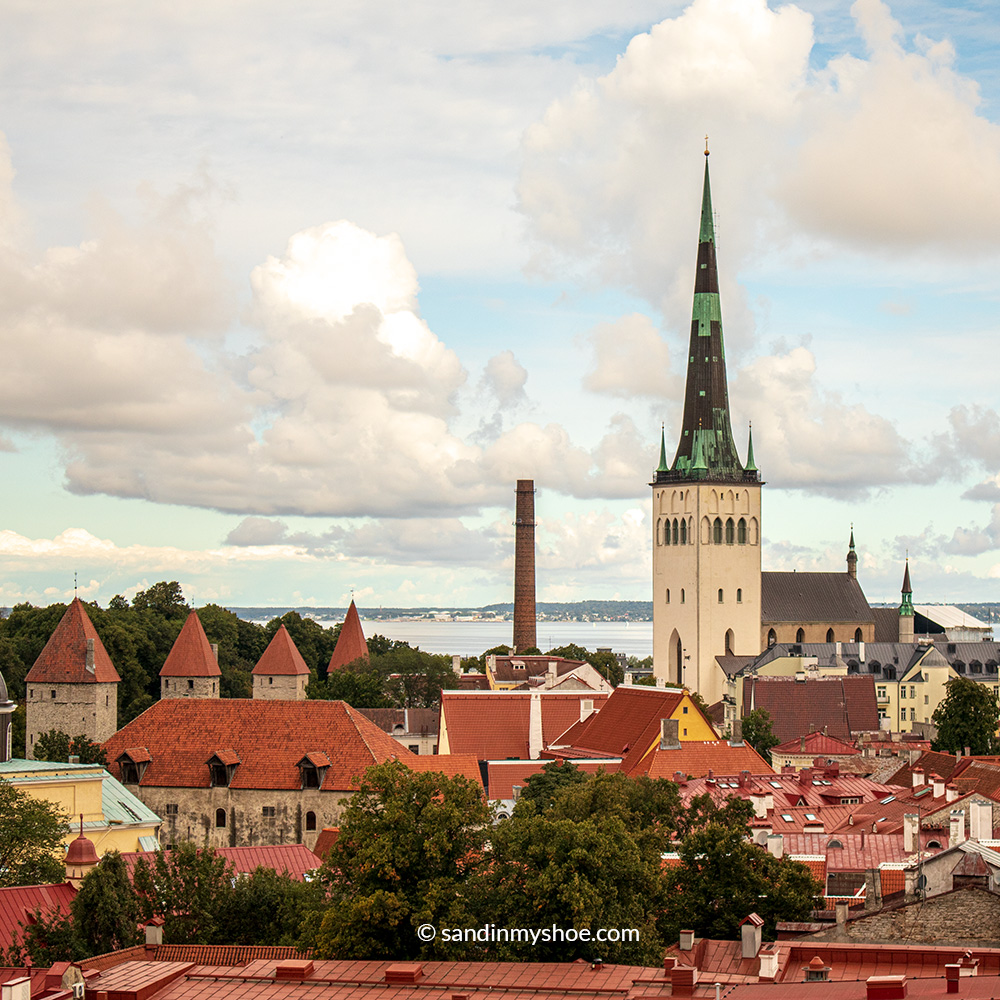
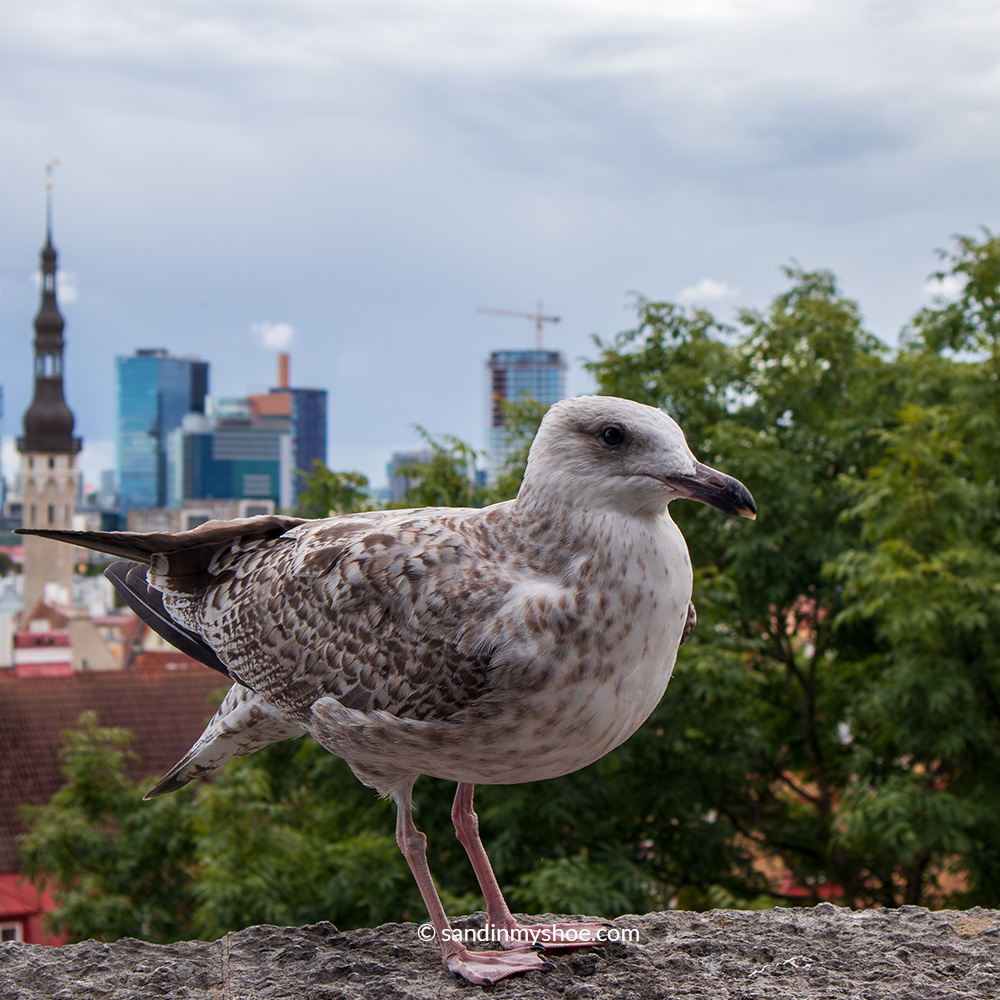
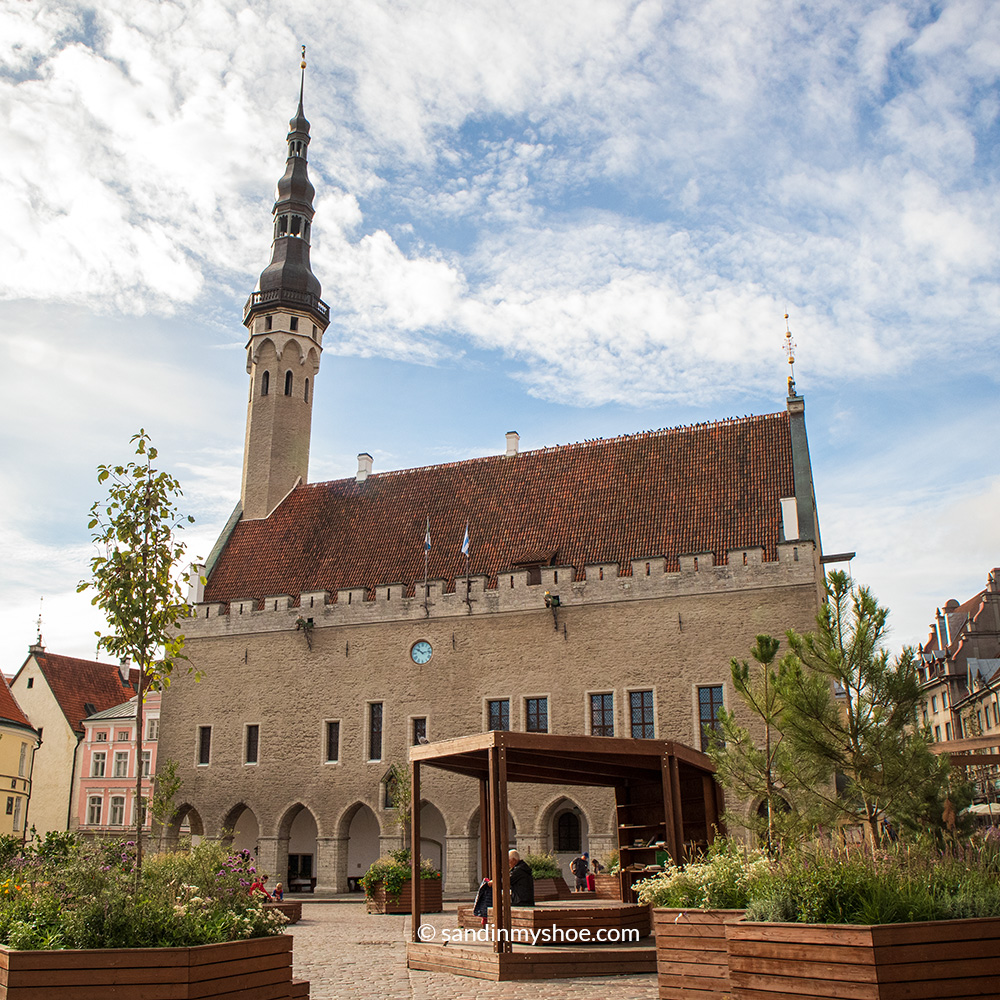
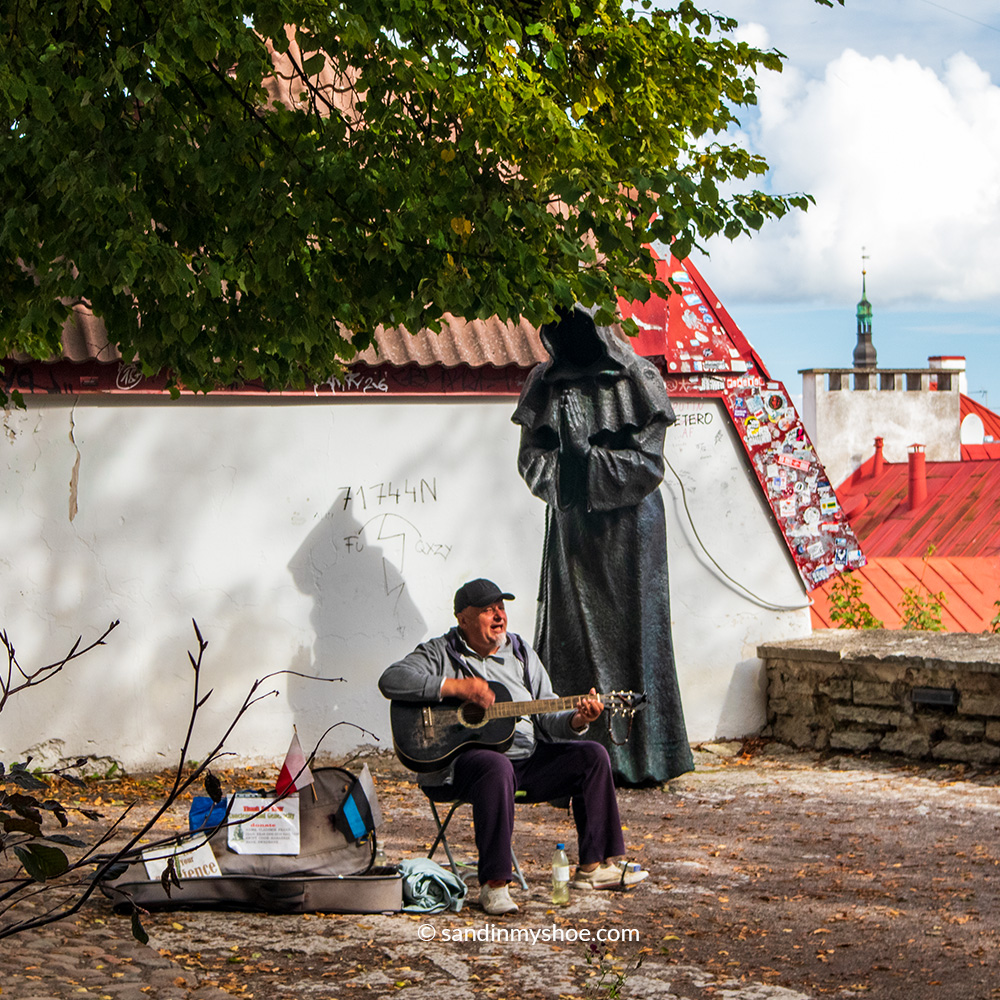
The tour was organized by Red Umbrella Tours, and ran from 10:30 to about 13:00. Know that it’s not free, but runs on a tip‑based model. While tipping isn’t required, it’s clearly expected for a 2.5‑hour experience. I tipped €10 as other seemed to do it as well.
The guide’s stories and historical context were genuinely good. A strong introduction to Estonia and exactly the kind of background a visitor benefits from early in their trip.
Lunch at Lido for Estonian Food
After the tour, I headed to a restaurant called Lido, which offers a wide range of dishes, including several Estonian classics. It’s set up like a canteen, making it easy to sample a variety of dishes in one meal.
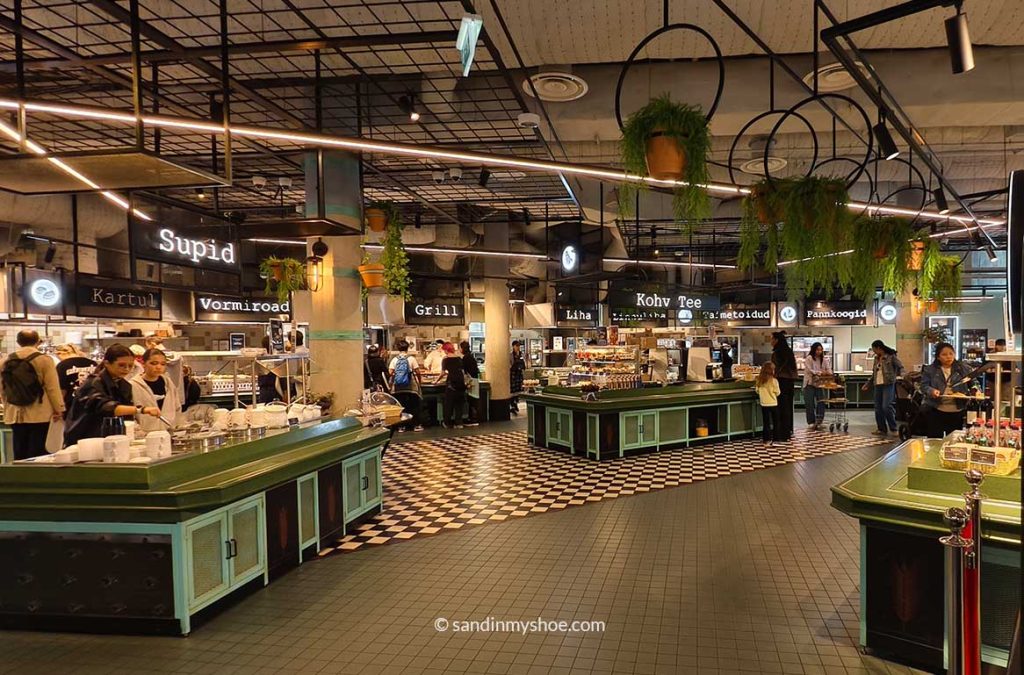
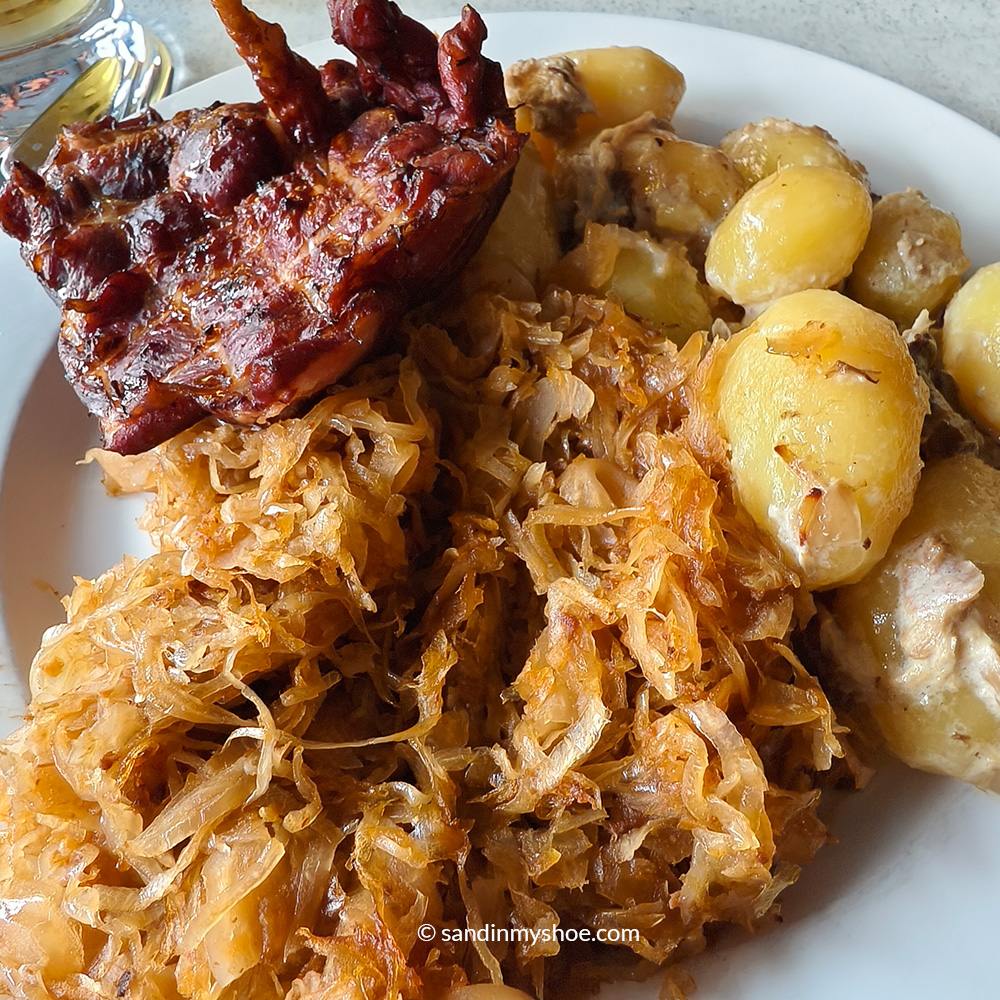
The Estonian dishes are marked with small Estonian flags, which makes them easy to spot. I chose the kale dish along with several other local specialties. At first, I quickly regretted picking the kale, as it didn’t look particularly appealing. Fortunately, the taste was much better than the appearance suggested. It had a pleasant sweetness, possibly from the addition of orange, which worked surprisingly well with the kale.
Vabamu Museum of Occupation
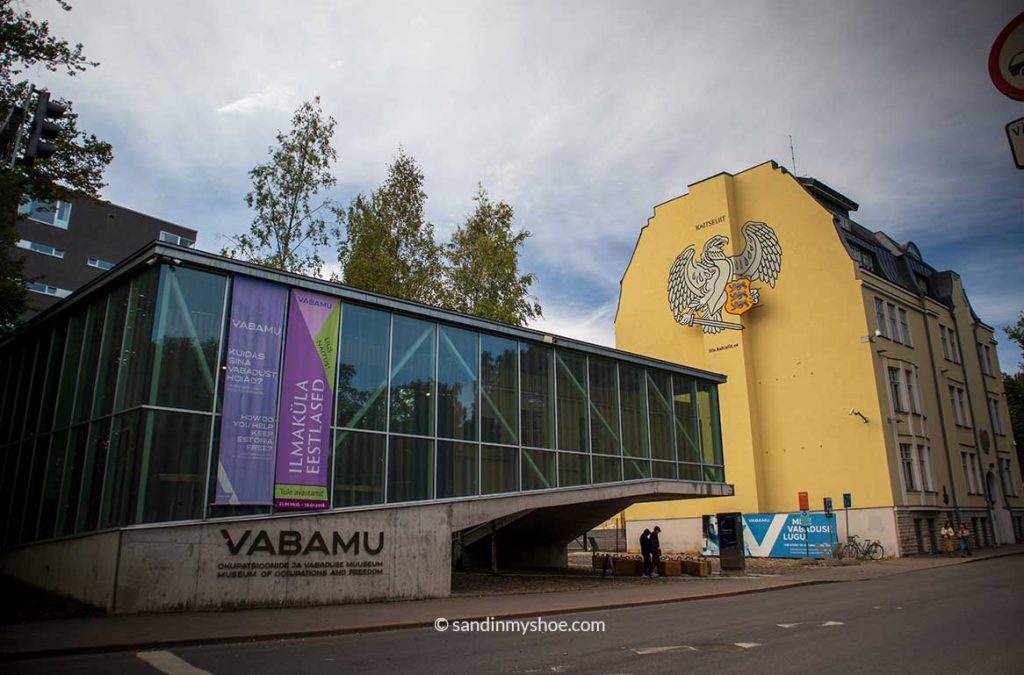
Afterwards, I visited the Vabamu Museum of Occupations, which explains Estonia’s experience under both German and Soviet rule and how these periods shaped everyday life. One of the most striking things I learned was how little it took during the Soviet era to be punished. Even owning an Estonian flag or being connected to the “wrong” person could lead to deportation to a gulag in Siberia.
And in a place shaped by decades of suffering, it’s almost inevitable that a certain dark humor has grown in the cracks. The best one read in the museum:
An old lady is standing in front of a shop with an empty basket in her hand and cannot for the life of her remember whether she was about to go shopping or had already done her shopping.
The museum is well‑designed for different visitors. Children have a small play area and their own audio program, while adults get a more detailed historical track. There is also a dedicated LGBTQ audio guide. The narration adjusts automatically depending on where you walk, making the experience easy to follow.
I spent around 1 hour and 15 minutes here, which felt like the right amount of time for the main exhibits. Admission for adults is €15.
KGB Prison Cells is another popular sight, though I didn’t visit. Kiek in de Kök Fortification Museum is also highly recommended, but I only saw it from the outside.
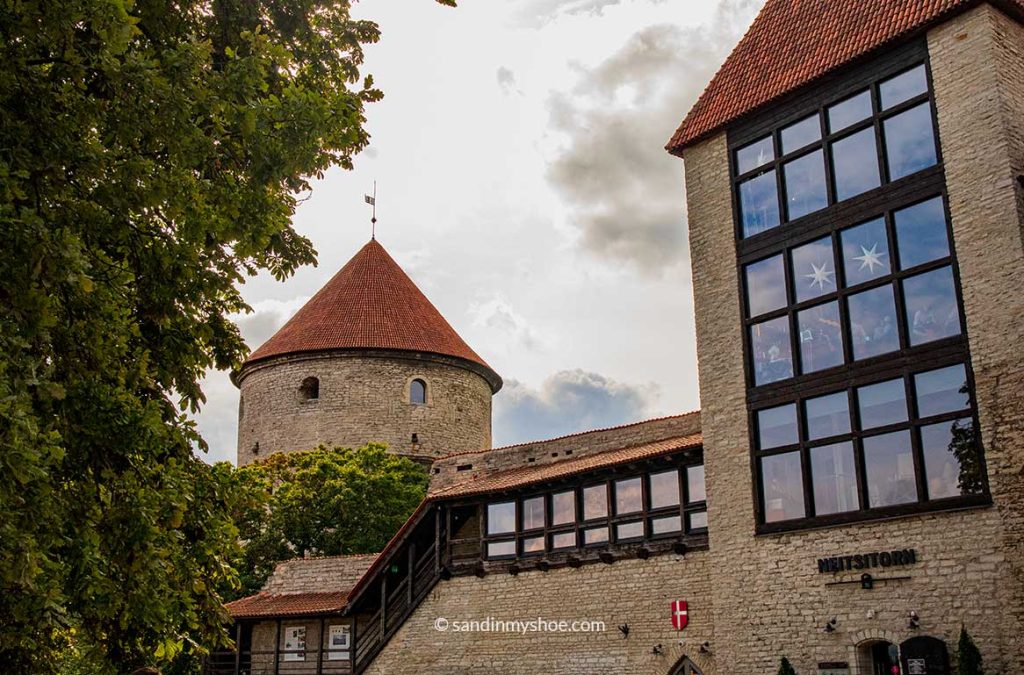
If you want to squeeze in another sight, consider the Kiek in de Kök Fortification Museum. If you did the walking tour, you definitely saw it from the outside. Inside however, you can explore the towers and underground passages, get great views, and learn even more about Estonia’s medieval past.
Check the Hipster Area of Telliskivi
Telliskivi is Tallinn’s hipster district. It used to be an industrial zone, but over the past decade ir has been turned into a creative hub, lots of studios, cafés, restaurants and bars.
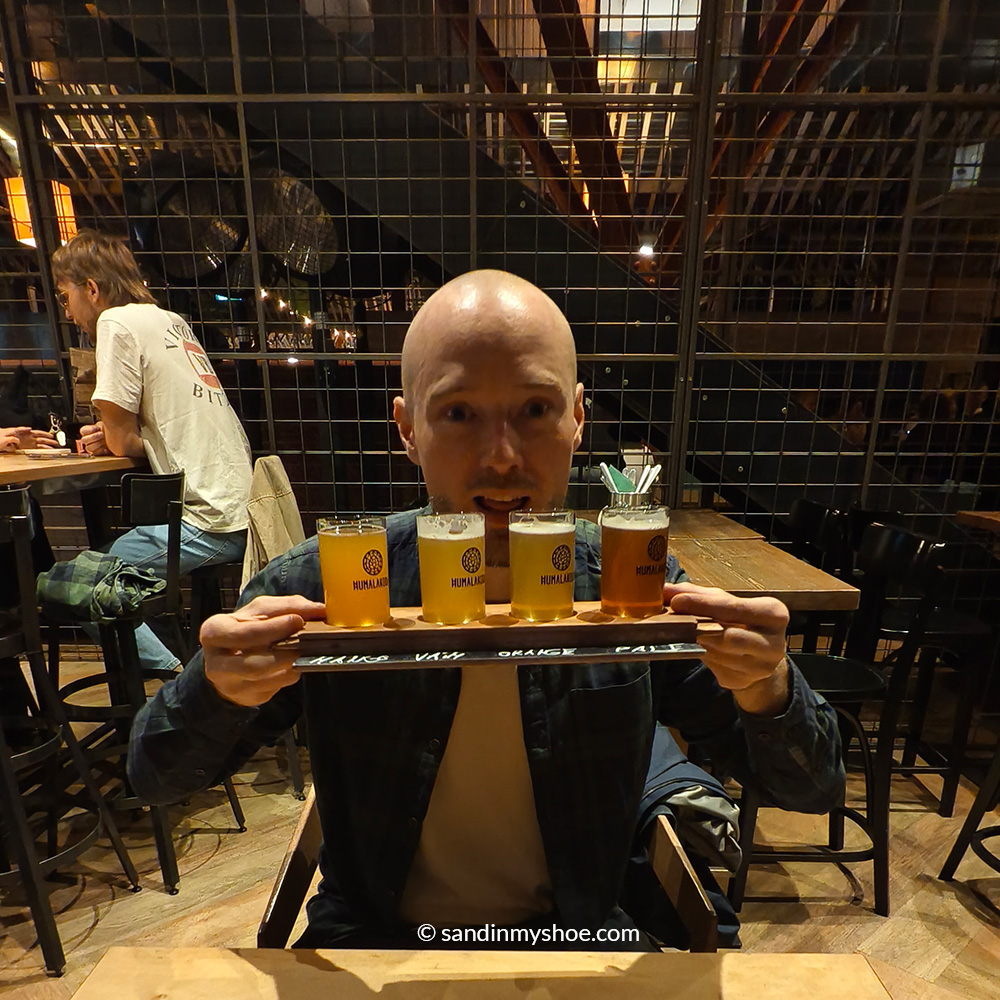
I spent the evening eating and drinking here. Humalakoda was my pick, they do craft beer tastings, and I tried a few IPAs and sour beers, which were pretty nice. The food is typical bar food, nothing special but decent after a day of walking. It was a bit quiet for a Saturday, though.
Bar Hop in Old Town
After Telliskivi, I visited a couple bars in old town, where the vibe was much better. Sigmund Freud Bar was quite nice, however it’s more drink focused.
Fun fact: Right by Viru Gate there’s a cluster of flower shops open well into the night, mainly serving one demographic: men who swore they’d be home after two beers and now need to buy forgiveness in bouquet form.
Day 2
The second is dedicated for visiting a nearby national park, and visiting a sauna in the evening.
If you’re not keen on hiking, consider visiting Kadriorg Park and Palace instead. It’s a beautiful landscaped park with a Baroque palace built by Peter the Great, and there’s also an art museum on site.
Day Trip to Lahemaa National Park for Hiking
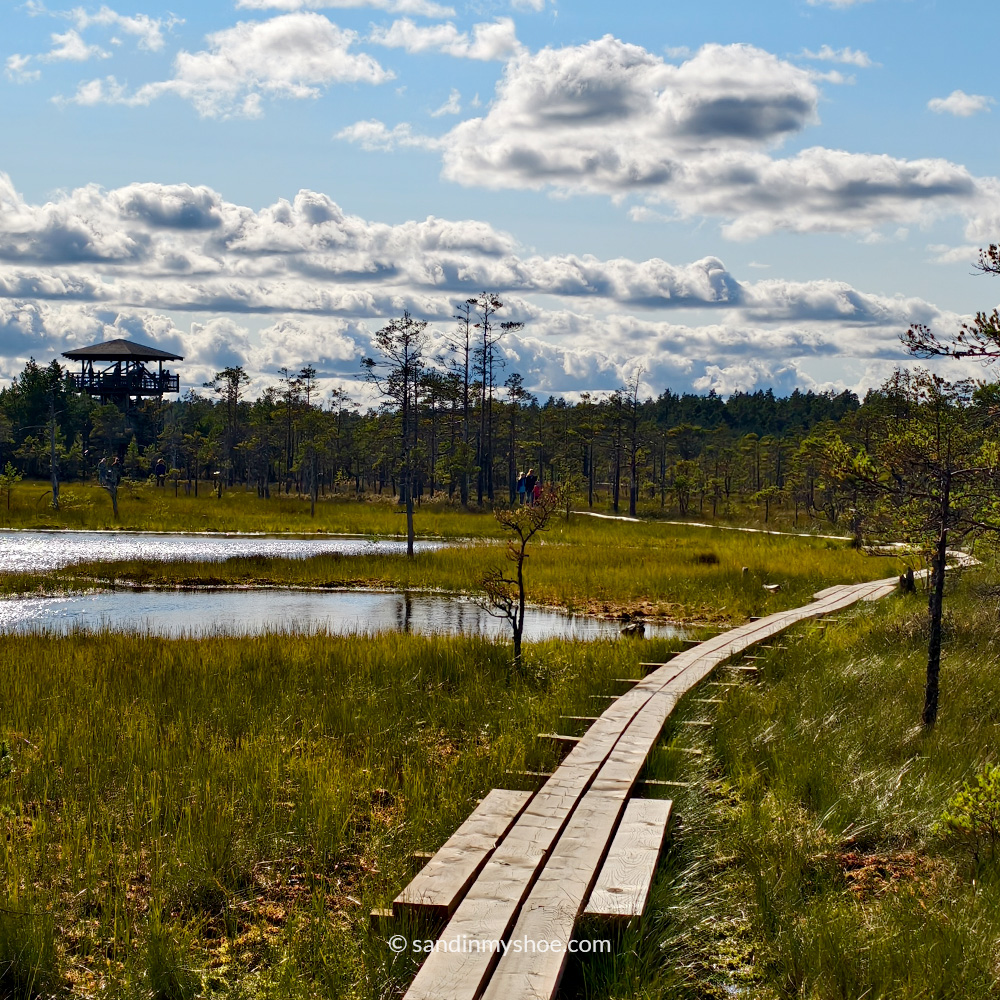
The highlight of the area is the wetlands. Expect bog landscapes, wooden boardwalks, viewing towers, birch forests, and even the chance to swim in a bog lake. I took a dip early September. The water was bit chilly though, but very refreshing, and I do enjoy cold plunges.
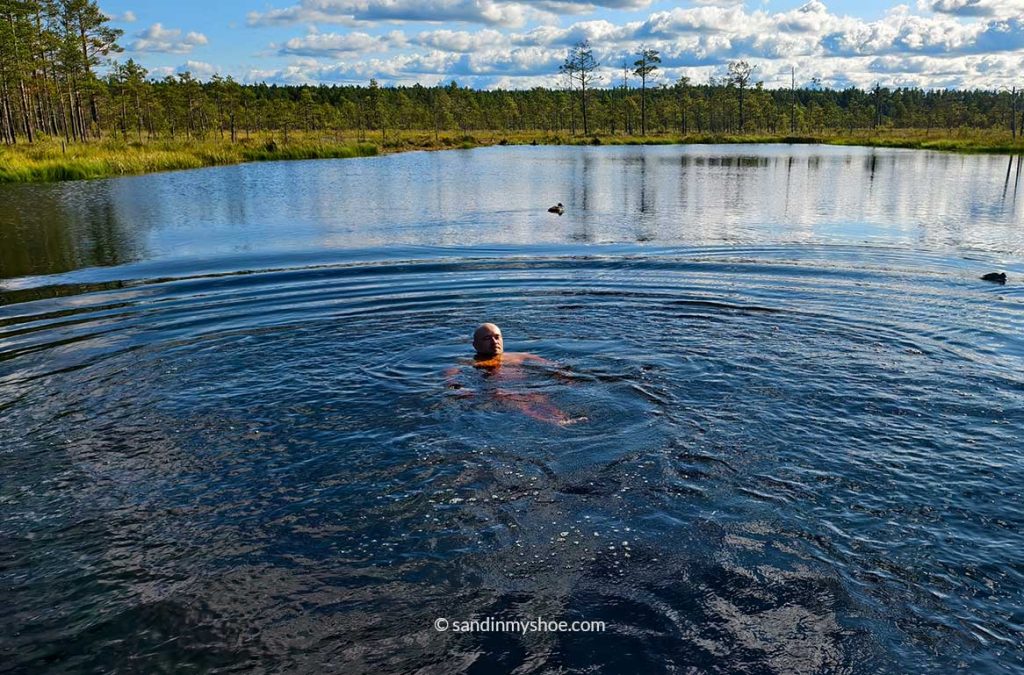
The main loop around the Viru Bog is about 6 km, taking roughly 2-3 hours at a relaxed pace. Along the way you’ll find some edible berries and mushrooms in the forest next to the bog, but only eat something if you know what you are doing.
Besides from this trail, Lahemaa has manor houses, coastal villages, and deeper forest routes, but some are harder to reach by the local bus unless you are staying in the area and have plenty of time.
If you want a deeper experience of Lahemaa National Park, consider staying overnight to give yourself more time to explore, renting a car for easier access to the different areas, or joining a tour that covers the park’s main highlights.
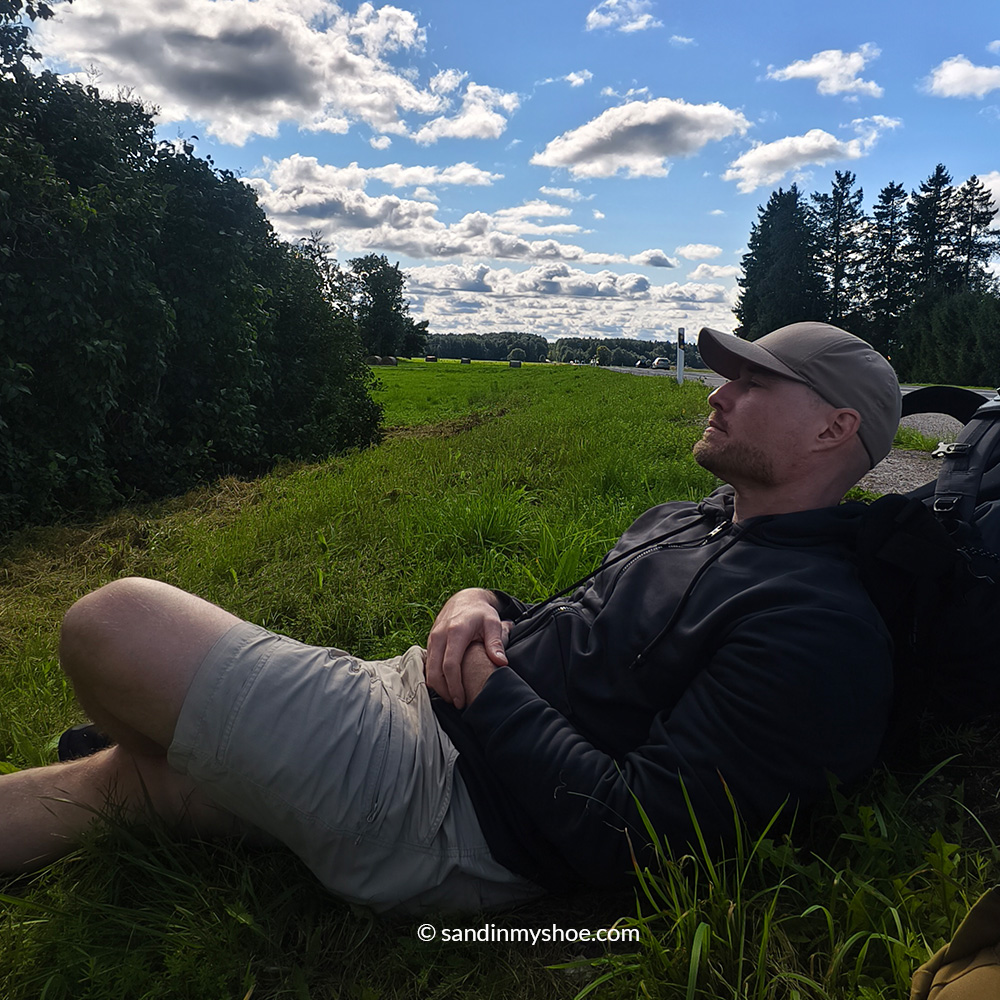
However, getting here to experience the Viru Bog Trail is very doable with the local bus, as it takes just one hour from Tallinn, making it one of the easiest nature day trips you can do. For more details about what to expect, how to get there, and a few practical tips that make the visit smoother, read my dedicated post about Lahemaa National Park.
Visit a Sauna After Your Hike
After getting back from the bog trail, consider heading to a sauna. It’s a big part of everyday life not only in Finland, but in Estonia as well. There are several good options around Tallinn:
- Logi Sauna
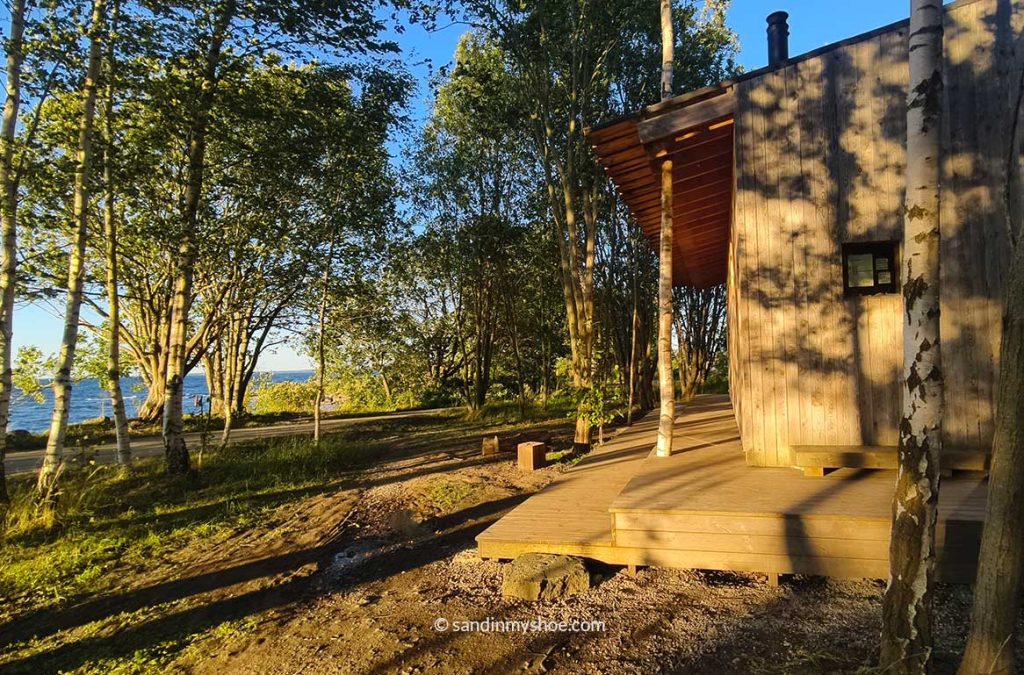
I planned to visit Logi Sauna, but it was closed when I arrived. It’s run by volunteers and located right by the sea, offering mixed‑gender sessions. There are no showers, and long swim trunks aren’t allowed inside the sauna because they carry water into the hot room. Entrance is €8, which feels reasonable for a simple, local experience. - Kalma Sauna
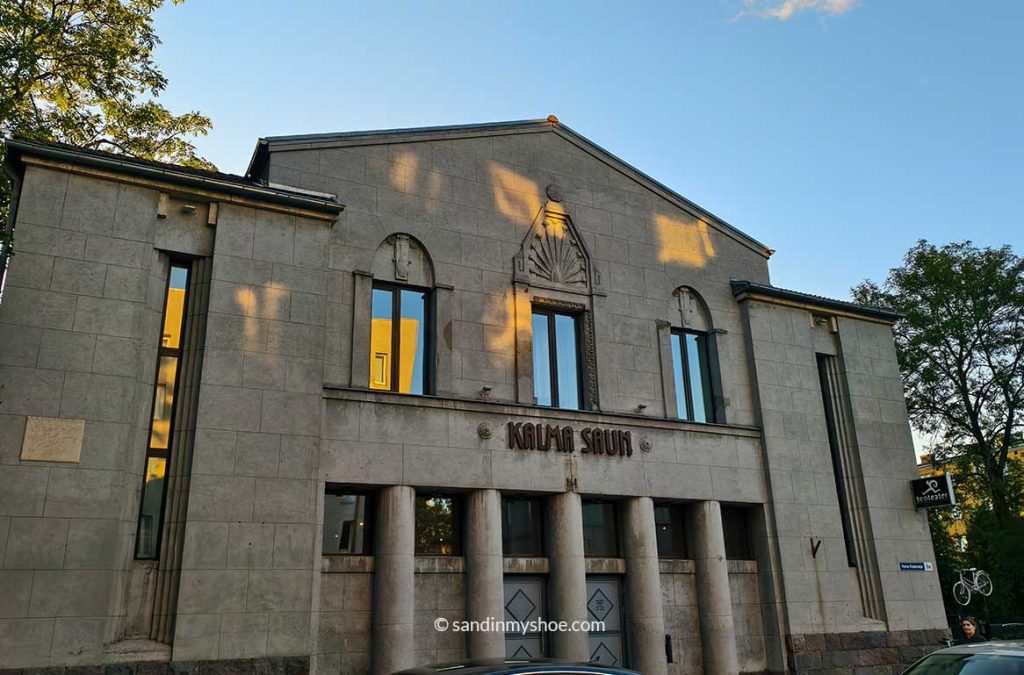
This is the one I ended up visiting. Kalma Sauna is one of Tallinn’s oldest public saunas, with a traditional atmosphere and separate sections for men and women. The outside is really old soviet style. The interior is simple and authentic, and it’s a solid choice if you want a classic local sauna experience.
Entrance to the communal sauna is €20 for men, and slightly less for women, as their section is considered less spacious and not as well‑equipped. Since we were three people, we decided to rent a private sauna for €24 per hour, which ended up being a better deal and gave us a more relaxed experience.
Visit the Dagestani Restaurant
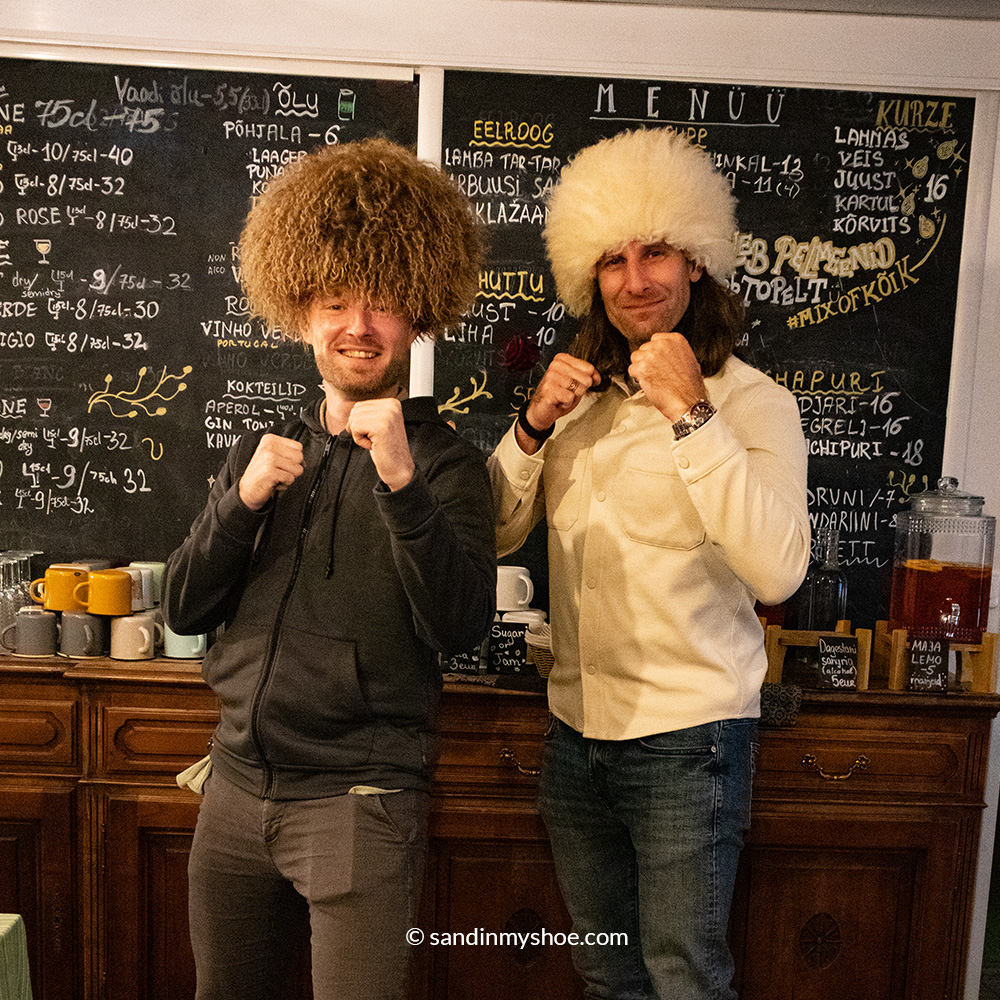
After the sauna, we headed out for food and went to a Dagestani restaurant near Telliskivi. I had never eaten Dagestani food before, and the reviews for this place were almost suspiciously good, which immediately caught my interest. Honestly, I thought Dagestan mainly produced MMA fighters.
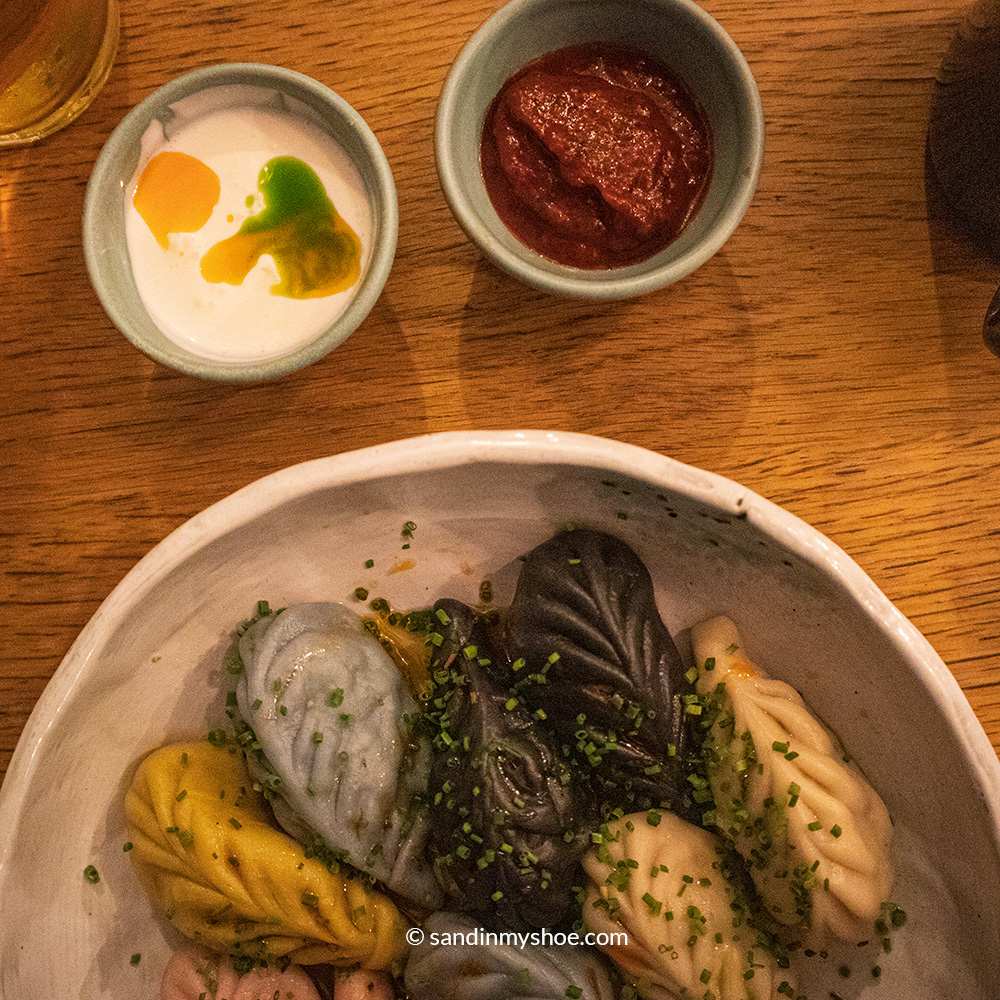
The specialty here is kurze, their version of a dumpling with different fillings. The restaurant is family‑run and has been operating since the Covid outbreak. I chatted with the woman who runs it and her son, and both were very friendly.
The atmosphere feels like sitting in someone’s home. Personal and not commercially polished, which adds to the charm.
Getting to Tallinn
There are low‑cost airlines operating routes into Tallinn from most European countries, so flying here is often inexpensive if you book in advance.
I arrived by ferry from Helsinki, which was a quick two‑hour crossing. Ferries also run from Sweden, though those are overnight trip and typically a bit cheaper than flying.
If you’re coming from Latvia, you can easily arrive by bus or train.
Wrap-Up
This 2‑day itinerary gives you most of what Tallinn has to offer. Feel free to pick the parts you like and use it as a rough template for your own visit. But whatever you do, join a free walking tour of Tallinn’s Old Town. For me, it was the best way to get an introduction to the city without overpaying.
No comments yet, be the first one!
I appreciate hearing from you. If you have any suggestions, questions, or feedback, please leave a comment below. Your input helps ensure the information stays relevant and up to date for everyone.
Thank you for sharing your thoughts!