
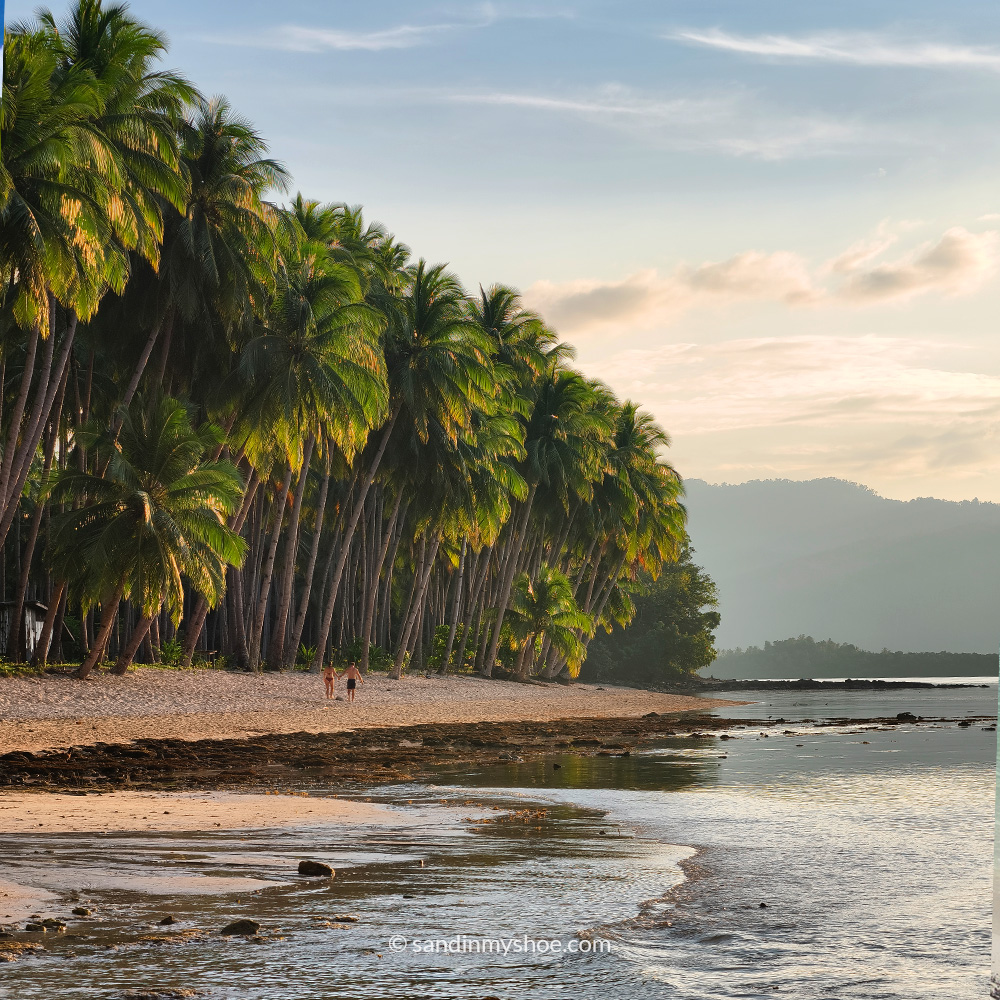
But with more than seven thousand islands in the Philippines, planning a trip might seem overwhelming. Trying to squeeze in too many destinations in a 2-weeks stay might leave you exhausted and you’ll spend more time in transit than in paradise.
Personally, I spent seven weeks exploring the Philippines, and looking back, if I were to visit for the first time and stay for 2 weeks, I’d follow this itinerary. If you dive, I added a alternative route for divers at the end.
When to Visit the Phillipines
Make sure to time your trip so you’ll avoid the monsoons and the storms. The golden overlap to visit Palawan, Cebu and Bohol (which shares Cebu’s monsoon pattern) is between February and April, and again November to December — offering clear skies and great conditions for diving. The second-best months are January and May with occasional showers.
 29°C
25°C
29°C
25°C
30°C
25°C
32°C
26°C
29°C
25°C
29°C
25°C
30°C
25°C
32°C
26°C
 32°C
26°C
32°C
26°C
 31°C
26°C
30°C
26°C
31°C
26°C
31°C
26°C
30°C
26°C
29°C
25°C
29°C
25°C
29°C
24°C
30°C
24°C
31°C
25°C
33°C
25°C
33°C
26°C
32°C
26°C
31°C
26°C
31°C
26°C
31°C
25°C
31°C
25°C
30°C
24°C
30°C
24°C
31°C
26°C
30°C
26°C
31°C
26°C
31°C
26°C
30°C
26°C
29°C
25°C
29°C
25°C
29°C
24°C
30°C
24°C
31°C
25°C
33°C
25°C
33°C
26°C
32°C
26°C
31°C
26°C
31°C
26°C
31°C
25°C
31°C
25°C
30°C
24°C
30°C
24°C
Is the Philippines Worth Visiting
Absolutely! It might be my favorite country in Southeast Asia. The nature is amazing — from postcard perfect beaches lined with coconut trees to seas full of life. I still remember snorkeling in Moalboal, surrounded by thousands of sardines while turtles gently pass by me.
Thanks to the high English level of the locals, makes traveling here is quite easy and . However compared to many other Southeast Asian countries, the Philippines is more spread out, so it takes a bit of planning and you’ll need a slightly larger travel budget than in many other Southeast Asian countries.
Keep in mind though, that touristy places such as Boracay will be very touristy and prices might be around the levels of many places in Europe. Personally, I tend to skip these hypertouristy places and visit more authentic places instead such as Siquijor, Bohol, Cebu and Palawan. Although these islands are of course touristy too, but they are not overrun in the same way as Boracay.
Philippines Itinerary for 2 Weeks
Itinerary Overview
Day 1: Coron
Day 2: Coron
Day 3: Coron to El Nido Expedition
Day 4: Coron to El Nido Expedition
Day 5: Coron to El Nido Expedition
Day 6: El Nido
Day 7: El Nido
Day 8: Bohol (Flight)
Day 9: Bohol
Day 10: Bohol
Day 11: Oslob (Boat)
Day 12: Moalboal / Alt. route Malapascua
Day 13: Moalboal / Alt. Route Malapascua
Day 14: Bus to Cebu City & Fly home
Day 1-2: Coron
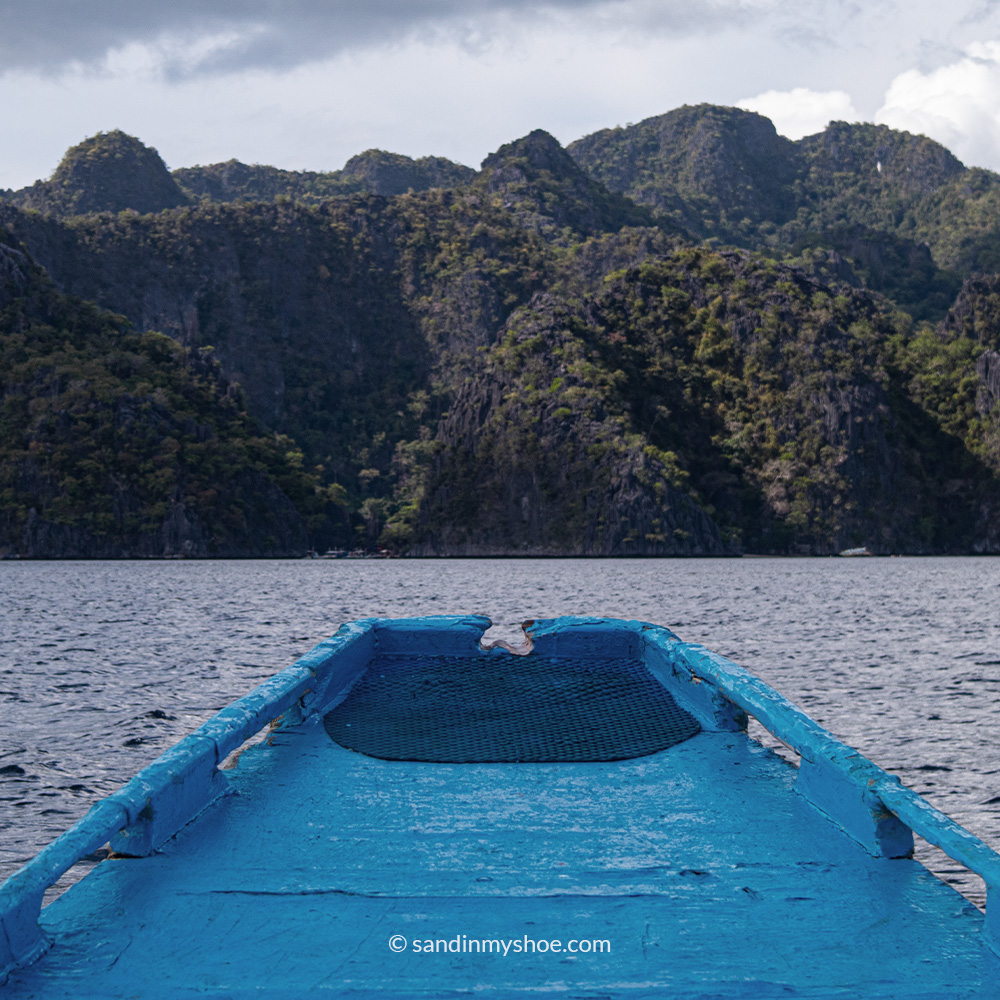
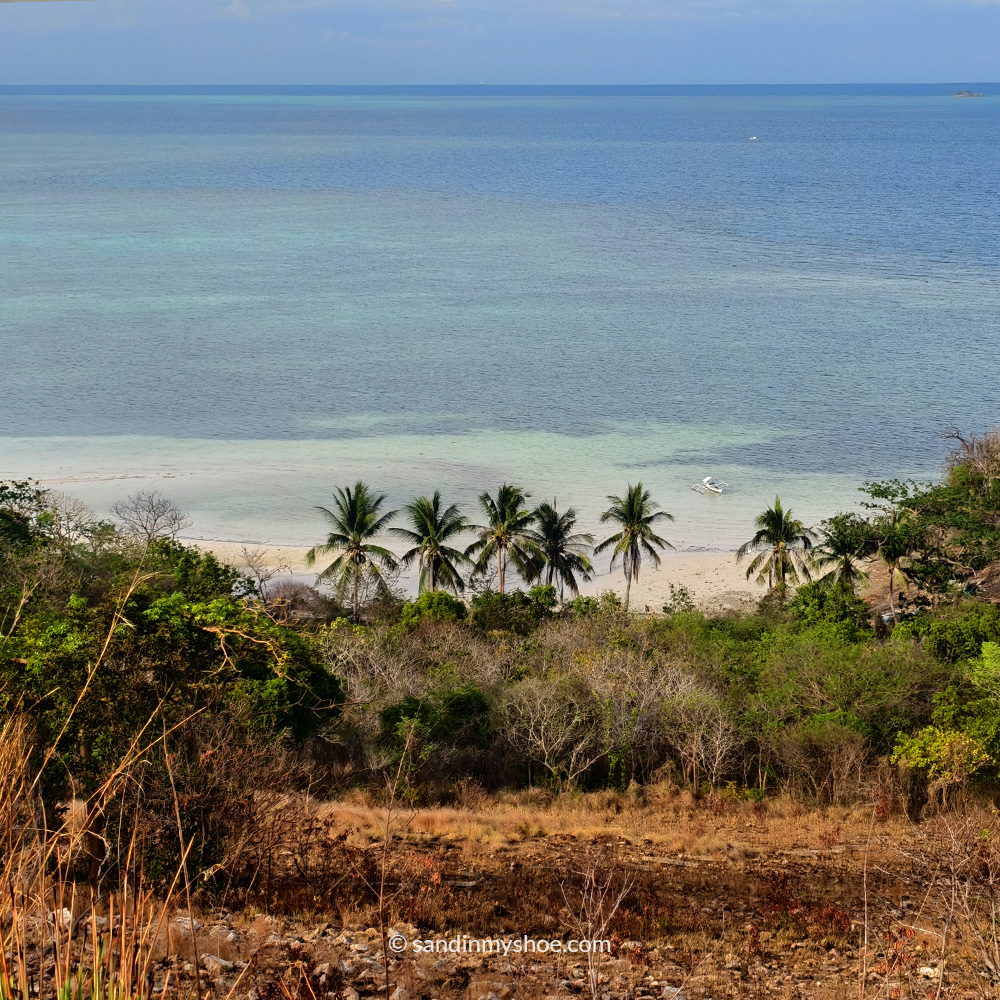
Coron Island is famous for its turquoise lagoons, towering limestone cliffs and World War II shipwreck diving sites. It’s located north of the Palawan Island, it offers a quieter, less touristy vibe compared to El Nido. Beginning your trip in Coron gives you an immediate taste of the Philippines at its best.
Things To Do in Coron
- Dive in Shipwrecks
Diving in shipwrecks from World War II is one of the highlights of Coron. There are dozen of sunken Japanese ships in Coron Bay and over the decades, they are transformed into artificial reefs, covered in corals and marine life. There are many operators offering this experience on the island. Keep in mind that many of the dive sites require advanced or technical diving certifications. - Freedive in Barracuda Lake
Freediving was one of the most unique experiences I’ve had for years. Unlike scuba diving, it’s you, one breath and the silence of the lake. I joined a two-day course and practiced in Lake Barracuda — one of only two lakes in the world where salt and fresh water layers meet, creating a warm middle layer heated by the volcanic crater. During those two days, I managed to reach 22 meters on one single breath, much deeper than I ever thought I could go. Curios to know more? Read my full story about freediving Coron and discover why it’s worth the trip.
- Rent a Motorbike and Follow This Itinerary
Rent a motorbike and explore hidden spots like Cabo Beach or Marcilla Beach during the day. In the late afternoon, hike up Mt. Tapyas for panoramic sunset views over Coron Town. Afterward, head to Maquinit Hot Springs — natural saltwater hot springs heated by volcanic activity — and unwind under the stars, letting the warmth ease away the day’s adventure. - Join One of the Island Tours
The best of Coron are actually are scattered across the surrounding islands and lagoons. The easiest way to see the best of Coron is to join the most popular tour: Coron Super Ultimate Day Tour. This tour combines highlights such as Kayangan Lake, Twin Lagoon, Siete Pecados Marine Park, and vibrant coral gardens into one full‑day adventure.
Where to Stay in Coron
I’d recommend staying in around Coron Town during your two day visit, as it’s the hub for tours, restaurants, and transport.
- Mid-range: Coron Westown Resort — a comfortable stay with spacious rooms and a large pool, perfect for unwinding after island tours. ~$60 USD per night.
- Budget: Happy Camper Hostel — a friendly option with both private rooms and dormitories, ideal for travelers looking to save while staying social. Dorm bed cost around $10 USD or roughly $30 USD for a private room.
Getting to Coron
The easiest way to get to Coron is by plane, and it takes about 1 hour and 15 minutes. It’s best to book domestic flights in advance, as early tickets cost around $40 USD but can quickly rise to several hundred dollars when booked closer to departure date.
If you don’t have a flight ticket and you want to travel to Coron affordably, consider the overnight ferry. It takes roughly 13 hours and the cheapest tickets start at about $30 USD. I took the overnight ferry from Coron to Manila, and it wasn’t that bad.
Day 3-5: Boat Expedition to Coron
The Coron – El Nido Expedition was one of the best experiences in the Philippines. You climb aboard a bangka, the iconic outrigger canoe, and set off across turquoise waters toward El Nido. Along the way, you’ll stop at deserted beaches, snorkel in vibrant reefs, and leap from towering limestone cliffs. Evenings begin with rum‑fueled karaoke and end in simple huts tucked along remote island shores. It’s a raw and authentic way to experience the beauty of the Philippines.
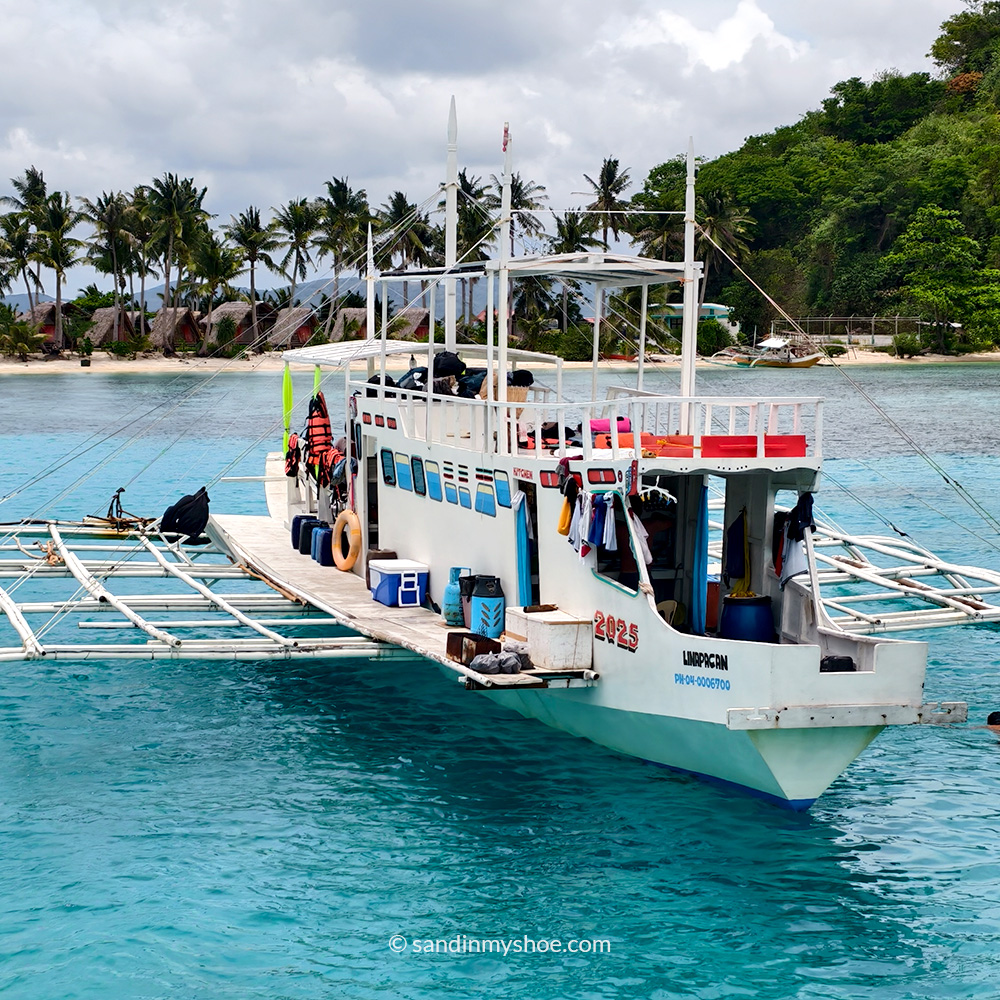
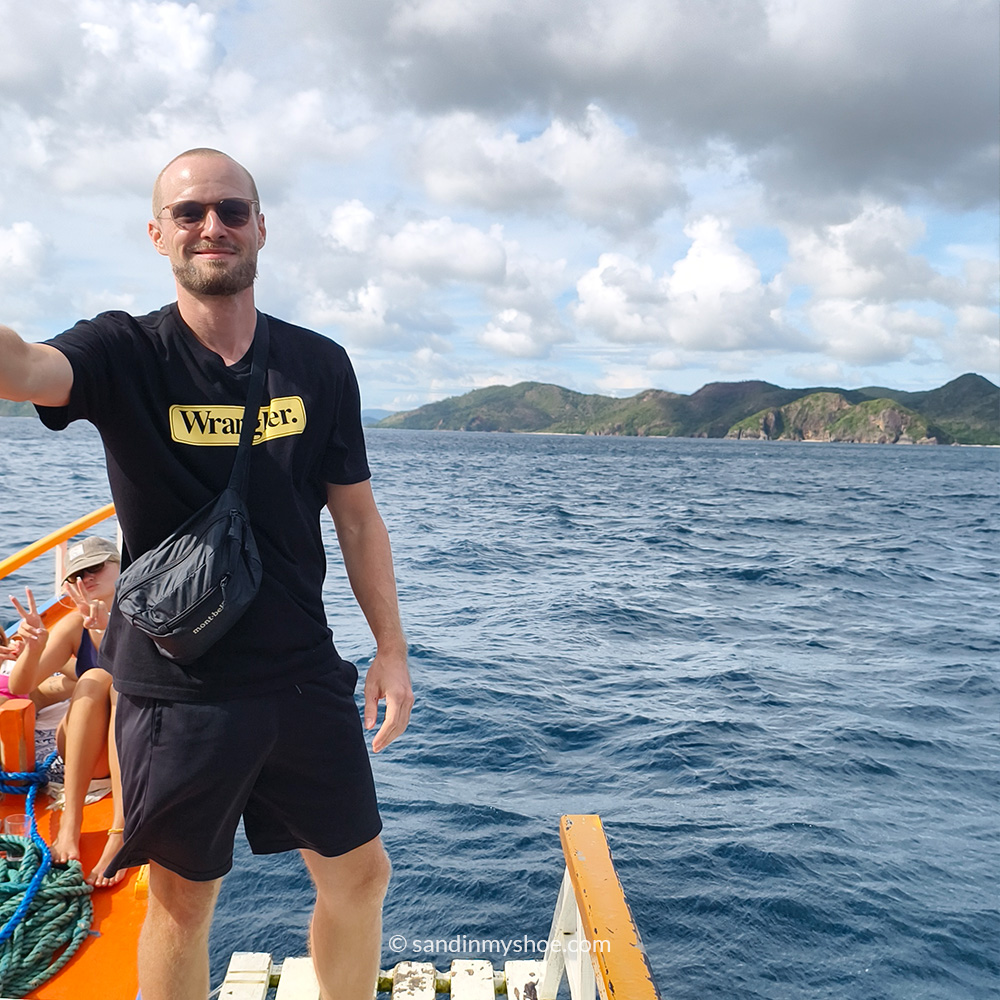
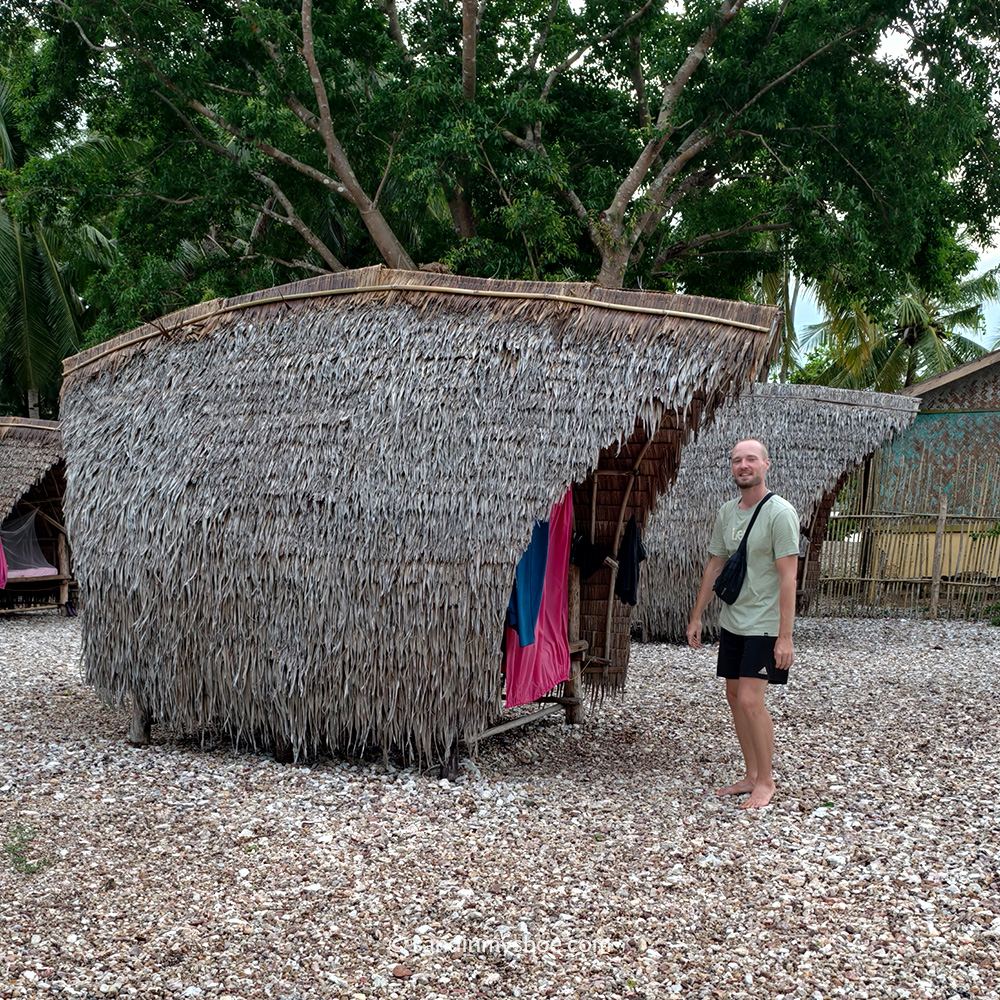
Cost & Inclusions: Around $320 USD for a 3‑day, 2‑night trip. The price covers all meals, unlimited rum and coke, simple hut accommodation on beach side islands, and plenty of activities — from kayaking and snorkeling to karaoke and cliff jumping.
Day 6-7: El Nido
Next stop is El Nido, the tourist capital of Palawan island.
Here you’ll find stunning beaches framed by limestone cliffs, and island-hopping is the highlight here as well — with lagoons, sandbars, and amazing snorkeling spots. Two days is enough time to soak in the scenery, join an island hopping tour, and enjoy the town’s lively nightlife.
If you are getting tired of island hopping consider checking out the beaches and just chill in the town’s many cafes. For something different, head to Ille Cave, about 20 km from El Nido — an impressive archaeological sights worth checking out.
Things to Do in El Nido
- Boat tours
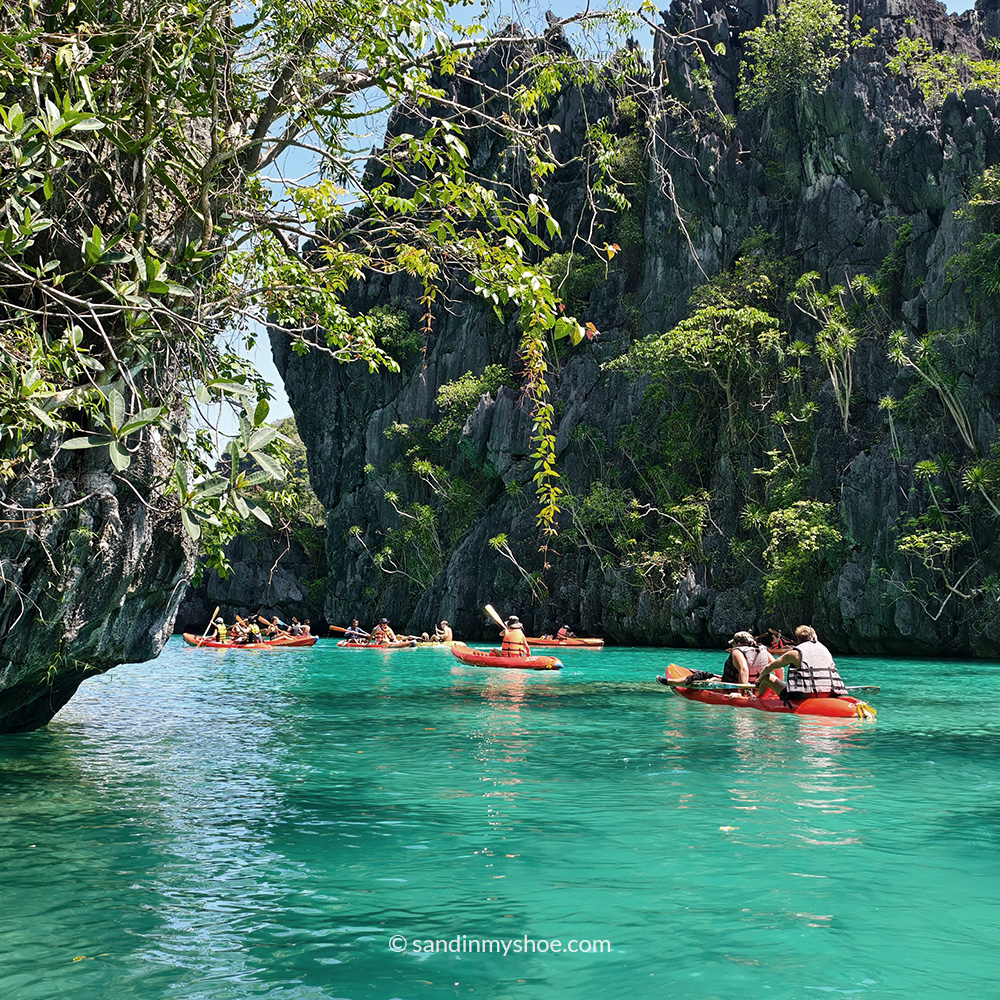
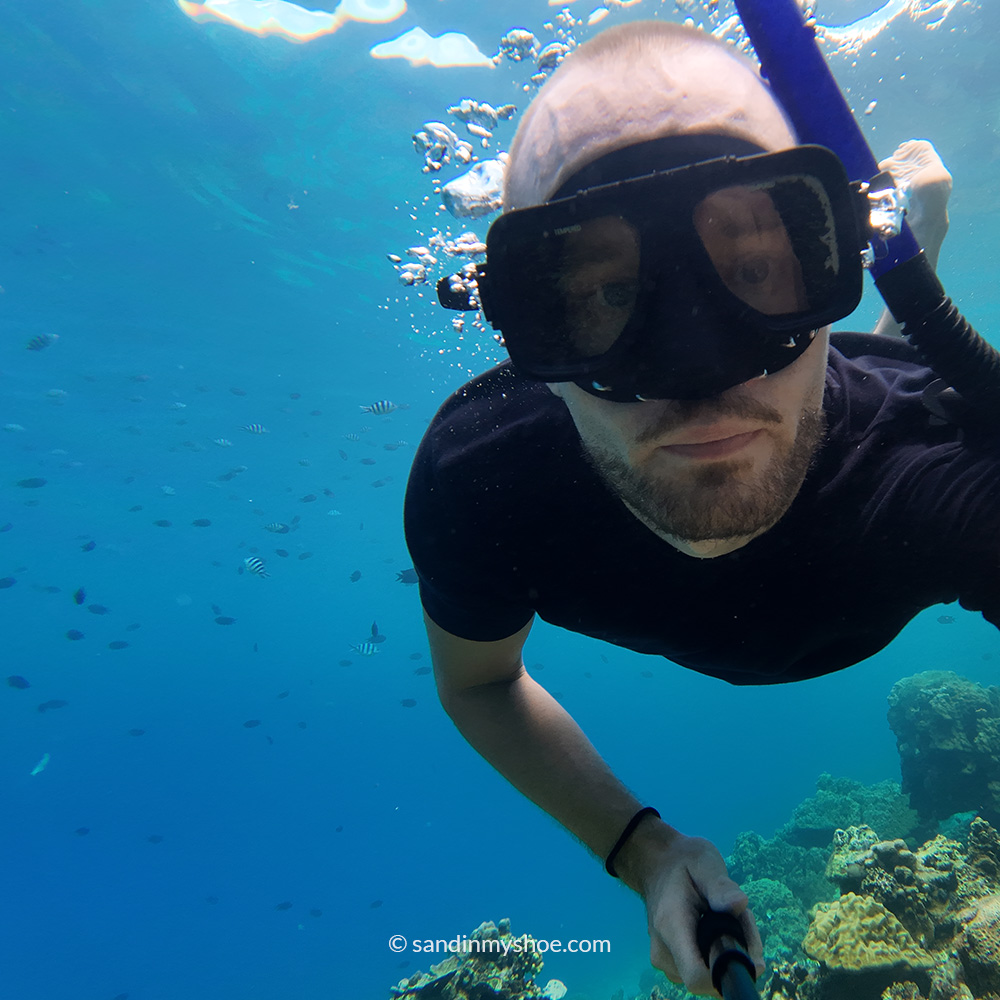
El Nido is packed with boat tours and there are four different ones to choose from: A, B, C and D. Tour A and C are considered the best ones in terms of scenery. I joined Tour A, which included a full day of snorkeling, kayaking in Big Lagoon and lounging on deserted beaches. Although it’s touristy, I really enjoyed this tour because the nature is just so amazing. I chose Tour A over Tour C because it offers more variety, while Tour C leans more toward hidden coves and snorkeling.
- Explore the Beaches Around El Nido
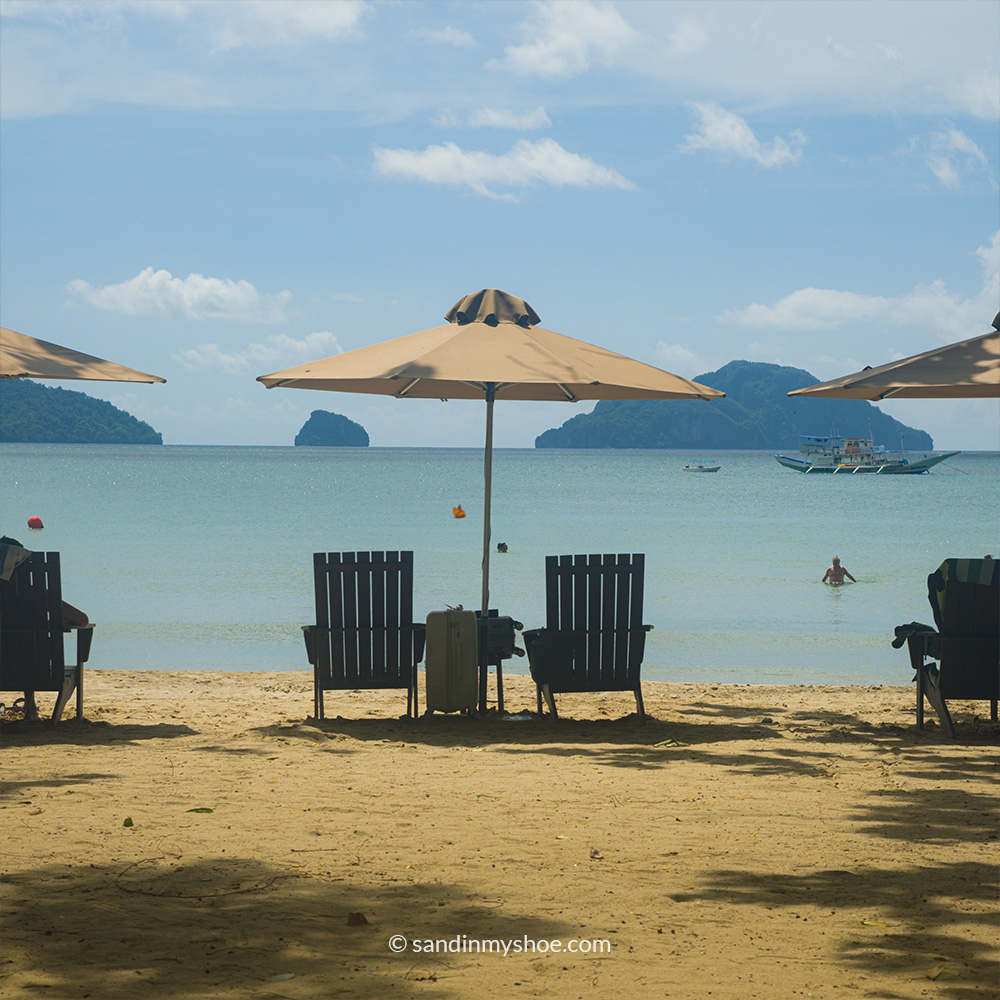
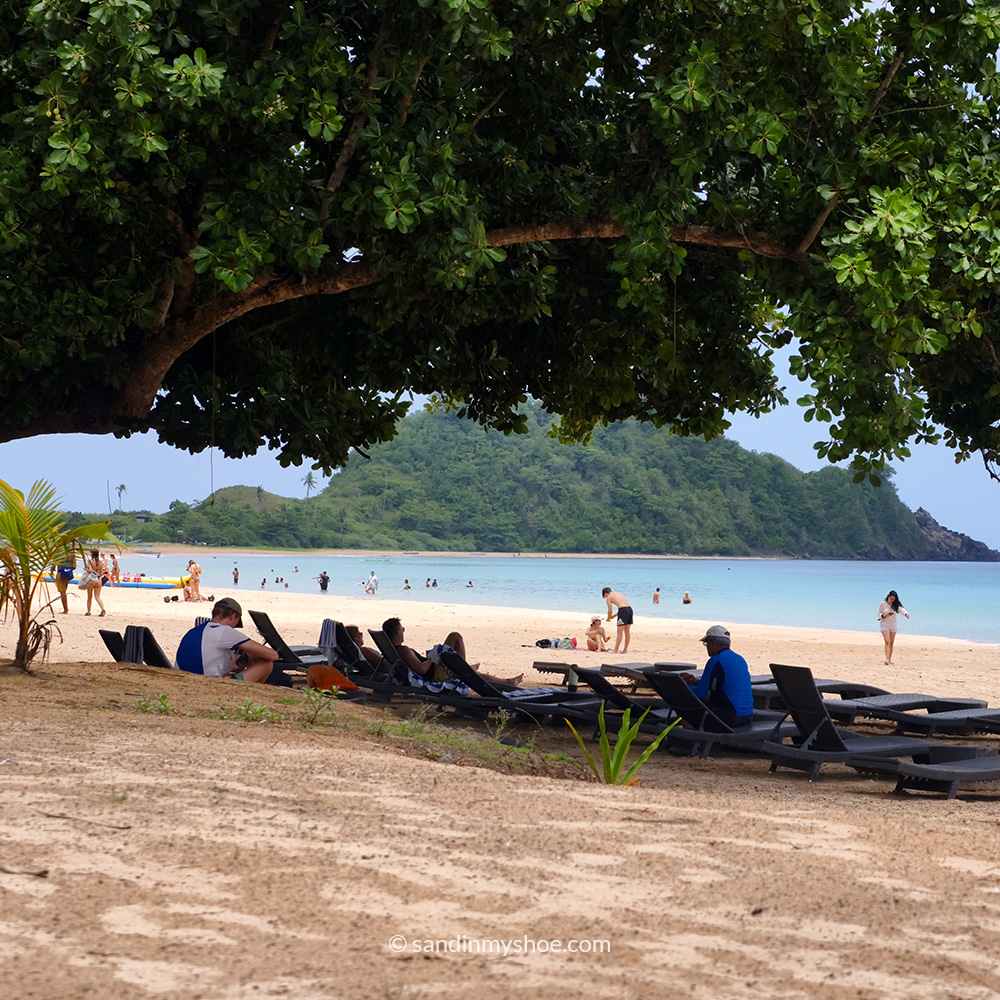
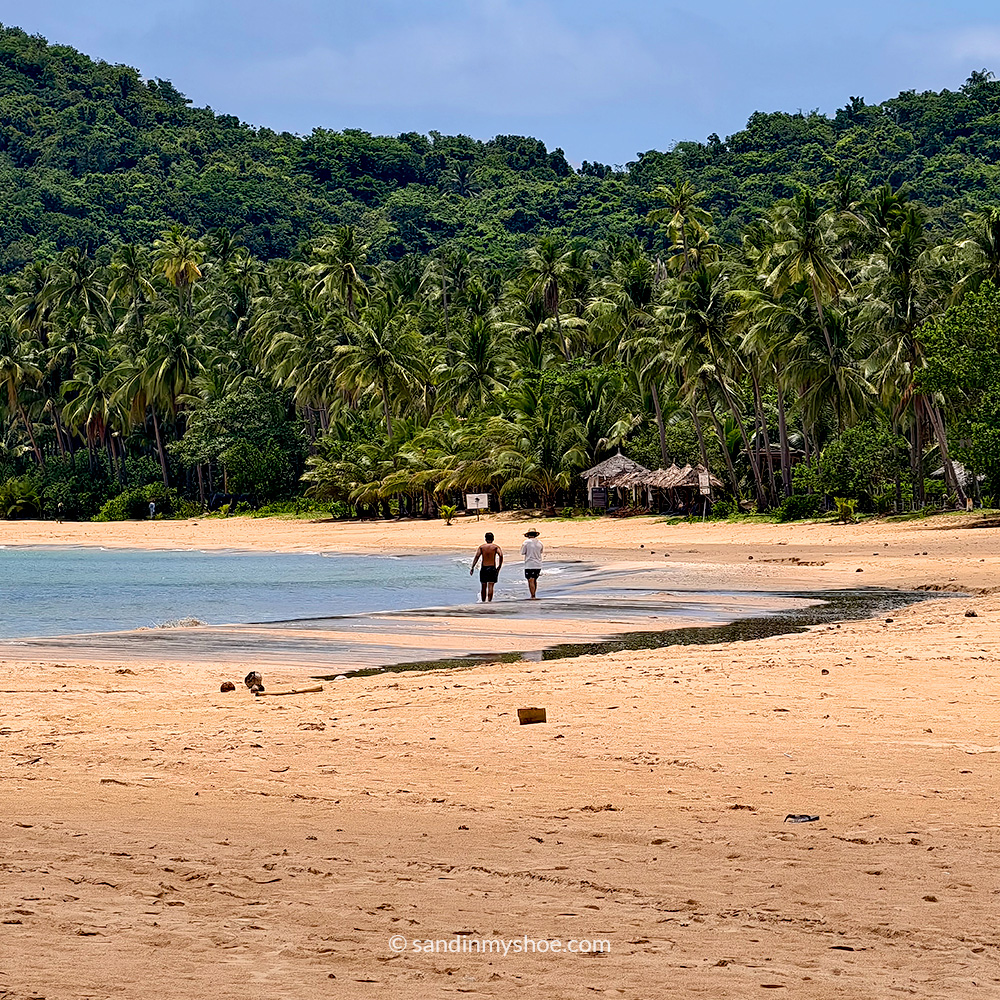
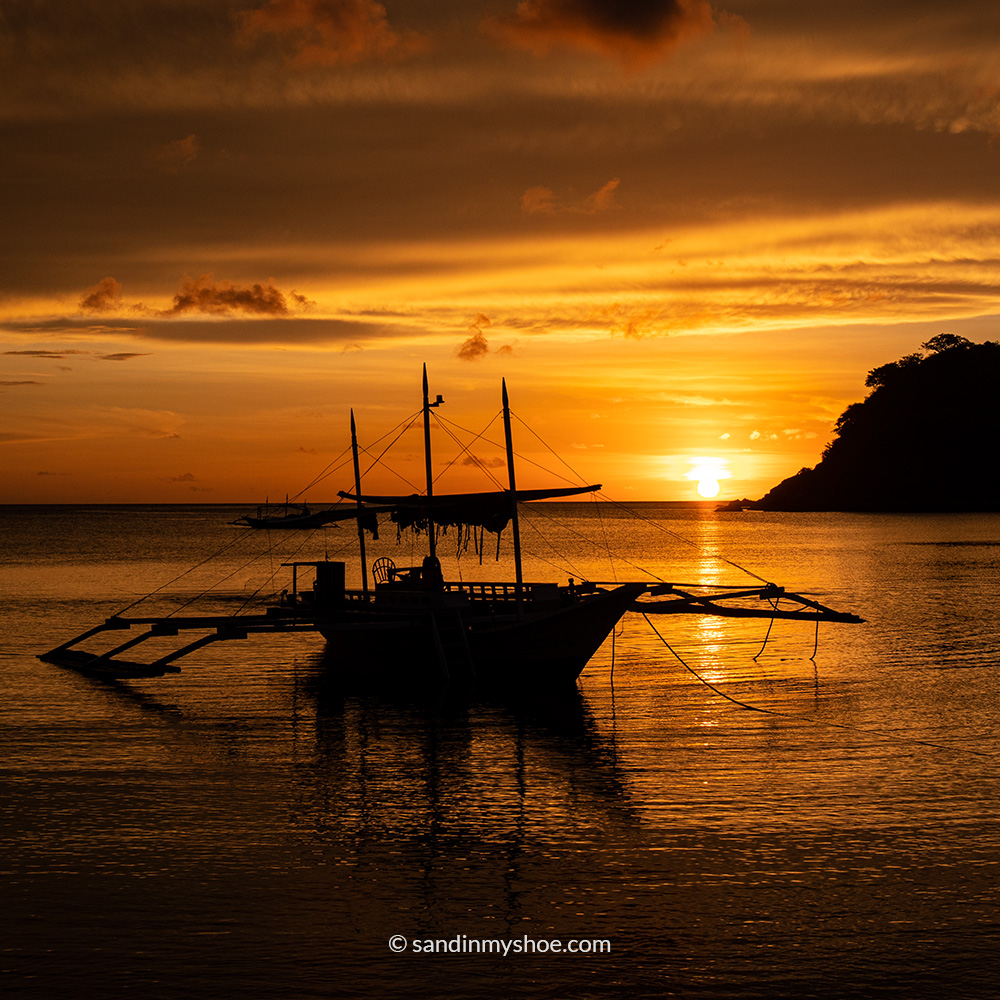
If you to explore many of the beaches around the area, consider renting a motorbike and ride around. My favorites were Nacpan Beach for its long stretch of golden sand, Twin Beach for its unique sandbar connection, and Duli Beach for its raw and off-the-beaten-path atmosphere. Also it’s a spot for beginner surfers and turtle hatchery.
- Visit the Ille Cave
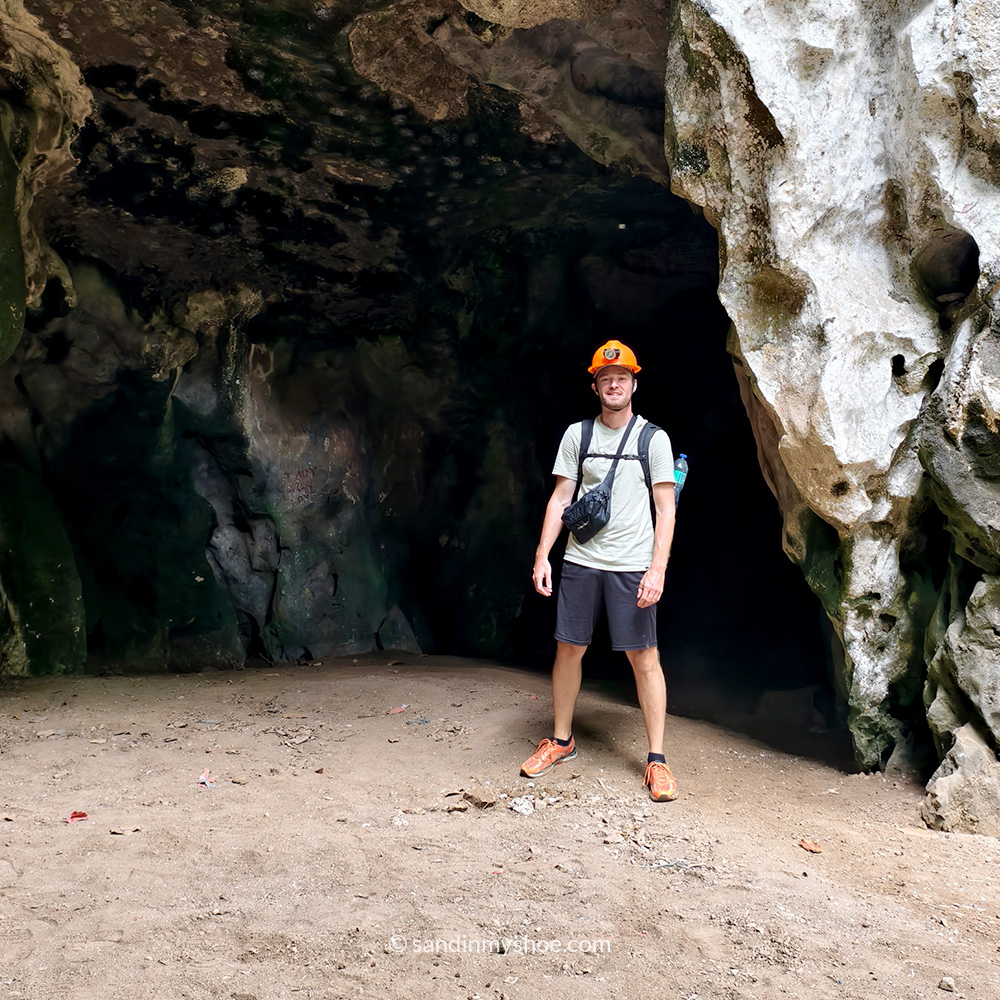
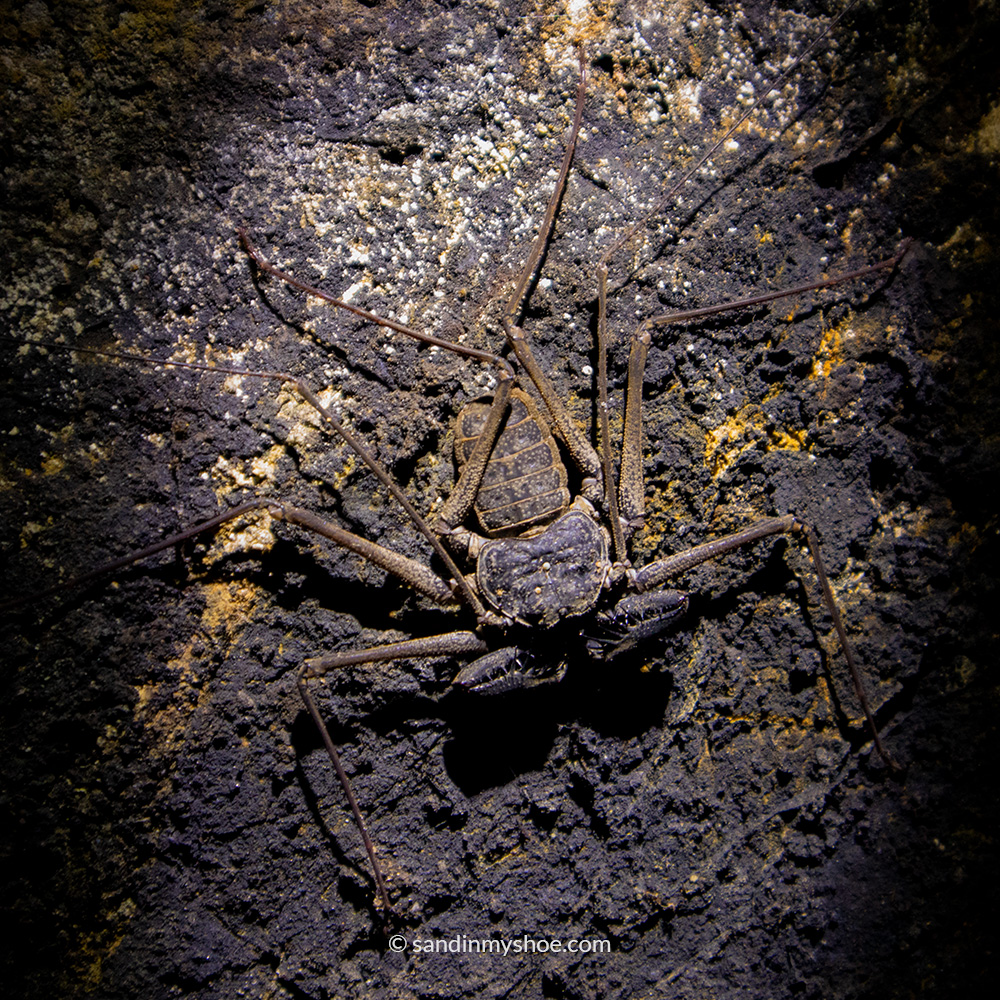
Excavations show that this cave was already inhabited 12,000 years ago, with discoveries of pottery, animal bones and human remains. It’s considered one of the most important prehistoric sites in northern Palawan. Today, the cave is home to thousands of bats, and plenty of spiders. It’s easy to reach by motorbike, and once there you can hire a guide that shows you around. View Location on Google Maps.
- Enjoy the Nightlife
The nightlife in El Nido is lively, yet laid-back. In town you can find beach bars, reggae joints, and even night clubs. Start with a drink at the Las Cabañas Beach Bars, catch the sunset at Republica Sunset Bar, and end the night at Sava Beach Bar or Puka Bar. - Visit Nagkalit‑Kalit Waterfalls
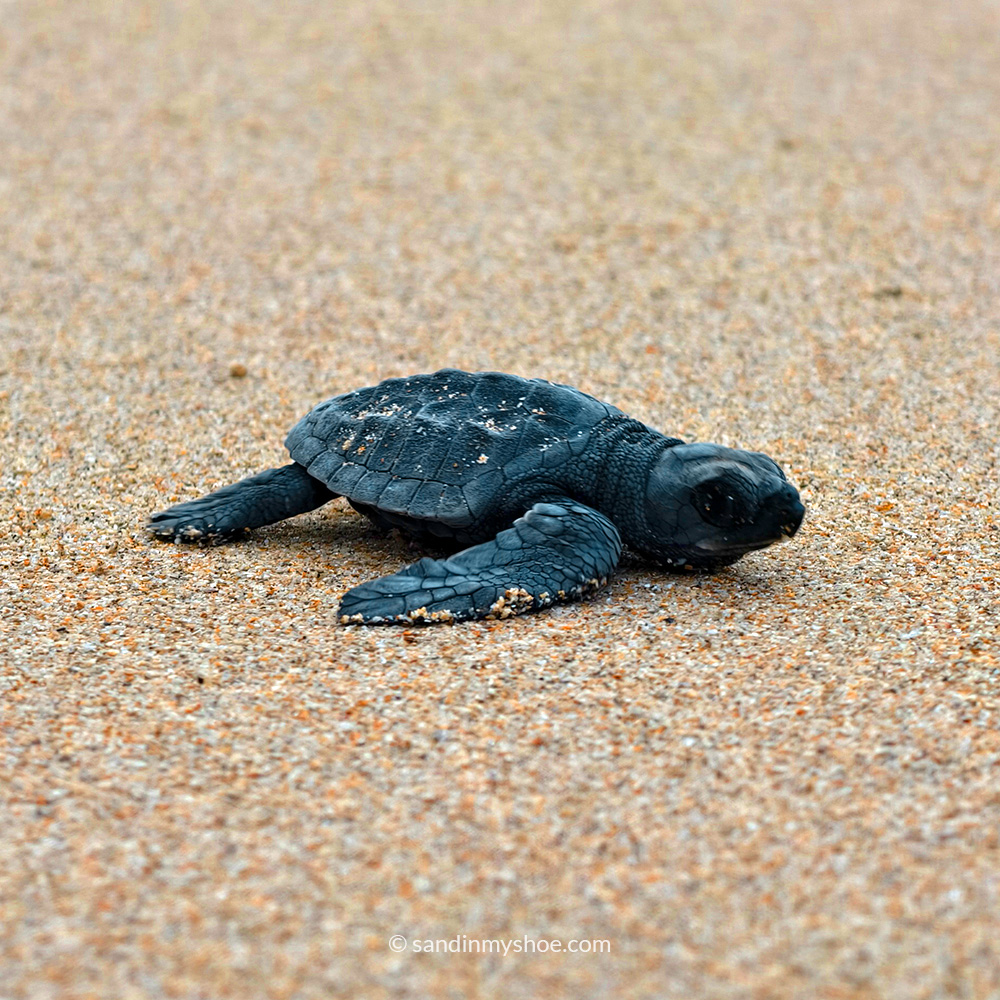
If you’re getting tired of saltwater, take a short trek inland to Nagkalit‑Kalit Waterfalls. The trail leads through rice fields and jungle, ending at a refreshing waterfall where you can cool off with a swim - What the Turtle Hatchling Release at Duli Beach Resort
The resort staff collect sea turtle eggs for safekeeping, since locals sometimes harvest them for food. According to the staff hatchlings are released once in two days usually between January and April. Just ask the staff at the reception. The journey is fragile since only about one of a thousand will survive into adulthood. Some taken by people, others by the predators of the sea. Yet watching them take their first steps, and scramble across the sand to disappear into the ocean was really a one-of-a-kind experience.
Note: After speaking with the staff, they mentioned that their social media accounts are flooded with messages, which they often ignore. I only found out about the hatchling release by chance, when another tourist told me. If you want to witness it, the best approach is simply to show up at the resort and take your chances.
Where to Stay in El Nido
El Nido is a touristy place and is more expensive than many other parts of the Philippines. If you want a decent night’s sleep, consider staying away from the hustle and bustle. I stayed a bit outside town, still within walking distance of the center, in a place called MilVir Tourist Inn, which was a great stay. I even stored my luggage there while I spent couple of days exploring the island by motorbike. Private room for $50 USD per night.
For a mid-range budget I recommend checking out Corong Beach Resort, which is located basically on the beach and has great reviews. Private room cost around $45 USD per night.
For budget travelers, Frendz Hostel is a solid choice — great reviews, super central and with a rooftop pool that makes it easy to meet other travelers. Dorm beds cost around $22 USD per night.
Day 8-10: Bohol
Bohol is famous for the iconic Chocolate Hills, tiny tarsier monkeys, and white sand beaches (many of the nicest stretches are controlled by resorts). My favorite, however, was a lesser-known spot called Alicia Panoramic Park.
I recommend staying in Panglao area, which is the tourist hub and the peninsula of Bohol. From here you can easily rent a motorbike and discover the island on your own terms. I’ve written a separate guide for Bohol — it’s a 4-day itinerary, but doable with 3-days as well.
If you aren’t comfortable riding a motorbike, you can always join a tour. This tour includes the Chocolate Hills, tarsier monkeys and the loboc river experience.
Things to do in Bohol
On your first day, I’d recommend checking out Panglao and the beaches nearby and spend the next days on a motorbike discovering the real highlights of Bohol.
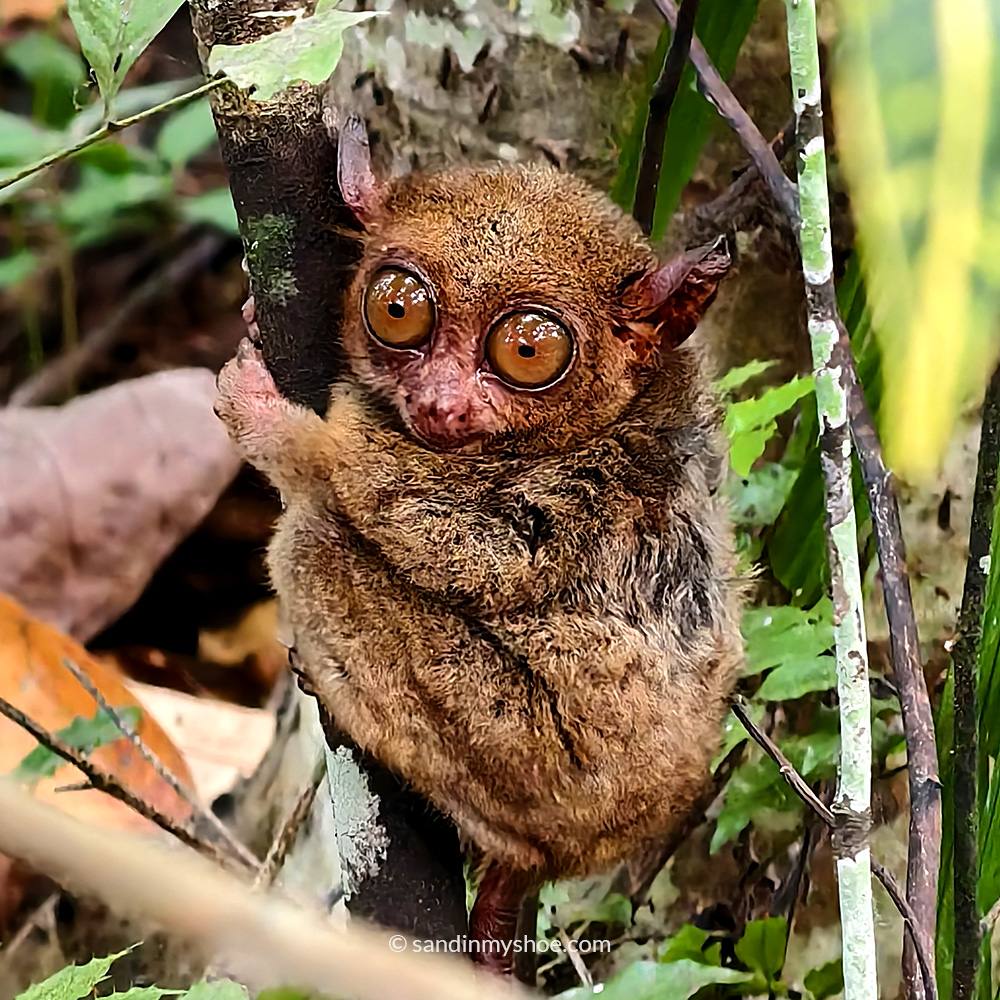
- Visit the Tarsier Monkeys
There are two different locations to see the tiny wide-eyed tarsier monkeys and both offer the same experience. These nocturnal delicate primates are a must-see.
- Have lunch on Loboc River
Drift slowly along the Loboc River on a boat while enjoying delicious Filipino food. The cruise is accompanied by live music och cultural dances, making it a relaxing way to soak in traditions both culinary and artistic. - Visit the Chocolate Hills
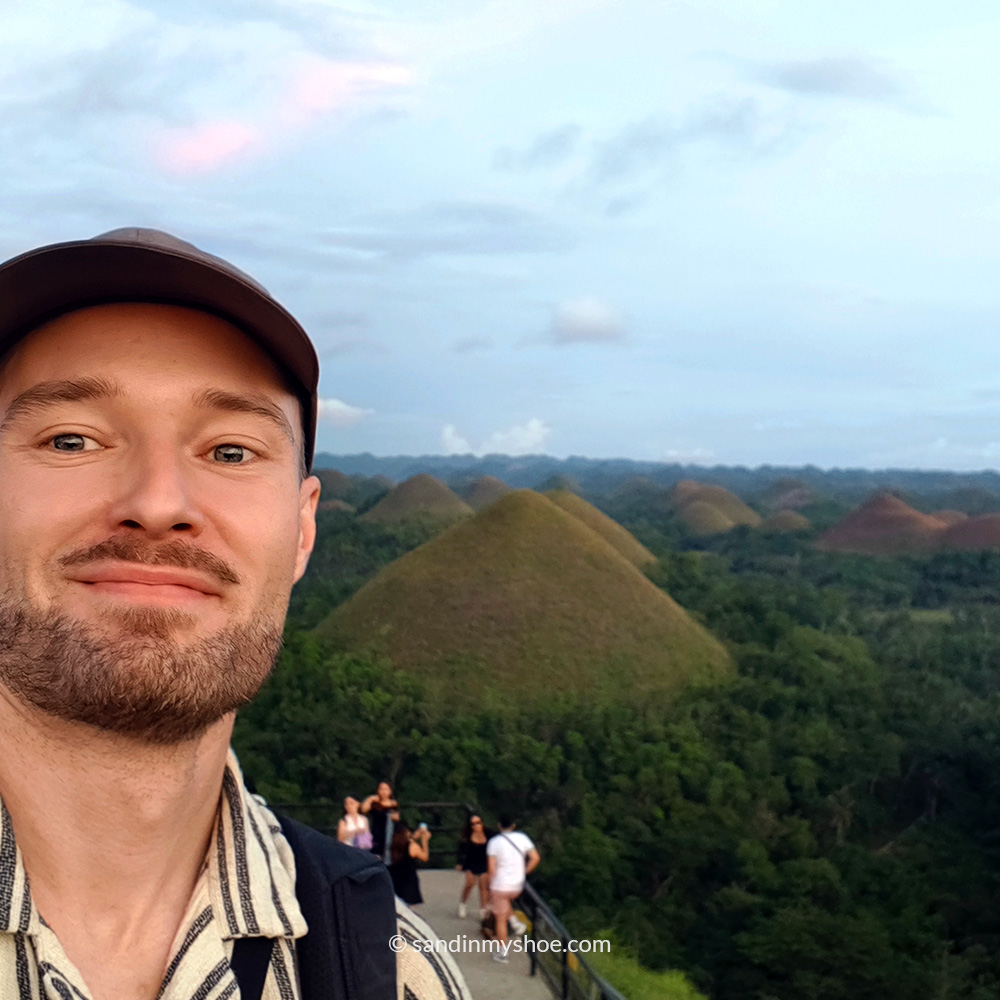
The Chocolate Hills is Bohol’s most famous landmark. There are over a thousand cone‑shaped hills that turn brown in the dry season, creating this surreal landscape. It’s a bit hyped up in my opinion, but still quite a view. Personally, I prefered Alicia Panoramic Park.
- Hike in Alicia Panoramic Park
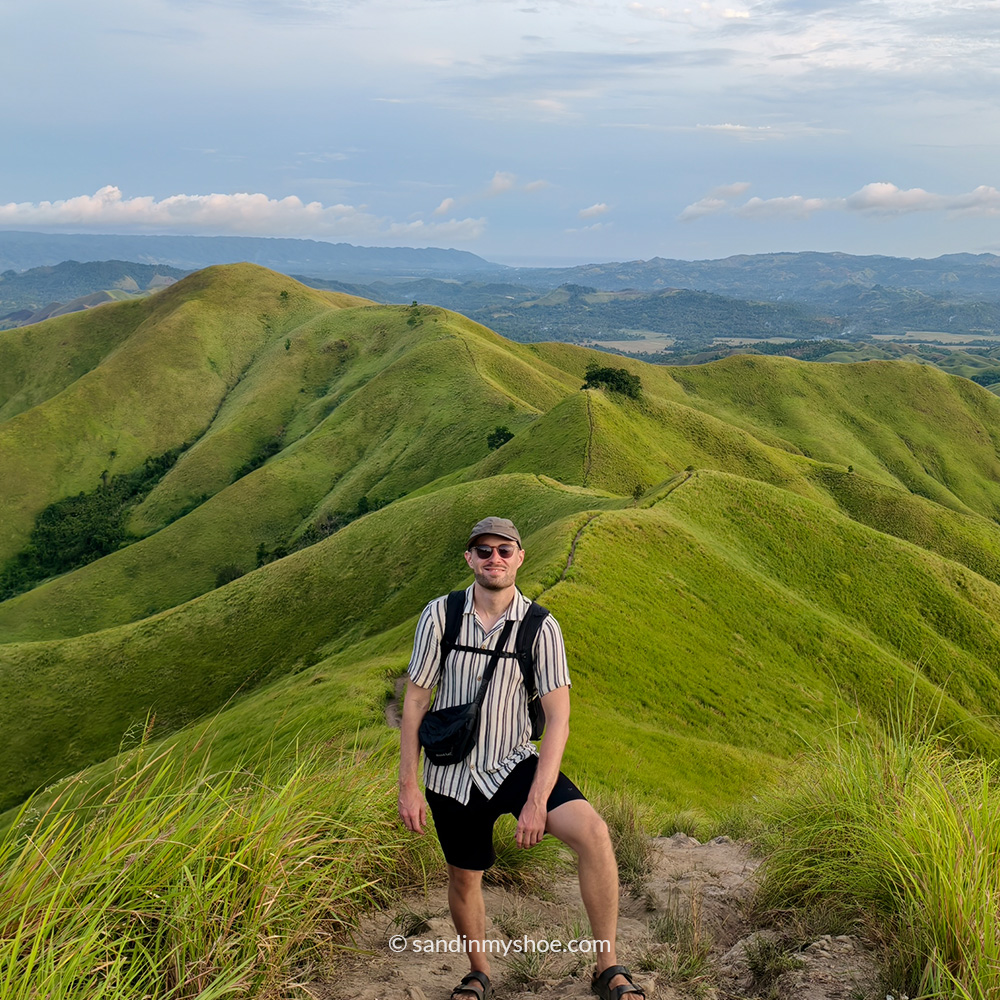
Hiking through Alicia Panoramic Park’s rolling green hills at sunset became my favorite thing to do in Bohol. The trail takes about an hour up and another hour down, and the scenery looks straight out of the Windows 98 background — stunning green nature all around. For those feeling adventurous, camping here is also possible.
- Can-Umantad Falls and the nearby rice terraces.
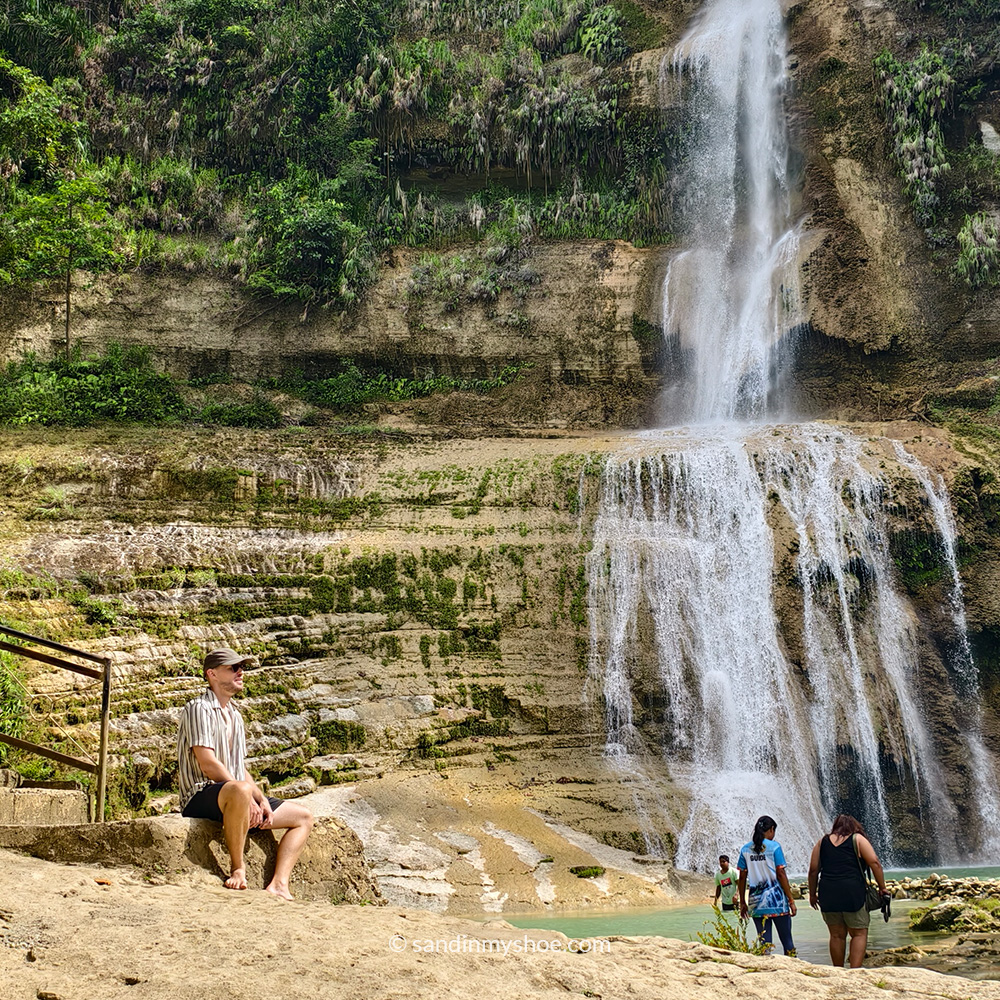
This waterfall is the highest one in Bohol. It’s around 110m (360 feet) tall and is surrounded by tropical forest and rice terraces nearby. The perfect place to cool off with a refreshing swim after working up a sweat under the sun.
- Visit Anda Town
Anda Town is a sleepy town located on the eastern side of the Island. It has a fantastic beach and it’s much less touristy compared to Panglao. If you’re into cliff jumping, head to nearby Cabagnow Cave Pool for an adrenaline fix.
Where to Stay in Bohol
I recommend staying in the Panglao area, the tourist hub on the peninsula located on the southwestern side of the island. From here, it’s easy to rent a motorbike and explore the rest of Bohol, and there’s plenty of accommodation options to choose from. I stayed a bit outside the main area at a place called Softstone Resort. It had a pool, a comfortable room, and cost only $20 USD per night—excellent value for the price.
But if you have have budget, consider staying in one of the resort such as North Zen Villas or SAMADHI Resort & Hydrospa. Private rooms range from $75-90 USD.
If you’re feeling adventurous, like I was, spend just one night in Panglao, leave your big bag at the hotel, rent a motorbike and set off with a small bag carrying only the essentials for a couple of days. Discover the island on your own pace and stay wherever the sun happens to set.
Getting to Bohol
Fly straight from El Nido and book your flight at least a month in advance, as prices tend to rise the closer you get to the departure date.
Day 11: Oslob
Oslob is famous for snorkeling with whale sharks. I recommend booking a tour for the same day you arrive, then continuing onward the same day to Moalboal or Malapascua.
Things to do in Oslob
- Snorkel with Whale Sharks
In Oslob, tour guides feed the whale sharks, which is why they are so frequent in this area. It’s a debated subject whether this practice is ethical, as it may affect their natural habits. For years, concerns were raised that feeding prevented them from migrating to their breeding grounds, potentially threatening reproduction. However, newer data suggests they still reproduce despite the altered behavior. This industry also provides full‑time employment for around 177 fishermen who previously earned as little as $1 per day, highlighting the complex balance between conservation and livelihood. Personally, I chose not to visit because I wasn’t sure if it was fully ethical.
If you are interested in learning more whether it’s ethical or not, have a look at the study.
Where to Stay in Oslob
In Oslob there is a great 2-star hotel called Ocean View Lodging House with great reviews both on Booking and their Business Profile on Google. It near the port and private rooms go for $25.
Getting to Oslob
There is one high-speed ferry from Bohol to Oslob Bohol, departing early at 06:30 from Momo Beach in in Panglao.
Tip: Buy your ticket the day before. If you miss the ferry, you’ll face a much longer route through Dumaguete, involving multiple bus and ferry transfers.
Day 12-13: Moalboal
Moalboal is one of the most exciting coastal towns on the Cebu Island, offering adrenaline-filled adventures both on land and under water. There are some experience I believe everyone should experience while visiting the Philippines, and one of them is the Sardine Run at Panagsama beach in Moalboal and the second one is Kawasan Canyoneering for an adrenaline filled day of hiking, cliff jumping and swimming in turquoise water.
What to Do and What to See in Moalboal
- Sardine Run & Turtles
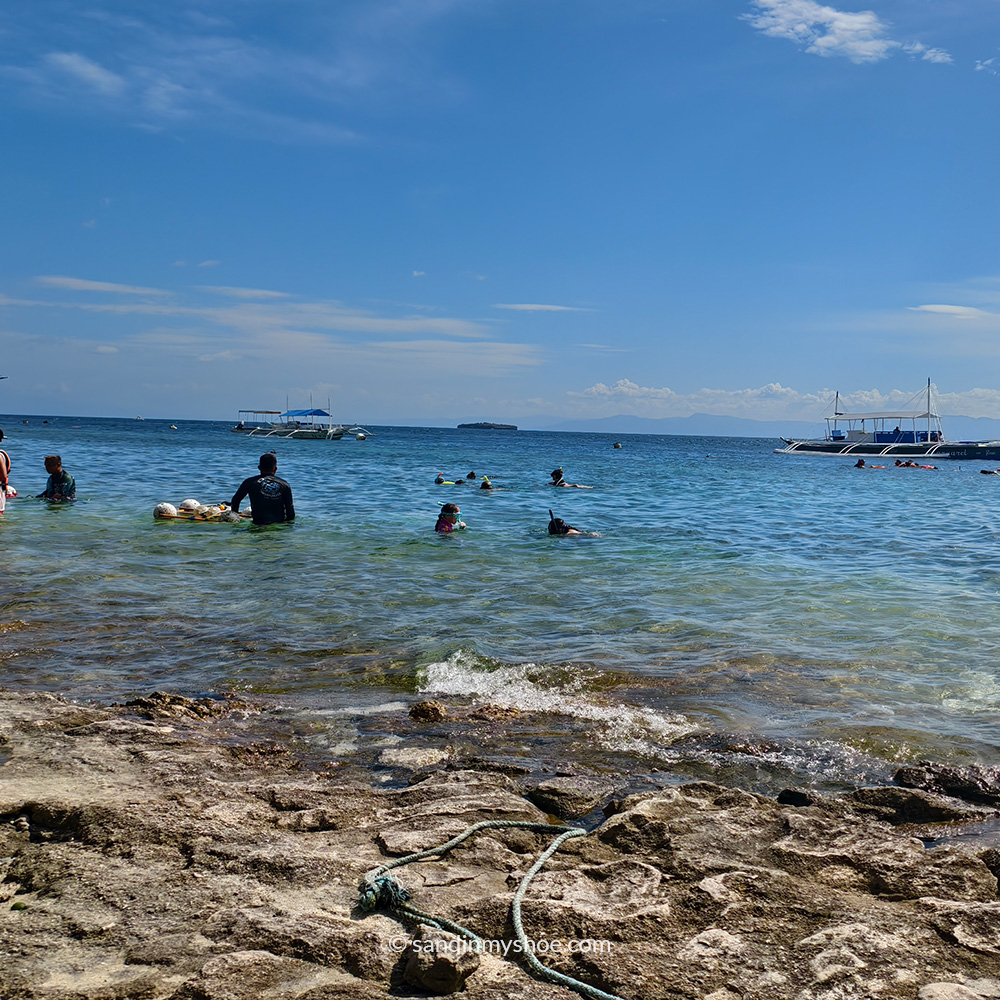
Imagine stepping into the water at Panagsama beach, and just 10-20 meters from the shore, you’ll find yourself among thousands of Sardines. They swirl together in huge schools, moving like one single organism. And as you float among them, turtles may gracefully glide beneath you. You can both snorkel and dive here, personally, I just snorkeled and after talking with some people who dived, I came to the conclusion that we pretty much got the same experience. The snorkeling cost less than $4 USD while diving is 15x pricier. Keep in mind that the Panagsama Beach is a rocky beach, not really for leisure, more for the snorkeling and diving. If you want chilling on a sandy beach, visit white beach.
- Kawasan Canyoneering
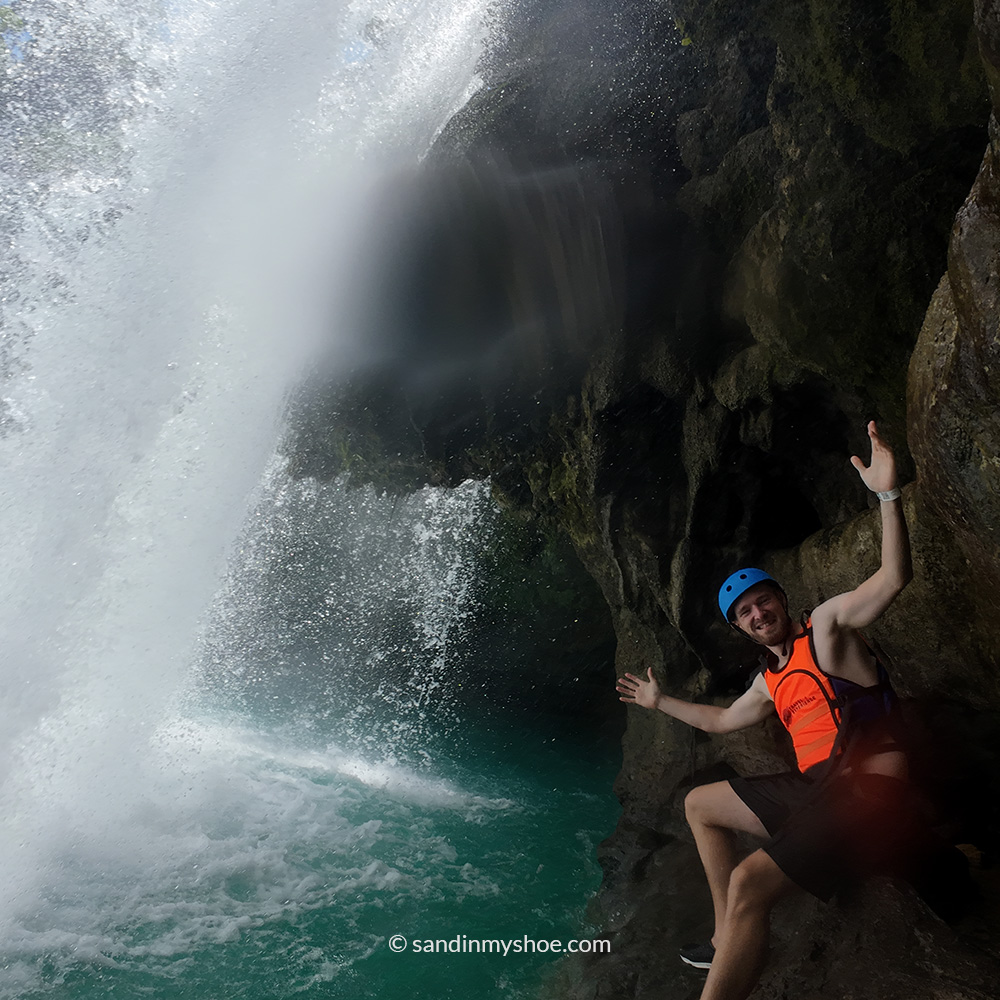
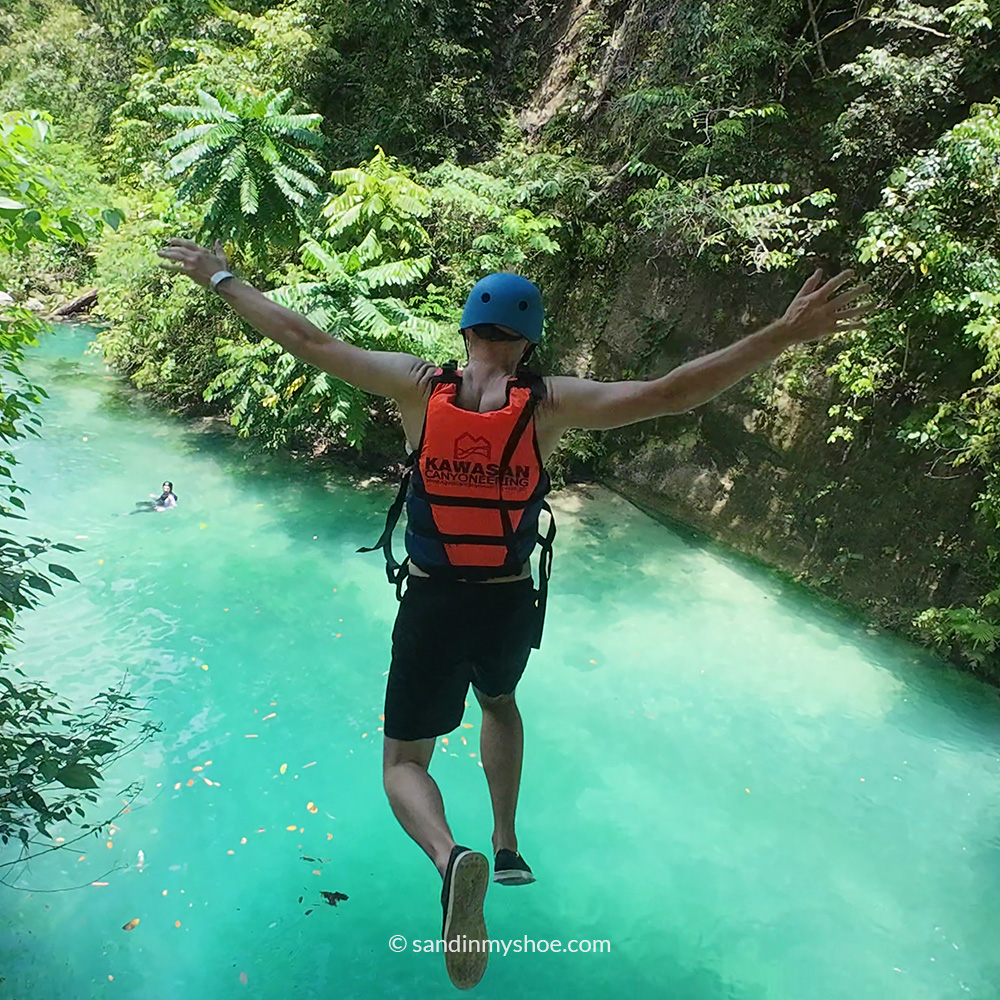
Kawasan Canyoneering is the adrenaline filled adventure where you hike, jump from cliffs and waterfalls and swim through turquoise water while being surrounded by jungle-covered canyon walls. The highest jump is from 11 meters. If you are scared of height, you can always walk down instead of jumping.
- Rent a motorbike and explore the surrounding
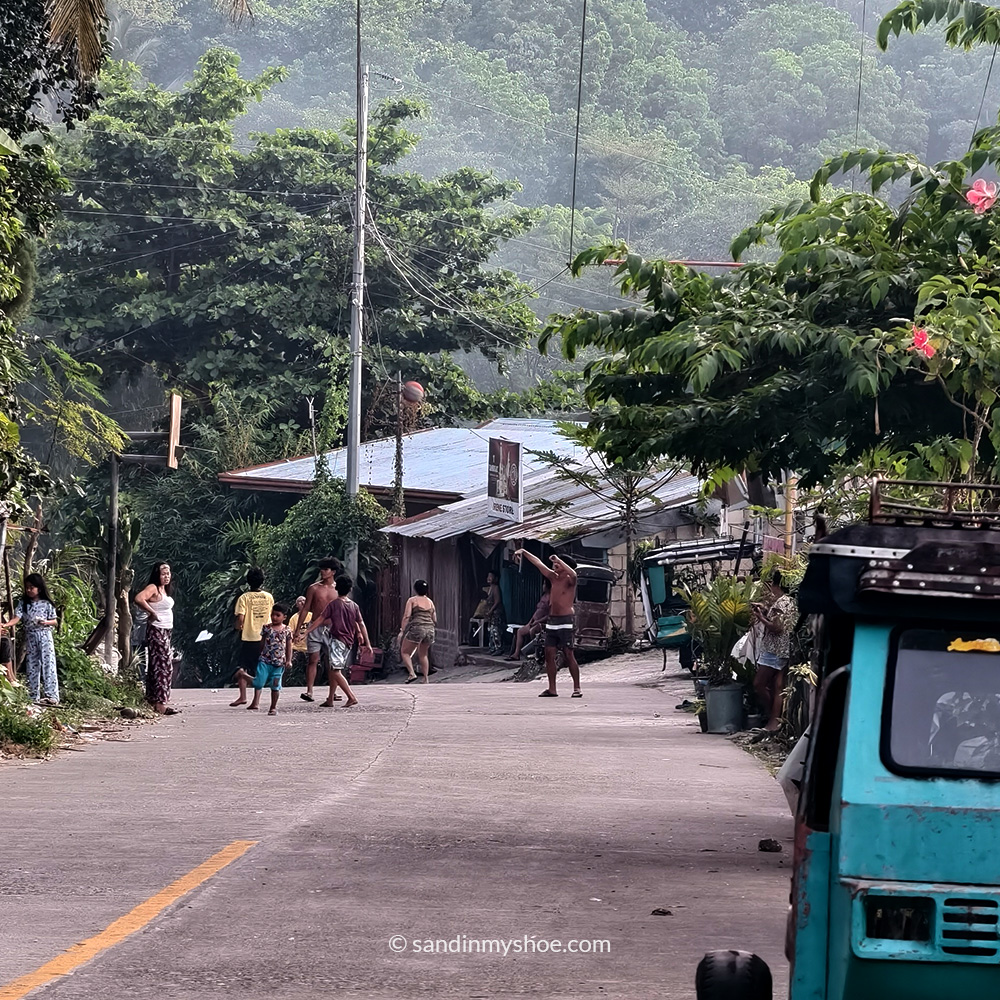
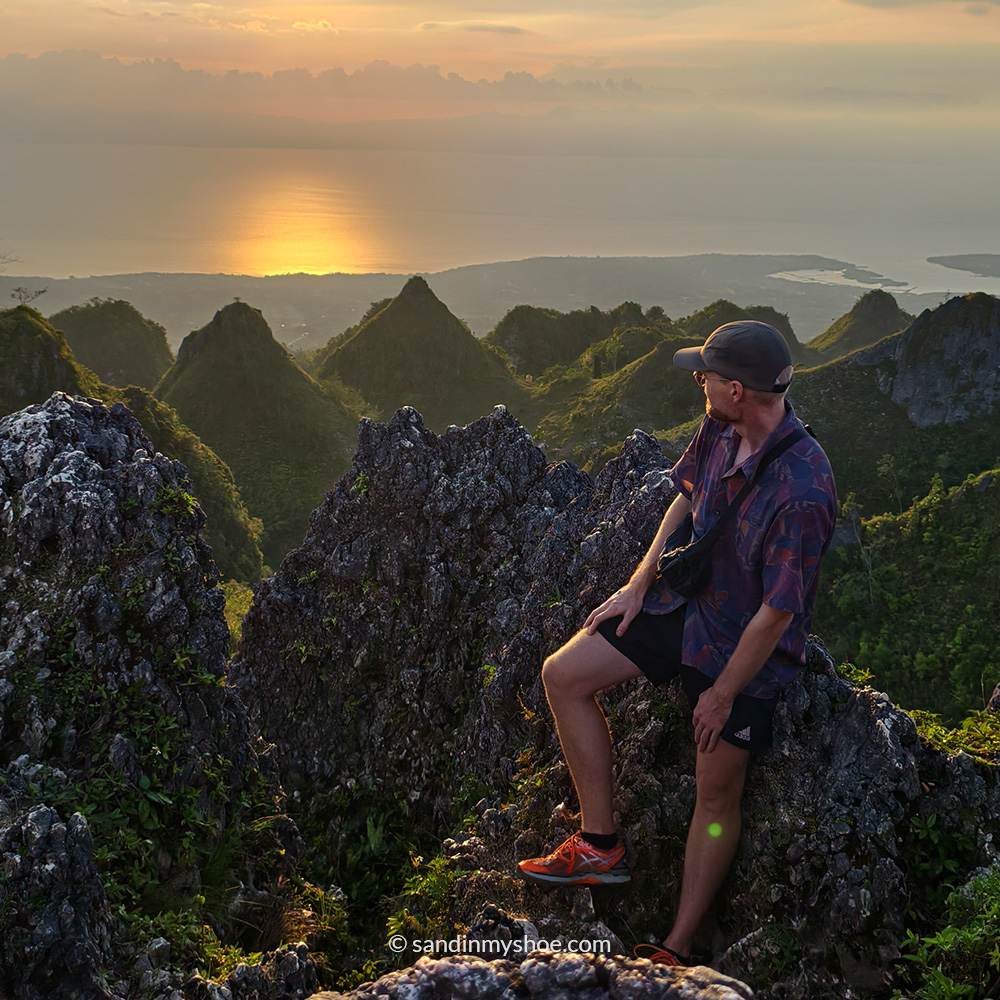
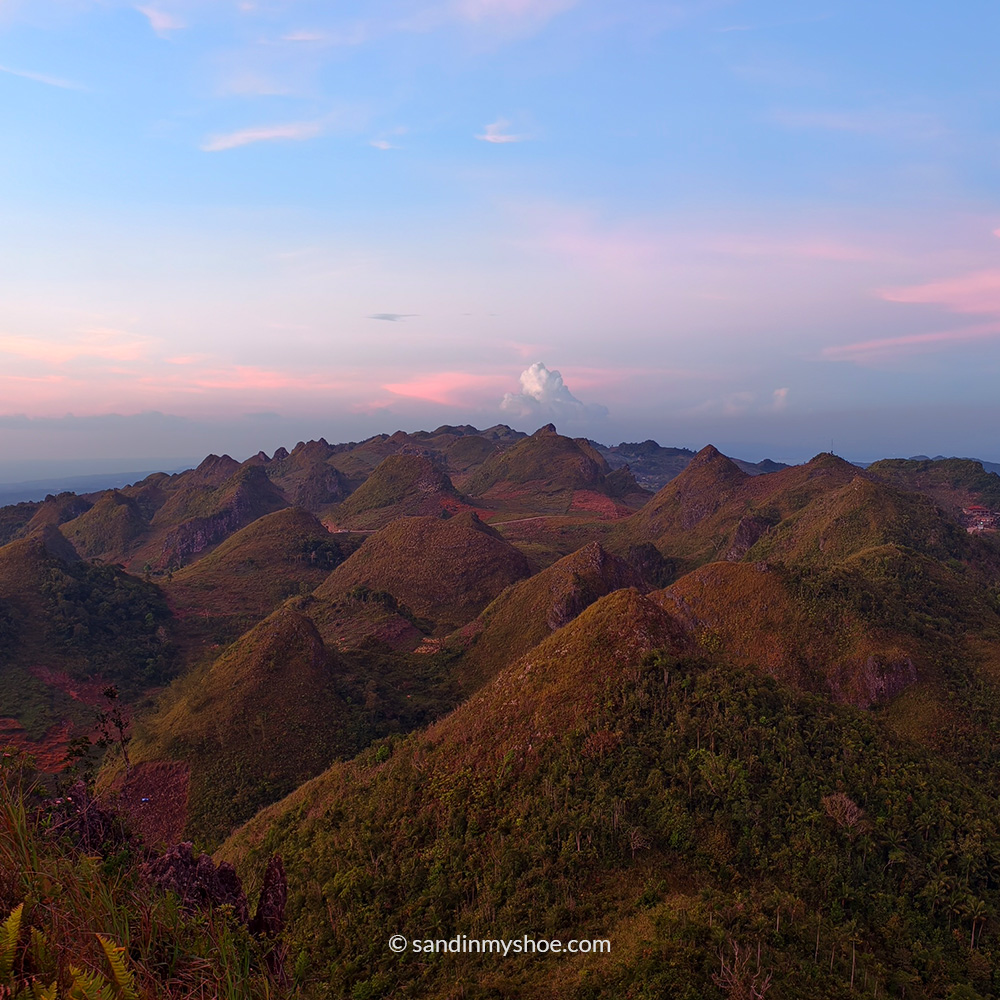
Exploring the small villages and mountainous areas by motorbike was a very liberating experience. Just stopping at random roadside spots to eat and hang out. There are two popular hikes in the area: the most popular one is Osmeña Peak and the less crowded one is Casino Peak. Both offer fantastic views.
You just need a full tank and a curious mind.
- White Beach
White beach is one of the largest white sand shorelines in Moalboal. The crystal clear water makes it excellent for swimming and snorkeling. I came here for the sunset and it was spectacular.
It’s a bit outside the city center, but can be easily accessed by motorbike or a tricycle.
Where to stay in Moalboal
I recommend staying near the beach in Moalboal, so you can start your day with a stroll on the beach. West Coast Beach House has both private rooms and dormitory options. It’s away from the hustle and bustle on the streets, and just a couple of minutes walk to the beach.
Getting to Moalboal
Catch the bus to Bato, and then change for the bus bound for Moalboal. The whole trip takes roughly 2-3 hours. Another way is with a taxi ($20-25 USD) which takes only 1-1.5 hours.
Day 12-13: Alt. Route — Consider visiting Malapascua if you are a diver
If you’re a diver, consider taking this alternative route and heading to Malapascua. The island is world‑renowned as the only place where thresher sharks can be reliably seen almost daily, making it a bucket‑list experience for many.
Things to Do in Malapascua
- Diving with thresher sharks
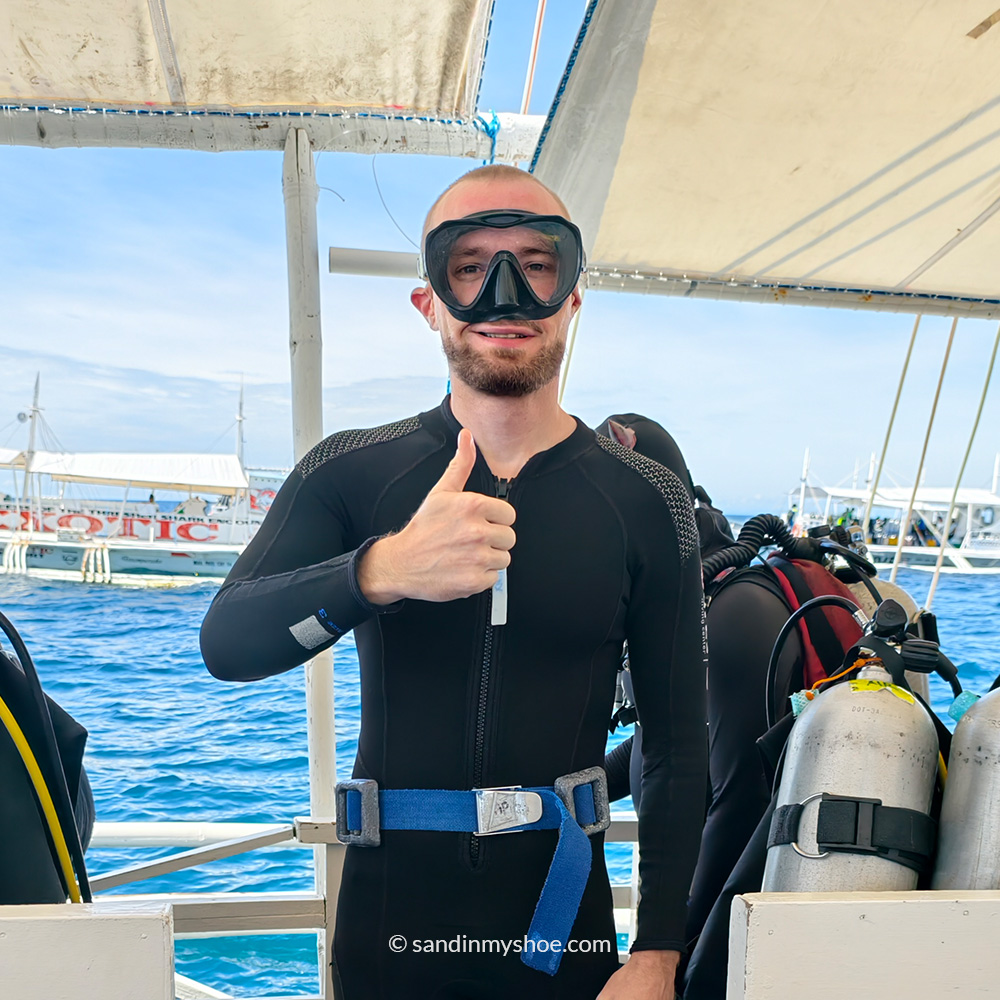
Thresher sharks in Malapascua are so common that it’s basically guaranteed sight throughout the year. Besides these sharks, you might be able to spot tiger sharks, hammerhead sharks, white tip reef sharks and even manta rays. During my visit to Malapascua, I spotted both thresher sharks and white tip reef sharks. Watching the thresher sharks glide through their natural habitat already made the entire experience worthwhile, and the white tip reef shark felt like an added bonus.
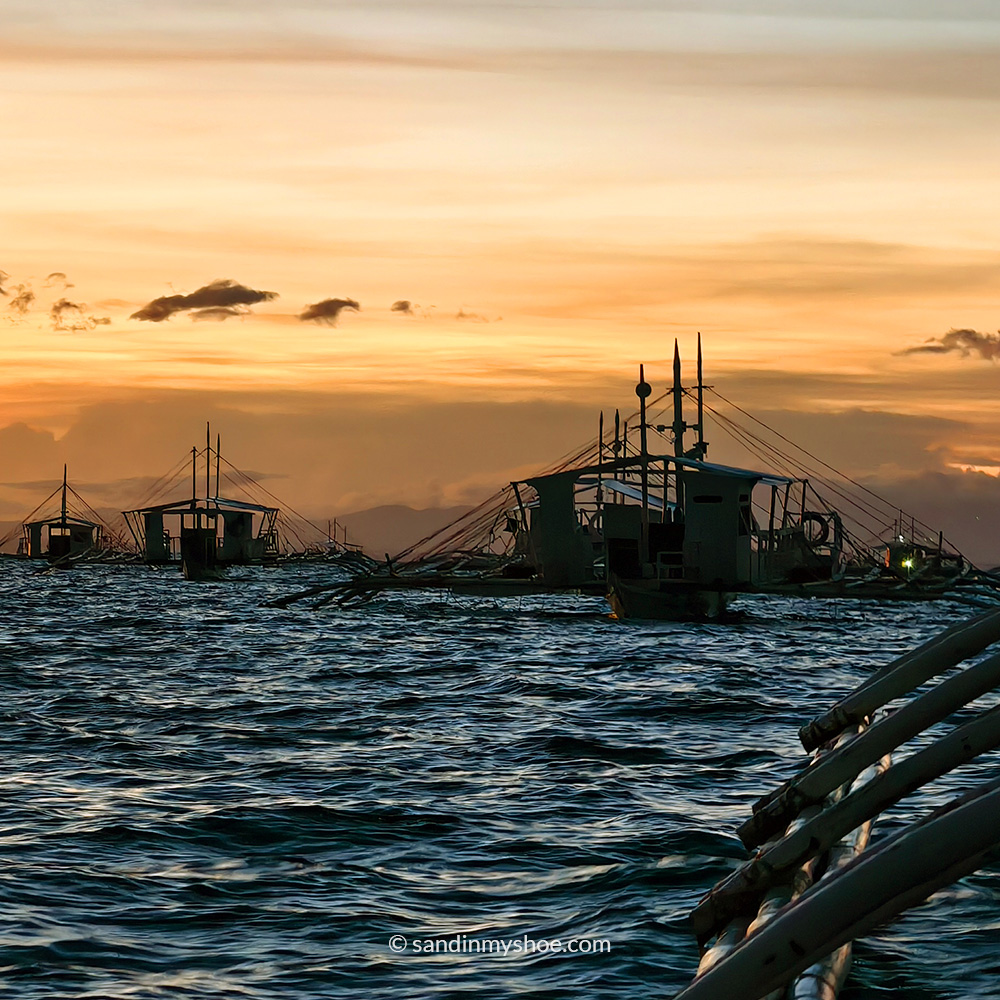
Note: To see the thresher sharks, you’ll need to be up before 4:00 AM, as they only come up to the reef at sunrise.
- Visit North Beach
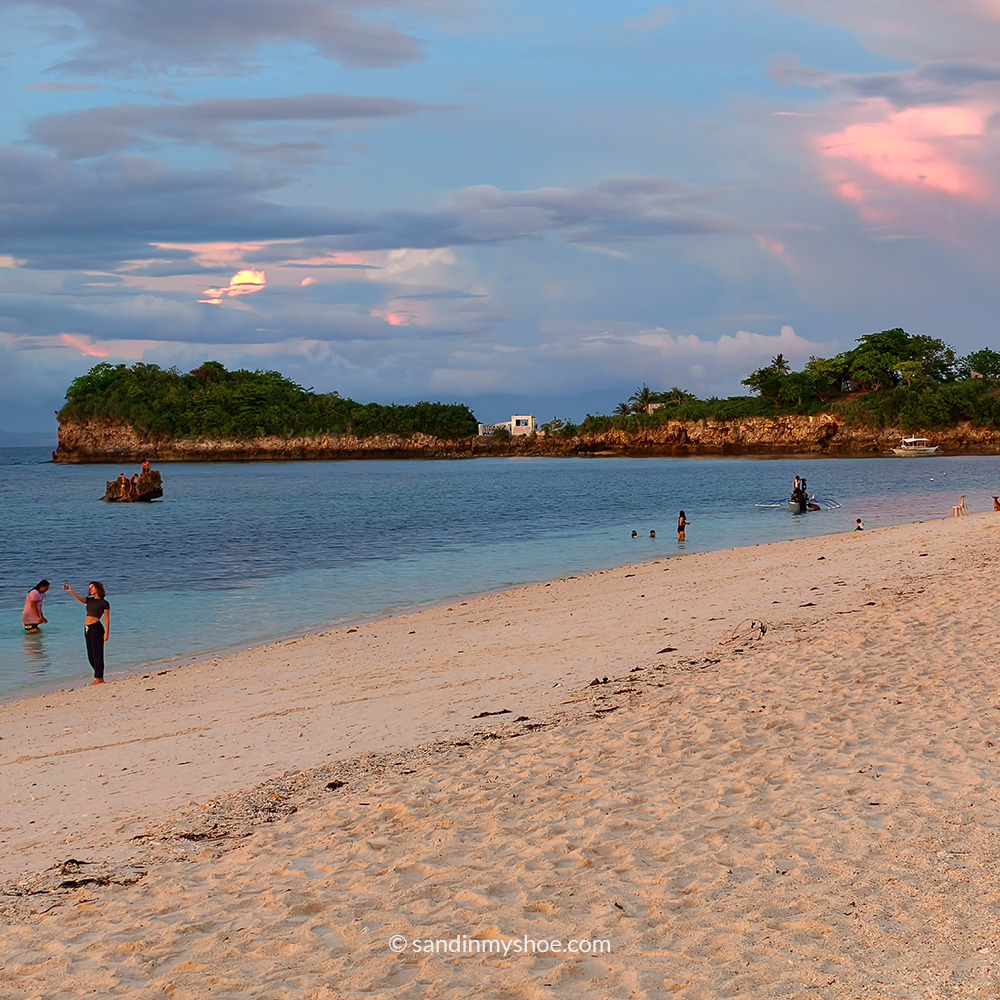
In my opinion, North Beach is the best beach around. Many of the other beaches function more like docks and don’t offer the same inviting stretches of sand. I enjoyed lounging here, and you can reach it either with a 30‑minute walk or a quick motorbike taxi ride.
- Eat Barbeque at the Center of Town
The heart of Malapascua lies in its town center, which comes alive in the evenings with smoky aroma of freshly grilled barbecue. There are both locals and travelers mingling over plates of barbecue at simple plastic tables. The prices are affordable and the feeling is authentic.
Where to Stay in Malapascua
Many travelers come to Malapascua for the diving, so it can be wise to choose accommodation that also offers dive packages. Zhang Resort provides both lodging and diving services, located on the northern side of town. It’s a solid mid‑range option, with rooms starting at around $40 USD.
For budget travelers, JPH Resort is a popular choice. Despite being a 1‑star hotel, it consistently receives great reviews. Private rooms start at about $25 USD, making it an affordable base for exploring the island
Getting to Malapascua
From Oslob, take a Ceres bus north to Cebu City South Bus Terminal. Then head to north bus terminal in Cebu city and take the bus heading to Maya Port at the northern tip of Cebu (about 4–5 hours). From Maya port hop on a bangka — the traditional outrigger canoe — for another 30-40 minutes to Malapascua.
Day 14
Head back to Cebu City and take the flight back to Manila, and then wherever home is.
FAQ About 2 Weeks Itineraries in the Philippines
Aren’t these island-hopping tours becoming too much?
Doing all the island-hopping tours on each island will definitely be too much. The ones I enjoyed the most were Tour C in El Nido and the Coron to El Nido Expedition.
What about Siargiao
I didn’t visit Siargao during my visit in the Philippines, but if you are a surfer, you should consider visiting. However, what I’ve heard it’s becoming a bit like Bali, very touristy with a lot of foreigners. For non-surfers, I’d say there are many other destinations in the Philippines that offer similar experience such as great beaches, cliff jumping and snorkeling.
Budget for 2 weeks in the Philippines
For this 2 weeks itinerary for the Philippines expect to spend in total around $1200-1500 for a solo travelers, or a couple of hundred less if you travel in pair. This would mean a comfortable mid-range stay, flying between the islands, food and all the activities mentioned, except the diving. Keep in mind that flights cost around $30-50 USD if booked ahead, but $150+ USD for last minute tickets.
If you’d like to dive deeper into the numbers, check out my other post on the travel budget for the Philippines — it breaks down costs for accommodation, food, transport, and activities in detail.
What to Pack for the Philippines
The Philippines is a warm tropical country, so you won’t need much clothes. Even a pair of shorts and a t-shirt is enough during the night, however pack a sweater for bus and boatrides since many of them have the AC cranked up to the maximum.
I’d recommend packing the following.
- Dry bag
- Slippers
- Couple of shorts
- Couple of t-shirts / shirts
- Light pants
- Sweater
- Water proof case for mobile
- Action camera
- Sun cream
- Mosquito Repellent
- Power Bank
- Swimming trunks
Travel Tips for the Philippines
The general advice for the Philippines is to book the domestic flights in advance, skip the big cities, eat where the locals eat, always carry cash because payments with card are not accepted by many vendors and pack light.
For more travel tips for the Philippines, have a look at my other post: 15 travel tips for the Philippines.
Final Thoughts: A 2‑Week Philippines Itinerary in Review
Clearly, you can’t do it all in just two weeks, but you can still experience many of the best things the Philippines has to offer. This schedule is fairly hectic and involves three domestic flights: Manila → Coron, El Nido → Bohol, and Cebu → Manila.
If you prefer a slower pace, consider skipping Bohol and spending more time on Cebu Island instead. That way, you’ll cut down on transfers while still enjoying world‑class diving, beaches, and local culture.


No comments yet, be the first one!
I appreciate hearing from you. If you have any suggestions, questions, or feedback, please leave a comment below. Your input helps ensure the information stays relevant and up to date for everyone.
Thank you for sharing your thoughts!