

Personally, I wouldn’t spend much time in the big cities like Manila or Cebu unless you have a specific reason to be there. The real beauty of the Philippines lies outside the mega‑cities — on the islands, beaches, and coastal towns.
I’m also skipping Boracay in this guide. It’s extremely popular and many travelers love it for its white‑sand beaches, but it’s more developed and touristy than what I usually look for. I prefer quieter islands and beaches with a bit more character — even if that means sharing the sand with pigs at Coconut Beach in Port Barton instead of beach clubs.
This guide breaks down some of the best places to visit in the Philippines — the islands that are genuinely worth your time — and who each destination is best for.
Best Places to Visit in the Philippines
Moalboal (Cebu)
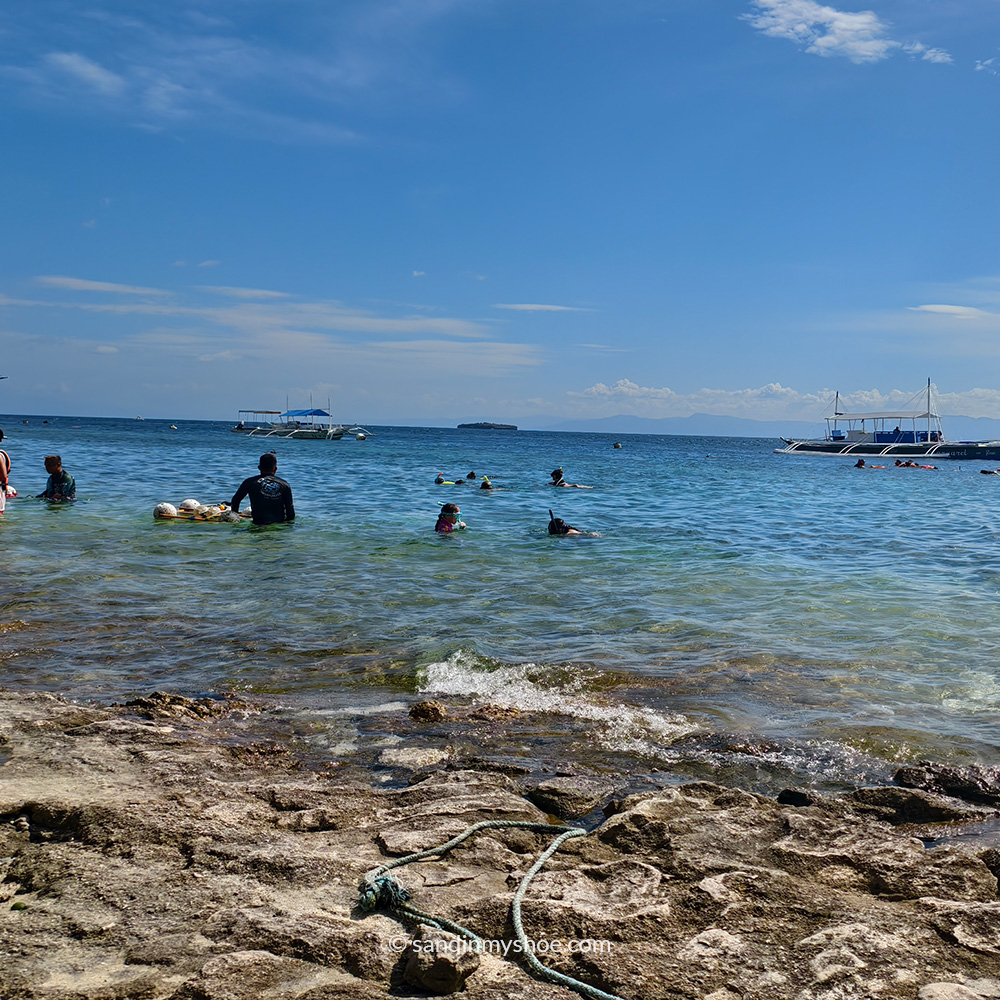
Moalboal was one of my favorite places to visit in the Philippines, partly because you can snorkel with tens of thousands of sardines just a few meters from the shore. It’s called the sardine run, and it’s a mesmerizing experience — a huge swirling wall of fish moving as one. If you’re lucky, you’ll spot turtles gliding through the water too. This is probably the most accessible place in the world to experience a sardine run, and the cost is just a couple of dollars’ worth of pesos.
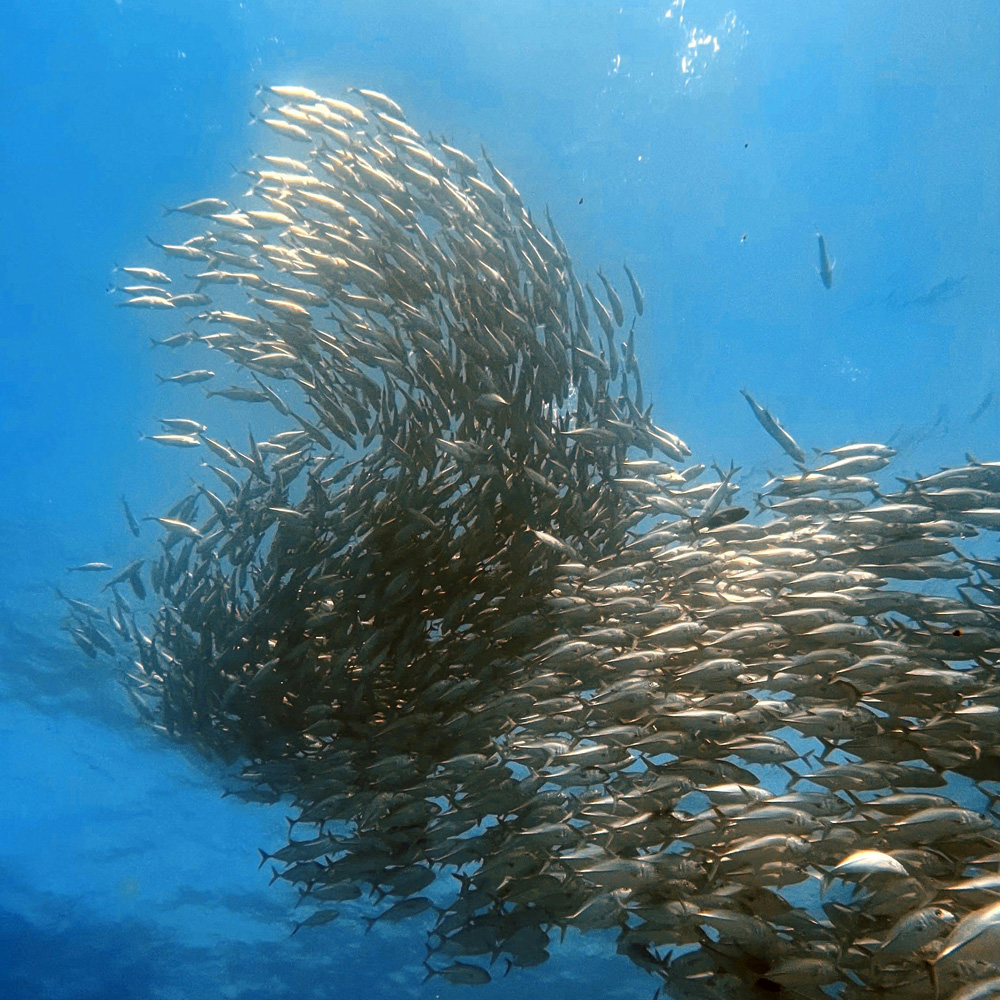
Besides the sardine run, Moalboal is also the base for canyoneering at Kawasan Falls, one of the most popular adventure activities in the country. Jumping into turquoise pools, sliding down natural rock formations, and swimming through canyons surrounded by jungle-like vegetation.

Moalboal is also great for exploring by motorbike. You can ride through small villages, quiet coastal roads, and the hilly interior of Cebu, stopping at viewpoints and waterfalls along the way.
Ideal for budget travelers and backpackers. Everything is close, affordable, and easy to reach by scooter, and it’s also one of the easiest places to get to from Cebu City.
Siquijor
Siquijor is one of the most underrated islands in the Philippines — a small, peaceful place known for waterfalls, cliff jumps, and a slightly mystical reputation. Locals sometimes call it the “Island of Fire” because of the fireflies that glow in the trees at night, and many travelers arrive expecting magic. What you actually get is a calm, friendly island with beautiful nature and a relaxed vibe.
I even ended up capturing some of that mystic atmosphere in my camera one evening — a strange, glitchy photo taken on the beach at sunset. It was probably just an AI hiccup in the camera, but it fit the island’s reputation a little too well and felt oddly unsettling in the moment.
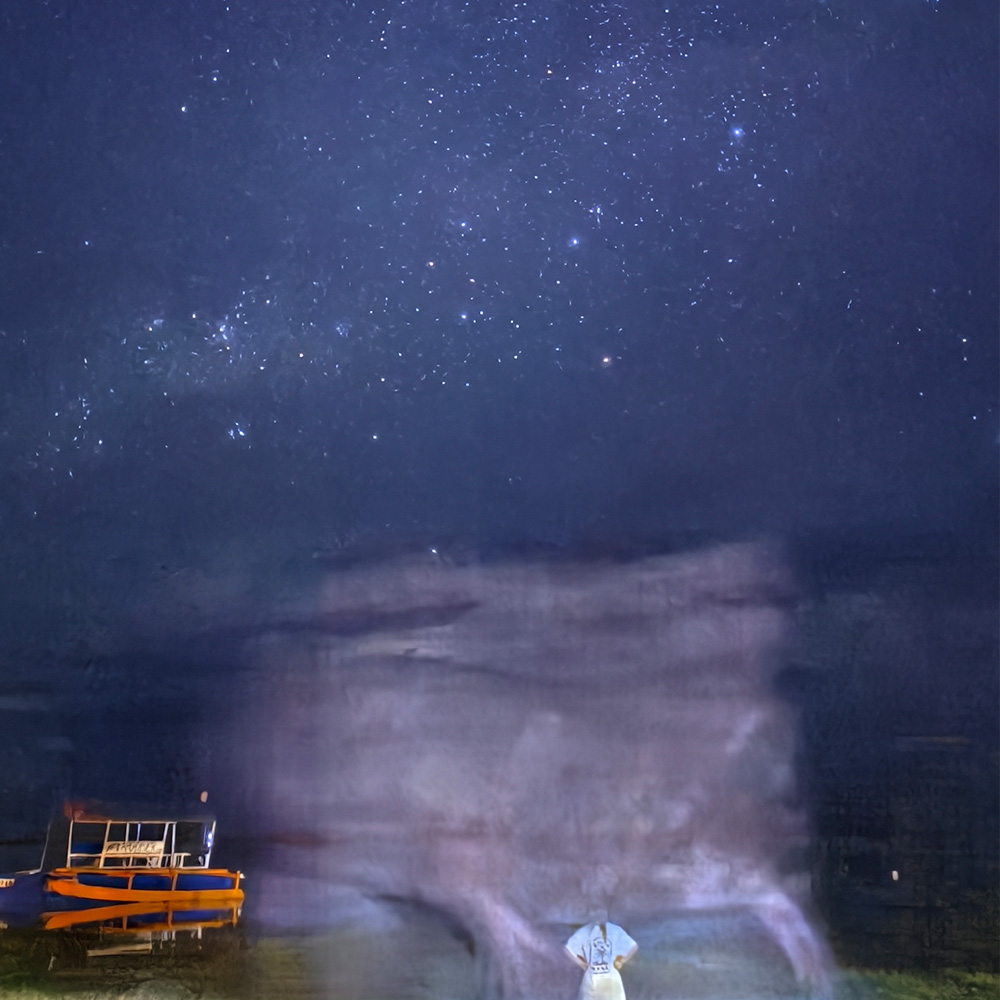
The highlights are simple but memorable: Cambugahay Falls with its rope swings or the lesser-visited Laga-an falls, Salagdoong Beach for cliff jumping, and quiet coastal roads perfect for exploring by motorbike. Siquijor is also a great base for day trips, including Apo Island, where you can snorkel with turtles.
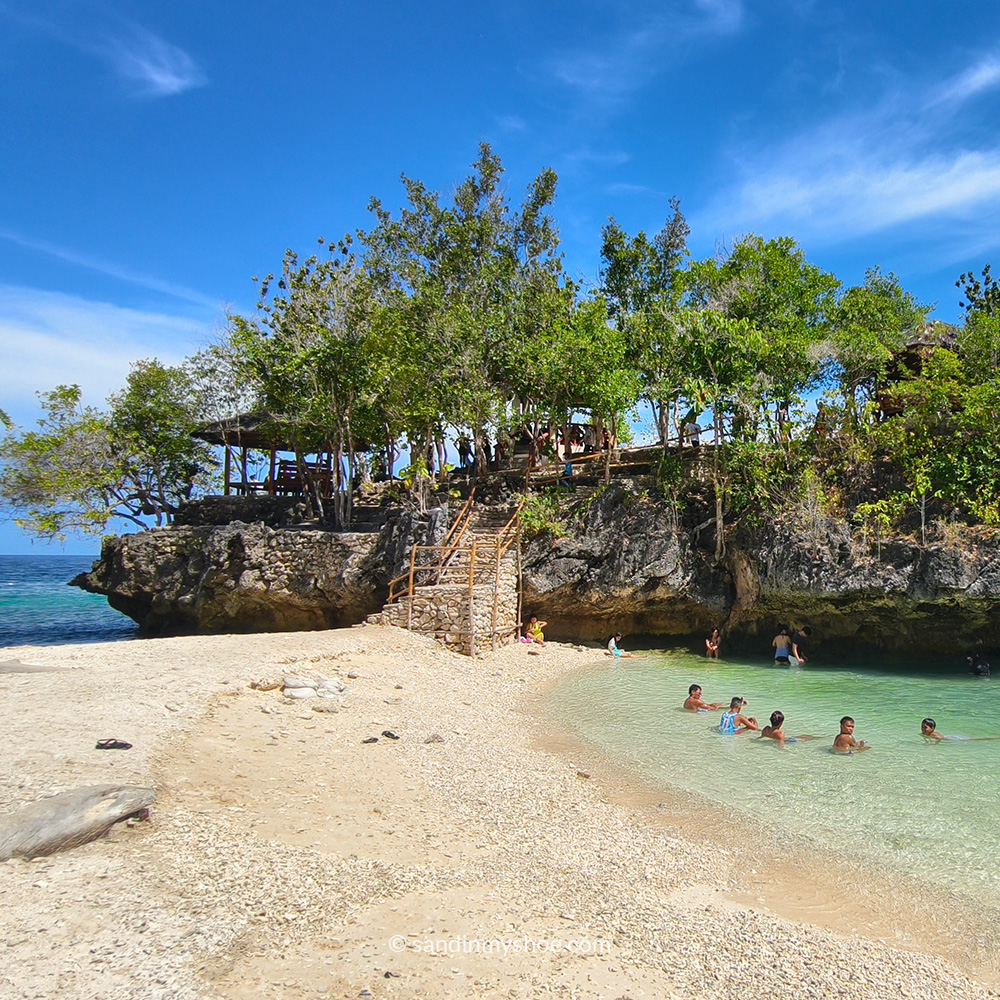
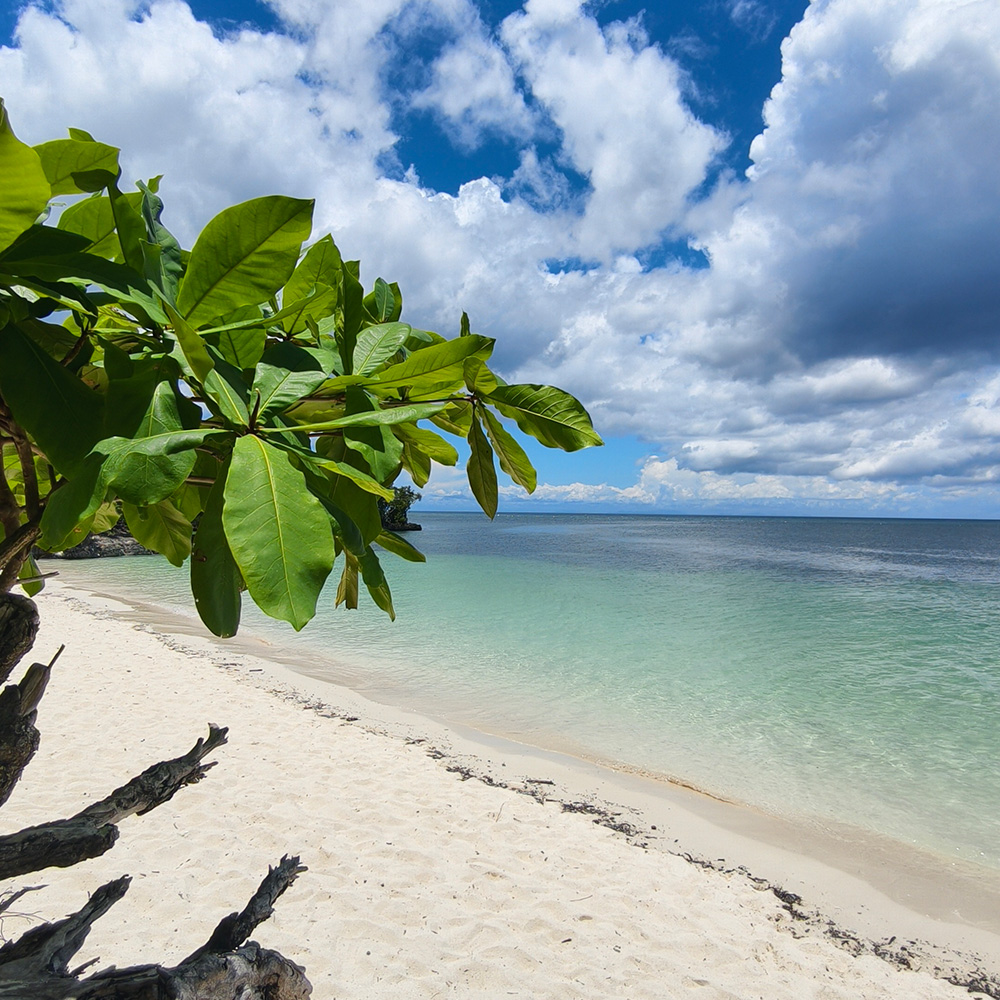
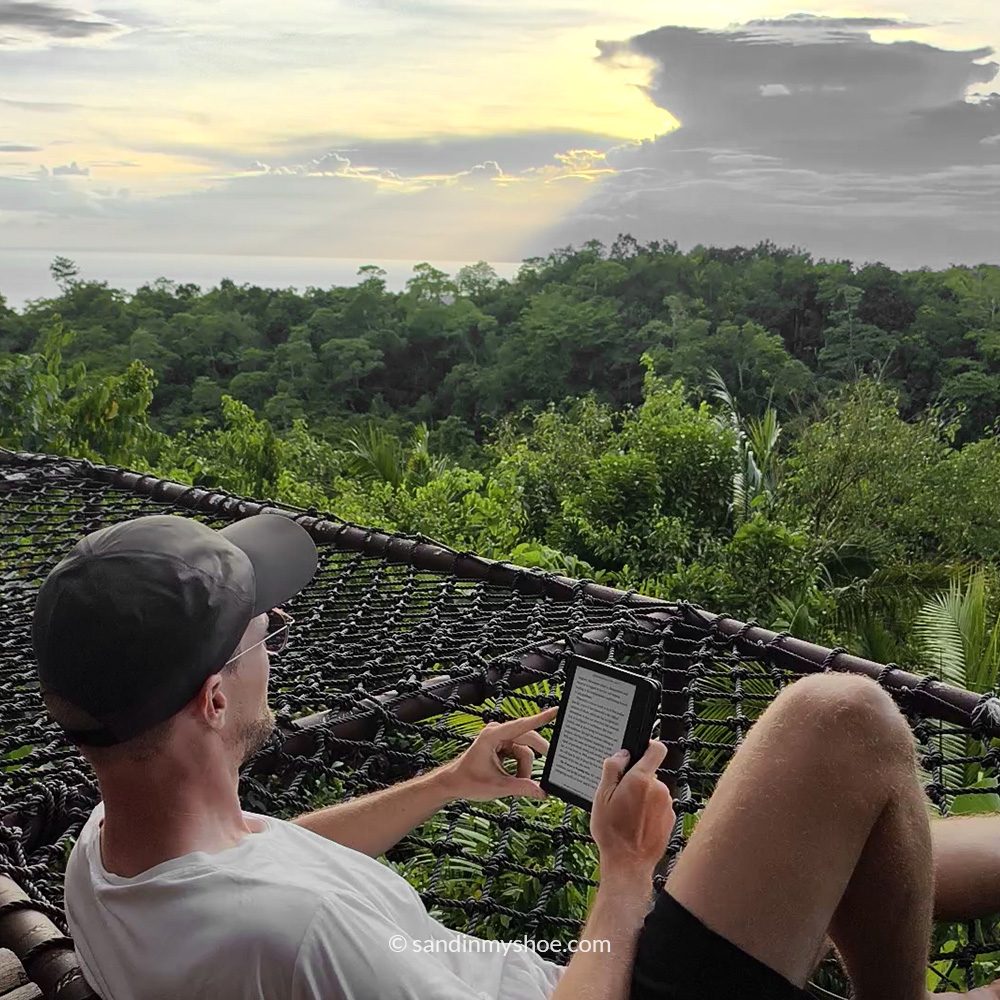
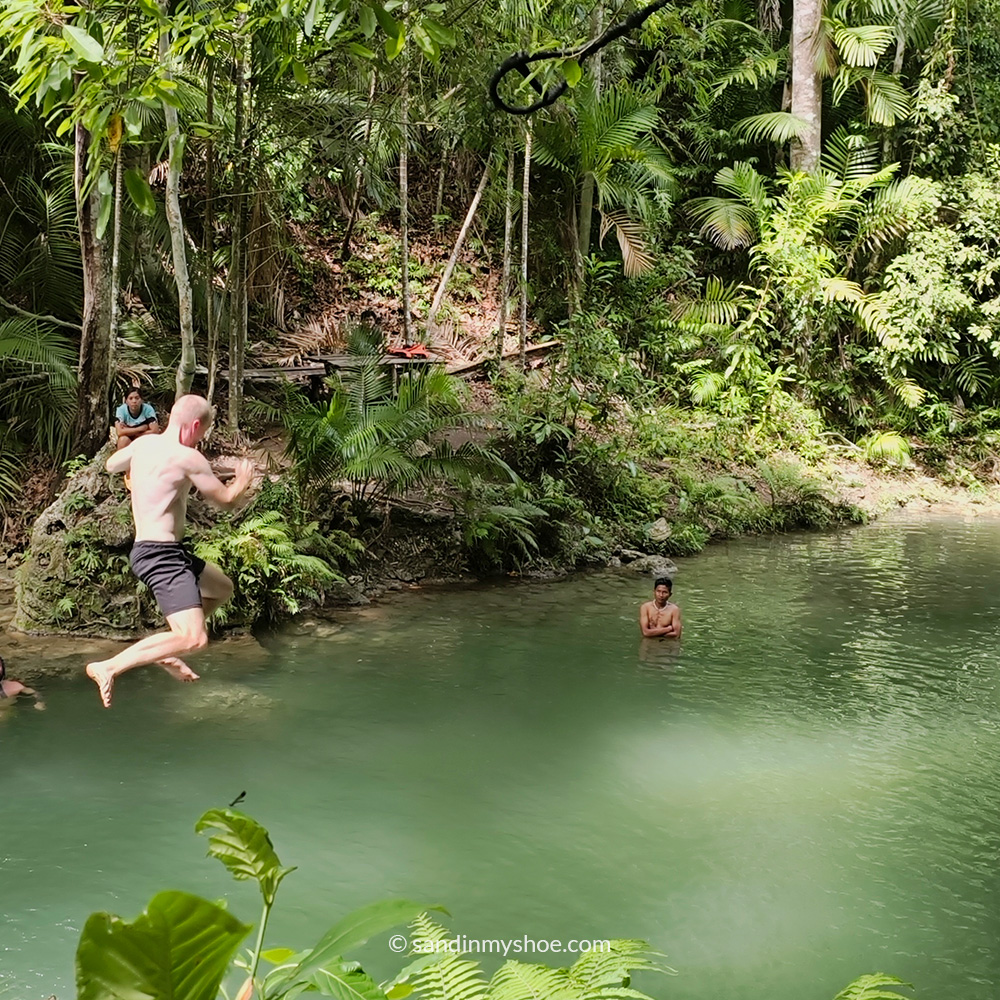
Perfect for travelers who want a slow, peaceful island with easy nature days. Siquijor suits anyone who likes waterfalls, cliff jumps, quiet beaches, and exploring by motorbike.
Interested in knowing more? Read my full guide about the best things to do in Siquijor.
Bohol
Bohol is a great follow‑up to Siquijor since the two islands sit close to each other but offer very different experiences. Bohol is synonymous with the Chocolate Hills — hundreds of sun‑browned, perfectly rounded hills clustered together in one surreal landscape. It’s one of the most iconic sights in the Philippines, and it really is worth seeing.
But there’s more to Bohol than the Chocolate Hills. One of the best viewpoints is Alicia Panoramic Park, a hiking area with sweeping ridgelines and rolling green hills that look like the classic Windows 98 wallpaper. It’s a beautiful spot for sunrise or sunset and gives you a completely different perspective of Bohol’s landscape.
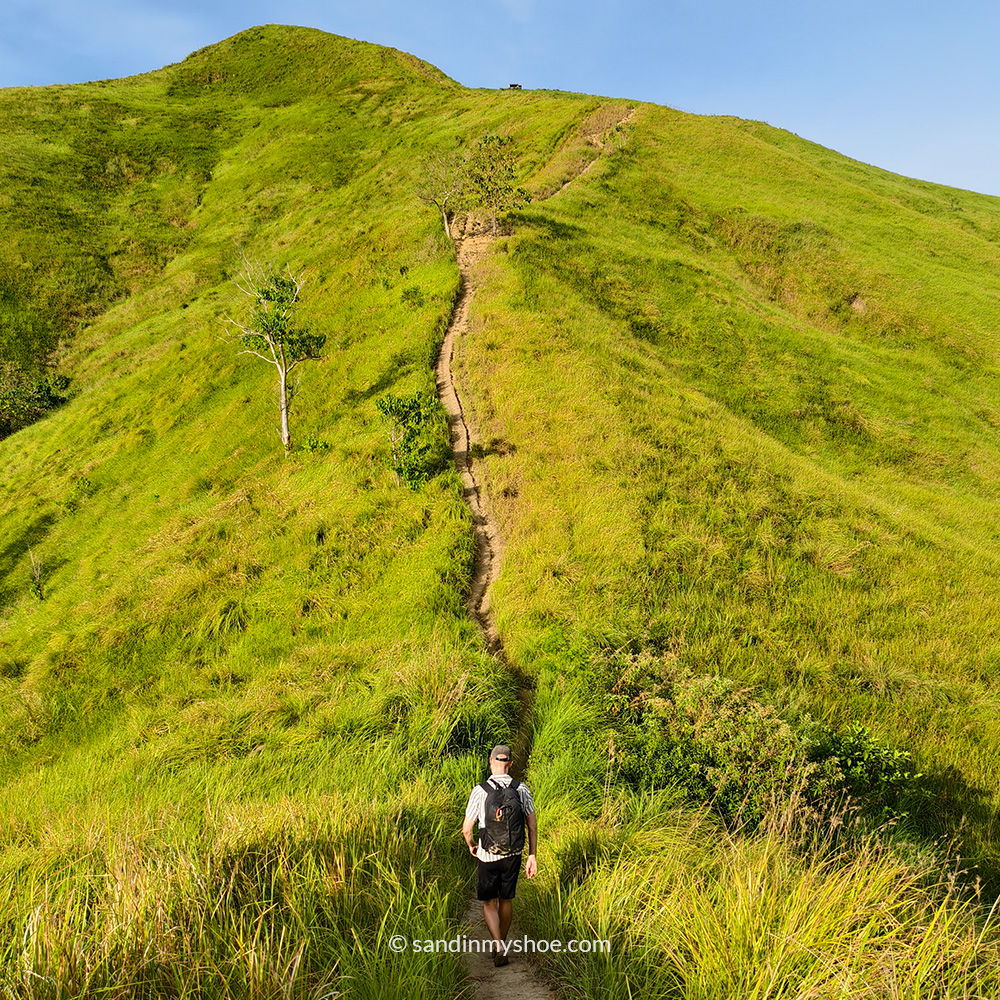
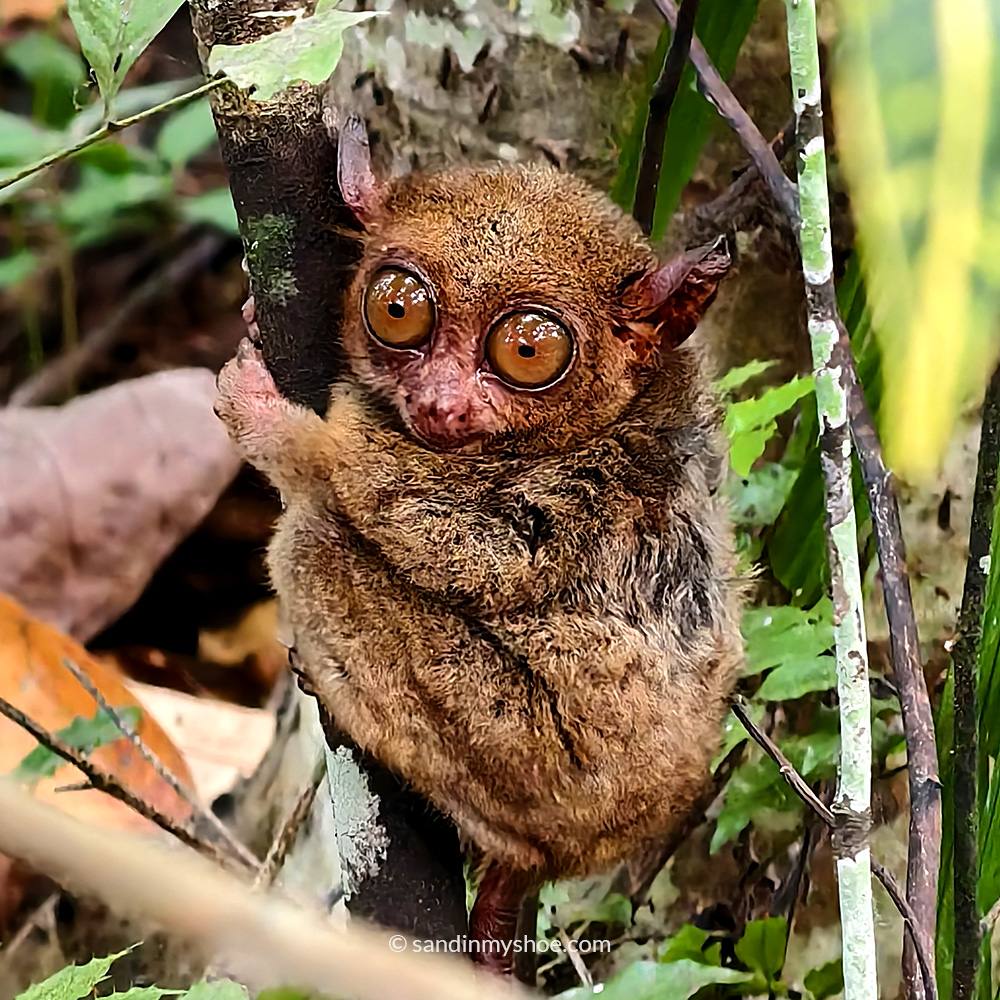
Bohol is also home to the Tarsier— a super small, monkey-like primate with massive eyes. You can see them at the Tarsier Sanctuary, where they’re protected in a natural environment — just remember to keep quiet, as they’re tiny, shy, and nocturnal.
With viewpoints, wildlife, light hiking, and easy day trips, Bohol is a well‑rounded island that suits most travelers. It’s best explored by motorbike, and compared to Siquijor, the nightlife is more developed since it’s a larger island. And don’t worry — there are beaches and waterfalls here too, even if they’re not the main reason people visit.
Keen on knowing more about Bohol? Check out my 4-day itinerary of the things to do in Bohol
Apo Island
Apo Island is famous for its sea turtle sanctuary, and it’s one of the best places in the Philippines to snorkel with turtles in the wild. You’re almost guaranteed to see several — they’re everywhere around the island, calmly grazing on the seagrass.
Beyond the turtles, the island itself is very laid‑back. There are only a few restaurants, a couple of beaches, and electricity runs for just a couple of hours per day, and life moves slowly. It’s the kind of island where you disconnect without even trying.
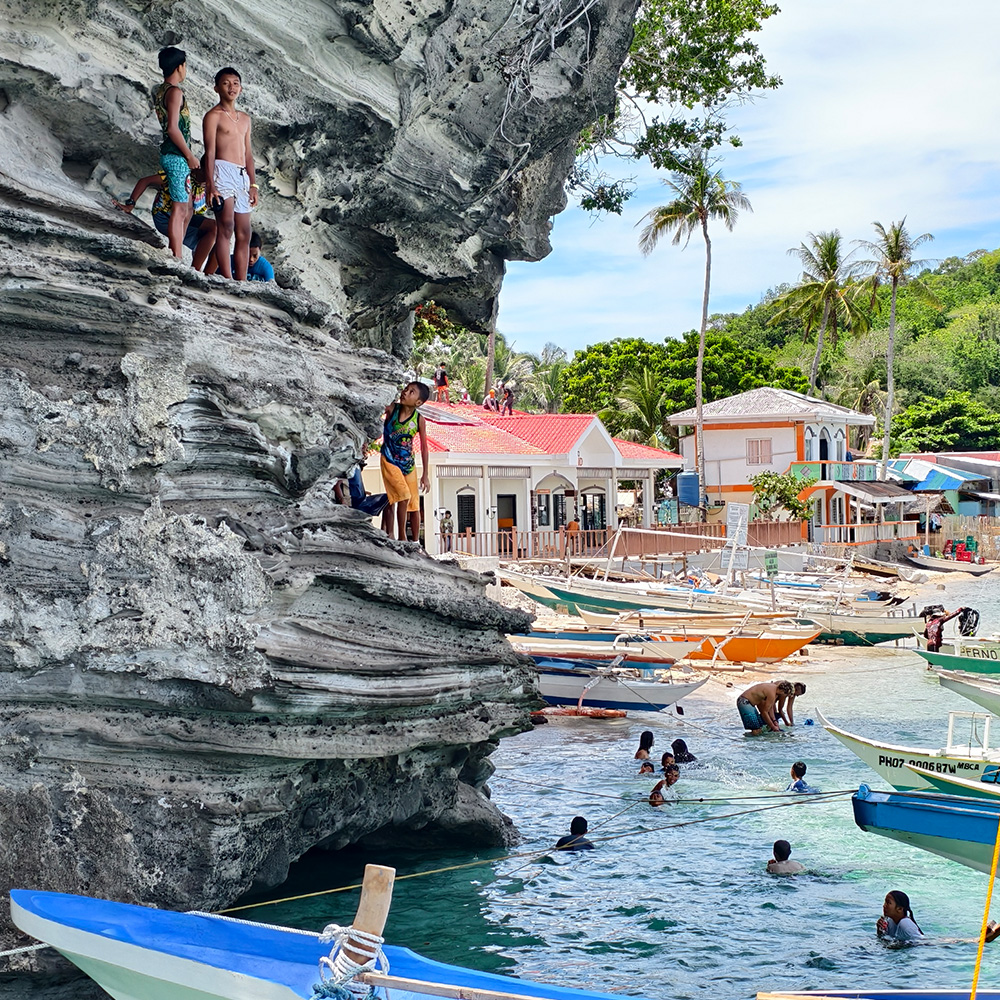
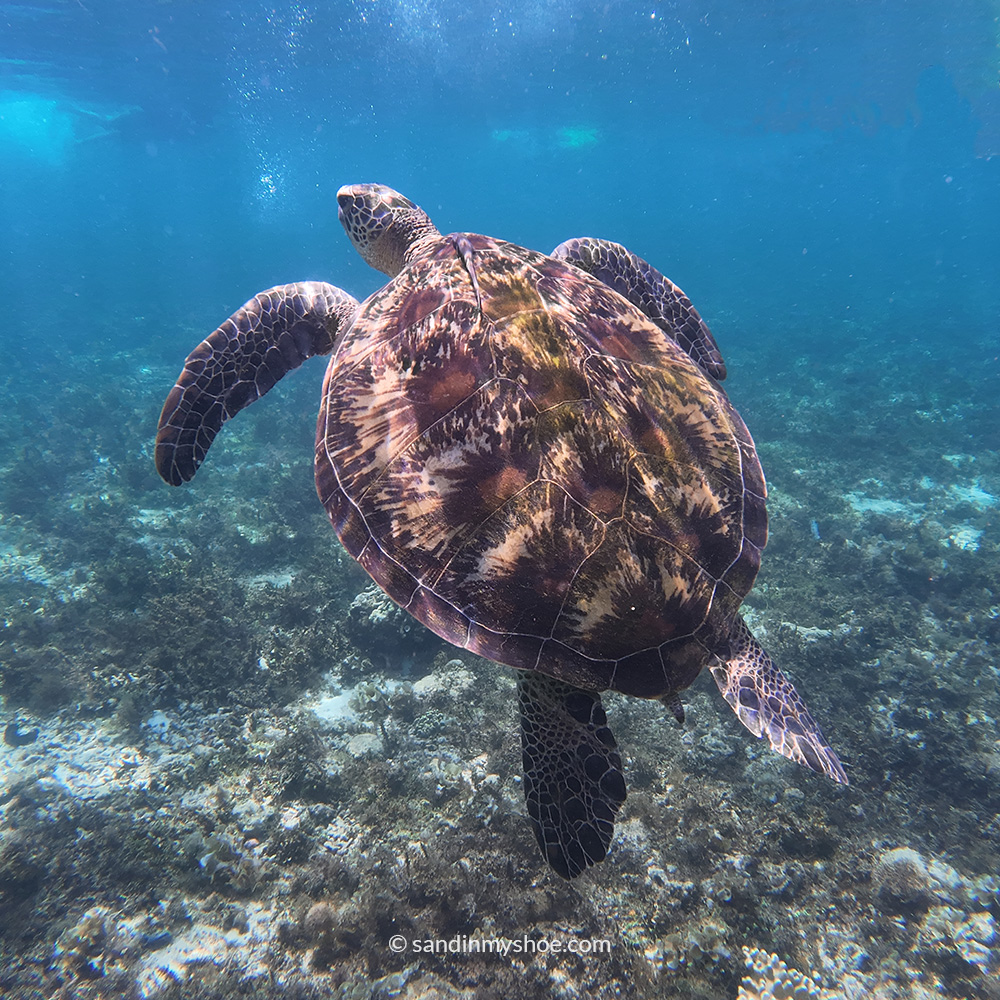
I visited Apo Island as a day trip from Siquijor, which is a surprisingly easy route and a great option if you’re already staying there. You can also visit from Dumaguete or stay overnight on the island if you want the full unplugged experience.
It’s a perfect place for travelers who want to unplug and spend their days in the water.
Malapascua
If you’re into diving, Malapascua is absolutely a must‑visit — it’s one of the few places in the world where you can reliably see thresher sharks. That’s the main reason people come here, and for divers it’s a true bucket‑list experience.
I still remember the first glimpse I got of a thresher. Even though everyone assured me they don’t attack humans and that it’s perfectly safe, I definitely made sure I had a human shield in front of me.
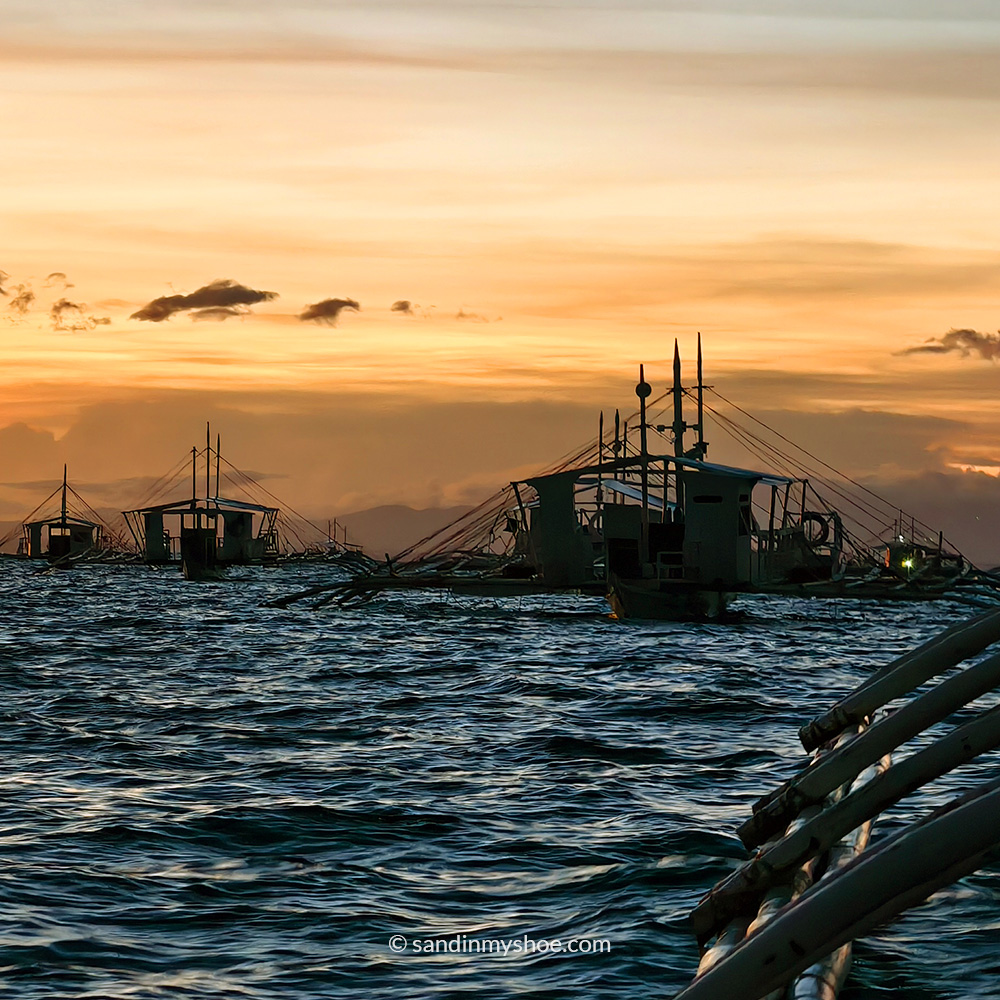
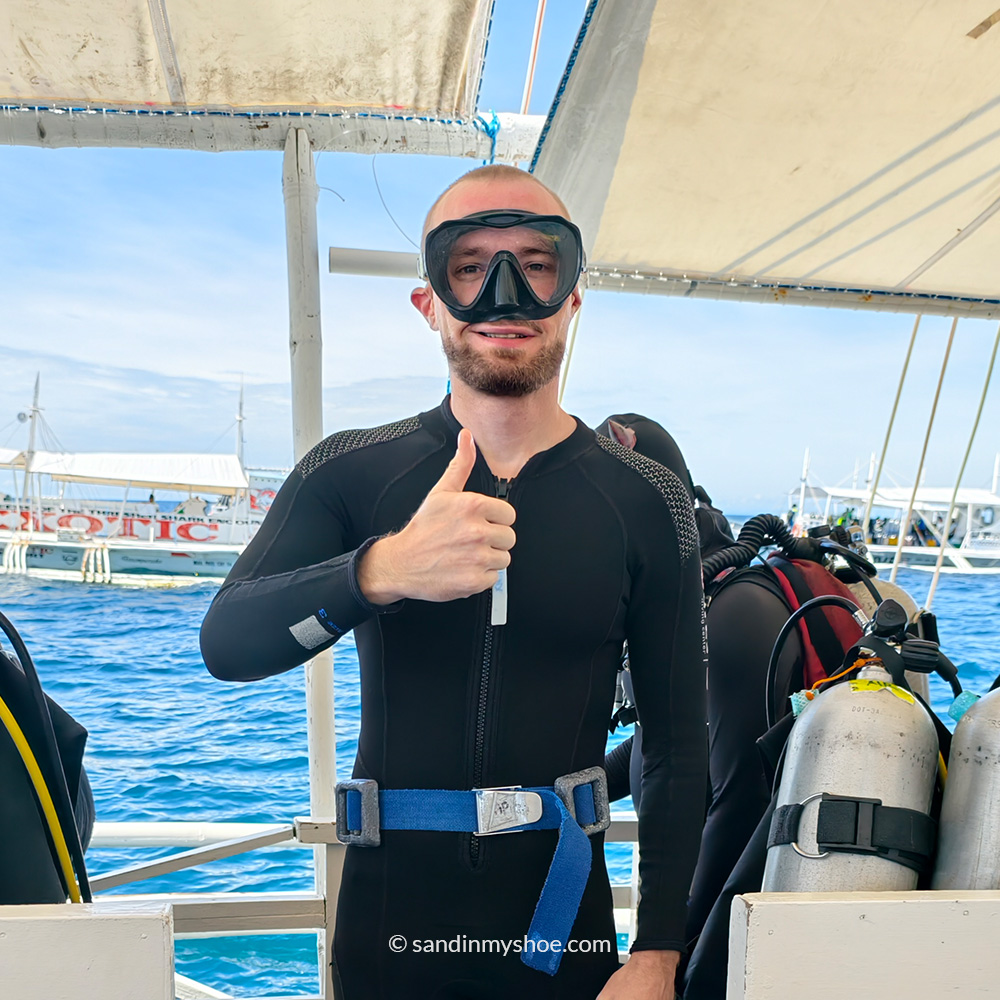
If you’re not into diving, though, Malapascua is a different story. The beaches are fine but not spectacular, the island is small, and there isn’t much to do beyond relaxing. Occasionally there are cockfights on the island as well, which some travelers may find uncomfortable. In my opinion, unless you’re here specifically for the thresher sharks, it’s not the most essential stop compared to other islands in the Philippines.
Port Barton
Port Barton is a quiet little beach town on Palawan that feels like El Nido before tourism exploded. It’s simple, slow, and low‑key — the kind of place where you spend your days island‑hopping, reading in a hammock, and watching the sunset with a cold beer. It’s still touristy, just in a softer, more relaxed way than the bigger Palawan hotspots.

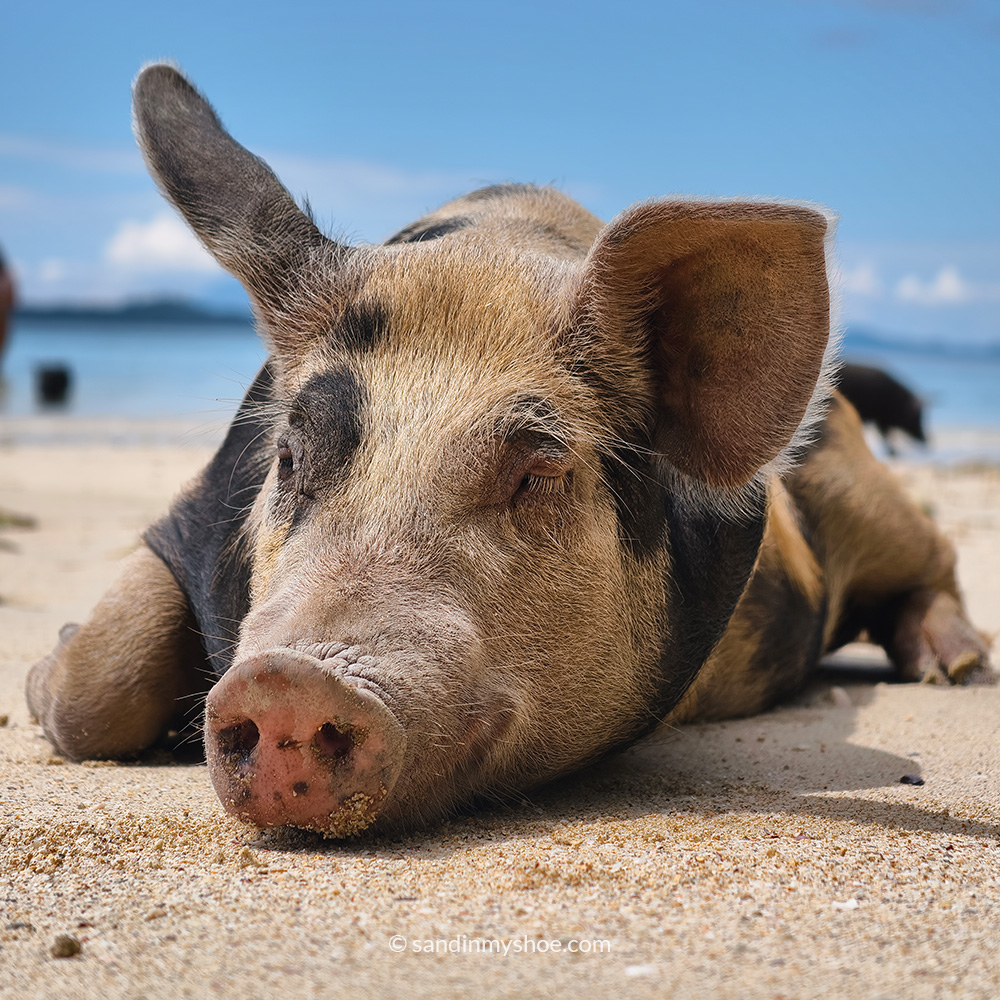
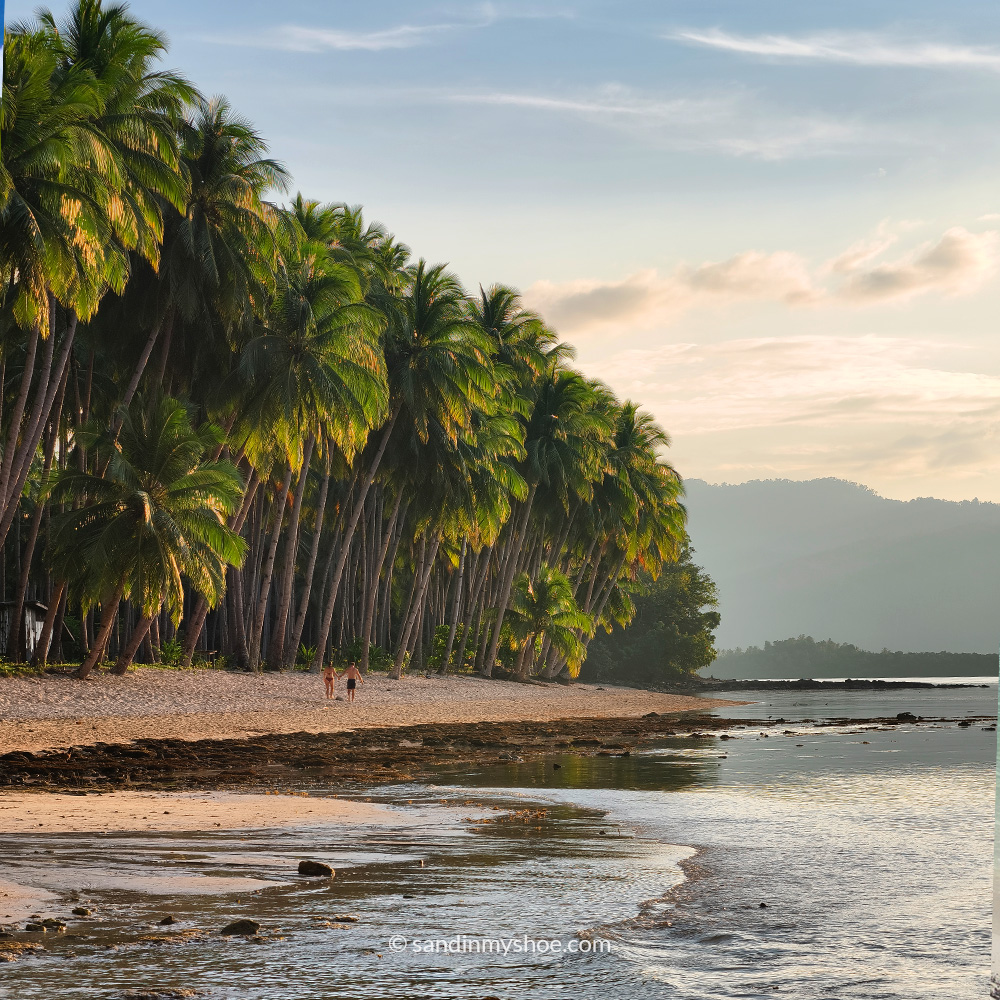
The beaches around town are decent, but Coconut Beach is the memorable one — pigs wander the sand looking for coconuts, and if they don’t find any, they’ll happily raid your snacks instead. The real highlight, though, is the island‑hopping: quieter, less crowded, and more personal than what you get in El Nido.
Electricity and Wi‑Fi can be hit‑or‑miss, which is part of the charm or a deal‑breaker depending on what you’re after. It’s not ideal for remote work. But if you’re after a simple beach escape — with a touch of nightlife in high season — Port Barton delivers.
Siargao
You’ve probably heard about Siargao already — and yes, it’s basically the Aussie capital of the Philippines, with surfing at its absolute peak here. Cloud 9 is the famous break, but the whole island runs on surf culture: motorbikes with board racks, barefoot people in cafés, and sunrise sessions that turn into sunset beers.
Siargao is also a bit like the Bali of the Philippines — trendy cafés, smoothie bowls, surf shops, and a social, easygoing vibe that makes people stay far longer than planned. But it still feels more raw and tropical, with palm‑lined roads, quiet villages, and that classic island charm.
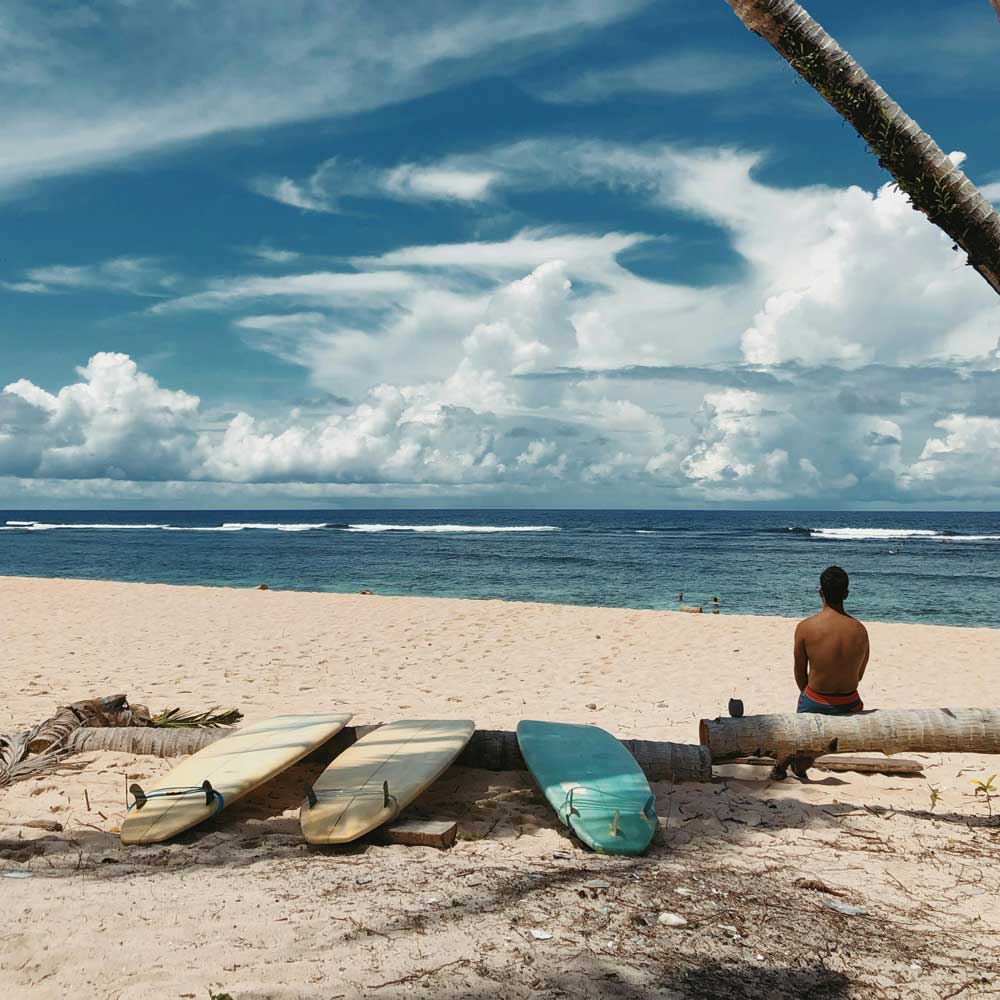
Even if you don’t surf, Siargao can still be worth visiting. You’ve got tidal pools, Sugba Lagoon, island‑hopping, and endless palm‑tree backroads that are perfect for exploring by motorbike. But if you’re in the Philippines for less than three weeks and don’t surf, you’ll find similar experiences on other islands too — so there’s no real need to travel all the way to Siargao.
Good for anyone who wants to surf, is looking for Aussies, or prefers a slightly more polished island experience.
El Nido
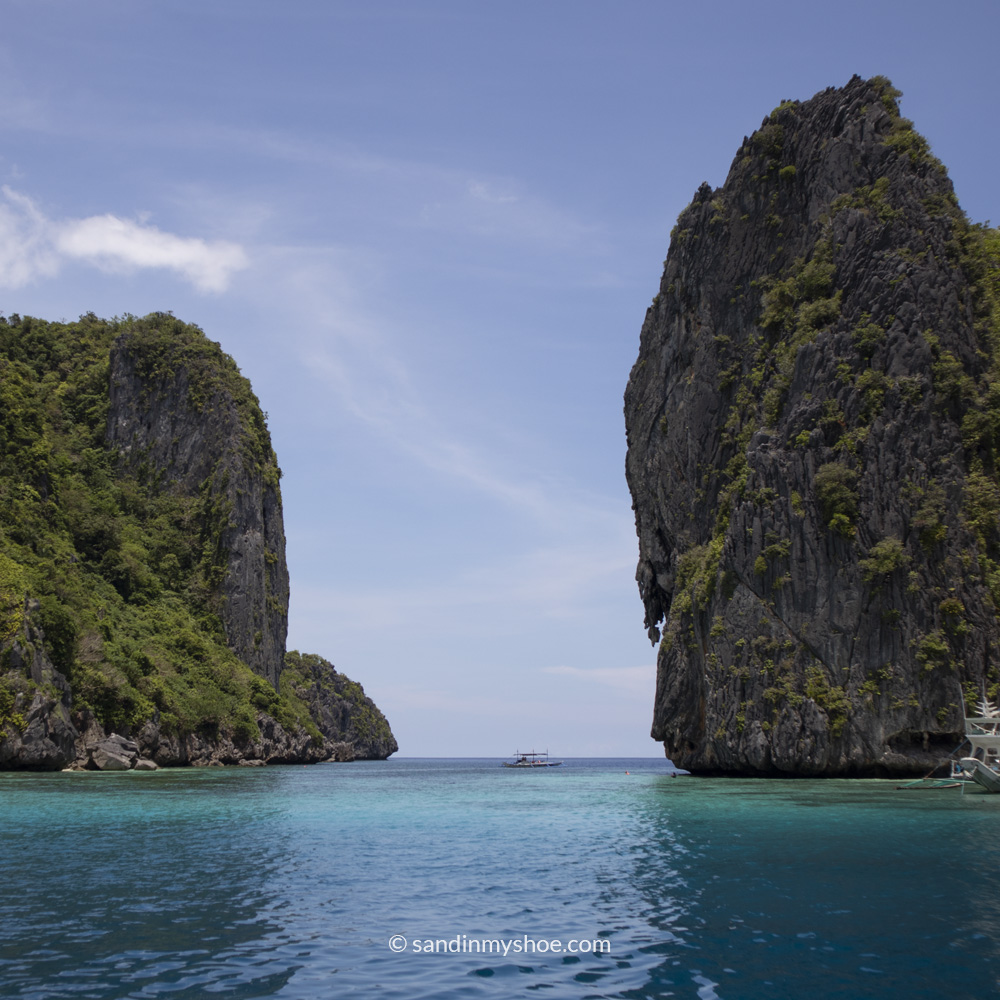
Another well‑known place, located on the northern tip of Palawan Island. El Nido is famous for its dramatic limestone cliffs, turquoise lagoons, and island‑hopping — especially Tour A and Tour C, the two most popular routes. The scenery is genuinely stunning, but it’s also very touristy, with crowds both in town and on the tours. Because it’s such a major tourist hotspot, the nightlife here is also the best in Palawan — lively bars, beach parties, and plenty of places to go out.
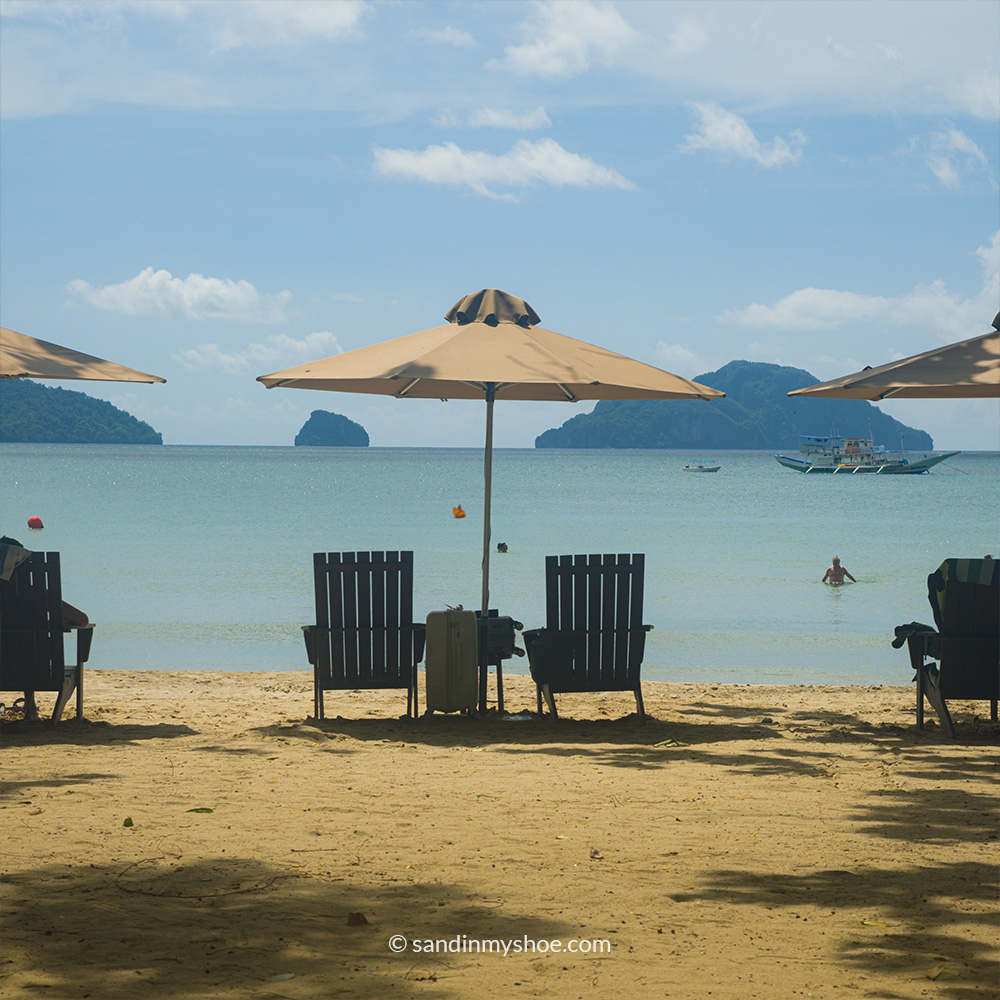
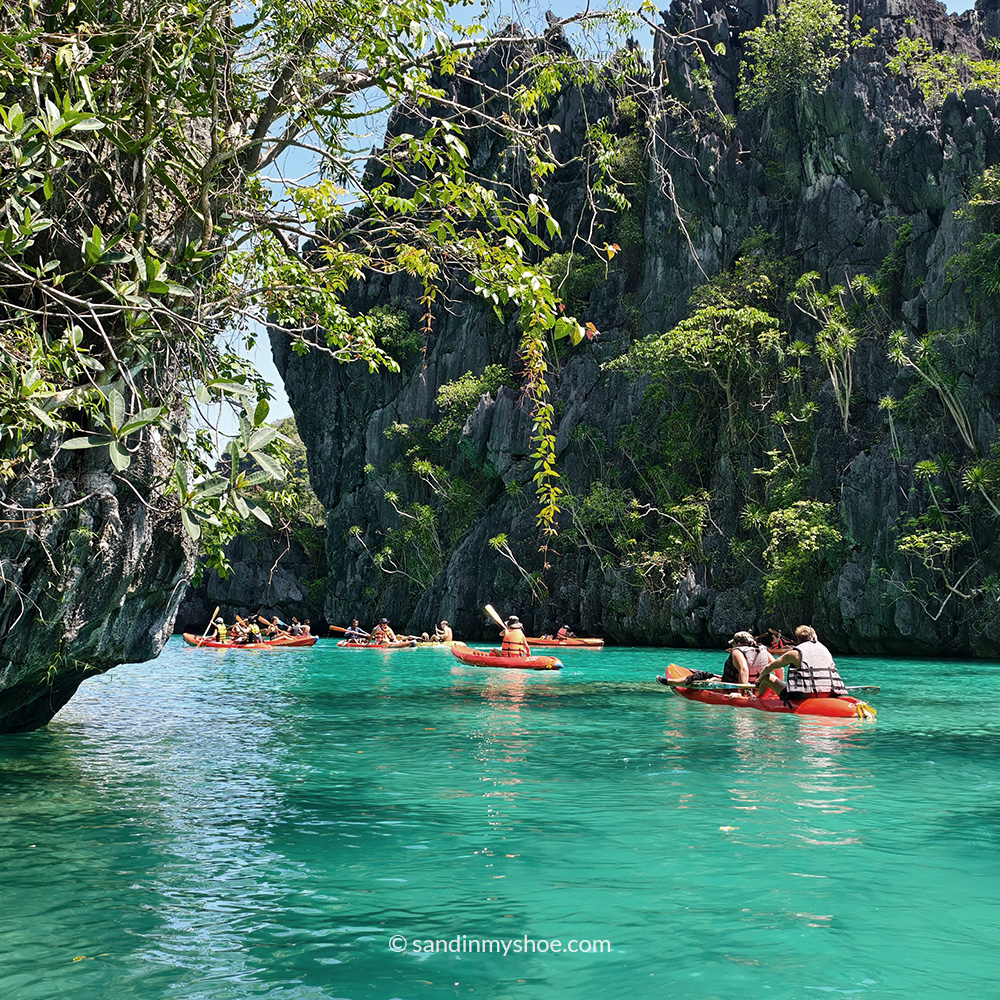
If you want a less touristy experience, rent a motorbike and cruise around the coastline. I did Tour C and spent some time on the beaches before leaving my big luggage at the hotel in town, grabbing a bike for a couple of days, and staying around random beaches — a much calmer, more scenic way to enjoy the area. The further you get from the main town, the quieter and more beautiful it becomes.
Perfect for big groups, people who want hassle‑free activities, and anyone who wants some decent nightlife.
Coron
The town itself isn’t particularly charming, but it’s a practical base for tours and diving. Most of the magic happens out on the water anyway. If you’re into wreck diving, Coron is one of the best places in the world for it. If not, the lakes, lagoons, and island‑hopping still make it absolutely worth the trip.
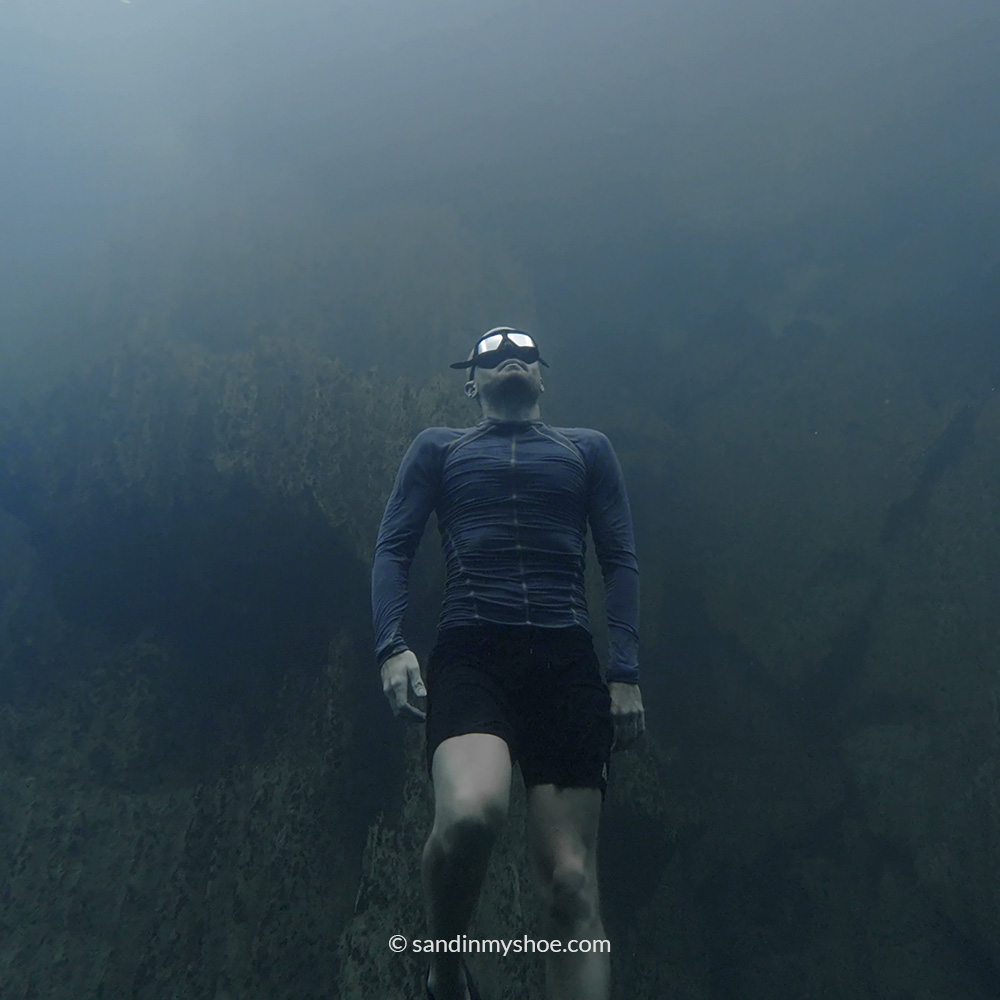
I did freediving in Barracuda Lake — the visibility was unbelievably good, and the water got warmer the deeper I got because of the thermocline. It’s a strange, surreal, very cool experience.
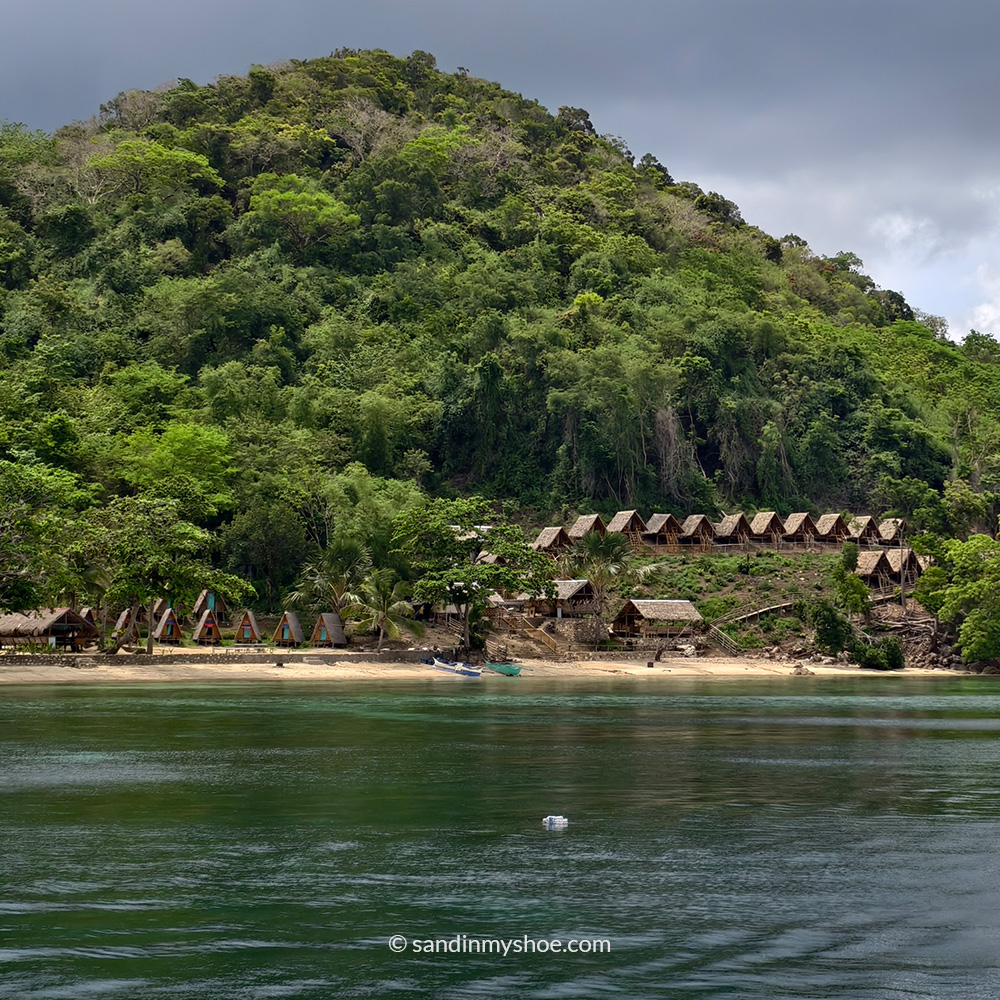
I also arrived here by a bangka boat from El Nido, spending two nights on different beaches along the way. We slowly made our way toward Coron, stopping at secluded islands, snorkeling in crystal‑clear water, visiting tiny fishing villages, and sleeping in simple beach huts right on the sand. It’s slow, peaceful, and a completely different vibe from the crowded island‑hopping in El Nido.
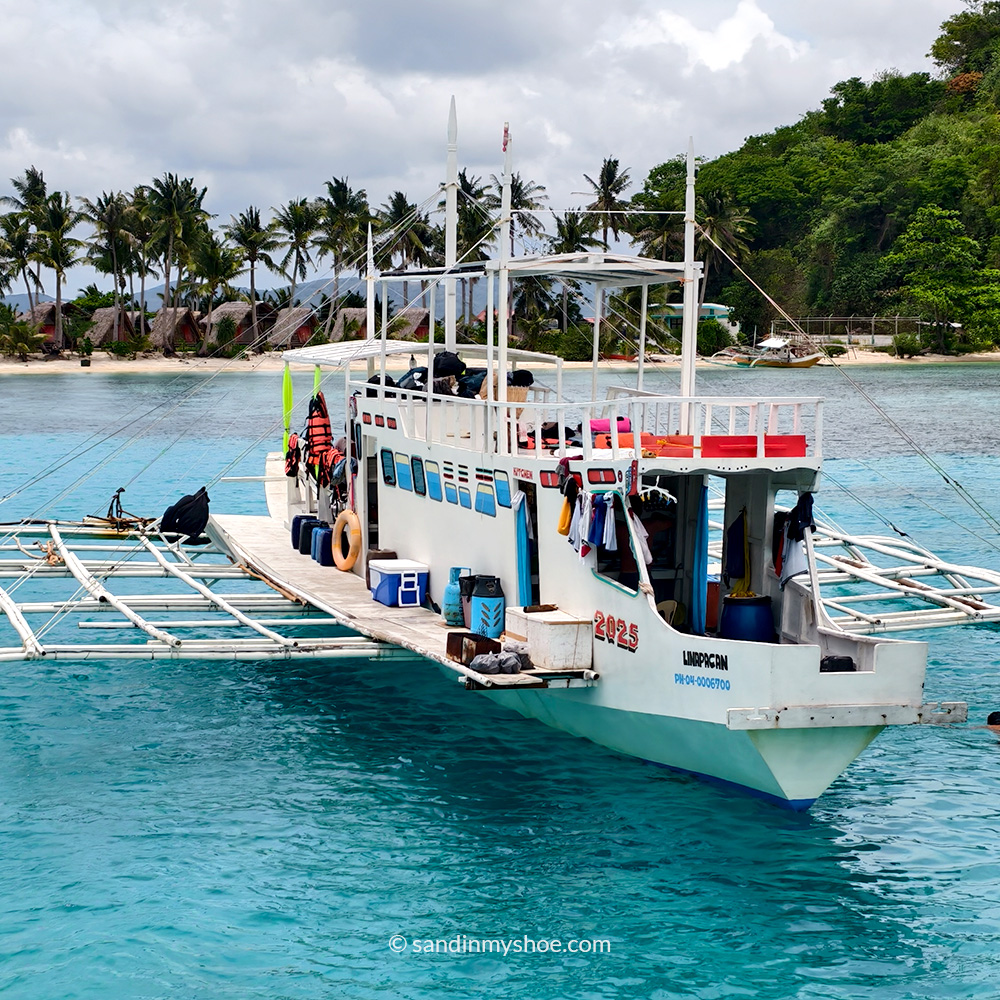
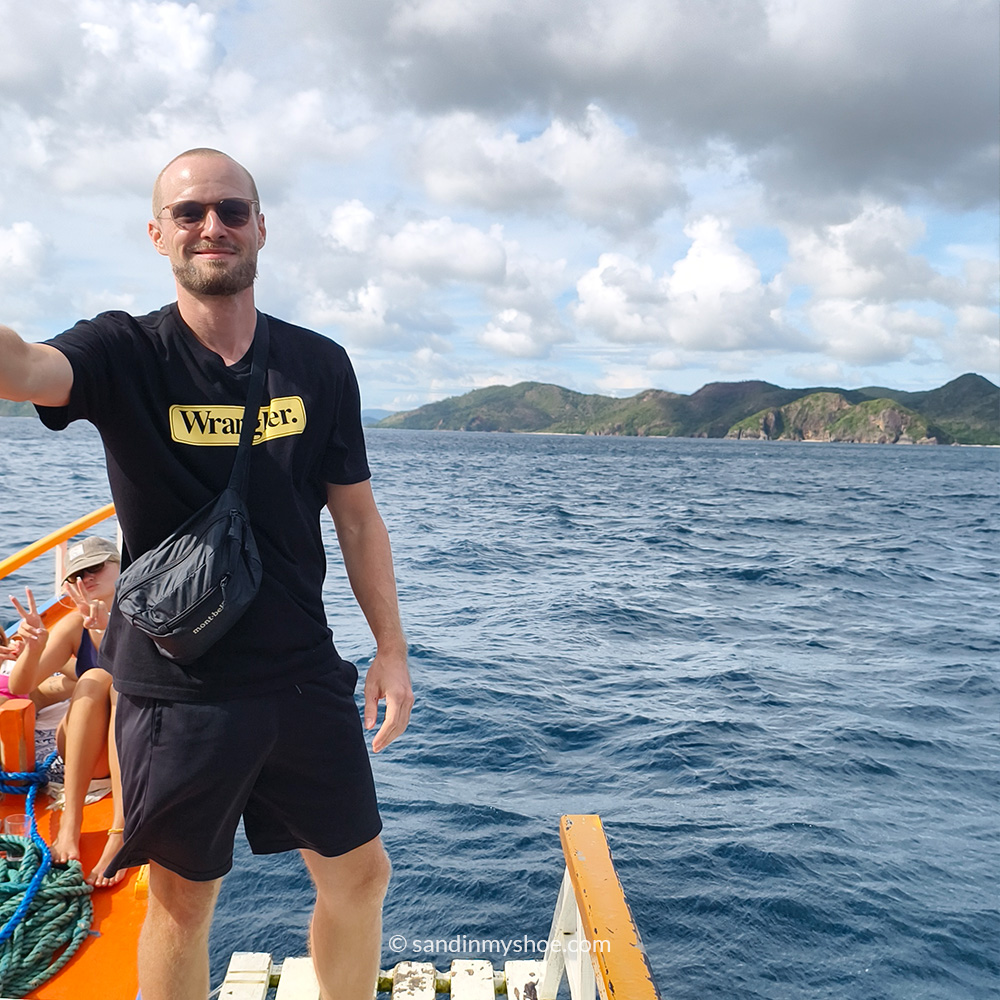
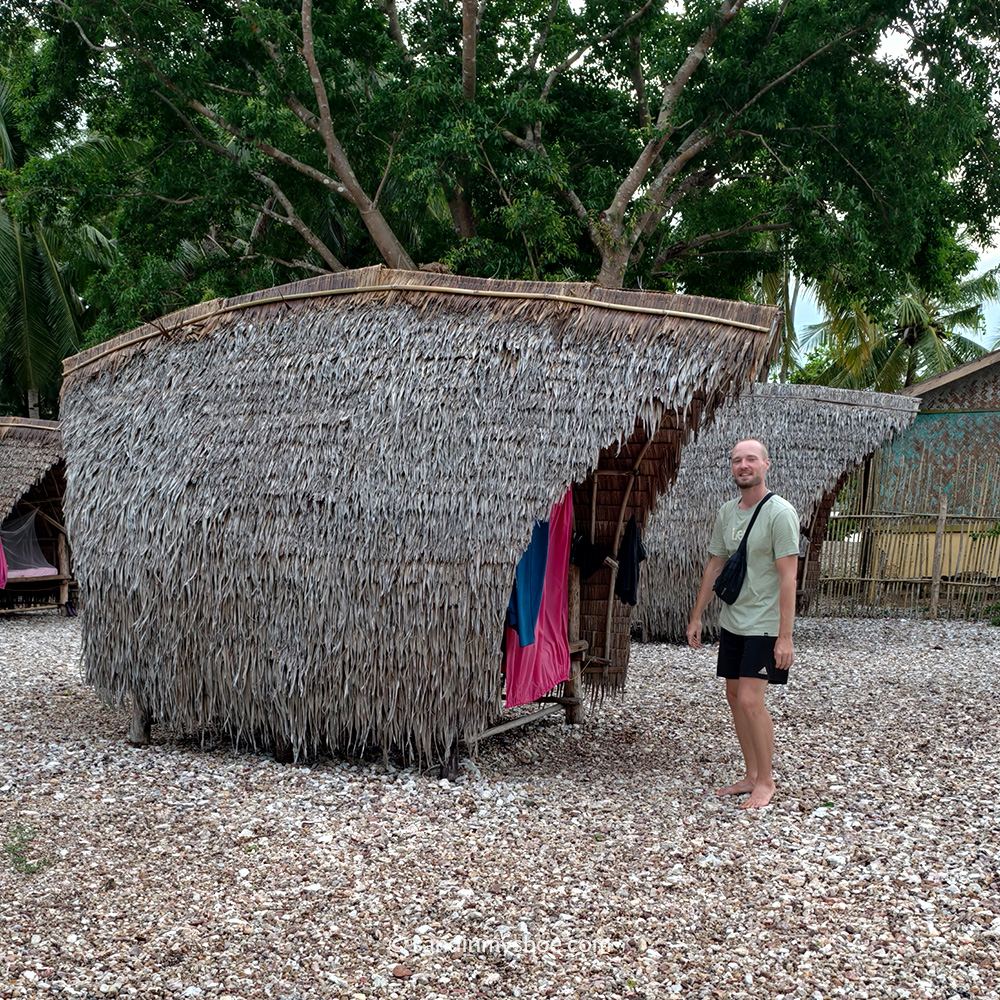
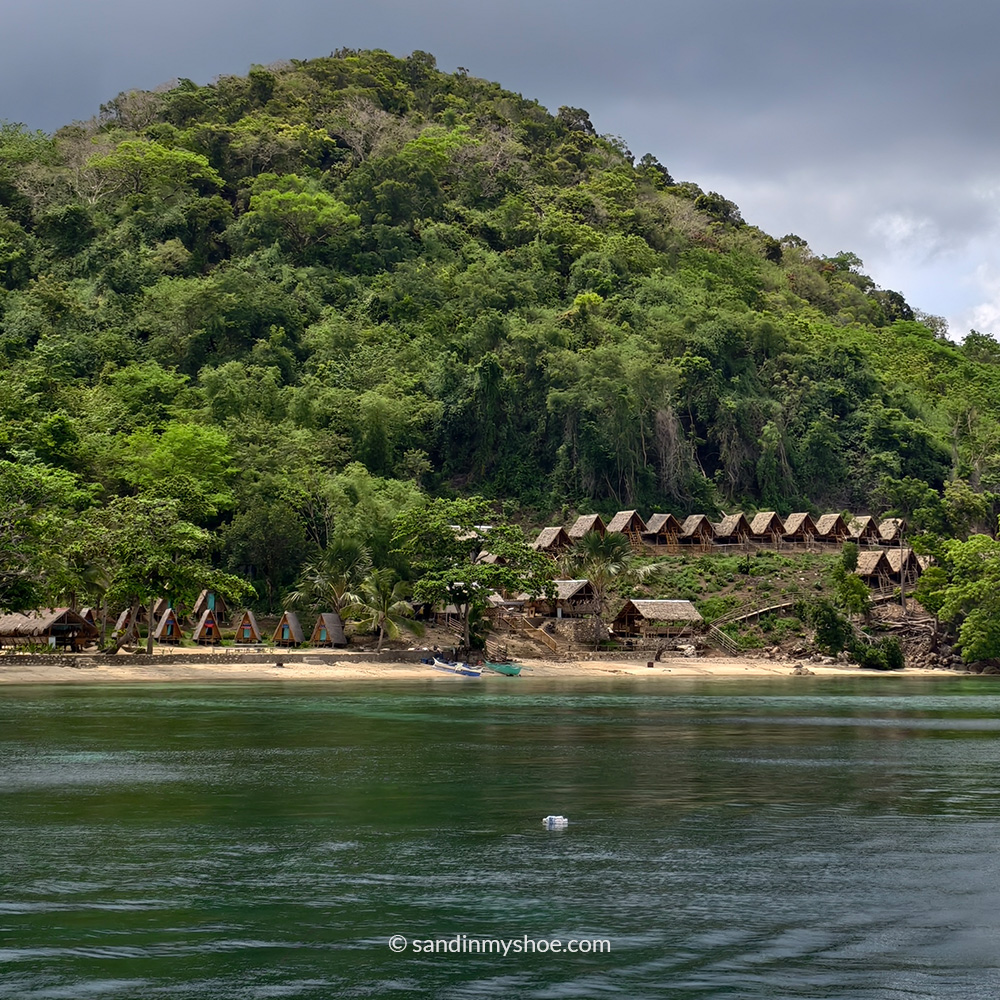
Coron is really all about the outskirts — the lakes, islands, and dive sites. It’s worth visiting for anyone who dives, freedives, wants to explore the islands around Coron, or plans to do the multi‑night boat tour from El Nido.
My Favorite Places in The Philippines
Many times it’s the moments, not the places, that stay with you. My most vivid memories are snorkeling with thousands of sardines in Moalboal — a genuinely mesmerizing experience — and freediving in Barracuda Lake in Coron, where the water suddenly shifts from 25°C to around 40°C as you drop into the deeper layers. And then there’s Coconut Beach in Palawan, also known as Pig Beach, where you get happily ambushed by curious pigs the moment you step onto the sand.
Wrap-Up: Where to Go In the Philippines
The Philippines is one of those places where every island has its own rhythm — new landscapes, new routines, new surprises. If there’s one thing I learned, it’s that the country is best enjoyed slowly. Don’t try to squeeze in every island. Pick a route, follow the weather, and let the days unfold naturally. Bad sea conditions can delay boats, and tight schedules fall apart fast, so build in a few buffer days. Book your flights, but keep the rest flexible — something always shifts, and that’s part of traveling here.
Curious about how to plan your route? My 2-week itinerary of the Philippines gives you a clear example, and check out my travel tips for the Philippines.


No comments yet, be the first one!
I appreciate hearing from you. If you have any suggestions, questions, or feedback, please leave a comment below. Your input helps ensure the information stays relevant and up to date for everyone.
Thank you for sharing your thoughts!