

Sri Lanka can feel like a year‑round destination, but not entirely. Most travelers want to combine a safari with cultural highlights, while others come specifically for surfing. The best time really depends on the activities you want to do.
In this guide, I’ll make you an expert on Sri Lanka’s monsoon seasons, show you when and where to surf, when to visit safaris and cultural sites — so you can experience the country to the fullest with the best conditions.
The Monsoons Patterns in Sri Lanka and How They Affect Your Trip
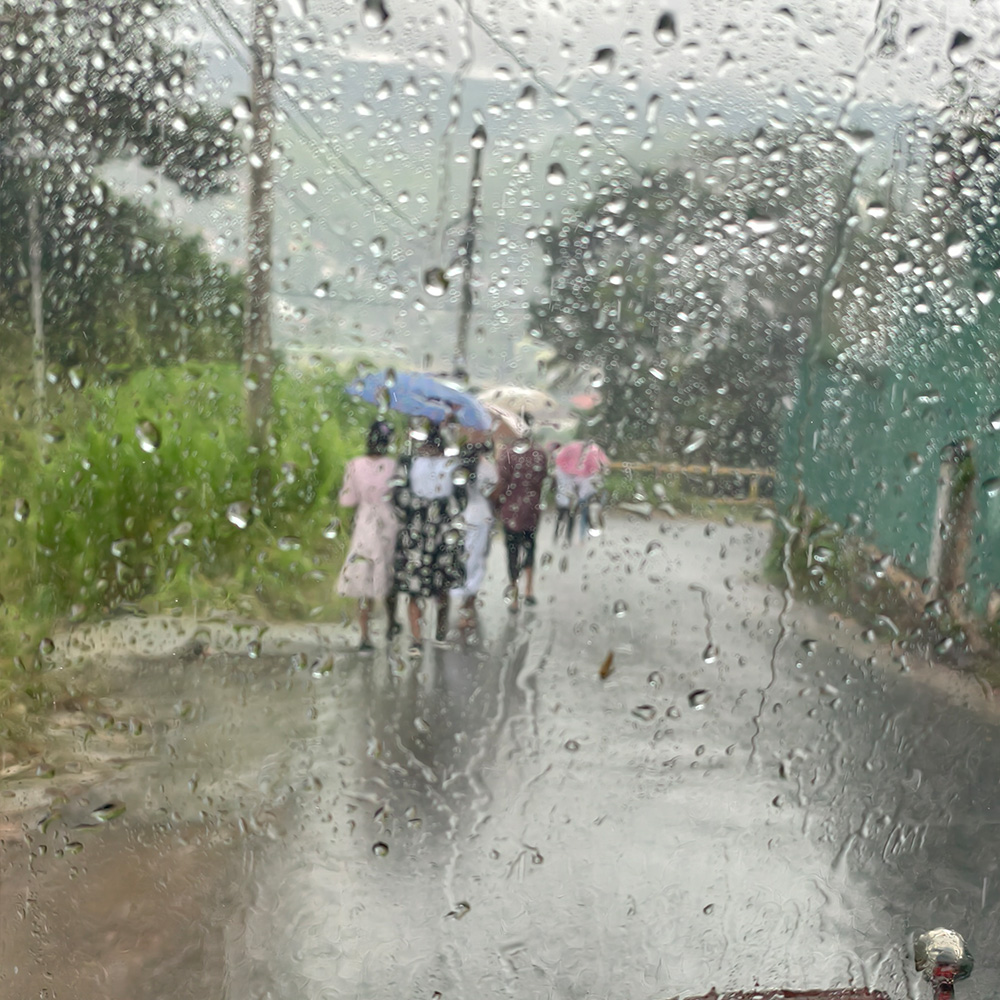
First things first: Sri Lanka has two monsoon seasons, and they shape when and where you’ll be traveling. They affect not only the weather in the coasts but also the center parts of Sri Lanka as well.
- Yala Monsoon hits the west and south coasts the hardest from May to August, bringing heavy rains and rough seas. Expect mixed weather with alternating sun and showers during September, November, and April as well.
- Maha Monsoon pounds the east and north coasts between October and January, but mixed weather of sun and rain can linger all the way into April.
It’s tricky to understand how the monsoons shape different parts of Sri Lanka, especially the central region, so I compared rainfall patterns across many regions and created monthly charts for all the main areas travellers usually visit.
 31°C
24°C
31°C
24°C
32°C
25°C
31°C
24°C
31°C
24°C
32°C
25°C
 32°C
25°C
32°C
25°C
 31°C
25°C
30°C
25°C
30°C
25°C
30°C
25°C
30°C
25°C
30°C
24°C
30°C
24°C
31°C
24°C
31°C
23°C
32°C
23°C
32°C
24°C
32°C
25°C
32°C
26°C
31°C
26°C
32°C
26°C
32°C
26°C
32°C
26°C
32°C
26°C
32°C
26°C
31°C
24°C
31°C
21°C
33°C
22°C
34°C
24°C
34°C
25°C
33°C
24°C
32°C
24°C
32°C
24°C
32°C
24°C
32°C
24°C
31°C
23°C
30°C
22°C
30°C
21°C
31°C
25°C
30°C
25°C
30°C
25°C
30°C
25°C
30°C
25°C
30°C
24°C
30°C
24°C
31°C
24°C
31°C
23°C
32°C
23°C
32°C
24°C
32°C
25°C
32°C
26°C
31°C
26°C
32°C
26°C
32°C
26°C
32°C
26°C
32°C
26°C
32°C
26°C
31°C
24°C
31°C
21°C
33°C
22°C
34°C
24°C
34°C
25°C
33°C
24°C
32°C
24°C
32°C
24°C
32°C
24°C
32°C
24°C
31°C
23°C
30°C
22°C
30°C
21°C
 25°C
17°C
26°C
17°C
27°C
18°C
27°C
19°C
26°C
20°C
25°C
20°C
25°C
20°C
25°C
19°C
25°C
19°C
25°C
19°C
25°C
18°C
25°C
18°C
20°C
10°C
21°C
11°C
22°C
13°C
21°C
14°C
20°C
14°C
19°C
13°C
19°C
12°C
20°C
12°C
20°C
12°C
20°C
13°C
19°C
12°C
19°C
11°C
25°C
17°C
26°C
17°C
27°C
18°C
27°C
19°C
26°C
20°C
25°C
20°C
25°C
20°C
25°C
19°C
25°C
19°C
25°C
19°C
25°C
18°C
25°C
18°C
20°C
10°C
21°C
11°C
22°C
13°C
21°C
14°C
20°C
14°C
19°C
13°C
19°C
12°C
20°C
12°C
20°C
12°C
20°C
13°C
19°C
12°C
19°C
11°C
Area Explanation: South & West Coasts: Colombo, Negombo, Galle, Mirissa & Weligama; North & East Coasts: Trincomalee, Arugam Bay, Pasikuda & Jaffna; Cultural Triangle: Sigiriya, Dambulla, Polonnaruwa & Anuradhapura; Hill Country Low to Mid Elevation: Kandy, Ella; Hill Country High Elevation: Nuwara Eliya.
Best Areas to Visit by Month in Sri Lanka
Let’s continue with Sri Lanka’s overall seasons and identify which areas are best to visit during each month of the year. The dry season naturally offers the most reliable weather, but the shoulder months are also great for travel — showers are usually short, and many regions stay perfectly enjoyable and more affordable.
Peak Dry Season (Dec–Mar)
This period is often highlighted as Sri Lanka’s dry season, mainly because the south‑coast beaches are in full season and the central regions enjoy their most reliable weather. The downside is that many of the popular national parks are not at their best — with higher rainfall, animals aren’t dependent on water sources and tend to stay deeper in the forest, making sightings less frequent.
First Shoulder Season (Apr)
April is a transition month. It’s when the southwest monsoon begins to build on the west and south coasts, bringing more rain and rougher seas. At the same time, the east coast starts to improve, though the weather is still mixed early in the season. Prices often drop in many areas after the high‑season crowds leave.
Across the island, the weather becomes more unpredictable, with hot mornings and short afternoon thunderstorms. The central regions — including the Cultural Triangle and much of the Hill Country — remain generally good, though hotter than usual.
Many national parks such as Wilpattu, Yala and Minneriya are getting into season.
East Coast Peak Season (May–Sep)
The east coast is at its best, with blue skies, calm seas, sandy beaches, and great waves for surfers. National parks such as Wilpattu, Yala and Minneriya are at their peak thanks to the dry season, offering excellent wildlife viewing. The south and west are under the monsoon during this period, but the central regions remain good to visit.
Second Shoulder Season (Oct–Nov)
October and November are the most unpredictable months of the year. Both monsoons overlap, bringing scattered showers, sudden downpours, and rough seas on most coasts. Sunshine still appears, but it’s inconsistent, and humidity stays high.
Even so, it’s a quiet and affordable time to travel. The Cultural Triangle is still workable, the Hill Country is cool and misty, and crowds are at their lowest.
Overall Best Month to Visit Sri Lanka
August to early September is when everything lines up.
It’s the rare window when Sri Lanka’s major experiences all peak at the same time: leopard sightings are at their best in Yala and Wilpattu, the largest elephant gatherings of Asia in Minneriya and Kaudulla, the east coast beaches are in full season, and the Cultural Triangle enjoys some of its driest weeks of the year.
And you get major cultural events like Esala Perahera in Kandy, and sometimes even the Kataragama Festival, depending on the full‑moon cycle.
🟩: In season 🟨: Between seasons 🟥: Off season 💎: Best time
| Jan | Feb | Mar | Apr | May | Jun | Jul | Aug | Sep | Oct | Nov | Dec | |
|---|---|---|---|---|---|---|---|---|---|---|---|---|
| West & South Coasts | ||||||||||||
| Beach | 🟩 | 🟩 | 🟩 | 🟨 | 🟥 | 🟥 | 🟥 | 🟥 | 🟨 | 🟨 | 🟨 | 🟩 |
| Surf | 🟩 | 🟩 | 🟩 | 🟨 | 🟥 | 🟥 | 🟥 | 🟥 | 🟥 | 🟥 | 🟨 | 🟩 |
| Whale Watching | 🟩 | 🟩 | 🟩 | 🟩 | 🟥 | 🟥 | 🟥 | 🟥 | 🟥 | 🟥 | 🟥 | 🟩 |
| East & North Coasts | ||||||||||||
| Beach | 🟥 | 🟨 | 🟨 | 🟨 | 🟩 | 🟩 | 🟩 | 🟩 | 🟩 | 🟥 | 🟥 | 🟥 |
| Surf | 🟥 | 🟥 | 🟥 | 🟥 | 🟩 | 💎 | 💎 | 💎 | 🟩 | 🟥 | 🟥 | 🟥 |
| Whale Watching | 🟥 | 🟥 | 🟥 | 🟥 | 🟩 | 🟩 | 🟩 | 🟩 | 🟩 | 🟩 | 🟥 | 🟥 |
| Central | ||||||||||||
| Lowlands: Cultural Triangle | 🟩 | 🟩 | 🟩 | 🟨 | 🟨 | 🟩 | 🟩 | 🟩 | 🟨 | 🟥 | 🟥 | 🟨 |
| Midlands: Ella, Bandarawela | 🟩 | 🟩 | 🟩 | 🟨 | 🟩 | 🟩 | 🟩 | 🟩 | 🟩 | 🟥 | 🟥 | 🟨 |
| Highlands: Nuwara Eliya & Horton Plains | 🟩 | 🟩 | 🟩 | 🟨 | 🟨 | 🟨 | 🟨 | 🟨 | 🟨 | 🟥 | 🟥 | 🟨 |
| Safaris | ||||||||||||
| Wilpattu | 🟥 | 🟩 | 🟩 | 🟩 | 🟩 | 💎 | 🟩 | 🟩 | 🟩 | 🟥 | 🟥 | 🟥 |
| Minneriya & Kaudulla | 🟥 | 🟥 | 🟥 | 🟥 | 🟥 | 🟨 | 🟩 | 💎 | 💎** | 🟨 | 🟥 | 🟥 |
| Yala | 🟨 | 🟨 | 🟨 | 🟨 | 🟩 | 🟩 | 💎 | 💎 | 🟨 | 🟥 | 🟥 | 🟥 |
| Udawalawe | 🟩 | 🟩 | 🟩 | 🟩 | 🟩 | 🟩 | 🟩 | 🟩 | 🟩 | 🟩 | 🟩 | 🟩 |
| Big Local Festivities* | 🟥 | 🟥 | 🟥 | 🟩 | 🟩 | 🟥 | 🟩 | 🟩 | 🟥 | 🟩 | 🟩 | 🟥 |
Overview of the Best Time to Visit Sri Lanka — Safaris, Beaches, Surf, Culture & More. *Check details under local festivities **Early September.
Worst Time to Visit Sri Lanka
Even though Sri Lanka is an year-round destination, it has a couple of months that you might want to avoid as a tourist and that’s October and November. The reason is that’s it shoulders months which bring the most unreliable weather throughout the country. It’s cheaper though, and was much less tourists.
Best Time to Visit Beaches in Sri Lanka
West and South Coasts
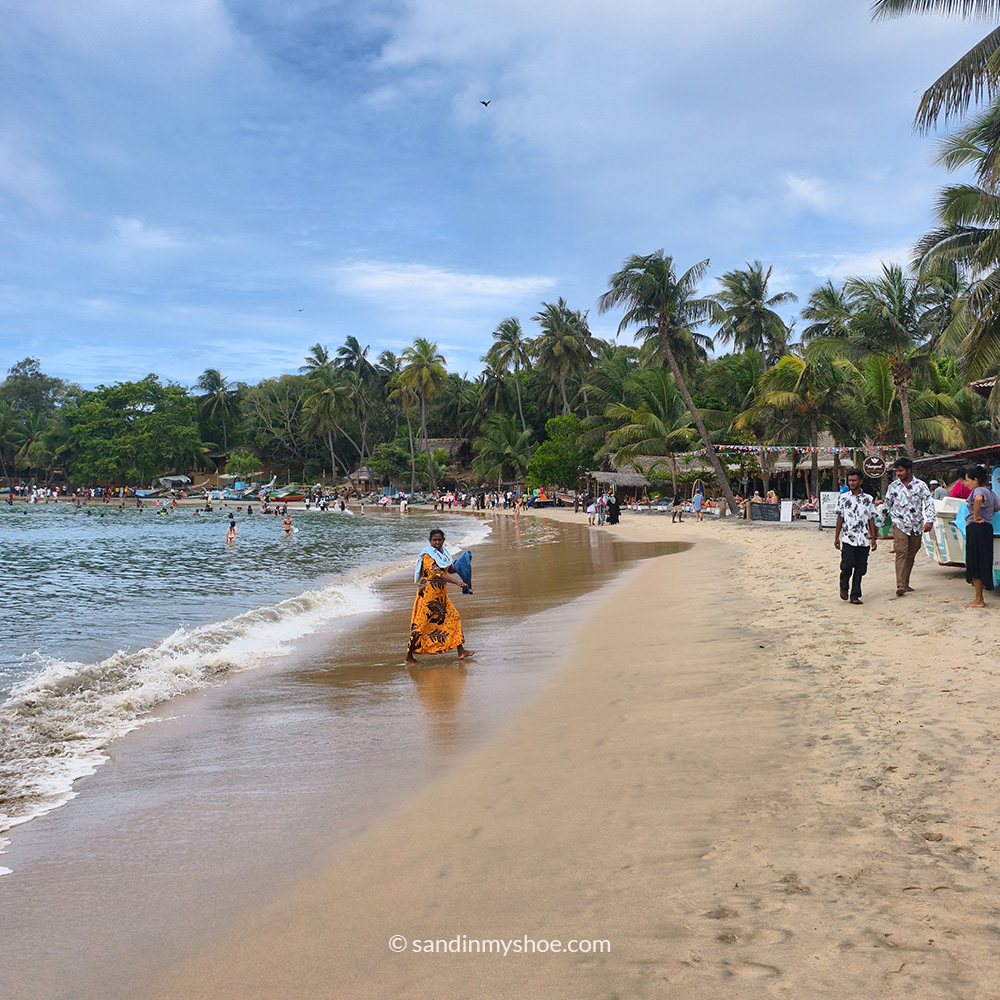
Beach lovers will find the most dependable sunshine on Sri Lanka’s west and south coasts — in popular destinations such as Negombo, Bentota, Hikkaduwa, Unawatuna, and Mirissa — between December and March.
Expect mixed weather with alternating sun and showers during September, November, and April. And rainy season from May to August.
East Coast
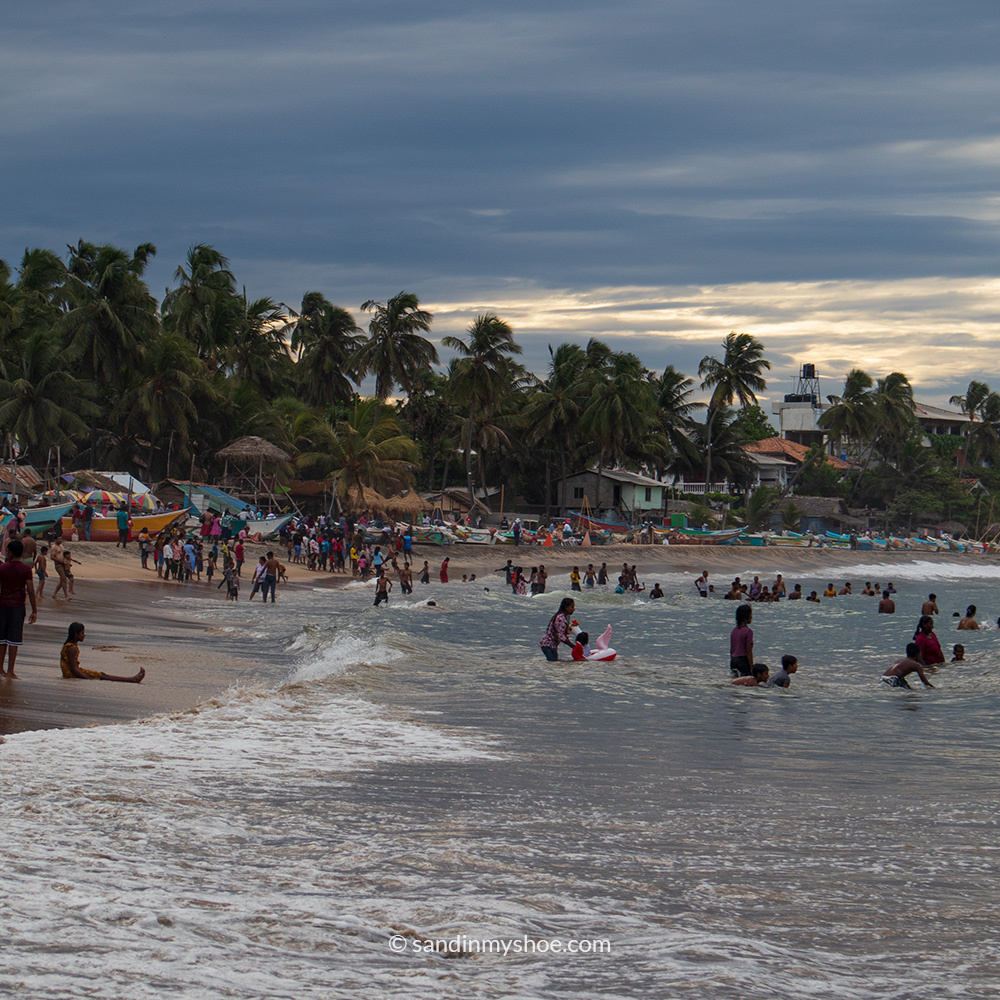
When the rain is pounding the west and south, the north and east coasts come into season. The most consistent sunshine arrives from May to September, making this the best time to enjoy beaches such as Arugam Bay, Trincomalee, and Passikudah.
The Maha Monsoon hits hardest between October and January, but february to April can still have frequent showers.
Best Time to Visit Sri Lanka for Surfing
You can surf here almost year-round, but the best coast depends on the season:
- South Coast (Nov–Apr): Ideal for beginners and intermediates. You’ll find a mix of sandy beach breaks and reef breaks around trendy surf towns like Weligama, Ahangama, Midigama, Mirissa, Hikkaduwa, and Matara.
- East Coast (May–Sep): Perfect for advanced surfers chasing long rides. Famous for its long right-hand point breaks at Arugam Bay, Pottuvil, Whiskey Point, and Okanda, the east has a rustic, laid-back atmosphere. Peak quality is June–August, when swells are strongest and rides can stretch for hundreds of meters.
Best Time to Visit Cultural Sights in Sri Lanka
Sri Lanka’s cultural treasures are concentrated in the central highlands and lowlands. They’re home to ancient cities, rock fortresses, tea country, and scenic hill towns. Planning an optimal time to avoid mist and rain can be tricky, especially as the altitude difference are up to 2,000 m between some cities. But don’t worry, all the information you need is found below.
Lowlands = Cultural Triangle (100-200 m)
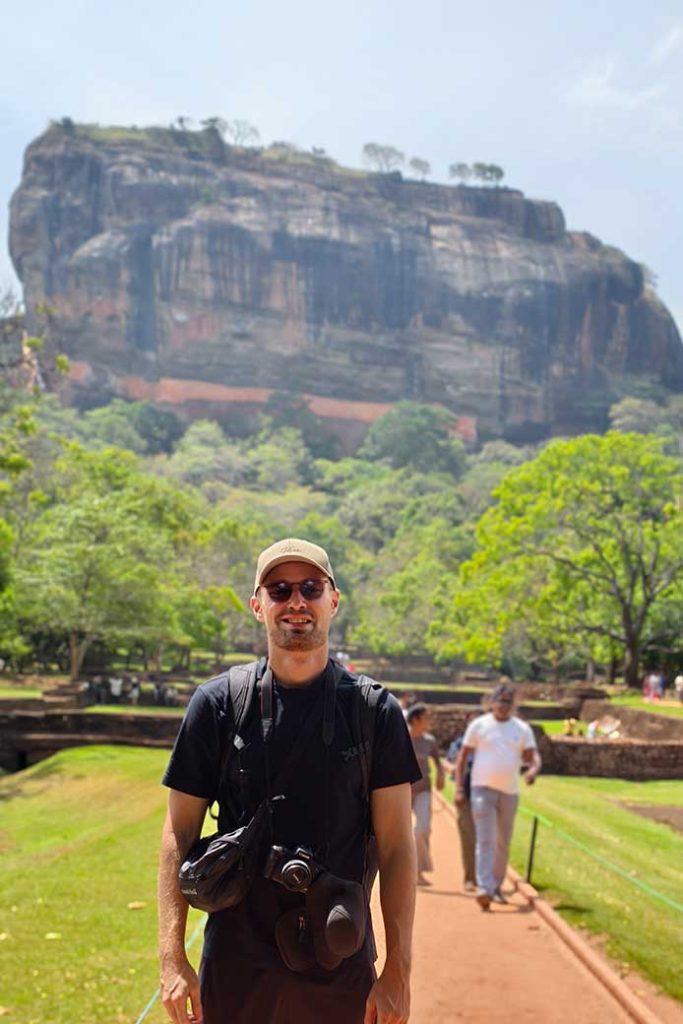
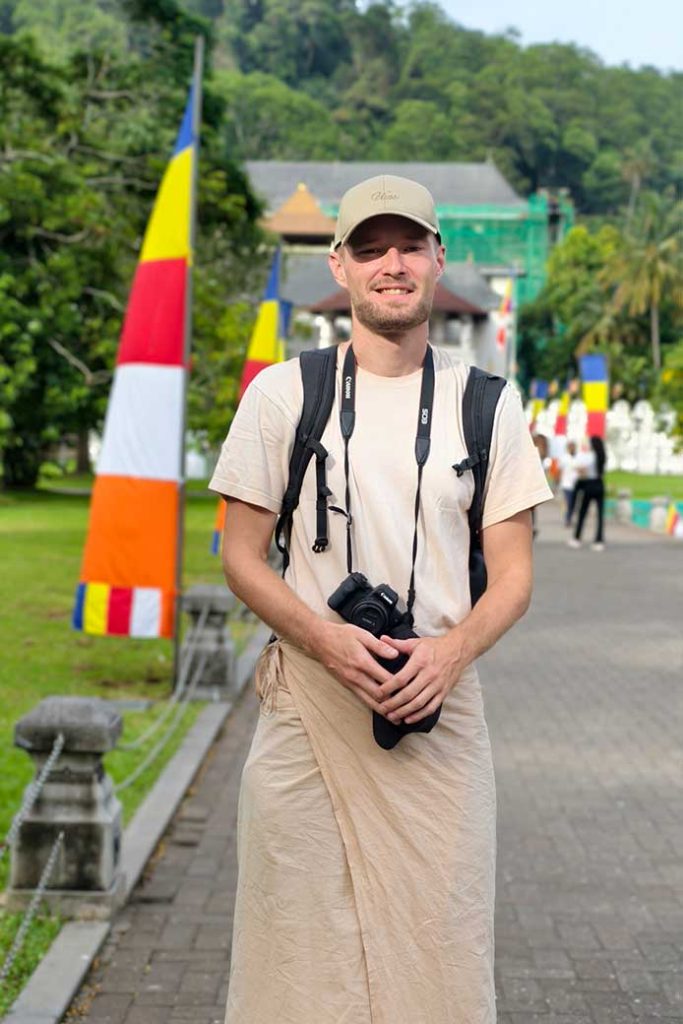
The Cultural Triangle covers Sigiriya, Anuradhapura, Dambulla, and Polonnaruwa, sitting at low elevations of 100–200 m. The region has distinct dry and wet seasons, plus a mixed season with sunshine and occasional showers.
- Dry: Jan-Mar & Jun-Aug
- Mixed: Apr-May, Sep & Dec
- Wet: Oct-Nov
I visited in June and, while it rained at times, it felt more refreshing than disruptive. The only real caution is the wet season, when downpours can be heavy and prolonged.
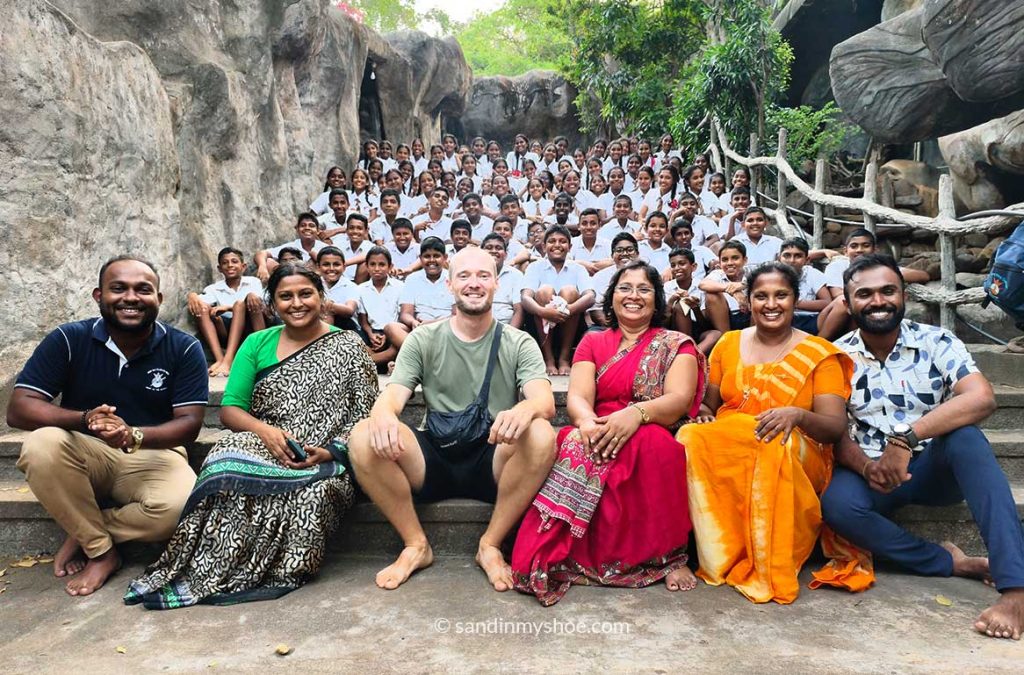
Kandy and Matale follow the same seasonal pattern as the Cultural Triangle, but they’re a little wetter overall because they sit on 500-800m altitudes. Even in the dry months, you may get passing showers.
Midlands = Hill Country (1,000-1,200 m)
At around 1,000 m elevation, passing shower become increasingly more common, even during dry periods. Popular towns here include Ella, Haputale, and Bandarawela.
- Dry: Jan–Mar, May-Sep
- Mixed: Apr, Dec
- Wet: Oct-Nov
When I visited Ella in June after Nuwara Eliya, the difference was striking: while Nuwara Eliya was wrapped in mist and steady rain, Ella offered clearer skies and far more pleasant conditions.
The dry months bring the clearest mountain views and the least rain, though trails can still be slippery. Mornings often start bright before clouds build up by midday, so early hikes are best.
Highlands = Hill Country (1,800-2,200 m)
At these altitudes mist and drizzles are part of the climate year-round and one the main reasons tea plantations thrive here. Popular town are Nuwara Eliya and Horton Plains.
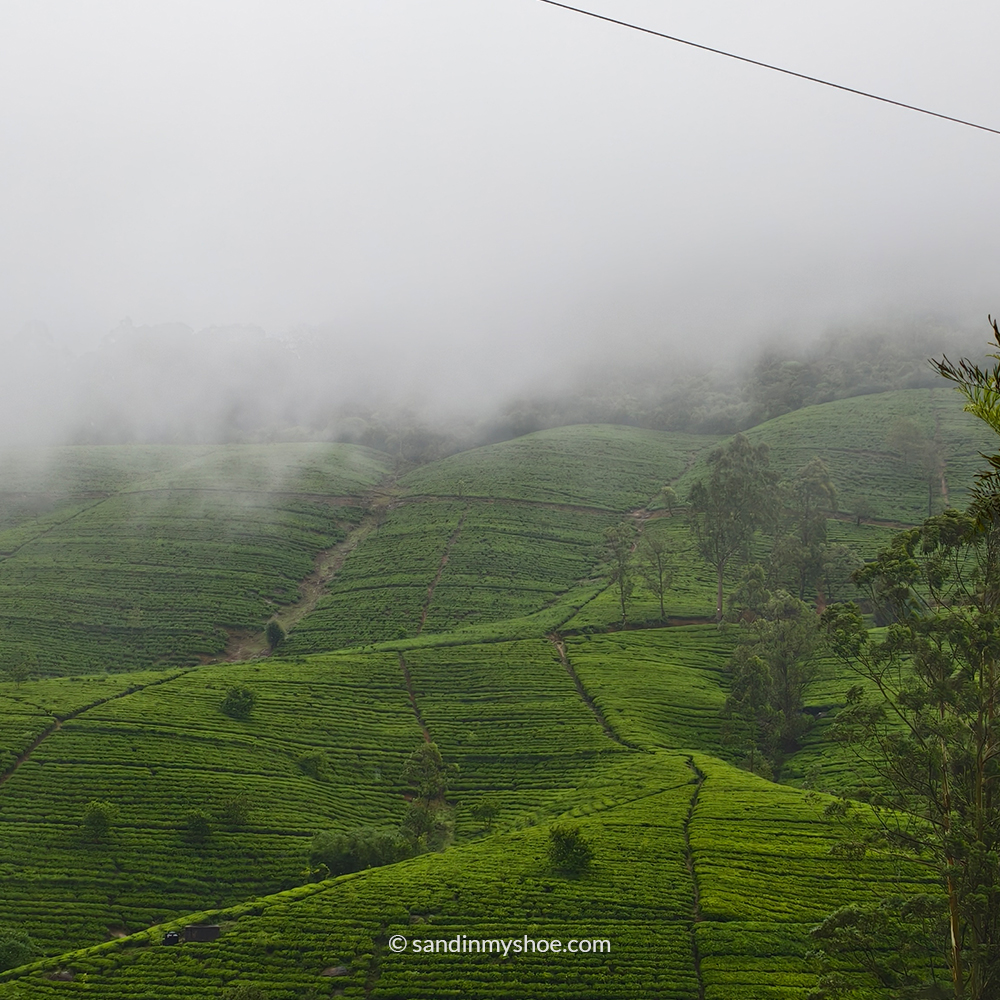
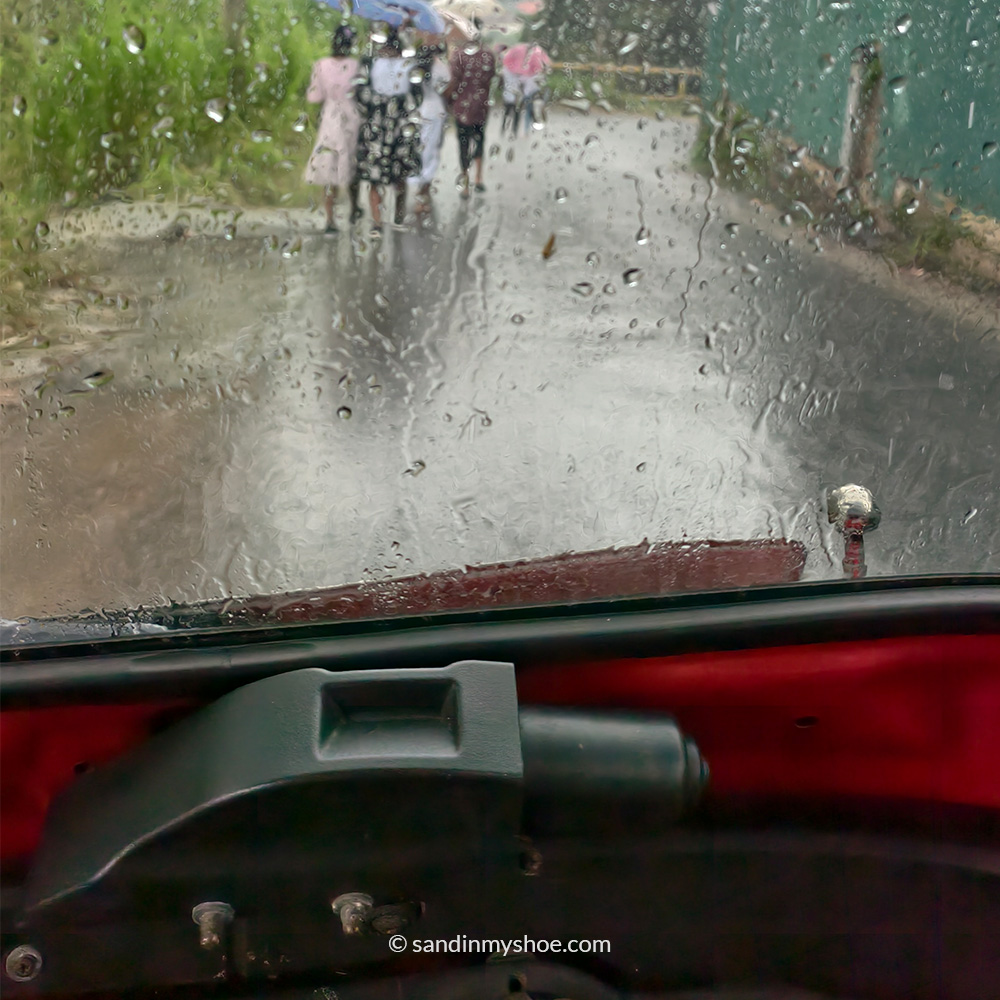
On my own journey, I really felt the shift in climate: driving a tuk‑tuk from Kandy up to Nuwara Eliya in June, I was caught in heavy rain, shivering in shorts and T-shirt as the mountains closed in with mist. It’s a vivid reminder of how quickly the weather changes at this altitude.
- Dry: Jan-Mar
- Mixed: May–Sep
- Wet: Apr, Oct–Dec
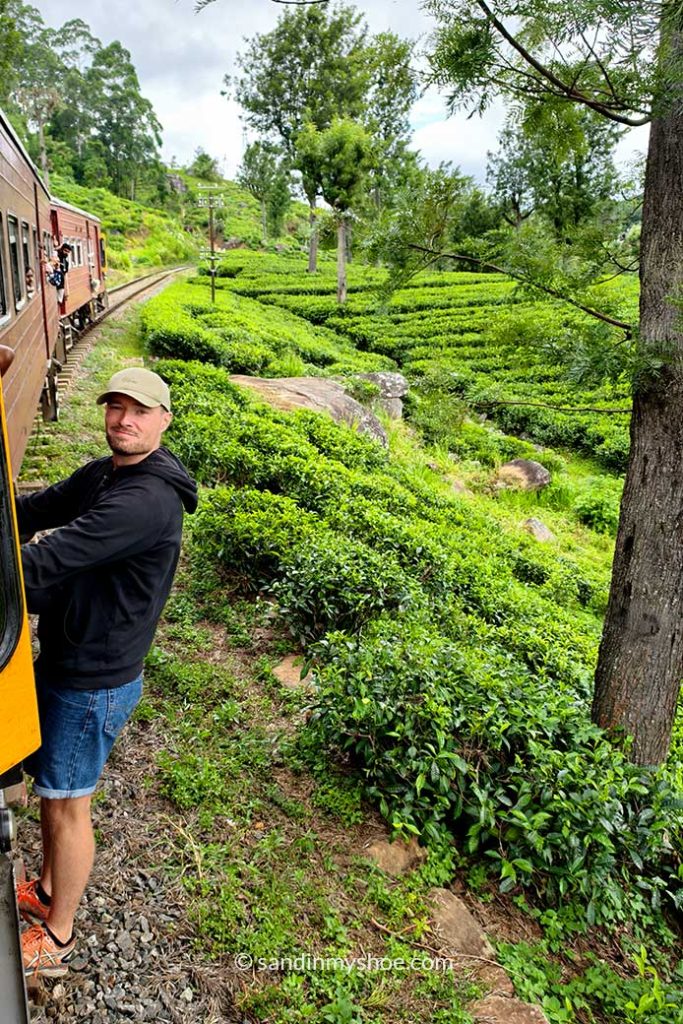
Most days during my visit were filled with mist, so if you want maximize your chances of clear views, aim for the dry season. Still pack a rain jacket — because even the driest months bring occasional showers.
Best Time for Safaris in Sri Lanka
Sri Lanka’s national parks each offer something unique, and timing your visit with the monsoon cycles makes all the difference.
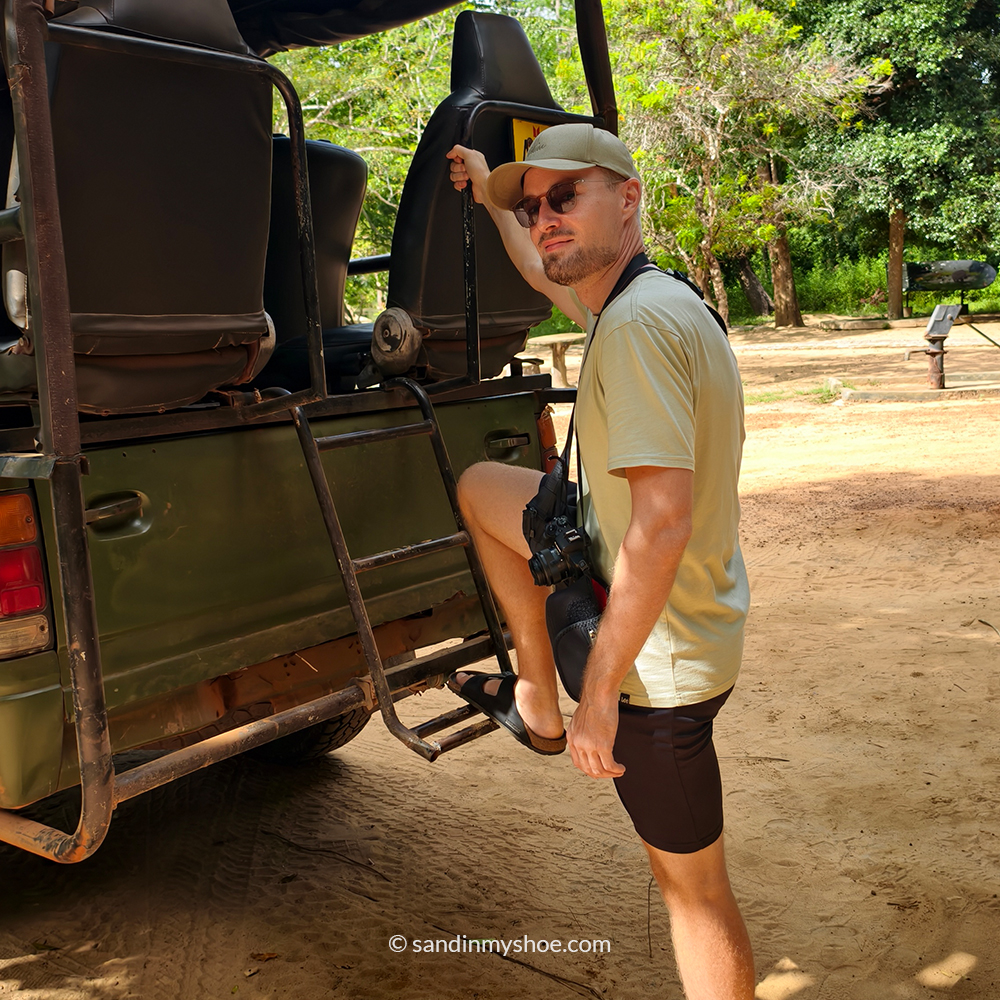
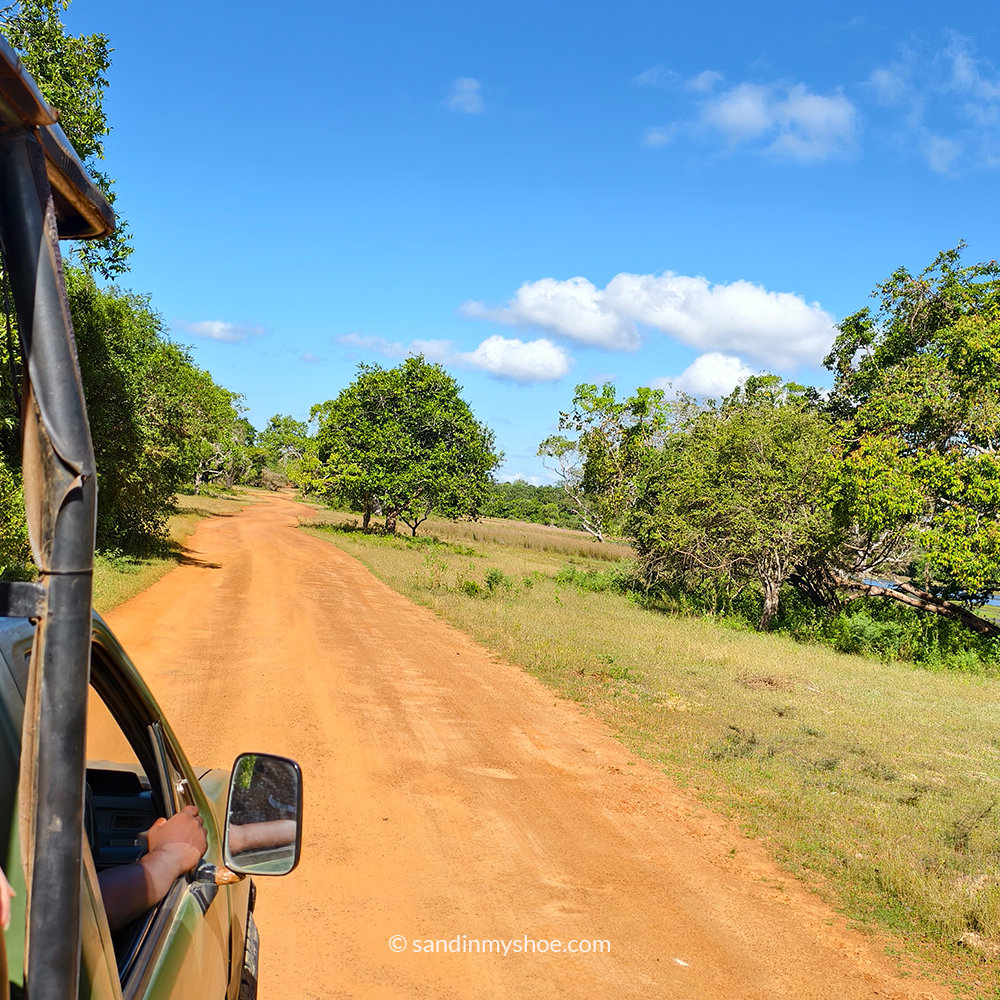
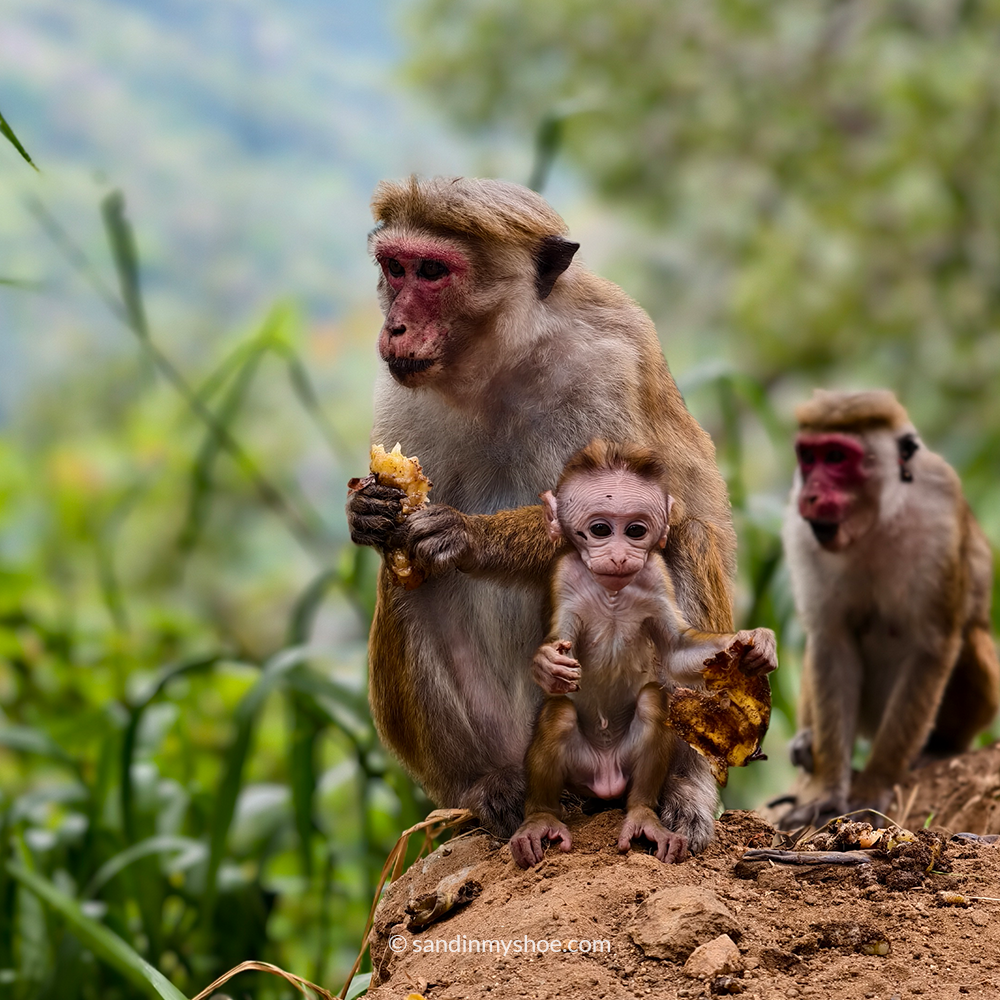
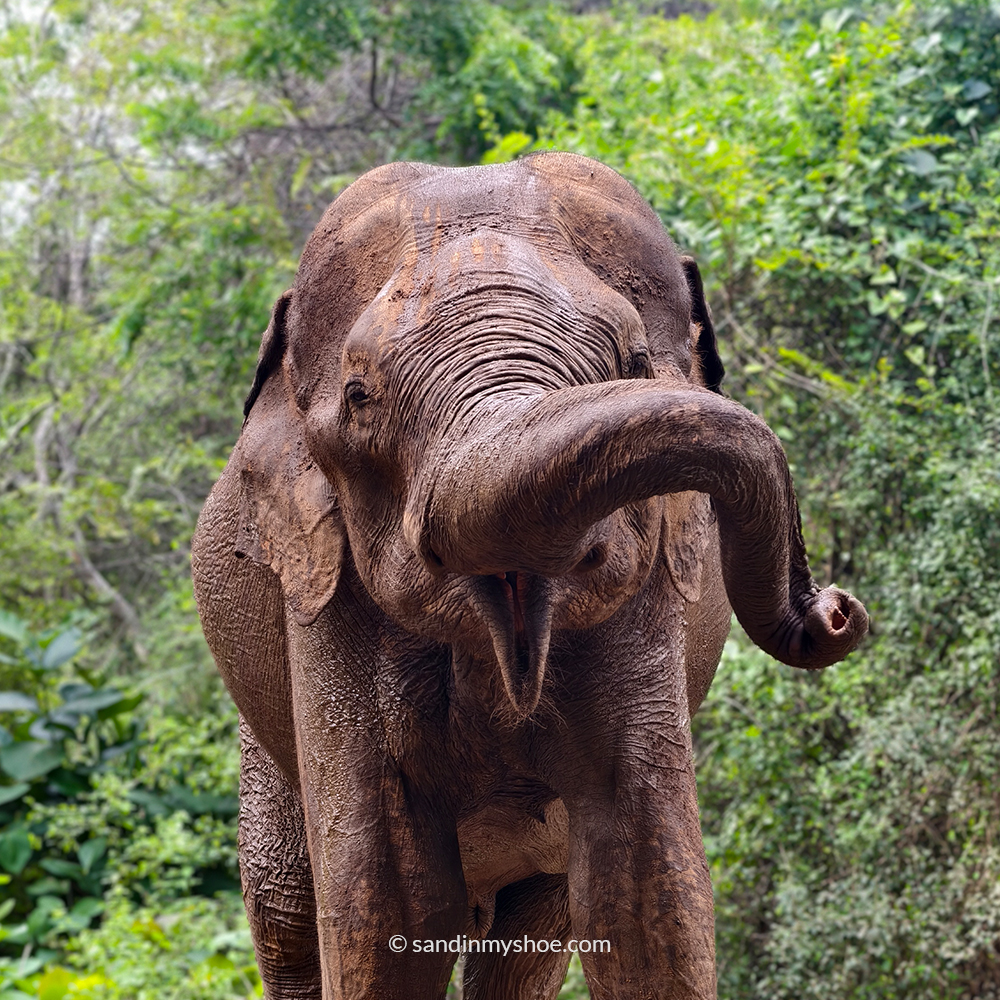
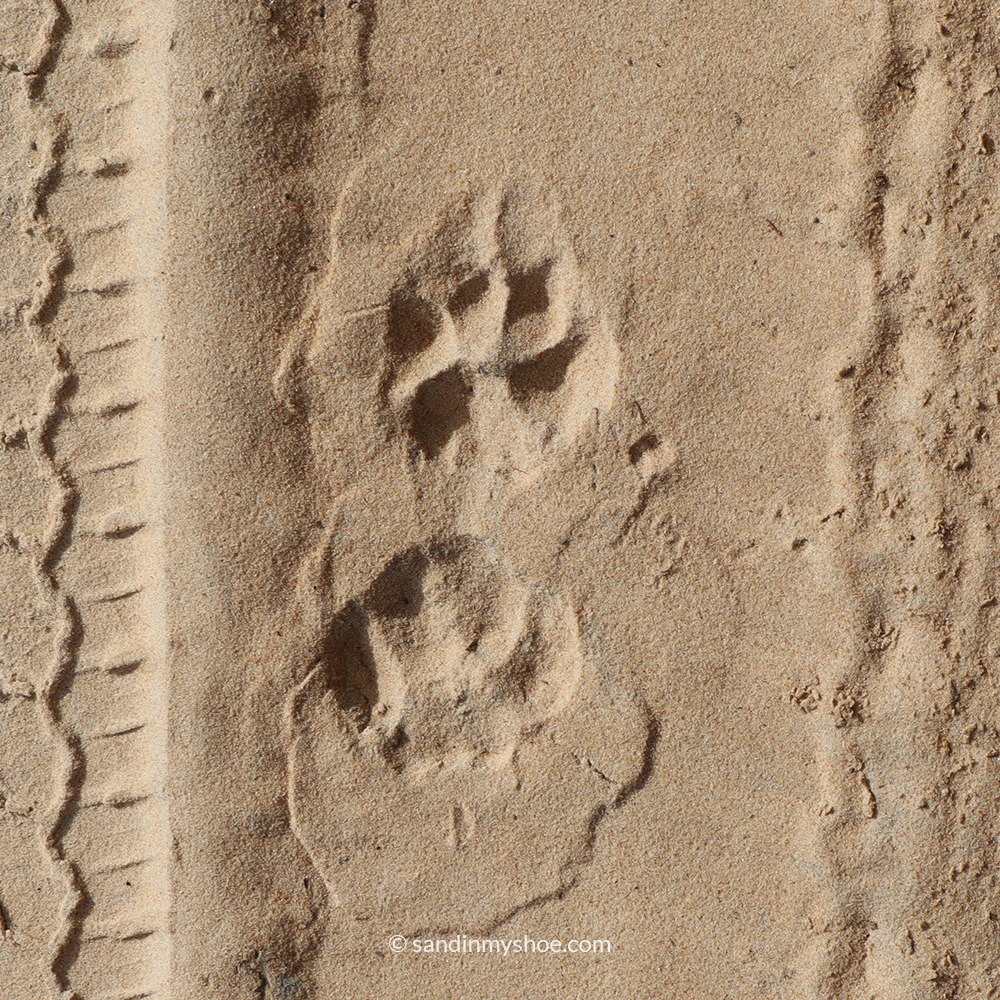
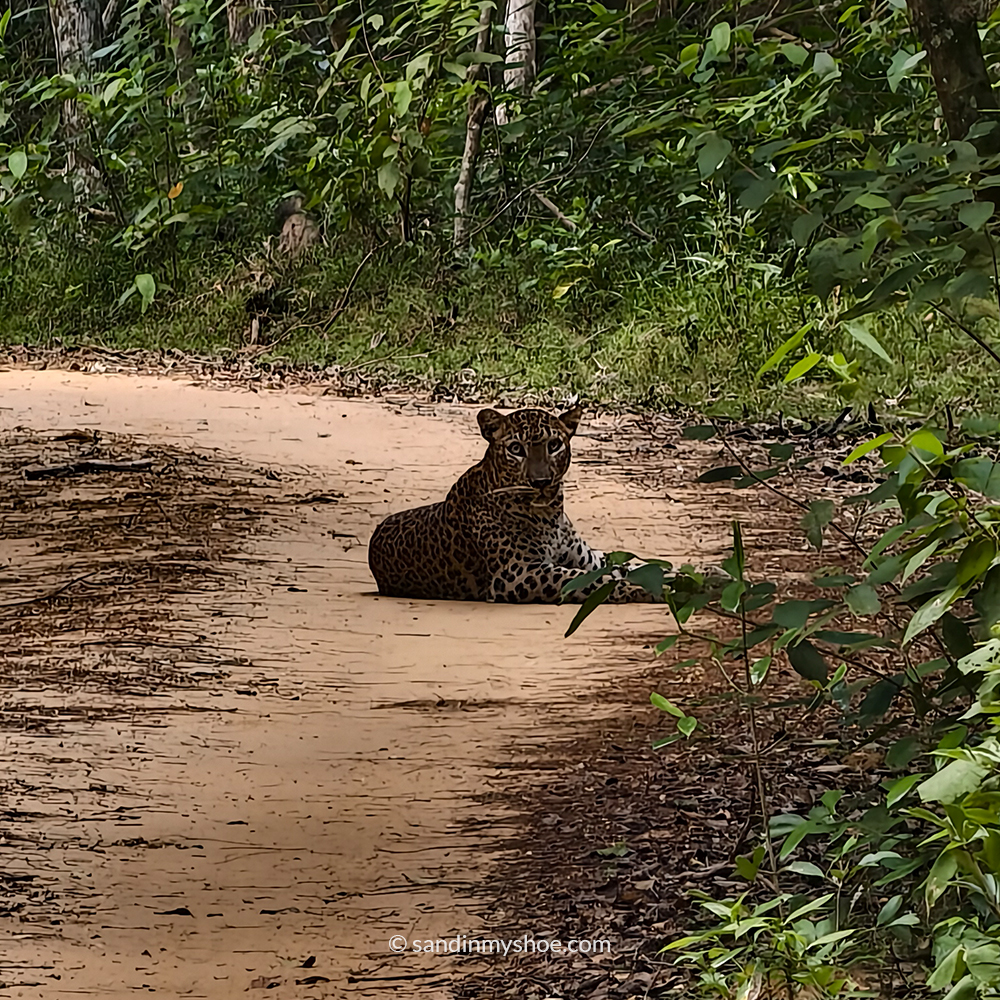
There are better and worse times to visit if you want to see both leopards and the great elephant gatherings. To experience both, August and early September are considered the best months, with Wilpattu and Yala offering prime leopard sightings and Minneriya and Kaudulla showcasing the peak elephant gatherings.
Yala National Park
Yala is Sri Lanka’s most famous safari destination, renowned for its high density of leopards and reliable elephant sightings. It’s the most touristic park, but also the best place to see both species in one drive.
When: Open Jan-Sep, but good between May and Early September, with July and Aug being the absolute best months)
Where: South-East
Wilpattu National Park
Wilpattu is the largest national park in Sri Lanka, with vast wilderness dotted by natural lakes. It offers elephants and leopards in a more “untouched” setting, with fewer crowds compared to Yala.
When: Feb–Oct
Where: North-West
Minneriya & Kaudulla National Parks
Minneriya & Kaudulla National Parks are centered around large reservoirs that attract massive herds of elephants. Together they host “The Gathering” — the largest congregation of wild Asian elephants in the world.
When: Jul-Oct (Aug-Early Sep peak months to see the largest gatherings)
Where: North-Central
Udawalawe National Park
Udawalawe National Park is renowned for its reliable elephant sightings and open landscapes that make wildlife spotting easy.
When: Year-round
Where: South-Central
Elephant Transit Home in Udawalawe
The Elephant Transit Home is a genuine sanctuary that has helped hundreds of neglected baby elephants survive until they’re strong enough to be released back into the wild. It’s rehabilitation first, tourism second.
I have a whole post dedicated for this sanctuary. Read it here Elephant Transit Home.
Best Time for Local Festivities
I traveled in Sri Lanka during the Buddha festival in May and happened to be in Kandy — a lovely stroke of luck. The drumming, lanterns, and free food stalls created a warm, communal atmosphere that made the experience unforgettable.
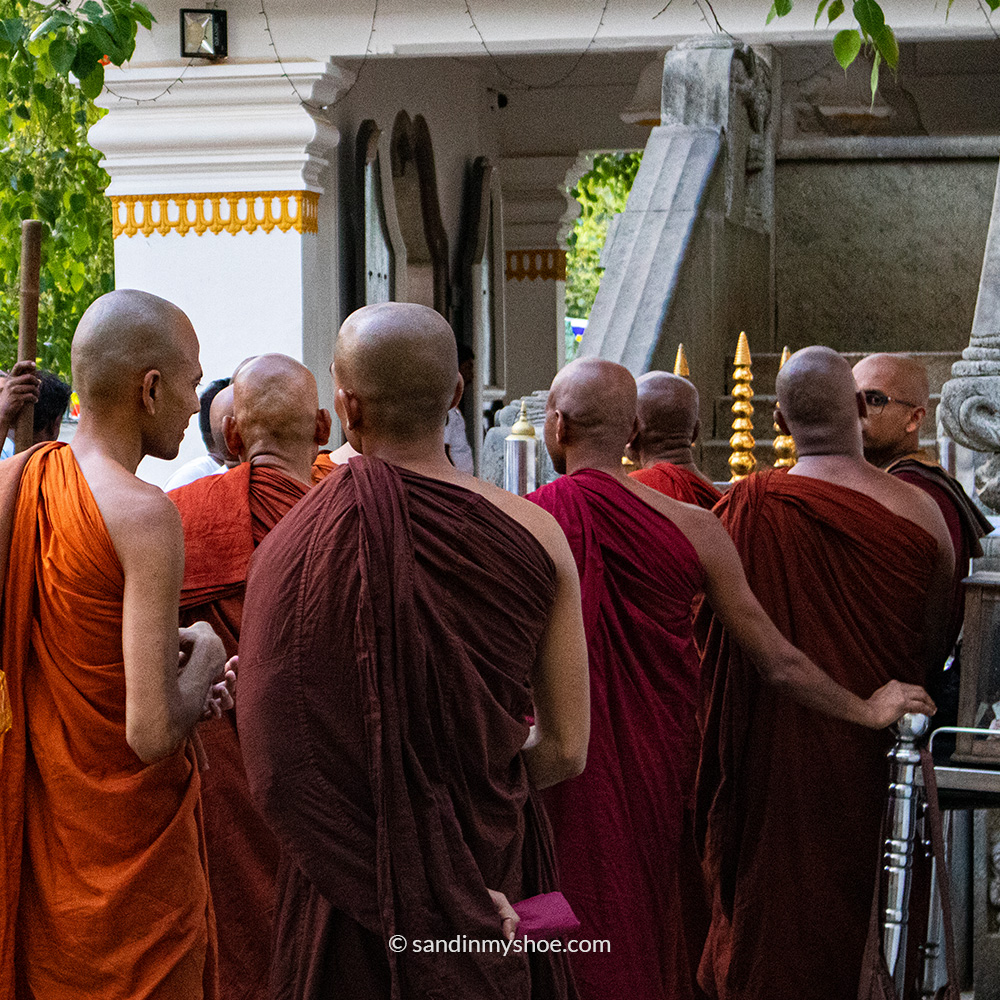
After my trip, I did a deeper dive into Sri Lanka’s festival calendar so other travelers won’t miss out on major cultural events during their own journeys. There are five larger festivals in Sri Lanka that are especially worth knowing about, and Vesak — the Buddha Day festival — is one of them.
- Sinhala & Tamil New Year — 13–14 April
A joyful, island‑wide celebration with traditional games, rituals, and food. - Vesak — Buddha Day — May
Celebration of Buddha. The city fills with lanterns, drumming, and free food stalls. Experience it in Colombo or Kandy (best experienced in Kandy). - Kataragama Festival — July / August
A powerful multi‑religious pilgrimage with fire‑walking, drumming, and nightly processions. Dates shift each year depending on the full‑moon cycle. Visit Kataragama to experience it. - Esala Perahera — July / August
Sri Lanka’s most famous festival — a grand procession with dancers, drummers, fire performers, and decorated elephants. Best experienced in Kandy. - Deepavali — Diwali — October / November
It’s a public holiday and recognized across Sri Lanka, but the celebrations are most vibrant in Tamil areas. It’s the Tamil festival of lights, marked with lamps, sweets, and family gatherings. Popular spots are Jaffna And Colombo.
Final Thoughs: When to Visit Sri Lanka
August is, in my opinion, the best months to visit Sri Lanka, but the trade‑off is that the south coast won’t be in season. The east coast, however, is at its absolute peak — calm seas, blue skies, and perfect beach conditions — and wildlife viewing across parks like Yala, Wilpattu, and Minneriya is excellent thanks to the dry season.
Other excellent months are January, February, March, June, July, September, and December — each offering strong weather in at least one major region of the island.
Now that you know the climate and the best time to visit Sri Lanka, check out my post on how many days you need for Sri Lanka — perfect for itinerary planning. For budget tips, see my separate Sri Lanka travel‑budget guide.


No comments yet, be the first one!
I appreciate hearing from you. If you have any suggestions, questions, or feedback, please leave a comment below. Your input helps ensure the information stays relevant and up to date for everyone.
Thank you for sharing your thoughts!