

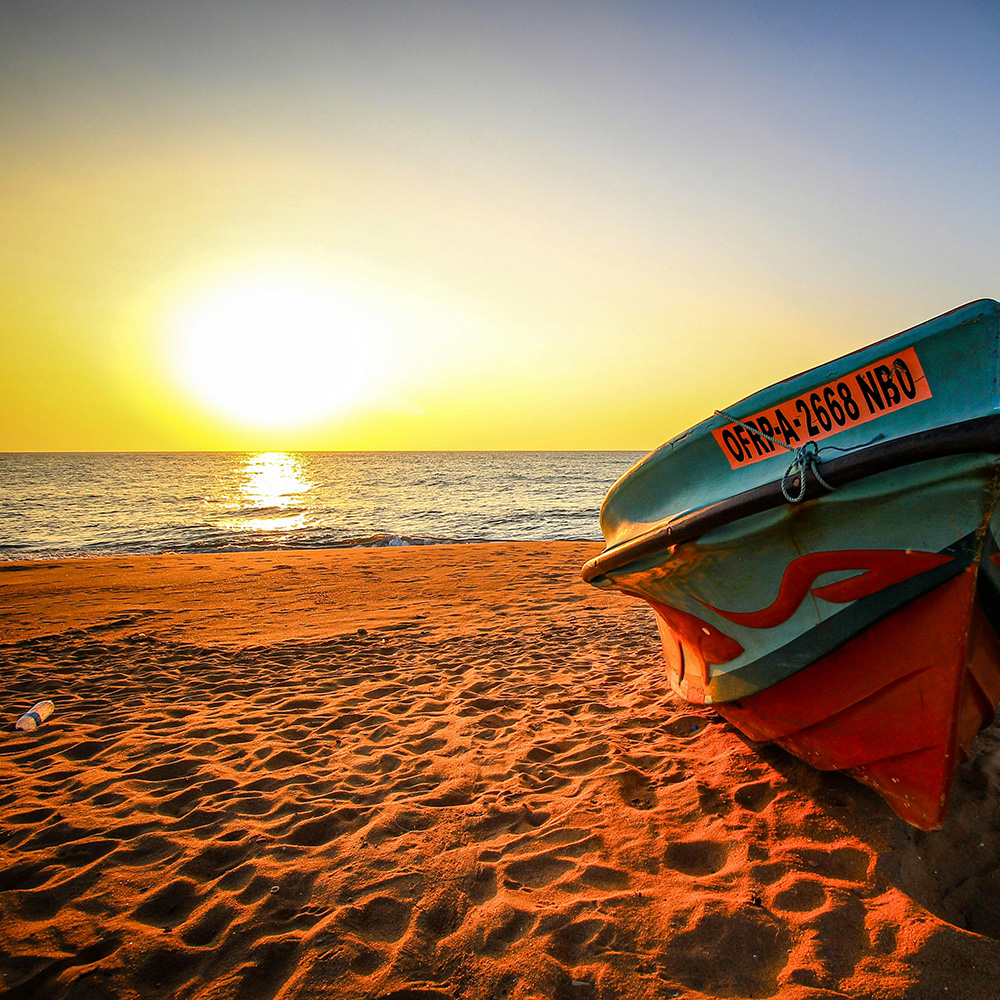
Sri Lanka can be visited year‑round, because there’s always a sunny coast for beach days. But it’s important to know which coast to choose during your trip so you can avoid the rain.
When to Visit Sri Lanka
The south and west coasts are driest between November and April, while the east and north enjoy their best weather from May to October. In this 3‑week Sri Lanka itinerary, I include both coasts for your convenience.
East & North Coasts
jan
 31°C
23°C
31°C
23°C
31°C
23°C
feb
 32°C
23°C
32°C
23°C
32°C
23°C
mar
32°C
24°C
32°C
24°C
apr
32°C
25°C
32°C
25°C
may
 32°C
26°C
32°C
26°C
32°C
26°C
jun
31°C
26°C
31°C
26°C
jul
32°C
26°C
32°C
26°C
aug
32°C
26°C
32°C
26°C
sep
32°C
26°C
32°C
26°C
oct
32°C
26°C
32°C
26°C
nov
32°C
26°C
32°C
26°C
dec
31°C
24°C
31°C
24°C
South & West Coasts
jan
31°C
24°C
31°C
24°C
feb
31°C
24°C
31°C
24°C
mar
32°C
25°C
32°C
25°C
apr
32°C
25°C
32°C
25°C
may
31°C
25°C
31°C
25°C
jun
30°C
25°C
30°C
25°C
jul
30°C
25°C
30°C
25°C
aug
30°C
25°C
30°C
25°C
sep
30°C
25°C
30°C
25°C
oct
30°C
24°C
30°C
24°C
nov
30°C
24°C
30°C
24°C
dec
31°C
24°C
31°C
24°C
Cultural Triangle
jan
31°C
21°C
31°C
21°C
feb
33°C
22°C
33°C
22°C
mar
34°C
24°C
34°C
24°C
apr
34°C
25°C
34°C
25°C
may
33°C
24°C
33°C
24°C
jun
32°C
24°C
32°C
24°C
jul
32°C
24°C
32°C
24°C
aug
32°C
24°C
32°C
24°C
sep
32°C
24°C
32°C
24°C
oct
31°C
23°C
31°C
23°C
nov
30°C
22°C
30°C
22°C
dec
30°C
21°C
30°C
21°C
Hill Country (Low-Mid)
jan
 25°C
17°C
25°C
17°C
25°C
17°C
feb
26°C
17°C
26°C
17°C
mar
27°C
18°C
27°C
18°C
apr
27°C
19°C
27°C
19°C
may
26°C
20°C
26°C
20°C
jun
25°C
20°C
25°C
20°C
jul
25°C
20°C
25°C
20°C
aug
25°C
19°C
25°C
19°C
sep
25°C
19°C
25°C
19°C
oct
25°C
19°C
25°C
19°C
nov
25°C
18°C
25°C
18°C
dec
25°C
18°C
25°C
18°C
Hill Country (High)
jan
20°C
10°C
20°C
10°C
feb
21°C
11°C
21°C
11°C
mar
22°C
13°C
22°C
13°C
apr
21°C
14°C
21°C
14°C
may
20°C
14°C
20°C
14°C
jun
19°C
13°C
19°C
13°C
jul
19°C
12°C
19°C
12°C
aug
20°C
12°C
20°C
12°C
sep
20°C
12°C
20°C
12°C
oct
20°C
13°C
20°C
13°C
nov
19°C
12°C
19°C
12°C
dec
19°C
11°C
19°C
11°C
Who Should Follow This Itinerary
This itinerary is ideal for travelers who want a mix of cultural highlights, wildlife experiences, and beautiful beaches. It includes Sri Lanka’s most important historical sites and focuses on national parks that offer a more authentic, less crowded experience. Wilpattu National Park is chosen for its quieter atmosphere, while Minneriya is included for the incredible gathering of elephants.
If you’re looking for a balanced route that covers culture, nature, and adventure without rushing, this guide is a great fit.
3-Week Itinerary Overview
Day 1-2: Negombo Town
Day 3-5: Anuradhapura & Wilpattu National Park
Day 6-8: Sigiriya Town
Day 9-10: Kandy
Day 11-12: Ella
Nov-Apr: South Coast
Day 13-15: Hiriketiya
Day 16-17: Mirissa
Day 18-19: Galle
Day 20-21: Colombo
May-Oct: East Coast
Day 13-15: Trincomalee
Day 16-19: Arugam Bay
Day 20-21: Colombo
Day 1-2: Negombo
Negombo town is often the better choice as a first stop in Sri Lanka, located just 10–15 minutes from Bandaranaike International Airport. It’s the perfect place to ease into the country, offering beaches, a relaxed atmosphere, and a slower overall pace. Staying a couple of nights gives you time to rest, adjust, and explore the surroundings without rushing or losing precious energy at the start of your trip.
Day 3-5: Anuradhapura & Wilpattu National Park
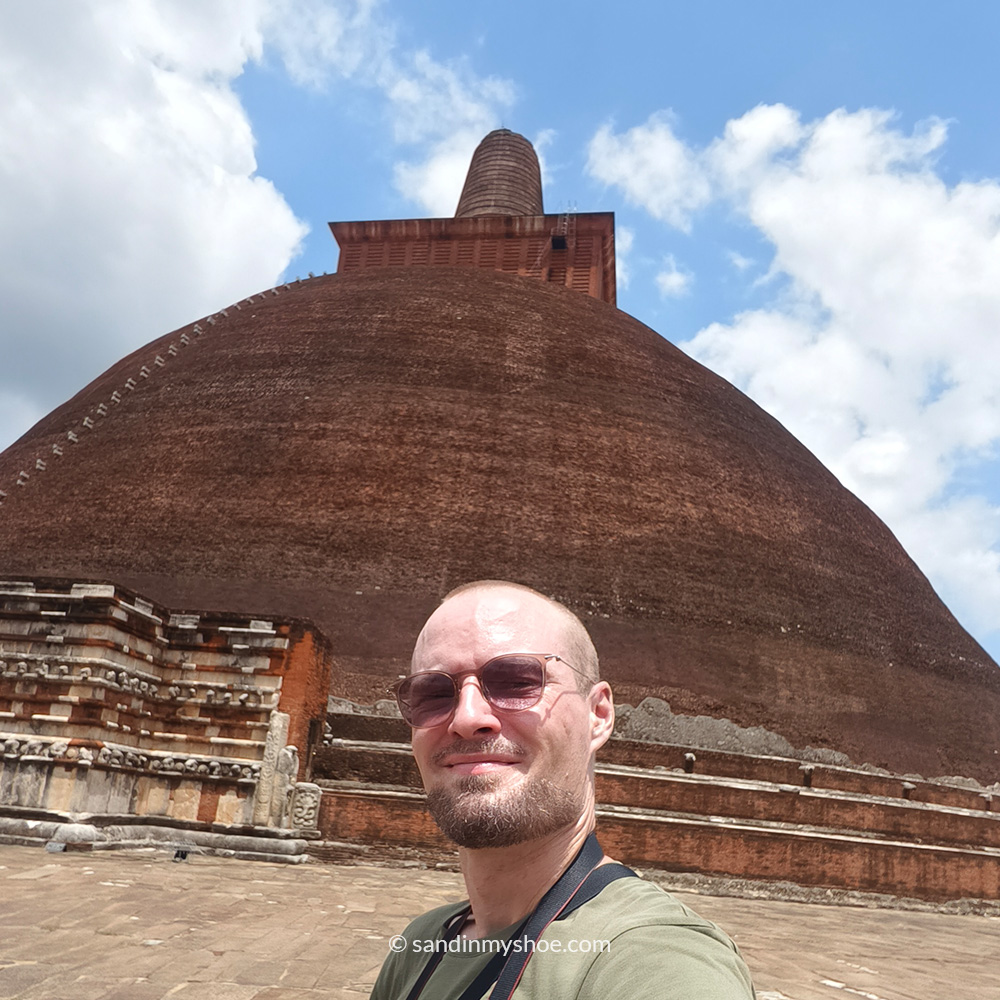
Anuradhapura is the oldest capital of Sri Lanka and one of the most important ancient cities in the Buddhist world. It’s home to massive white stupas, sacred temples, and centuries‑old ruins spread across a vast archaeological park. The old city also houses a sacred fig tree said to have grown from a cutting of the very tree under which the Buddha attained enlightenment — making it an important pilgrimage site for Buddhists and a deeply spiritual place to visit.
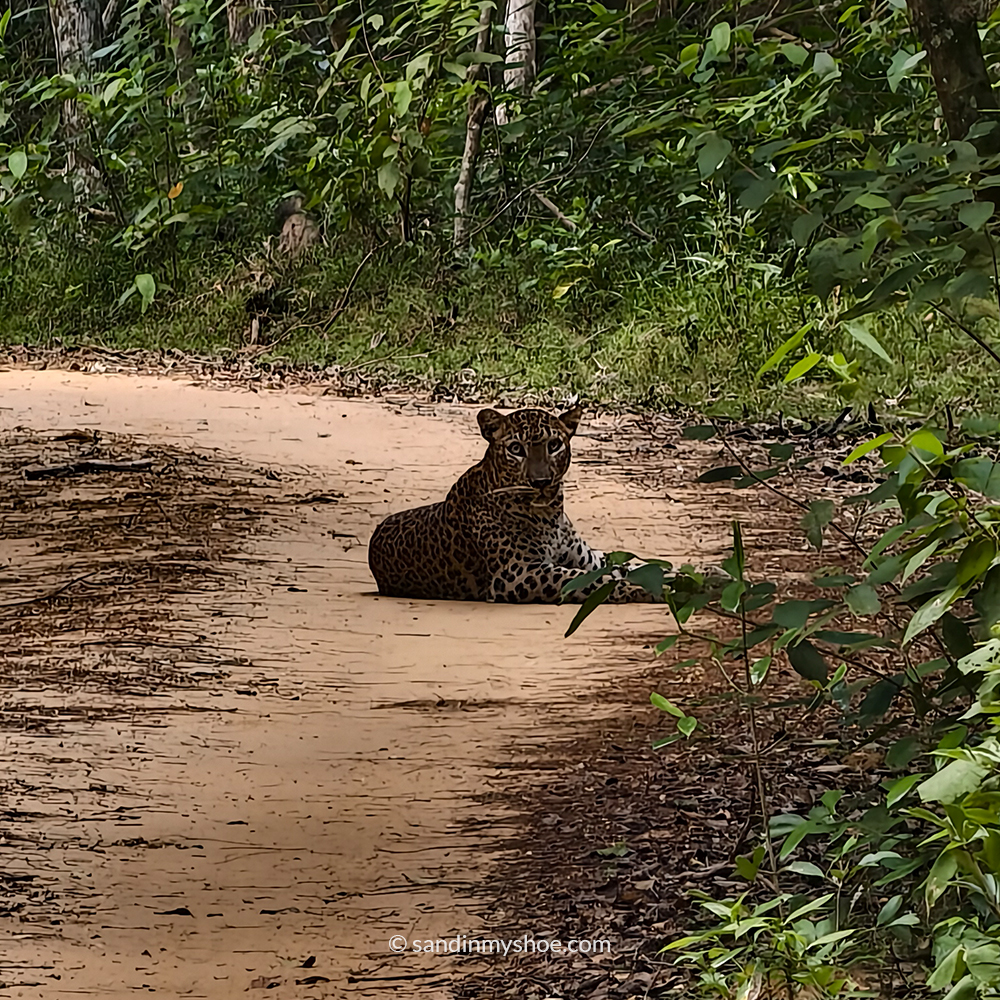
Nearby lies Wilpattu National Park, known for offering a quieter, and less touristy safari experience. You can spot leopards, along with elephants, sloth bears and a wide range of birds.
For the smoothest logistics, base yourself in Anuradhapura for all three nights — it gives you easy access to both the archaeological sites and Wilpattu National Park.
Day 6-8: Sigiriya Town
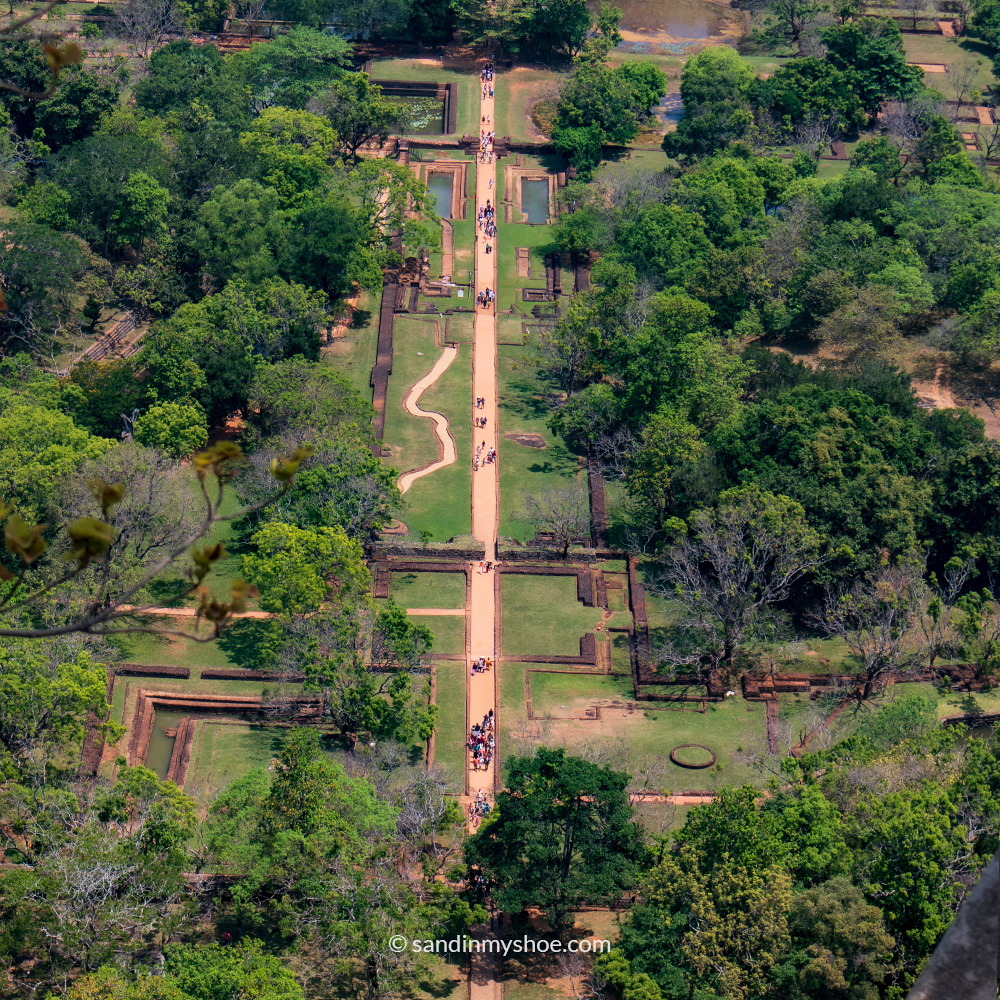
Sigiriya Town is best known for Lion Rock, an ancient fortress and royal palace perched on top of a 200‑meter granite rock. It’s one of Sri Lanka’s most iconic cultural sites and a must‑visit for anyone who loves history, archaeology, or dramatic viewpoints.
Beyond the rock itself, the area offers beautiful hikes, quiet rural landscapes, and easy access to Minneriya National Park, home to the largest gathering of wild elephants in Asia.
Sigiriya Travel Guide: Where to Stay, Eat, Drink and What to Do
Day 9-10: Kandy
Kandy is the gateway to Sri Lanka’s hill country, where the air turns cooler and the landscape become lush and misty. It’s the starting point for the famous train ride to Ella, a scenic ride through rolling tea fields and mountain views.
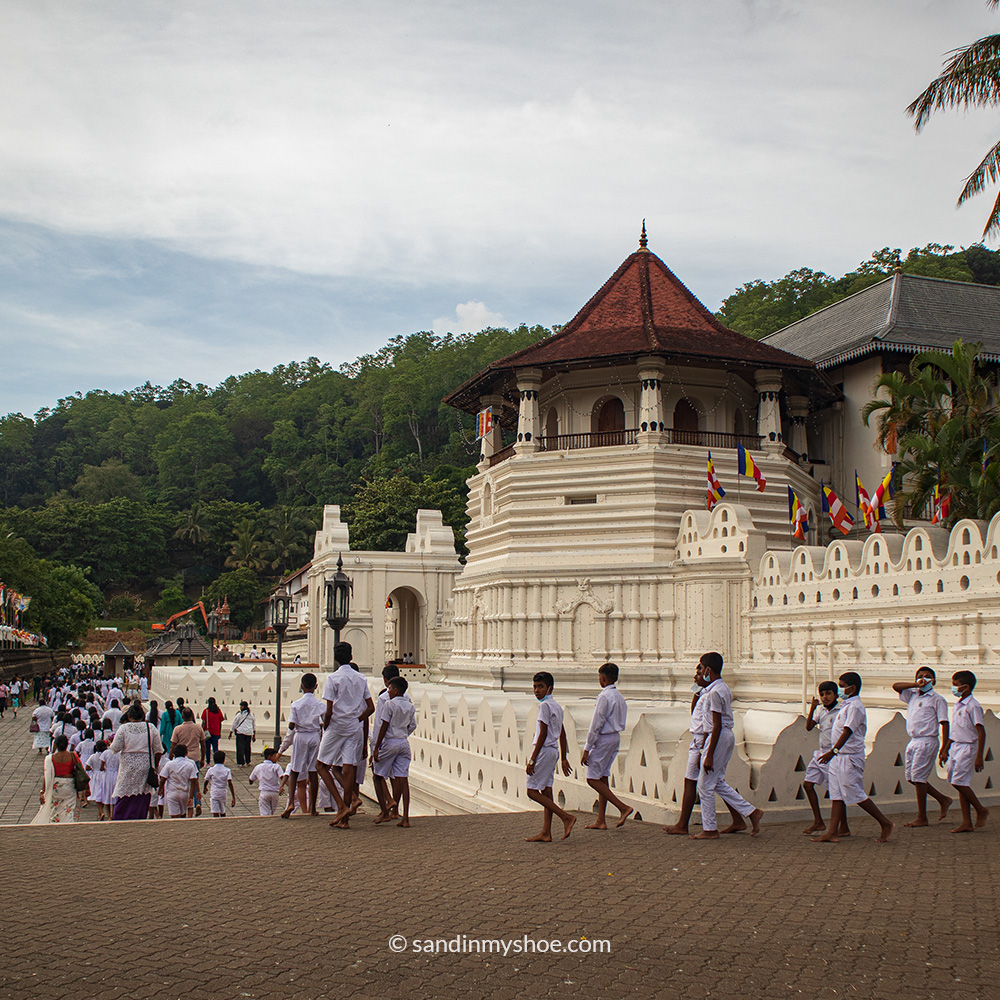
The city itself is famous for the temple of tooth and traditional dance performances, but for most travelers including myself, it’s more about the atmosphere and the onward journey that makes this place worth a stop.
What to do in Kandy Town and What You Might Want to Skip
Day 11-12: Ella
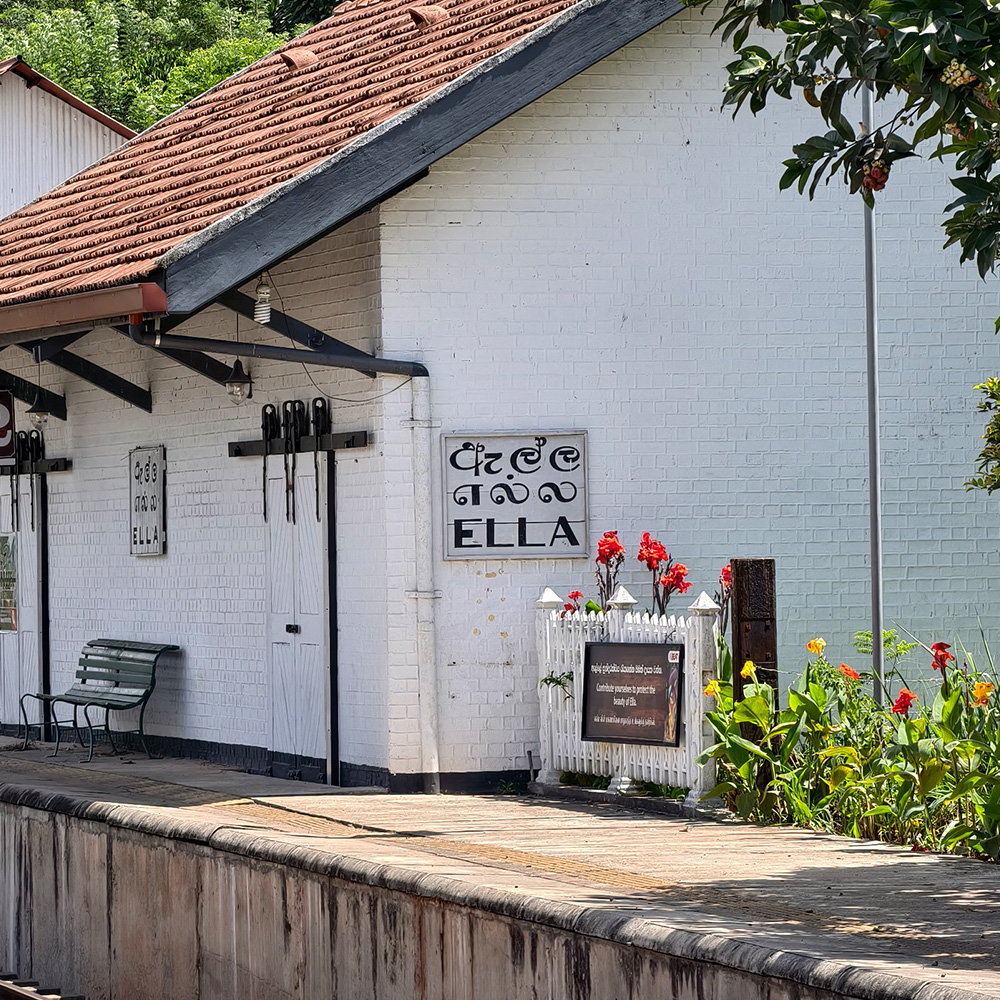
The train ride into Ella is one of the most memorable experiences in Sri Lanka’s hill country, passing tea fields, misty valleys, and sweeping mountain views. Once you arrive, the journey continues in nature: Ella is a laid‑back mountain town with plenty of hikes, waterfalls, and scenic viewpoints. It’s the perfect place to spend your days outdoors and your evenings enjoying tea tastings with incredible panoramas.
Ella Town Without the Hype: What’s Actually Worth Doing
The final part of your itinerary depends on when you’re traveling
Sri Lanka has two monsoon patterns, which means the best beaches change with the seasons. After Ella, your route splits depending on the time of year.
East Coast Route (May–October)
Heading to the east coast gives you the best beach conditions, plenty of sunshine, and between June and August you’ll also find the best surfing conditions in Arugam Bay.
Day 13–15: Trincomalee
Many travelers choose Trincomalee for its calm turquoise bays and long sandy beaches — perfect for swimming, snorkeling, and slow beach days. Popular activities include visiting Koneswaram Temple on its cliffside perch or taking a boat to Pigeon Island to spot reef sharks and turtles. It’s a peaceful coastal stop before continuing south to Arugam Bay.
Day 16–19: Arugam Bay
Arugam Bay is mostly about surfing — beach dwelling comes second. Here, you’ll find waves for everyone, from gentle beginner breaks to powerful swells suited for seasoned surfers. Beyond the surfing, the town is relaxed, plenty of beach cafés, smoothie bowls and sunset bars. The surrounding area offers plenty as well: a short hike to elephant rock for spectacular views, lagoon safari for spotting crocodiles and elephants, or even visit a nearby national park — either Kumana National Park or the more famous Yala National Park.
It’s the perfect place to wind down and take each day as it comes.
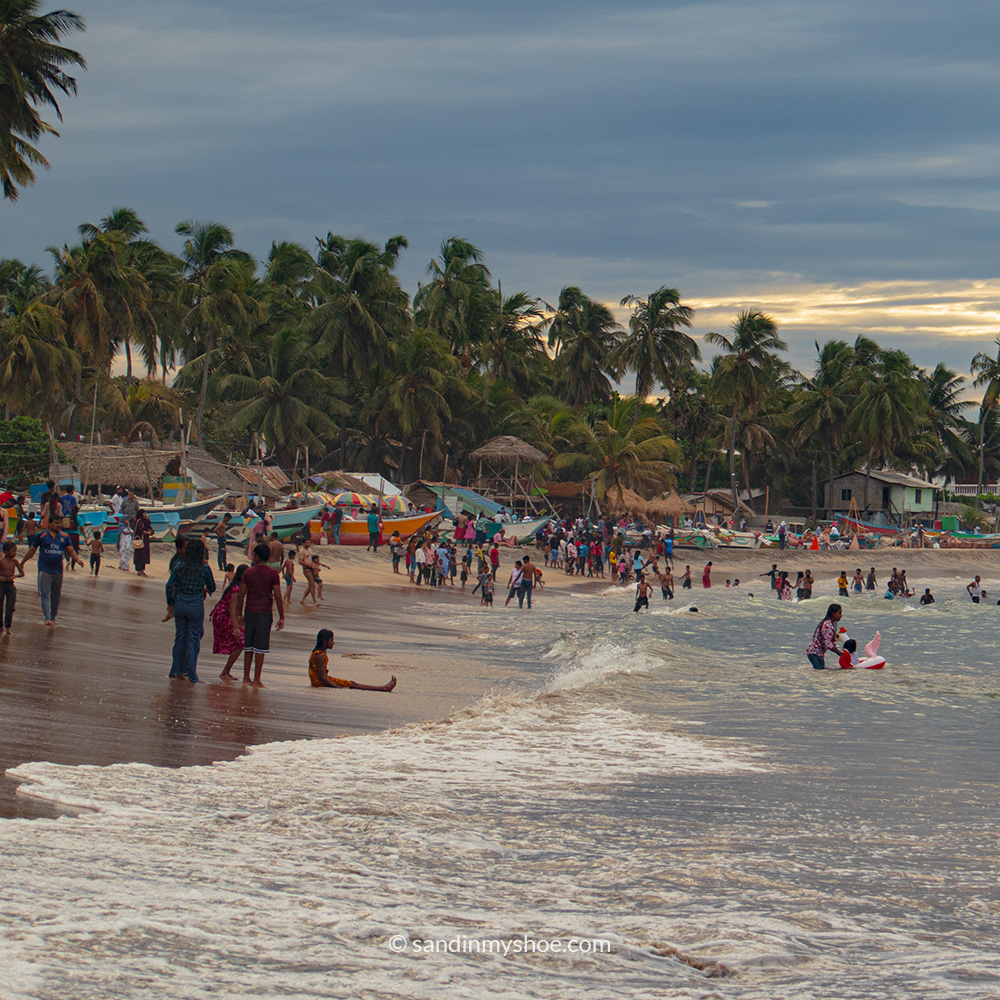
Arugam Bay Travel Guide: Top Things to Do & Surf Spots
South Coast Route (November – April)
If you’re traveling between November and April, most travelers head to the south coast instead of the east. I didn’t visit this area myself since it wasn’t the right season, but these are the most popular spots along the route.
Day 13-15: Hiriketiya
A small, beautiful horseshoe‑shaped bay with beginner‑friendly surf, great cafés, and a relaxed, stylish vibe. It’s become one of the trendiest spots on the south coast.
Day 16-17: Mirissa
Famous for its long sandy beach, whale‑watching tours, and lively beachfront restaurants. It’s one of the most visited beaches in Sri Lanka during high season.
Day 18-19: Galle
A historic fort town with boutique shops, ocean‑view cafés, and beautiful colonial architecture. It’s the cultural highlight of the south coast and a perfect place to slow down.
Day 20-21: Colombo
Finishing your trip in Colombo gives you the chance to pick up some souvenirs, visit a few cultural sights, and enjoy the city’s food scene before heading home. Wander through the colourful Pettah Market, stroll along Galle Face Green at sunset, or explore the National Museum. A wonderful way to wrap up your Sri Lanka adventure.
Practical Information
Why Visit Sri Lanka
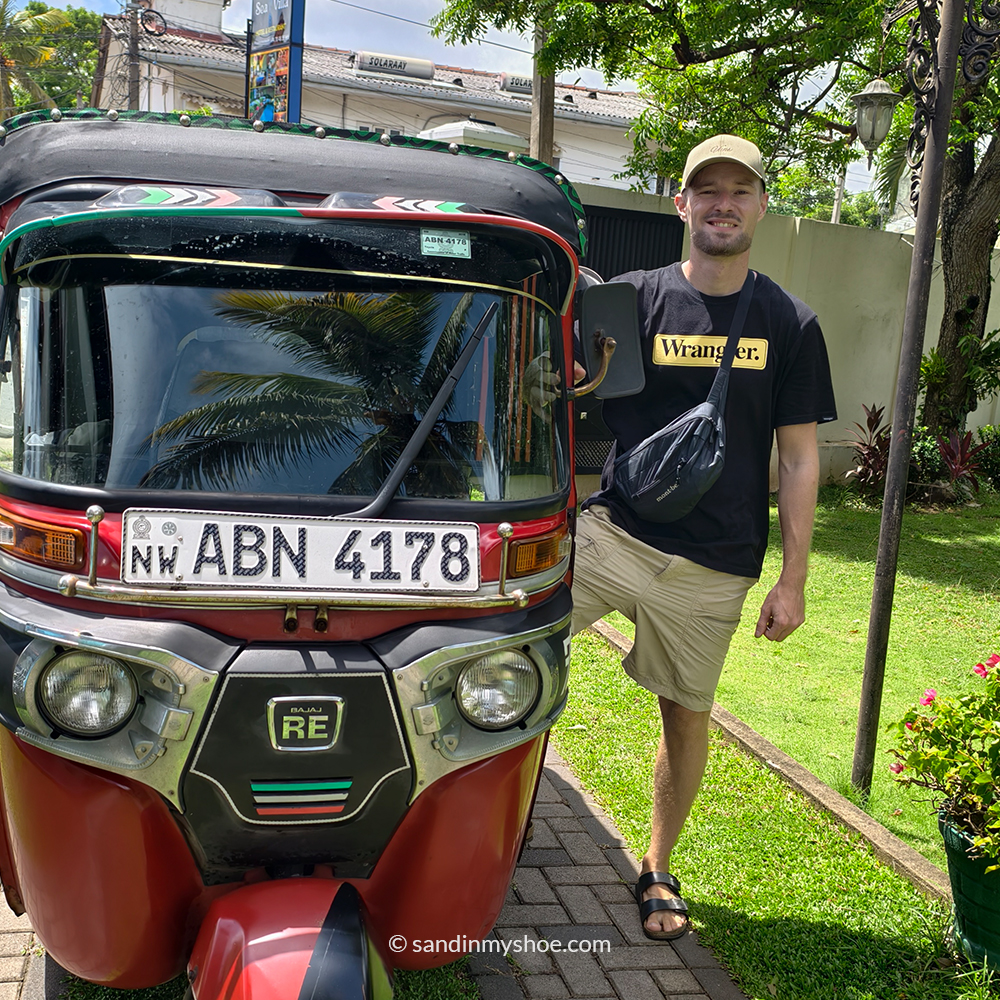
I chose Sri Lanka because I wanted something a bit different from the mainstream, and it delivered exactly that. Driving across the country in my own tuk‑tuk turned the trip into a real adventure — far more flexible and exciting than anything organized by buses or tours. I could stop anywhere, take detours, and experience the country at my own pace.
Sri Lanka is also a little less touristy than nearby destinations like Thailand or Vietnam, yet it still offers an impressive mix of cultural and historical landmarks, beautiful nature, and unforgettable safaris with leopards and elephants. It’s the kind of place where you can combine adventure, wildlife, and culture in one trip without feeling overwhelmed by crowds.
How to Travel in Sri Lanka
The most common way to travel in Sri Lanka is by the road. You can choose between local buses, trains, tuk‑tuks, or hiring a private driver. The cheapest options are buses and trains, while the most convenient — and most expensive — is a private driver (around $70 USD per day including everything: gas, food and accommodation for the driver etc.).
The coolest way, however, is renting your own tuk-tuk and exploring the country on your own terms. This is what I did, and in hindsight it was a fantastic way to explore Sri Lanka.
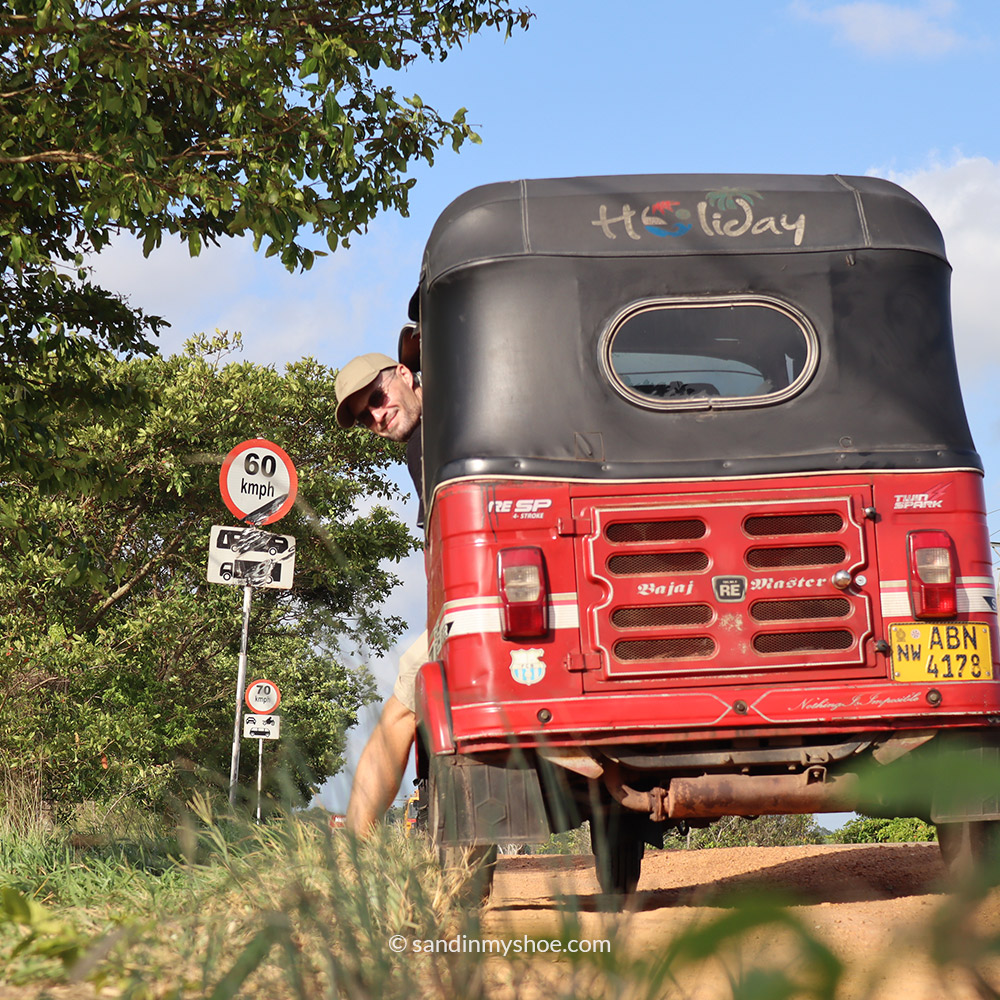
Sri Lanka Tuk Tuk Guide: Routes, Costs, and Essential Tips for 1-3 Weeks
How Much to Budget For Sri Lanka
The touristy areas of Sri Lanka are quite expensive for an Asian country. Prices for food, accommodation, and activities are noticeably higher than in places like Vietnam, but once you step away from the main hotspots, costs drop significantly and become very budget‑friendly.
I travelled solo and spent about $60 USD per day. That included renting my own tuk‑tuk for 17 days, staying only in private rooms, visiting all the major cultural sites, going on safari, surfing, and eating mostly local food.
If you want a deeper breakdown, read my separate Sri Lanka travel budget post.


No comments yet, be the first one!
I appreciate hearing from you. If you have any suggestions, questions, or feedback, please leave a comment below. Your input helps ensure the information stays relevant and up to date for everyone.
Thank you for sharing your thoughts!