

 Book on Agoda.com
 Book on booking.com
Oddly enough, it felt remarkably calm.
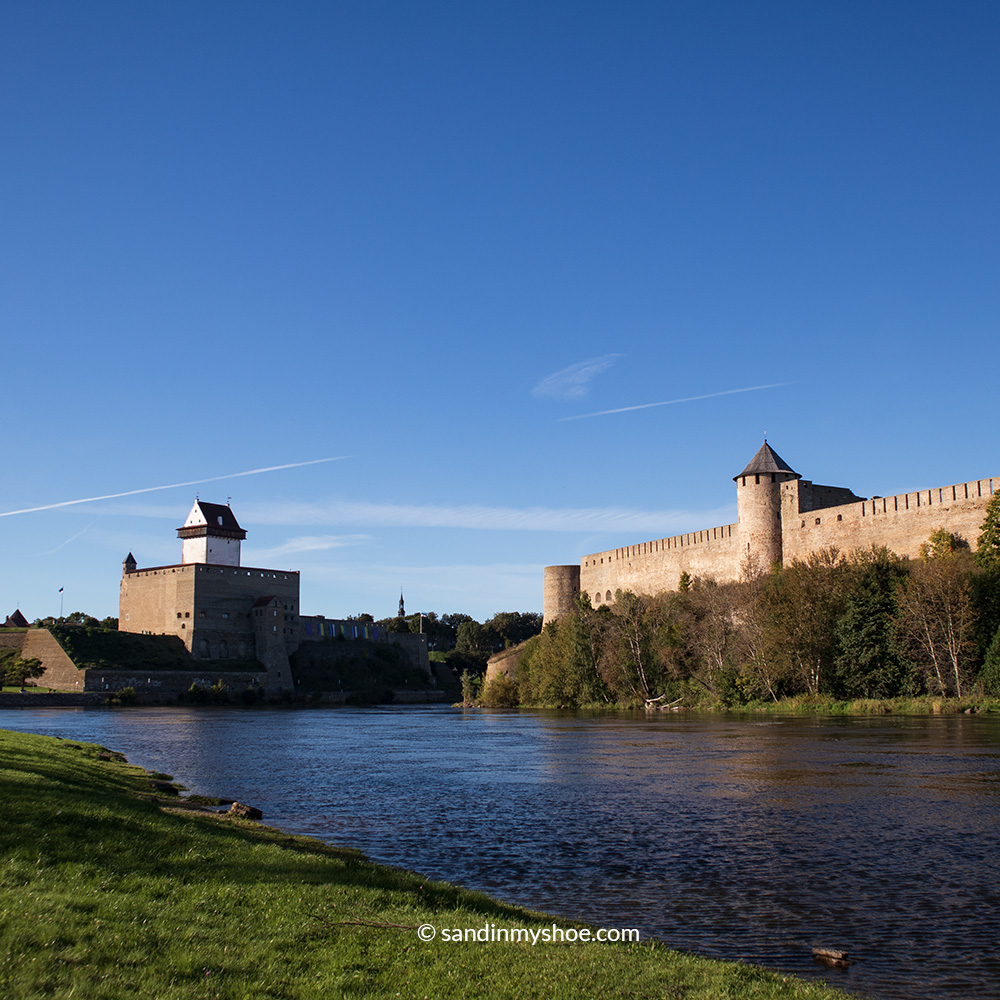
I’m often drawn to unusual places during my travels, and Narva certainly fits that description. Castles face each other across an international border, and around 97% of the city’s population speaks Russian, something quite unusual for Estonia’s third-largest city and for a city within the European Union.
Yet instead of tension, what you notice while exploring the city, the fortifications, and the riverfront is a sense of everyday normalcy, at least as a visitor.
Narva sits on Estonia’s eastern edge, separated from Russia by the Narva River. Its history is shaped by wars, shifting borders, and changing rulers, a legacy still visible in its castle, bastions, and defensive walls.
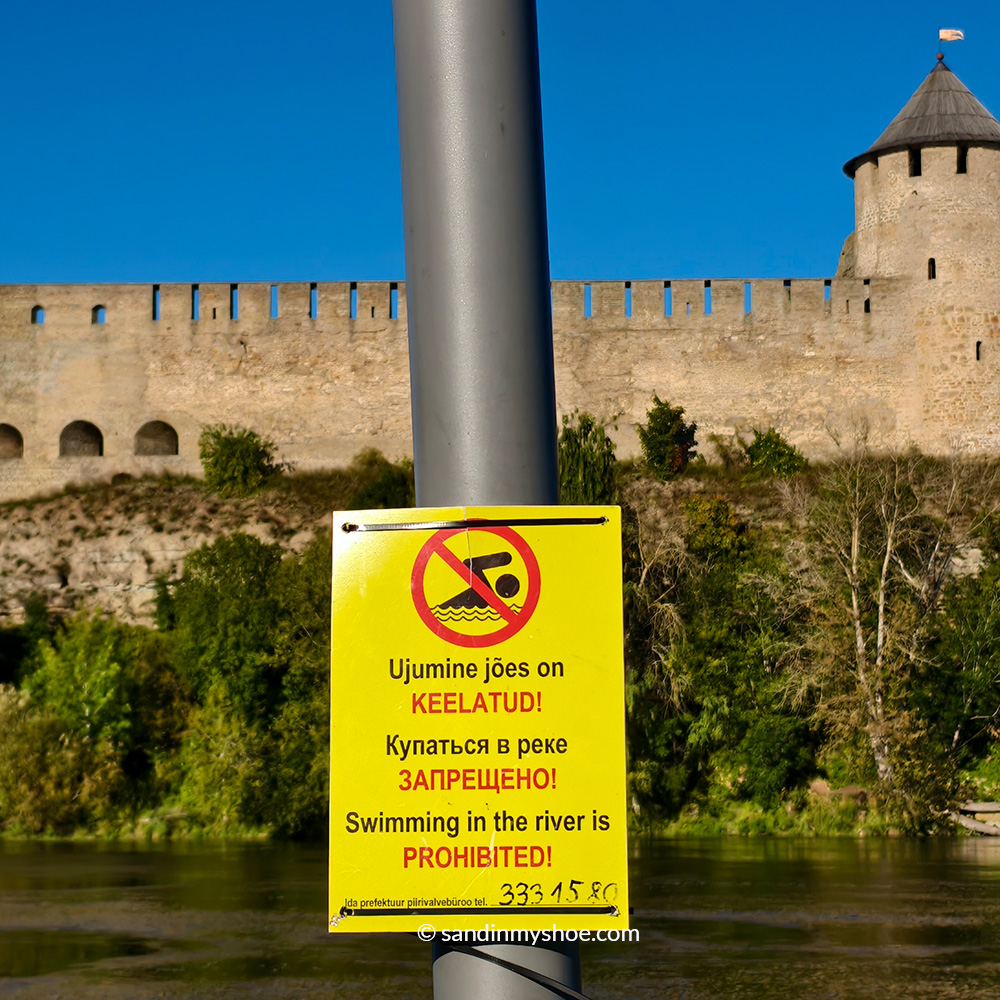
On a map, it looks like a geopolitical frontline. In reality, it feels more like a quiet riverside town.
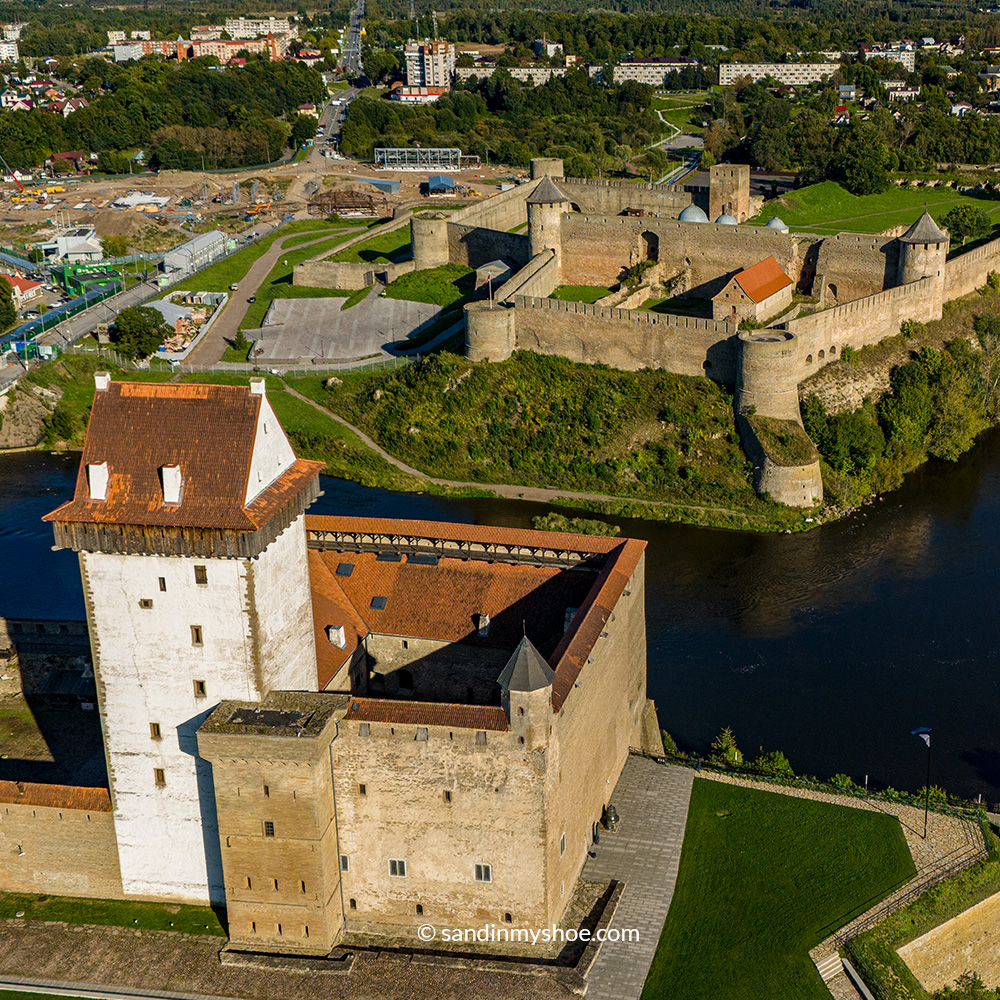
I remember nervously flying my drone to capture footage of the two castles, being careful not to accidentally cross into Russian territory and cause some kind of international incident. Later that day, I spoke with a few locals and asked whether they ever felt uneasy living so close to Russia. Some said they become nervous when they see drones overhead, but otherwise life feels normal. At that moment, I did feel a bit guilty.
Why Narva Castle Might Be Worth Visiting
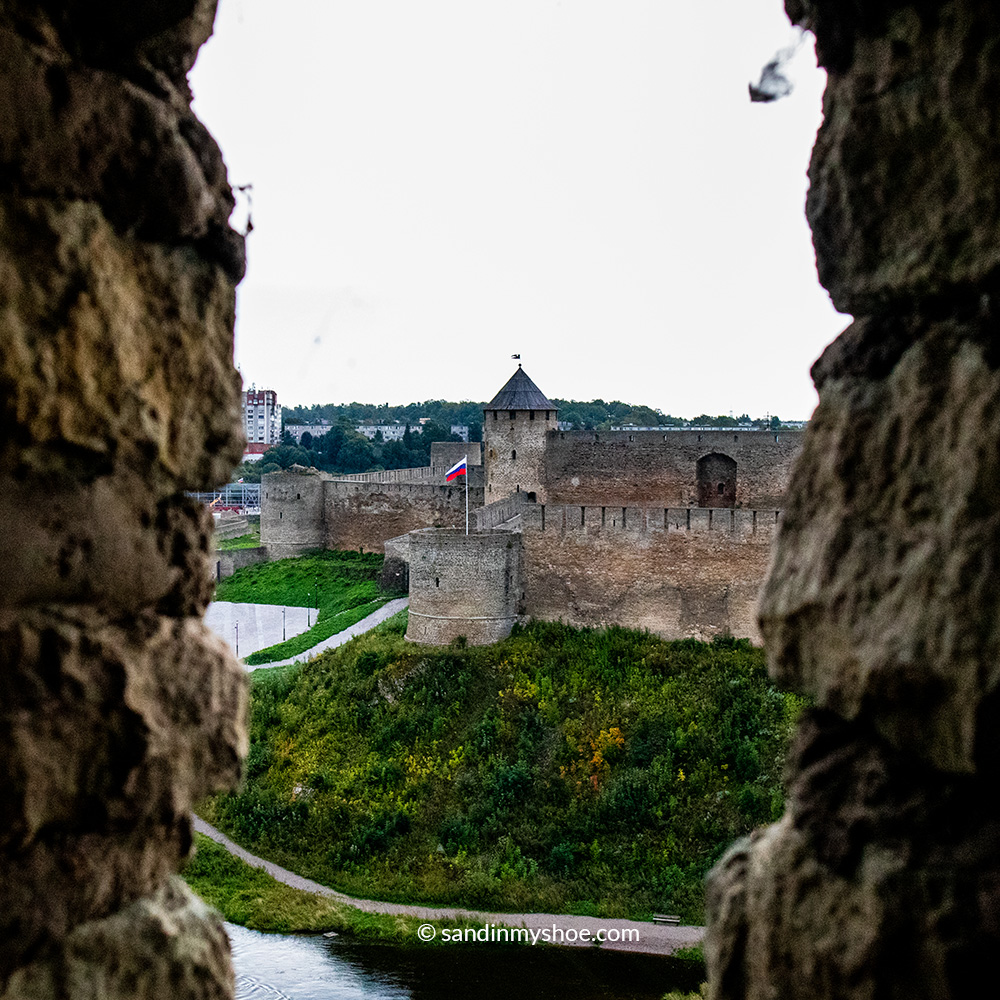
What drew me to Narva was the simple but striking fact that there are two castles on opposite sides of the river, facing each other. It’s rare to see such a direct architectural standoff preserved in modern Europe, and that alone makes Narva Castle a compelling stop.
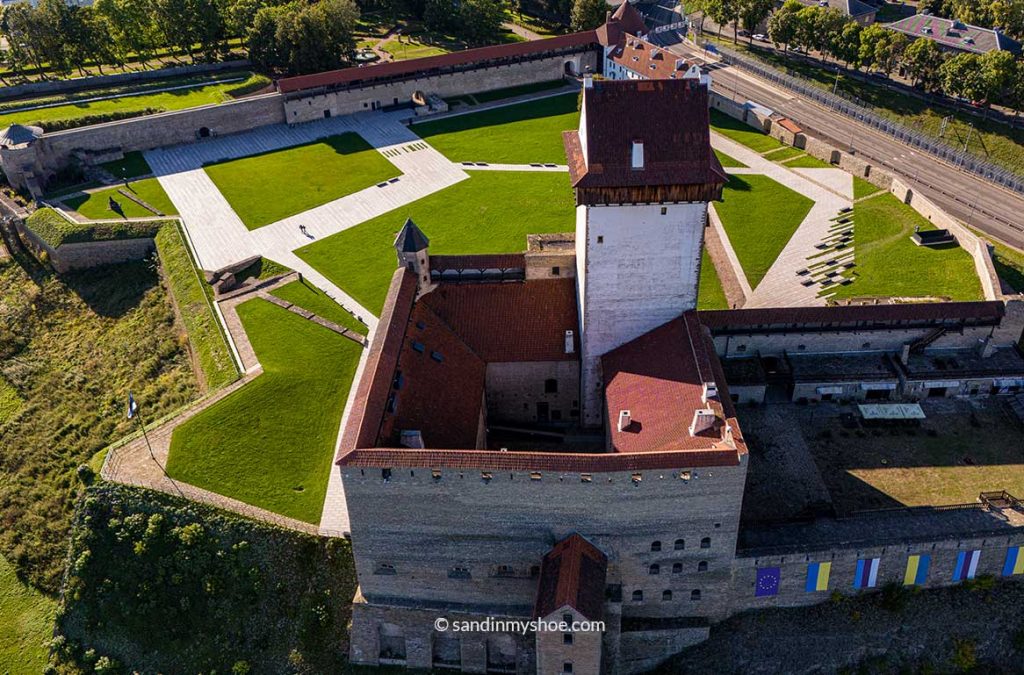
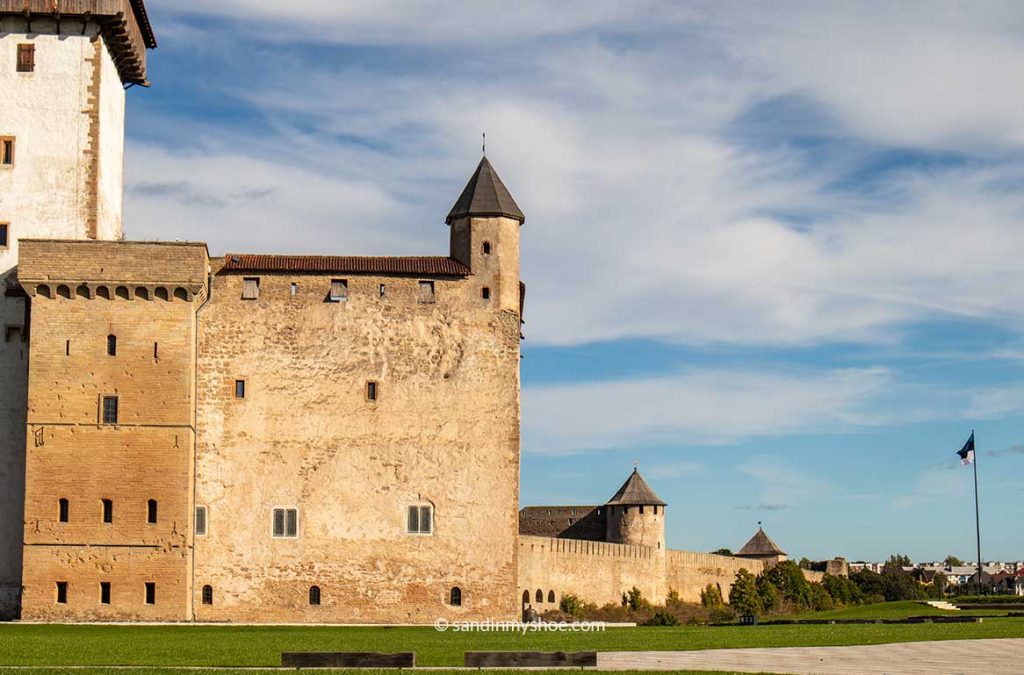
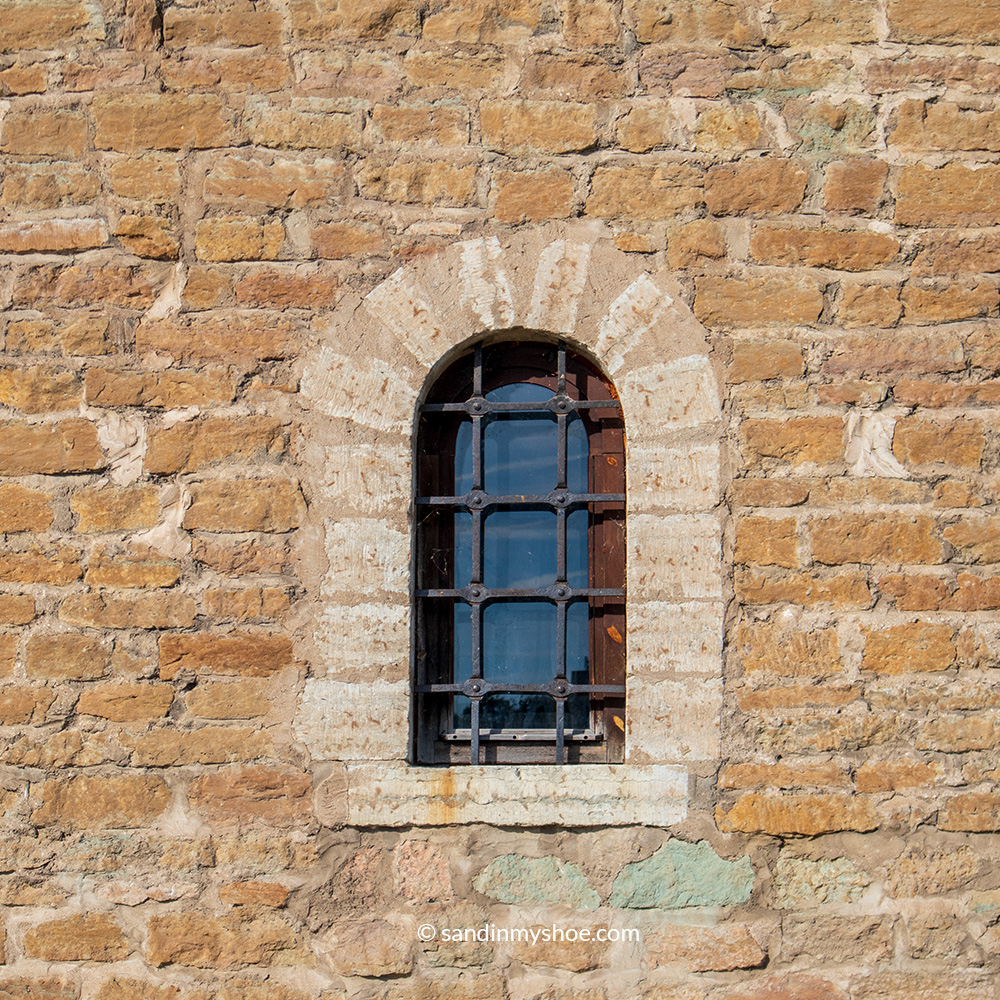
However, know that it has been restored a couple of times due to being heavily damaged during World War II. But nonetheless, the core layout and the main tower are still part of the original medieval structure. According to the guide there used to be one of the most beautiful old town in Narva as well, but unfortunately got destroyed during World War II.
The Main Sights in Narva
Narva offers two main sights: Narva Castle and the Victoria Bastion Casemates. They sit close to each other, and you can comfortably visit both in half a day. Staying one night in Narva is more than enough, or visit Narva as a day trip.
During my visit, both these sights were closed on Monday and Tuesday, a bit unlucky, as I arrived on Monday and left on Wednesday. I did, however, manage to visit them on Wednesday, but it’s a good reminder to check seasonal opening hours before you go, as schedules can vary throughout the year.
What Is the Narva Castle
The story of Narva is very layered, like the history of Tallinn, it has been ruled by Danes, Swedes, German and Russians throughout the centuries.
For centuries, this quiet border city has been the place where empires collided, each wanting control of the river crossing that links East and West.
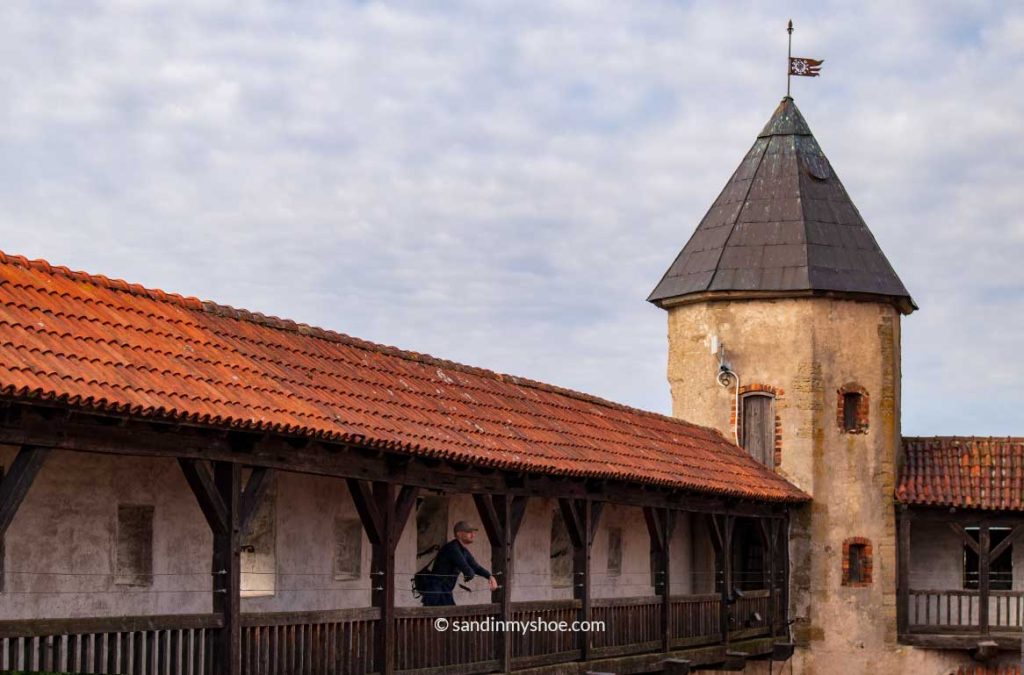
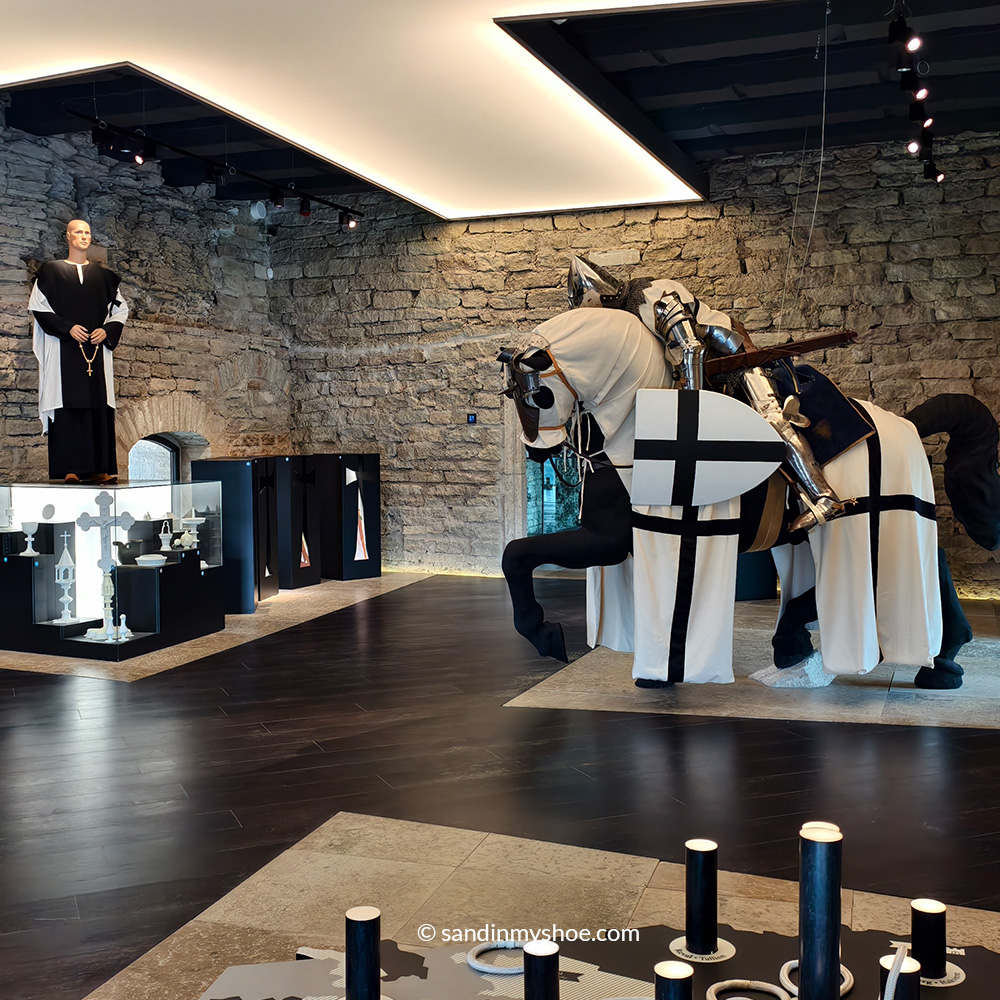
The Danes were the first to build a stronghold here in the 13th century, establishing a foothold on the eastern edge of their Baltic territories. Not long after, the German crusaders who dominated much of present‑day Latvia and southern Estonia took over and expanded the castle into a proper fortress.
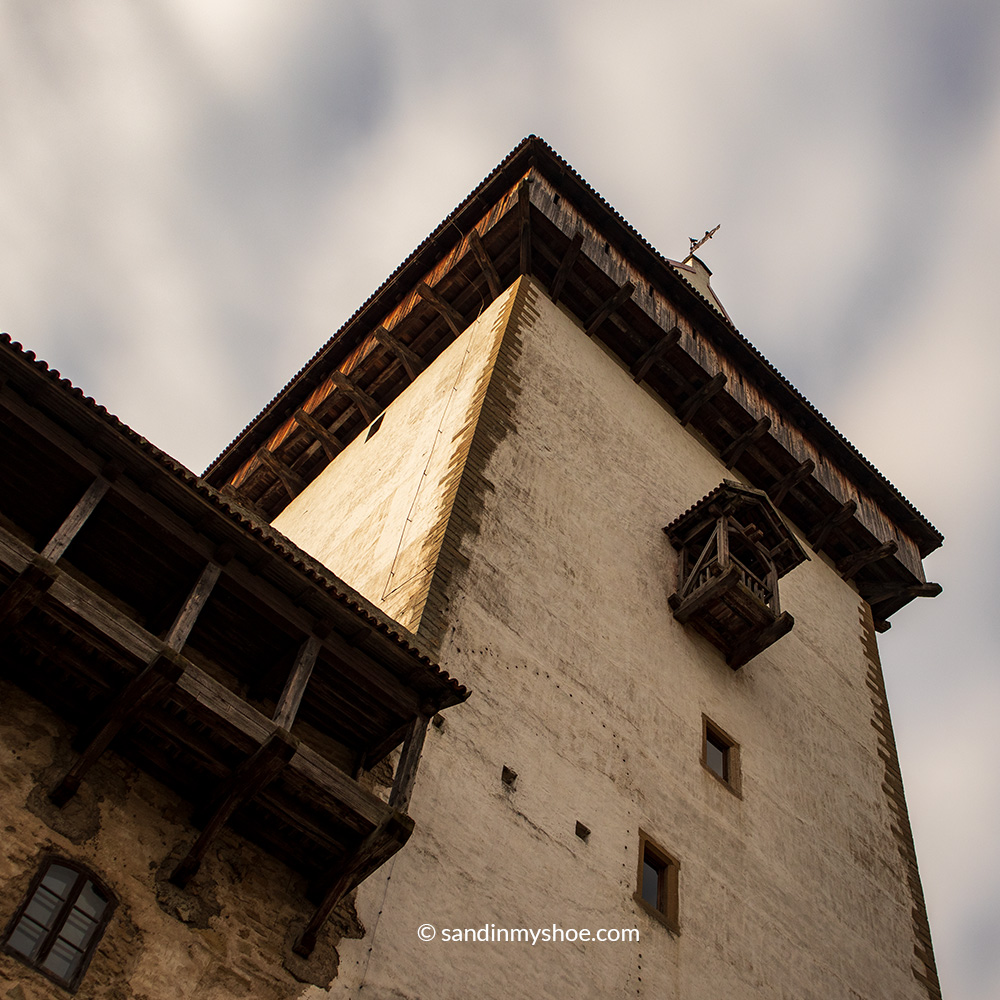
Russia seized Narva in the 16th century, but Sweden soon took it grabbed it. Under Swedish rule, Narva grew into a fortified border town, and construction of stronger bastions began. It was here that one of Sweden’s most famous victories took place: the Battle of Narva in 1700, when Carl XII defeated a much larger Russian army in a snowstorm. There’s even a lion statue outside of Narva Castle commemorating the victory. However the triumph didn’t last for long. Russia returned in 1704, captured the city, and kept it for the next two centuries.
The 20th century reshaped Narva again. When the Soviet Union took control, the original population was not allowed to return. Instead, the city was rebuilt with sad-looking Soviet Block Houses and repopulated with workers from Russian side, which is why Narva today is overwhelmingly Russian‑speaking.
Victoria Bastion Casemates
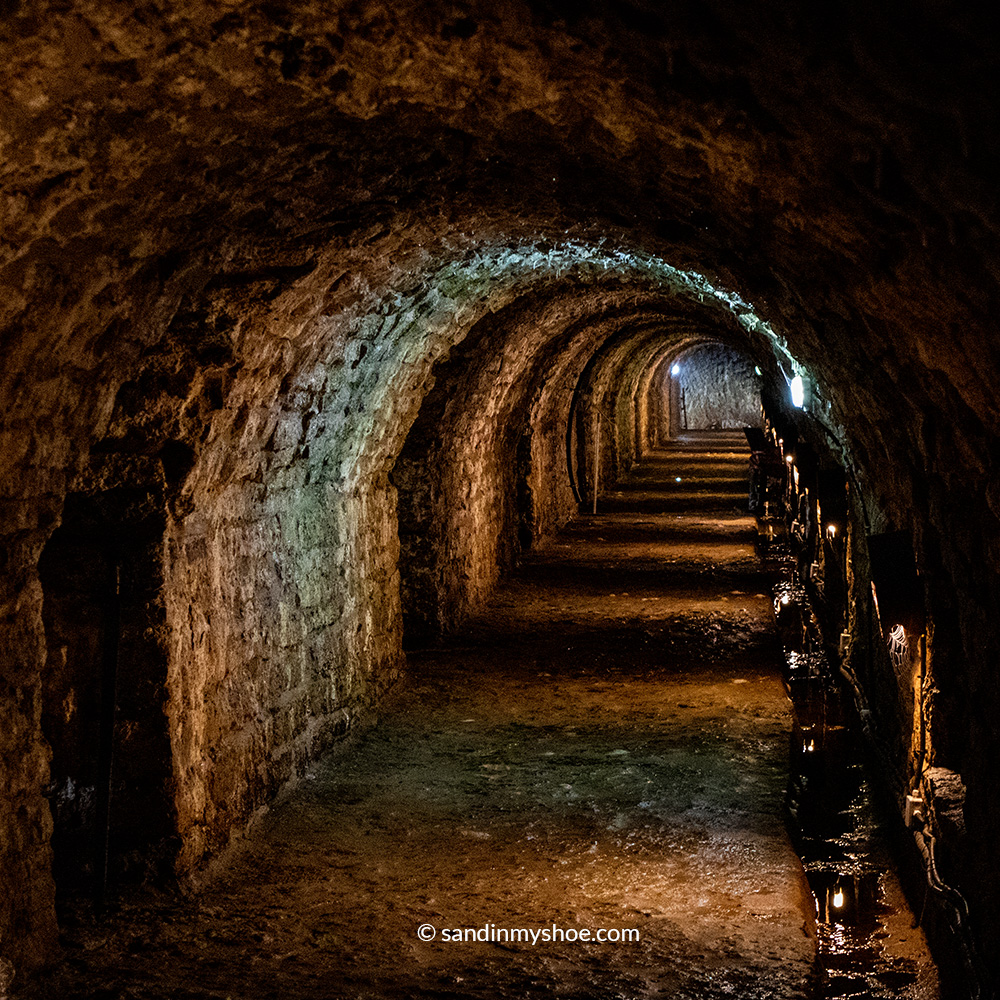
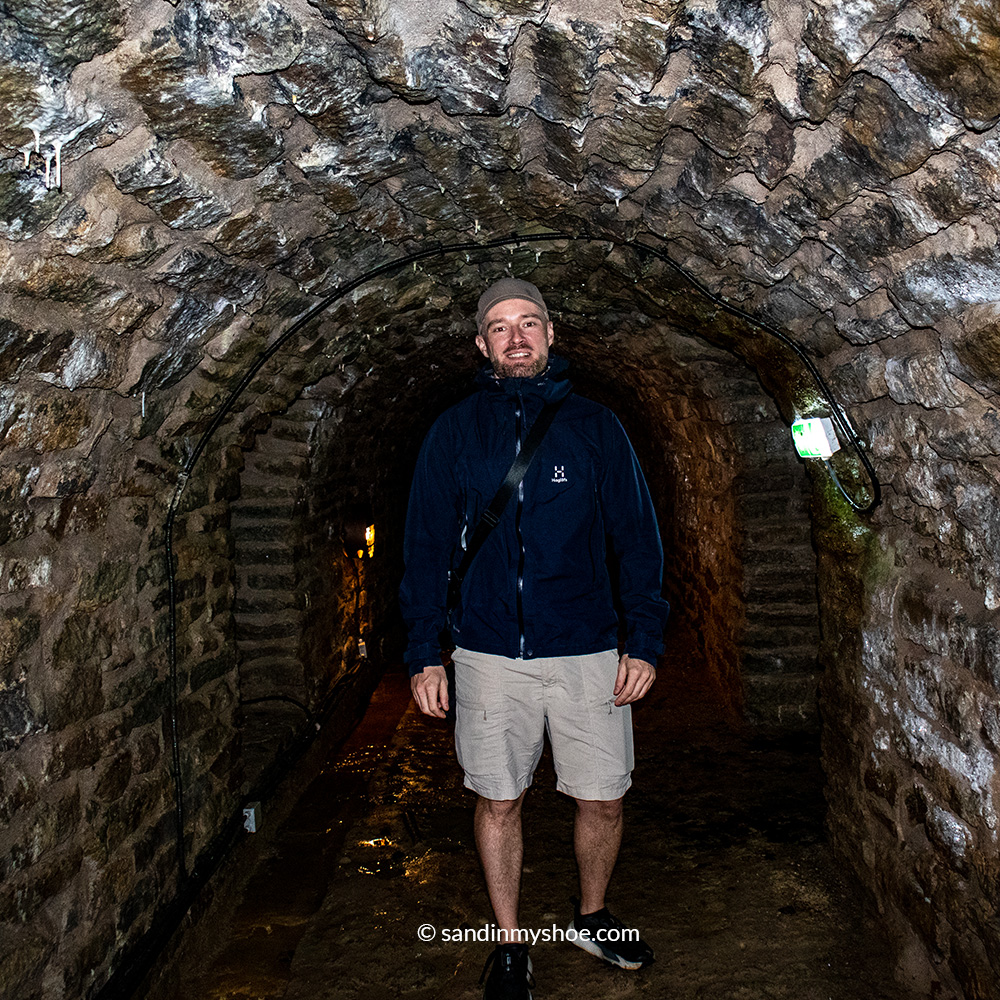
The Victoria Bastion Casemates are well worth a visit as well, but the guided tour is what makes the experience. Without the stories, they’re essentially just humid underground tunnels. With a knowledgeable guide bringing their history to life, however, they become one of Narva’s most interesting attractions. Fortunately they organize tours several times per day.
Where to Stay in Narva
Accommodation in Narva is very affordable.
Narva Aparthotel
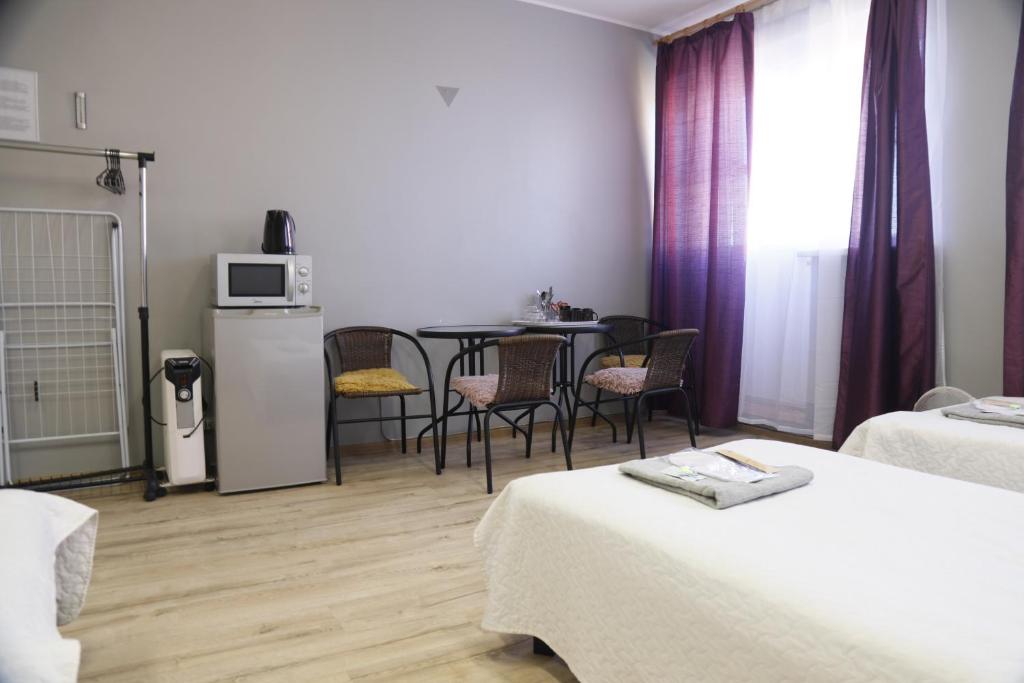
I rented a small apartment‑style room for around €25 in Aparthotel, which was surprisingly good for the price. If you’re planning a short stay or a budget‑friendly overnight before heading back to Tallinn, Narva offers simple but comfortable options without stretching your travel budget.
Narva Hotel
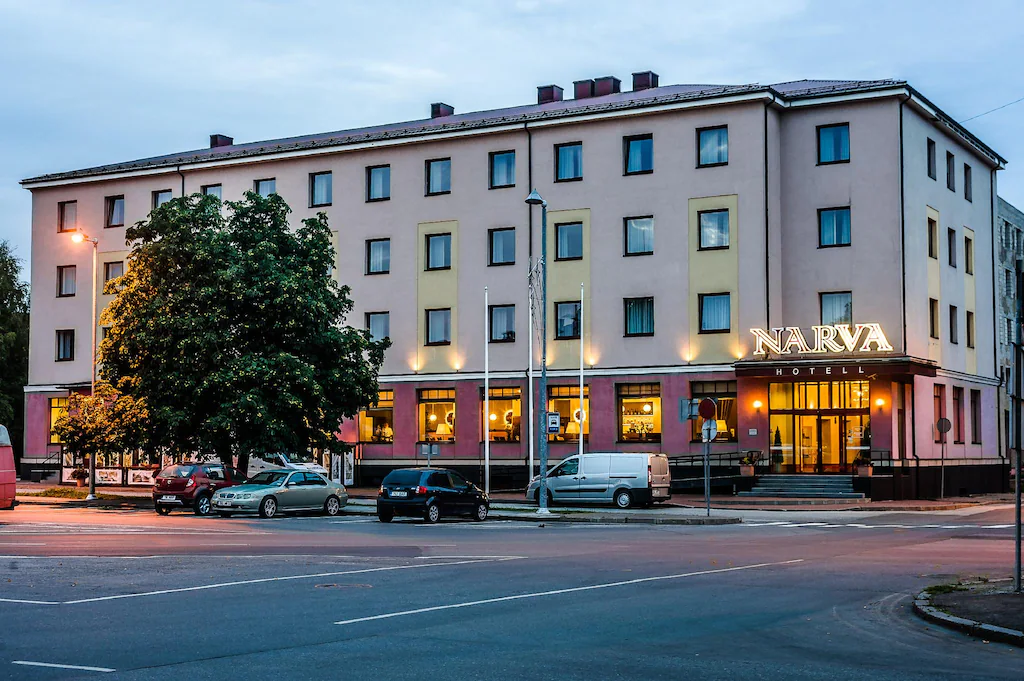
If you want higher comfort consider the Narva Hotel, it’s the best spot in town, and it even has its own spa. I just had a coffee there, and was one of the better ones I had during my travels in Estonia.
How to Get From Tallinn to Narva
Getting to Narva is easy, with direct bus and train connections from Tallinn. During my visit, both services ran smoothly and on time. The trains are modern and comfortable, and the journey takes around 2.5 to 3 hours by either train or bus. Tickets can be booked easily online.
Tips for the Summer
If you’re visiting Narva during the summer, consider taking a trip to Narva-Jõesuu. Located just 30 minutes north of Narva by bus, it’s known for its long sandy beach, pine forests, and relaxed seaside atmosphere.
The beach town makes a nice contrast to Narva’s fortress-heavy history. If the weather cooperates, it’s an easy half-day excursion and a pleasant break from castles, museums, and border viewpoints.
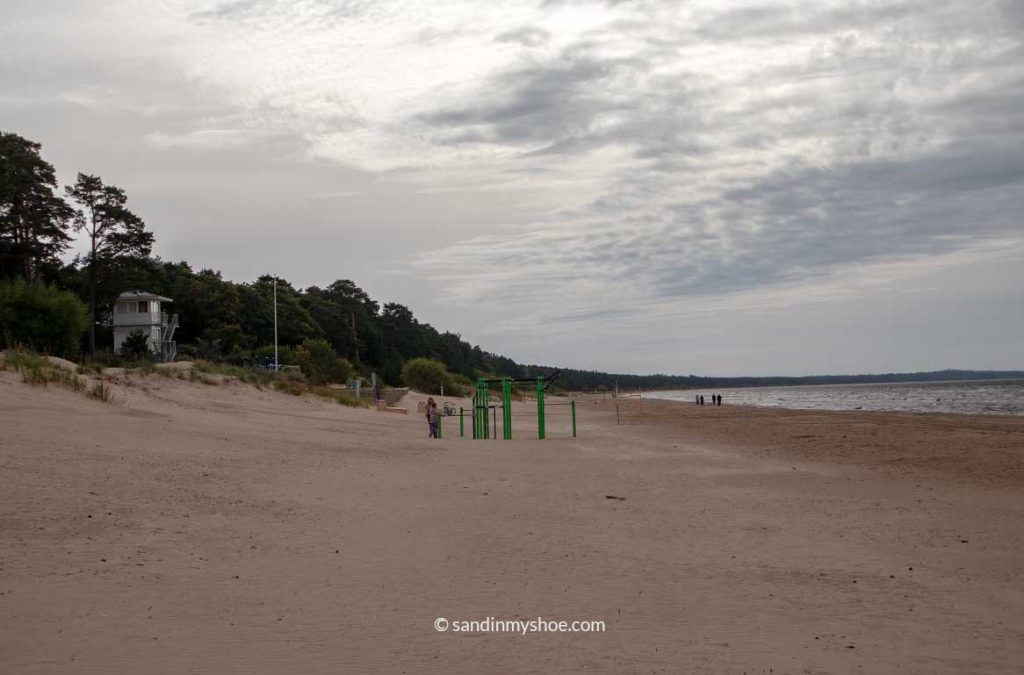
Summer is by far the best time to visit. I travelled there in early September, and while the beach was still enjoyable for a walk, it was already too chilly for a swim.
Wrap-Up
I only scratched the surface of Narva during my visit, but it was an undeniably fascinating place. The sight of two castles facing each other across the river feels especially significant in today’s political climate. With its restored castle, atmospheric bastions, and easy access from Tallinn, Narva is well worth a day trip or even an overnight stay.
Want more Estonia content? Check my other articles: Tallinn 2-day Itinerary and Lahemaa National Park, which explains why it’s the perfect day trip from Tallinn.
No comments yet, be the first one!
I appreciate hearing from you. If you have any suggestions, questions, or feedback, please leave a comment below. Your input helps ensure the information stays relevant and up to date for everyone.
Thank you for sharing your thoughts!