

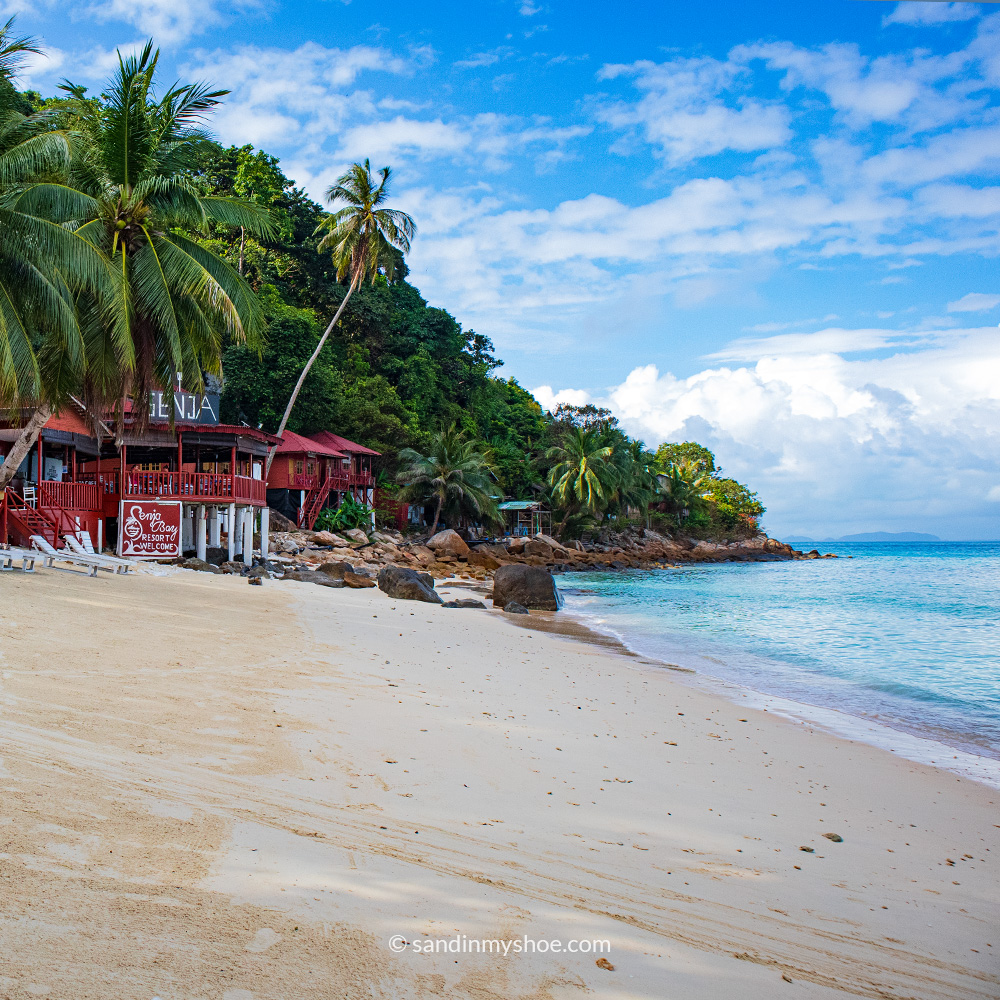
The Perhentian Islands feel like the real-life version of a generic travel ad for paradise. But beyond lounging on the beach, you can snorkel with small sharks and turtles, and spot monkeys and massive monitor lizards roaming the island.
Not Sure Where to Stay Yet?
If you’re still deciding, check out my full guide on Where to Stay in the Perhentian Islands for a quick breakdown of both islands and the best place to stay.
You don’t even need to dive to be amazed. Just snorkeling around the reefs reveals so much—vibrant coral, curious fish, and even the occasional turtle, clownfish, or small blacktip reef shark. Diving takes you deeper, sure, but snorkeling already gives you a front-row seat to the sea’s spectacular show.
Here’s a story about my encounter with one of those animals on Perhentian Pulau Kecil (the small island).
If you happen to come across one yourself, keep in mind to give it space and move slowly. Apparently, they are not aggressive, but that can change if they feel threatened.
That encounter reminded me that despite the growing number of resorts and tour boats, the Perhentian islands are still quite wild. Once inhabited by fishermen for centuries and later used as strategic stopping points during British colonial maritime trade, they now cater to tourism. While the paradise beaches attract many travelers, it was the nature that stayed with me — partly the animals you can see on land, but also what you can see in the sea just by snorkeling around the coast.
Are the Perhentian Islands Worth Visiting
Because the Perhentian Islands sit on the far eastern coast of Malaysia, many travellers — myself included — wonder whether it’s worth going all the way there. The journey is longer, and it’s fair to ask if similar islands exist on the western side, closer to Kuala Lumpur.
There are alternatives, of course. Langkawi, on the western side, is a very popular island: larger, easier to reach, and far more visited than the Perhentians. But it offers a completely different experience — more developed, more commercial, and less focused on snorkeling and marine life.
The Perhentian Islands, by contrast, are smaller, quieter, and far more centred around clear water, coral gardens, turtles, and reef sharks. If your priority is snorkeling, diving, and relaxed beach time, the extra travel is absolutely worth it. If you prefer nightlife, shopping, and convenience, Langkawi fits better.
When to Visit the Perhentian Islands
The Perhentian Islands’ dry season runs roughly March–October.
June–August bring the biggest crowds, and the shoulder months—March, April, May, September, and October—have fewer tourists and also lower prices. I visited in March and the weather was mostly sunny with a few brief showers, but I really didn’t mind them.
 29°C
23°C
30°C
23°C
29°C
23°C
30°C
23°C
 31°C
23°C
32°C
24°C
32°C
24°C
31°C
23°C
32°C
24°C
32°C
24°C
 32°C
24°C
31°C
23°C
31°C
23°C
31°C
23°C
30°C
23°C
29°C
23°C
28°C
°C
32°C
24°C
31°C
23°C
31°C
23°C
31°C
23°C
30°C
23°C
29°C
23°C
28°C
°C
My Experience Visiting the Perhentian Islands
I visited Perhentian Kecil in the shoulder season in mid-March. The days were mostly sunny, some days with brief showers now and then, but nothing that bothered me—having grown up in Sweden, I’m used to bad weather, so occasional tropical rain felt even nice.
The boat ride here from Kuala Besut Jetty was a bit bumpy. The small boat jumped through the waves as we were being tossed around trying to keep our luggage in place. The ride took about 45 minutes and could be challenging for anyone with a sensitive stomach, so bring motion sickness tablets if needed. According to the staff at the ticket counter, the seas are calmer during high season, from June to August.
Arriving at the simple harbor in Pulau Kecil (the small islands) felt great: There were no paved roads, no cars, and the beach sat right next to the harbour. My guesthouse was only a couple of minutes’ walk along the sand.
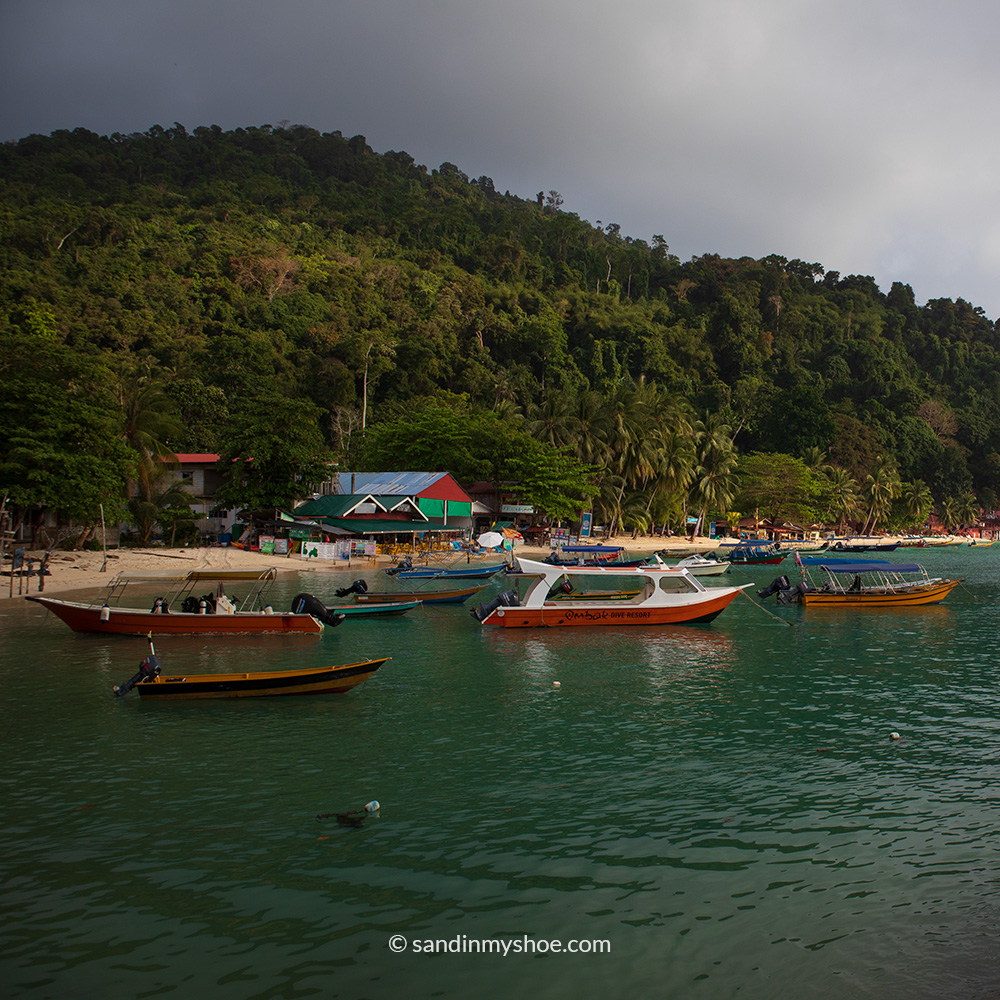
I checked into the guesthouse and went straight for a swim in the warm sea at sunset while some birds flew past me—an excellent first impression.
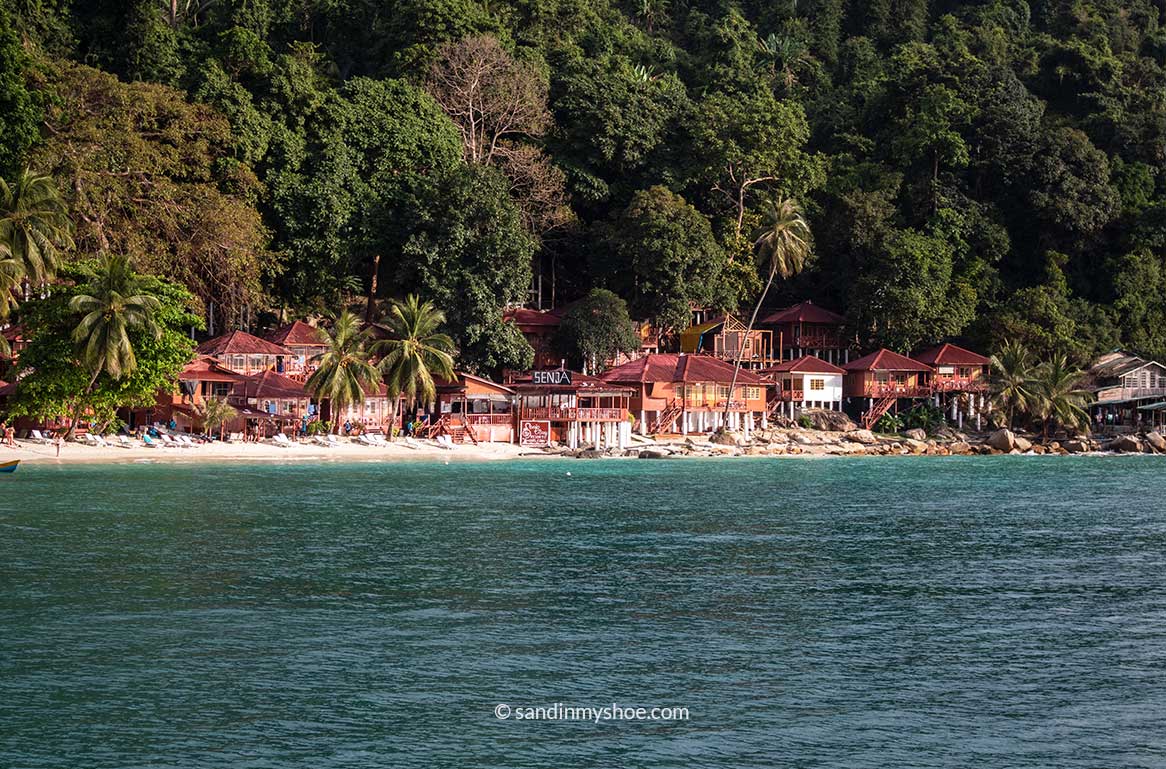
After dinner I quickly discovered mosquito repellent is a necessity. The mosquitoes arrive immediately after sunset in big packs and they know where you are. Remember to bring insect repellent, because the island has only small shops with limited stock, and if they have what you need, prices are much higher than on the mainland.
The next day I walked around the island and found that most restaurants and bars are concentrated along the beaches on both sides, connected by a path that takes roughly 15 minutes to cross. The western side of Pulau Kecil is sheltered and very calm—perfect for swimming—while the eastern side has bigger waves and rougher water, more suitable for surfing.

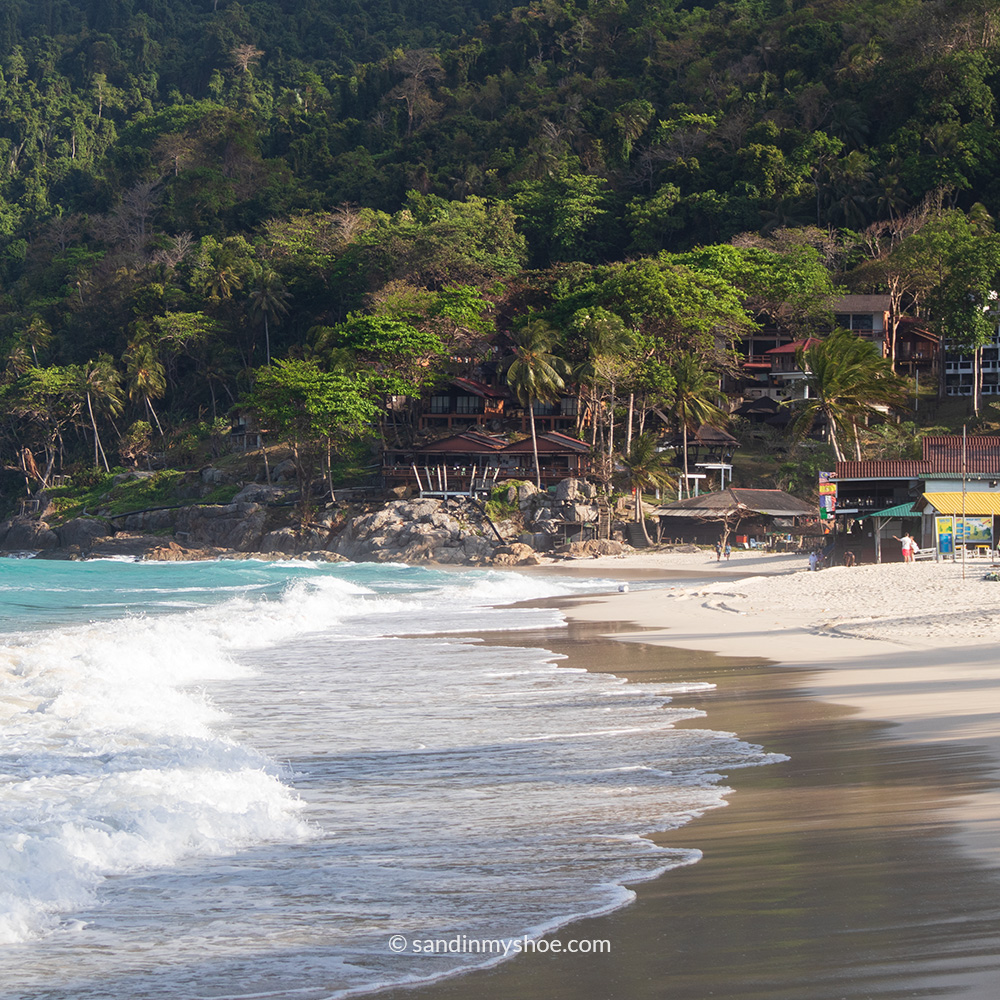
That night I learned that electricity is not always reliable. Many restaurants run on generators and wiring may be inconsistent. But that’s part of the island’s charm: when the power goes out it gets dark, candles come out, food is still cooked on gas, and beer stays cool from the day’s refrigeration. For me, the occasional brownout only added to the atmosphere.


The next couple of days was spent on snorkeling in various spots around the Perhentian Islands and visiting many of their beaches.
Which Perhentian Island to Choose: Pulau Kecil or Pulau Besar
As you probably know already, there are two Perhentian Island: Pulau Kecil, meaning small island and Pulau Besar meaning large island. Here’s how to choose your stay.
- Perhentian Pulau Kecil (the small island) is more lively and budget-friendly, with more hostels, bars and nightlife. It’s ideal for solo travelers, backpackers or simply anyone who want social evenings and easy, affordable options.
- Perhentian Pulau Besar (the big island) is quieter and more relaxed, better suited to couples and families seeking calm beaches and a low-key pace.
Regardless of which island you choose, you’ll enjoy powdery beaches and sapphire-blue waters. The real difference is the social atmosphere, and it may seem like a small detail at first, but it can play a major role for some travelers, especially if you’re solo traveling.
Snorkeling & Scuba Diving in the Perhentian Islands
For me — as someone from northern Europe — the first thing that sparked my interest in visiting the Perhentian Islands was the chance to snorkel with small sharks and sea turtles. Seeing these wild animals outside an aquarium felt very exotic. Whether you dive or snorkel, you’ll most likely see sea turtles, clownfish, and small reef sharks, while rays are more commonly spotted by divers.
Snorkeling
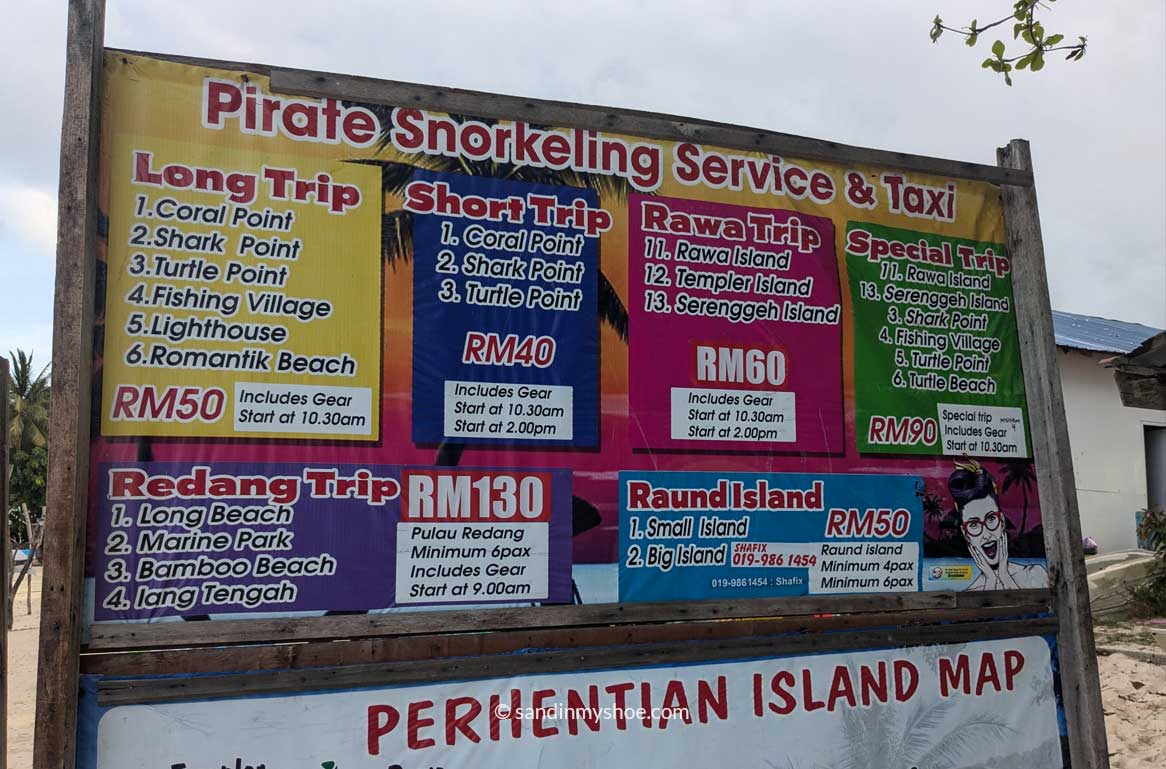
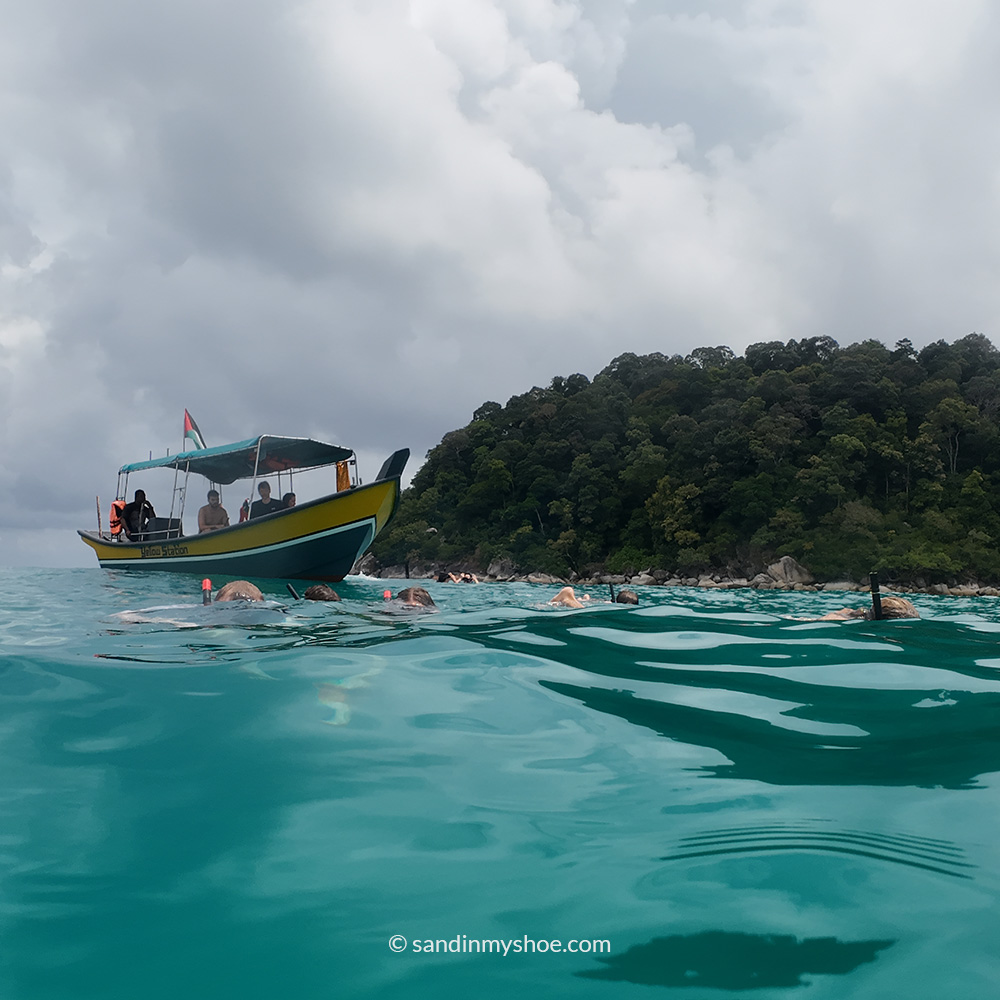
There are many snorkeling tours to choose from, and I tried two: the Short Trip and the Long Trip. In the end, the Short Trip offered the best value for me. For RM40 (≈$9.50), I got two hours of snorkeling with stops at coral gardens (both soft and hard corals), baby sharks, turtles, and even clownfish hiding among the corals. Excellent bang for the buck.
As for tour operatours, there are plenty of them, and most similar routes — whether you’re starting from Pulau Kecil or Pulau Besar.

Diving
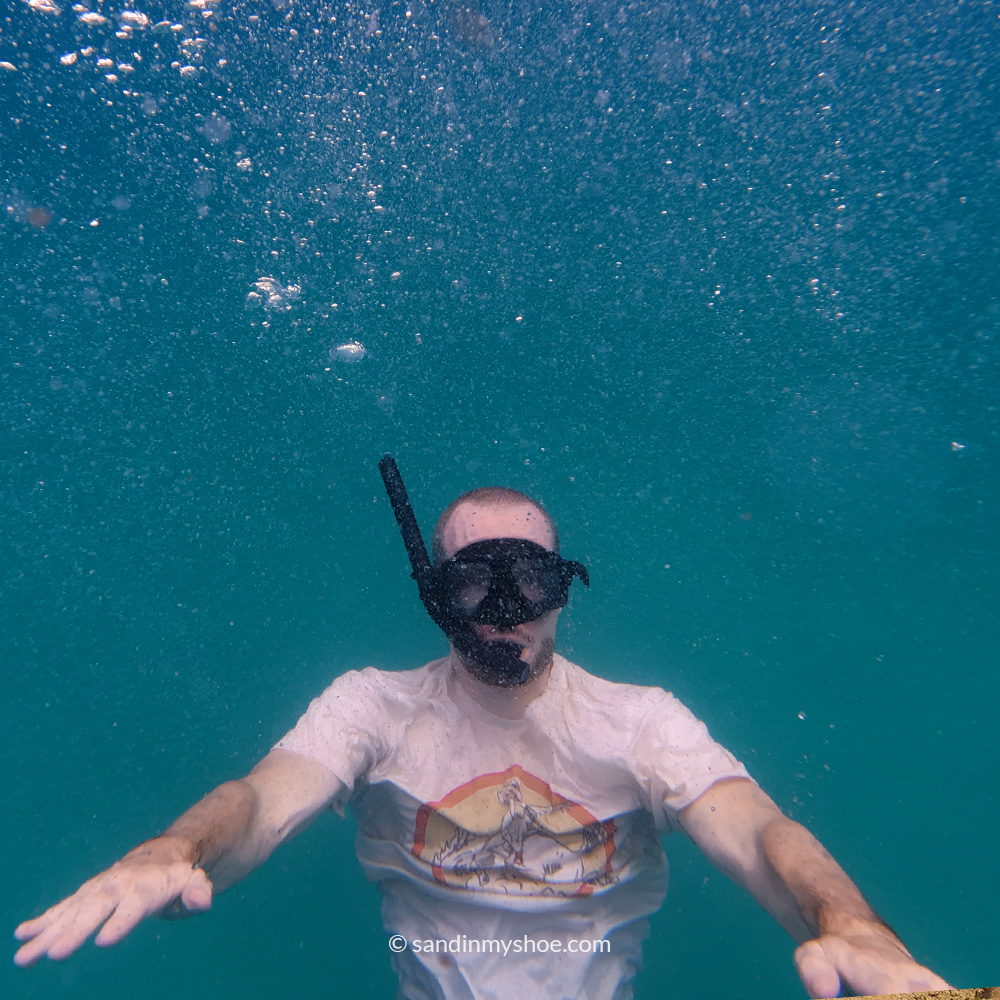
Even though I only went snorkeling, I spoke with several travellers who dived, and when we compared notes, we realised we had seen more or less the same species. The Perhentians are famous for shallow reefs, so turtles, small black‑tip reef sharks, clownfish, rays, and colourful reef fish often appear close to the surface. That’s why snorkelers can have an excellent experience without going deep.
Divers, however, get access to more sites, more variety, and more reliable encounters. They can stay underwater longer, explore deeper areas, and visit spots that snorkelers simply can’t reach. You’ll most likely see more if you dive — especially larger creatures and schools of fish that prefer deeper depths. Still, I was very satisfied with what I saw just by snorkeling.
If you’re interested in diving, do chat with the dive schools about what they’ve seen recently, so you’ll know if it’s worth doing.
Beaches on the Perhentian Islands
On Perhentian Pulau Kecil you can easily walk between the eastern and western beaches in just 15 minutes..
- The western beach is sheltered and much calmer, ideal for swimming and families.
- The eastern side has bigger waves and is better for surf and rough-water swimming.
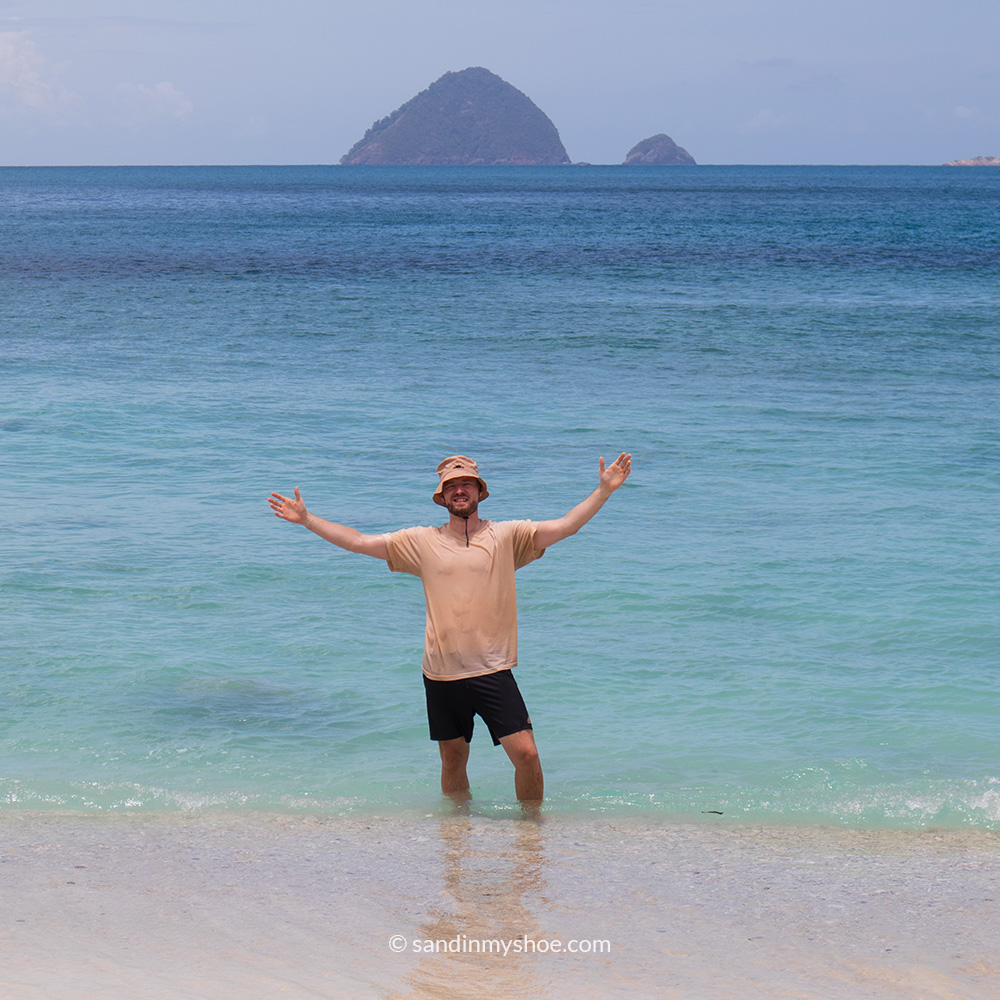
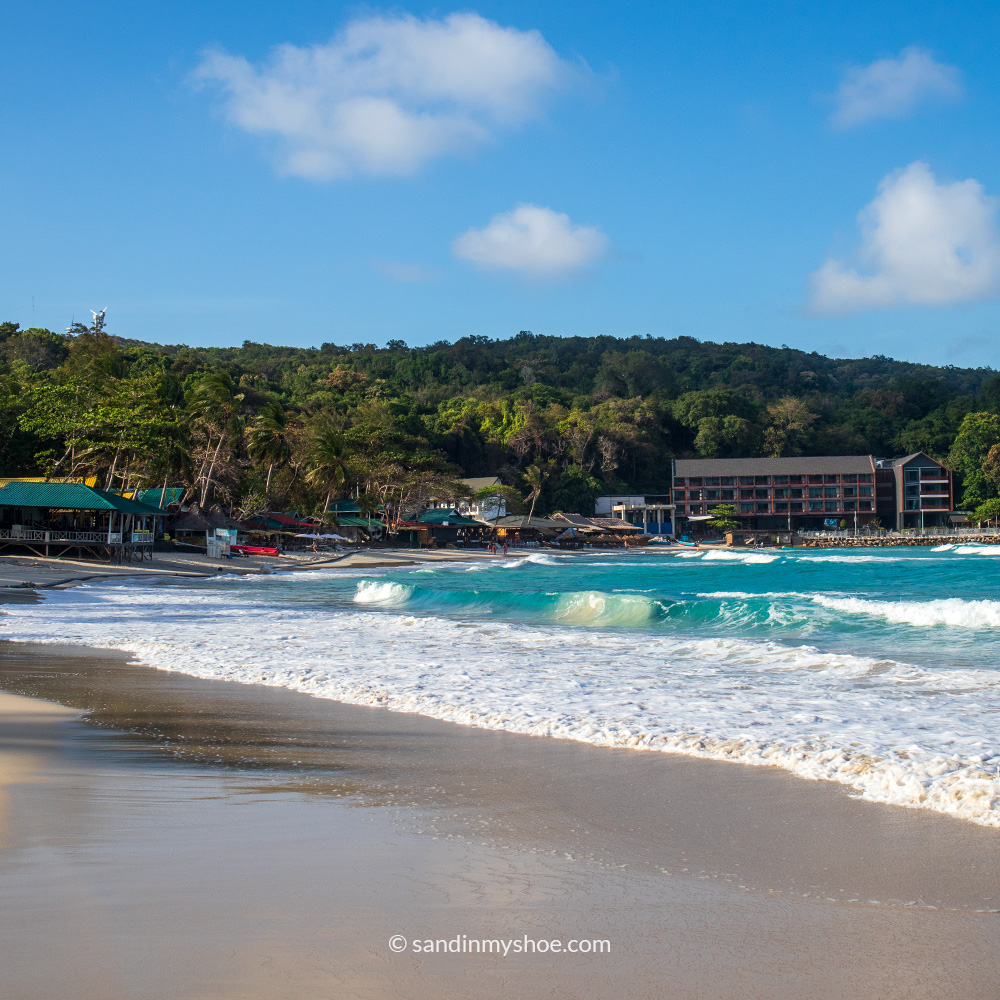
Beyond the main beaches on Pulau Kecil, you’ll need a boat taxi to reach the more secluded spots. One of the nicest is Romantic Beach, located on the north‑western side. It’s right next to the Marriott Hotel, which makes it convenient if you’re staying there — but keep in mind that there are no shops nearby, so bring snacks and drinks with you.
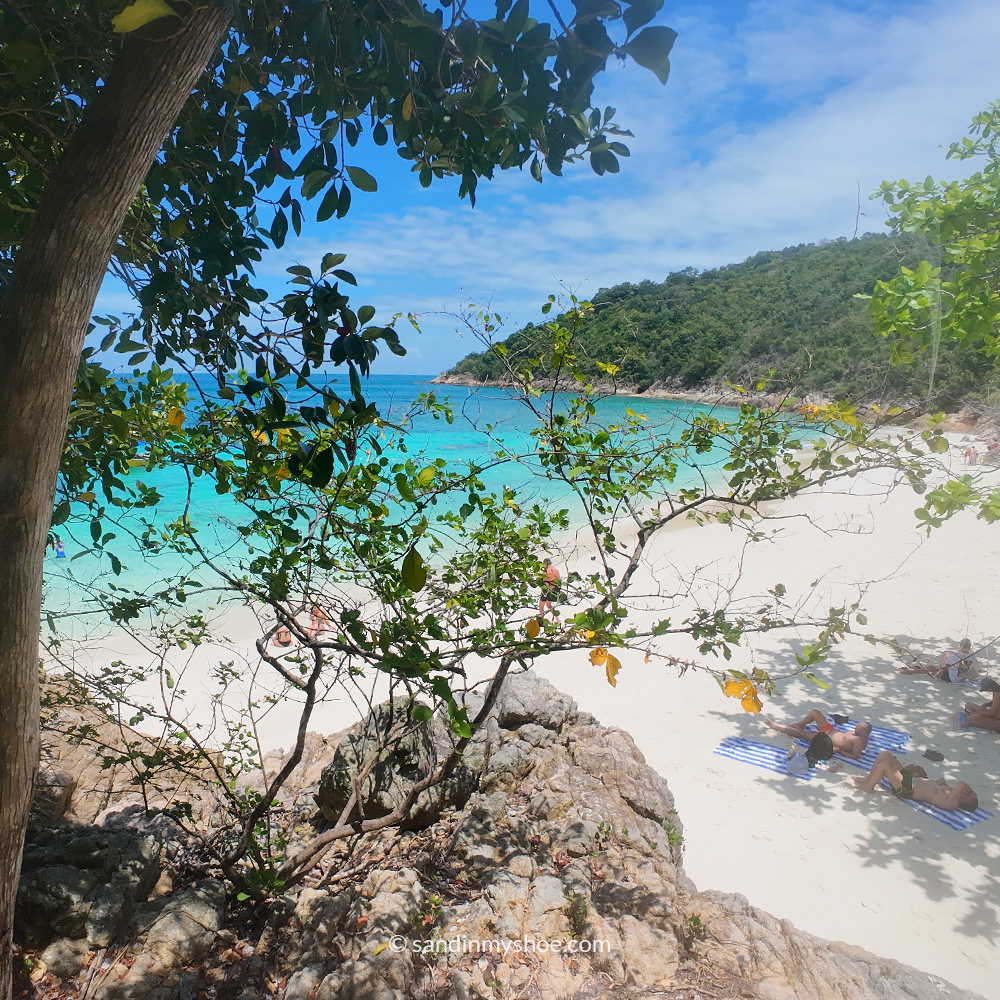
Honestly, it’s hard to find a bad beach as the majority of the beaches here are quite amazing.
Practical Tips
Let’s dive into the practical things to know about before traveling to the Perhentian Islands.
How to Get to the Perhentian Islands

The most common way to travel to the Perhentian Islands is by boat from Kuala Besut Jetty. It takes about 45 minutes, and boats run from morning until mid-afternoon. Check for boat ticket here.
- Coming from further away: The nearest airport is Sultan Ismail Petra (Kota Bharu); from there it’s a 45–75 minute transfer to Kuala Besut Jetty. Booking flights in advance can cost around RM120 (≈$30).
- Overland: From Kuala Lumpur or George Town there are plenty of bus options. Take the earliest bus possible so you can catch the last ferry the same day. From Kuala Lumpur it takes about 8 hours; from Penang about 9 hours. Long‑distance bus tickets cost roughly RM50 (≈$12).
Personally, I took a bus from Taman Negara after finishing the Taman Negara Jungle Trek, which lasted two days with an overnight in a cave. The contrast between hiking through the jungle with leeches to arriving at paradise beaches was refreshing.
How Many Days to Spend on the Perhentian Islands
It’s a surprisingly tough question. Some travellers can stay for weeks, happily baking in the sun and slipping into the island’s slow rhythm. Others get bored quickly because there aren’t many activities beyond the beaches, snorkeling, and diving.
I stayed for three nights, and that felt just right for me — enough time to enjoy the snorkeling, relax, and soak up the laid‑back atmosphere. Since I was travelling solo, staying longer might have felt a bit repetitive.
If you’re travelling as a couple or a group, you can easily spend five to seven days here. With company, the slow pace becomes part of the charm, and the days tend to pass much faster than you expect.
Money and ATMs
There are no ATMs on the Perhentian Islands. While some restaurants and bars accept cards, many tour operators and small shops are cash‑only, so bring enough money for your stay.
Bring enough Malaysian ringgit for food, tours, and small purchases.
Accommodation
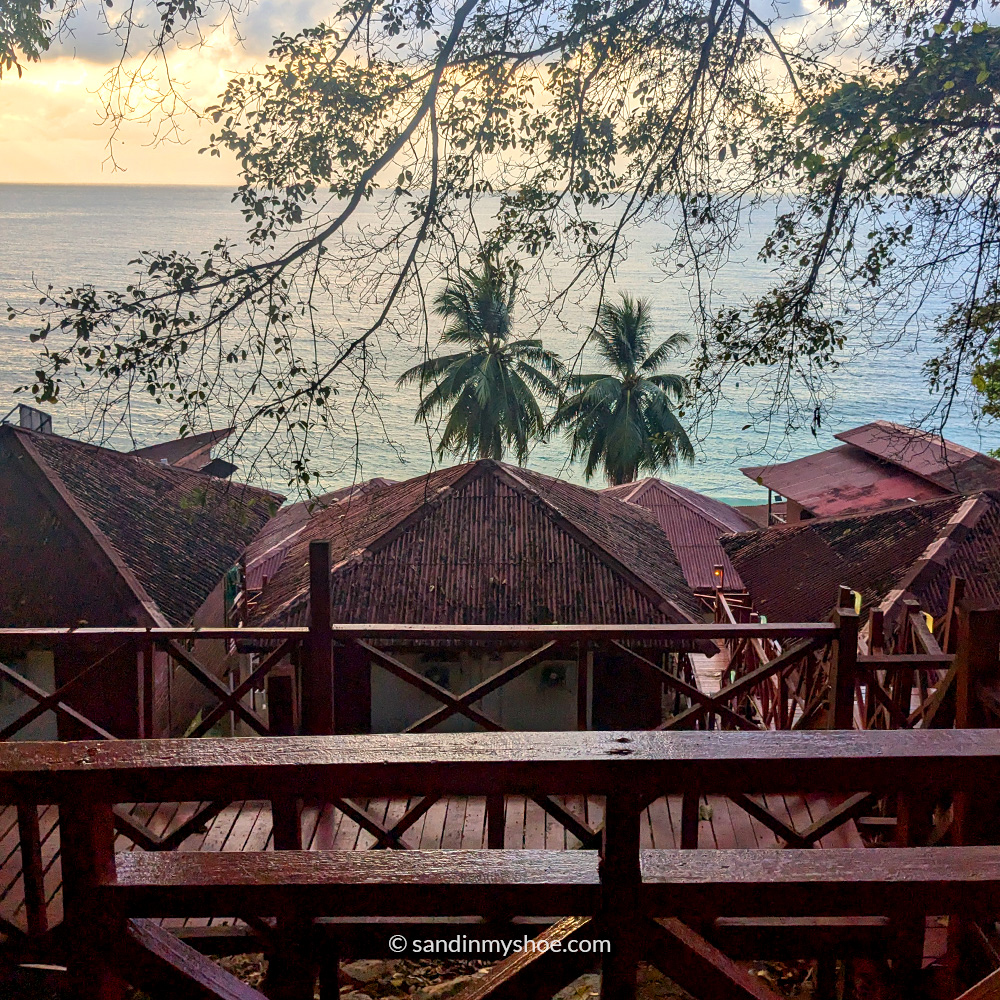
Prices are more expensive on islands in general all over the world and Malaysia is not an exception. I paid MR150 (≈$35) per night for a room with a fan at Senja Bay Resort, with a sea view and a small privatre porch. Just be careful about leaving clothes out to dry overnight — monkeys often come by and play with them in search for food.
What to Pack for The Perhentian Islands
Here is a packing list of less obvious items that might get handy during your visit to the Perhentian Islands, in addition to the obvious essentials like clothes, passport, and toiletries:
- Headlamp or flashlight (phone light can be enough)
- Dry bag to keep phone and camera dry
- Mosquito repellent
- T-shirt / Rashguard (the sun will burn your back during snorkeling otherwise)
- Sunscreen
- Reef shoes (reef can be very sharp)
- Motion-sickness tablets for the boatride
- Power bank (to “survive” brownouts or provide extra when your phone battery drains from extensive photo-taking)
- Enough cash to sustain the whole trip
- Reusable water bottle
- Snorkel mask (although the tour agencies clean the masks, they have probably been used by hundreds of people before you)
Keep Exploring Malaysia
Check out my other guides about Malaysia: Malaysia 5-day Itinerary • 10-day Borneo itinerary • Things to Do in Kuala Lumpur • Things to do in Penang • Semporna Travel Guide • Malacca Itinerary: DIY Walking Tour.


No comments yet, be the first one!
I appreciate hearing from you. If you have any suggestions, questions, or feedback, please leave a comment below. Your input helps ensure the information stays relevant and up to date for everyone.
Thank you for sharing your thoughts!