

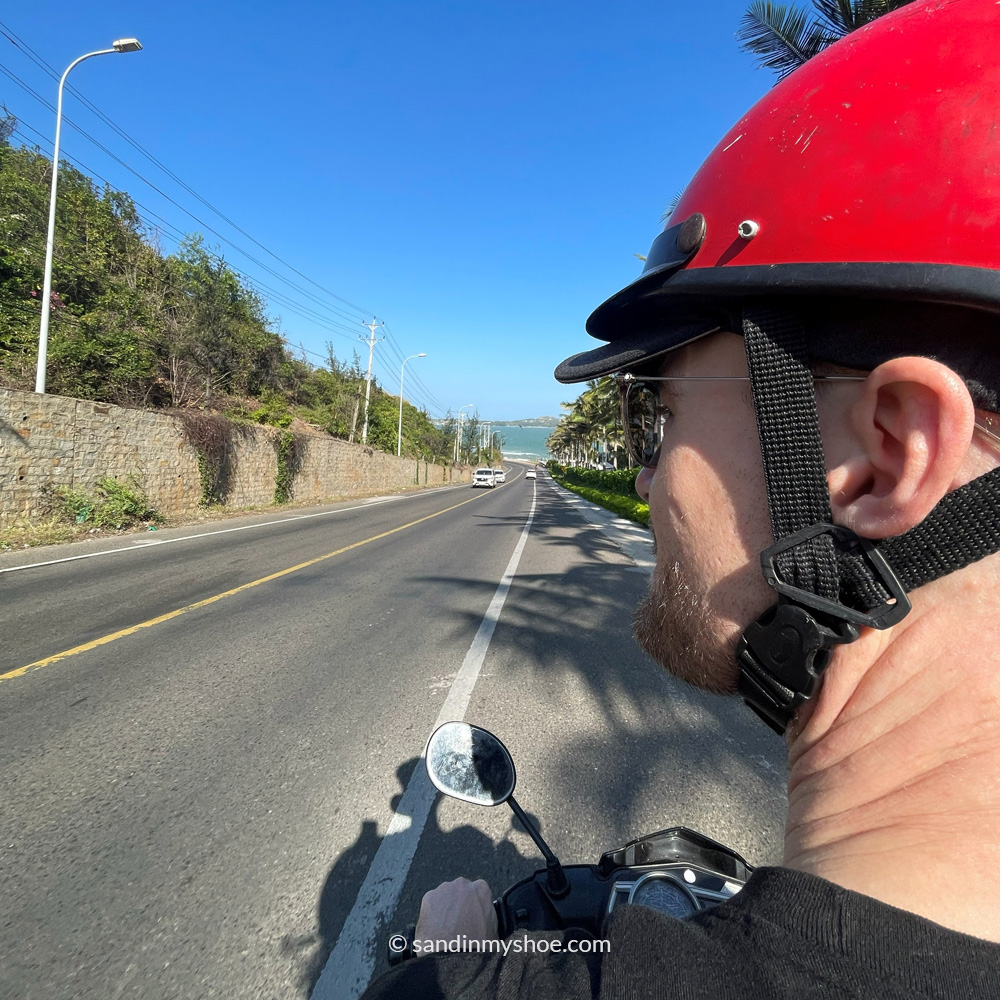
I spent two months travelling the country entirely by land and sea — trains, buses, taxi, motorbikes and the occasional boat — and found that choosing the right mode of transport mostly comes down to distance, time, and how much comfort you want.
This guide helps you choose the right type of transport and shows you where to book each option.
Transport Between Vietnamese Cities
Vietnam is well connected, and moving between cities is straightforward. You can choose whatever fits your budget, comfort level, or travel style.
- If the trip is under ~200 km, limousine vans is the better choice as the comfort level is higher.
- If it’s over ~200 km, use trains, buses, or flights.
Domestic Flights
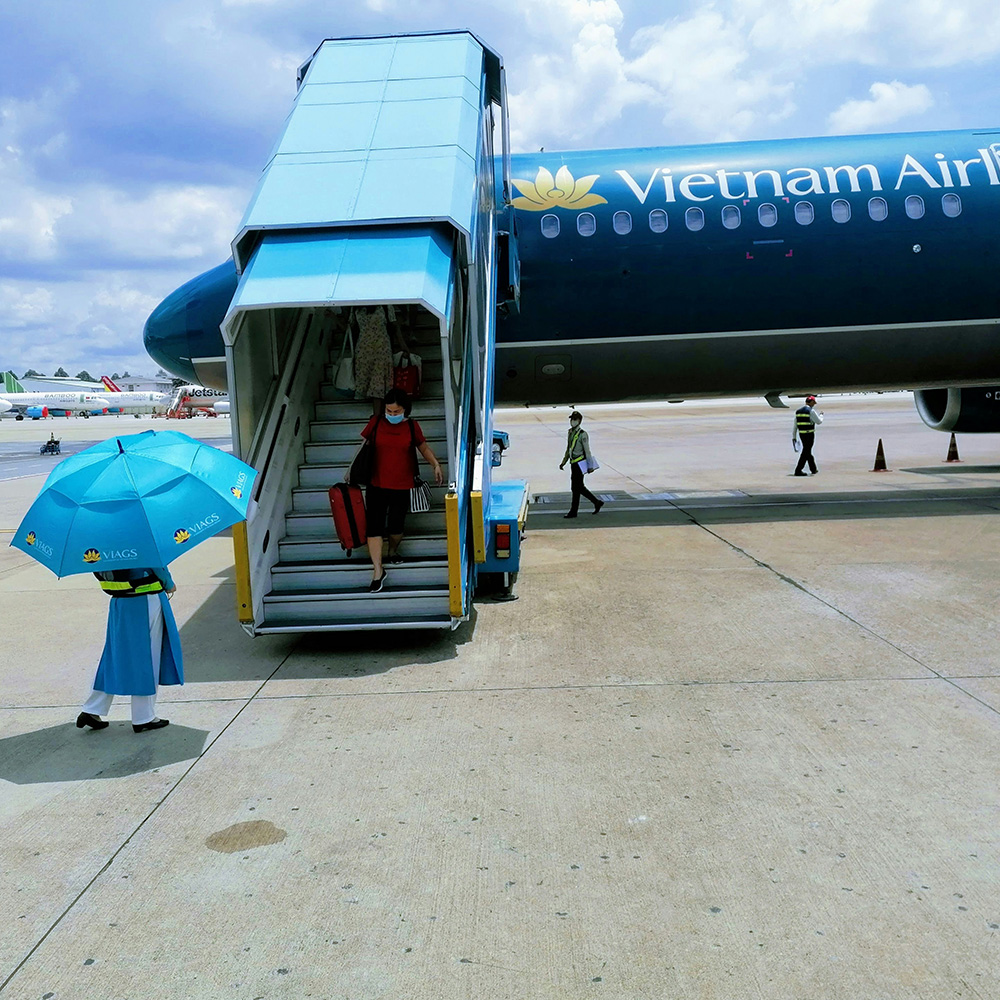
If you’re short on time, flying is the fastest way to cover long distances. Routes like Hanoi–Da Nang, Da Nang–Ho Chi Minh City, and Hanoi–Ho Chi Minh City run constantly and are usually affordable. It’s not the most atmospheric way to travel, but it’s efficient.
Trains
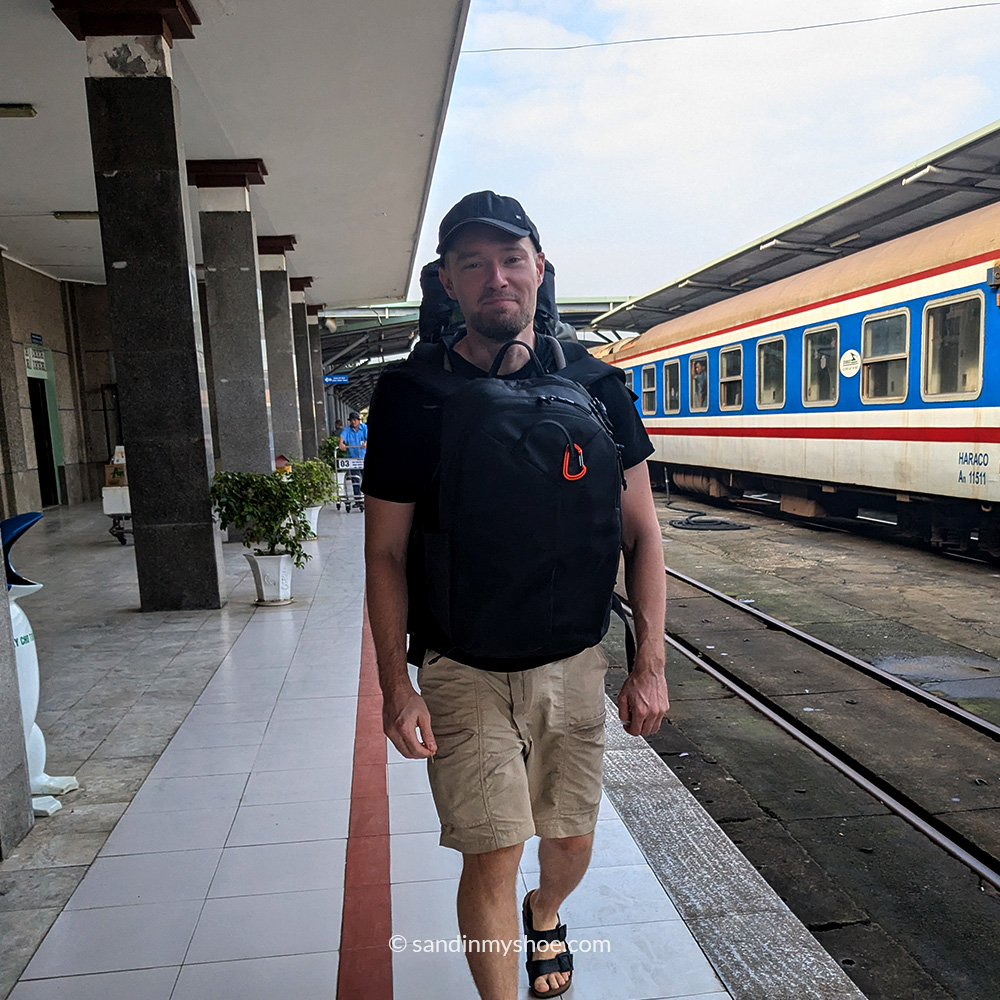

Vietnam’s Reunification Line runs all the way from Hanoi to Ho Chi Minh City, passing through Hue, Da Nang, and Nha Trang. It’s a wonderfully scenic way to travel — the tracks cut through mountains, rice fields, coastline, and small rural towns. It’s slower than flying, but easily one of the most memorable ways to see the country.
I took the sleeper train myself, and when I wandered into the restaurant cart one morning, it was filled with drunk soldiers — a funny, slightly chaotic moment you simply don’t get when flying.
You can choose between soft seats or sleeper cabins, and overnight trips are comfortable enough. Book ahead if you want a cabin; they often sell out in high season.
Long‑distance Buses
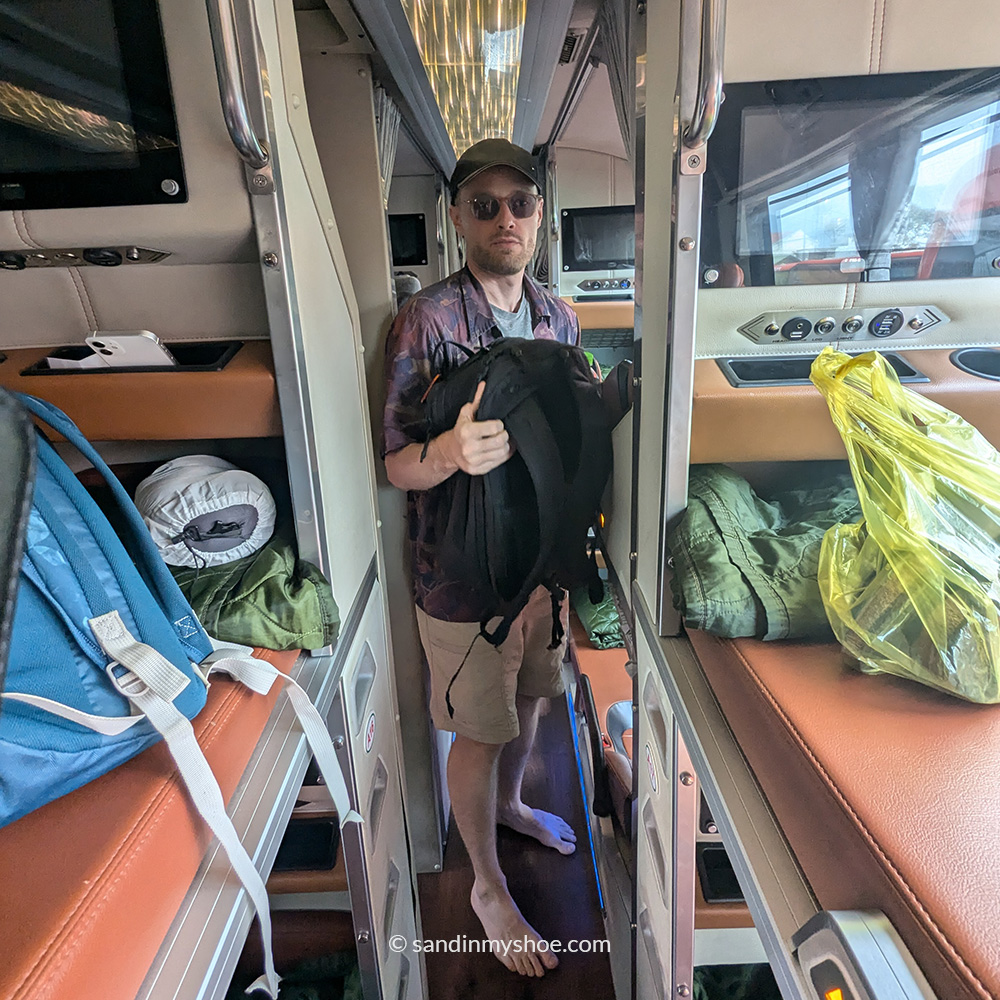
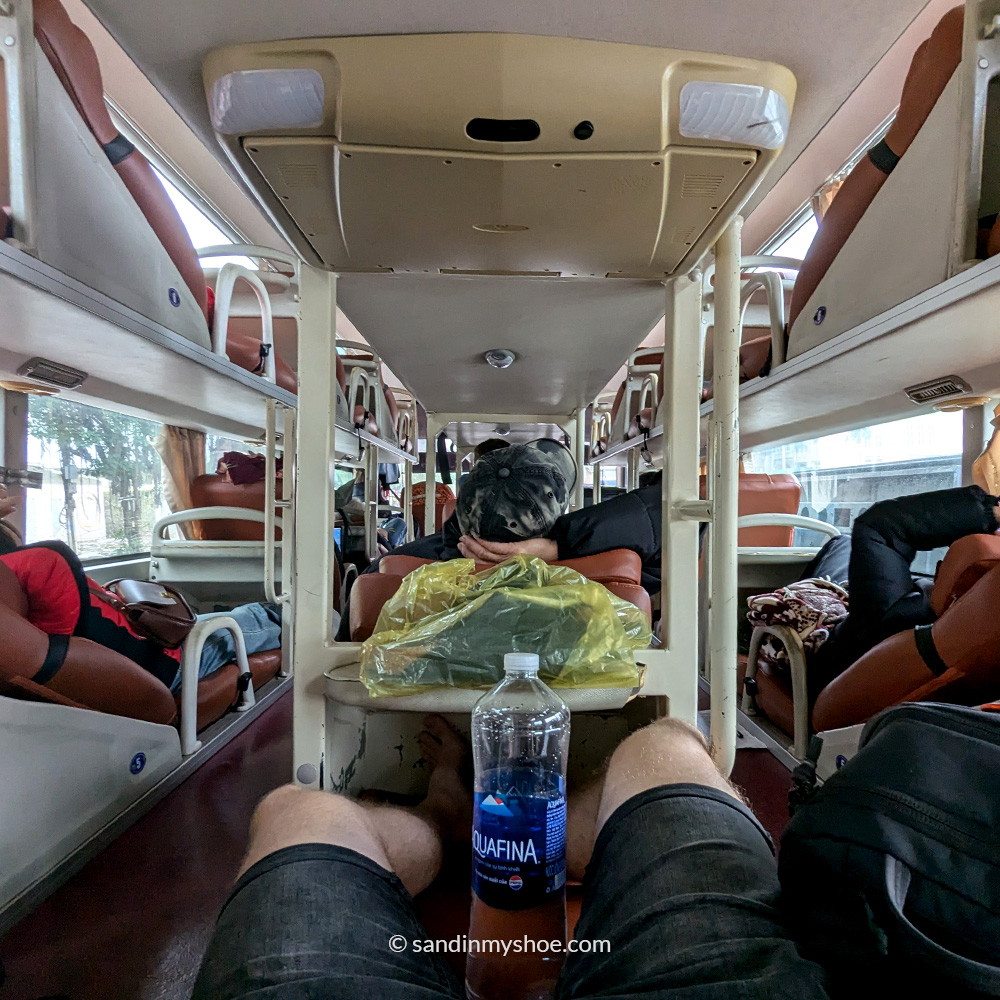
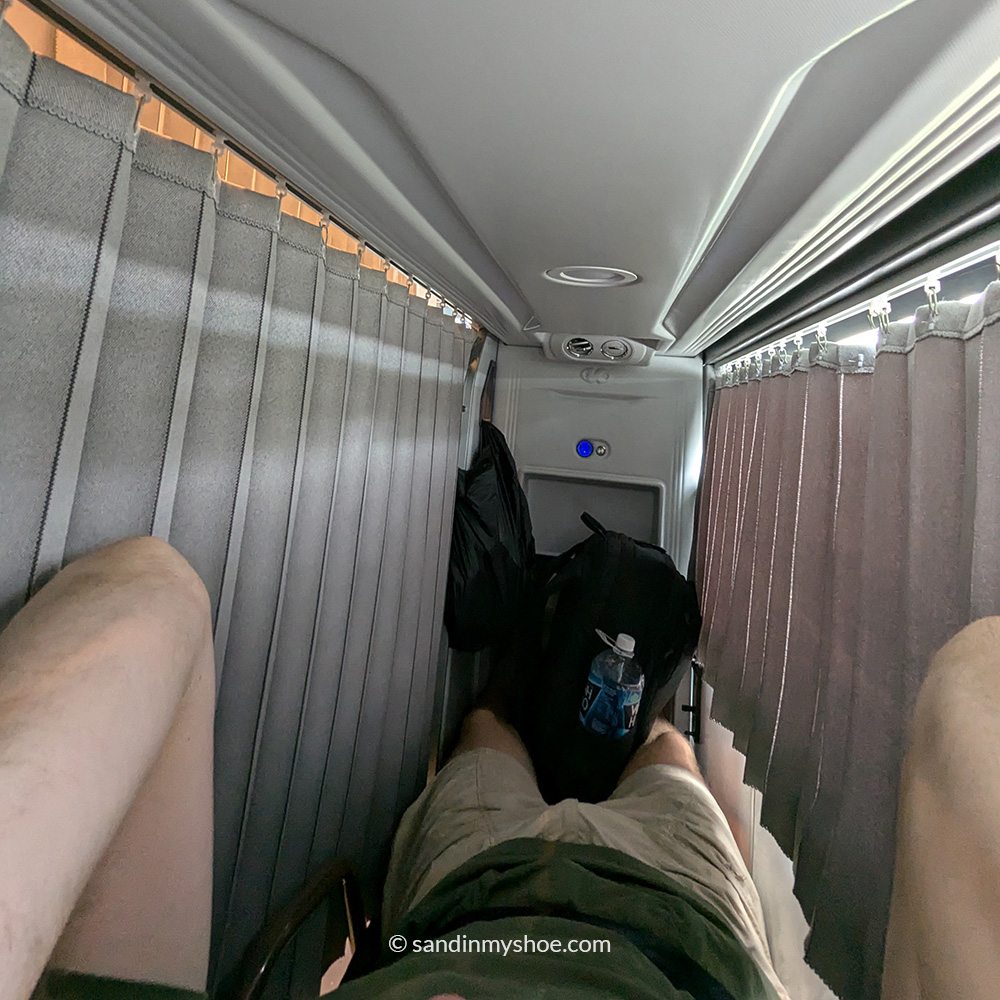
Long-distance buses connect most major destinations. They’re cheap and widely used by backpackers. Sleeper buses are common, though the layout can be tight if you’re tall — I’m 180 cm (5’11”), and it was already pretty snug. Great for budget travel, but expect a bit of discomfort and longer travel times.
Limousine Vans
For shorter routes, limousine vans are a fantastic mid‑range option. They have large recliner‑style seats, fewer passengers, and hotel pick‑up/drop‑off. A nice balance between comfort and price.
Transport Within a City
Vietnam’s cities can feel chaotic at first, but getting around is easy. You don’t need to figure out complicated systems or hunt for bus stops — most of the time, you’ll rely on simple tools that work everywhere.
If you want to use public transport, just switch on the Public Transport layer in Google Maps. Bus routes and metro lines (in Hanoi and Ho Chi Minh City) show up clearly and are accurate enough to trust.
For most travelers, though, the ride‑hailing apps are the real game‑changer. They’re cheap (fixed price without any need to haggle), quick, and available in every major city, making it incredibly easy to get from A to B without any hassle.
Grab — the main ride‑hailing app
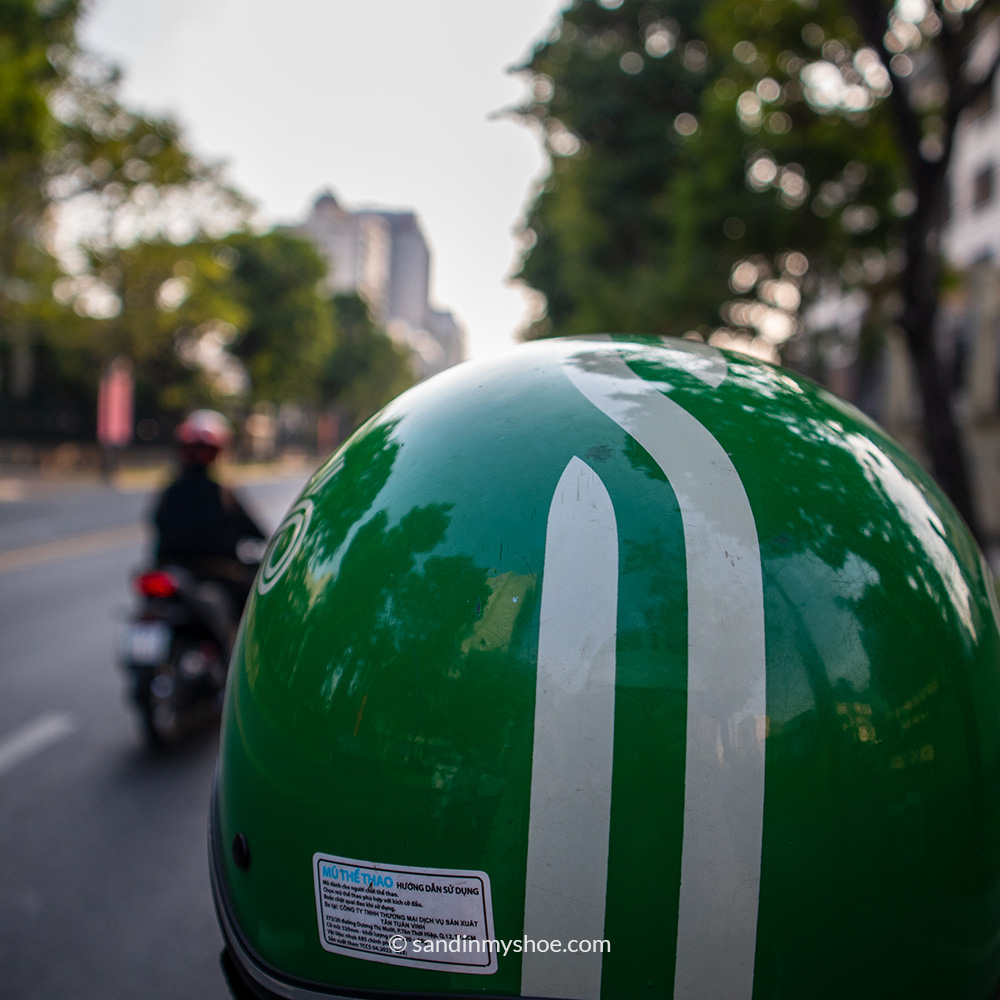
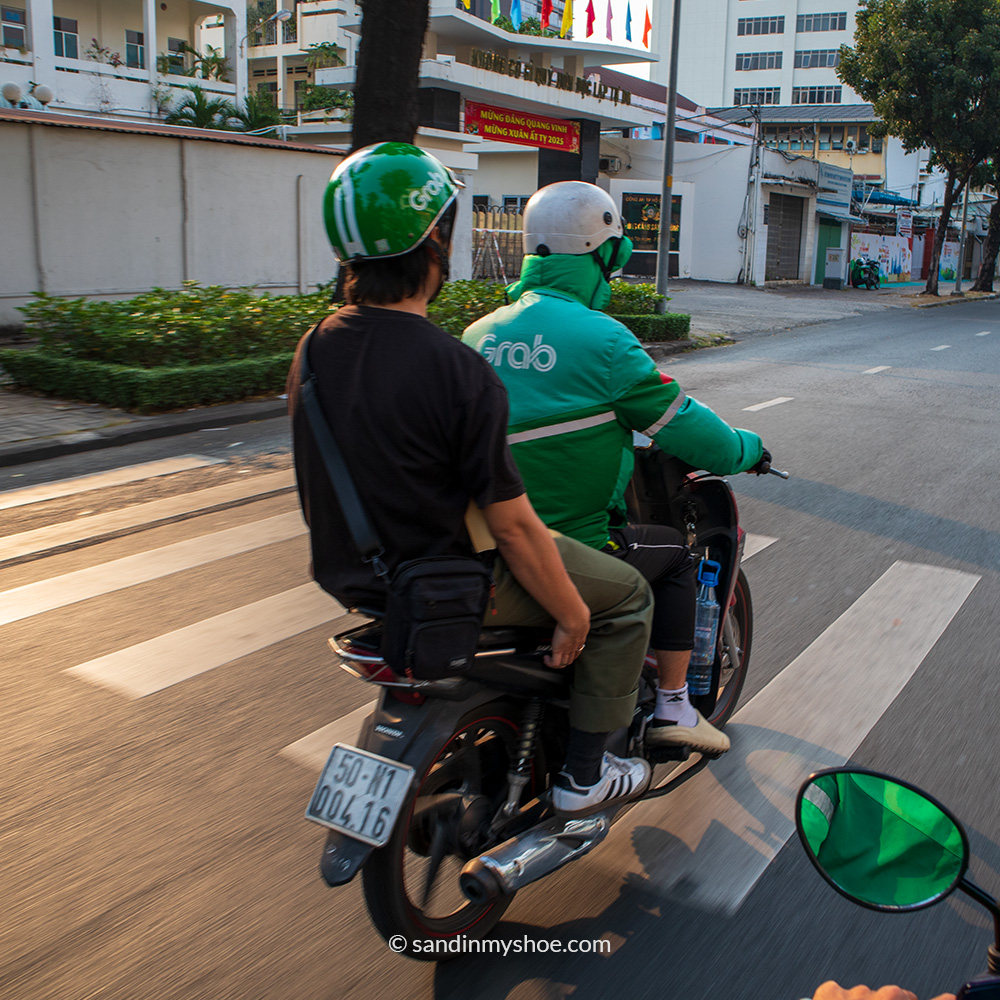
The app most travelers rely on. Grab offers cars, motorbikes, and food delivery, with transparent pricing and English support. Drivers are easy to find, and the service is reliable across Vietnam. For most visitors, Grab is the default choice.
Be — a local Vietnamese alternative
Vietnam’s homegrown ride‑hailing app. Be offers cars and bikes, similar to Grab, and can be cheaper during busy hours or in certain neighborhoods. It’s a solid backup when Grab prices surge or drivers are limited. Many locals use Be daily.
Scooter Rentals

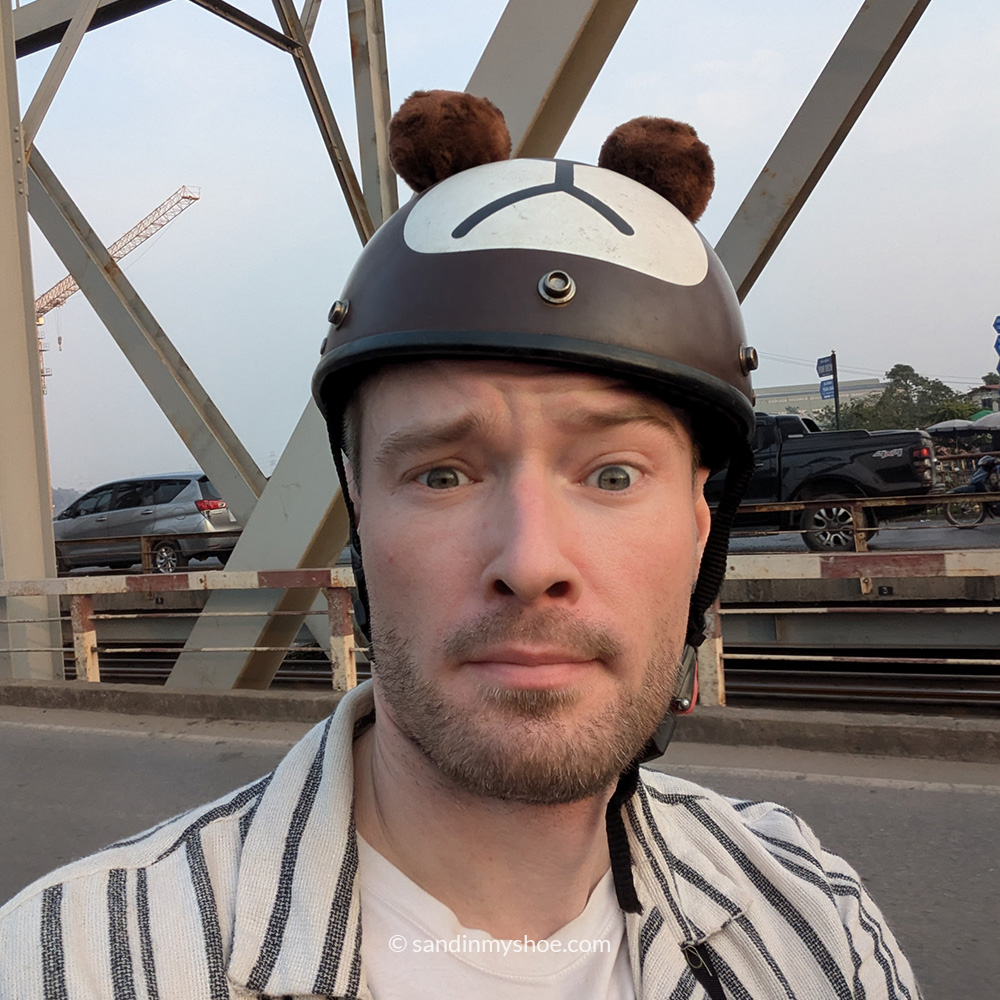
Renting a scooter is one of the most popular ways to get around in Vietnam, especially in smaller cities and coastal areas. It gives you total flexibility and is often the quickest way to reach nearby sights.
Rentals are easy to find, and prices usually fall between 100,000–200,000 VND per day (~$4–8 USD), depending on the city and the condition of the bike. Fuel is cheap, and helmets are always included — though the quality can vary wildly. More than once I was handed a helmet that felt about as protective as an egg carton.
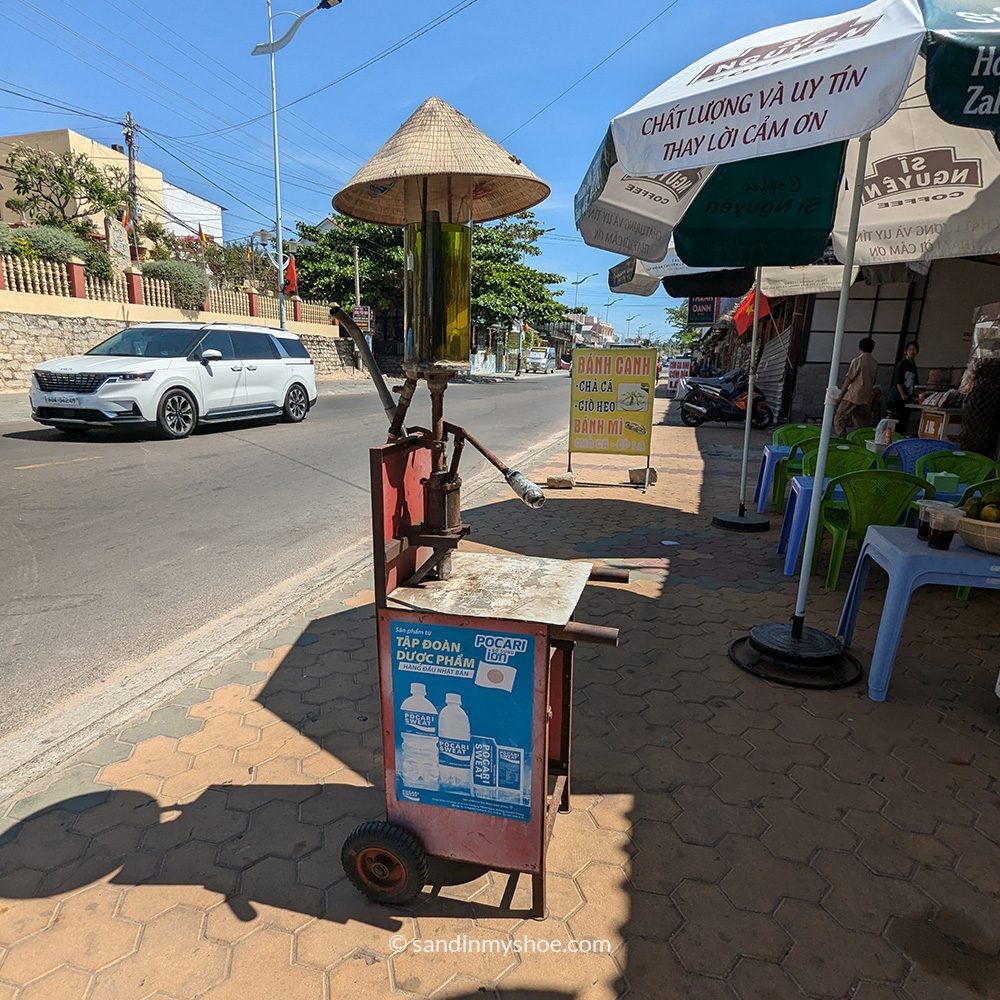
To keep things safe, I avoided riding in the most chaotic cities like Hanoi and Ho Chi Minh City, and I kept my speed under 60 km/h. In smaller destinations such as Da Nang, Hoi An, Ninh Binh, Phu Quoc, and Dalat, riding felt much calmer and far more enjoyable.
How to Pick a Reliable Motorbike Rental
When I chose a scooter rental, I started by checking their Business Profile on Google Maps. If they had plenty of good reviews, I dug into the comments to see whether the feedback feels genuine or fake. After that, if everything seem legit, I visited the store in person.
A few things to keep in mind:
- Make sure your driver’s license covers light motorcycles, as most scooters in Vietnam are at least 125cc. If something goes wrong, travel insurance often won’t cover you if you were riding illegally.
- Insist on a proper helmet — don’t settle for the flimsy ones
- Check the brakes, lights, and tires before renting
- Take a video of the bike from all angles to avoid disputes later
- Keep your rental agreement or passport copy with you
Renting a Car (Why Most Travellers Don’t)
Renting a car in Vietnam is possible too, but it’s something very few travellers actually do. The issue isn’t availability — it’s practicality. Between the cost, the paperwork, and the traffic conditions, renting a car rarely ends up being the easiest way to get around.
Car rentals tend to be expensive, especially compared to scooters, buses, or trains. You do get a lot of flexibility, but the price difference is big enough that most travellers simply choose other options. And honestly, part of the experience of travelling in Vietnam is taking the train.
Driving itself can be challenging. Vietnam’s road rules aren’t always followed consistently, and navigating busy intersections or rural roads requires a lot of confidence. Parking can also be tricky in dense cities, where space is limited and traffic moves unpredictably.
Wrap-Up: Getting Around in Vietnam
If you’re covering long distances and short on time, flying between cities is the most efficient option. But if you’re travelling for a longer period, consider taking the train — you pass beautiful landscapes, meet locals, and share cabins with people going about their daily lives. It’s a big part of the Vietnam experience. Once you’ve tried the train, buses and limousine vans are the faster ways to move between regions.
In larger cities use Grab. In smaller cities, rent your own motorbike.


No comments yet, be the first one!
I appreciate hearing from you. If you have any suggestions, questions, or feedback, please leave a comment below. Your input helps ensure the information stays relevant and up to date for everyone.
Thank you for sharing your thoughts!