

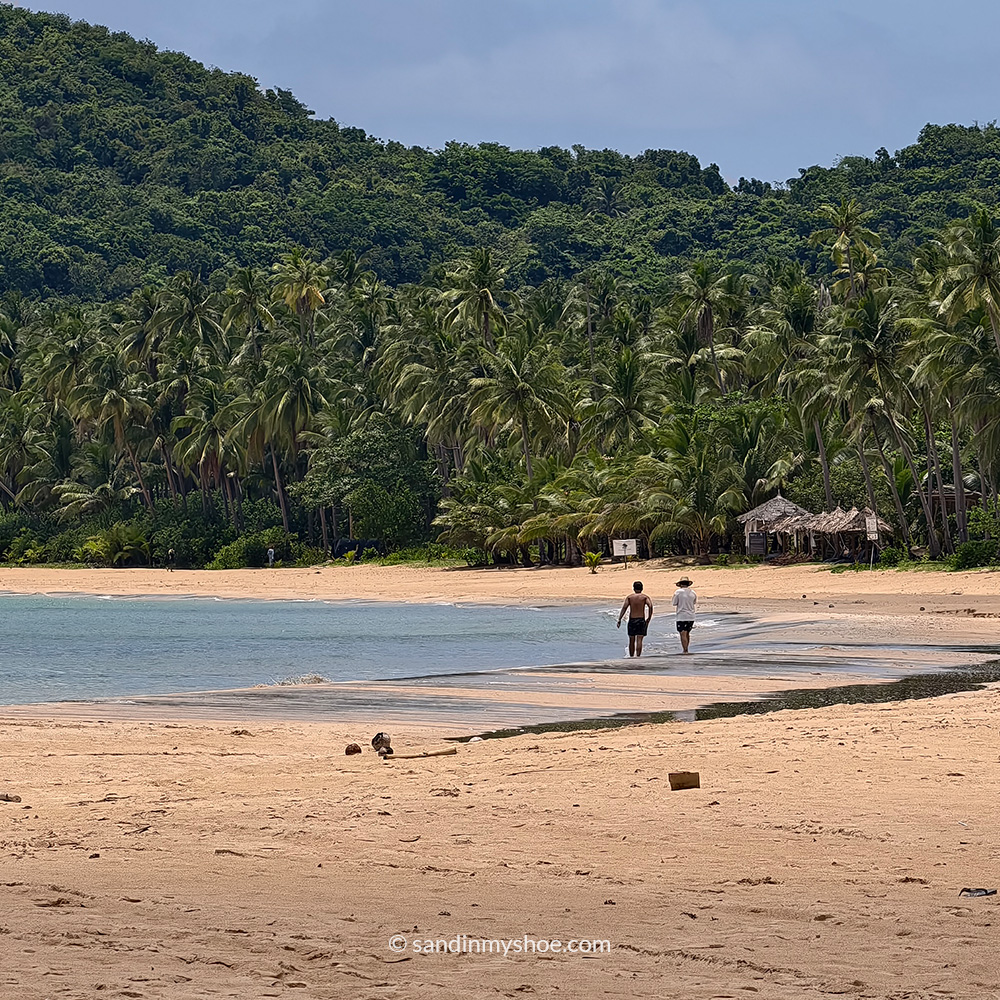
The island’s real variety shows up as you move around — Coron’s shipwrecks and excellent freediving, Port Barton’s quiet beaches with cheeky pigs, and Balabac’s untouched sandbars in the far south. Palawan’s magic stretches well beyond the famous lagoons of El Nido.
You can cover everything in two weeks, but with only one week you’ll need to choose the kind of trip you want. Most stops are nature‑focused, with Puerto Princesa standing out as the island’s only real city — a good place for food, errands, and even visa extensions.
This itinerary blends places I’ve explored myself with recommendations from locals.
Getting Around on Palawan
Palawan is big, and getting between its highlights takes time. Vans are the most common way to travel across the mainland, boats connect the islands, and a short domestic flight can save you several hours if you’re tight on time.
You can ride a motorbike for the entire itinerary, but I’d actually recommend taking vans or buses for the longer stretches and then renting a motorbike in each destination. Riding around with a large backpack quickly becomes uncomfortable.
Arrival
You can enter Palawan through several airports. Puerto Princesa is the most common gateway, but you can also fly directly into El Nido or Coron. The best choice depends on your route. If you plan to explore Palawan as a whole, flying into Puerto Princesa is usually the most practical starting point. This itinerary starts from Puerto Princesa, or from Coron if you do it in reverse.
Overview of the Palawan Itinerary
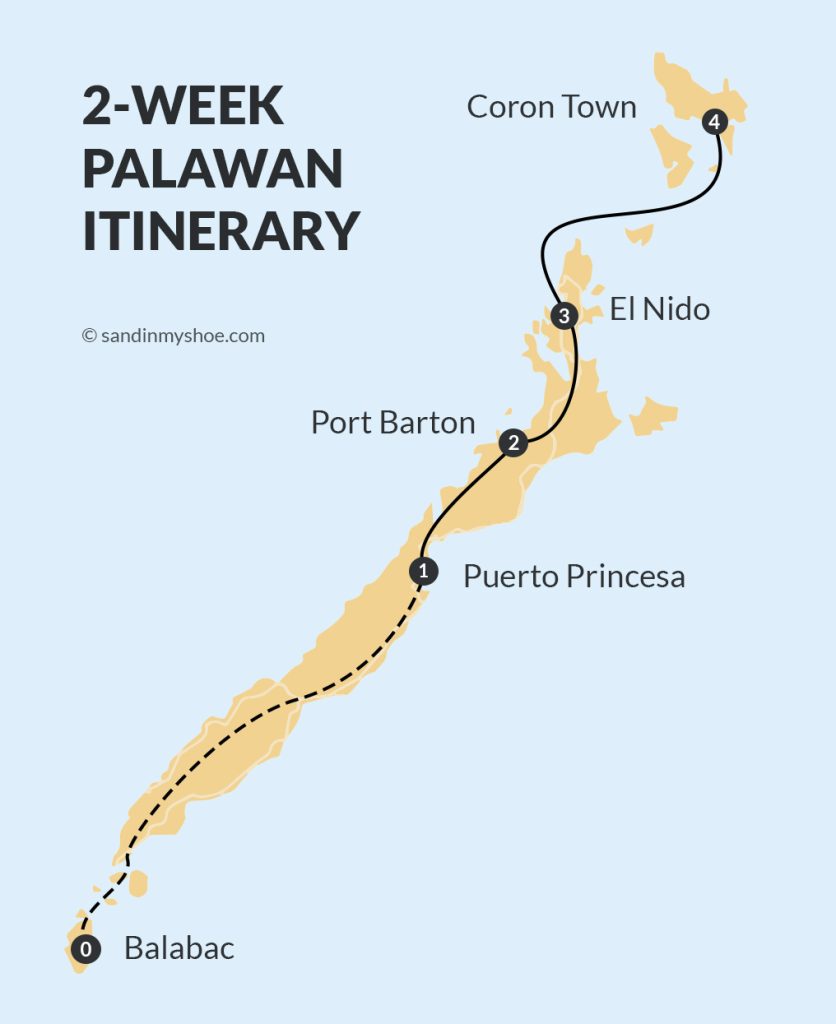
This itinerary is good for 2 weeks, if you have just a week on your hands, you need to pick and choose which experiences you want because trying to do it all in a week, will be spent mostly in transit.
Puerto Princesa → Optional Add-On: Balabac → Port Barton → El Nido → Coron (fly out)
Optional Add‑On: Balabac (3–4 Days)
I’ve included Balabac as an optional extension rather than part of the main itinerary. It’s a remote chain of islands known for sandbars, clear shallows, and quiet beaches — beautiful, but time‑consuming to reach. Expect a one-way trip to take about 5–6 hours by van to the port, followed by another 3 hours by boat.
Balabac wasn’t widely visited until recently, as the area was considered risky in the past due to security issues in the surrounding region. Today, it’s increasingly popular among travelers seeking remote islands and untouched beaches.
Far fewer tourists and a more untouched feel.
Long transfers.
If you decide to go, it’s highly recommended to book an island‑hopping tour for 3-4 days with pick‑up from Puerto Princesa, which simplifies logistics and you’ll be cruising on a traditional wooden bangka boat directly from the port. GetYourGuide has plenty of tour operators to choose from.
Powered by GetYourGuide
Day 1-3: Puerto Princesa
Puerto Princesa is the only real city in Palawan — everywhere else is essentially a small tourism‑driven town. It’s the best place to settle in after arriving: eat well, run errands, and get a feel for local life before heading north.
I recommend spending one full day in Puerto Princesa:
- Day 1: arrive, settle in, enjoy the food scene
- Day 2: choose an activity (whale sharks, Underground River in Sabang or snorkeling trip)
- Day 3: leave early for Port Barton
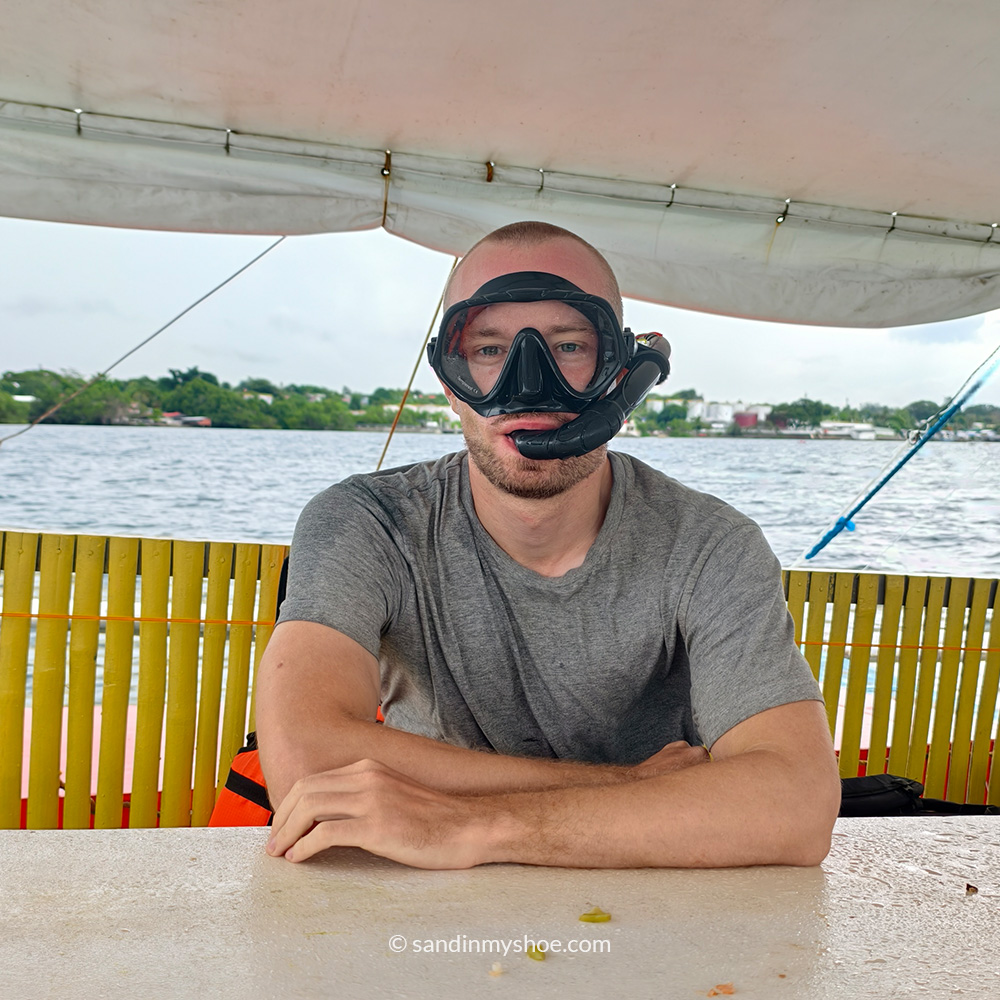
The city has a larger food scene than anywhere else on the island, with proper restaurants, markets, and cafés. If you want to see wildlife, Puerto Princesa also offers ethical whale shark tours and dolphin watching. I joined this whale shark tour myself — got unlucky with zero whale sharks, but we had a dozen dolphins swimming alongside our boat, which turned out to be a pretty great consolation prize.
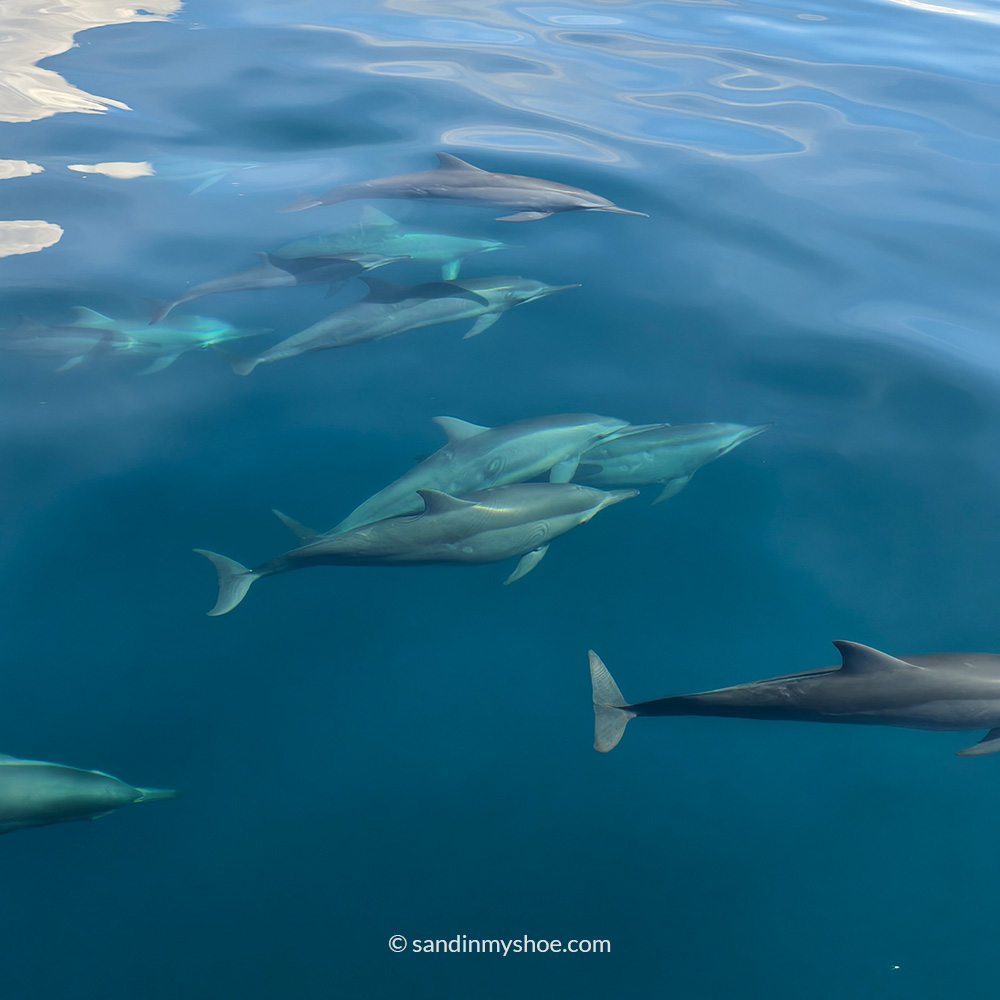
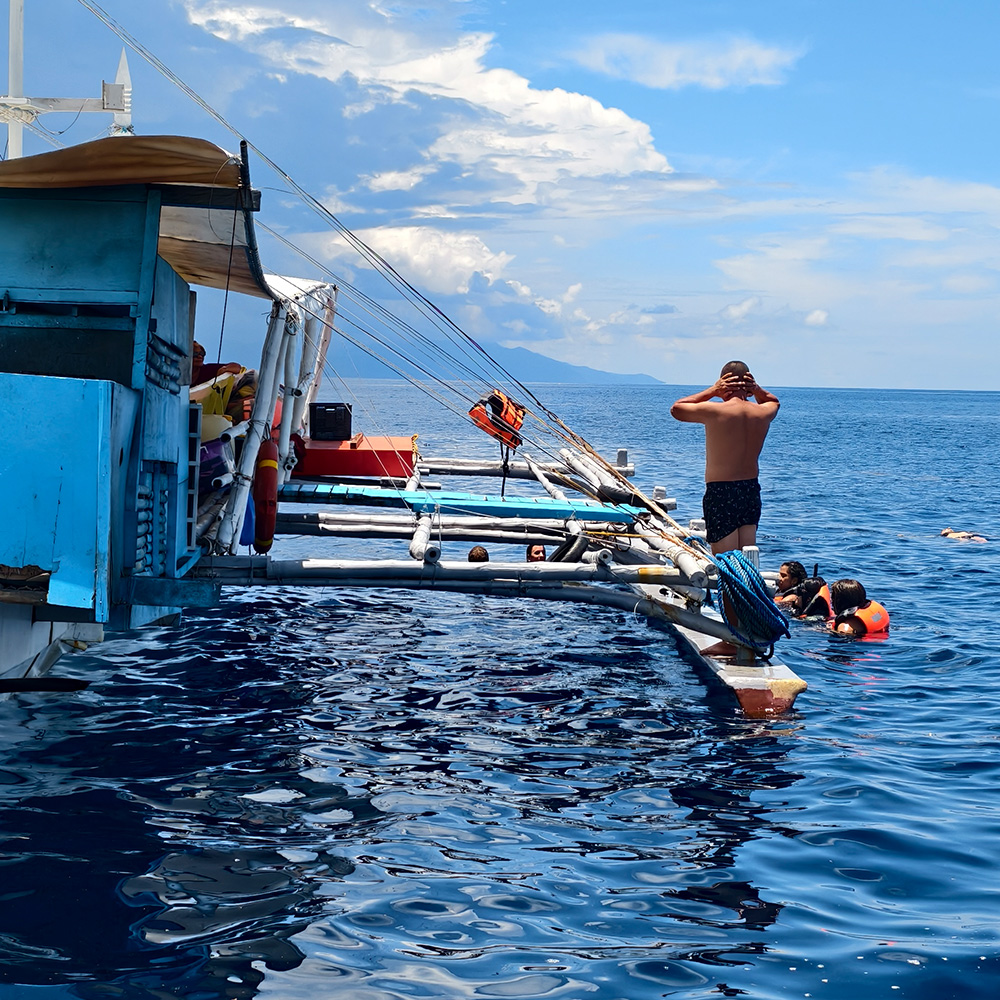
Encounters with wild animals are always luck‑based when done ethically. But according to the guide, best chances for sightings are between April and October, and the chances increase during full moon or no‑moon periods.
For other actitivities in Puerto Princesa include organized tour to the Underground River in Sabang, or island-hopping trips around Honda Bay with plenty of snorkeling.
Powered by GetYourGuide
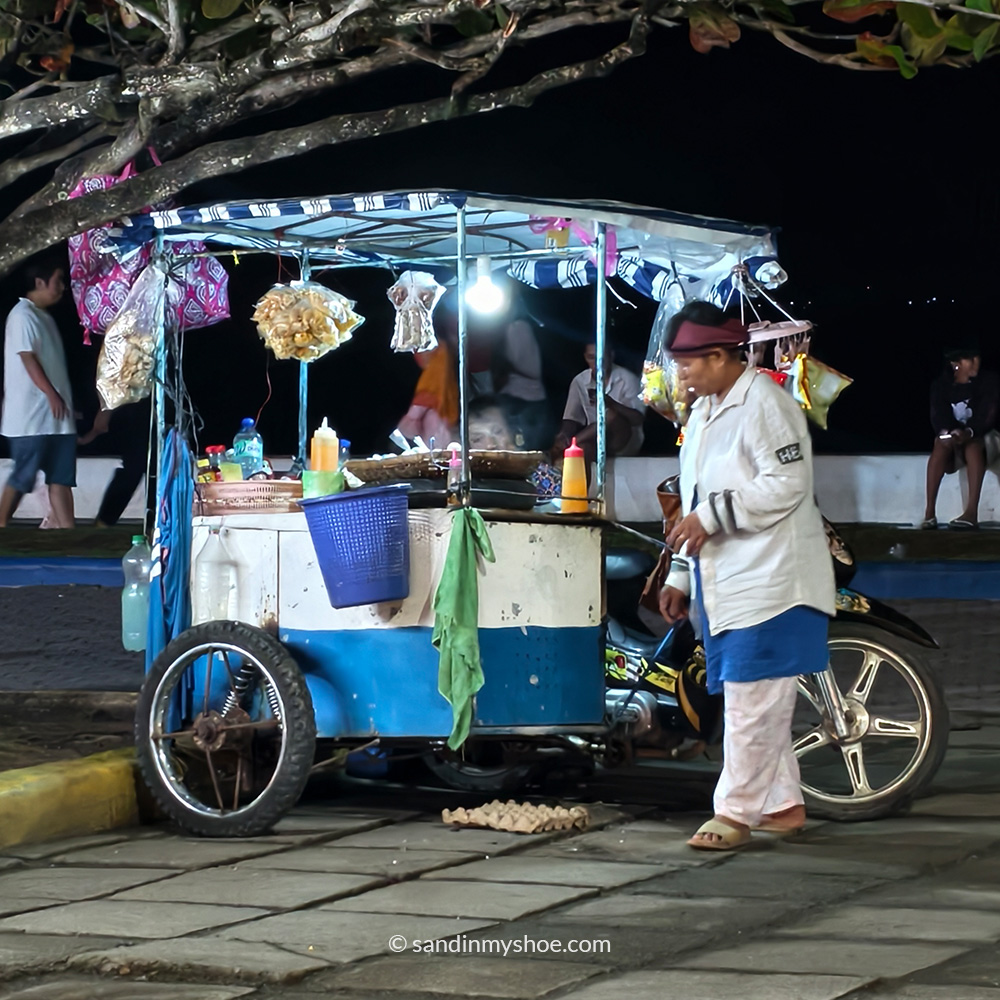
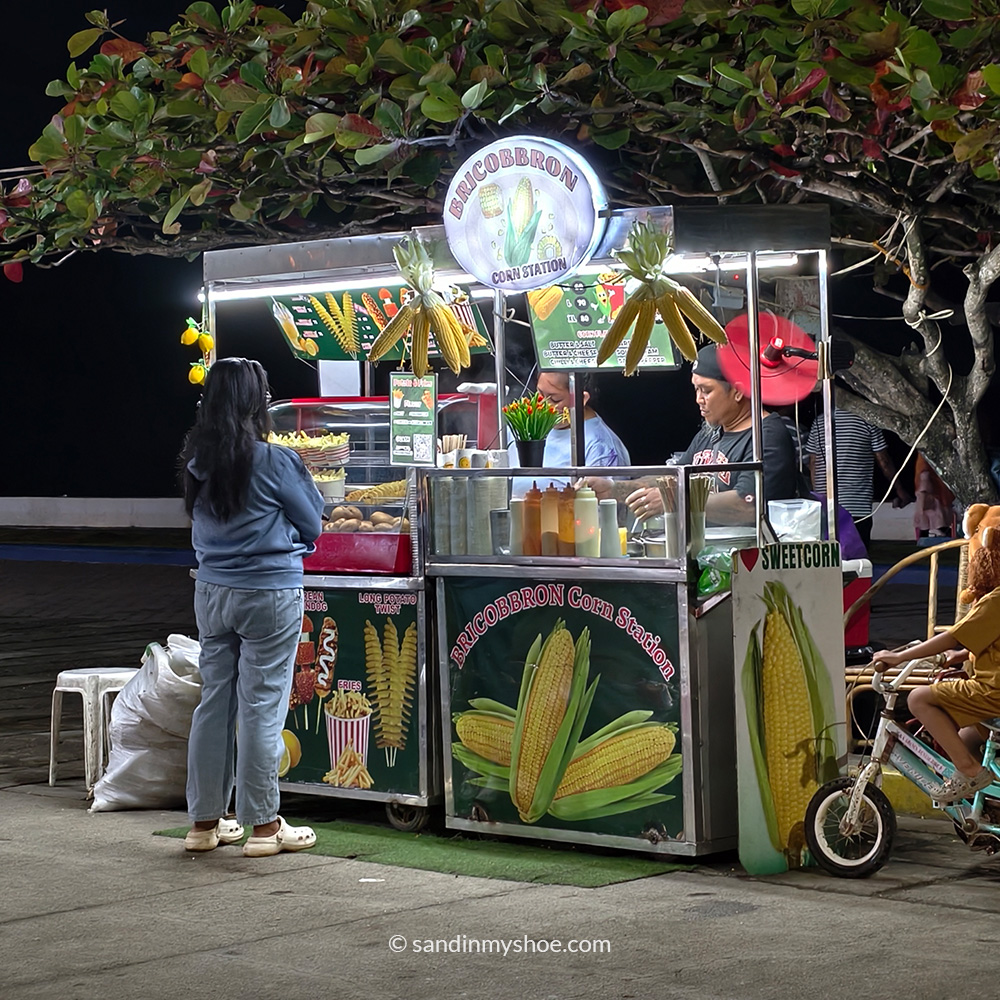
For daytime activities, you can explore the city’s markets and cafés. I found the Baywalk in the evening the most enjoyable spot, with food stalls, sea views, and a relaxed atmosphere.


Where To Stay in Puerto Princesa
Munting Paraiso
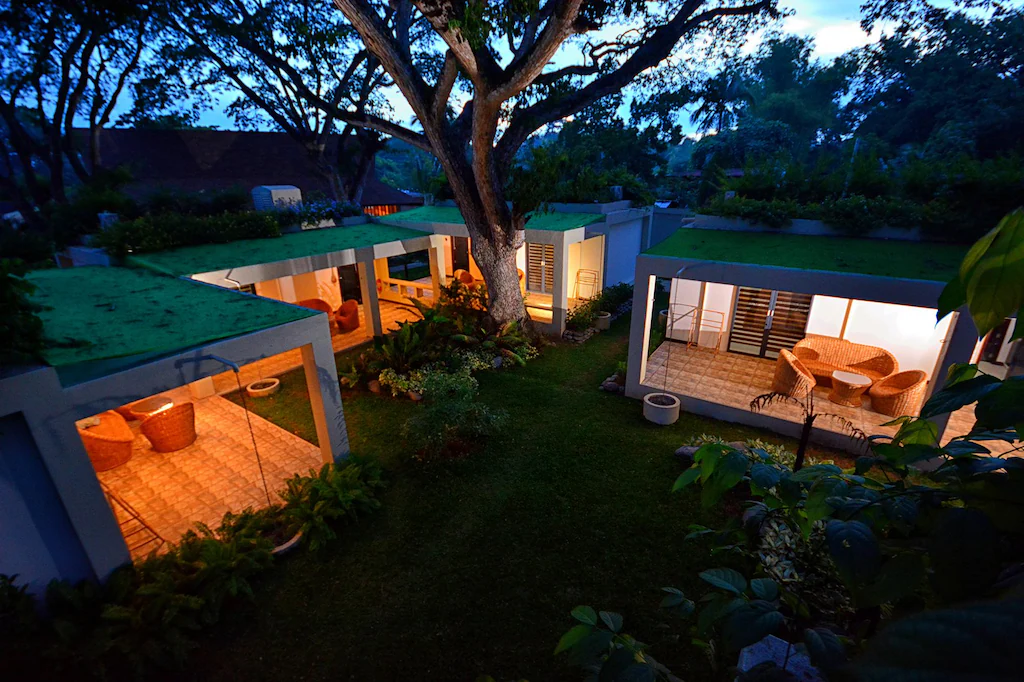
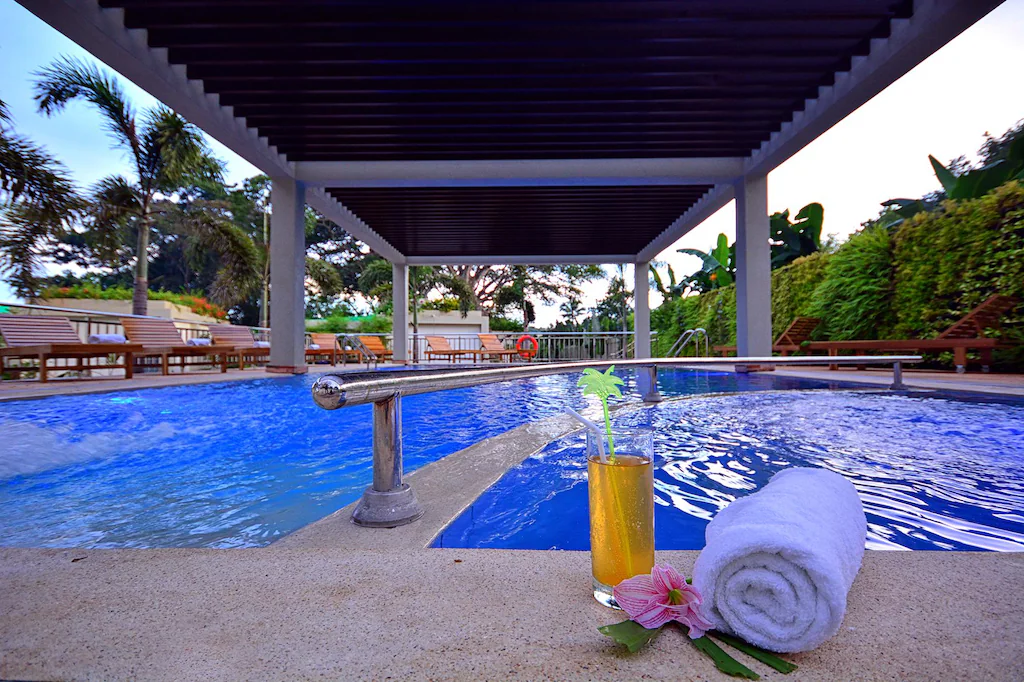
A quiet, leafy property with spacious cottages and a relaxed atmosphere. Great if you want comfort without spending too much. The pool is a nice bonus after a day of touring. Located near the food places in Baywalk.
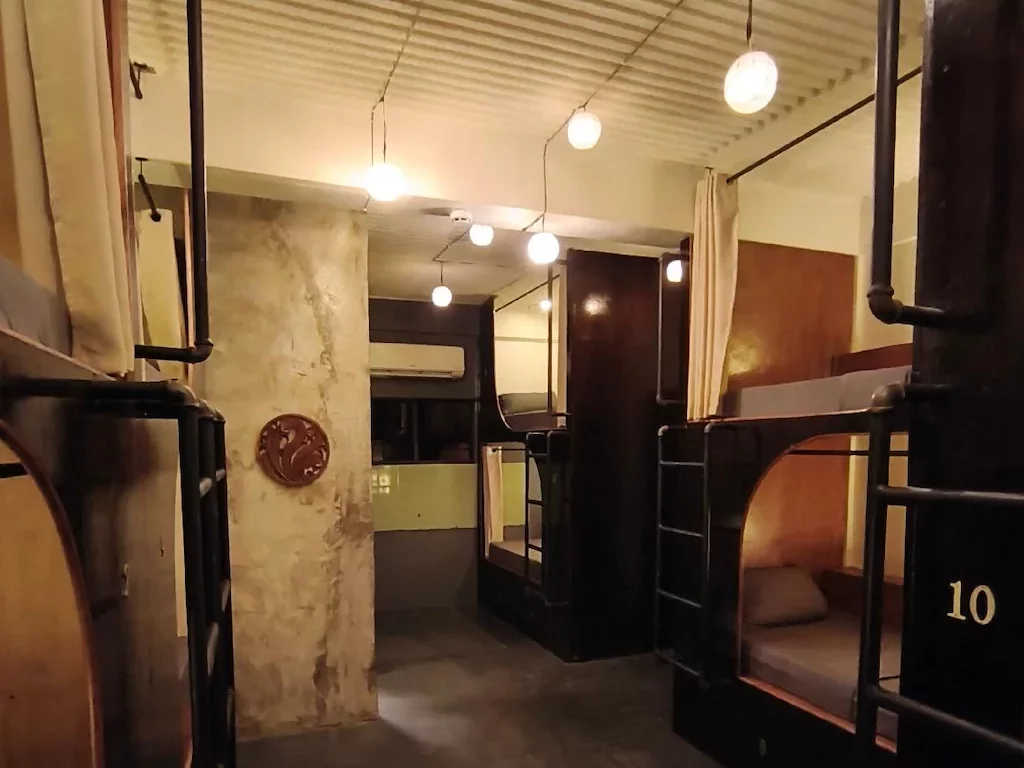
Mojo Hostel
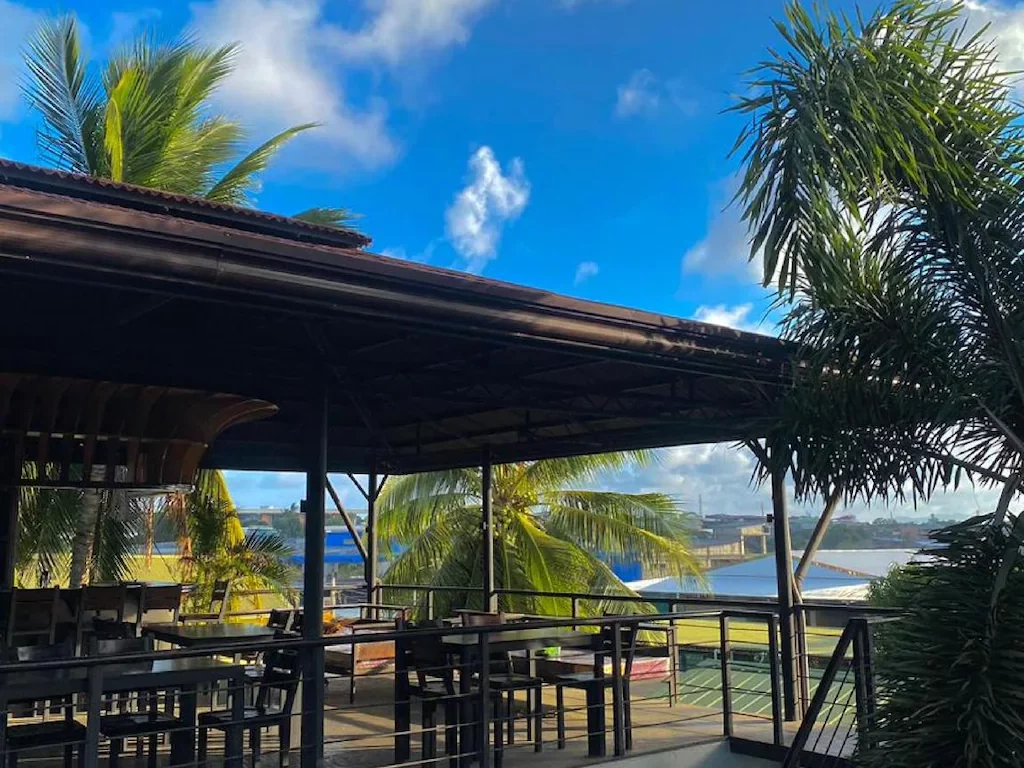
Centrally located hostel Simple, social, and right in town — ideal for budget travelers or anyone who wants easy access to restaurants, cafés, and transport. Clean rooms and friendly staff. Also close to Baywalk.
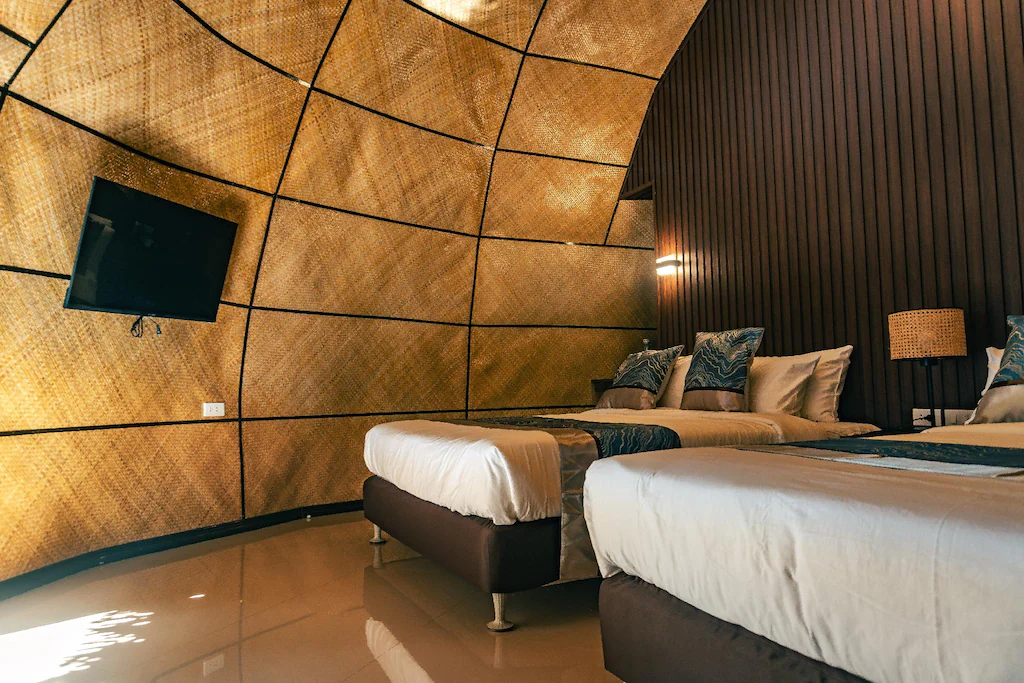
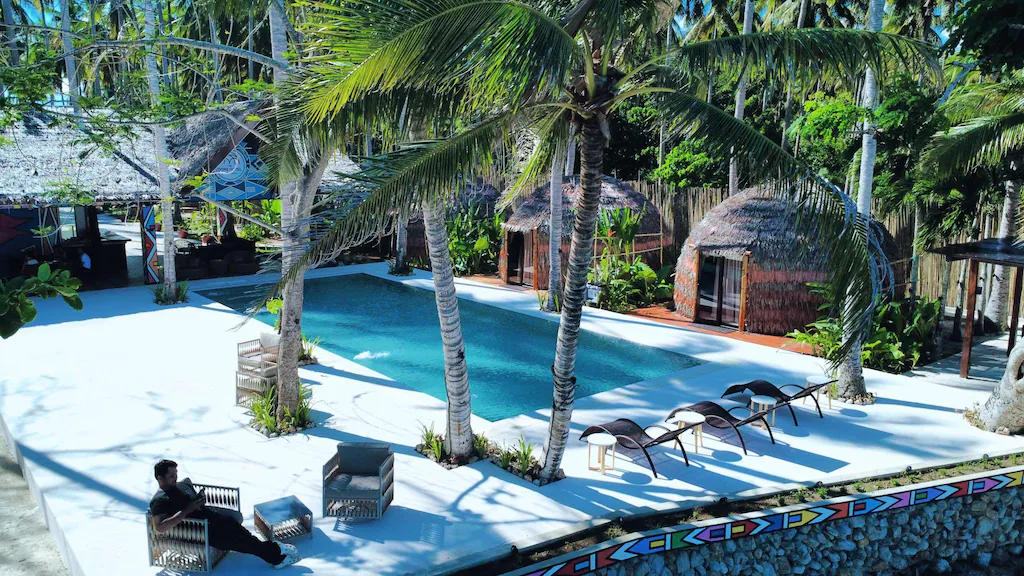
The Dome Hotels and Resorts
Probably the coolest stay in town. Unique dome‑style cottages right by the shore, giving it a standout look compared to other hotels in the area. Large pool, peaceful setting, and a bit of a “hidden gem” vibe. Located east of town.
Days 3-5: Port Barton
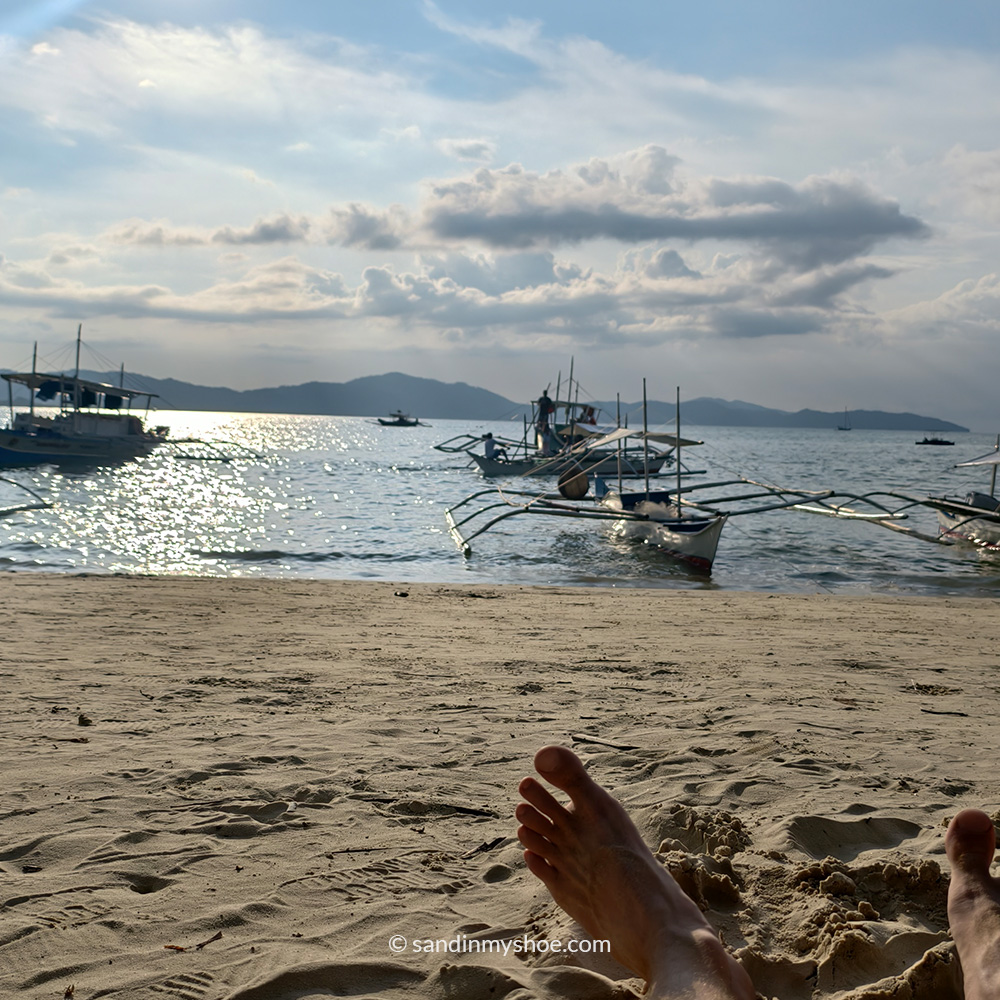
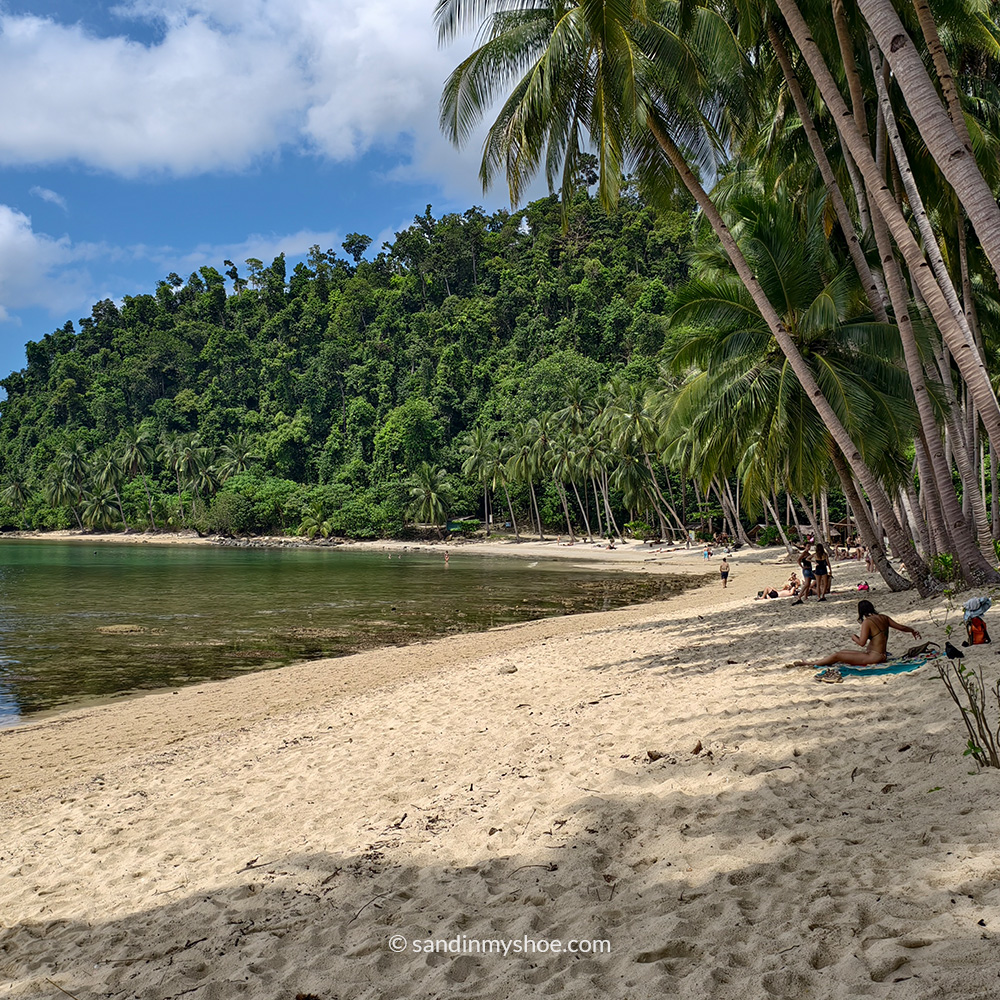
Port Barton is only a 3–4 hour van ride from Puerto Princesa, making it an easy and welcome shift from city life to a slower coastal rhythm. It’s one of the most quaint little towns in Palawan — a small, laid‑back village that’s becoming more popular each year, yet still far less touristy than El Nido.
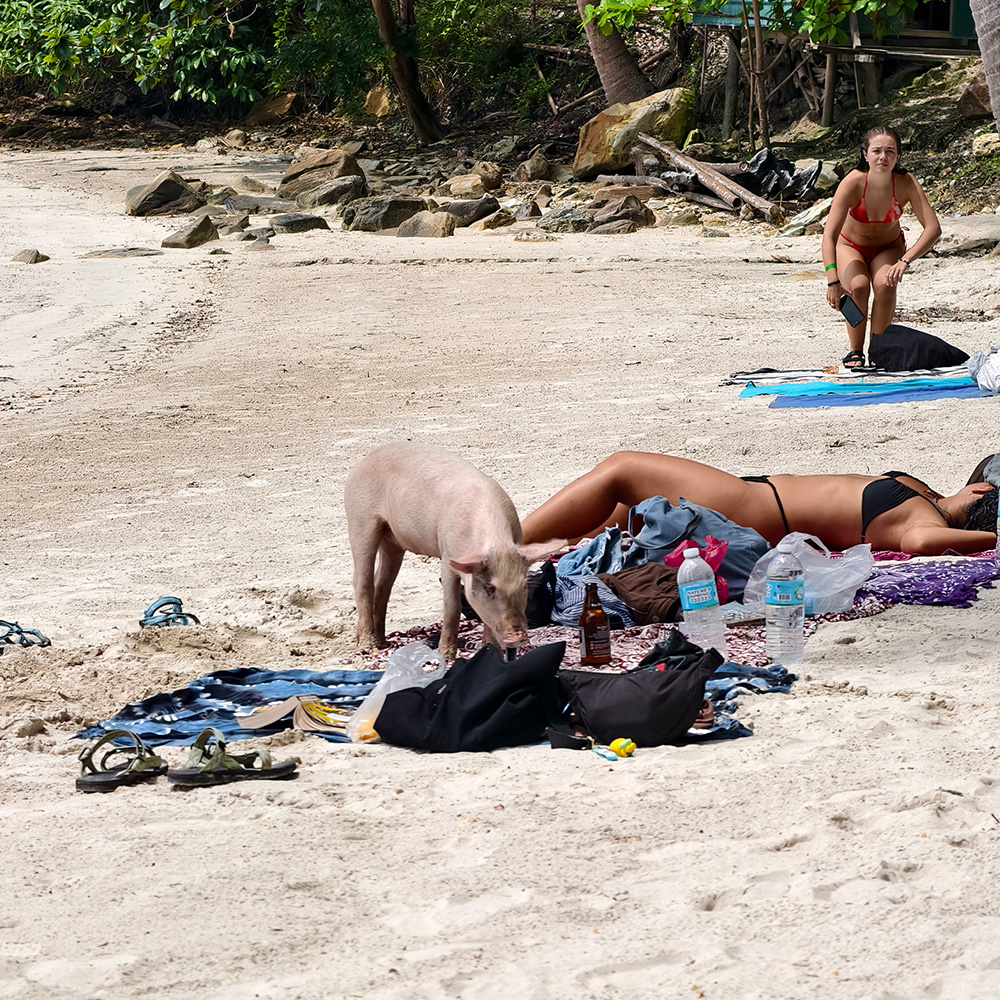
The vibe here is simple: quiet beaches, friendly locals, a handful of beach bars, and that relaxed “nothing urgent” atmosphere. Island‑hopping is the main activity, with stops for turtles, coral gardens, and the famously cheeky pigs on German Island.
There are great beaches around Port Barton as well, and Coconut Beach even has its own resident pigs if you want that experience without joining an island-hopping tour. It’s perfect for slow afternoons — just keep an eye on your snacks.
Port Barton works best as a 3‑day pause in your itinerary — enough time to unwind, enjoy the beaches, and explore the nearby islands without rushing. It’s the perfect midpoint before heading north to El Nido.
Days 6-9: El Nido
El Nido is about 4 hours away from Port Barton. Book an early van, so you can enjoy the afternoon in El Nido.
El Nido is the “Phuket” of Palawan — the busiest stop on the island, and for good reason. The scenery here is spectacular: towering limestone cliffs, turquoise lagoons, white‑sand beaches, and some of the most cinematic island views in the Philippines. It’s also where you’ll find the best nightlife in Palawan, with beach bars, live music, and a lively backpacker scene.
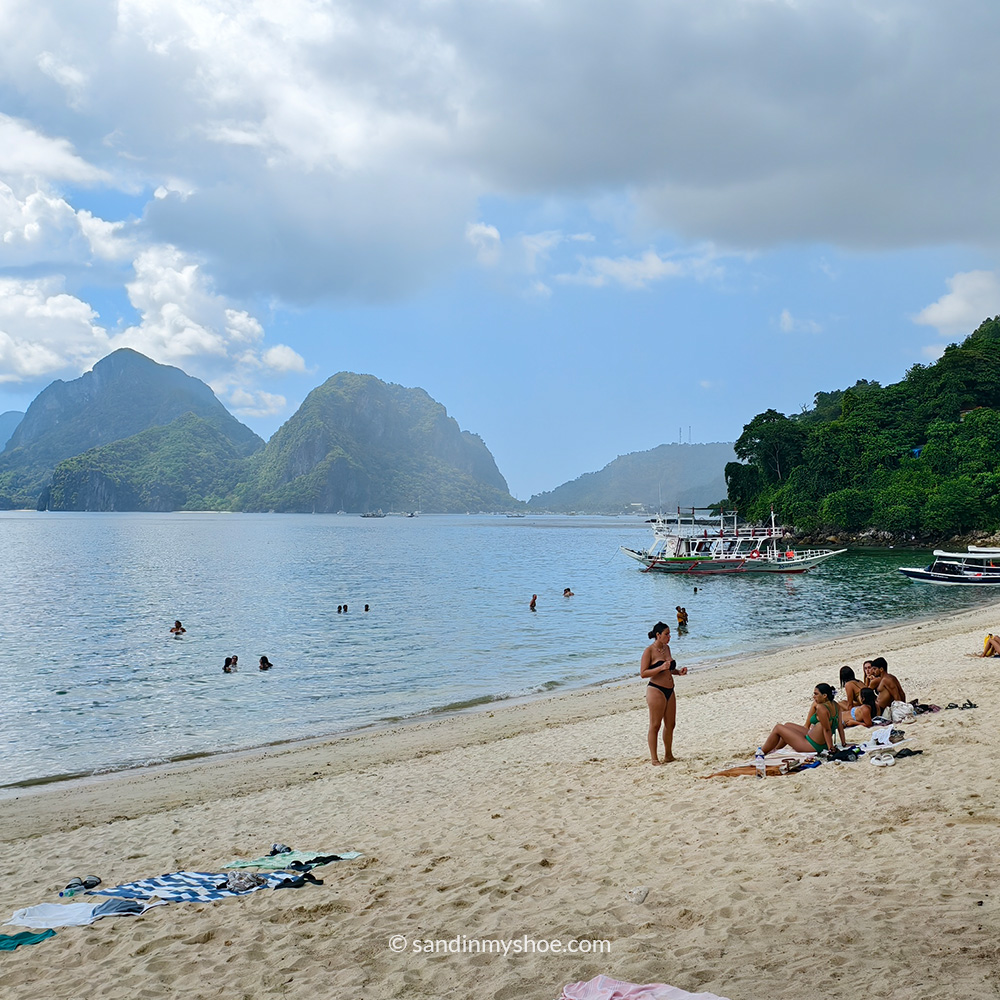
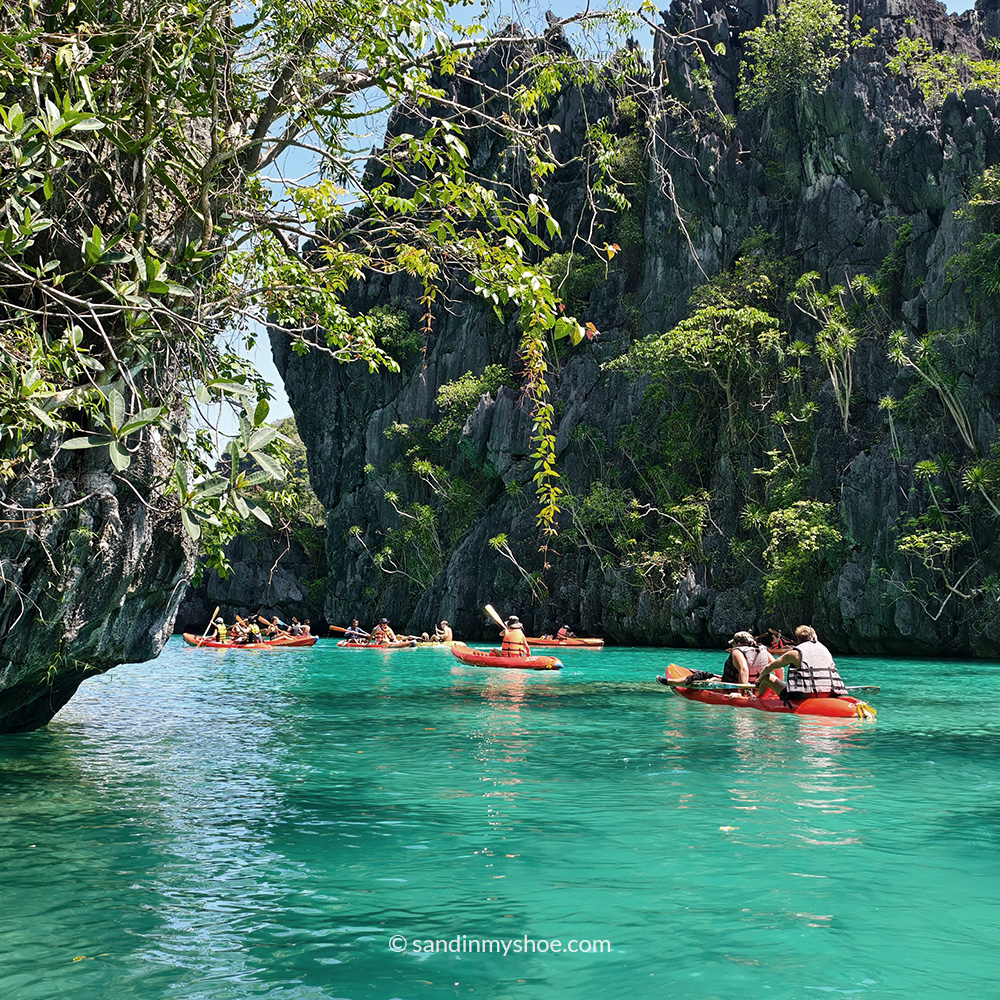
The main draw is the lagoon tours, divided into Tours A, B, C, and D. Tour A and Tour C are the most popular, visiting the iconic lagoons and dramatic rock formations. Expect crowds on these tours — El Nido is hardly a hidden gem. The price for a tour is about $30 USD.
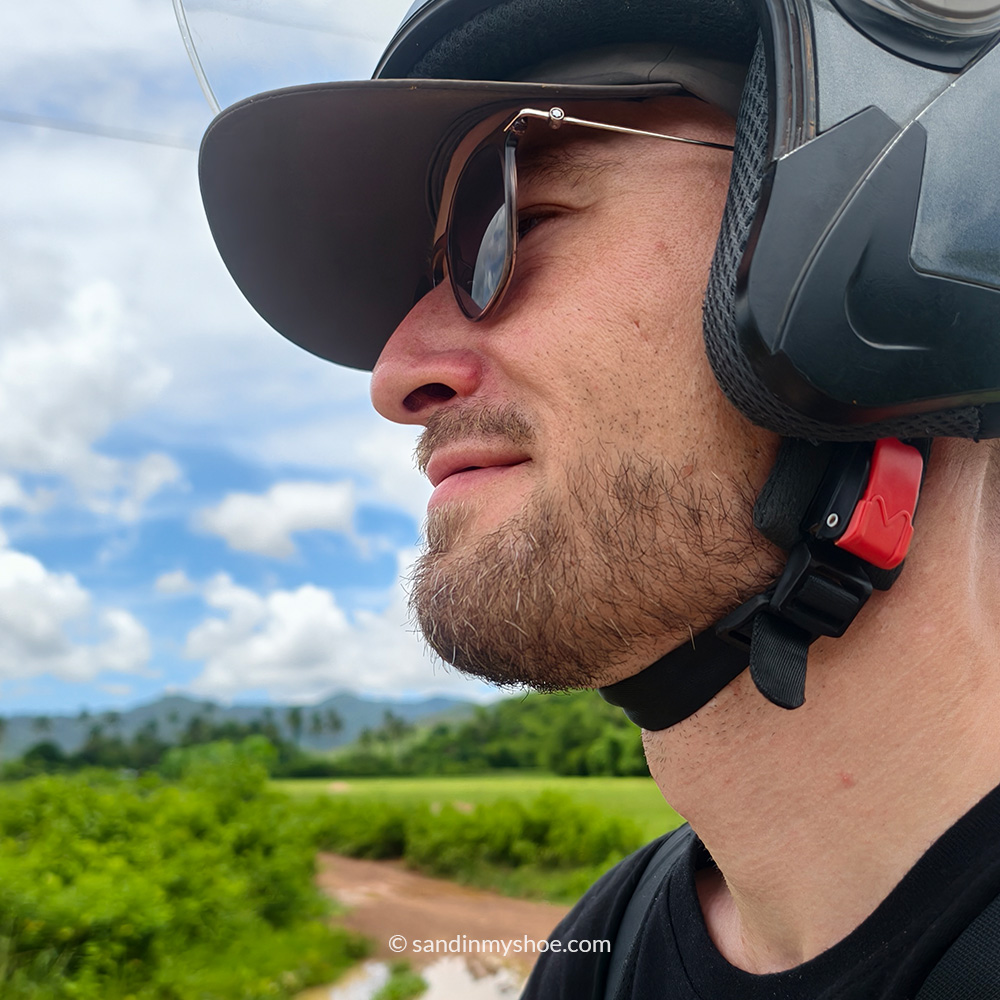
I did Tour C and then stayed a couple of days in town. After that, I left my big bag in the hotel’s luggage room, rented a motorbike, and explored the northern parts of Palawan with just a small day pack — staying wherever the sun set that day.
In my opinion, it was one of the best ways to experience El Nido: complete freedom to visit tucked‑away beaches, little villages, and an archaeological cave. You can go anywhere, stop anywhere, and avoid the crowds entirely.
Read my other post: Motorbike Itinerary Through Northern Palawan, if you interested in a route.
El Nido works well as a 3‑day stop in your itinerary: one full day for a lagoon tour, and 2 days for exploring the coastline by motorbike before joining the multi‑day expedition boat to Coron.
Days 10-12: 2‑Night / 3‑Day Expedition: El Nido to Coron
One of the most memorable experiences for me was the El Nido to Coron expedition. We set off early in the morning on a traditional wooden bangka, loaded with a small group of travelers, a crew, food, and a bit of alcohol. Days were spent stopping at remote islands, snorkeling in clear water, and exploring quiet beaches far away from the crowds.
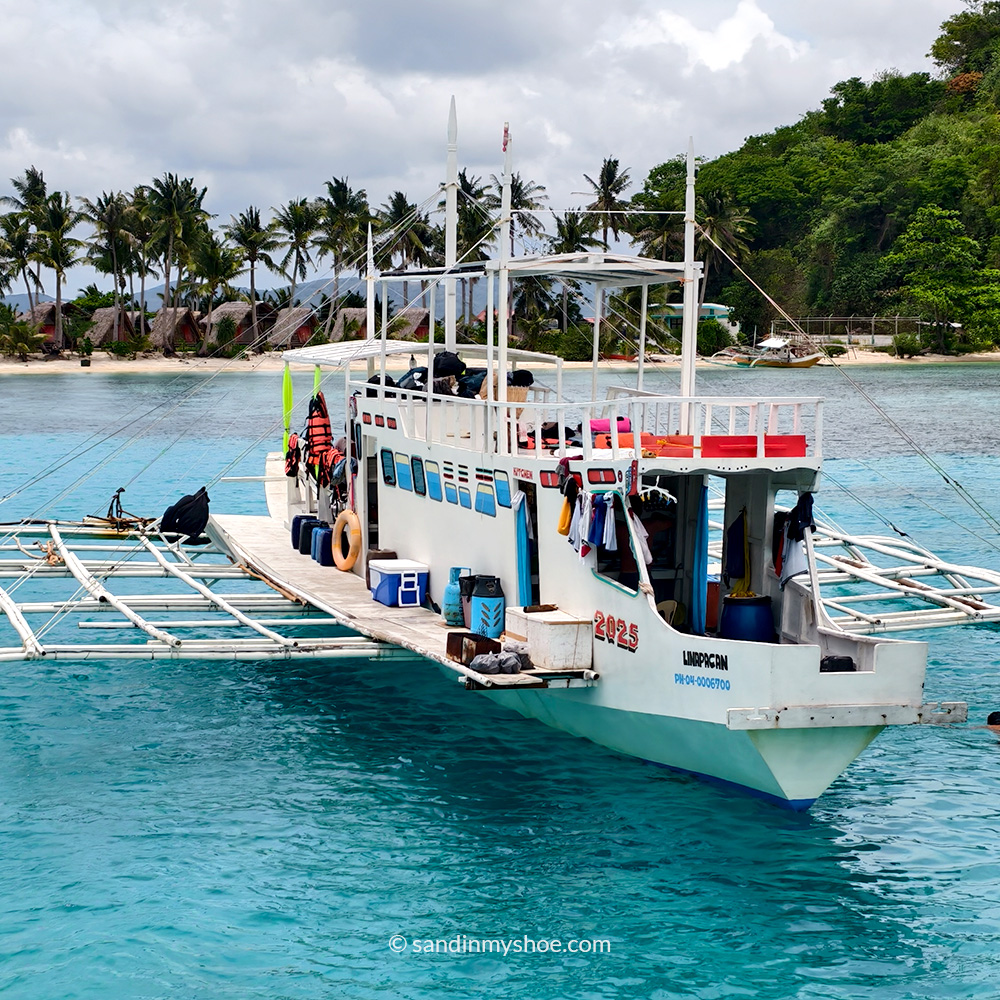
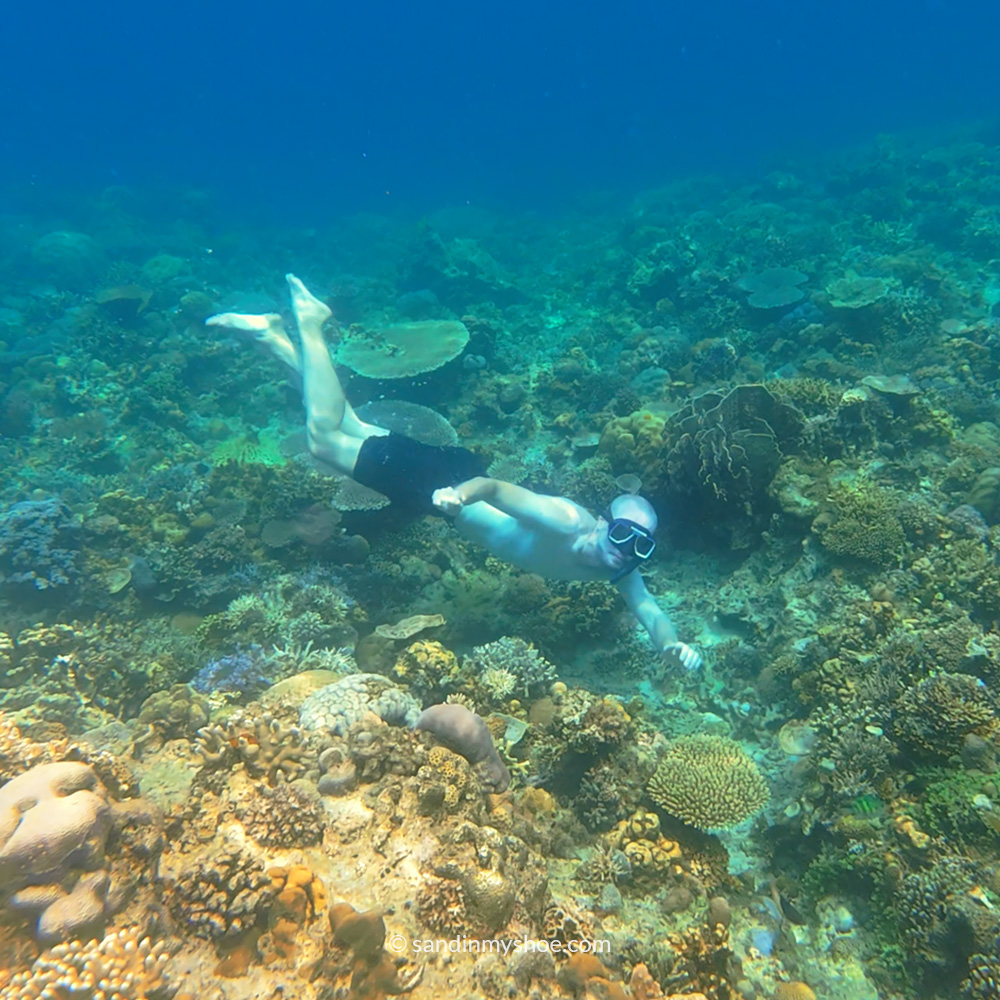
At night, we settled into secluded islands, sleeping in simple huts right on the sand. Some evenings ended with karaoke fueled by a few drinks; others were early nights in the hut, listening to the waves. It’s not a luxury cruise — it’s rustic and social.
If you’re not doing this expedition, you can simply take the ferry from El Nido to Coron in about 3.5 hours and spend more time exploring Coron’s lakes, viewpoints, and shipwrecks.
How To Book a El Nido to Coron Expedition
I booked through a poster I saw on a light pole, and got lucky by having a great experience. But I recommend booking one that has reliable reviews, and those you can on GetYourGuide.
Powered by GetYourGuide
Days 12-14: Coron
Coron draws travelers for two main reasons: wreck diving and freediving. Several Japanese World War II shipwrecks lie within recreational diving depth, making Coron one of the most accessible and atmospheric wreck‑diving destinations in Southeast Asia. If you plan to dive, book in advance — most dive shops start early in the morning and fill up quickly. You’ll also need an Advanced Open Water certification for several of the wrecks, especially if you want to enter the ships. Divers can access the wrecks from the dive boats without any issue, but shops may require proof of certification or a recent dive log before letting you join.

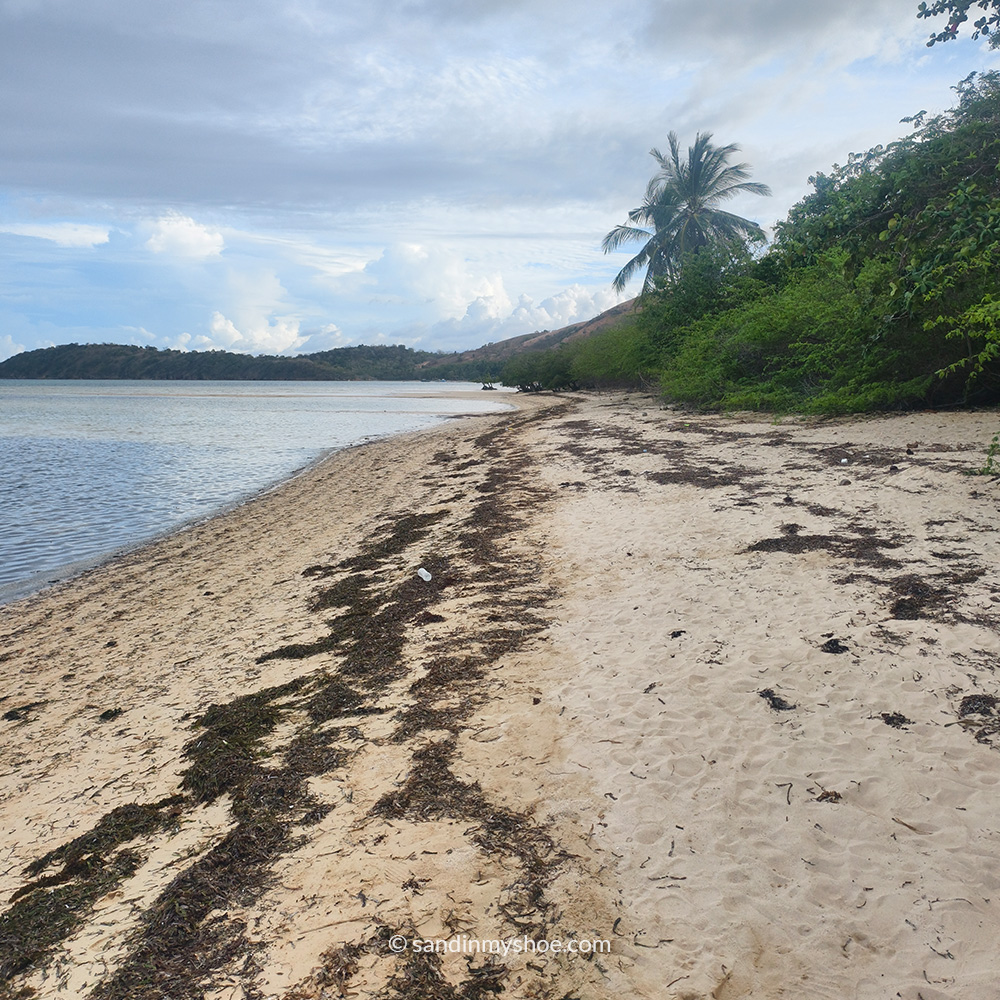
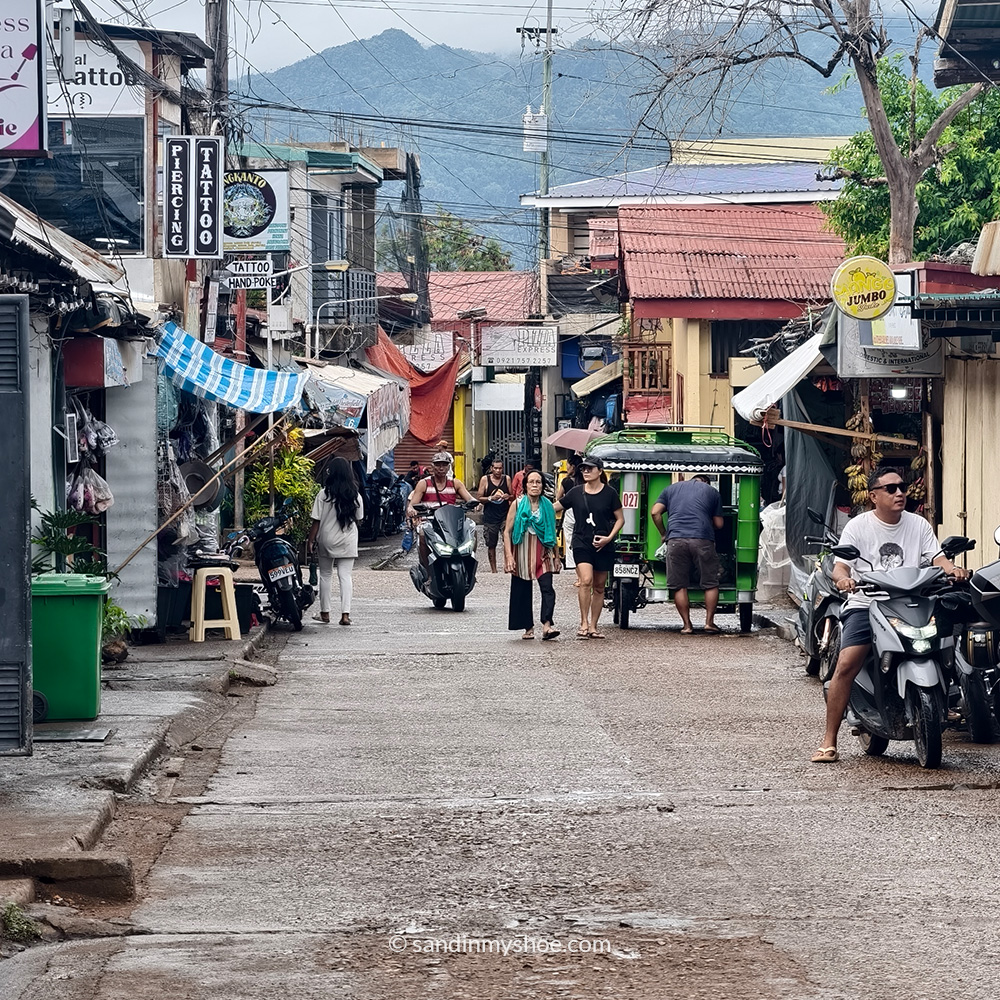
Beyond diving, Coron has plenty of island‑hopping and snorkeling tours. Many travelers rave about the Coron Ultimate Tour— several people told me it was genuinely one of their favorite experiences, and the reviews back that up. I skipped it myself because I took a freediving course and already did extensive island‑hopping on the El Nido–Coron expedition.
Coron also offers lakes, viewpoints, hot springs, and quiet beaches, giving you more than enough to fill two days without rushing. After the expedition, this is a great place to slow down, explore, and enjoy the mix of underwater history and dramatic limestone scenery.
I did a 2‑day freediving course in Barracuda Lake, which is one of Coron’s most unusual dive sites. The lake has a distinct thermocline — a very warm mid‑layer — so the deeper you dive, the warmer it gets. According to my freediving instructor, there are only two places in the world with this kind of temperature shift, making it a genuinely unique experience.
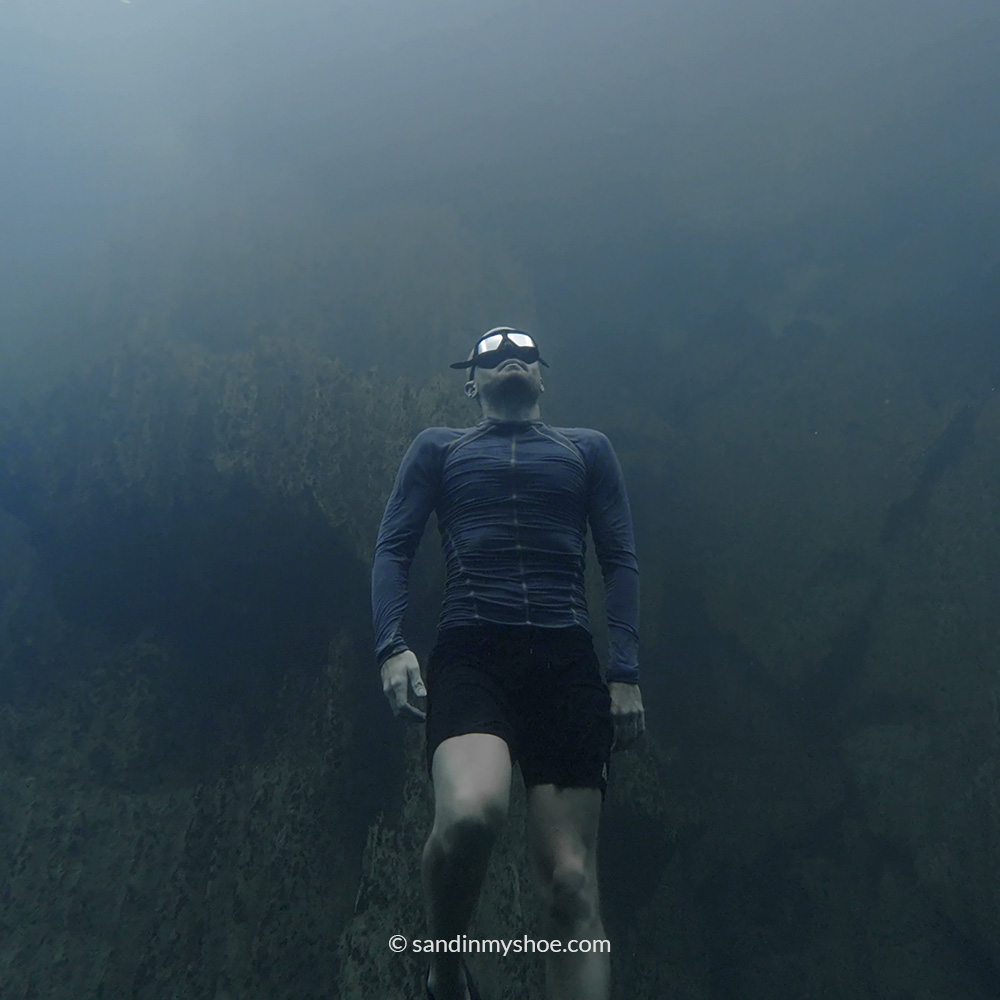
Freediving in Barracuda Lake, Coron: My Experience
Getting Back to Manila
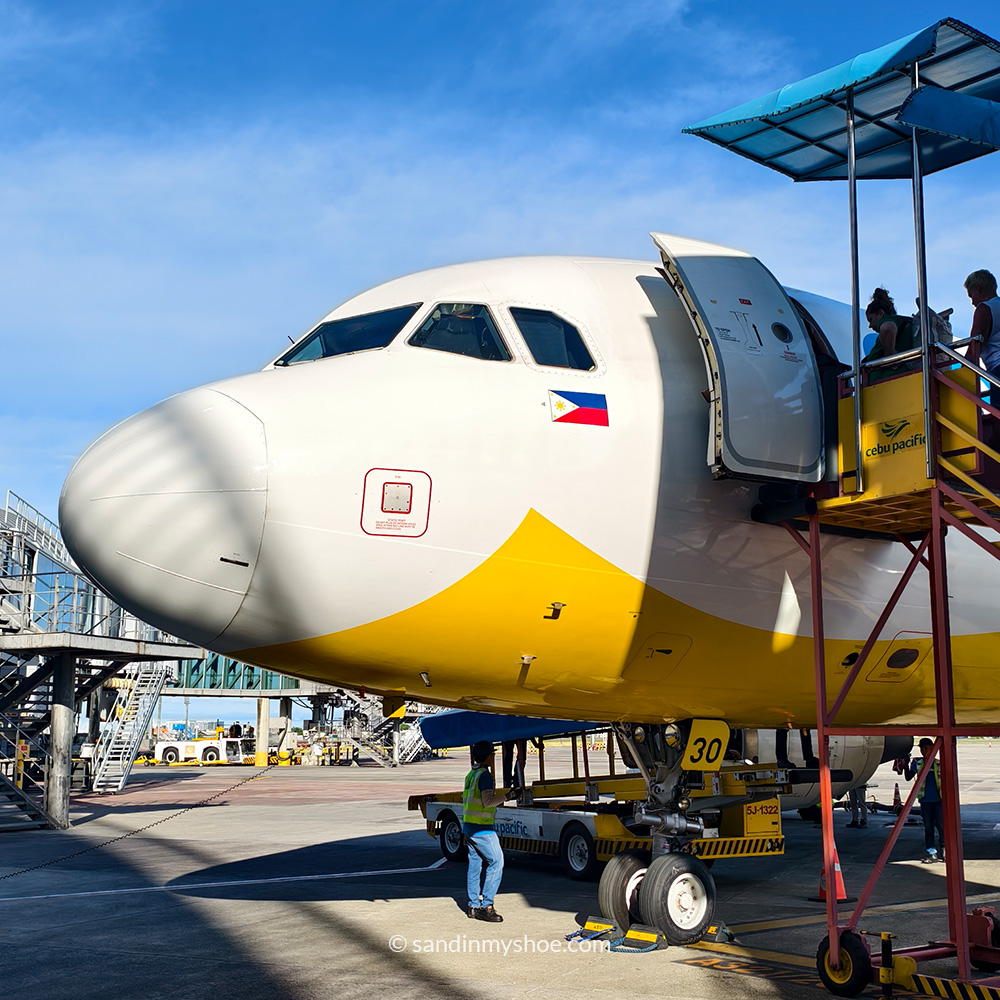
It’s easy to get back to Manila from Coron, as the town has its own airport. You can easily fly to other parts of the Philippines or head straight back to Manila before your international flight. Book in advance, though — prices rise quickly.
What many travelers don’t know is that you can also take the ferry from Coron to Manila. I ended up doing this because I didn’t book flights early enough and the prices had climbed.
 Book flight or ferry with 12go
Budget for Two Weeks in Palawan
If you stay in simple places and dorms while doing many of the activities, expect to spend around $900–$1,300 for two weeks. This covers dorms or basic private rooms, lagoon tours, island‑hopping, motorbike days, ferries, and a mix of local + restaurant food.
If you prefer better lodging and want to do the majority of the activities — including nicer hotels, more tours, and occasional diving — expect $1,500+ for two weeks.
When to Visit Palawan
I visited in May, and the weather was mixed but mostly sunny, with good conditions for island hopping early in the day. From June to October, the wet season brings heavier rain, rougher seas, and occasional typhoons, making travel less predictable but much less crowded and cheaper. November and onwards to April is the dry season, with reliably clear skies and calm seas that make it the most popular time to visit.
Palawan
jan
 29°C
25°C
29°C
25°C
29°C
25°C
feb
29°C
25°C
29°C
25°C
mar
30°C
25°C
30°C
25°C
apr
32°C
26°C
32°C
26°C
may
 32°C
26°C
32°C
26°C
32°C
26°C
jun
 31°C
26°C
31°C
26°C
31°C
26°C
jul
30°C
26°C
30°C
26°C
aug
31°C
26°C
31°C
26°C
sep
31°C
26°C
31°C
26°C
oct
30°C
26°C
30°C
26°C
nov
29°C
25°C
29°C
25°C
dec
29°C
25°C
29°C
25°C
Wrap-Up
Two weeks in Palawan is enough to see the essentials without rushing too much, you’ll cover plenty of beaches, diving, island‑hopping, small towns, and a few surprises along the way. It’s a flexible route, easy to adjust, and ideal for travelers who want both adventure and downtime, and you can easily run it in reverse.
Any questions, just ask in the comments.


No comments yet, be the first one!
I appreciate hearing from you. If you have any suggestions, questions, or feedback, please leave a comment below. Your input helps ensure the information stays relevant and up to date for everyone.
Thank you for sharing your thoughts!