

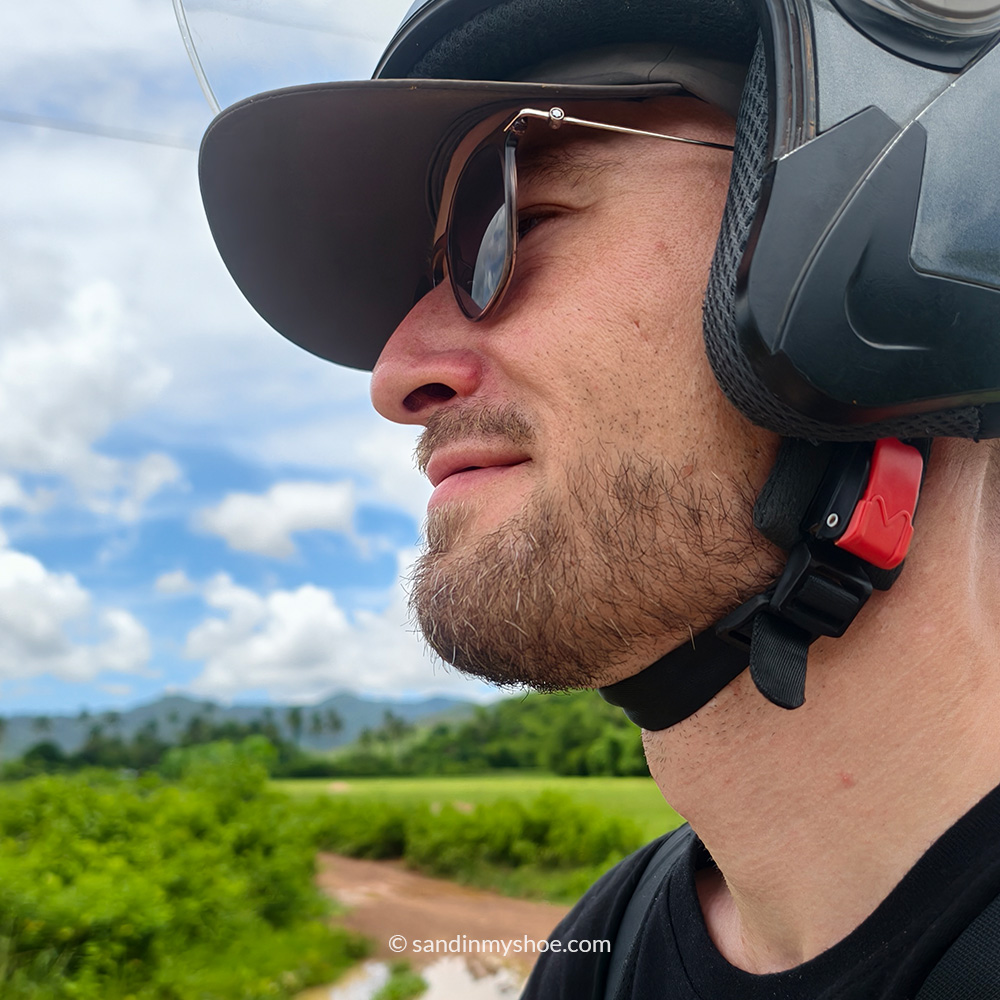
I rode through the northern coastline and inland valleys, stopping at quiet beaches, watching the release of newly hatched turtles, passing through small villages, and even visiting an archaeological cave hidden in Dewil Valley where researchers have uncovered ancient human remains and pottery.
I’d heard other travelers raving about their motorbike journey in north Palawan when I was in diving with thresher sharks Malapascua. The idea stuck, and once I arrived to El Nido, I knew I had to experience it myself.
My Motorbike Route in North Palawan
Just open roads, jungle scenery and the unpolished part of Palawan. Exploring by motorbike gave me a sense of freedom I wouldn’t get from any organized tours. If you’re interested, you can follow my route — or just pick parts that appeal to you.
The route starts at the beaches around El Nido, then loops north along the coastline before cutting across to the east side of Palawan, eventually circling back to El Nido.
Overview of North Palawan Itinerary
How to Use the Map: Click the top-left corner to view and select map layers.
1. El Nido
Rent a motorbike and get going. If you’ve already visited some of the main spots, there’s no need to repeat them — just hit the road and start heading north. If you have any questions, check the Useful Things to Know Before Heading Out section first.
2. Marimegmeg Beach
The first stop is nothing of a hidden gem, it’s more like an obvious one: a gorgeous, wide beach that absolutely deserves a visit. Marimegmeg Beach lies about 10 km south of El Nido and is one of the area’s most popular stretches of sand — there’s even a McDonald’s near the entrance, so don’t expect anything straight out of The Beach — but the scenery still delivers.
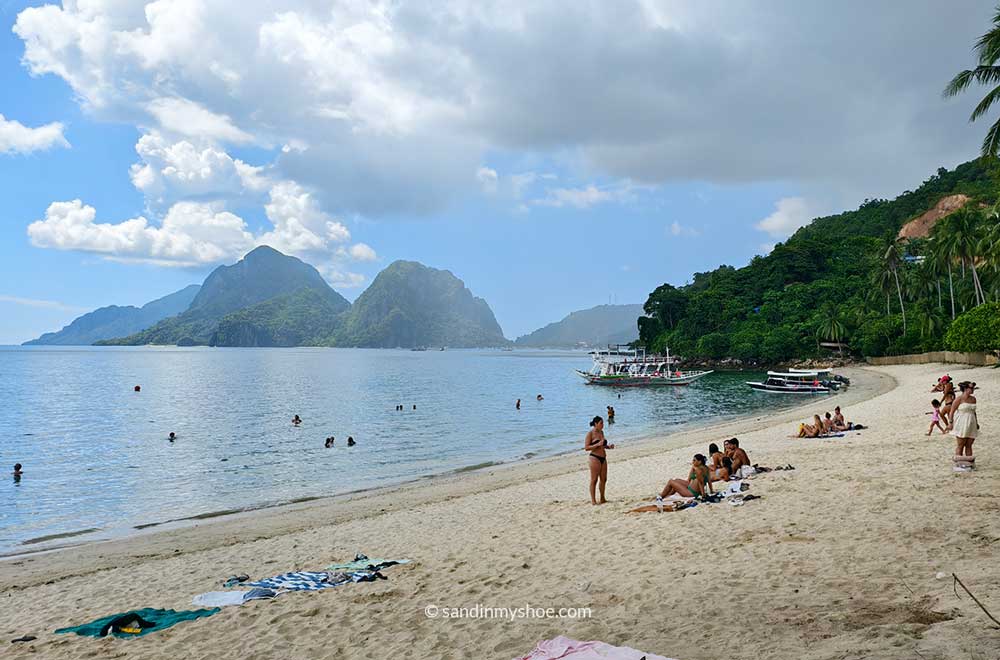
The shoreline is lined with trees, giving you plenty of shade, and just behind them you’ll find hotels and restaurants that serve drinks and food straight to your sunbed.
If you’ve already been, there’s no need to repeat; El Nido has more beaches than you’ll manage in one trip. And if Marimegmeg feels too crowded, just continue left with the sea in front of you — a short stroll brings you to Las Cabañas Beach, a quieter and more secluded alternative.
Great for: swimming
3. Lio Beach
Next up is Lio Beach, the closest beach to El Nido and a popular stop for visitors. Clean beach with lots of shade provided from the trees clean. It’s an easy addition to the route toward the more secluded northern beaches, and the area has a couple of restaurants, cafés, sunbeds, showers, and even volleyball courts where you can rent a ball by the hour.
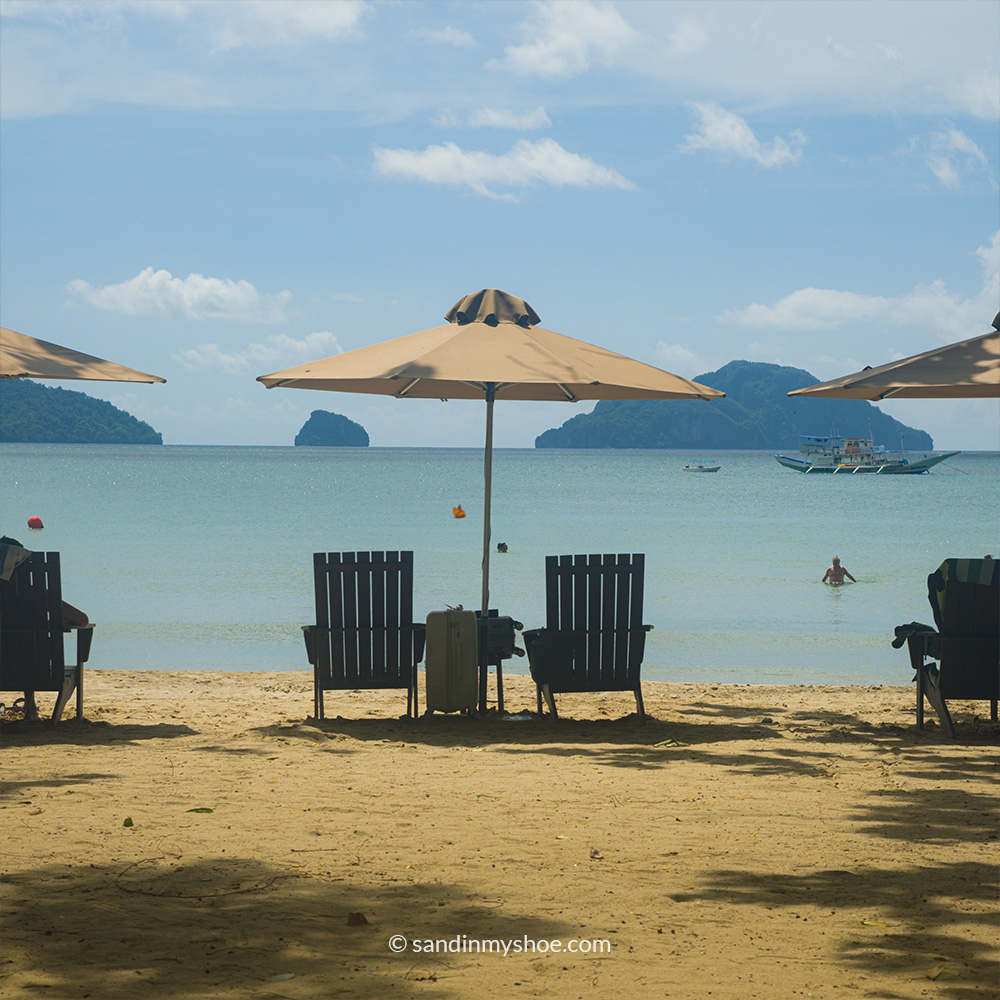
I ended up getting stuck here longer than I planned after joining a few volleyball games — those tend to stretch on, especially when everyone keeps saying “just one more” and if I leave they won’t have enough players to keep the match going.
Great for: swimming, enjoying the beach with all the amenities
4. Nacpan Beach
As the volleyball games kept on going, the sun was already dropping when I reached Nacpan Beach. It’s much less busier beach compared to Marimegmeg beach and Lio beach, as it takes about 45 minutes to reach from El Nido with the motorbike. It’s a wide beach with golden sand, a few restaurants and bars.
If you’re looking for nightlife there’s a party hostel called Mad Monkey right by the beach. I met some British guys who broke the shot record of the entire franchise that day— of course they had to be British. Don’t stay here if you want sleep early, but if you’re looking to party late into the night, it’s probably the right place.
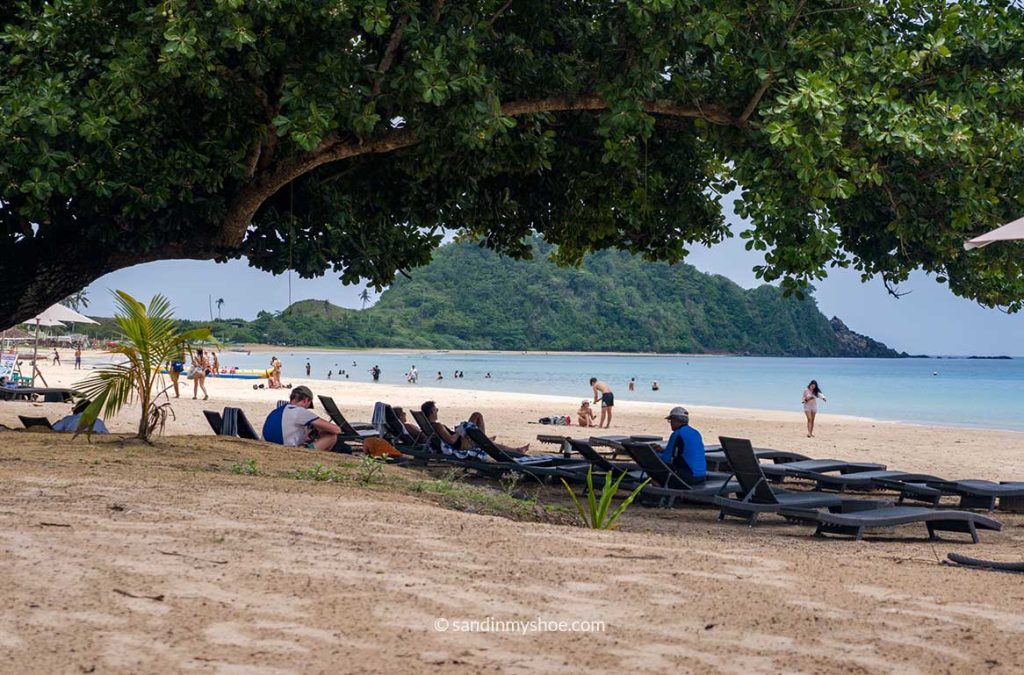
I stayed in the village a little guesthouse.
Great for: swimming, long beach walks, more secluded vibes
5. Duli Beach
Another 45-minutes away by motorbike lies Duli beach — a bit quicker if you’re driving a car as the roads are a bit rough. A long, wild stretch of sand on the northern coast, these parts feel more like the “real Palawan”, more raw than previous beaches. I arrived in the morning after staying near Nacpan beach, and it felt great to be this deep into the secluded parts of the island at that hour.
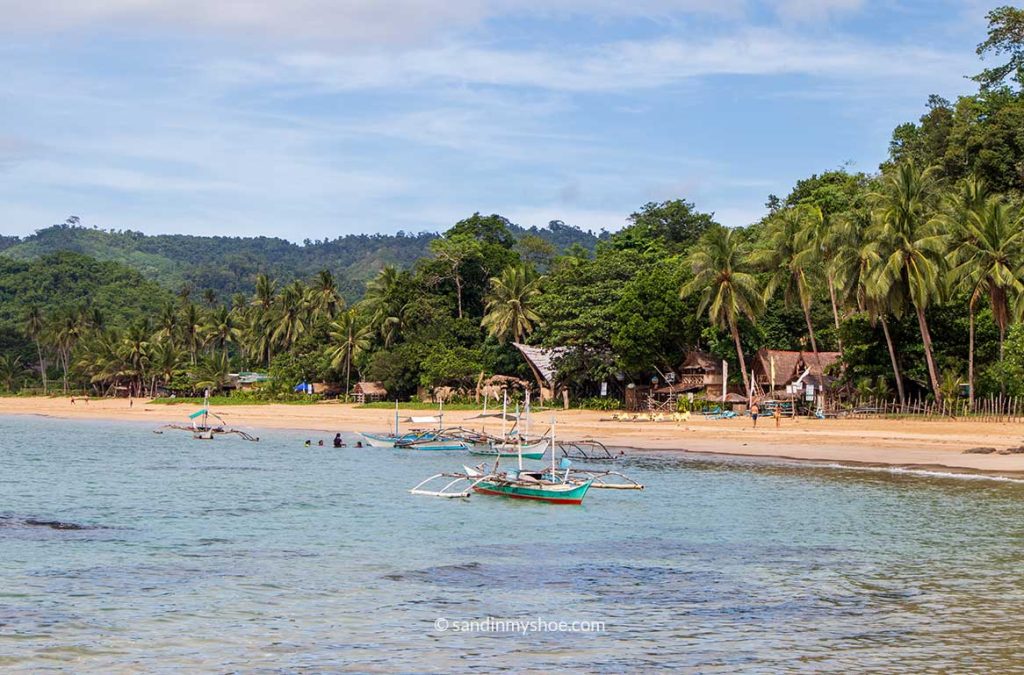
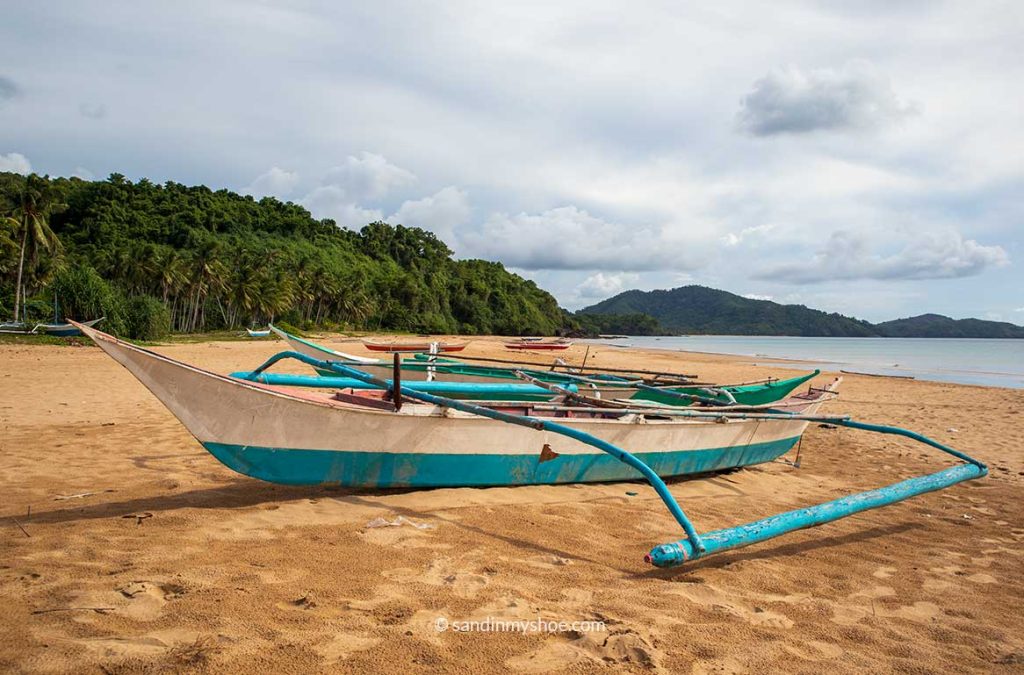
Duli Beach faces the sea from a more northern angle, which makes it noticeably wavier than the beaches closer to El Nido. It’s one of the go‑to spots for travelers who want to surf in Palawan. You can rent a board for about 400 pesos (≈ $6.5 USD) per hour, or take a lesson for roughly double that.
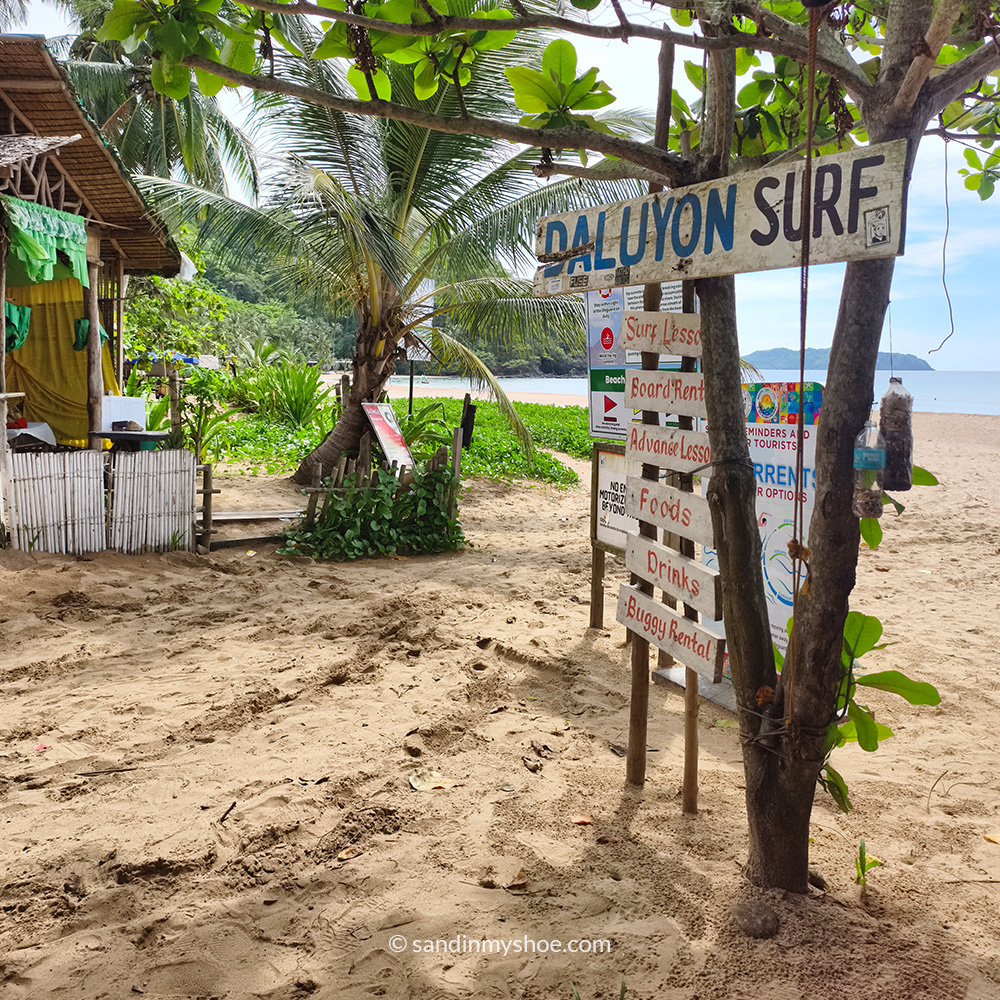
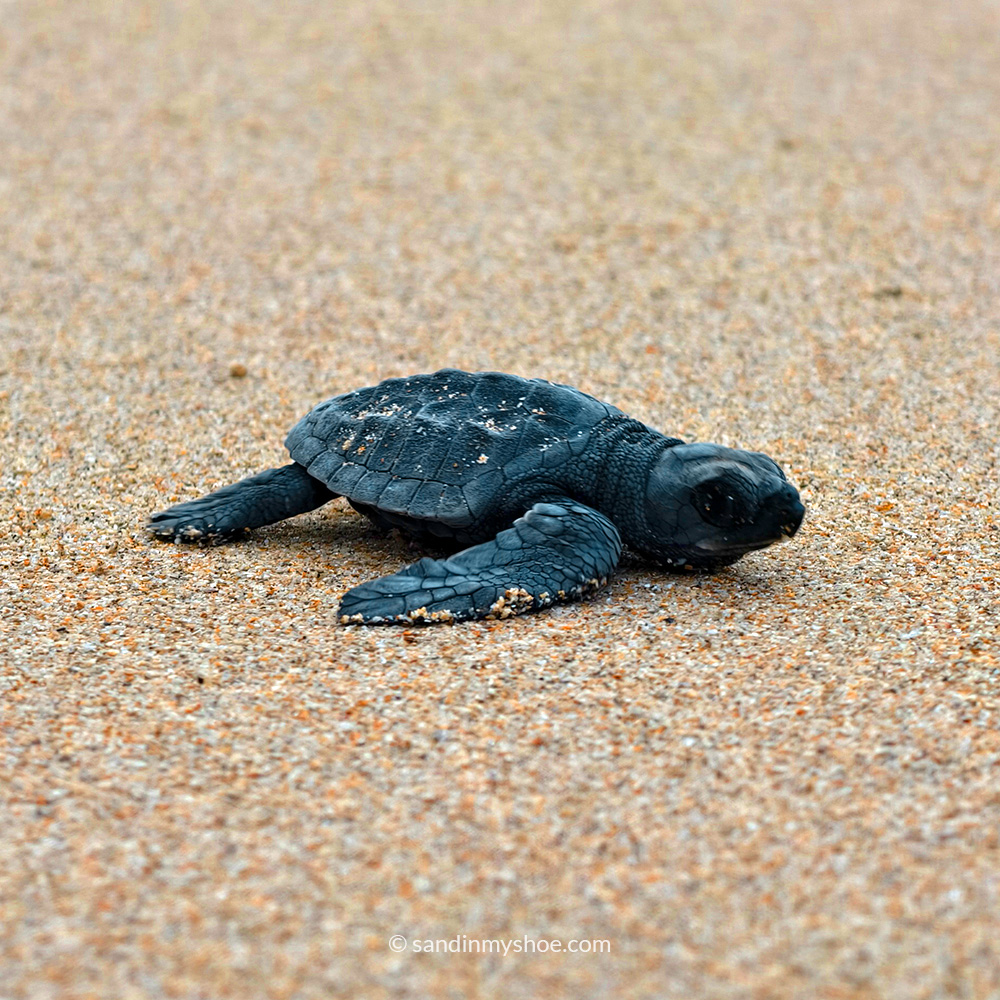
When I visited, the waves were too small for surfing, but the beach was still lively — a baby turtle release was happening, and people had gathered to watch the hatchlings make their way into the sea.
It’s a small hotel that protects turtle nests from predators — and from locals who still eat the eggs. Not sure if they make pancakes or omelettes out of them, but the hotel keeps the eggs safe until the hatchlings are ready. When they are, they release them back into the sea.
They even have a little information board where they post the next release, though it’s all very informal. I happened to roll up just as a batch was about to be released — a quiet, unexpected moment I never would’ve experienced if I’d stuck to the basic tours.
The staff told me they’d been getting flooded with messages on social media from people asking about the next turtle release, and they simply couldn’t keep up with answering everyone. If you’re reading this, don’t bother messaging them — just swing by Duli beach and see if you get lucky. That’s how it works here. And honestly, that’s part of the charm.
Just as I was about to continue my trip, the sky suddenly opened up and it started raining so hard it felt like standing under a shower. I got stuck under a tree during the downpour, and after a while a local noticed me and invited me over to play some guitar. The locals are friendly here.
Great for: surfing if surf season, more secluded vibes, watch turtle hatchlings make their way to the sea, getting away from the El Nido madness.
6. Sibaltan Village
My next real stop was on the east side, in a small village called Sibaltan, where I stayed as well.
Before I did couple stop along the road, one for the colorful icy dessert halo‑halo, and just some other stops just watch rural life.
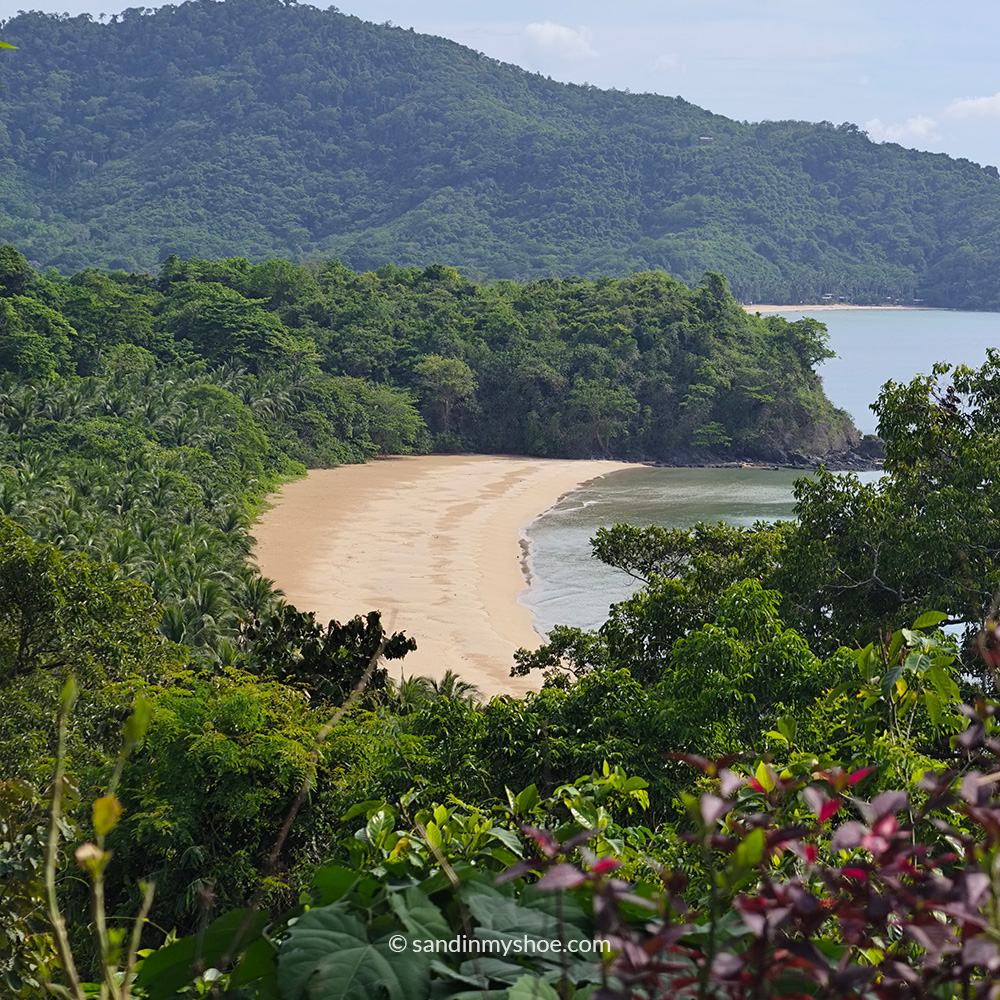
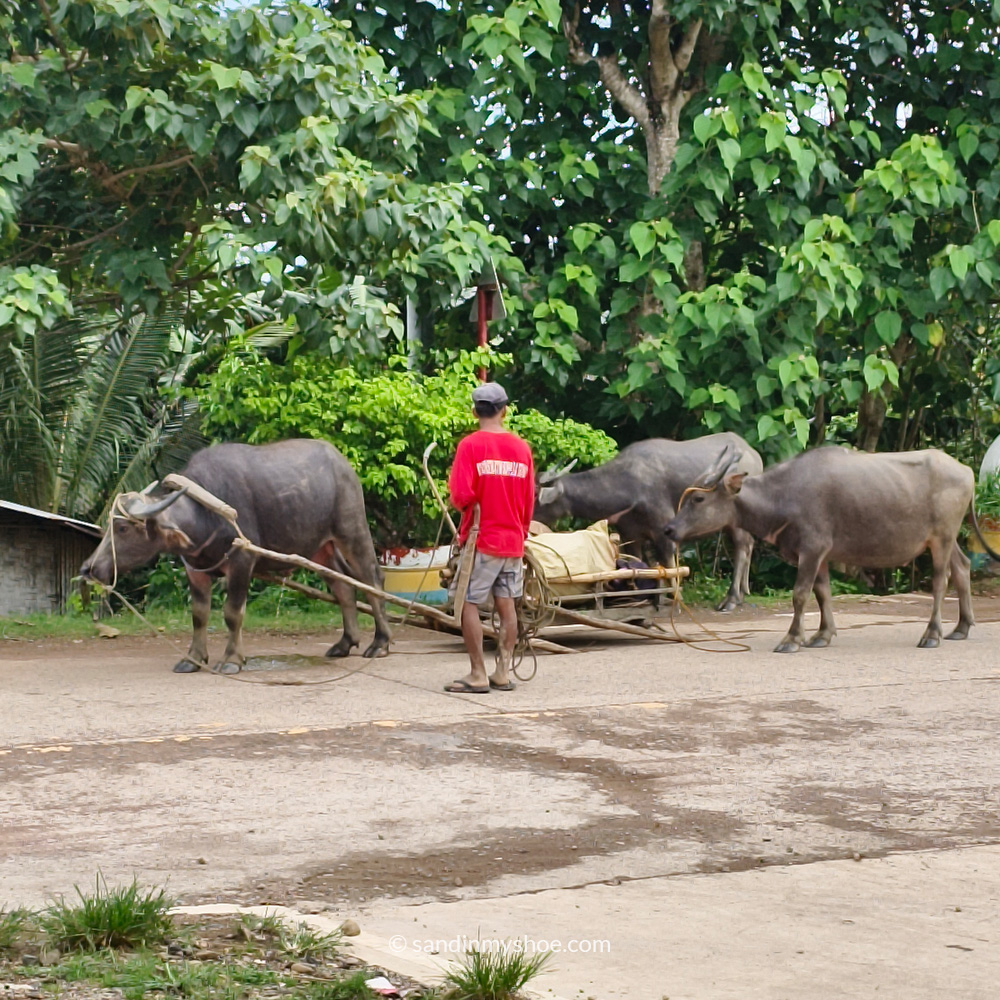
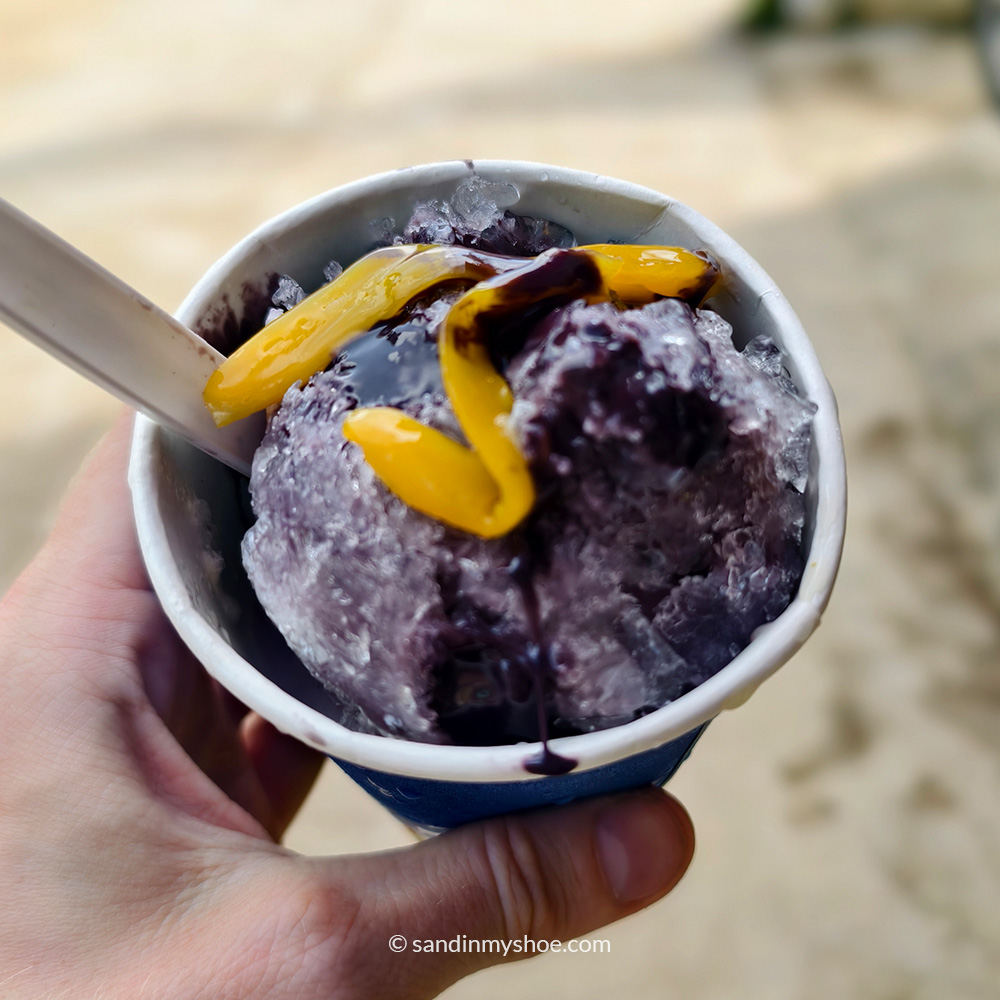
In Sibaltan I stayed right by the beach, though the beaches on the east side aren’t quite as striking as those on the west. I checked in to my guesthouse, relaxed for a bit, and then headed out to explore the town. I quickly heard there was some kind of evening activity happening — food, music, and gambling.
When I came back at night, the place was packed. It felt like the whole village was there, and everyone was gambling — kids, parents, grandparents. Some were playing dice, and others village roulette, where the “wheel” is replaced by ping‑pong balls bouncing around a homemade setup. It was chaotic, loud, and very local — exactly the kind of moment you don’t get on the standard tourist trail. I ended a hundred pesos on the plus side.

7. Ille Cave
The day after I rode to Ille Cave. The cave has been the focus of major excavations, with researchers uncovering ancient tools, pottery, animal bones, and evidence of early human settlement in northern Palawan.
There’s a small museum next to the cave that displays the artifacts found during the digs. It’s simple and low‑key, but it gives you a sense of how significant the site actually is.
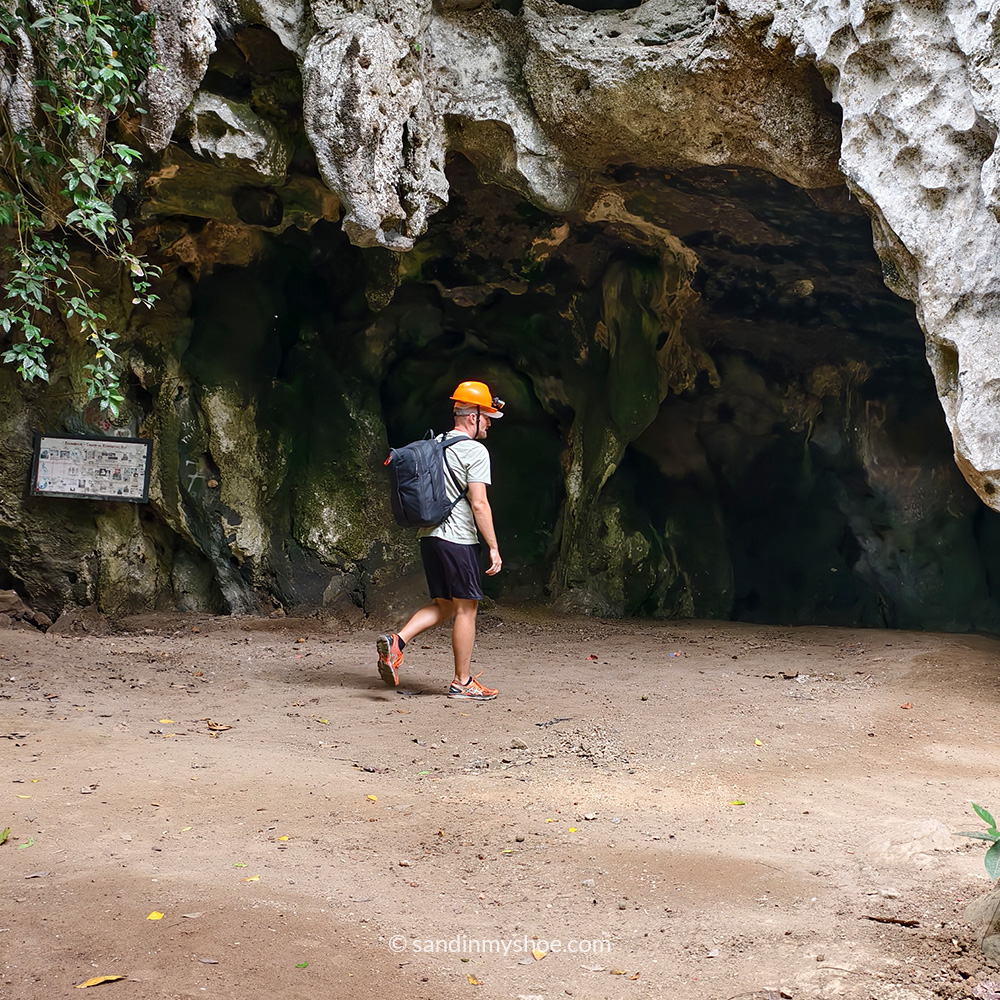
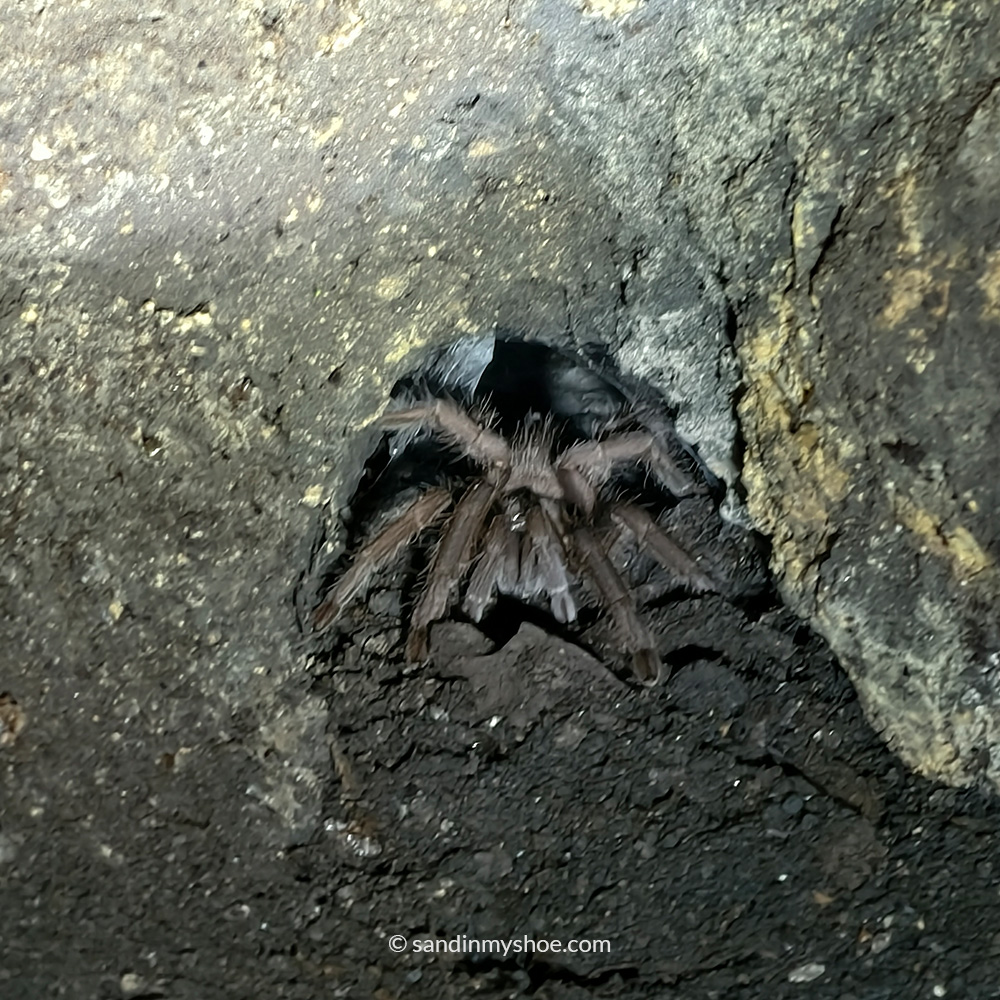
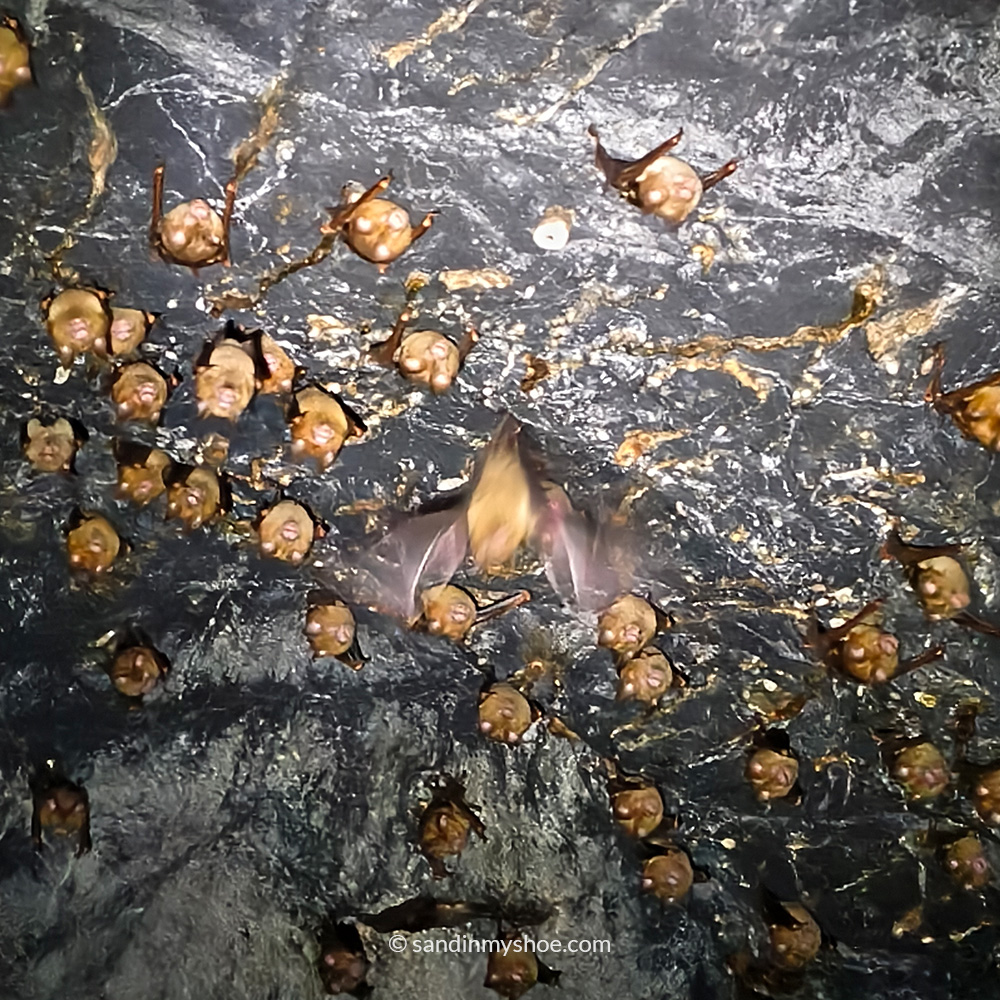
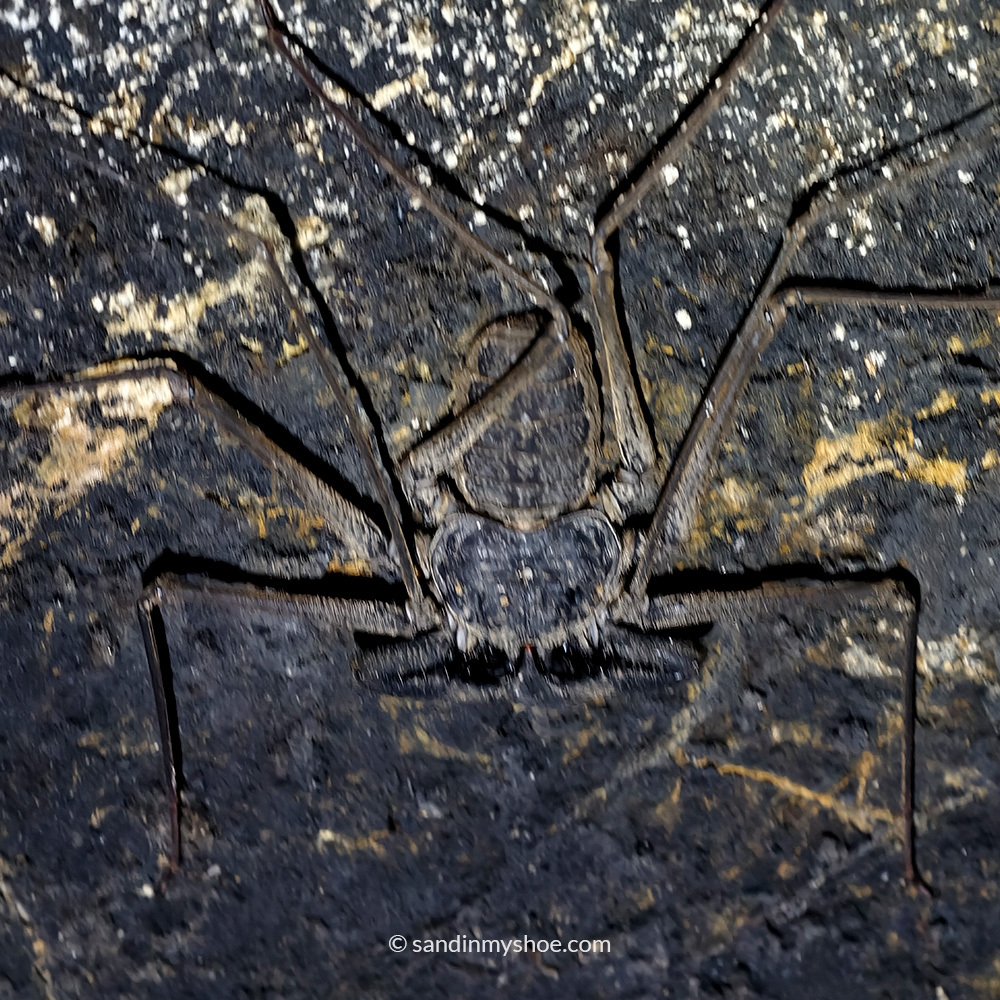
You’ll get a hardtop hat before entering as it’s so easy to hit your head inside the cave. And once you step inside the cave itself, it’s cool, echoing, and I was happy there was guide with me as it got disorienting and dark quickly. There are plenty of bats in the cave and even a couple of tarantulas, the guide knew where the spiders were — so no danger really, just interesting wildlife.
When I visited, there were no other tourists. According to their check‑in book, just two people had come earlier that day — and it was already afternoon.
If you’re looking for something different than beaches, it’s very much worth a visit.
After I was done with the cave, I rode back to El Nido.
Useful Things to Know Before Heading Out
Accommodation: Should You Pre-Book?
It depends of the season. During high season it’s usually smart to book ahead, but if you’re cruising around in low season it can be better to stay flexible and not to book anything. Just look for accommodation when the sun starts to set — it worked fine for me. And if you can’t find anything where you are, just ride to the next village. Eventually you’ll find something.
Where to Stay
I spent my first night near Nacpan Beach, and the next night in Sibaltan village. You can follow the same pattern, or simply look for accommodation as the sun starts to set. There are small guesthouses scattered along the route, and staying flexible makes the ride feel more spontaneous and relaxed.
Motorbike Rentals in El Nido
There are plenty of places to rent a motorbike in El Nido, and shops located in the outskirts are often slightly cheaper. Before you leave, be sure to take a full video of the bike from all angles to avoid any disputes about scratches and damage when you return it.
Also check the quality of the bike before leaving especially: brakes, lights, tire pressure, helmet condition (insist on a good helmet!).
Daily Rental Costs
The prices tend to range from 400-500 pesos ($6.5-8 USD) pesos and up. All depends on how many days you’ll rent it, the type of motorbike, the condition of it, and the engine size. Know that rentals in Palawan tend to be more expensive compared to other parts in the Philippines.
How Many Days You Need
As the destinations are close to each other, riding between them doesn’t take that long. The amount of time needed is everything from two days and a night, or a couple more depending on if you want stay in an area longer. I stayed two nights in different places.
Fuel & Gas Stations
Gas stations become sparse once you leave El Nido town. You’ll find small roadside stalls selling petrol in glass bottles — perfectly normal in rural Philippines. Prices are slightly higher than at proper stations, but still cheap.
Tip: Don’t wait until your tank is low; top up whenever you see a stall.
Road Conditions
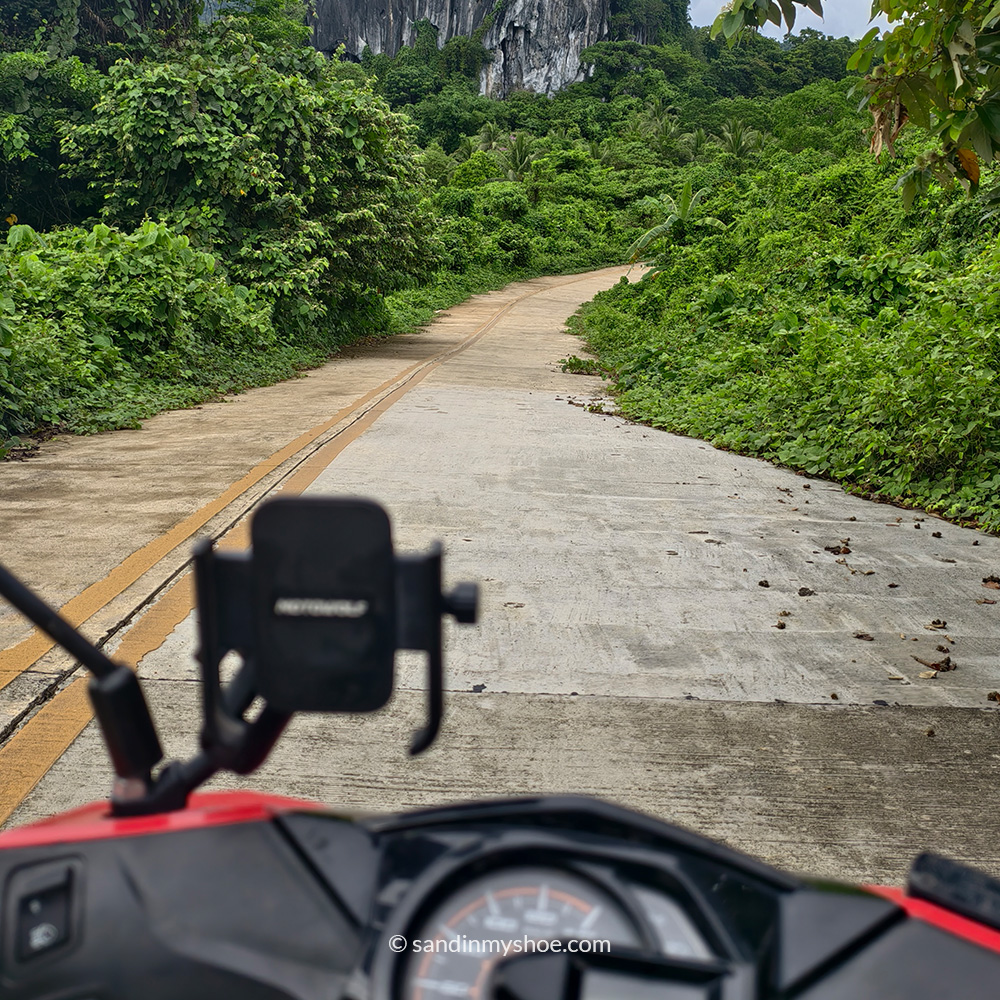
The main roads are paved, but many side roads (especially toward beaches or villages) turn into rough gravel, potholes, and occasional mud. After rain, some sections get slippery. If you’re not used to riding on uneven terrain, take it slow — especially on downhill curves.
Cash & ATMs
ATMs are mostly in El Nido town. Once you head north or east, cash is king. Bring enough for fuel, food, and accommodation — many villages don’t accept cards.
Food & Water Along the Way
You’ll find small eateries “carinderias” in most villages. Meals are cheap, simple, and usually delicious. Keep a couple of bottles of water at all time — long stretches have no shops, and the heat can hit hard.
Packing Tips
Keep your backpack light. A dry bag is a necessity if you’re carrying electronics, as the weather can surprise you fast. I kept my bag in front, between my feet while driving — easy to reach, stable, and protected from sudden rain.
Mobile Signal & Navigation
Signal was great everywhere, but download offline Google Maps before you leave El Nido just in case. It’s also smart to keep a power bank since long riding days drain your phone quickly.
Wrap-Up
Riding through the northern parts of Palawan turned out to be one of the most rewarding ways to explore the island — slow enough to notice the small details, flexible enough to stop wherever something catches your eye, and immersive in a way you don’t get from vans or tours. From quiet villages and friendly locals to unexpected roulette tables, rough backroads, and the occasional tropical downpour.
If you’re comfortable on a motorbike and want to see a more genuine side of Palawan, this little adventure is absolutely worth it.
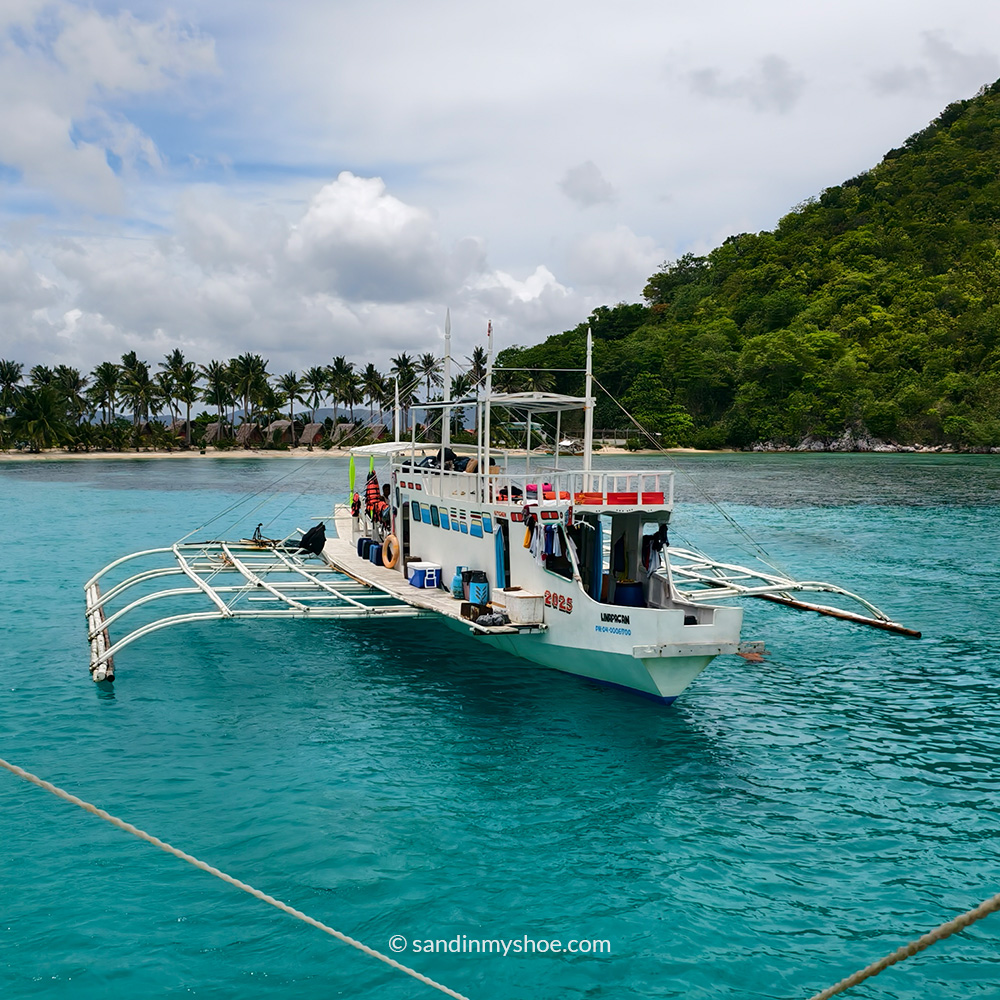
Another great experience in Palawan was the El Nido to Coron Expedition. A slow, scenic journey on one of the traditional bangka boats, cruising past secluded islands and quiet stretches of turquoise water.


No comments yet, be the first one!
I appreciate hearing from you. If you have any suggestions, questions, or feedback, please leave a comment below. Your input helps ensure the information stays relevant and up to date for everyone.
Thank you for sharing your thoughts!