
Hearing that you can dive with sharks without a cage sounded insane at first — and honestly, it kept sounding insane the more I thought about it. The instructors explained that thresher sharks don’t attack people and usually keep their distance. “They’re peaceful,” they said. “It’s the other sharks you worry about.” Peaceful or not, they still have razor‑sharp teeth, and I wasn’t fully convinced. So I quietly made sure to keep one diver in front of me at all times, just in case the sharks suddenly abandoned their pacifist beliefs.
The Early Morning to Monad Shoal
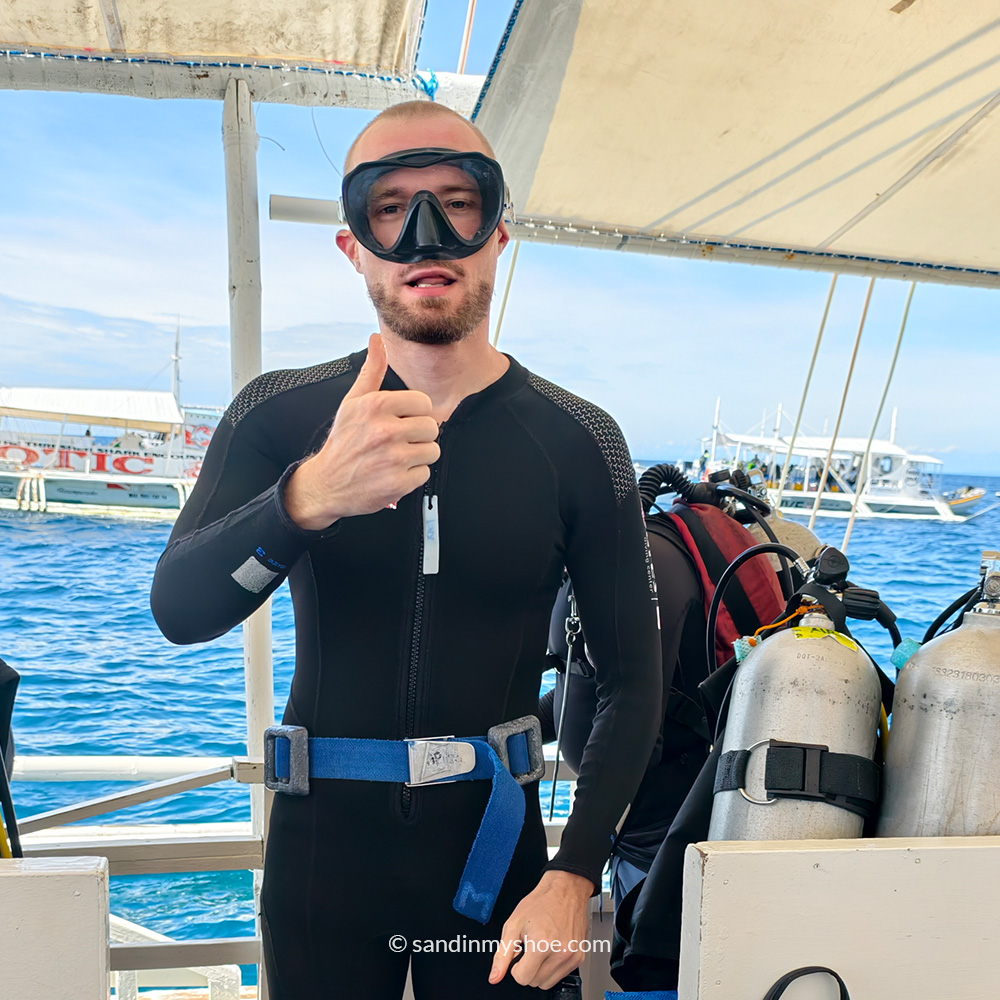
I met the dive group at the shop just before dawn, where they offered breakfast and coffee — a lifesaver, considering nothing on the island is open at 3:30 a.m. We double‑checked the gear I had tried the day before, and once everyone was fed, caffeinated, and semi‑awake, we headed toward the boat.
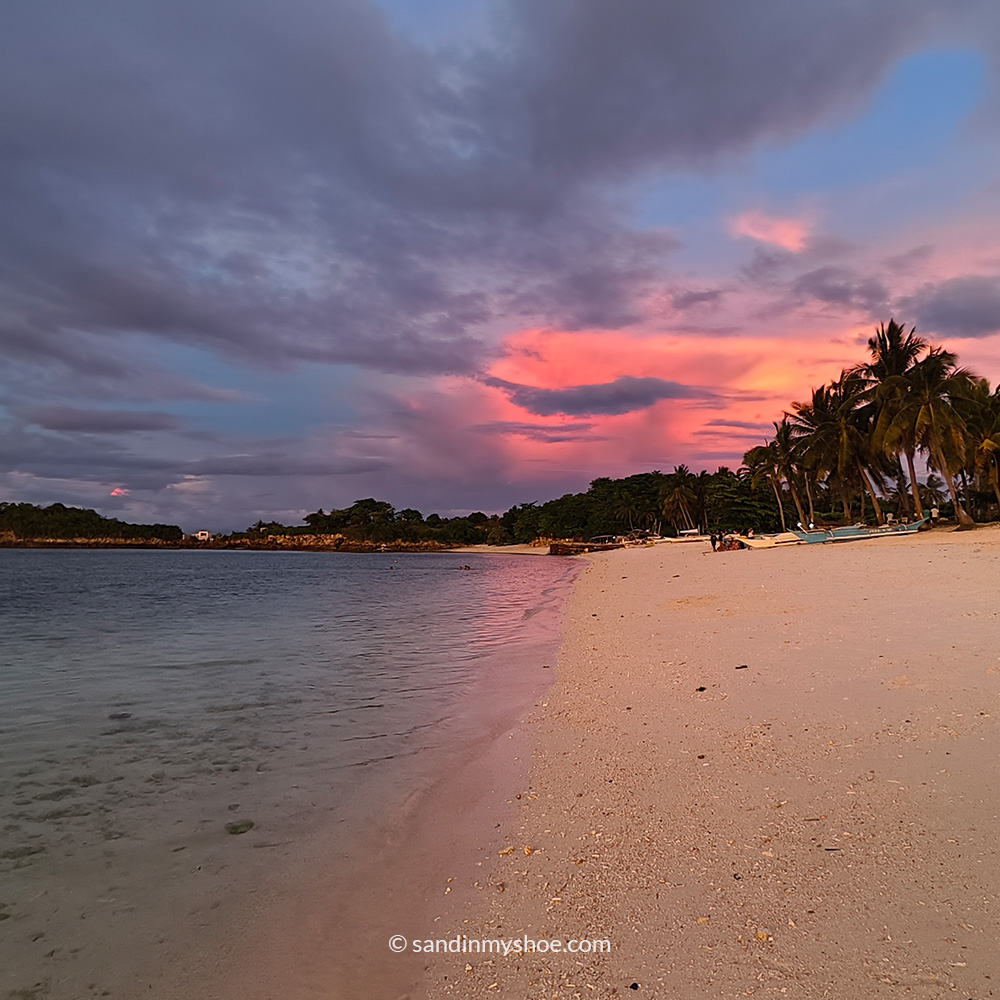
At this hour, only divers roam the island. Even the roosters were asleep until we walked past them, which felt like a small act of revenge for all the mornings they’d woken me up far too early.
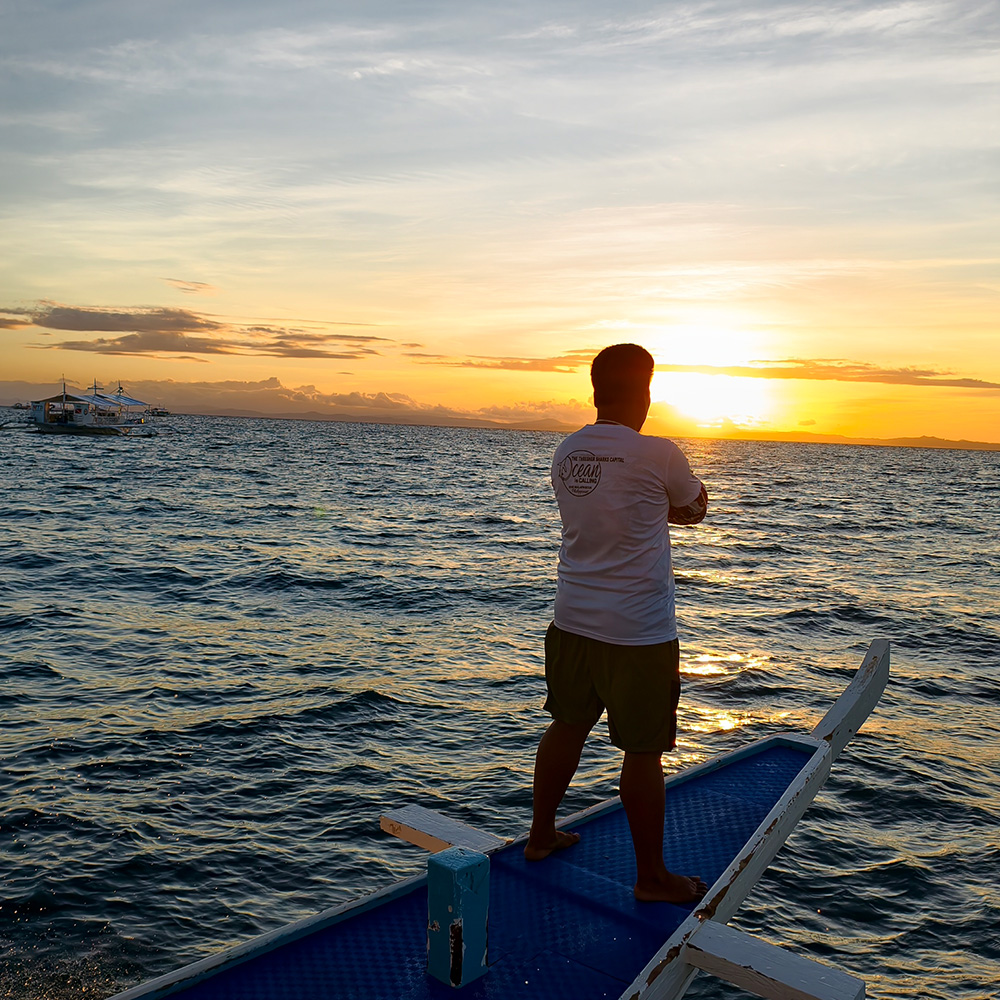
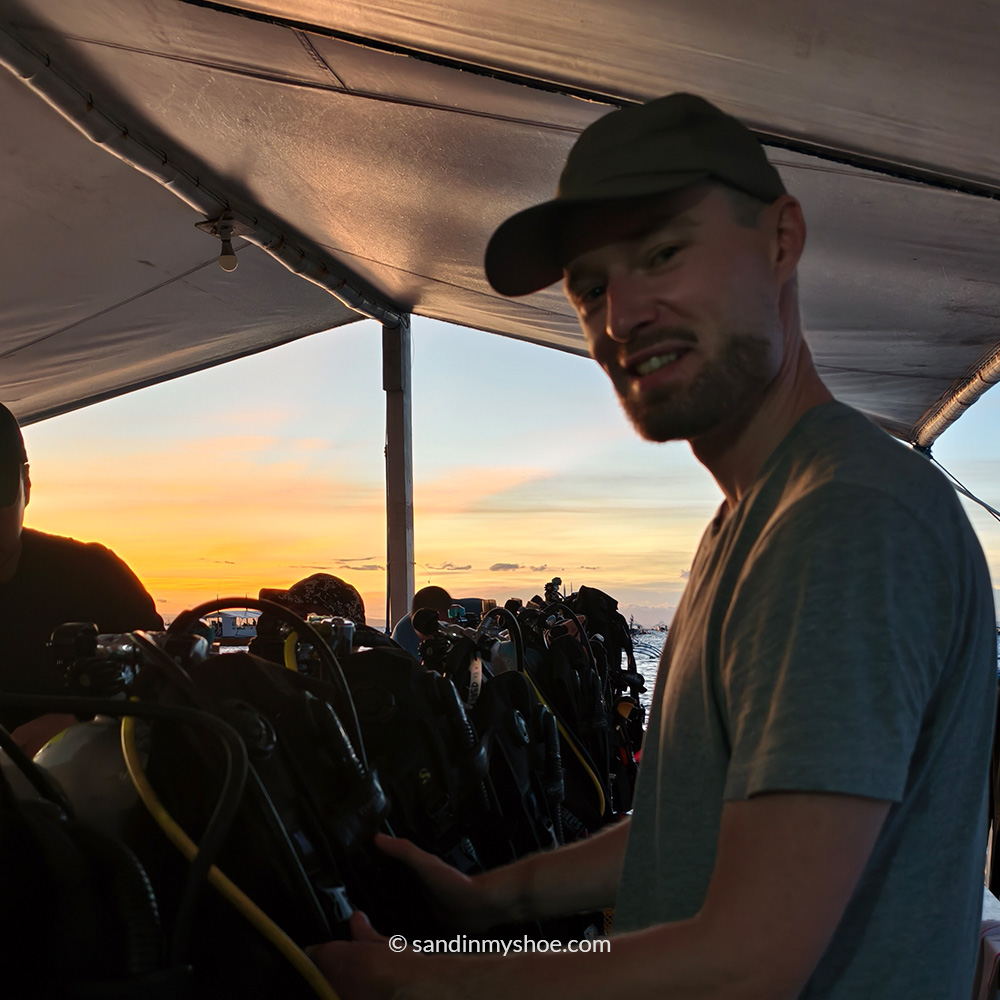
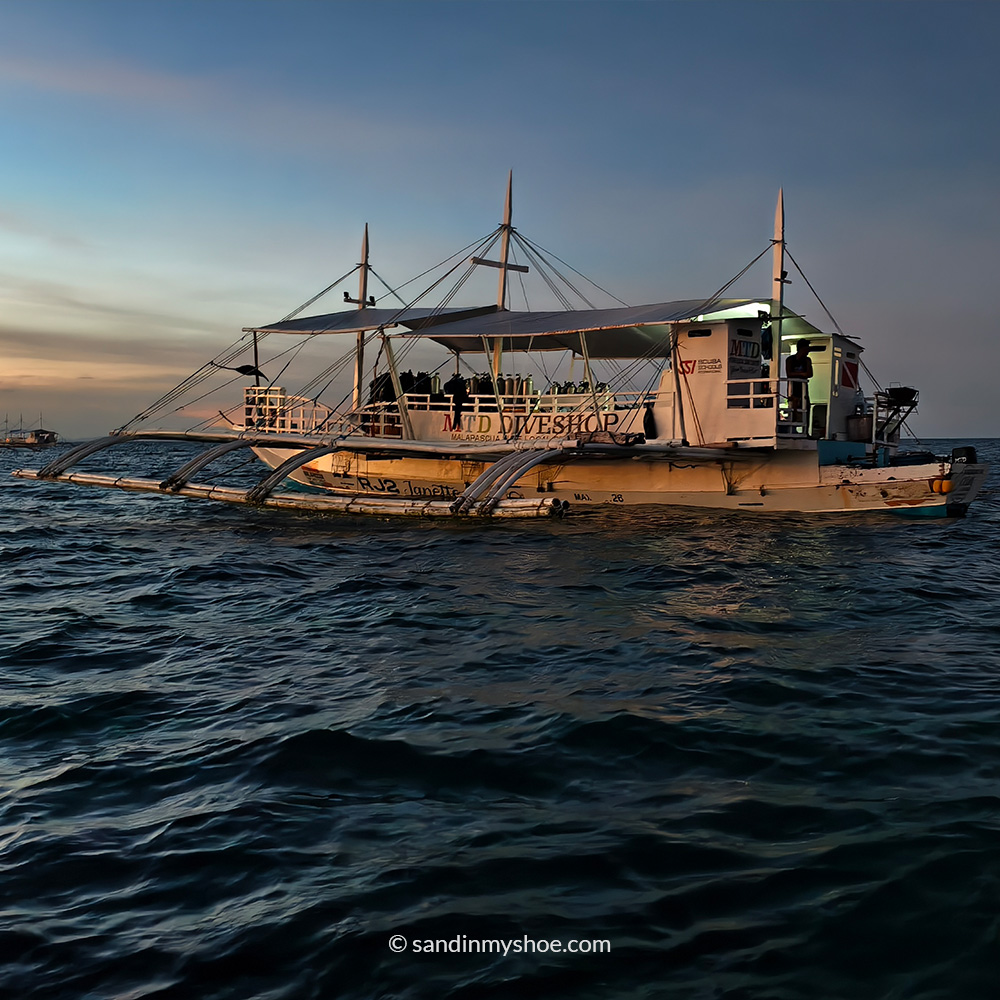
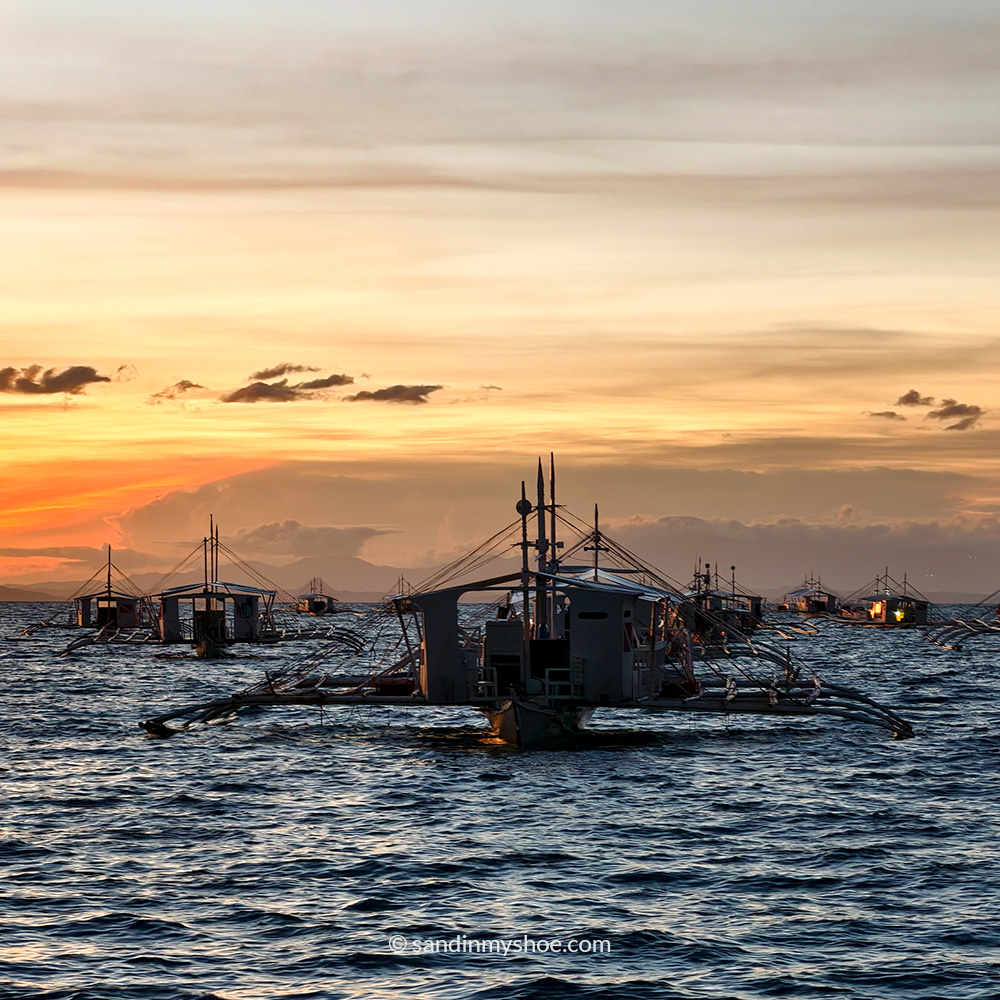
Thresher shark dives start at sunrise because that’s when the sharks visit Monad Shoal, a submerged plateau about 40 minutes from Malapascua.
As the boat pulled away from the shore, the energy was surprisingly high. Everyone was excited, chatting quietly in that half‑whisper people use at dawn. The group was a mix of nationalities — Italian, Chinese, Singaporean, and me — all united by the same slightly unhinged idea: waking up before sunrise to dive with sharks.
The Descent Into Monad Shoal
As soon as I jumped into the water, I panicked. My regulator wasn’t giving me any air, and for a split second I thought, great, I’m going to die before even seeing a shark. Luckily the guide noticed my frantic bubbles and swam over to open my tank properly. Instant lifesaver. Instant embarrassment.
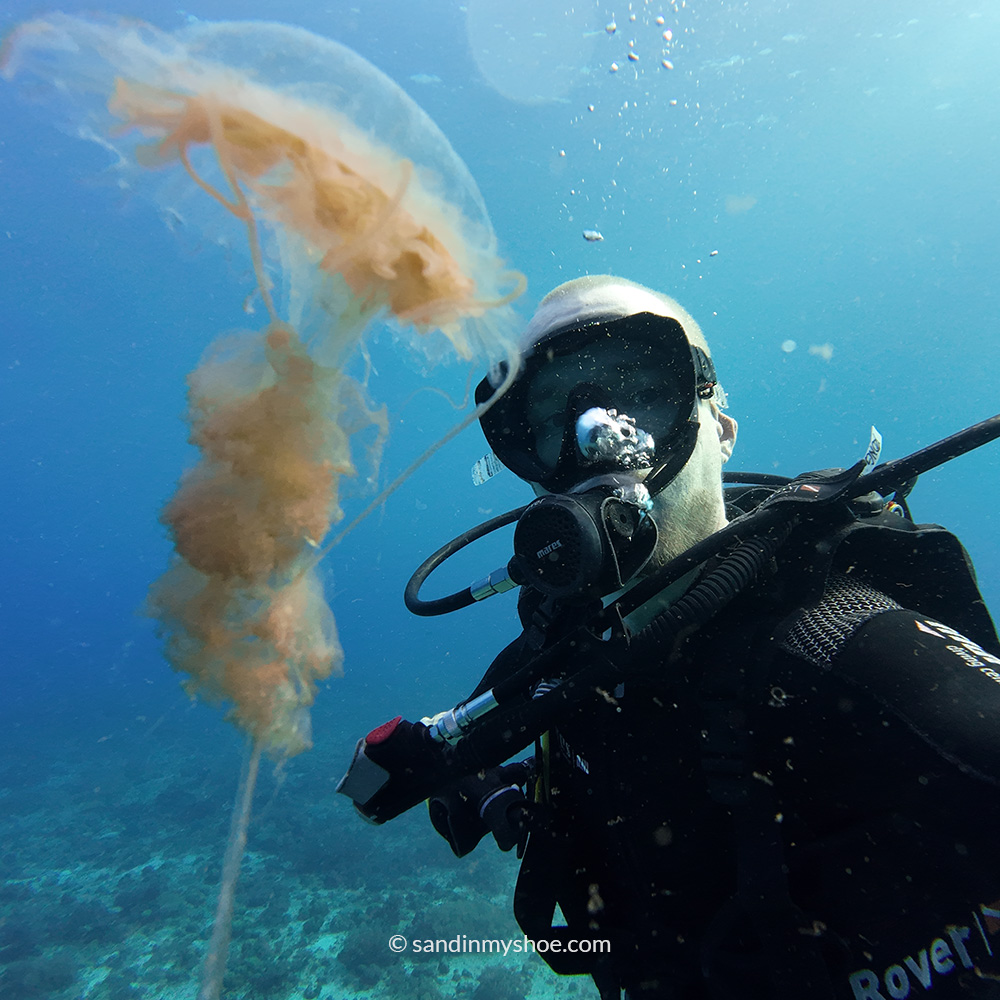
With my almost 20‑year‑old Open Water certificate — and not many dives done since earning it — clutched metaphorically in my fist, I started the descent. The water hit me with a sharp, almost welcoming shock, the kind that wakes you up faster than coffee ever could. We gathered around the descent line, each diver holding on as we slowly sank into the blue.
At around 10 meters, the surface noise disappeared. At 15 meters, the world turned into muted shades of deep blue. By 20 meters, everything felt calm — unnervingly calm. The only sound was my breathing, loud inside the regulator, reminding me that I was very much alive and very much heading toward a place where sharks casually hang out.
Monad Shoal appeared gradually, like a shadow forming into a structure. We settled there, kneeling in a line like underwater spectators waiting for the main act. The water was still. The visibility was decent. My designated meat‑shield (a singaporian) was positioned directly in front of me. The anticipation was ridiculous.
Then we waited.
And waited.
And waited.
Until something long and elegant finally emerged from the blue.
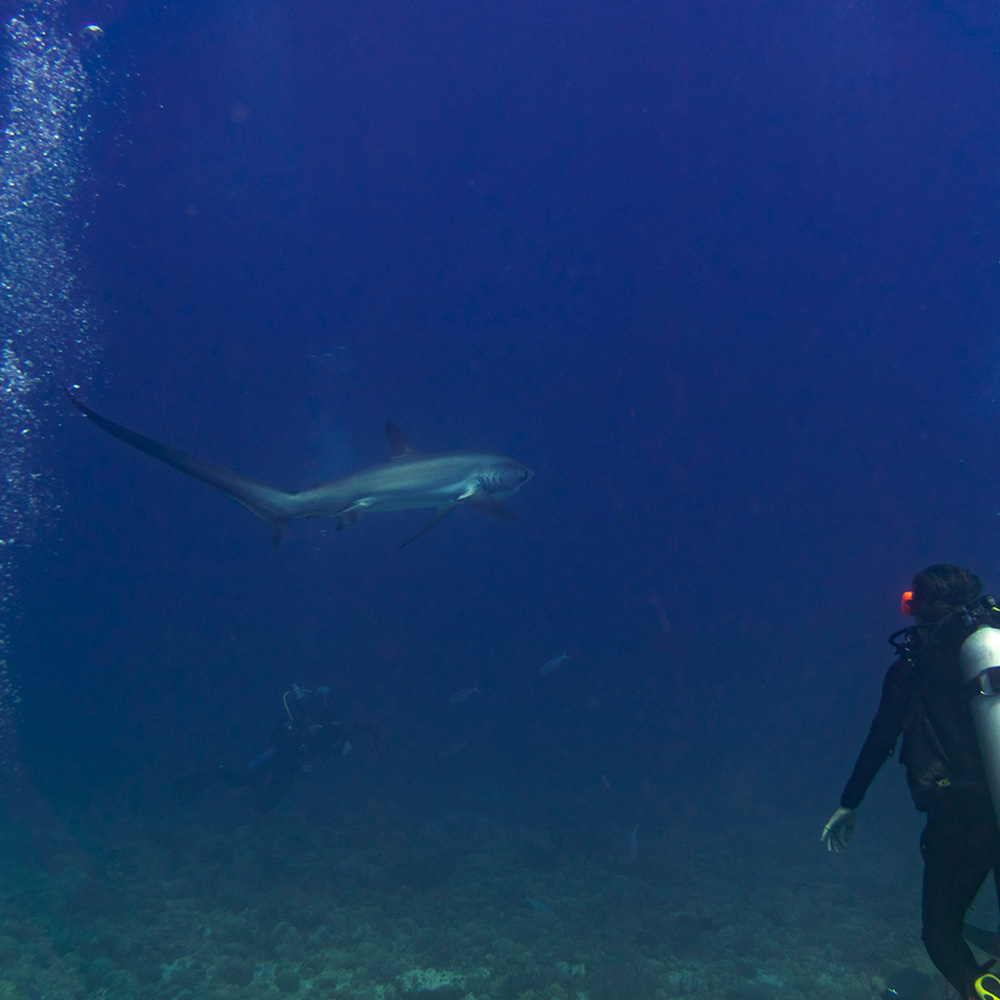
A thresher shark — gliding with the kind of slow, confident grace that makes you forget you were ever afraid. Then another one appeared. And another. But they were all minding their own business and keeping a distance from us.
Later in the dive, we spotted a white‑tip reef shark sleeping in a small cave, completely unfazed by our presence and looking like it had absolutely no intention of waking up for anything. All of us kept a respectful distance — except for one guy who went way too close with his camera, ignoring every briefing we’d just had about not disturbing marine life.
Why Thresher Sharks Aren’t Dangerous
Thresher sharks look intimidating with their long bodies, big eyes, and a tail dramatic enough for a movie scene. But they’re shy and avoid confrontation, usually keeping a polite distance like introverts who didn’t expect visitors. Also their famous tail isn’t for slapping divers; it’s for stunning small fish.
At Monad Shoal, they’re not hunting anyway, they’re getting cleaned by tiny reef fish that pick parasites off their skin. Most importantly, according to my dive guide, there are no recorded attacks on divers.
What Else Can You See in Monad Shoal
While thresher sharks are the main attraction, Monad Shoal has more to offer. You can also spot manta rays, devil rays, white-tip shark eagle rays, and occasionally even tiger sharks or hammerheads. Hammerheads and tiger sharks are most commonly seen from December to April, when conditions tend to be clearer and the deep‑water visitors come closer to the shoal.
Practical Dive Information For Diving With Thresher Sharks in Malapascua
If you’re planning to dive with thresher sharks in Malapascua, here’s the essential information you need to know.
Certification Requirements
It’s recommended to have an Advanced Open Water certificate, mainly because Monad Shoal is deep and the sharks often cruise a bit below the standard Open Water limits. With AOW, you can comfortably explore the deeper parts of the shoal and get a slightly closer look at the sharks.
I only had an Open Water certificate, and I’ll admit I got a little jealous when the rest of the group occasionally descended deeper into the blue. But honestly, I was still very satisfied with what I saw. Even from the shallower position, the sharks passed close enough to make the experience unforgettable.
A Nitrox certificate can also be handy if you want to extend your bottom time. But again — I didn’t have Nitrox either, and I still enjoyed the dive fully.
For transparency: we did go a bit deeper than the official Open Water limit of 18 meters. Our group of open water certificants reached 22 meters, which is common on this dive when conditions are good and the guide is confident in the divers’ abilities.
When To Dive in Malapascua
According to my dive school, thresher sharks sightings are possible all-year round, but if you want the chance to see other sharks as well, such as the hammer shark or a white tip shark, the best season for that is December to April.
I dived in May and still managed to see several thresher sharks, plus a white‑tip reef shark napping in the entrance of a cave. So even outside the peak season, the experience can be excellent.
How to Choose a Dive School Malapascua
On the afternoon I arrived in Malapascua, I walked around the island comparing prices and talking to different dive shops. There are a lot of them, the whole island basically runs on diving, accommodation, and food. So you won’t struggle to find options.
Instead of choosing the shops with the biggest online presence, I went with a smaller dive school that had solid reviews and a more competitive price.
I did the 2‑dive thresher shark trip, which cost ₱4,450 all‑inclusive, with breakfast and lunch included. The 3‑dive option was ₱5,600. We met at 3:30 AM, the boat left at 5 AM, and we were back around 2 PM, with dives spaced roughly 30 minutes apart.
If you prefer to have everything sorted before you arrive, you can also book through platforms like Klook, where the ratings tend to be more reliable. Google Maps reviews can be helpful too, but they’re easier for businesses to influence — not saying they do, just that curated platforms usually offer more consistent feedback.
Getting From Cebu City to Malapascua
I got to Cebu’s North Bus Station in the morning and asked around about the options. It’s either bus or minivan to Maya Port. I took the bus, paid 210 pesos (~$3USD ) and it took about four hours. The doors were open most of the time because the ticket guys liked to hang out from them, and there was a cage with a chicken next to me. As the bus started emptying out, the driver began to speed up, and I had to hold on to the handrail in the middle seat at the back so I wouldn’t get slung out of the bus. I enjoyed it though — a bit of adrenaline before the sharks.
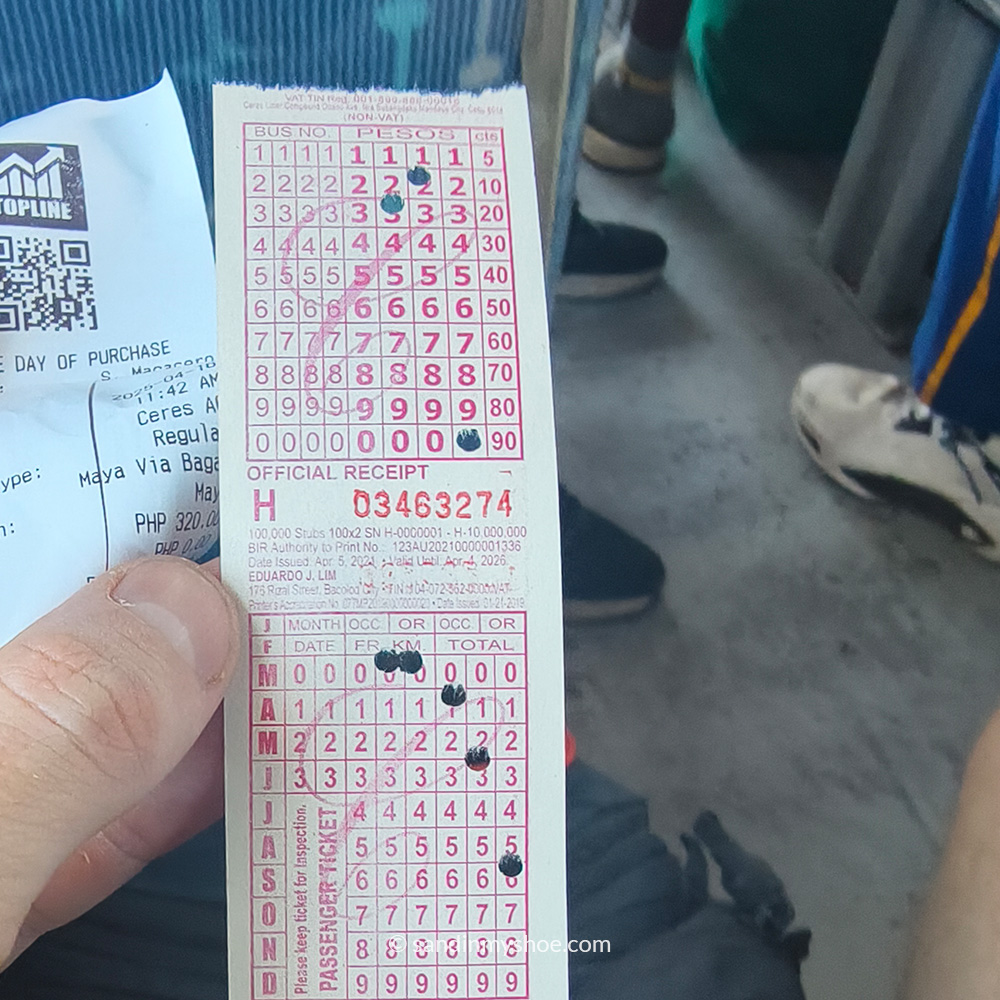
If you prefer a less hectic experience, opt for the minivan.
Try to get to the bus station around 8 a.m. so you reach Malapascua early enough to walk around, check out dive shops, and book your thresher shark dive for the next morning. Those dives start at 5 a.m., so you need to wake up around 3:30 a.m.
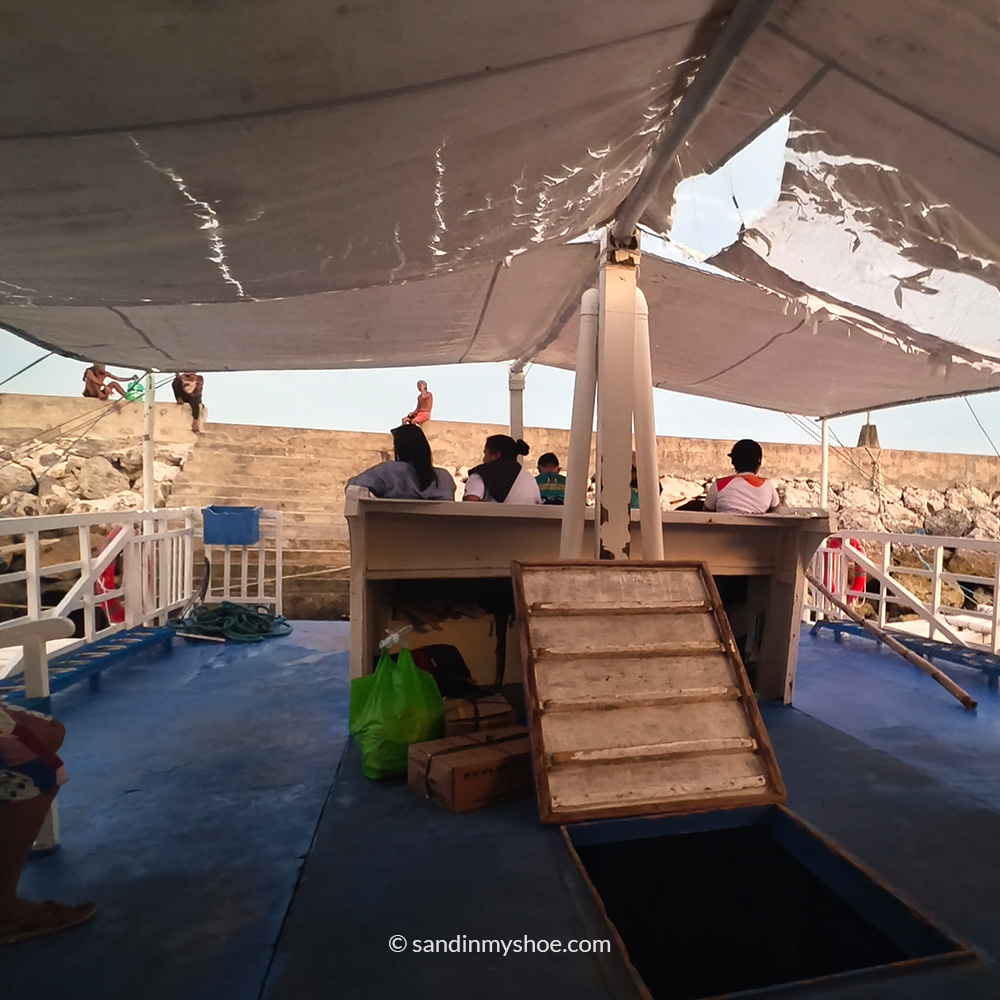
At Maya Port, you pay the tourist fee (140 pesos / ~$2.5 USD) and the boat fee (200 pesos / ~$3 USD). The boats are small and a bit chaotic, but they get you there in about half an hour. You might need to wait until the boat has enough passengers to make the trip worth it for the boatmen.
Final Thoughts
Diving with thresher sharks in Malapascua was one of the highlights of my trip in the Philippines. Getting here is a bit of a hassle, but that’s how it usually is wherever you go in the country — part of the adventure. The early wake‑up, the quiet boat ride in the dark, and then seeing those long‑tailed sharks glide past you underwater makes all the effort worth it. It’s one of those experiences that stays with you long after you’ve left the island.
Check out my other posts about Malapascua: Where to Stay in Malapascua & Malapascua for Non‑Divers: Things to Do.


No comments yet, be the first one!
I appreciate hearing from you. If you have any suggestions, questions, or feedback, please leave a comment below. Your input helps ensure the information stays relevant and up to date for everyone.
Thank you for sharing your thoughts!