


Is it touristy? Definitely. But popularity doesn’t happen by accident, and Hoi An was drawing visitors long before social media existed.
Hoi An at a Glance
- There’s no shortage of atmospheric places to stay, from riverside boutique hotels to heritage guesthouses. Here’s a couple of great stays with reliable reviews to consider: Central Hotel, Emerald Riverside Resort or the Historic Hotel.
- Visit for the atmospheric Old Town, stay for the lantern-lit streets, and leave with a new wardrobe.
- Use 12Go to book buses, trains and transfers to/from Hoi An.
Where’s Hoi An?
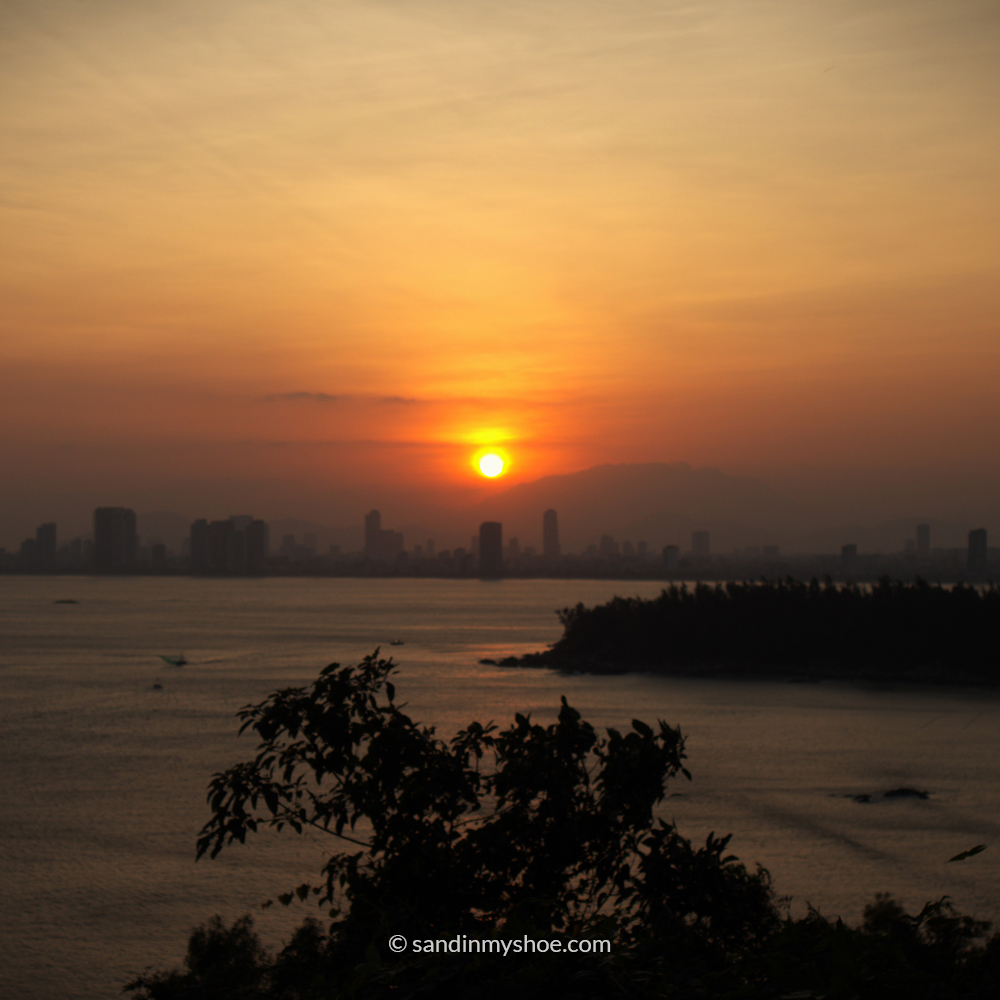
Hoi An is a small city on Vietnam’s central coast, located just 25 km south of Da Nang.
Many travelers combine the two destinations, pairing Hoi An’s historic charm with Da Nang’s beaches and modern conveniences. Since they’re only about 30 minutes apart, it’s often easiest to base yourself in one and visit the other on a day trip.
While Hoi An is one of Vietnam’s most visited destinations, it feels very different from Da Nang. Instead of high-rise hotels and long beaches, you’ll find a compact historic center filled with yellow colonial buildings, lantern-lit streets, cafés, and tailor shops.
If you’re wondering whether to stay in Da Nang or Hoi An, I’ll make it easy for you.
- For modern conveniences and a beach right on your doorstep, choose Da Nang.
- For atmosphere, pick Hoi An.
By staying in Hoi An, you’ll get to experience the Old Town before the day-trippers arrive and after they’ve left. Those early mornings and late evenings are when Hoi An feels the most charming.
The Town Shaped by Centuries of Trade
This town was once a part of the Martime Silk Road, where merchants from across Asia and Europe arrived to trade silk, ceramics, spices, and other valuable goods.
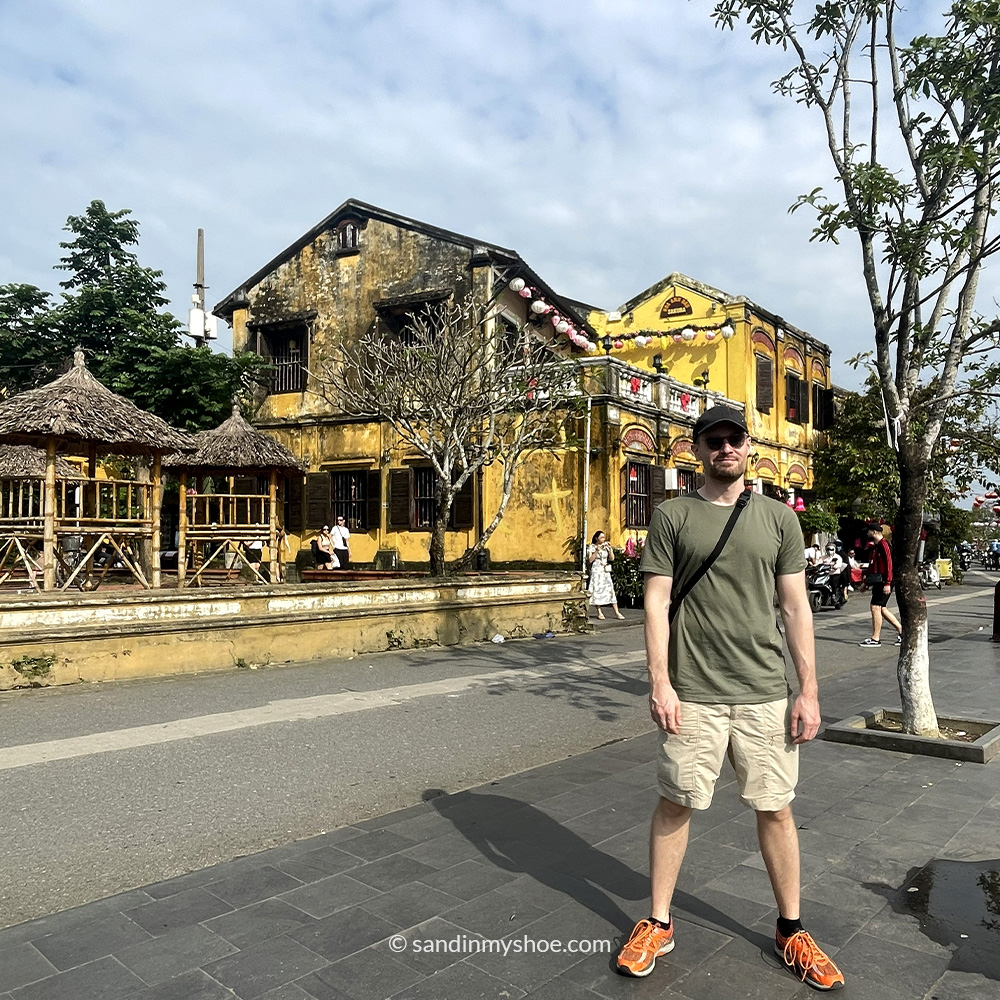
This trade shaped the architecture that can still be seen today. The Old Town is a mix of Vietnamese, Chinese, Japanese, and European influences, with buildings dating from the 15th to the 19th century.
This is the main reason why Hoi An became a UNESCO World Heritage Site 1999.
Some of the key sights include:
- Japanese Covered Bridge (Chùa Cầu), the town’s most iconic landmark, originally built by the Japanese community.
- Fujian (Phuc Kien) Assembly Hall, an ornate Chinese congregation hall dedicated to the sea goddess Mazu.
- Tan Ky Old House, a merchant’s house that blends Vietnamese, Chinese, and Japanese architectural influences.
- Hoi An Central Market, where the town’s trading heritage continues in a more modern form.
- Cantonese Assembly Hall, another reminder of Hoi An’s Chinese merchant communities.
- Phung Hung Old House, one of the best-preserved historic homes in the Old Town.
Use the map below to find them, but try not to look up too many photos online. Some places are best experienced for the first time in person.
The Tailor Shops
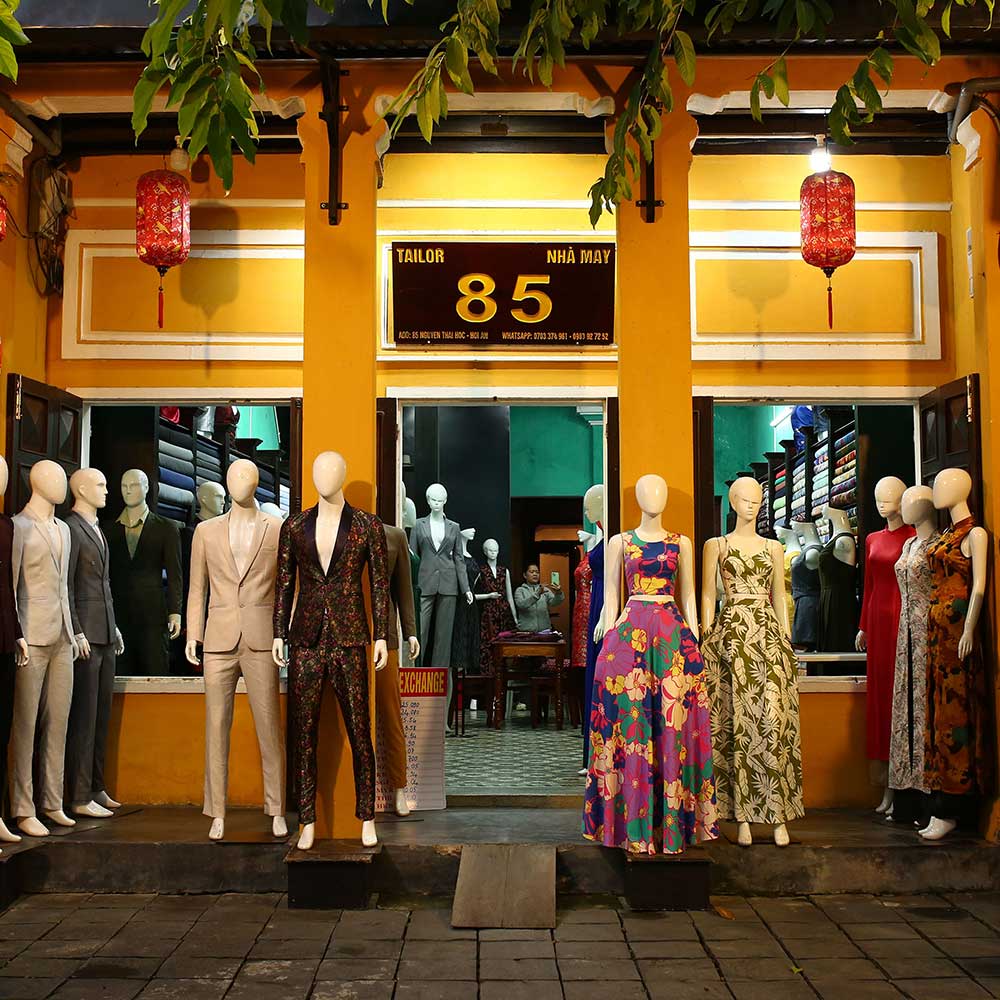
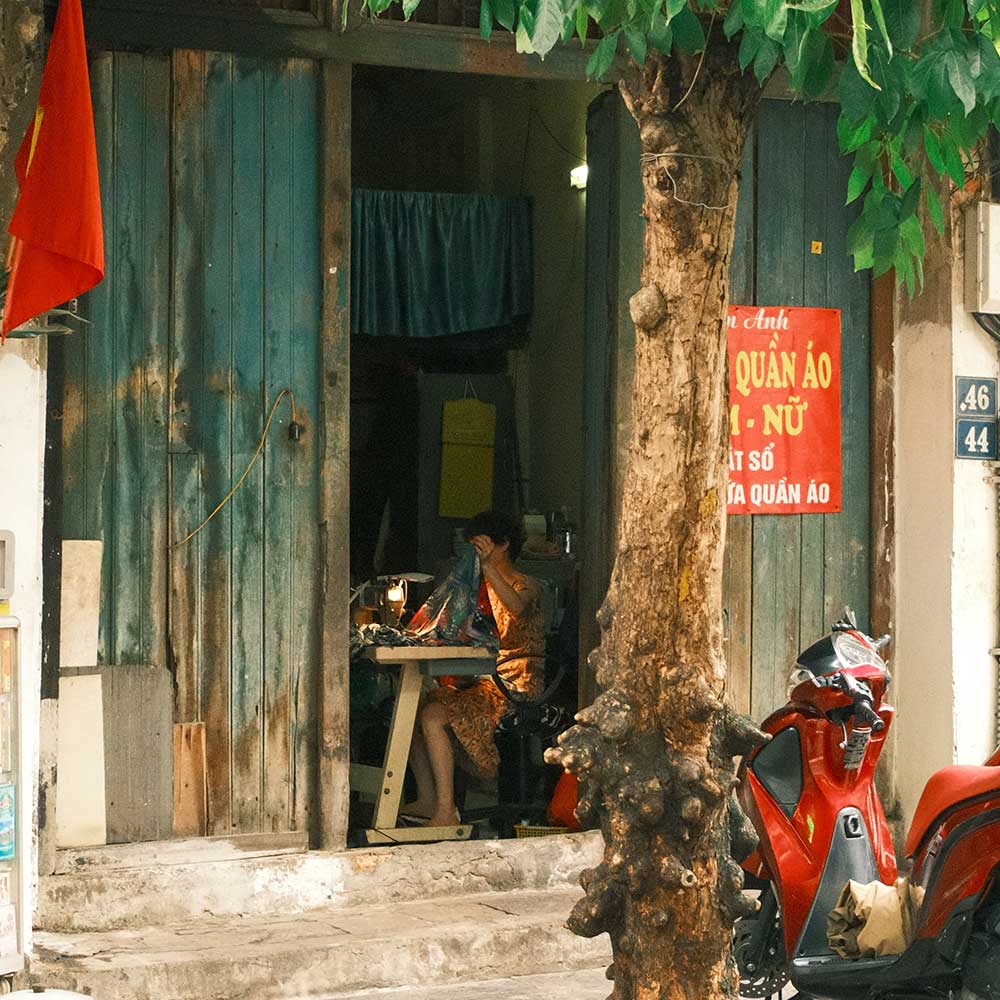
Tailoring is a huge business in Hoi An. There’s no shortage of tailors, and many travelers leave with a custom-made suit, dress, or shirt.
The first time I visited Hoi An, I left with a couple of suits and plenty of shirts. By my second visit, however, I had embraced a more minimalist mindset and could happily walk past the tailor shops without feeling like I was missing out.
If you decide to have something made, it’s worth reading recent reviews before placing an order. Some businesses have been accused of buying reviews, so look beyond the overall rating and pay attention to detailed feedback and customer photos.
Food & Coffee
There’s restaurants and riverside cafés all around Hoi An. Be sure to try a couple of regional specialties:

- Cao Lau – Hoi An’s signature noodle dish and one of Vietnam’s most distinctive regional specialties.
- White Rose Dumplings – Another local specialty largely associated with Hoi An.
Other Things to Do in Hoi An
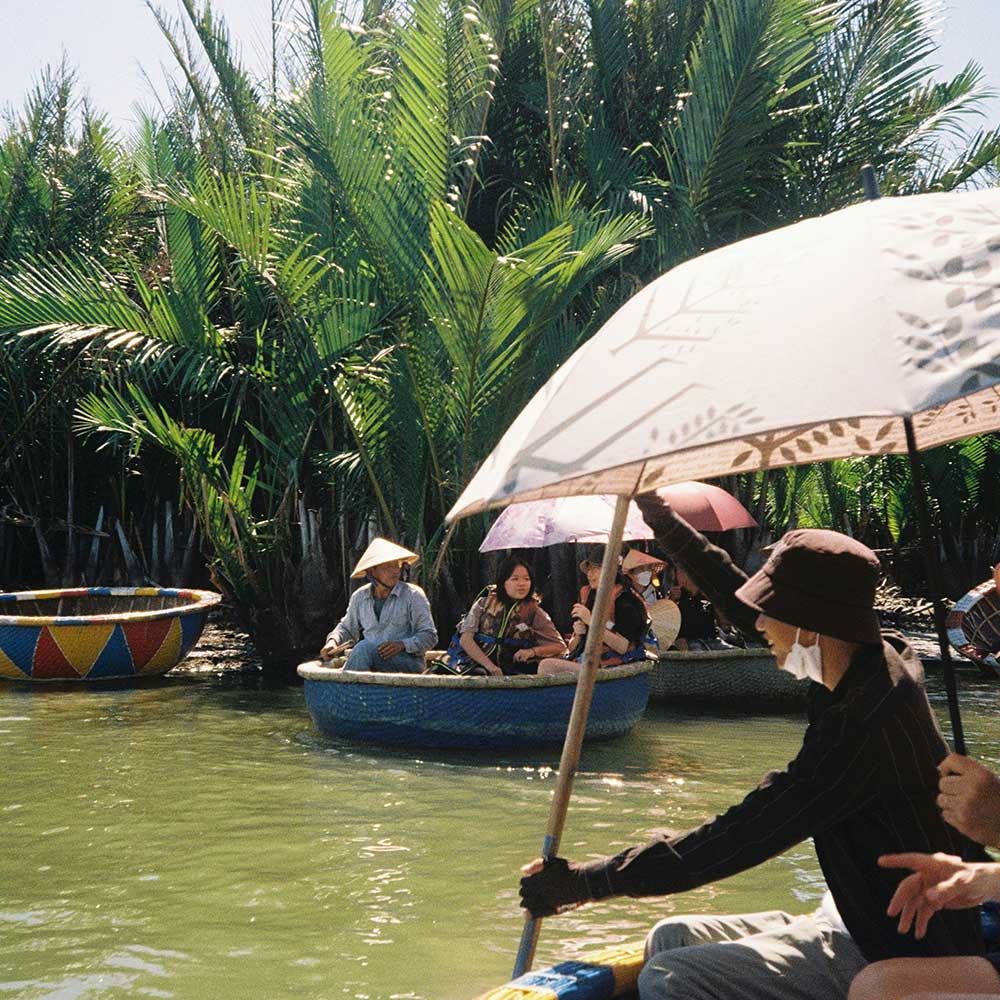
Besides the two main reasons most people visit Hoi An, exploring the mighty Old Town and getting tailor-made clothes, there are plenty of other things to do as well.
- Take a Ride in a Traditional Coconut Boat
These basket boats can be found along the river of old town. - Relax at An Bang Beach
An Bang Beach is a calm stretch of sand just outside Hoi An. It’s the kind of place where you can sit back, listen to the waves, and slow down for a few hours. Early in the morning, you might spot local fishermen bringing in their catch, while the rest of the day is best spent swimming, sunbathing, or relaxing at one of the beachfront cafés and restaurants. - Join a Cooking Class
Joining a cooking class is one of the most popular activities in Hoi An. Many classes begin with a visit to a local market before teaching you how to prepare Vietnamese dishes such as pho, spring rolls and Hoi An’s signature noodle dish, cao lầu. - Watch the Lanterns Along the Thu Bon River
After sundown, the lanterns take over. The colorful glow reflected on the Thu Bon River is one of Hoi An’s most memorable sights and one of the reasons why many visitors choose to stay in Hoi An rather than Da Nang. - Visit the Night Market
Hoi An’s night market comes alive after sunset with street food vendors, souvenir stalls, and, you guessed it, colorful lanterns. It’s a good place to buy a little bit of this and a little bit of that while soaking up the atmosphere.
Things to Do in Near Hoi An
If you’ve already had your fill of lanterns, tailor shops, and wandering the Old Town, there are several worthwhile places to visit nearby. Explore the countryside by motorbike, discover the ancient ruins of My Son Sanctuary, or spend a day in neighboring Da Nang.

- Visit the My Son Sanctuary
My Son Sanctuary is a collection of ancient Hindu temple ruins built by the Cham people, a civilization that once ruled much of central Vietnam long before Hoi An even existed. Located about an hour from Hoi An. - Explore the Rice Fields by Bicycle or Motorbike
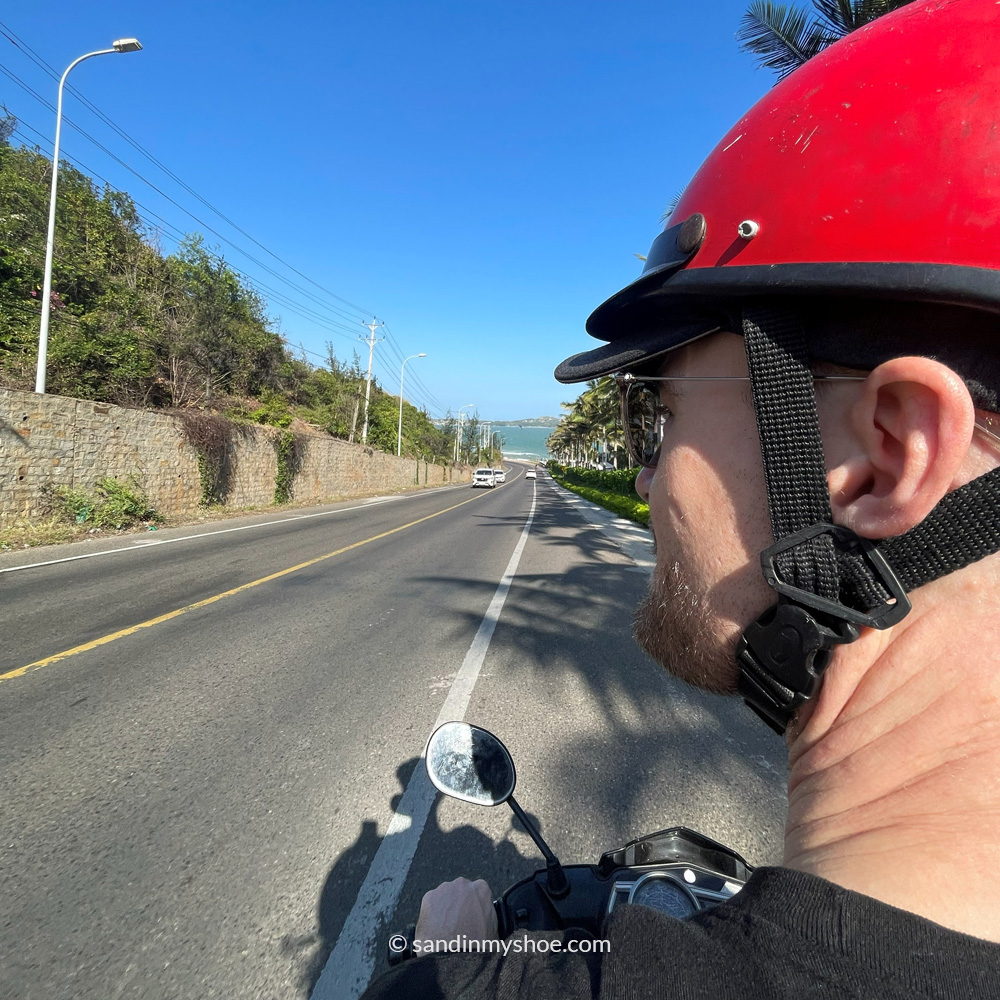
One of my favorite things to do in any country is explore the countryside, and Hoi An was no exception. Just a few minutes outside the Old Town, the streets give way to rice paddies, small villages, and water buffalo grazing in the fields. I explored the area by motorbike, as the heat made cycling a bit less appealing. The quiet roads and rural scenery provided a welcome change from the busy streets of Hoi An. Once I left the town behind, it felt like I had the countryside almost entirely to myself. - Take a Day Trip to Da Nang
If Hoi An feels a little too sleepy, Da Nang is just 30 minutes away. The city offers a livelier atmosphere, larger beaches, modern shopping malls, rooftop bars, and a wider range of restaurants. Check out my Da Nang Travel Guide for more info.
Getting Around Hoi An
The ancient town is very walkable, so no need for transportation here. However if you want to visit the nearby An Bang beach, the easiest is to book a bolt car or motorbike.
However, if you plan to explore several places around Hoi An, I’d recommend to rent a motorbike. They are cheap to rent, and the rate is about 100,000-150,000 dong a day. Expect to leave your ID card or some cash as a deposit. But do not leave your passport due to safety reasons.
How to Get Around in Vietnam
Keep Exploring Vietnam
Hoi An is just one of many rewarding destinations in Vietnam. From the beaches of Da Nang to the imperial history of Hue and the bustling streets of Ho Chi Minh City, there’s plenty more to discover.
Check out my other Vietnam travel guides:
- Da Nang Travel Guide – Beaches, cafés, mountain views, and easy access to Hoi An.
- Top Things to do in Hue – Imperial history, ancient tombs, and Vietnam’s former capital.
- 2-day itinerary of Ho Chi Minh City – Discover Vietnam’s largest city, from street food to rooftop bars.
- Vietnam 3-week Itinerary – A complete route through some of the country’s best destinations.
- Things to do in Hanoi – A guide for your visit of Hanoi.


No comments yet, be the first one!
I appreciate hearing from you. If you have any suggestions, questions, or feedback, please leave a comment below. Your input helps ensure the information stays relevant and up to date for everyone.
Thank you for sharing your thoughts!