

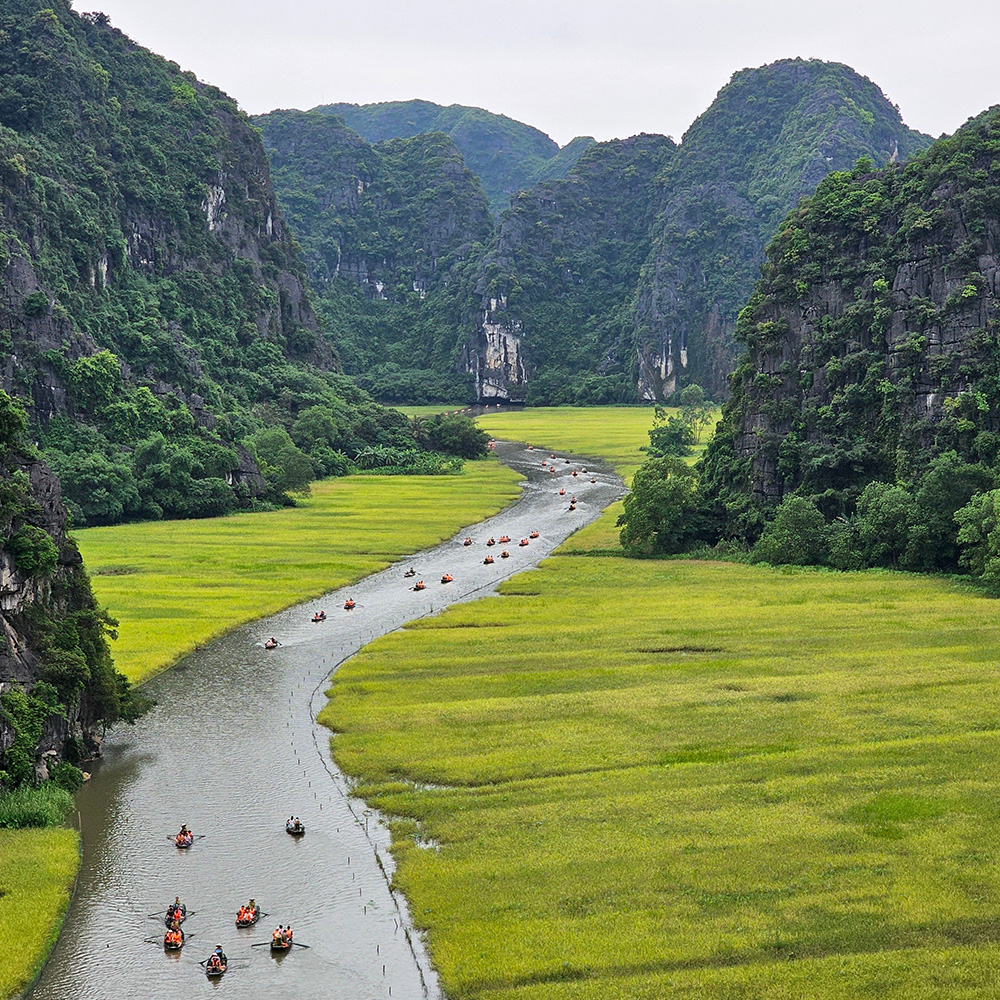
It’s based on my own two‑month journey, refined into a practical 3‑week route that gives you a balanced mix of the highlights, a lesser‑known beach gem called Quy Nhon, and plenty of nature. Whether you’re into food, history, nature, or the beach, this 3‑week Vietnam itinerary delivers on all counts.
If you’re backpacking around Southeast Asia, know that Vietnam is a very wingable country — you don’t need much planning because the country is long and linear. If you start in the north, you simply head south when you feel done with your current destination, and vice versa.
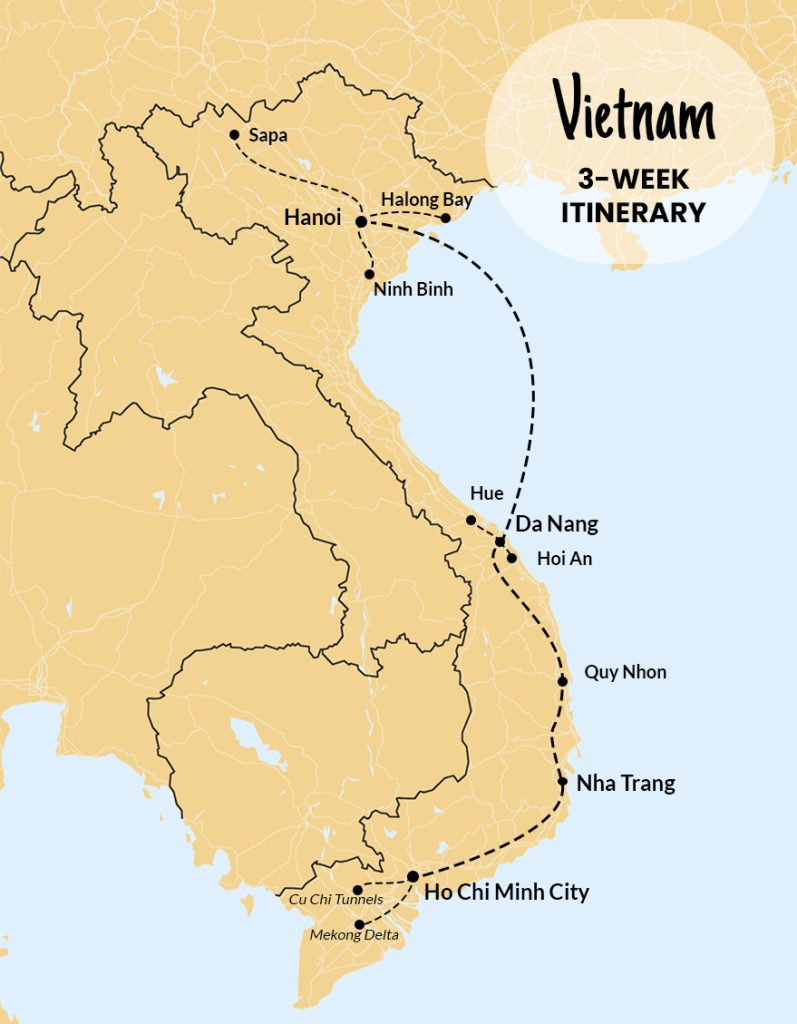
However, with just 3 weeks, it’s wise to do a bit of planning so you travel more efficiently and see more places without backtracking. This guide not only helps you decide where to go, but also the best way to get from one destination to the next. All of that is covered in the day‑to‑day itinerary below — but before we dive in, there’s one thing you really need to understand.
Vietnam’s monsoon seasons matter. Get them wrong, and you might arrive in a beach destination like Da Nang only to find it raining every day.
I visited from late December to late February. Hanoi was chilly, Hue was wet, and Da Nang felt a little quiet under grey skies — but none of it ruined the trip. A rain jacket goes a long way, and the Imperial City is still incredible even in the rain. The further south I travelled, the better the weather got. I didn’t plan around it; I just improvised. But if beaches are a priority, check the forecast so you’re not hoping for sunshine in the middle of a shower.
If it’s wet season in Da Nang, consider swapping to another beach destination that’s in season — Nha Trang often has better winter weather, and the southern islands of Phu Quoc are usually sunny when the central coast isn’t.
When To Visit Vietnam
Vietnam’s weather changes dramatically from region to region, so timing matters. The monsoon doesn’t mean 24‑hour rain, but it does mean frequent downpours and at times several wet days in a row.
Between February and April you’ll get good weather across most of the country; outside that window, you need to pay a bit more attention to the overall climate when planning your visit.
Below are three simple weather charts that give you a quick overview of Vietnam’s regional patterns — north, central, and south — so you can pick the right beach destination for your trip.
 32°C
21°C
33°C
22°C
33°C
23°C
32°C
21°C
33°C
22°C
33°C
23°C
 35°C
24°C
35°C
24°C
 34°C
25°C
34°C
25°C
 32°C
24°C
32°C
24°C
32°C
24°C
32°C
24°C
32°C
24°C
32°C
24°C
 31°C
24°C
31°C
23°C
31°C
22°C
31°C
21°C
25°C
18°C
26°C
19°C
28°C
21°C
30°C
23°C
32°C
25°C
32°C
26°C
34°C
26°C
33°C
25°C
31°C
24°C
29°C
23°C
28°C
21°C
25°C
19°C
20°C
10°C
21°C
13°C
24°C
16°C
28°C
20°C
32°C
22°C
34°C
25°C
35°C
26°C
33°C
26°C
32°C
24°C
29°C
21°C
26°C
18°C
22°C
14°C
31°C
24°C
31°C
23°C
31°C
22°C
31°C
21°C
25°C
18°C
26°C
19°C
28°C
21°C
30°C
23°C
32°C
25°C
32°C
26°C
34°C
26°C
33°C
25°C
31°C
24°C
29°C
23°C
28°C
21°C
25°C
19°C
20°C
10°C
21°C
13°C
24°C
16°C
28°C
20°C
32°C
22°C
34°C
25°C
35°C
26°C
33°C
26°C
32°C
24°C
29°C
21°C
26°C
18°C
22°C
14°C
Getting Around in Vietnam
This itinerary uses trains for the scenic stretches, long‑distance buses and limousine vans for comfortable overland travel, and flights when covering big distances. Getting around in Vietnam is straightforward and easy to book — you can check schedules and reserve tickets on 12Go.

Within cities, Grab is the easiest option in large, hectic places, while in smaller towns it’s worth renting a motorbike so you can explore on your own terms.
The 3-week Itinerary of Vietnam
This itinerary gives you a balanced introduction to Vietnam. The first week focuses on the south — Ho Chi Minh City, the Mekong Delta, and the southern beaches — before gradually working your way north toward the cultural heartlands and mountain regions.
The route can easily be done in reverse as well, with Hanoi as your starting point instead.
Arrival
Arriving in Vietnam is straightforward, but a few small tricks make the first day smoother.
- Visa Process
Online check‑in for your flight helps you skip the airport queues, and having your e‑visa PDF ready on your phone speeds things up at immigration. Know that many nationalities get 45 days visa‑free entry, but always double‑check before you travel. If you need one, get your Vietnam visa from the official government website — it’s the fastest and cheapest option without any middlehands. - eSIM
Be ready with an eSIM on arrival — it saves time at the airport and gets you online immediately. If you want a reliable option you can set up before your trip, you can get one from YeSim, which works smoothly across Vietnam. - Getting Cash
Once you land, getting cash is easy — ATMs are everywhere. The ones I found with the lowest (or no) fees were Saigon Bank (SCB), MB Bank, and VIB. Just be sure to decline the fixed conversion rate whenever it pops up on the screen; it’s always worse than your bank’s own rate. - Getting from the Airport
For getting into the city, Grab is the simplest option in Ho Chi Minh City or Hanoi. If you’re arriving in a smaller place, you can often walk or take a quick taxi to your accommodation.
Week 1: South Vietnam
Day 1–4: Ho Chi Minh City
The first couple of days will be spent in the modern city of Ho Chi Minh City, where you have everything from historical landmarks and war‑era sites to rooftop bars, markets, and some of the best food in the country.

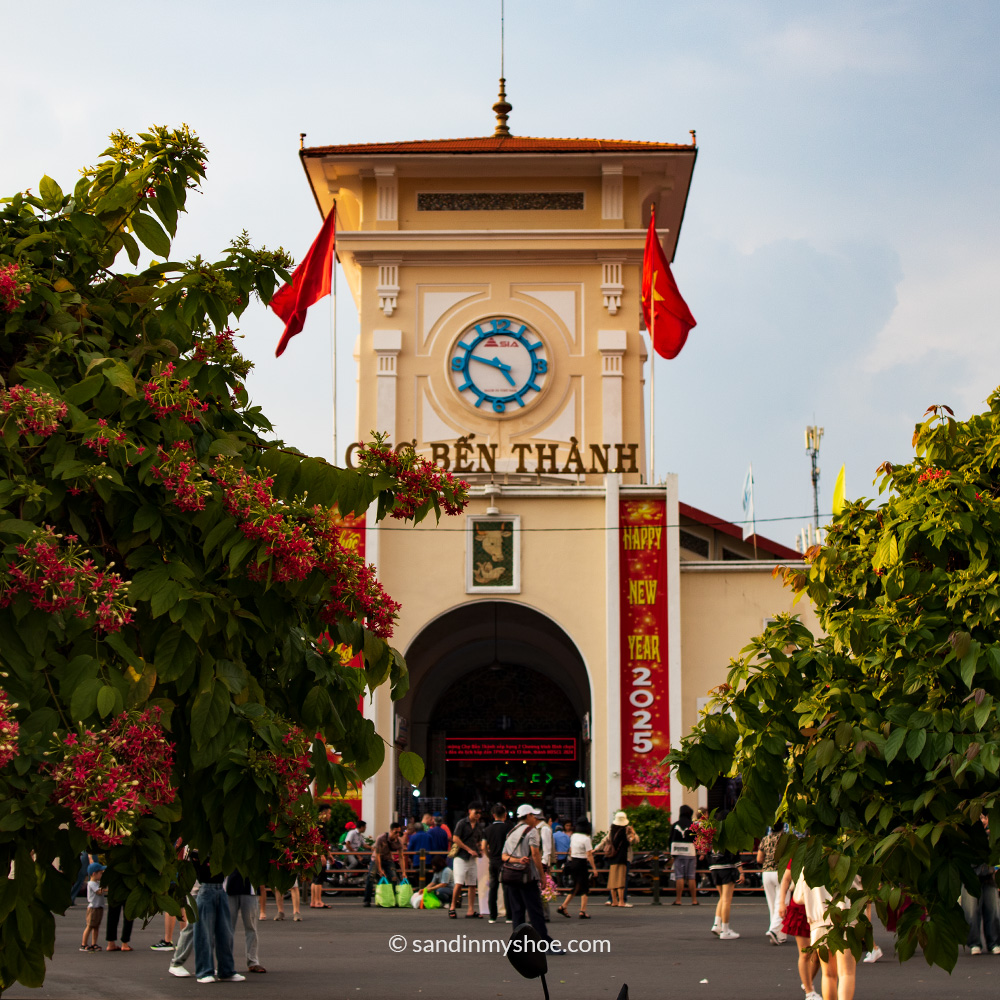
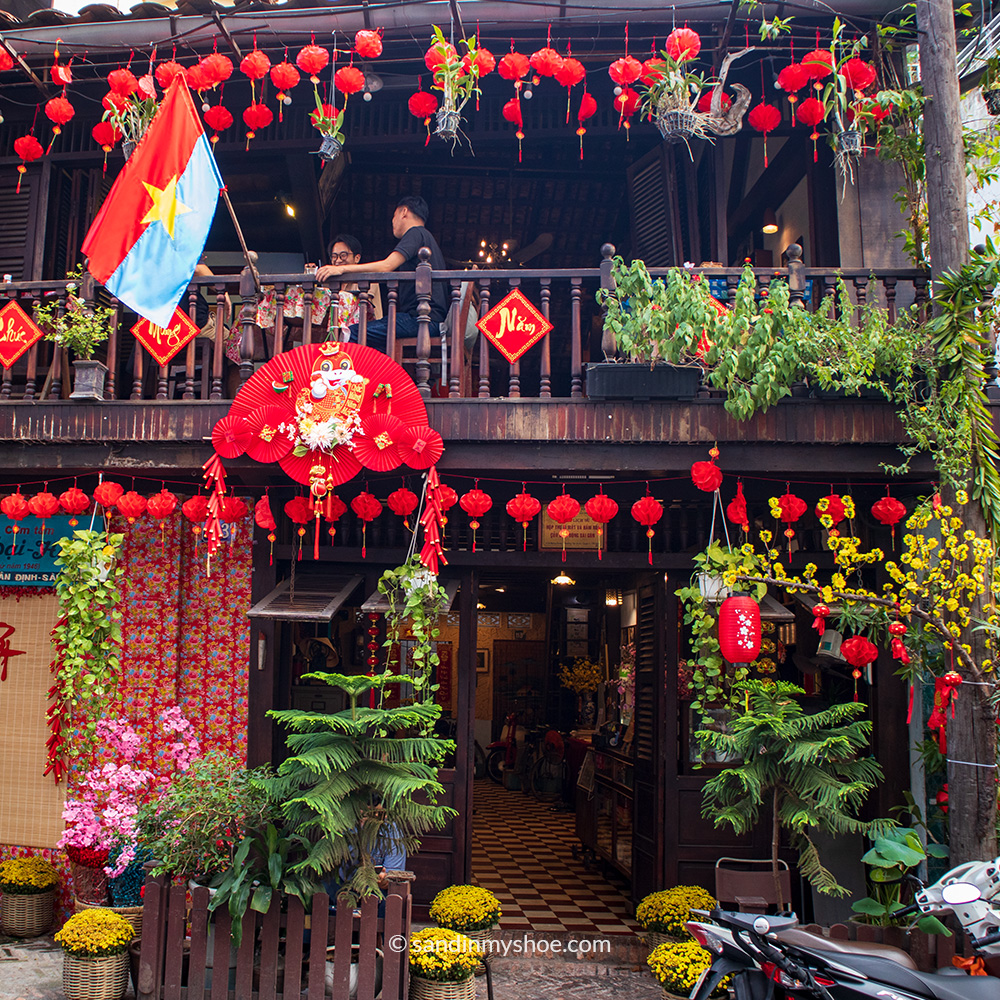

Check out my 2-day Itinerary for Ho Chi Minh City for more.
Using Ho Chi Minh City as base, I recommend doing two separate day trips.
Day 3: Day Trip To The Cu Chi Tunnels
This is basically a must‑experience. You’ll crawl through the infamous underground tunnels while hearing the crack of automatic rifles from the nearby shooting range — an intense reminder of the site’s wartime history.



Most Popular and Highly Rated Tour from Ho Chi Minh City: Day Trip to the Cu Chi Tunnels.
Day 4: Day Trip To The Mekong Delta
The Mekong Delta is where Vietnam slows down — river channels, floating markets, coconut farms, and small villages that feel worlds away from Ho Chi Minh City.
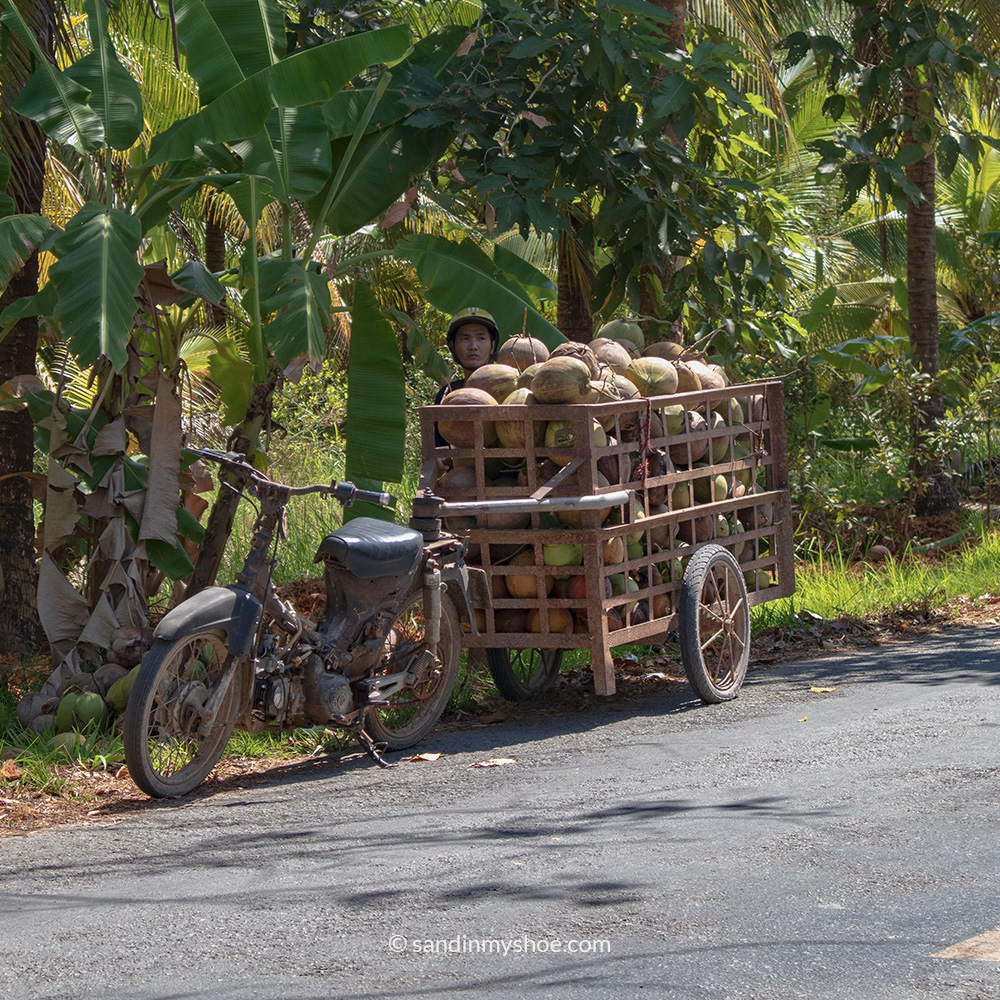
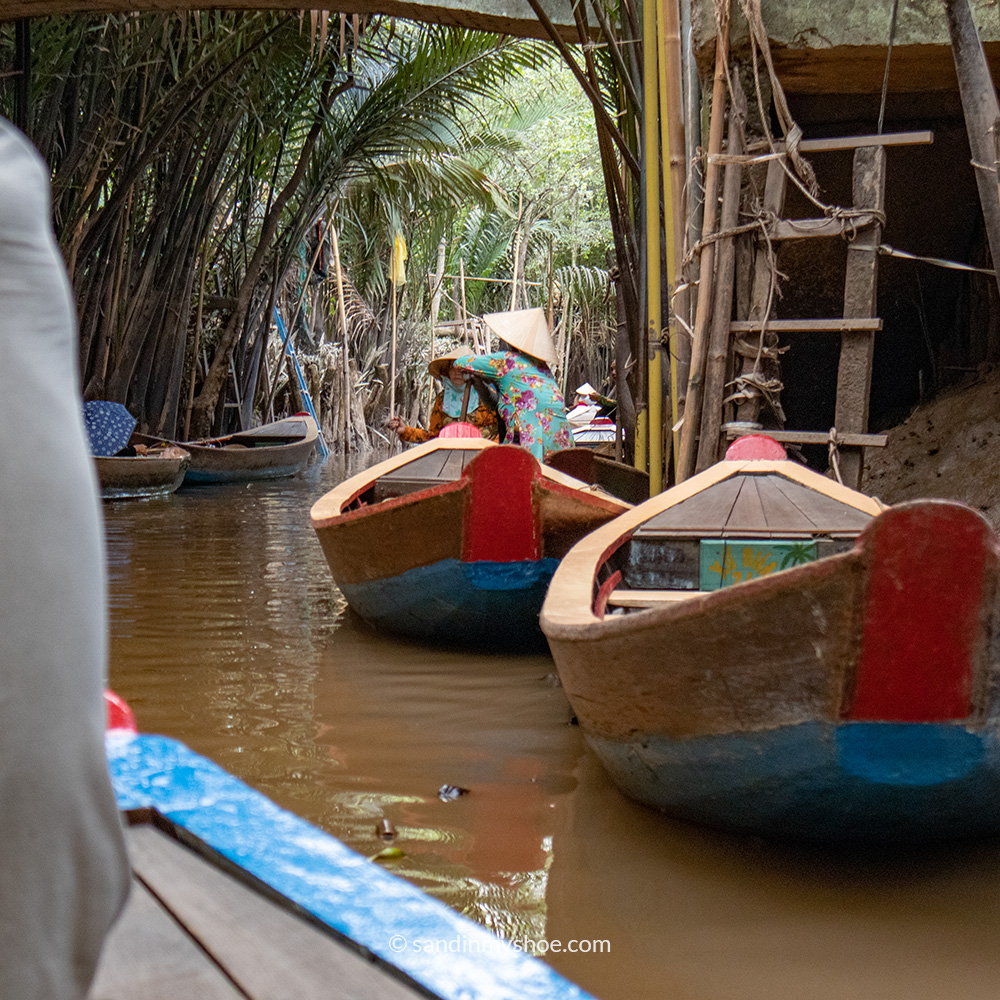
Personally, I spent about a week in this region, and I highly recommend visiting. If you want a deeper dive into what to expect from the region Mekong Delta, read my other post: Mekong Delta Travel Guide.
Or simply, book a Day Trip to The Mekong Delta.
Day 5-6: Nha Trang
Next up is the beach town of Nha Trang. The town itself is mostly about relaxing on the beach, but there are a few interesting things to do in the area. There’s a popular mud bath, an island filled with monkeys, and even a historical site built by the Cham people during the 7th century.
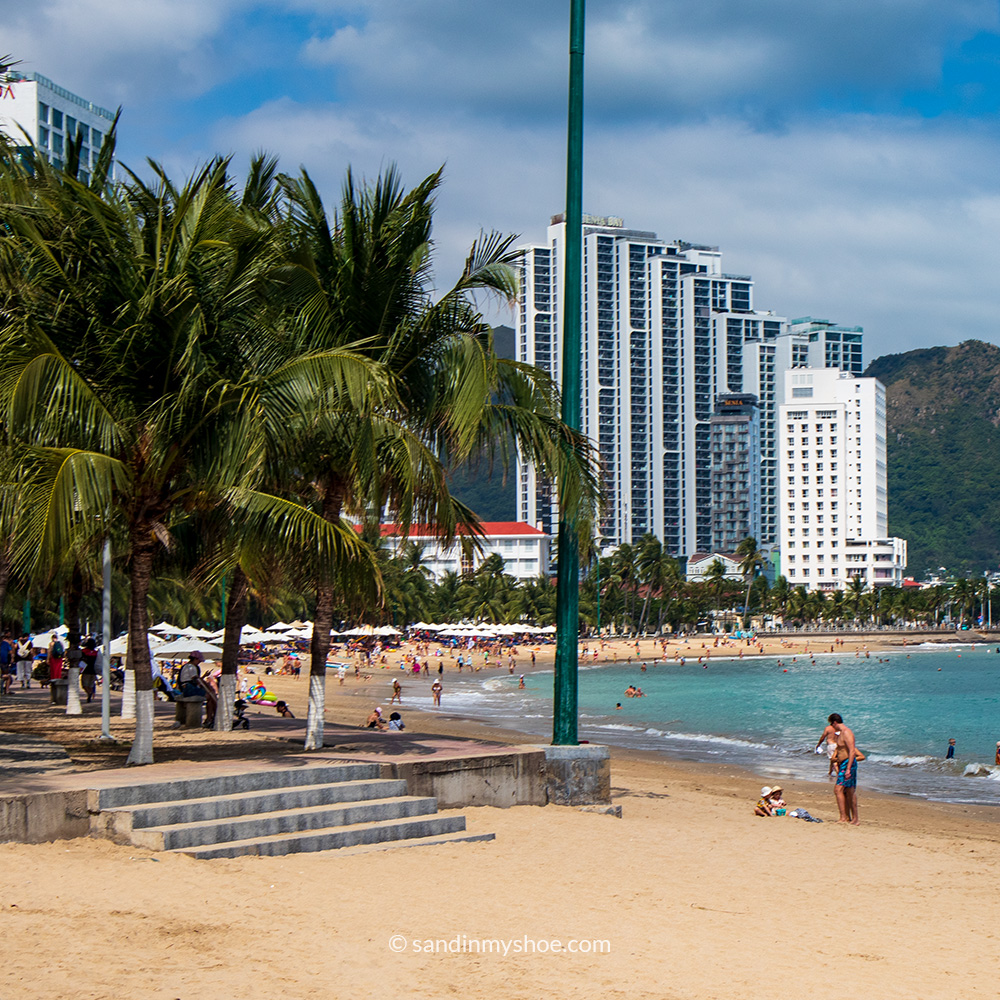



For more details, check my other post: Things to Do in Nha Trang.
Getting to Nha Trang
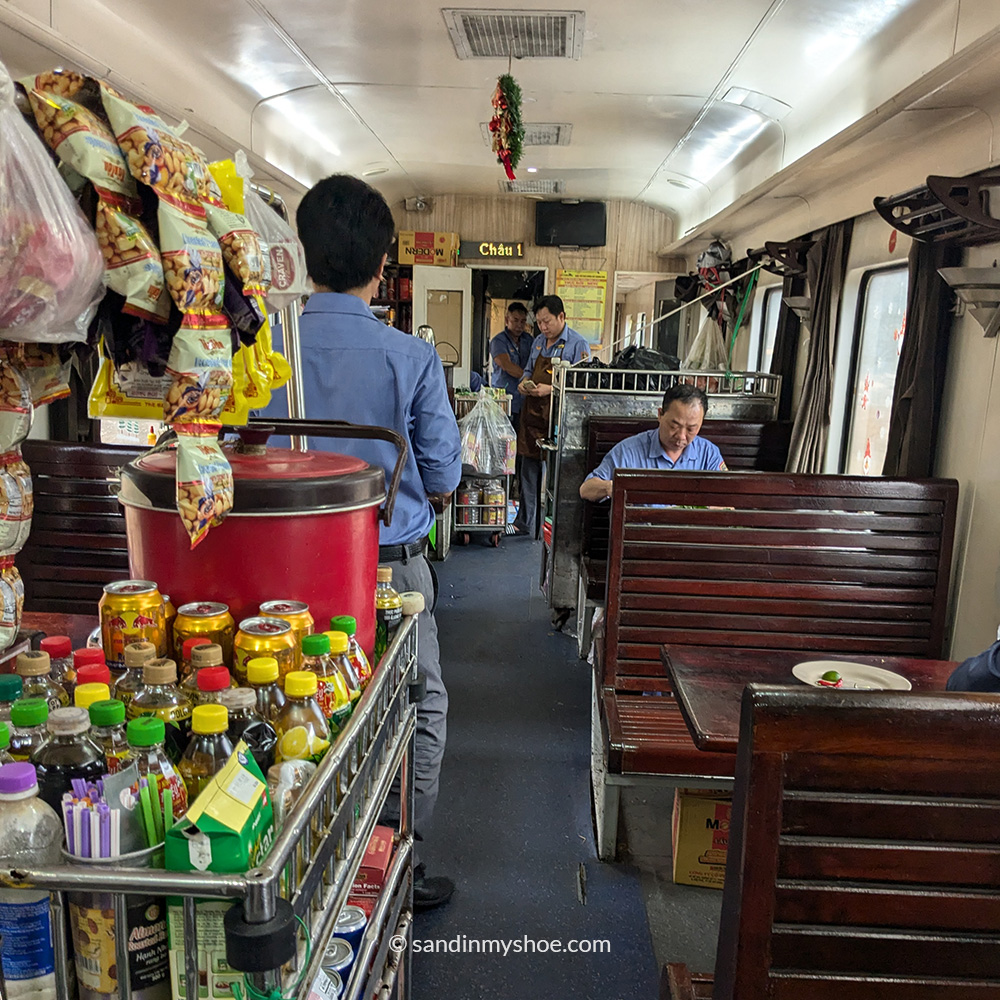
The best way to get here from Ho Chi Minh City is by train — it takes about 8 hours and is a bit slower than the bus, but the trade‑off is worth it. You get better views of the coastline, villages, and countryside you pass along the way, and you can walk between the carriages, grab a drink, or sit down for a meal in the restaurant wagon.

Week 2: Central Vietnam
The second week is spent in the central area.
Day 7-8: Quy Nhon
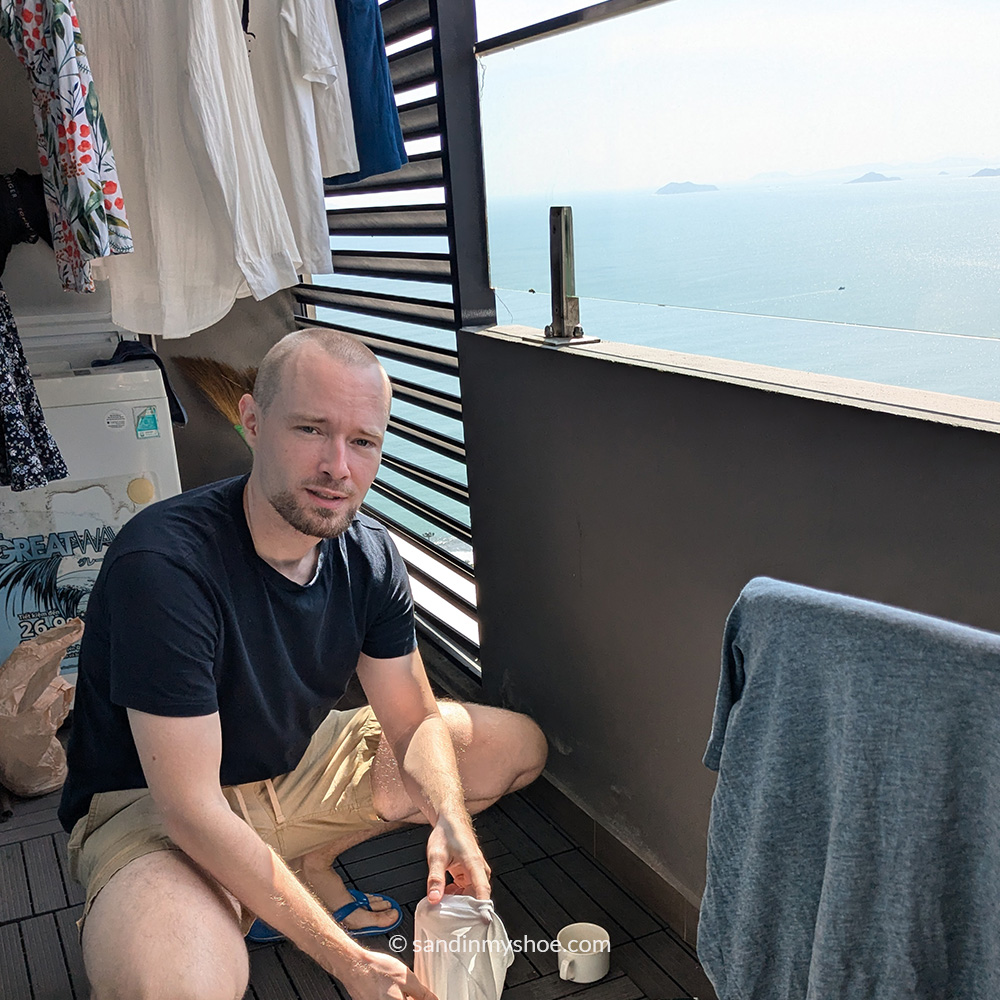
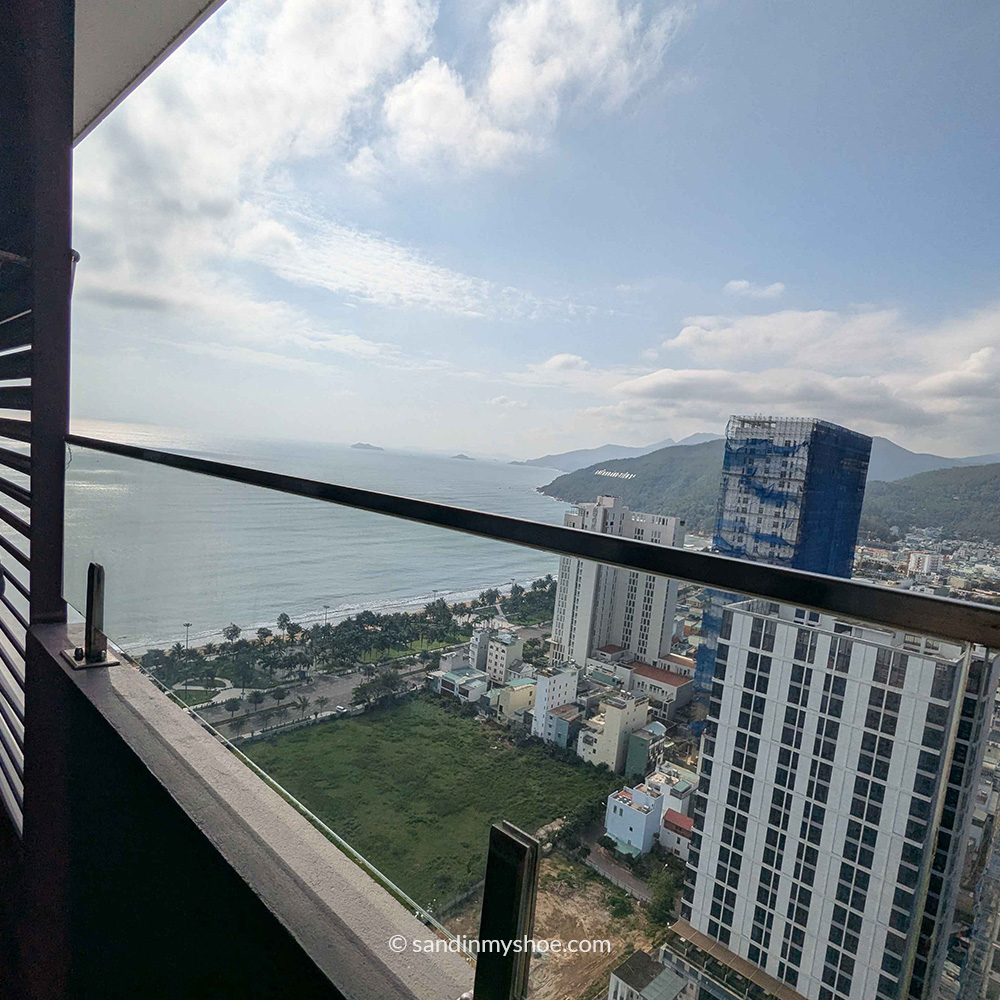
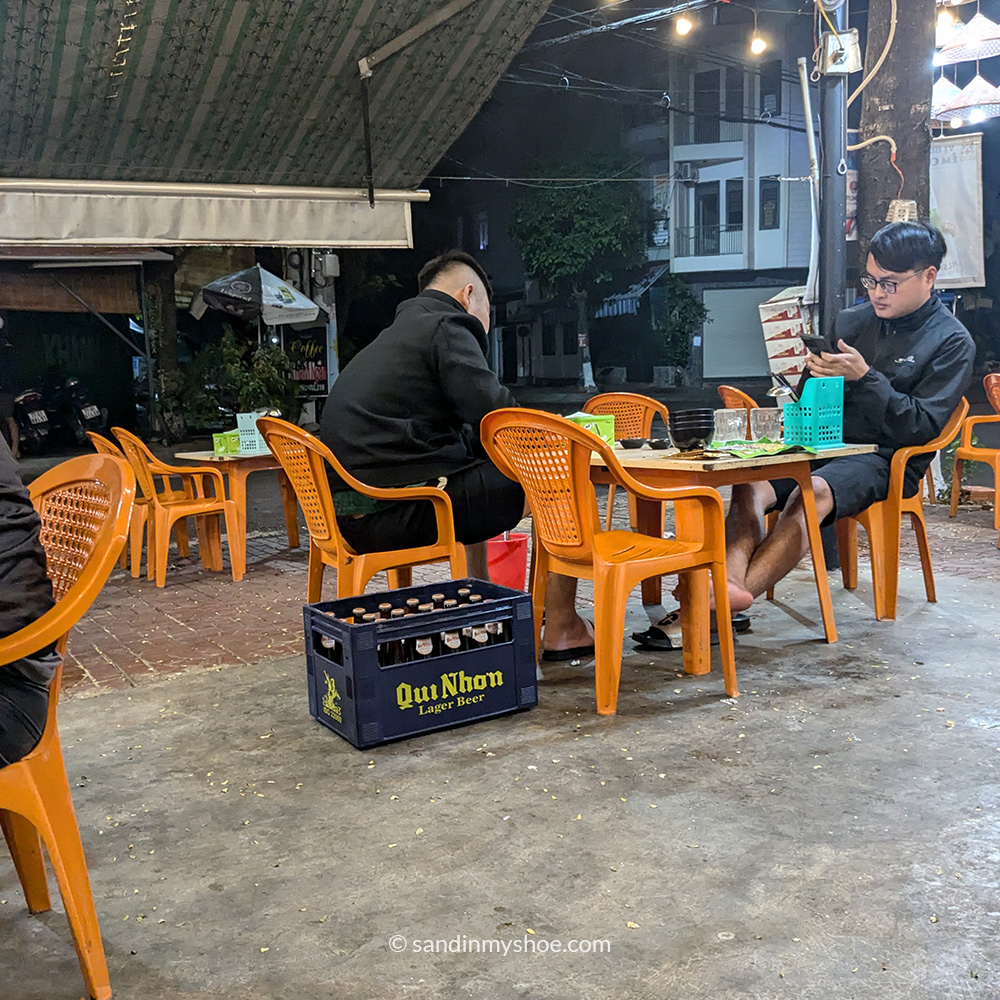
Quy Nhon is the hidden gem in central Vietnam. It’s a coastal town mostly popular with locals, and you’ll notice far fewer signs in other languages than Vietnamese. That’s part of the charm: it feels relaxed, authentic, and pleasantly untouristed.
What you can do here is simple and rewarding: visit the beaches, explore the coastline, and ride a motorbike through the small roads and villages to see what Vietnam looks like without busloads of Russian and Korean tourists.
I stayed here for about five days during my two‑month visit and paid around $15 per night for an apartment with a sea view — the value was excellent.
Getting to Quy Nhon
Quy Nhon is about 4 hours away from Nha Trang. The most comfortable way to get here is by limousine van — a few dollars’ worth of dong more than the bus, but absolutely worth it for the extra space and smoother ride.

Day 9–12: Hoi An & Da Nang
These two cities are famous for a reason: Hoi An is known for its architecture, while Da Nang is famous for its beaches and a bit of a party atmosphere.
I recommend only staying in one the cities — either Hoi An or Da Nang — so don’t have to pack and unpack more than necessary. They’re just about 30 km from each other, and you can easily visit the other during the day. Choose Da Nang for beaches and parties, or Hoi An for its historic riverside charm.
Hoi An
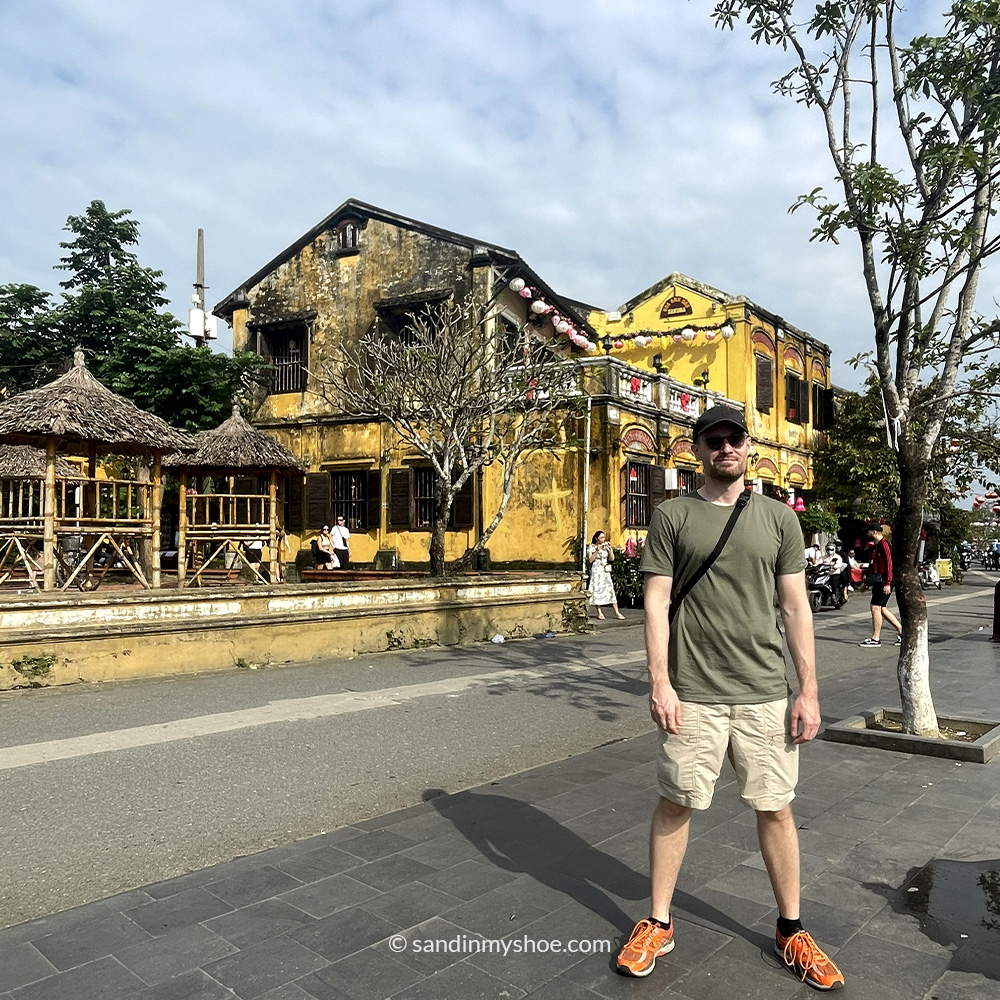
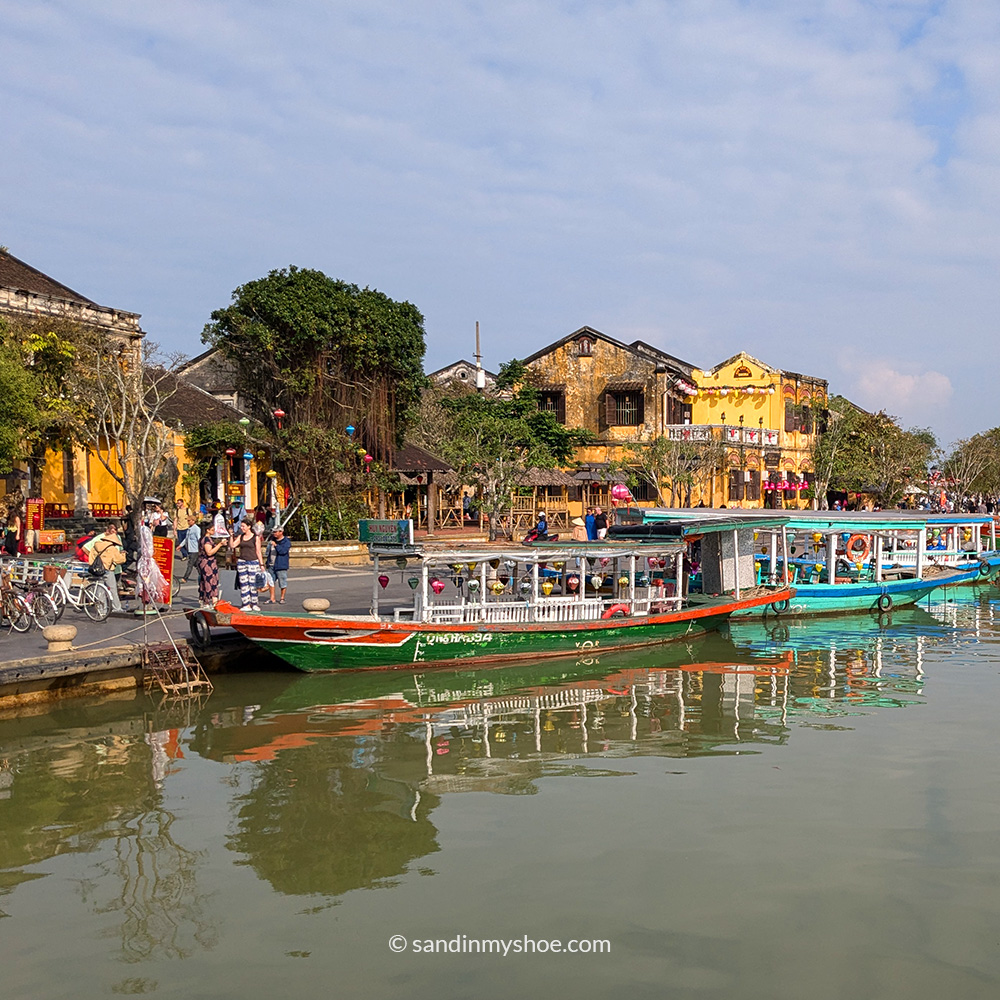
The ancient town of Hoi An, a UNESCO World Heritage Site known for its beautifully preserved architecture and lantern‑lit streets. It’s one of Vietnam’s most atmospheric destinations, with tailor shops, cafés, riverside walks, and historic buildings that make it easy to spend a few slow days just wandering around.
Da Nang
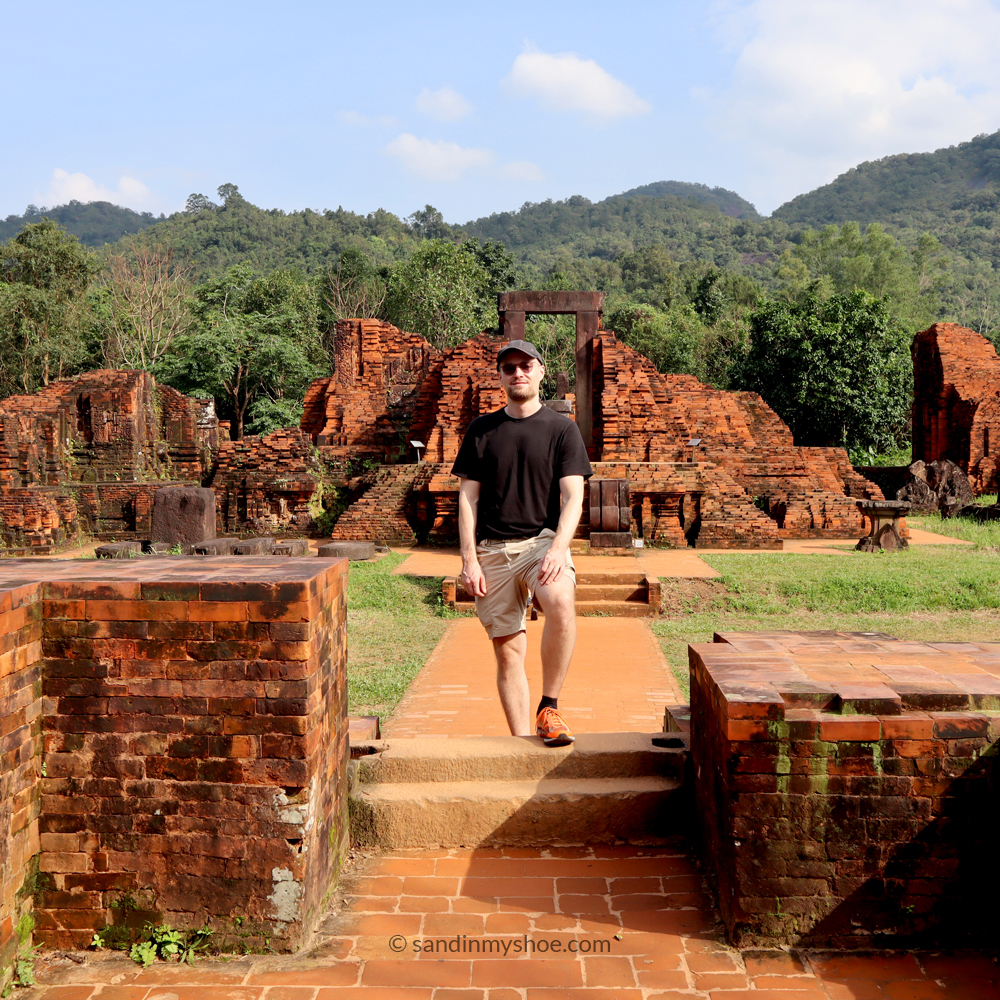
Da Nang, only a short drive away, offers a completely different vibe — a modern coastal city with long beaches, great seafood, and an archaeological site called My Son, dating back to the 4th century CE. The famous hand bridge is here too.
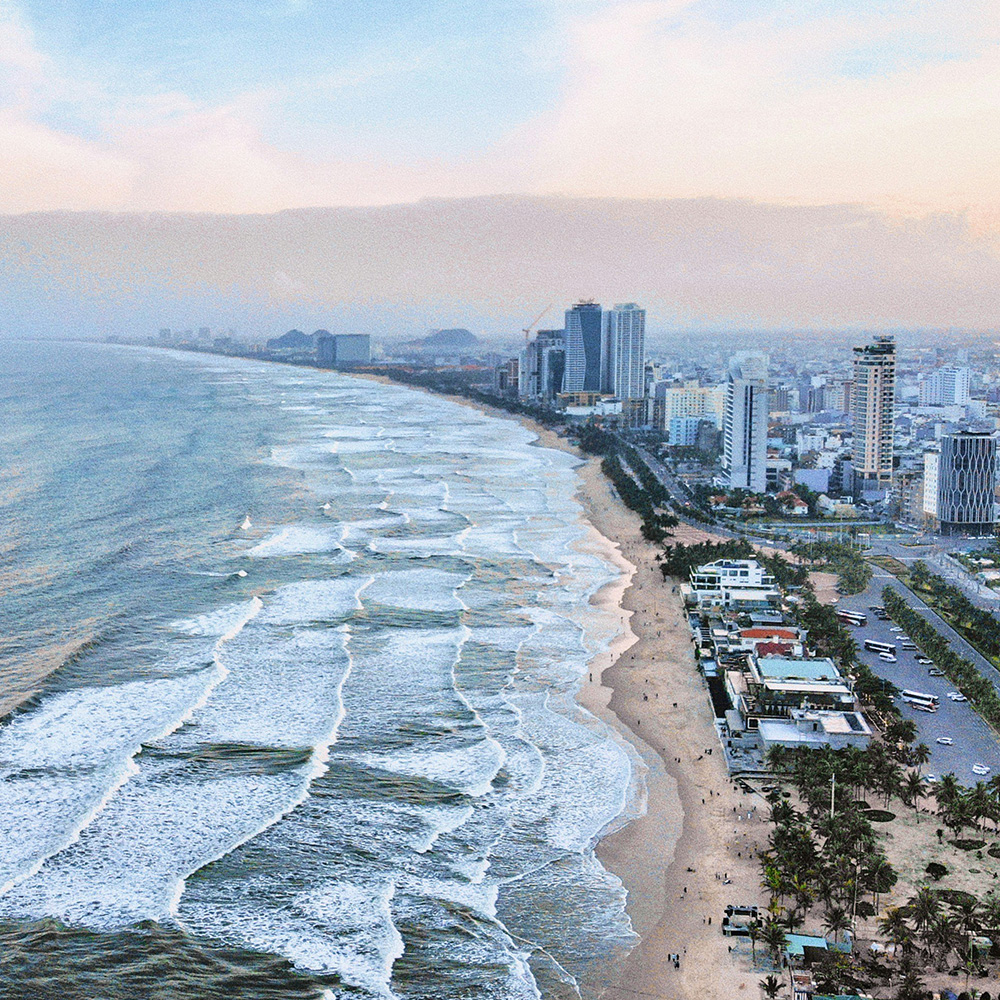
It’s the kind of place where you can spend the morning at a café, the afternoon swimming at the beach, and the evening eating grilled seafood by the water. And later, checking out the rooftop bars and the lively riverfront.
It’s a great contrast to the quiet Quy Nhon, much more energy without losing the beach‑town charm.
Getting to Hoi An or Da Nang
Hoi An is the closest stop from Quy Nhon, and it takes about 6 hours. Add another 30 minutes for Da Nang. and there are two ways of getting there, either a bus or a limousine van with higher comfort.
Day 13: Day Trip to Hue

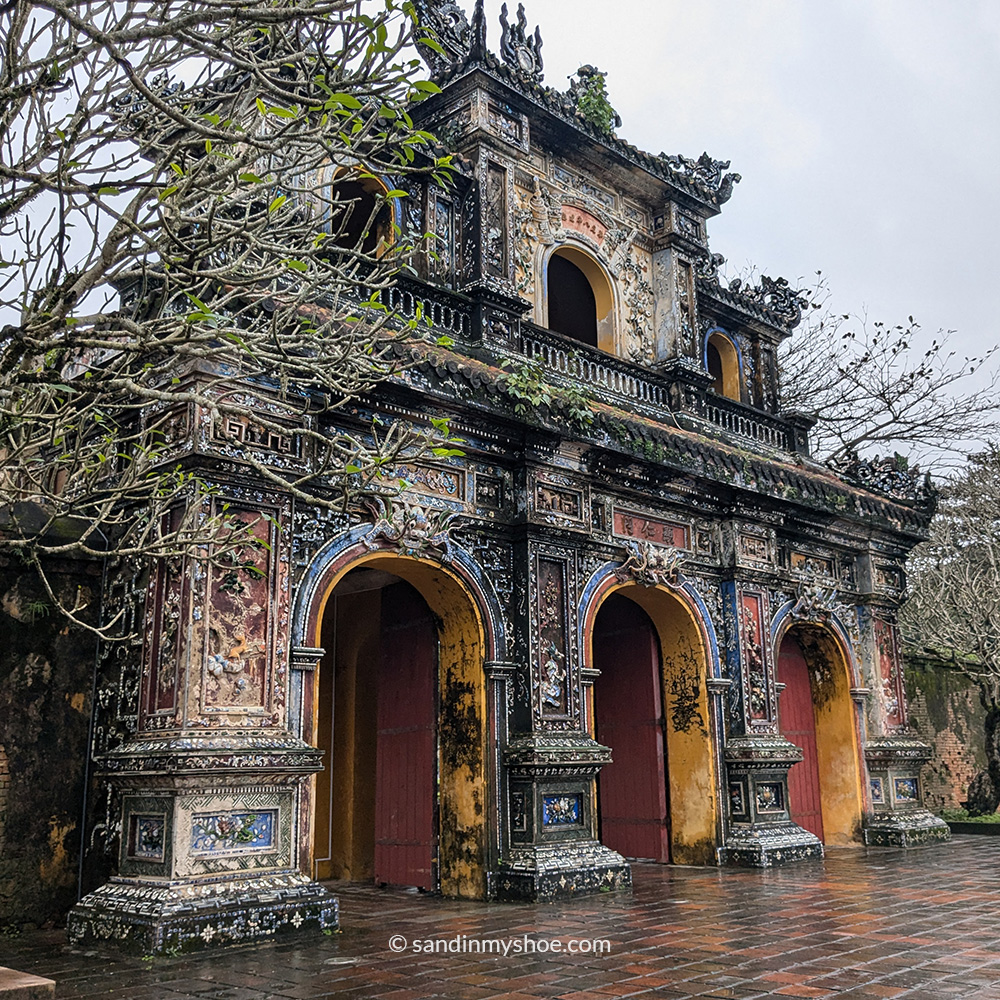
The Imperial City of Hue lies just a couple of hours away. This was the seat of Vietnam’s last royal dynasty, the Nguyen emperors — which is also why so many Vietnamese today share the surname Nguyen. To give you an idea of how common it is: in my Swedish hometown of 100,000 people, more than 150 residents have that surname. It really shows how widespread it became during the dynasty’s rule.
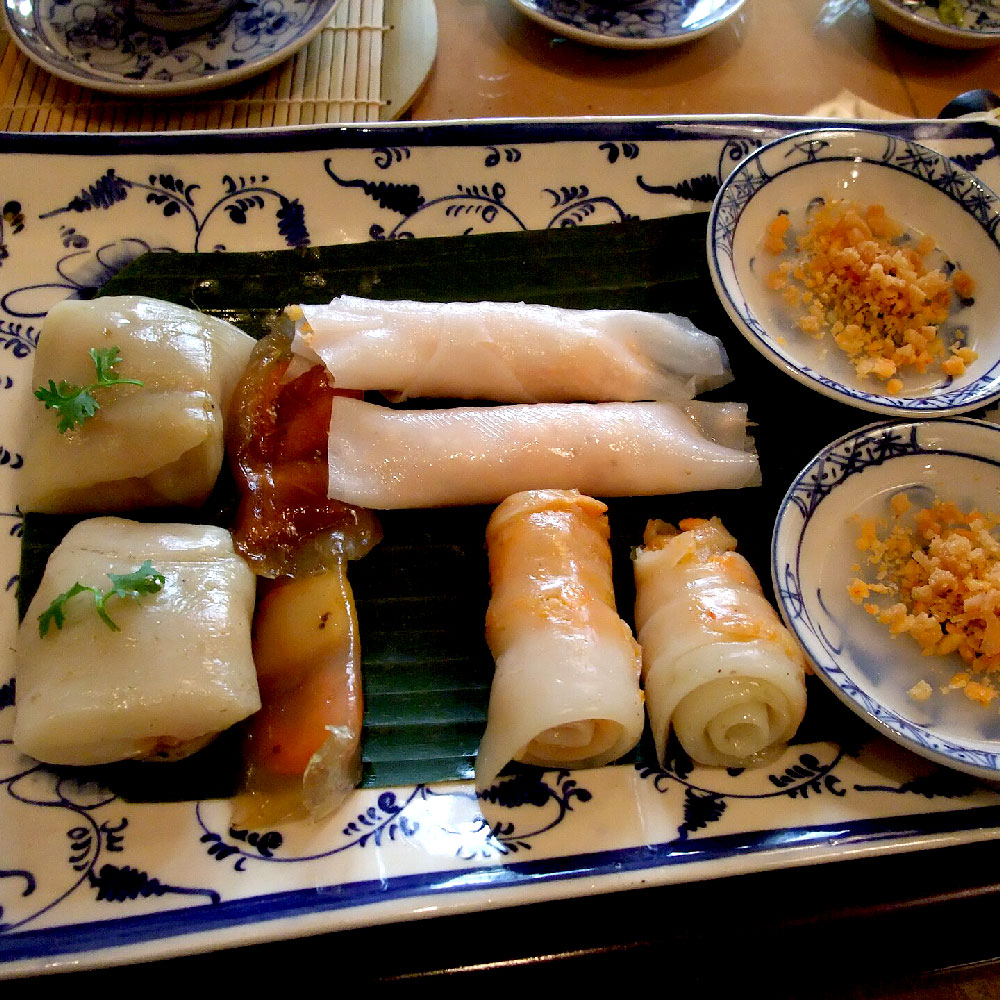
In Hue you can see the citadel, palaces, and temples give you a fascinating look into the country’s imperial past. Hue is also known for its imperial cuisine. So it’s a great stop for anyone interested in either history or food.
The trip to Hue is an experience as well, as you’ll pass by the Hai Van Pass — a scenic, winding mountain road with some of the best coastal views in Vietnam. Can be done with motorbike, van and even the train, but best experience with a motorbike.
Best Way to Visit Hue
I recommend visiting Hue as a day trip because you’ll be flying to Hanoi from Da Nang. The easiest option is an organized day‑trip tour. Check out these options below.
Want to know more about Hue, check out my dedicated guide : Top Things to Do in Hue.
Week 3: Northern Vietnam
The third week is dedicated to the north — cooler mountains, dramatic landscapes, and the nonstop energy of Hanoi. Because you’ll be flying in, it’s smart to plan your route so you visit the furthest destinations first and work your way back toward the capital. That way, any delays won’t risk your flight home.
Day 14: Flight to Hanoi From Da Nang

Use this day mainly for travel.
Flying from Da Nang to Hanoi saves a huge amount of time. The distance is about 650 km, and the bus can take around 15 hours. Flights are often very affordable — sometimes as low as $35 USD — and you can compare options easily on 12Go, which lists both flights and land transport.
Once you arrive, get settled, grab dinner, and rest. You’ll head to Sapa early the next morning.
Day 15–17: Sapa

You should already have a tour booked — most Sapa departures leave early, and it’s much easier when everything is arranged in advance.
Begin your northern mountain escape in Sapa, known for terraced rice fields, misty valleys, and ethnic minority villages tucked into the hills. The cooler climate is a welcome break after weeks of heat, and the scenery is some of the most dramatic in Vietnam. Here’s what you can experience:
- Trek through Hmong, Dao, and Tay villages
- Walk past bamboo forests, waterfalls, and ridge viewpoints
- Stay in a homestay for home‑cooked meals and mountain mornings
- Climb Fansipan (Vietnam’s highest peak) or take the cable car
Book a Multi-Day Trip With GetYourGuide (Pick‑up from Hanoi)
Day 18-19: Hanoi
After returning from Sapa, stay in Hanoi for the rest of your trip. It keeps things simple — no repacking, no hotel‑hopping, and you’ll have easy access to all major day trips in the region.
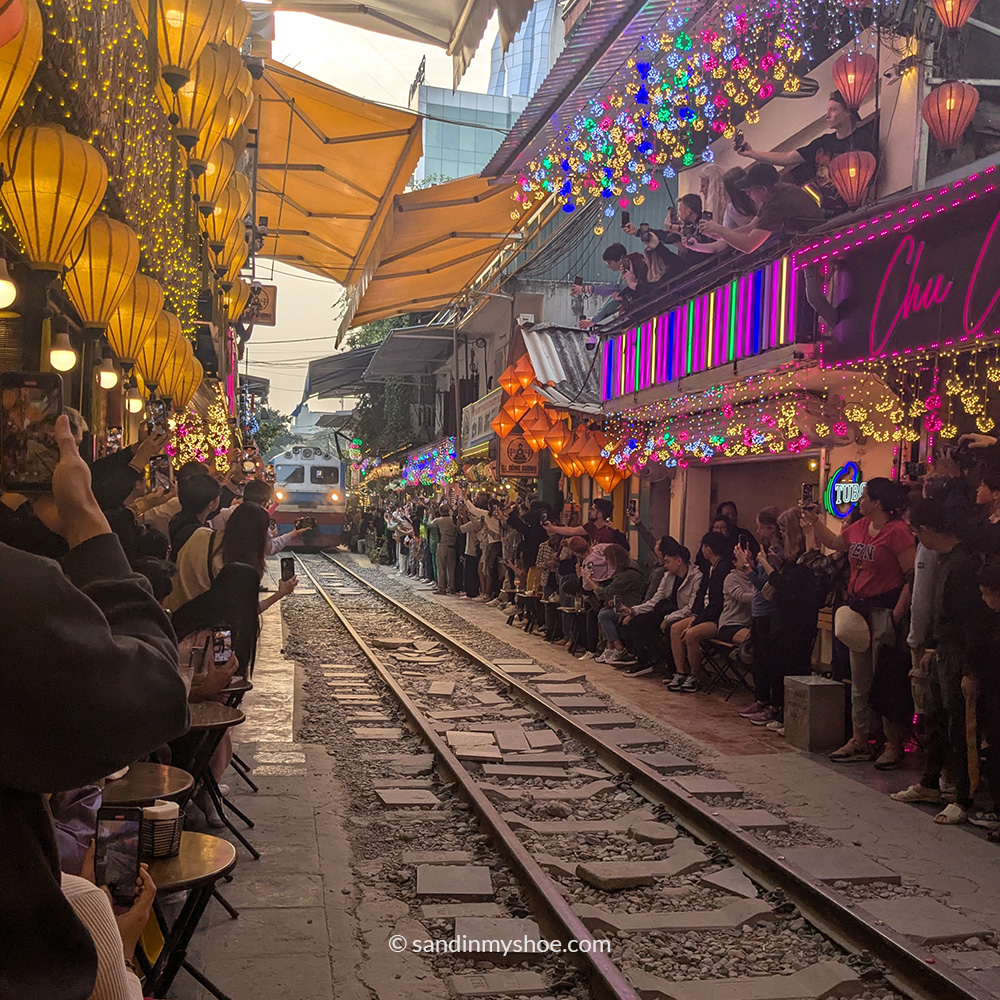

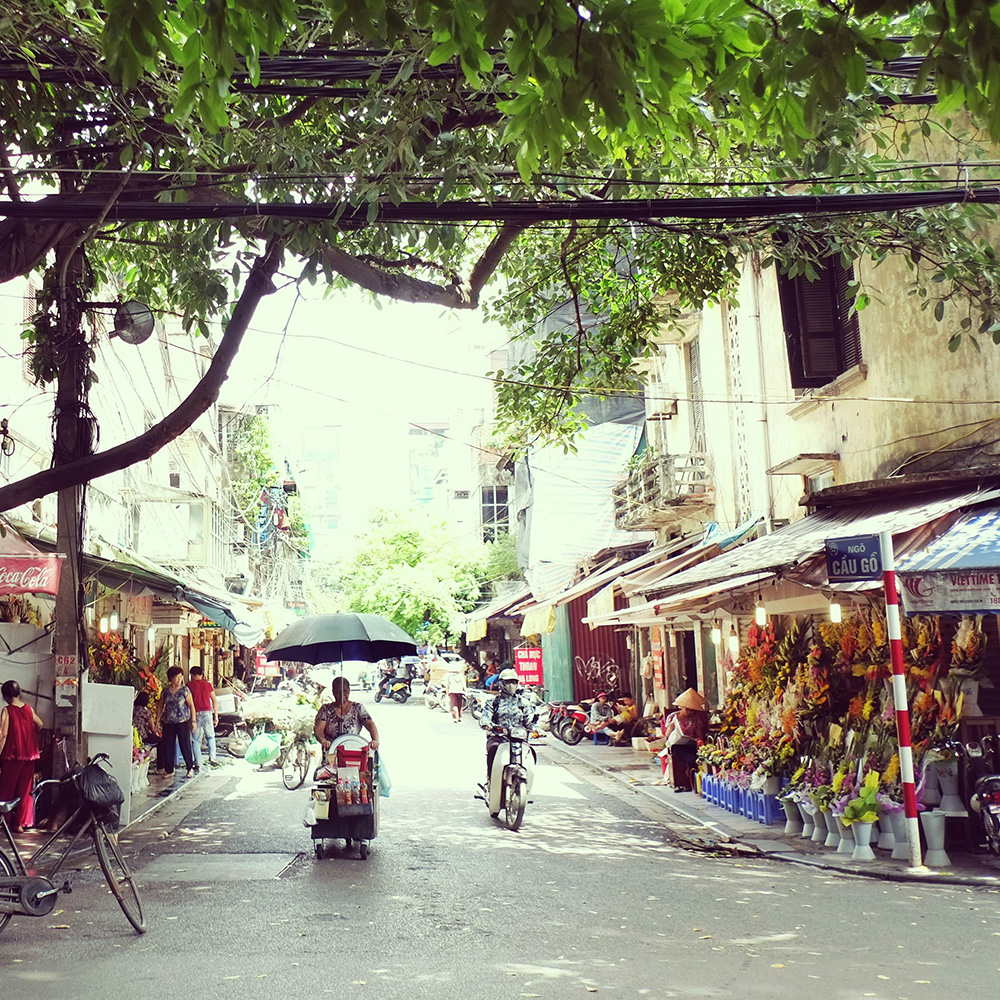
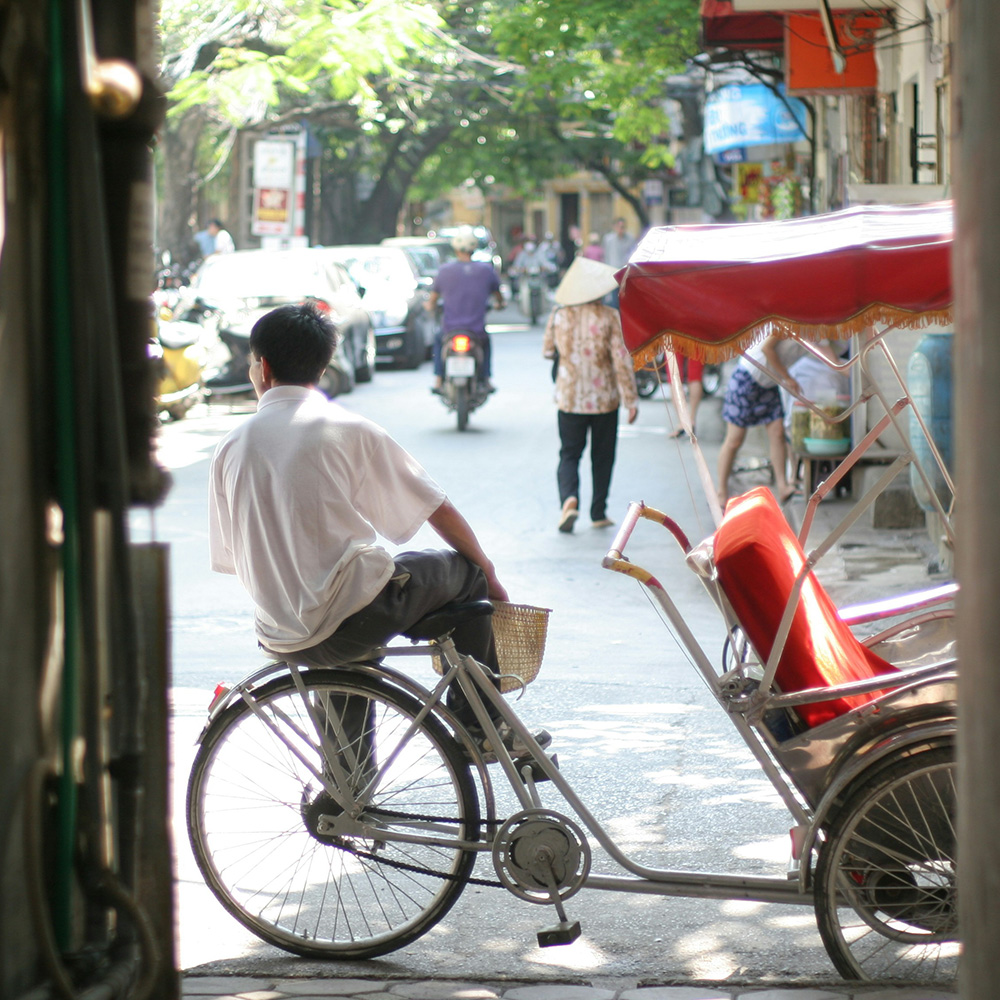
Hanoi itself is a city of contrasts: the birthplace of egg coffee, home to over a million motorbikes, and a place where the streets never really slow down. During my Christmas visit, I even saw whole barbecued dogs being sold in certain neighborhoods — not common everywhere, but part of the city’s complex food culture shaped by history and tradition.
But Hanoi is far more than its shock moments. It’s a city of cafés, markets, lakes, temples, and endless street food.
If you want a deeper dive, check out my dedicated guide: Things to Do in Hanoi.
Day 20: Day Trip to Ha Long Bay
A day trip to Ha Long Bay is one of the easiest ways to experience the famous limestone landscape. You cruise between towering cliffs, stop for viewpoints, and get a good feel for the area without committing to a full overnight tour.
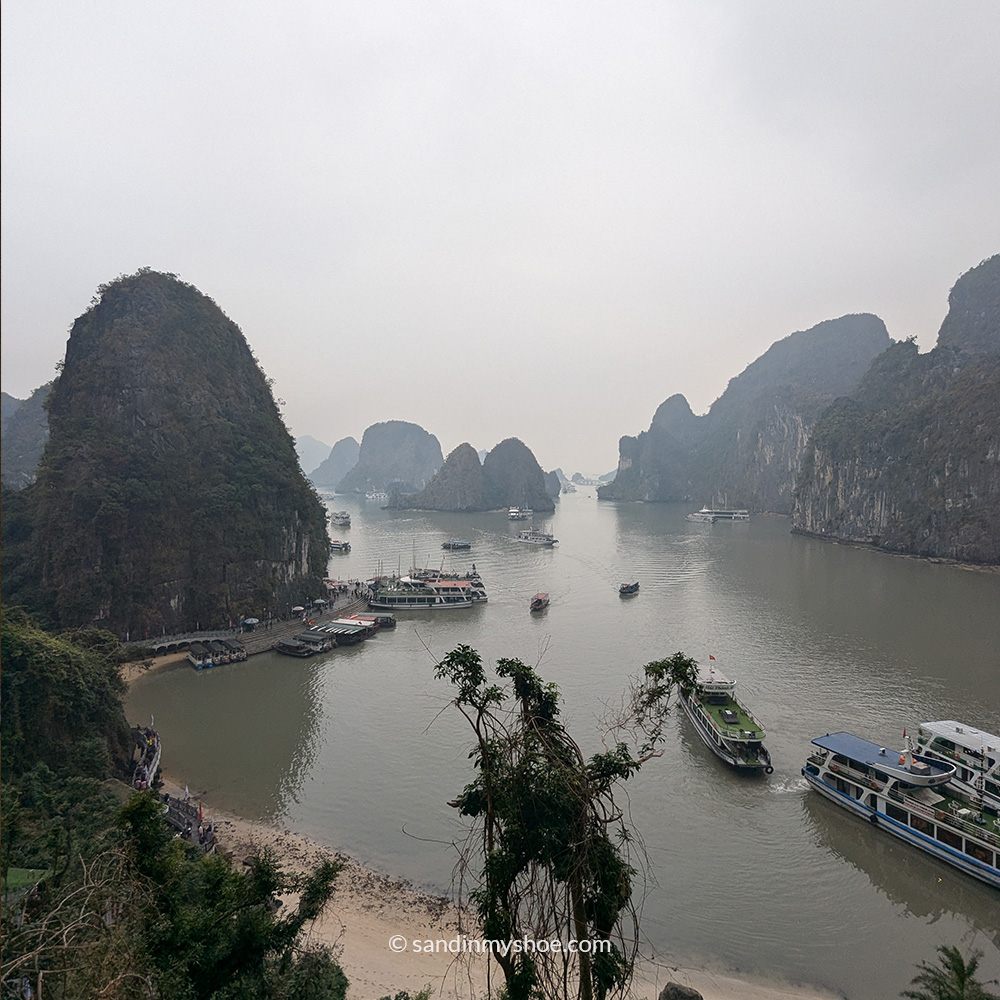
There’s a possibility staying overnight on a boat as well. You wake up right in the middle of the bay, surrounded by misty limestone pillars — a completely different atmosphere than the daytime crowds. Choosing the overnight option does mean trading away your visit to Ninh Binh, since you’d need another day.
Affordable Day Trips from Hanoi
Day: 21: Day Trip Ninh Binh
Ninh Binh, often called “Ha Long Bay on land” thanks to its towering limestone cliffs rising straight out of rice fields and rivers. It’s less famous — and far less crowded — than Ha Long Bay, but the landscape is as spectacular.

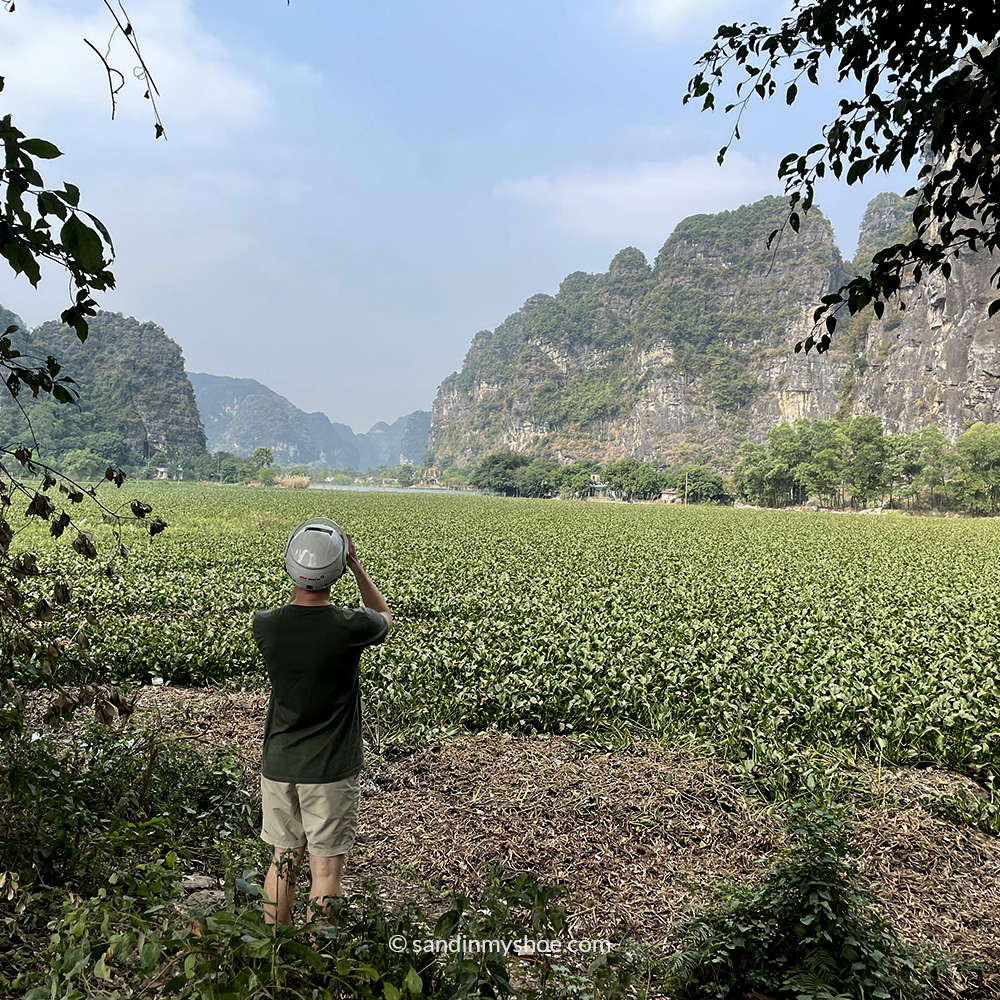
The best way to explore Ninh Binh is by renting a motorbike in Hanoi and driving here. It gives you the freedom to move between viewpoints, temples, and small villages at your own pace, and lets you experience the landscape in a much more immersive way. Another options is by an organized daytrip.
Affordable Day Trips from Hanoi
Common Questions About Traveling Vietnam
Here are answers to some of the most common questions travelers have. If there’s anything else you’re curious about, feel free to ask in the comments.
How Much Does 3 weeks in Vietnam Cost?
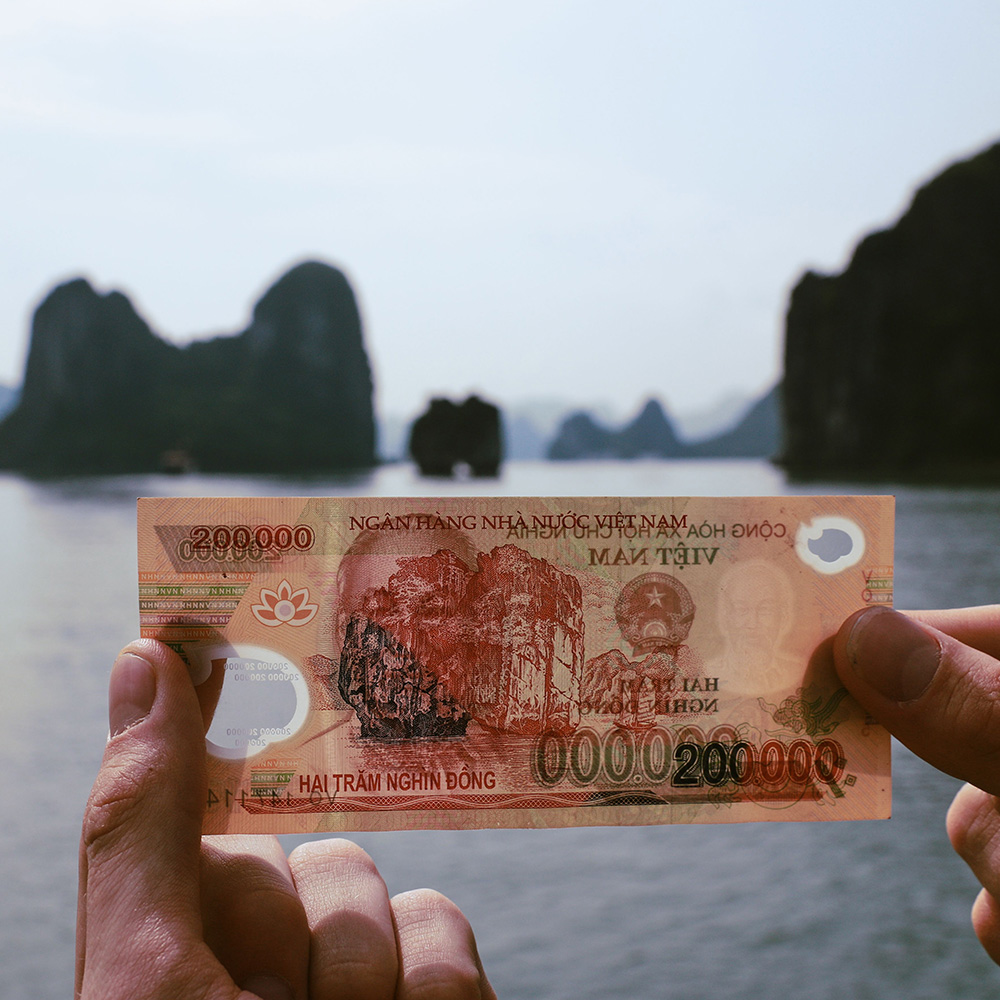
I averaged about $45 USD per day, but that was over two months of slow travel — staying longer in each place, choosing cheaper guesthouses, and avoiding constant transport costs.
For this 3‑week itinerary, a realistic budget is around $1,500 USD in total (about $70 USD per day). That’s enough to cover most of the major experiences, including three days of trekking in Sapa and all the day trips mentioned in this guide.
Anything above that budget gives you room for nicer hotels, a couple of splurge experiences, and upgraded day trips.
It can be done on a backpacker’s budget as well: $30–$40 per day (around $650–$850 total), with hostels or simple guesthouses, street food, buses, and occasional tours.
As you can see, the Vietnamese Dong stretches further than people expect. No pun intended.
Is 3 Weeks Enough For Visiting Vietnam?
Yes — three weeks is a great amount of time. You won’t see everything, but you’ll cover the south, central coast, and northern mountains without rushing. It’s enough to experience the country’s diversity: cities, beaches, food, history, and trekking.
What is The Best Time to Visit Vietnam?
Generally, February–April offers the most balanced weather across the country. October–November is excellent for the north (Hanoi, Ha Long Bay, Sapa), but it’s the rainy season in central Vietnam, where places like Da Nang, Hoi An, and Hue often get heavy showers and occasional storms.
If you’re traveling during October–November and want good beach weather, you can simply replace Da Nang with Phu Quoc, which is sunny and dry at that time of year.
Vietnam has multiple monsoon systems, so different regions peak at different times — but February–April remains the safest overall window, especially if you want reliable conditions across most destinations.
Should I Travel Vietnam From South to North or The Other Way Around?
Both directions work equally well. I traveled from north to south because I was coming from Chiang Mai in Thailand, but south to north is just as practical. Vietnam is long and linear, so whichever end you start from, you simply move to the next destination when you’re done with the current one.
Is Vietnam Safe for Solo Travelers?
Yes — Vietnam is one of the safest countries in Southeast Asia. Violent crime is extremely rare. The main things to watch out for are traffic, your own driving skills when renting a scooter, occasional taxi scams, and keeping your belongings secure in crowded areas. Solo travelers (including women) visit without issues.
Final Thoughts on Spending 3 Weeks in Vietnam
Three weeks in Vietnam gives you a complete south‑to‑north experience without rushing. You’ll see beaches, cities, mountains, and UNESCO sites — and still have room for slow days, great food, and spontaneous detours. Whether you start in Ho Chi Minh City or Hanoi, the route works in both directions and is easy to adapt based on weather and your travel style.
Vietnam is one of the most rewarding countries to travel in Southeast Asia, and this itinerary gives you a balanced mix of highlights and lesser‑known gems. If you have extra time, stay longer whereever you feel good — or add another destination such as Phu Quoc if you want an island experience.
As always, if you got any questions, feel free to ask in the comments.


No comments yet, be the first one!
I appreciate hearing from you. If you have any suggestions, questions, or feedback, please leave a comment below. Your input helps ensure the information stays relevant and up to date for everyone.
Thank you for sharing your thoughts!