
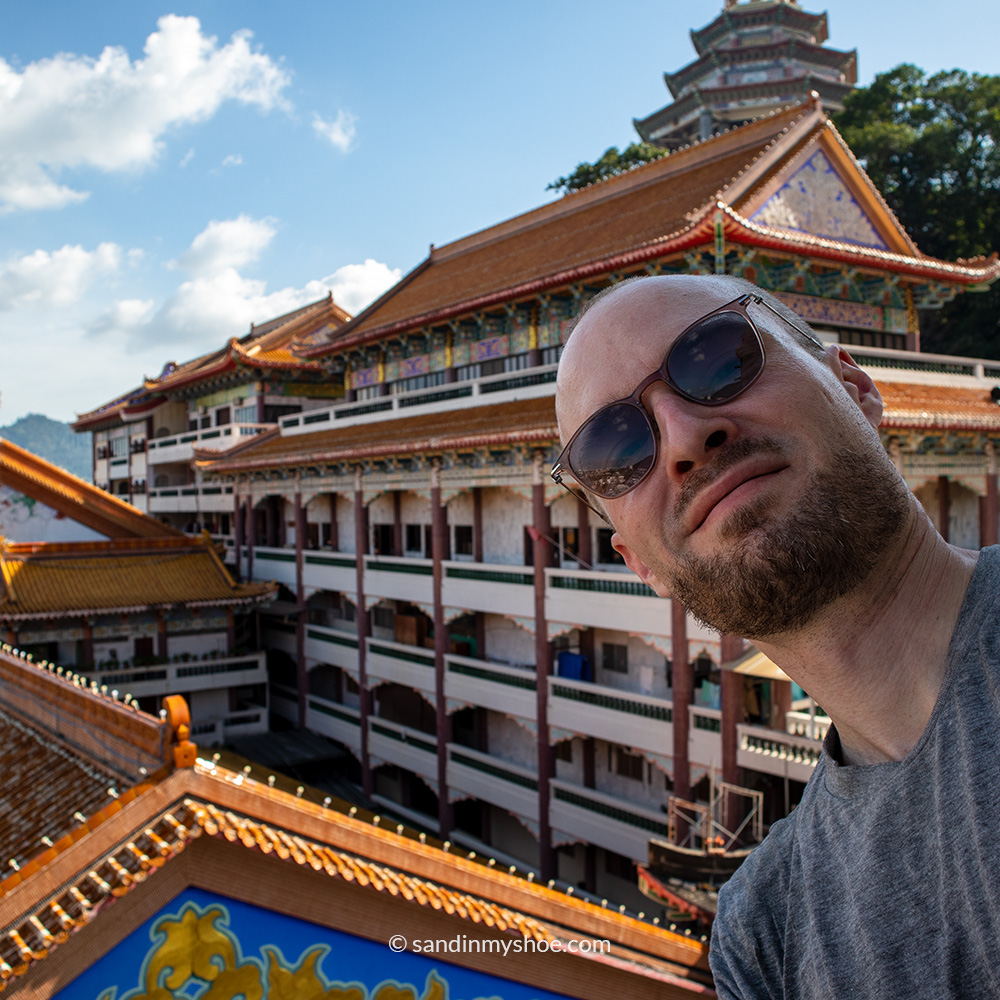
I visited the temple right after getting a dose of nature on Penang Hill, which in hindsight was the perfect day trip combination from George Town. They’re practically neighbors — only about a five‑minute car ride apart — so it’s easy to pair both in the same half‑day.
Beware — it’s an extremely photogenic place, so you’ll probably end up taking far more photos than you planned. The colors, the lanterns, the pagodas, the views… it’s one of those spots where you keep telling yourself “okay, last one,” and then immediately take five more.
Quick Guide for Kek Lok Si
- Opening hours: 08:30 AM – 5:30 PM (exit by 6:00 PM)
- Entrance fee: Free; small fees for the Pagoda and inclined lift
- Dress code: Modest clothing recommended; remove shoes in prayer halls
- Time needed: 1–2 hours (add 30 min if visiting the Kuan Yin statue)
- What to bring: Cash in small bills (most areas don’t accept cards)
- Best time: Morning for cooler weather and fewer crowds
- Getting around: Expect lots of stairs; the inclined lift saves time and energy
History of the Temple of Supreme Bliss (Kek Lok Si)
Kek Lok Si was founded in 1890 by a Buddhist monk from Fujian, and over the decades it grew into one of Southeast Asia’s most important pilgrimage sites. What makes it especially interesting is its mix of Chinese, Thai, and Burmese architecture. Penang was a major trading hub at the time, with active Buddhist communities from all three cultures — and each group contributed to the temple’s construction.
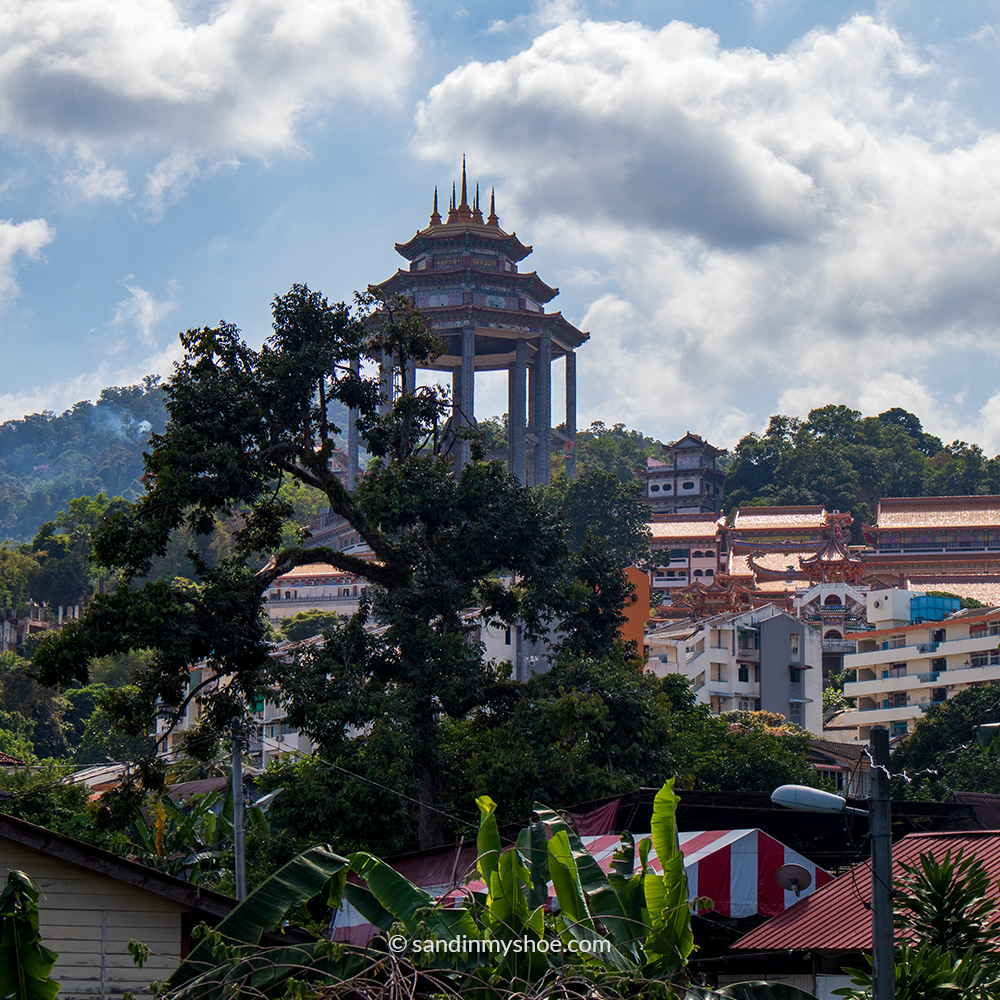
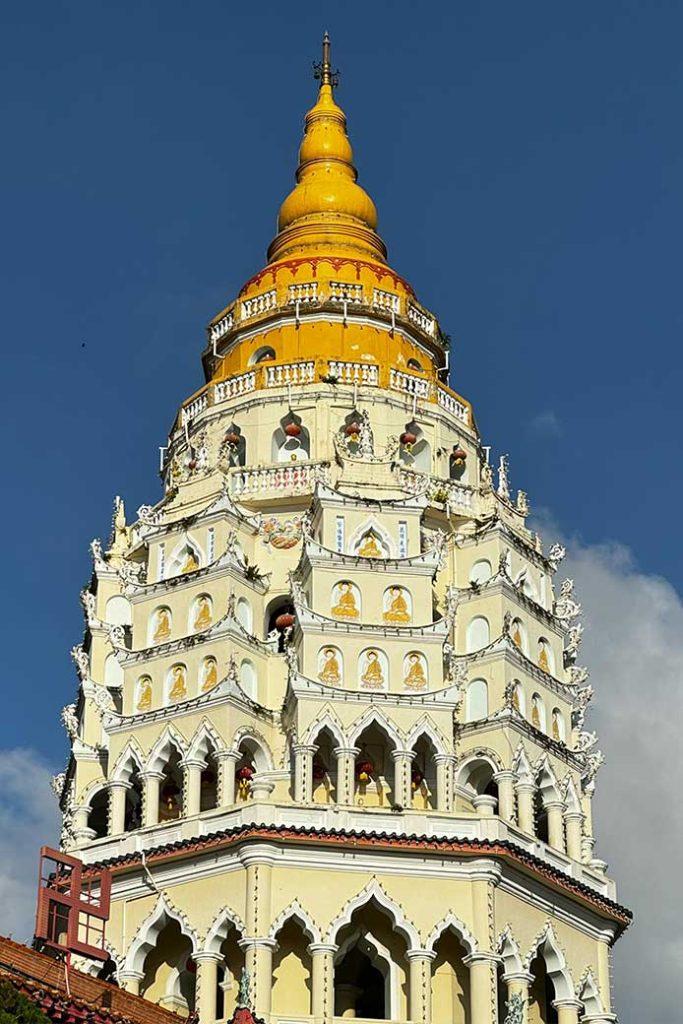
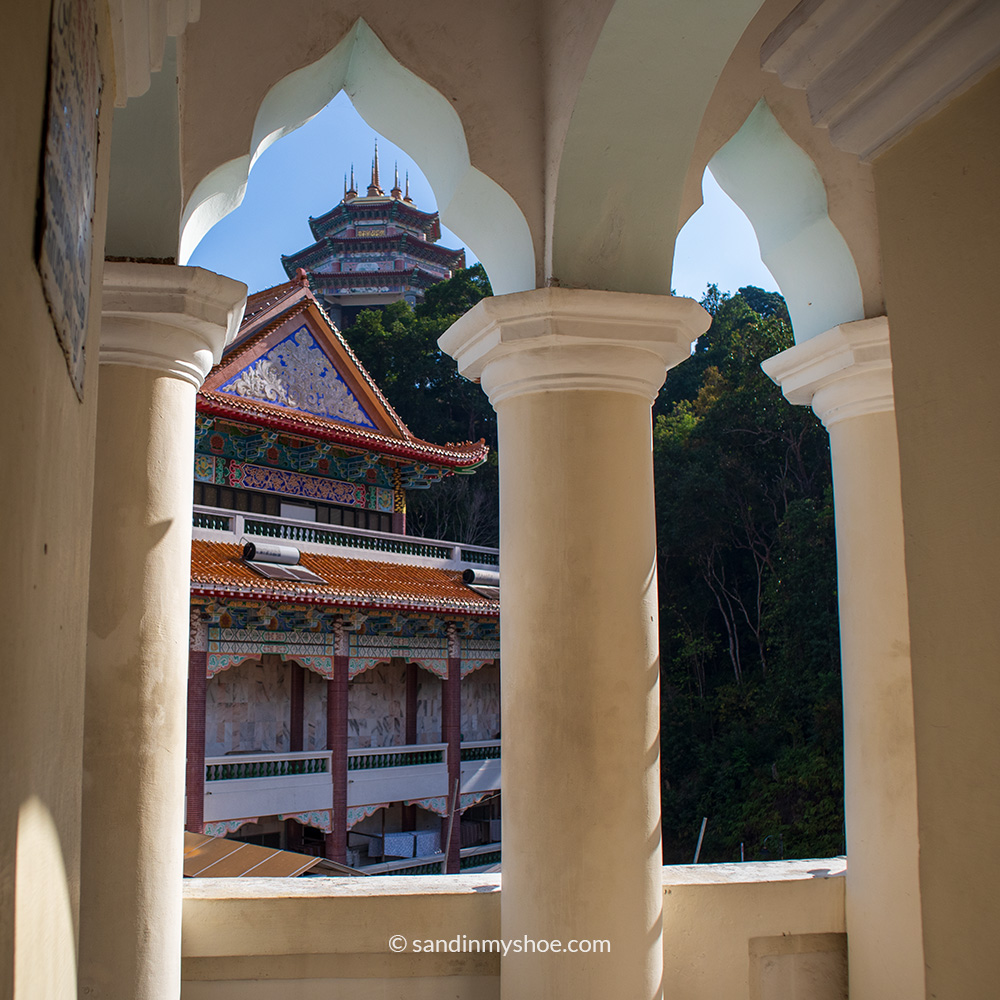
That’s why the famous Pagoda of Ten Thousand Buddhas looks the way it does: a Chinese‑style base, a Thai‑influenced middle section, and a Burmese crown on top. It’s essentially a three‑culture collaboration in stone, symbolizing unity between different Buddhist traditions.
What to See at Kek Lok Si
Kek Lok Si is big — much bigger than it looks from the entrance — and it’s built in layers up the hillside, so you keep discovering new corners as you go. Wear decent walking shoes as there are plenty of stairs and sloped walkways.
Pagoda of Ten Thousand Buddhas
The main attraction, and the one with the famous three‑culture design: Chinese at the bottom, Thai in the middle, Burmese on top. It sounds chaotic, but it works. Inside, the walls are lined with thousands of Buddha statues, and you can climb up for views over the area.
The Turtle Pond (Pond of Longevity)
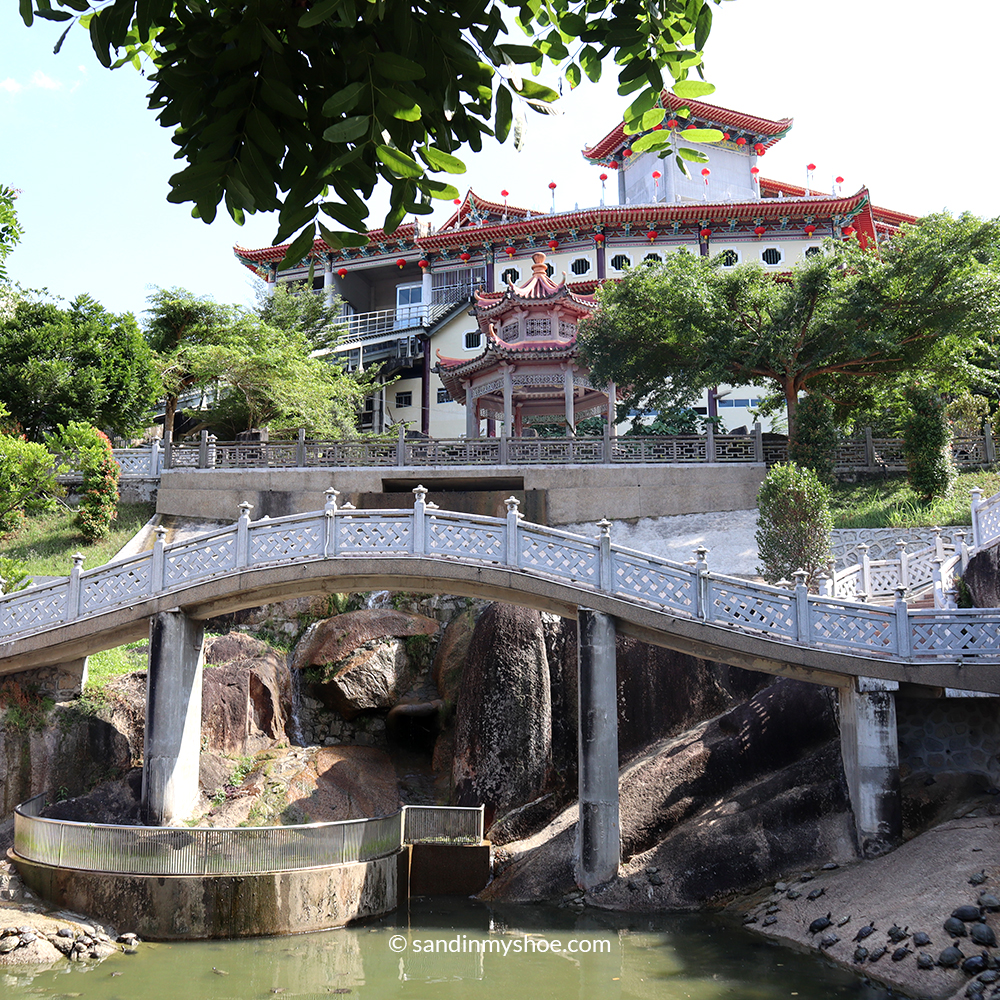
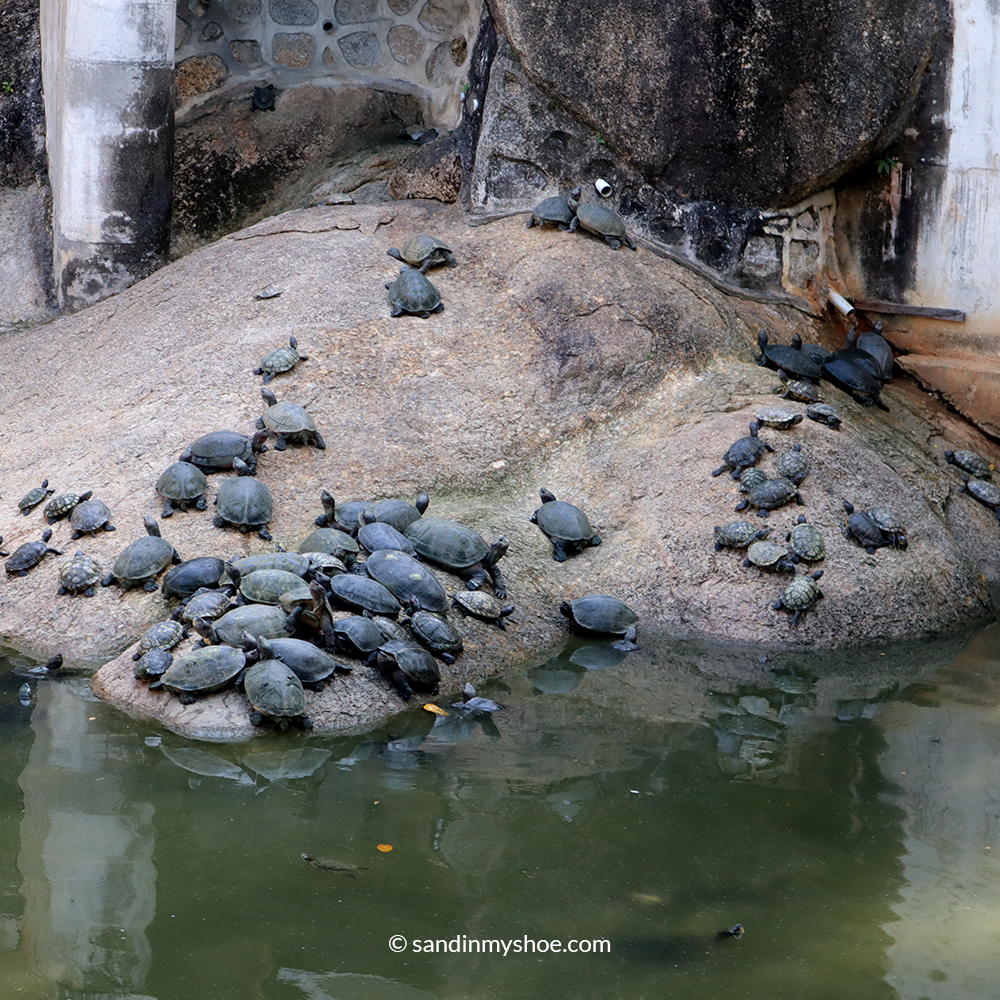
A calm little pond filled with more than a hundred turtles, symbolizing long life. It’s peaceful, but looking back at the photos I took, it looks they’re all looking for a way out. Their heads were held high while others were crawling on the walls. Trapped in the walls of tranquility. But at least it’s bigger than a typical sized aquarium people have at home and nobody’s planning to eat them, so that’s something.
The Main Prayer Halls
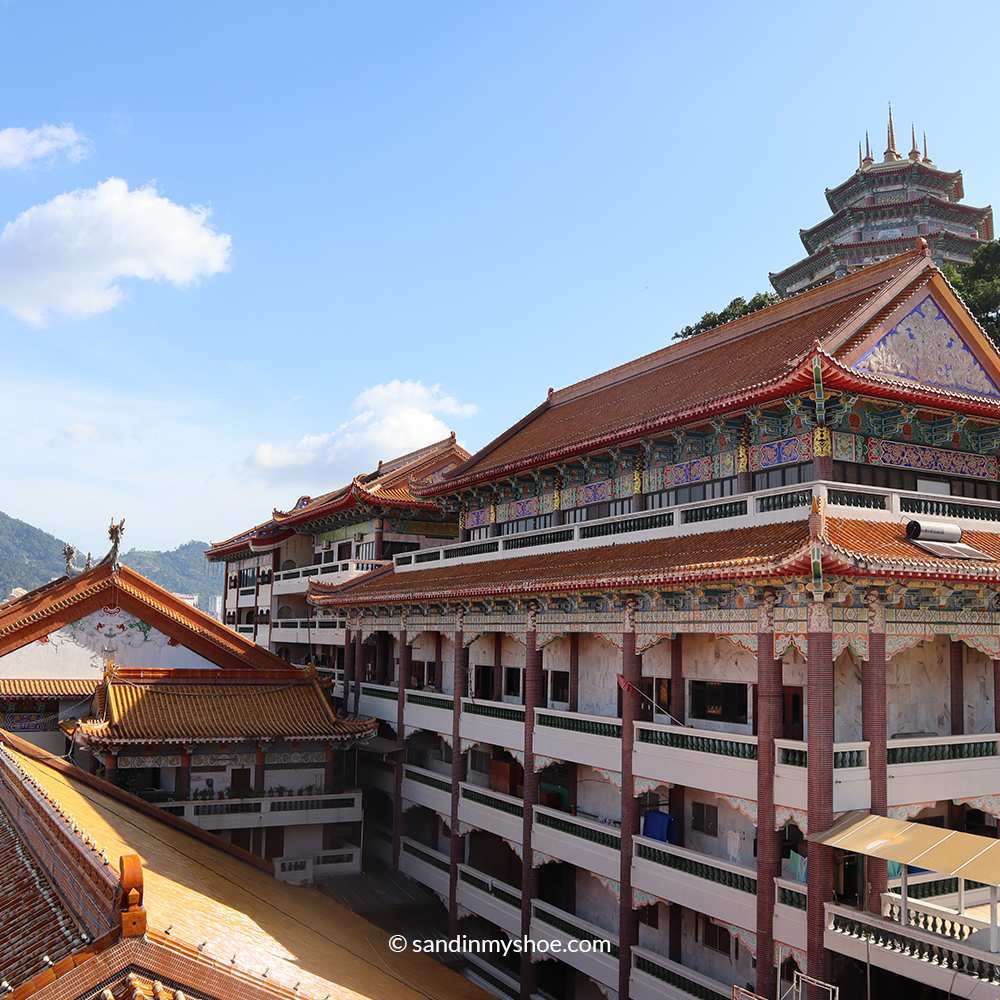
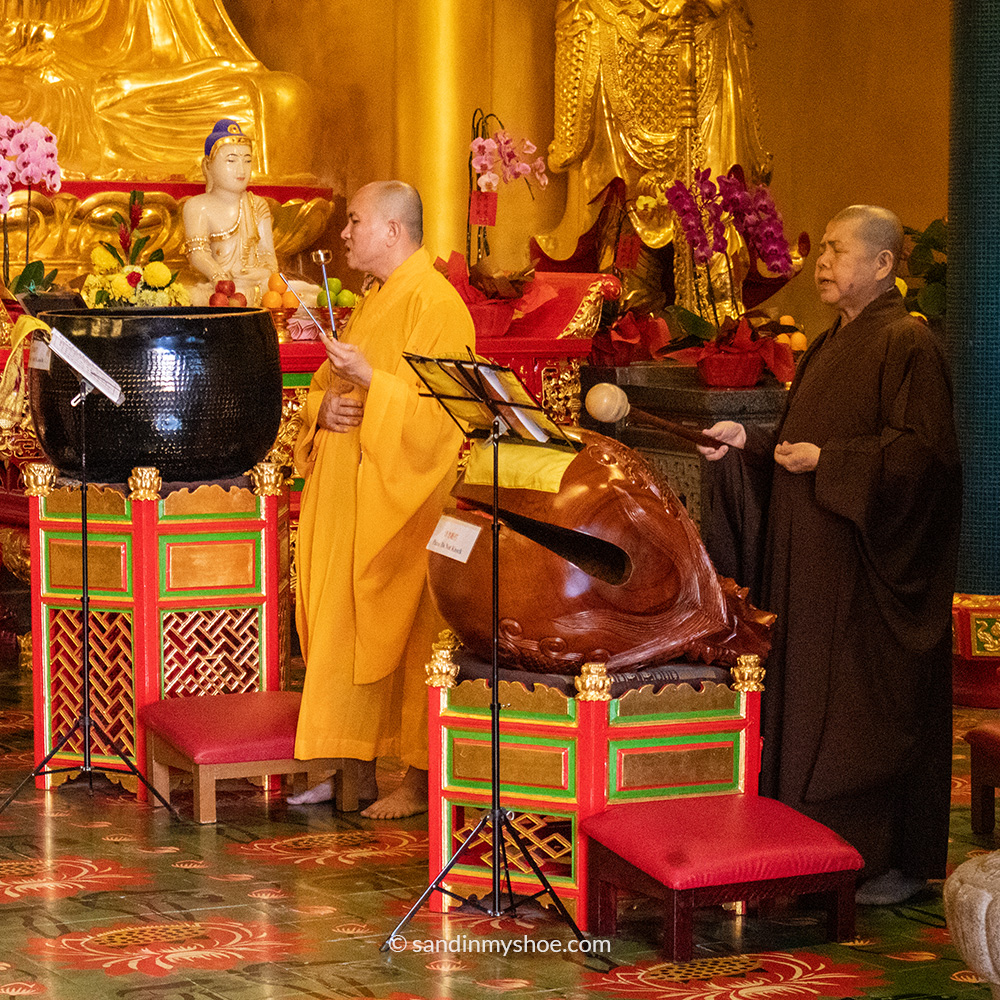
Next up are the prayer halls — large, colourful spaces filled with incense, lanterns, and statues. They’re beautifully decorated and very much in use, so you’ll often see locals praying, lighting candles, or quietly going about their routines.
Just remember to remove your shoes before entering. It’s a sacred space, not a “wander in with your sneakers and backpack” situation.
The Giant Kuan Yin Statue
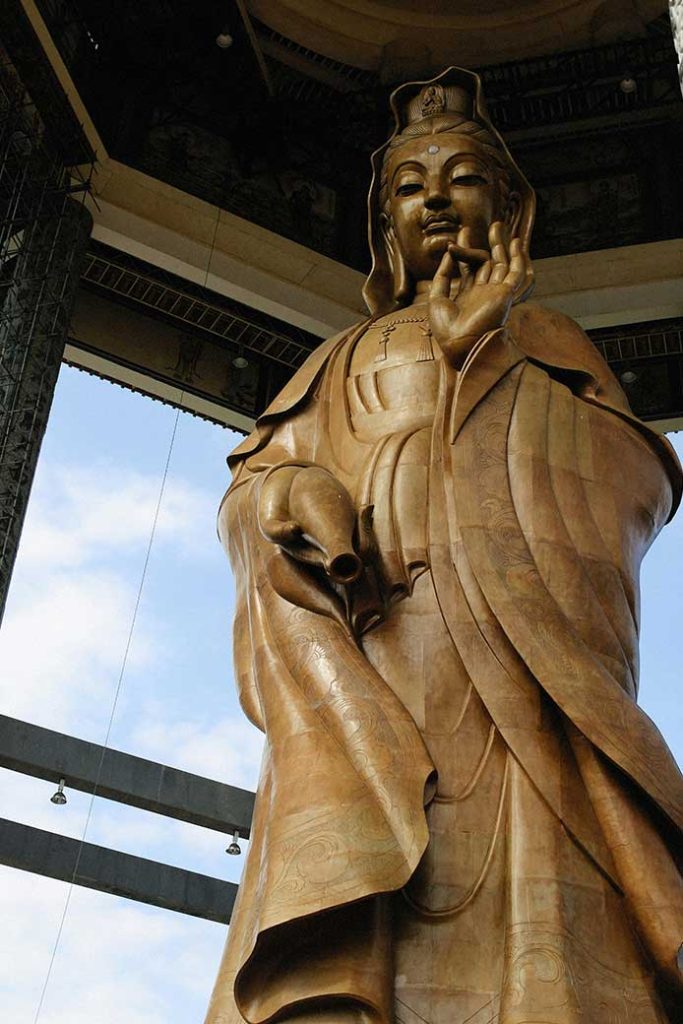
Higher up the hill stands the massive bronze statue of Kuan Yin, the Goddess of Mercy, under an equally massive pavilion. You can reach it via a short funicular lift (paid), and you’ll get some nice views from the top.
Lantern‑Lined Walkways and Courtyards
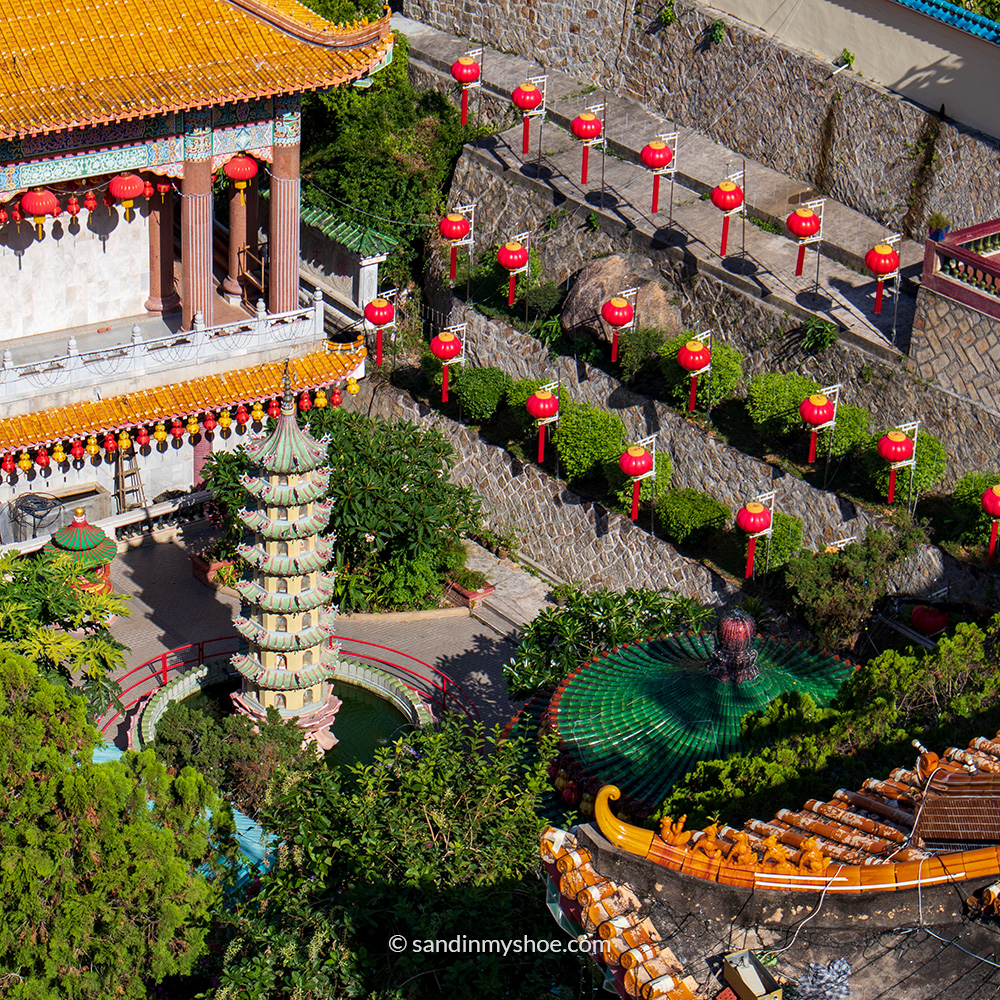
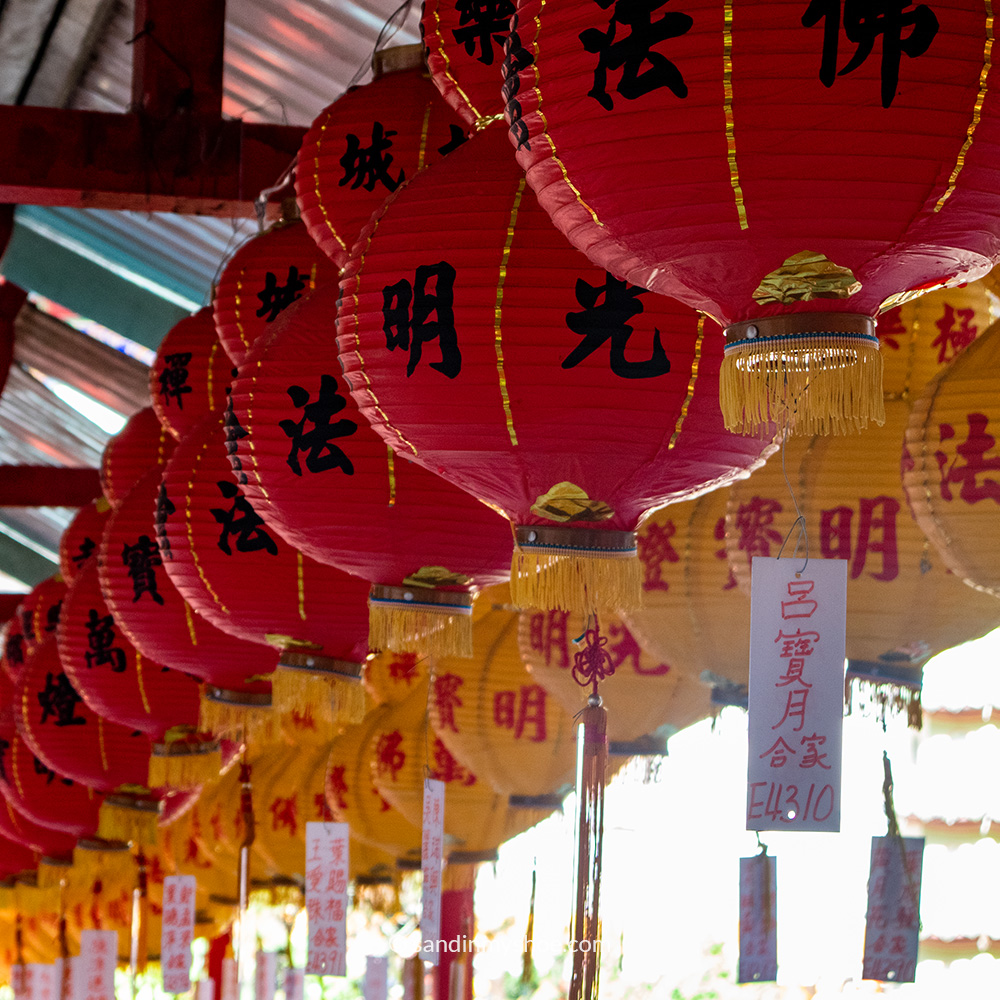
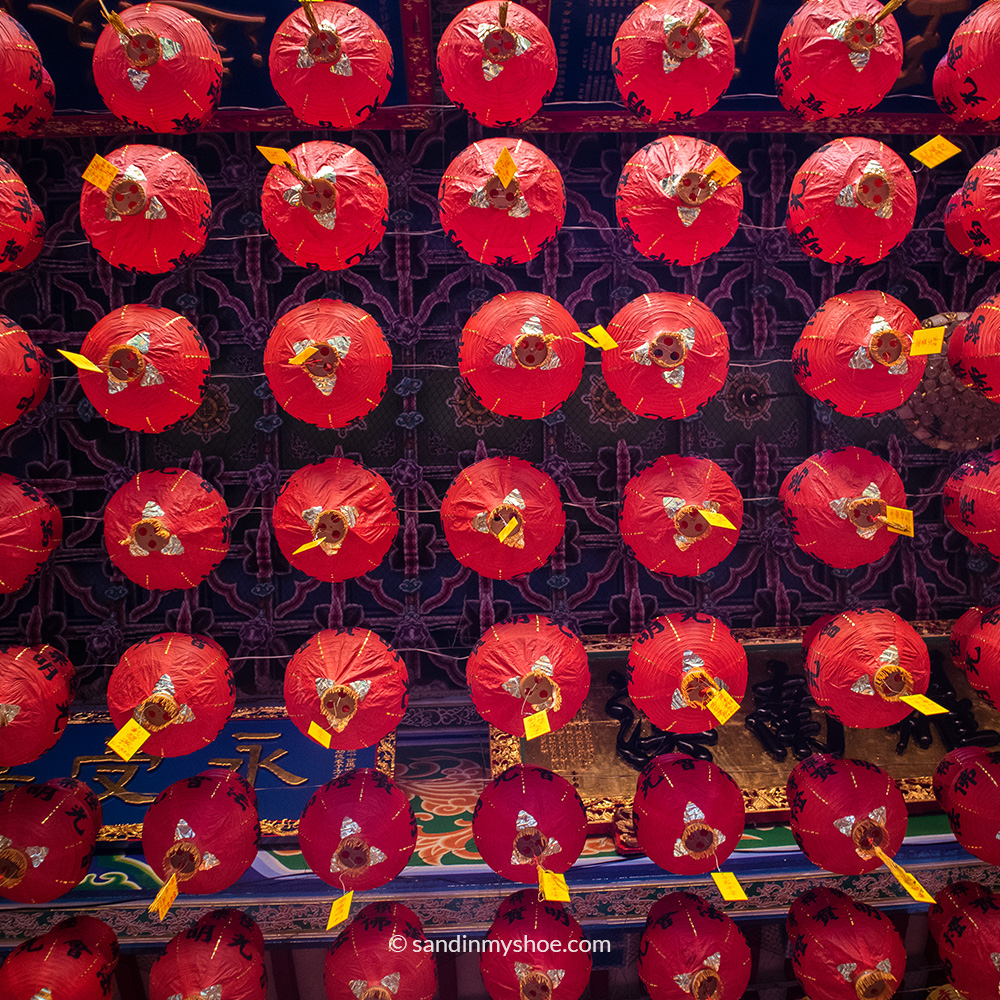
As you move between levels, you’ll pass through colorful walkways, small gardens, and courtyards filled with statues. Notice the lanterns — each one has Chinese characters printed on it, usually the names of families or individuals who donated to the temple. It’s a small detail, but it gives you a sense of how the community has supported Kek Lok Si over the years.
Combining Kek Lok Si with Penang Hill
Kek Lok Si and Penang Hill are close enough that visiting them together feels effortless. You get two contrasting experiences in one day: the colour and detail of the temple, followed by cooler air, rainforest paths, and wide views on the hill. It’s a smooth, balanced combination — culture first, nature second — and one of the easiest ways to build a full, varied day in Penang without rushing.
Practical Information
Best Time to Visit
Morning is generally the most comfortable time to visit — cooler air, softer light, and fewer people. But if you’re pairing Kek Lok Si with Penang Hill, an afternoon visit to the temple often fits better into the flow of the day. Just keep the timing in mind: the entrance closes at 5:30 PM, and everyone must leave by 6:00 PM, so give yourself enough margin.
If you’re visiting during Chinese New Year, the whole place apparently lights up with thousands of lanterns. The dates change every year, but if your trip happens to line up, I’ve heard that Kek Lok Si turns into one of the most colorful spots in Penang.
Morning is ideal — as it usually is in warm countries — because it’s cooler, and the crowds haven’t fully arrived yet. But if you combine it with Penang Hill, visiting the Kek Lok Si Temple makes more sense in the afternoon. But keep in mind the temple entrance closes at 5:30 PM and you need to be out by 6:00 PM, so don’t cut it too close.
How Long to Spend
You can see the main highlights in about 1–1.5 hours, but if you’re the kind of person who actually enjoys wandering around temples, taking photos, and climbing pagodas (which… you probably are, since you’re here), then 2 hours feels just right.
How to Get Here
Kek Lok Si is located in Air Itam, a busy local neighborhood about 15–20 minutes from George Town. Getting there is straightforward:
By Grab/Bolt: The easiest option. A ride from George Town usually takes around 15–20 minutes and is inexpensive. Drivers drop you right at the entrance.
By Bus: If you prefer public transport, download the MyRapid Pulse app to check routes and timings. It’s the easiest way to see which buses are running and when they’ll get you to Air Itam. Several Rapid Penang buses stop near the temple, and from there it’s a short uphill walk through the souvenir stalls.
From Penang Hill: If you’re combining both (which I recommend), it’s only a five‑minute car ride between the two. You can walk it in theory, but the roads aren’t very pedestrian‑friendly, so a quick Grab is the way to go, and that’s what I ended up doing.
Kek Lok Si Photos
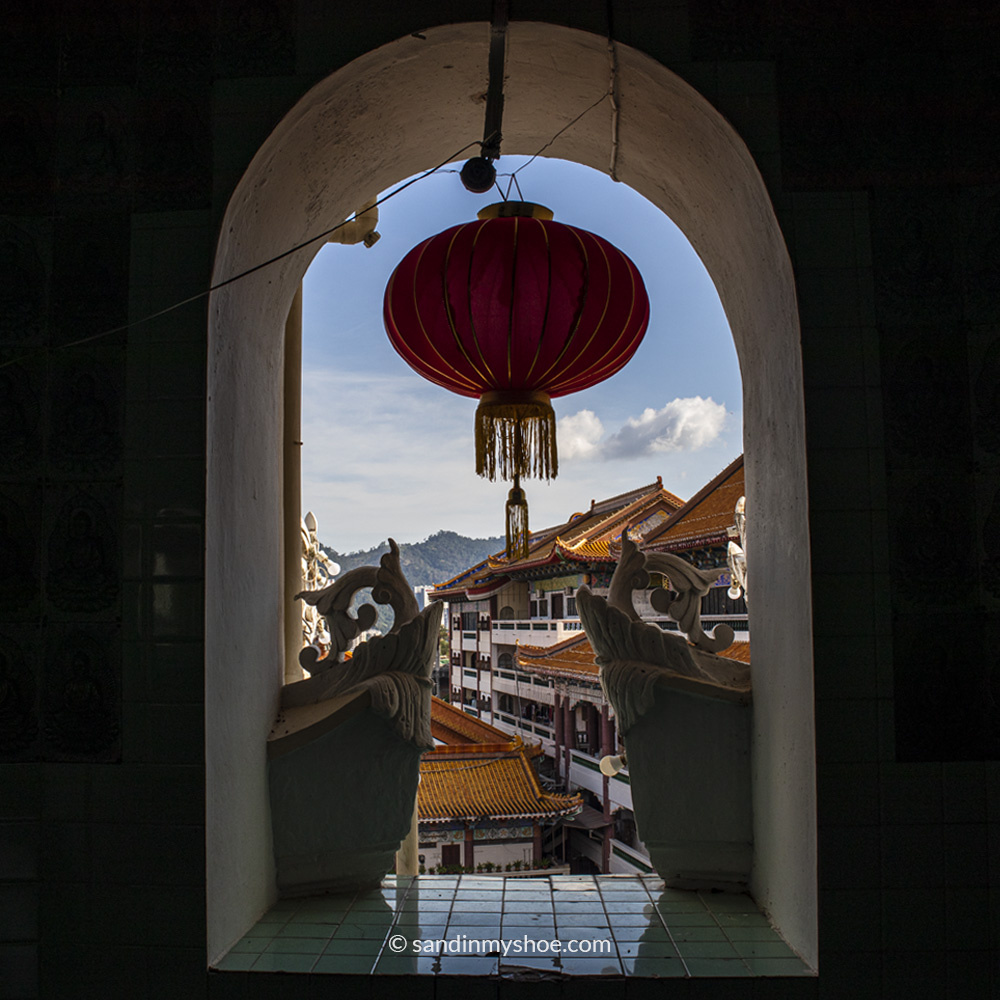
Here’s are two of my favorite photos I took at the temple.
Wrapping Up Your Visit
Kek Lok Si is absolutely worth visiting — not just for its size, but for the sheer variety and visual punch it delivers. The mix of architectural styles makes the pagoda genuinely unique, and the whole complex has a kind of layered magnificence that keeps revealing itself as you climb. Pair it with Penang Hill and you get a perfect blend of nature and culture in a single outing, all within a few minutes of each other.
Next up, you can explore my guides on things to do in George Town, things to do in Penang and where to stay in Penang. And if you’re planning to visit the Penang National Park or Penang Hill, I’ve written a full posts on those as well.


No comments yet, be the first one!
I appreciate hearing from you. If you have any suggestions, questions, or feedback, please leave a comment below. Your input helps ensure the information stays relevant and up to date for everyone.
Thank you for sharing your thoughts!