

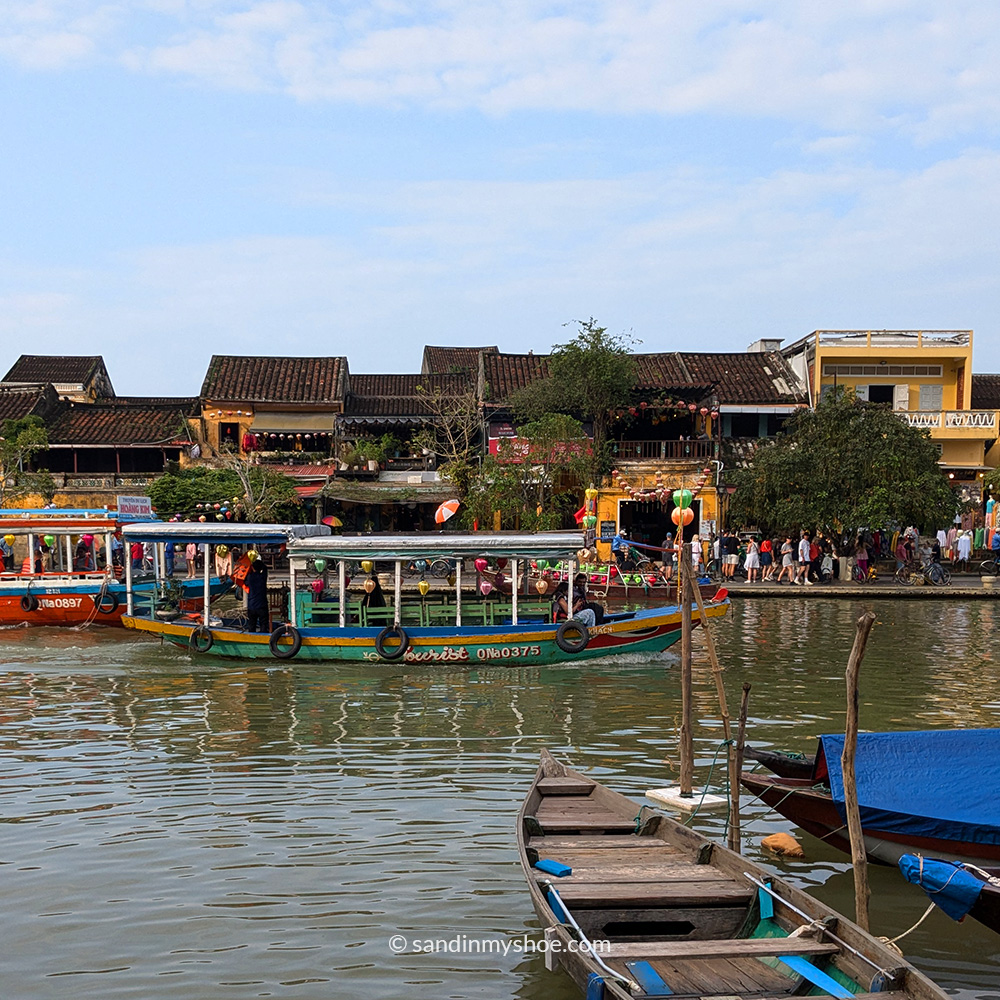
Some days you might spend as little as $20 USD worth of Vietnamese dong — a simple guesthouse, a few bowls of pho, a scooter rental. Other days you might splurge on a Western meal, a nicer hotel, or a massage. Even on the splurge days, Vietnam remains inexpensive, and you get a lot of value for what you pay.
I spent two months exploring Vietnam from north to south, moving slowly through cities, coastlines, and small towns. Along the way I kept track of what I spent.
This guide breaks down my actual costs and shows what you can expect to spend as mid‑range traveler. I’ll also cover a backpacker-friendly budget.
Whether you’re planning a short trip or a longer journey, this will give you a realistic idea of what Vietnam costs day‑to‑day — and where your money goes.
Vietnam Trip Snapshot
- Duration: 2 months in Vietnam
- Travel style: Slow‑travel, mid‑range (local food, cafés, guesthouses, trains, scooters)
- Average daily cost: ~45 USD/day ($1,300 USD per month)
- Main takeaway: Vietnam is very affordable, but costs vary a lot depending on where you stay, how you move around, and how often you splurge on Western food or tours.
Overview of Travel Budget for Vietnam
Your average daily expenses in Vietnam depend on how fast you travel and how comfortably you want to live.
Many travelers spend two weeks in Vietnam, staying in comfortable mid‑range hotels, eating well, and doing all the experiences that catch their interest. For this style of travel, a budget of around $1,500 USD (about $100 USD per day) is a realistic and comfortable estimate. If you’re traveling with someone expect to spend a bit less as many of the costs are shared.
If you travel slower, stay longer in each place, and mix budget‑friendly accommodation with local food, your costs drop significantly. During my two‑month stay, I averaged $45 USD per day while still experiencing most of what I wanted.
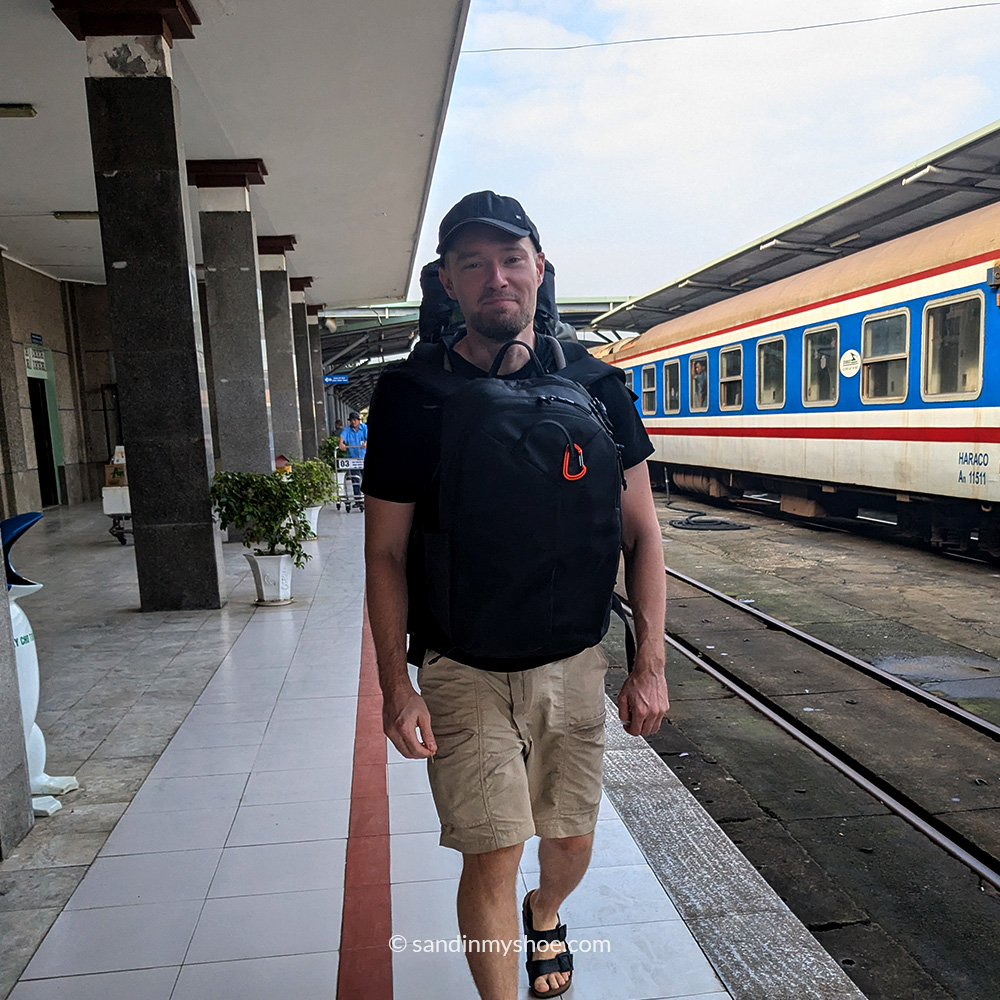
If you’re backpacking for two weeks, you can absolutely do it for $35–45 USD per day and still have a great time — you’ll just need to be a bit more selective with activities and stick to cheaper accommodation and transport.
Accommodation Costs for Vietnam
Vietnam offers excellent value when it comes to accommodation. You can find everything from stylish boutique hotels to simple guesthouses at prices far below what you’d pay in most other countries, and the quality is often surprisingly high for the cost. Here’s what to expect to spend:
- $5–12 USD for a hostel bunk bed
- $20–30 USD for a basic private room
- $40–50 USD for a higher‑quality mid‑range hotel
Know that if you travel outside peak season or visit destinations that aren’t at their busiest, it can get very cheap. Here are some of my best deals — most of them booked just the day before.
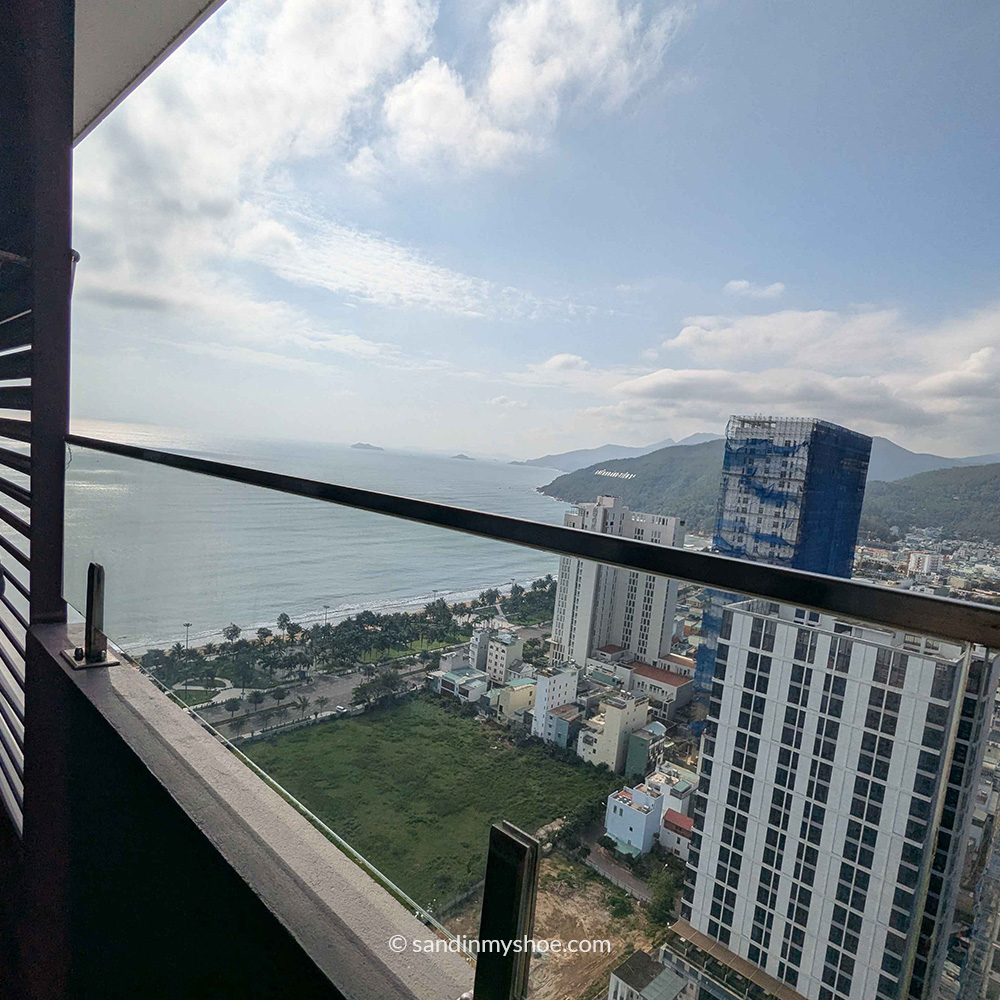
- In Quy Nhon, I stayed in a seaview apartment for $15 USD — low season and not a major foreign‑tourist spot.
- In Nha Trang, I found a decent hotel with breakfast, right by the beach but slightly outside the main area, for $20 USD.
- In Can Tho, I stayed at Wink Hotel during low season — rooftop pool, gym, breakfast, central location — all for just above $20 USD.
You really don’t need to pay much for comfortable accommodation in Vietnam.
Food & Drinks Costs for Vietnam
The food in Vietnam is very affordable. You can easily get by with just $10 USD per day if you stick to simple local eateries. The local dishes has great value, though portions are quite small, so I often ended up eating two meals to feel full.
If you mix in some western meals, expect closer to $20 USD per day.
Cost of Dishes in Local Eateries
- Phở: 35,000–50,000 VND ($1.40–2.00 USD)
- Bánh mì: 15,000–35,000 VND ($0.60–1.40 USD) (Cheapest one was in Quy Nhon. Only $0.6 USD).
- Rice dishes: 30,000–45,000 VND ($1.20–1.80 USD)
- Vietnamese hot pot (lẩu):
Small hot pot for two: 150,000–250,000 VND ($6–10 USD)
Cost of Western Food
Expect to pay around $8–12 USD for Western food. Portions tend to be bigger than local meals, particularly when it comes to meat
Cost of Coffee
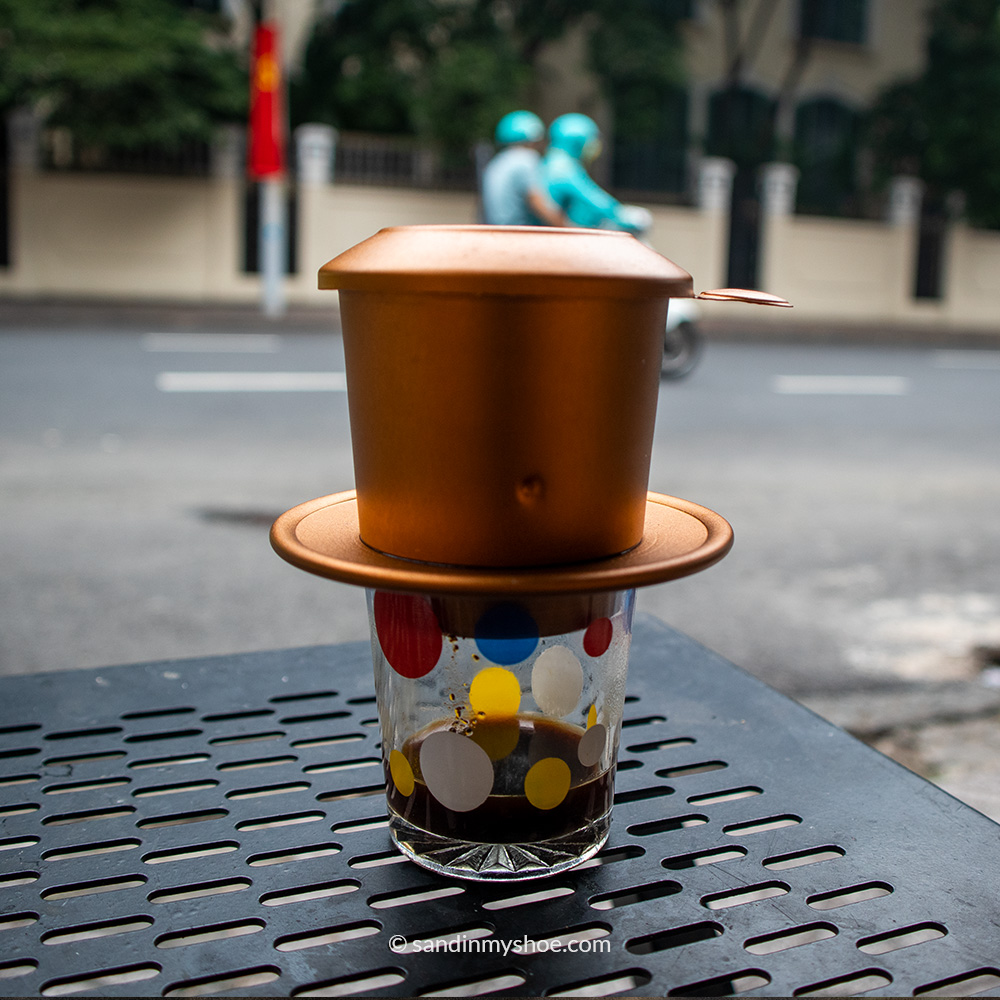
Vietnamese coffee is strong, cheap, and excellent almost everywhere — even the $0.60 cups. Just be patient: the traditional slow‑drip takes time to finish.
A coffee at a local stall costs about 15,000–30,000 VND ($0.60–1.20 USD). Chain cafés like Highlands or Phúc Long charge roughly double, but you get air‑conditioning, fast Wi‑Fi, and a comfortable seats. I often went to the chain cafés because they offered a decent working environment and reliable Wi‑Fi as I was working while traveling.
Cost of Alcohol
Alcohol prices vary depending on the bar, but expect something along these ranges:
- Beer: 30,000–60,000 VND ($1.20–2.40 USD)
- Cocktails: 120,000–180,000 VND ($5–7 USD)
One funny thing I noticed: in some local eateries, if you order beer, they’ll place a full 24‑can case next to your table so you can grab new cans whenever you want — no need to ask each time you finish one.
Laundry Costs in Vietnam
Don’t pay hotel laundry prices — they’re almost always overpriced.
Instead, open Google Maps and search for “giat say”, which means wash and dry in Vietnamese, and pick a place with good reviews. Local laundries are fast, reliable, and cheap. Expect to pay about 20,000–30,000 VND ($0.8–1.2 USD) per kilo.
Most of the places I used washed, dried, and folded my clothes within a few hours or by the next morning. Just make sure to mention if certain items should be washed at 30°C only.
Transport Costs in Vietnam
Getting around Vietnam is easy and inexpensive. Buses, trains, and scooters are consistently cheap and straightforward to use throughout the country.
I personally traveled only by land, but after checking domestic flights online, they’re also very affordable — and absolutely worth using if you’re on a 3‑week Vietnam itinerary or shorter.
If you’re on a budget, consider using night buses and night trains between longer distances as they save both time and a night’s accommodation.
You can book all types of transport on 12Go.
Here are some common costs you might encounter.
Cost of Trains
Vietnam’s trains are slow but scenic, especially along the coast. For shorter rides, a basic soft seat is enough, but if you’re traveling more than eight hours, it’s worth paying for a sleeper cabin so you can lie down and rest.
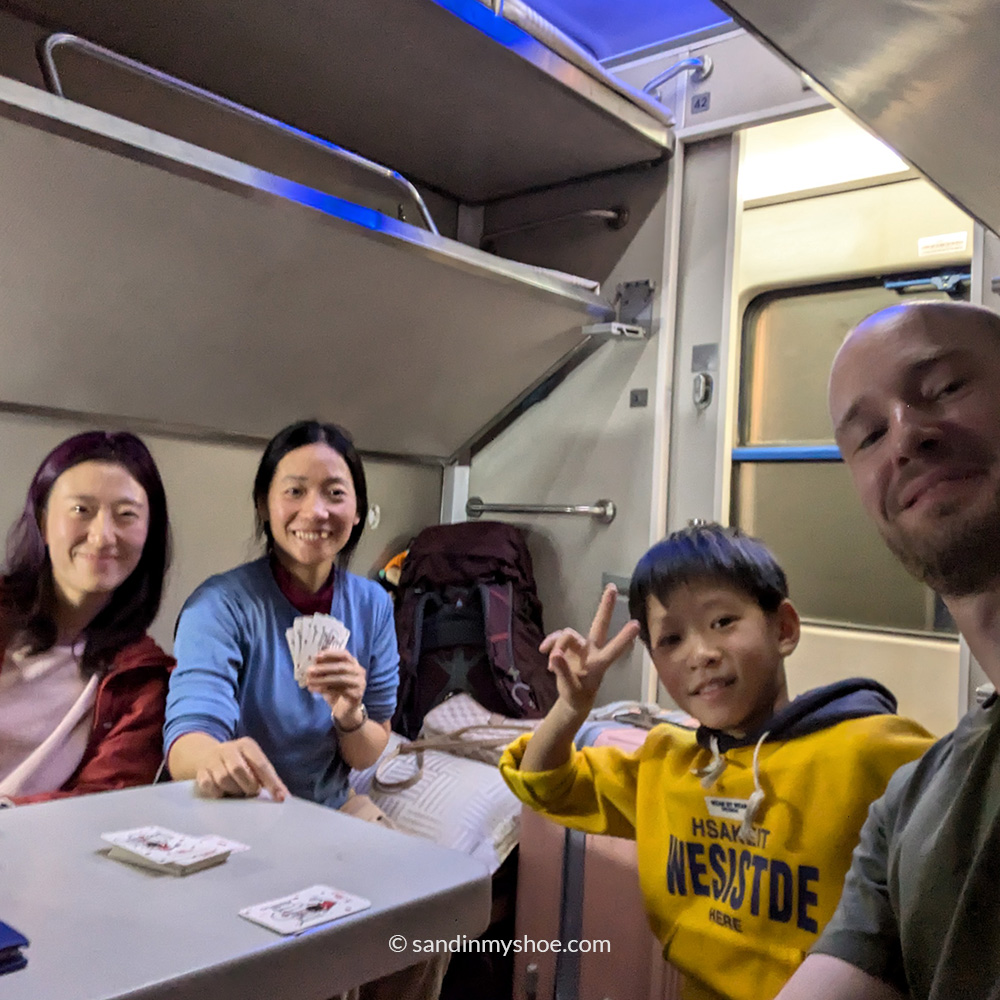
- Da Nang – Hue: Soft seat for about $10 USD
- Ho Chi Minh City – Nha Trang: Around $16 USD
- Hanoi to Da Nang: $40 USD for a soft seat and about $45 for the simplest bed in a cabin
Cost of Buses & Vans
Intercity buses are cheap and widely used.
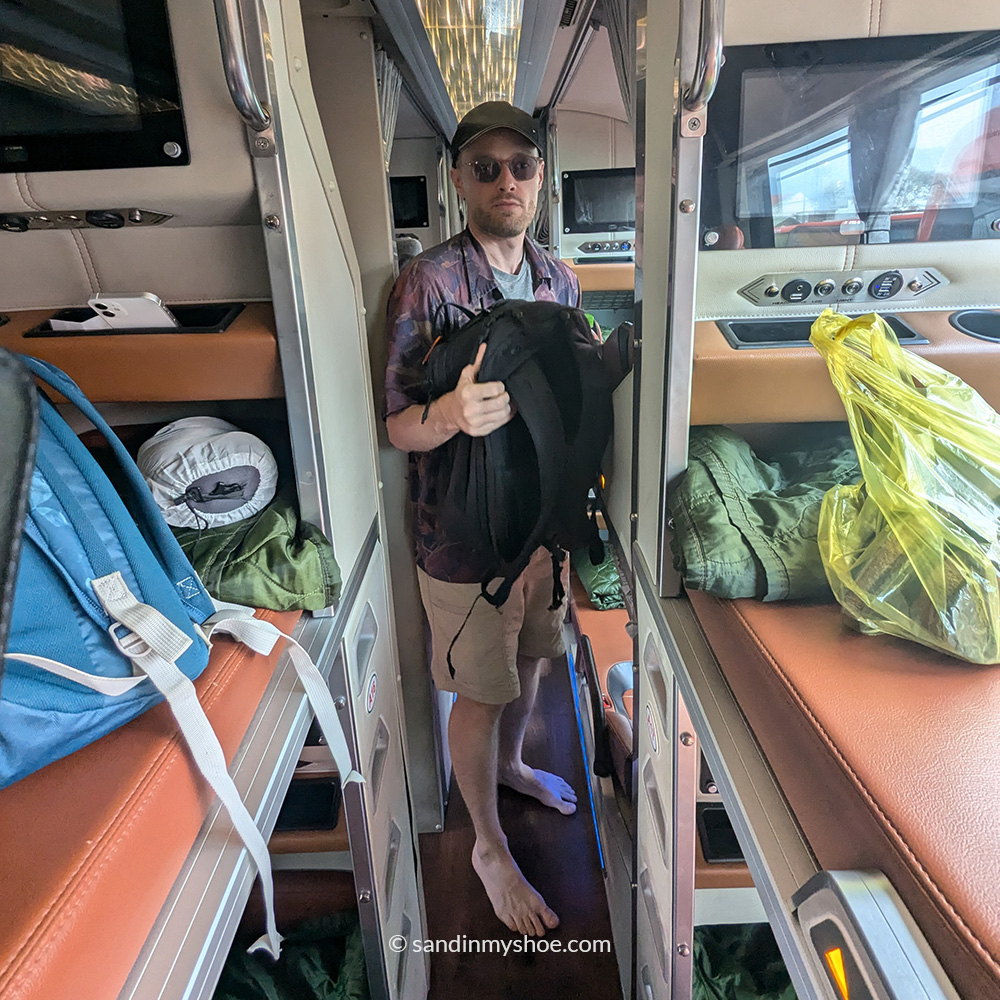
- Hanoi to Ha Long Bay: About 9 USD
- Sleeper bus between Hanoi and Da Nang: Around $30 USD
- Sleeper bus from Ho Chi Minh City to Nha Trang: $15 USD
- Comfortable Van from Hanoi to Sapa: About $16 USD.
Cost of Domestic Flights
If you book ahead, you can easily find cheap flights. For example, between Ho Chi Minh City and Da Nang you can fly for around $40 USD, including a 20 kg checked bag. And for about $55 USD, you can fly from Ho Chi Minh City to Hanoi.
Cost of Scooter Rentals
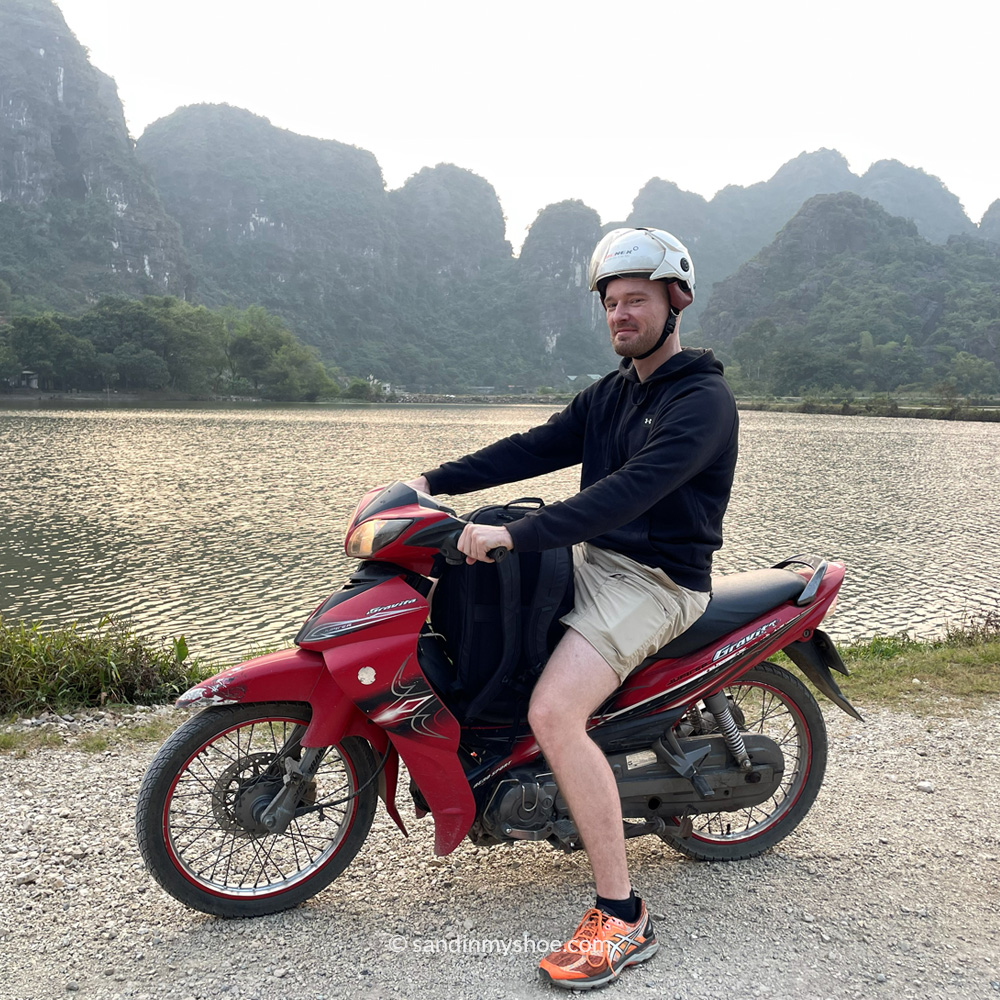
Outside the big cities, the easiest way to get around is by renting your own motorbike, and you’ll find rental shops anywhere there are tourists. A typical daily rate is 100,000–150,000 VND ($4–6 USD), and a full tank of fuel costs around 30,000–40,000 VND (about $1 USD). It’s great for short distances and exploring coastal areas or smaller towns.
Cost of Activities
There are a wide range of affordable experiences waiting — from war history and cultural tours to mountain trekking, cruises, and island adventures. Below is a list of the activities I did, followed by other popular experiences you’ll likely come across when planning your trip.

Here’s an overview of some of the activity costs that you might experience.
- Cu Chi Tunnels day trip (HCMC): ~$15-19 USD
- War Remnants Museum (HCMC): ~$1.5 USD
- Ha Long Bay day cruise with lunch: ~$40 USD
- Ha Long Bay 2‑day / 1‑night cruise: ~$120 USD
- 3‑day Sa Pa trekking tour (pickup + lodging + food): ~$100 USD
- Ha Giang Loop (3 nights, motorbike + food + lodging): ~$250 USD
- Ninh Binh day trip from Hanoi: ~$25–40 USD
- Hoi An cooking class: ~$25–35 USD
- Snorkeling / island‑hopping (Phu Quoc / Nha Trang): ~$20–40 USD
- Ba Na Hills & Golden Bridge: ~$36–40 USD
- Marble Mountains (Da Nang): ~$1.5 USD
- Street‑food tour (Hanoi / HCMC): ~$20–30 USD
As you can see, even some of the top experiences are not that expensive.
Gym Costs
I try to keep myself in some kind of shape, and I went to the gym quite often during my trip. Most local gyms offer cheap day passes, and I usually paid 20,000–30,000 VND ($0.80–1.20 USD) per visit. These are simple neighborhood gyms, but they get the job done.
Mid‑range or modern gyms (air‑conditioning, newer equipment) typically cost more, expect to pay around 60,000–120,000 VND ($2.40–4.80 USD) for a day pass
Wrap-Up
If you’re traveling for 2–3 weeks in Vietnam and want comfortable stays while doing most of the major experiences, expect to spend around $100 USD per day as a solo traveler. If you’re traveling with someone and sharing accommodation and some transport costs, a daily budget of about $70 USD is usually enough.
I slow‑traveled for two months and averaged around $45 USD per day, covering food, transport, activities, and general daily expenses. Many of the accommodation costs were shared, which helped keep the daily average lower.
Vietnam offers excellent value for money, and even many of the top experiences — cruises, trekking, motorbike loops — are surprisingly affordable. With a bit of planning, your budget stretches far here, letting you enjoy great food, memorable activities, and comfortable stays without overspending.
Keep Exploring Vietnam
If you’re mapping out your trip, take a look at my 3‑week Vietnam itinerary. I’ve also written a how to get around in Vietnam guide, a Vietnam Food Travel Guide, and plenty of destination guides:


No comments yet, be the first one!
I appreciate hearing from you. If you have any suggestions, questions, or feedback, please leave a comment below. Your input helps ensure the information stays relevant and up to date for everyone.
Thank you for sharing your thoughts!