

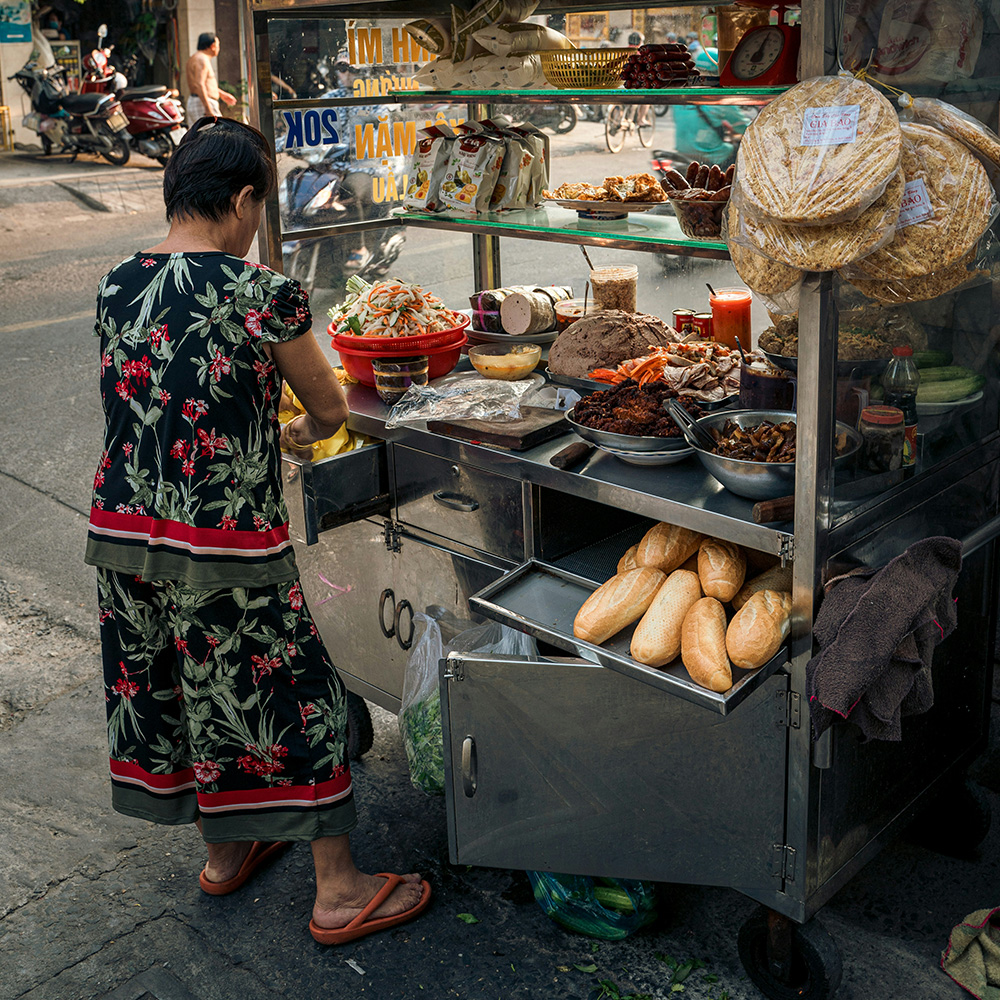
Before you start your travels in Vietnam, it’s helpful to get a feel for what the food is like and how it varies across the country.
We’ll begin with the familiar classics you may already know, then move through regional dishes from south to north so you can quickly see what’s worth ordering in each area. After that, we’ll look at communal cooking traditions.
To wrap things up, we’ll cover common Vietnamese drinks and the café culture. Throughout the guide, you’ll also find the Vietnamese names of dishes and beverages to make ordering on the road much easier.
The Vietnamese Classics
Vietnamese Noodle Soup
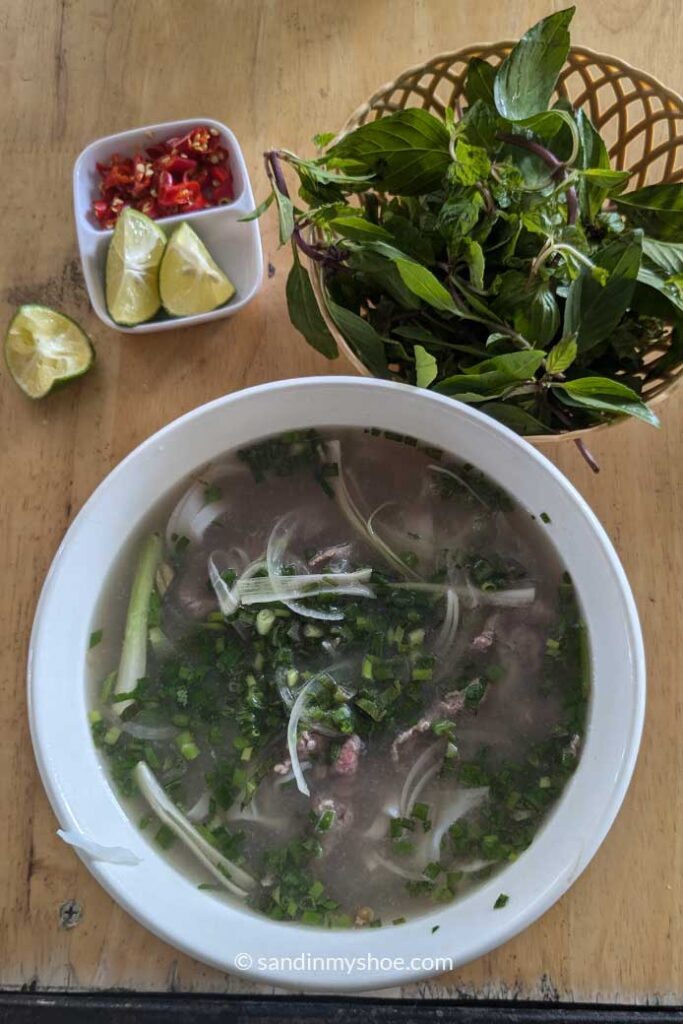
Phở
The classic Vietnamese noodle soup, often eaten for breakfast or lunch. Light broth, fresh herbs, rice noodles, and either beef or chicken. It’s one of the dishes you’ll see everywhere, from tiny street stalls to full restaurants.
- Phở bò — beef noodle soup
- Phở gà — chicken noodle soup
After traveling Vietnam for two months, I’ll admit it: I reached the point where I couldn’t even look at another bowl. It’s delicious and iconic… but it’s also everywhere, every day, all the time. And the truth is, soup runs through you quickly — you’re hungry again an hour later.
Vietnamese Sandwich
Bánh Mì
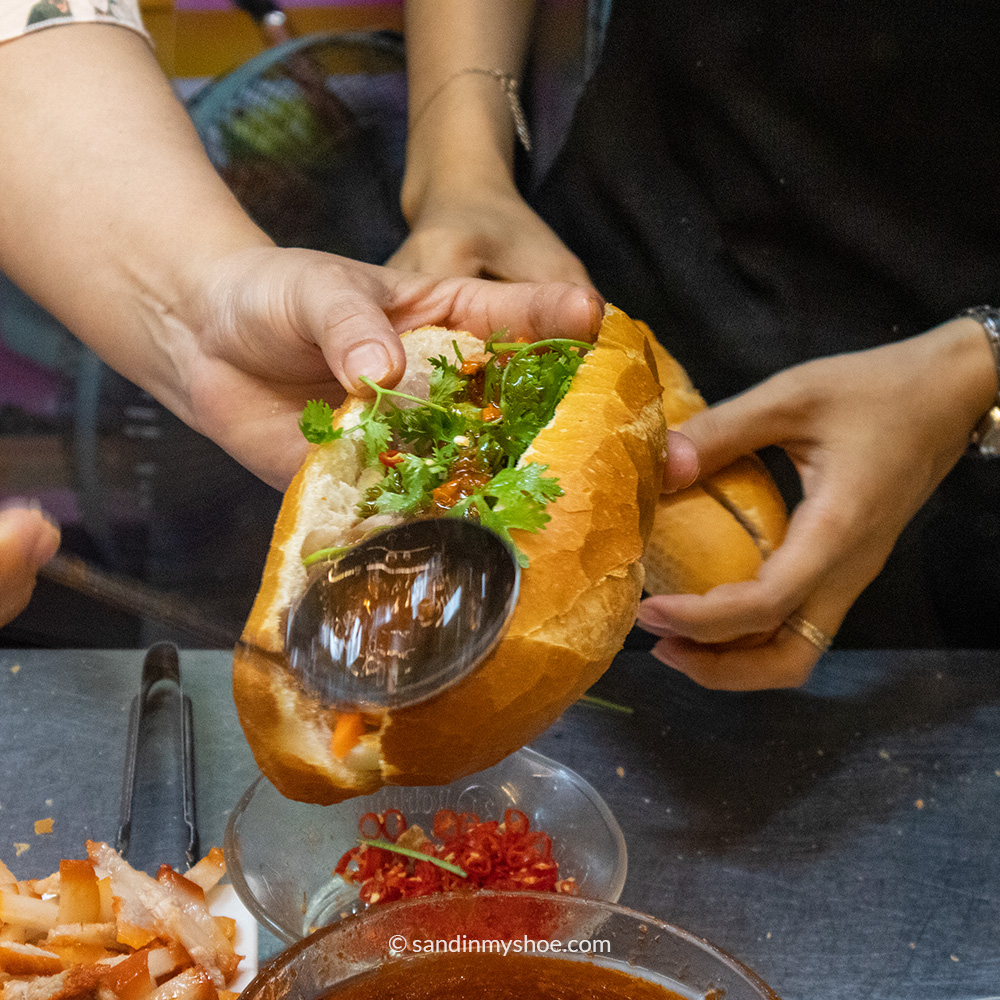
The French brought the baguette, and the Vietnamese made their own version of it. Shorter, lighter, crispier — then they stuffed it with all the good things: grilled meat, pâté, pickled veggies, herbs, chili, and a swipe of mayo that somehow always works.
It’s Vietnam’s original grab‑and‑go sandwich — way ahead of its time. The kind of thing you grab without thinking, and suddenly it’s one of your daily habits.
I’ve seen the Instagram‑famous spots around Ho Chi Minh City, but honestly: this is the backbone of Vietnamese cuisine. It’s good everywhere. The charm of bánh mì is exactly that — you don’t need to look for it — it will find you.
Chicken Rice
Cơm gà
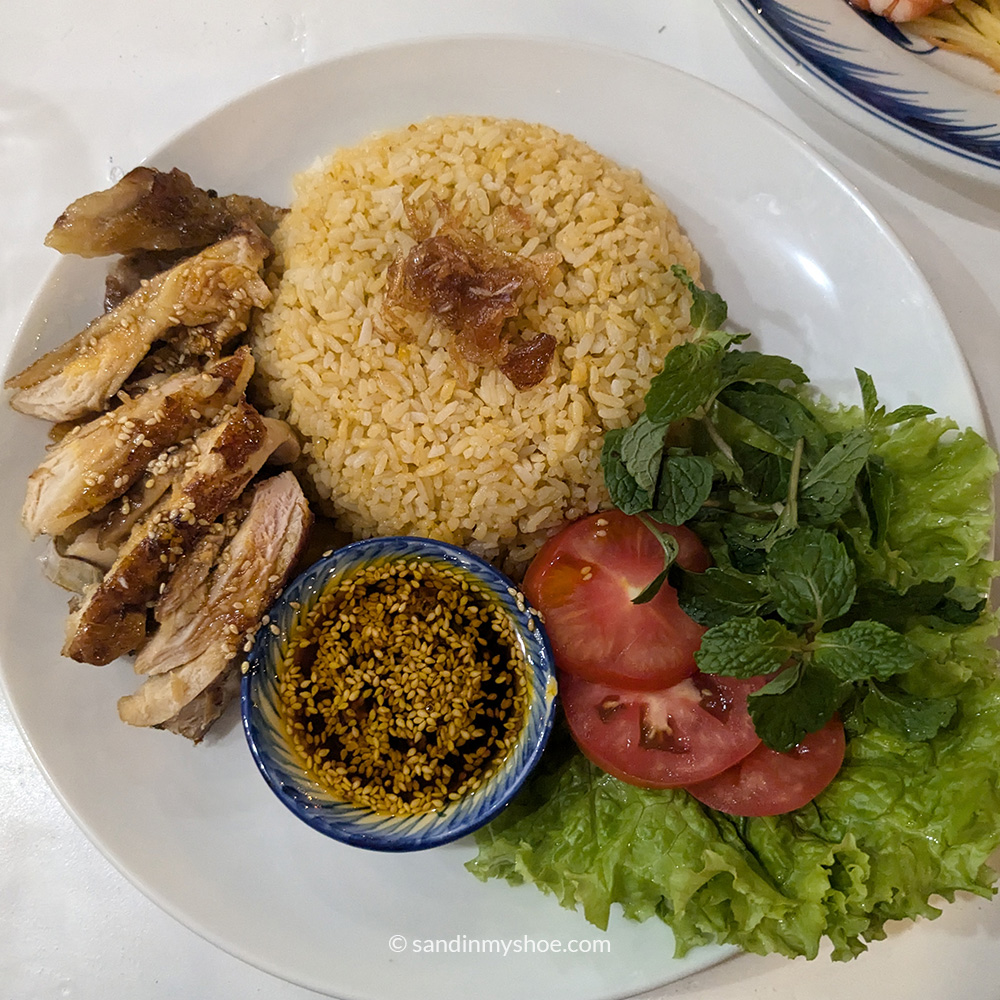
Chicken and rice — simple, straightforward, and everywhere. There’s nothing particularly special about it, but that’s exactly why it works. It’s the easy, no‑thinking‑required meal you order when you just want something warm and filling. Tender chicken, fragrant rice, a little broth, some vegetables on the side.
Just scoop spoonfuls in and keep going.
Slow-Dripping Coffee
Ca Phe Den
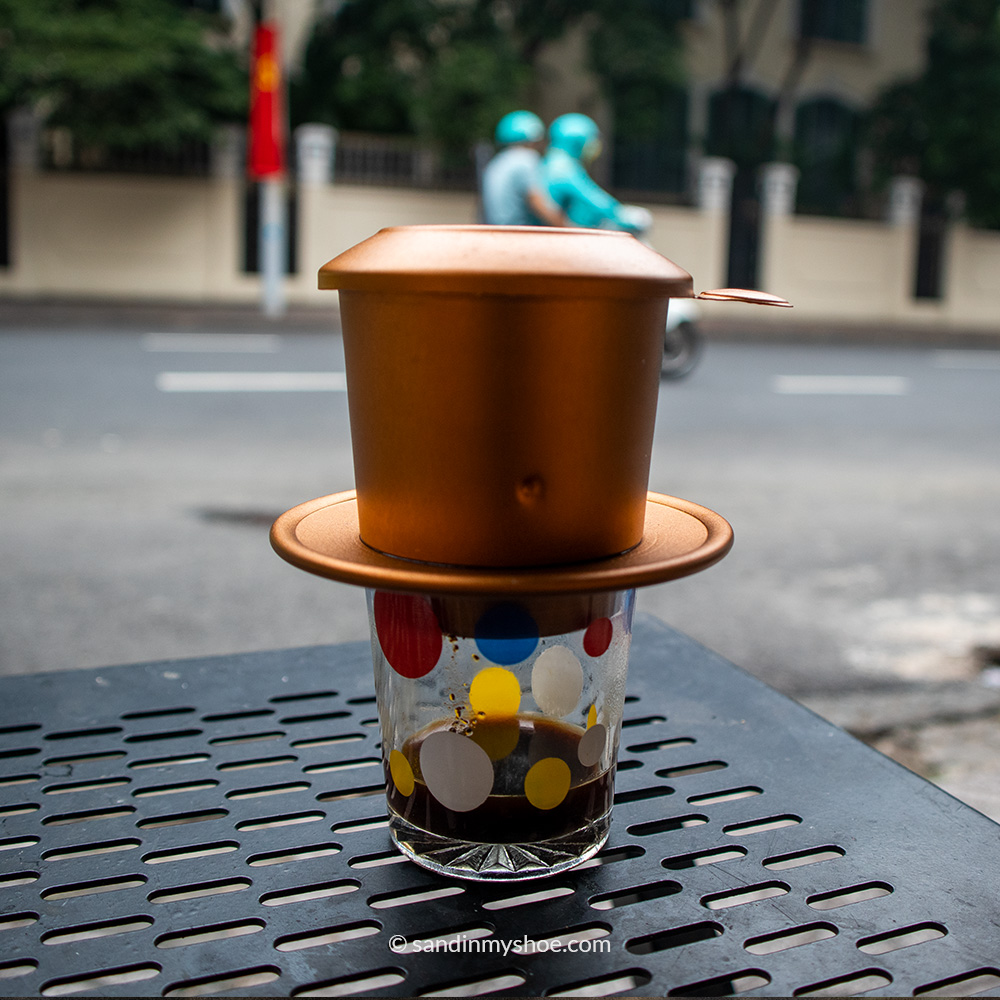
The slow‑dripping Vietnamese coffee. Strong, bold, and unmistakably Vietnamese. The beans are usually robusta, which means a more intense, slightly more acidic, almost chocolate‑bitter taste. It’s not your smooth café latte — it’s a coffee that smacks you right in the face.
You drink it black (cà phê đen) or with condensed milk (cà phê sữa đá), and either way it hits fast.
And know this: it takes time. I ordered it many times in a hurry, only to watch the phin arrive and begin its slow, dramatic drip… one tiny drop at a time.
Great coffee, absolutely. But if you’re rushing? It’s the worst possible choice in a small café. The big chains usually brew in large batches, so your cup shows up instantly.
Regional Highlights
South Vietnam
Salty Porridge and Frog
Cháo Ech
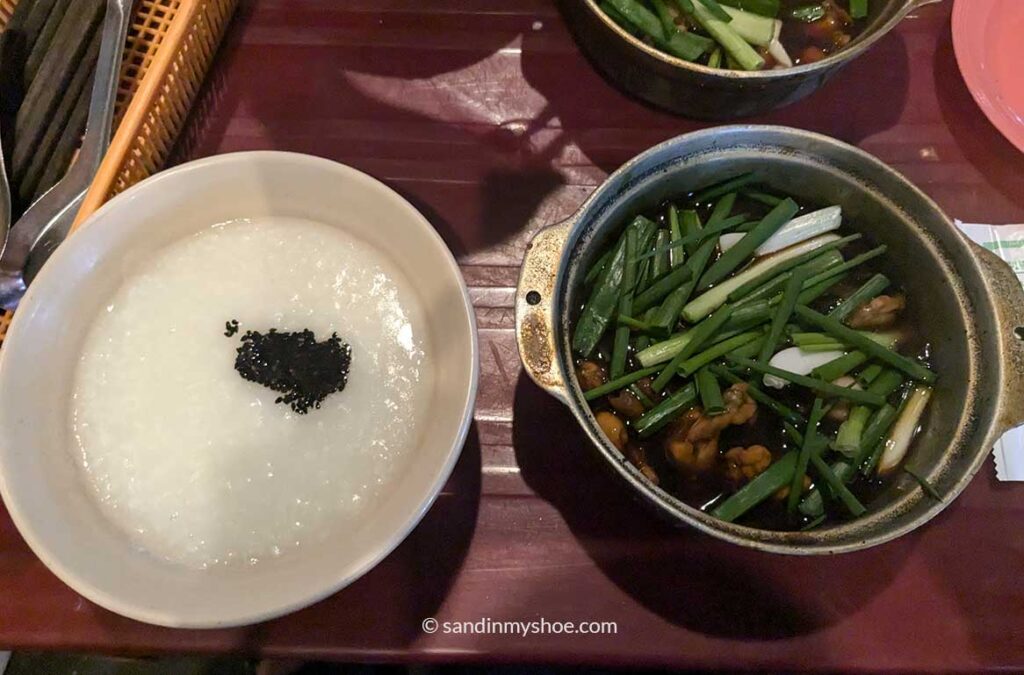
Odd one, but honestly not that bad. I ate this in Ho Chi Minh City, at a popular street‑food stand where I had to wait a bit just to get a plastic stool and a tiny table. They served exactly one thing: salty porridge with frog on the side. No menu, no choices.
It’s the kind of dish that sounds strange until you’re sitting there, sweating in the scooter‑filled haze, and suddenly you realise it’s not that bad… and you end up finishing the whole thing.
Mini Pancake
Bánh Khọt
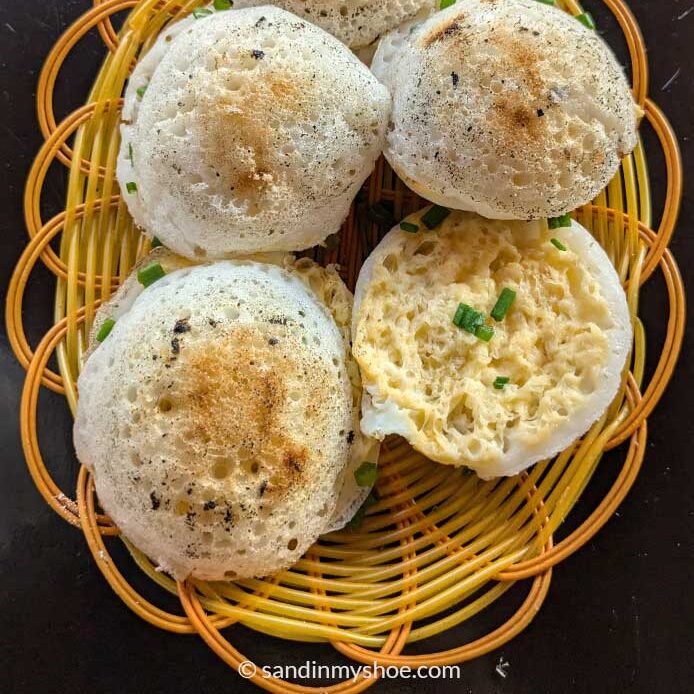
I ate these tasty little snacks in Mũi Né. They’re made from rice flour, coconut milk, sugar, yeast, and a sprinkle of scallions on top. Soft, airy, slightly sweet.
They’re especially popular in the south of Vietnam, and one reason is simple: most of Vietnam’s coconuts come from the Mekong Delta, so coconut‑based snacks are everywhere. These rice cakes are one of the easiest, most approachable southern treats you can find.
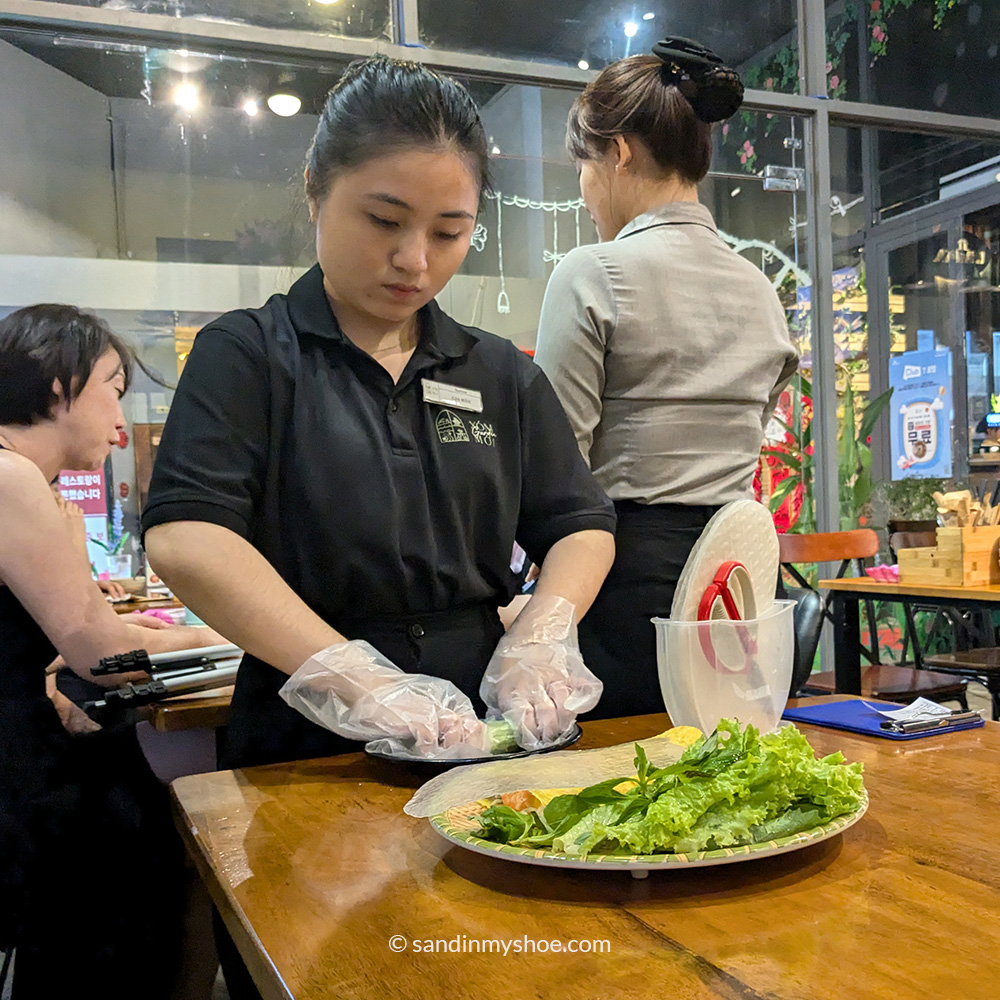
Crispy Vietnamese Pancake
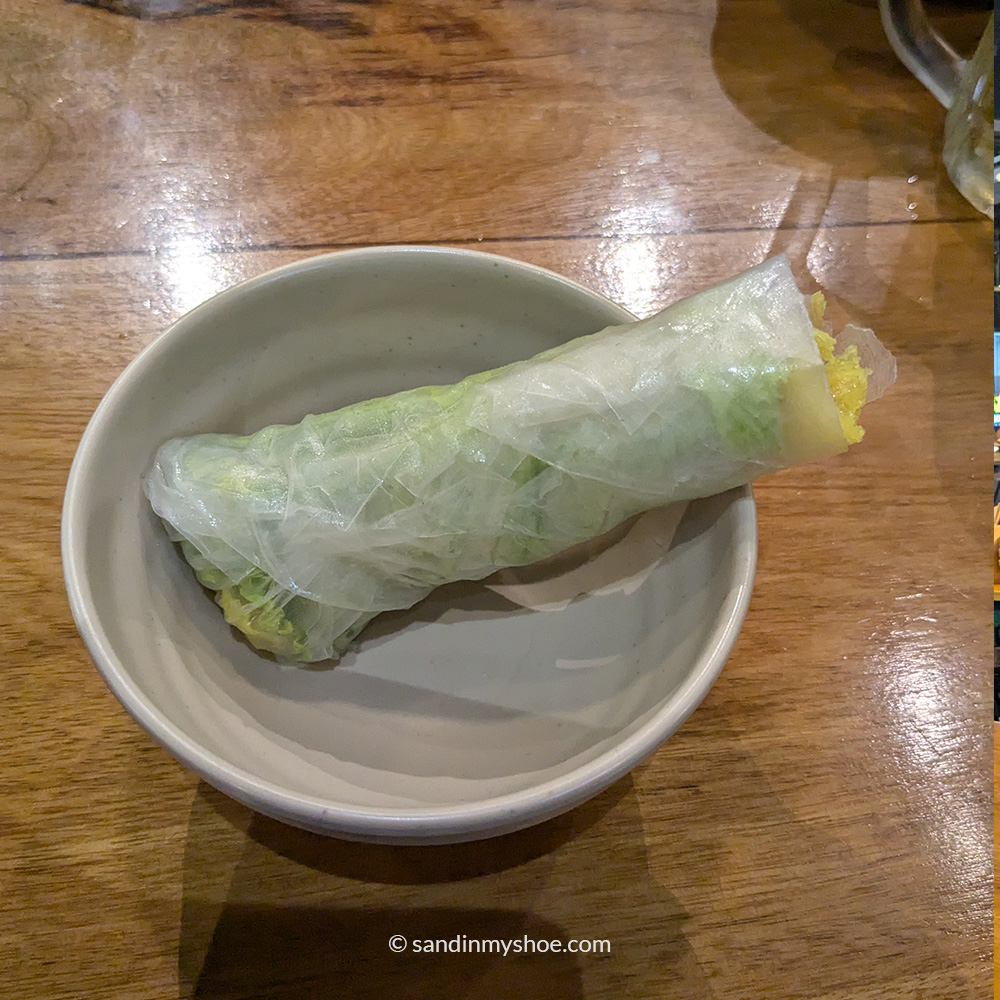
Bánh Xèo
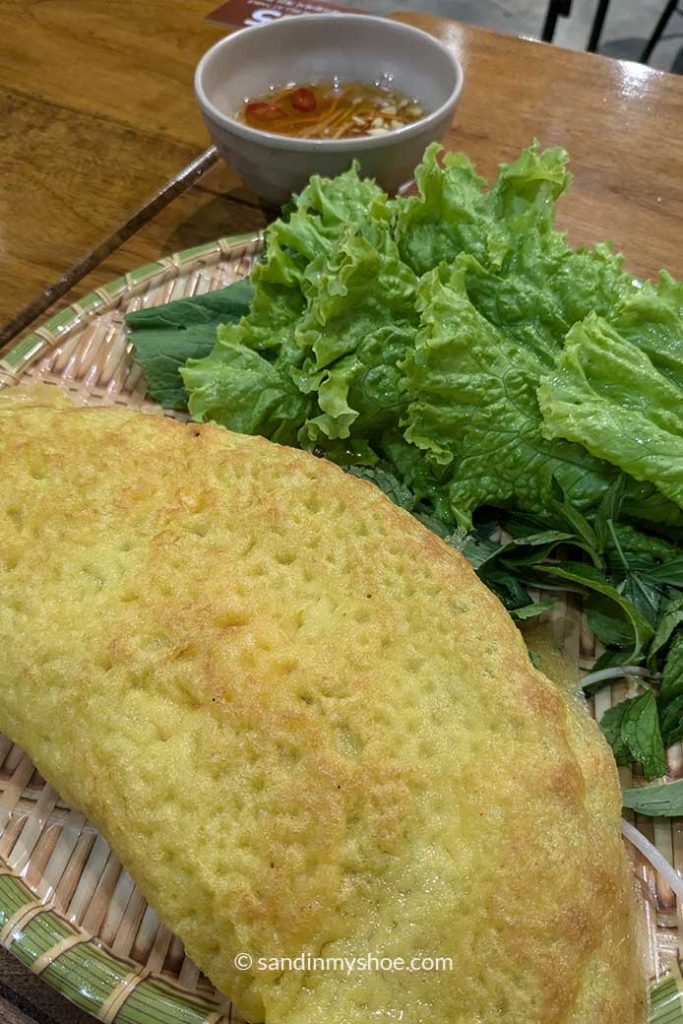
It can get messy, but I was lucky enough to have a professional wrapper at the table — someone who turned the whole thing into neat, well-wrapped little rolls.
I first had it in Nha Trang, but you’ll find it all over the south as well. Very tasty, but it takes a bit of practice to get the wrapping right.
Vietnamese Pizza
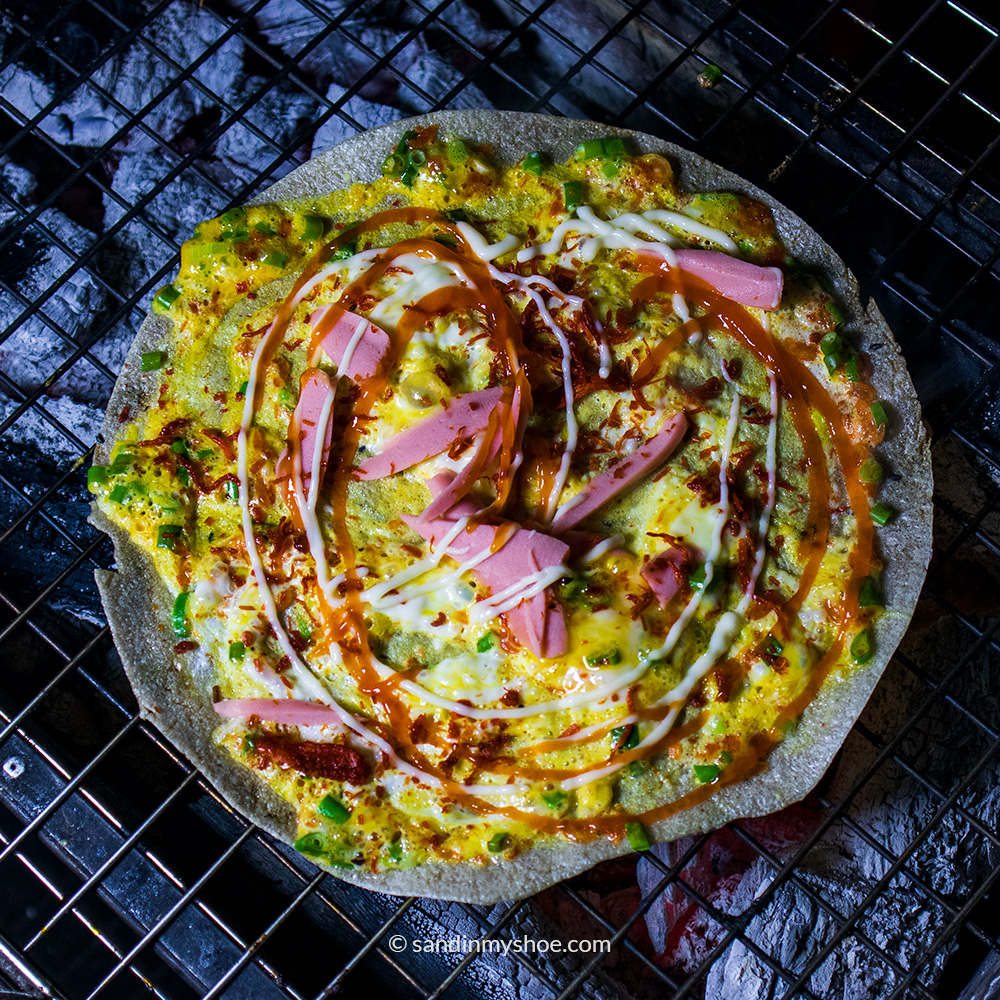
Bánh tráng nuong
If you’re Italian and tired of people calling anything flat and vaguely dough‑like a “pizza,” you might want to scroll to the next section. This one will hurt.
Vietnamese pizza is actually grilled rice paper topped with egg, spring onions, dried beef, sausage, chili sauce, and whatever else the vendor feels inspired to throw on or has it stock.
It’s cooked on charcoal until it’s crispy, and then folded like a taco when handed to you.
If you’re keen on trying this fantastic blasphemy of a pizza, get yourself to Dalat, where it’s a local specialty. You might find it in Ho Chi Minh City as well, but Dalat is where the Italians are offended the most, shouting “Mama Mia” while gesturing so wildly you’d think they’ve switched entirely to hand‑signing.
Central Vietnam
Quang Noodles
Mì Quảng
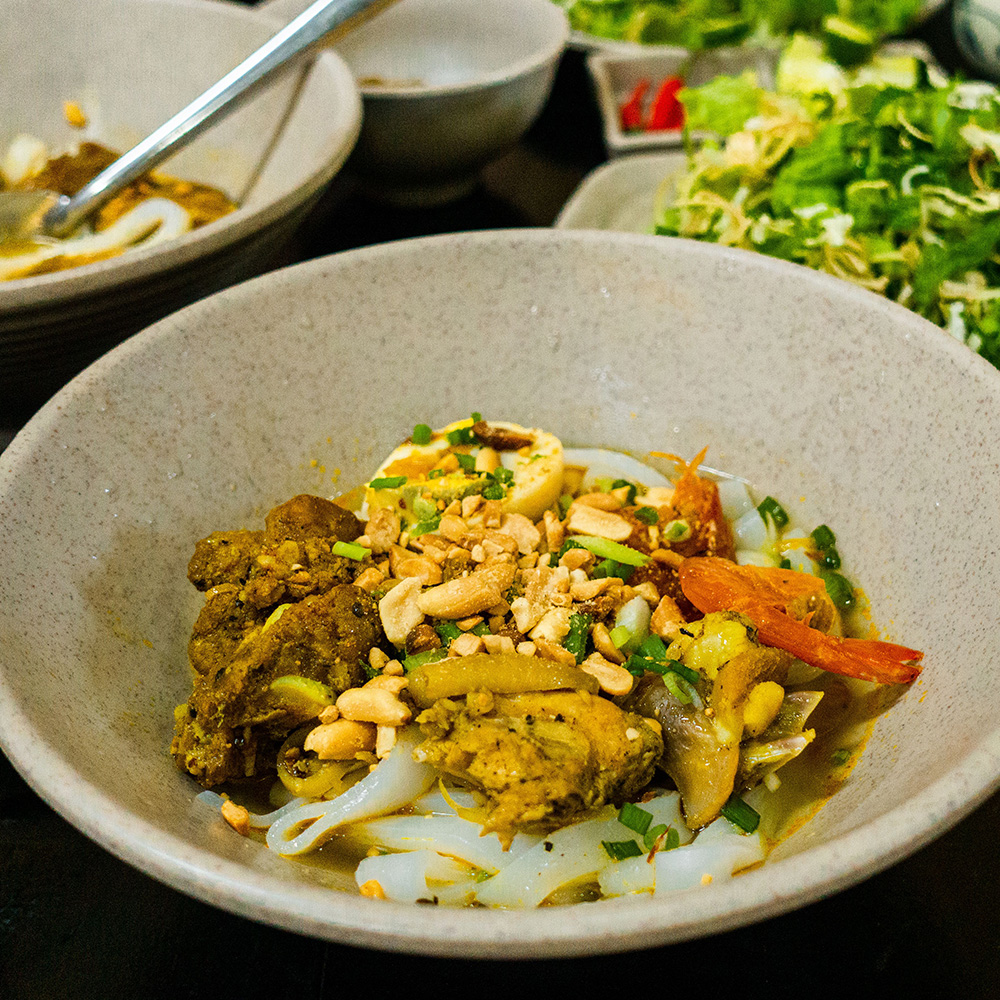
Central Vietnam’s signature noodle dish. It’s not quite a soup and not quite dry — just a shallow ladle of broth, thick noodles, herbs, peanuts, and usually pork or shrimp. Crunchy rice crackers on top at times, and lime and chili on the side.
Very tasty.
Spicy Beef Noodle Soup
Bún bò Huế
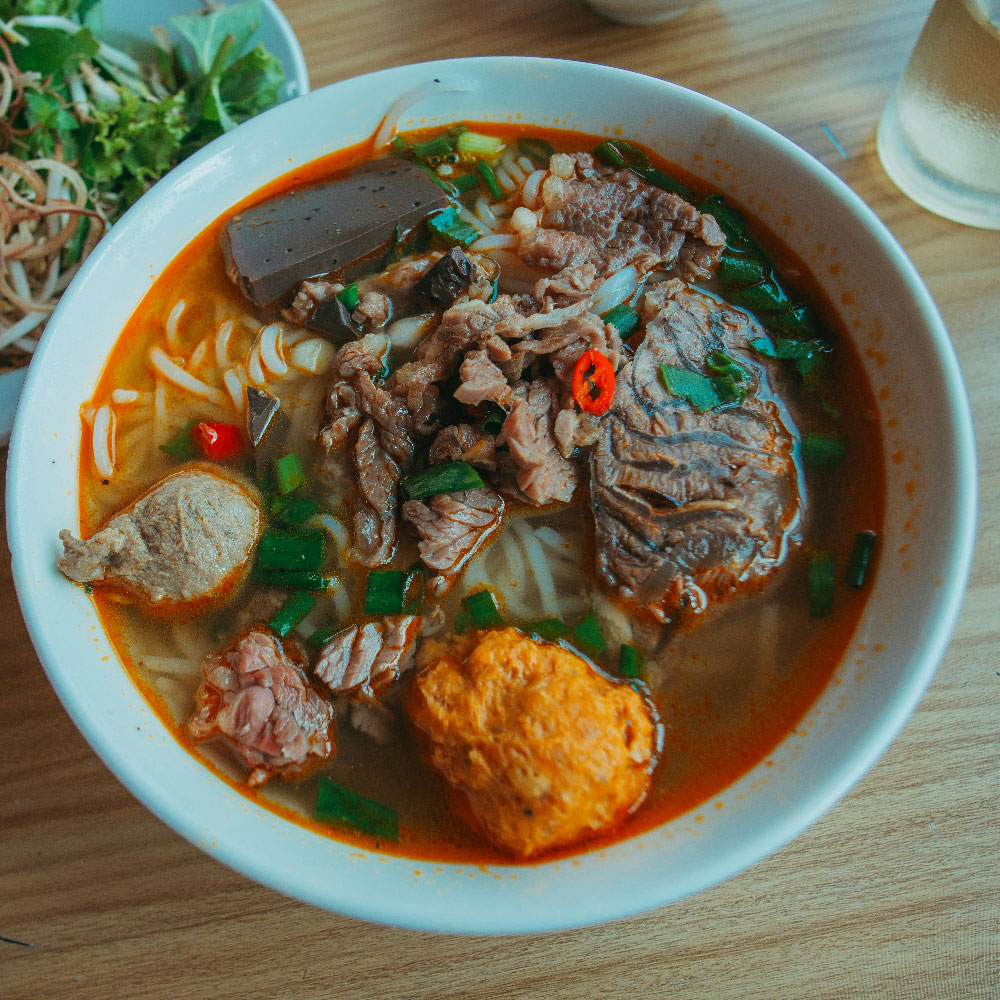
A spicy, lemongrass‑forward beef noodle soup that tells you exactly where you are. Why? Because Vietnamese food isn’t usually very spicy — except here. Central Vietnam is the odd bird, and Huế in particular leans into chili oil and heat far more than the rest of the country. It’s a regional quirk that shows up the moment you take your first spoonful.
It’s a welcoming contrast to Pho Soup.
Royal Dishes in Hue
Com cung dình Hue
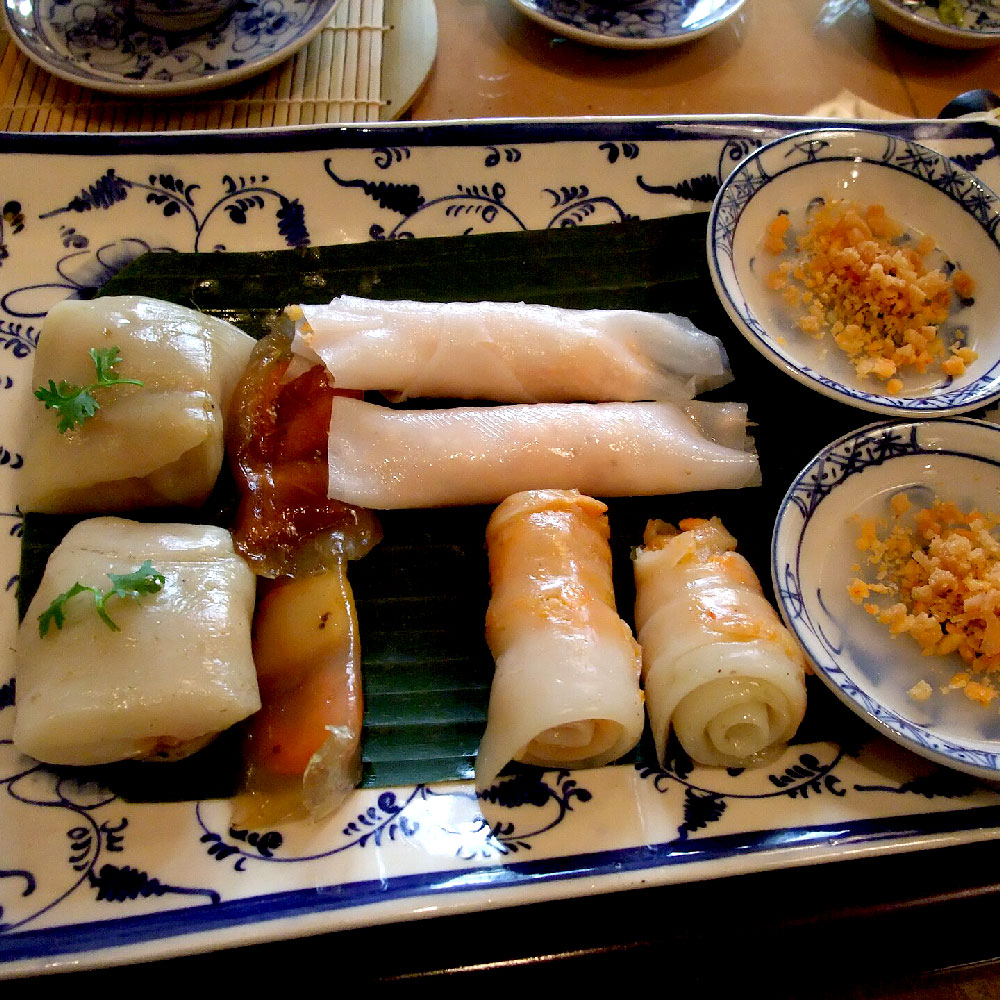
Besides the spicy beef noodle soup, Huế is also known for its refined imperial dishes. The city was once Vietnam’s imperial capital, and its food still carries that royal DNA. Portions are small, presentation is meticulous, and flavors lean spicier and more delicate than elsewhere in the country.
If you’re into food, Huế is worth slowing down for. Some restaurants offer tasting menus where you can try a whole lineup of imperial dishes in one sitting, while local food tours take you to the small spots you’d never find on your own.
North Vietnam
Noodles with tofu and fermented shrimp paste
Bún đậu mắm tôm
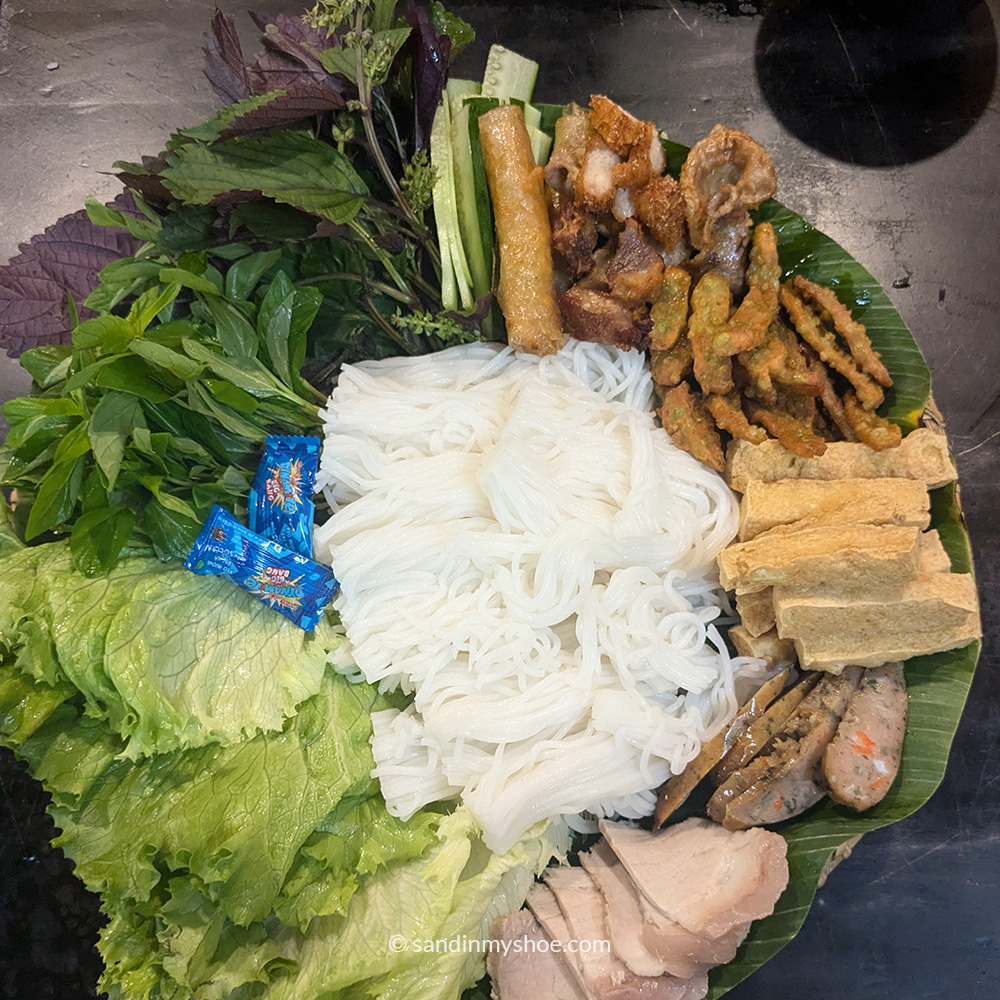
A northern Vietnamese platter built around rice vermicelli, fried tofu, boiled pork, herbs, and the star of the show: fermented shrimp paste.
This dish is all about dipping and mixing. You take a bit of noodle, tofu, pork, and herbs, wrap it inside lettuce, and dip it into the paste. The shrimp paste is very strong, and its salty, funky flavor revolves around the dish.
Locals seem to love it, or at least keep a brave face while eating it, but I had a hard time getting around the taste. Still, it’s absolutely worth trying at least once.
Grilled Pork Soup
Bún Chả
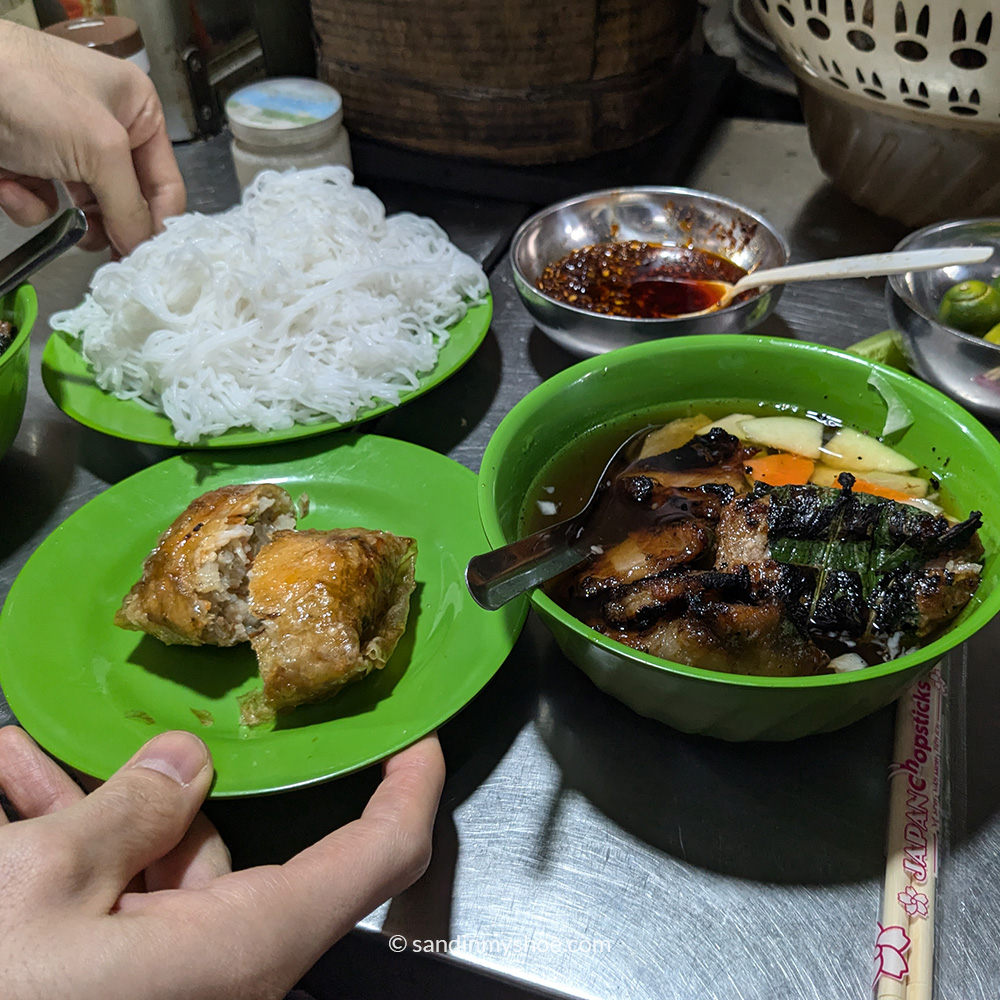
The Hanoi classic with grilled pork served in a warm, tangy broth, eaten with rice noodles, fresh herbs, and usually a crispy spring roll on the side.
I don’t think I would’ve known it’s something you must eat in Hanoi if it weren’t for a Vietnamese friend who showed me the ropes of the city’s street‑food scene.
Communal Cooking: Barbecue & Hot Pot
Two of Vietnam’s most social eating styles. Barbecue is all about grilling over charcoal; hot pot is about simmering a shared broth. Both are fun, interactive, and perfect when you want a meal that’s as much about the experience as the food.
Vietnamese Hot Pot
Lẩu
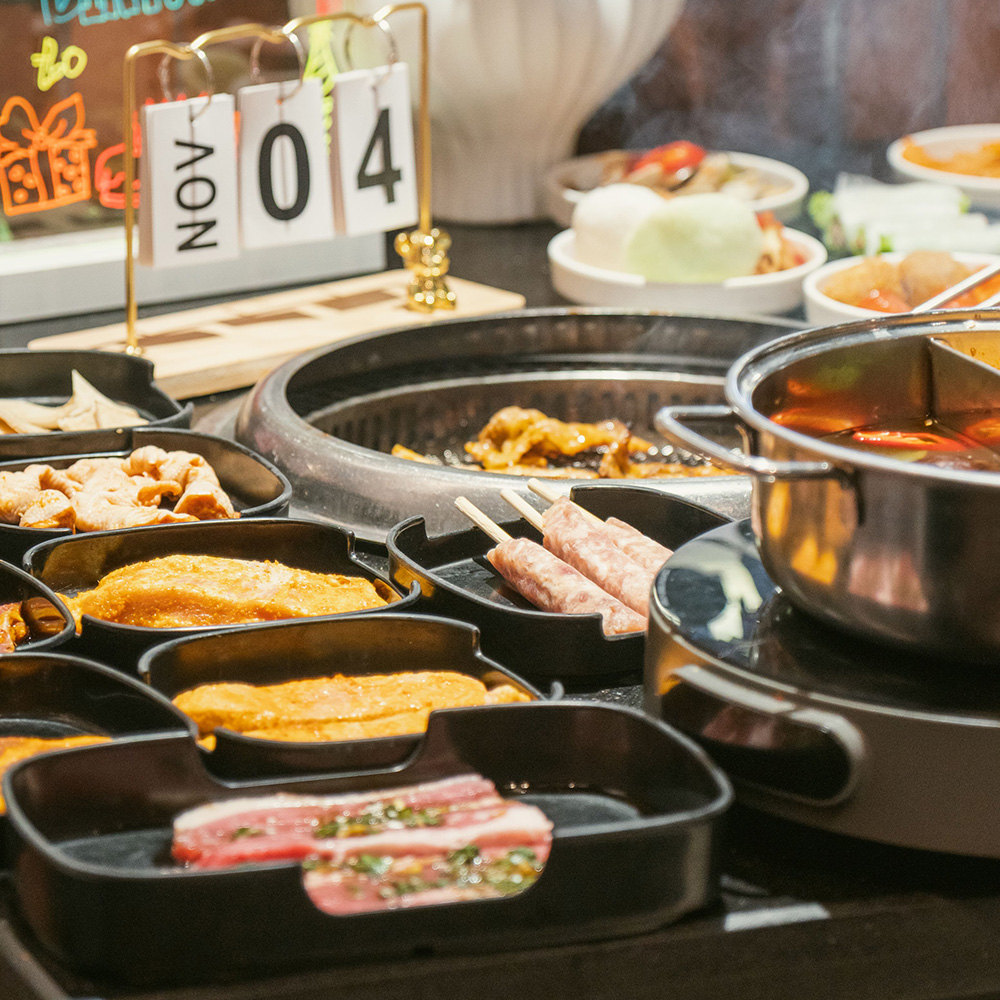
You need to be at least two people for Vietnamese hot pot, since it’s a shared meal built around a simmering pot of broth in the middle of the table. You order uncooked slices of beef, along with vegetables, mushrooms, tofu, and noodles — and cook everything yourself right in the broth.
Often the pot is divided into two sections: one spicy, one not. It’s perfect if someone wants heat but someone else doesn’t, or if you simply enjoy switching between the two as you eat.
Different places offer different broths (sweet, spicy, sour, seafood‑based), but the idea is always the same: add what you want, let it cook, and eat as you go. It’s social and ideal for a long dinner with friends rather than a quick lunch.
Vietnamese Barbeque
Nướng
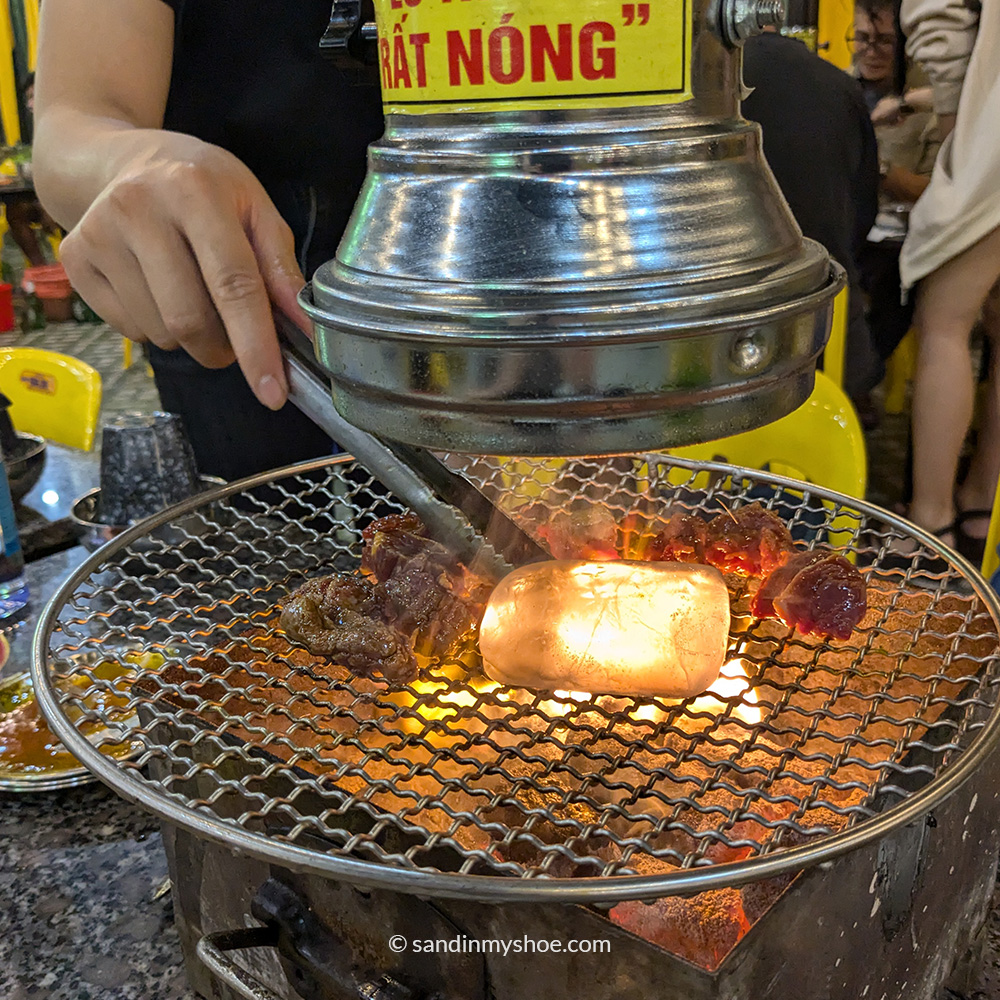
Vietnamese barbecue works a lot like hot pot — everything is shared, and everything ends up on the grill. If it once breathed, it’s probably on the menu: beef, chicken, seafood, frog, snails, and whatever the local place decided to add that day.
What I really enjoyed is how casual and chaotic it feels. The block in the photo is ice, used to keep the meat from burning. Never seen that before.
Drinks & Café Culture
Egg Coffee
Cà phê trúng
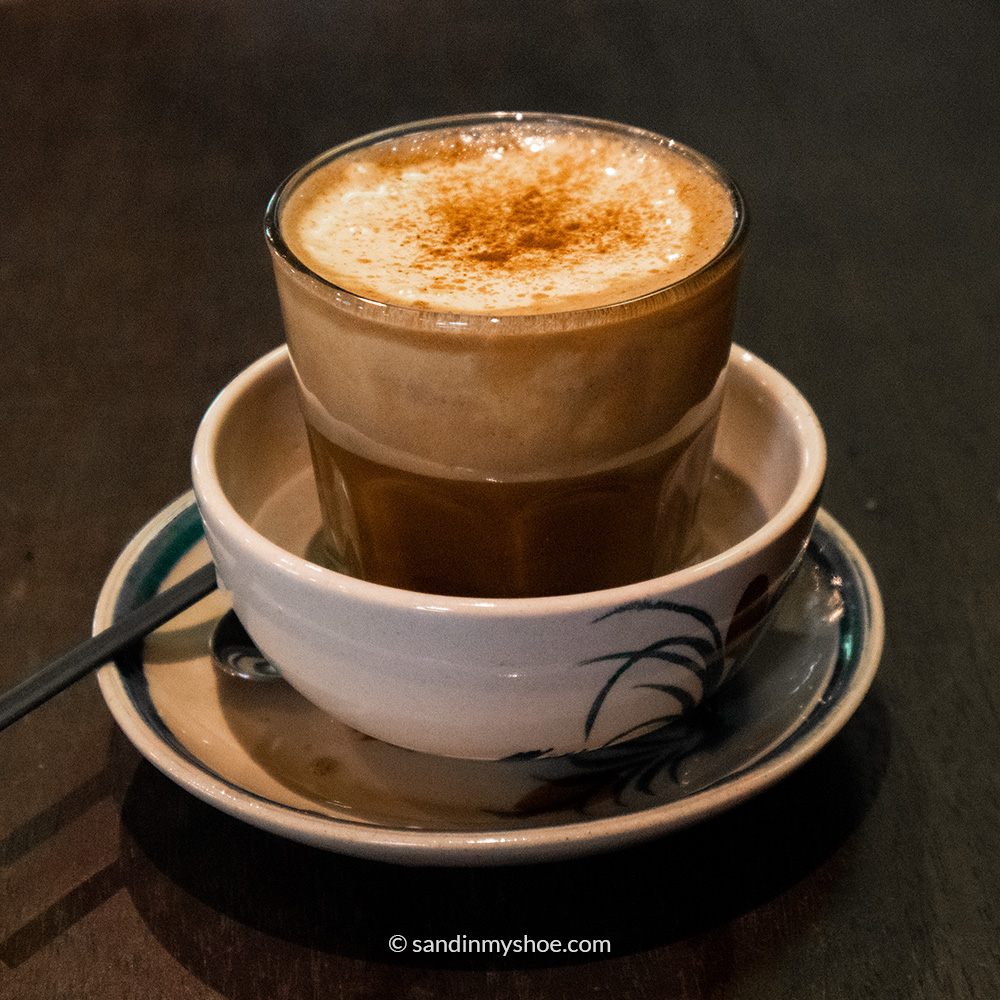
As a heavy black coffee drinker, I wasn’t sure what to expect. I couldn’t wrap my head around how the egg was added — I kept imagining a yolk floating around in the cup awkwardly.
But it turned out surprisingly good: creamy, slightly sweet, and very different from my usual black coffee. It was created in Hanoi during the Vietnam war, when milk was a scarcity, and they had to invent a substitute.
I wouldn’t drink it daily — it’s too sweet for me — but it’s absolutely worth trying once.
Orange Juice Ice Coffee
Cà phê cam
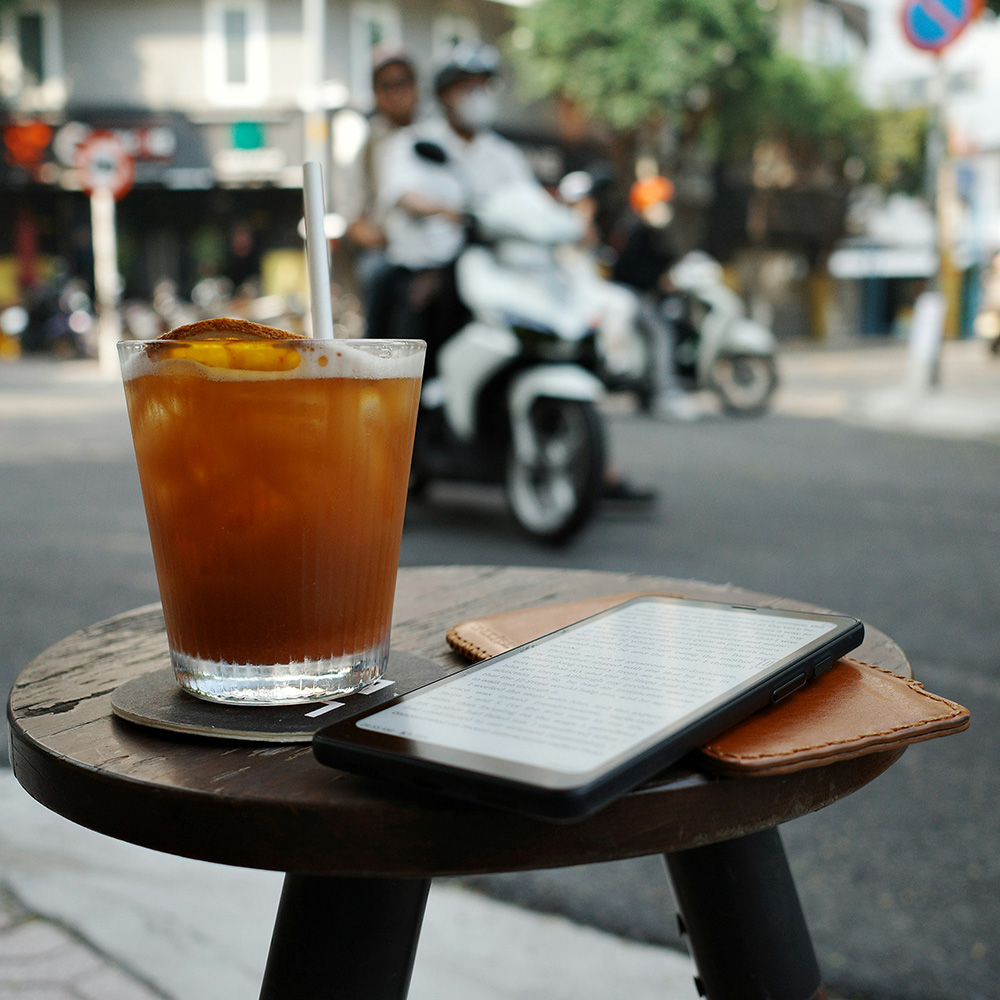
I was skeptical at first, but on a hot sunny day this orange‑juice‑and‑coffee combo is surprisingly refreshing. It’s bright, sweet, and caffeinated — the kind of drink that sounds wrong until you try it.
Coconut coffee
Cà phê dua
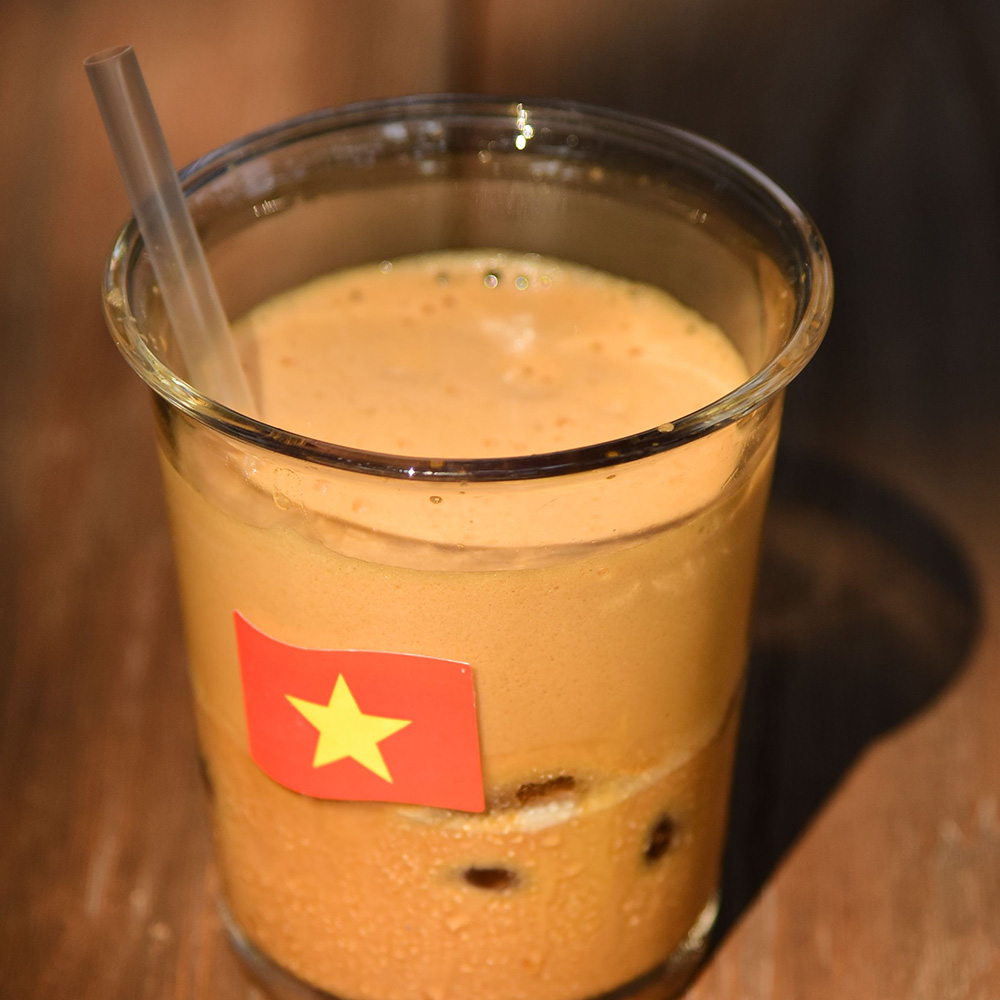
A creamy, dessert‑like twist on Vietnamese coffee. Blended coconut, ice, and strong robusta make it rich, sweet, and surprisingly refreshing — especially in the southern heat.
Sugarcane Drink
Nuoc mía
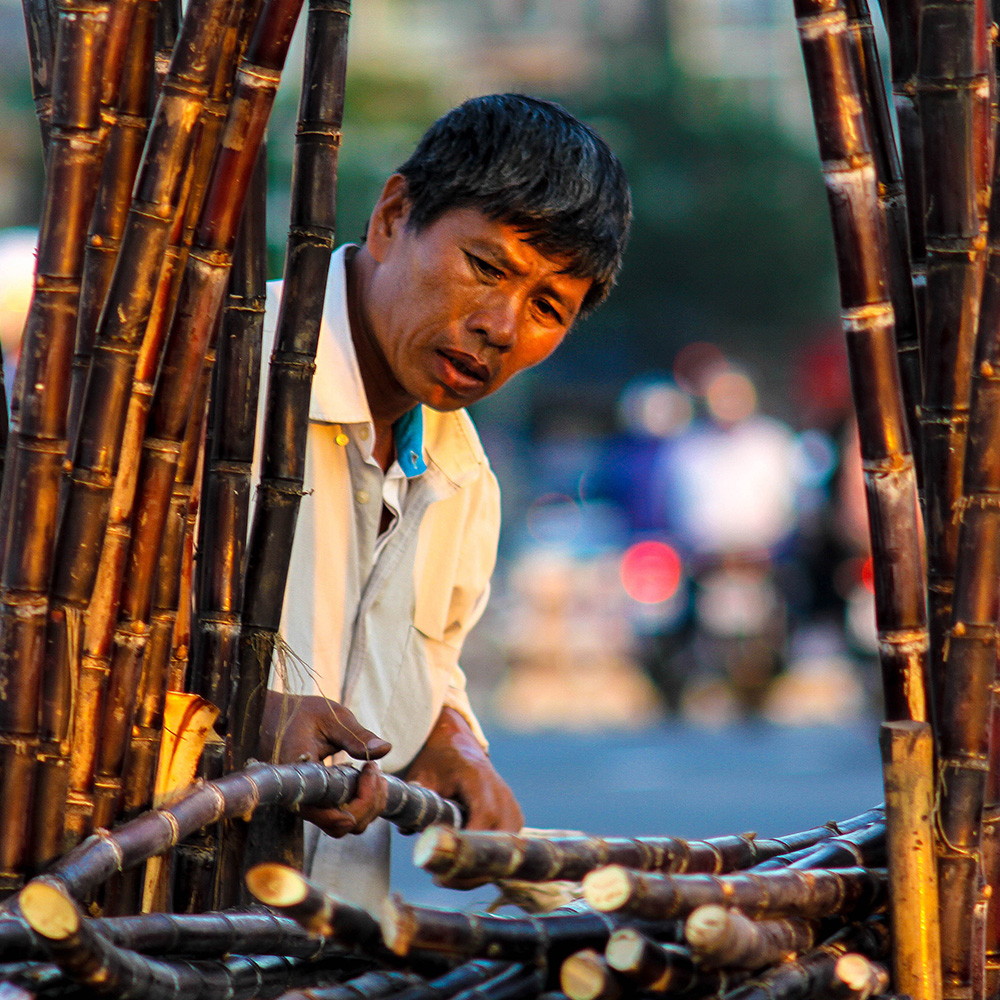
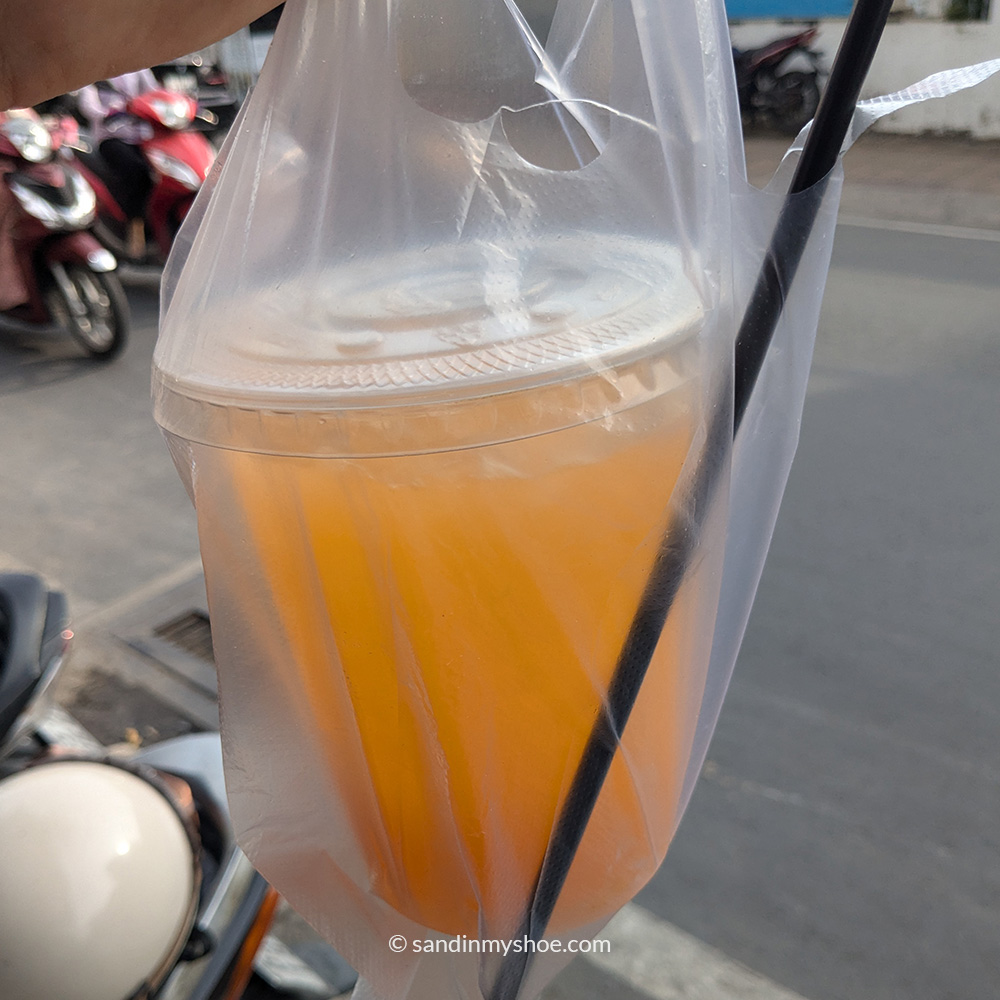
It’s pressed straight from the sugarcane stalk, right in front of you. They add ice, and on a warm day — which is basically every day in Vietnam — it becomes instant relief. One sip and you feel like someone turned the temperature down by ten degrees.
It’s cold, sweet, and way too easy to finish in seconds. The kind of drink you buy “just to try,” and suddenly you’re getting one every time you pass a stall.
Beer
Bia
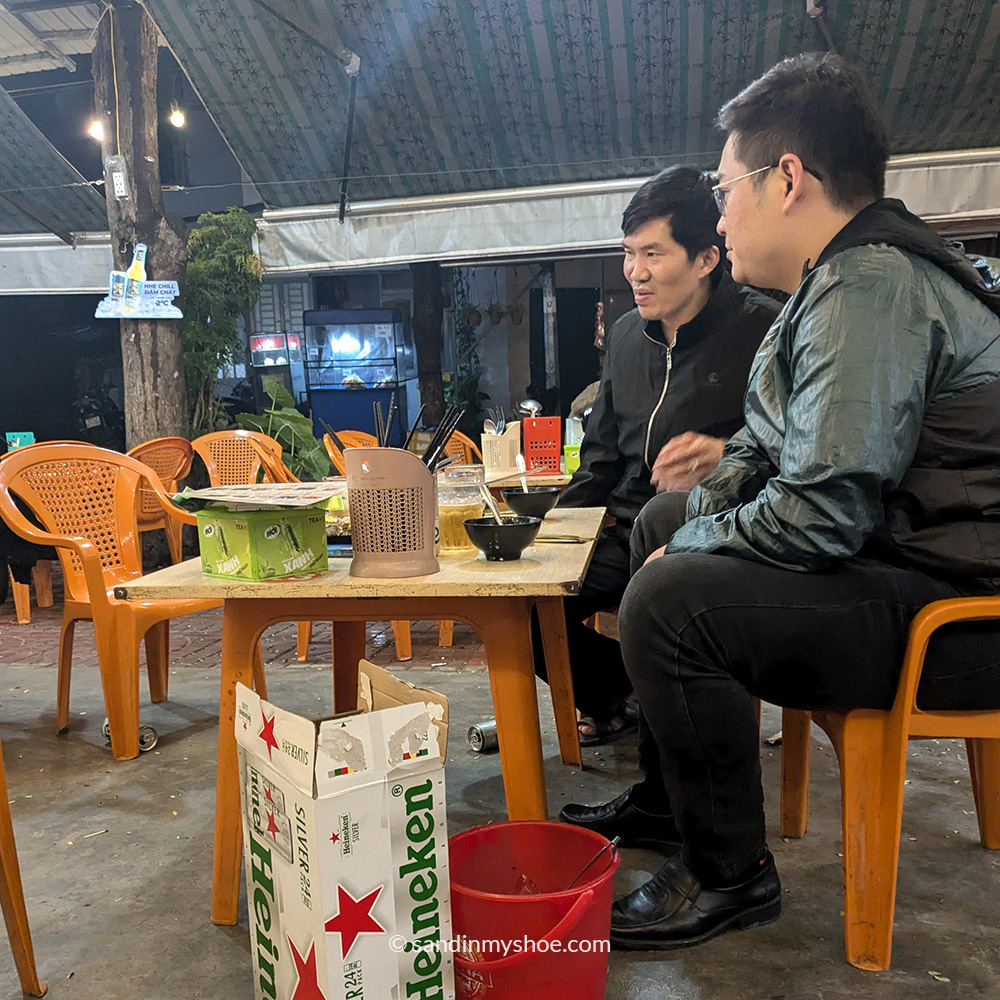
At many local spots, if you decide to drink beer, they don’t bring you a bottle — they drop a full 24‑can case of cold beer next to your table and let you work through it at your own pace. I find it respectful.
Common Questions About Vietnamese Food
Mostly yes. Vietnam’s street food is cooked fast and fresh, and busy stalls are usually the safest bet. Just stick to places with good turnover, avoid anything that seems to have been sitting out for a long time.
No. Stick to bottled or filtered water.
Ice in restaurants is usually factory‑made and safe. If you’re unsure, just skip it.
Dog meat is still consumed in Vietnam, though far less than in the past and mostly by older generations. You won’t accidentally order it, and it’s not common in tourist areas — but you may still see it in certain neighborhoods.
You may still see it in certain neighborhoods. I came across a couple of barbecued dogs, head and tail intact, displayed openly on the street while strolling around Hanoi in December. The city had a faint Christmas feeling, which made the sight even more jarring to see it. It’s not common, but it can be surprising if you’re not expecting it.
In Summary: Come Hungry and Let That Curiosity Guide You
I hope this gives you a clearer idea of what to eat across Vietnam’s regions. The best approach is to stay curious — try things you wouldn’t normally order and let the country surprise you. Even a humble frog‑and‑porridge dish nudged me to explore with even more curiosity.
Keep Exploring Vietnam
Still deciding on an itinerary for Vietnam? Check out my Vietnam 3‑week itinerary or the shorter 1‑week Vietnam itinerary to help you plan your trip. I’ve also written a how to get around in Vietnam guide, and plenty of destination guides:


No comments yet, be the first one!
I appreciate hearing from you. If you have any suggestions, questions, or feedback, please leave a comment below. Your input helps ensure the information stays relevant and up to date for everyone.
Thank you for sharing your thoughts!