
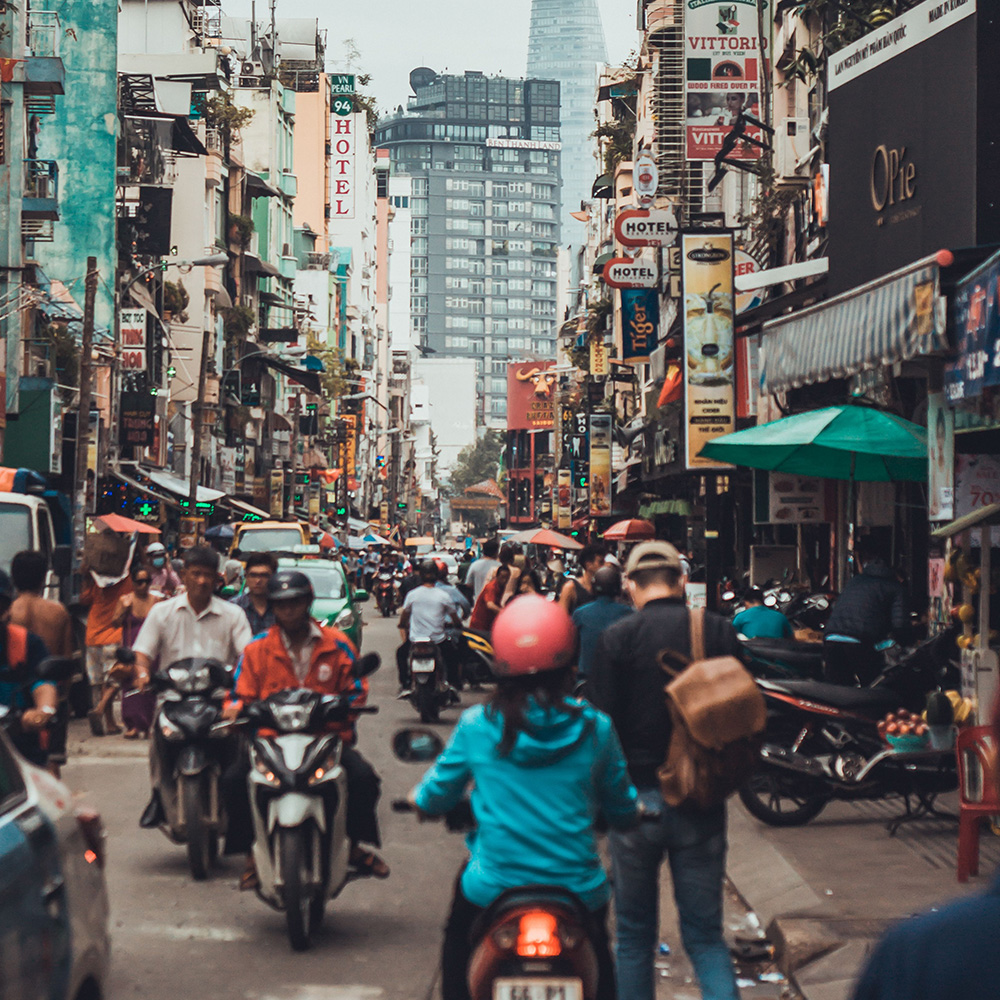
These tips focus on the practical side of Vietnam — getting around, paying smart, keeping your costs down, and avoiding the rain with a bit of planning.
1. Use Apps for Transport
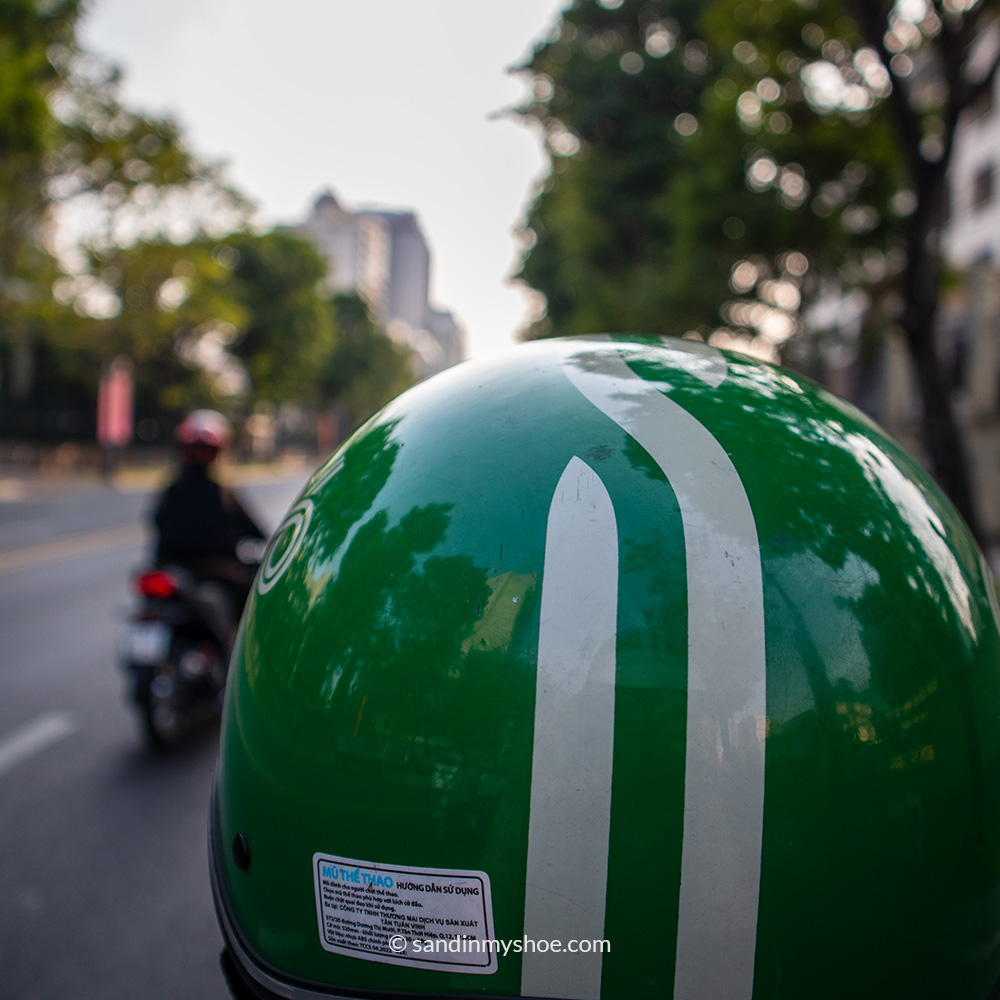
Grab and Be (a local Vietnamese ride‑hailing app) are the cheapest and most reliable ways to get around cities. They show the price upfront, prevent overcharging, and are usually cheaper than taxis. For short distances, motorbike rides are extremely affordable — often just $1–2 USD. Using these apps helps you to avoid tourist‑priced taxis. I recommend using them straight from the airport to avoid getting inflated fixed prices from the taxi counters.
2. Use E‑SIMs Instead of Airport SIM Cards
If you’re traveling short‑term and want data immediately when you land — for transport apps, hotel directions, or contacting your pickup — an e‑SIM is the easiest and most practical choice. It activates instantly, requires no registration, and avoids the hassle of finding a shop right after arrival.
For long‑term travelers it might be smarter to buy a physical SIM in town instead, where local mobile shops offer very cheap monthly plans.
But for shorter trips, an e‑SIM from providers like Airalo or YeSim gives you fast, reliable connectivity from the moment you step off the plane.
3. Keep Cash And Choose ATMs Wisely
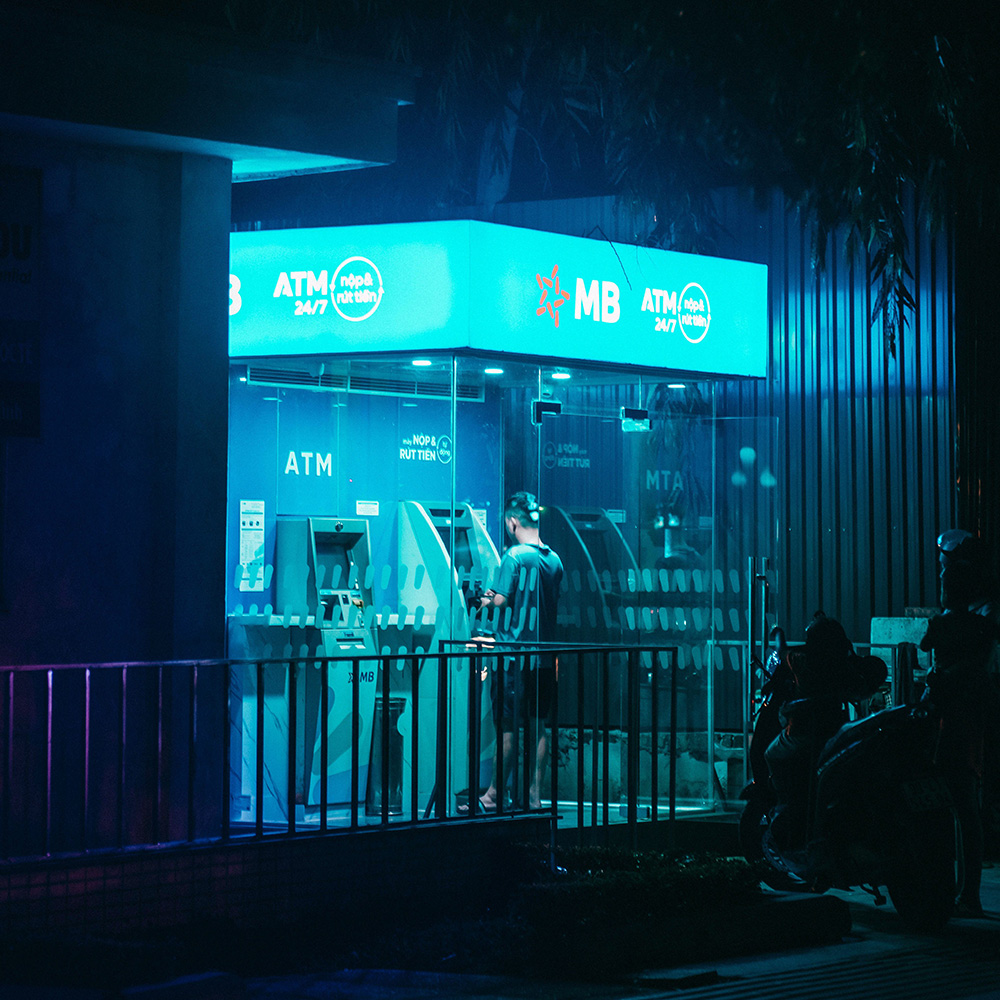
Vietnam is still a very cash‑based society, so carrying cash is essential. You’ll be visiting ATMs regularly, and choosing the right ones can save you from unnecessary fees and terrible exchange rates. These were the most reliable low‑fee options during my trip (fees can vary depending on your own bank, but these were consistently good):
- Saigon Bank (SCB) — No fees for foreign cards. One of the best options.
- MB Bank — Often free, but in tourist areas the withdrawal limit can be very low and some machines add a fixed fee. Better results outside the tourist zones.
- VIB — No extra charge in most locations.
And whenever you withdraw, always decline the fixed conversion rate offered by the machine. The ATM’s “guaranteed rate” is almost always worse than your bank’s rate, so choosing “Continue without conversion” saves you money every time.
4. When Paying with Debit or Credit Cards
When paying by card, you’ll often be asked whether you want to be charged in Vietnamese Dong (VND) or your home currency. Always choose local currency. It’s almost always cheaper.
Merchants and card machines sometimes push the “pay in your currency” option because it uses Dynamic Currency Conversion (DCC) — a service that adds hidden fees and gives you a worse exchange rate. Choosing VND avoids that markup and lets your own bank handle the conversion at a fairer rate.
5. Learn the Price of Common Costs
Knowing ballpark prices helps you avoid paying tourist rates and keeps your spending grounded in what locals actually pay. Here are some common everyday costs in Vietnam:
- Bottle of water: 5,000–10,000 VND ($0.2–0.4 USD)
- Short Grab motorbike ride: 20,000–40,000 VND ($0.8–1.6 USD)
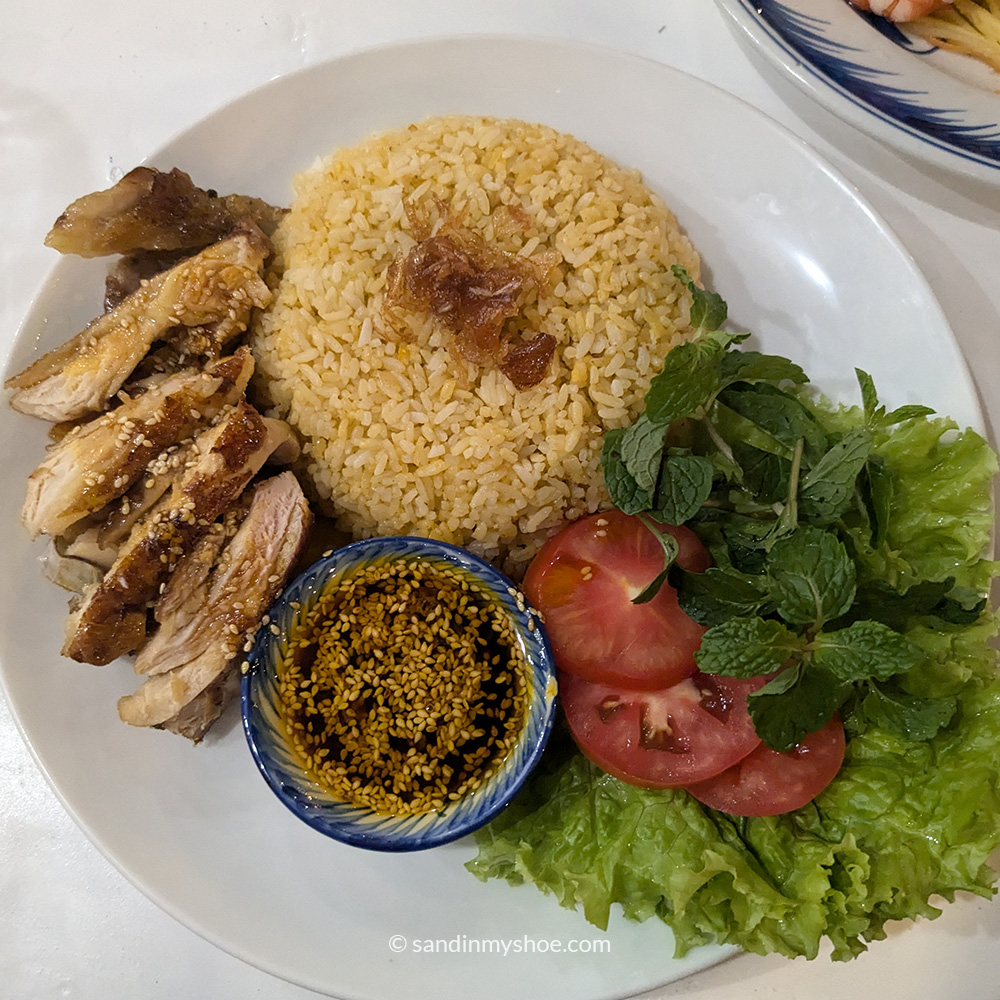
- Local meal: 40,000–70,000 VND ($1.6–2.8 USD)
- Coffee: 20,000–40,000 VND ($0.8–1.6 USD)
This isn’t about haggling — it’s about not paying triple just because you didn’t know the baseline. And if you’re in a very touristic area, expect prices to be higher — especially at restaurants and cafés aimed at visitors. Knowing the real local prices simply helps you spot when something is way off.
6. Use Local Laundry Shops
Hotel laundry is many times priced per item, and gets quite expensive in the long run. Local laundry shops charge 20,000–30,000 VND ($0.8-1.2 USD) per kilo, same‑day service, and good quality. Just look on Google Maps for “giat say”, which means “wash and dry” in Vietnamese.
7. Plan According to the Weather
Vietnam is a long country, and the weather changes dramatically from region to region. If you’re traveling in the north during winter, bring a jacket as temperatures can drop surprisingly low. And before heading to any beach destination, double‑check you’re not arriving during its monsoon season, as heavy rains can last for weeks.
See the monthly breakdown of each region below.
 32°C
21°C
33°C
22°C
33°C
23°C
 35°C
24°C
 34°C
25°C
 32°C
24°C
32°C
24°C
32°C
24°C
 31°C
24°C
31°C
23°C
31°C
22°C
31°C
21°C
25°C
18°C
26°C
19°C
28°C
21°C
30°C
23°C
32°C
25°C
32°C
26°C
34°C
26°C
33°C
25°C
31°C
24°C
29°C
23°C
28°C
21°C
25°C
19°C
20°C
10°C
21°C
13°C
24°C
16°C
28°C
20°C
32°C
22°C
34°C
25°C
35°C
26°C
33°C
26°C
32°C
24°C
29°C
21°C
26°C
18°C
22°C
14°C
8. Bring Earplugs
Vietnam is incredible, but it’s not a quiet country. Honking scooters, construction that starts before sunrise, even some guesthouses can be noisier than you’d expect. A pair of earplugs goes a long way and will help you catch proper sleep wherever you end up staying.
9. Crossing the Street
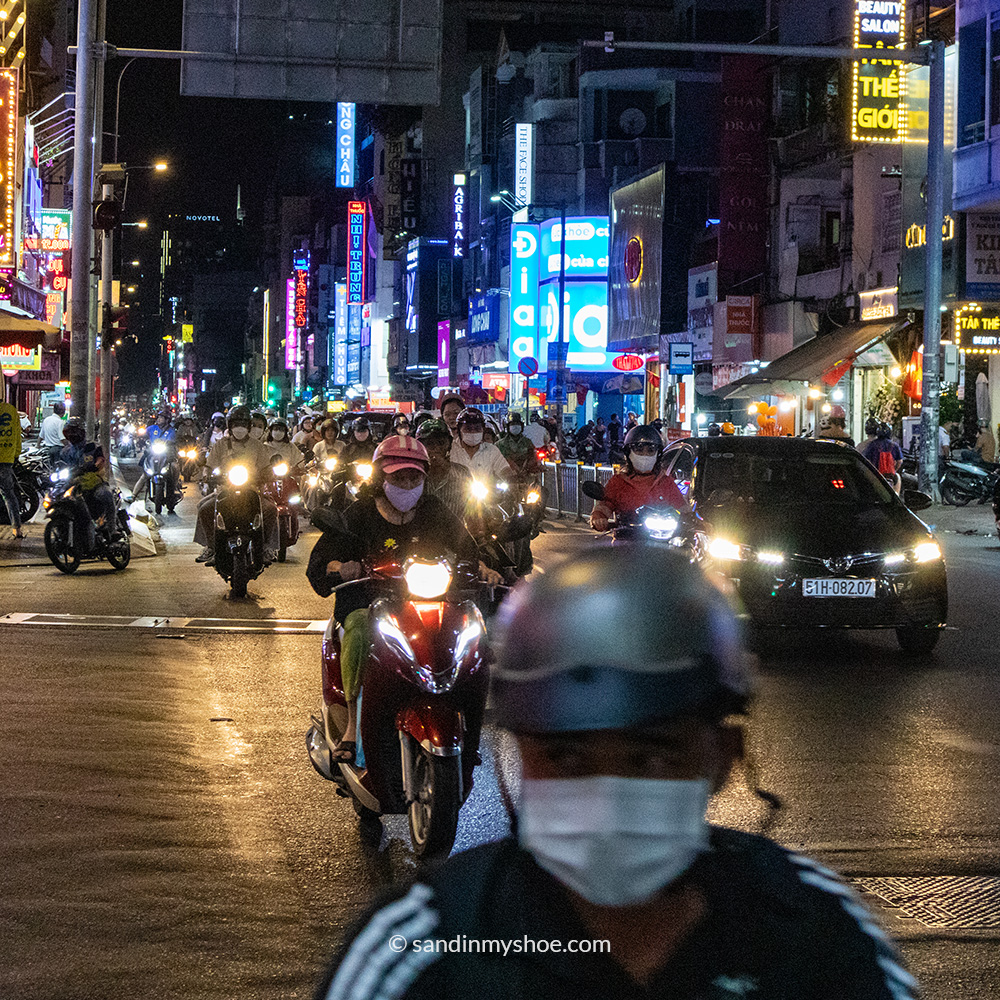
Crossing the street in Vietnam takes a bit of courage at first.
Motorbikes flow from every direction, and the only way to get across is to step into the traffic and keep moving at a steady pace. Don’t run, don’t stop suddenly, just walk slowly and predictably. The riders will see you and glide around you. It feels chaotic, but once you get used to it, it becomes surprisingly natural.
10. Learn a Few Key Vietnamese Phrases
Locals appreciate the effort, and it helps with markets and street food. Even basic words go a long way:
- Cảm ơn — thank you
- Xin chào — hello
- Bao nhiêu? — how much?
- Một bia — one beer
11. Bring an Insulated Water Bottle
Many cafés and hostels offer free or cheap water refills, and having your own insulated bottle makes it much easier to take advantage of them. It keeps your water cold in Vietnam’s heat, reduces plastic waste, and saves you money over the course of your trip.
Keep Exploring Vietnam
Still mapping out an itinerary? Check out my Vietnam 3‑week itinerary or the shorter 1‑week Vietnam itinerary to help you plan your trip. I’ve also written a how to get around in Vietnam guide, a Vietnam Food guide and a Vietnam Travel Budget guide.
If you’re more interested in destination guides, check out these:


No comments yet, be the first one!
I appreciate hearing from you. If you have any suggestions, questions, or feedback, please leave a comment below. Your input helps ensure the information stays relevant and up to date for everyone.
Thank you for sharing your thoughts!