


You’re intrigued? I was as well, but let me give you the most realistic expection of what it’s actually like, and what are the things worth doing while visiting.
What is Da Nang Actually Like
When I visited Da Nang, I hadn’t done much research beforehand and arrived with few expectations. One of the first things that surprised me was that several locals greeted me in Russian rather than English. Around the beach area, I also noticed signs in Korean and Russian everywhere.
I learned later that Da Nang is very popular with both Russians and Koreans.
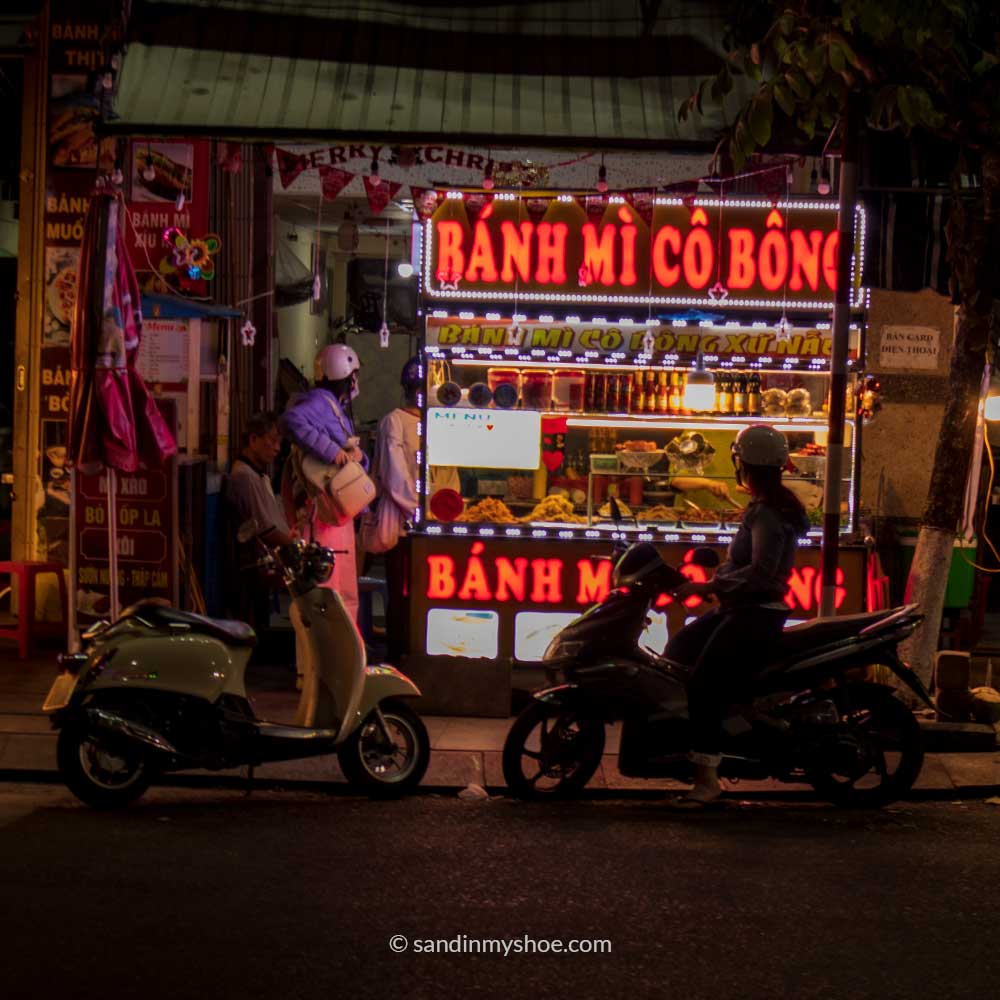
That said, Da Nang doesn’t feel like a resort town built solely for tourists. It has a modern side filled with high-rise hotels, beach clubs, cafés, and shopping malls, but only a few streets inland, you’ll find local neighborhoods, markets, and everyday Vietnamese life carrying on as usual.
Is Da Nang Worth Visiting
Yes. Combined with nearby Hoi An, Da Nang makes a strong addition to almost any Vietnam itinerary. You get a modern beach city with good restaurants, nightlife, and a long stretch of sand, while Hoi An offers a beautifully preserved trading port and UNESCO World Heritage Site known for its historic architecture and atmospheric Old Town. The cities are about a 30-minute taxi-ride away from each other.
Few places in Vietnam offer such an easy combination of beach life, city conveniences, and cultural attractions. If you’re looking for a destination where you can relax on the beach during the day and explore a historic town in the evening, Da Nang is hard to beat.
How to Get Around Da Nang
If you’re comfortable riding a motorbike, consider renting one. It gives you far more flexibility and allows you to visit places like Son Tra Peninsula, Hai Van Pass, and My Son without being tied to a tour group.
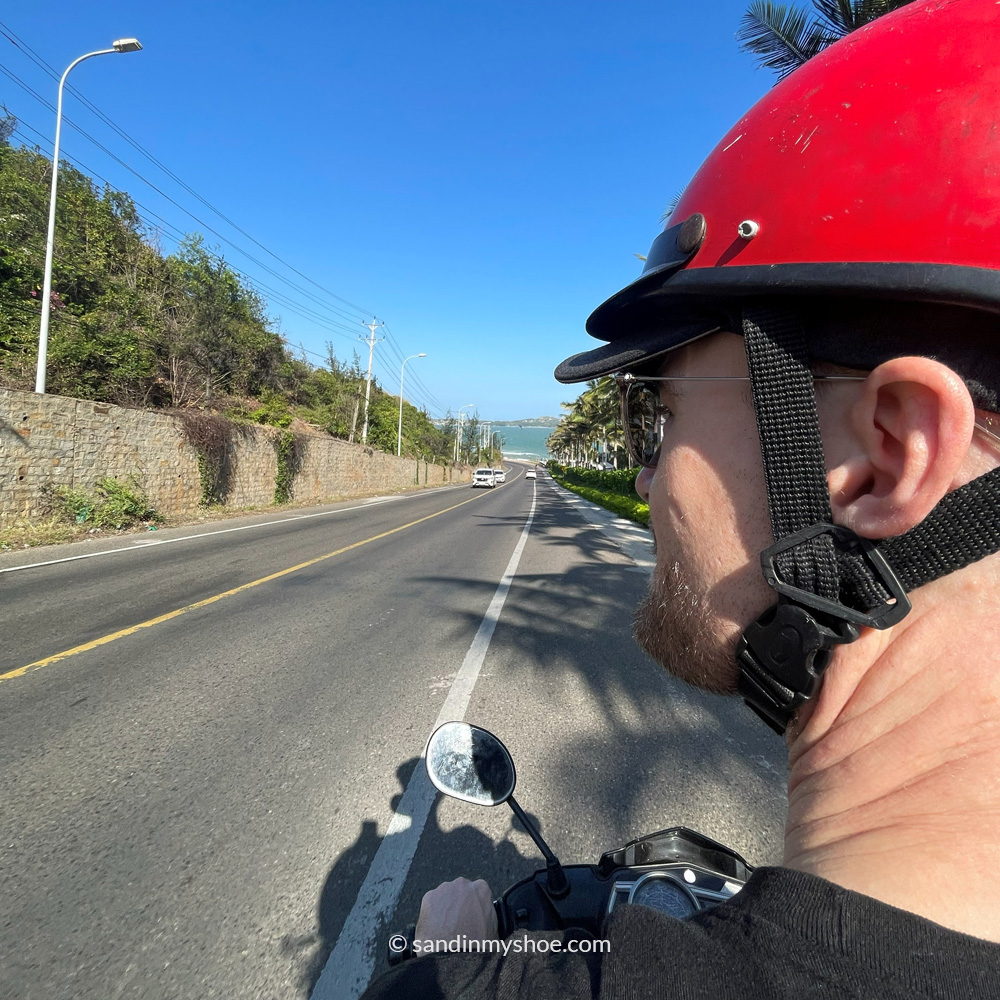
However, make sure your driver’s license and insurance are in order before getting on the road. Without the correct license, you could face a fine and, more importantly, your travel insurance may not cover you in the event of an accident.
If you’d rather not ride yourself, Grab is cheap and widely available throughout Da Nang, making it easy to get around the city and visit nearby attractions.
Da Nang for Digital Nomads
Imagine spending the morning working from a café, grabbing a $2-3 bowl of pho for lunch, and then heading to the beach once you’ve finished for the day. That’s one of the main reasons Da Nang has become so popular with digital nomads.
On top of that, the internet is fast, the cost of living is relatively low, and the city has a growing remote work scene. There are many co-working spaces, with memberships typically starting at around $80 per month.
During my stay in Da Nang, I frequently worked from the coffee shops: Highlands Coffee and Phúc Long. The internet was reliable enough, the coffee was good, and both provided a comfortable place to work for even a full day.
Staying for a few months? Airbnb is a good starting point. If you’re planning to stay longer, join a few local Facebook groups and start asking around once you arrive. Many long-term rentals never make it onto booking sites, and it’s often possible to negotiate a better price in person.
Things to Do in Da Nang
Spend a Day on My Khe Beach
My Khe Beach is Da Nang’s main beach and one of the city’s biggest draws. Stretching a kilometer along the coast, it combines soft sand, warm water, and a surprising amount of space for a beach right in the center of the city.
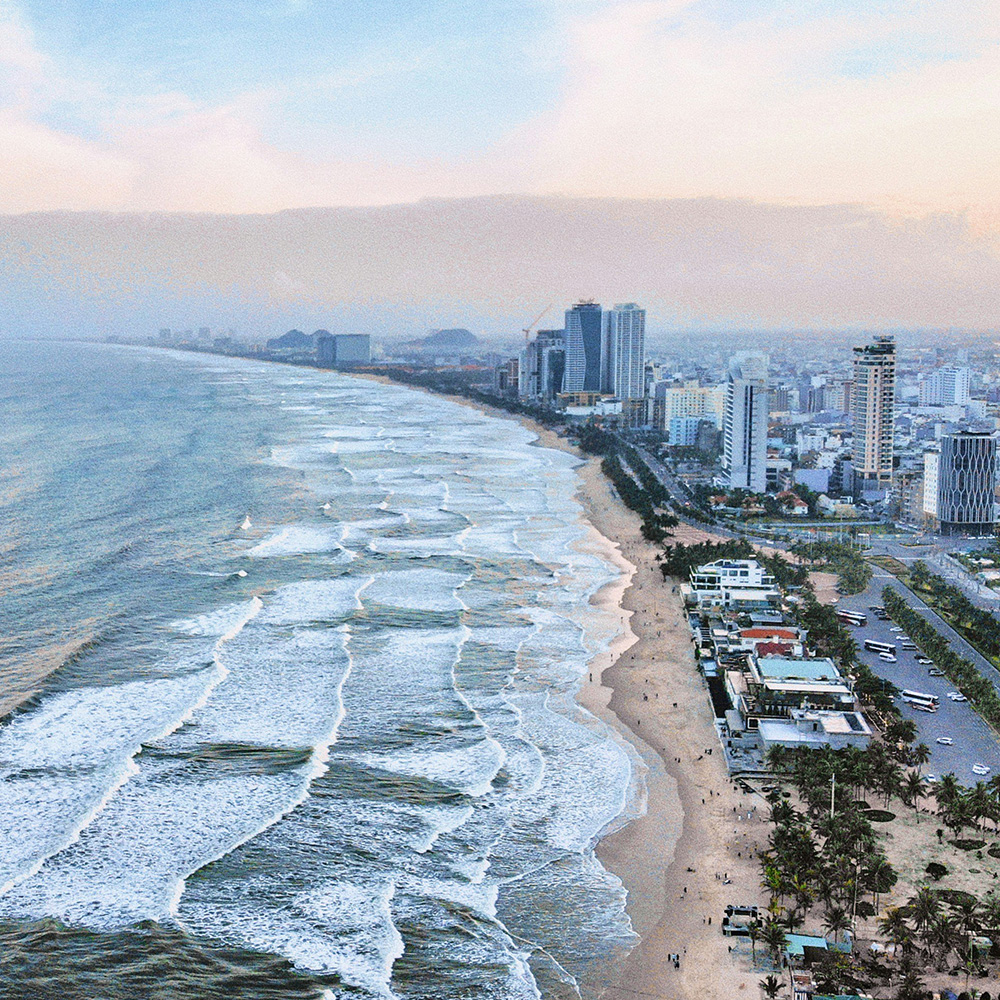
The beach is busiest in the early morning when locals come to swim, jog, play volleyball, practice tai chi, or simply watch the sunrise. As the day progresses, the crowd shifts more towards tourists relaxing on the sand .
One thing I particularly liked was the beach promenade. There are walking paths, plenty of places to sit, and even an outdoor gym with pull-up bars and other equipment. If lounging on a sunbed all day starts to trigger your conscience, you can always fit in a quick workout and tell yourself you’ve earned that next beer.
Visit the Marble Mountains
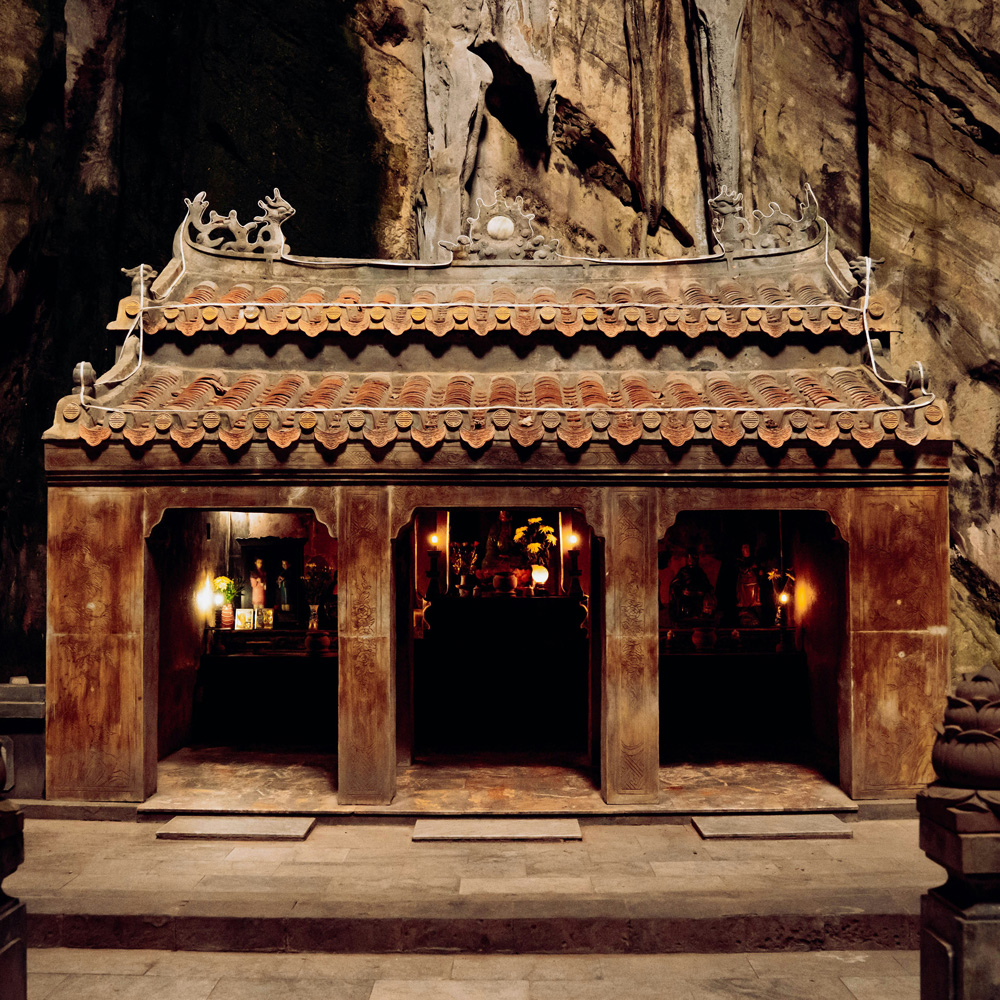
The Marble Mountains are one of the most popular attractions near Da Nang. They’re a cluster of limestone and marble hills with a network of caves, Buddhist temples, pagodas, and viewpoints.
One of the highlights is Huyen Khong Cave, a spiritual cave temple where sunlight streams through openings in the ceiling, creating a unique atmosphere.
The summit offers views over Da Nang, the coastline, and the surrounding countryside. You can reach the top by climbing the stairs or taking the elevator, making the attraction accessible to most visitors.
Visit Son Tra Peninsula and Lady Buddha
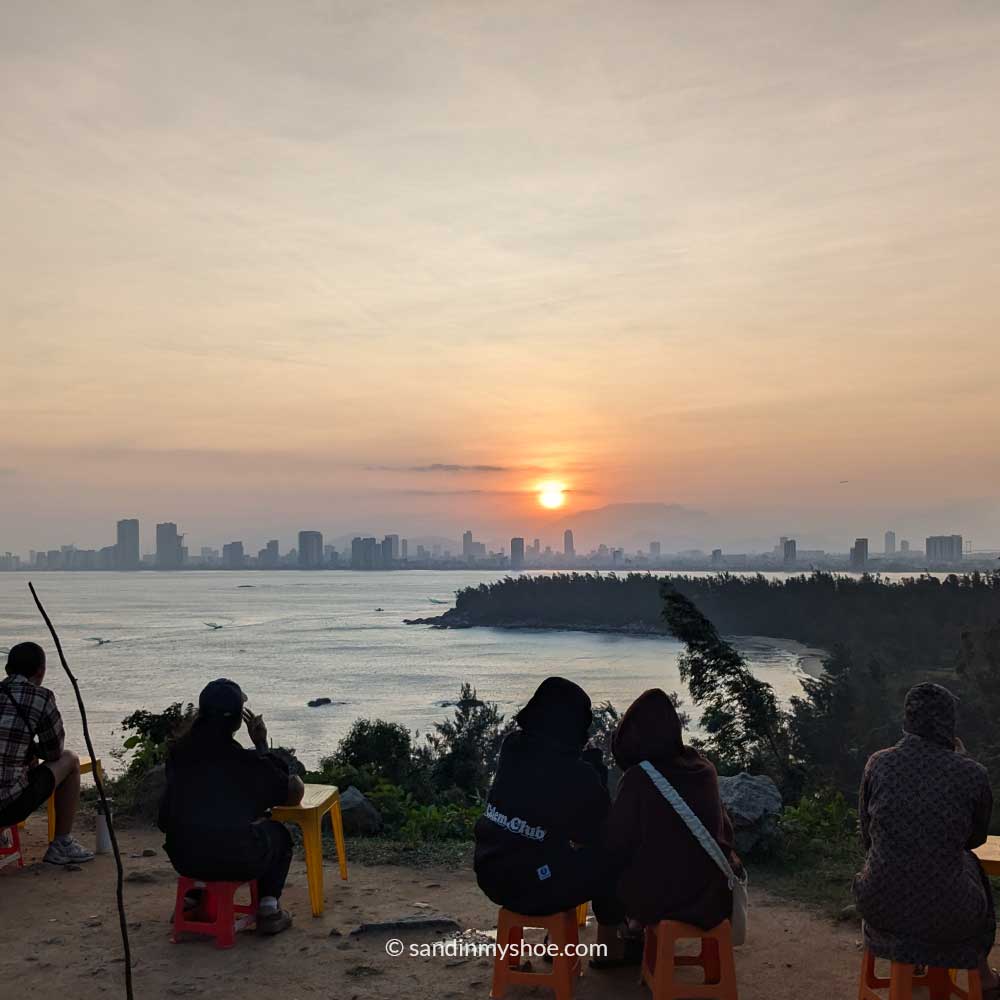
The Son Tra Peninsula, located just north of Da Nang, is one of the best places in the area for hiking. Several trails lead through the forest to viewpoints overlooking the city, coastline, and surrounding mountains. If you’re lucky, you might even spot a red-shanked douc langur, one of the rarest and most colorful monkeys in the world.
Another attraction is Lady Buddha, a 67-meter-tall statue overlooking Da Nang Bay. The views alone make the trip worthwhile.

I arrived by renting a motorbike, but you can also get here by Grab or as a part of an organized tour.
Visit Hoi An
Hoi An is an exceptionally well-preserved trading port dating from the 15th to the 19th century. Famous for its yellow merchant houses, Chinese temples, and colorful lanterns, the UNESCO-listed Old Town is one of the most charming places in Vietnam.
Here you can stroll around without a plan and have no trouble finding beautiful historic buildings, hidden alleyways, and charming cafés.
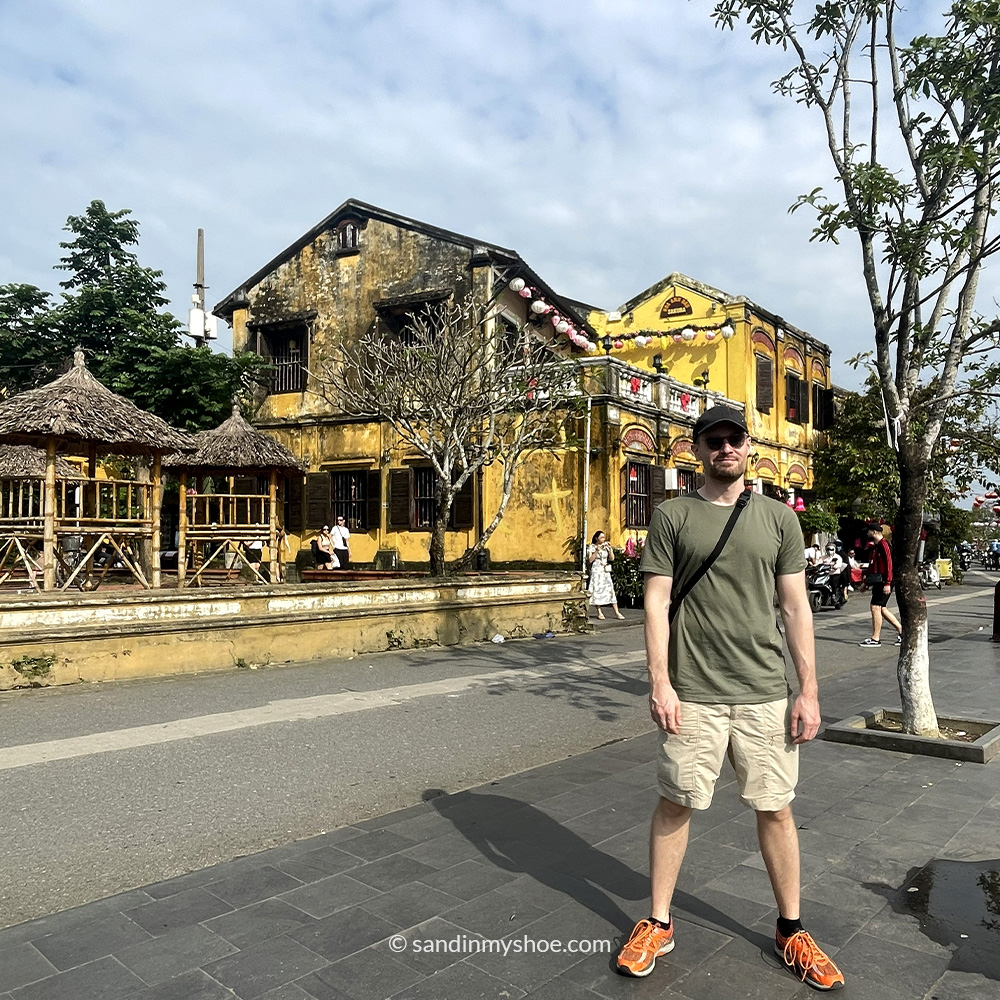
Hoi An is also famous for its tailors, where you can have custom-made clothing created at prices that would be hard to match in most Western countries. On my first visit in 2008, I ended up leaving with a couple of tailored suits, several shirts, and more than a few other garments, despite having no intention of buying anything when I arrived. Consider yourself warned.
While Hoi An is pleasant during the day, it becomes even more better after sunset. As hundreds of lanterns light up the Old Town and reflect on the river, the streets take on a completely different character.
Hoi An is touristy for sure, but it genuinely lives up to the hype.
Visit My Son
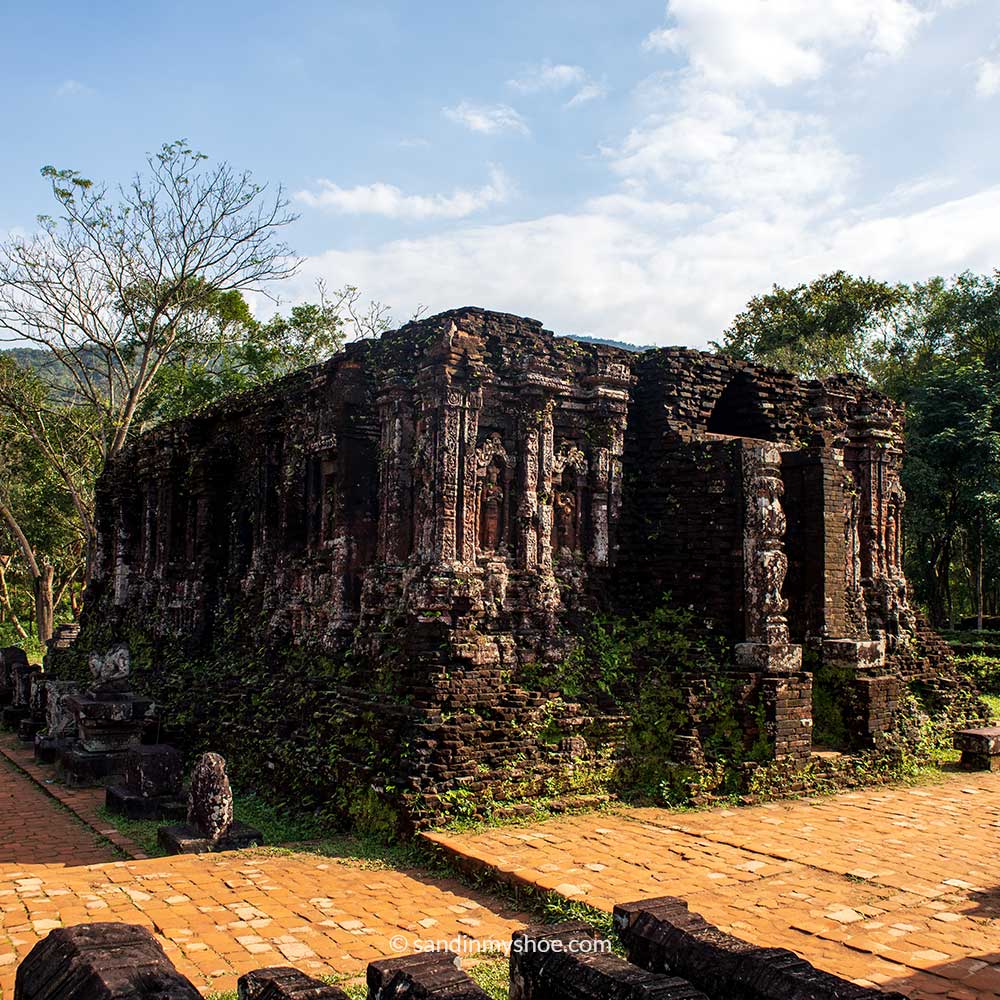
Despite the name, it’s not my forgotten son hiding in the rice fields. It’s an ancient temple complex built by the Cham people. Surrounded by lush hills and jungle, the site consists mostly of ruins today, but it’s one of the most atmospheric historical attractions in central Vietnam.
While many of the structures have been damaged over the centuries, there’s still enough left to appreciate the craftsmanship and imagine what the site once looked like. If you’re interested in history, it’s an easy day trip from Da Nang and Hoi An.

Hai Van Pass
A scenic mountain pass located between Da Nang and Hue. It’s only about 20 km long, but its winding roads offer stunning coastal views, green hills, old military bunkers and several great viewpoints overlooking the sea.
You can visit as part of an organized tour or ride it yourself by renting a motorbike.
If you choose to ride, take extra care. The Hai Van Pass is known for its sharp bends and changing weather conditions, and sections of the road can become slippery on the surface. Drive defensively and only attempt it if you’re comfortable riding a motorbike on mountain roads. There are a number of roadside memorials along the pass, which gives you an idea why you should take it seriously.
Visit the Imperial City of Hue
The Nguyen dynasty ruled Vietnam from Hue. They left behind palaces, temples, and tombs, and unintentionally a country where an astonishing number of people share the same surname: Nguyen.
The city’s main attraction is the Imperial City, which is now a UNESCO World Heritage Site. Here you can walk through the former residence of the Nguyen emperors, explore ornate gates and temples, and get a glimpse of what life was like inside Vietnam’s imperial court. It’s only about 200 years old, but it carries a lot historical importance.

Besides its historic sites, Hue is known for its royal cuisine. Many dishes were developed for the Nguyen emperors and were designed to showcase a wide range of flavors and techniques.
There are a handful of restaurants where you can try the royal cuisine. Meals are often served as a series of small dishes, somewhat like a modern tasting menu, inspired by what was once served to the Nguyen emperors.
If you enjoy history and want to try interesting dishes, definitely head to Hue, and enjoy the Hai Van Pass along the way.
Dragon Bridge
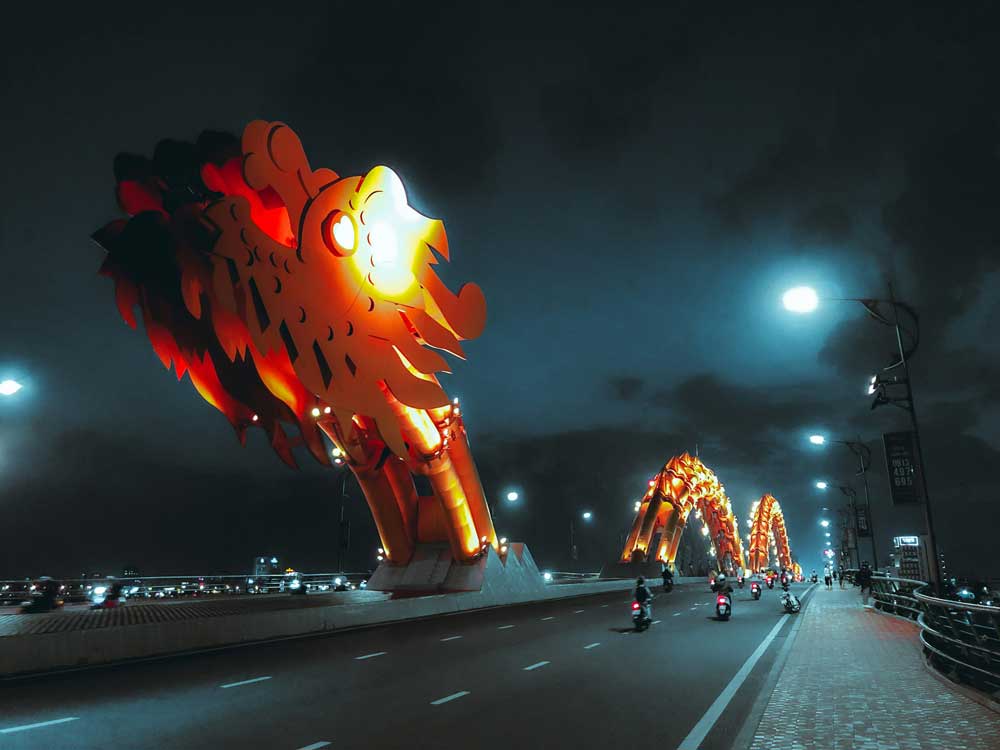
The Dragon Bridge, inspired from the Vietnamese mythology, is one of Da Nang’s most recognizable landmarks. While it’s impressive even during the day, it’s best seen at 9 PM during the weekend as the dragon comes to life, shooting actual fire and water into the night sky.
Golden Bridge
The Golden Bridge is one of Vietnam’s most recognizable landmarks. The giant stone hands make for great photos, and the views are impressive. That said, I wouldn’t travel to Da Nang just to see it. If you’re already visiting Ba Na Hills, it’s worth a look, but skipping it isn’t a disaster either.

How Many Days Do You Need
Da Nang itself can easily be explored in 2-3 days, but its main attraction, the beach, can keep you here much longer. Add another day for Hoi An and perhaps one more for a trip to Hue via the Hai Van Pass.
Personally, I’d prioritize enjoying the beach with a drink in my hand rather than rushing between attractions.
Best Time to Visit
The biggest draw of Da Nang is its coastline, so I’d generally aim for the dry season between February and August. If you have the flexibility, March to May offers more comfortable temperatures and less crowds.
January can also be a good choice, with cooler temperatures and less rainfall than the preceding months. September-December are wet, although lower prices and fewer visitors may appeal to some travelers.
 25°C
18°C
 26°C
19°C
28°C
21°C
 30°C
23°C
32°C
25°C
32°C
26°C
34°C
26°C
33°C
25°C
 31°C
24°C
 29°C
23°C
28°C
21°C
25°C
19°C
FAQ
Should I stay in both Da Nang and Hoi An?
As the two cities are only about 30 km (19 miles) apart, it’s easy to travel between them. Unless you have plenty of time, there’s no real need to stay in both. Just pick the one that best matches your travel style.
If you’re looking for atmosphere, historic architecture, and charming streets, stay in Hoi An. If you prefer beach access, modern comforts, and a livelier nightlife scene, stay in Da Nang.
I already visited Nha Trang, worth visiting Da Nang too?
Already visited Nha Trang? Da Nang is still worth considering. The two cities share some similarities, with long beaches, modern developments, and a strong tourism industry. However, I found Da Nang more diverse thanks to its proximity to Hoi An, Hue, My Son, and the Hai Van Pass.
Keep Exploring Vietnam
Still mapping out an itinerary? Check out my Vietnam 3‑week itinerary or the shorter 1‑week Vietnam itinerary to help you plan your trip. I’ve also written a how to get around in Vietnam guide, a Vietnam Food guide and a Vietnam Travel Budget guide.
If you’re more interested in destination guides, check out these:
No comments yet, be the first one!
I appreciate hearing from you. If you have any suggestions, questions, or feedback, please leave a comment below. Your input helps ensure the information stays relevant and up to date for everyone.
Thank you for sharing your thoughts!